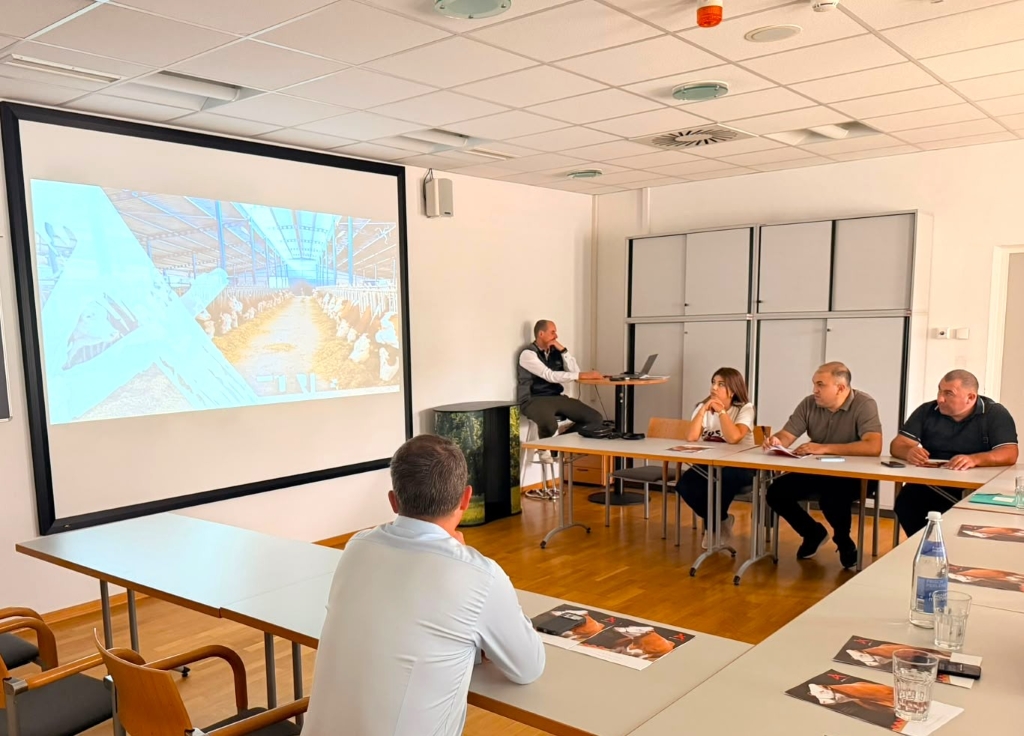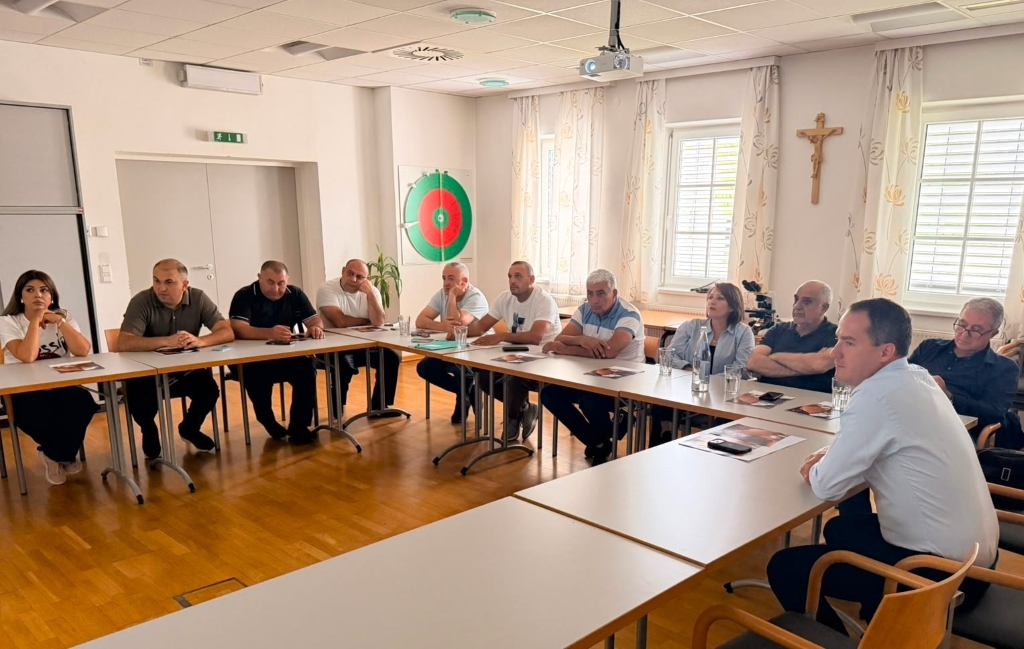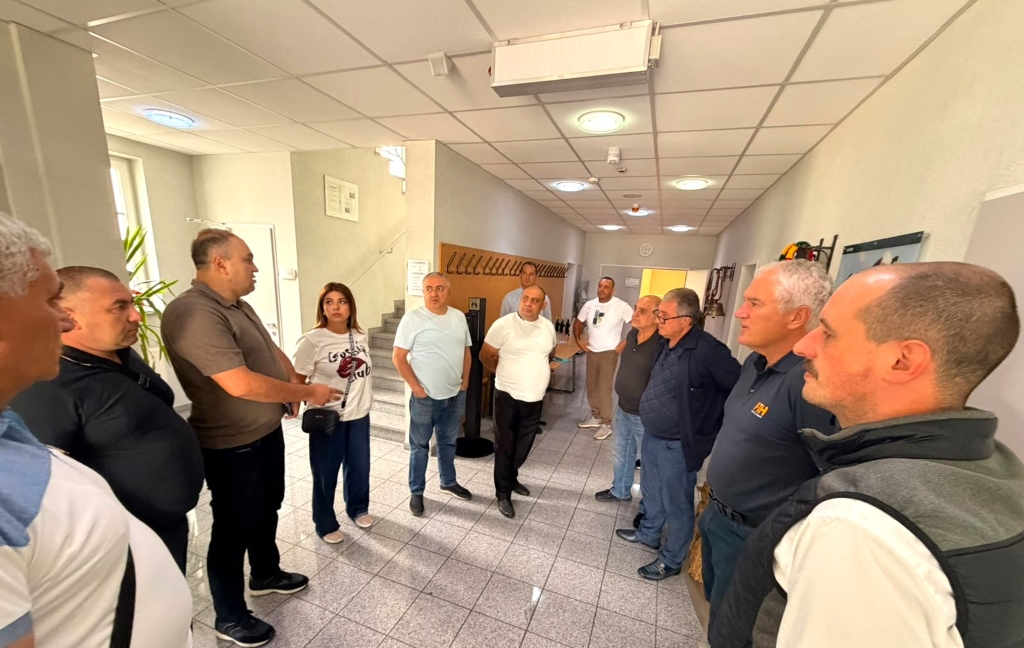

MAVETA Our First Graduates Take Their First Big Step Toward a Professional Future

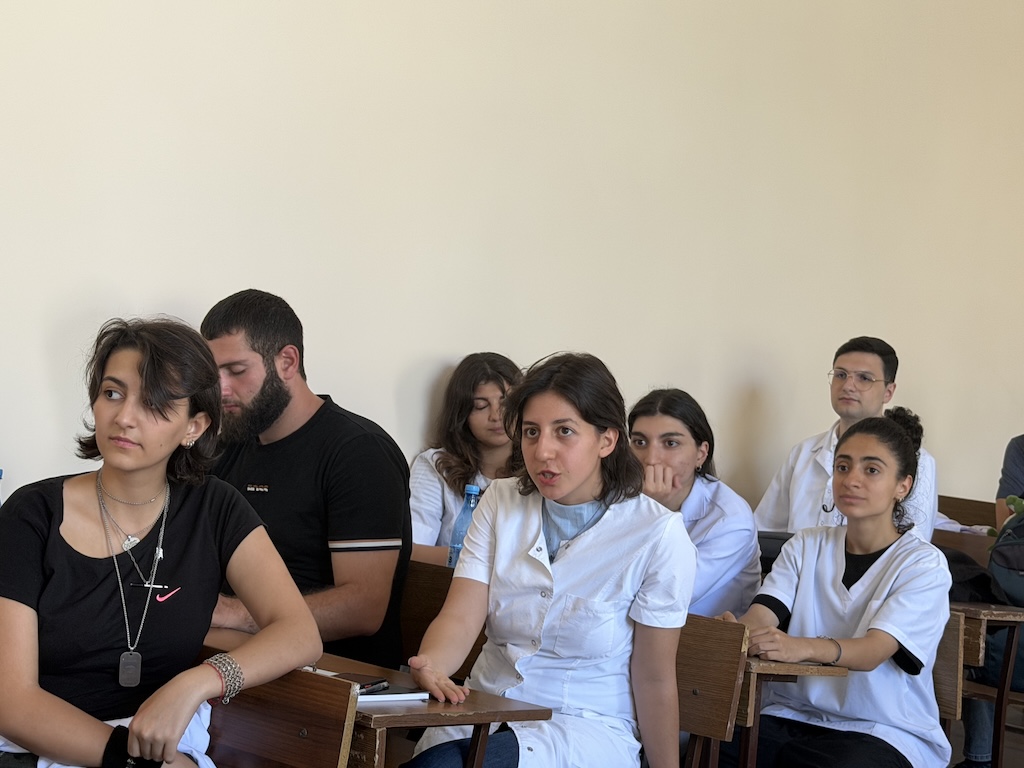
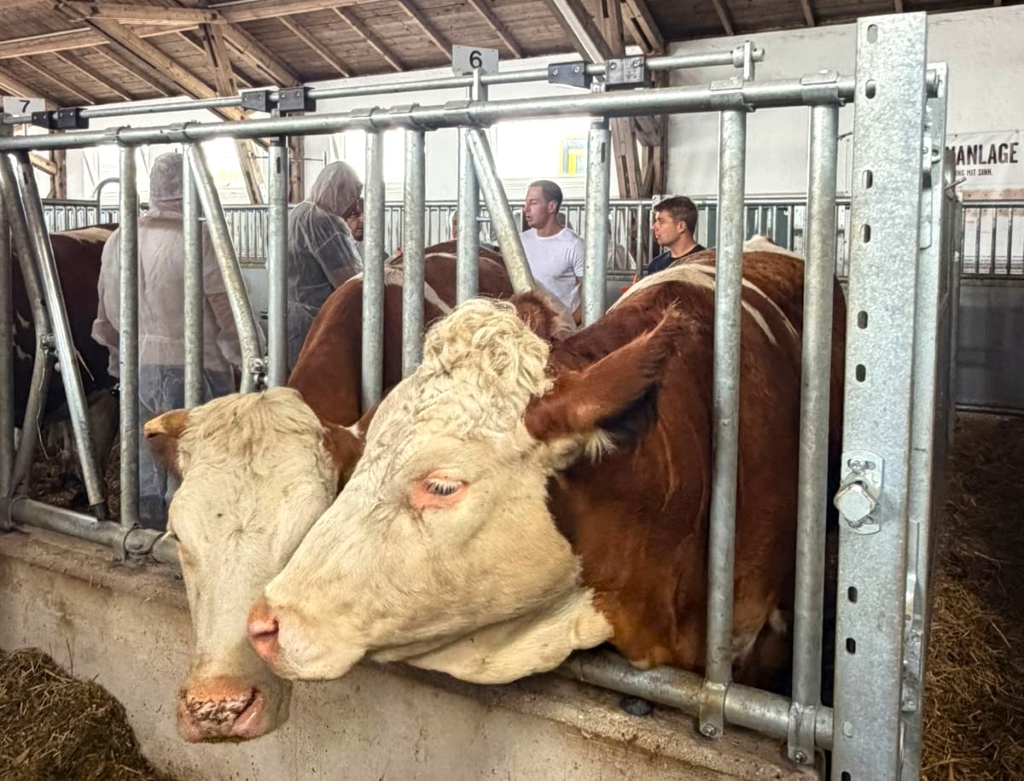
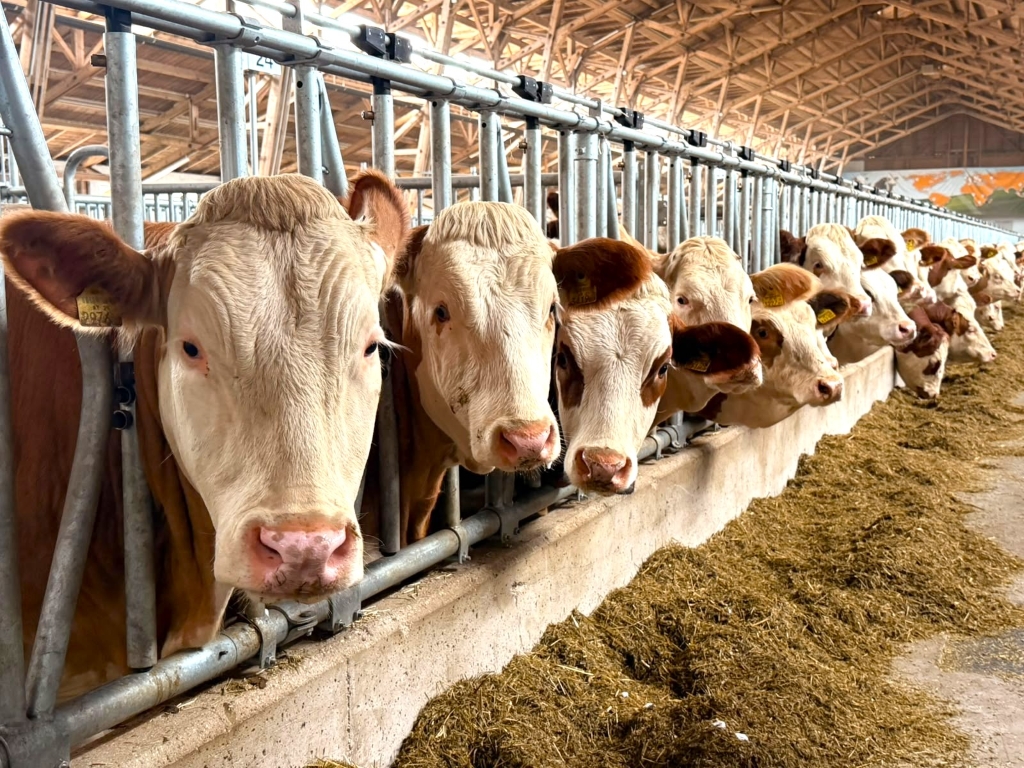
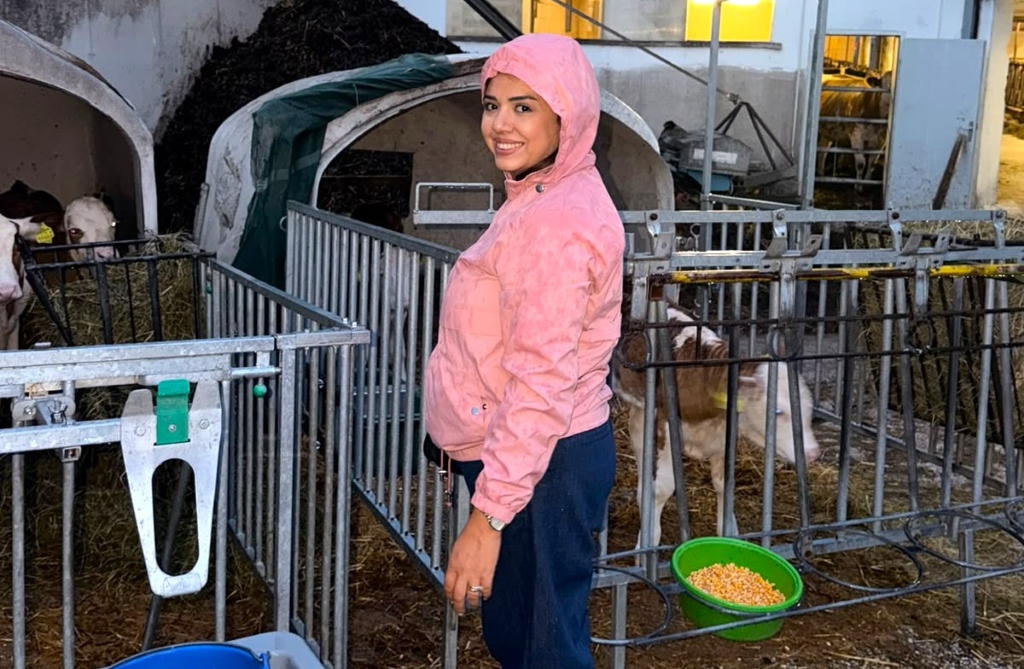
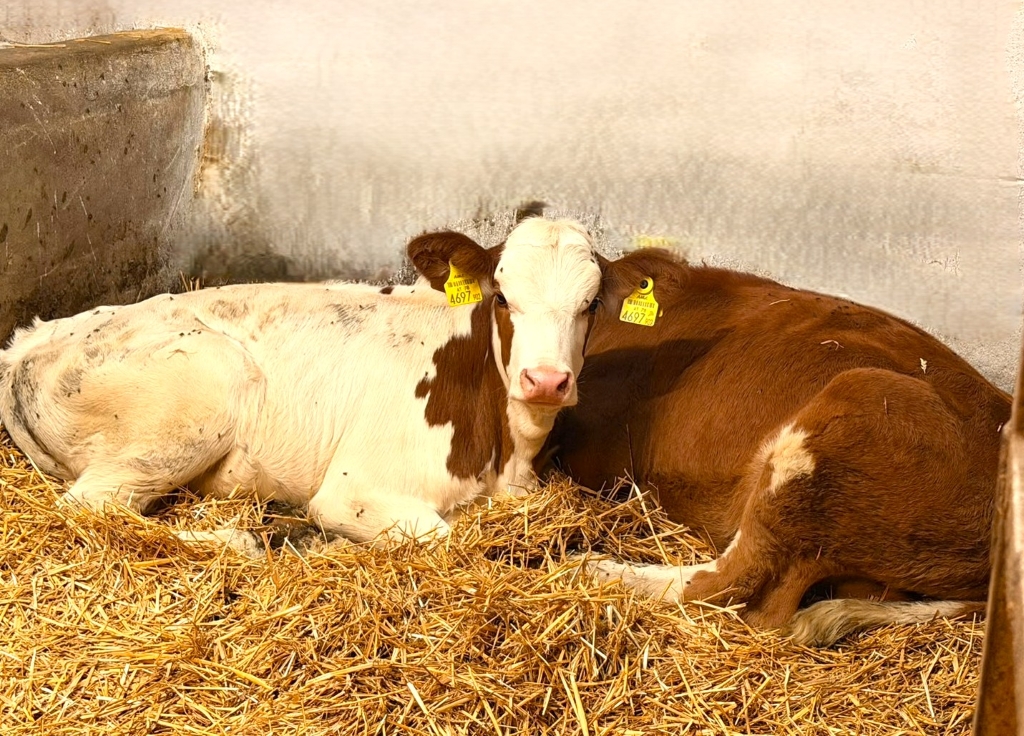
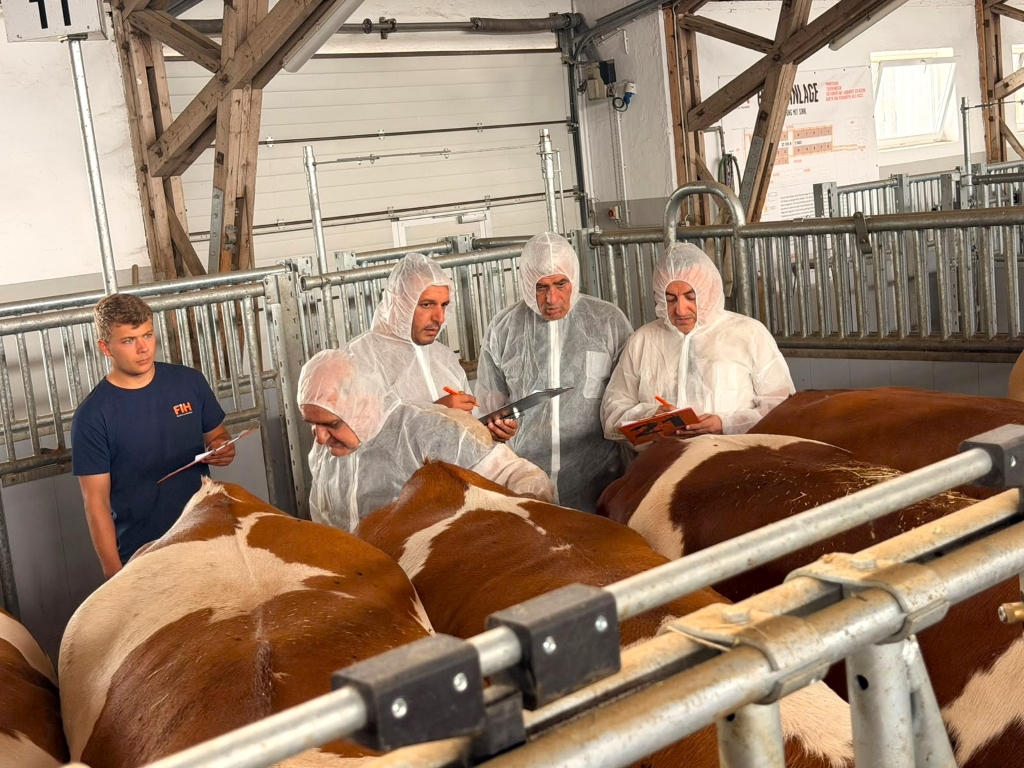
A significant milestone has been reached under the MAVETA Project as the first cohort of students specializing in Agricultural Mechanization successfully completed their final practical examination by performing professional tasks in a real working environment.

This was far more than a conventional examination. It provided students with the opportunity to demonstrate their ability to apply the knowledge and practical skills acquired throughout their studies in authentic workplace conditions. During the assessment, they showcased their competencies in operating and maintaining agricultural machinery, addressing technical challenges, and carrying out professional tasks – demonstrating their readiness to enter today’s labour market.

One of MAVETA’s core objectives is to ensure that vocational education is closely aligned with the realities of the workplace. Conducting final assessments in real production environments is a key element of this approach, helping bridge the gap between education and employment.

This important achievement marks not only the successful completion of the students’ educational journey, but also the beginning of their professional careers as skilled, competent, and labour market-ready specialists who will contribute to the future development of Armenia’s agricultural sector.

Congratulations to our first graduates! We wish them continued professional success, new achievements, and a rewarding career ahead.

The MAVETA project is financed  by a broad coalition of international and local organisations led by the Swiss Agency for Development and Cooperation (SDC), including the German Ministry for Economic Cooperation and Development (BMZ), the Austrian Development Agency and the Government of Armenia.  

The project’s implementing partners are the GIZ and SDA and the School of Agricultural, Forest and Food Sciences at the Bern University of Applied Sciences (HAFL).

Uncategorized

RECONOMY Building Bridges Between Armenia and European Tourism Markets

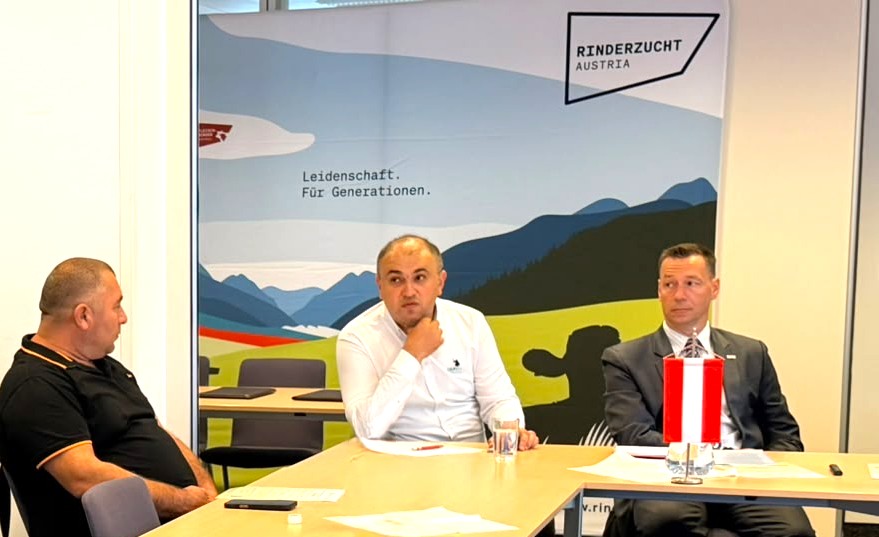
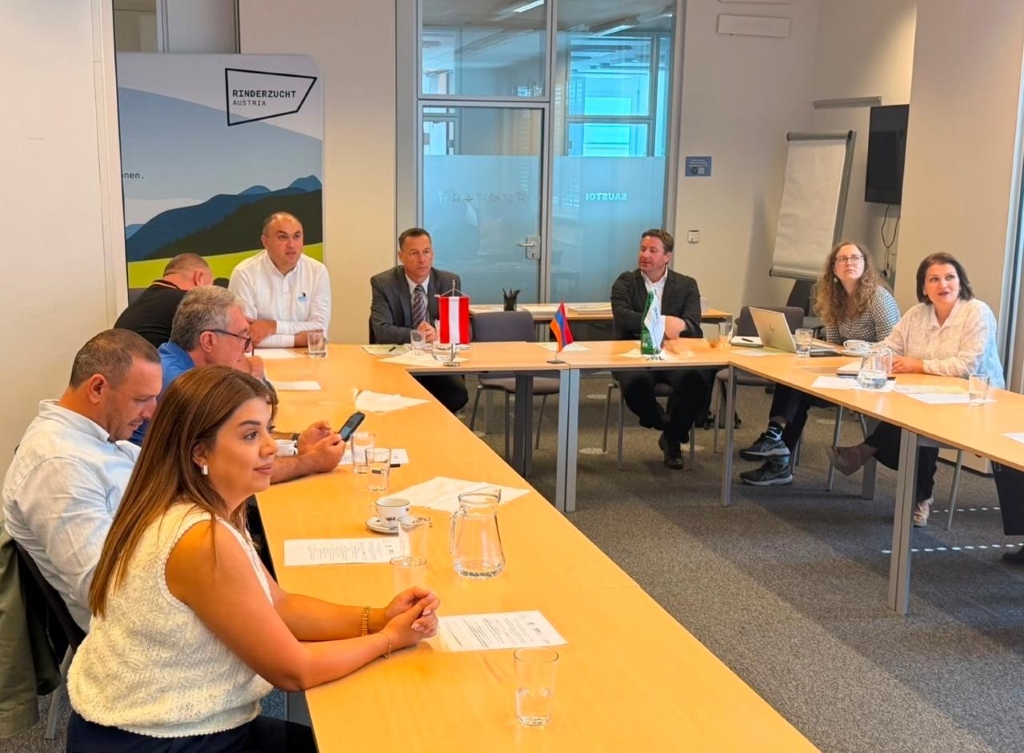
As part of its Regional Tourism Development intervention, the RECONOMY programme has supported its partner tour operators in organizing a Familiarization (FAM) Tour to Armenia🇦🇲, welcoming European tour operators and travel companies to experience the country’s diverse tourism offerings firsthand.

This initiative builds on the business connections established during the New Deal Europe Marketplace 2026, transforming networking into meaningful partnerships and creating new opportunities to position Armenia on the European tourism map.

Over five immersive days, participants have discovered a country where ancient history meets modern hospitality. From the vibrant streets of Yerevan and its rich cultural heritage to the spectacular landscapes of Vayots Dzor and Dilijan, from centuries-old monasteries and breathtaking natural wonders to authentic culinary traditions, world-class wineries, artisan workshops, and unforgettable local experiences, every destination showcases the richness and diversity of Armenia’s tourism potential.

More than a study visit, this FAM Tour is an investment in long-term collaboration. By experiencing Armenia’s tourism products and services firsthand, participants gain valuable insight into the country’s unique offerings while exploring opportunities to develop new travel products, strengthen business relationships, and expand cooperation with Armenian tourism operators.

Tourism is built on connections – between people, cultures, and businesses. By connecting Armenian tourism businesses with European tour operators, RECONOMY is fostering long-term collaboration, expanding market opportunities, and strengthening Armenia’s position as an authentic, competitive, and sustainable destination for international travelers.

Welcome to Armenia. A country where every journey tells a story worth sharing.

RECONOMY is an inclusive and green economic development program of the Swedish International Development Cooperation Agency (Sida), implemented by Helvetas in partnership with the Strategic Development Agency NGO and others in the Eastern Partnership and Western Balkan countries.

Uncategorized

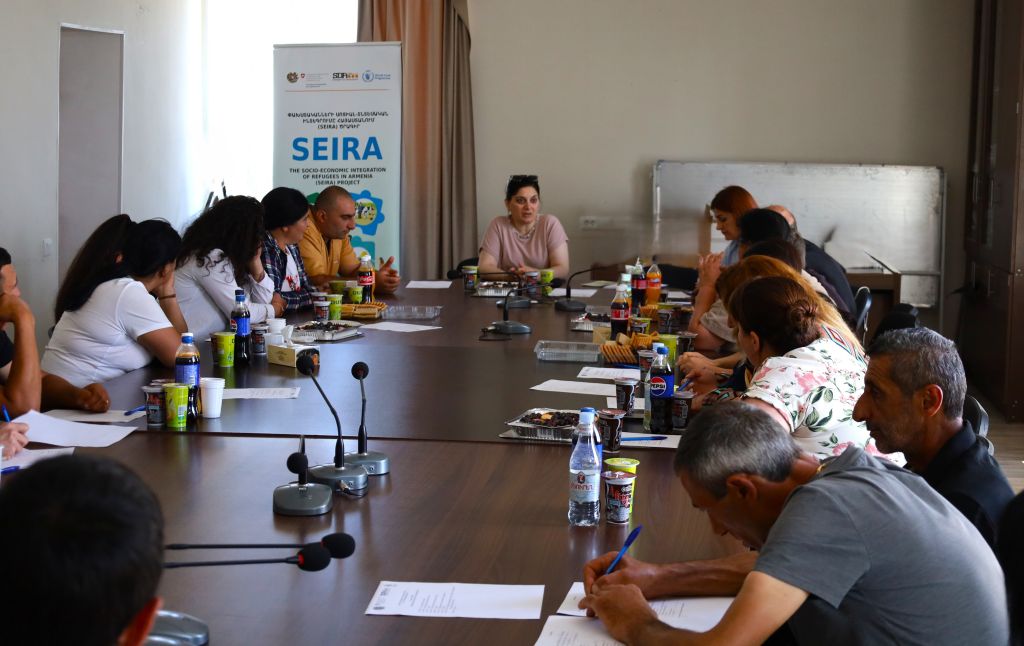
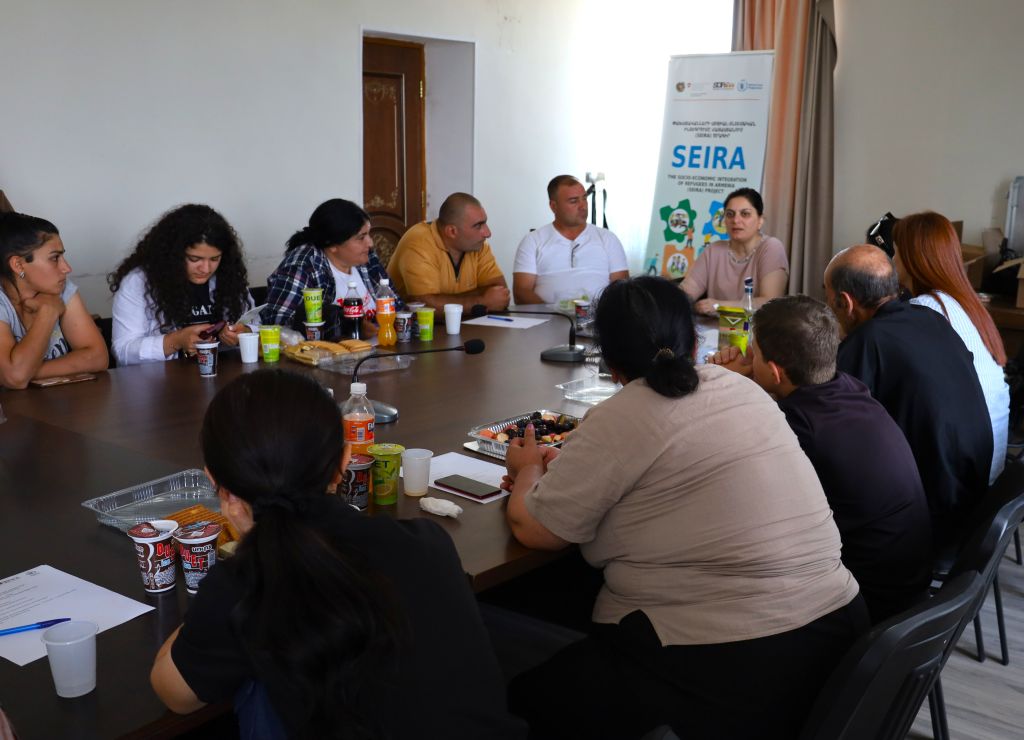
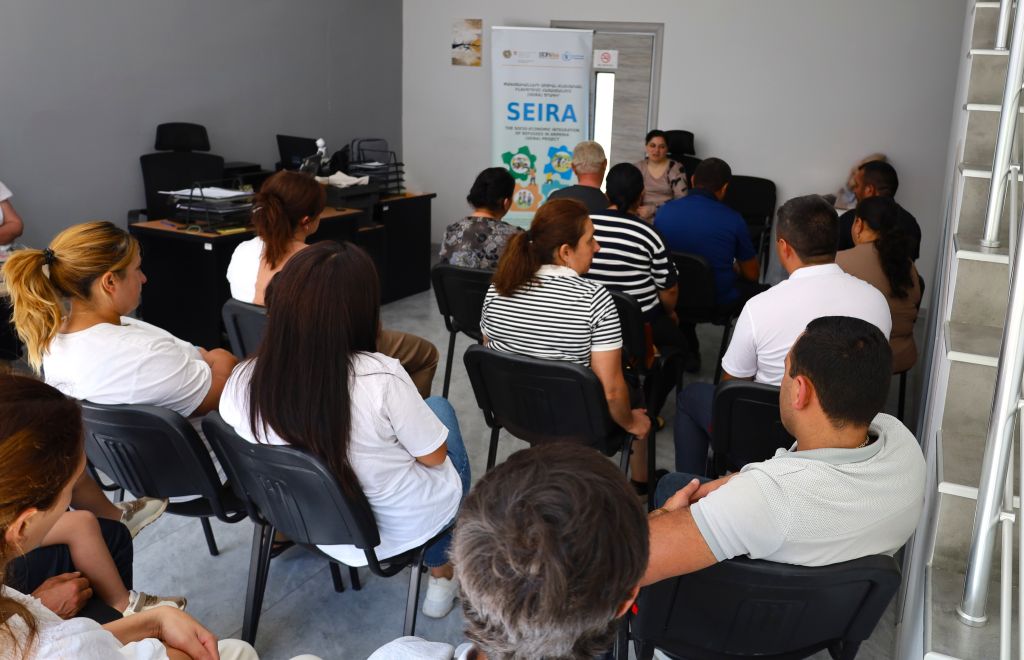
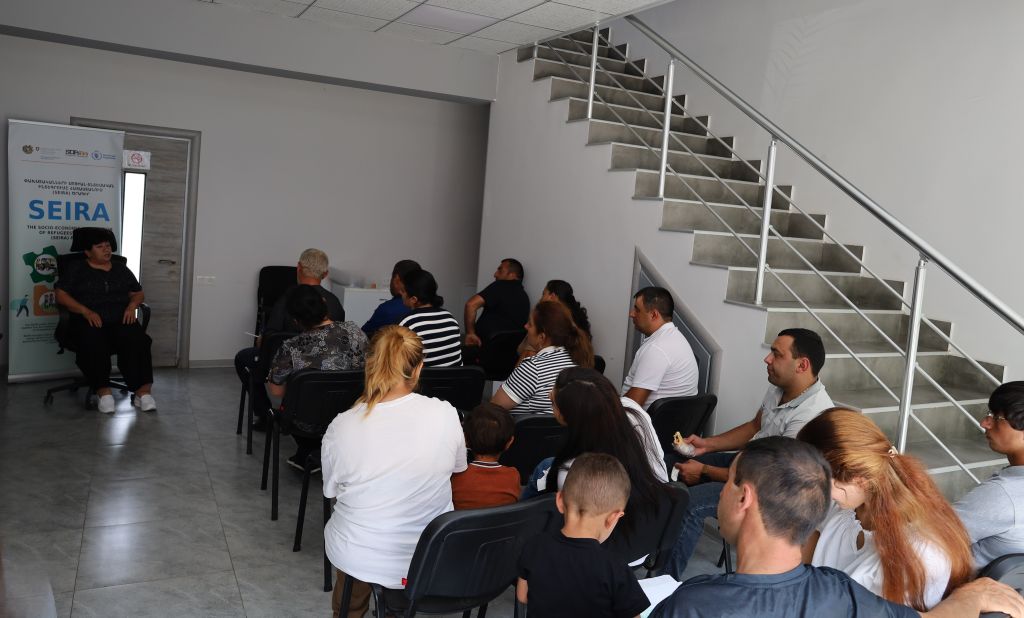
SEIRA Decent Work Begins with Unlocking Human Potential

When discussing access to employment, the conversation often focuses solely on the number of jobs available. Yet, in reality, decent work begins much earlier – with awareness, self-confidence, the ability to make one’s voice heard, and the capacity to recognize and seize opportunities.

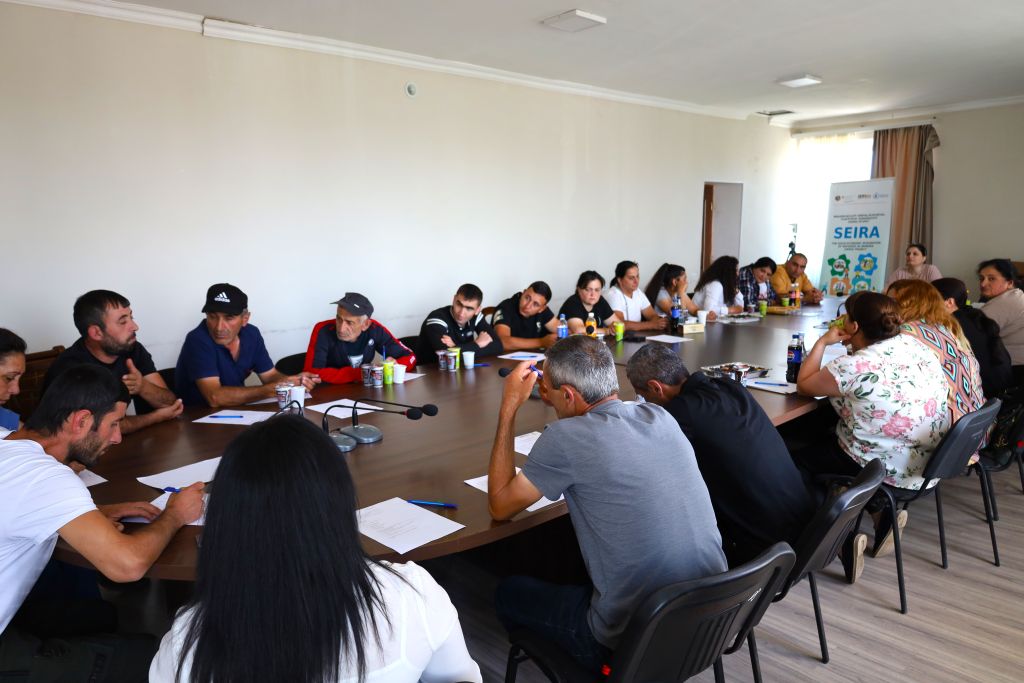
This principle lay at the heart of the discussion sessions on “Accessible Services and Decent Employment”, organized in Armenia’s Syunik region under the Socio-Economic Integration of Refugees in Armenia (SEIRA) project. Together with participants, we explored not only access to social services but also the broader factors that shape economic participation, social inclusion, and long-term resilience.

Throughout the sessions, participants gained a deeper understanding of state and community social services, the principles of decent and safe work, and opportunities for self-employment and entrepreneurship. However, the true value of these discussions extended far beyond the transfer of information.

Through a carefully designed participatory methodology, participants engaged in Focus Group Discussions (FGDs), self-reflection exercises, communication confidence self-assessments, and collaborative analysis. This approach enabled us not only to identify the barriers individuals face when entering or participating in the labour market, but also to uncover their underlying causes – from deeply rooted social norms and stereotypes to limited self-confidence and underestimation of personal capabilities.

An equally important component of the discussions was the examination of the relationship between unpaid domestic work and paid employment. This remains a critical issue, as the significant contribution of unpaid care and household work – performed predominantly by women – is still largely invisible in traditional assessments of economic participation. Recognizing and valuing this work is an essential step toward building a more inclusive, equitable, and gender-responsive labour market.

The second part of the programme focused on business idea generation, opportunity identification, and collaborative problem-solving. Participants worked together to transform challenges into viable entrepreneurial opportunities, reinforcing the mindset that sustainable economic participation begins not only with access to resources, but also with the confidence and creativity to identify solutions.

Experiences such as these demonstrate that sustainable employment is about far more than creating jobs. It is about strengthening people’s capabilities, building self-confidence, enabling informed decision-making, and fostering the social capital that allows communities to thrive.

When individuals become more confident in expressing their perspectives, understand their rights, recognize available support services, and begin to see their own economic potential, the outcome is not only a more prepared workforce but also stronger, more resilient, and more inclusive communities.

Ultimately, decent work is not merely an economic concept – it is a matter of dignity, empowerment, participation, and the opportunity for every individual to realize their full potential.

 “Socio-Economic Integration of Refugees in Armenia” (SEIRA) project is funded by the Swiss Agency for Development and Cooperation and implemented by the Strategic Development Agency NGO and the UN World Food Programme.

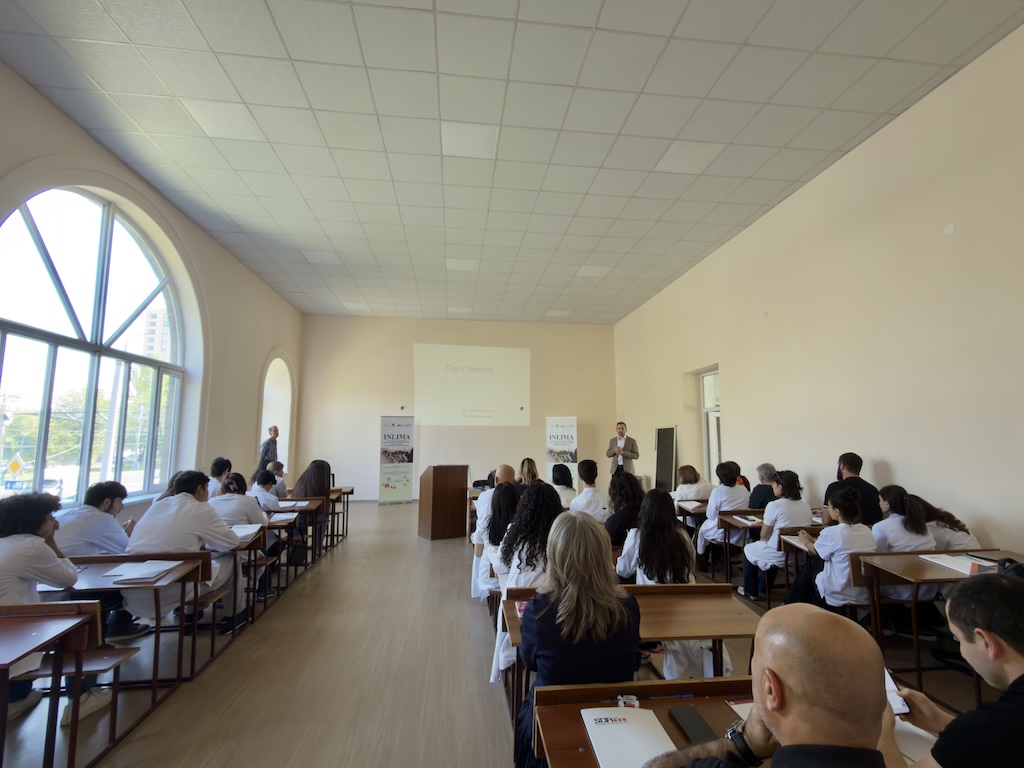
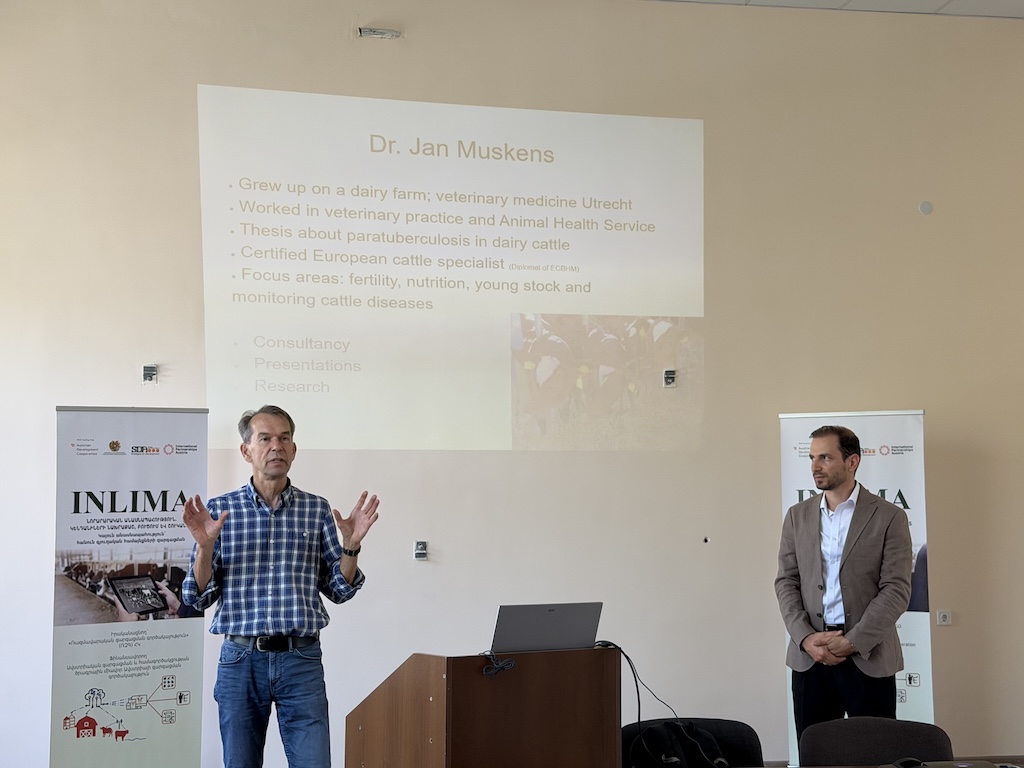
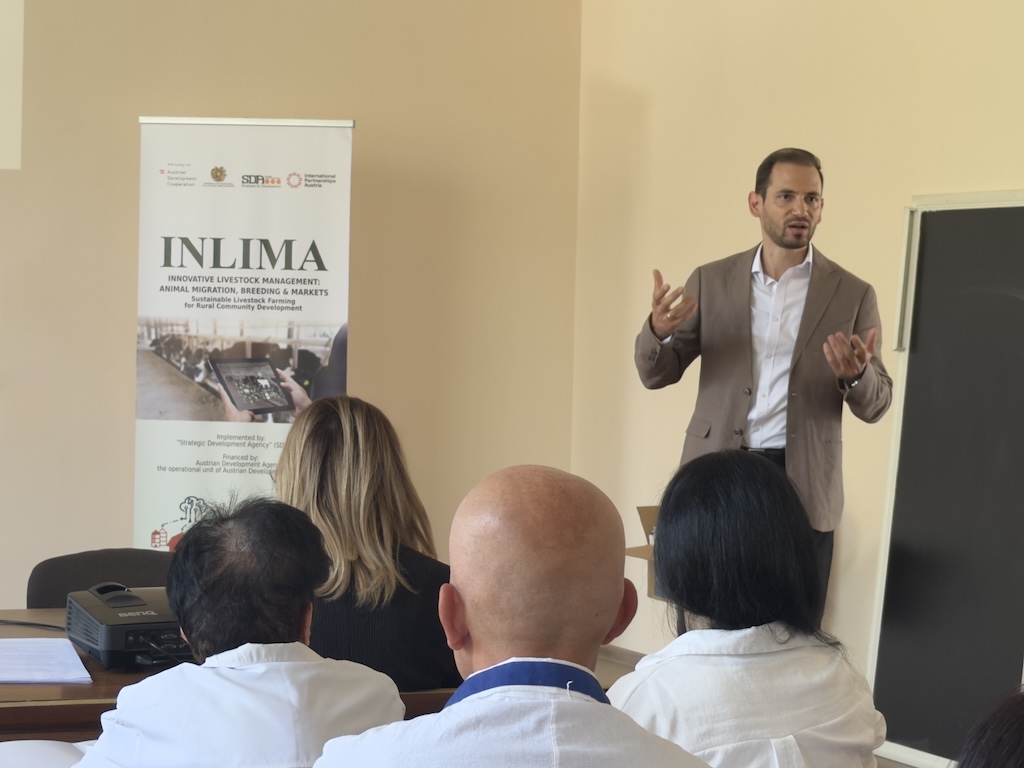
INLIMA From French Classrooms to the Pastures of Shirak

What does the livestock sector in Armenia look like today?  What challenges and opportunities do farmers face?  How are dairy and meat value chains evolving?

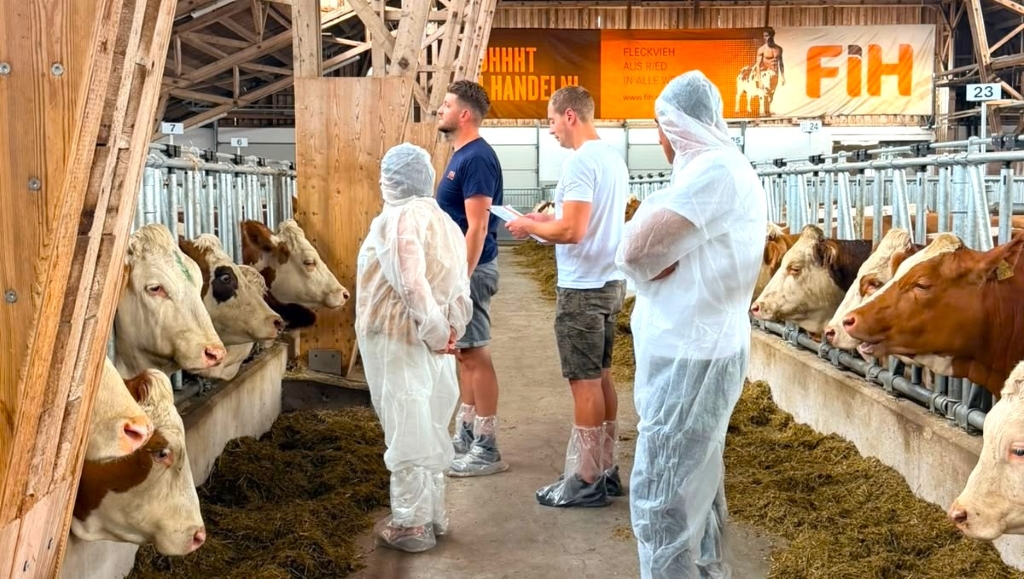
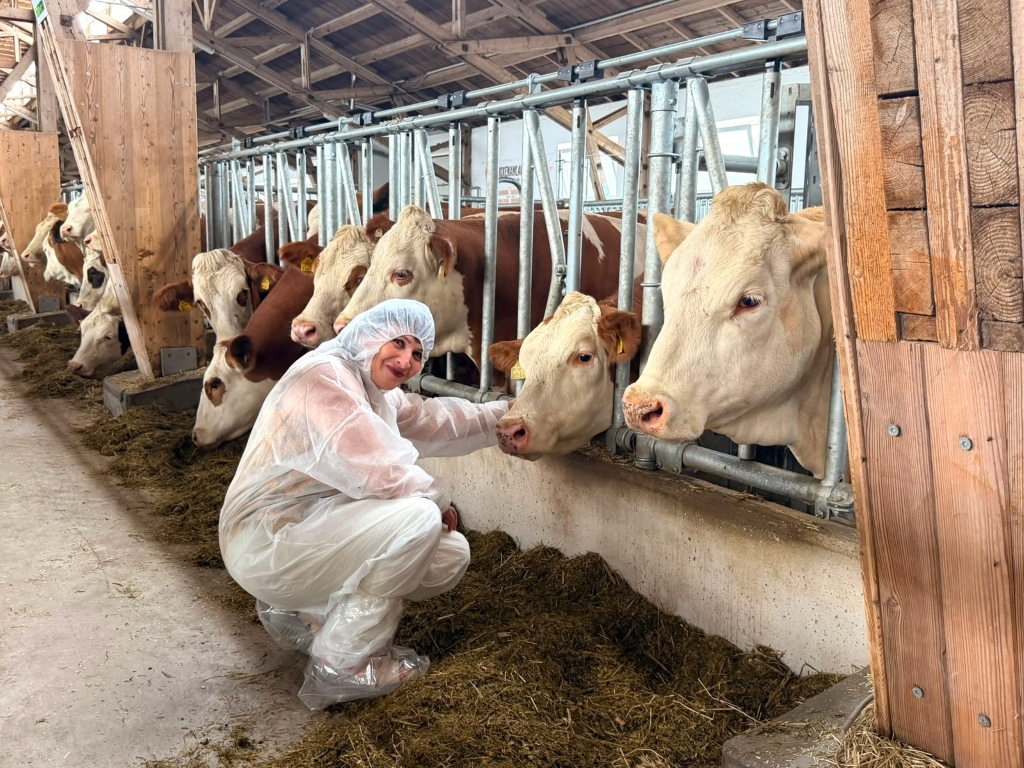
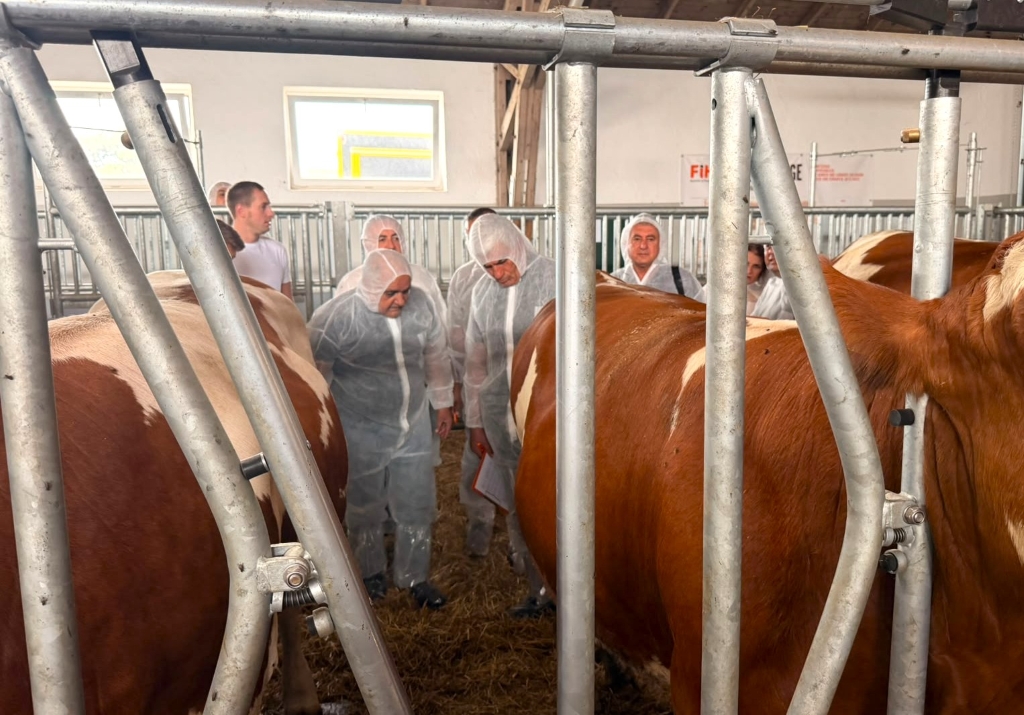
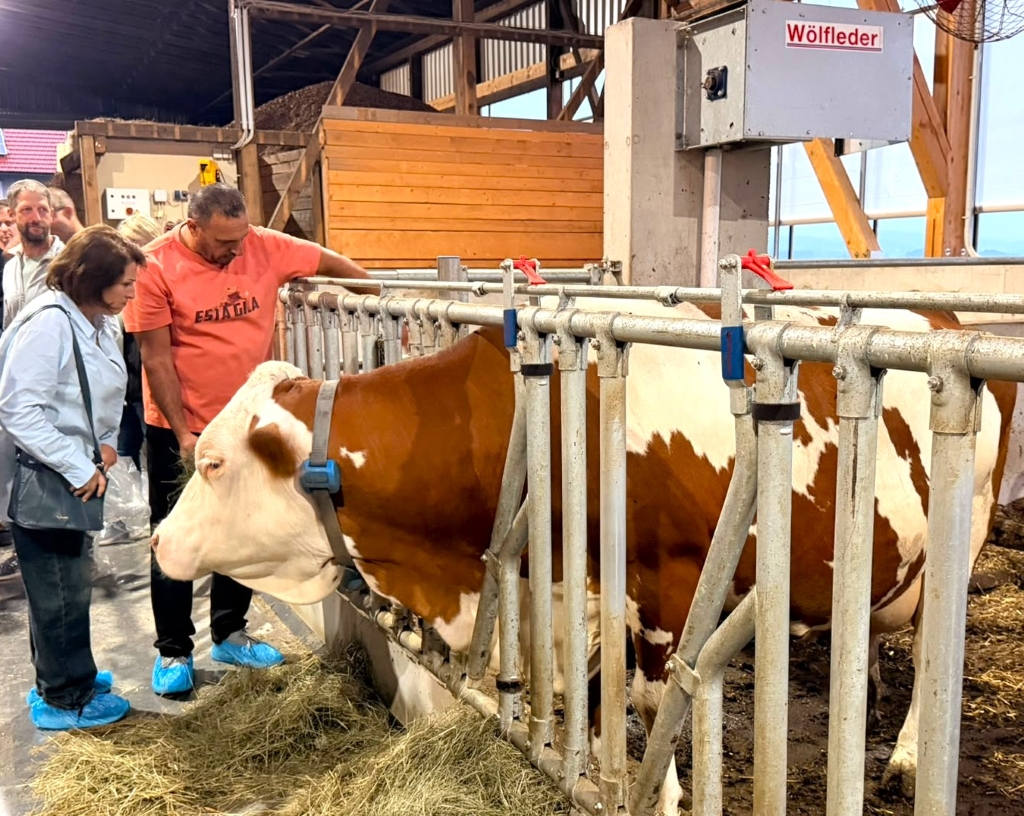
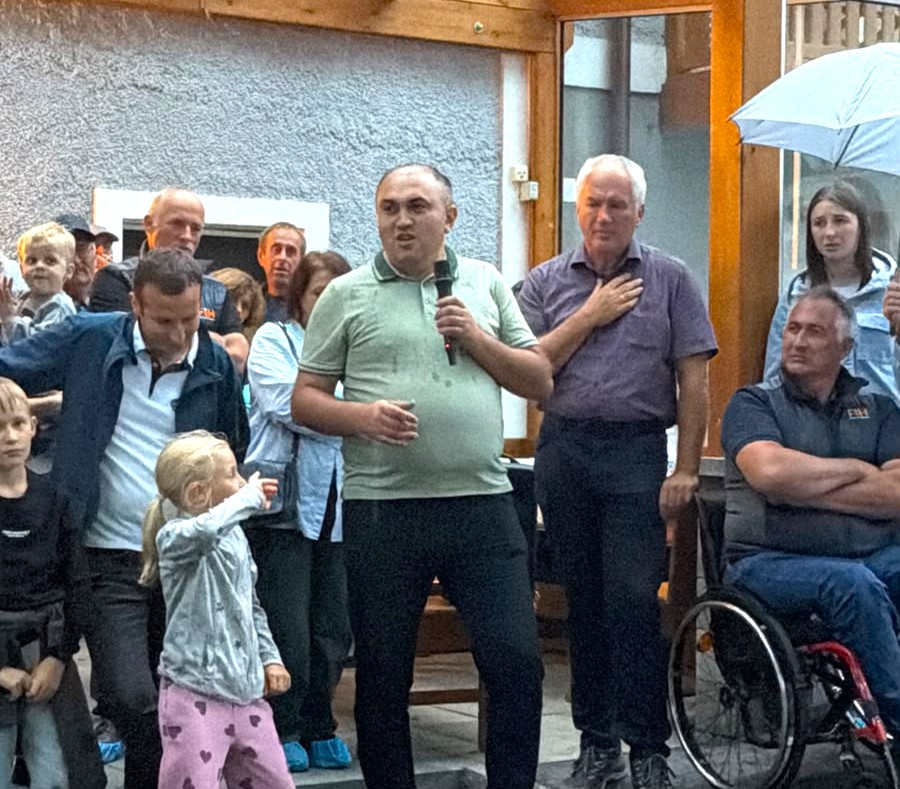
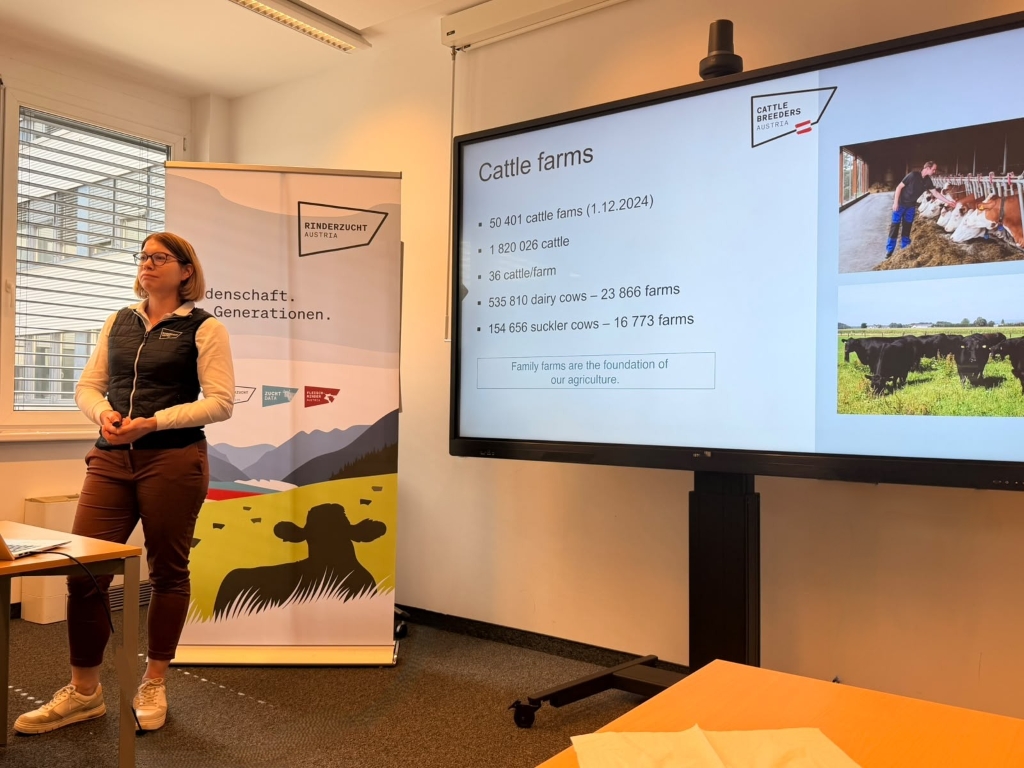
To explore these questions firsthand, students from the Master’s Programme in Agribusiness Management at IEDES (Panthéon-Sorbonne University, France)  visited Armenia’s Shirak region within the framework of the INLIMA project.

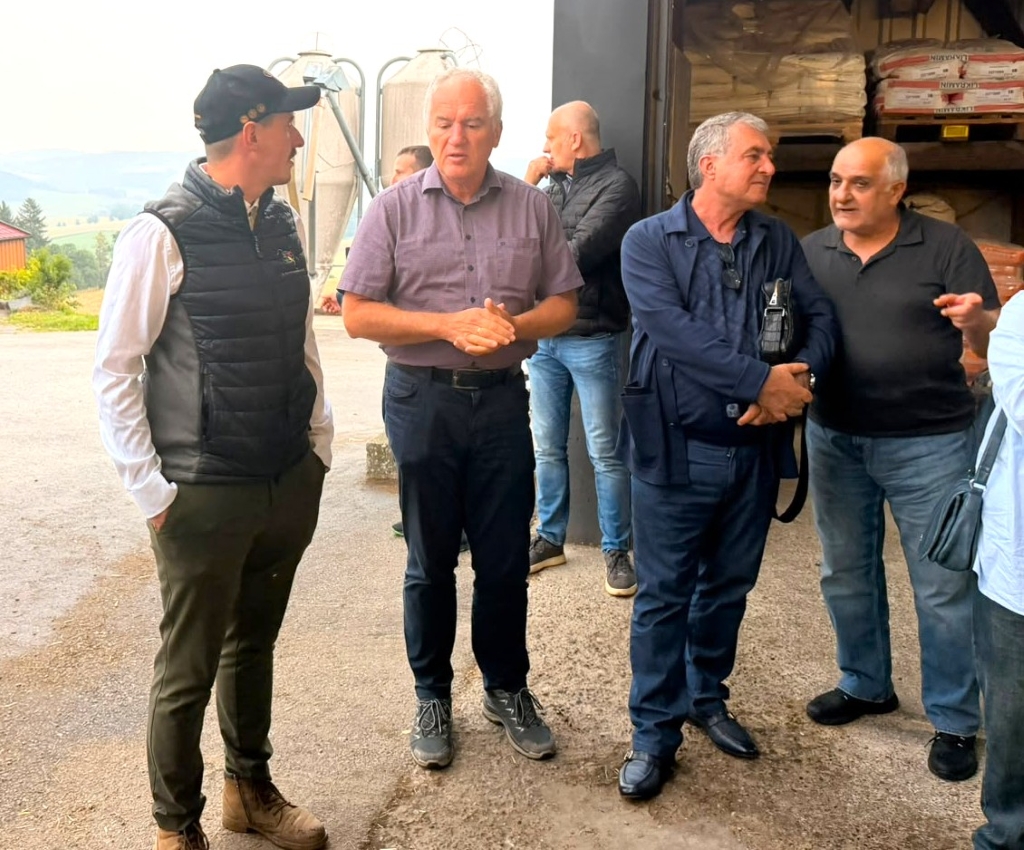
During their visit, the students were introduced to the work of the Strategic Development Agency (SDA) and the initiatives being implemented across Shirak. They also visited the villages of Tsaghkut and Aregnadem in the Amasia community, where they met with farmers Ruben Tovmasyan and Hayk Nikoghosyan, whose farms have benefited from projects implemented by SDA with funding from the Austrian Development Agency.

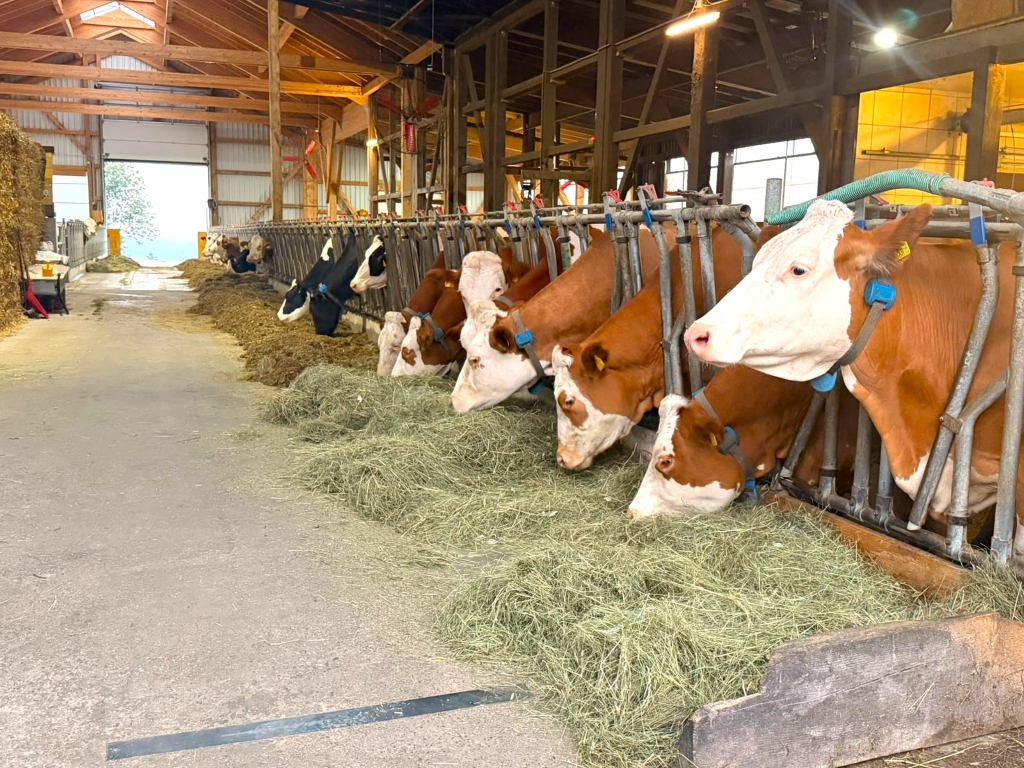
Through these field visits, the students gained valuable insights into pasture-based livestock farming, observed the day-to-day operations of local farms, explored the dynamics of dairy and meat markets, and engaged directly with farmers to learn about their experiences, challenges, and perspectives on the sector’s development.

The visit provided a unique opportunity to witness how knowledge, practical experience, and sustained commitment contribute to agricultural development and create new opportunities for rural communities.

Complementing the study visit, the group also discovered the rich cultural heritage of Gyumri, visiting the Aslamazyan Sisters Gallery, the Black Fortress, and strolling through the city’s historic streets.

Visits such as these serve as valuable platforms for international knowledge exchange, enabling future agribusiness professionals to gain first-hand exposure to agricultural value chains, farming systems, and community-based rural development practices in Armenia.

“Innovative Livestock Management: Animal Migration, Breeding & Markets” (INLIMA) project is implemented by Strategic Development Agency NGO and funded by the Austrian Development Agency (ADA), the operational unit of Austrian Development Cooperation.
Uncategorized

MAVETA Expands Its Network of Partner Colleges

On 4 June 2026, the Modernizing Vocational Education and Training in Agriculture in Armenia (MAVETA) project convened a meeting with partner colleges, culminating in the formal signing of new Memoranda of Understanding (MoUs). The event marked an important milestone in the continued expansion of the project and reaffirmed the shared commitment of educational institutions and stakeholders to advancing agricultural vocational education and training (VET) in Armenia.

The MAVETA project seeks to support the modernization of agricultural VET by strengthening the alignment between education and labor market needs, enhancing the development of industry-relevant skills, and fostering meaningful engagement of the private sector in educational processes.

During the first phase of implementation, MAVETA established partnerships with six colleges. Through close collaboration with these institutions and private sector actors, the project successfully introduced and piloted elements of dual education, creating practical mechanisms for cooperation between educational institutions and employers. This experience provided valuable insights into the benefits and applicability of dual learning approaches while also identifying challenges and opportunities for further improvement.

The achievements and lessons learned during the initial phase created a solid foundation for the project’s expansion. Building on these results, MAVETA has extended its network by welcoming six additional partner colleges, significantly increasing the project’s reach and impact.

The expansion of the partner network represents an important step toward ensuring the sustainability and scalability of ongoing reforms in agricultural vocational education. It also reflects the growing recognition of the project’s relevance and its potential to contribute to a more responsive, inclusive, and labor market-oriented VET system.
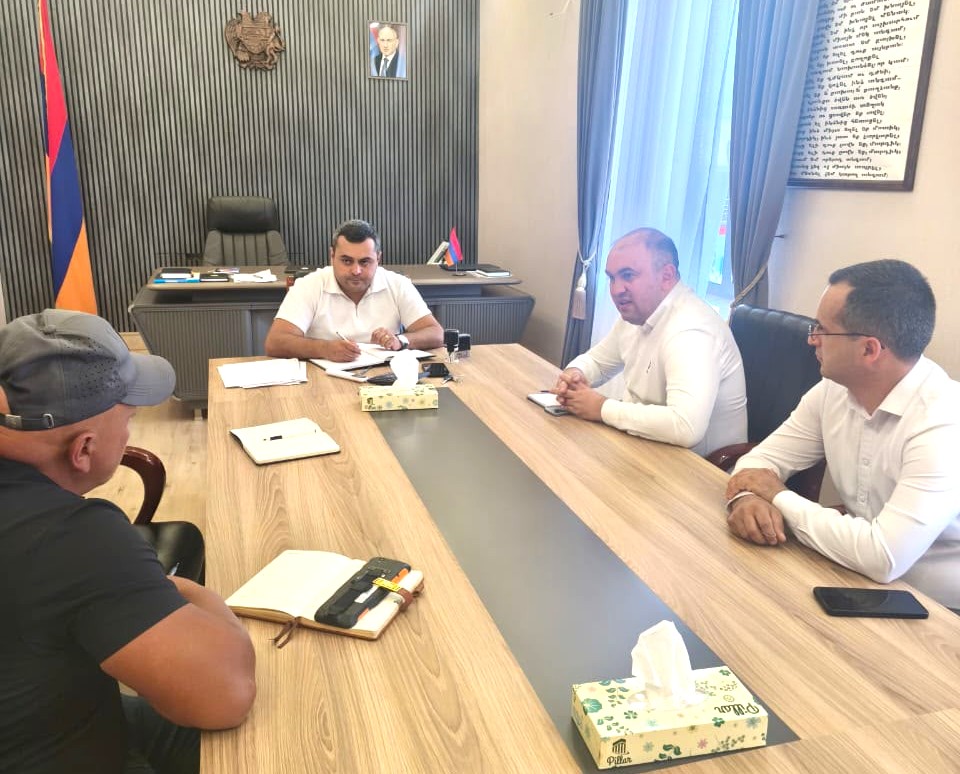
During the meeting, participants were presented with the key activities and achievements implemented under the MAVETA project, including experiences gained through the introduction of dual education approaches. Discussions focused on opportunities for further strengthening cooperation between educational institutions and employers, enhancing practical learning opportunities, and improving the quality and relevance of vocational education.
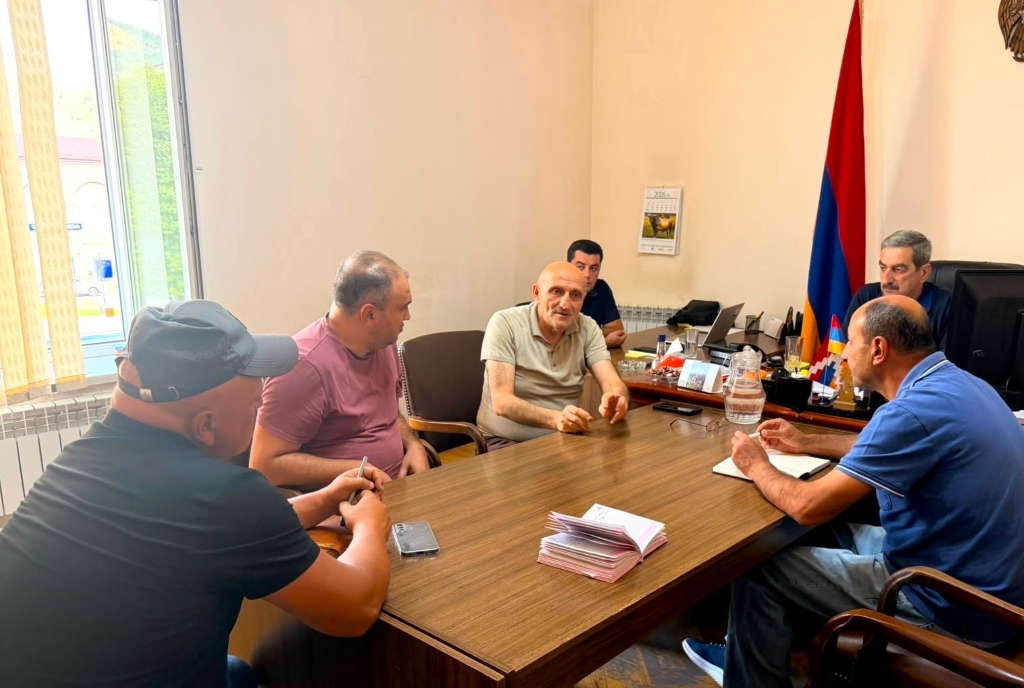
Representatives of partner colleges shared their experiences and highlighted the positive outcomes achieved through collaboration, particularly in relation to the organization of practical training, engagement with employers, and the overall effectiveness of the learning process.

A central component of the event was the signing of Memoranda of Understanding, which formalized the commitment of the participating institutions to continue working together towards common objectives. The signed MoUs provide a framework for enhanced cooperation among educational institutions, private sector partners, and sectoral stakeholders, supporting the creation of new work-based learning opportunities for students and contributing to the preparation of qualified professionals equipped with the skills demanded by the agricultural sector.

The partnerships fostered through the MAVETA project constitute a significant investment in the development of human capital for Armenia’s agricultural sector. By bringing together educational institutions, employers, and industry stakeholders, the project continues to promote a modern and demand-driven vocational education system that responds to labor market requirements and creates meaningful opportunities for young people.

The expansion of the MAVETA network once again demonstrates that strong partnerships, effective work-based learning mechanisms, and closer cooperation between education and employment are fundamental drivers of sustainable development and competitiveness within the agricultural sector.

The MAVETA project is financed  by a broad coalition of international and local organisations led by the Swiss Agency for Development and Cooperation (SDC), including the German Ministry for Economic Cooperation and Development (BMZ), the Austrian Development Agency and the Government of Armenia.  

The project’s implementing partners are the GIZ and SDA and the School of Agricultural, Forest and Food Sciences at the Bern University of Applied Sciences (HAFL).