
Uncategorized

RECONOMY Discussion on the Development of Armenia’s Startup Ecosystem

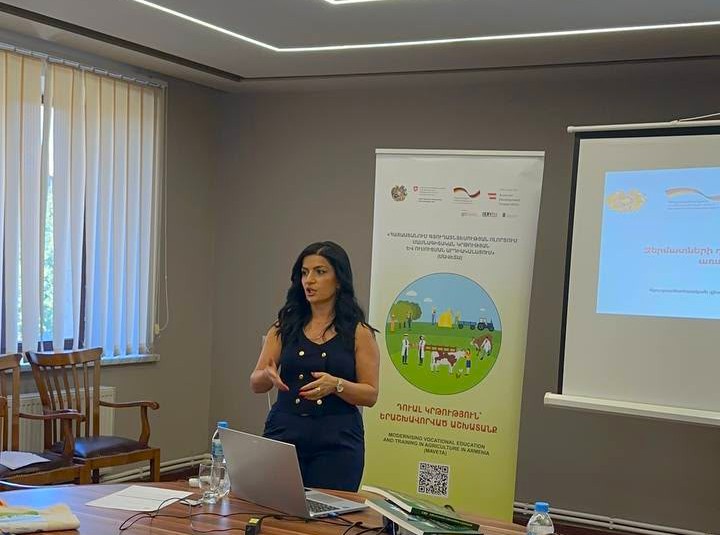
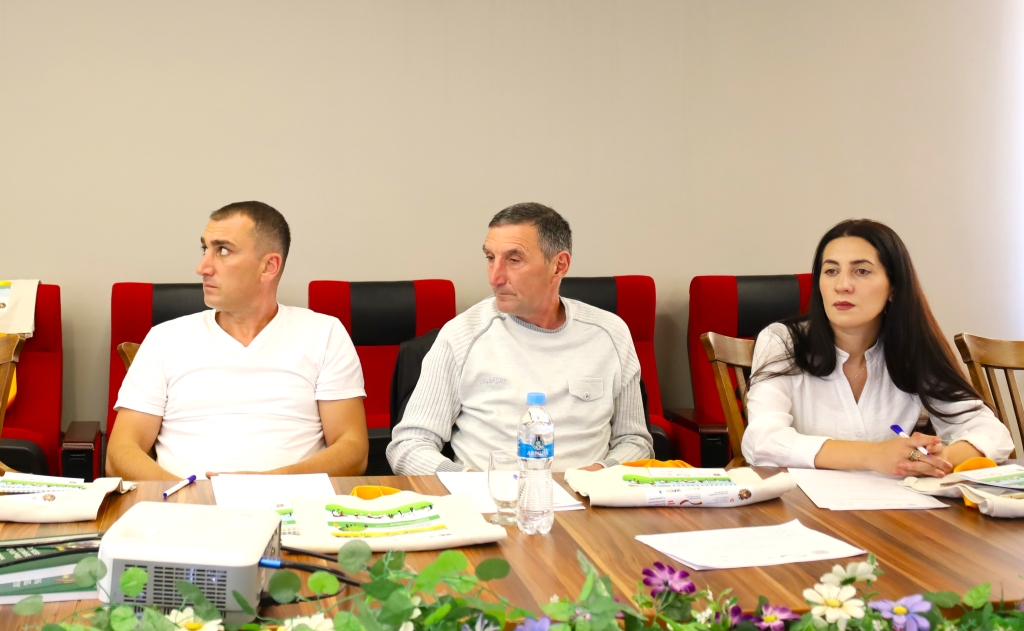
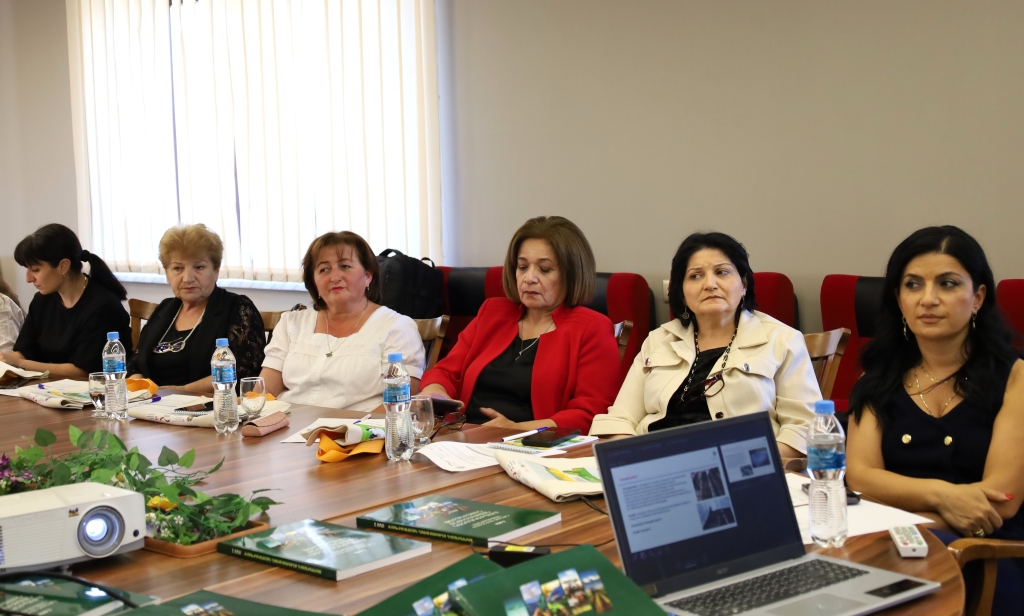
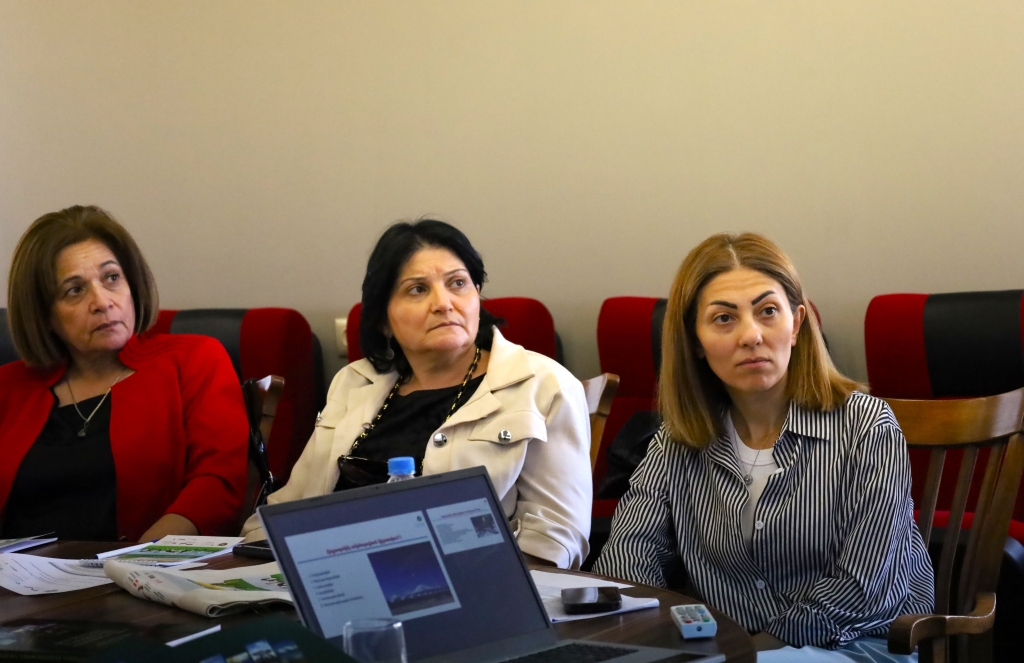
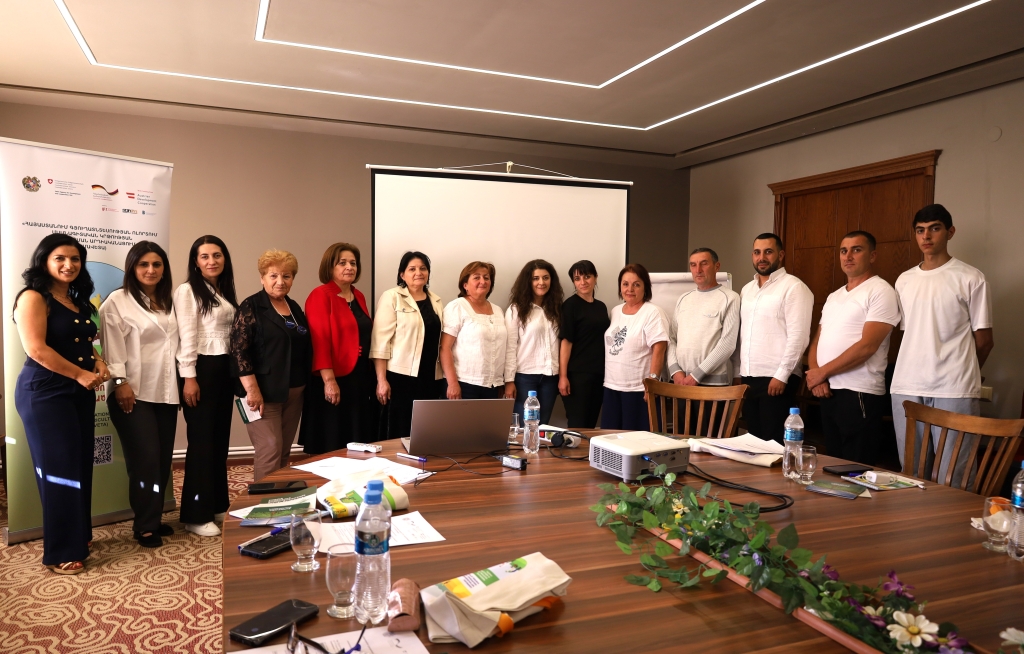
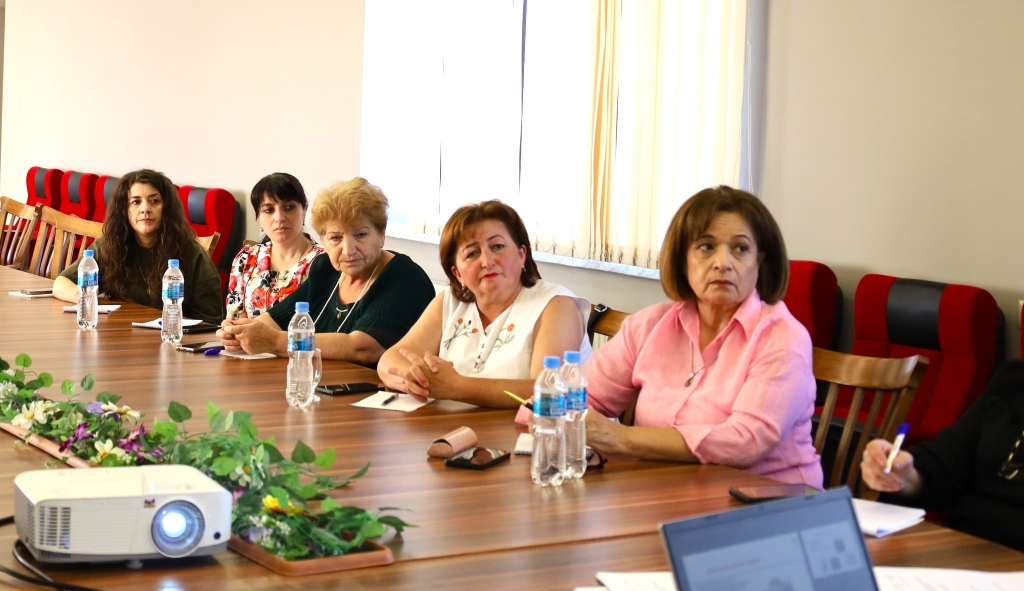
RECONOMY’s “Digitizing Sectors for Competitiveness” project supported the implementation of the “Policy Design for Armenia’s Startup Ecosystem” research, the findings of which were presented during the expert consultation meeting organized by the Union of Advanced Technology Enterprises (UATE) in Yerevan on May 22.

The consultation provided an important platform to examine interim research findings on Armenia’s startup financing landscape, international best practices, and policy instruments that could contribute to building a more resilient, innovation-driven, and competitive entrepreneurial environment. Particular attention was given to the adaptation of successful international models to the Armenian context, taking into account local market realities, investment dynamics, and the evolving needs of technology-driven enterprises.

From the perspective of the RECONOMY’s “Digitizing Sectors for Competitiveness” project, such discussions are essential as digitalization and innovation are no longer solely technological priorities – they are increasingly central to economic competitiveness, workforce development, productivity growth, and regional cooperation. A stronger startup ecosystem can serve as a catalyst for investment attraction, job creation, technological advancement, and sustainable economic development.

The meeting also reaffirmed the importance of continuous dialogue and collaboration among the private sector, development programmes, policymakers, and industry experts. Inclusive and evidence-based policy discussions are critical for designing practical and impactful support mechanisms that respond to the real needs of the entrepreneurial ecosystem.

RECONOMY remains committed to supporting initiatives that advance competitiveness, digital transformation, innovation, and the long-term development of dynamic entrepreneurial ecosystems across Armenia and the wider region.

RECONOMY is an inclusive and green economic development program of the Swedish International Development Cooperation Agency (Sida), implemented by Helvetas in partnership with the Strategic Development Agency NGO and others in the Eastern Partnership and Western Balkan countries.

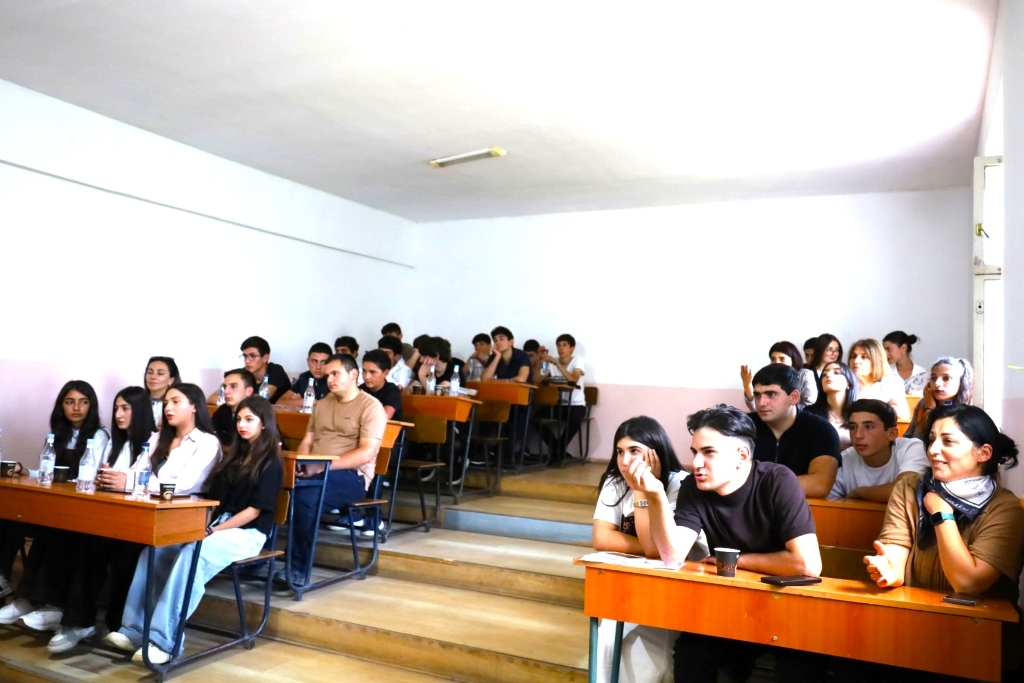
IADAAM in Schools: Growing Knowledge, Growing Futures

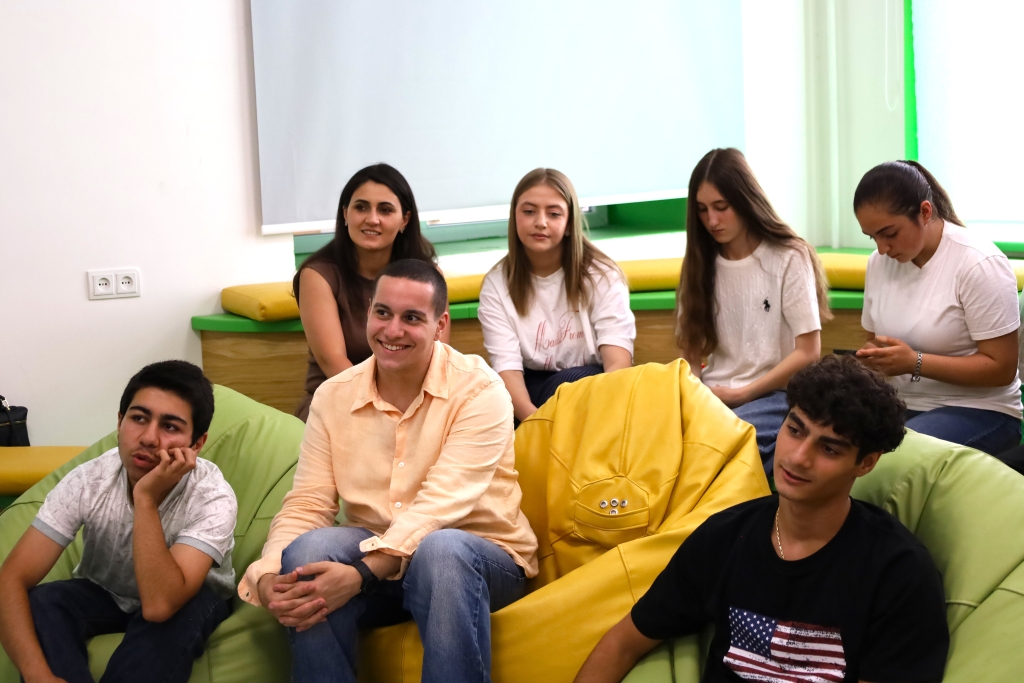
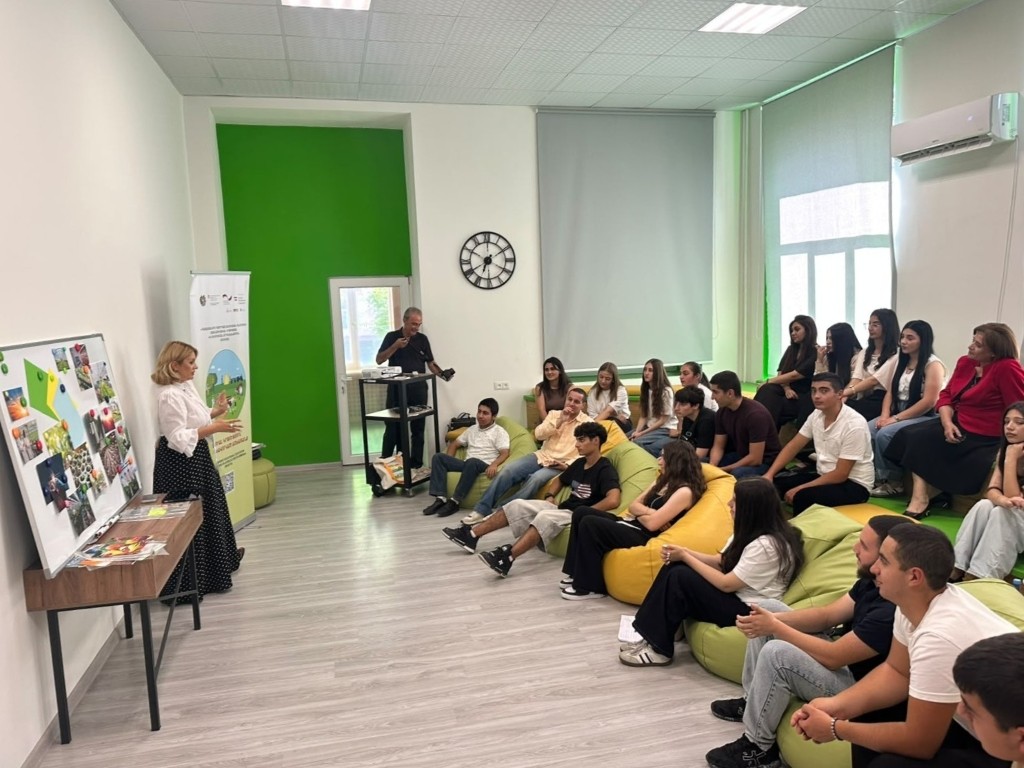
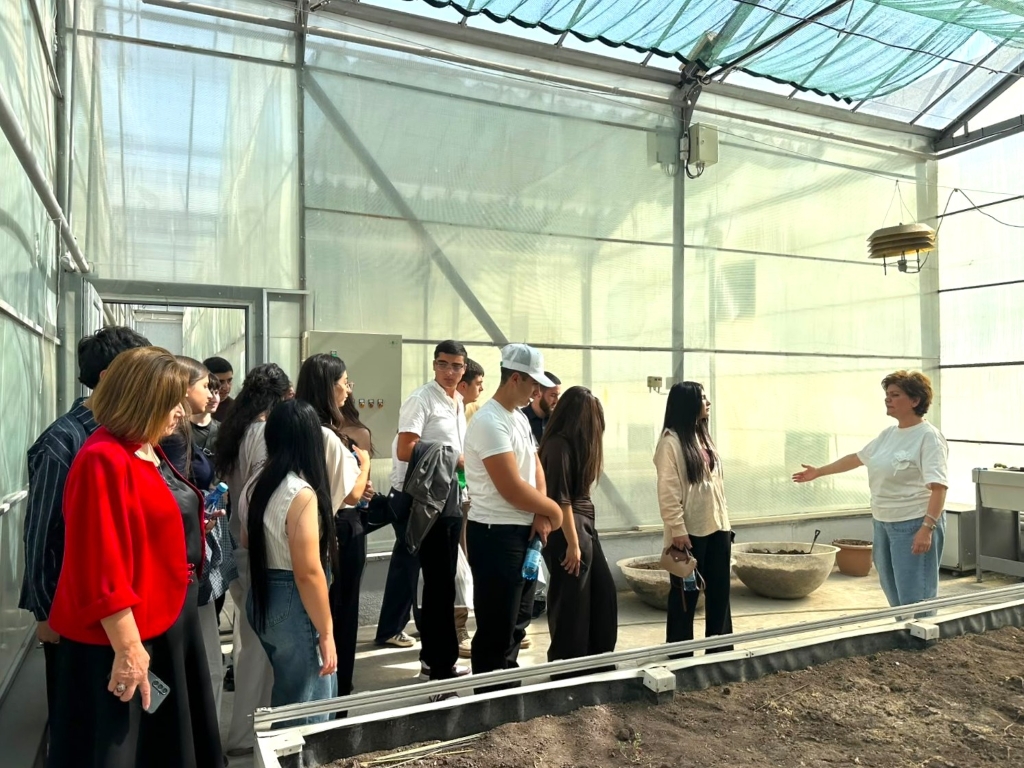
IADAAM Project has officially launched its school awareness and engagement visits, aimed at introducing students to the world of modern, climate-resilient, and innovative agriculture.

Students of Avshar Secondary School were welcomed by Susana Martins, International Aid and Cooperation Officer at the Delegation of the European Union to Armenia, and Audrey Gourdien, Project Manager for Armenia at the French Development Agency (AFD), who both highlighted the importance of youth education, advanced agriculture, and the sustainable development of rural communities.

The IADAAM project brings an important message to schools: agriculture in the 21st century is no longer only a tradition. It is innovation, technology, environmental responsibility, and one of the key drivers of future development.

This initiative aims to nurture a generation of informed, responsible, and innovative young people who will shape a more sustainable, efficient, and climate-resilient agricultural future for Armenia.

Every seed planted today has the potential to grow into meaningful change tomorrow.

The Irrigated Agriculture Development in Ararat and Armavir Marzes (IADAAM) project, financed by the European Union (EU) and implemented with the support of the French Development Agency (Agence Française de Développement), aims to transform irrigated agriculture in Armenia.

Implemented by the Ministry of Economy of the Republic of Armenia, the project’s technical assistance is provided by a consortium comprising AESA – Agriconsulting Europe SA, Avenue Consulting Group LLC, Strategic Development Agency NGO, and 3R Strategy LLC, with the aim of strengthening agricultural policy and advancing sector reforms.

MAVETA Career Promotion Day – New Opportunities for Youth in Tavush

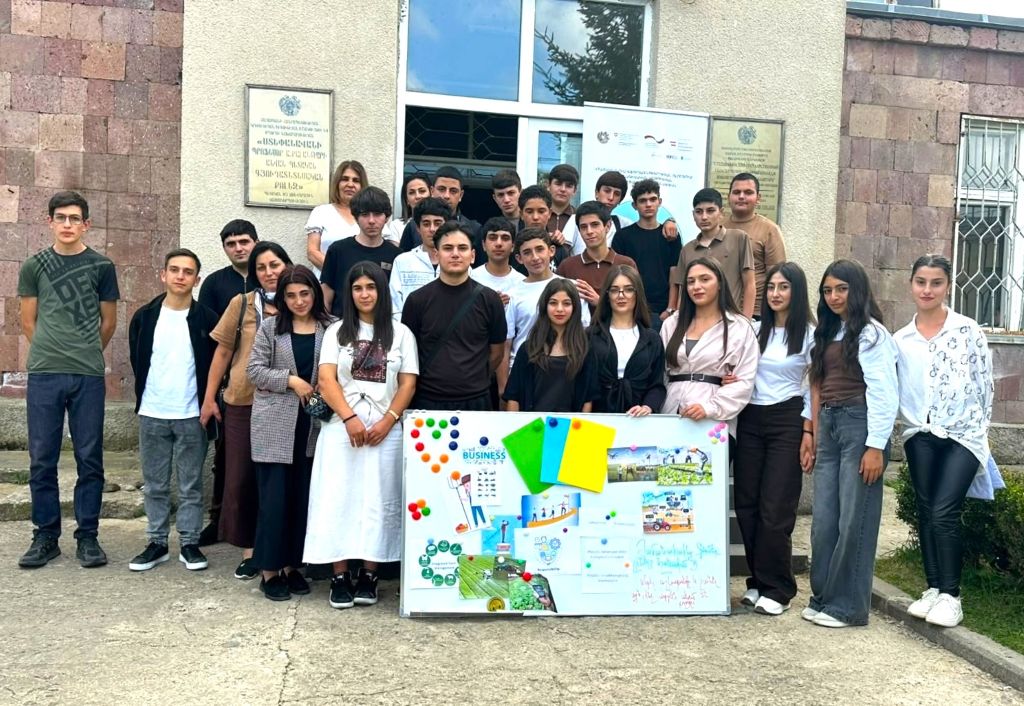
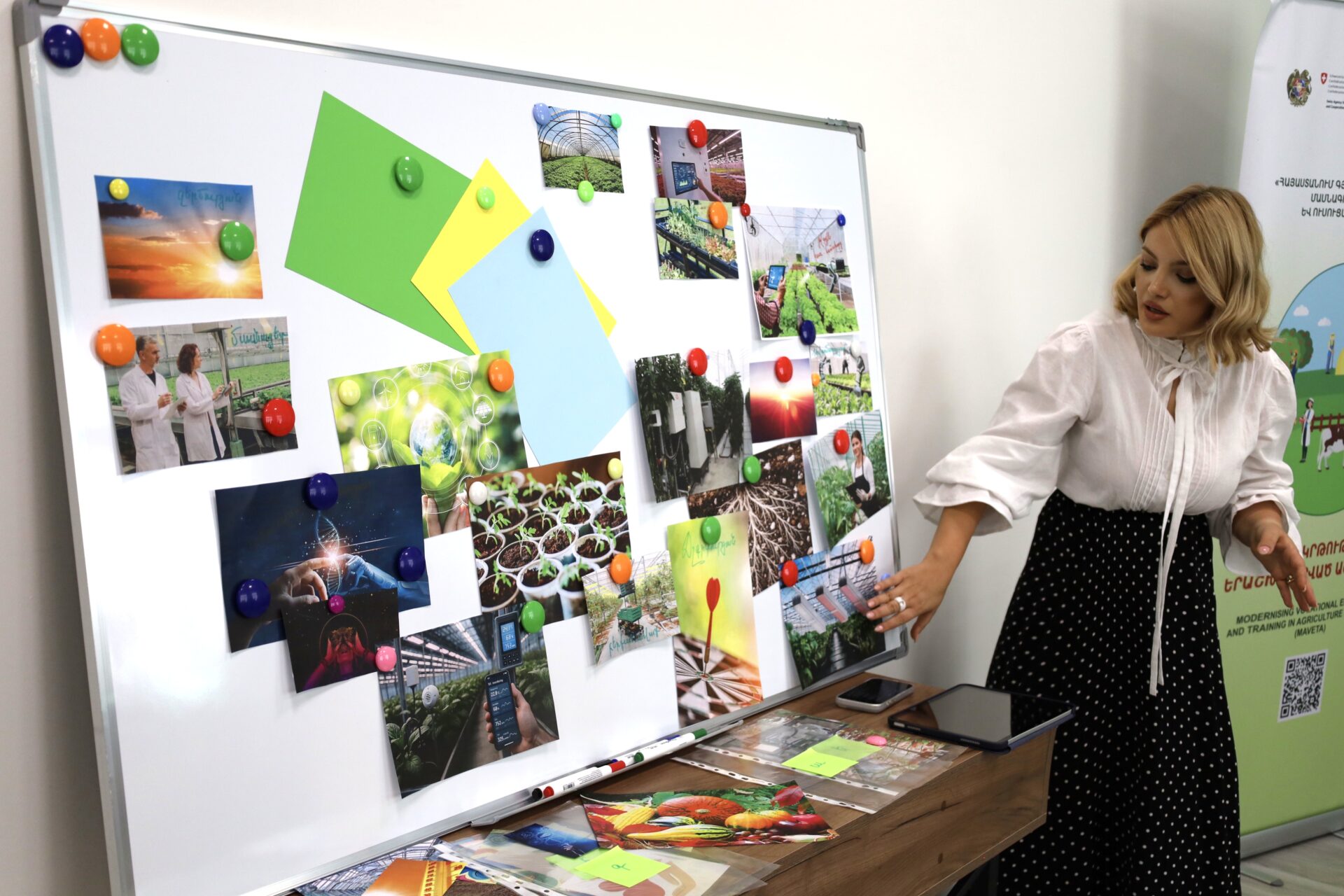
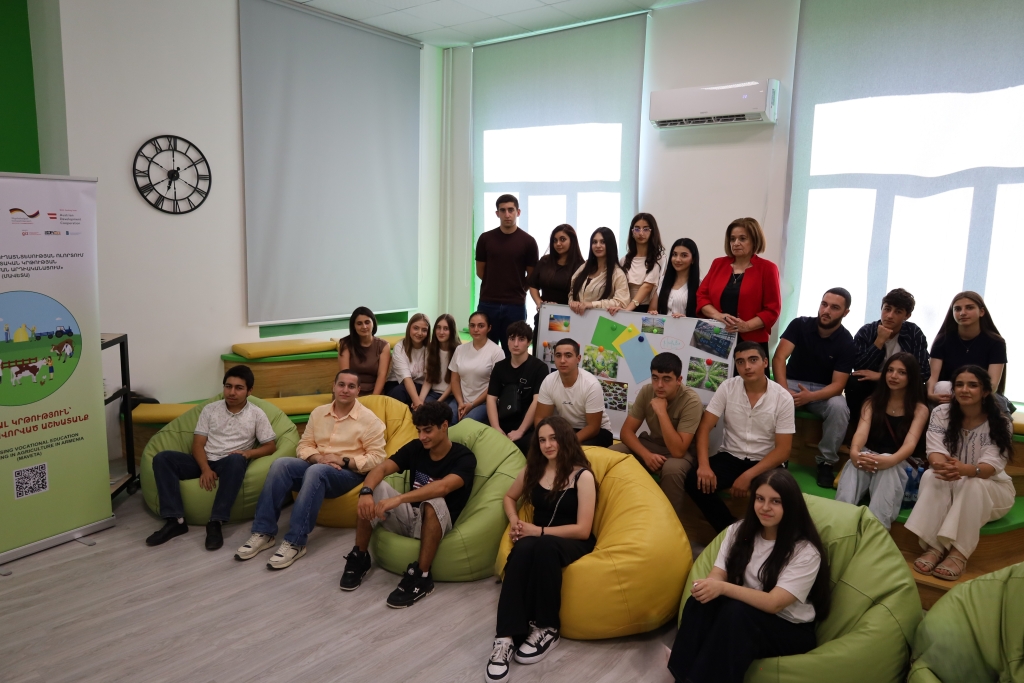
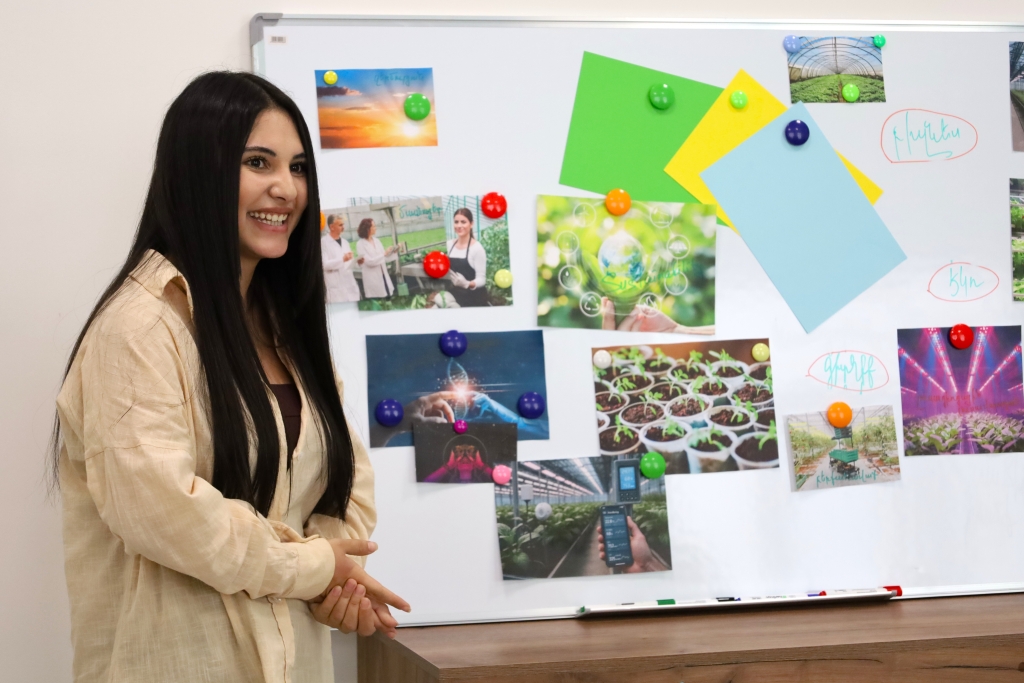
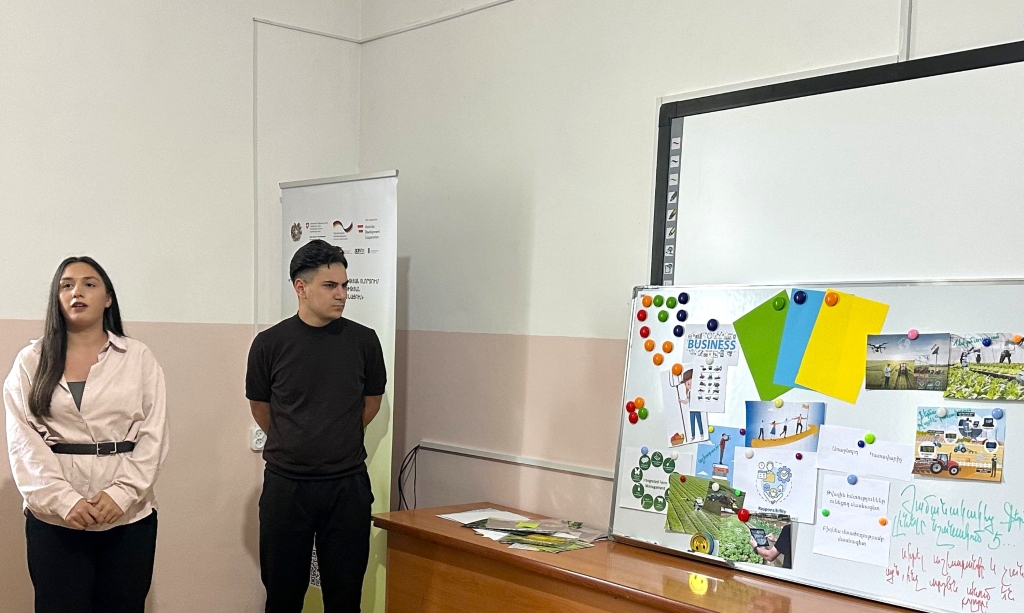
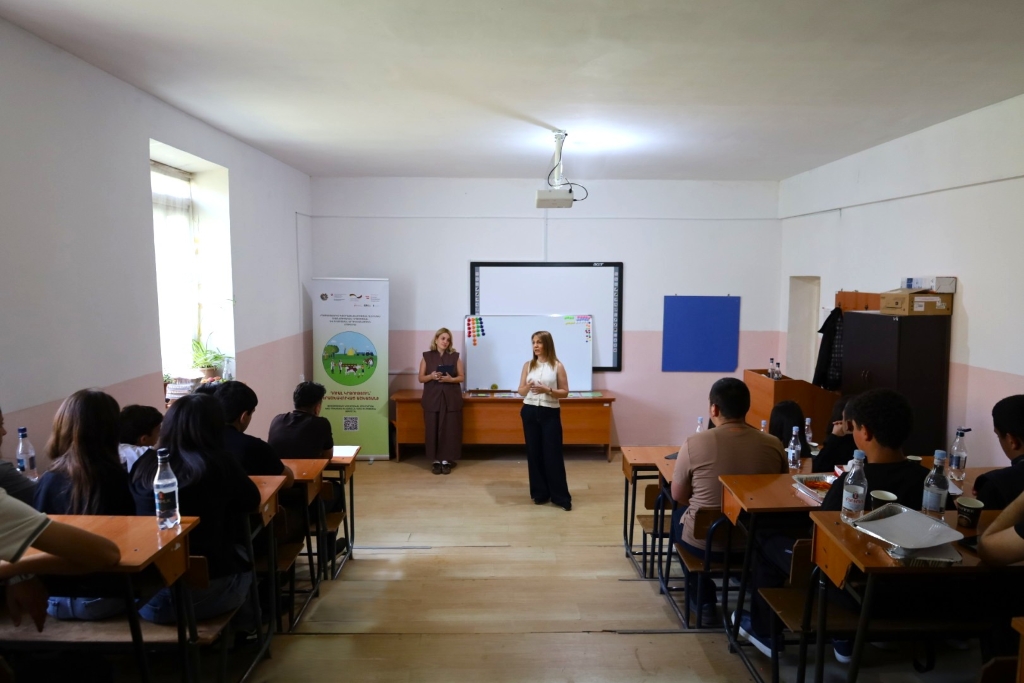
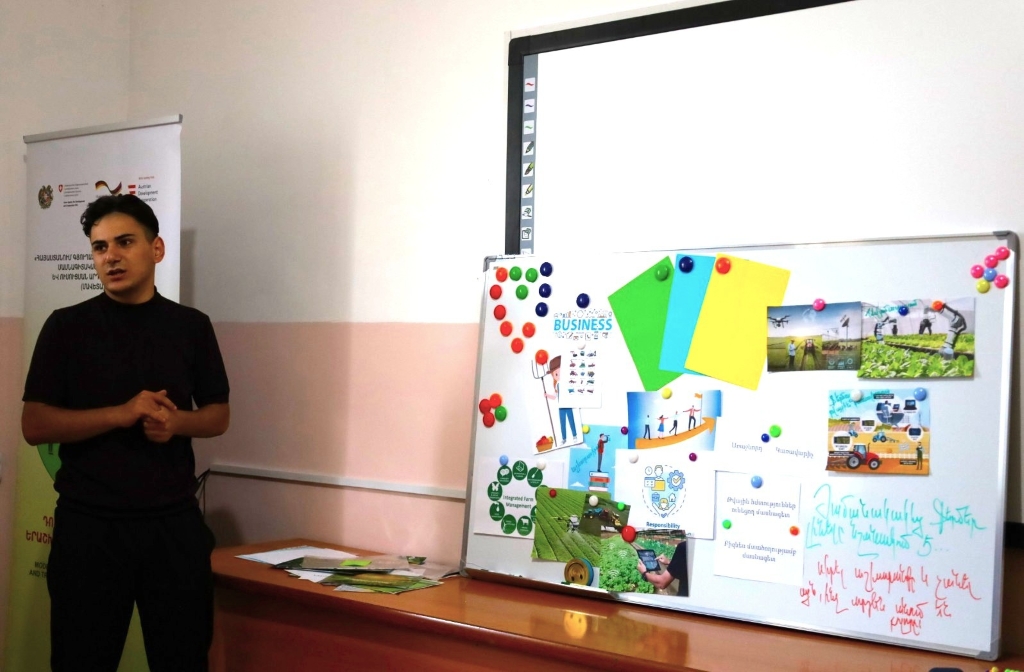
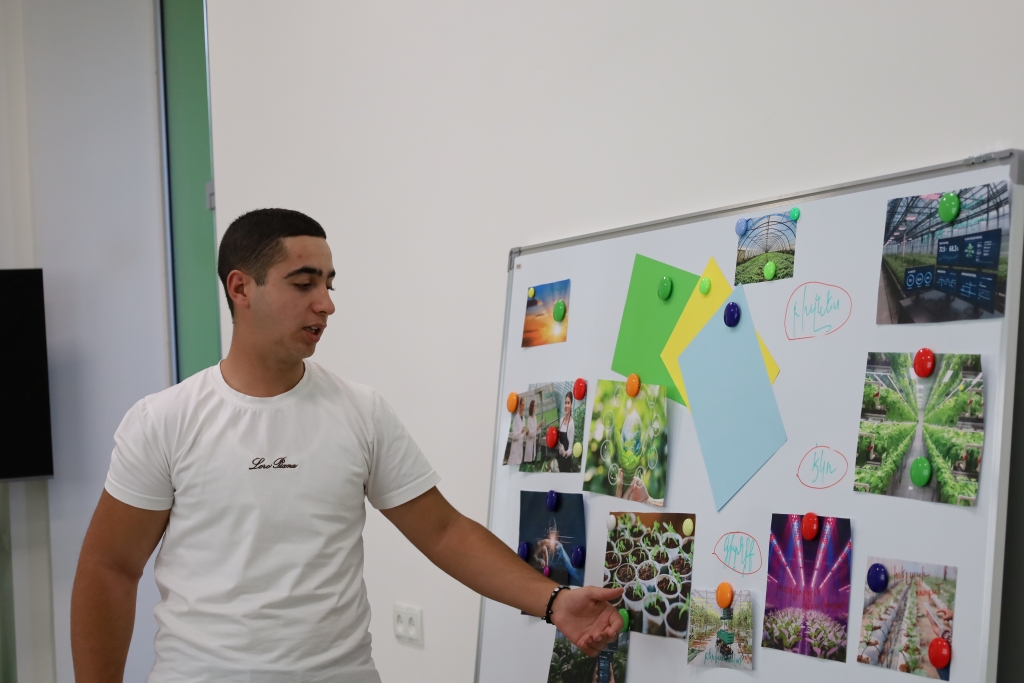
On May 12, 2026, Noyemberyan State College hosted the “Career Promotion Day” event within the framework of the “Modernization of Vocational Education and Training in Agriculture in Armenia” (MAVETA) project.

The event presented the MAVETA project, the dual education model, and the newly introduced “Refrigeration Technology” specialization, which will be launched at the college starting in September. The program will be delivered in a modern, technically equipped laboratory, enabling students to acquire practical, industry-oriented knowledge and skills aligned with current labor market demands.

This specialization is particularly important for Tavush Province, where the continued development of the agricultural, food processing, and storage sectors has created a growing demand for qualified and skilled professionals.

The specialization was also introduced by Hovhannes Arabyan. As a young professional who recently graduated from Armavir Regional State College and successfully entered the workforce immediately after graduation, he shared valuable insights into the sector’s career opportunities, the high demand for specialists, and the competitive salaries offered within the industry. His personal success story served as an inspiring example for participating youth.

The discussion also brought together owners and representatives of regional refrigeration enterprises, who expressed their willingness to cooperate with the college, host apprentices, and actively contribute to the implementation of the dual education model. According to the participants, the sector’s sustainable development requires a new generation of qualified specialists equipped with strong practical competencies.

During the event, participants toured the college facilities, explored its educational opportunities, watched an industry-focused film, and visited a private company to gain firsthand exposure to real working environments and daily operations within the sector.

The initiative aims to contribute to the development of competitive professionals and to support sustainable economic growth in Armenia’s regions.

The MAVETA project is financed by the Swiss Agency for Development and Cooperation (SDC), the Federal Ministry for Economic Cooperation and Development (BMZ), the Austrian Development Agency and the Government of Armenia.

The project’s implementing partners are the Deutsche Gesellschaft für Internationale Zusammenarbeit (GIZ) GmbH ), Strategic Development Agency NGO and the School of Agricultural, Forest and Food Sciences at the Bern University of Applied Sciences (BFH-HAFL).
SEIRA Field Visit – Promoting Sustainable Community Development and Socio-Economic Inclusion

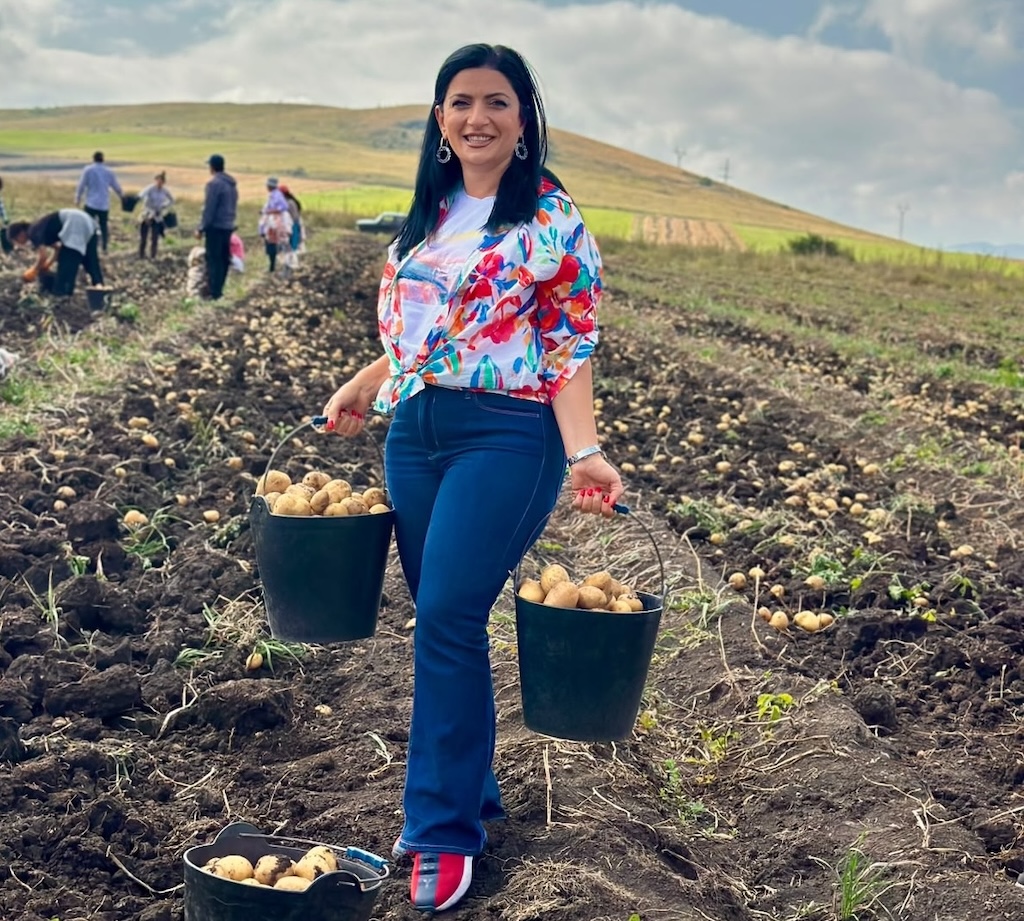
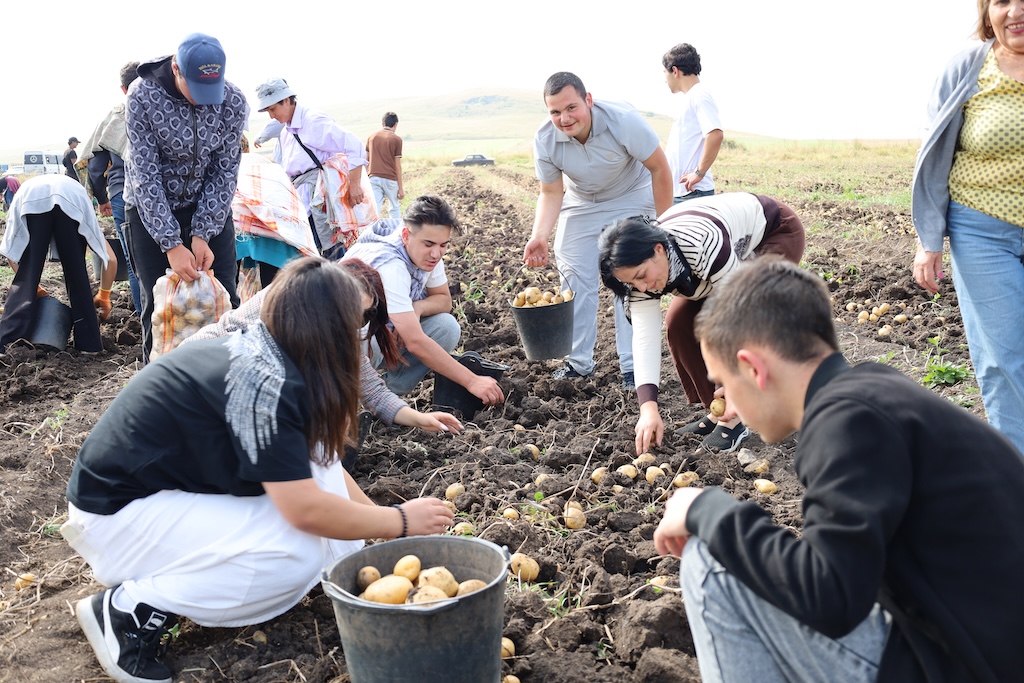
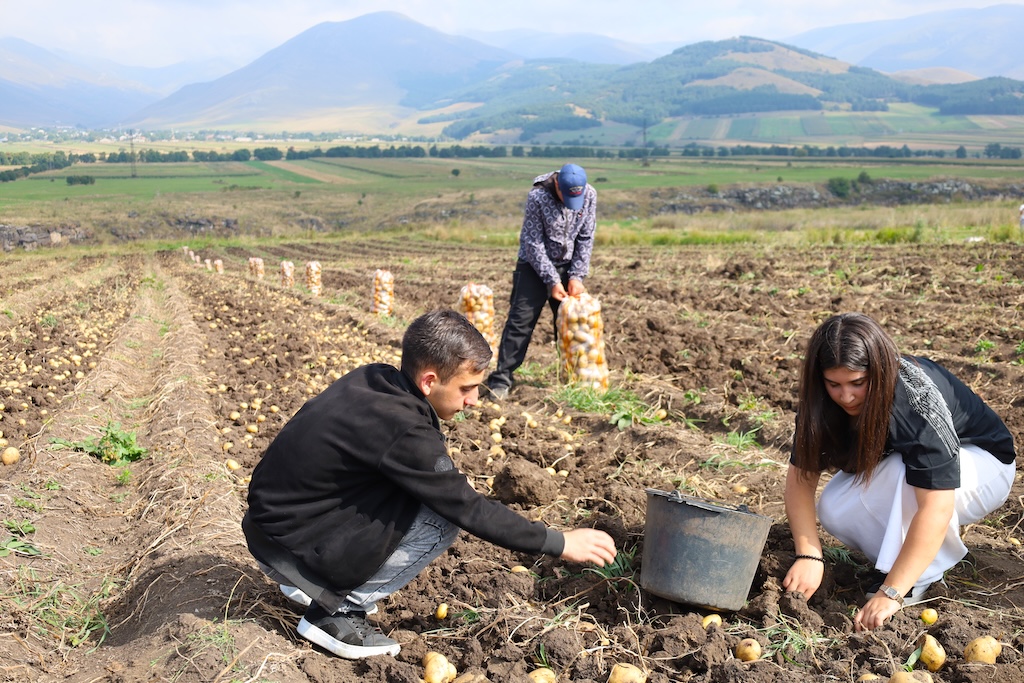
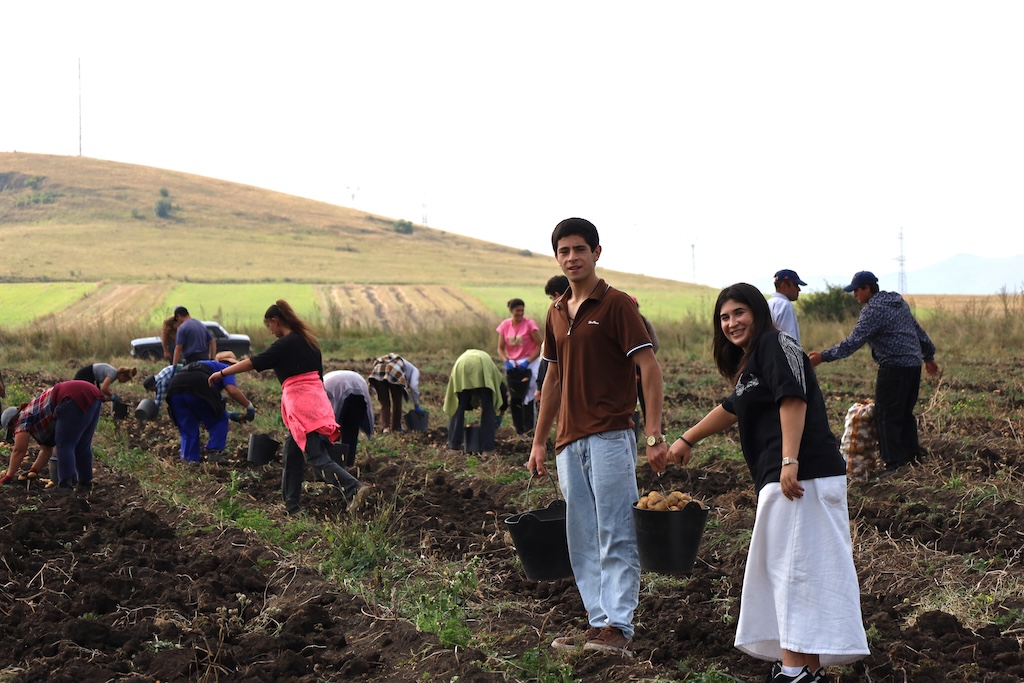
The “Socio-Economic Integration of Refugees in Armenia” (SEIRA) project continues to advance sustainable socio-economic integration and resilience-building for refugee and vulnerable host communities across Armenia.
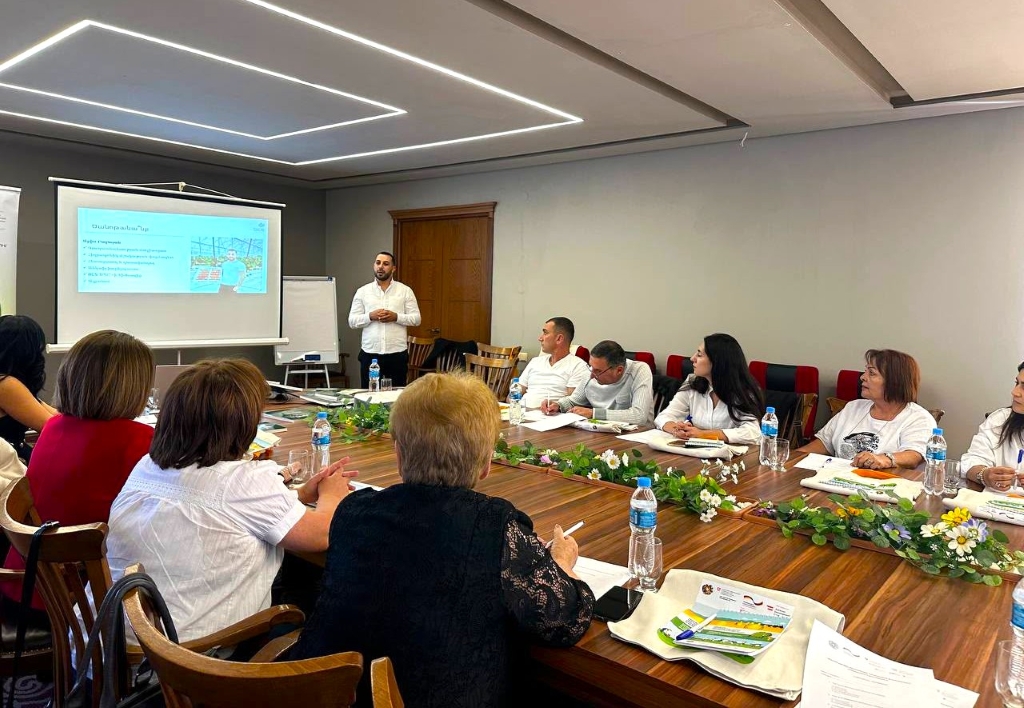
Implemented jointly by the Strategic Development Agency (SDA) NGO and the United Nations World Food Programme (WFP), the three-year initiative supports livelihood diversification, agricultural resilience, and inclusive economic development in the Gegharkunik, Vayots Dzor, and Syunik regions. Through targeted support to smallholder farmers, local enterprises, and vulnerable households, the project aims to strengthen long-term self-reliance and community cohesion.

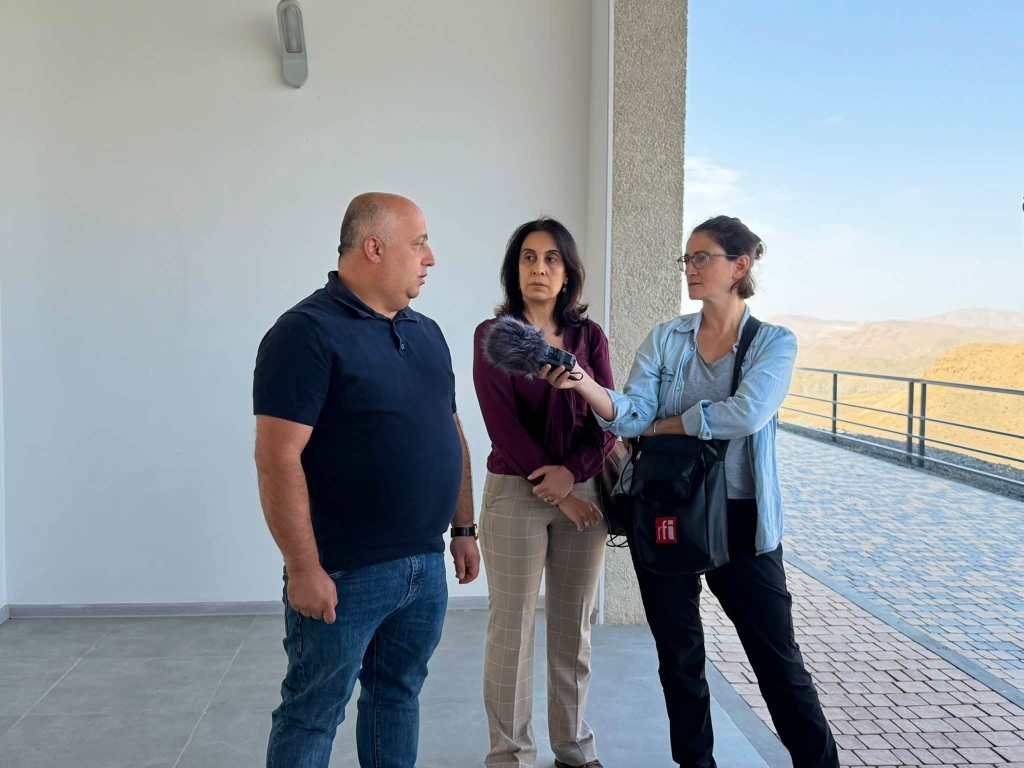
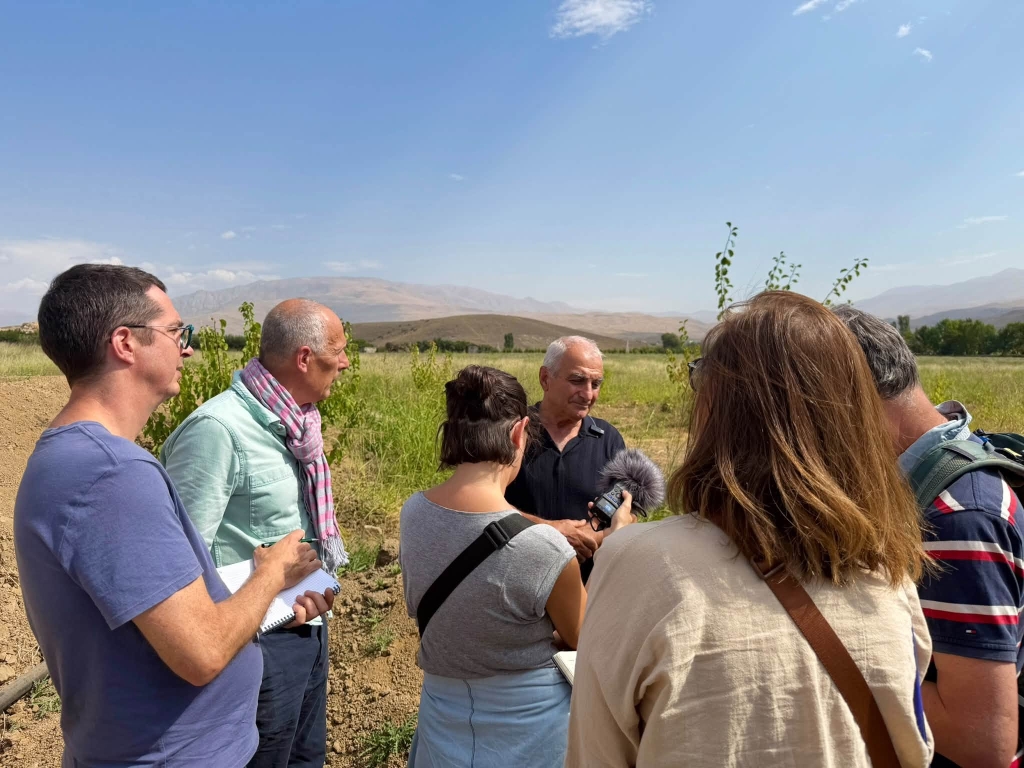
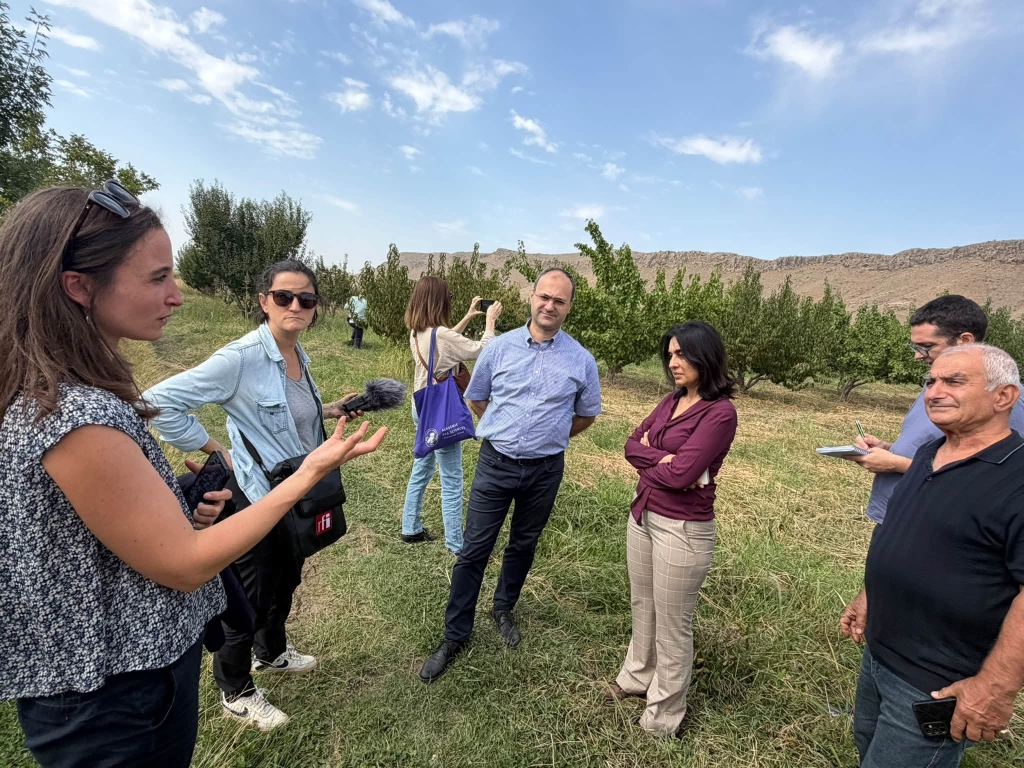
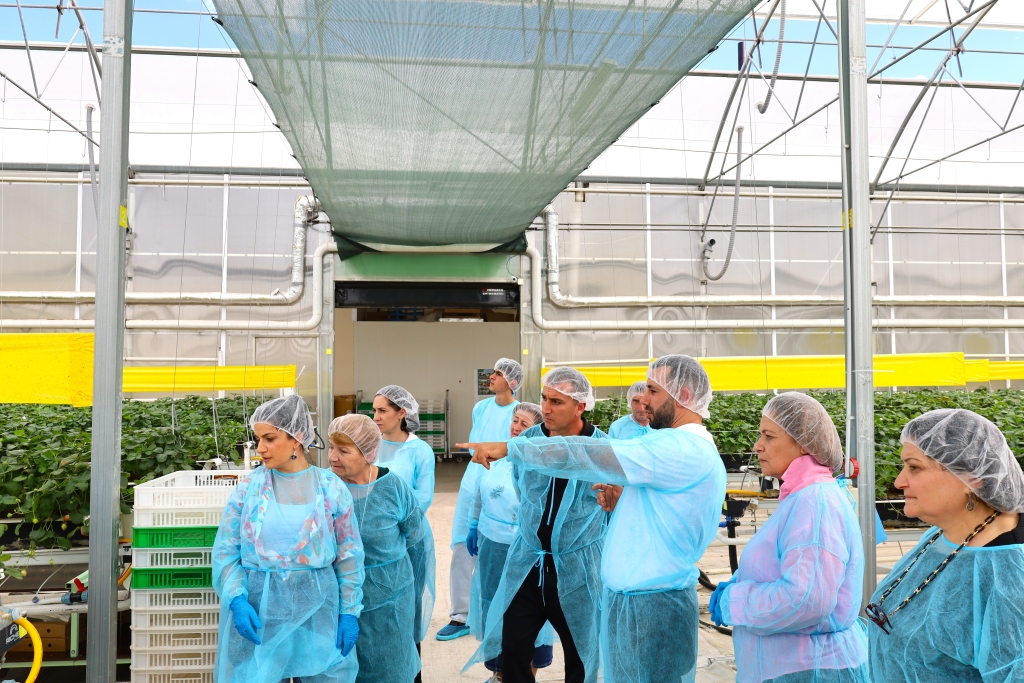
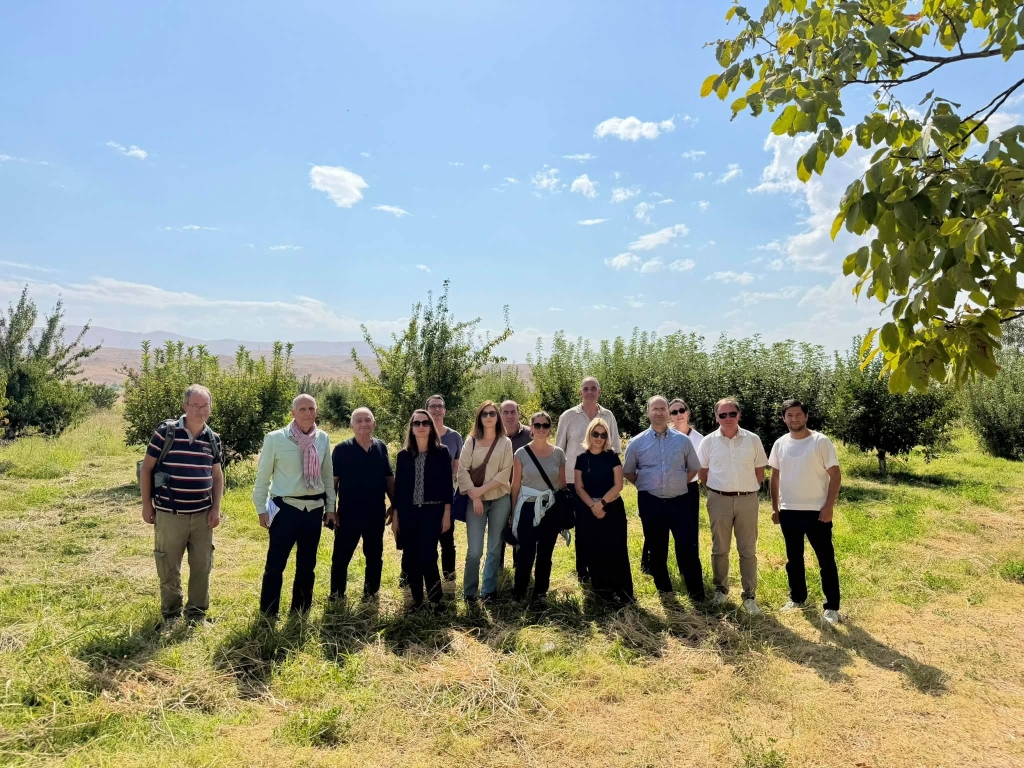
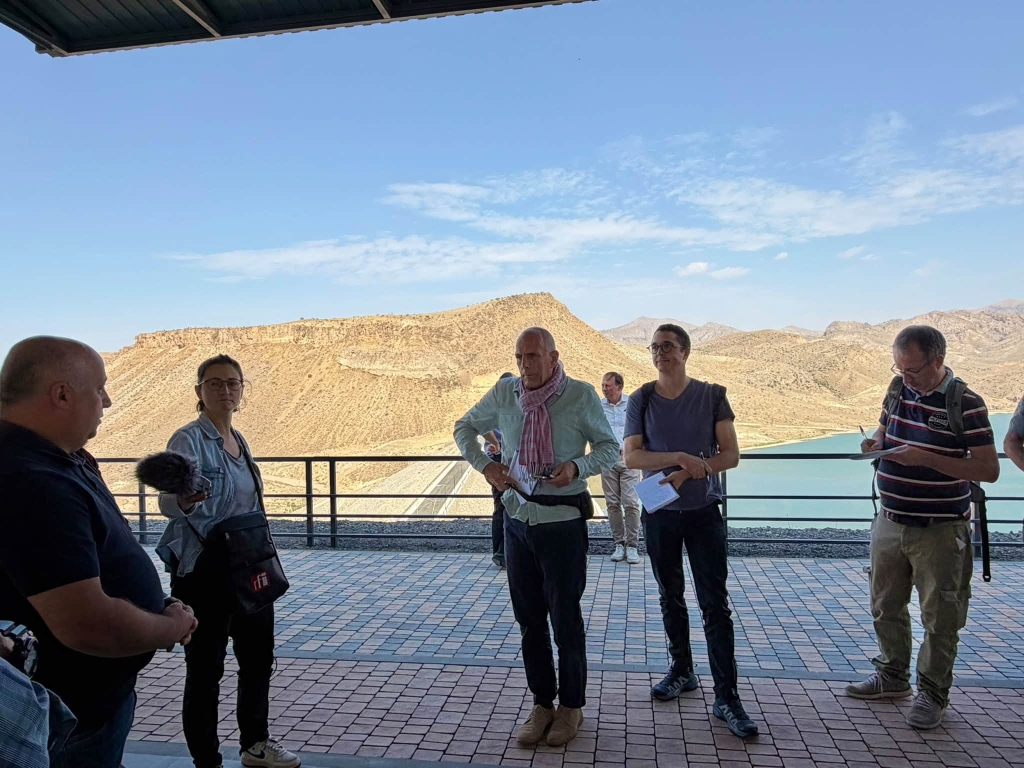
To observe the progress achieved under the SEIRA project and engage directly with beneficiaries, a delegation led by Ursula Laubly, Deputy Head of Mission of Switzerland in Armenia and Deputy Regional Director of the Swiss Agency for Development and Cooperation (SDC), together with representatives of SDA and WFP, conducted a joint field visit to the Gegharkunik and Syunik regions on May 11-12.

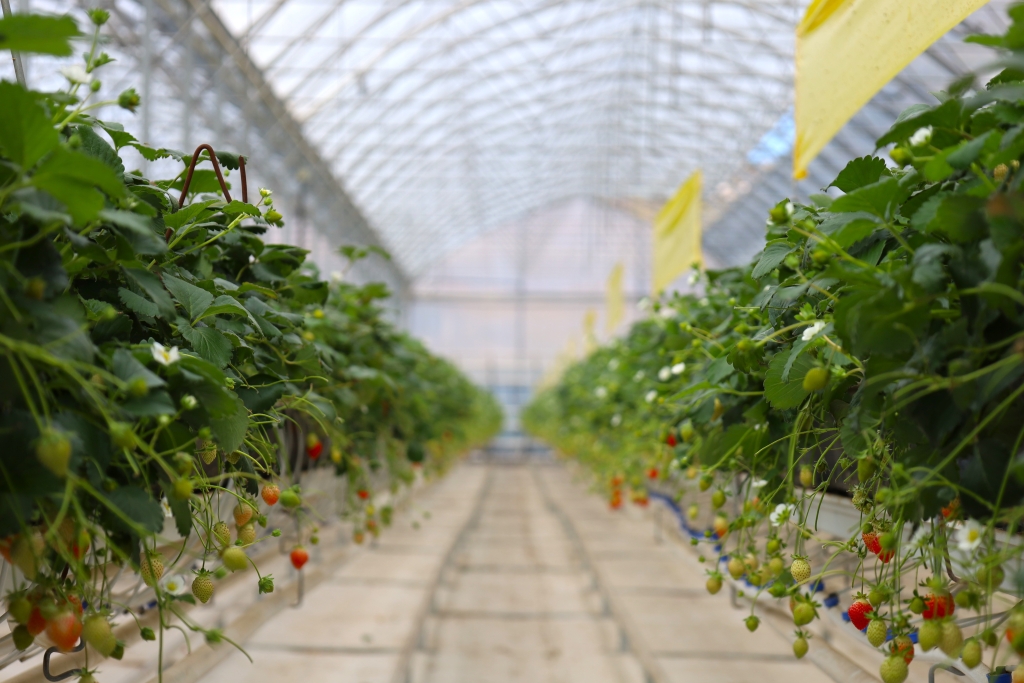
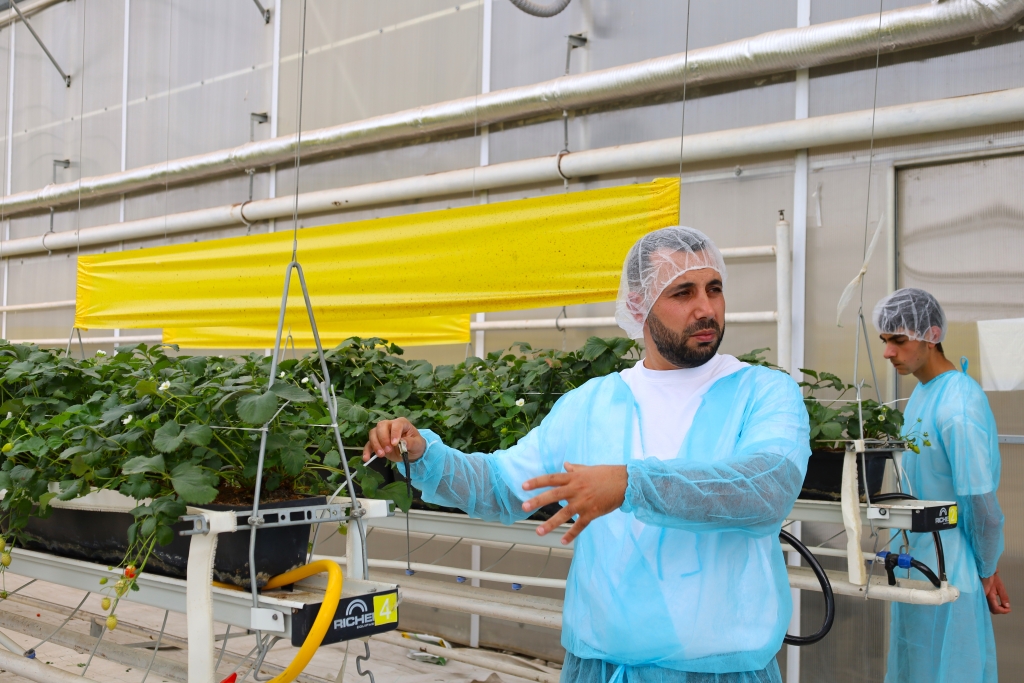
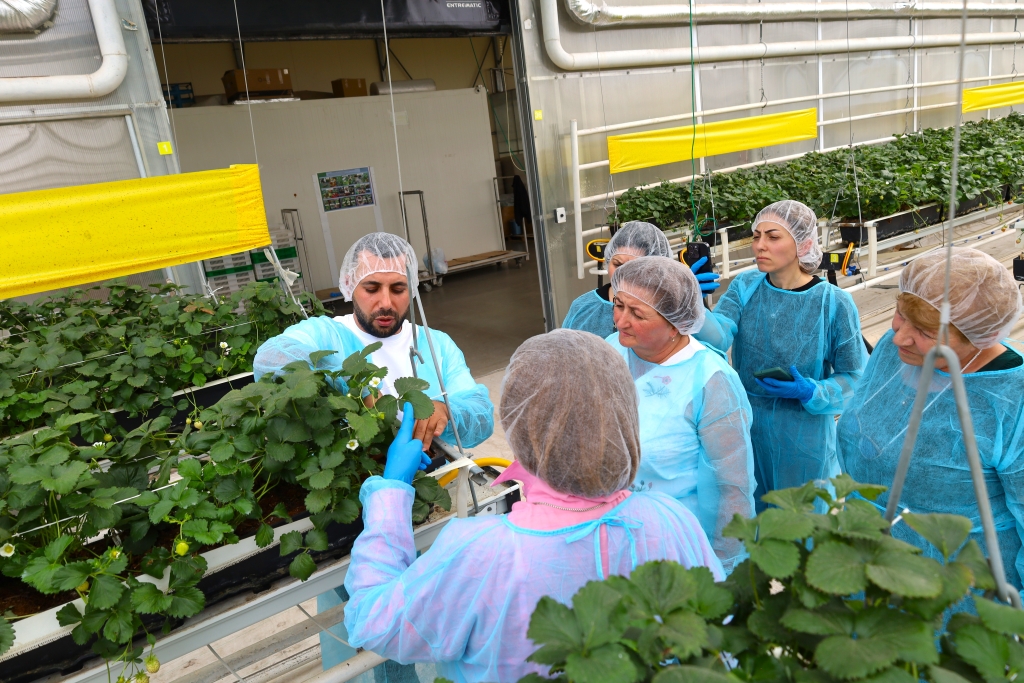
During the visit, the delegation met with beneficiaries involved in livestock breeding, berry cultivation, bakery production, fodder production, and other income-generating agricultural activities. Discussions highlighted the project’s contribution to strengthening food security, expanding livelihood opportunities, and supporting the long-term resilience of both refugee and host communities.

By investing in livelihoods, strengthening local capacities, and fostering long-term opportunities for both refugee and host communities, the SEIRA project is laying the foundation for stronger, more resilient, and more inclusive communities across Armenia – where recovery is transformed into sustainable development and shared progress.

The “Socio-Economic Integration of Refugees in Armenia” (SEIRA) project is funded by the Swiss Agency for Development and Cooperation and implemented by the Strategic Development Agency NGO and the UN World Food Programme.

Uncategorized

INLIMA Study Visit to Bavaria on Knowledge Exchange and Capacity Building in the Dairy Cattle Breeding Sector

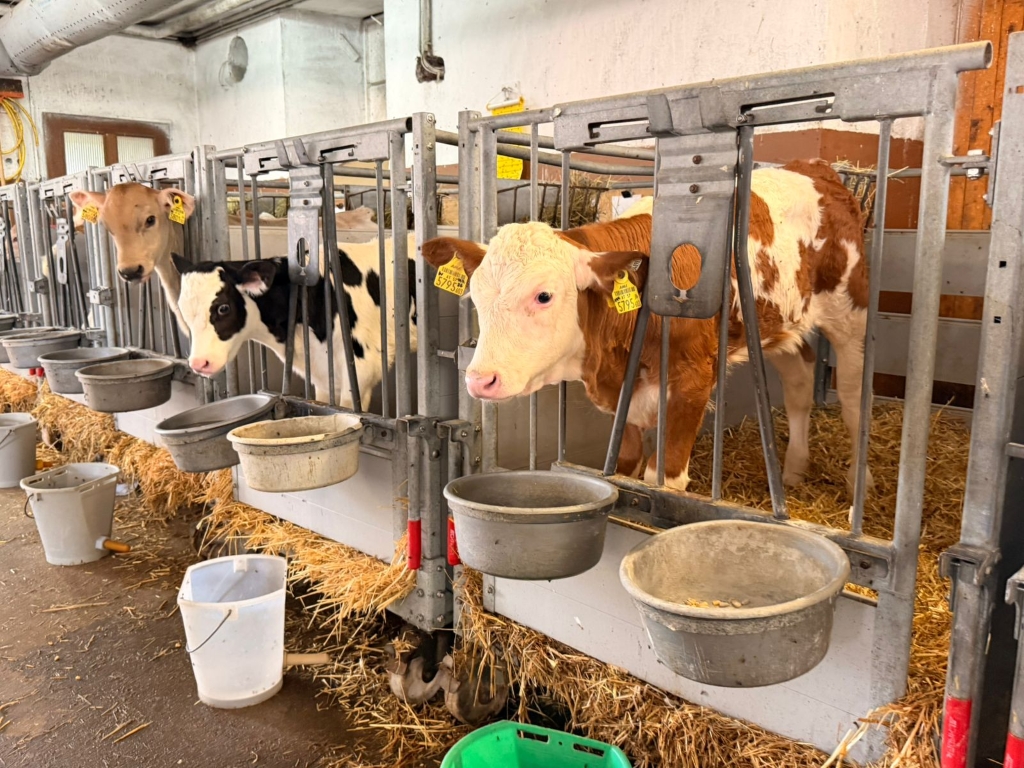
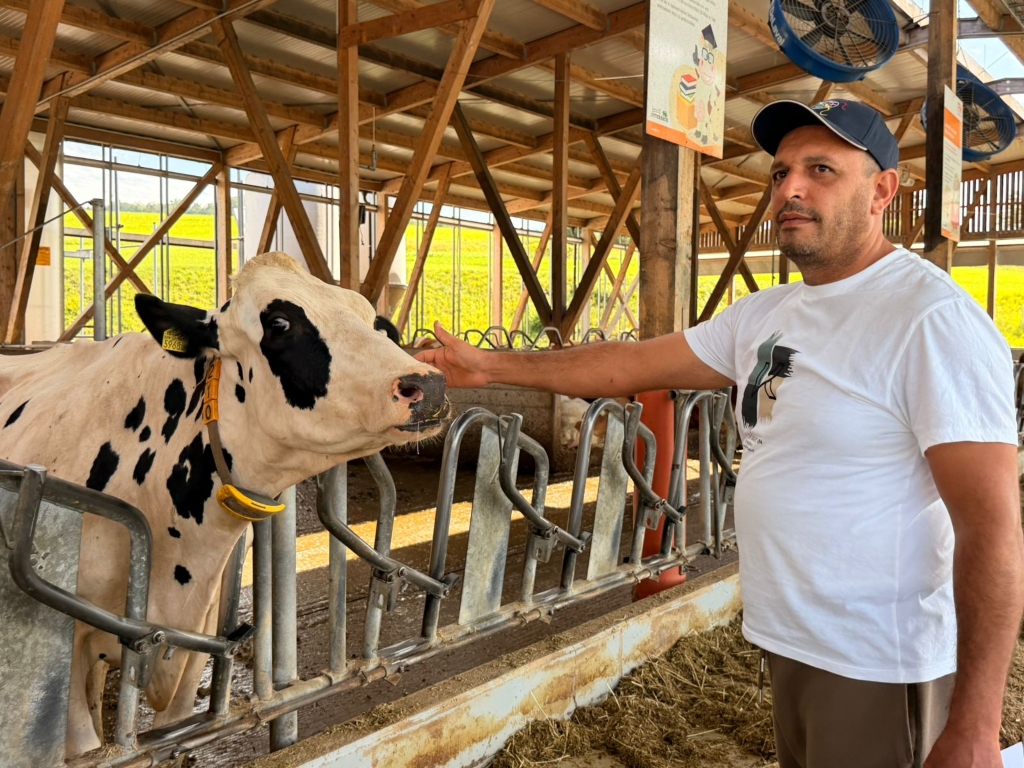
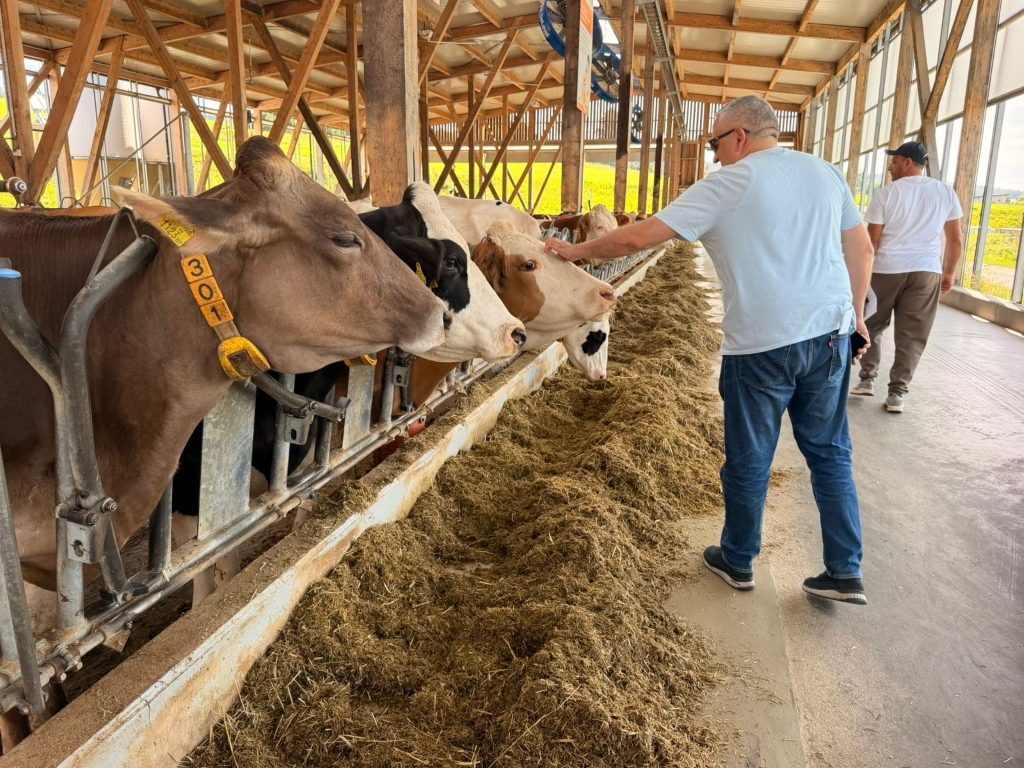
Within the framework of the INLIMA project, a study visit to Bavaria, Germany, was conducted from 2–9 May 2026 with the participation of Armenian stakeholders from the dairy cattle breeding sector. The visit aimed to facilitate professional knowledge exchange, strengthen sectoral capacities, and introduce advanced European practices in cattle breeding, reproductive technologies, and agricultural education.

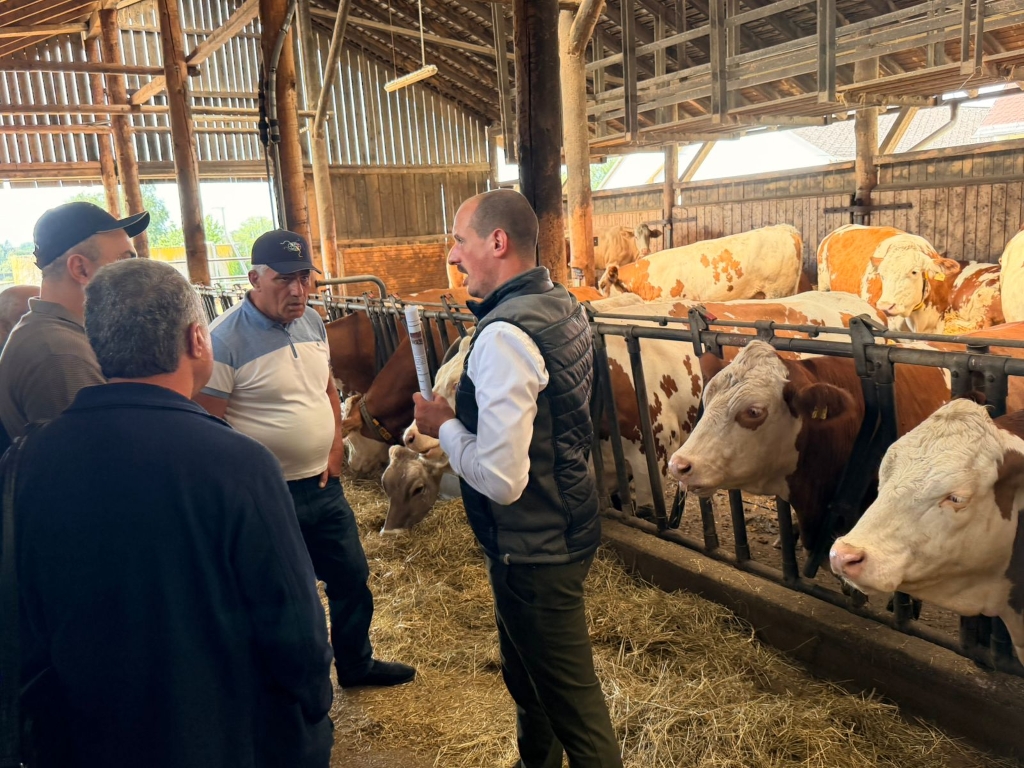
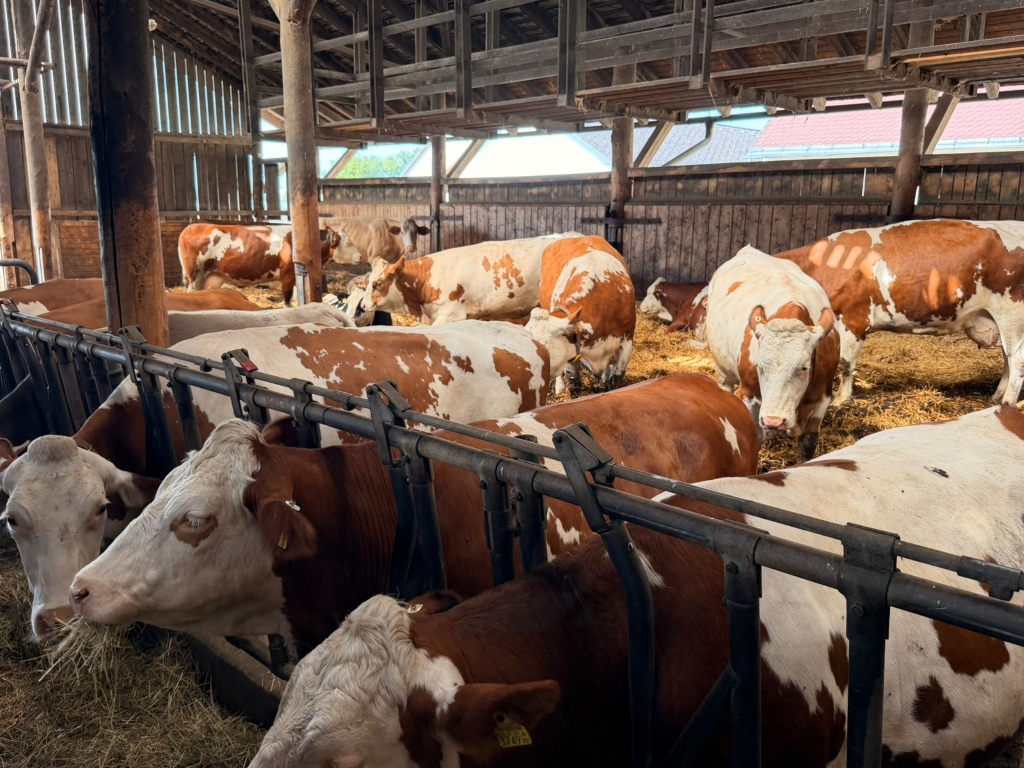
Throughout the visit, participants were introduced to Bavarian models of dairy cattle breeding, modern farm management systems, and practical approaches to animal health, feeding, herd productivity, and sustainable livestock management.

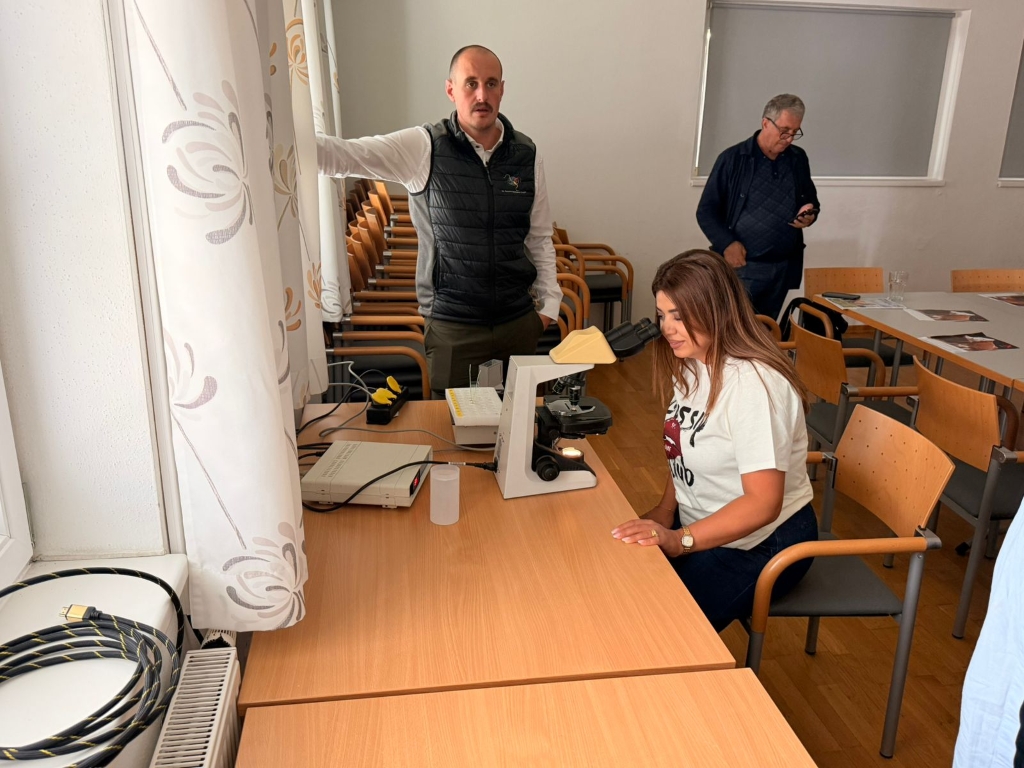
The programme included theoretical and practical training sessions at the Triesdorf Agricultural Education Centre and the Weihenstephan-Triesdorf University of Applied Sciences. The sessions focused on dairy cattle breeding methods, herd management, ration formulation, feeding systems, and contemporary livestock production practices. Participants also gained insight into Germany’s agricultural education system and international training programmes.

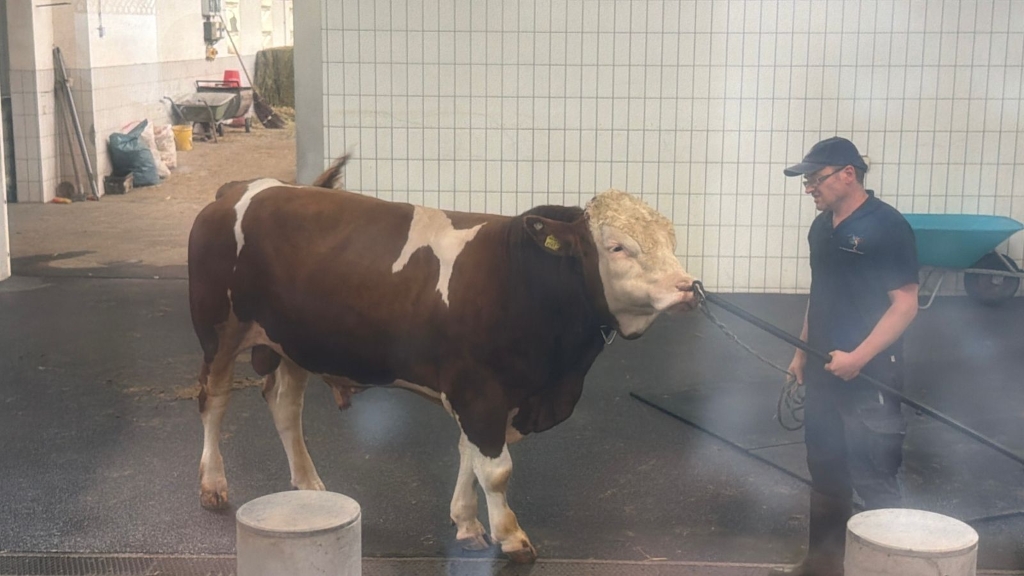
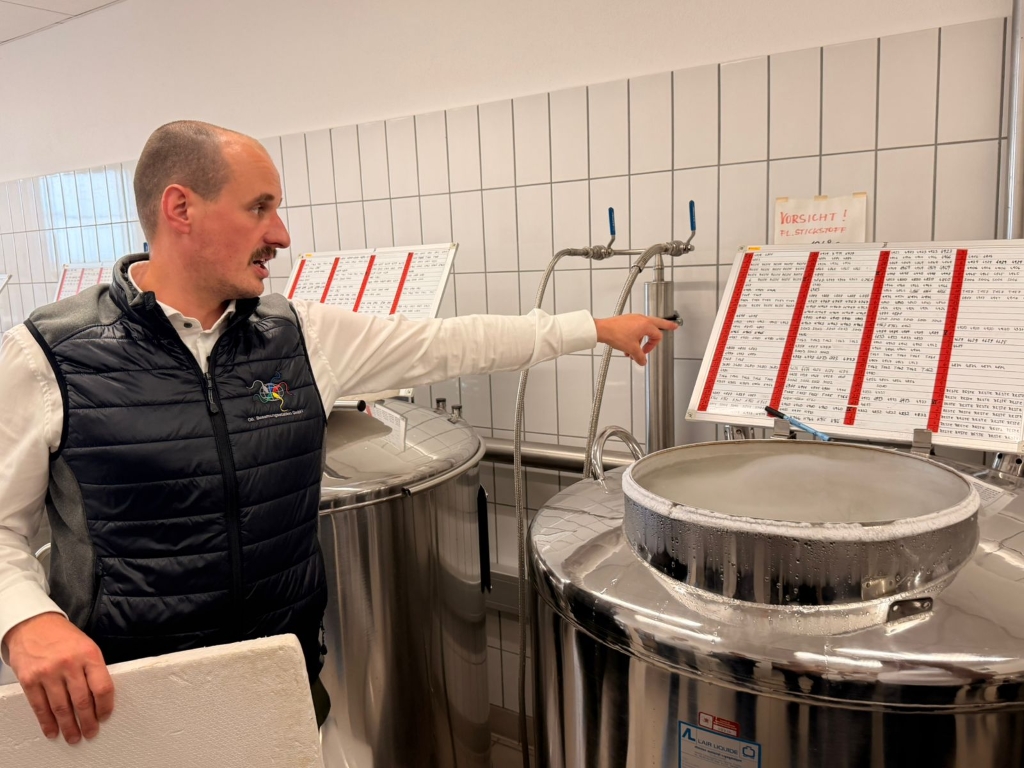
A key component of the study visit was the visit to the BVN Artificial Insemination Association, where participants explored breeding management systems, bull selection and management processes, semen collection and production technologies, laboratory quality control procedures, and cold-chain logistics systems.

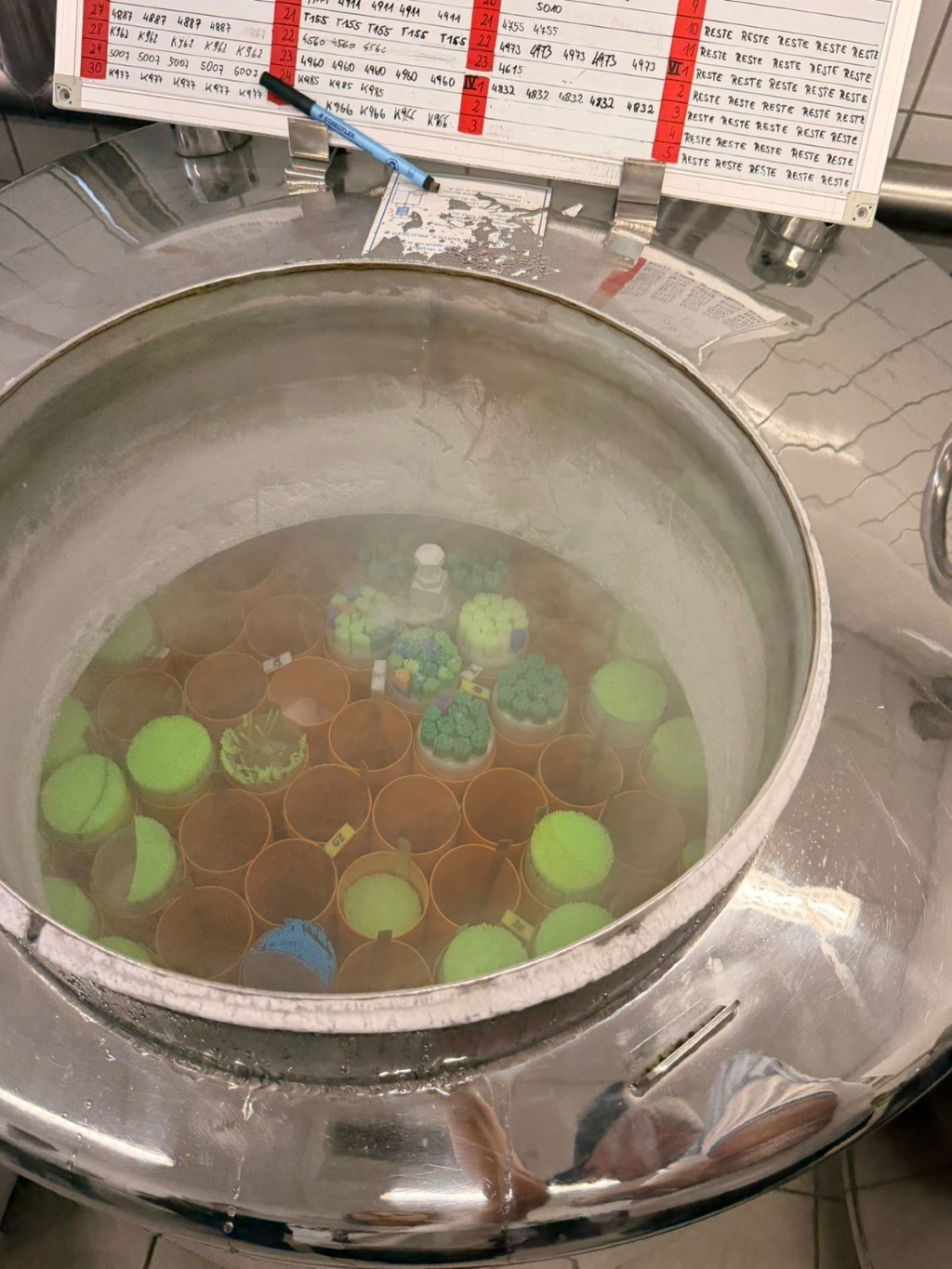
The delegation also visited Minitube GmbH, one of the international leaders in reproductive technologies for livestock production. Participants were introduced to artificial insemination production facilities, semen analysis and cryopreservation technologies, laboratory standards, quality assurance mechanisms, and international logistics and export systems.

Additional visits were conducted to Bayern Genetik GmbH, ASR Bayern, and the Bavarian State Educational Farm in Grub, where participants explored genetic breeding programmes, breed selection strategies, genomic evaluation systems, and current developments in cattle breeding. Visits to high-performance and pasture-based dairy farms provided practical examples of efficient herd management and sustainable livestock production practices.

Throughout the study visit, participants gained valuable professional knowledge and practical experience aimed at supporting the development of the dairy cattle breeding sector, promoting the application of modern approaches, and strengthening professional capacities within the field.

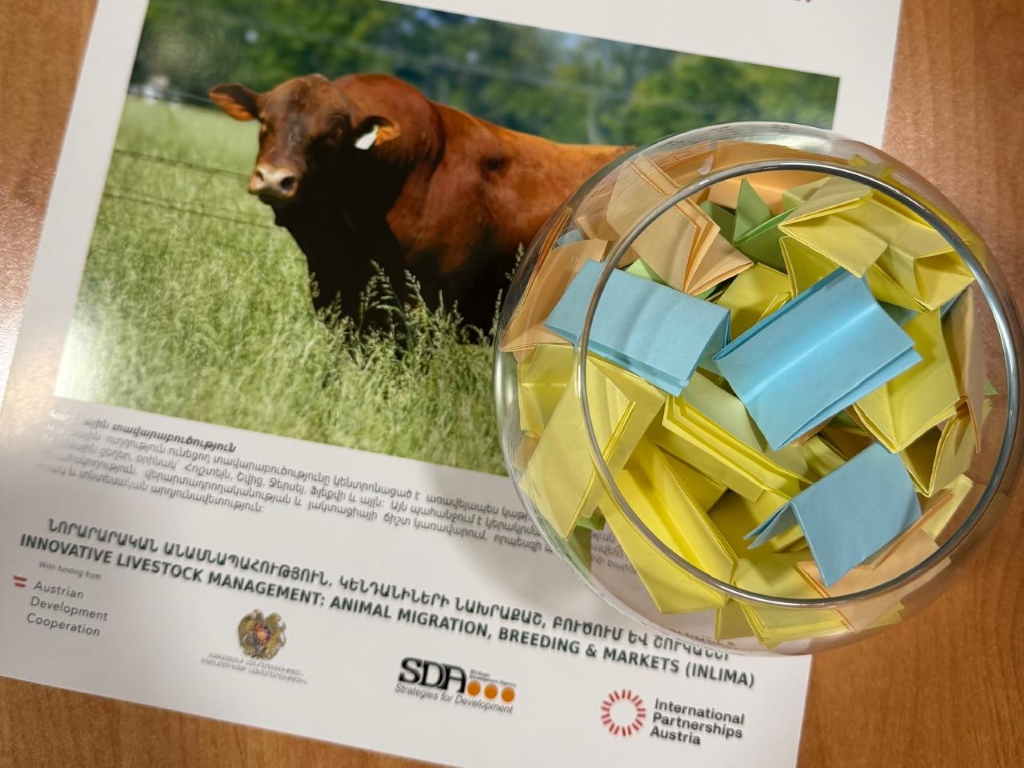
“Innovative Livestock Management: Animal Migration, Breeding & Markets” (INLIMA) project is implemented by Strategic Development Agency NGO and funded by the Austrian Development Agency (ADA), the operational unit of Austrian Development Cooperation.