
Uncategorized

Conference named “ICTs for SMEs: Bridging divide to foster digital transformation”

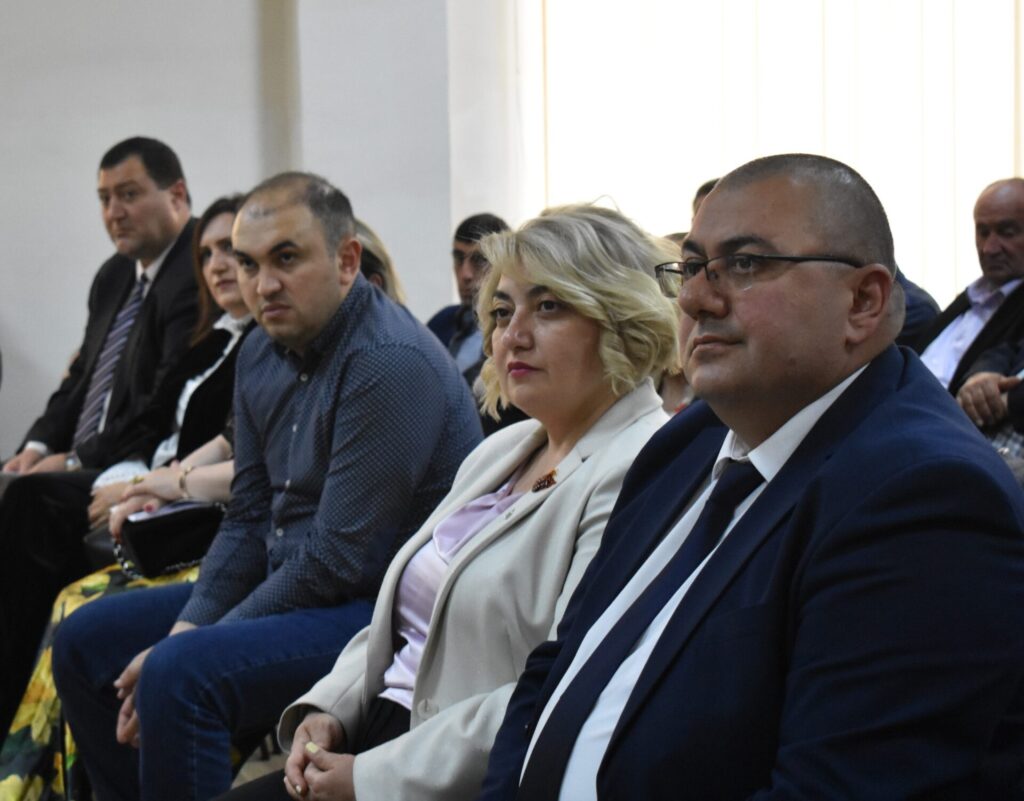
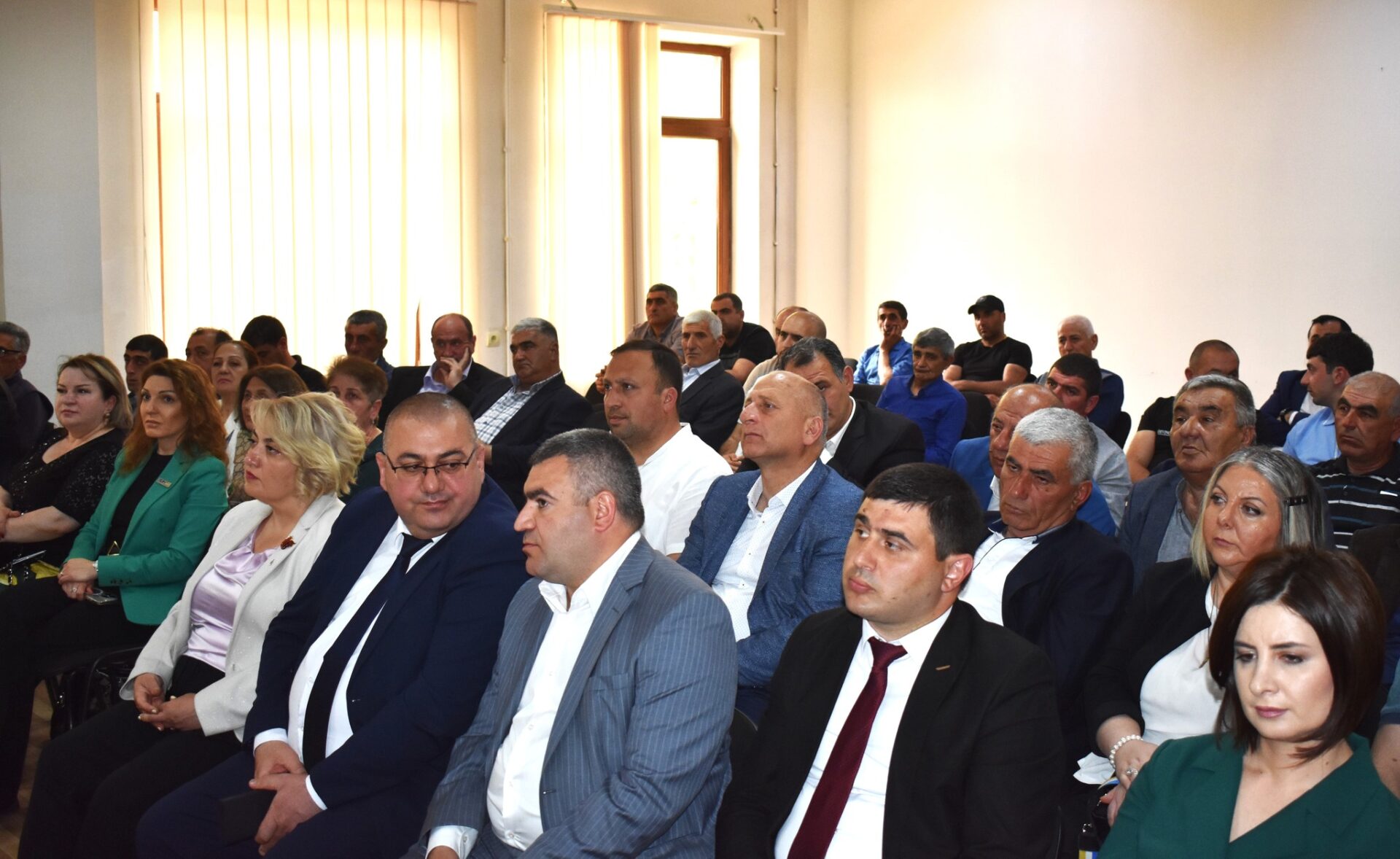
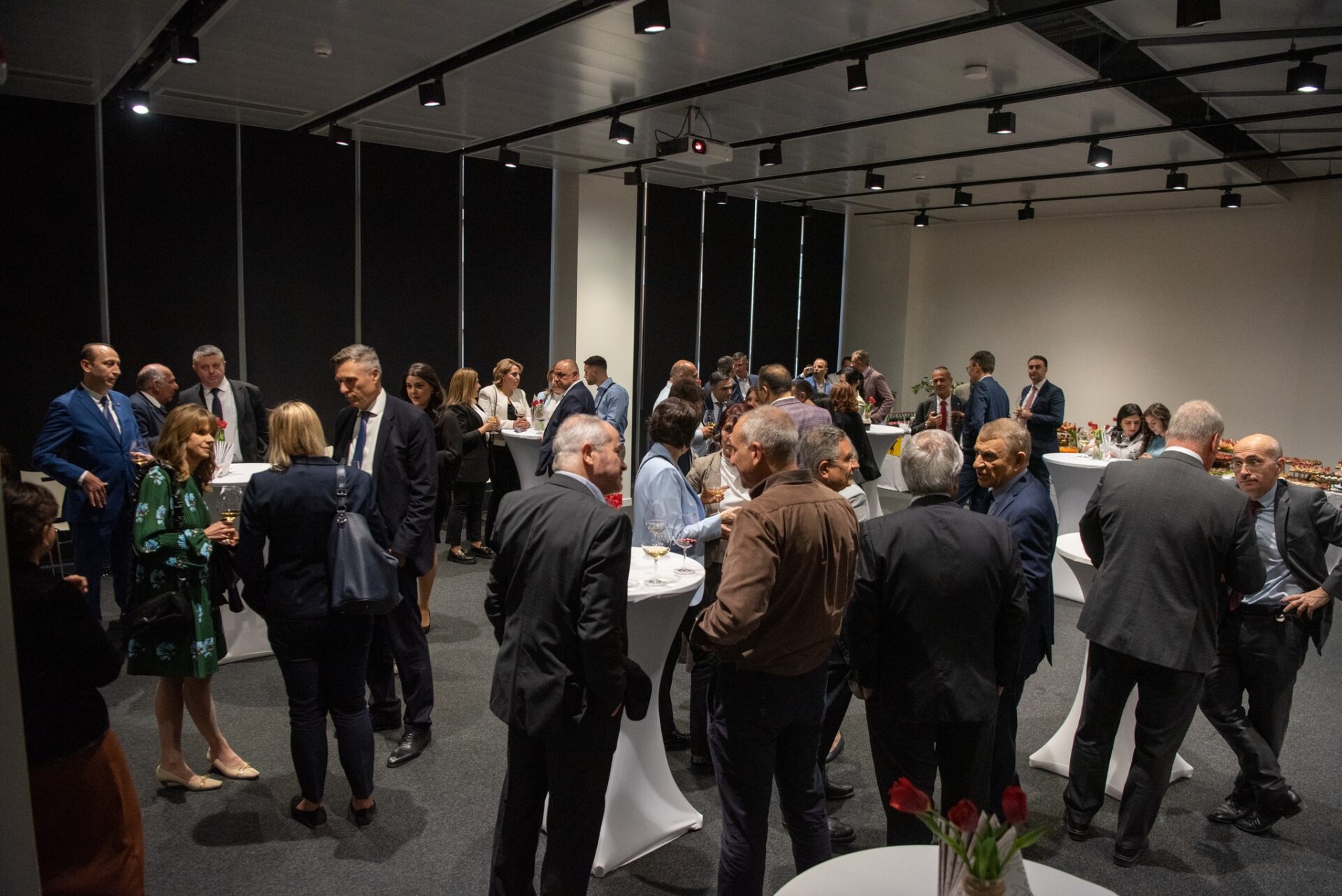
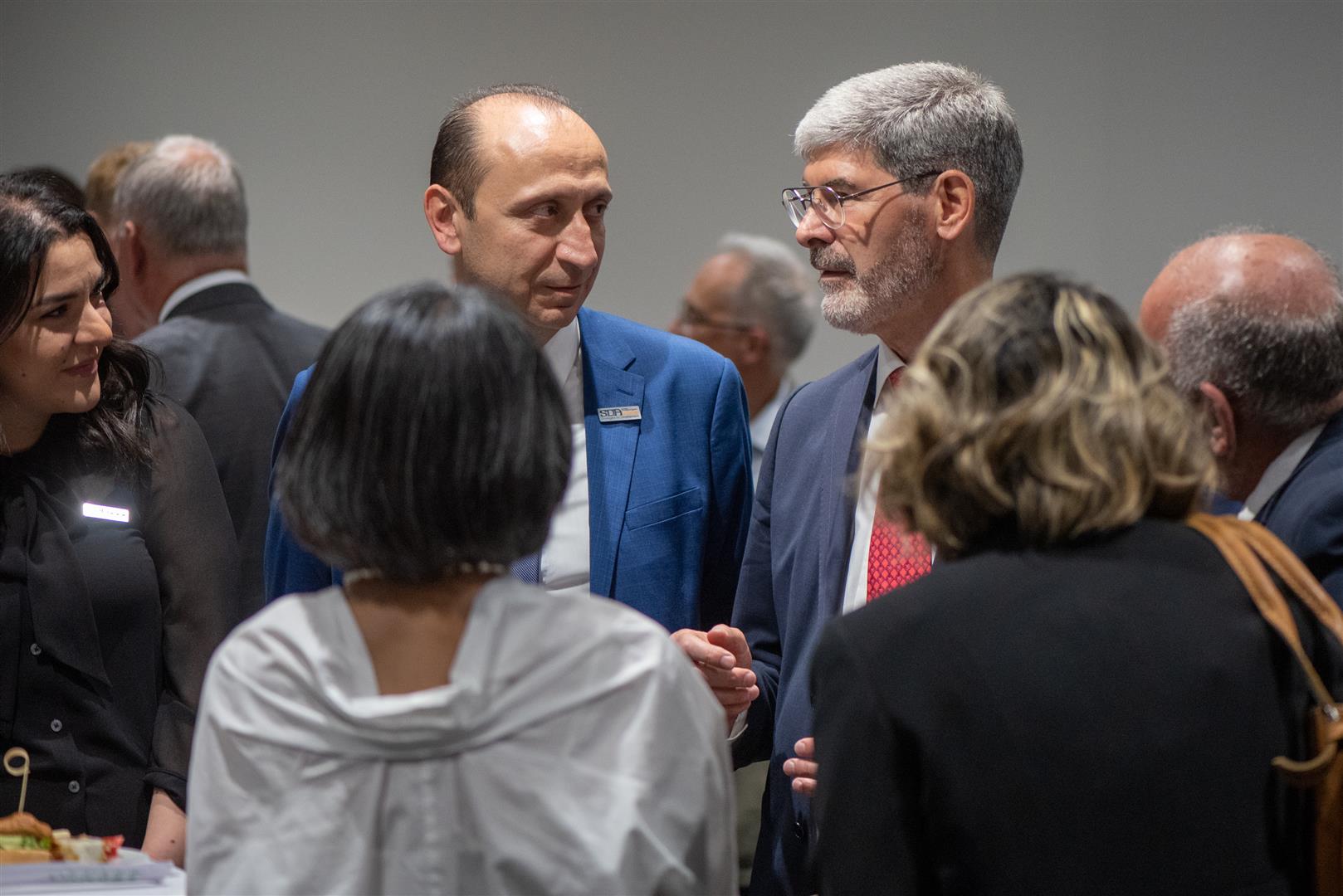
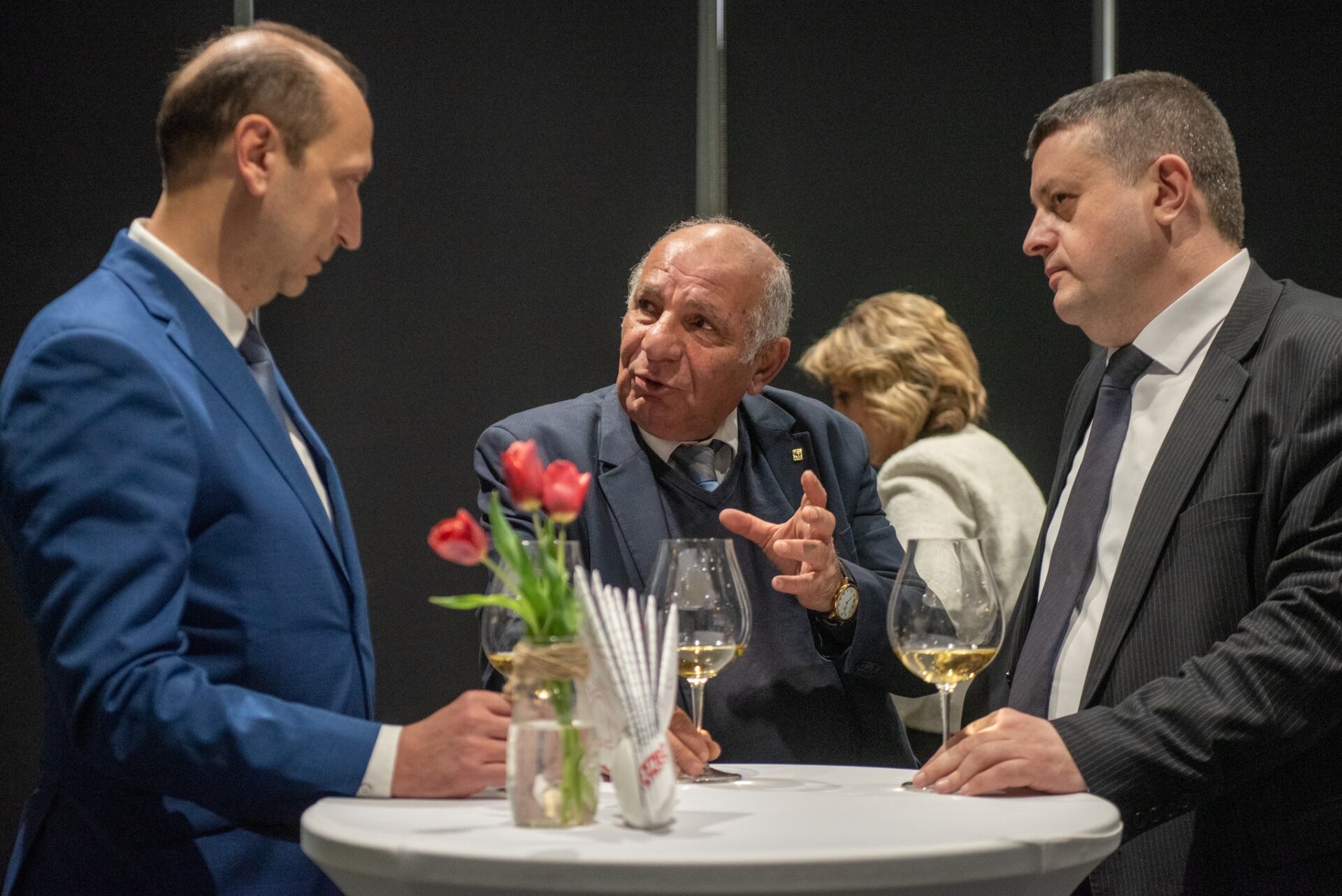
On December 14, a conference named “ICT for SMEs: Bridging divide to foster digital transformation” was held. It was part of the RECONOMY project “Digitizing sectors for competitiveness”, aimed at advancing the digital transformation in tourism, agriculture, and manufacturing sectors in the Eastern Partnership countries. This conference, organized by the Strategic Development Agency (SDA) NGO, brought together representatives from the agriculture, tourism, and IT sectors of Armenia, Georgia, and Moldova, as well as government officials from these countries.

RECONOMY is an inclusive and green economic development program of the Swedish International Development Cooperation Agency (Sida), implemented by HELVETAS Swiss Intercooperation in partnership with Strategic Development Agency NGO and others in the Eastern Partnership and the Western Balkan regions.

The goal of the conference was to encourage dialogue and cooperation among small and medium enterprises (SMEs), professional sector associations, and IT companies from the partner countries. This collaboration aims to support the digital transformation of SMEs.

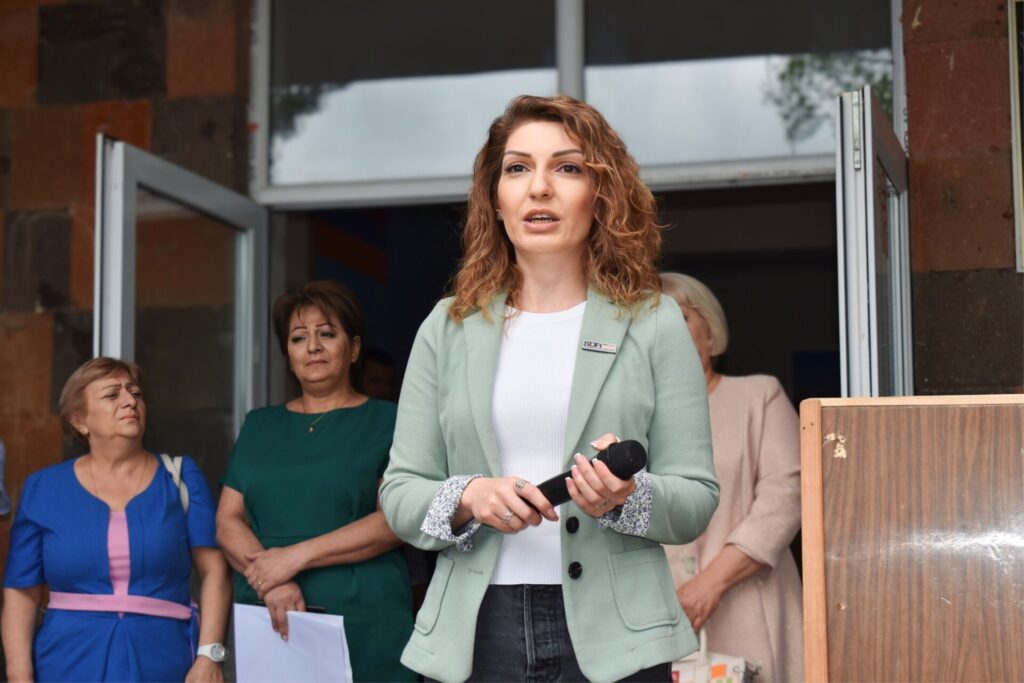
Mkrtich Ayvazyan, Chairman of Strategic Development Agency NGO, Klas Waldenström, Deputy Head of Mission of the Embassy of the Kingdom of Sweden in RA, and Paulo Rodrigues, Program Manager of RECONOMY, delivered welcome speeches at the conference. Waldenström highlighted the role of digital solutions in business sustainability and environmental protection, while Rodrigues emphasized the significance of regional collaboration for inclusive economic development.
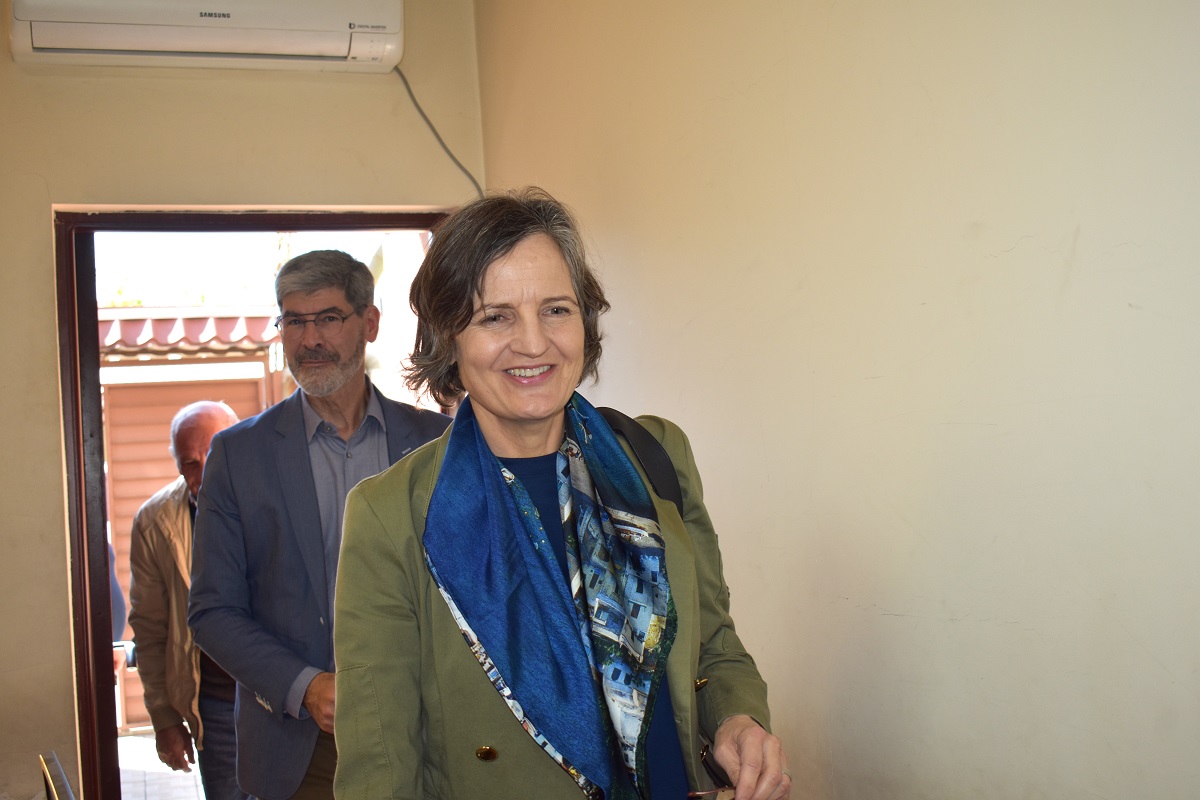
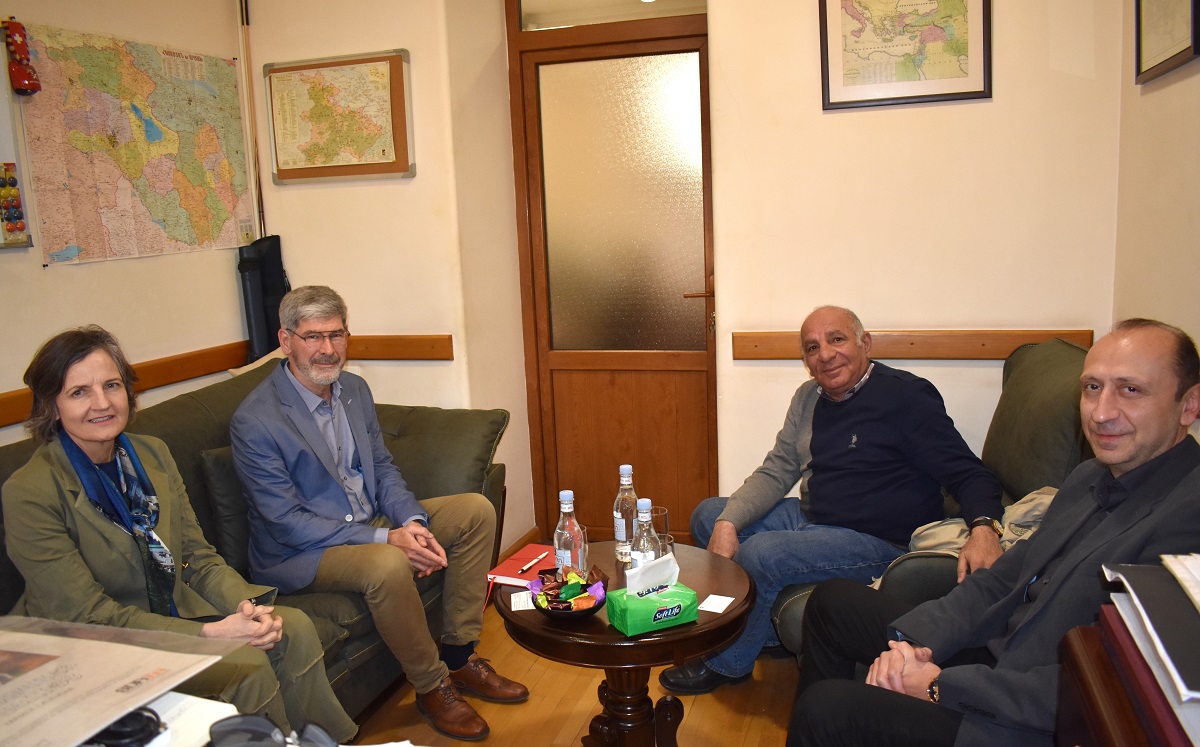
Representatives from the Ministry of Economy of the Republic of Armenia (RA), the RA Tourism Committee, the RA Ministry of High-tech Industry and other local and international organizations were present at the event.

The conference featured two panel discussions. These discussions centered on state programs and tools for boosting SME digital transformation, international experiences, challenges faced, and the crucial role of sectoral associations and business service providers in facilitating the sustainable adoption of digital solutions by SMEs.

Additionally, the interventions of the RECONOMY “Digitizing sectors for competitiveness” project were presented, and several cooperation agreements were signed among partners within the project’s framework.

Training on “Team building and time management” for administrative and teaching staff of Stepanavan State Agricultural College

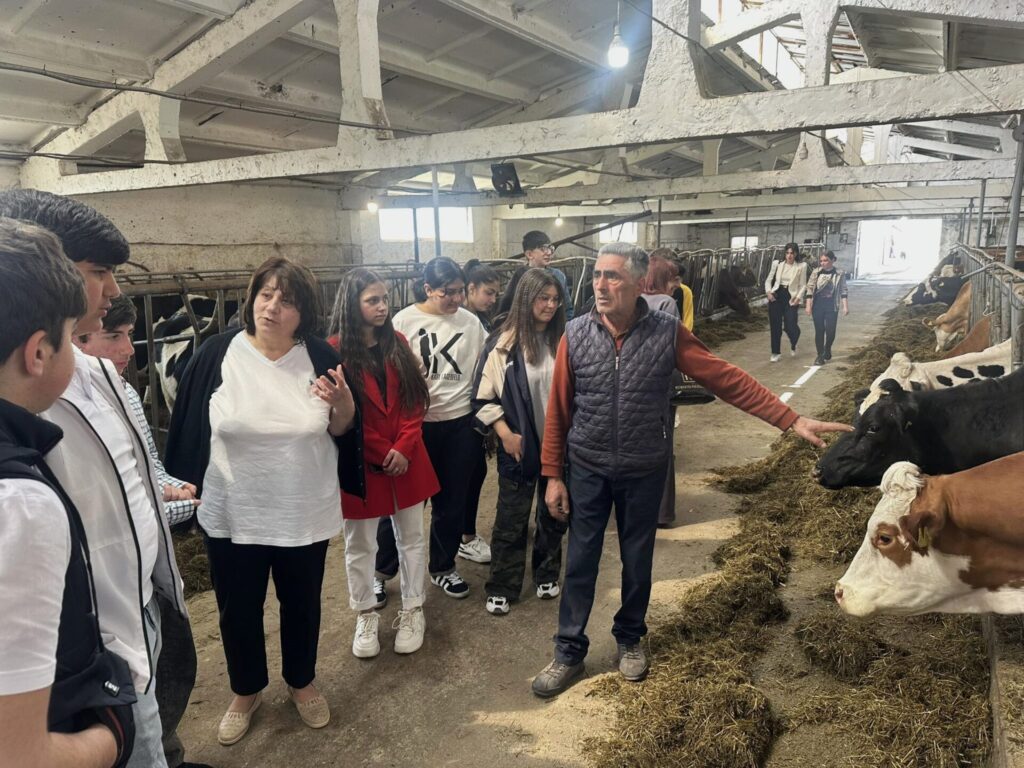
Emphasizing the need for interpersonal skills development among partners, on December 8-9, the “Strategic Development Agency” NGO within the framework of the “Modernizing Vocational Education and Training in Agriculture in Armenia” (MAVETA) project organized a training on “Team building and time management”.

The purpose of the training was to strengthen the team, working atmosphere and soft skills of administrative and teaching staff of Stepanavan State Agricultural College.

During the training, with the help of theoretical part and games, participants got acquainted with the methods of improving teamwork, communication and cooperation, the principles of time management, methods of defining tasks and priorities.

Uncategorized

“Modernizing Vocational Education and Training in Agriculture in Armenia” (MAVETA) project’s steering committee meeting

On December 8, the MAVETA project steering committee meeting was organized by the Swiss Cooperation Office in Armenia (SDC) with the aim of discussing the project’s implemented actions and results.

The meeting was attended by the representatives of the Ministry of Education, Science, Culture and Sport of RA and representatives of the project financing and implementing organizations․

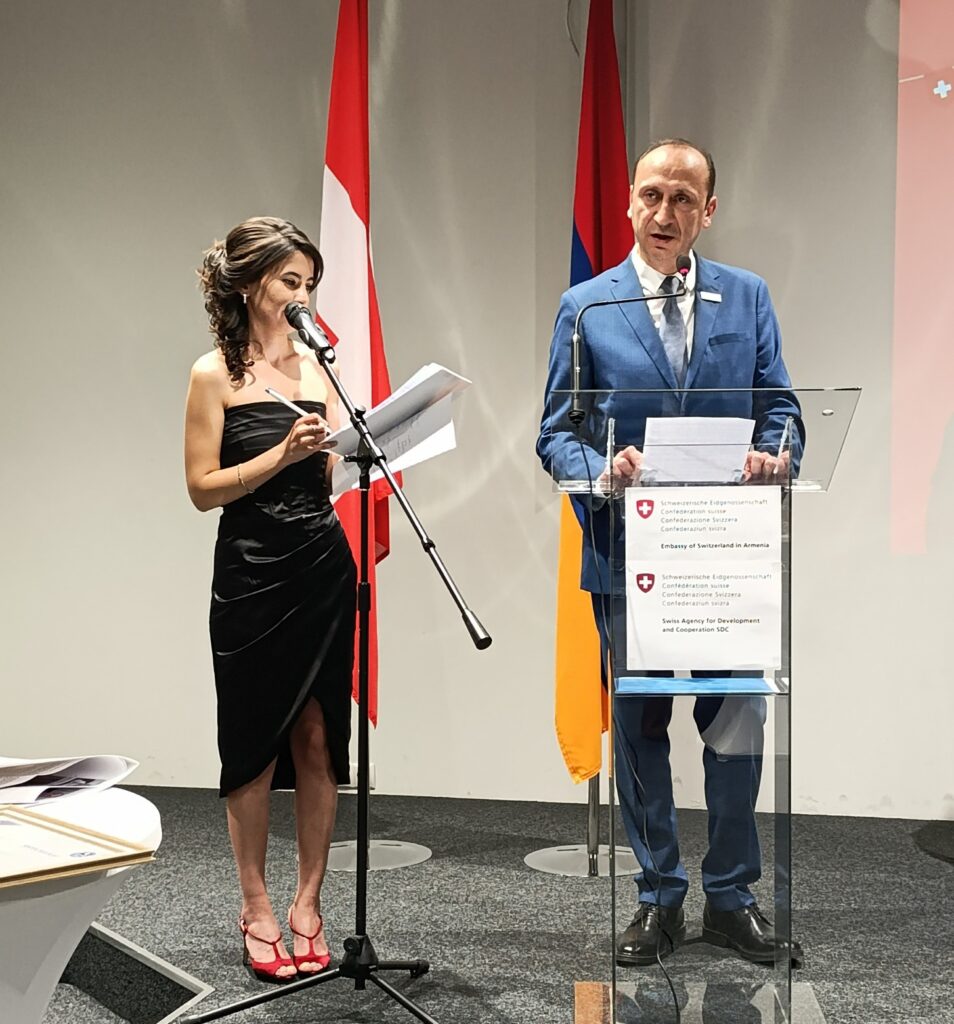
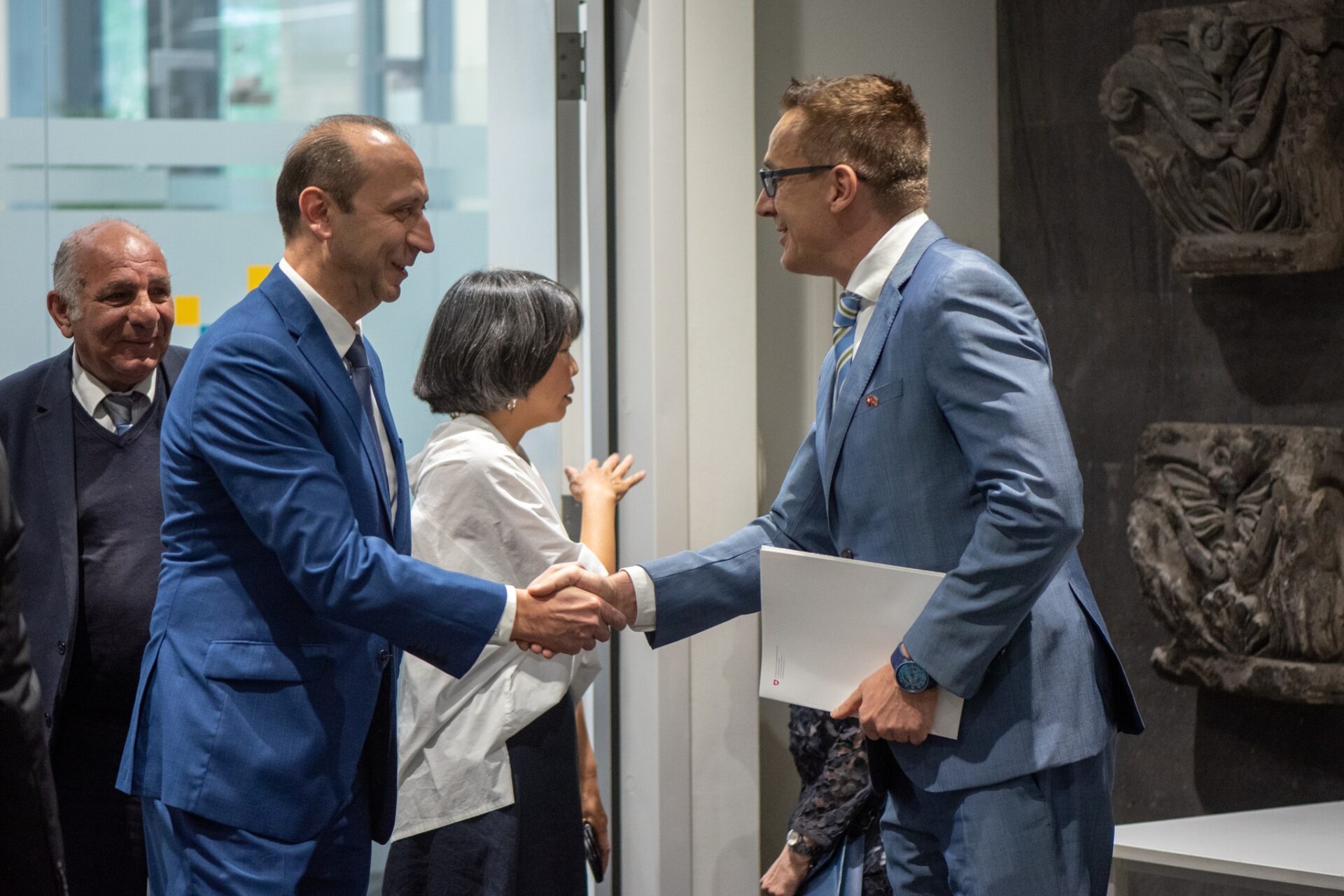
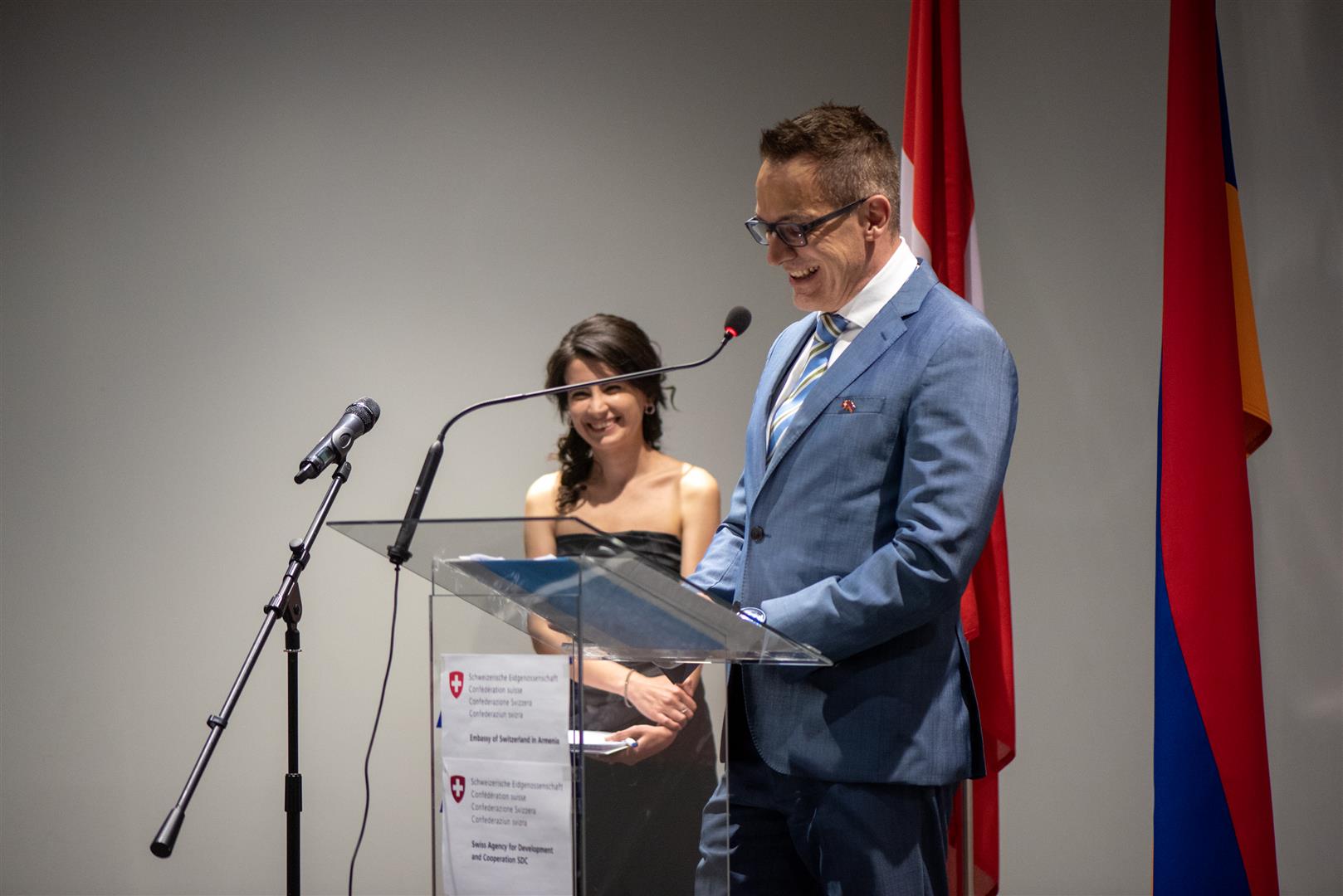
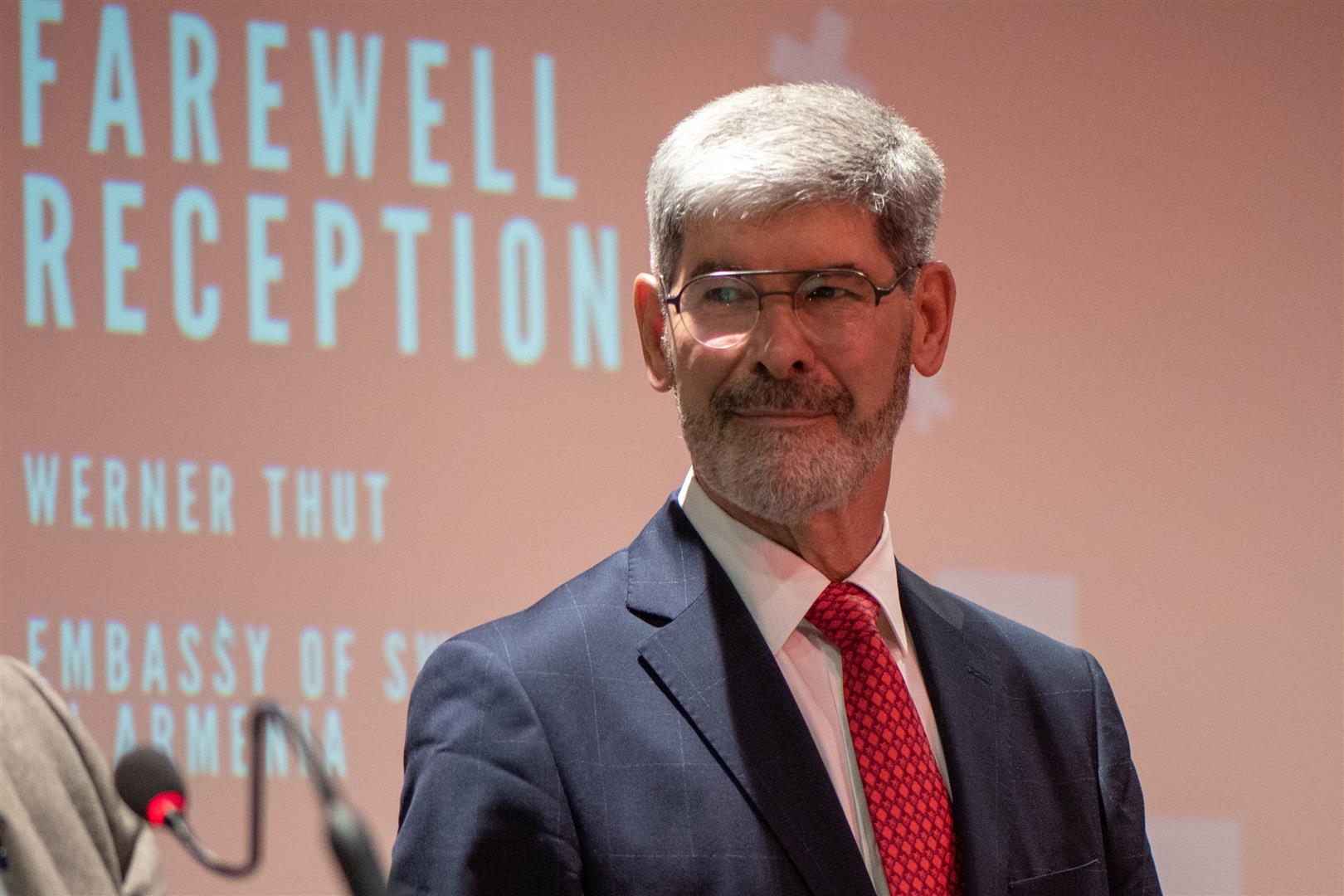
Mr. Werner Thut, the Deputy Head of Mission of the Embassy of Switzerland in Armenia and equally responsible for Switzerland’s Development Cooperation in Armenia and Araksia Svajyan, the Deputy Minister of the Ministry of Education, Science, Culture and Sport of RA delivered the welcoming speeches.

Mr. Werner Thut, the Deputy Regional Director of the Swiss Cooperation for the South Caucasus in his welcoming speech, emphasized the importance of the close cooperation between state structures and the private sector representatives for effective reforms in professional education, also including the agricultural sector.

Mr. Thut also referred to the need for support programs for people forcibly displaced from Nagorno-Karabakh.  “In October, we have launched an internal study on how to support the displaced population. We want to support the government in its efforts to offer these people a decent future life in Armenia”, – noted Mr. Thut.

Mr. Thut was followed by Mrs. Svajyan, who noted that the agricultural sector is one of the priority directions of the Ministry in terms of professional education, therefore the results of the project are important not only from the project point of view, but also for the given sector development.

At the steering committee meeting the challenges encountered during the implementation of the project and how to address the current challenges in a targeted manner were discussed․  During the meeting the planned interventions for 2024 were presented.

The MAVETA project is funded by a broad coalition of international and local organizations led by the Swiss Agency for Development and Cooperation (SDC), and co-funded by the Austrian Development Agency, the German Ministry for Economic Cooperation and Development (BMZ), the Government of Armenia, the Swiss Church Aid (HEKS/EPER), and the Izmirlian Foundation/Vanand Agro CJSC.

The project’s implementing partners are the GIZ and HEKS/EPER with the involvement of the Strategic Development Agency (SDA) NGO and the School of Agricultural, Forest and Food Sciences at the Bern University of Applied Sciences (HAFL).

Annual meeting of the Stakeholder Dialogue Platform of VET donor organizations

On December 5-6, within the framework of the project “Modernizing Vocational Education and Training in Agriculture in Armenia” (MAVETA), Strategic Development Agency (SDA) NGO organized the regular annual meeting of the Stakeholder Dialogue Platform of VET donor organizations.

The MAVETA project is funded by a broad coalition of international and local organizations led by the Swiss Agency for Development and Cooperation (SDC), and co-funded by the Austrian Development Agency, the German Ministry for Economic Cooperation and Development (BMZ), the Government of Armenia, the Swiss Church Aid (HEKS/EPER), and the Izmirlian Foundation/Vanand Agro CJSC.

The project’s implementing partners are the GIZ and HEKS/EPER with the involvement of the Strategic Development Agency (SDA) NGO and the School of Agricultural, Forest and Food Sciences at the Bern University of Applied Sciences (HAFL).

The aim of the meeting was to discuss the actions aiming to promote the vocational education and training in Armenia.

The meeting was attended by the representatives of the Ministry of Education, Science, Culture and Sport (MoESCS), the Ministry of Labor and Social Affairs, the Swiss Cooperation Office in Armenia (SDC), UNDP and other local and international institutions.

The conference was opened by the welcoming speeches, delivered by Mr. Mkrtich Ayvazyan, the chairman of Strategic Development Agency NGO, Mr. Werner Thut, the Deputy Head of Mission of the Embassy of Switzerland in Armenia and equally responsible for Switzerland’s Development Cooperation in Armenia, and Mrs. Armenuhi Poghosyan, the Head of the Department for Preliminary (craftsmanship) and Vocational Education and Training of the MoESCS.

Mr. Ayvazyan in his speech thanked the participants for being present and emphasized the importance of the Platform meetings.

Mr. Thut in his speech, stressed that for a successful reform of professional education in general, including agriculture, a close cooperation between state institutions, a broad array of non-state actors active in the sphere of economy, and the private sector with its thousands of small, medium, and large enterprises, would be absolutely key. “If the stakeholders fail to build and permanently maintain this joint alliance, the entire reform very likely would remain unfinished business at best”, -said Mr. Thut.

He also referred to the need for support programs for people forcibly displaced from Nagorno Karabakh. “In October, we have launched an internal study on how to support the displaced population. We want to support the government in its efforts to offer these people a decent future life in Armenia”,- noted Mr. Thut.

Mr. Thut was followed by the speech of Mrs. Armenuhi Poghosyan, the Head of the Department of Primary (Vocational) and Secondary Vocational Education of the RA MoESCS, who presented the legislative reforms in the field of Vocational Education and Training.

During the meeting, the tools aimed at increasing the visibility and promotion of the VET sector implemented by the RA MoESCS and the communication strategy of the MAVETA project were presented.

The meeting provided an opportunity to discuss the necessary actions for the VET sector promotion, to develop the unique promotion approach and the action plan, defining the potential contribution of each stakeholder.

Training on “The development of basic research skills and interactive and innovative methods in teaching”

On November 30-December 1, “Strategic Development Agency” NGO organized a training on “The development of basic research (quantitative/qualitative) skills and interactive and innovative methods in teaching” for career consultants of the partner colleges of the “Modernizing Vocational Education and Training in Agriculture in Armenia” (MAVETA) Project.

The training was aimed at improving the professional level of VET career consultants.

Representatives of VET institutions from Yerevan and the regions of Lori, Syunik, Tavush, and Armavir participated in the training.

During the training, the participants got acquainted with data collection and analysis methods, monitoring and evaluation tools, as well as the use of formal and informal forms of learning in the course development process.