




When discussing access to employment, the conversation often focuses solely on the number of jobs available. Yet, in reality, decent work begins much earlier – with awareness, self-confidence, the ability to make one’s voice heard, and the capacity to recognize and seize opportunities.
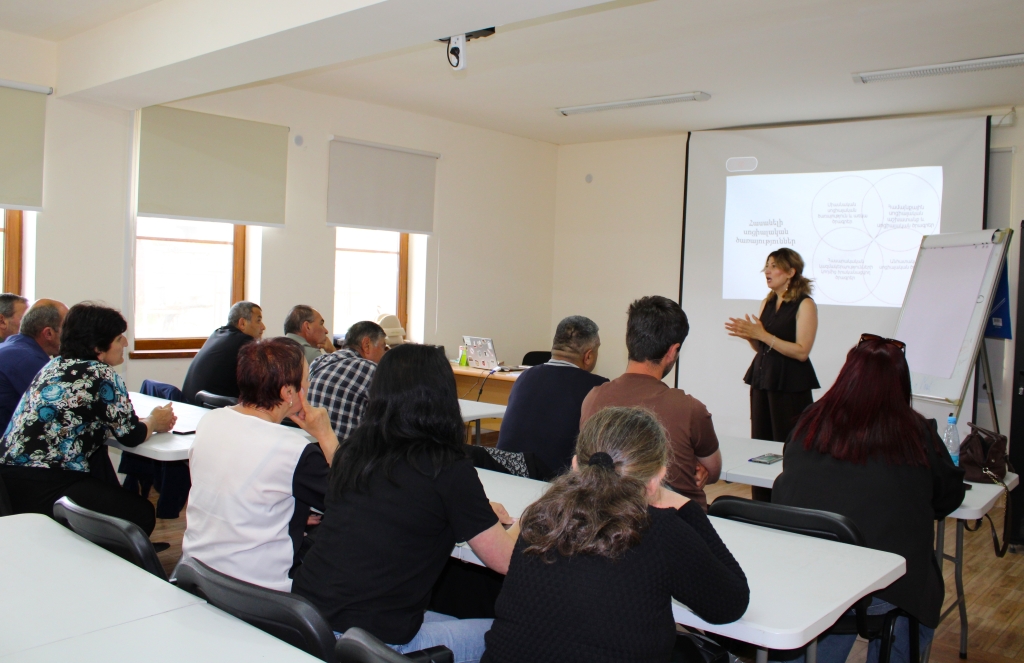
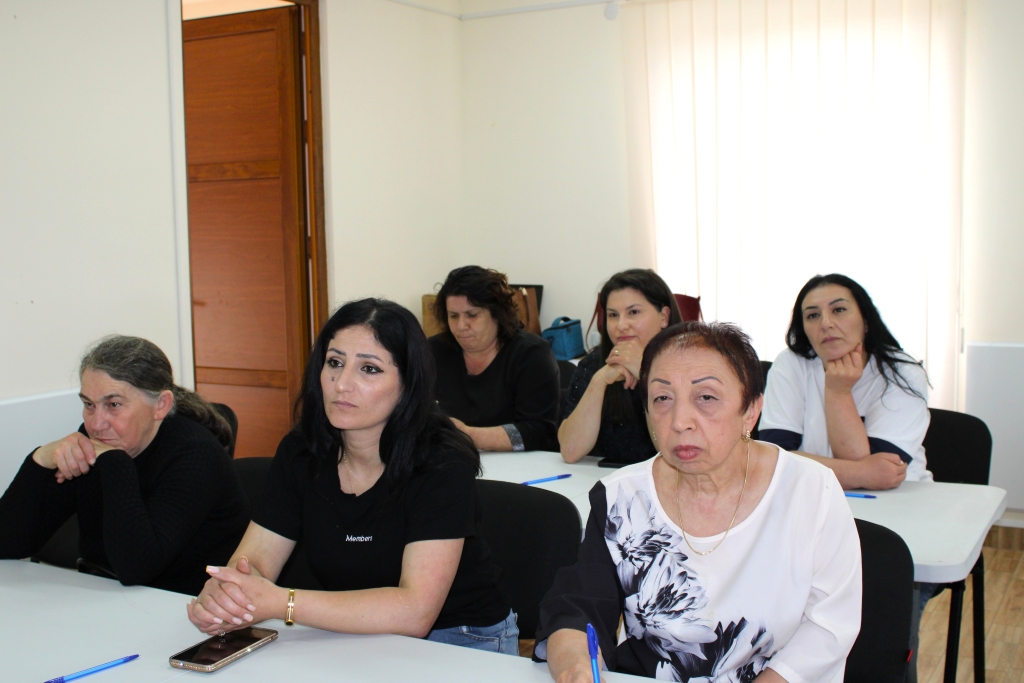
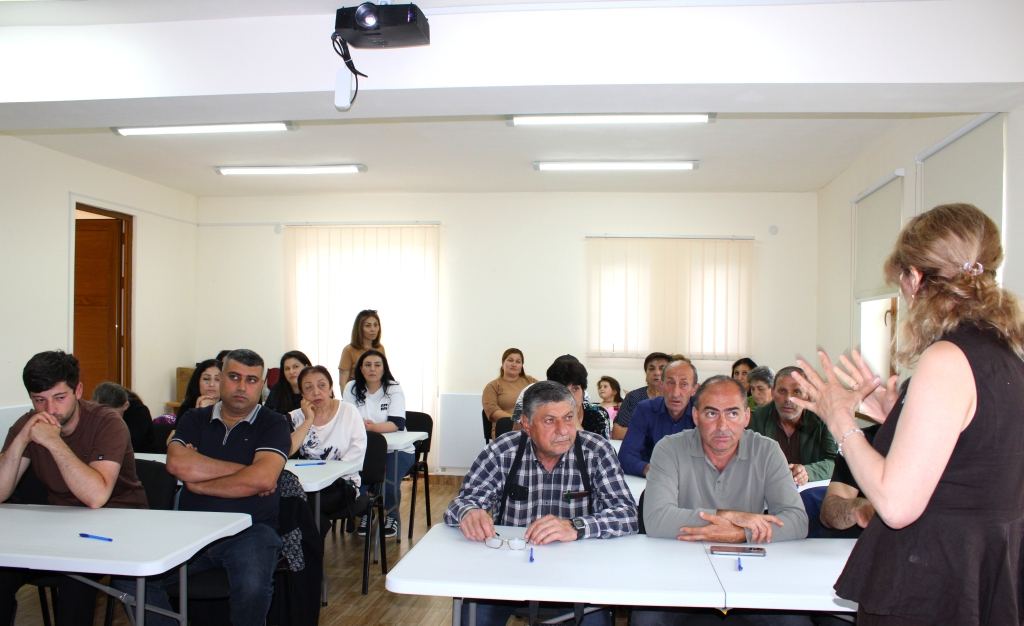
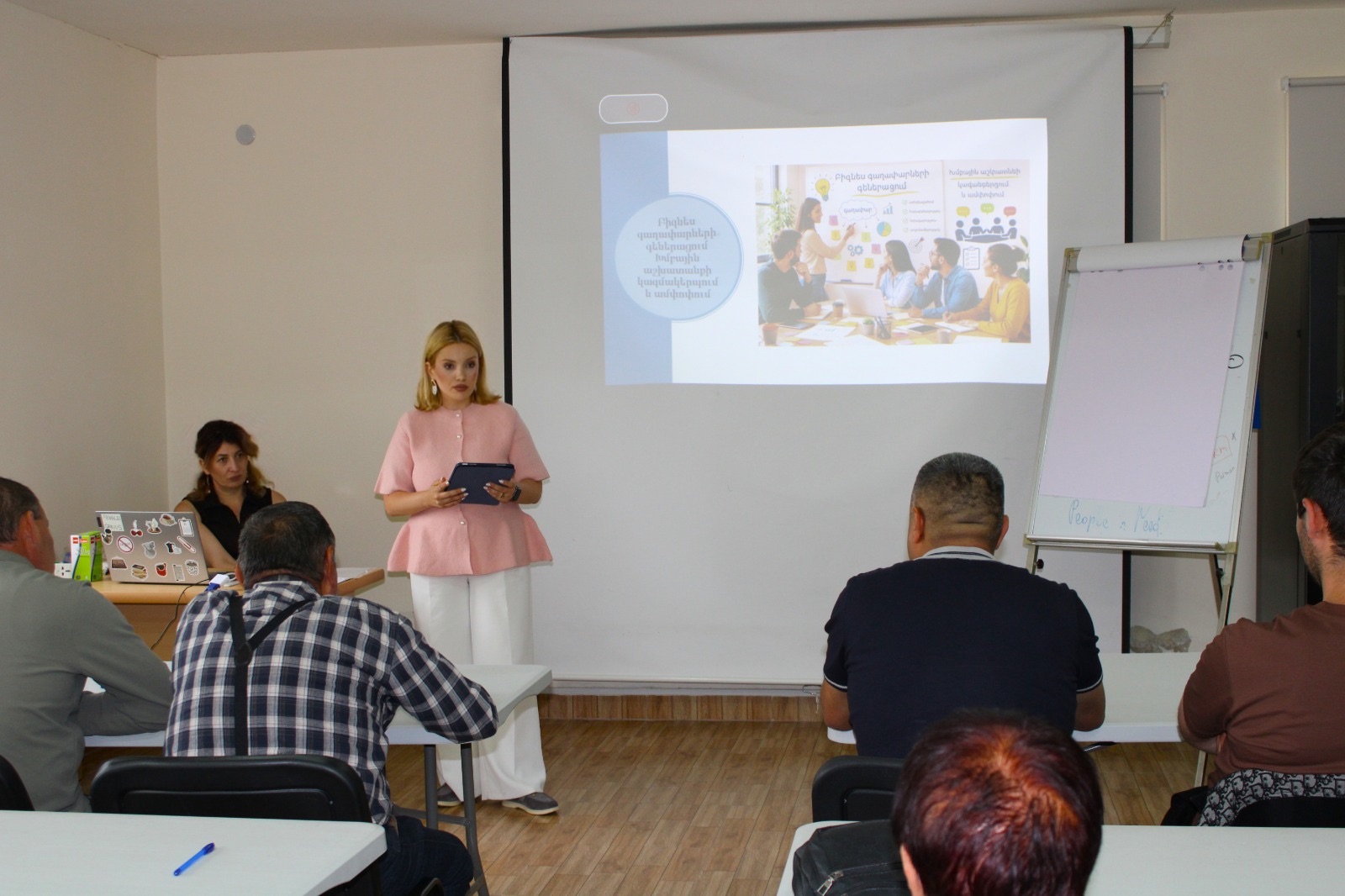
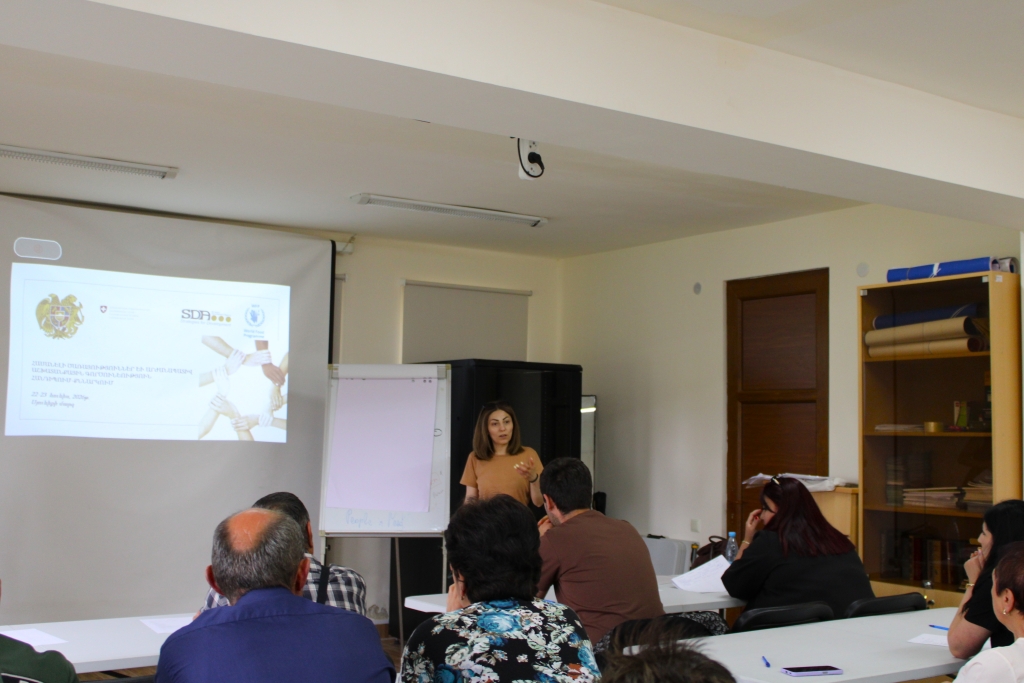
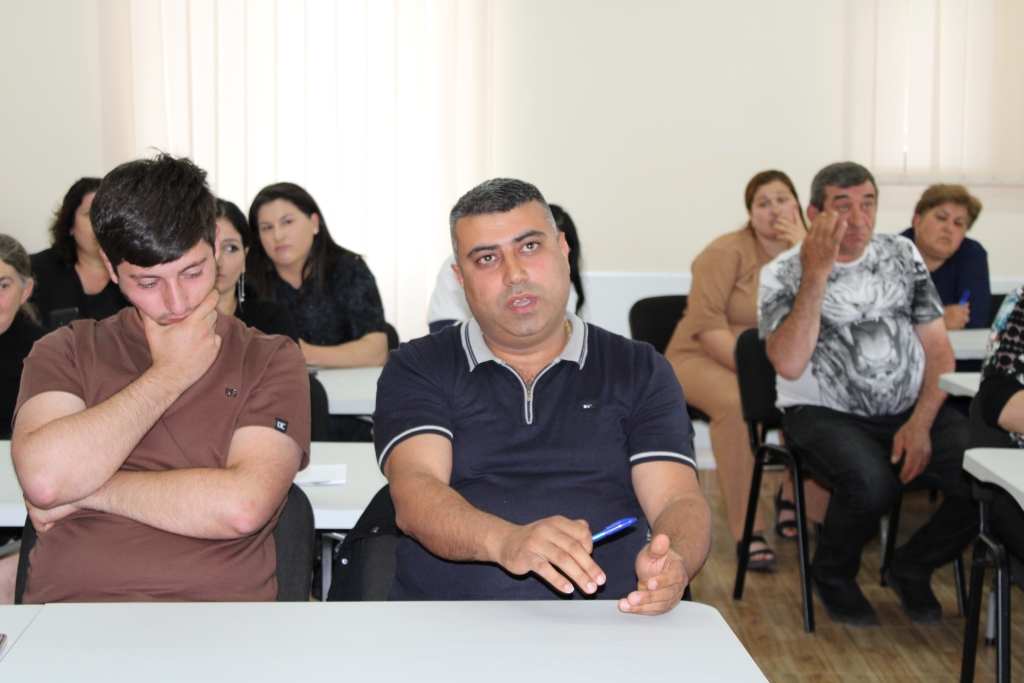
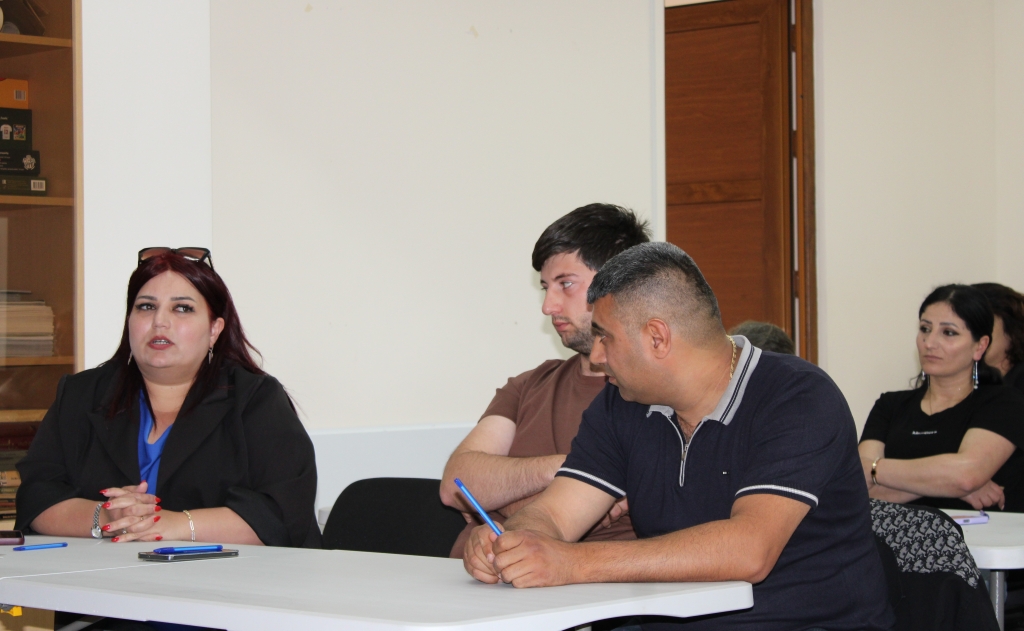
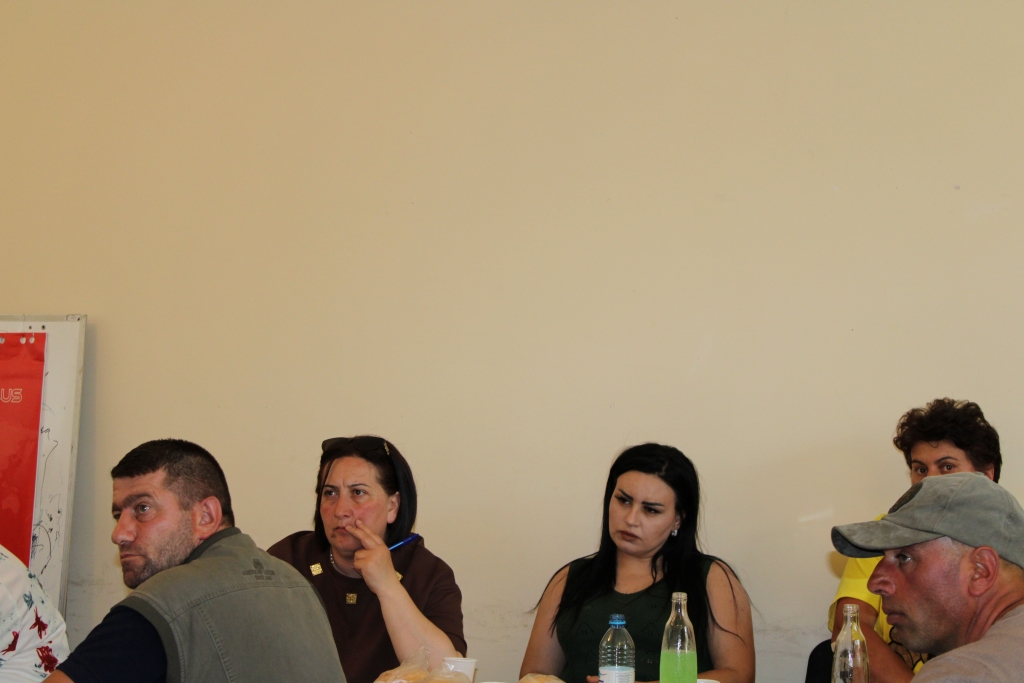
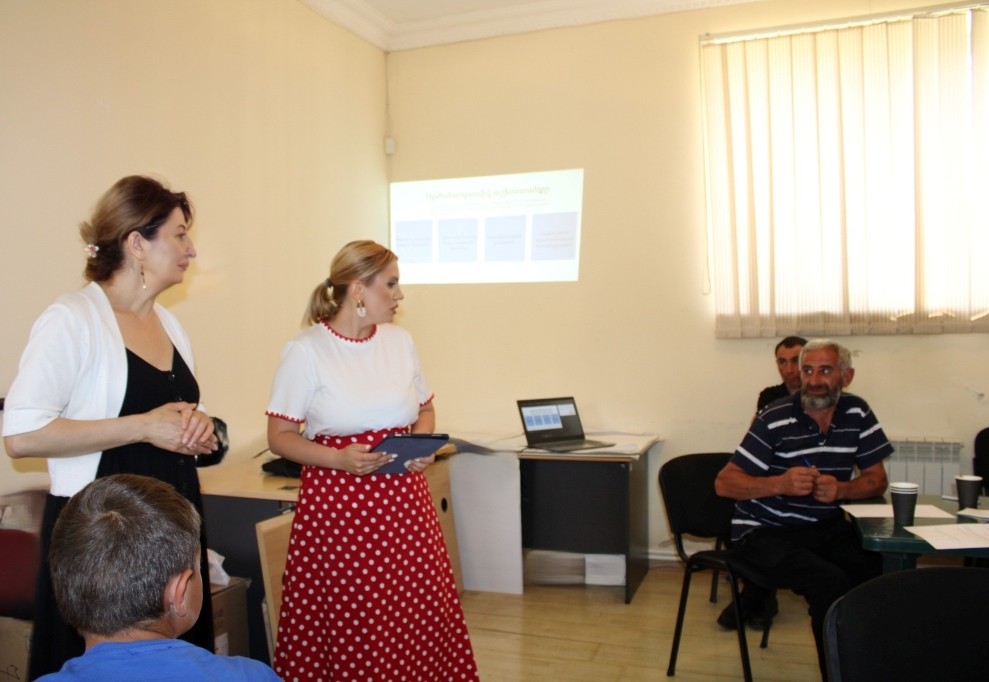
This principle lay at the heart of the discussion sessions on “Accessible Services and Decent Employment”, organized in Armenia’s Syunik region under the Socio-Economic Integration of Refugees in Armenia (SEIRA) project. Together with participants, we explored not only access to social services but also the broader factors that shape economic participation, social inclusion, and long-term resilience.
Throughout the sessions, participants gained a deeper understanding of state and community social services, the principles of decent and safe work, and opportunities for self-employment and entrepreneurship. However, the true value of these discussions extended far beyond the transfer of information.
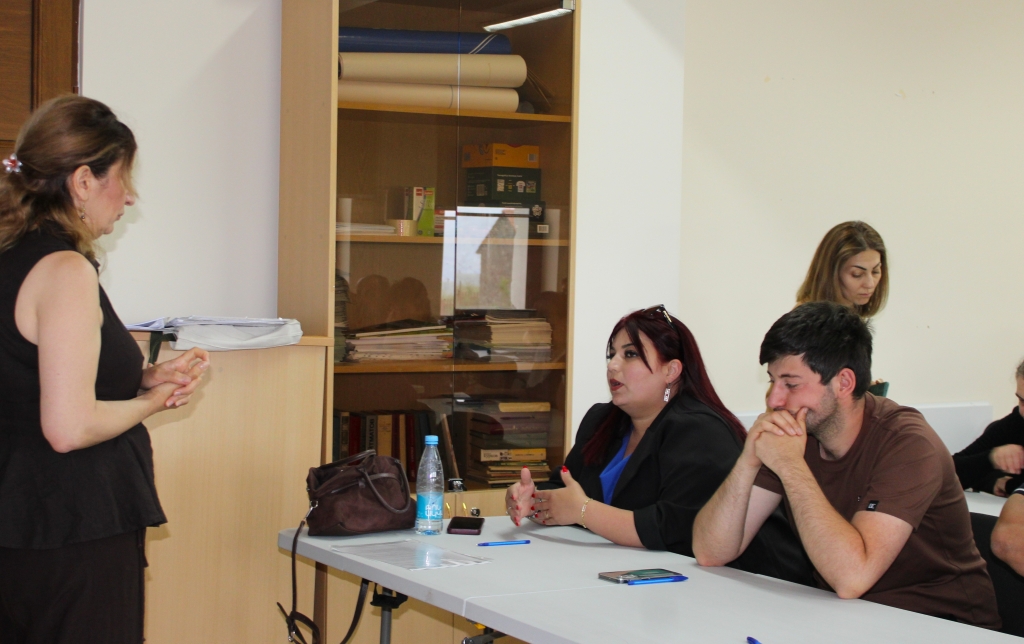
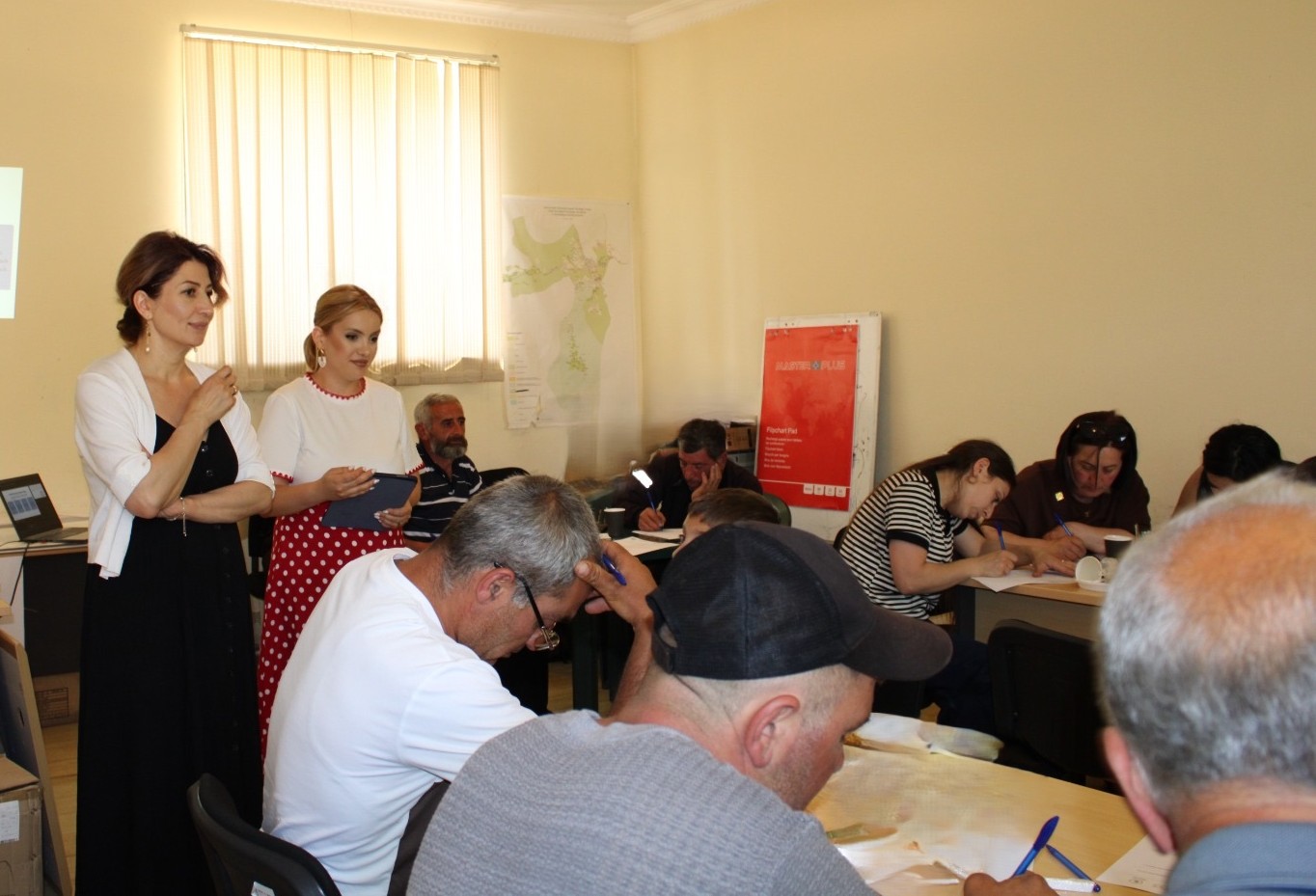
Through a carefully designed participatory methodology, participants engaged in Focus Group Discussions (FGDs), self-reflection exercises, communication confidence self-assessments, and collaborative analysis. This approach enabled us not only to identify the barriers individuals face when entering or participating in the labour market, but also to uncover their underlying causes – from deeply rooted social norms and stereotypes to limited self-confidence and underestimation of personal capabilities.
An equally important component of the discussions was the examination of the relationship between unpaid domestic work and paid employment. This remains a critical issue, as the significant contribution of unpaid care and household work – performed predominantly by women – is still largely invisible in traditional assessments of economic participation. Recognizing and valuing this work is an essential step toward building a more inclusive, equitable, and gender-responsive labour market.
The second part of the programme focused on business idea generation, opportunity identification, and collaborative problem-solving. Participants worked together to transform challenges into viable entrepreneurial opportunities, reinforcing the mindset that sustainable economic participation begins not only with access to resources, but also with the confidence and creativity to identify solutions.
Experiences such as these demonstrate that sustainable employment is about far more than creating jobs. It is about strengthening people’s capabilities, building self-confidence, enabling informed decision-making, and fostering the social capital that allows communities to thrive.
When individuals become more confident in expressing their perspectives, understand their rights, recognize available support services, and begin to see their own economic potential, the outcome is not only a more prepared workforce but also stronger, more resilient, and more inclusive communities.
Ultimately, decent work is not merely an economic concept – it is a matter of dignity, empowerment, participation, and the opportunity for every individual to realize their full potential.
“Socio-Economic Integration of Refugees in Armenia” (SEIRA) project is funded by the Swiss Agency for Development and Cooperation and implemented by the Strategic Development Agency NGO and the UN World Food Programme.