






Today, a college’s digital presence is an important part of how it communicates – how it presents itself, its students and the opportunities it offers. A social media page has become a space where students, parents, partners and prospective applicants can learn about college life, vocational professions, opportunities and the people who are part of it.
A single photograph, a short video or a well-crafted post can do much more than simply provide information. It can tell a story, spark interest, build trust and make the everyday work and life of a college visible to a wider audience.
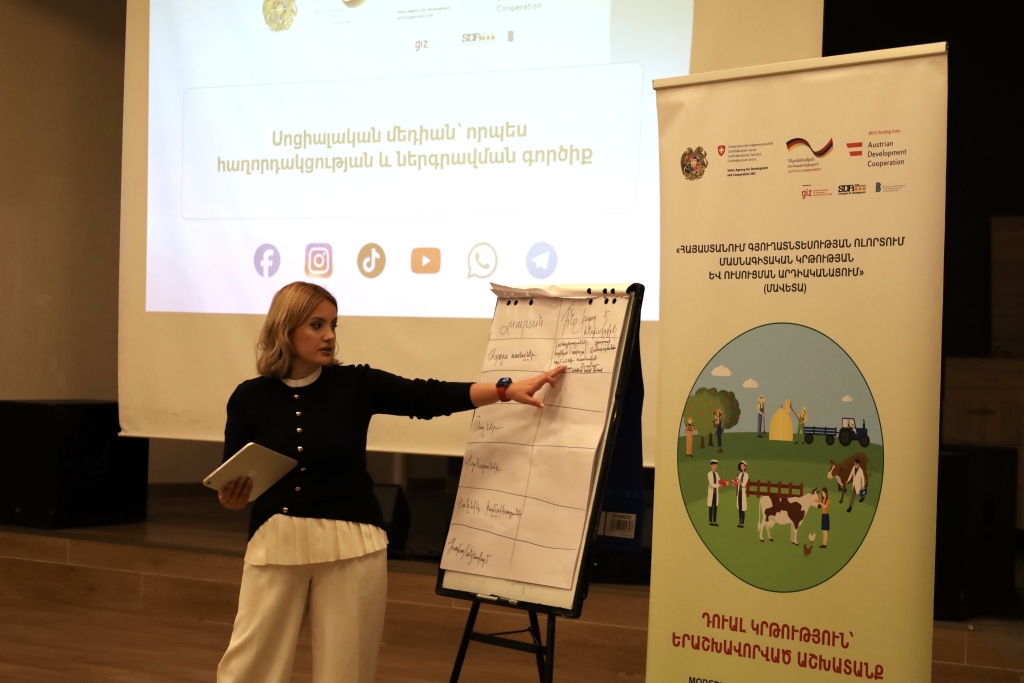
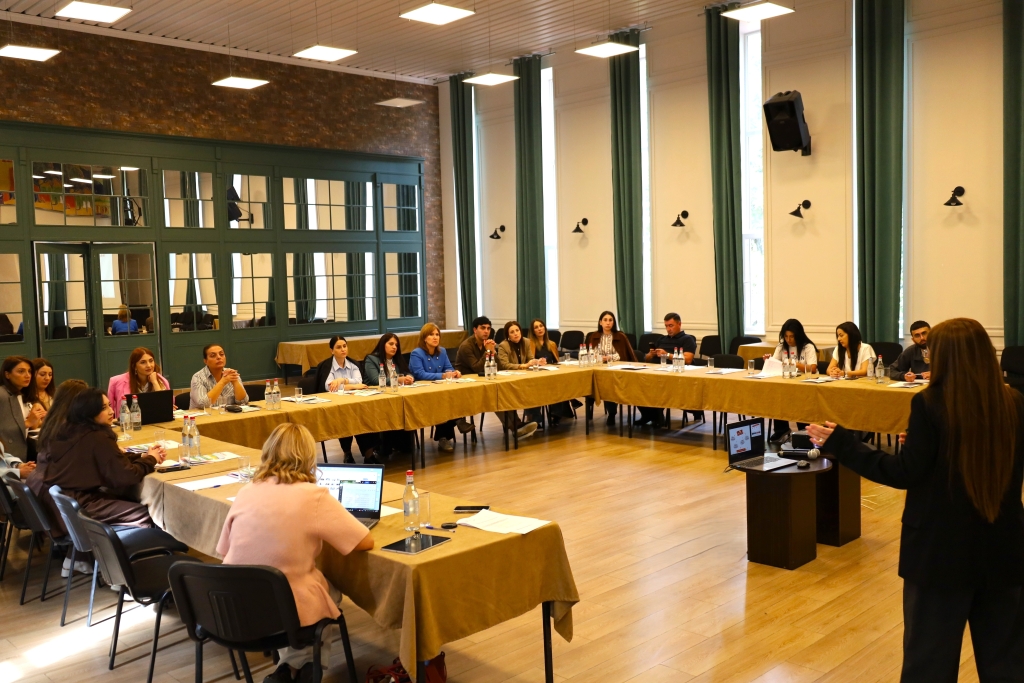
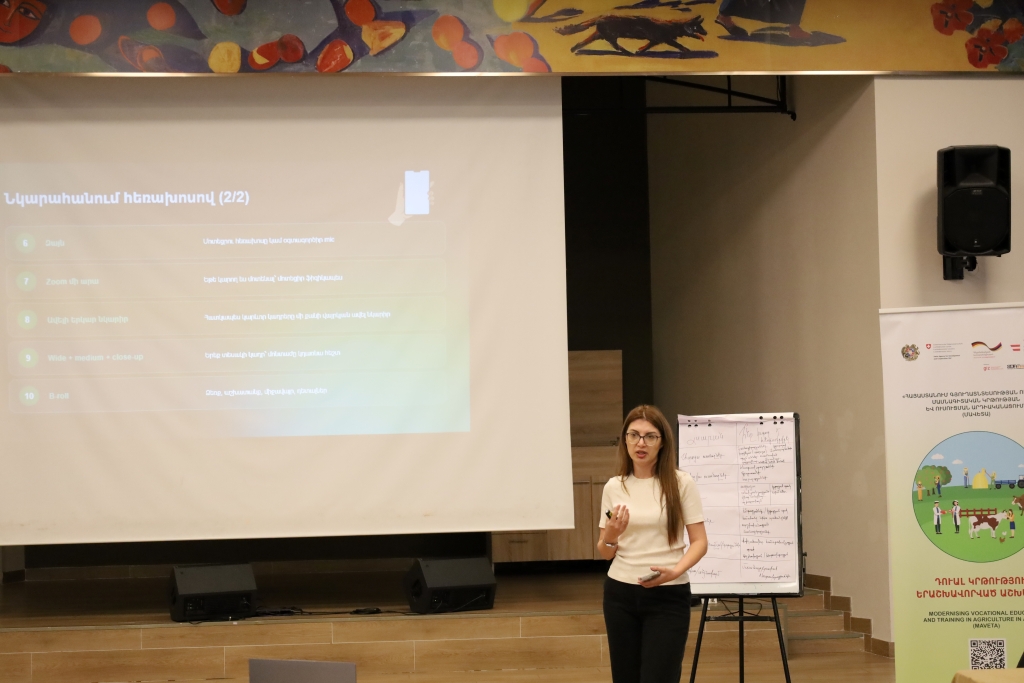
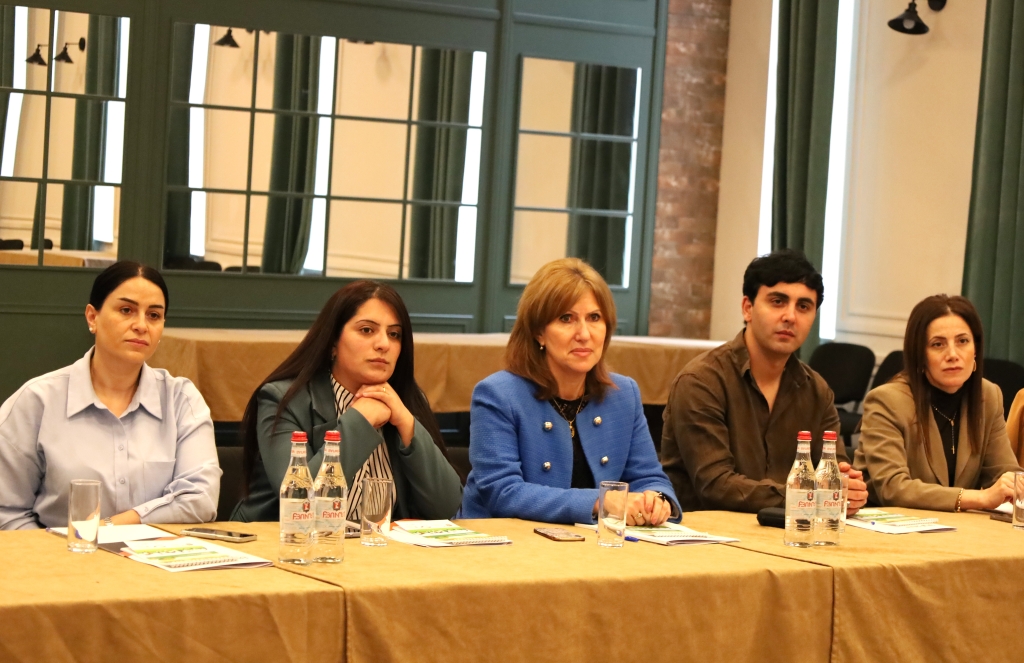
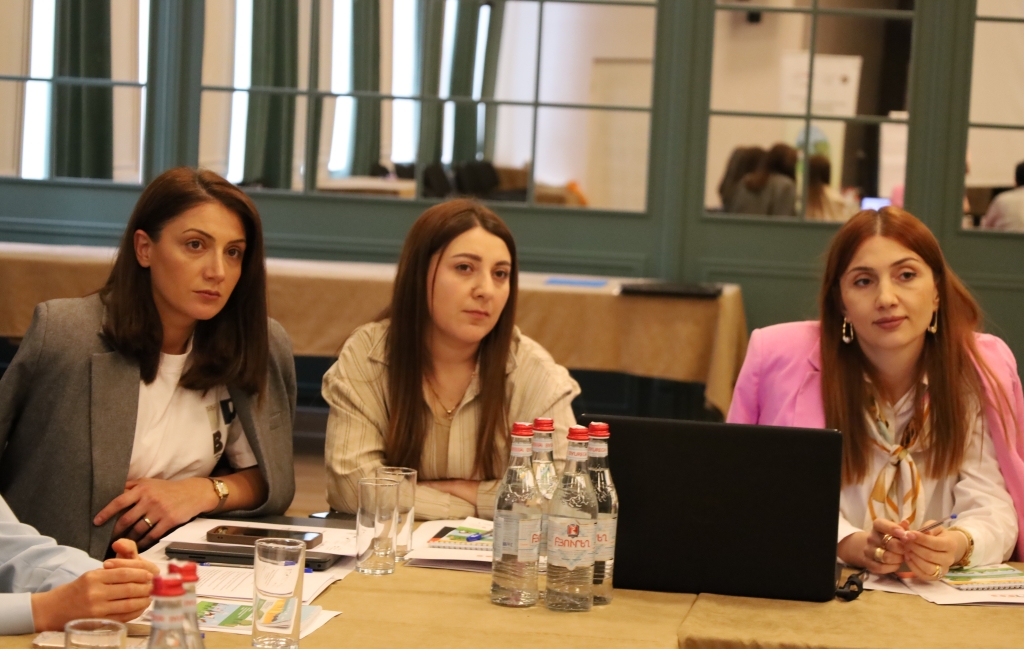
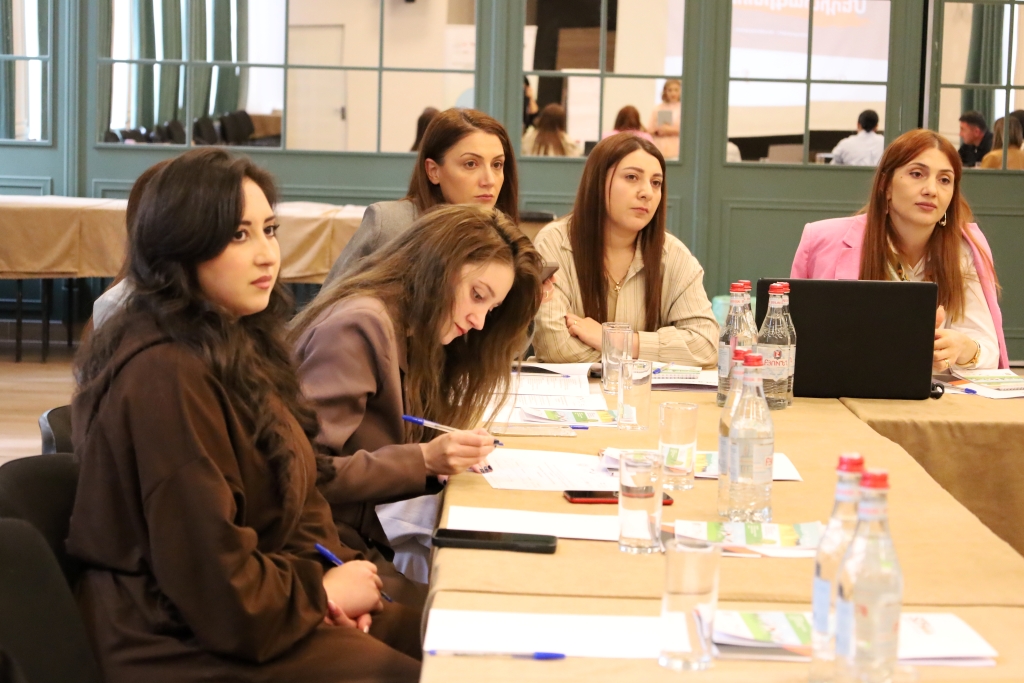
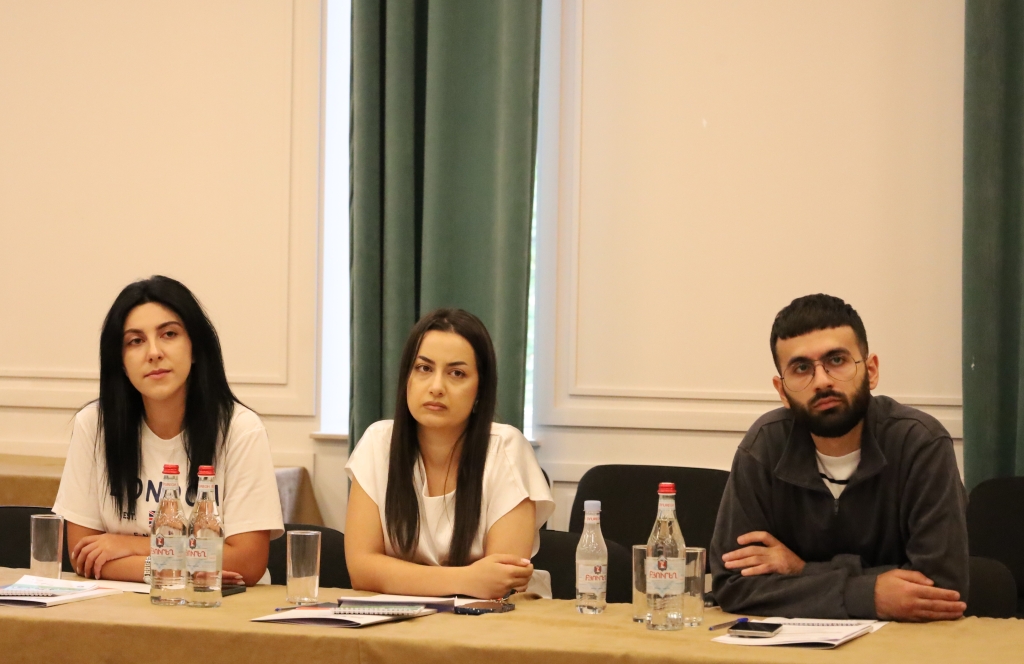
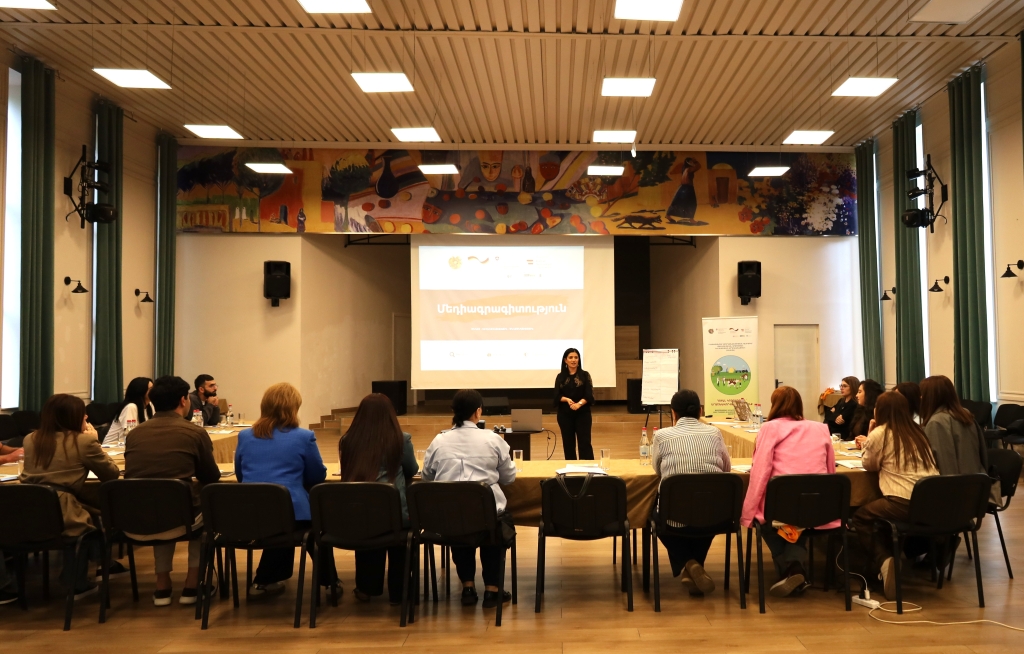
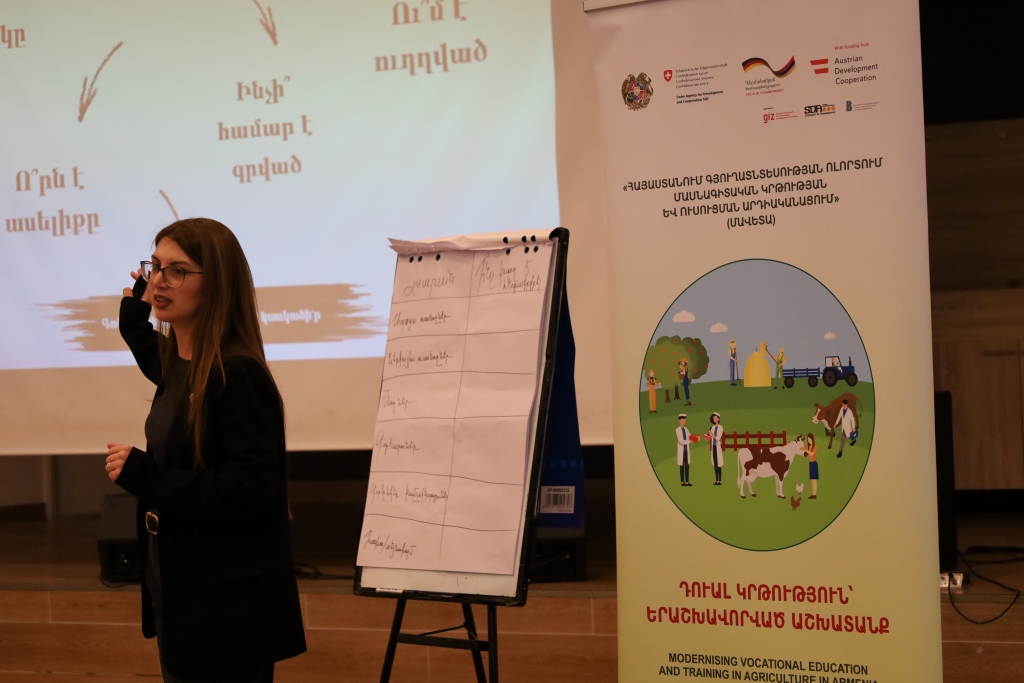
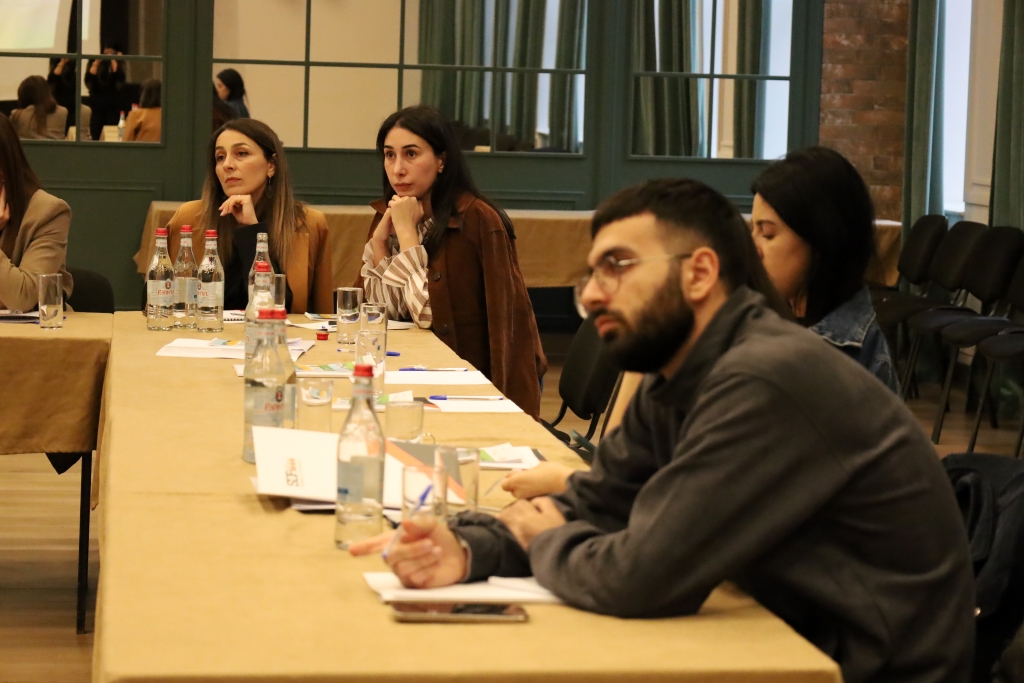
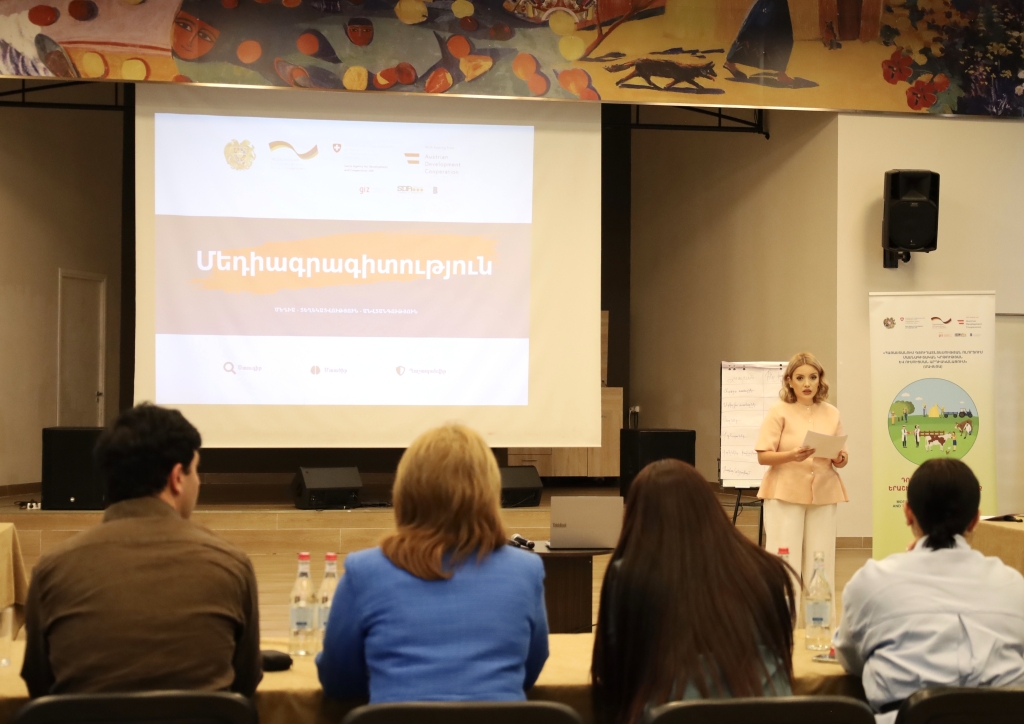
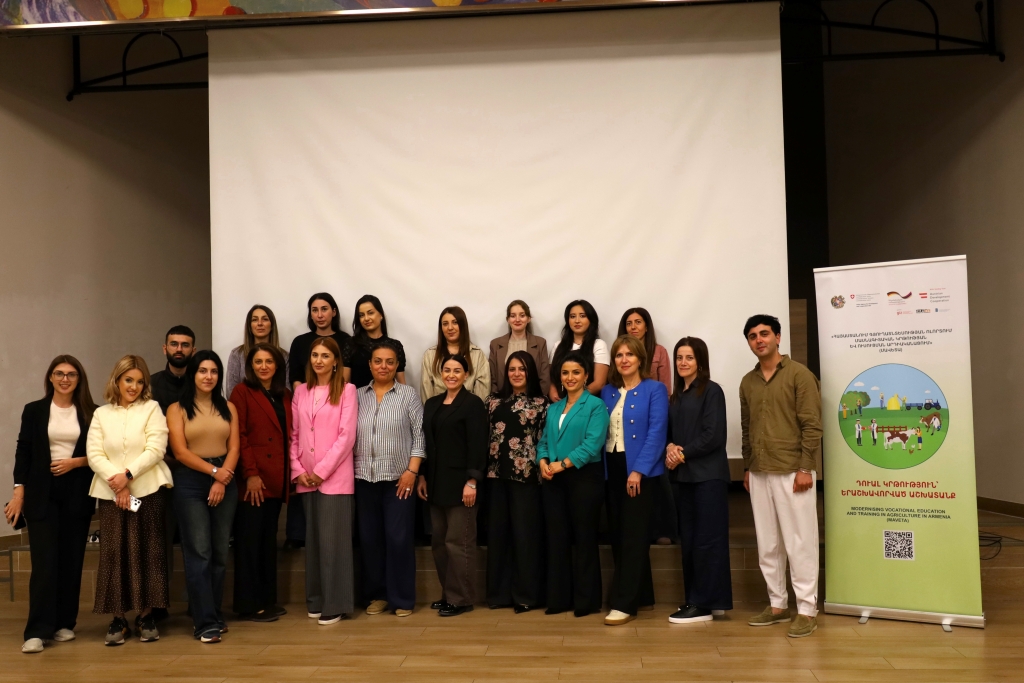
It was with this approach in mind that, on 1-2 October, MAVETA organised a two-day training workshop on “Social Media, Digital Content Creation and the Effective Use of AI Tools in College Communication.” The workshop brought together the social media managers from all our partner colleges.
From Information to Engaging Content
The first day of the workshop began with a discussion on media literacy and the role of social media in modern communication. Participants explored how to verify information, assess sources, recognise misleading content, and use photographs, videos and texts responsibly on social media.
An important question was also addressed: How can ordinary information be transformed into a story that people will want to read, watch and share?
Participants worked on the key communication messages of colleges, target audiences and student-centred content, exploring the possibilities offered by posts, stories, Reels and carousels. Through practical exercises, they experimented with transforming standard informational announcements into more engaging and narrative-driven social media content.
The effective use of hashtags and thematic campaigns was also discussed. Participants were introduced to the upcoming MAVETA II hashtag campaign and competition, through which colleges will have an opportunity to present their students, vocational professions and college life in more creative ways.
From an Idea to Ready-to-Use Content
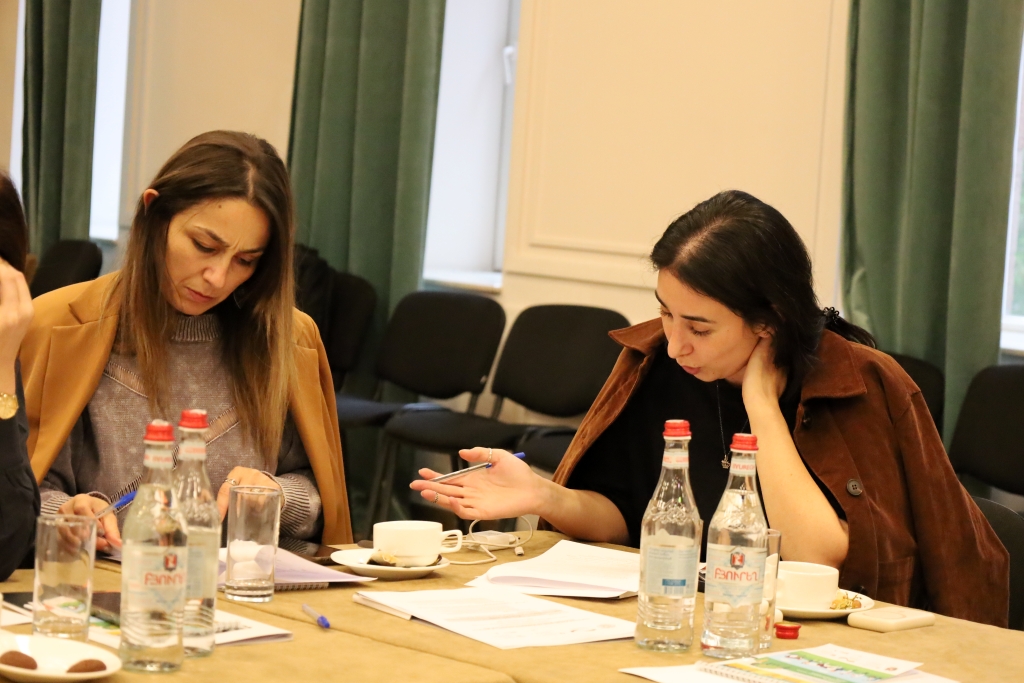
A key feature of the workshop was its strong practical component. Participants not only became familiar with digital communication tools but also immediately put them into practice.
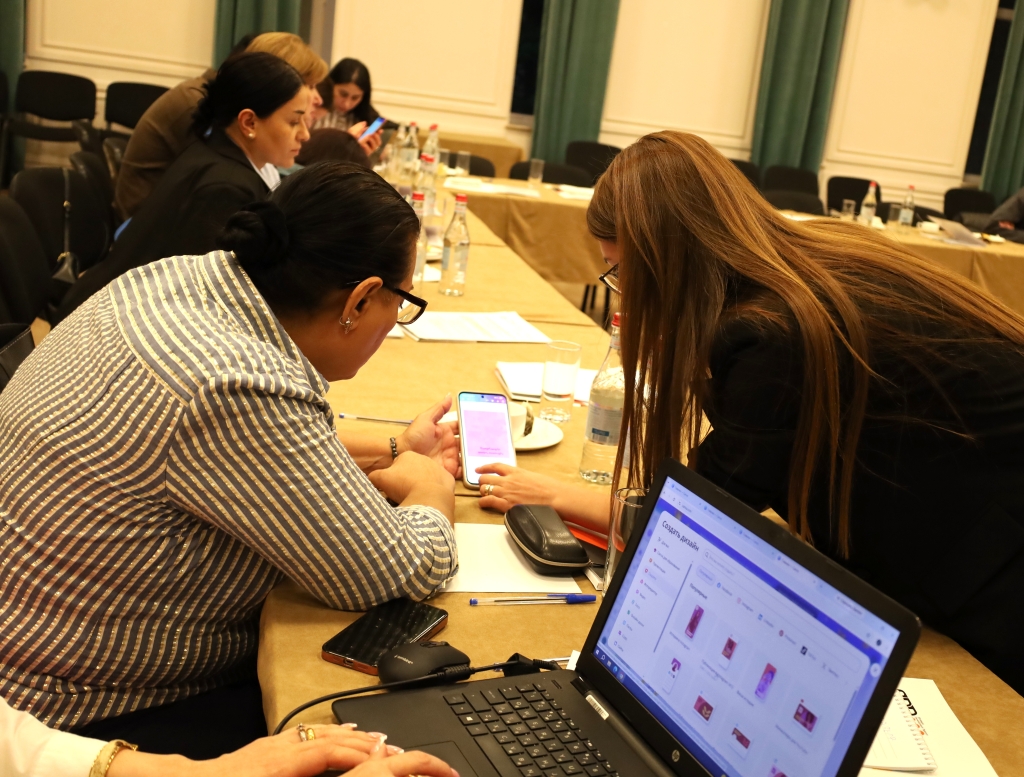
During the Canva session, they worked on creating visual content, adapting templates, combining text and photographs, applying visual hierarchy and designing materials specifically for social media.
The video creation and editing sessions focused on how to structure a short video, capture viewers’ attention in the first few seconds, select the right shots, maintain an effective rhythm and use text, subtitles and audio effectively.
Participants immediately applied these skills in practice.
Based on a pre-prepared interview questionnaire and video script, participants organised short video shoots, captured additional footage and used the material to create a complete Reel on the second day. Using CapCut, they went through the full editing process—from selecting and cutting footage to adding subtitles, music and transitions and preparing the final format.
As part of the practical exercise, participants created short Reels on the theme “My First Salary.” The videos were then reviewed and discussed by the trainer and the project’s communications specialist. Each participant received individual feedback on content, storytelling structure, shot selection, technical quality and the overall effectiveness of the video for social media.
AI as a Working Tool
The final session of the second day focused on the practical use of artificial intelligence tools in college communication.
Participants explored how AI can support idea generation, content planning, the preparation of headlines and social media posts, text editing and adaptation for different audiences, the development of content calendars and idea banks, as well as the generation of hashtag and content ideas.
At the same time, particular emphasis was placed on the capabilities and limitations of AI, especially the importance of maintaining human oversight, factual accuracy and the authenticity of content.
As a practical exercise, participants used AI tools to develop one week of social media content ideas for their colleges and prepare a draft of a complete social media post.
The workshop was delivered by digital communications and content creation specialist Alisa Chilingaryan, who combined theoretical knowledge with hands-on practice throughout the two days, enabling participants to work on real content intended for their own colleges.
Making College Communication More Independent and Visible
The workshop aimed not only to introduce new social media tools, but also to strengthen the practical skills of the people who represent their colleges in the digital environment every day.
An effective digital presence is not simply about publishing frequently. It requires understanding the audience, identifying stories within everyday college life, choosing the right format, creating credible and engaging content, and turning an idea into a story that can be seen and understood.
Within the framework of the MAVETA project, the two-day workshop provided another opportunity to strengthen these skills and facilitate the exchange of experience among partner colleges.
Looking ahead, new digital initiatives, campaigns and creative stories will be developed together with MAVETA partner colleges, helping bring greater visibility to students, vocational professions, college life and the opportunities that education creates for young people.