






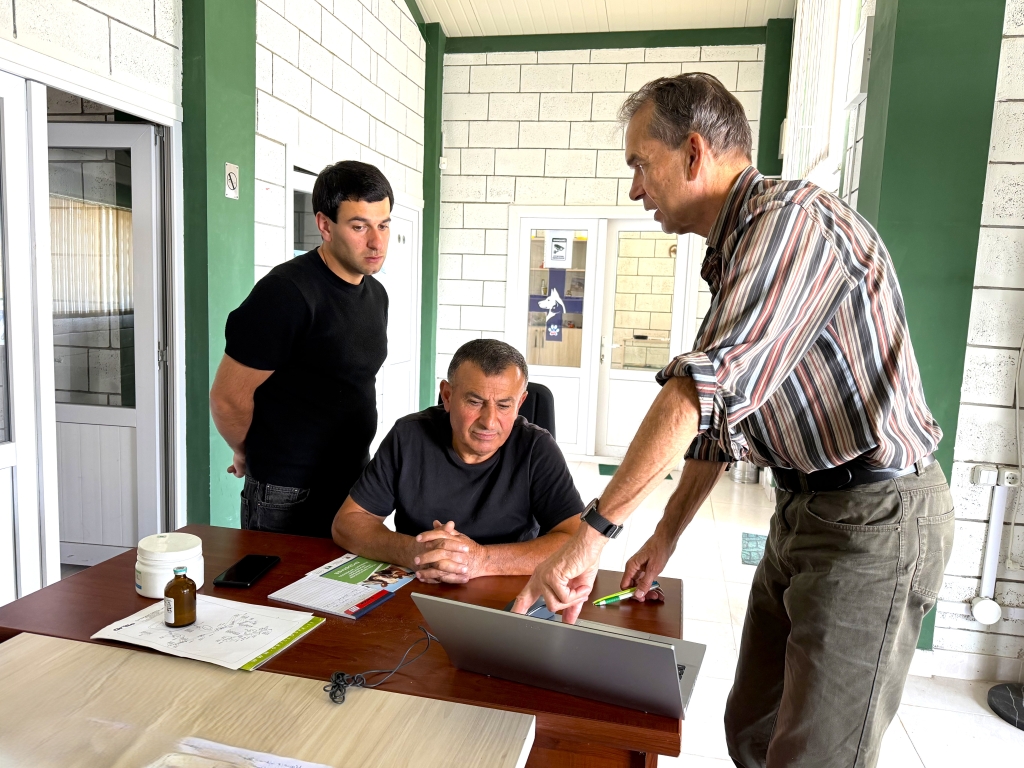
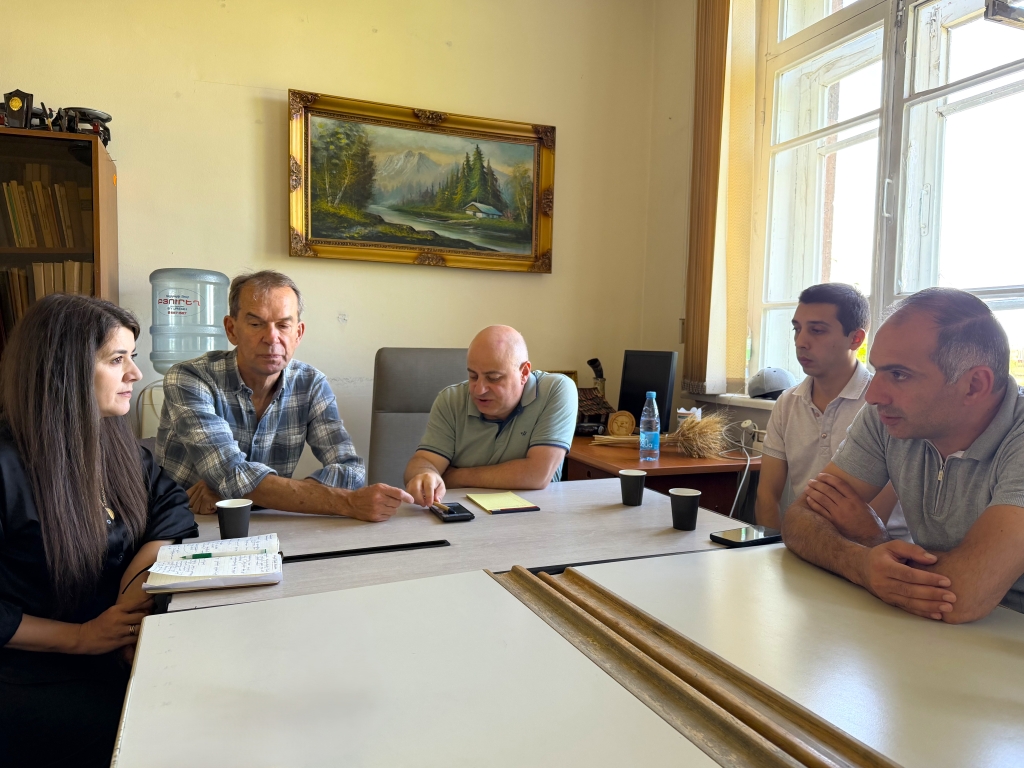
Following his earlier training engagement at the Armenian National Agrarian University, PUM expert Jan Muskens continued his programme in Armenia with a specialised series of professional trainings, field consultations and technical discussions under the Innovative Livestock Management: Animal Migration, Breeding & Markets (INLIMA) project.
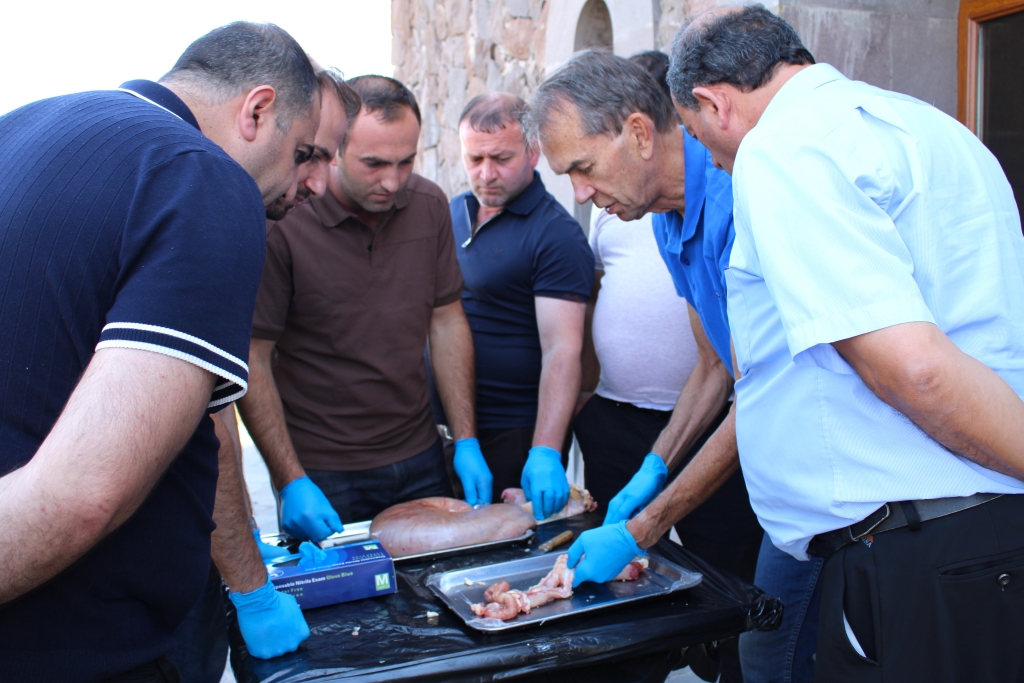
Starting on 16 September, the two-week programme combined specialised training, practical demonstrations, veterinary consultations, farm visits and technical discussions across several regions of Armenia, with a particular focus on cattle breeding, reproductive health, herd fertility and artificial insemination (AI).
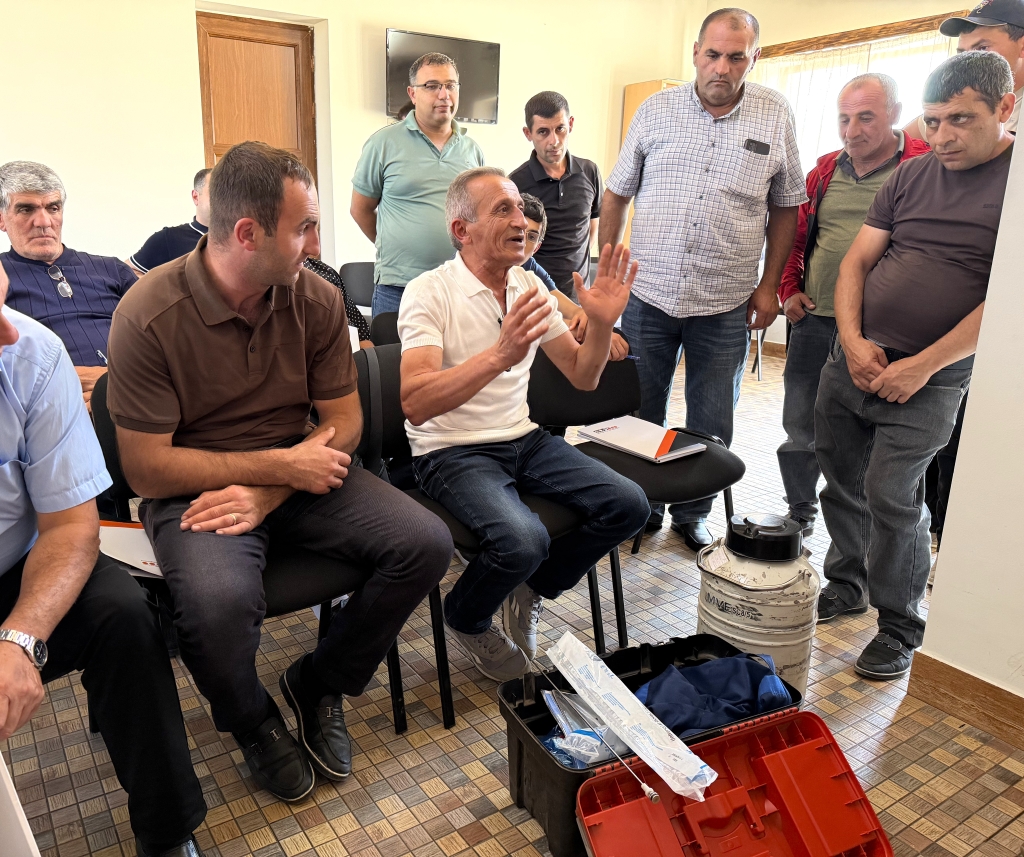
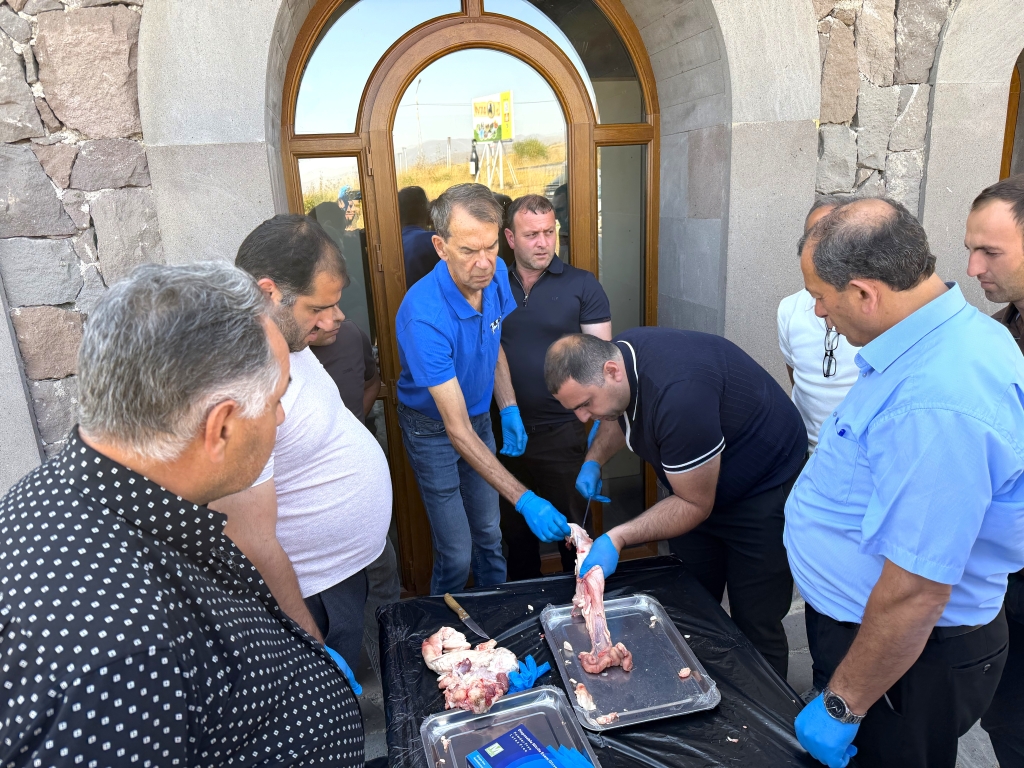
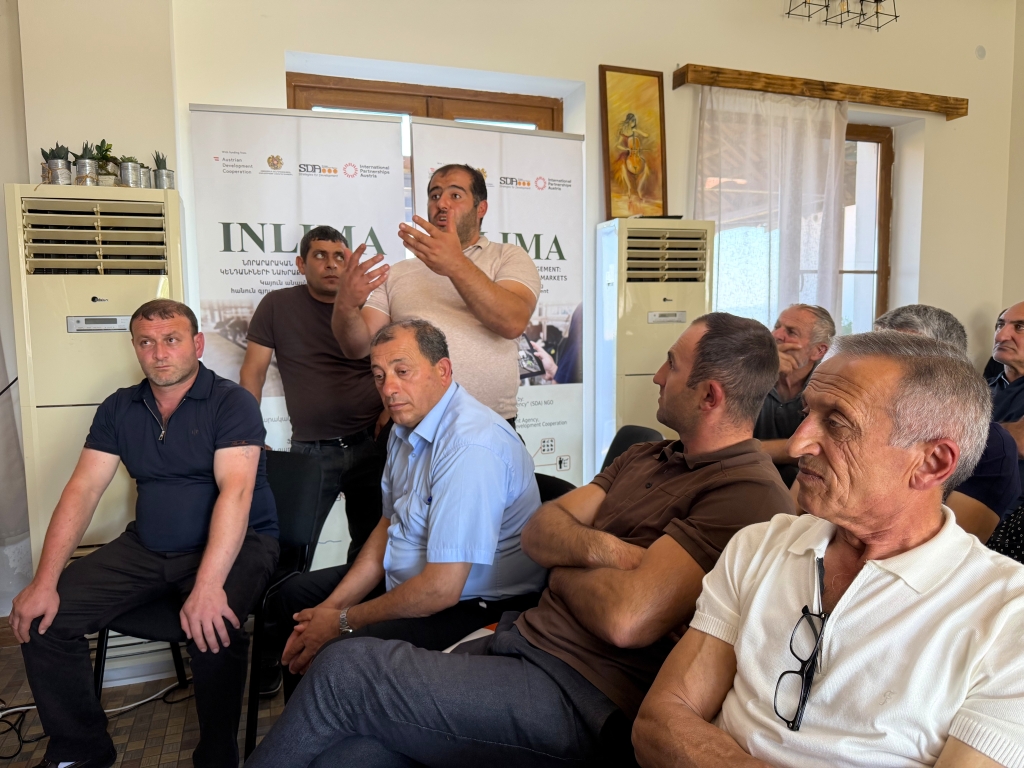
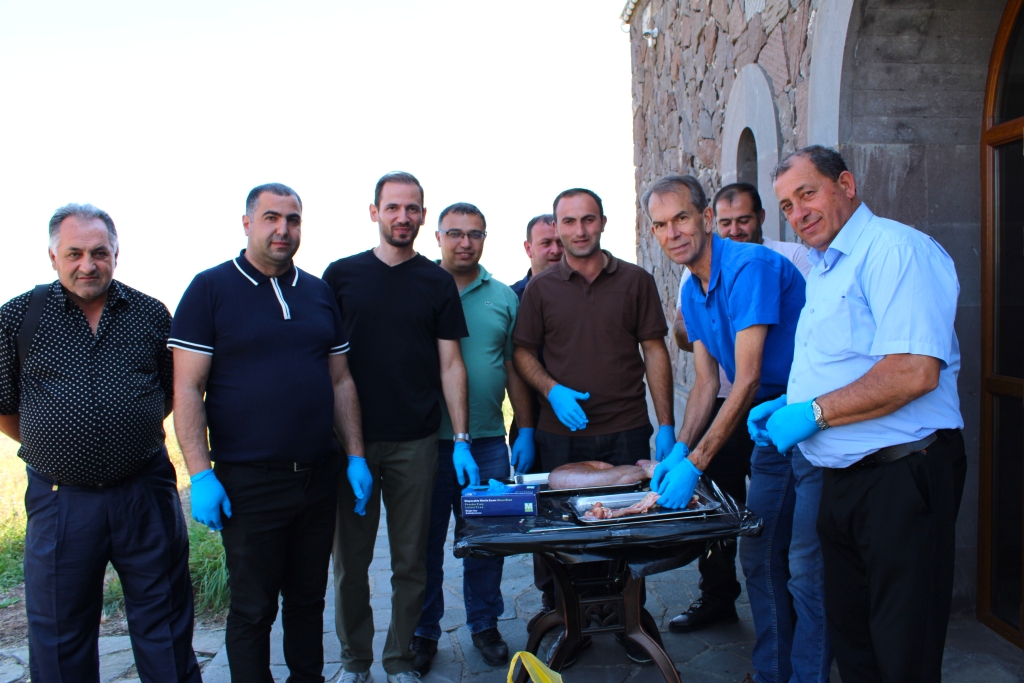
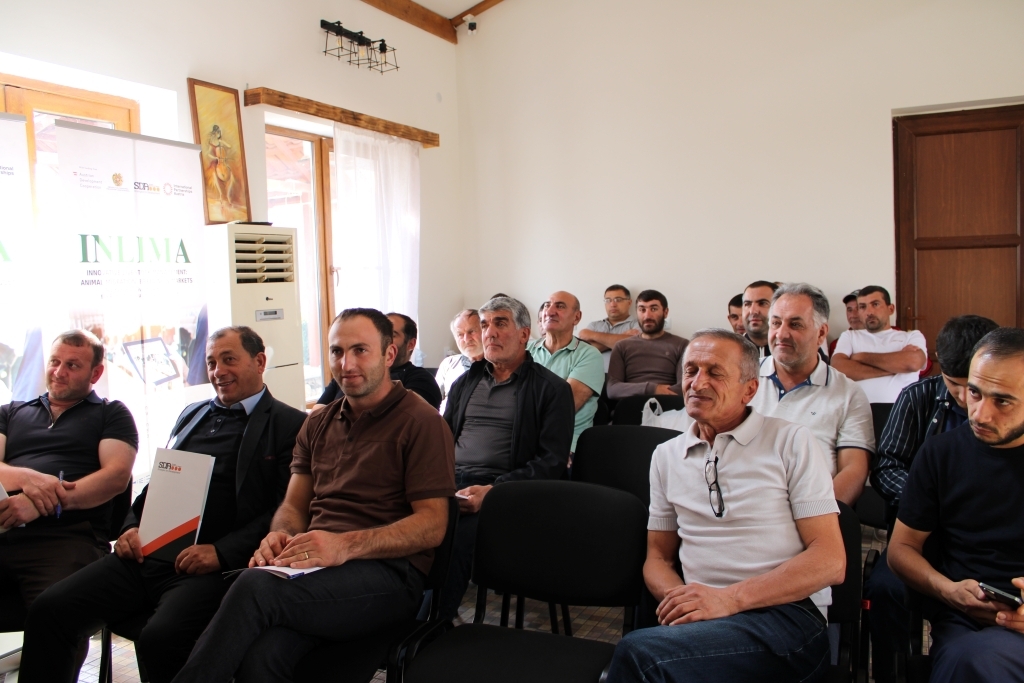
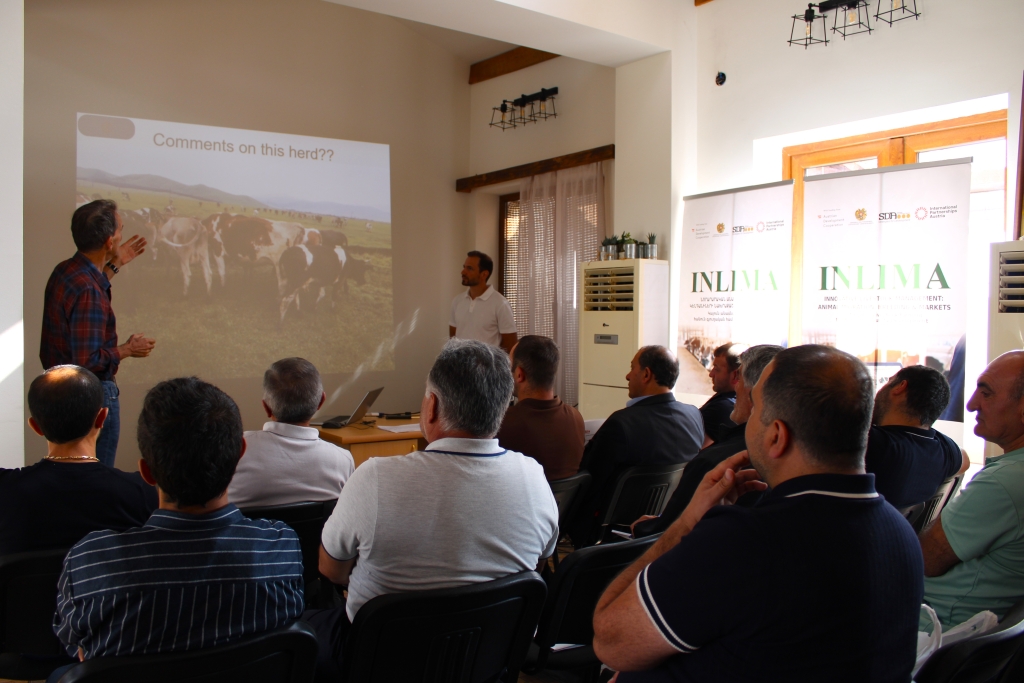
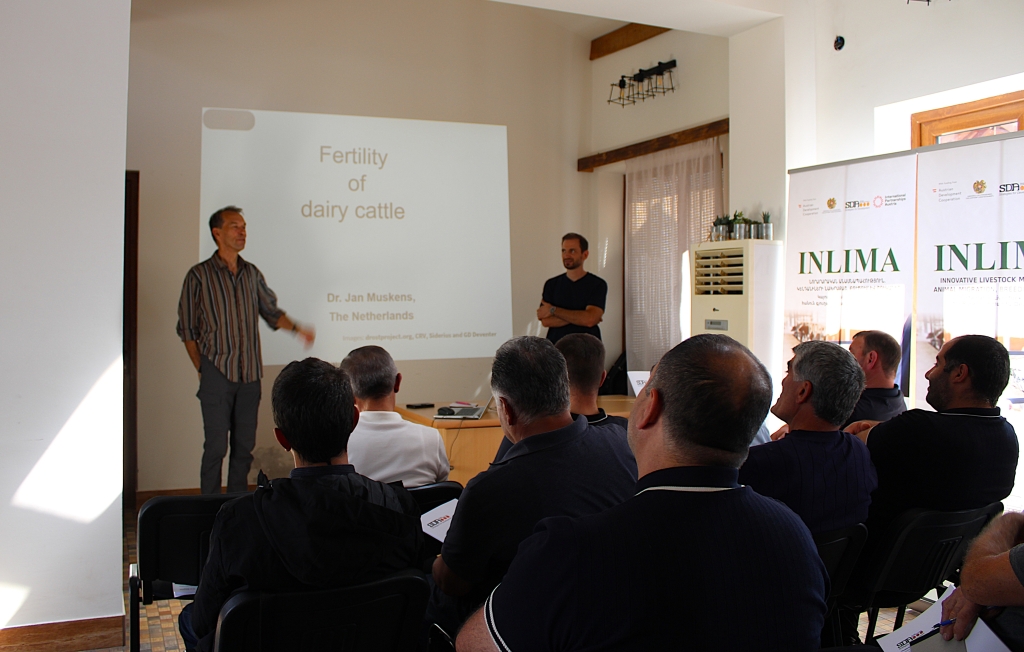
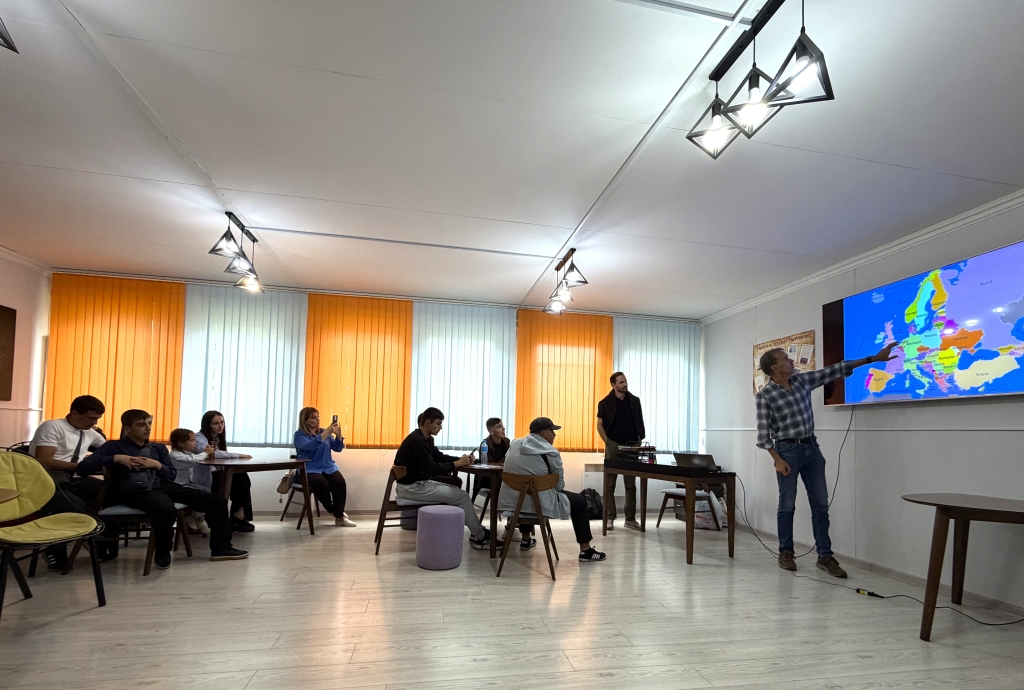
The next stage of the programme, launched in Goris, Syunik, brought together veterinarians and AI technicians for an intensive focus on cattle reproduction and breeding.
Modern herd reproduction is a complex veterinary management process in which reproductive health, genetics, nutrition, disease prevention, animal management, oestrus detection and timely veterinary intervention all influence the final reproductive outcome.
During the training, particular attention was given to modern cattle breeding approaches, breed selection, factors affecting growth and maturation, purposeful breeding and selection of offspring, herd reproductive management, reproductive diseases and their prevention, heat detection, and the role of AI in improving the breeding characteristics of cattle.
From the classroom to the herd
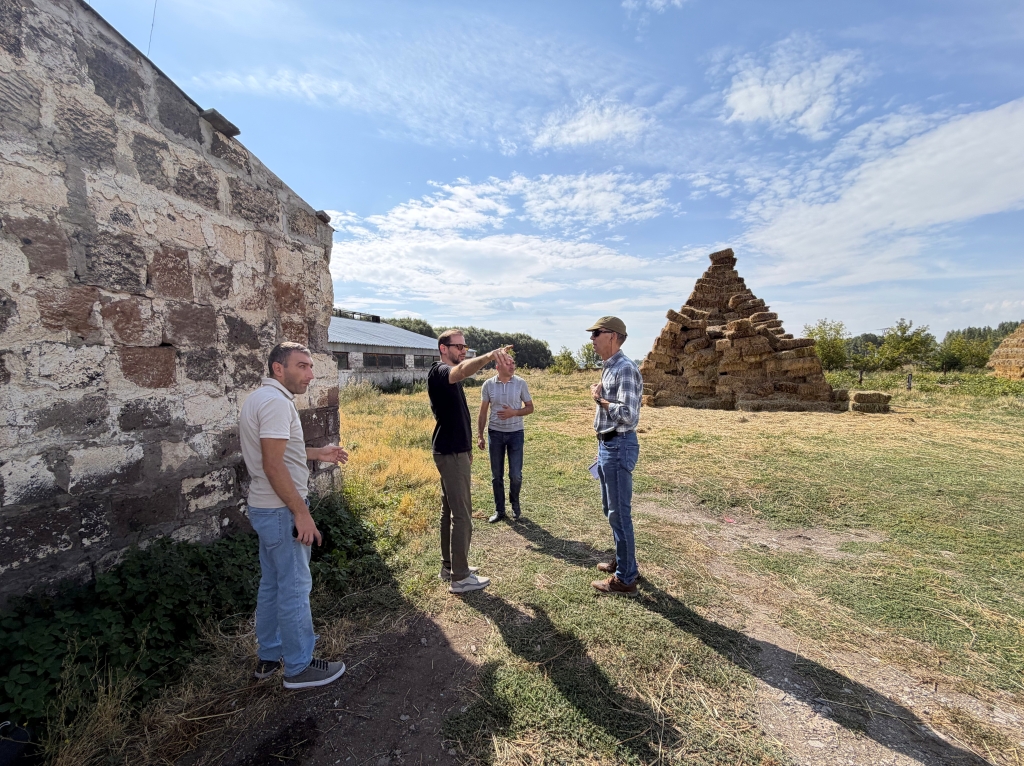
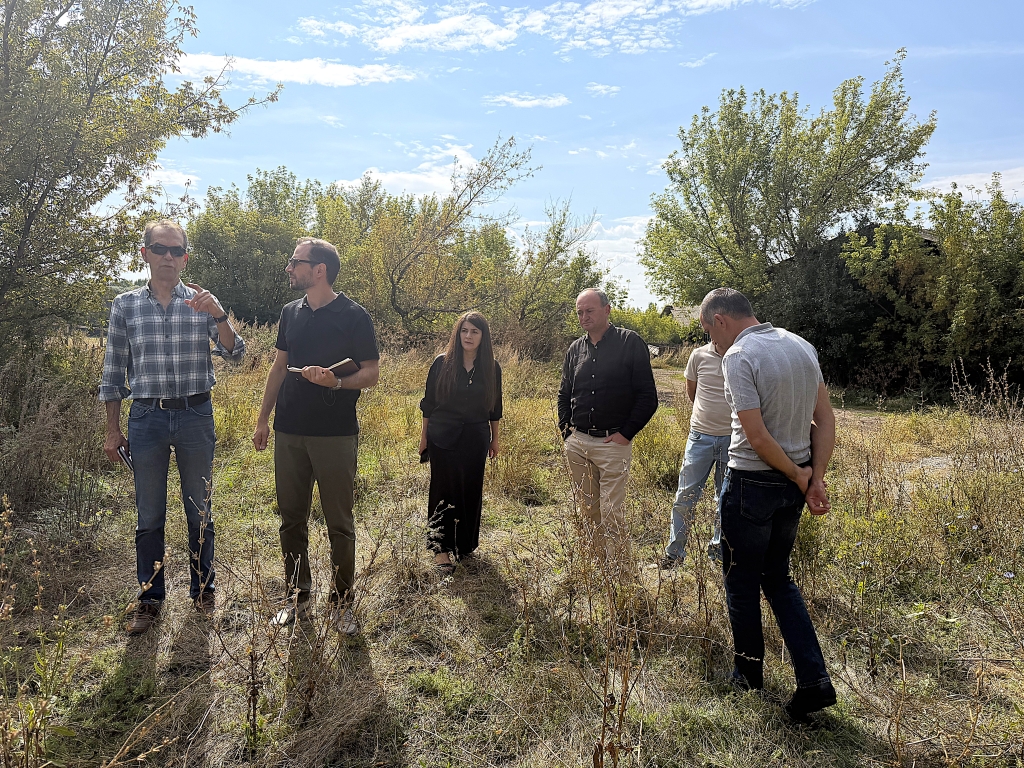
The programme then moved from theoretical and practical training into the field, where veterinary knowledge could be examined against the realities of farm management.
Through visits to farms and meetings with local veterinarians, AI technicians and farmers, the expert assessed the broader factors affecting reproductive performance: herd structure, nutrition, water supply, housing, young-stock management, disease prevention, oestrus detection, AI practices and fertility records.
This field-based approach is particularly important in reproductive veterinary medicine because fertility problems are rarely attributable to a single factor.
A missed oestrus, poor body condition, inadequate nutrition, reproductive disease, inappropriate management or insufficient monitoring can each affect conception and herd reproductive efficiency. Effective veterinary support therefore requires looking beyond the individual reproductive event and understanding the entire production and health system surrounding the animal.
The consultations provided an opportunity to identify management gaps together with farmers and discuss improvements that are both technically sound and practically achievable at farm level.
The programme also included a technical visit to the Gyumri Breeding Station, where discussions focused on the development of a semen production and bull centre, including strategic planning and recommendations related to breeding-bull management and health requirements.
Across the different components of the visit, one principle remained consistent: successful herd reproduction begins long before artificial insemination and continues well beyond it.
It depends on healthy breeding animals, appropriate genetics, accurate heat detection, sound nutrition and management, disease prevention, reliable reproductive records and the capacity of veterinary and AI professionals to translate these factors into informed decisions.
For INLIMA, strengthening this professional capacity is an investment not only in reproductive performance, but in the long-term health, productivity and sustainability of Armenia’s cattle sector. Better reproduction starts with better-informed decisions – at the animal, herd and veterinary practice level.
“Innovative Livestock Management: Animal Migration, Breeding & Markets” (INLIMA) project is implemented by Strategic Development Agency NGO and funded by the Austrian Development Agency (ADA), the operational unit of Austrian Development Cooperation.