
Uncategorized

Theoretical and practical training on “Innovative Approaches to Cultivating Fruit and Nut Orchards”

A five-day theoretical and practical training on “Innovative Approaches to Cultivating Fruit and Nut Orchards” was held within the framework of the “Modernizing Vocational Education and Training in Agriculture in Armenia” (MAVETA) project on September 16-20.

Among the participants of the training, the relevant professors of Yerevan College and Sisian branch of ANAU, Etchmiadzin Craftsman State School, and orchardists from private sector partner institutions were present.

The five-day training was conducted by agricultural engineer José Luis Yuste Sanchez from Valencia, Spain. During the training he presented to the participants the international experience of innovative approaches to soil preparation, cultivation and irrigation mechanisms.

During the training, field visits were made to walnut, nut and pistachio orchards established in Artamed and Vanand communities of Armavir region, where the expert presented the participants the international experience used in the planning and establishment of orchards, proper care, the importance of pruning and shaping, fertilization and pest, disease management to the participants through a practical training.


The MAVETA project is funded by a broad coalition of international and local organizations led by the Swiss Agency for Development and Cooperation (SDC), including the Austrian Development Agency, the German Ministry for Economic Cooperation and Development (BMZ), the Government of Armenia, the Swiss Church Aid (HEKS/EPER) NGO, Izmirlian Foundation, the Strategic Development Agency (SDA) NGO and Vanand Agro CJSC.

The project’s implementing partners are the GIZ and HEKS/EPER with the involvement of SDA and the School of Agricultural, Forest and Food Sciences at the Bern University of Applied Sciences (HAFL).

A meeting within the RECONOMY’s “Digitizing Sectors for Competitiveness” project

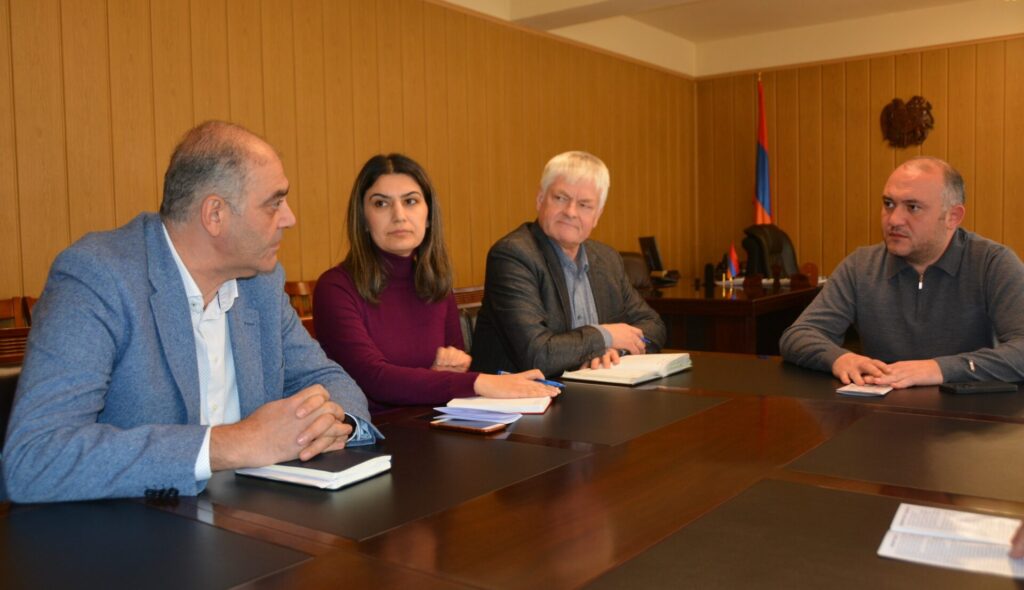
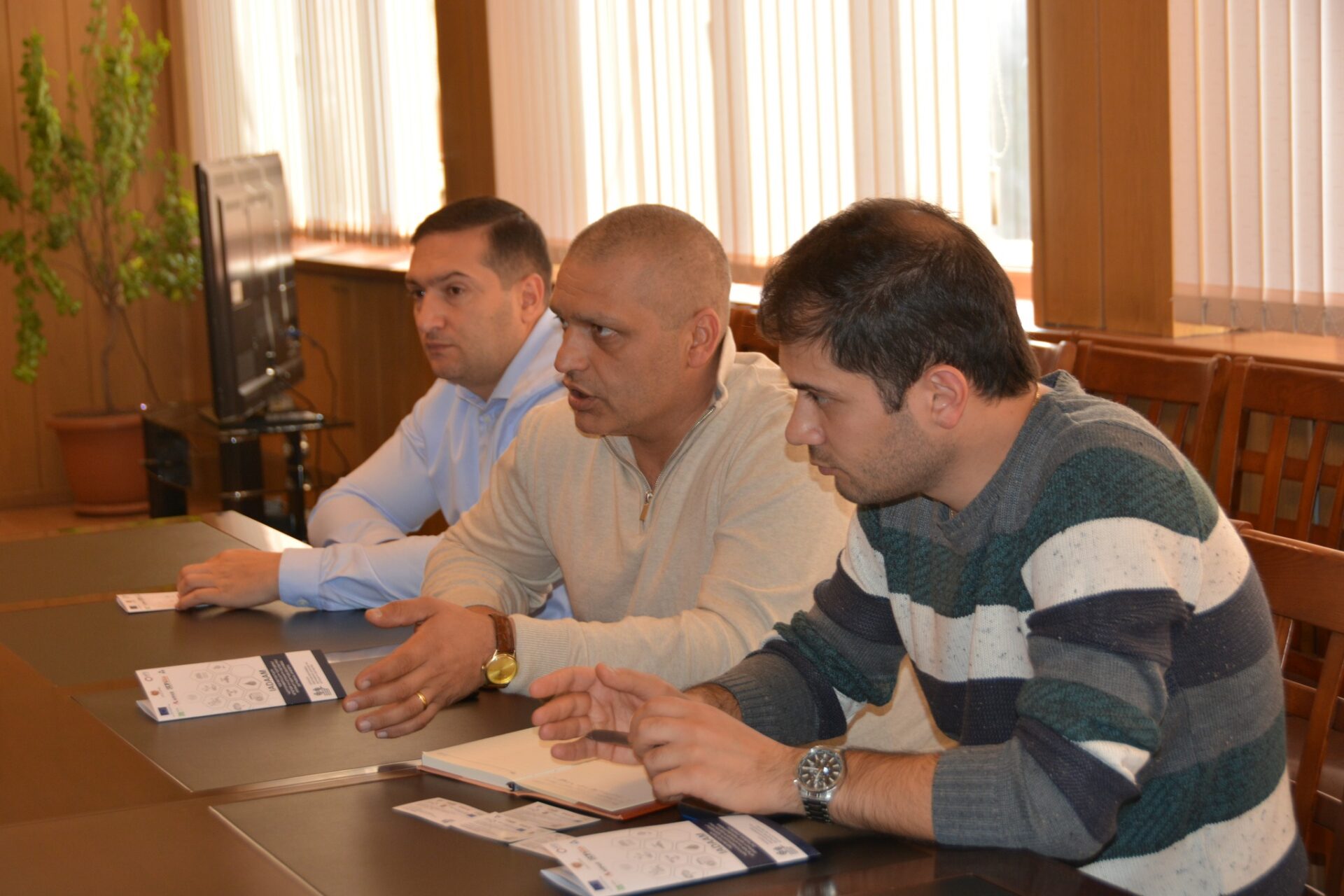
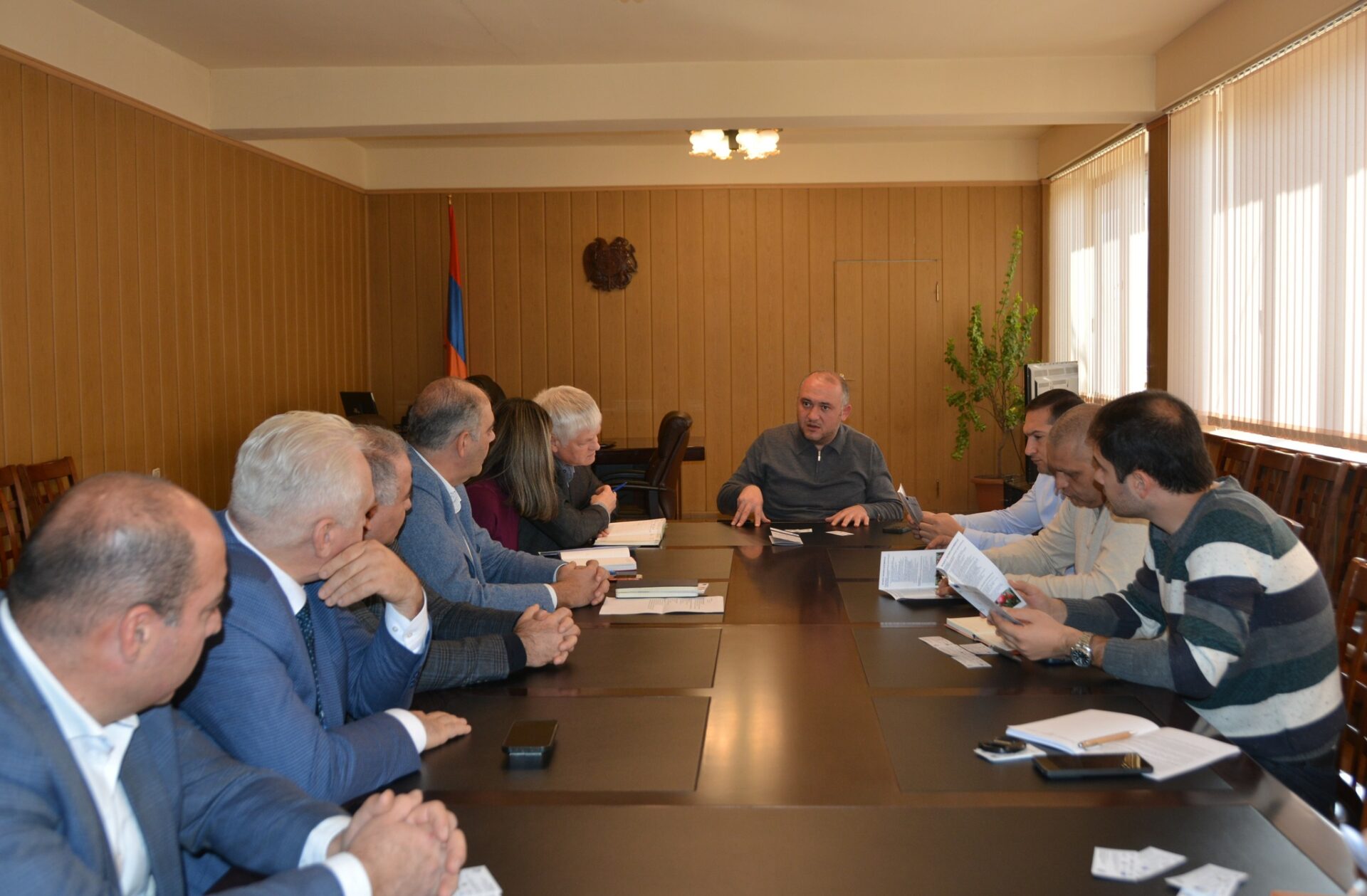
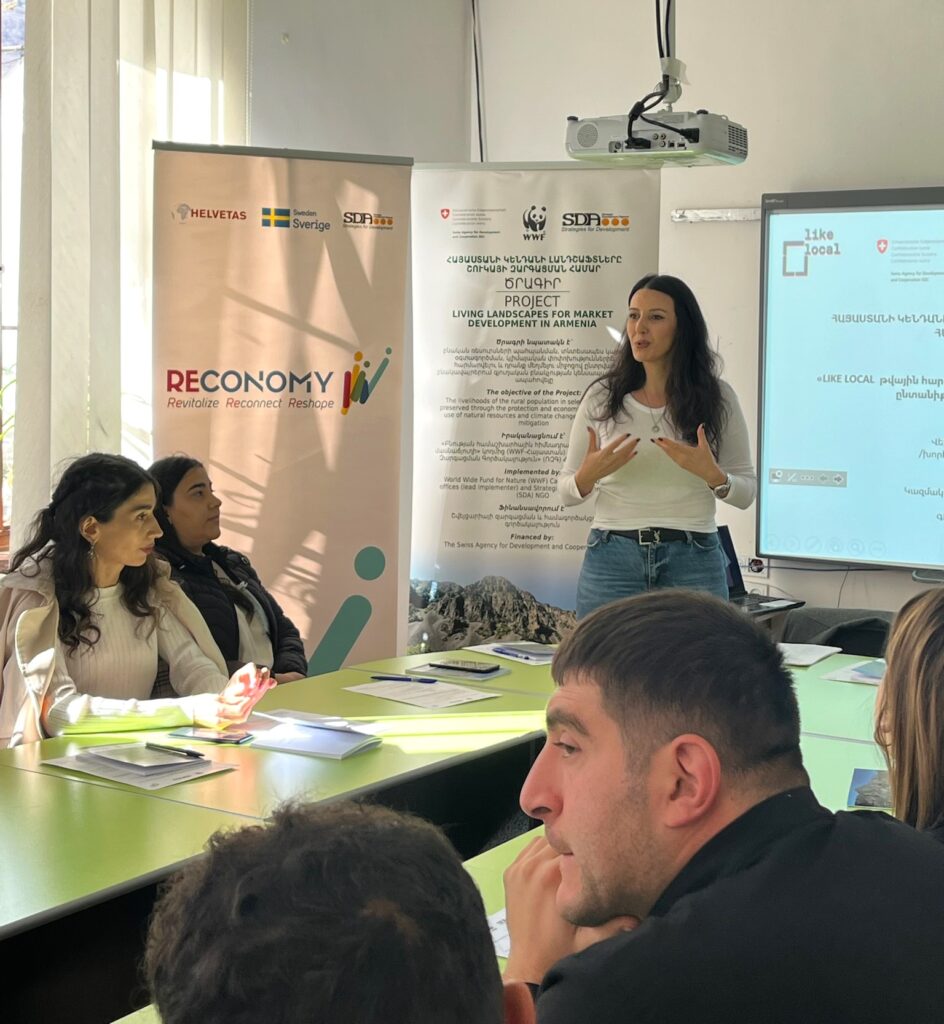
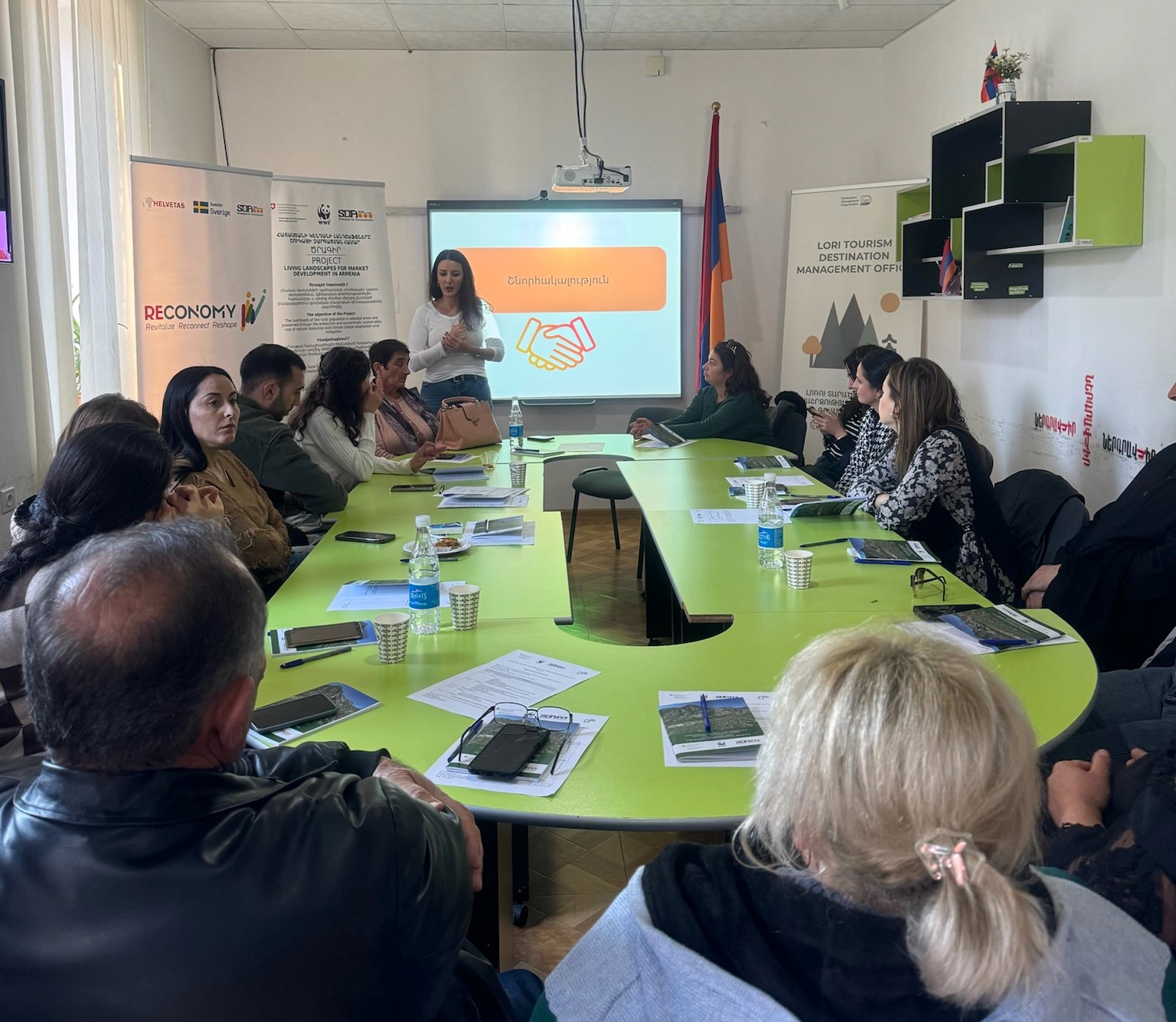
Within the RECONOMY’s “Digitizing Sectors for Competitiveness” project, the “Strategic Development Agency” NGO’s team, led by project manager Mher Sahakyan hosted the representatives of cooperating partner HELVETAS and project partner “SKYAGRO” LLC on September 17.

The parties discussed the activities related to the project objectives, as well as systems used for the data collection. Two farmers using SKYAGRO’s services were also present the meeting and emphasized the positive experience with using SKYAGRO’s services in terms of cost efficiency and savings.

RECONOMY is an inclusive and green economic development program of the Swedish International Development Cooperation Agency (Sida), implemented by Helvetas in partnership with the Strategic Development Agency NGO and others in the Eastern Partnership and Western Balkan countries.

MAVETA project’s Steering Committee meeting

On September 13, the Swiss Agency for Development and Cooperation (SDC) in Armenia organized the third meeting of the “Modernizing Vocational Education and Training in Agriculture in Armenia” (MAVETA) project Steering Committee with the aim to discuss the implemented activities and results of the project.

The meeting was attended by representatives of the RA Ministry of Education, Science, Culture and Sport and representatives of the organizations implementing and financing the MAVETA project.

Ms. Ursula Läubli, Deputy Head of Mission of the Embassy of Switzerland to Armenia, and Deputy Regional Director of the Swiss Cooperation South Caucasus, Araksya Svajyan, Deputy Minister of the RA Ministry of Education, Science, Culture and Sports, as well as Letizia Carnevali, GIZ Armenia, Portfolio Manager gave welcoming speeches.

Ms. Ursula Läubli, noted that close cooperation between state institutions and the private sector is key for effective reforms in professional education, including the agricultural sector.

Ms. Läubli was followed by Lilit Hovhannisyan (SDA), Naira Vardanyan (HEKS) and Aram Babayan (GIZ), who presented the implementation of the past and future activities, challenges, as well as possible solutions within the framework of the project.

Thereafter, during the meeting, the contingency concept for forcibly displaced people from Nagorno-Karabakh was presented and discussed.

During the third meeting of the Steering Committee, the challenges that occurred during the implementation of the project and the ways to overcome them were discussed, furthermore the project interventions planned for 2025 were presented.

The MAVETA project is funded by a broad coalition of international and local organizations led by the Swiss Agency for Development and Cooperation (SDC), including the Austrian Development Agency, the German Ministry for Economic Cooperation and Development (BMZ), the Government of Armenia, the Swiss Church Aid (HEKS/EPER) NGO, Izmirlian Foundation, the Strategic Development Agency (SDA) NGO and Vanand Agro CJSC.

The project’s implementing partners are the GIZ and HEKS/EPER with the involvement of SDA and the School of Agricultural, Forest and Food Sciences at the Bern University of Applied Sciences (HAFL).

A Visit to MAVETA Project Partners

On September 4-5, the delegation led by Ursula Läubli, the Deputy Head of Mission of the Embassy of Switzerland to Armenia and Deputy Regional Director of Swiss Cooperation South Caucasus visited the partners of the “Modernizing Vocational Education and Training in Agriculture in Armenia” (MAVETA) project in Syunik.

The delegation was accompanied by Mkrtich Ayvazyan, Chairman of “Strategic Development Agency” NGO, Lilit Hovhannisyan MAVETA project manager, Narine Abrahamyan, business consultant.

During the visit, meetings were planned with the partners of the project, the Sisian Branch of the ANAU and the Goris State Agricultural College – directors, teachers and students studying with a dual educational system.

At the meetings, Ursula Laubli inquired about the attractiveness and demand of the professions introduced and promoted by the MAVETA project, the college-private sector cooperation, as well as the challenges that arose during the organization of studies with a dual educational system.

The delegation of the Swiss Agency for Development and Cooperation also visited a number of partners of the project in private sector, discussed their involvement in the project and got acquainted with their products, the process of accepting apprentices from colleges and approaches to integrating them into work.

The MAVETA project is funded by a broad coalition of international and local organizations led by the Swiss Agency for Development and Cooperation (SDC), including the Austrian Development Agency, the German Ministry for Economic Cooperation and Development (BMZ), the Government of Armenia, the Swiss Church Aid (HEKS/EPER) NGO, Izmirlian Foundation, the Strategic Development Agency (SDA) NGO and Vanand Agro CJSC.
The project’s implementing partners are the GIZ and HEKS/EPER with the involvement of SDA and the School of Agricultural, Forest and Food Sciences at the Bern University of Applied Sciences (HAFL).

Uncategorized

The official opening of the “Poonj” canned foods tasting room

Within the framework of the “Living Landscapes for Market Development in Armenia” (LILA) project the official opening ceremony of the “Poonj” canned foods tasting room took place in Vernashen settlement of Vayots Dzor marz on September 4.

Ursula Läubli, Deputy Head of Mission of the Embassy of Switzerland to Armenia and Deputy Regional Director of Swiss Cooperation South Caucasus, Levon Aghasyan, the Director of the World Wildlife Fund (WWF) Armenia Office, Mkrtich Ayvazyan, Chairman of the “Strategic Development Agency” NGO, Alla Ghazaryan,  LILA Project Coordinator and tour operators and guests participated in the ceremony.

In her welcoming speech, Ursula Läubli, Deputy Head of Mission of the Embassy of Switzerland to Armenia, and Deputy Regional Director of the Swiss Cooperation South Caucasus highly appreciated the long-term cooperation with the “Strategic Development Agency” NGO, the importance of the LILA project in terms of supporting natural rural businesses and farmers and creating new jobs.

In his speech, Levon Aghasyan, Director of the World Wildlife Fund (WWF) Armenian office, highlighted the project’s intervention in the field of rural development, agriculture and biodiversity policy management, consistent development of the value chain based on natural resources.

Alla Ghazaryan,  LILA Project Coordinator, highlighted the collaboration and project support with the “Poonj” canned factory during her presentation to the guests, remarking that the tasting room is the first of its kind in Armenia. She also emphasized that this business serves as a great economic stimulus for the community development by creating new jobs for the local villagers and purveying a wide variety of fruits, vegetables and wild produce from the residents of other communities of the region.

Edgar Beglaryan, Director of “Poonj” canned factory, mentioned the support received from the LILA project in terms of capacity improvement and technical re-equipment, which helped to expand the family business and bring new ideas to life.

Later, the guests took a tour and had a unique and interesting tourist experience of the “Poonj”, having the opportunity to taste high-quality preserves.

LILA project is funded by the Swiss Agency for Development and Cooperation (SDC), and implemented by the WWF Caucasus in Armenia (WWF-Armenia) in partnership with the Strategic Development Agency (SDA) NGO.