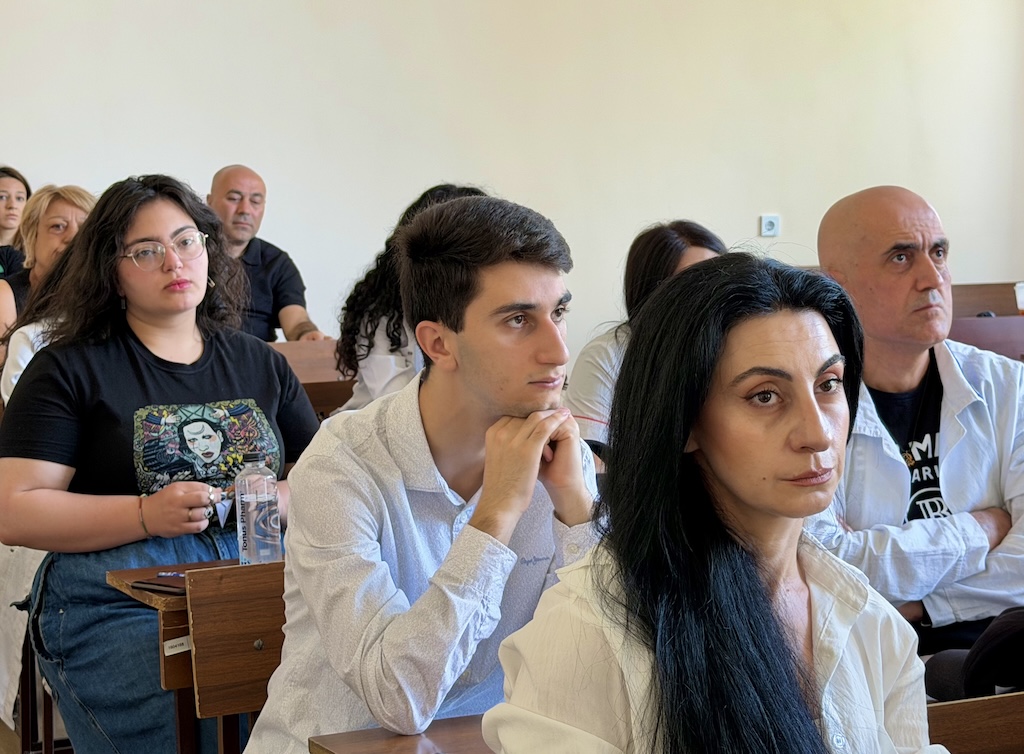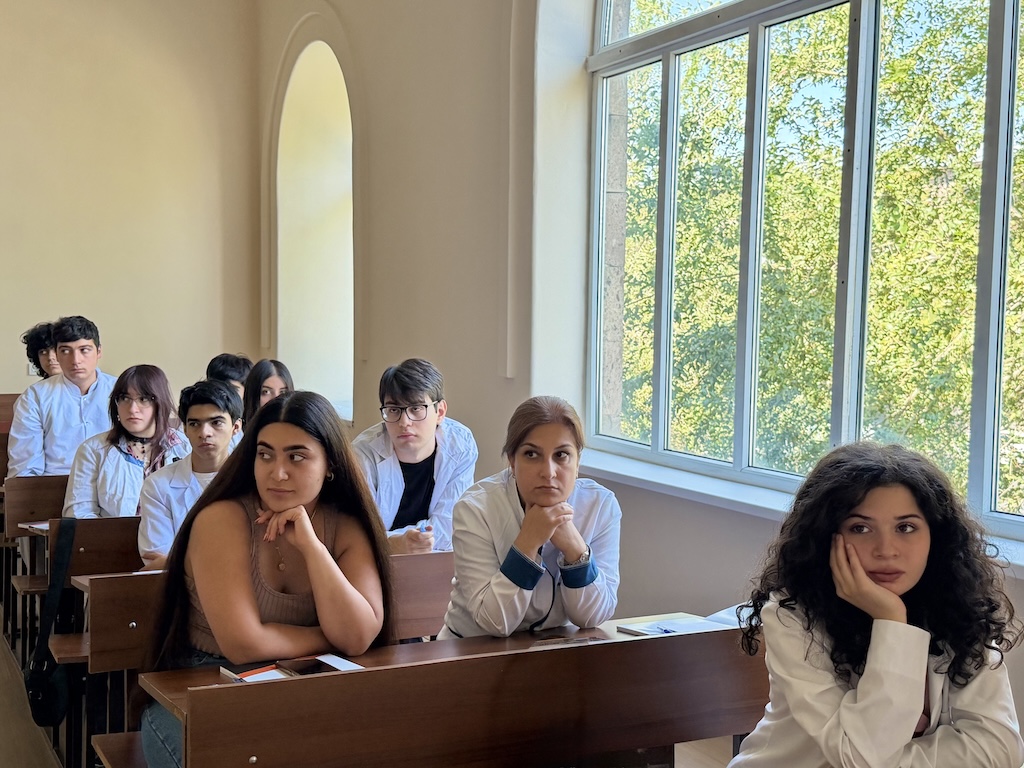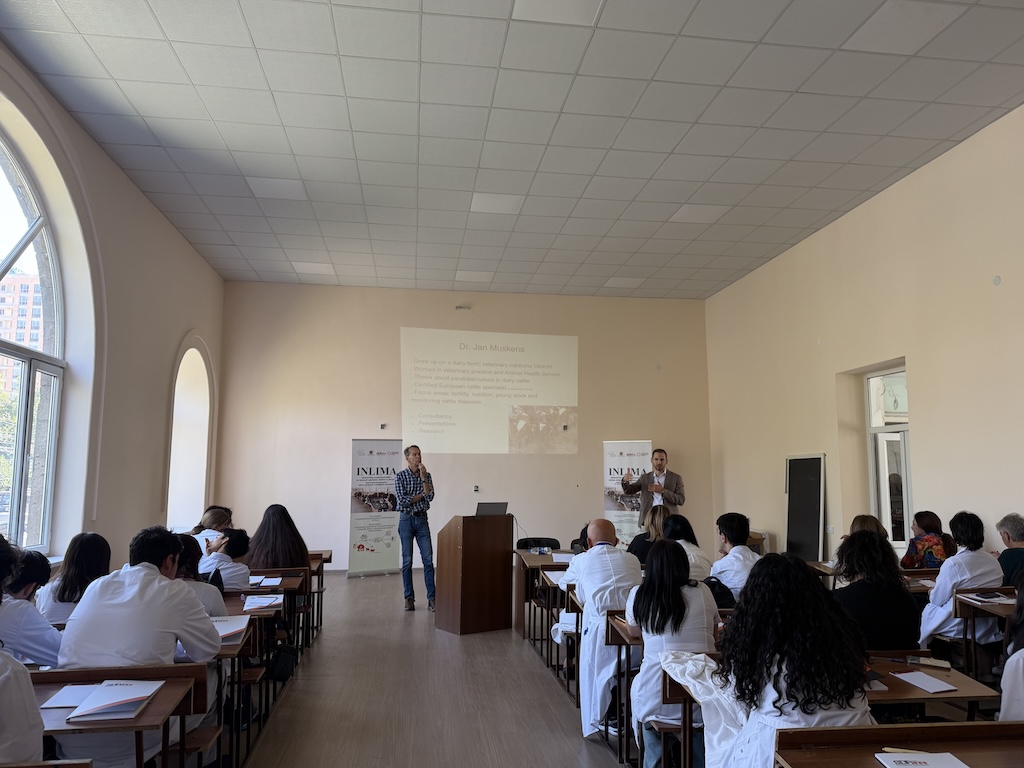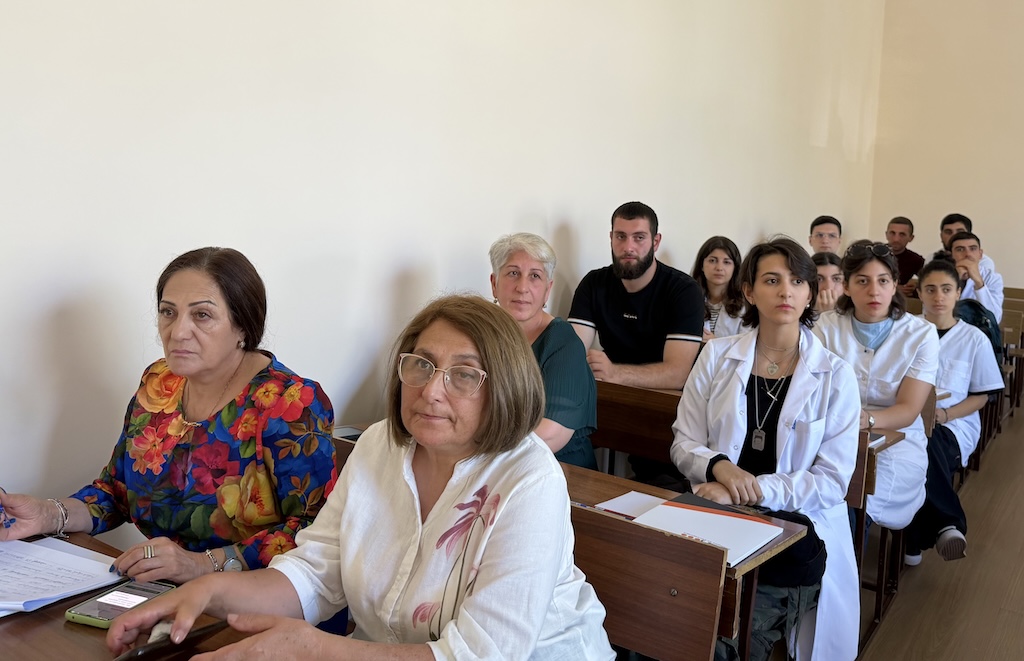

INLIMA Study Visit to Bavaria on Knowledge Exchange and Capacity Building in the Dairy Cattle Breeding Sector

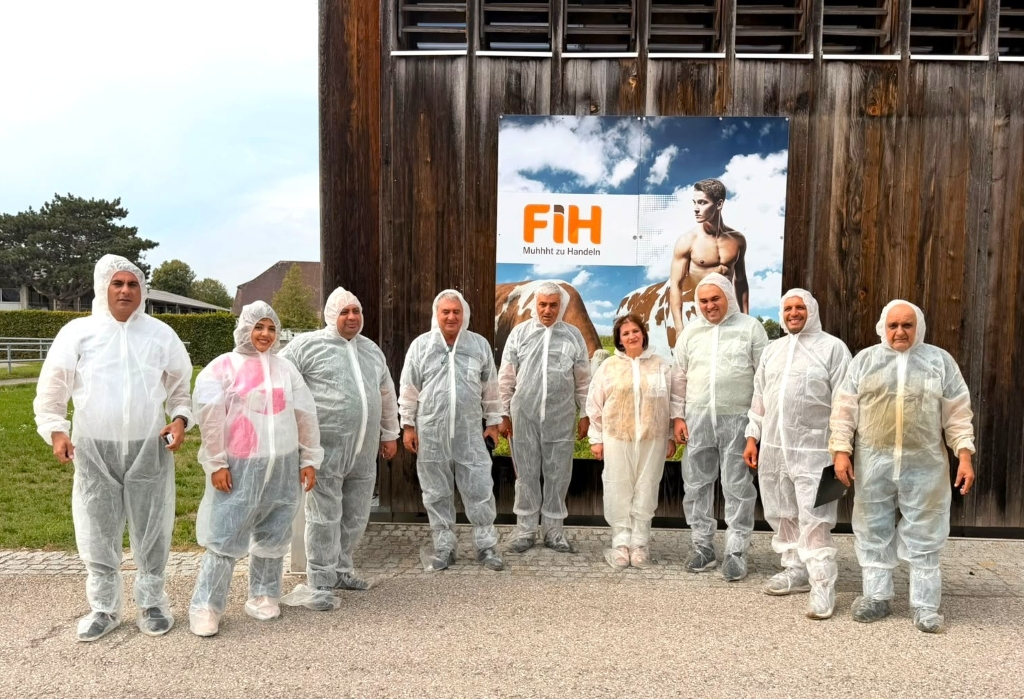
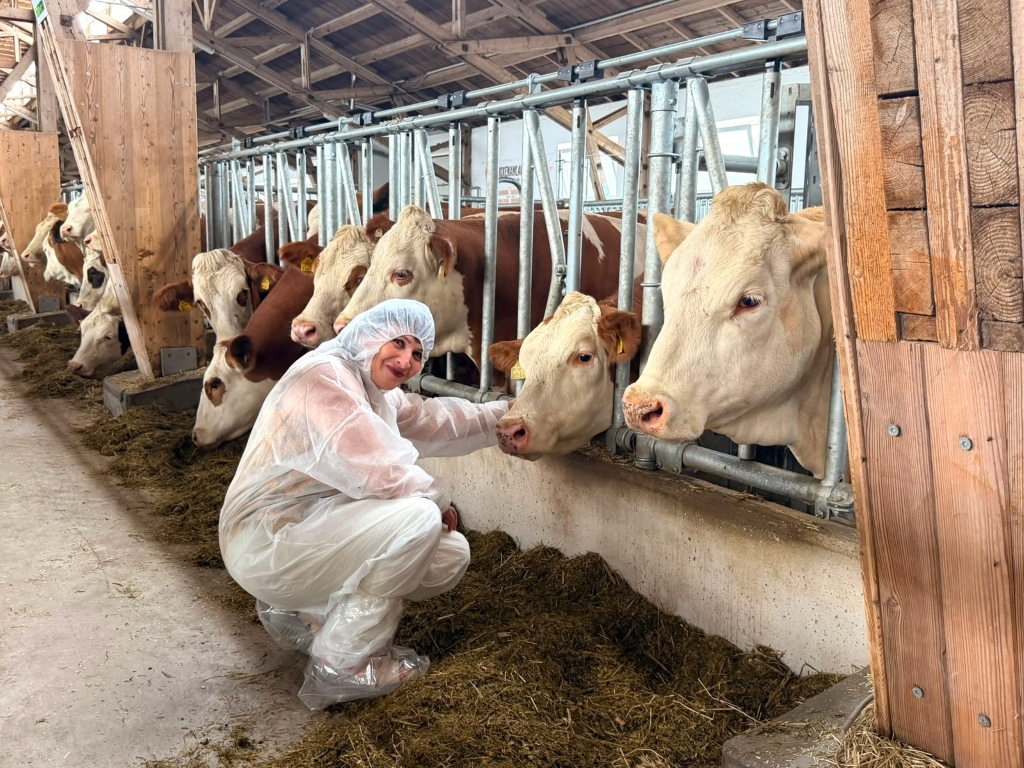
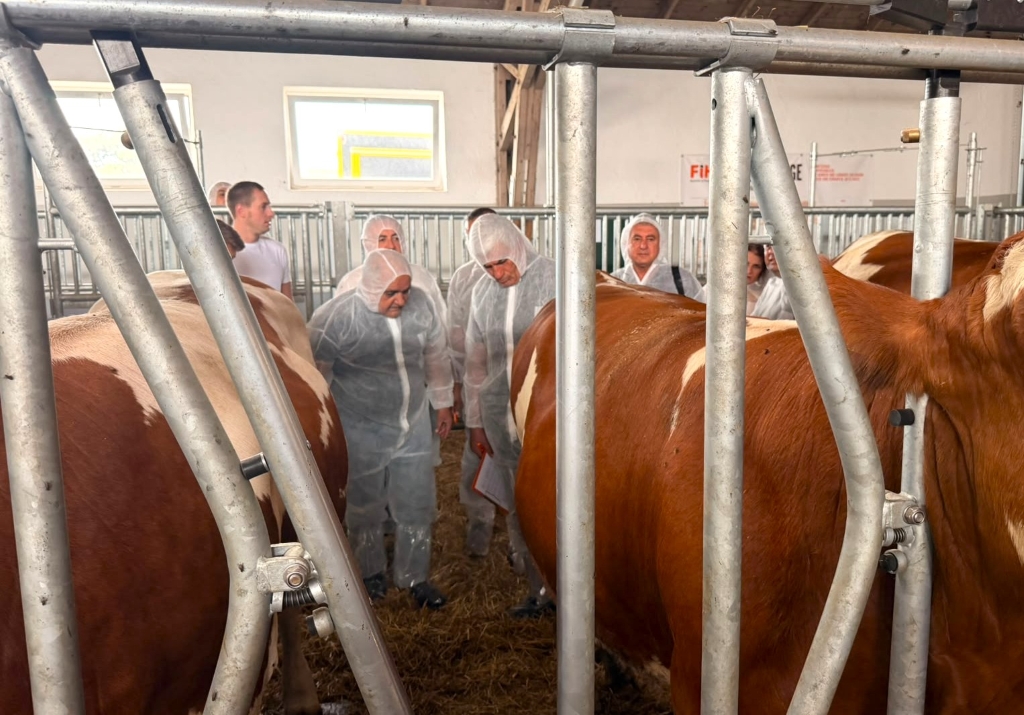
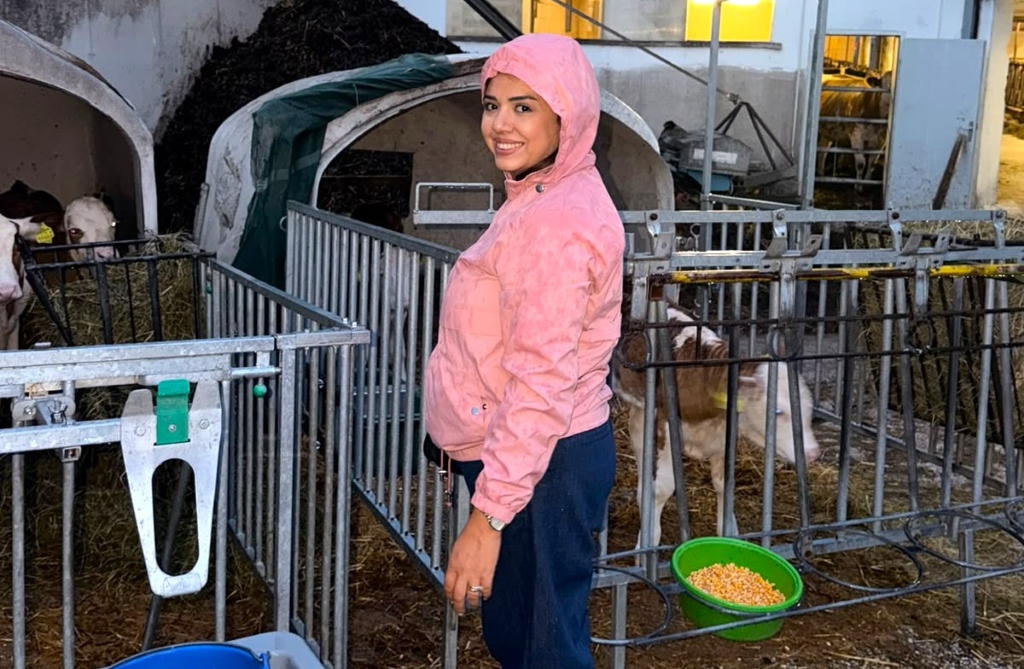
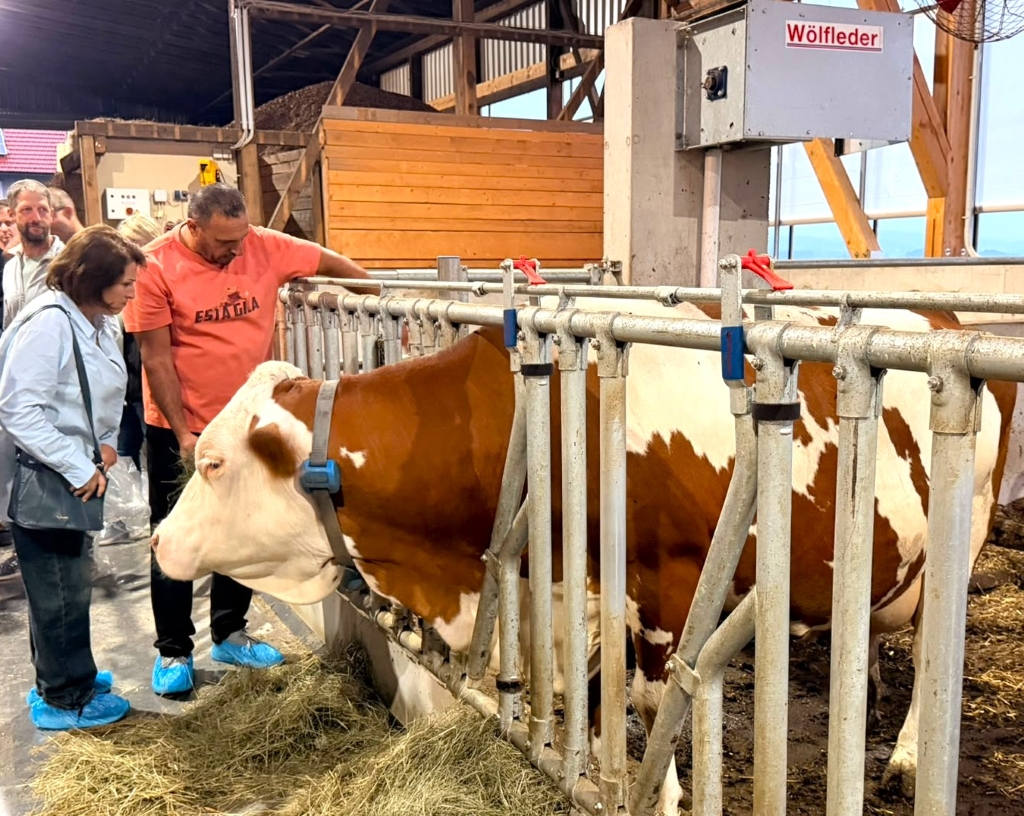
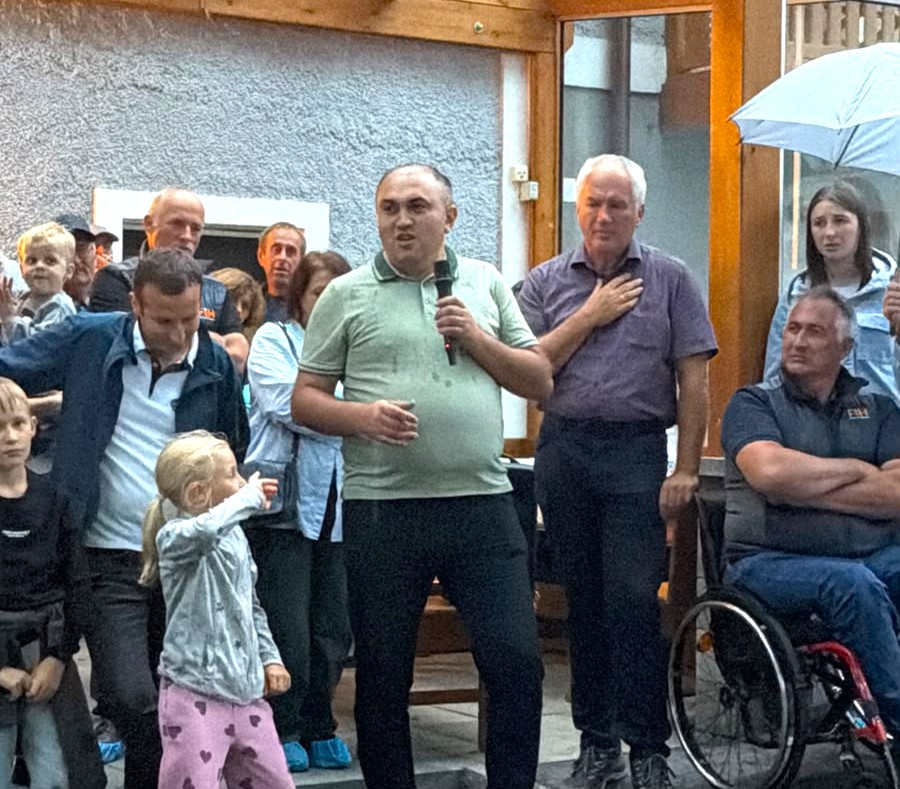
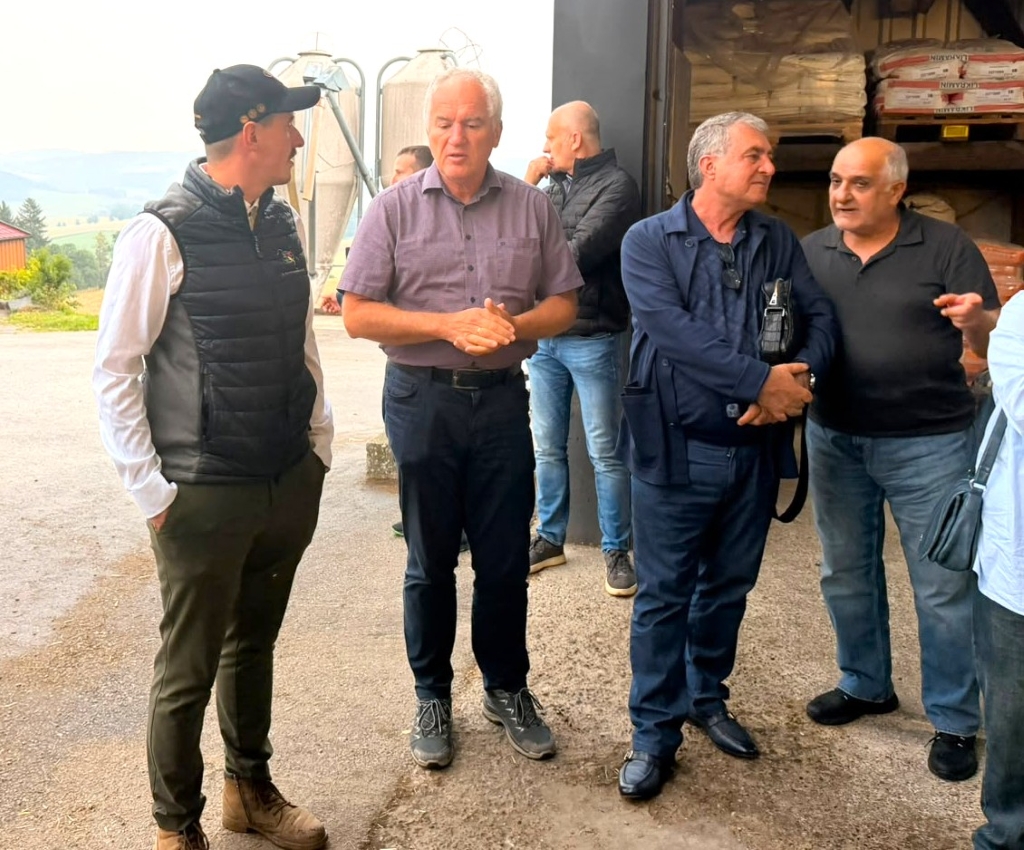
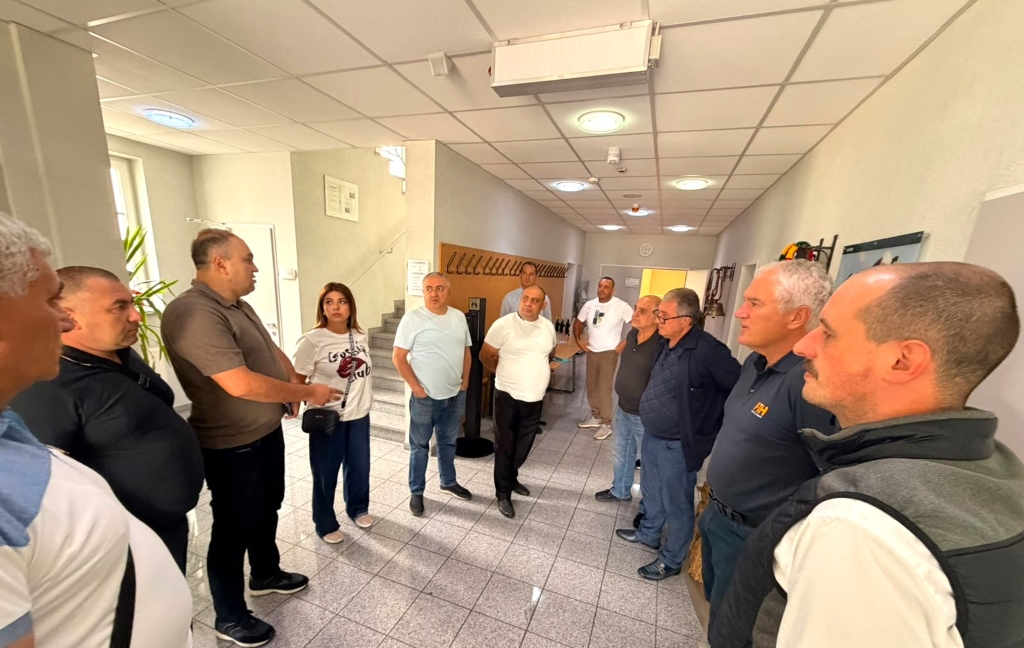
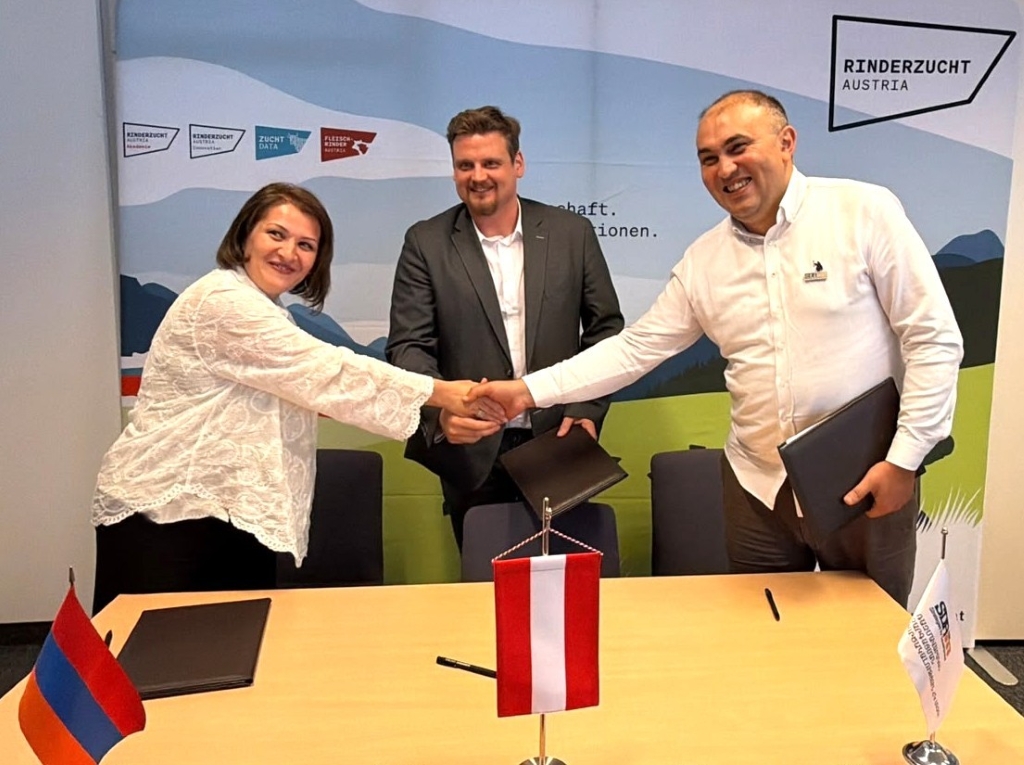
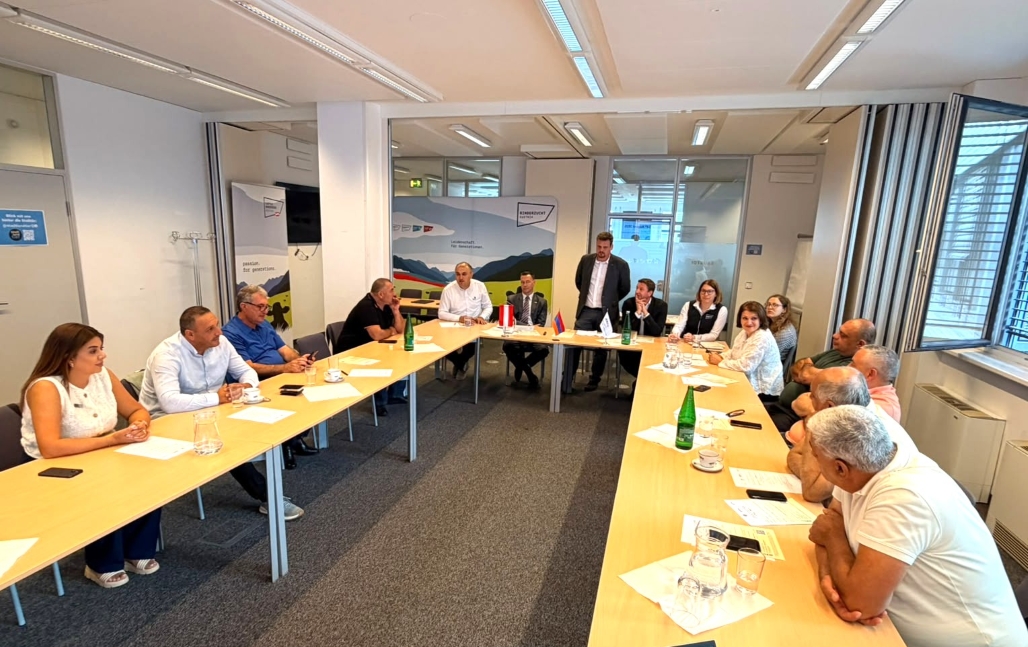
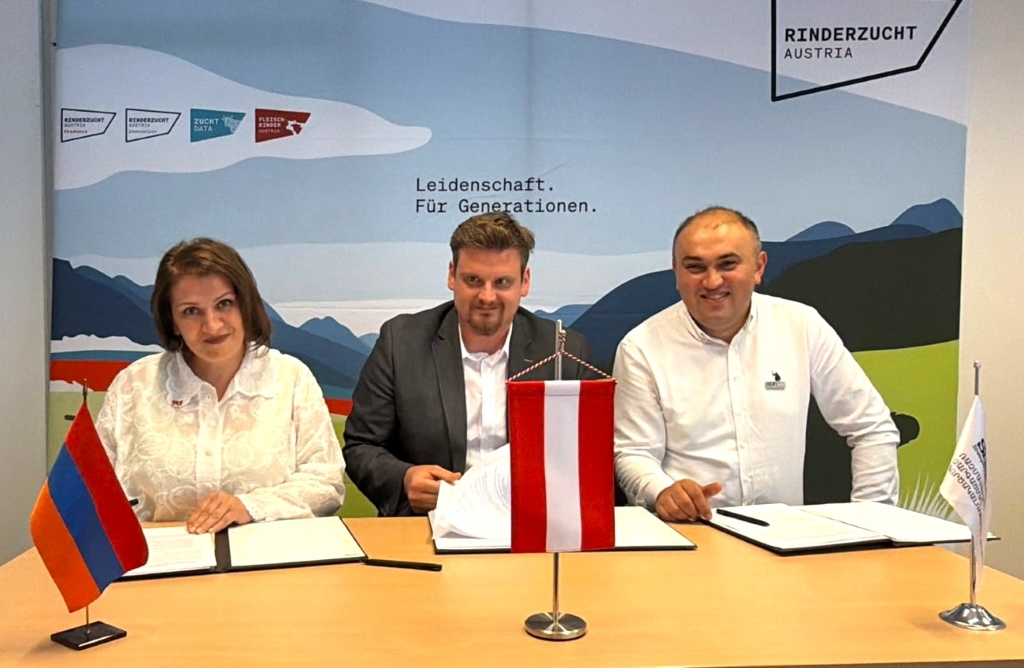
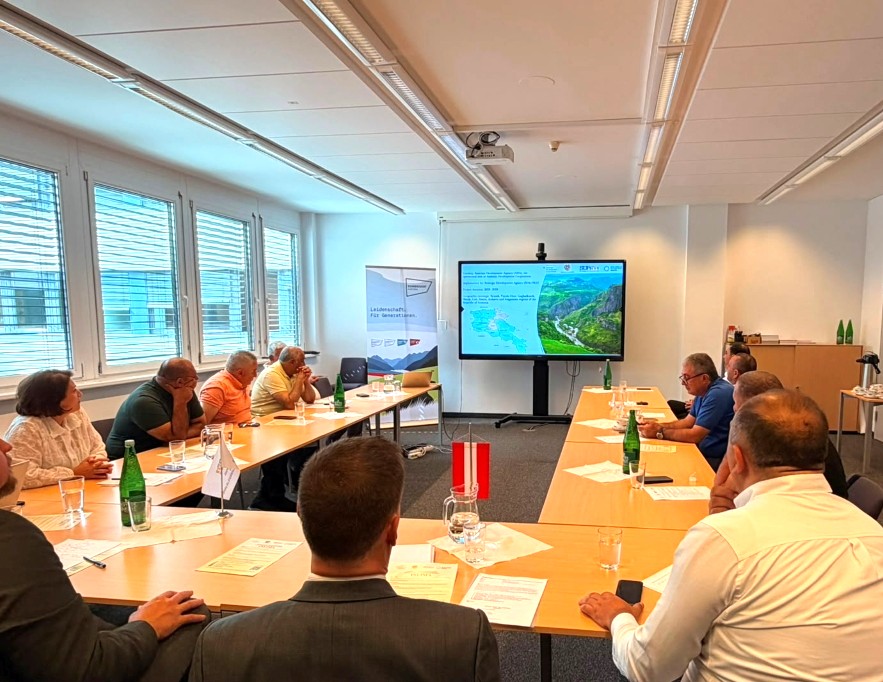
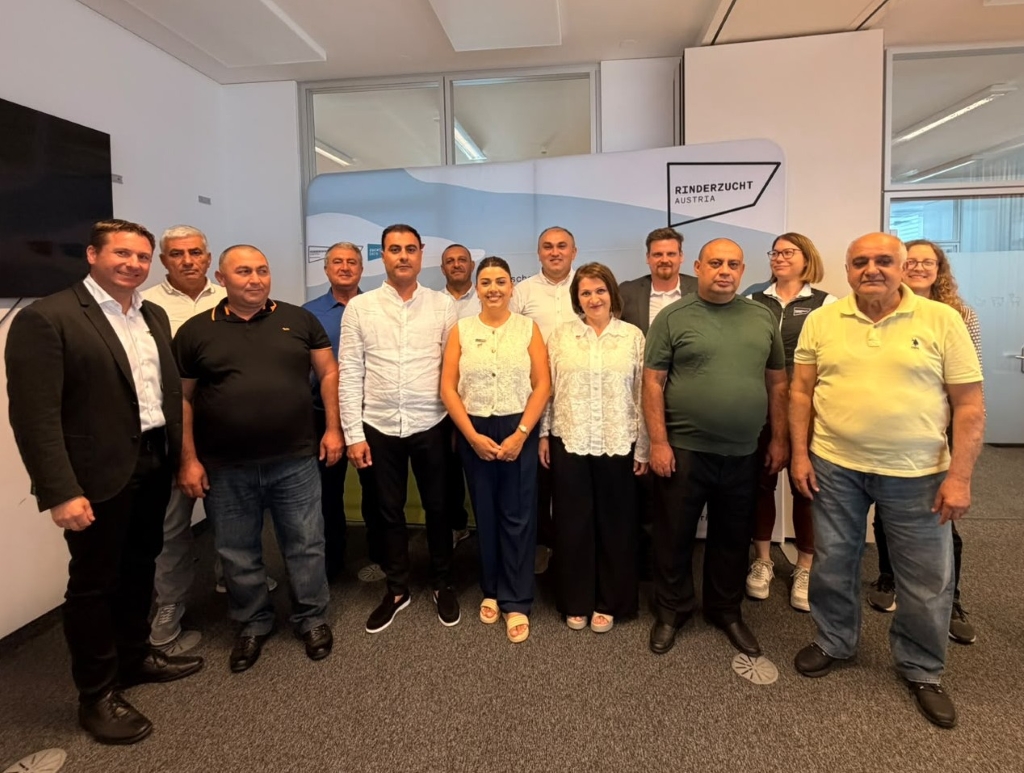
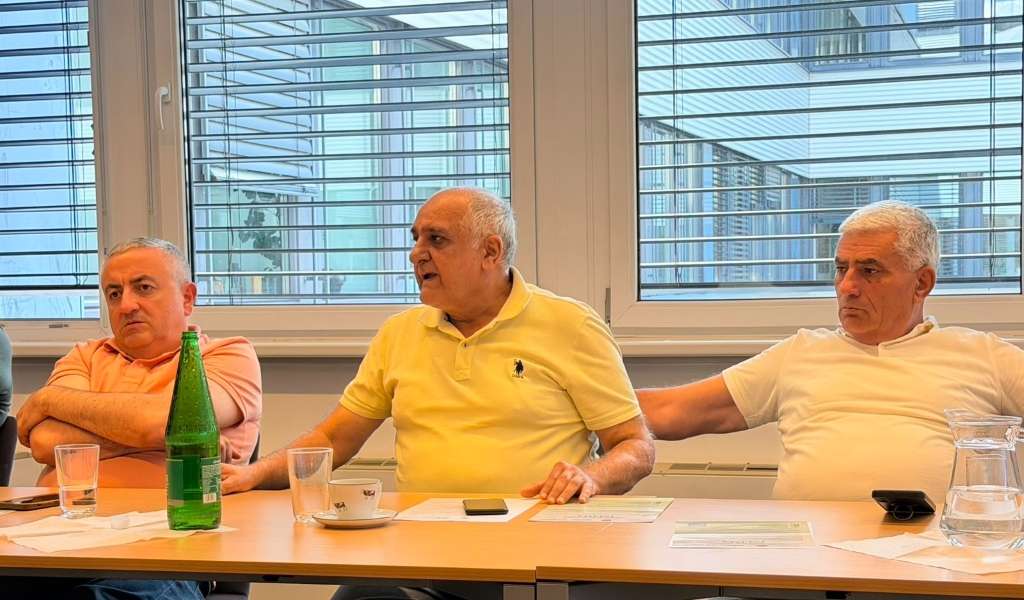
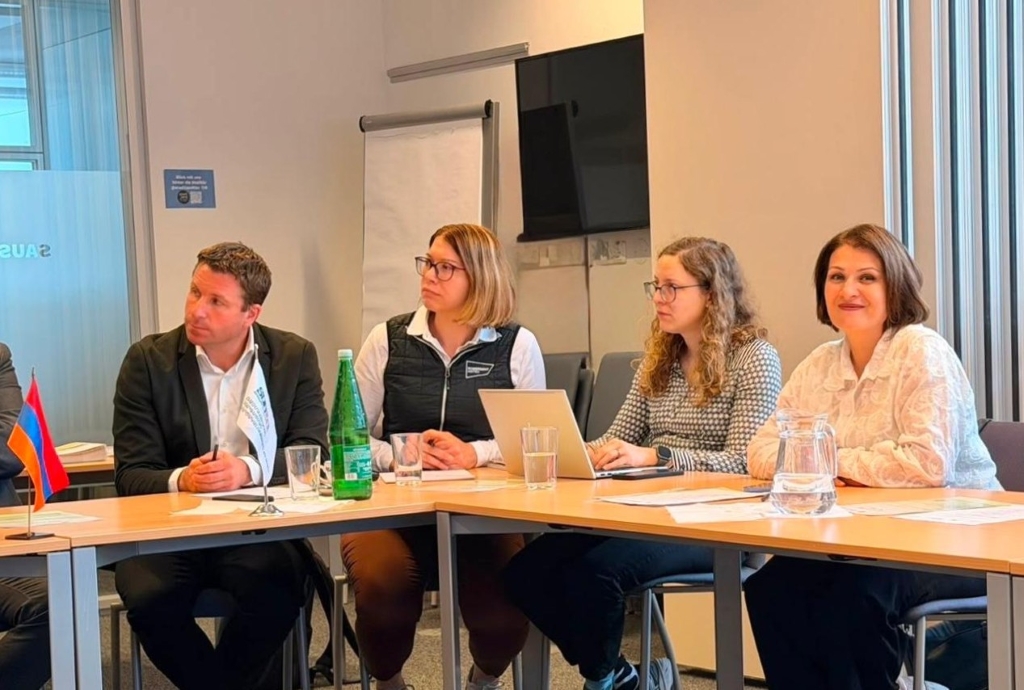
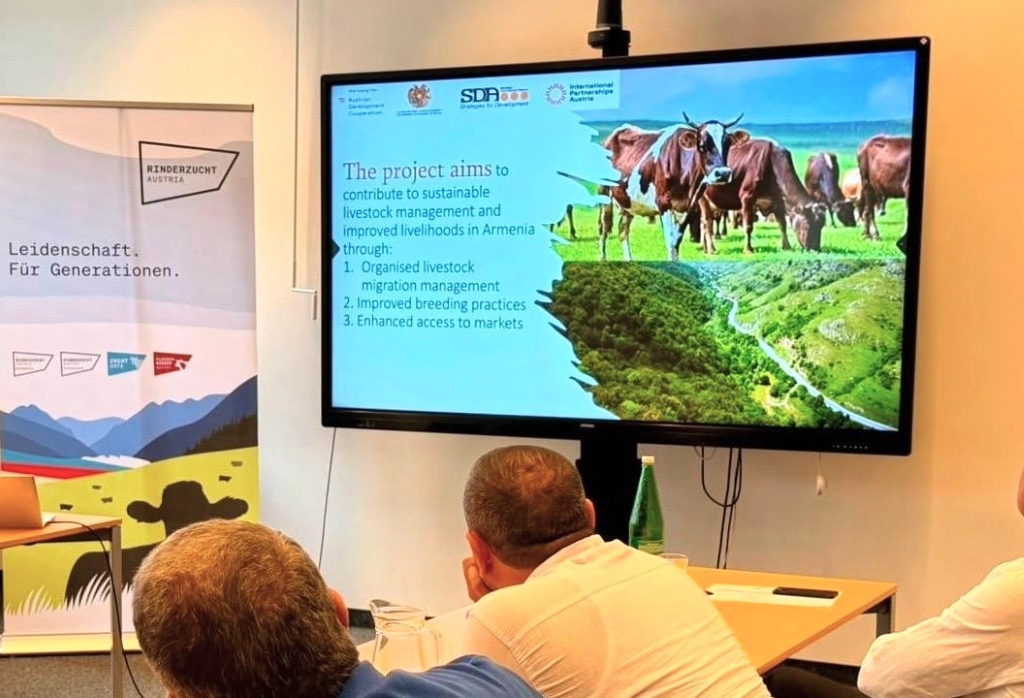
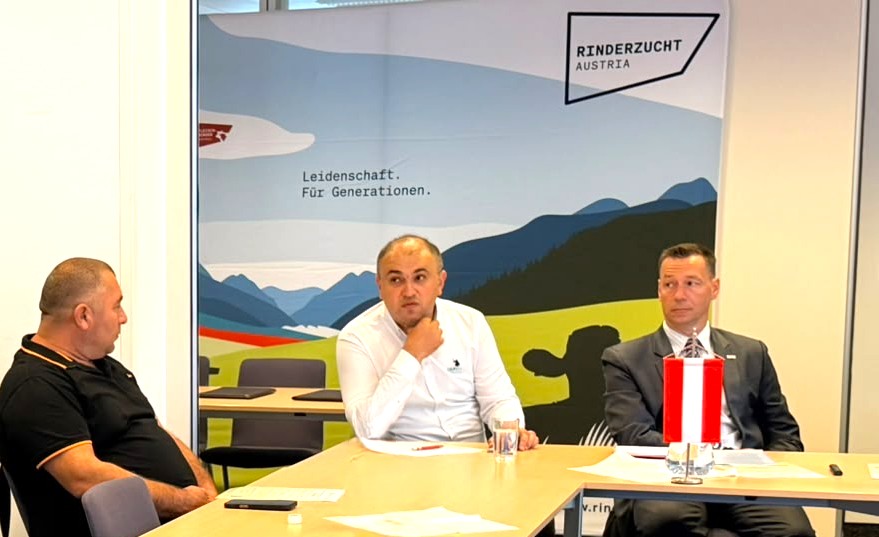
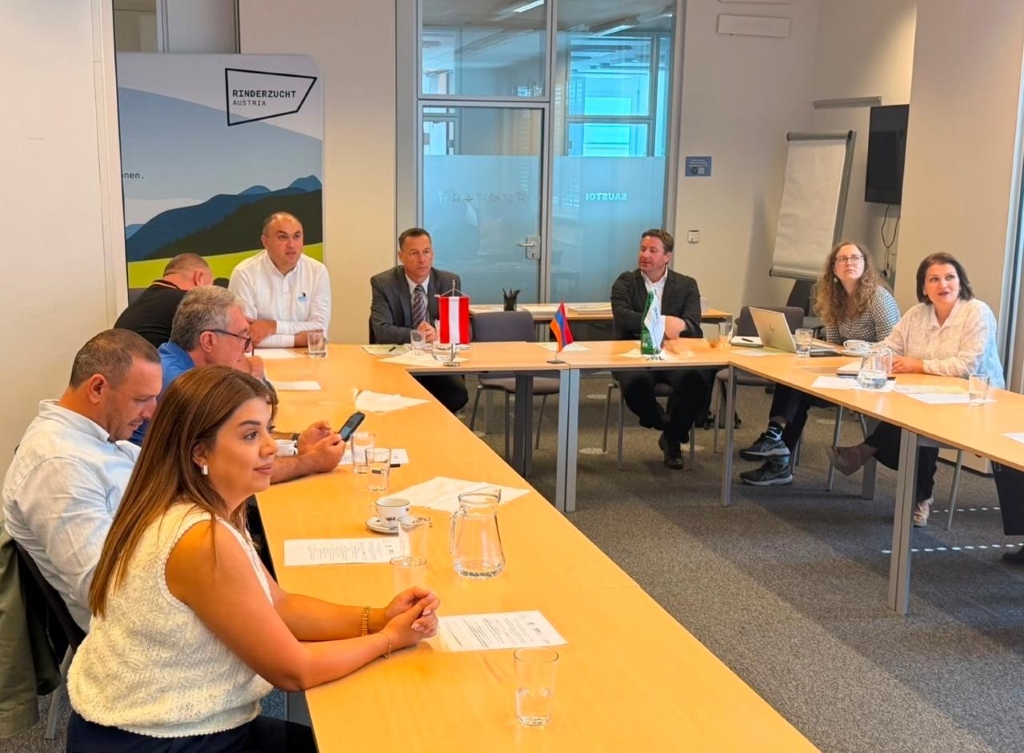
Within the framework of the INLIMA project, a study visit to Bavaria, Germany, was conducted from 2–9 May 2026 with the participation of Armenian stakeholders from the dairy cattle breeding sector. The visit aimed to facilitate professional knowledge exchange, strengthen sectoral capacities, and introduce advanced European practices in cattle breeding, reproductive technologies, and agricultural education.
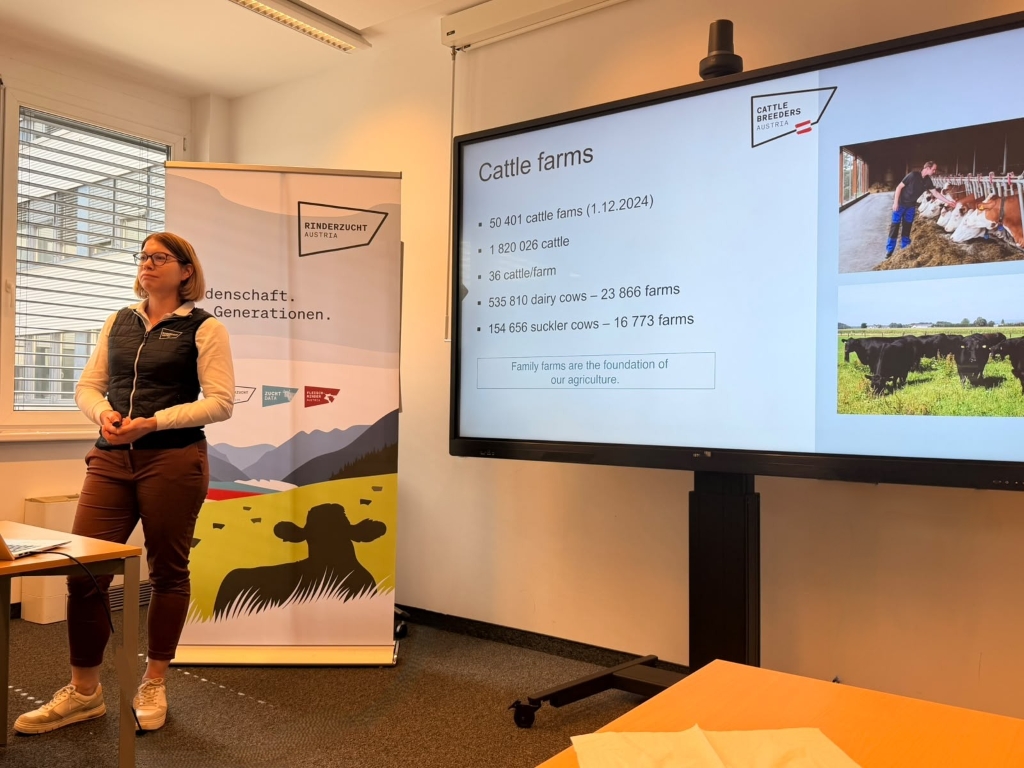
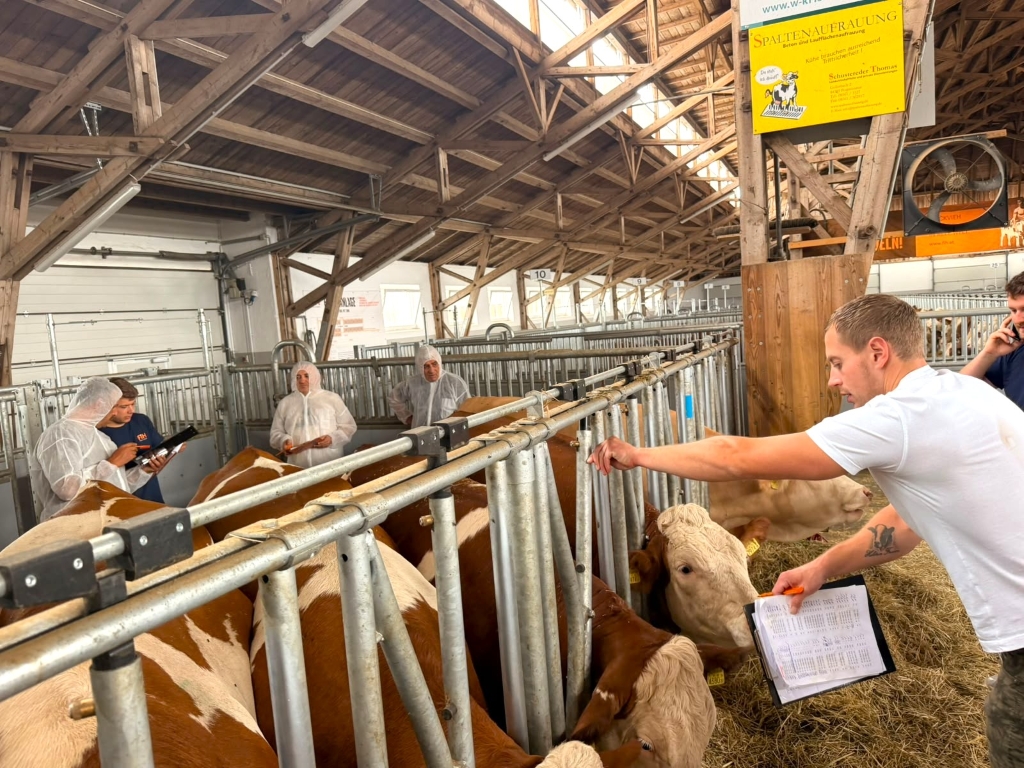
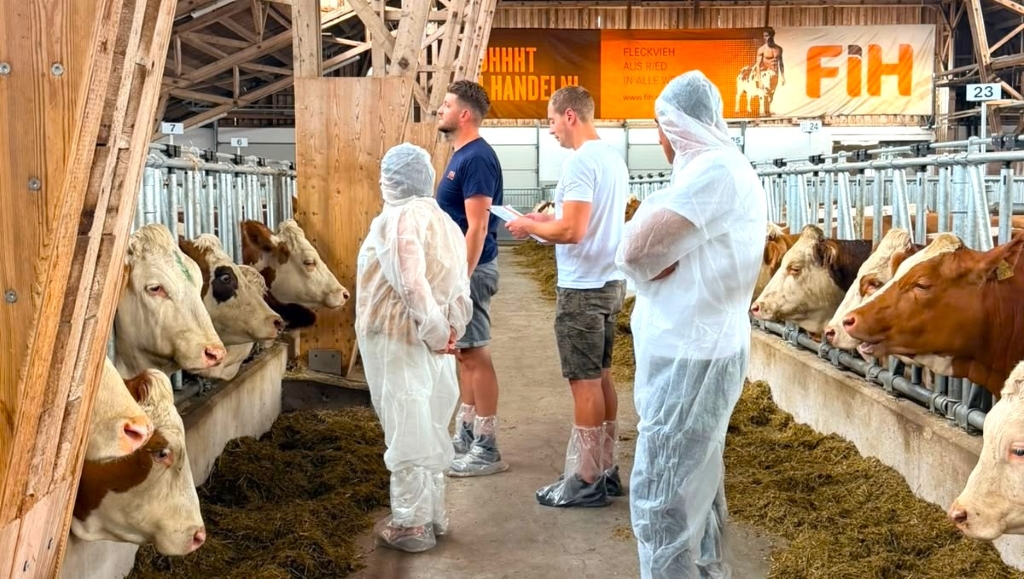
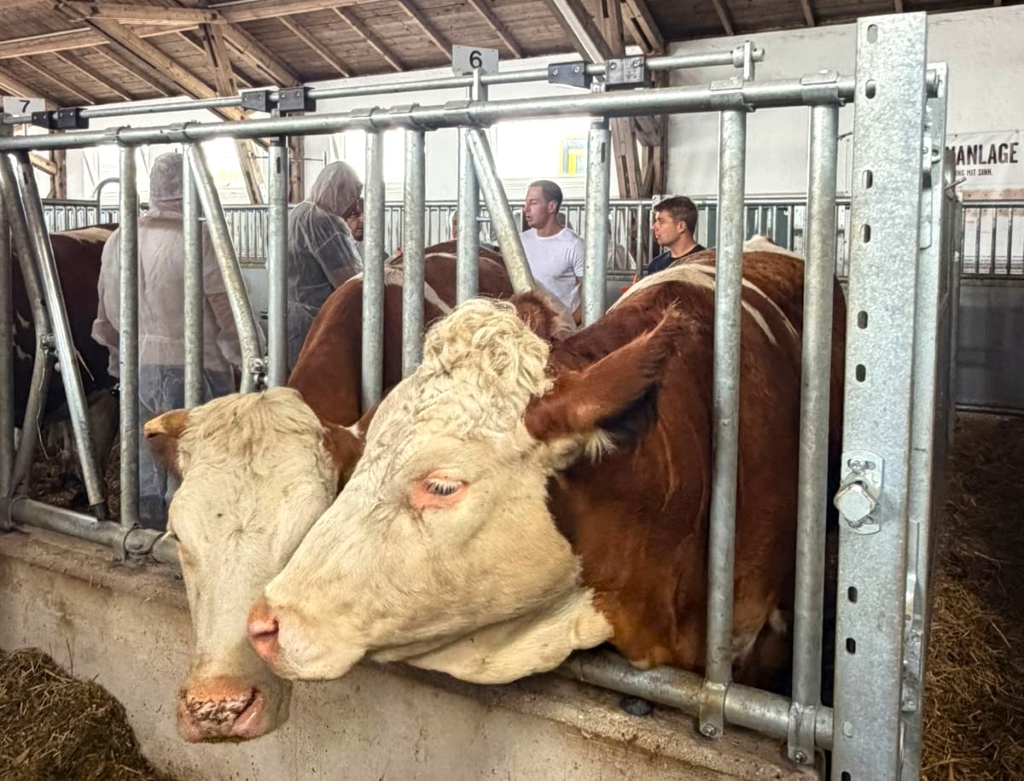
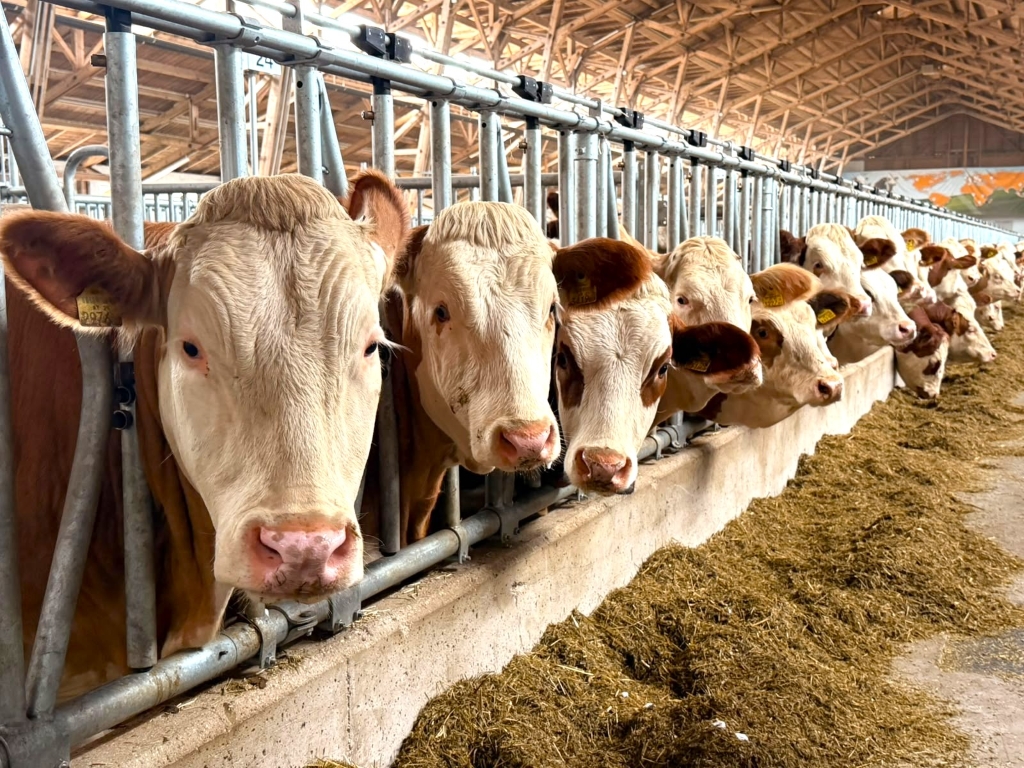
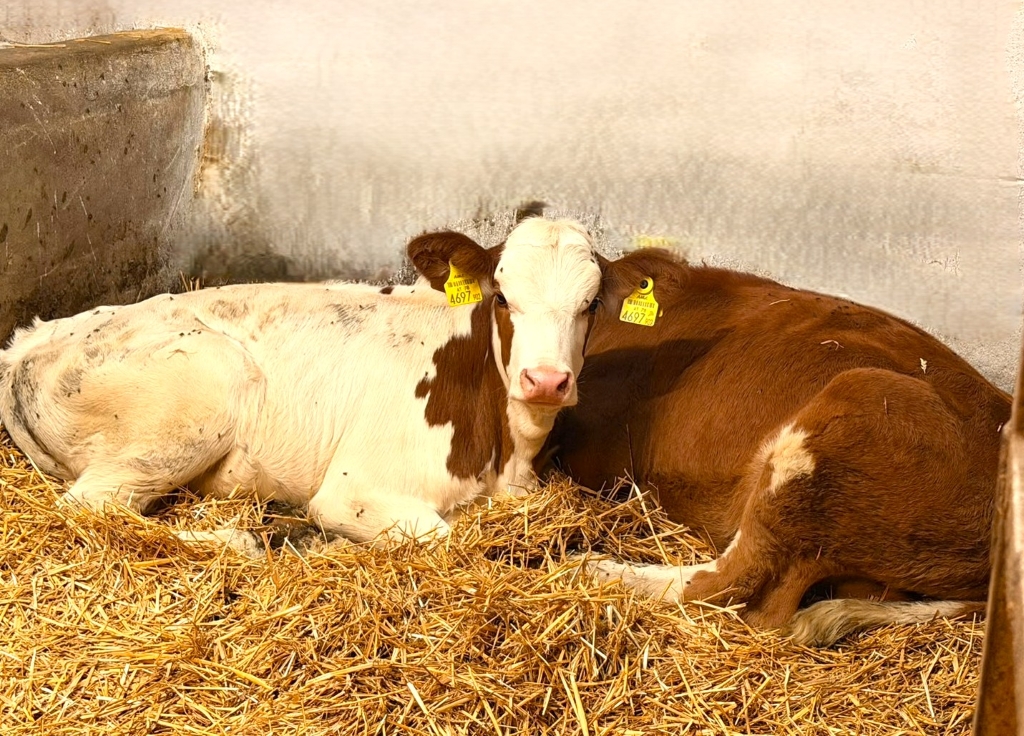
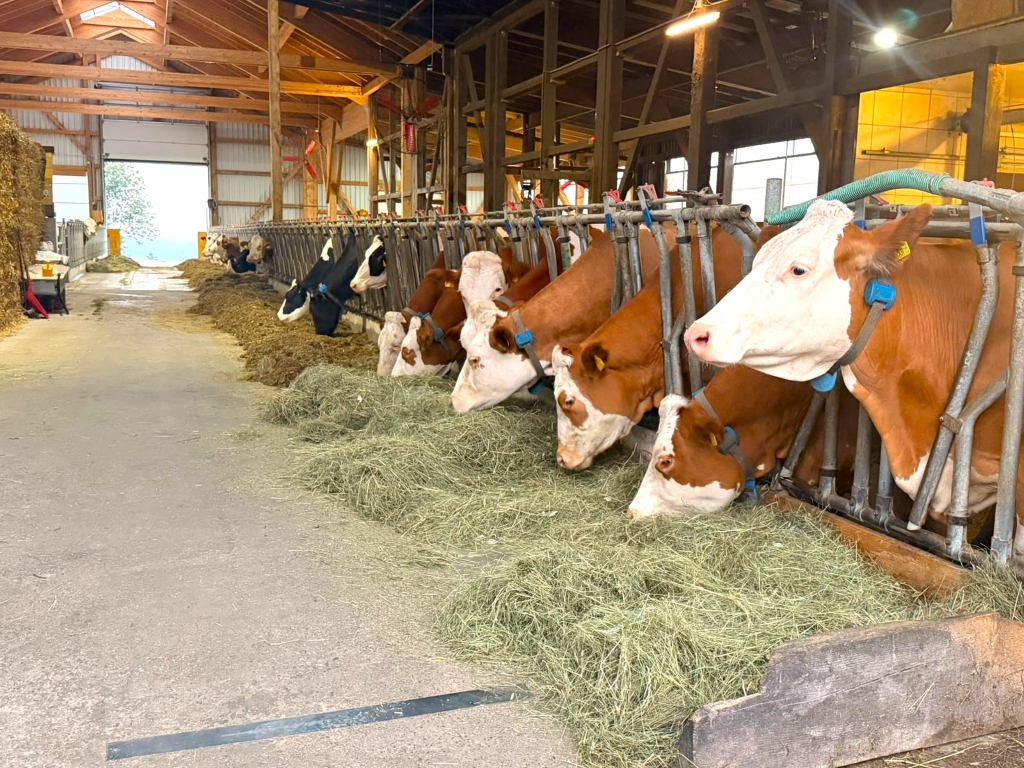
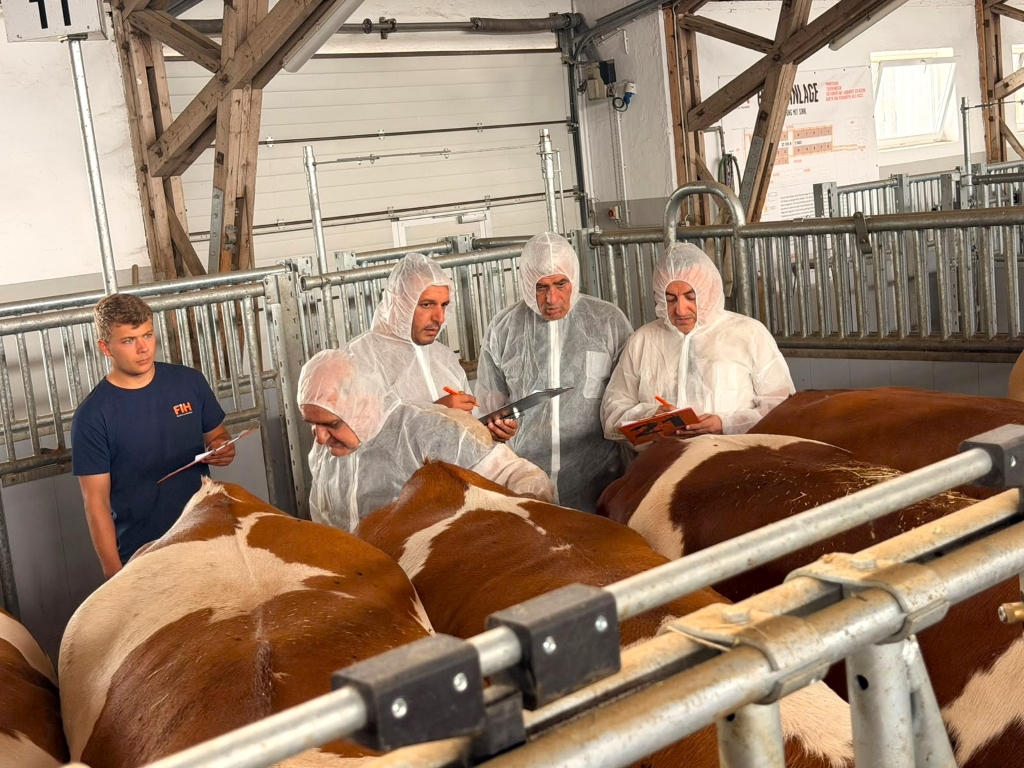
Throughout the visit, participants were introduced to Bavarian models of dairy cattle breeding, modern farm management systems, and practical approaches to animal health, feeding, herd productivity, and sustainable livestock management.

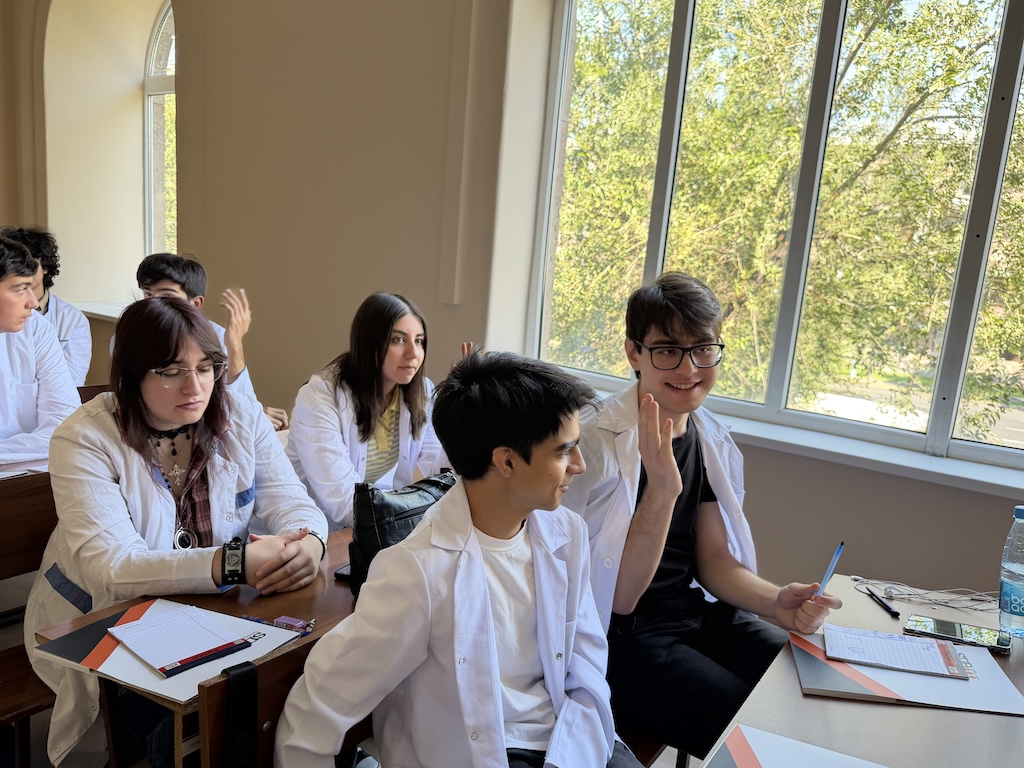
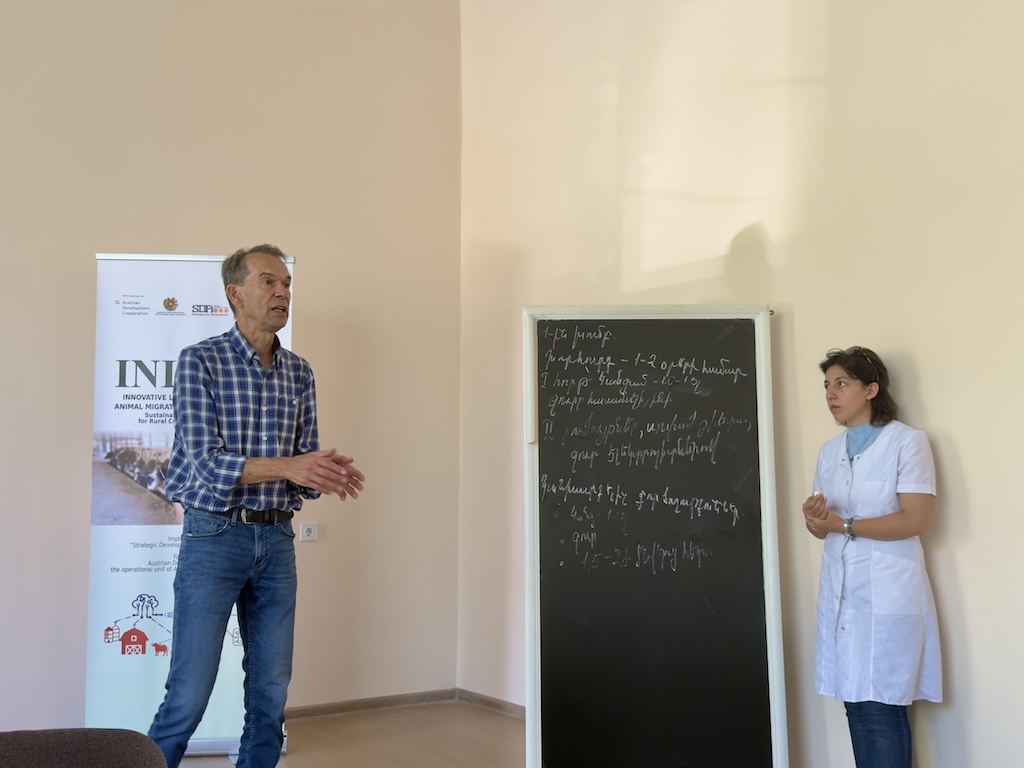
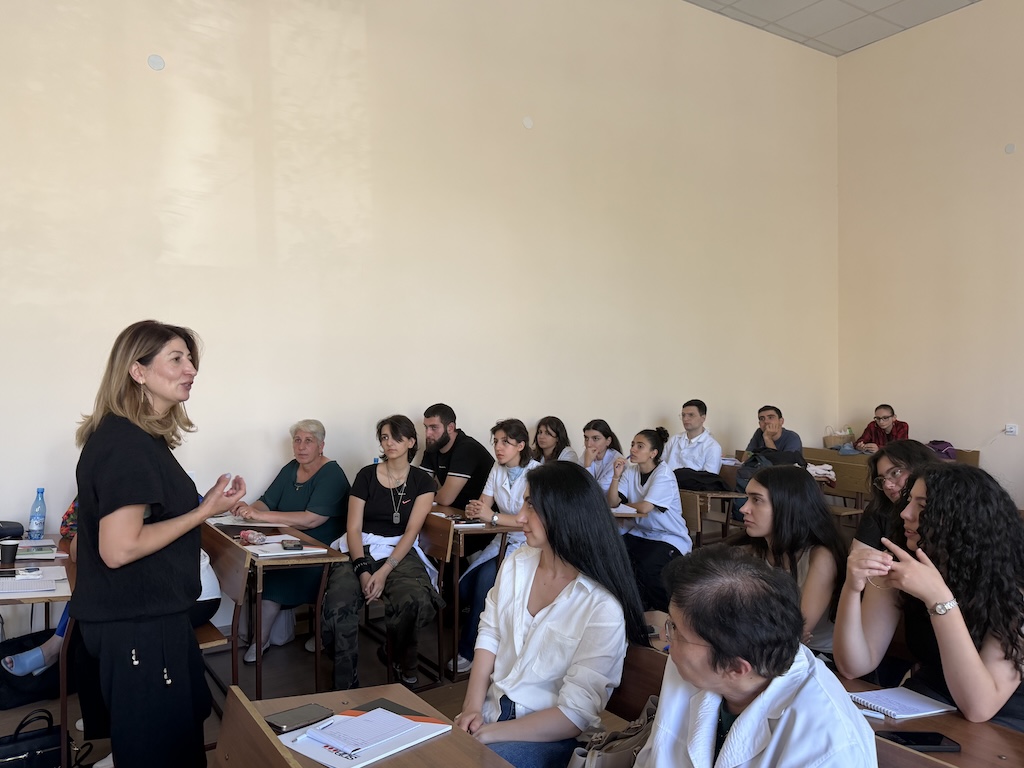
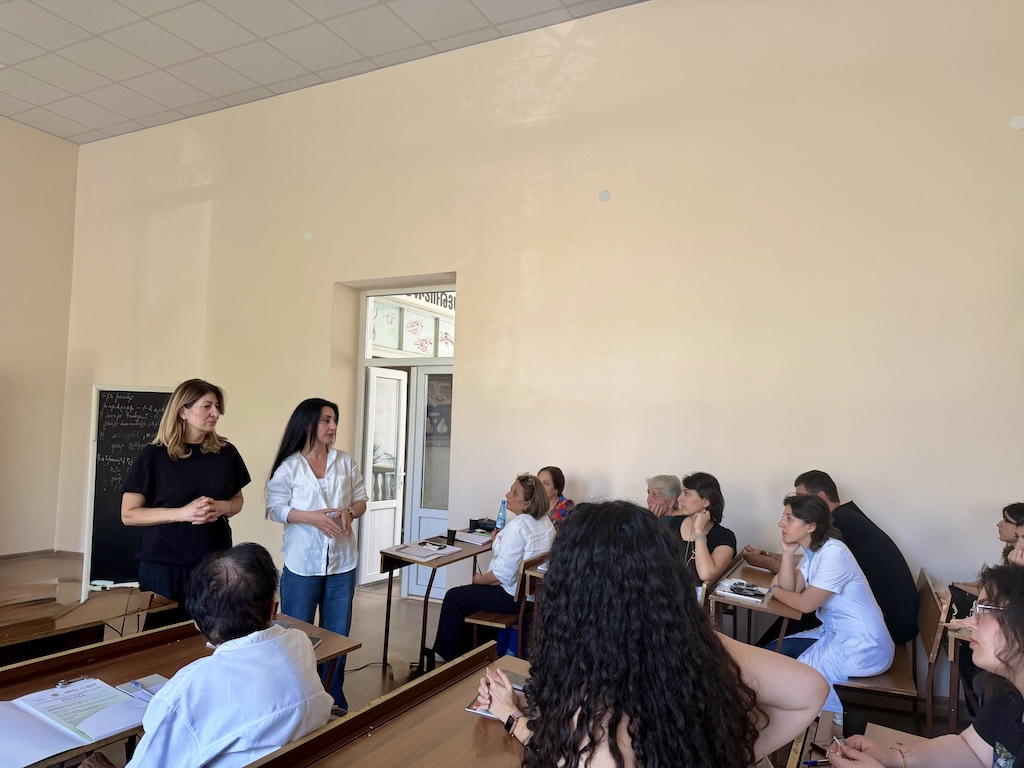
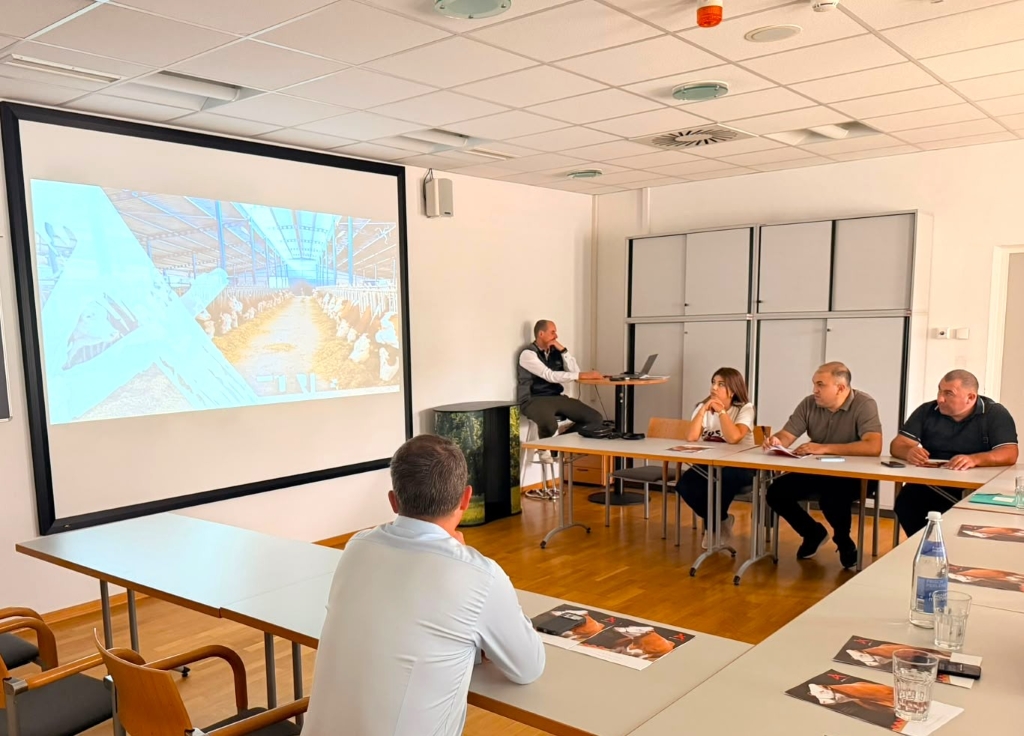
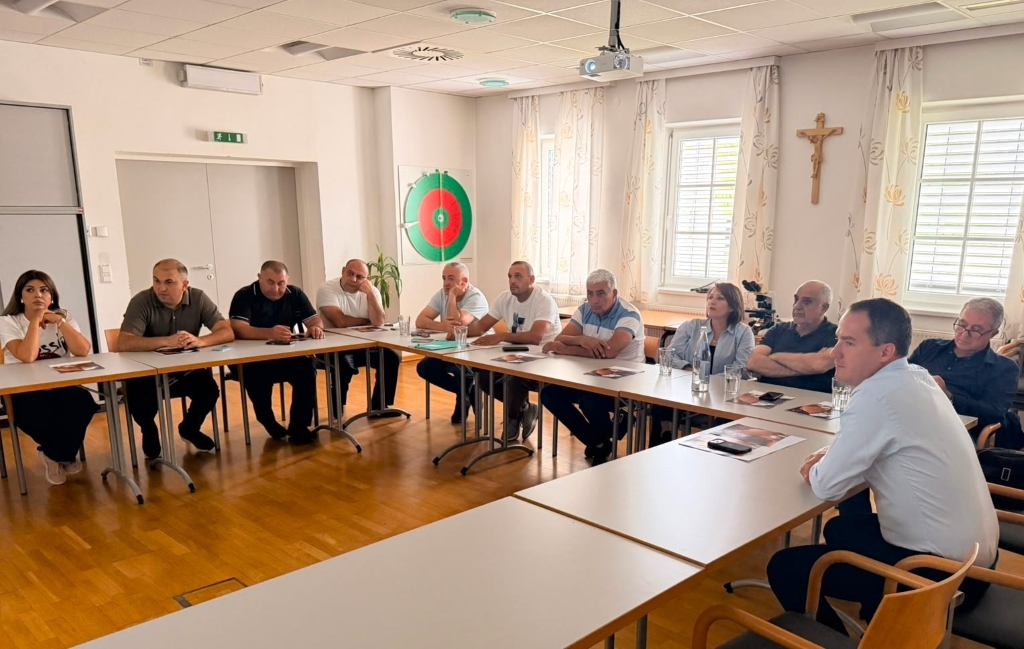
The programme included theoretical and practical training sessions at the Triesdorf Agricultural Education Centre and the Weihenstephan-Triesdorf University of Applied Sciences. The sessions focused on dairy cattle breeding methods, herd management, ration formulation, feeding systems, and contemporary livestock production practices. Participants also gained insight into Germany’s agricultural education system and international training programmes.

A key component of the study visit was the visit to the BVN Artificial Insemination Association, where participants explored breeding management systems, bull selection and management processes, semen collection and production technologies, laboratory quality control procedures, and cold-chain logistics systems.

The delegation also visited Minitube GmbH, one of the international leaders in reproductive technologies for livestock production. Participants were introduced to artificial insemination production facilities, semen analysis and cryopreservation technologies, laboratory standards, quality assurance mechanisms, and international logistics and export systems.

Additional visits were conducted to Bayern Genetik GmbH, ASR Bayern, and the Bavarian State Educational Farm in Grub, where participants explored genetic breeding programmes, breed selection strategies, genomic evaluation systems, and current developments in cattle breeding. Visits to high-performance and pasture-based dairy farms provided practical examples of efficient herd management and sustainable livestock production practices.

Throughout the study visit, participants gained valuable professional knowledge and practical experience aimed at supporting the development of the dairy cattle breeding sector, promoting the application of modern approaches, and strengthening professional capacities within the field.

“Innovative Livestock Management: Animal Migration, Breeding & Markets” (INLIMA) project is implemented by Strategic Development Agency NGO and funded by the Austrian Development Agency (ADA), the operational unit of Austrian Development Cooperation.

IADAAM at the Europe Day 2026 Celebration

The IADAAM Project proudly participated in Europe Day 2026, joining partners, institutions, and development initiatives in celebrating the values of cooperation, innovation, and sustainable progress.

As a project committed to advancing irrigated agriculture development in Armenia’s Ararat and Armavir marzes, IADAAM highly values the importance of strong international partnerships and knowledge exchange in building resilient rural communities and modern agricultural systems.

Europe Day serves as a reminder that sustainable development is achieved through unity, shared vision, and collective action. We are honored to contribute to this journey by supporting agricultural modernization, efficient water management, and improved livelihoods for farming communities.

Together, we continue working toward a greener, stronger, and more sustainable future.

The Irrigated Agriculture Development in Ararat and Armavir Marzes (IADAAM) project, financed by the European Union (EU) and implemented with the support of the French Development Agency (Agence Française de Développement), aims to transform irrigated agriculture in Armenia.

Implemented by the Ministry of Economy of the Republic of Armenia, the project’s technical assistance is provided by a consortium comprising AESA – Agriconsulting Europe SA, Avenue Consulting Group LLC, Strategic Development Agency NGO, and 3R Strategy LLC, with the aim of strengthening agricultural policy and advancing sector reforms.

Uncategorized

Strengthening Regional Tourism Through Professional Guiding

The specialized training for tourist guides has been successfully completed, with participants awarded their certificates of successful completion. The training was initiated by ANTRIM and implemented on a co-financing basis in partnership with RECONOMY’s “Digitalisation for Competitiveness” programme.

The core objective of this initiative was to develop internationally certified tourist guides capable of delivering high-quality guiding services in multiple foreign languages. This is especially important for attracting and serving travelers from Latin America and Europe  – two key strategic markets within RECONOMY’s regional tourism development vision

Through this program, participants enhanced their practical guiding skills 🧭, communication techniques, and ability to engage diverse audiences, positioning themselves as competitive professionals in the international tourism market.

These newly trained guides are expected to become a key driving force in strengthening regional tourism contributing to improved visitor experiences and increased destination competitiveness.

RECONOMY is an inclusive and green economic development program of the Swedish International Development Cooperation Agency (Sida), implemented by Helvetas in partnership with the Strategic Development Agency NGO and others in the Eastern Partnership and Western Balkan countries.

Uncategorized

Veterinary Day 2026: Veterinarians – Guardians of Public Health

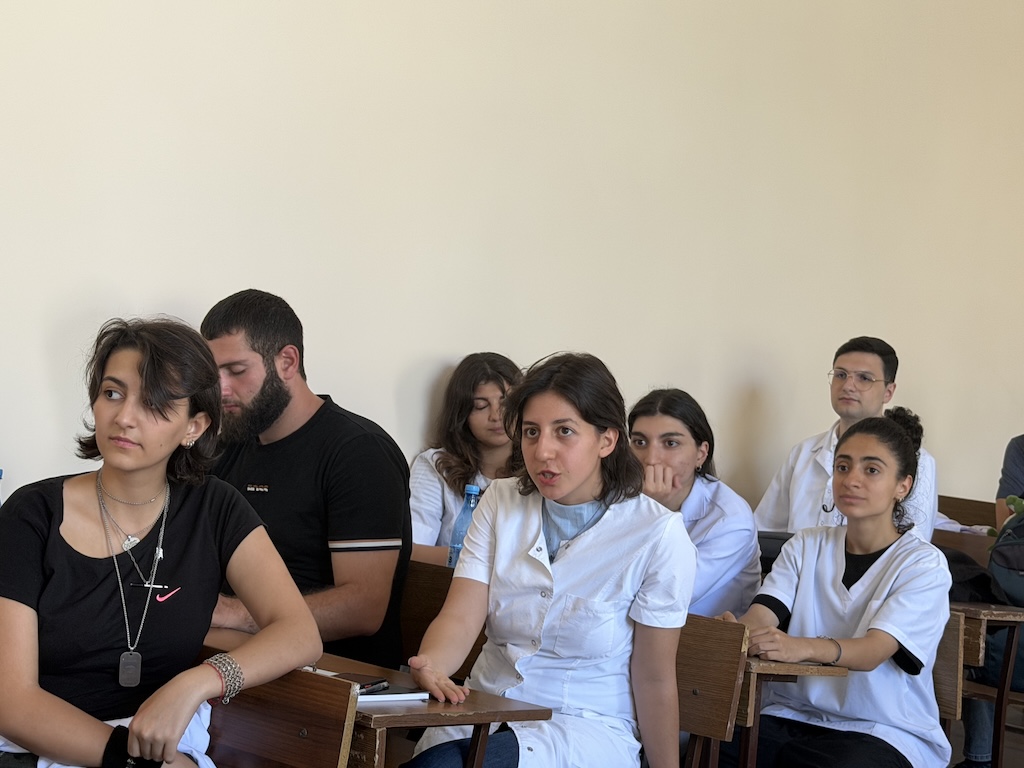
On April 30, Yerevan hosted a Veterinary Day event under the theme “The Veterinarian – a Guardian of Public Health,” bringing together key stakeholders from the public, private, academic, and international sectors. For the seventh consecutive year, the Strategic Development Agency (SDA) NGO has initiated and organized this important event, providing a platform for professional dialogue, collaboration, and knowledge exchange across the sector.

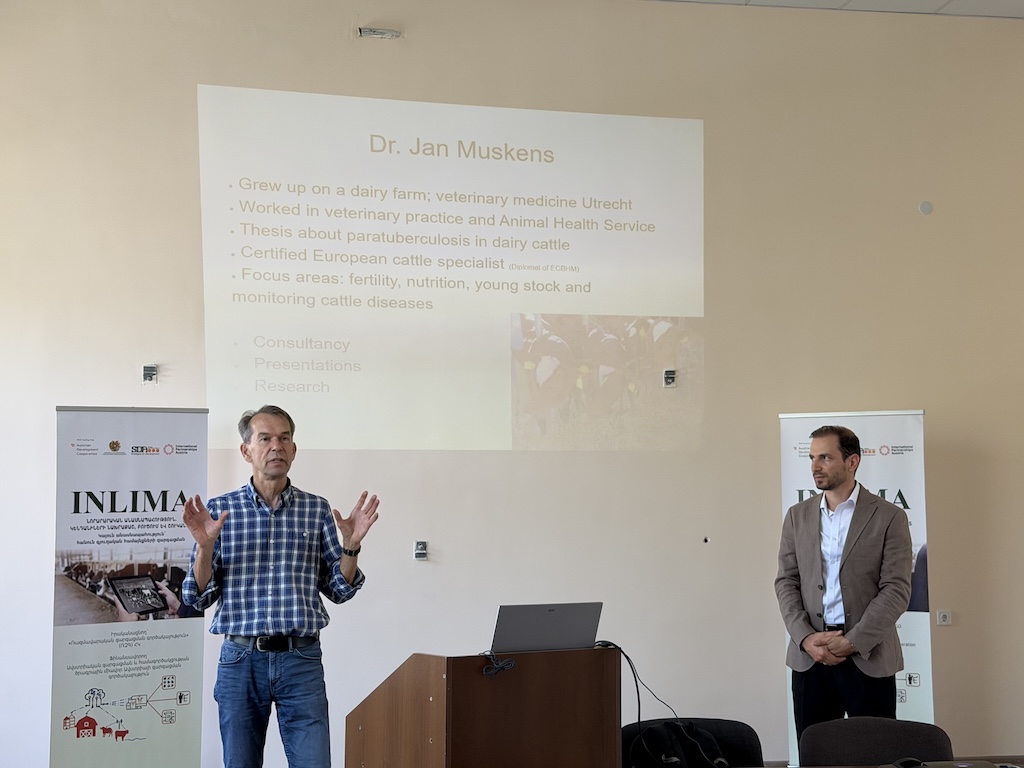
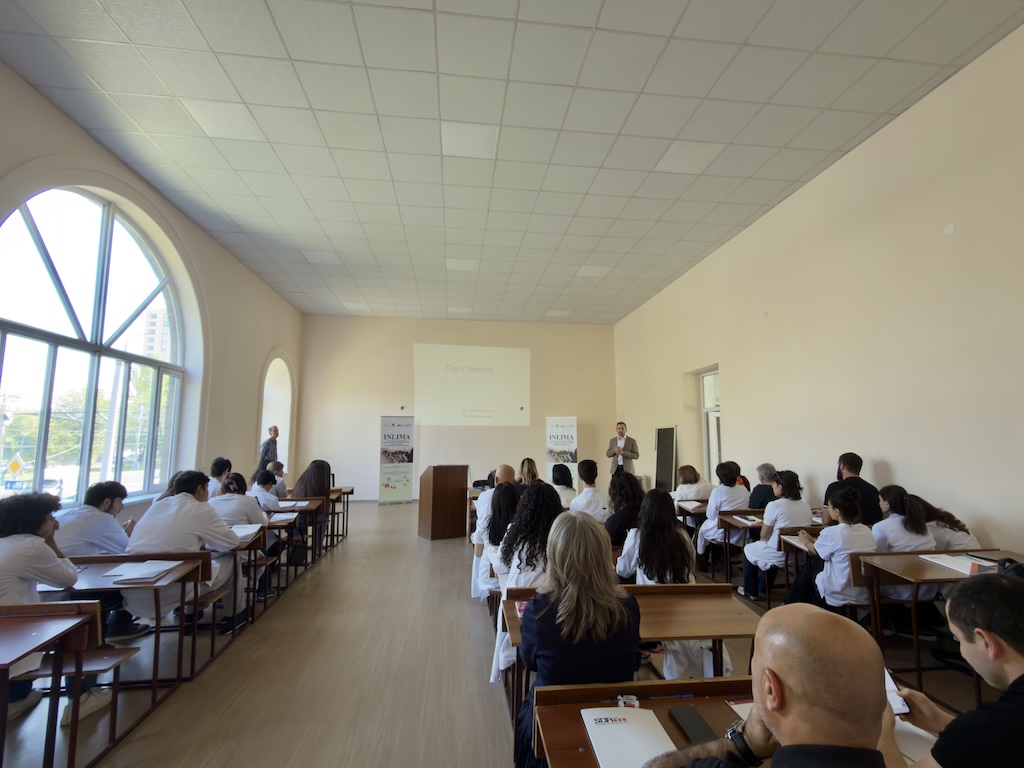
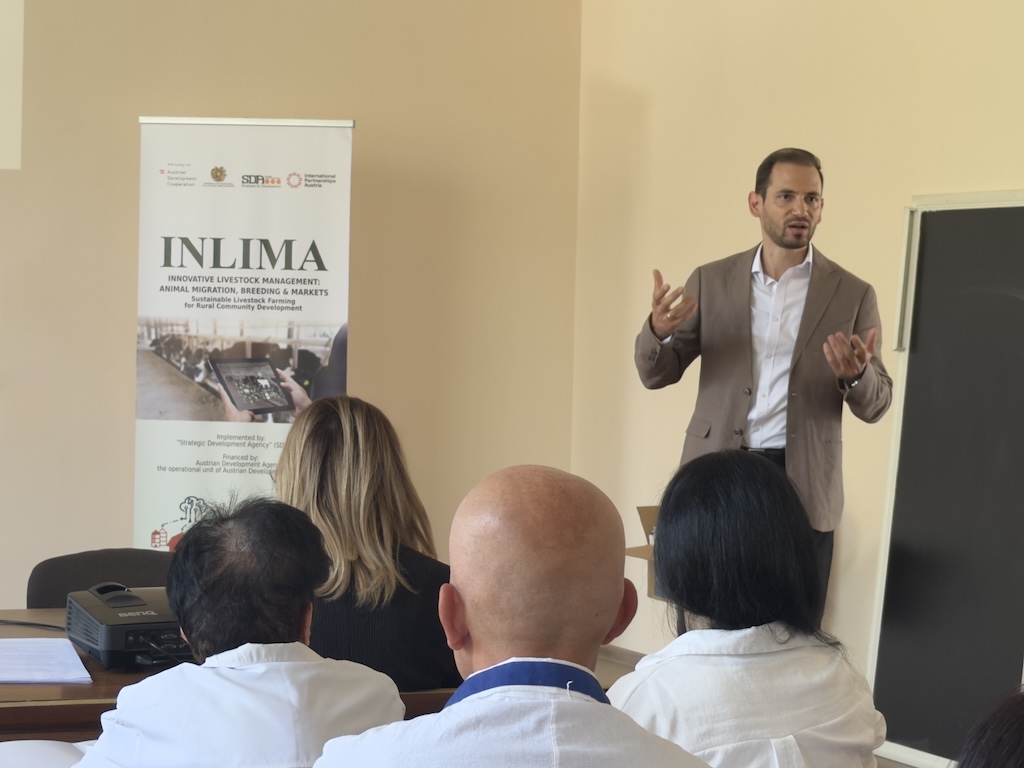
This year’s event was organized in cooperation with the Ministry of Economy of the Republic of Armenia and with the support of the “Innovative Livestock Management: Animal Migration, Breeding & Markets” (INLIMA) project.

The event opened with official remarks, including a speech by Mr. Mkrtich Ayvazyan, Chairman of Strategic Development Agency (SDA) NGO, who emphasized that Veterinary Day is not only a professional celebration but also an important forum for addressing sectoral challenges and identifying development opportunities. He highlighted the essential role of veterinarians in safeguarding public health, ensuring food safety, and supporting sustainable agricultural development, while also underscoring the importance of strengthening education, engaging young professionals, and fostering continuous cross-sectoral cooperation.

Particular attention was given to the engagement and development of the next generation of veterinary professionals, with emphasis placed on attracting young specialists, enhancing their capacities, and strengthening their role within the sector. Discussions also explored how public policy is responding to these needs through the promotion of educational reforms, expansion of practical training opportunities, and creation of enabling conditions for youth participation.

It was further emphasized that sustainable sectoral development requires strong multi-stakeholder cooperation. Educational institutions, the private sector, and development partners each play a critical role in preparing future professionals, facilitating knowledge transfer, and ensuring alignment between training and labor market needs.

The program included two thematic panel discussions dedicated to the main development directions of the veterinary sector, existing challenges, and emerging opportunities. The first panel focused on systemic issues, policy priorities, and the role of education in preparing qualified professionals. The second panel addressed the strengthening of the science–practice nexus as a key driver of sectoral advancement, highlighting innovative approaches and the applied value of research in improving veterinary services.

The event also featured a thematic film and podcast illustrating the daily work of veterinarians, their responsibilities, and their indispensable contribution to public health protection.

Overall, the event served as a meaningful platform for highlighting sectoral priorities, facilitating knowledge exchange, strengthening inter-institutional and public–private cooperation, and fostering new partnerships. It once again reaffirmed the critical role of veterinarians in ensuring a healthy, safe, and sustainable society.

“Innovative Livestock Management: Animal Migration, Breeding & Markets” (INLIMA) project is implemented by Strategic Development Agency NGO and funded by the Austrian Development Agency (ADA), the operational unit of Austrian Development Cooperation.

RECONOMY: From Brazil to Moldova & Armenia: A Journey Through Wine, Culture & Heritage

Eight tour operators from Brazil took part in an extensive FAM trip across Moldova and Armenia, experiencing first-hand the region’s diverse and high-value tourism experiences.

The journey began in Chișinău with a networking event hosted by ANTRIM, where the “Moldova + Caucasus Experience” concept was presented, followed by B2B meetings with local stakeholders. 

Over five days in Moldova, participants explored a rich mix of cultural heritage and experiential tourism – from the monastic complex of Curchi Monastery and the historic landscape of Orheiul Vechi to immersive rural experiences, including traditional culinary masterclasses and visits to local guesthouses. The program also highlighted Moldova’s globally recognized wine sector, with visits and tastings at Cricova Cellars, Château Cojușna Winery, and Castel Mimi. 

The itinerary further showcased the country’s diversity through visits to Tighina Fortress and Tiraspol, as well as unique experiences such as caviar tasting at a sturgeon farm and a blind wine dinner.

The program then continued in Yerevan, where participants discovered Armenia’s cultural depth and gastronomy through city tours, curated food experiences, and visits to key landmarks including Khor Virap Monastery, Garni Temple, Geghard Monastery, and Zvartnots Temple. The itinerary also featured wine tastings at local wineries and hands-on culinary experiences such as lavash baking – a UNESCO-recognized heritage element.

The FAM trip was supported by RECONOMY’s “Digitizing Sectors for Competitiveness” project, which facilitated coordination between Moldovan and Armenian partners, contributing to the successful delivery of a cross-regional tourism product.

This initiative not only strengthened connections with the Latin American market but also demonstrated the strong potential of positioning Moldova and the Caucasus as a joint, experience-driven destination.

RECONOMY is an inclusive and green economic development program of the Swedish International Development Cooperation Agency (Sida), implemented by Helvetas in partnership with the Strategic Development Agency NGO and others in the Eastern Partnership and Western Balkan countries.