
INLIMA Artificial Insemination: A Foundation for More Productive and Profitable Livestock Farming

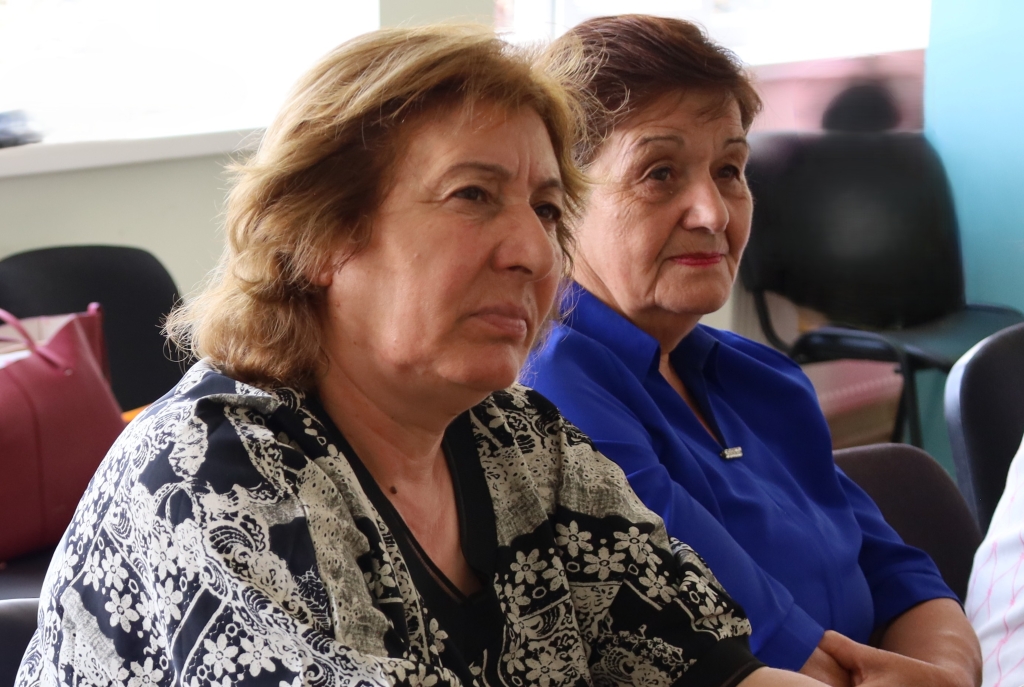
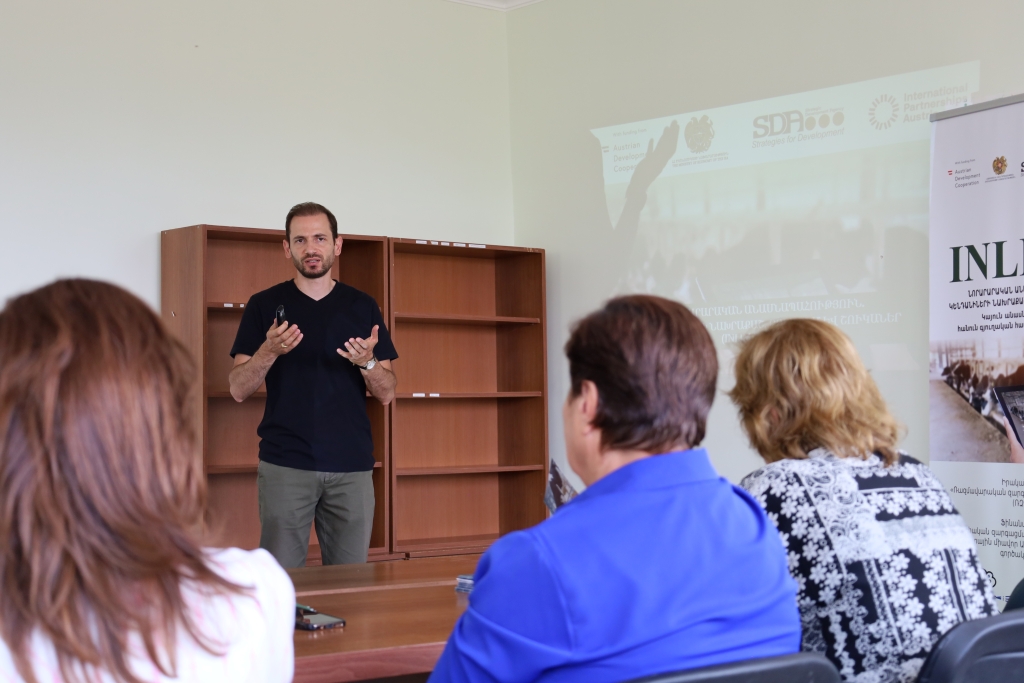
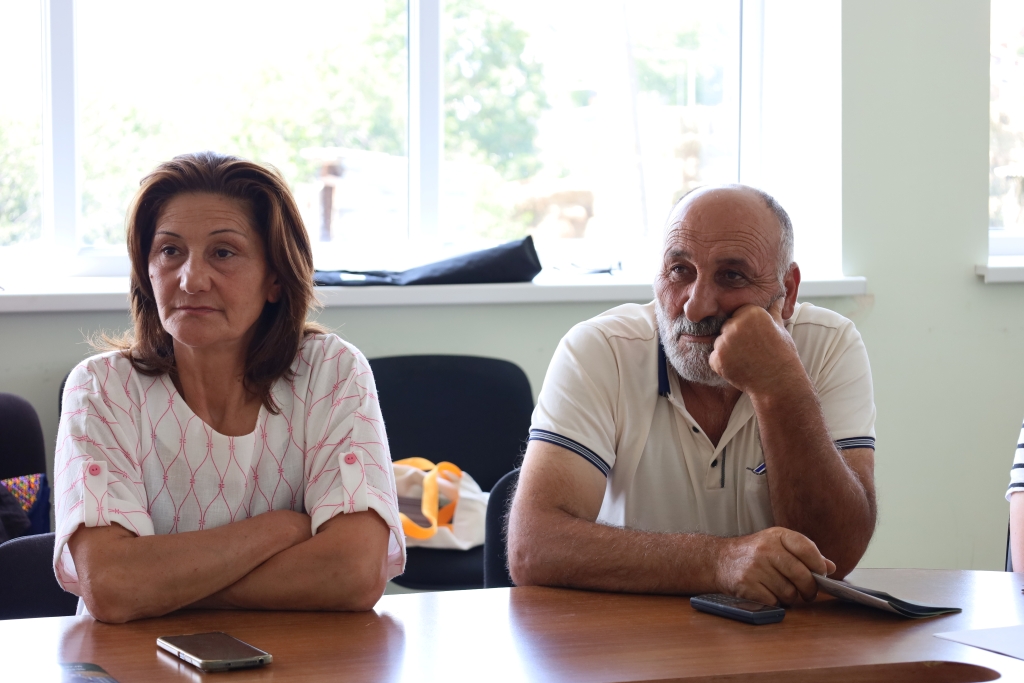
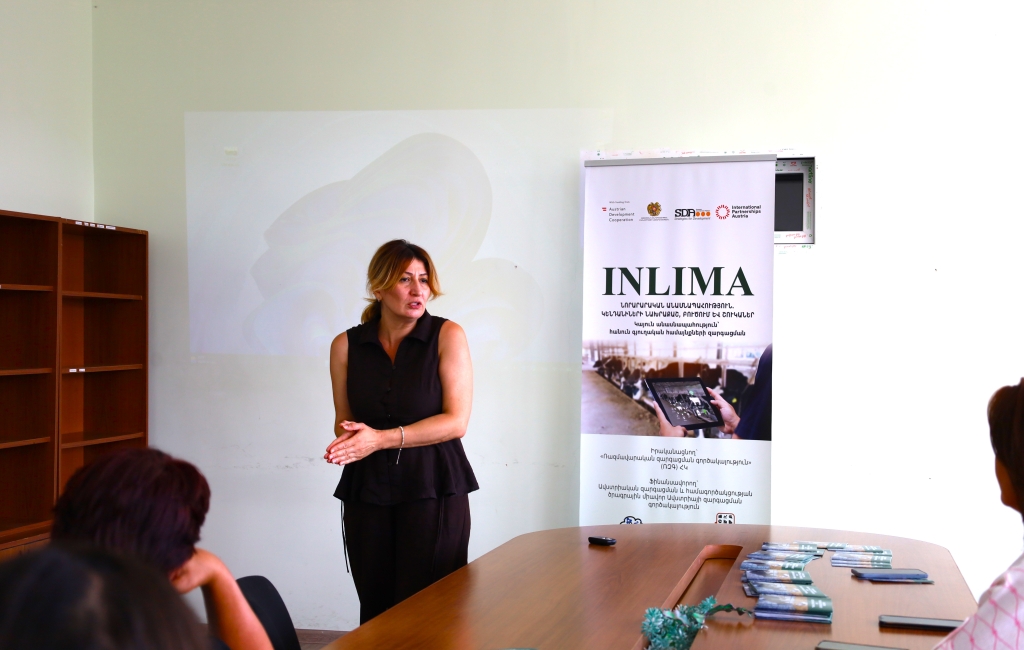
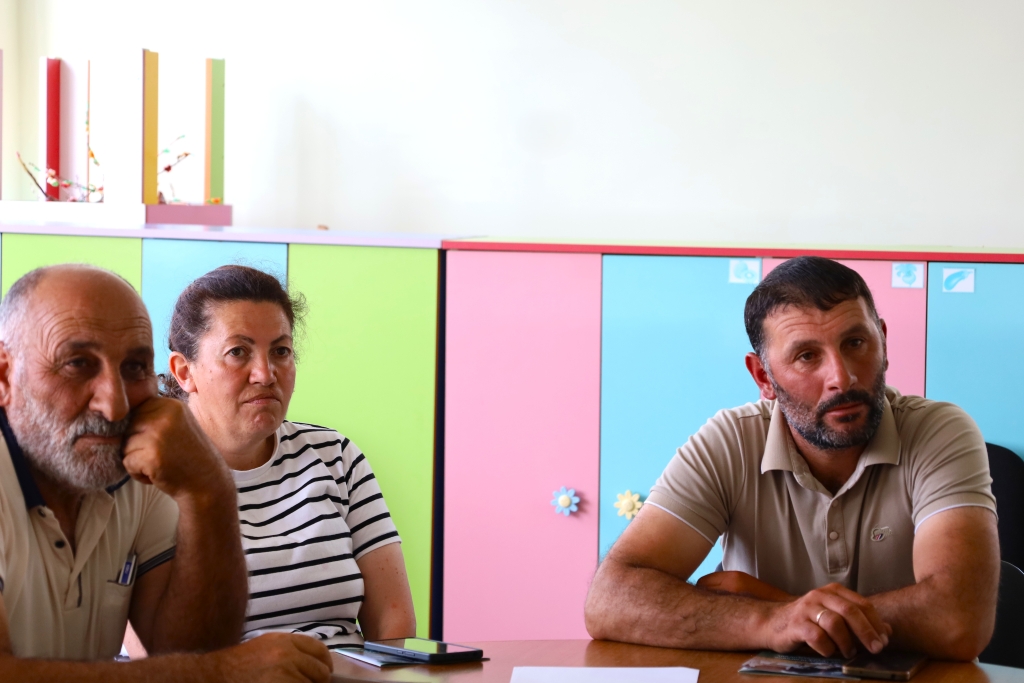
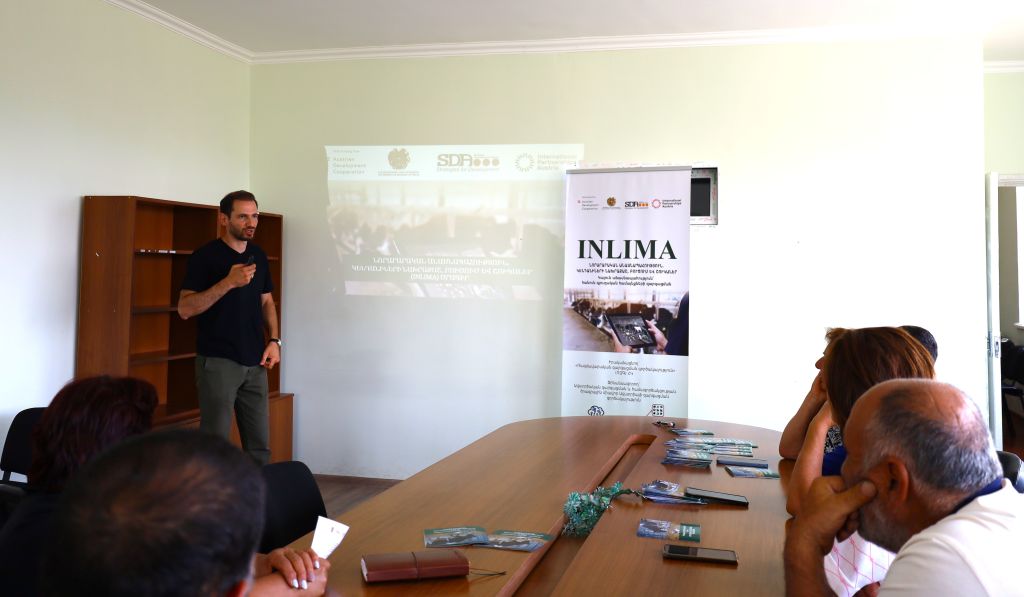
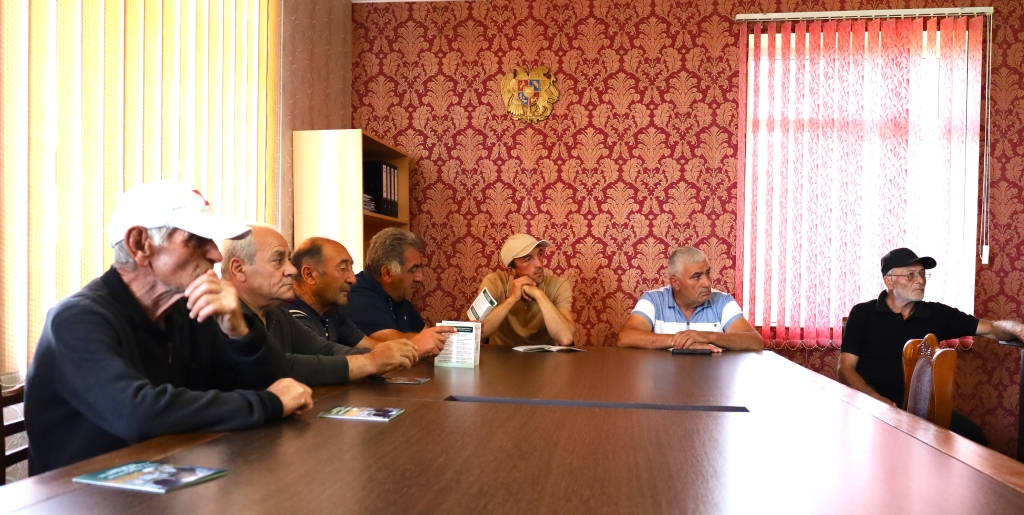
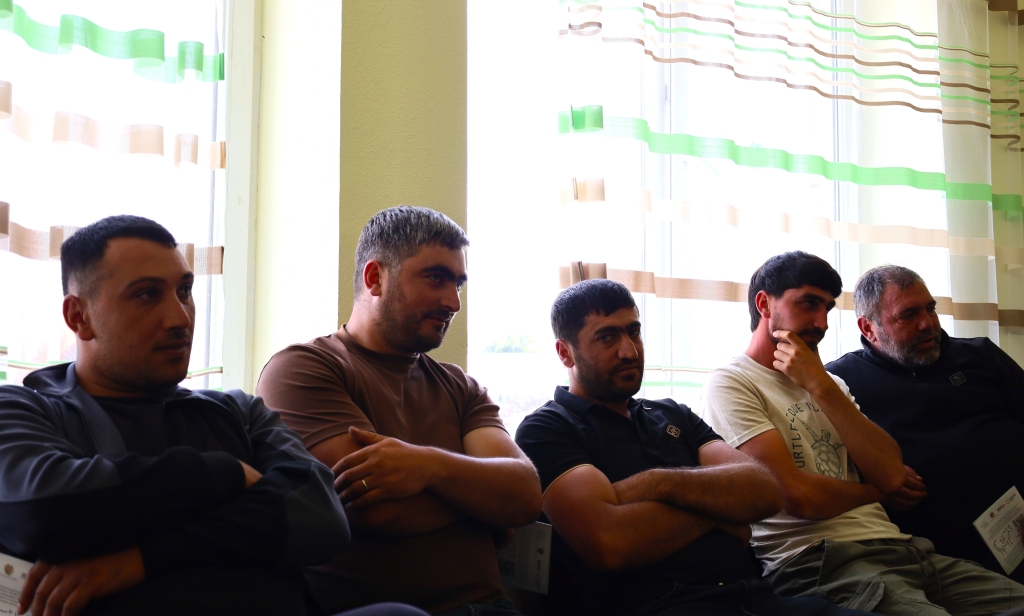
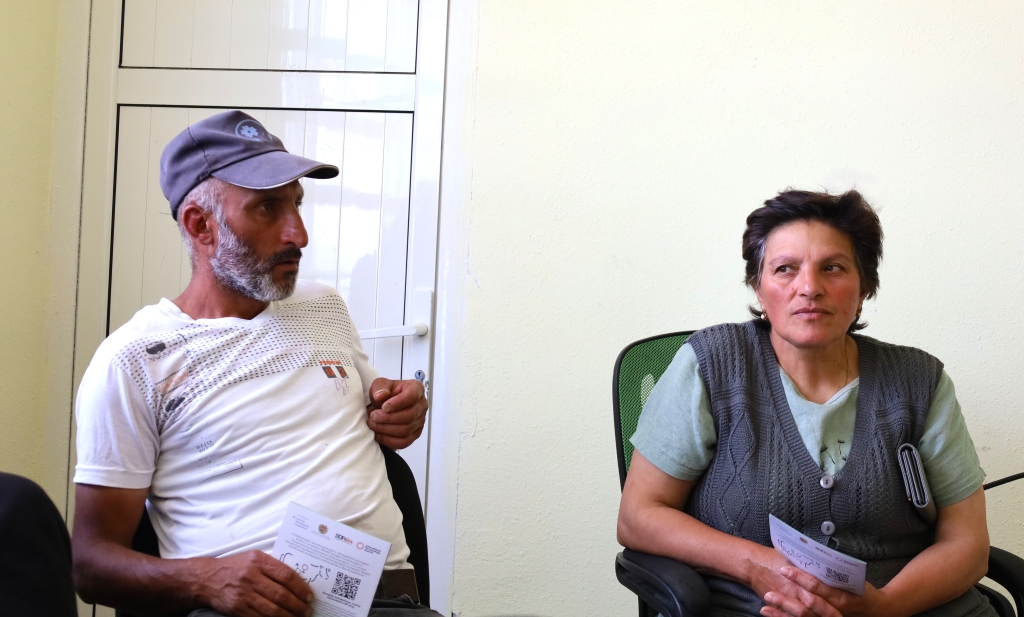
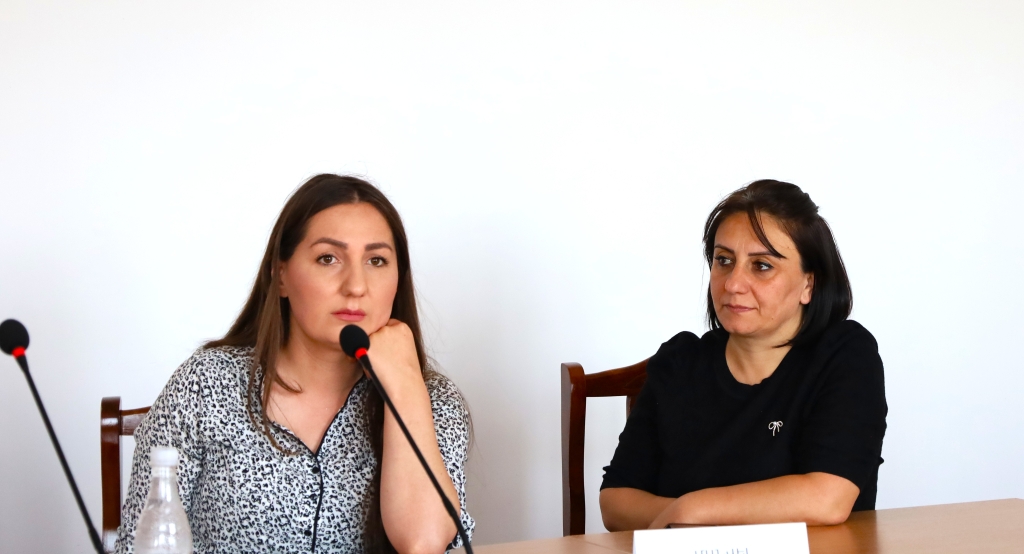
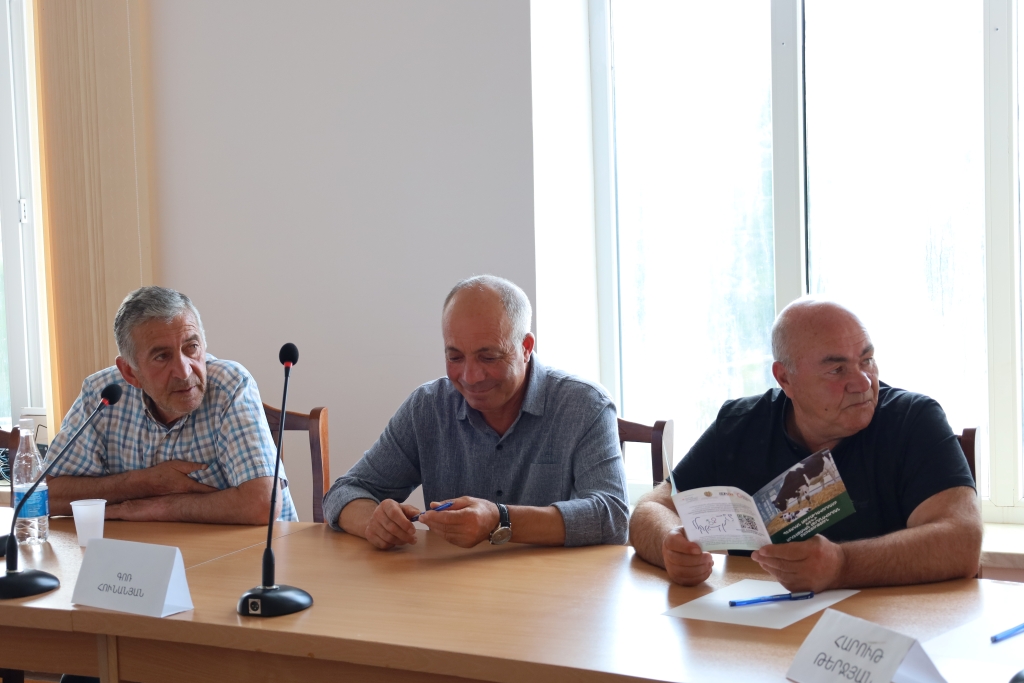
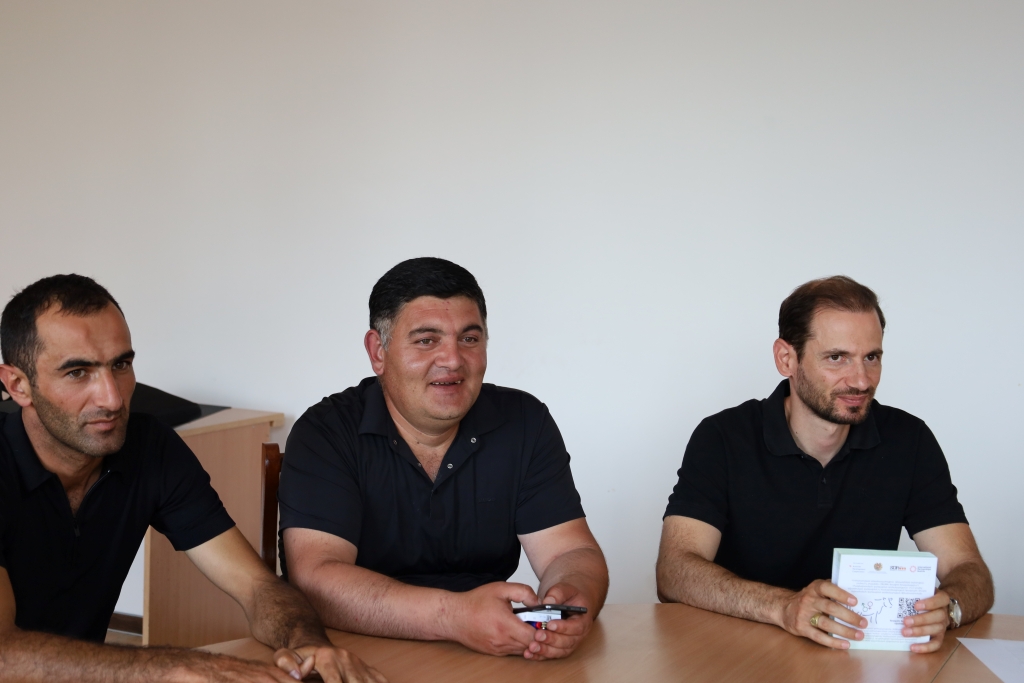
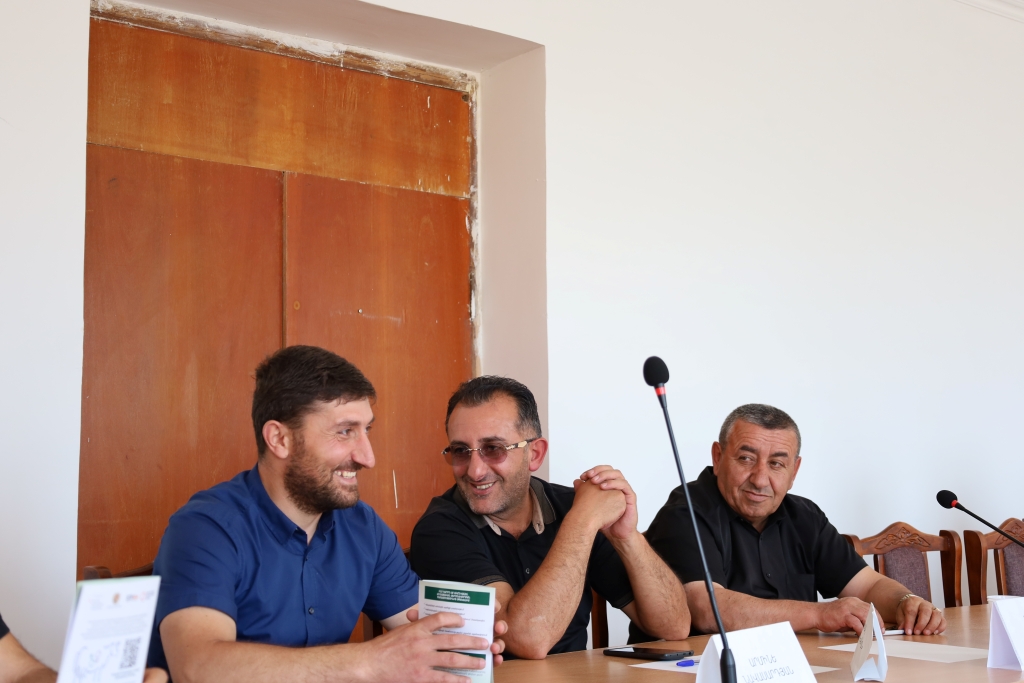
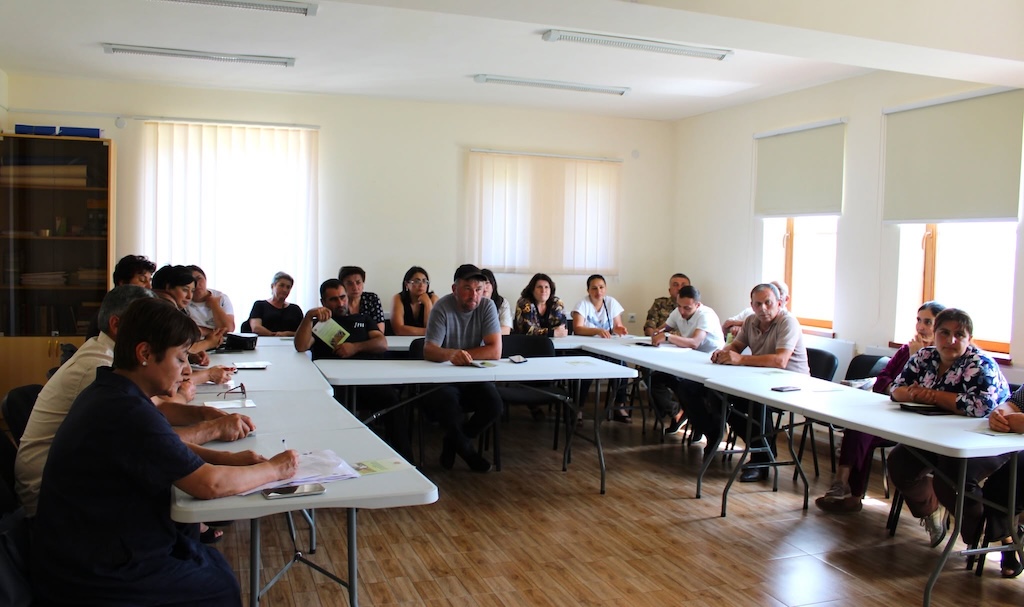
How can artificial insemination contribute to higher productivity, improved herd quality and greater farm profitability? This was the central message of awareness-raising visits conducted under the INLIMA project in Sevan and Tsaghkahovit communities.

During the meetings, livestock farmers were introduced to the state-supported cattle productivity experimental program, demonstrating how access to improved reproductive technologies can contribute to systematic herd improvement.  state-subsidised artificial insemination service for cattle as a practical tool for strengthening herd productivity and improving the economic performance of their farms.

Artificial insemination is far more than a reproductive technology. It provides farmers with an opportunity to improve the genetic potential of their herds, access animals with enhanced production characteristics, reduce the risk of infertility, optimise calving and lactation planning, and prevent inbreeding. It can also contribute to reducing the transmission of certain infectious diseases and supporting more efficient management of farm-level production costs.

Farmers were also introduced to the high-quality breeds available through the programme, including Holstein, Brown Swiss, Jersey and Fleckvieh, enabling breeding decisions to be better aligned with the specific production objectives and conditions of each farm.

The state support mechanism further improves accessibility: AMD 10,000 of the artificial insemination cost per animal is subsidised by the state, while the livestock farmer contributes AMD 5,000. The programme is available to eligible livestock keepers residing in settlements within the target regions who own up to 20 numbered cattle registered in their name and enter into an agreement with an artificial insemination technician participating in the state support programme.

Yet effective breeding begins well before insemination. Animal health, adequate nutrition and water supply, vaccination, parasite control, appropriate housing conditions and hygiene are all critical determinants of an animal’s reproductive performance and productive potential.

Through this awareness-raising campaign, INLIMA is positioning state-supported artificial insemination not simply as an accessible service, but as a knowledge-based livestock management and breeding tool – enabling farmers to make more informed breeding decisions, strengthen the genetic and productive potential of their herds, and ultimately improve the economic sustainability of their farms.

“Innovative Livestock Management: Animal Migration, Breeding & Markets” (INLIMA) project is implemented by Strategic Development Agency NGO and funded by the Austrian Development Agency (ADA), the operational unit of Austrian Development Cooperation.
Uncategorized

IADAAM Advancing Land Consolidation in Armenia: Key Directions Discussed

The modernization of irrigated agriculture requires not only the development of infrastructure, but also more effective approaches to land governance and land resource management.

The fragmentation of agricultural land remains one of the main challenges to agricultural development in Armenia, limiting productivity growth, the adoption of modern technologies , the efficient management of irrigation systems , and the competitiveness of the sector .

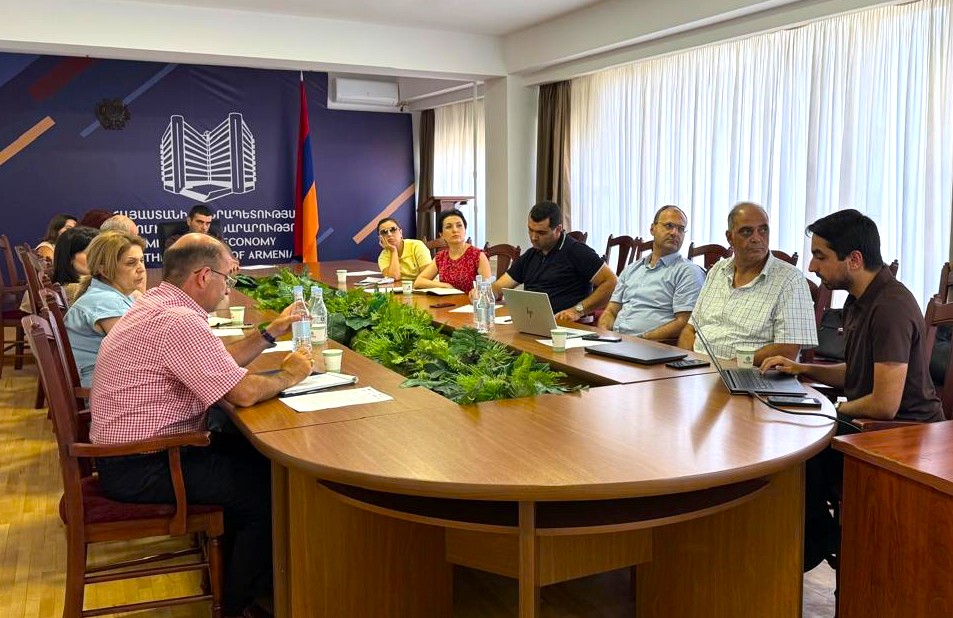
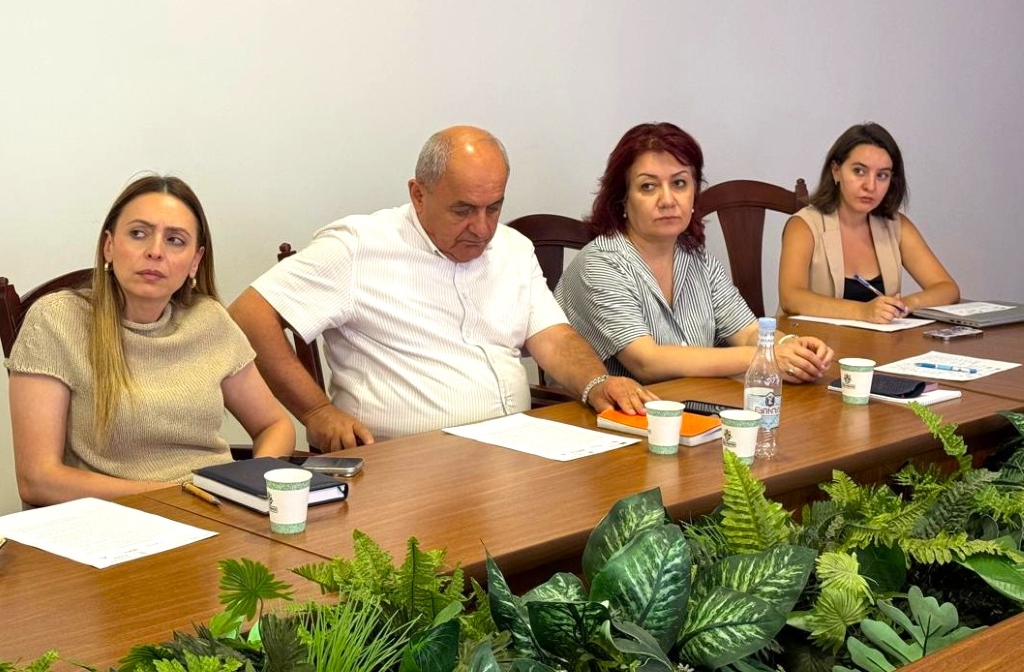
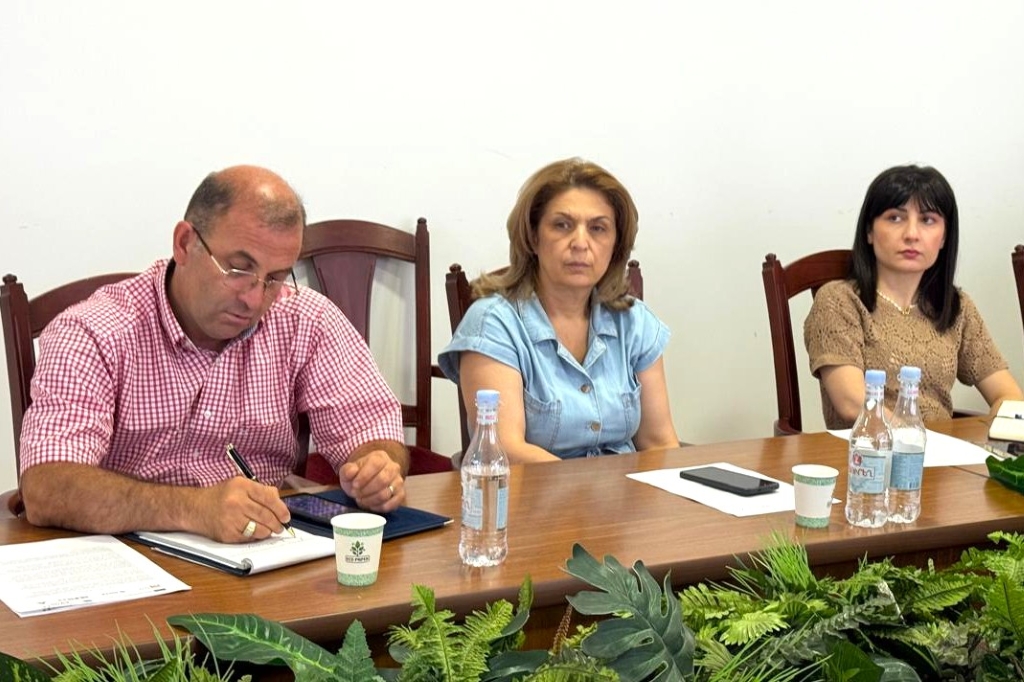
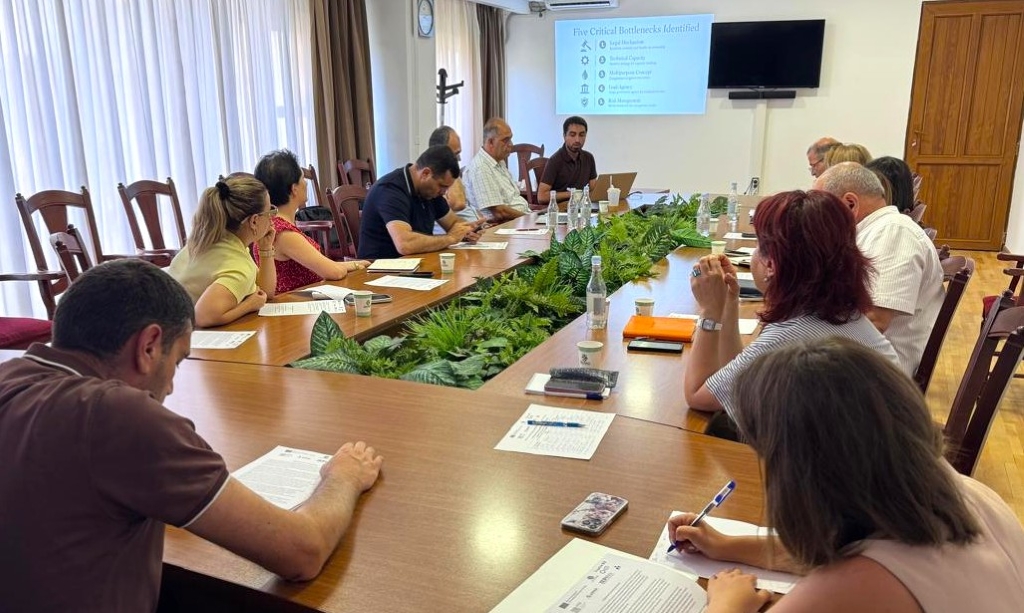
In this context, the “Presentation of the Land Consolidation Process” meeting-discussion was held at the Ministry of Economy of the Republic of Armenia, where specialists of the Ministry were introduced to the strategic importance of land consolidation, international and European experience, and the potential for applying these approaches in the Armenian context.

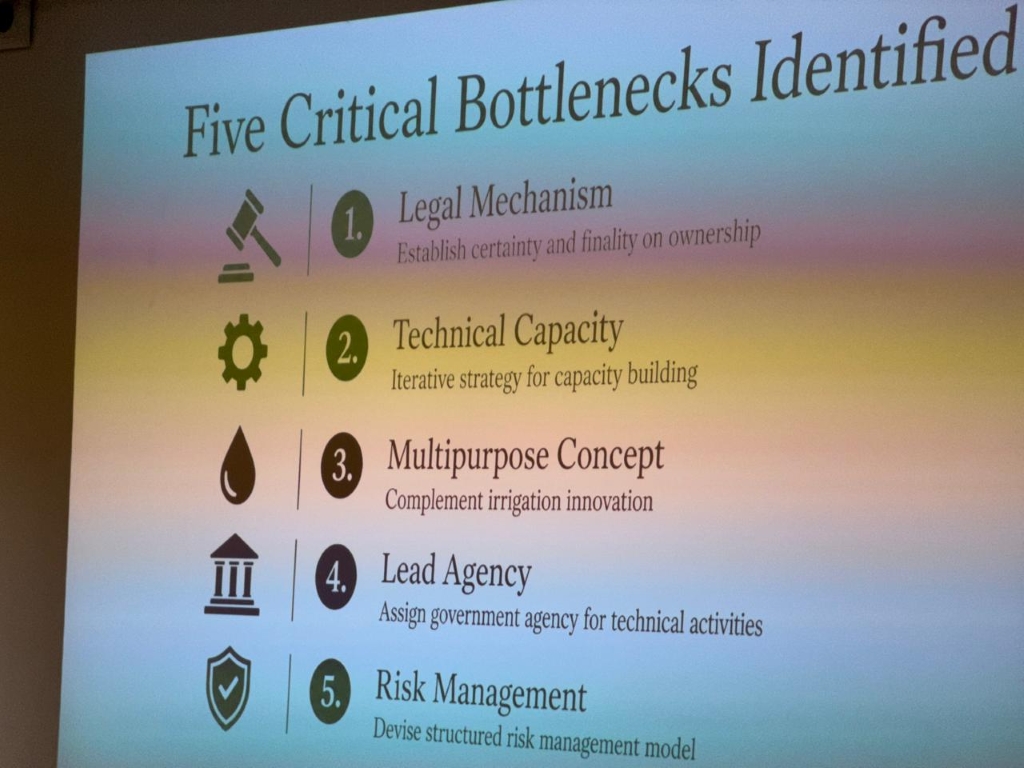
Discussions focused on the challenges associated with fragmented agricultural land, various land consolidation models, pilot approaches planned for the Ararat and Armavir regions, and the institutional, legal, and organizational frameworks necessary to advance the land consolidation process in Armenia.

Land consolidation is a key instrument of modern land policy. By reducing land fragmentation and improving the management of agricultural land, it contributes to higher productivity, lower production costs, more efficient irrigation management, and a more competitive and resilient agricultural sector.

This meeting-discussion also provided a valuable platform for sharing international experience, fostering professional dialogue, and exploring practical pathways for advancing land consolidation in Armenia.

The Irrigated Agriculture Development in Ararat and Armavir Marzes (IADAAM) Project, financed by the European Union (EU) and implemented with the support of the French Development Agency (Agence Française de Développement), aims to transform irrigated agriculture in Armenia.

Implemented by the Ministry of Economy of the Republic of Armenia, the project’s technical assistance is provided by a consortium comprising AESA – Agriconsulting Europe SA, Avenue Consulting Group LLC, Strategic Development Agency NGO, and 3R Strategy LLC, with the aim of strengthening agricultural policy and advancing sector reforms.

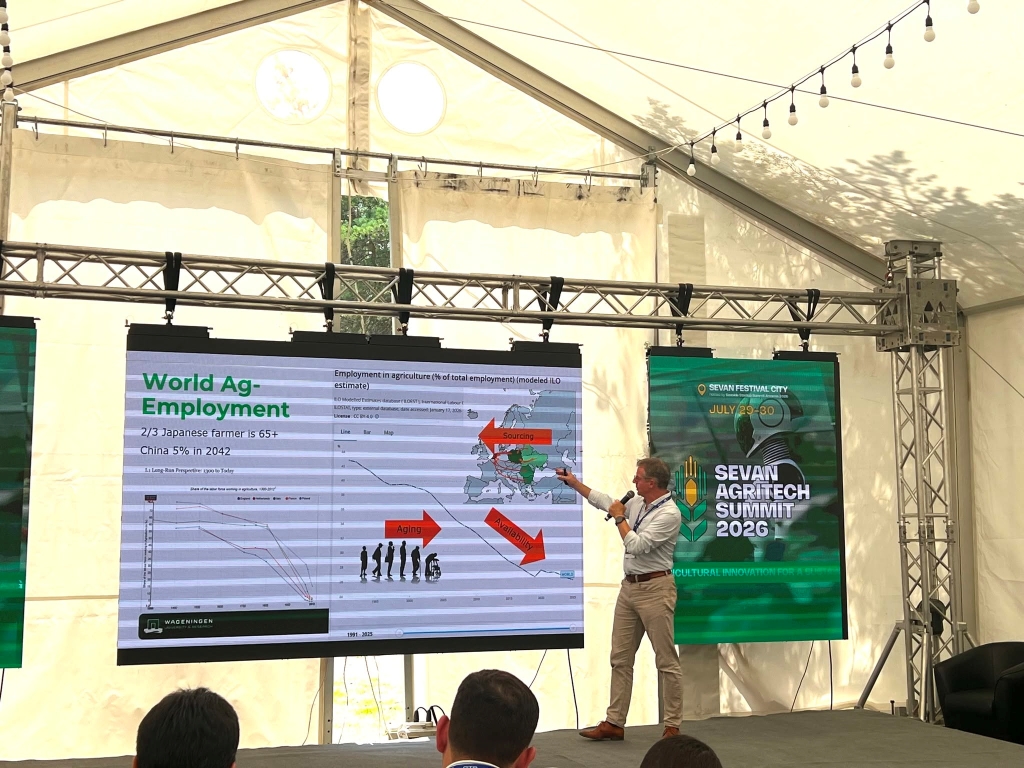
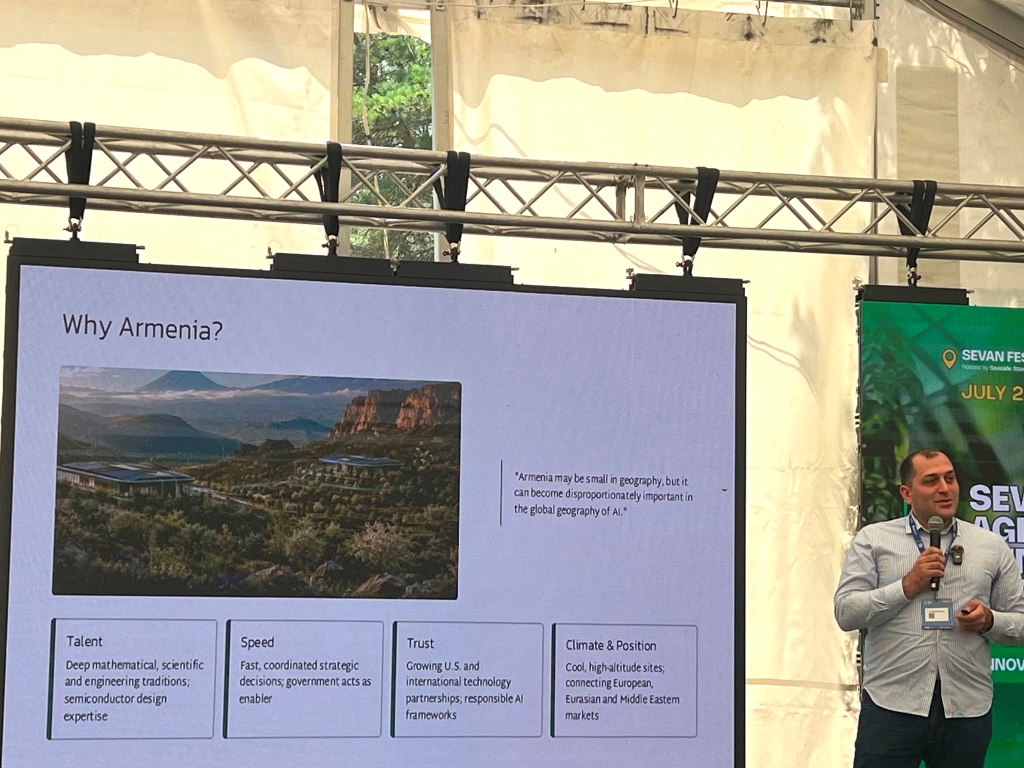
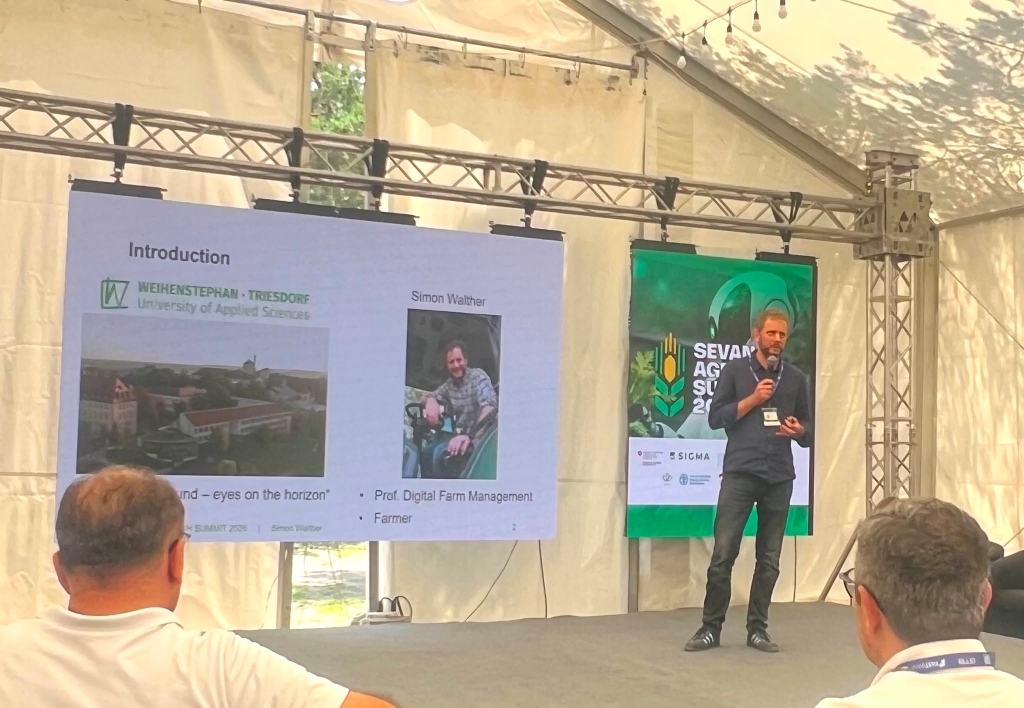
Innovative Directions for Agricultural Development Discussed at the Sevan AgriTech Summit

The future of agriculture will be shaped not only by new technologies, but by our ability to make them accessible, scalable, and impactful.

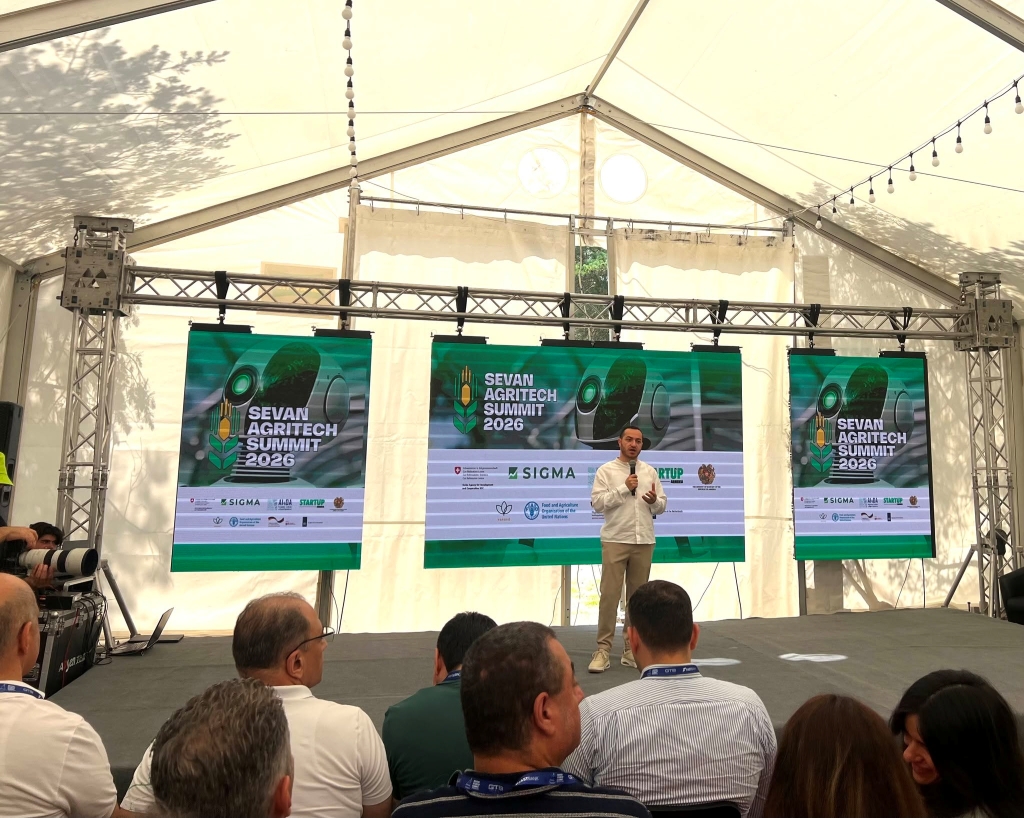
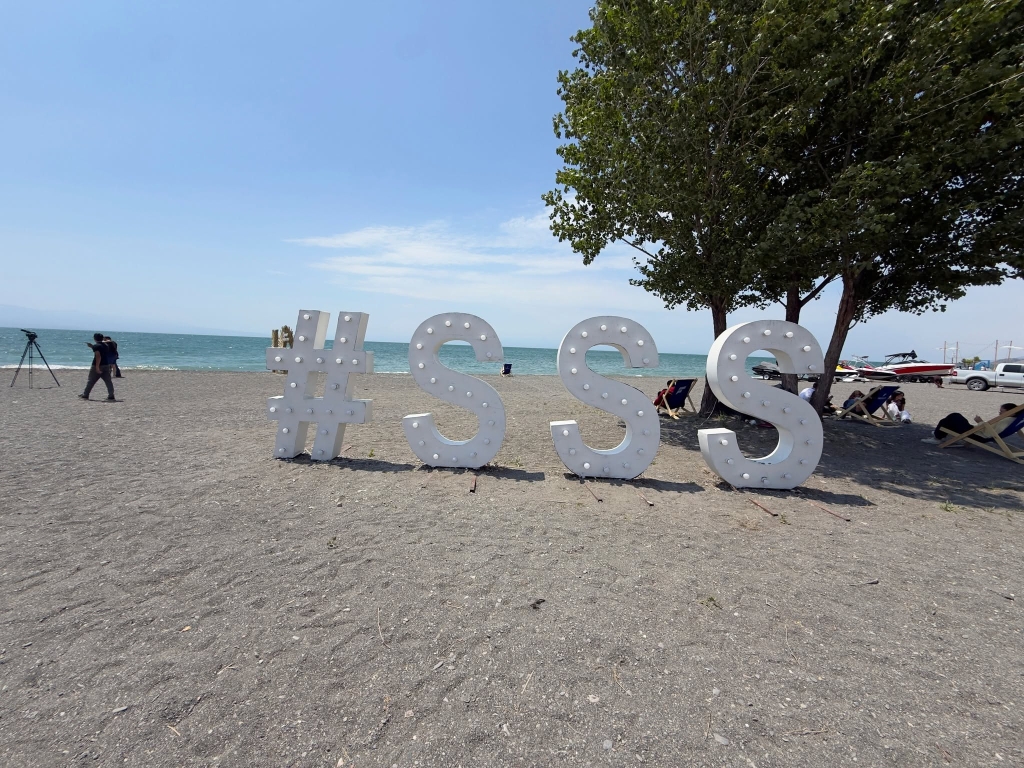
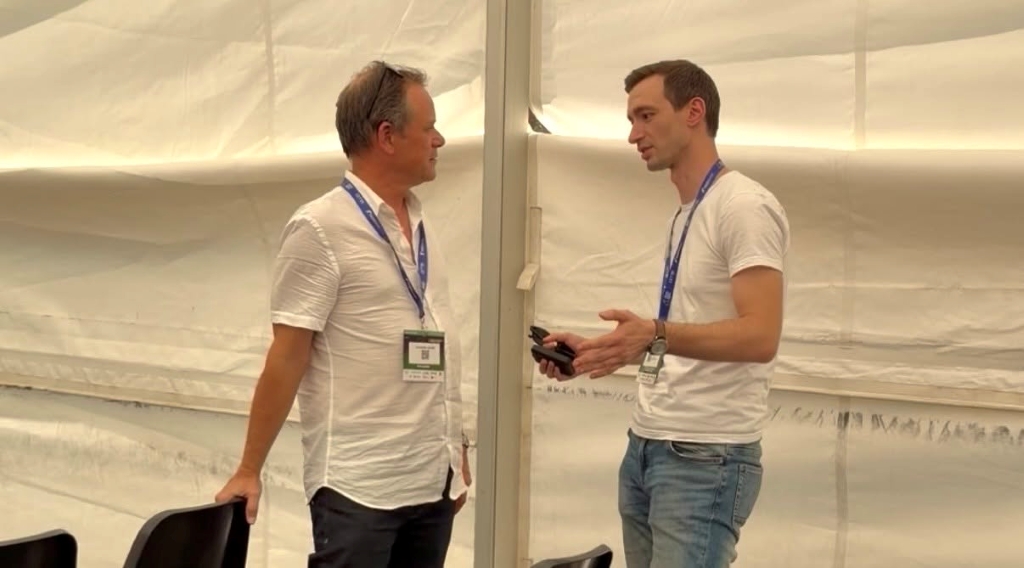
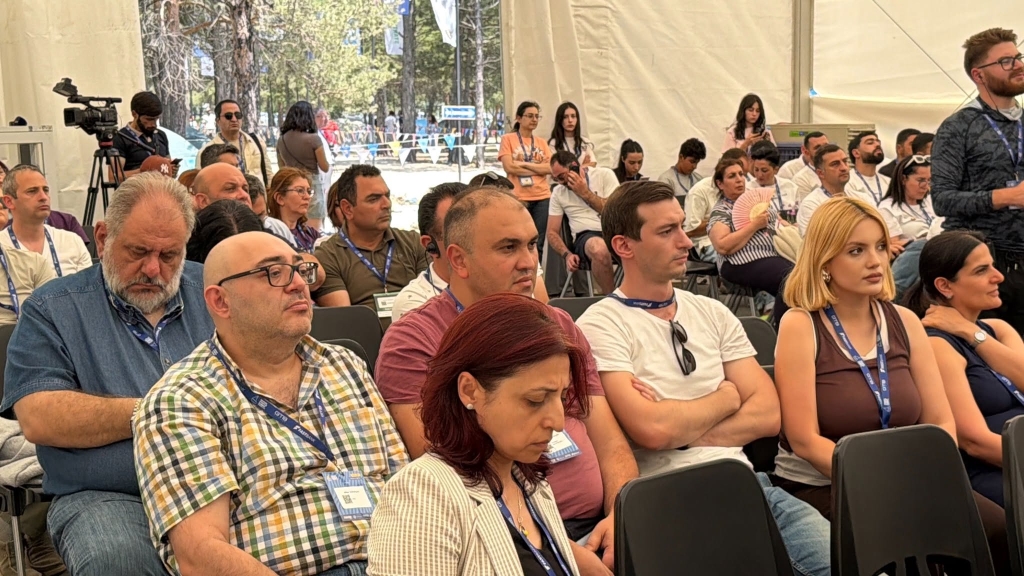
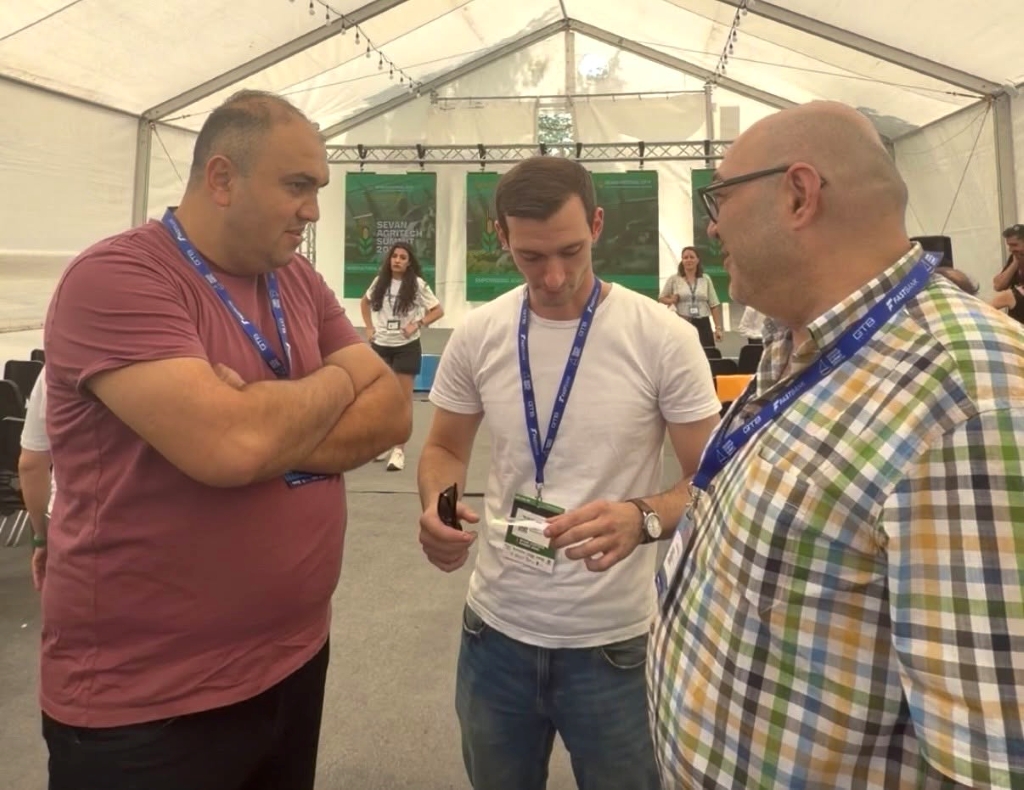
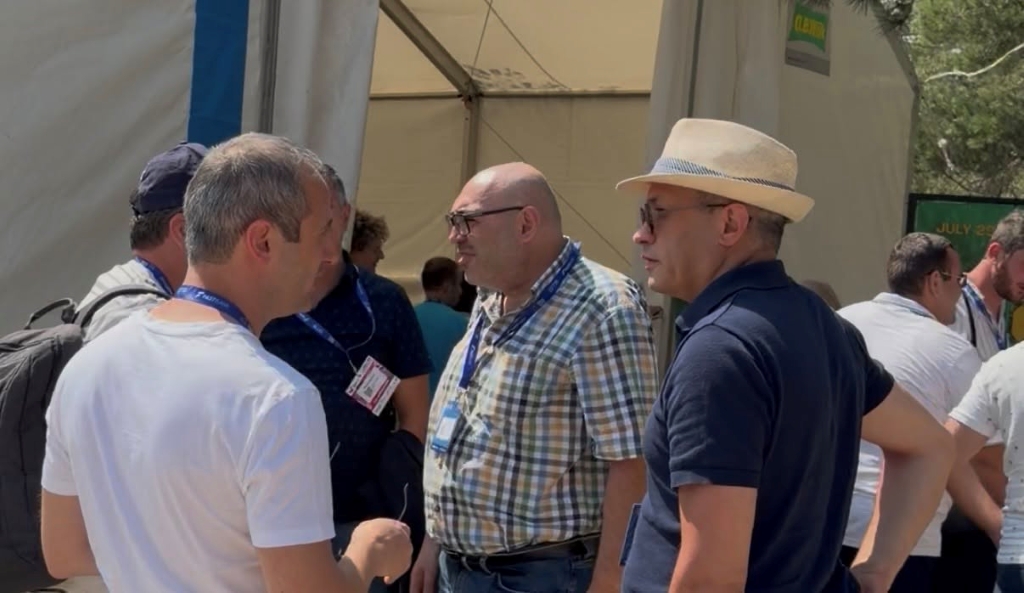
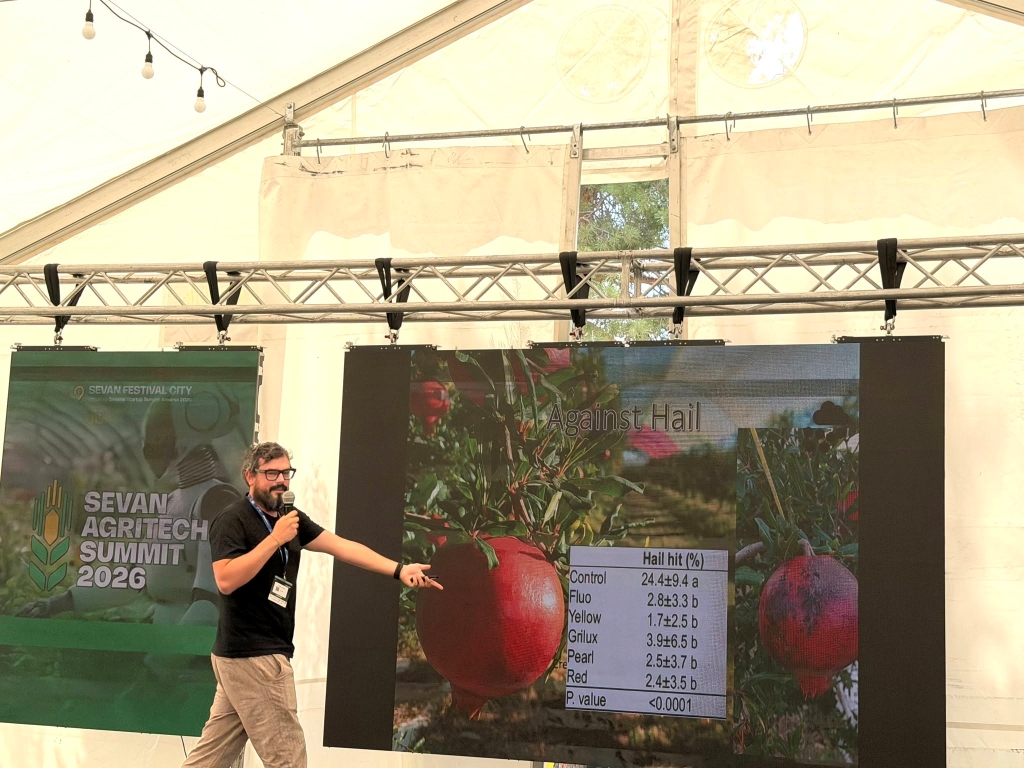
The Strategic Development Agency (SDA) joined the Sevan Agritech Summit, held within the Seaside Startup Summit, where innovators, entrepreneurs, development partners, and industry leaders came together to advance the future of agriculture through innovation and collaboration.

Representing our INLIMA and RECONOMY projects, the SDA team joined conversations on AgriTech, digital transformation, and collaborative solutions that strengthen resilient and competitive agricultural systems.

As climate challenges intensify and the demand for smarter resource management grows, collaboration across sectors is no longer optional-it is essential. Events like the Sevan AgriTech Summit create the space where ideas, expertise, and partnerships come together to accelerate sustainable change.

At SDA, we remain committed to connecting local needs with global innovation and turning promising ideas into lasting impact for Armenia’s agricultural sector.

“Innovative Livestock Management: Animal Migration, Breeding & Markets” (INLIMA) project is implemented by Strategic Development Agency NGO and funded by the Austrian Development Agency (ADA), the operational unit of Austrian Development Cooperation.
RECONOMY is an inclusive and green economic development program of the Swedish International Development Cooperation Agency (Sida), implemented by Helvetas in partnership with the Strategic Development Agency NGO and others in the Eastern Partnership and Western Balkan countries.

SEIRA Awareness-Raising Sessions on State Support Programmes Held in Goris and Sisian

Public support programmes are often assessed by their scale or level of funding. Yet their true impact is measured by a different standard: how accessible they are to the people they are intended to serve.

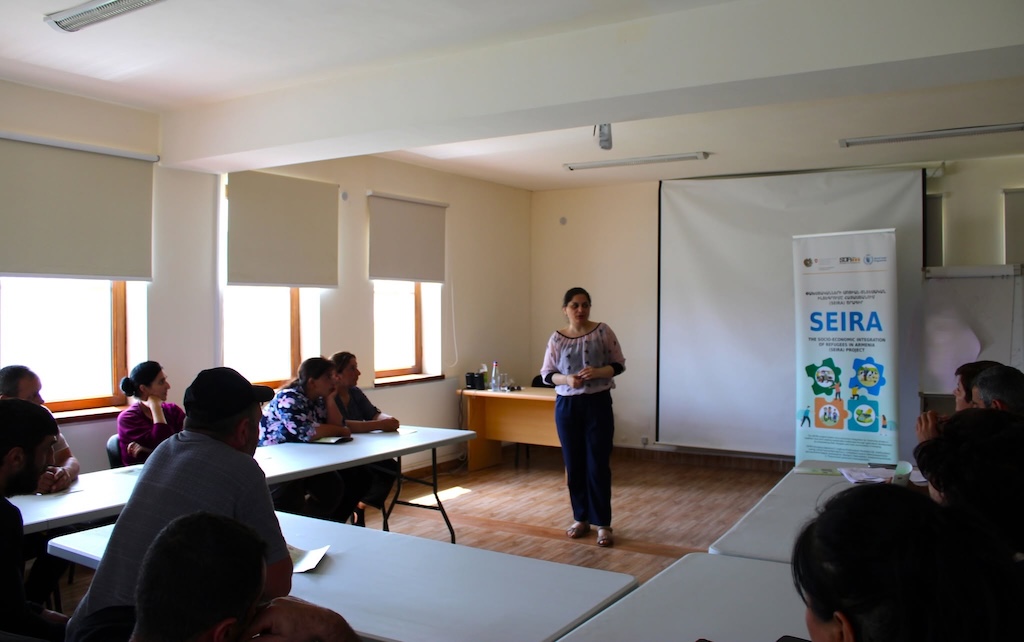
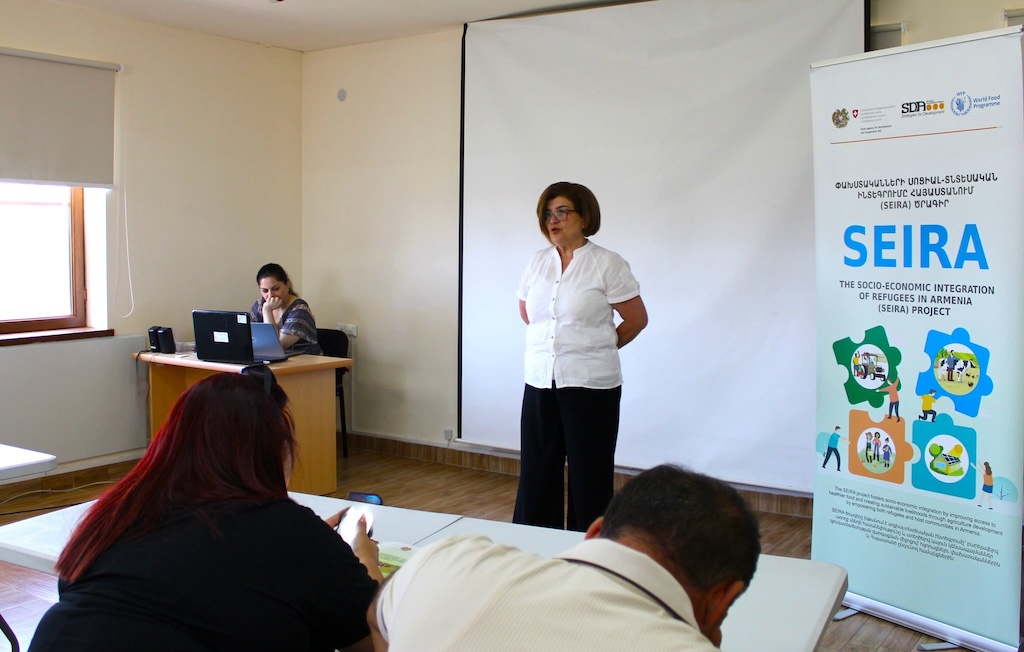
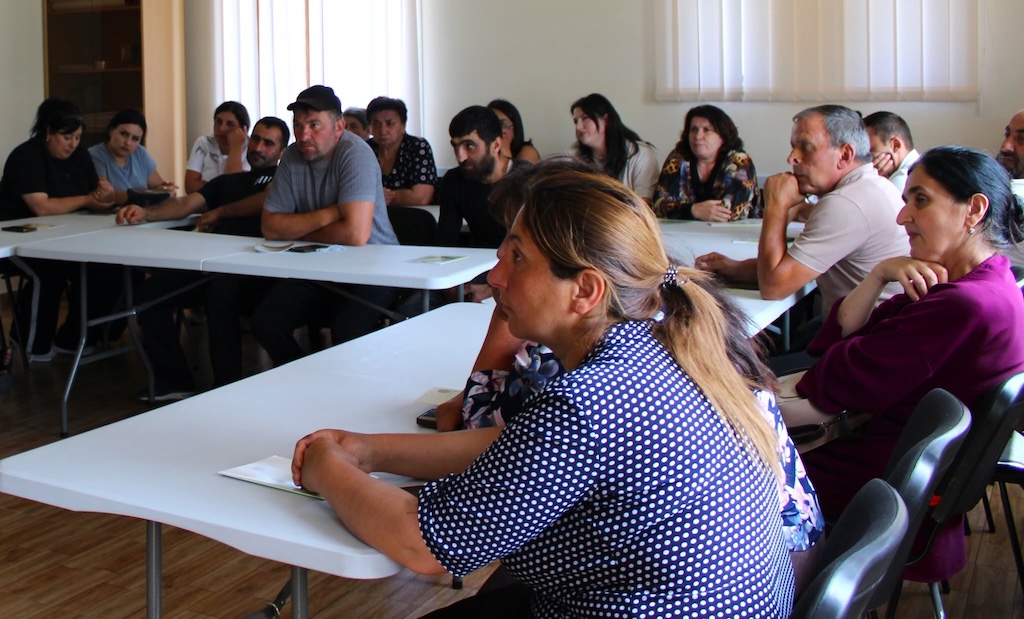
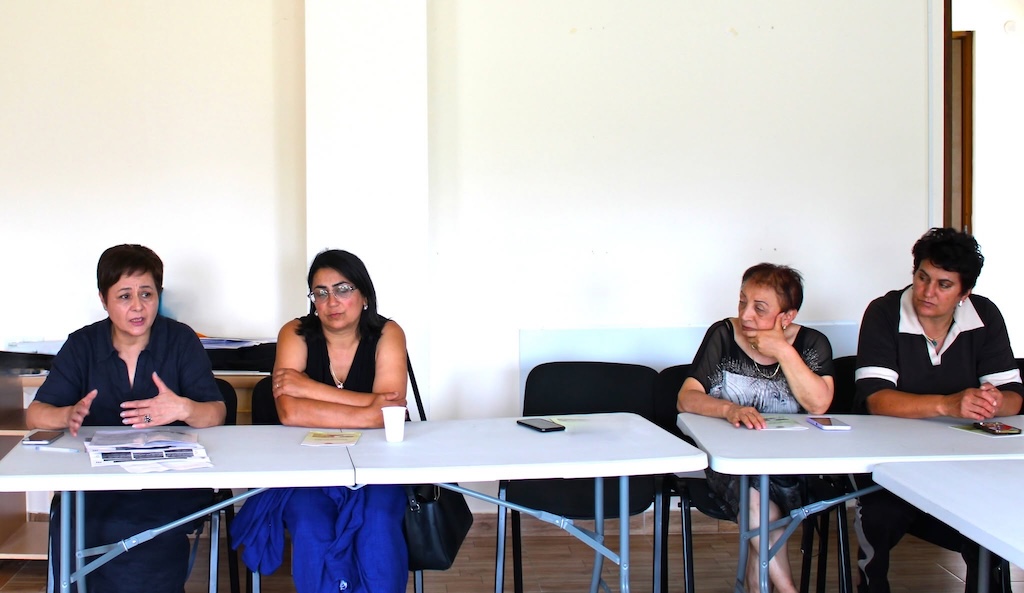
On 27 and 28 July 2026, the SEIRA project organised awareness-raising sessions in Goris and Sisian for project beneficiaries from both communities. The meetings brought together beneficiaries with representatives of the Ministry of Economy of the Republic of Armenia and the Unified Social Service, creating a valuable platform for direct dialogue and engagement.

During the sessions, participants were introduced to a range of state support programmes, as well as initiatives implemented by the Unified Social Service for persons forcibly displaced from Nagorno-Karabakh.

The value of these meetings extends well beyond the provision of information. They create opportunities for beneficiaries to ask questions, receive first-hand guidance, and gain a clearer understanding of how public policies and support mechanisms can translate into tangible opportunities in their everyday lives.

Together, these conversations help strengthen access to public services, foster institutional trust, and support more inclusive and sustainable integration.

“Socio-Economic Integration of Refugees in Armenia” (SEIRA) project is funded by the Swiss Agency for Development and Cooperation and implemented by the Strategic Development Agency NGO and the UN World Food Programme.

Uncategorized

MAVETA From Green Solutions to Competitive Agribusiness

How can agribusiness become not only more efficient, but also more competitive and resilient in a rapidly changing environment? The answer often lies not in having more resources, but in managing them strategically, responsibly, and sustainably.

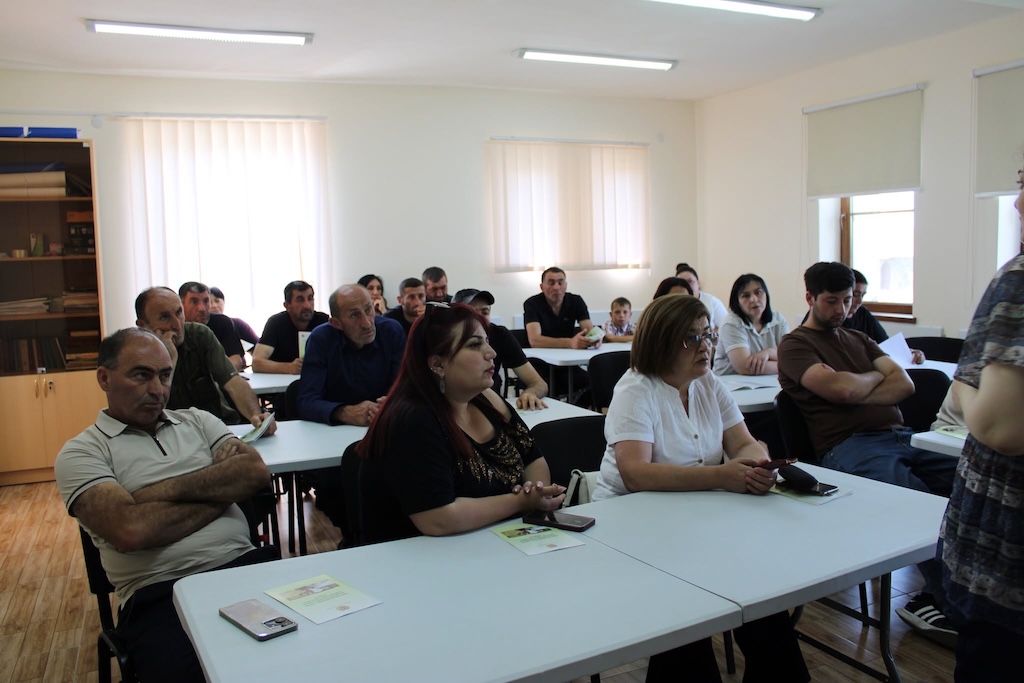
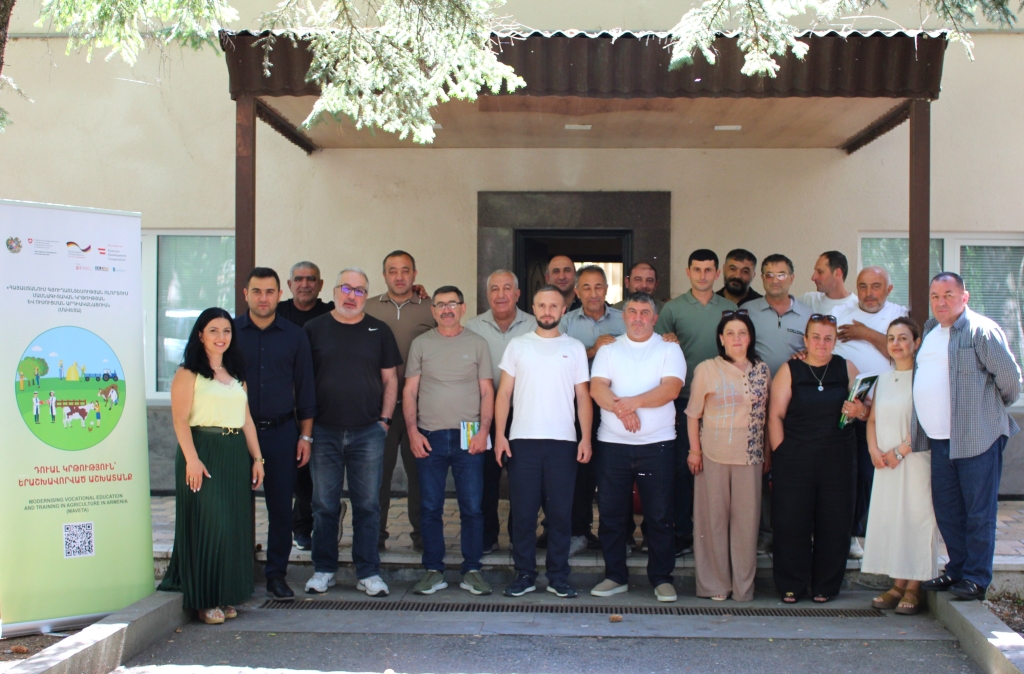
These were the key themes discussed during a two-day training workshop organized for MAVETA project’s private sector partners on “Competitive and Sustainable Agribusiness: Efficient Resource Management and Green Solutions.”

The training was delivered by Mkhitar Avetisyan, who guided participants through practical approaches to transforming efficient resource management, circular economy principles, climate risk management, and innovative waste management practices into actionable solutions and tangible competitive advantages.

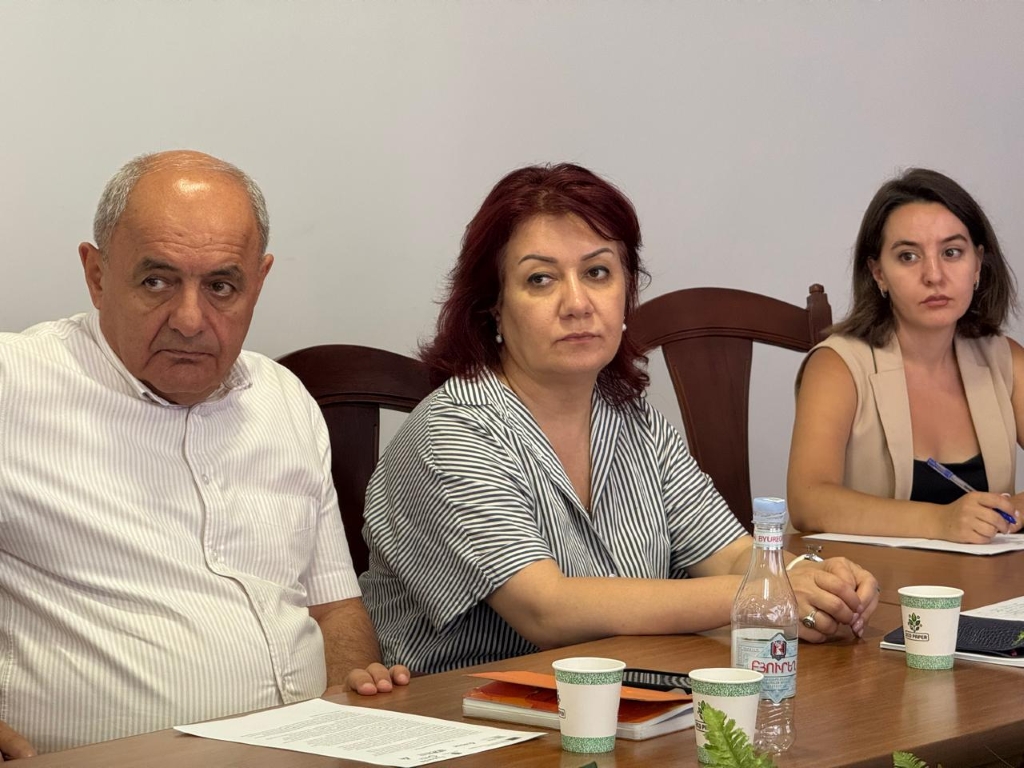
During the workshop, participants also developed practical action plans tailored to their own farms and businesses, turning acquired knowledge into concrete steps toward more sustainable and competitive operations.

A green transition begins with knowledge – but it creates real impact only when knowledge is transformed into action.

The MAVETA project is financed  by a broad coalition of international and local organisations led by the Swiss Agency for Development and Cooperation (SDC), including the German Ministry for Economic Cooperation and Development (BMZ), the Austrian Development Agency and the Government of Armenia.  

The project’s implementing partners are the GIZ and SDA and the School of Agricultural, Forest and Food Sciences at the Bern University of Applied Sciences (HAFL).