
Uncategorized

INLIMA Enhancing Genetic Potential: A Key Priority for Modern Livestock Development

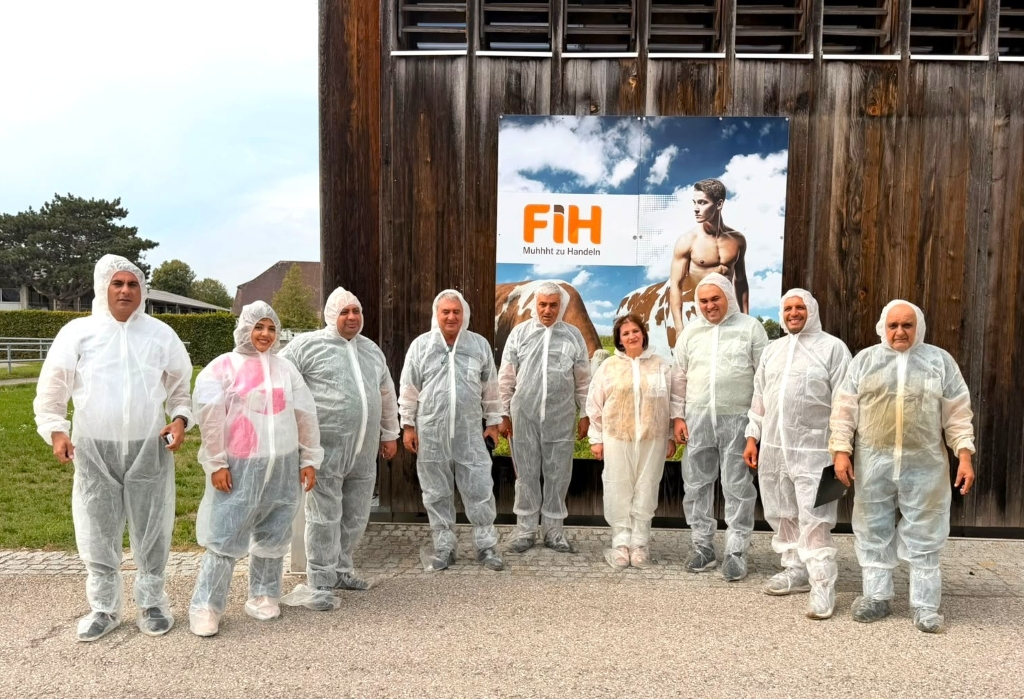
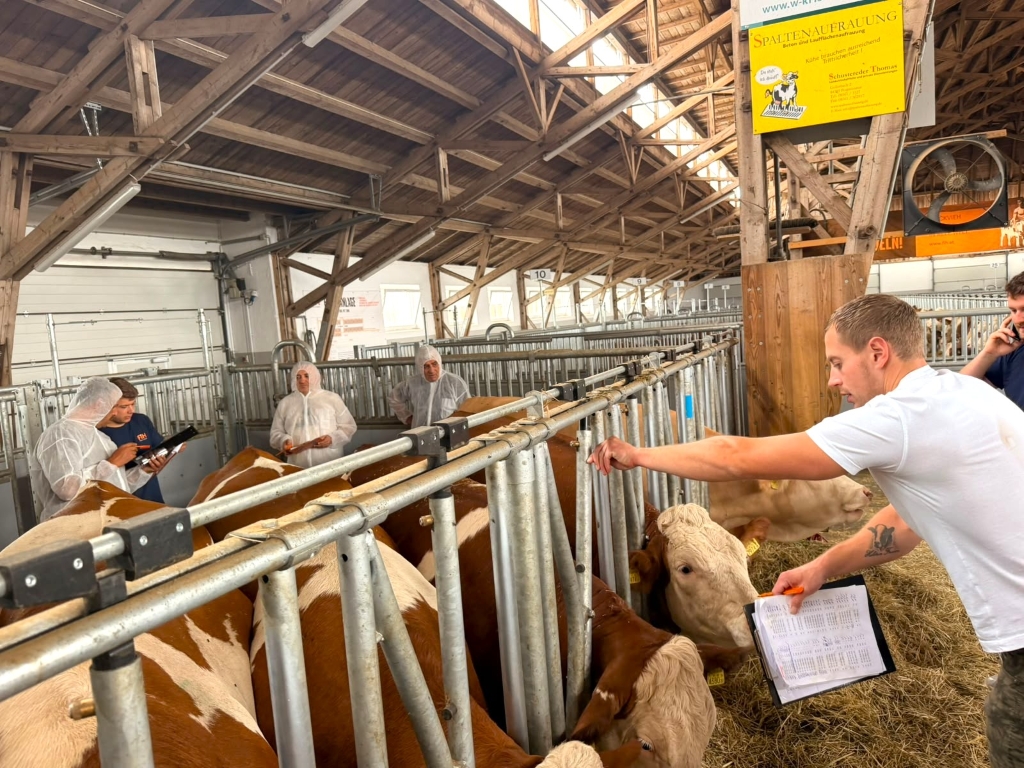
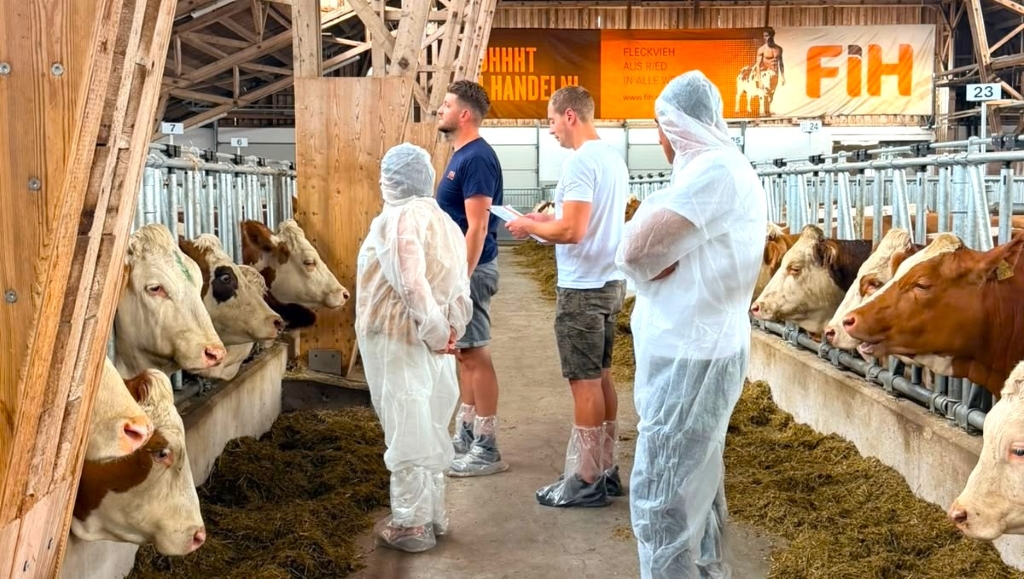
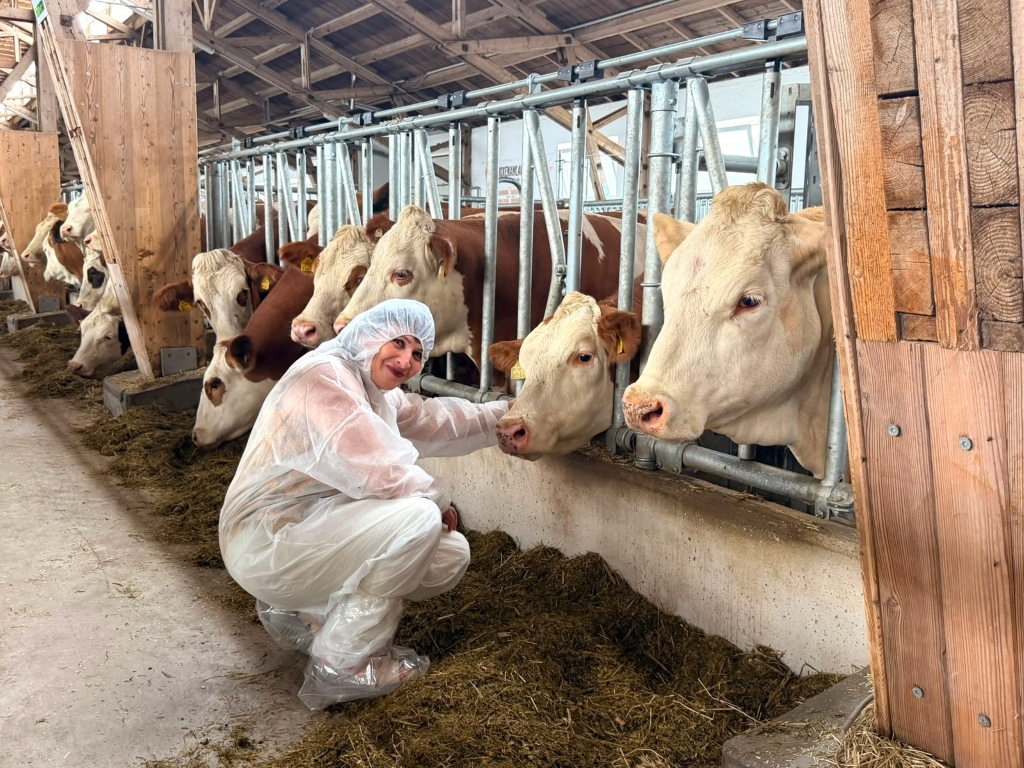
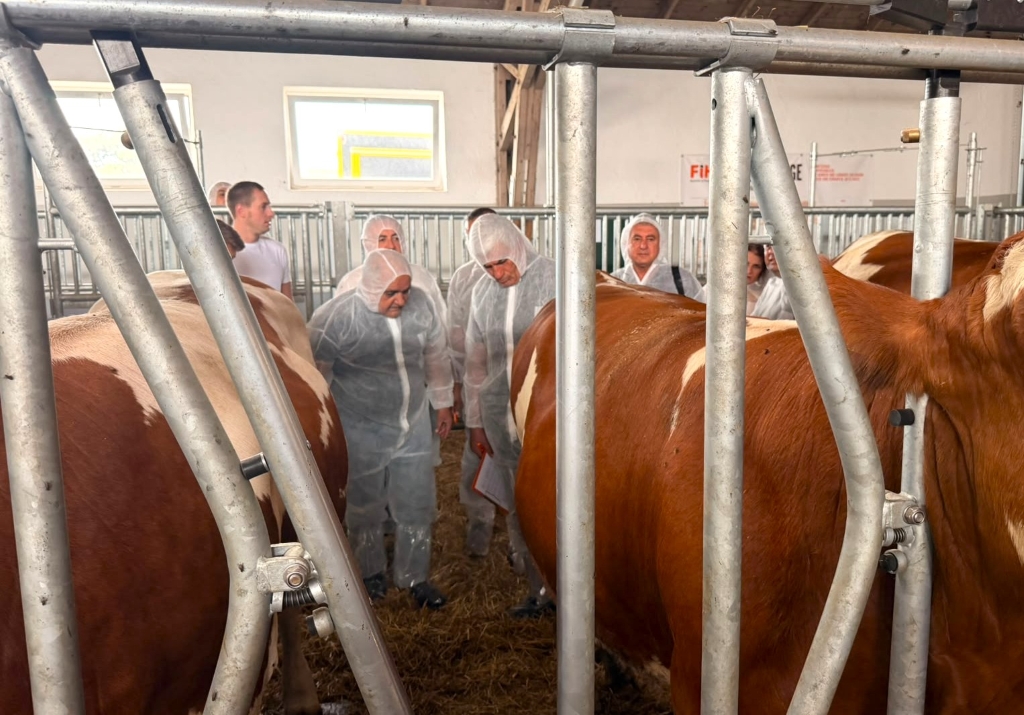
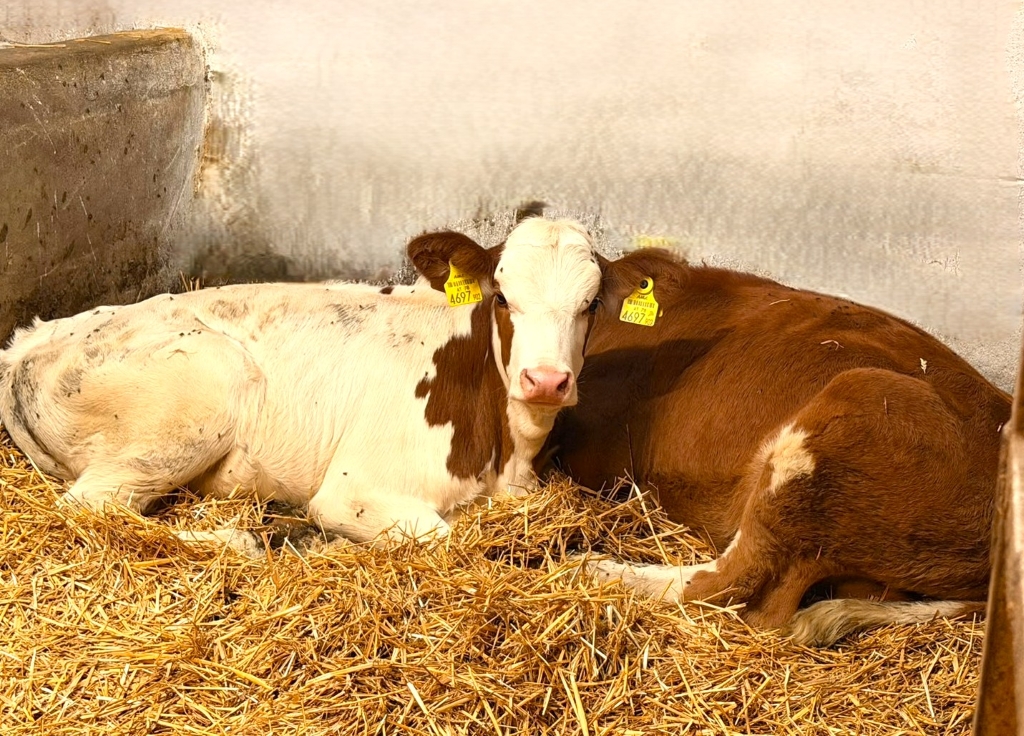
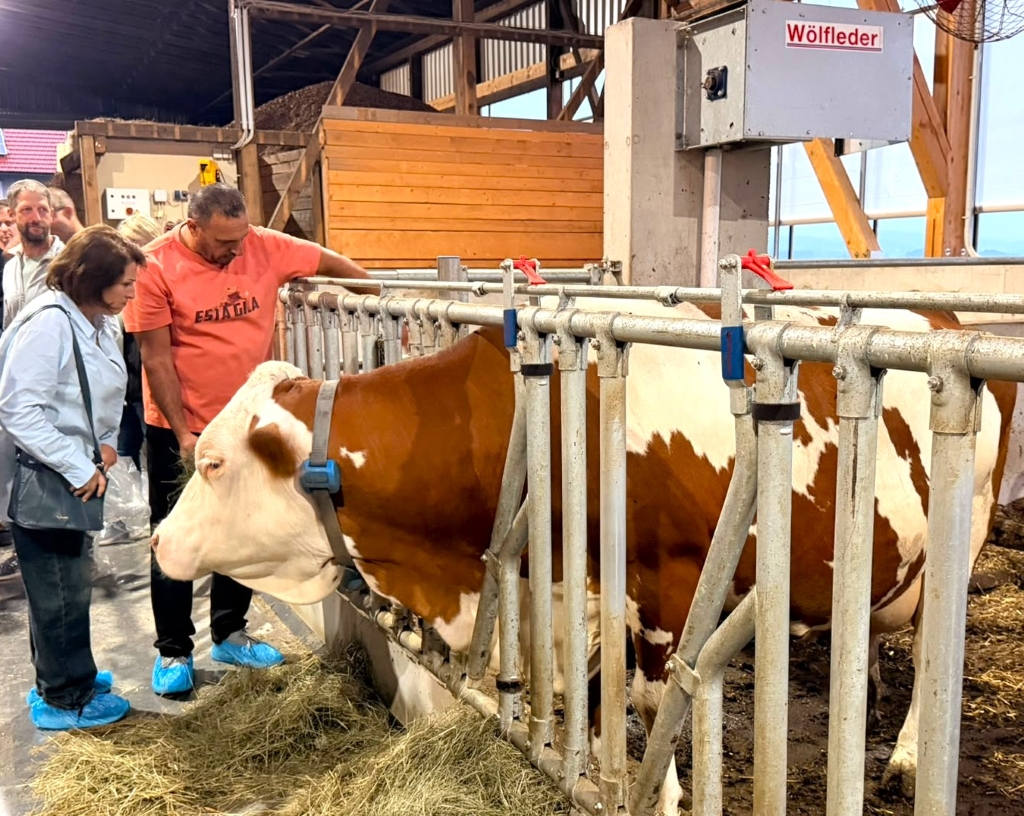
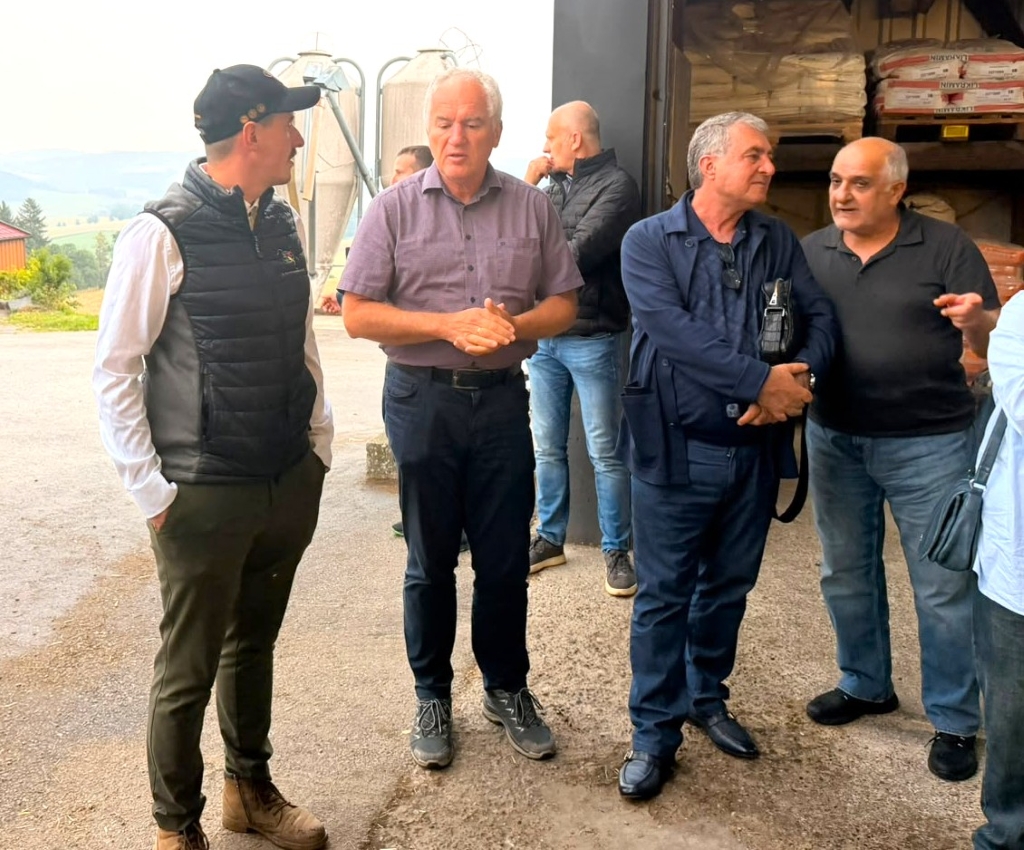
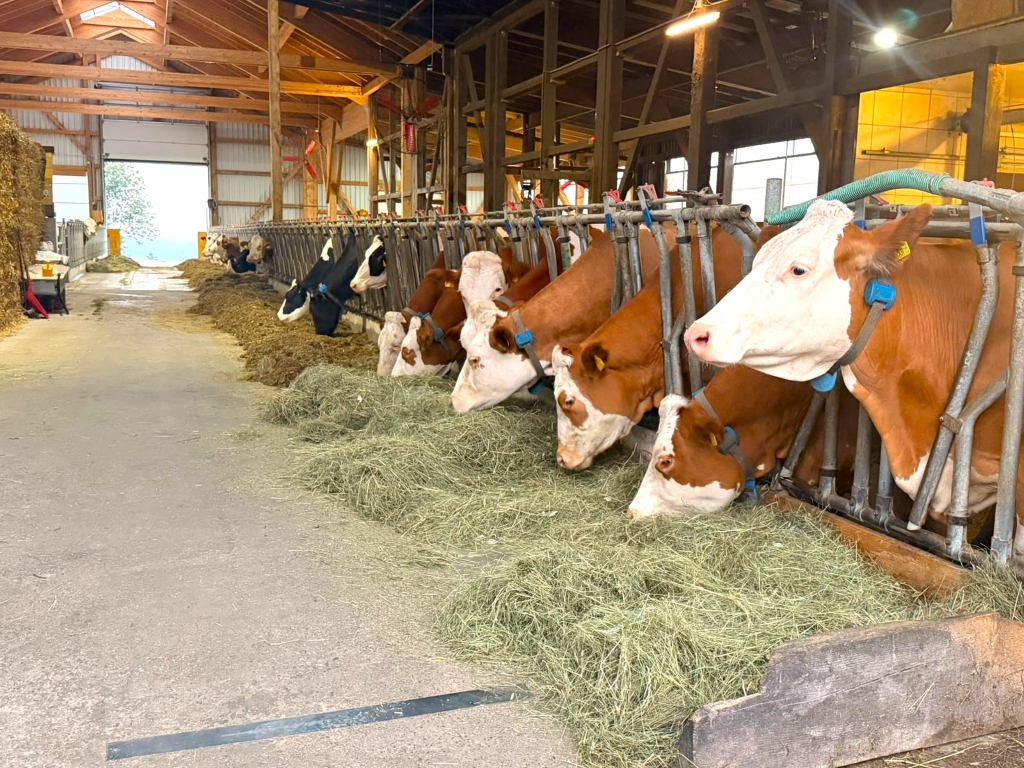
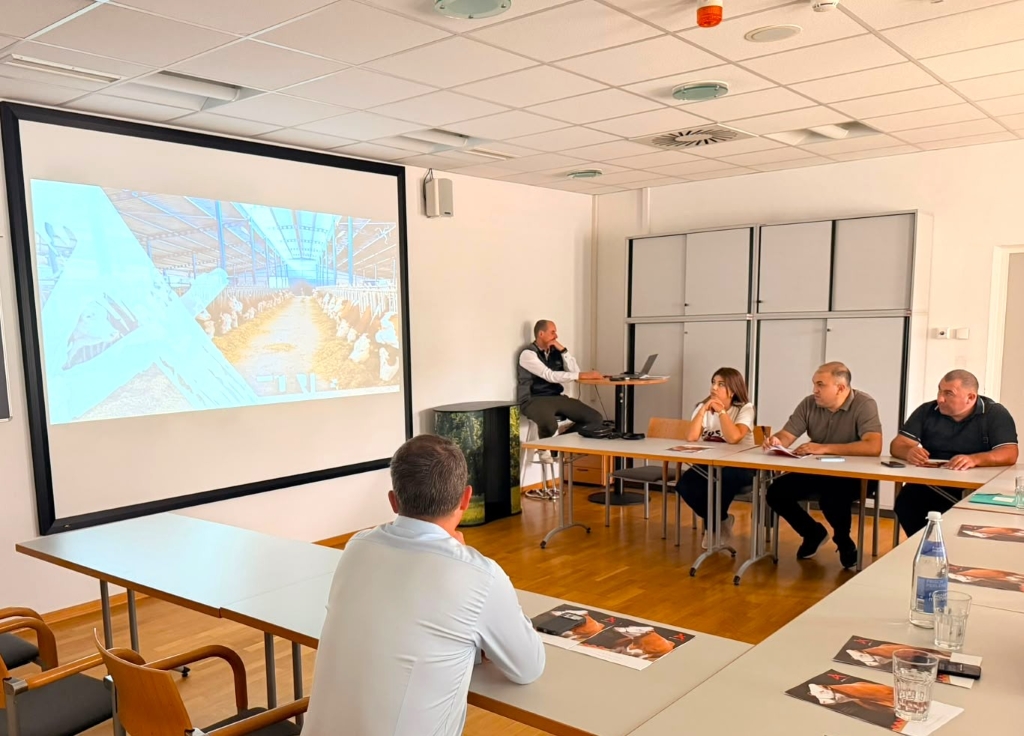
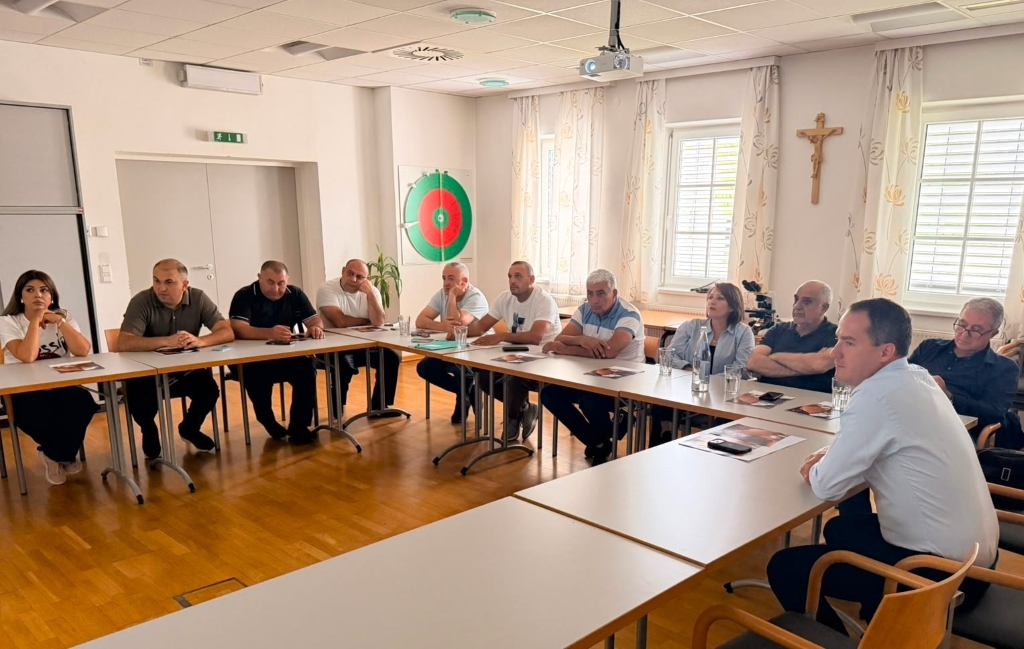
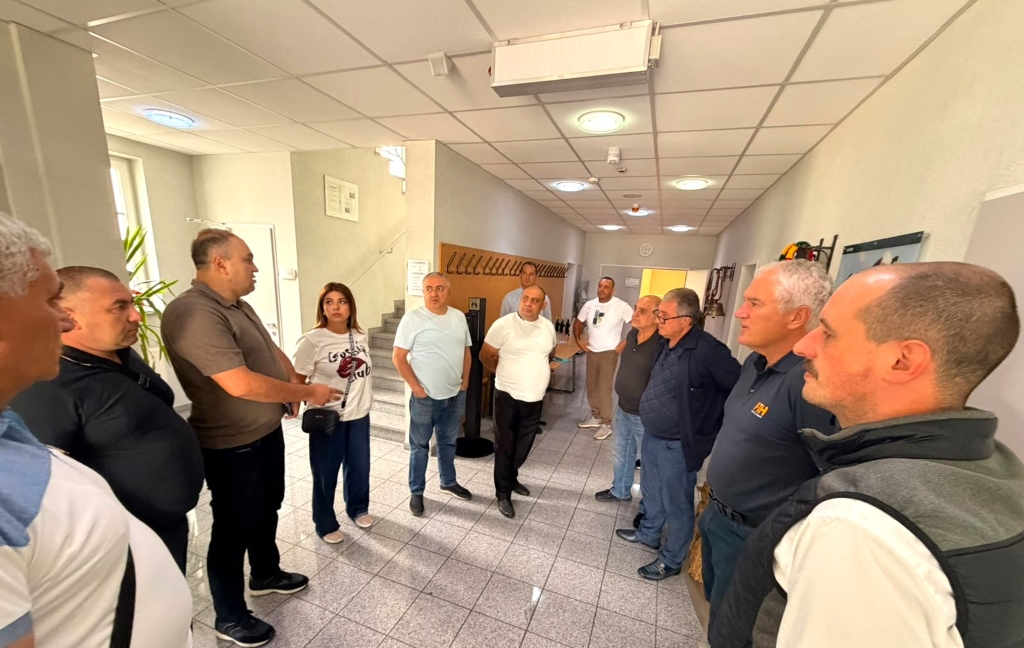
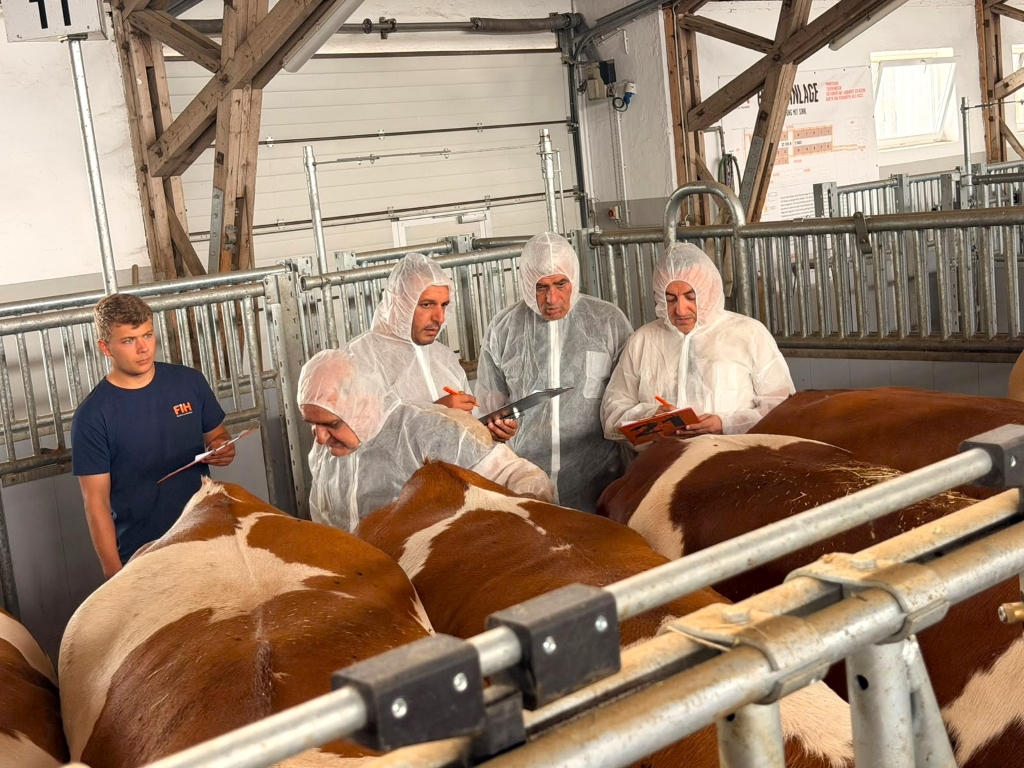
As part of the “Innovative Livestock Management: Animal Migration, Breeding and Markets” (INLIMA) Project, a study visit was organised for livestock sector stakeholders to a farm cooperating with the FIH Association and the Euro Genetic Artificial Insemination Centre.

Representatives of the private livestock sector, specialists from the Animal Husbandry Department of the Ministry of Economy of the Republic of Armenia, and members of the INLIMA Project team participated in the study visit, providing an opportunity for professional exchange and strengthened cooperation among public, private and development-sector stakeholders.

At the Euro Genetic Centre, participants were introduced to the centre’s overall operations and its breeding and reproductive technologies. The presentation covered the collection, quality control and storage of bull semen, the breeds and genetic potential of bulls currently available at the centre, as well as the use of its breeding catalogue.

Particular attention was given to embryo transfer technology, including the main stages of the process and its potential for the efficient multiplication and dissemination of high-value genetic material.

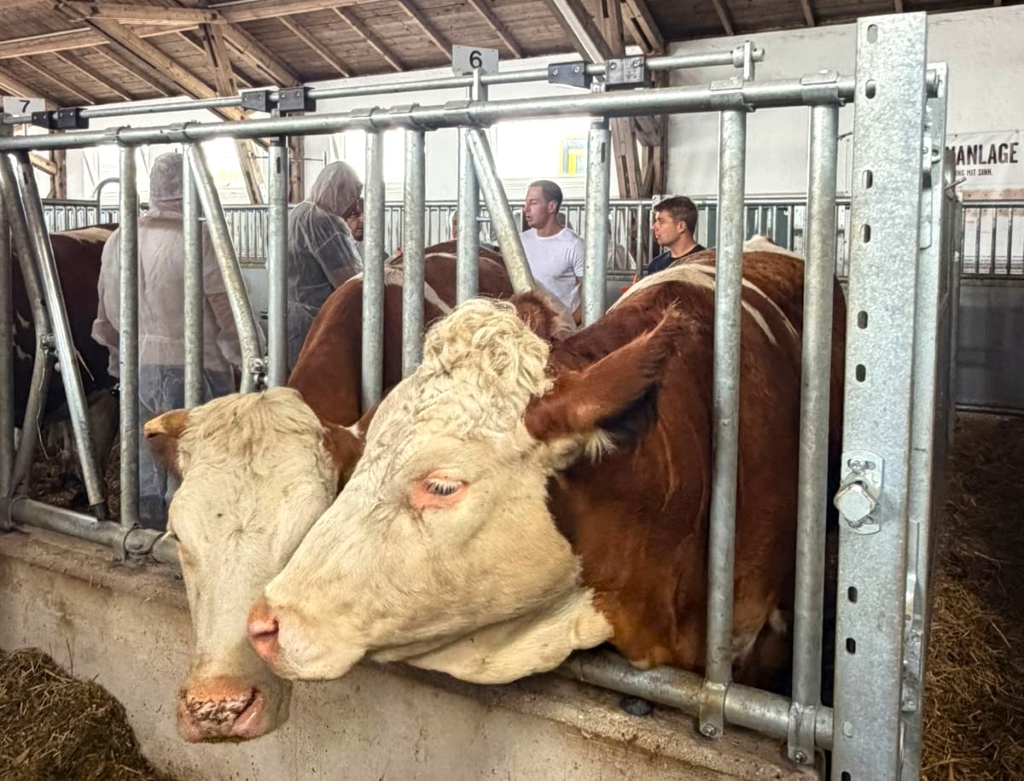
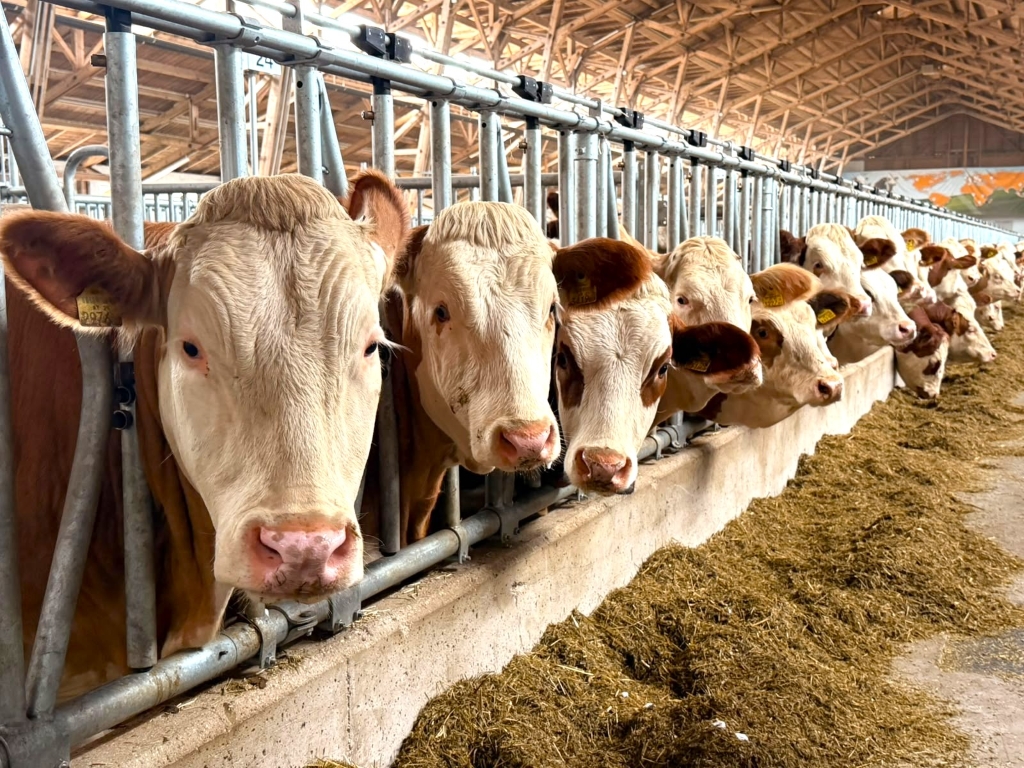
Alongside the technical presentations, participants had the opportunity to observe the centre’s leading breeding bulls in person, gaining practical insight into their breeding characteristics and genetic potential.

The practical knowledge and professional exchange facilitated through the visit contribute to the promotion of modern breeding approaches in Armenia, more effective utilisation of genetic resources, and improved productivity and competitiveness of the livestock sector.

“Innovative Livestock Management: Animal Migration, Breeding & Markets” (INLIMA) project is implemented by Strategic Development Agency NGO and funded by the Austrian Development Agency (ADA), the operational unit of Austrian Development Cooperation.
The Ministry of Economy of the Republic of Armenia, SDA NGO, and Cattle Breeders Austria Sign a Memorandum of Understanding

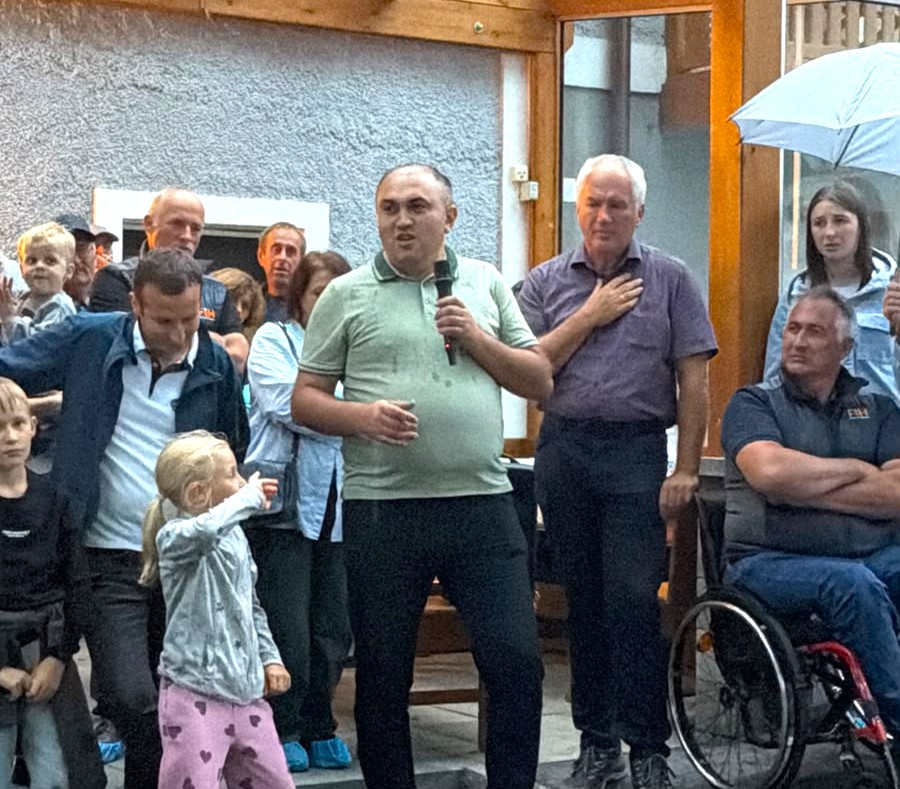
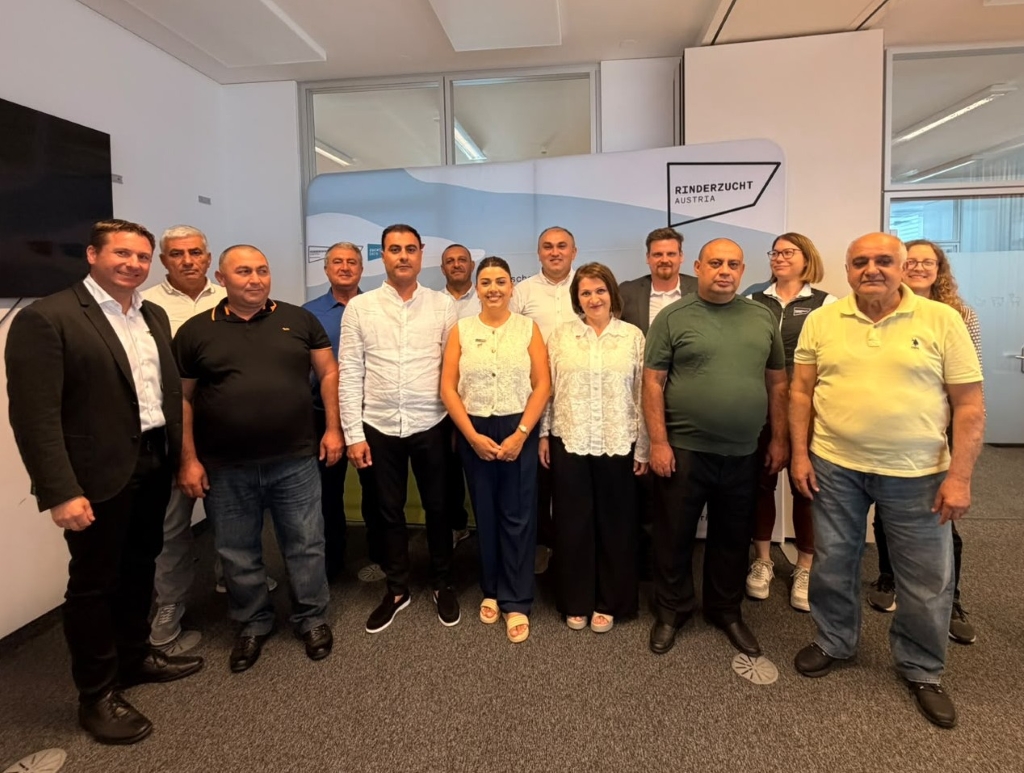
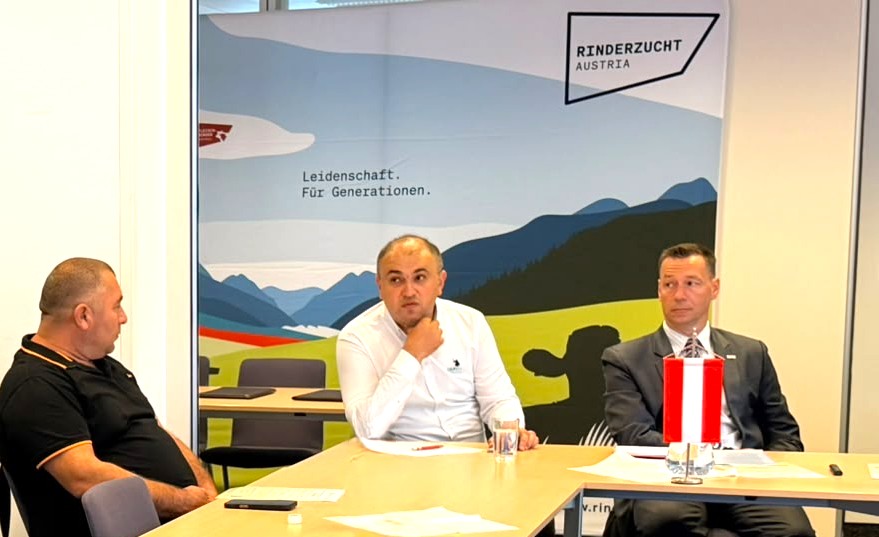
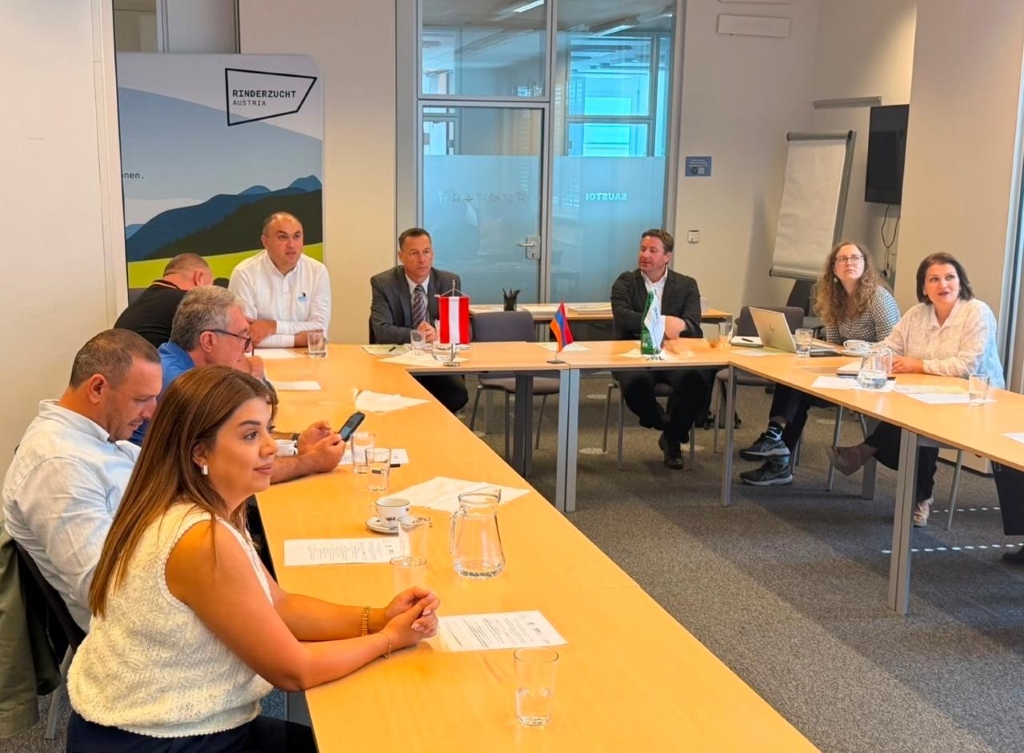
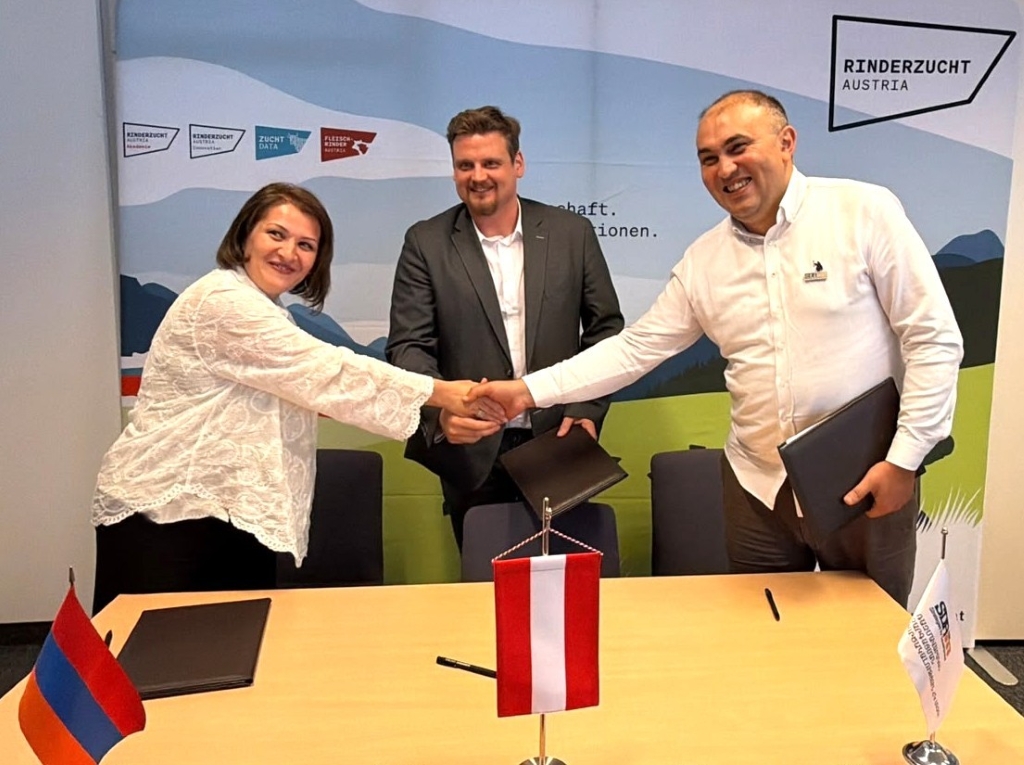
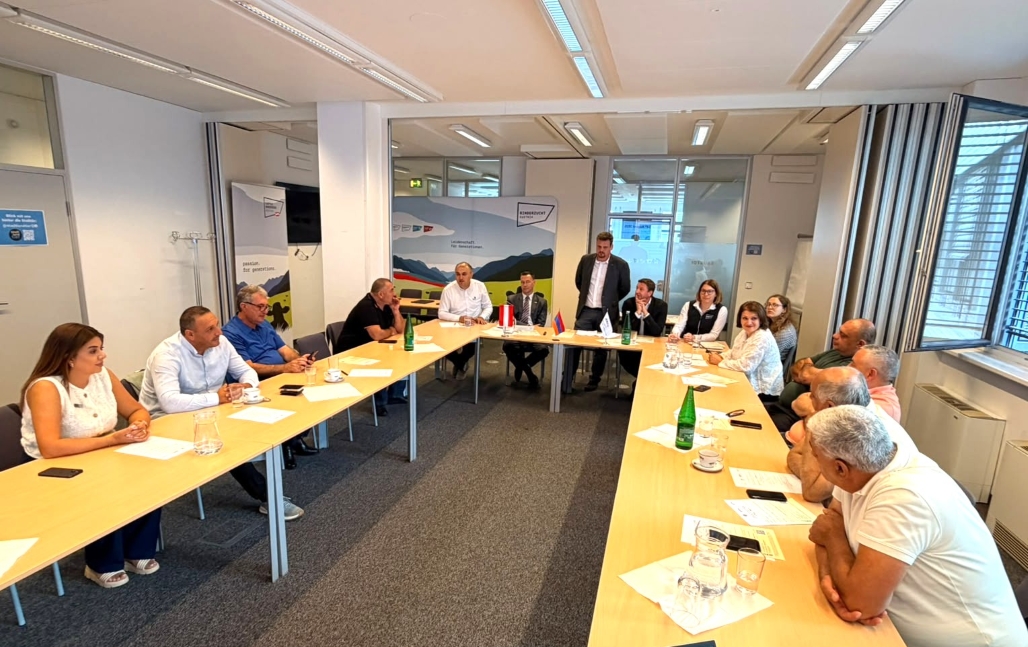
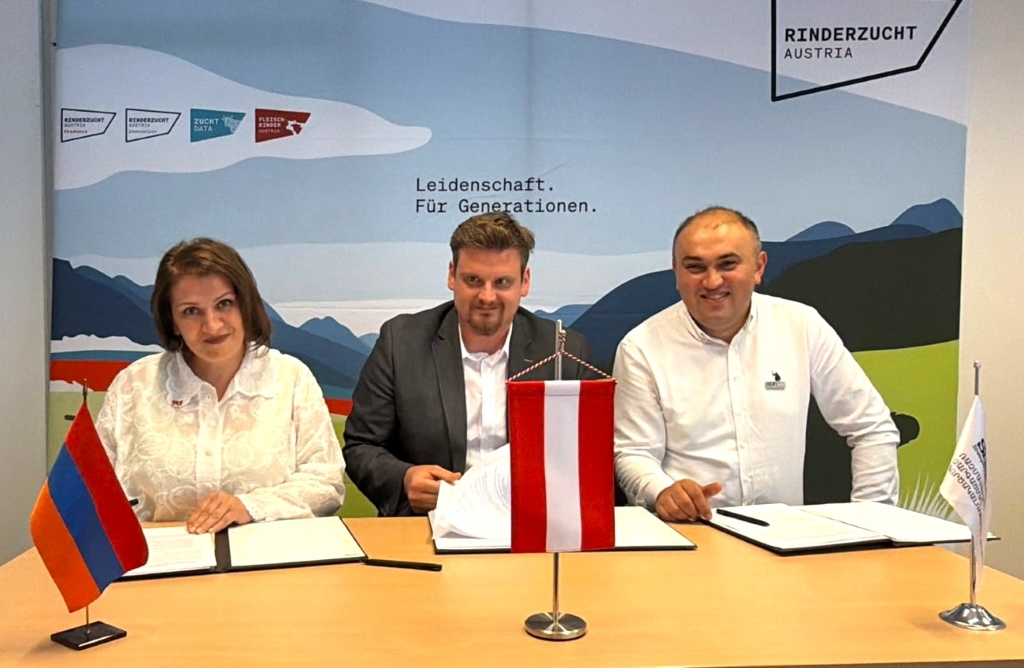
A significant step has been taken in advancing Armenia’s cattle breeding agenda, laying the foundation for new cooperation aimed at introducing international expertise, innovative breeding practices, and modern reproductive technologies in the sector. On 24 August 2026, in Austria, the Ministry of Economy of the Republic of Armenia, the Strategic Development Agency (SDA) NGO, and Cattle Breeders Austria signed a Memorandum of Understanding (MoU) to establish cooperation in the development of cattle breeding, more effective breeding practices, and the application of modern reproductive technologies.

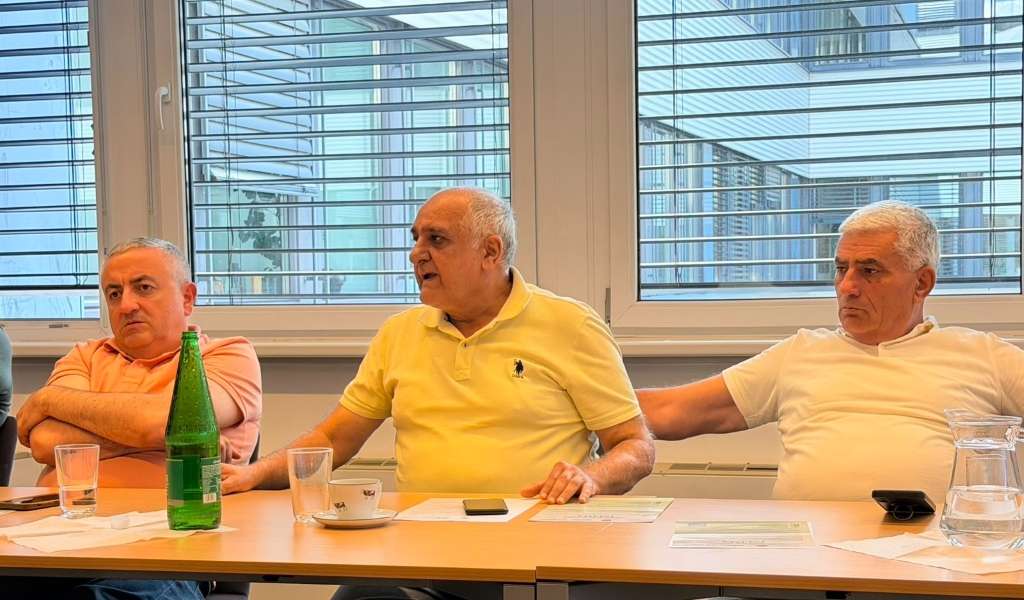
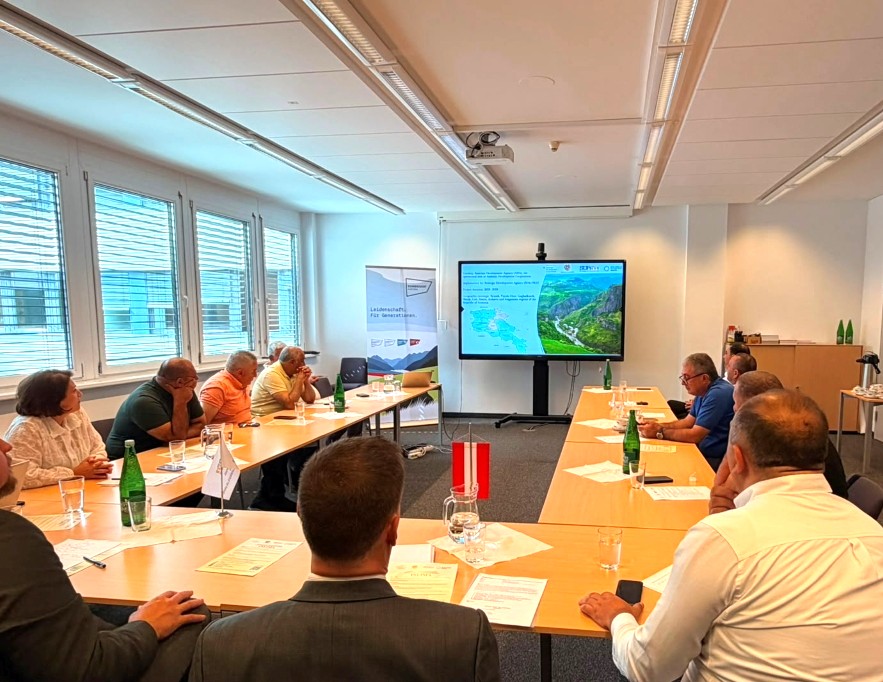
The signing of the MoU took place during a study visit organized within the framework of the Innovative Livestock Management: Animal Migration, Breeding and Markets (INLIMA) project. The project is implemented by the Strategic Development Agency (SDA) NGO with funding from the Austrian Development Agency (ADA).

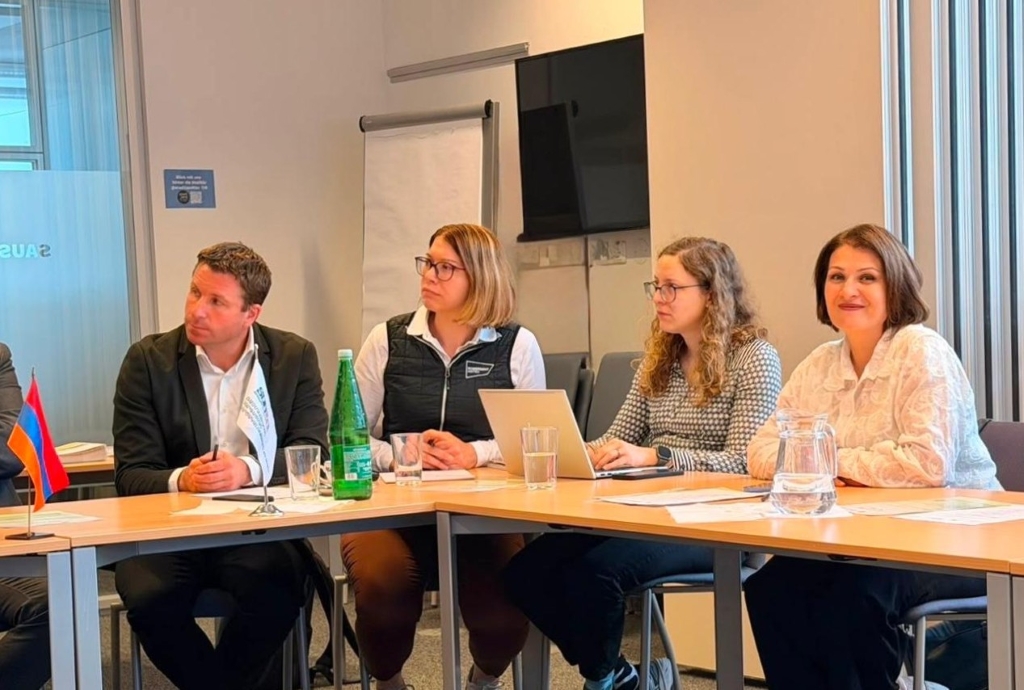
In his welcoming remarks, Tobias Orischnig, ADA Program Manager for Armenia, highlighted the importance of cooperation aimed at advancing Armenia’s livestock sector. He noted that the INLIMA project reflects a shared commitment to strengthening Armenia’s livestock sector and addressing key challenges facing agriculture by supporting sustainable livestock migration, the development of modern breeding services, and stronger market linkages.

Tobias Orischnig also highlighted the role of the Strategic Development Agency, noting that over the years, SDA has established itself as a trusted and highly capable partner, translating development objectives into practical and sustainable solutions for farmers, rural entrepreneurs, and communities across Armenia.

“The INLIMA project builds on a long-standing history of successful cooperation and demonstrates SDA’s strong commitment to innovation, partnership, and long-term impact,” said Tobias Orischnig.

He further emphasized that such partnerships provide an opportunity to combine technical expertise, institutional cooperation, and knowledge exchange, creating lasting connections between Austrian and Armenian institutions and contributing to the sustainable development of the sector.

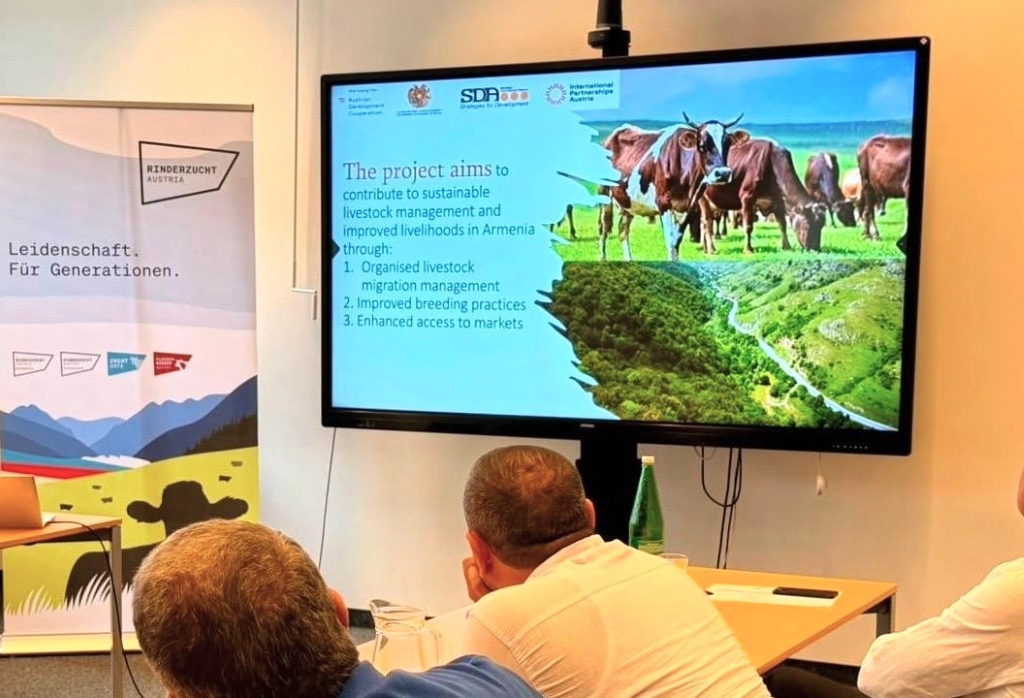
During the event, Vahe Hovhannisyan, INLIMA Project Manager, presented the programme’s objectives, key components, and ongoing activities, highlighting the areas in which international expertise can generate the greatest added value for the development of Armenia’s livestock sector.

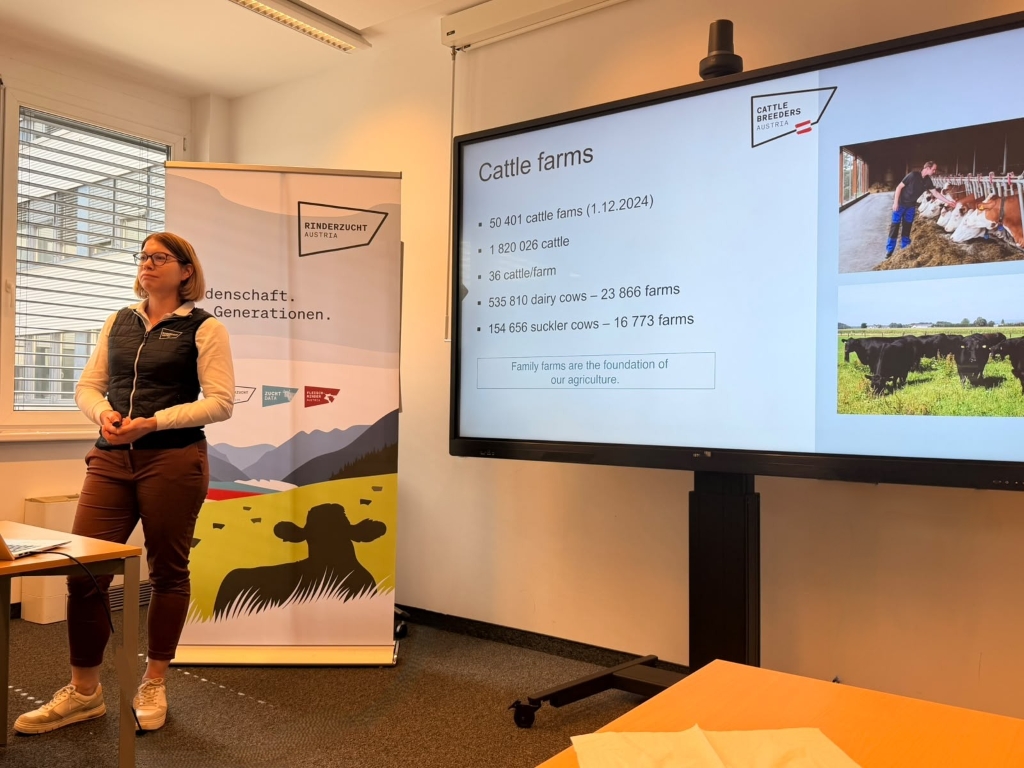
Anna Könner, representative of Cattle Breeders Austria, presented the organisation’s activities and Austria’s experience in cattle breeding management and animal performance assessment. Reinhard Pfleger, representative of Fleckvieh Austria, presented the experience of developing the Fleckvieh breed and its international potential.

The exchange of expertise is particularly relevant to Armenia, as increasing productivity in the cattle sector requires a transition towards more systematic and data-driven breeding approaches. These include improving the genetic base, strengthening the selection of breeding animals, assessing animal performance, applying modern reproductive technologies, and ensuring effective long-term herd management.

The signed MoU establishes a framework for cooperation on breed and breeding animal selection, genetic improvement, artificial insemination and other reproductive technologies, and breeding planning. The parties will provide technical expertise and advisory support to advance these areas of cooperation.

Another important area of cooperation is the development of bull semen production capacities at Gyumri Selection Station CJSC. The introduction of Austrian expertise and technical knowledge can contribute to strengthening systems for the availability and effective use of high-quality genetic material in Armenia, with the potential to generate long-term improvements in animal productivity and the overall performance of the cattle breeding sector.

“Innovative Livestock Management: Animal Migration, Breeding & Markets” (INLIMA) project is implemented by Strategic Development Agency NGO and funded by the Austrian Development Agency (ADA), the operational unit of Austrian Development Cooperation.
Uncategorized

SEIRA Awareness is a Key Prerequisite for Socio-Economic Integration

Support mechanisms can only be effective when people are aware of them, understand the opportunities available to them, and are able to navigate the process of accessing them.

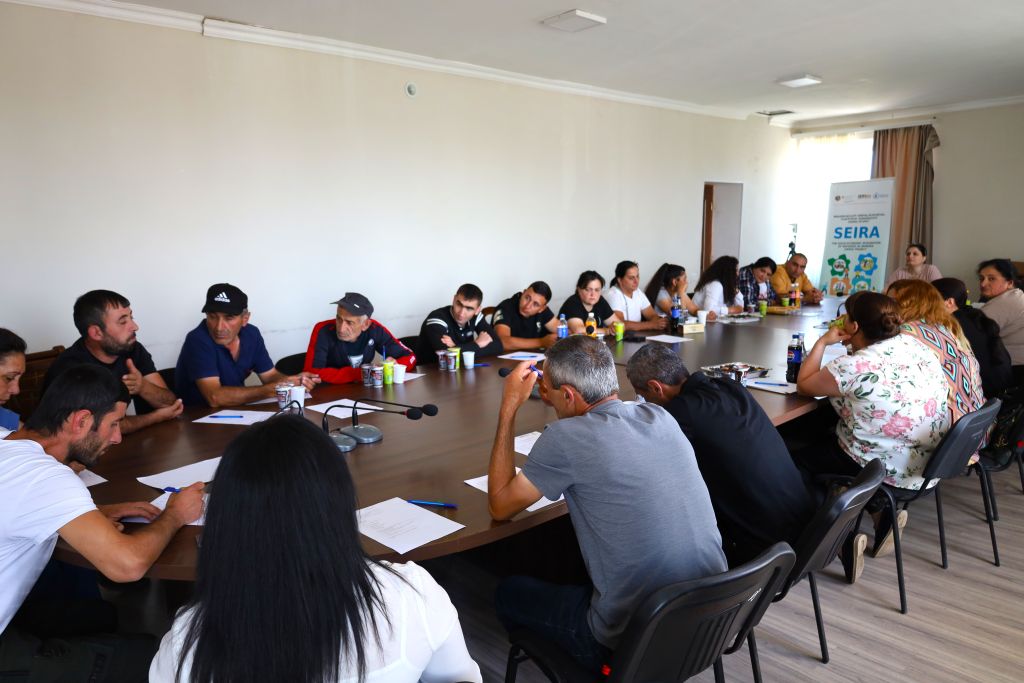
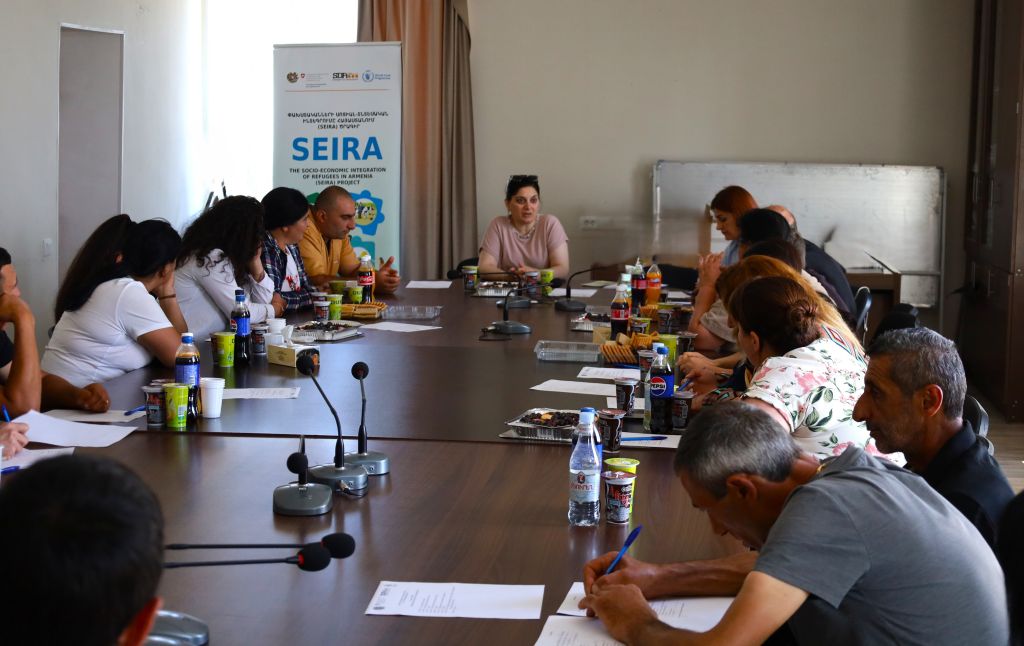
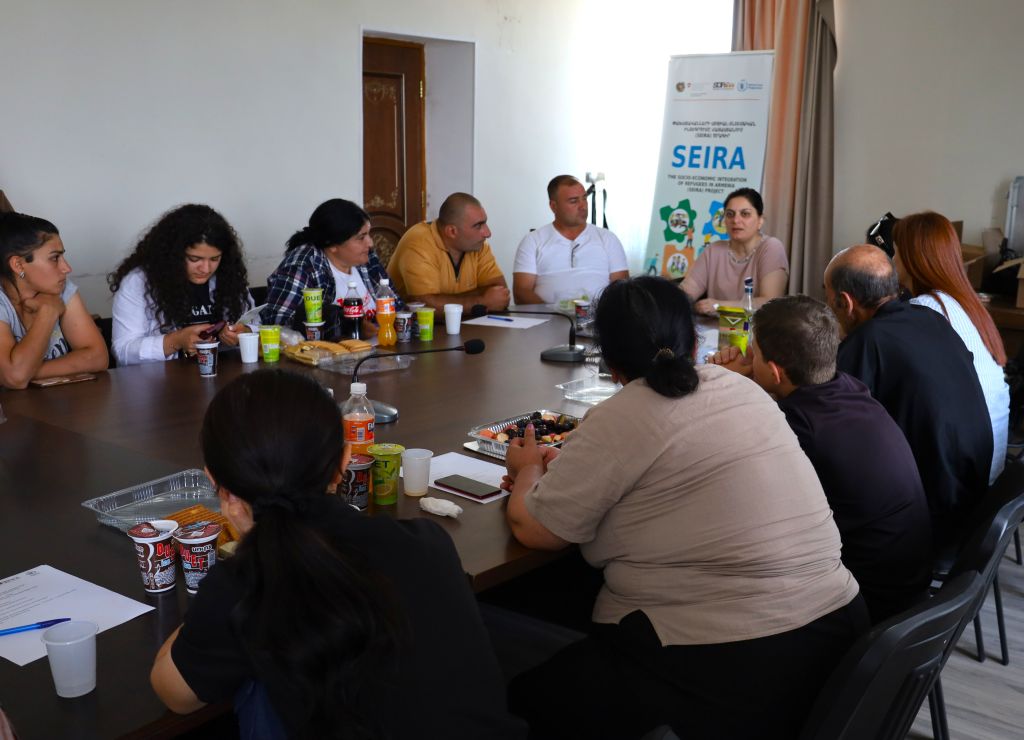
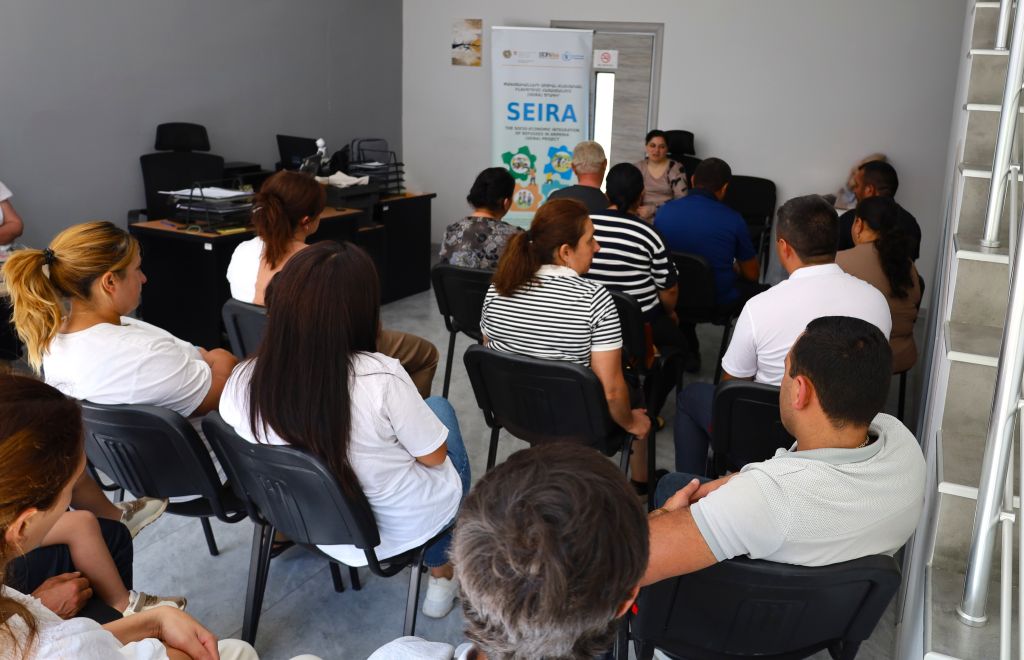
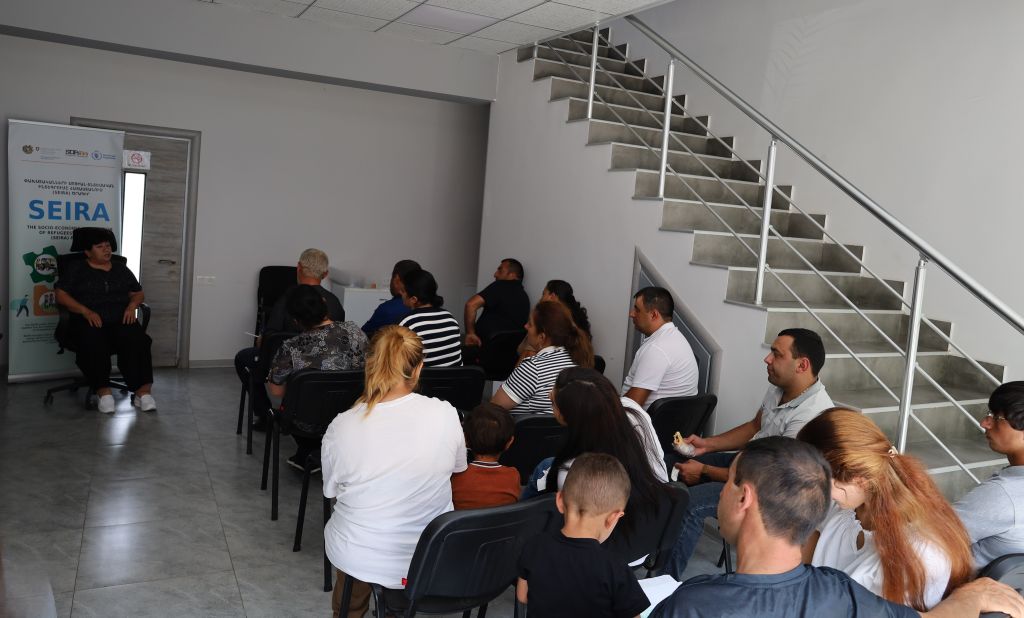
In Vardenis and Chambarak, Gegharkunik Region, the Socio-Economic Integration of Refugees in Armenia (SEIRA) programme organised information and awareness-raising sessions for forcibly displaced persons from Nagorno-Karabakh.

The sessions provided information on existing state support programmes, as well as initiatives implemented by the Unified Social Service for forcibly displaced persons from Nagorno-Karabakh.

At the same time, the value of such sessions extends beyond the provision of information. They create a two-way exchange, allowing beneficiaries to raise questions and share their experiences, thereby providing a clearer understanding of the informational and practical barriers they may encounter when accessing available state support programmes.

In this way, awareness-raising contributes to making existing support mechanisms more accessible and actionable for those they are intended to serve, while strengthening the foundations for sustainable socio-economic integration at the community level.

“Socio-Economic Integration of Refugees in Armenia” (SEIRA) project is funded by the Swiss Agency for Development and Cooperation and implemented by the Strategic Development Agency NGO and the UN World Food Programme.

INLIMA Mapping Livestock Herding Routes in Syunik

When we speak about efficient and sustainable livestock production, a livestock herding/migration route is far more than a physical pathway. It is part of an interconnected system that supports the safe movement of animals, enhances the efficiency of farmers’ operations, ensures access to pastureland, and contributes to the long-term management of community resources.

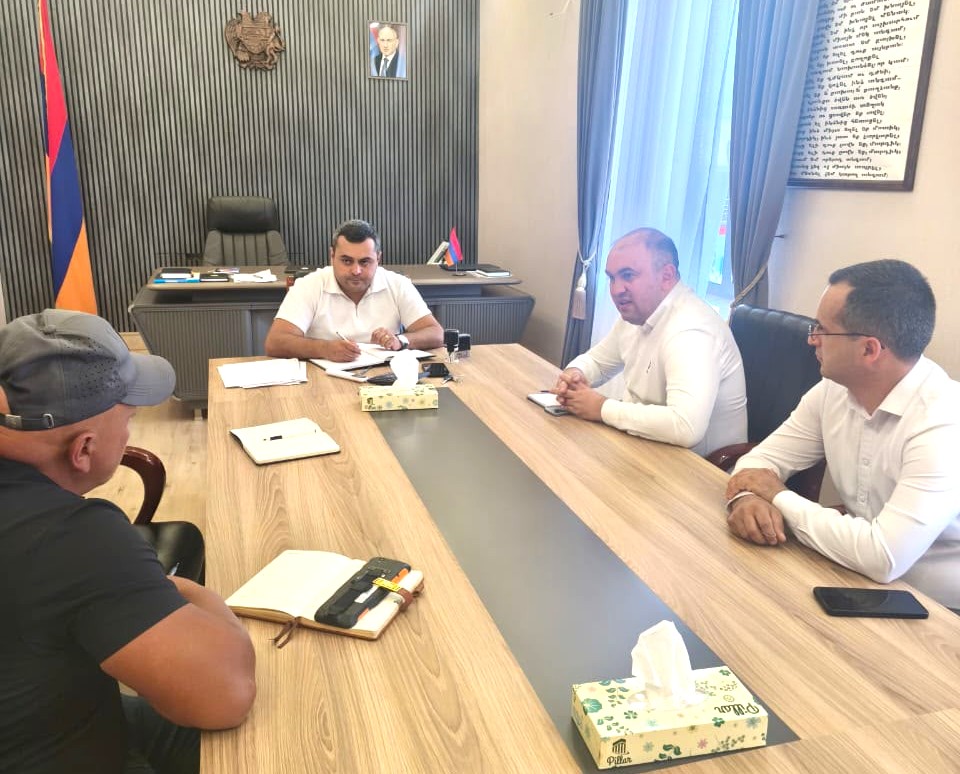
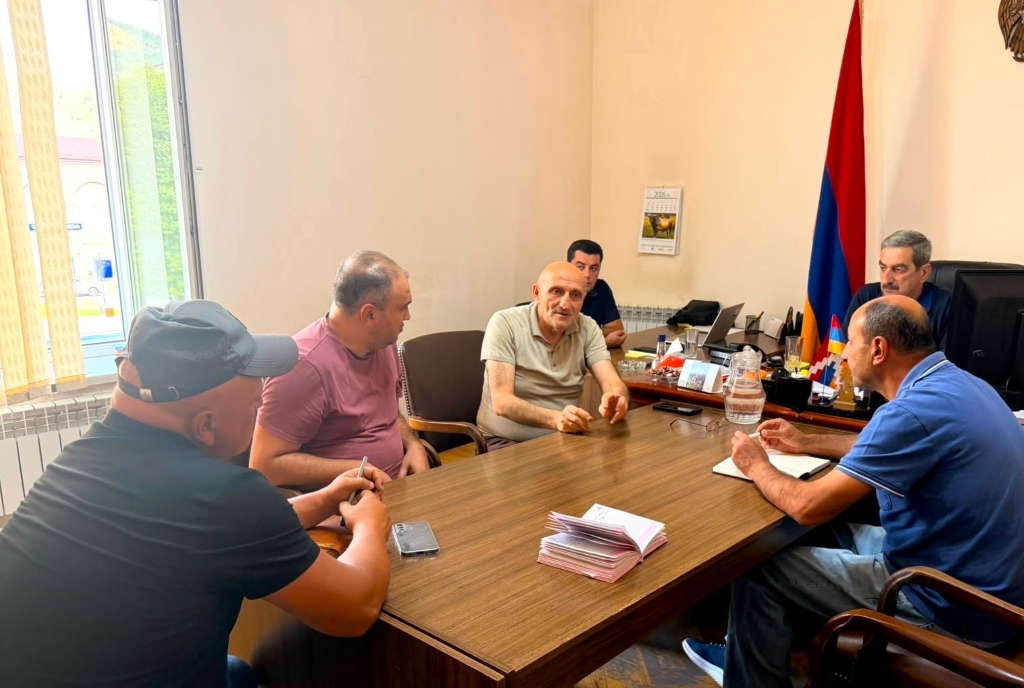
As part of the INLIMA project, working meetings were held in the enlarged communities of Sisian and Goris, Syunik region, with representatives responsible for local governance and agriculture. The meetings focused on presenting the progress of the ongoing assessment and mapping of livestock droving routes currently used by farmers, while ensuring that the emerging mapping is aligned with the communities’ own priorities and development vision.

During the meetings, the preliminary herding routes identified through the mapping process were presented and discussed, including potential locations for related infrastructure and priorities identified by the communities. Particular attention was given to assessing the extent to which the proposed routes correspond to actual community needs, existing infrastructure, and the practical requirements identified by farmers through their day-to-day experience.

The principle underpinning this process is straightforward: a map should reflect not only the territory, but also the real needs of the people who use it.

To this end, the preliminary mapping results developed by the project’s mapping specialist will be submitted to the Goris and Sisian municipal administrations for review and validation. Feedback, observations and recommendations from municipal specialists will be incorporated, and any necessary adjustments will be made. Based on this community-level feedback, the final mapping document will be further refined and subsequently shared with the respective communities.

At the same time, within the framework of INLIMA, meetings were also held with key actors across the milk and meat value chains, including representatives of milk-processing companies and slaughterhouses. The visits provided an opportunity to assess existing infrastructure and explore potential areas for future cooperation.

Ultimately, the work follows one interconnected logic: agricultural infrastructure → community planning → value-chain development → more efficient and sustainable livestock production for farmers.

“Innovative Livestock Management: Animal Migration, Breeding & Markets” (INLIMA) project is implemented by Strategic Development Agency NGO and funded by the Austrian Development Agency (ADA), the operational unit of Austrian Development Cooperation.
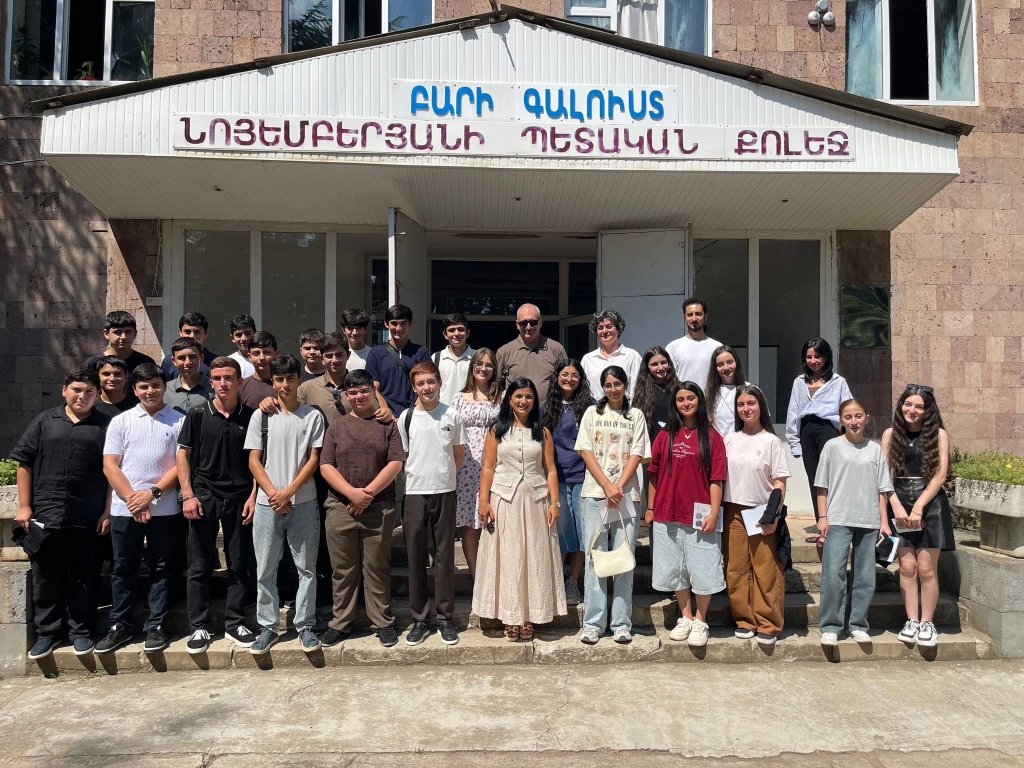
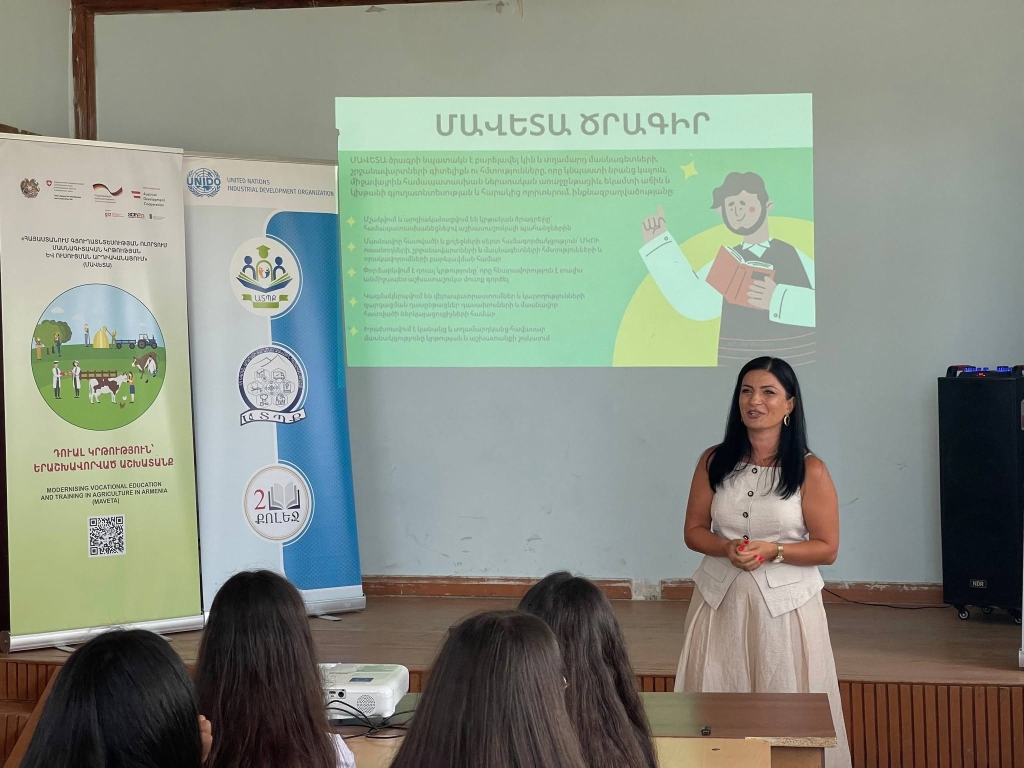
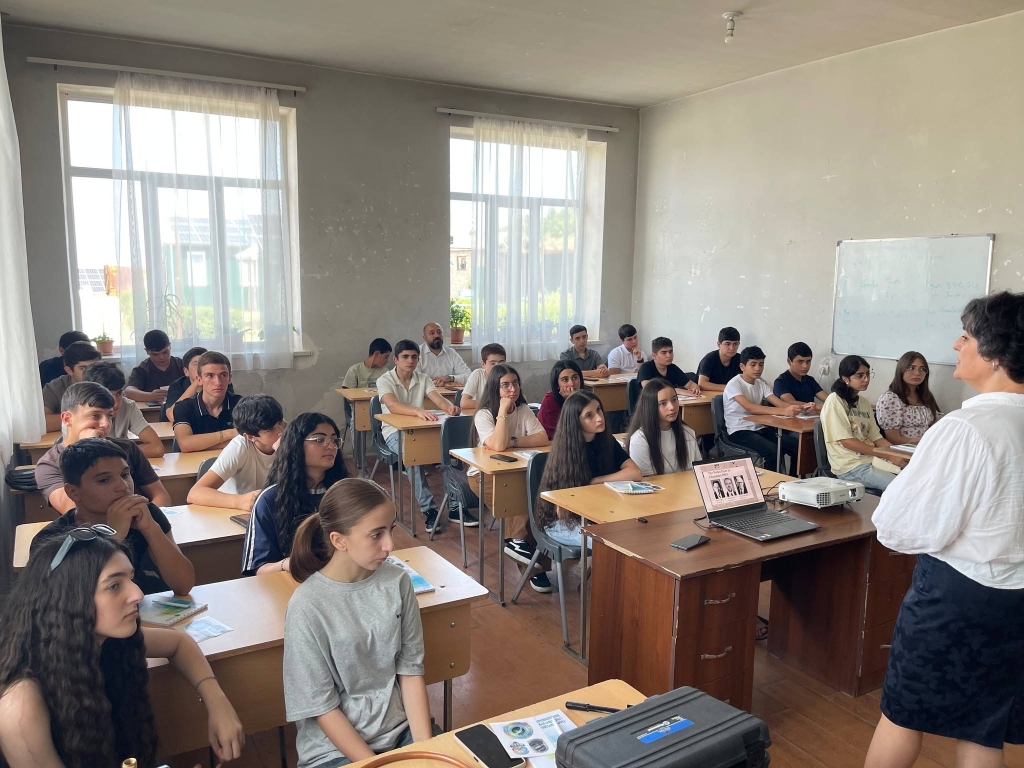
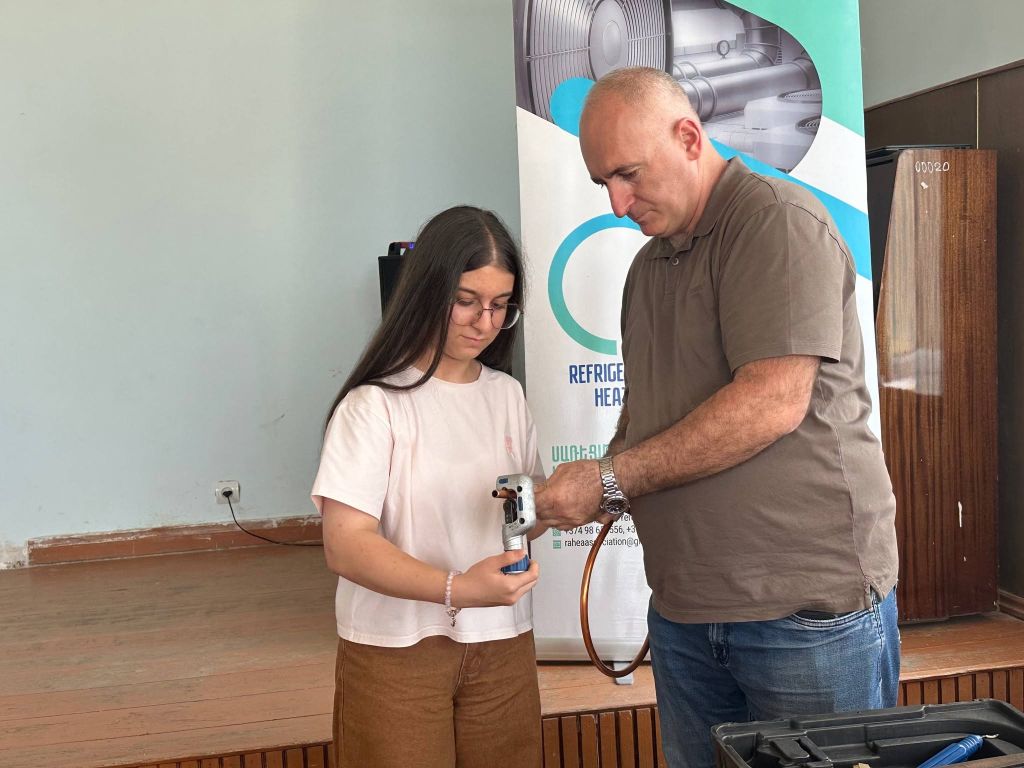
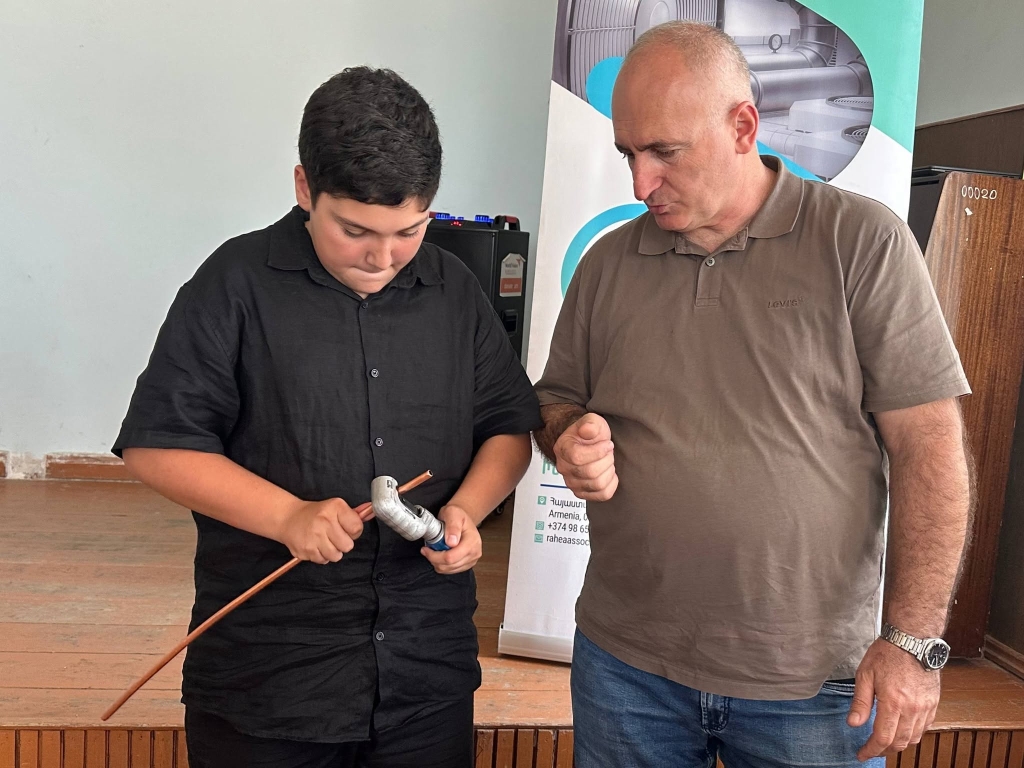
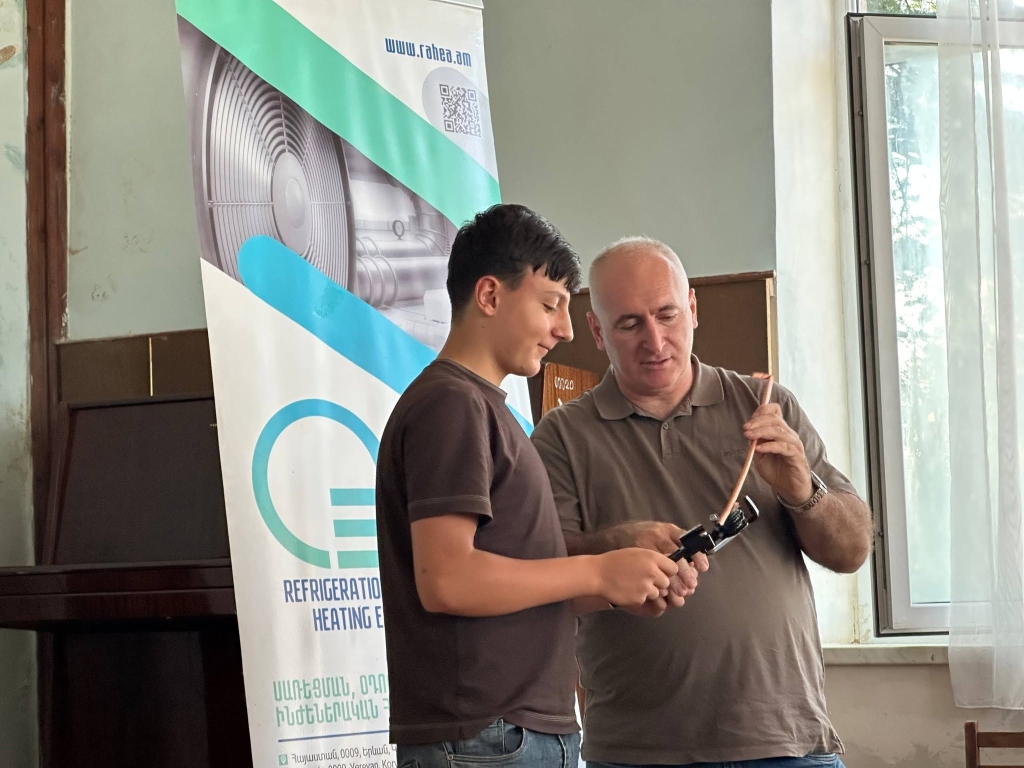
MAVETA: On International Youth Day, young people at Noyemberyan State College were introduced to the “Cold Chain Management” profession.

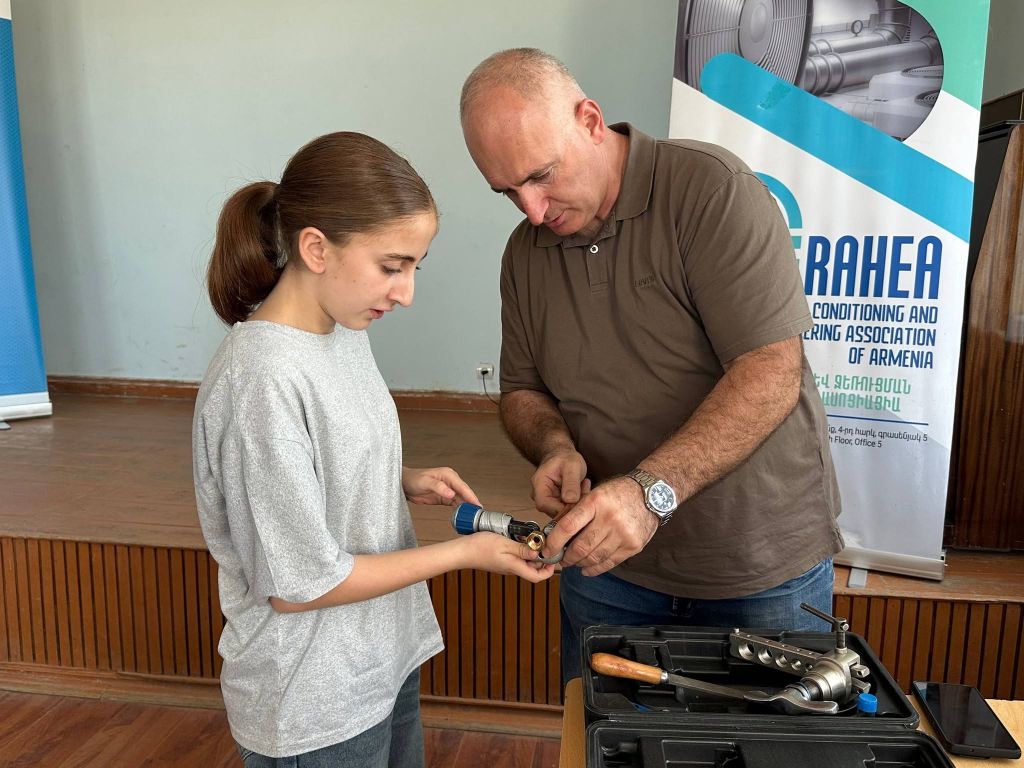
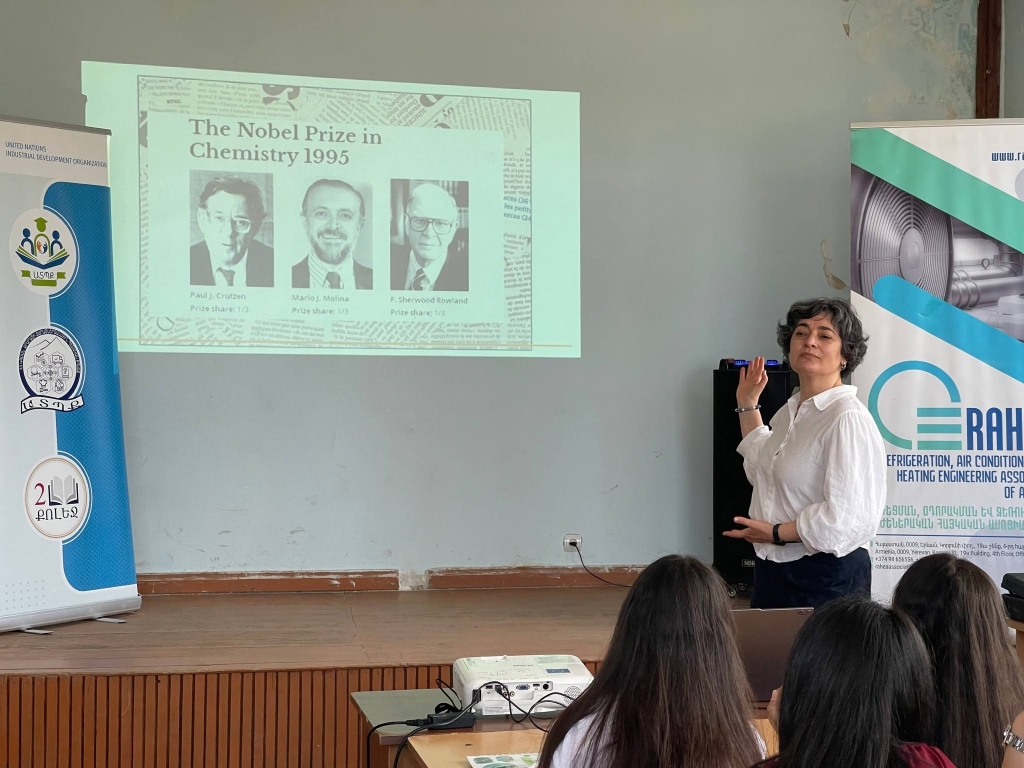
On August 12, International Youth Day, young people at Noyemberyan State College explored Cold Chain Technician as a modern, technology-driven, in-demand, and well-paid career path.

The event was held within the framework of the Ozone Layer Protection Programme, jointly implemented by the Ministry of Environment of the Republic of Armenia and the United Nations Industrial Development Organization (UNIDO).

Participants learned about the key features of the cold chain sector, emerging technologies, labour market demand, and career opportunities available in the field.

The MAVETA project is also contributing to the development of this profession in Armenia.

Under the Modernizing Vocational Education and Training in Agriculture in Armenia (MAVETA) project, the Cold Chain Technician qualification will be introduced at Noyemberyan State College through a dual education model.

Through this approach, students will acquire professional knowledge and skills both at the college and in real workplace settings, combining classroom-based learning with practical, hands-on experience.

Cold Chain Management is more than a profession, it is a growing field where technical expertise translates into relevant skills, career opportunities, and employment.

The future of young people starts with professions that are already in demand today.