


LILA Project Fosters a New Generation of Responsible Adventure Tourism Leaders


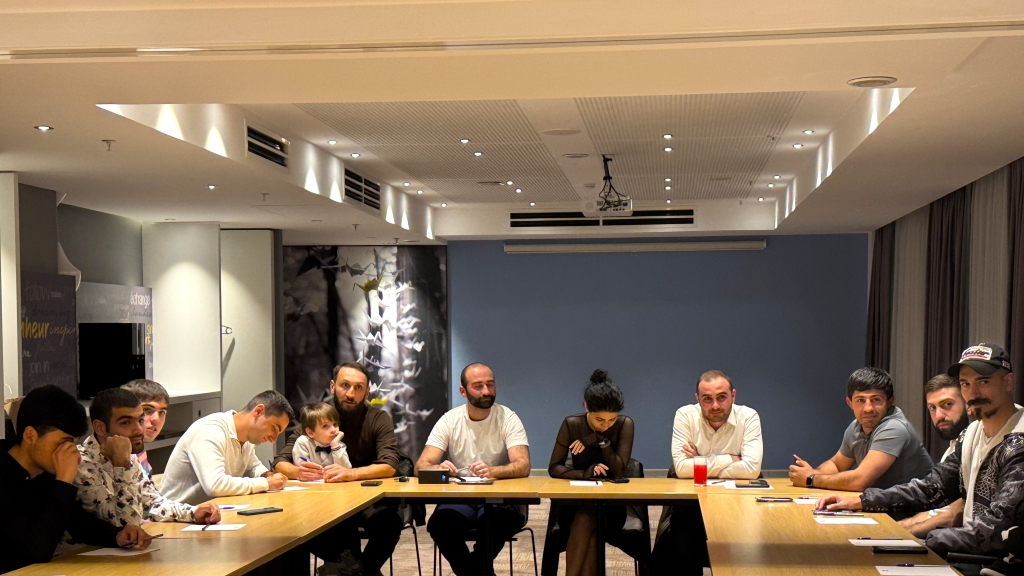

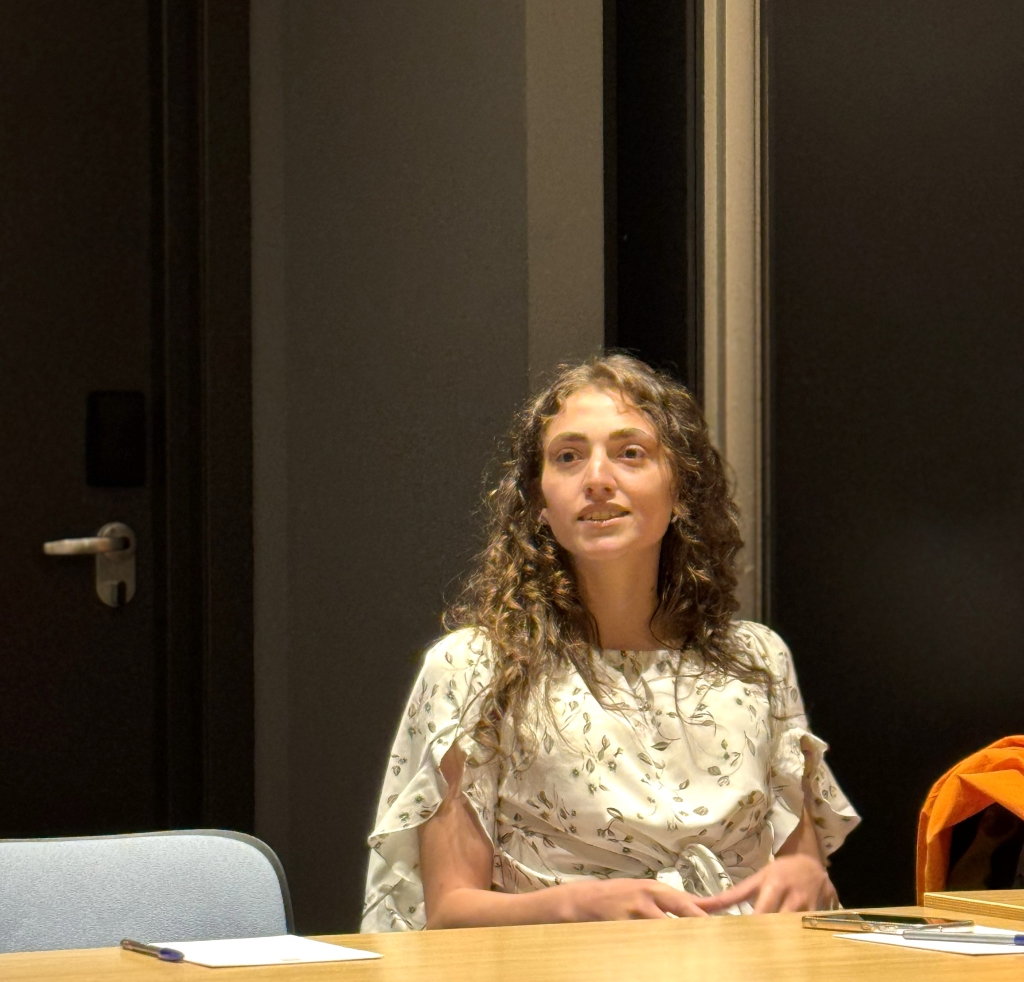
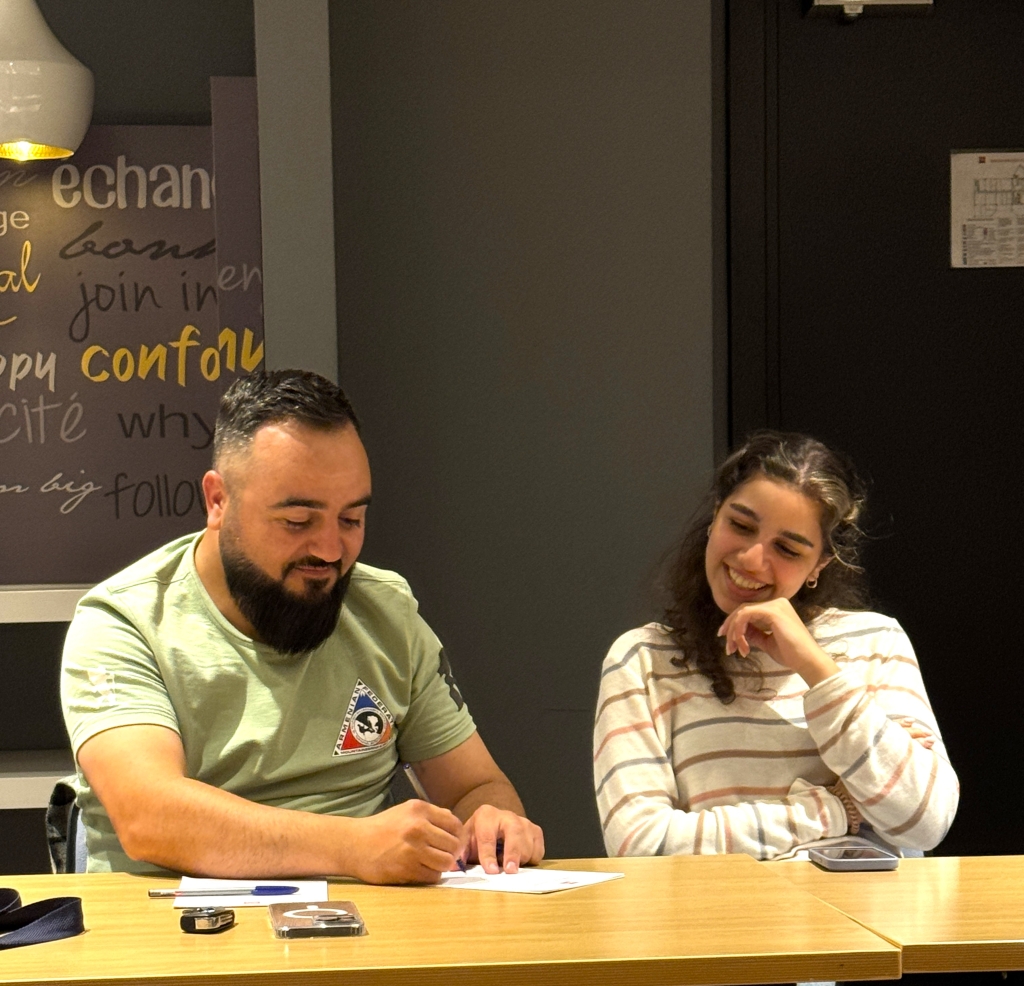






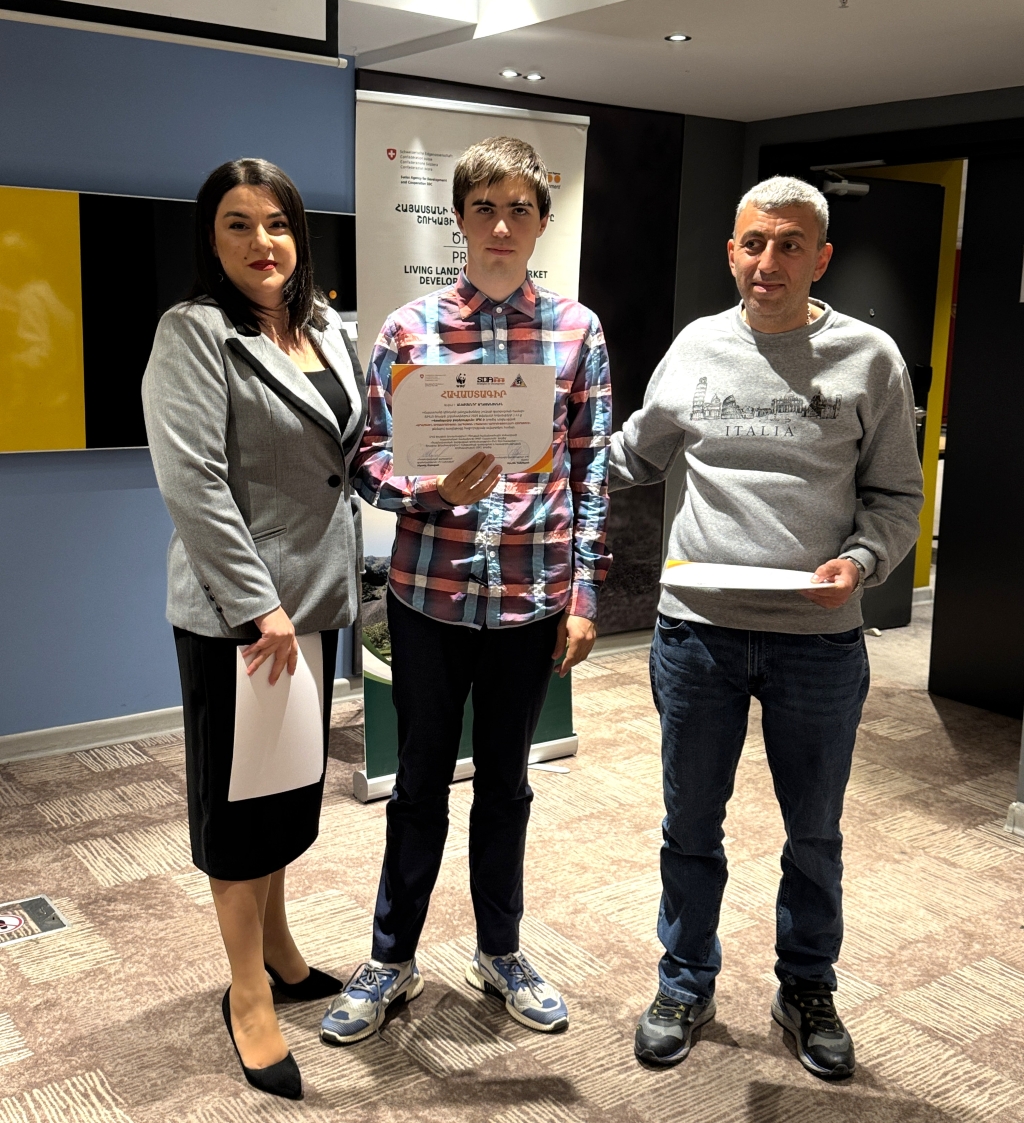
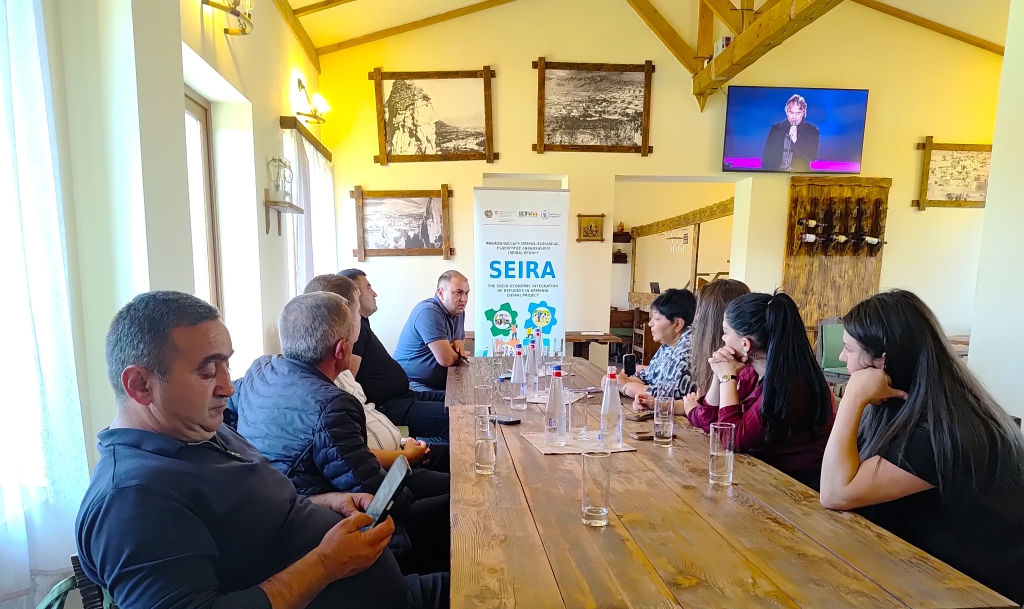
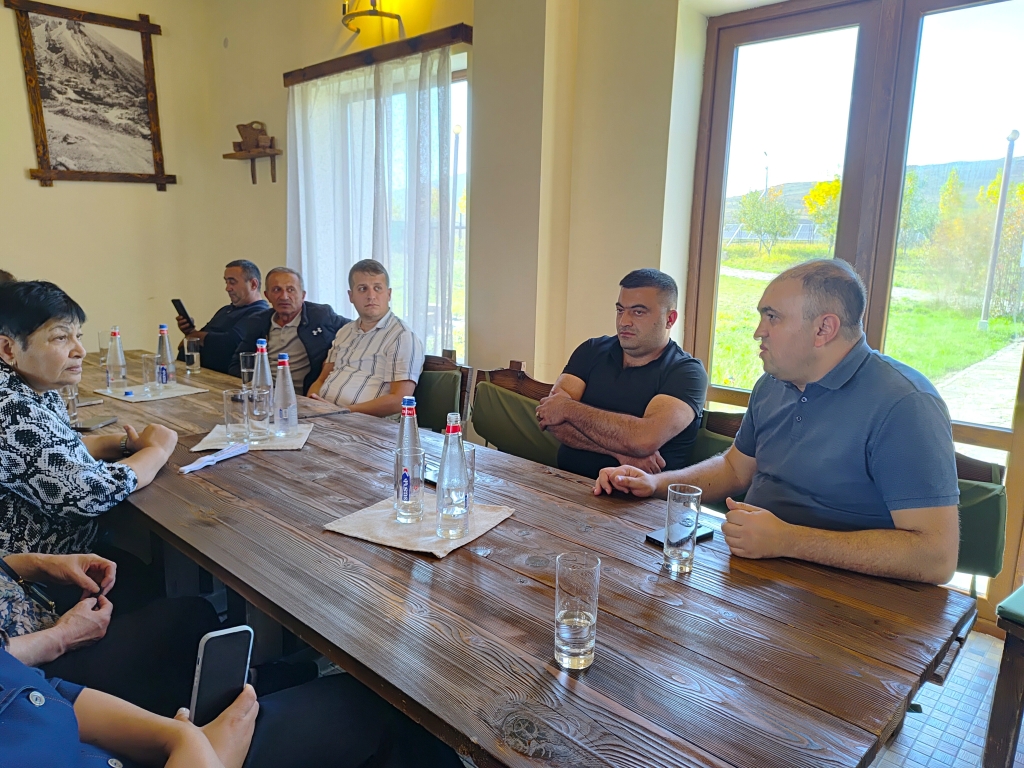
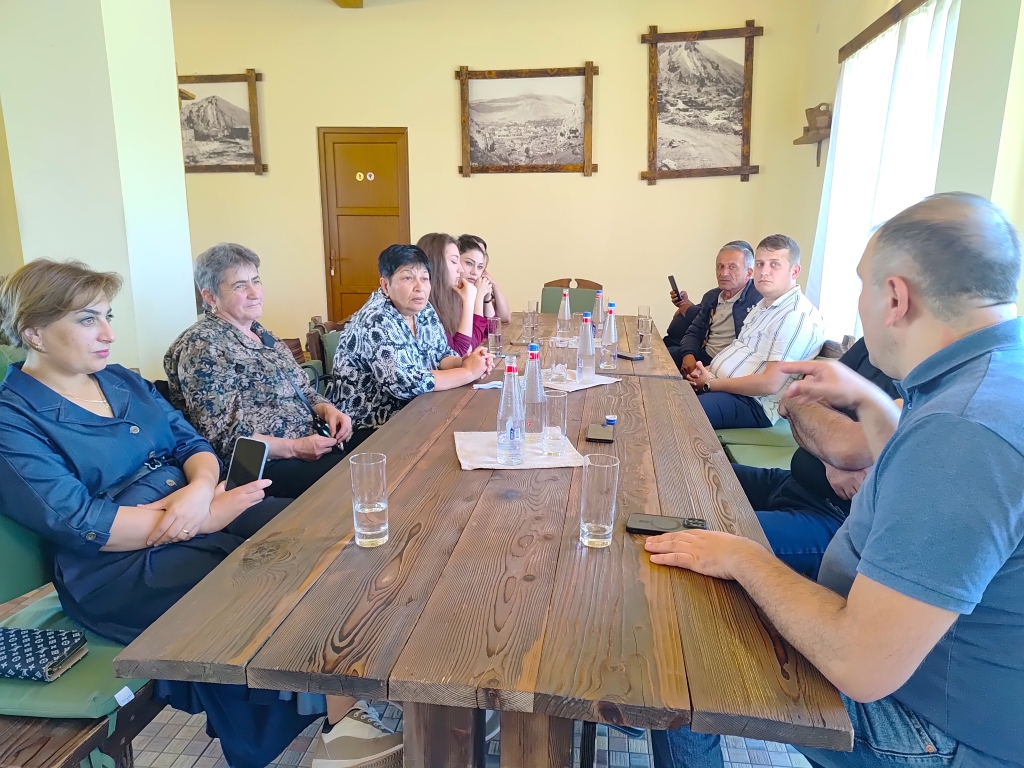
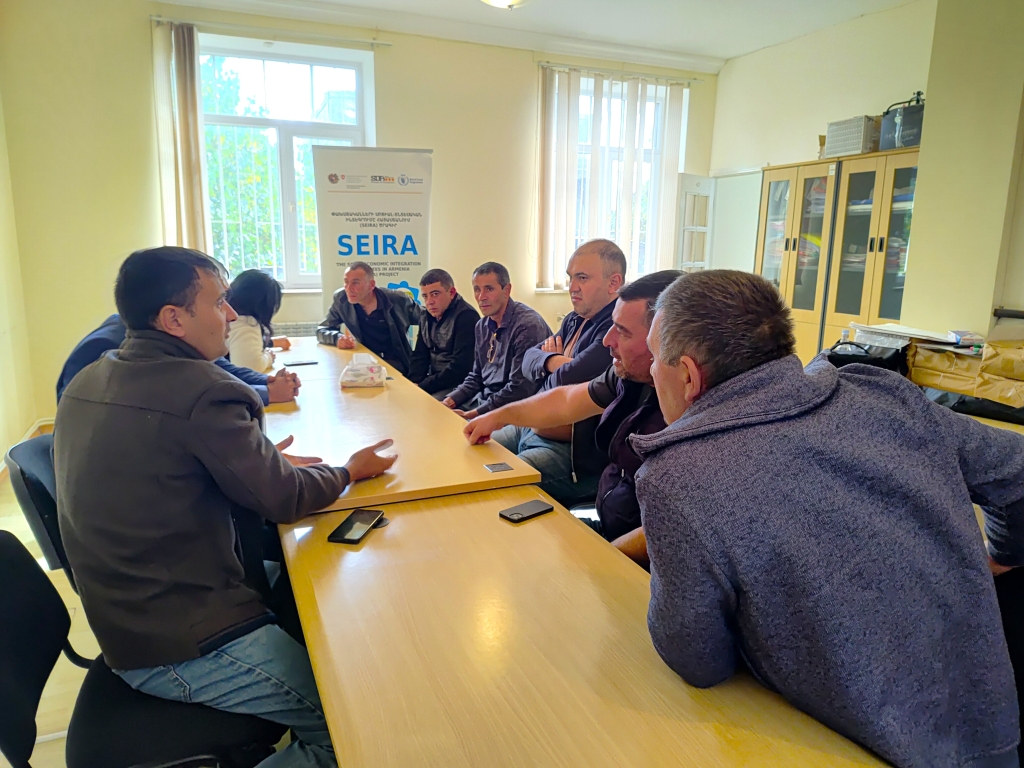
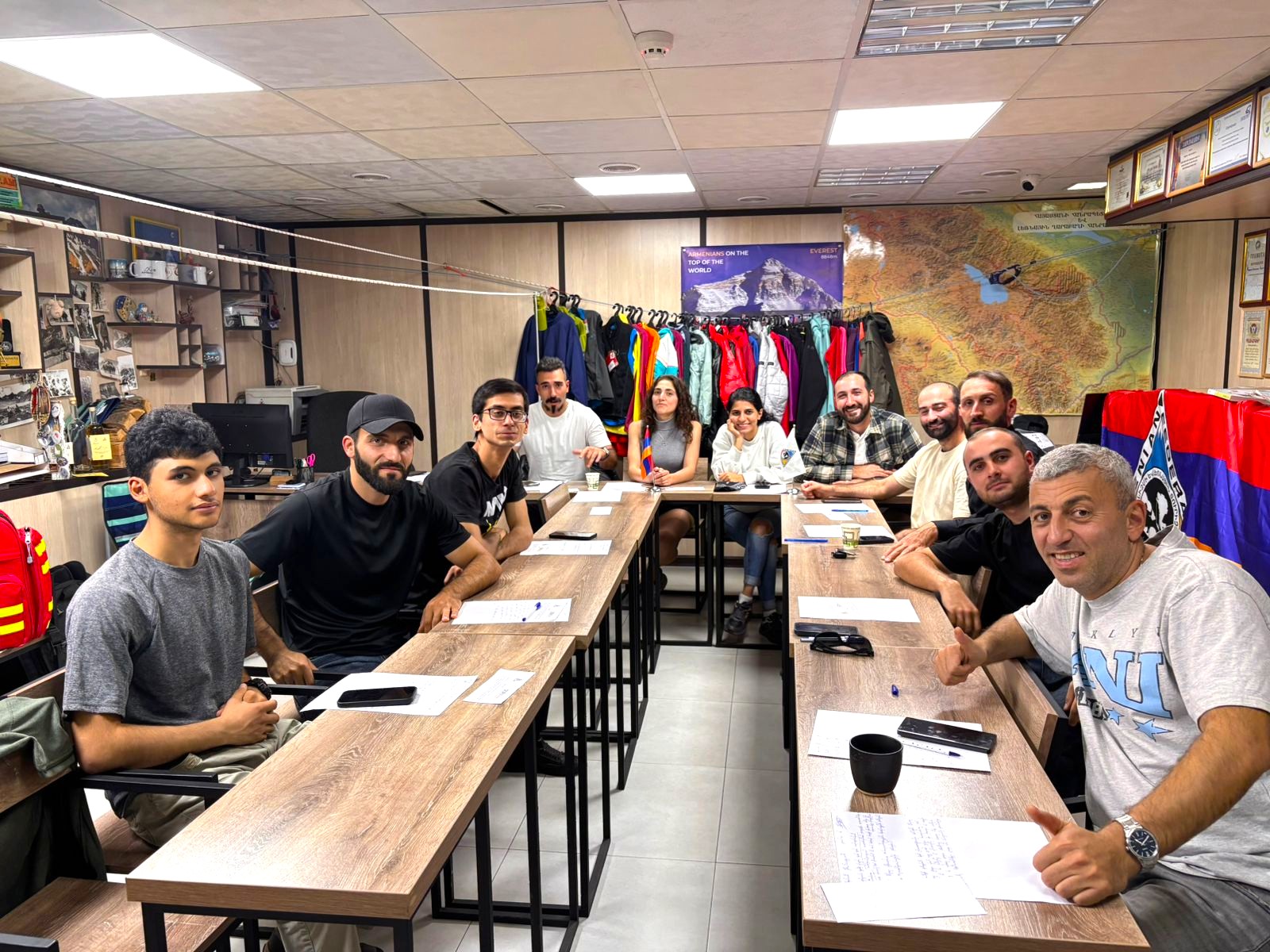
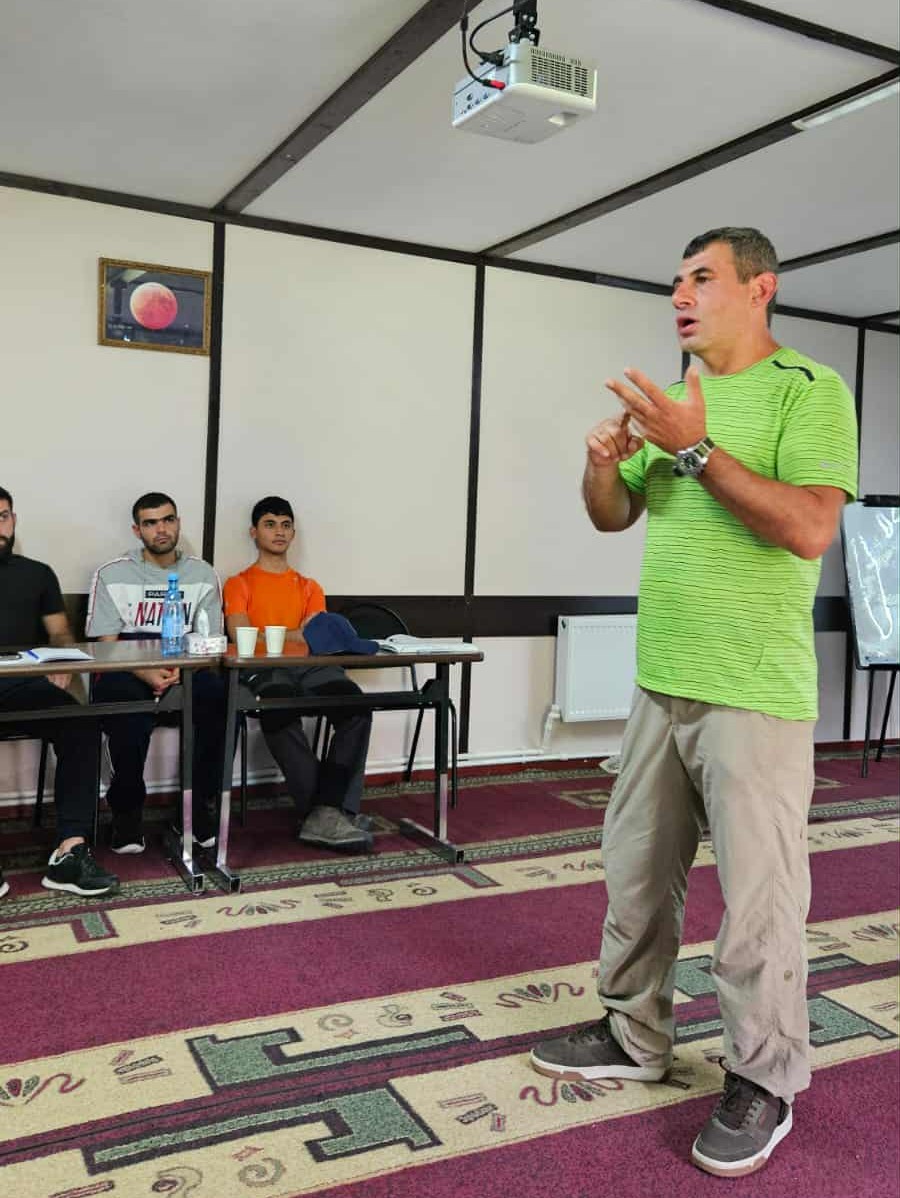
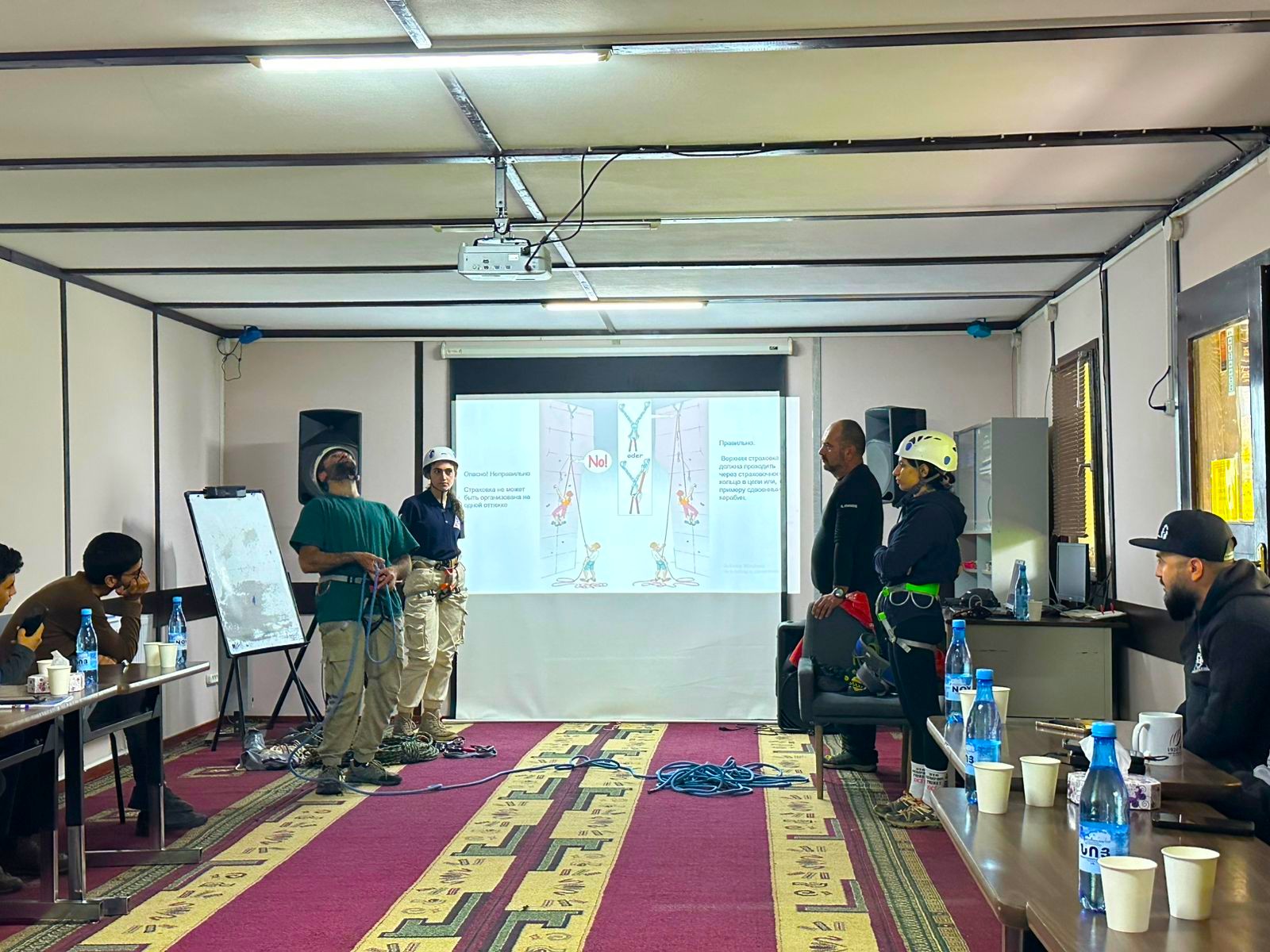
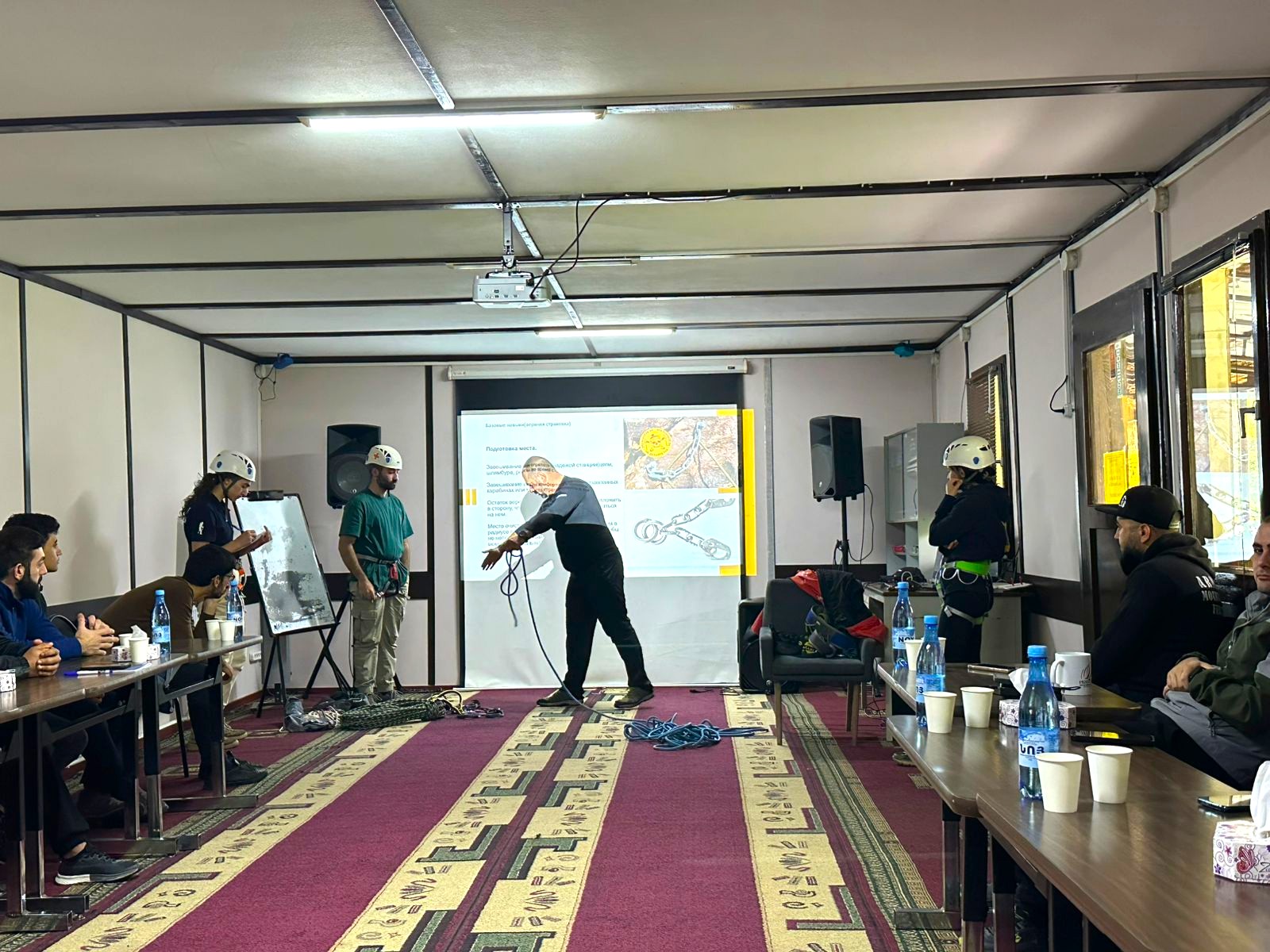
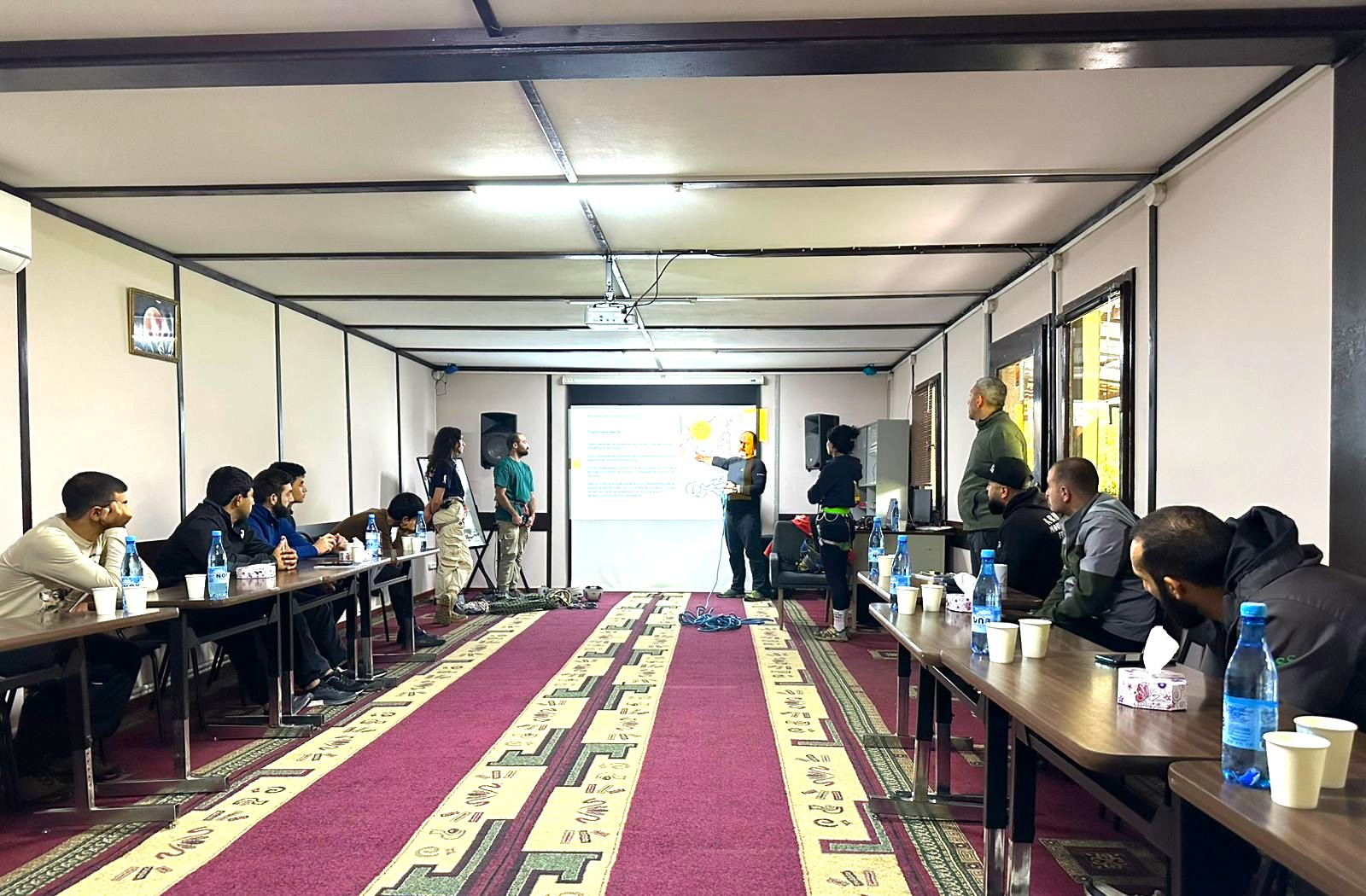
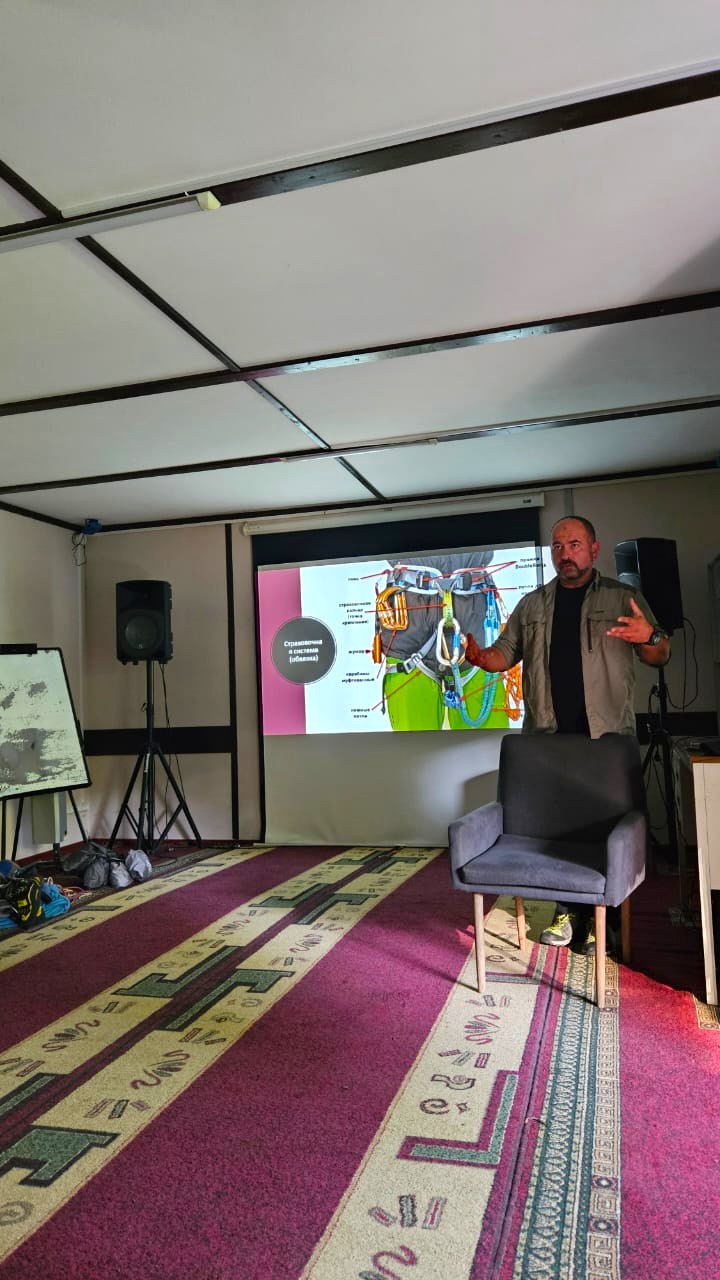
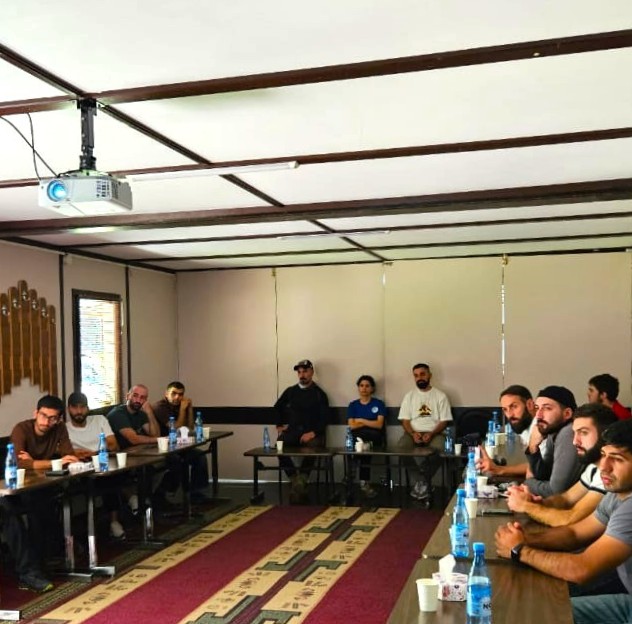
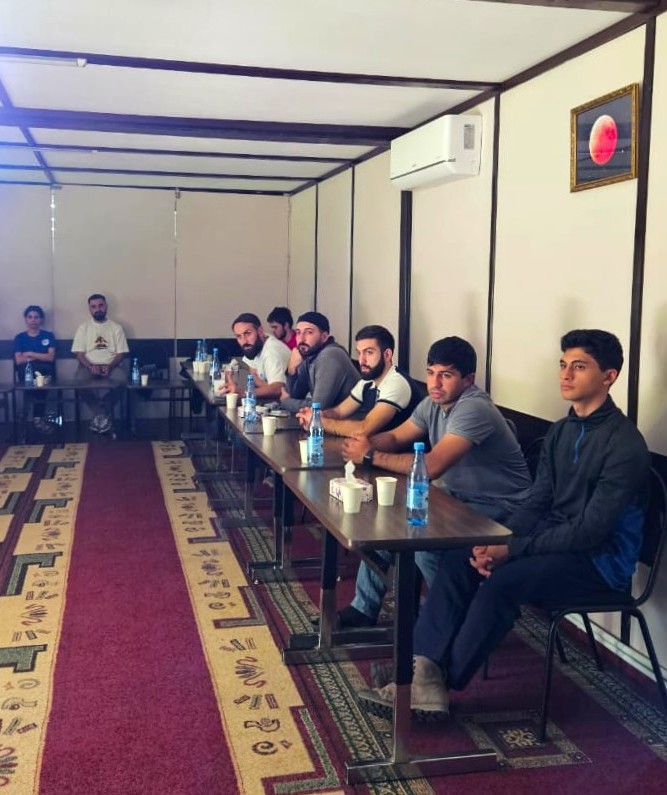
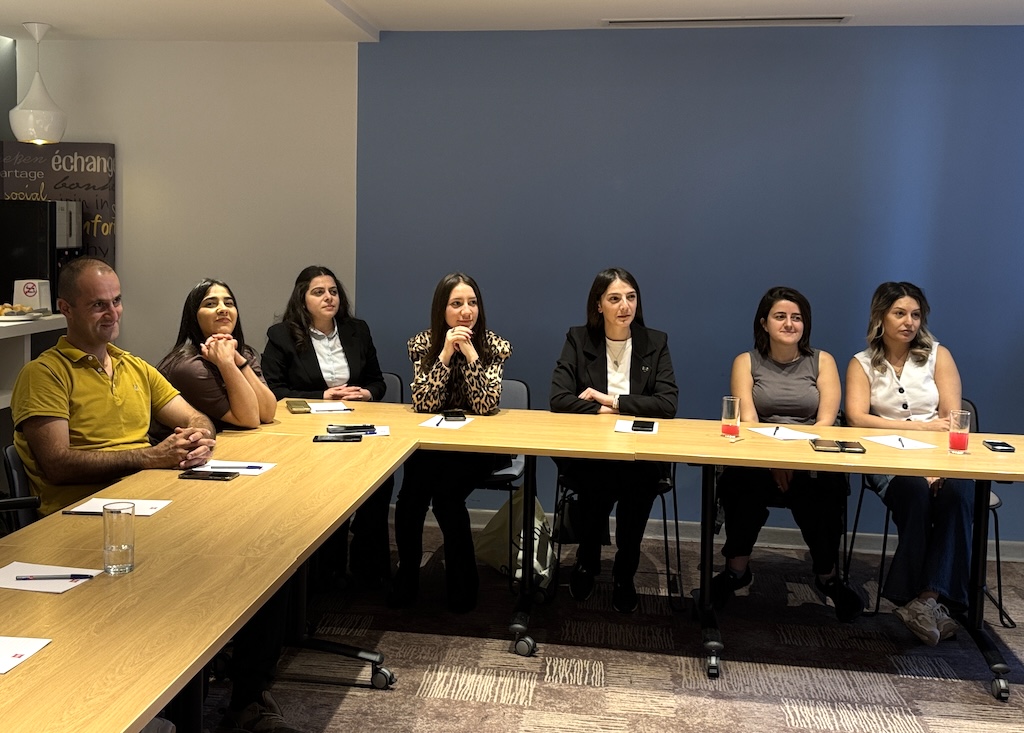
Under the framework of the LILA Project, an intensive course on “Capacity Building Training for the Development of Mountain, Sports, and Adventure Tourism” has been successfully completed – marking a significant milestone in strengthening Armenia’s potential for sustainable and responsible adventure tourism.
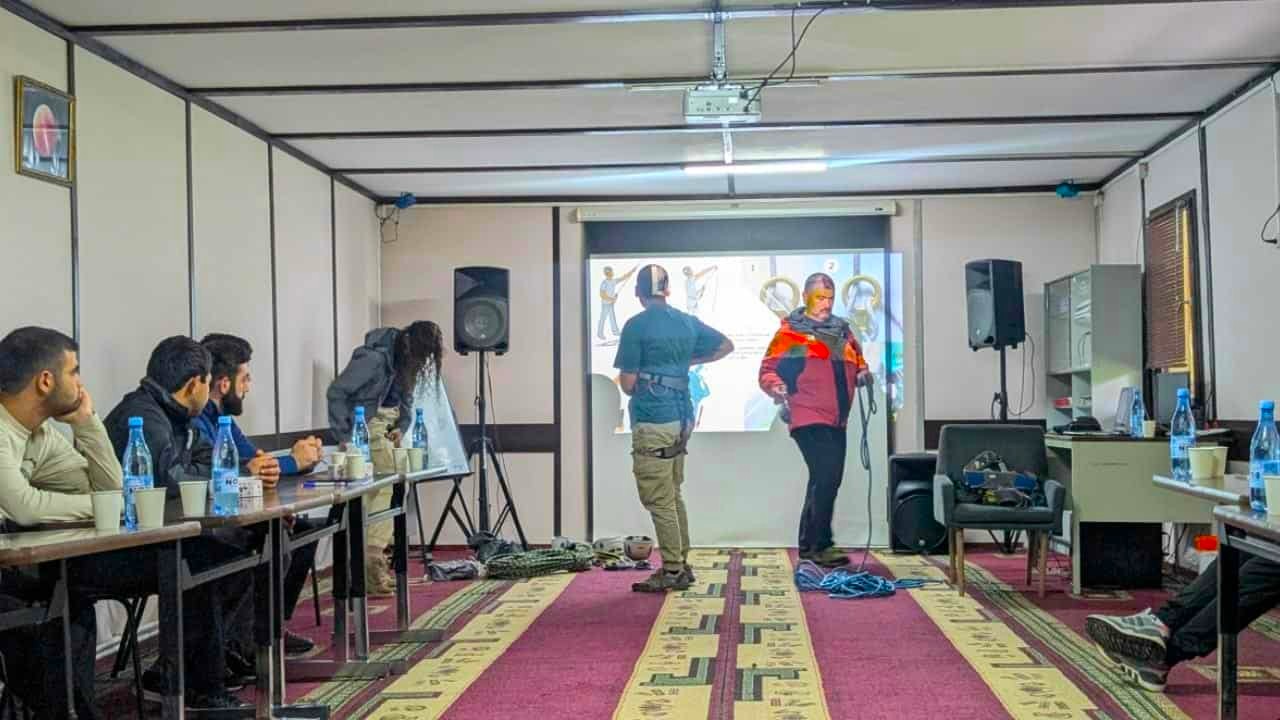
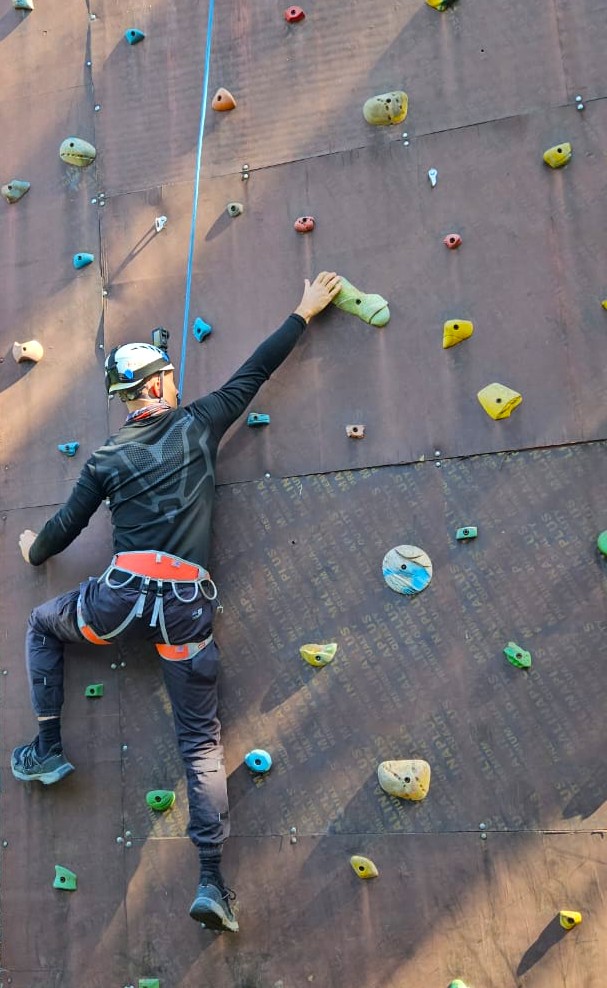
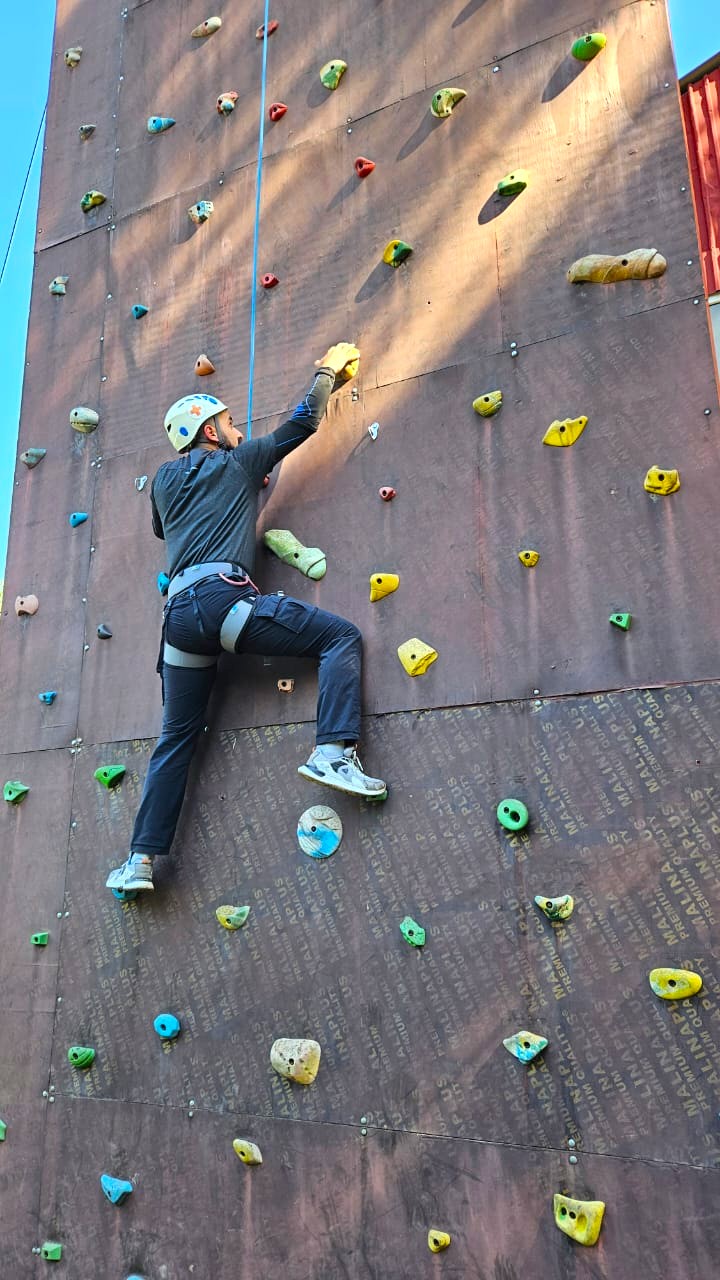
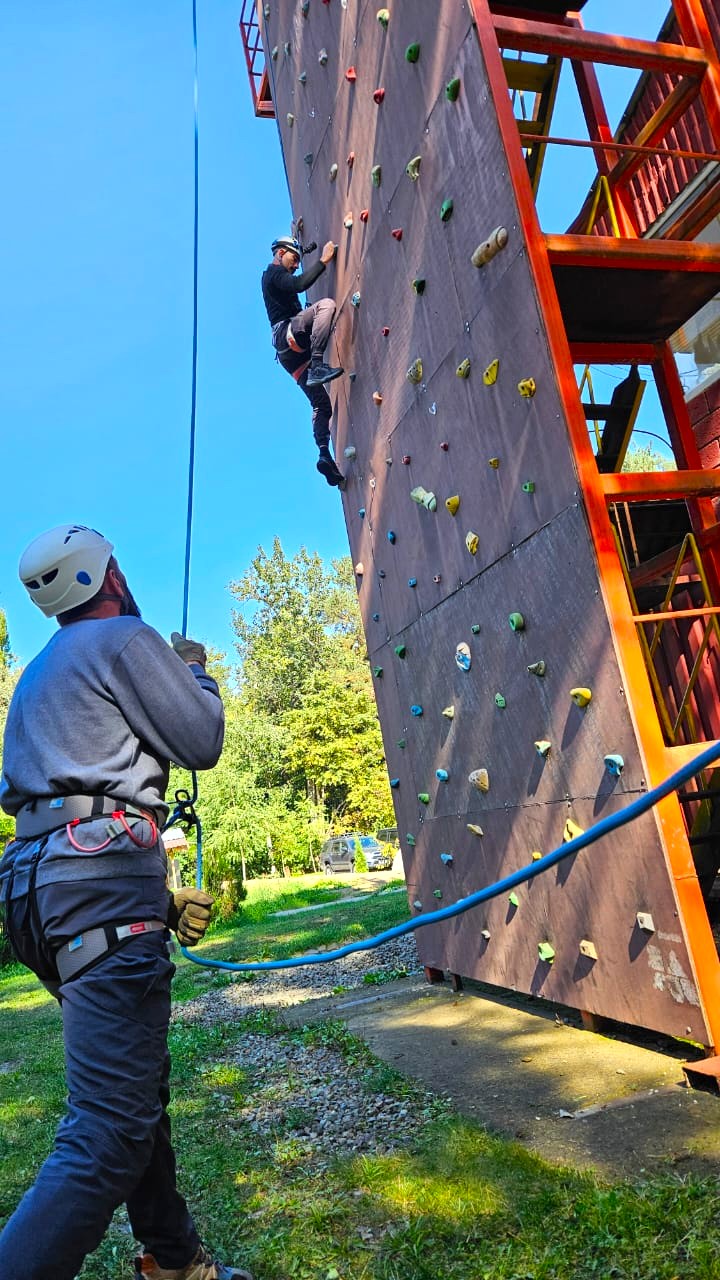
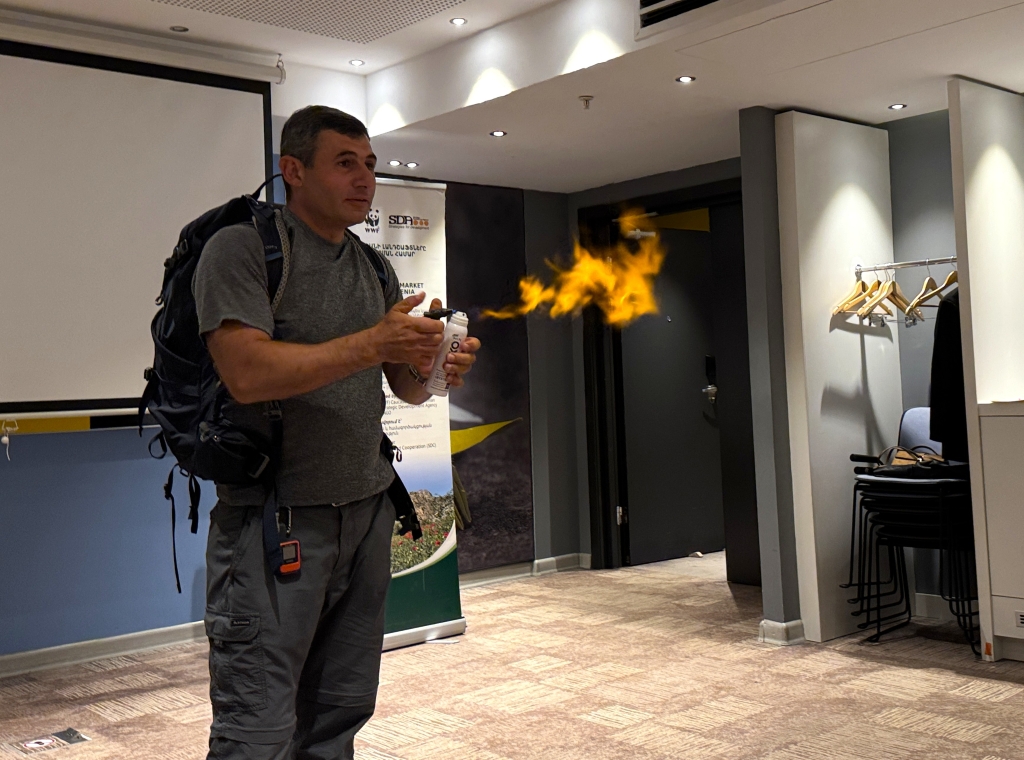
Throughout the program, participants not only expanded their theoretical and technical knowledge but also put their newly acquired skills into practice through immersive, real-world exercises.
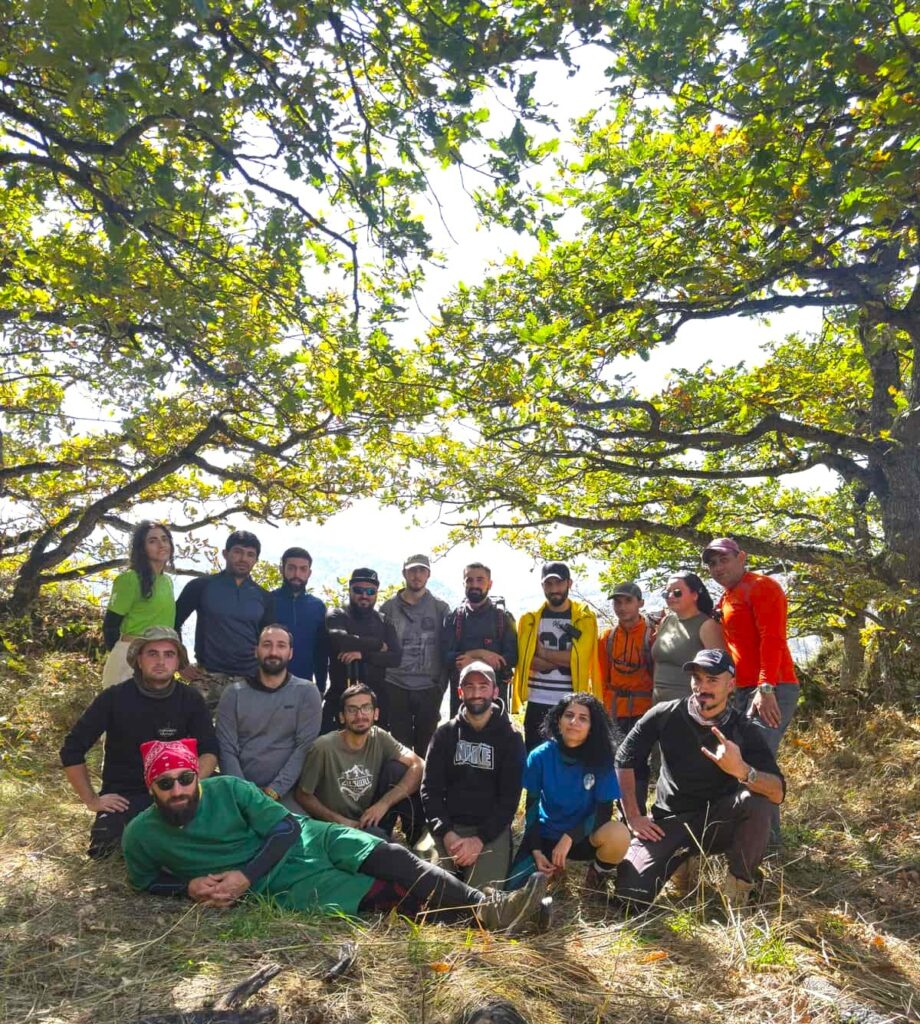
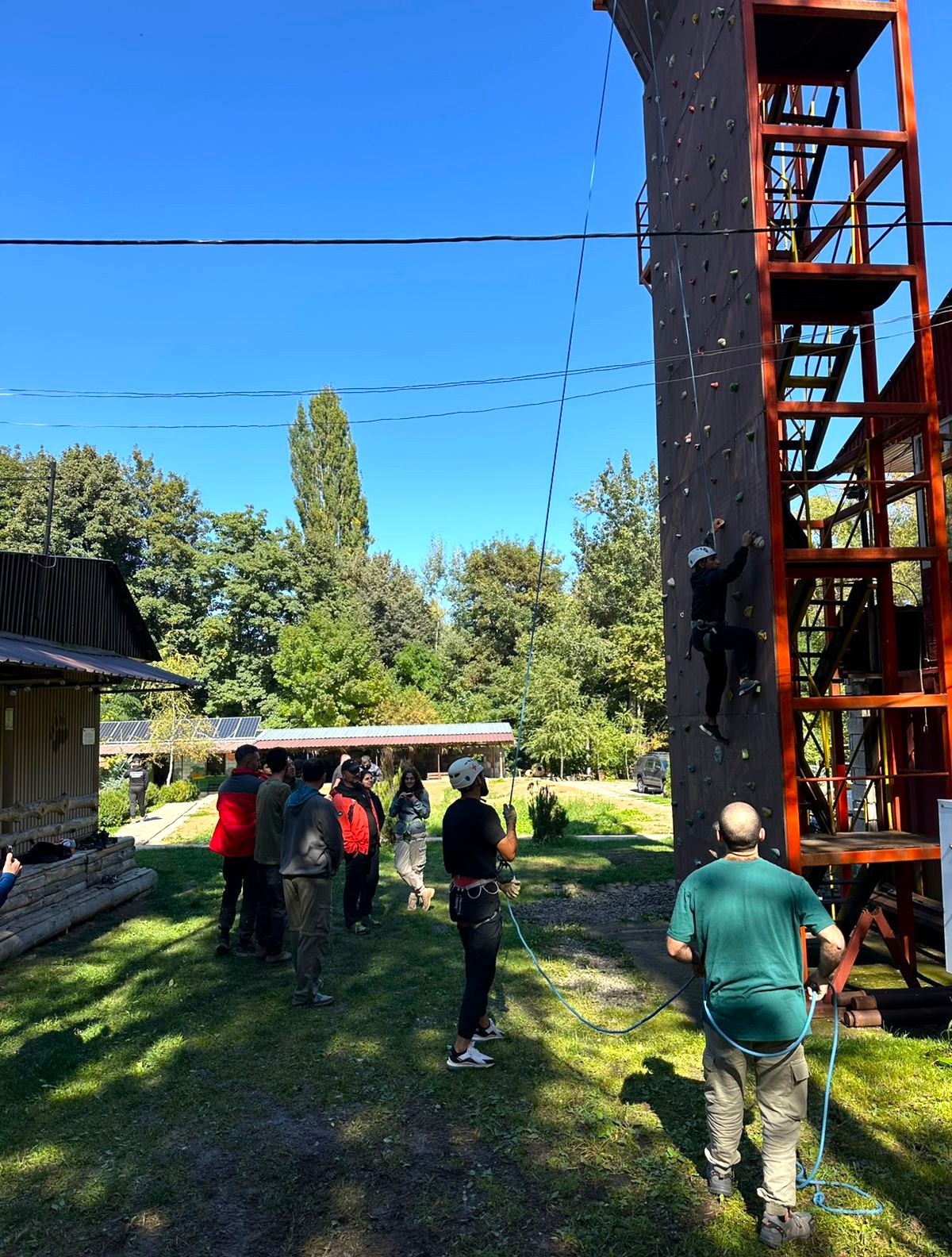
The field training, conducted in the breathtaking mountainous landscapes of Lori, became the program’s most dynamic and memorable phase – emphasizing the essential principles of teamwork, responsibility, leadership, and safety in organizing adventure tourism activities.
The course was expertly delivered by the Armenian Federation of Alpinism and Mountain Tourism, with sessions led by distinguished professionals Suren Danielyan, Antuan Ananyan, Edgar Navasardyan, Narine Chagharyan, and Gegham Aloyan, whose expertise and dedication ensured a transformative learning experience for all participants.
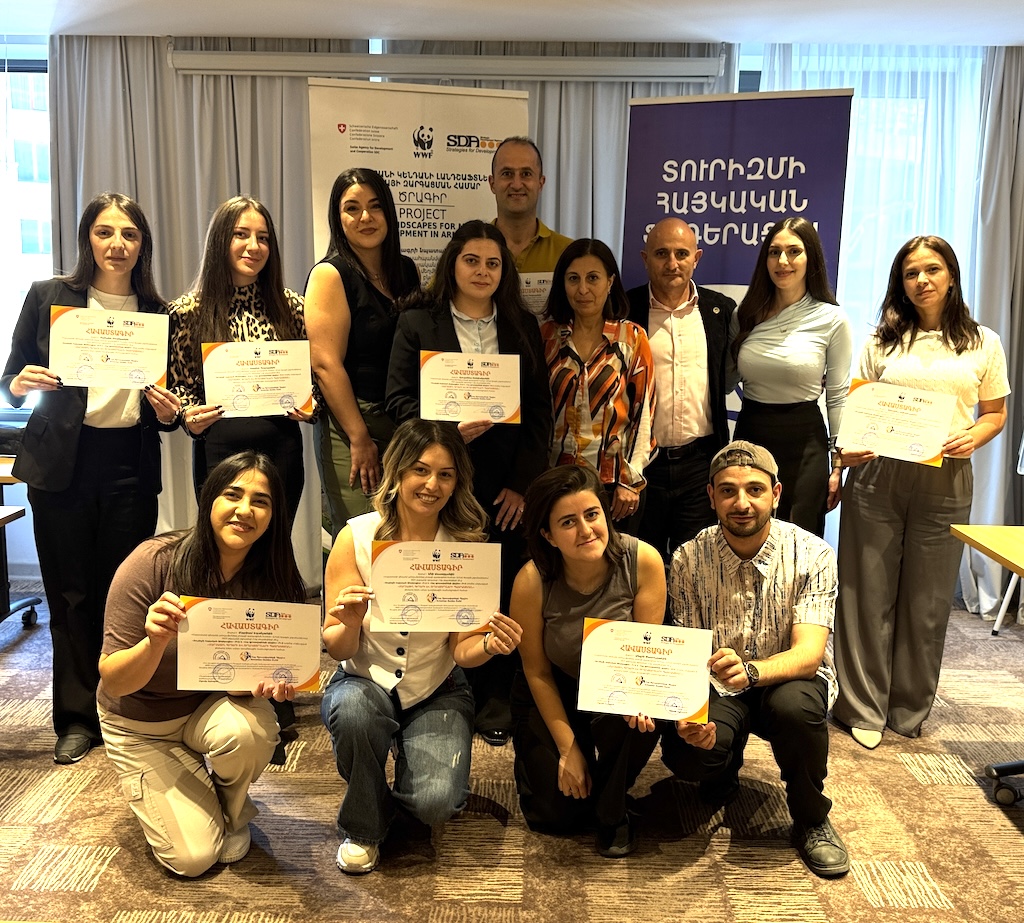
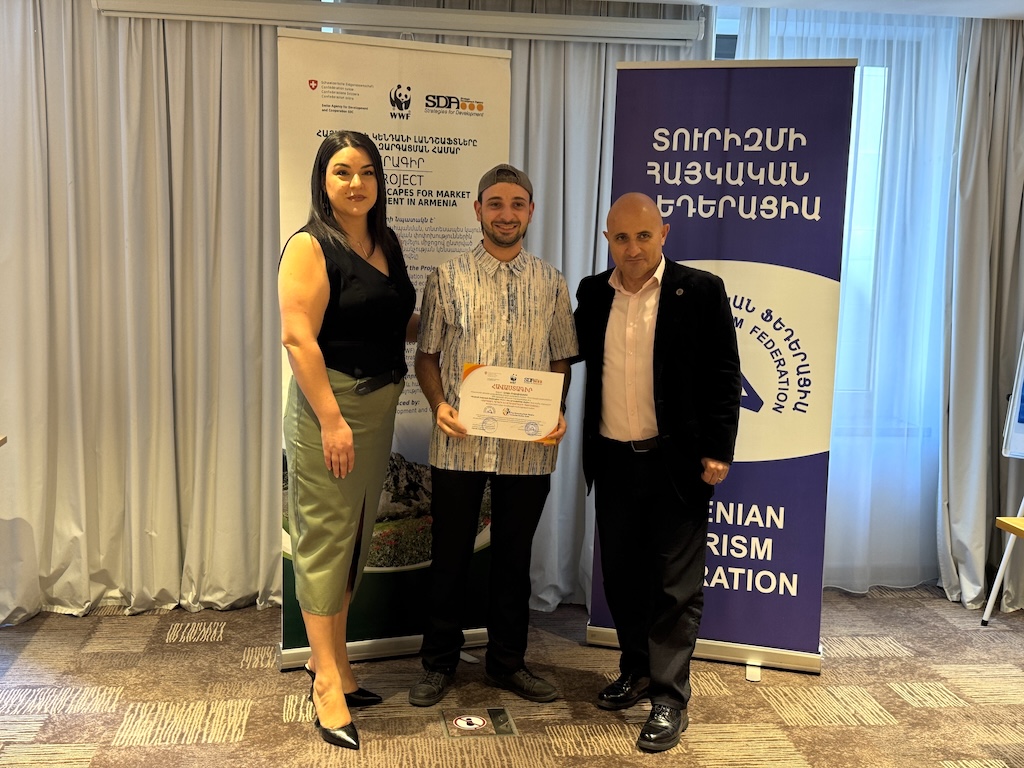
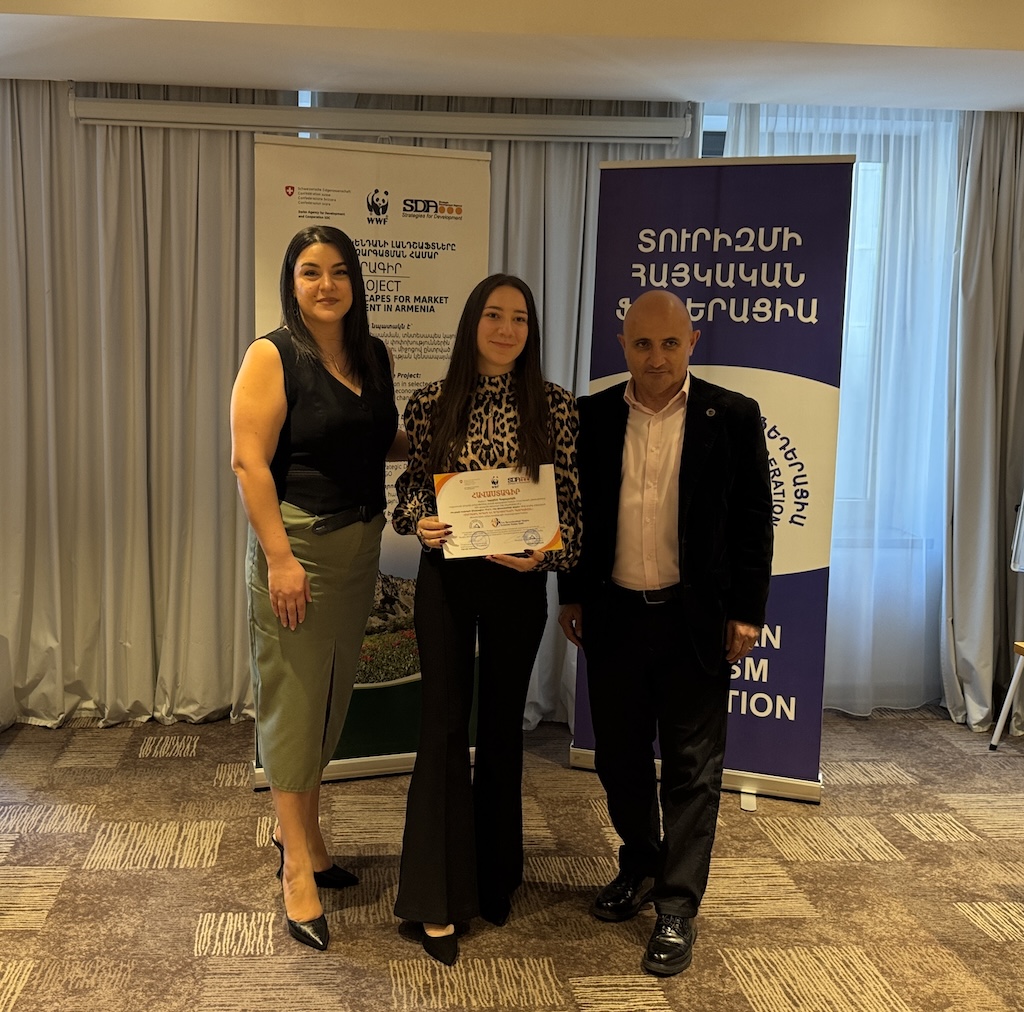
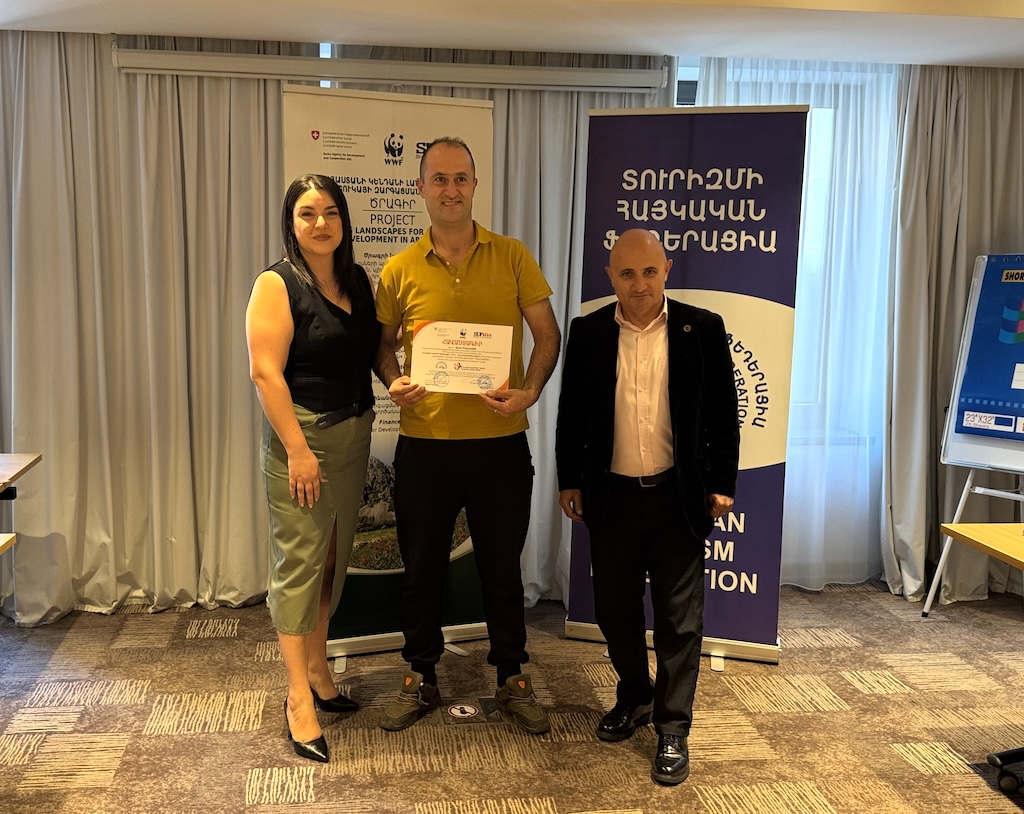
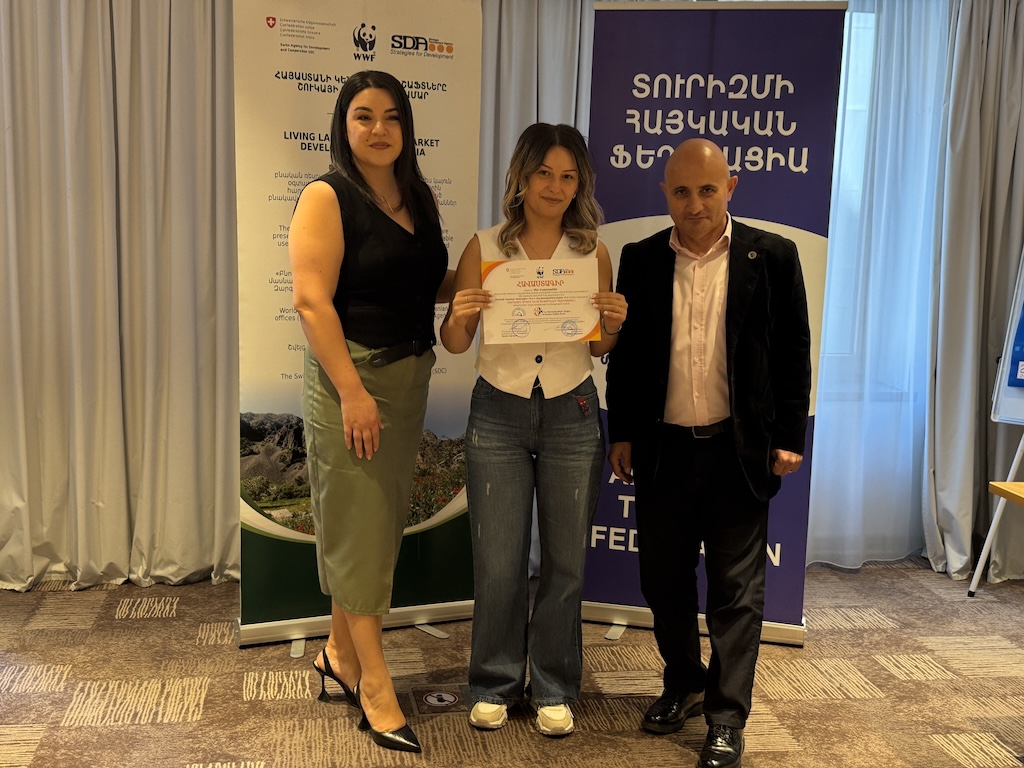
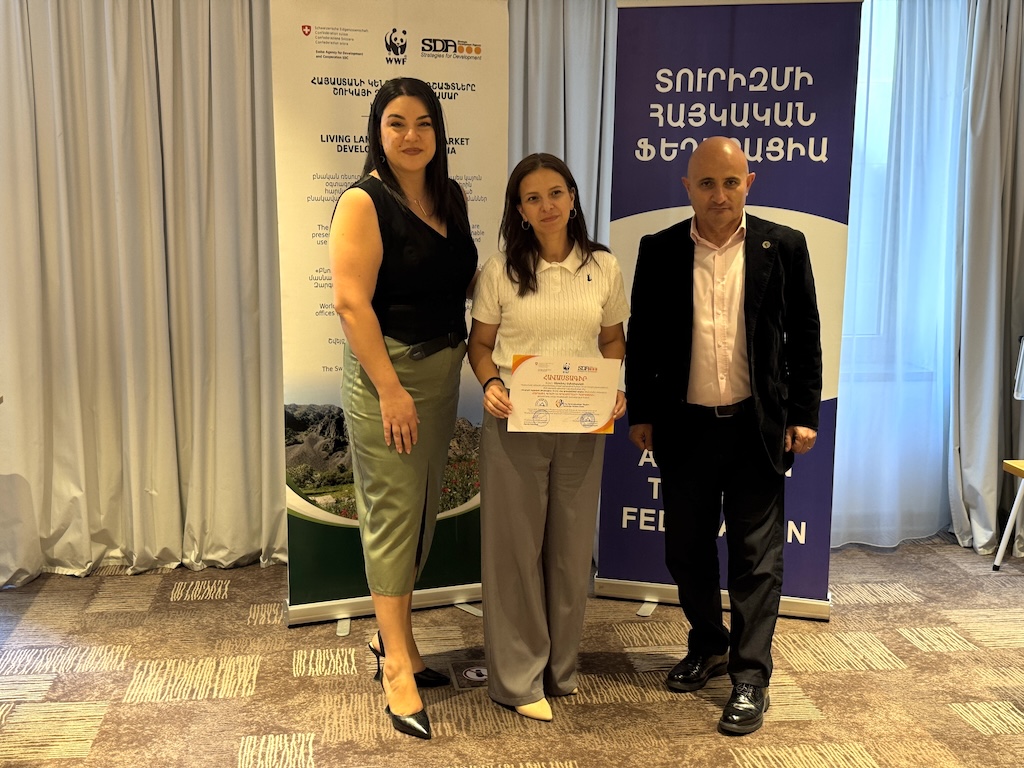
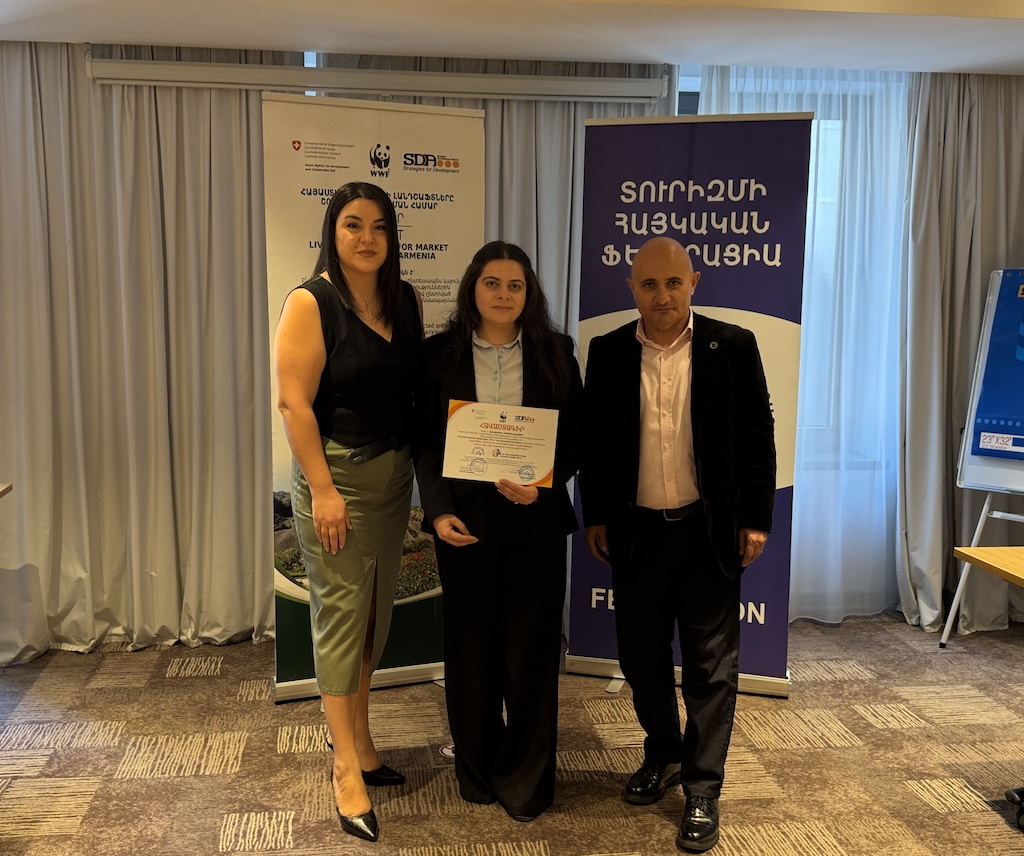
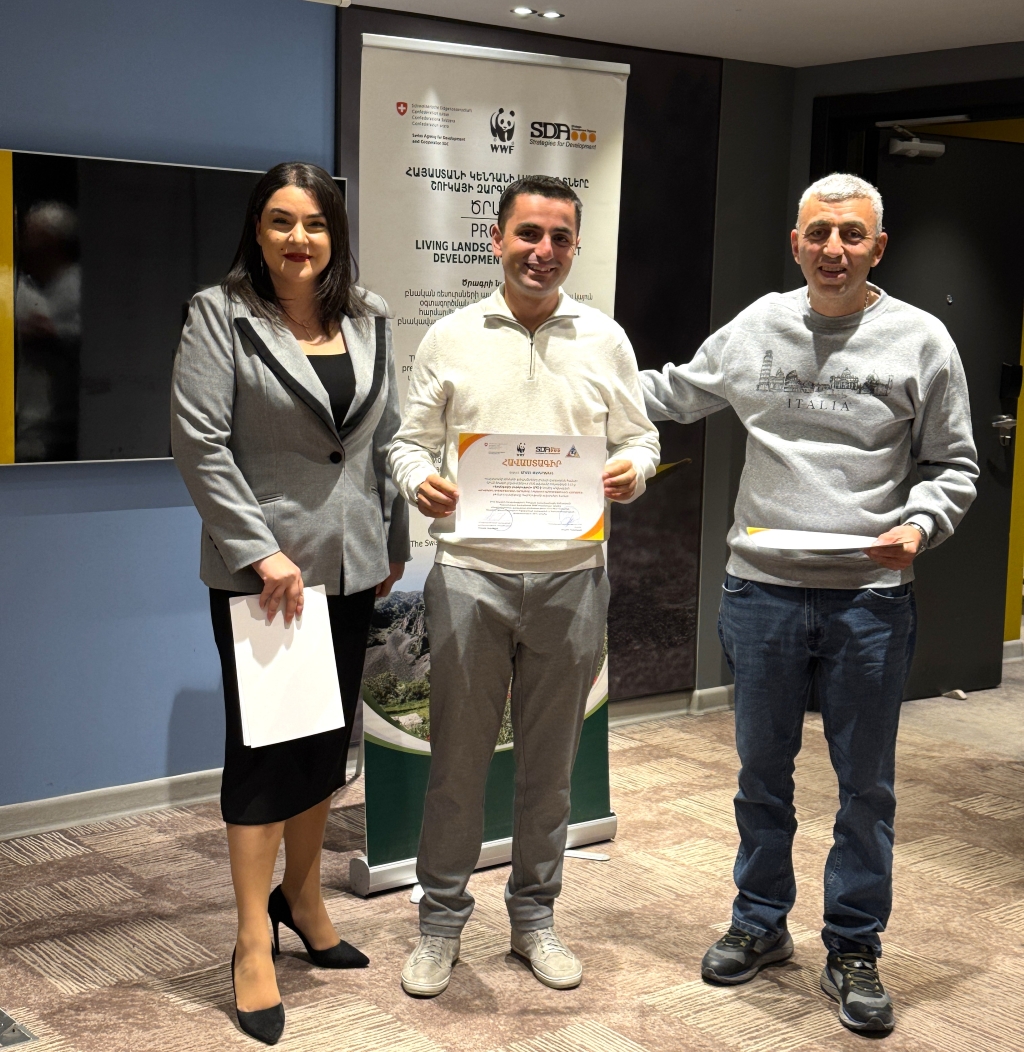
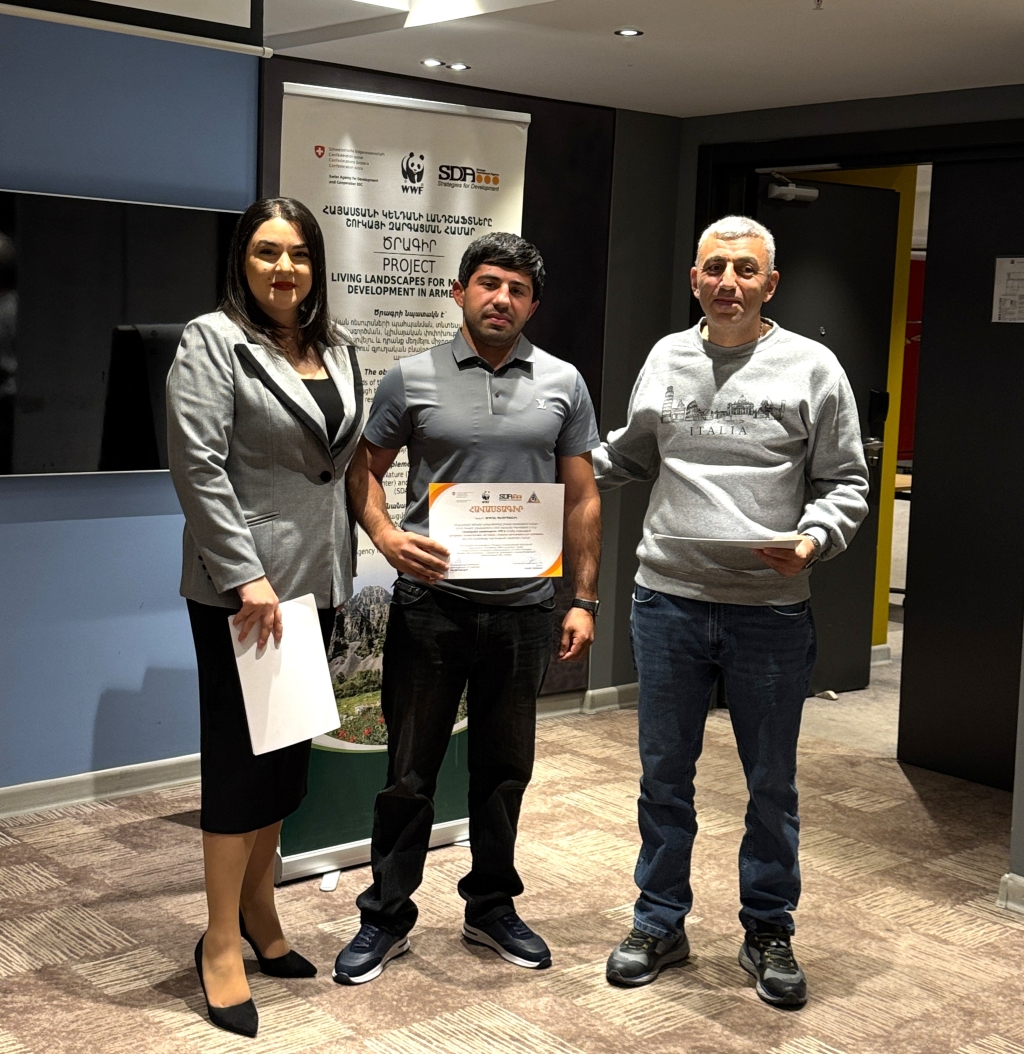
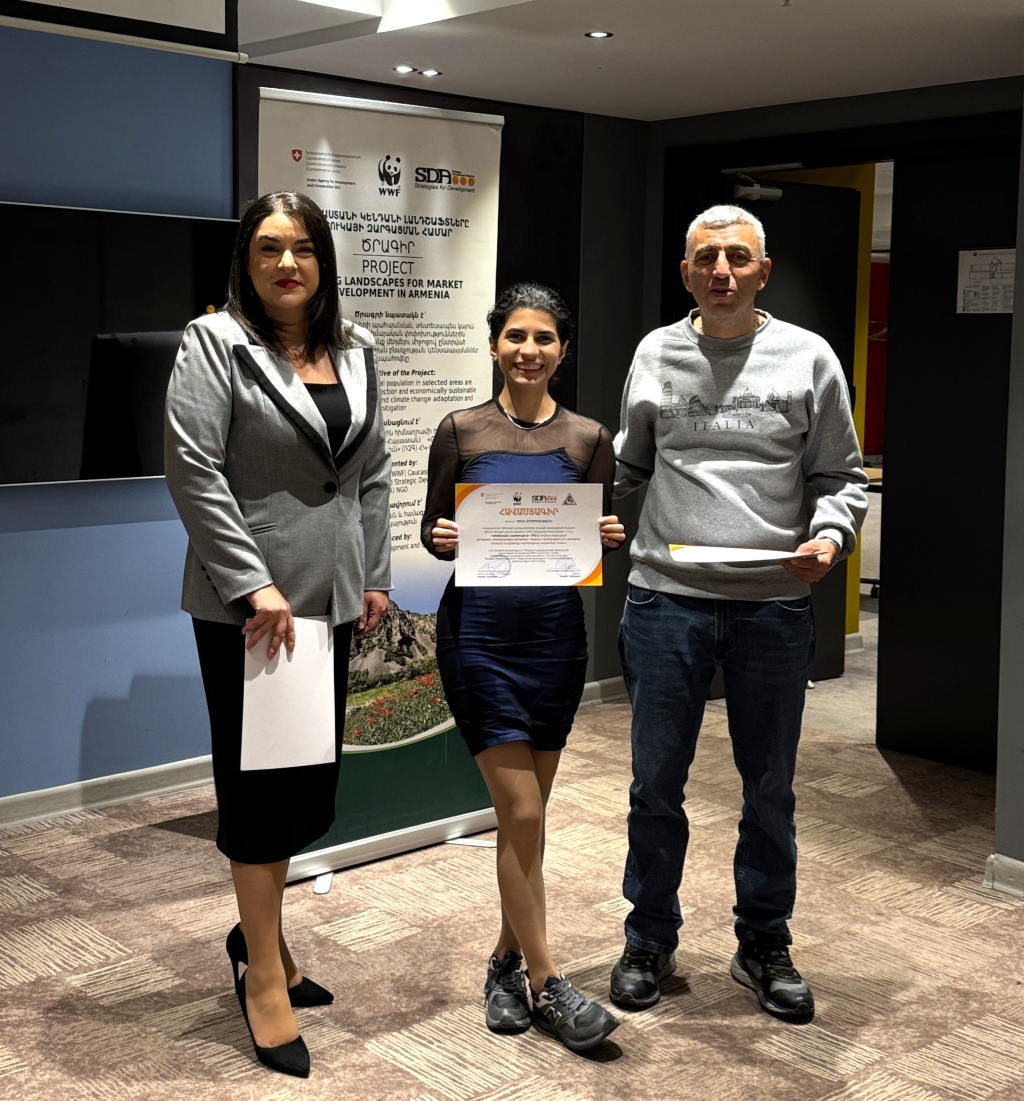
At the conclusion of the course, participants were awarded certificates in recognition of their achievements – symbolizing not only their strengthened professional competencies but also their readiness to lead the development of a more responsible and sustainable adventure tourism sector in Armenia.
Conceived as more than a professional training initiative, LILA Project designed this program as an inspirational journey of self-growth, collective learning, and leadership development. The knowledge and field experience gained will serve as a solid foundation for launching innovative and sustainable initiatives in mountain, sports, and adventure tourism – transforming forward-looking ideas into meaningful experiences and tangible opportunities.
Living Landscapes for Market Development in Armenia (LILA) project is funded by the Swiss Agency for Development and Cooperation (SDC) and implemented by WWF-Armenia in collaboration with SDA NGO.