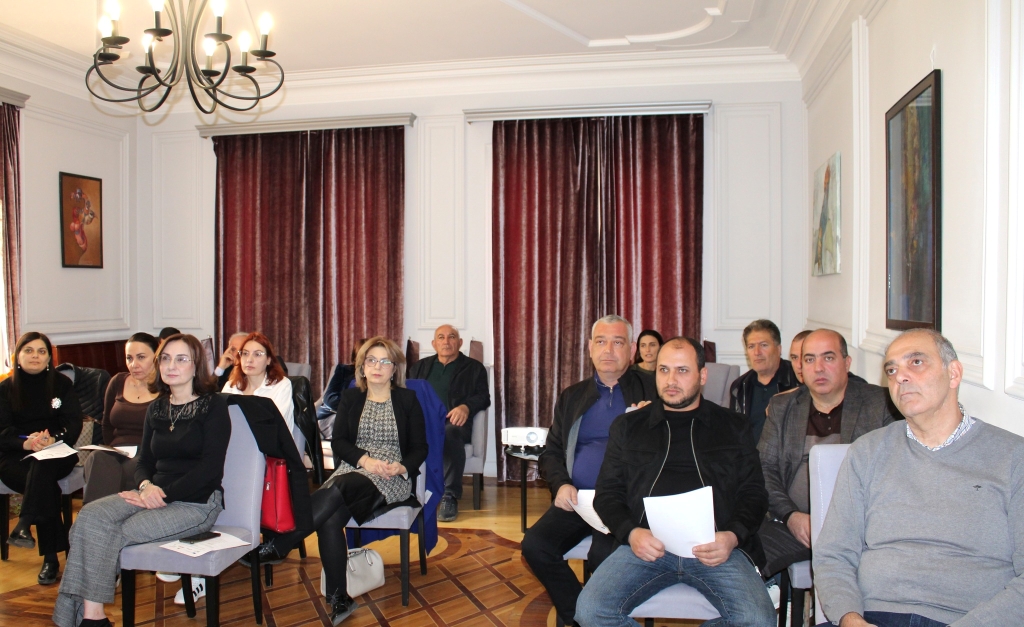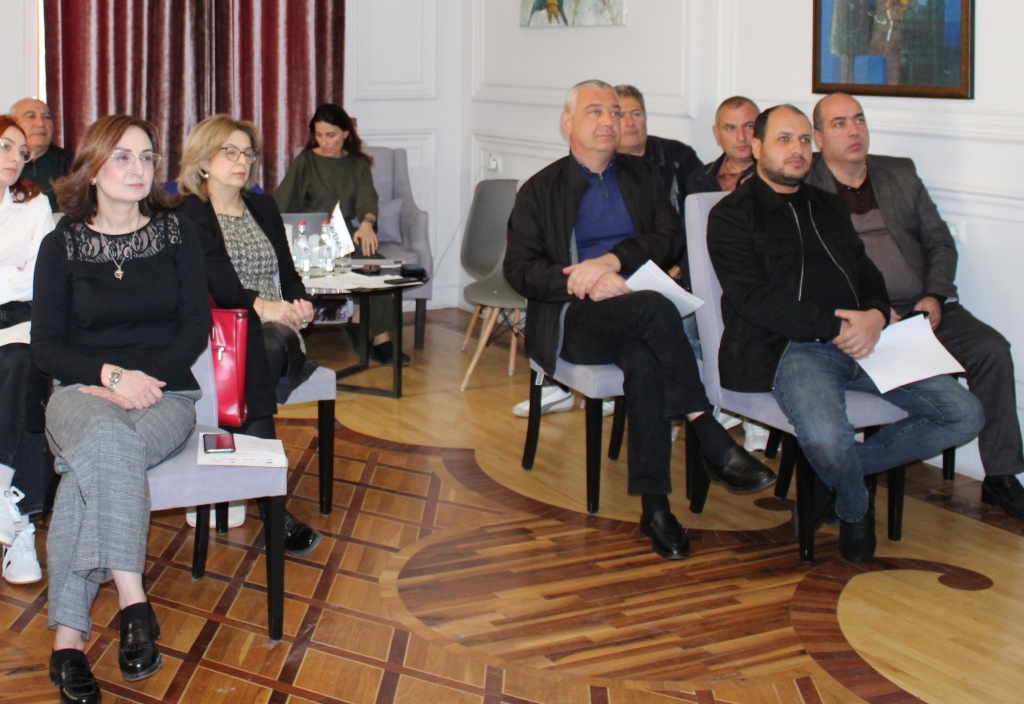

MAVETA Beekeeping Training for Displaced People from Nagorno-Karabakh and Local Vulnerable Groups

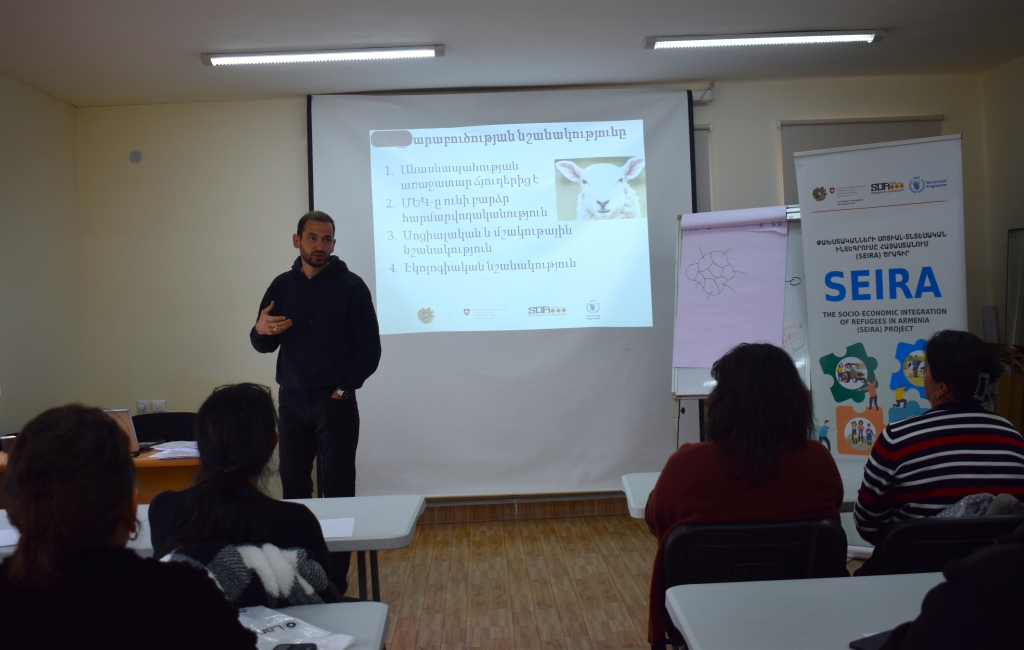
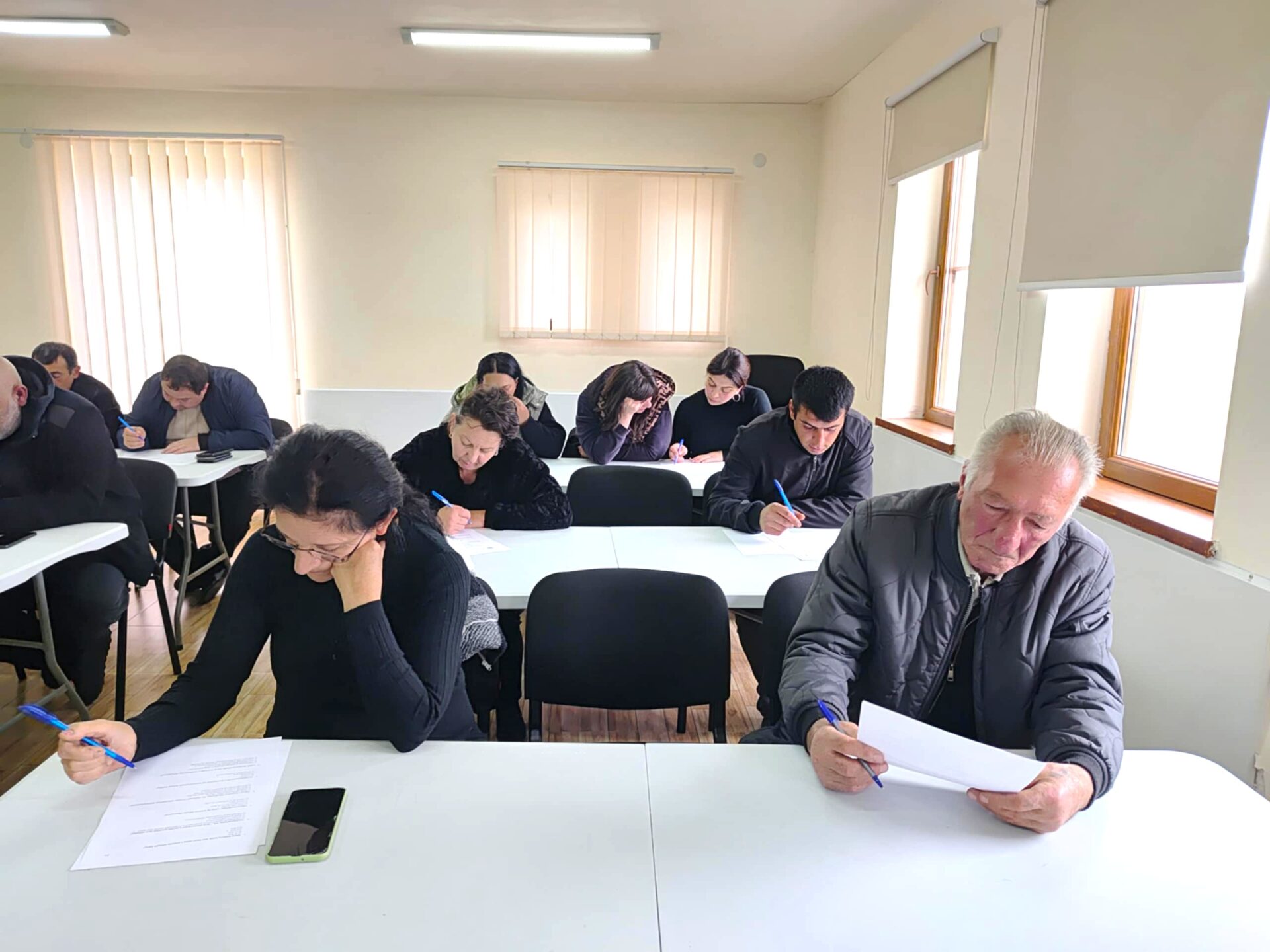
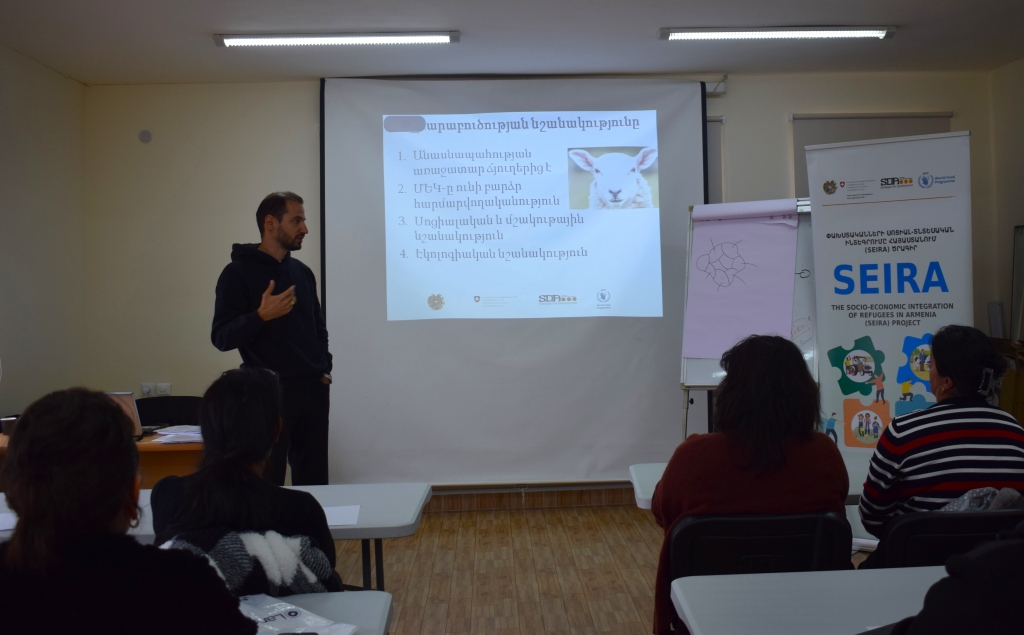
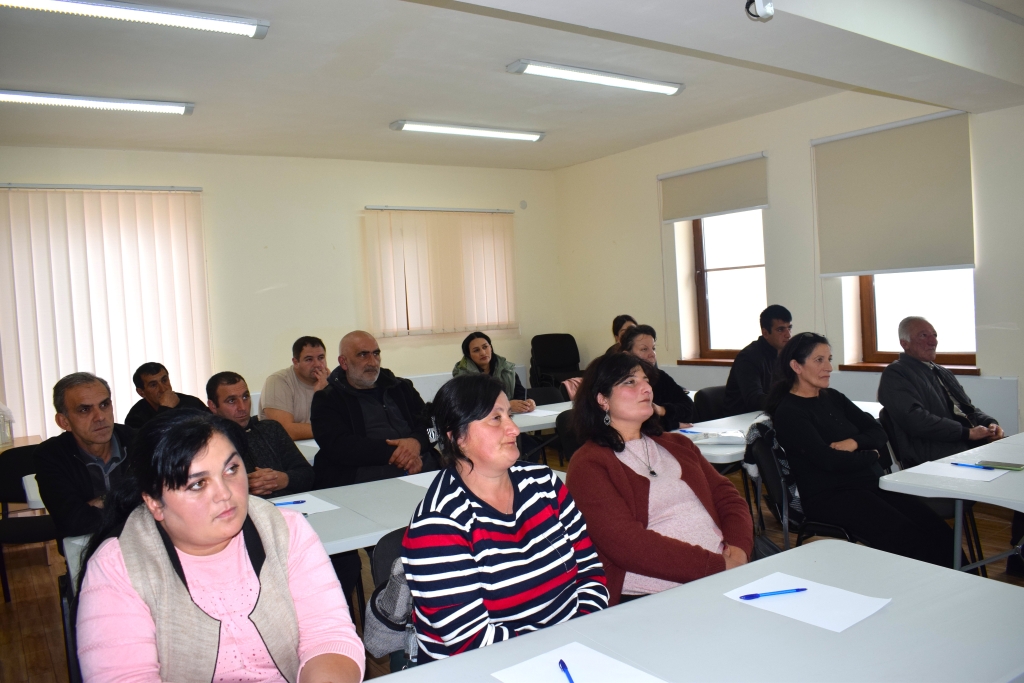
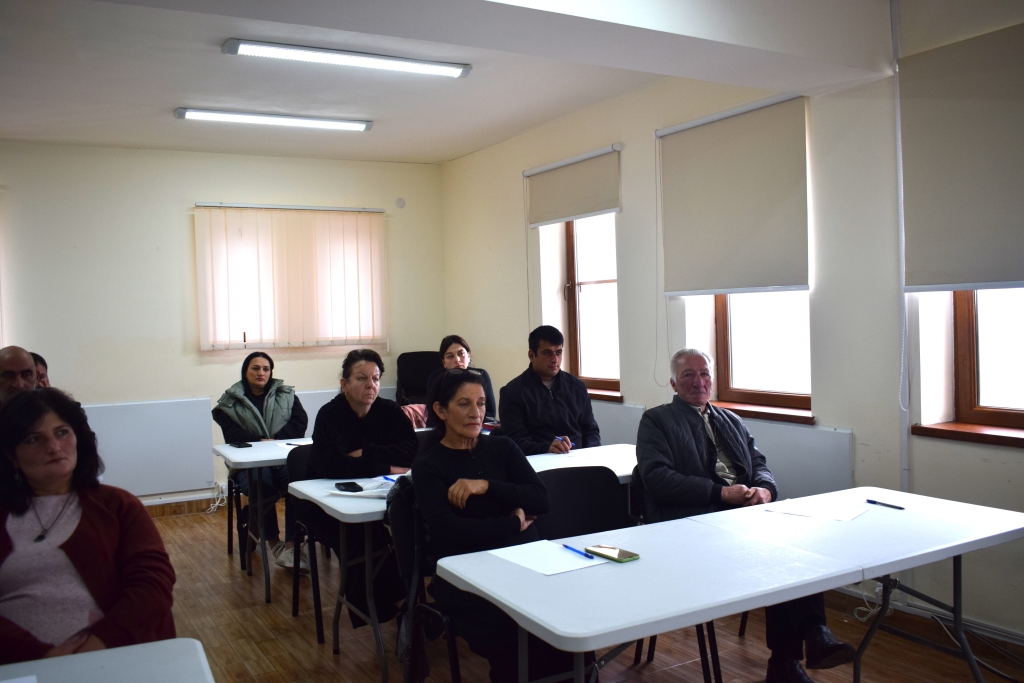
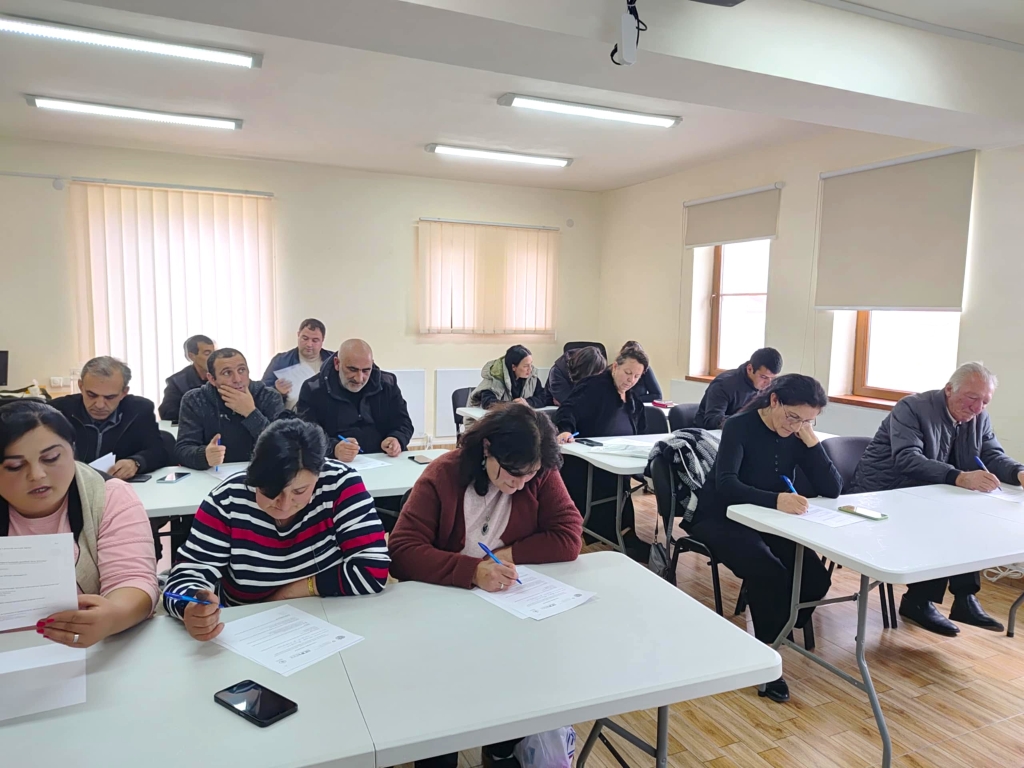
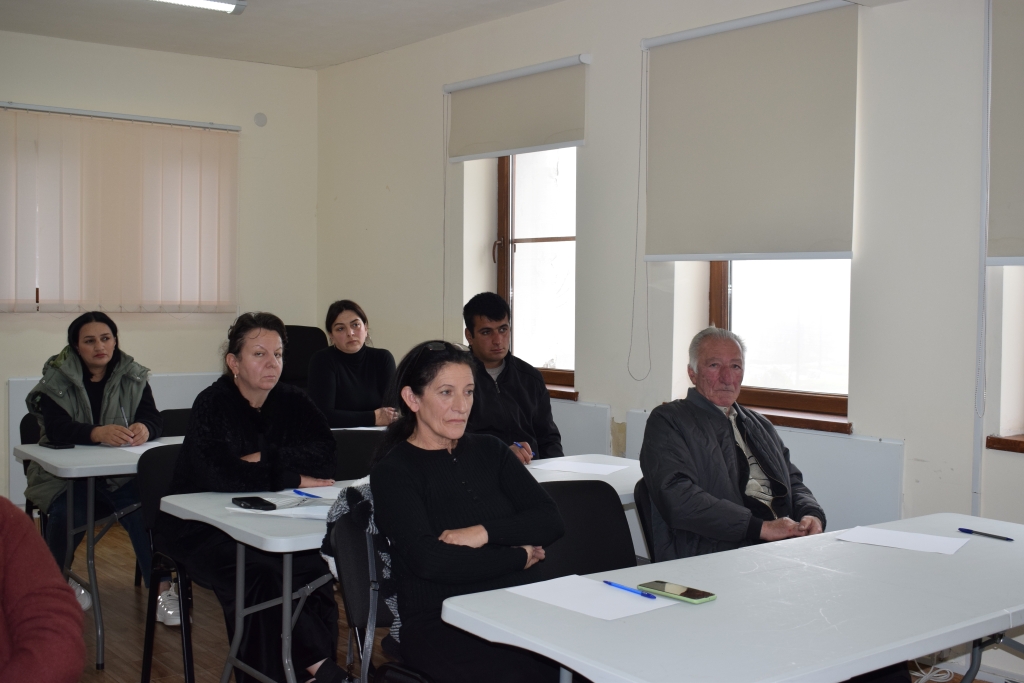
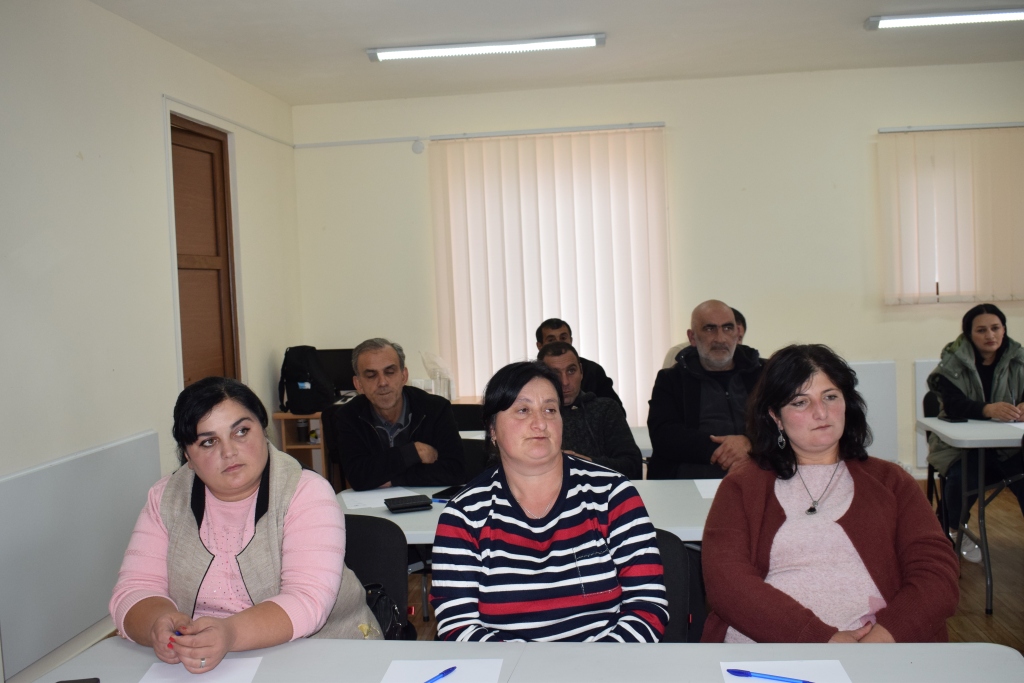
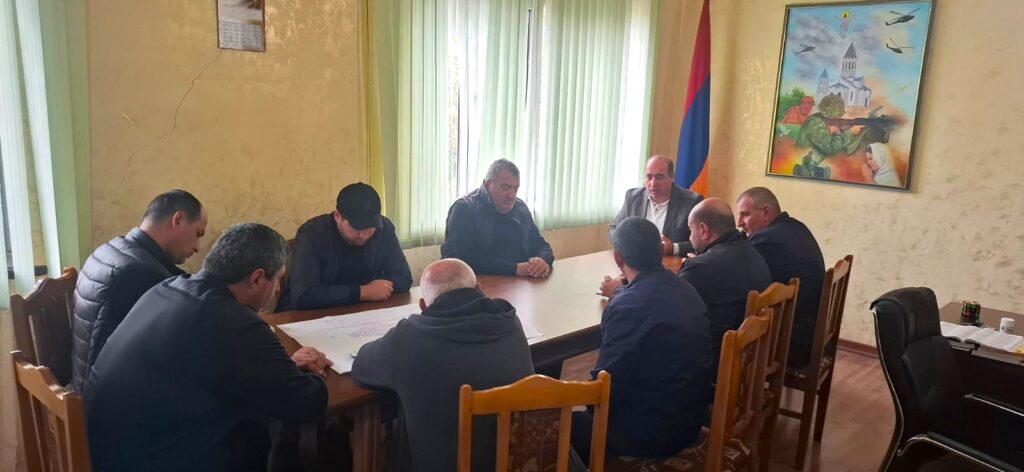
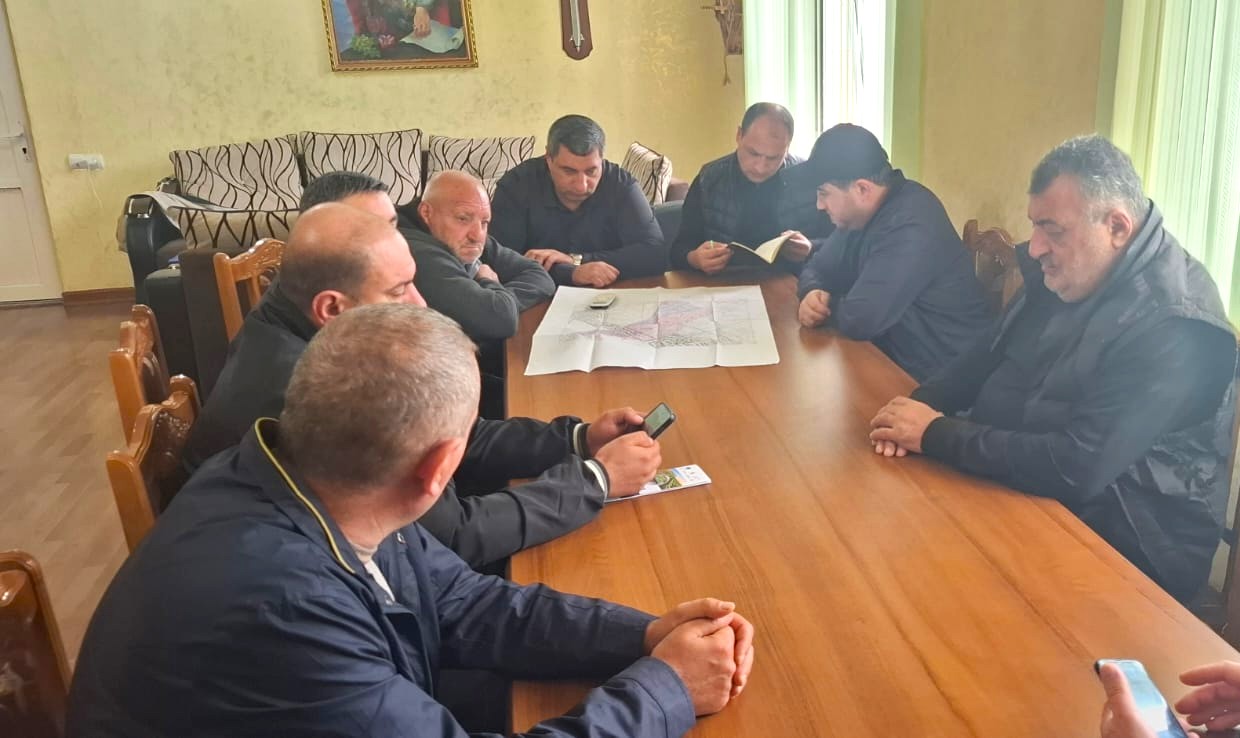
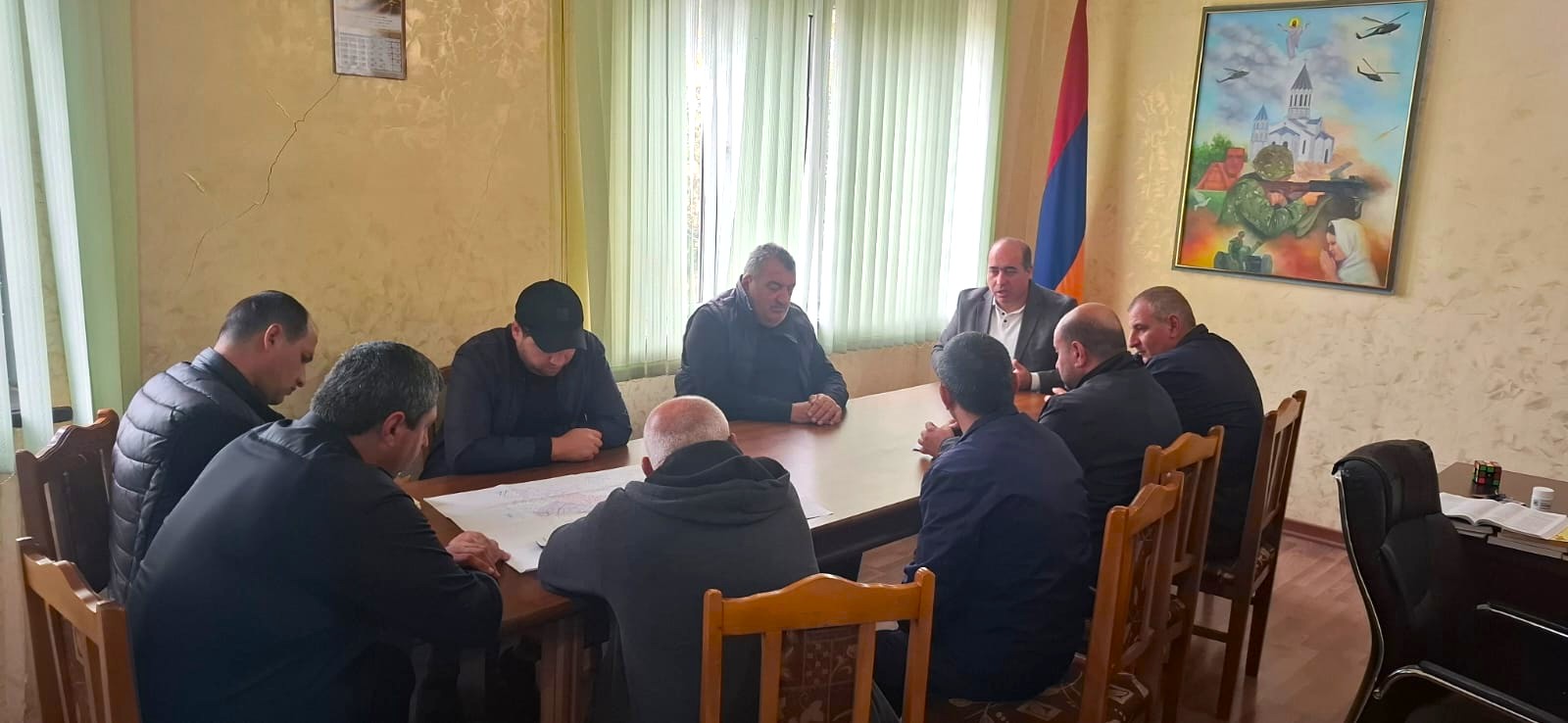
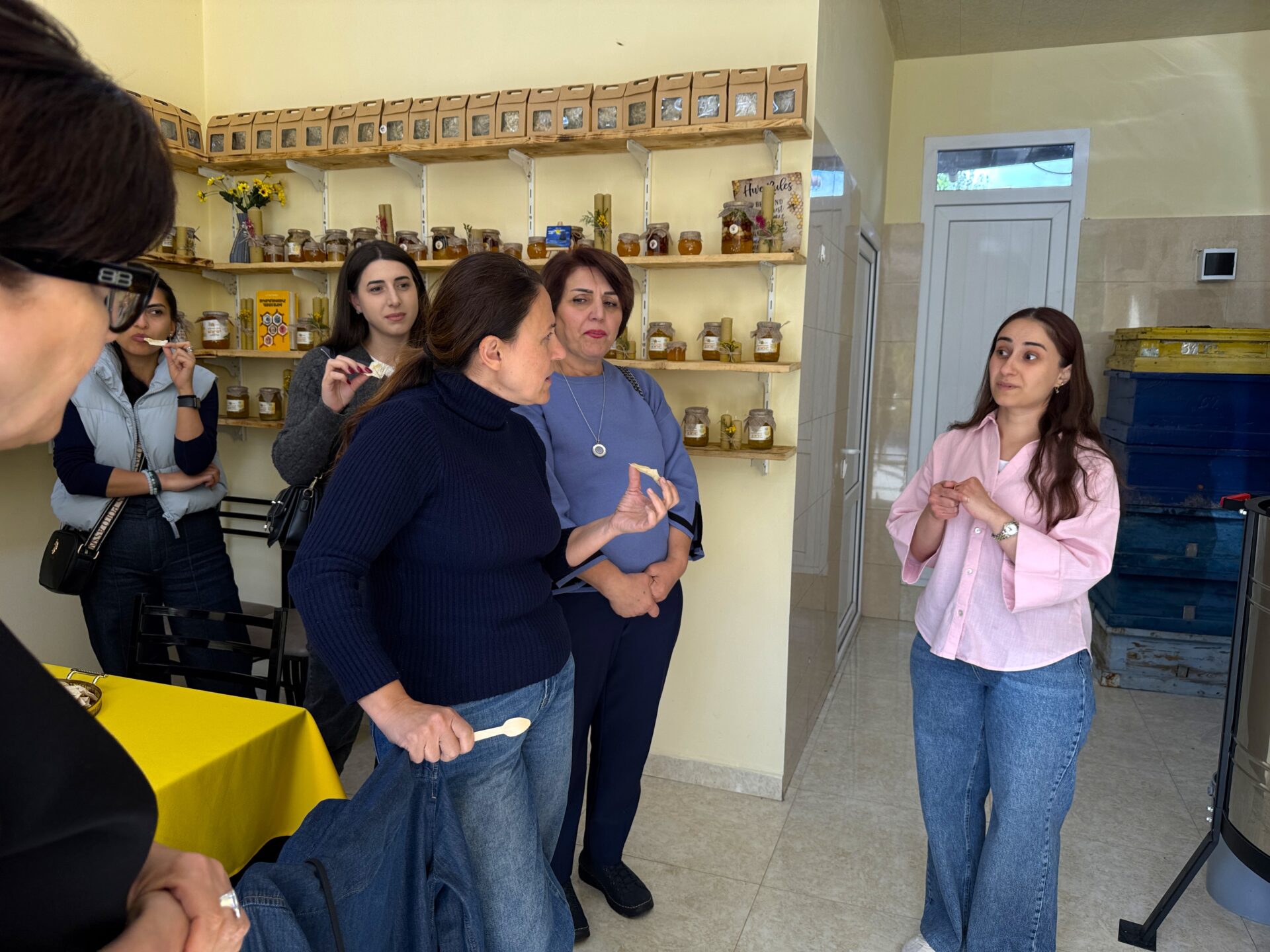
Within the framework of the “Modernizing Vocational Education and Training in Agriculture in Armenia” (MAVETA) project, a short-term training course titled “Basics of Beekeeping: Production and Marketing of Honey Products” was held in the Syunik region on August 25–26. The training targeted displaced people from Nagorno-Karabakh as well as local vulnerable groups.

The training was conducted by Tigran Sedrakyan, a representative of the “Beekeeping Forge Scientific and Educational Center”.

During the discussion, participants had the opportunity to learn the basics of beekeeping, key requirements for effective honey production, and mechanisms for marketing bee products. The training also covered sales strategies and legal regulations within the sector.

Throughout the sessions, participants acquired practical knowledge and approaches for initiating and expanding beekeeping activities in their communities.

The MAVETA project is funded by a broad coalition of international and local organizations led by the Swiss Agency for Development and Cooperation (SDC), including the Austrian Development Agency, the German Ministry for Economic Cooperation and Development (BMZ), the Government of Armenia, the Swiss Church Aid (HEKS/EPER) NGO, Izmirlian Foundation, the Strategic Development Agency (SDA) NGO and Vanand Agro CJSC.

 The project’s implementing partners are the GIZ and HEKS/EPER with the involvement of SDA and the School of Agricultural, Forest and Food Sciences at the Bern University of Applied Sciences (HAFL).

Why Multi-Crop Farms Are the Future of Sustainable Agriculture

As agriculture faces increasing pressures – from climate change and land degradation to economic uncertainty – multi-crop farming is emerging as a proven approach to achieving both environmental sustainability and economic resilience.

Here are the key benefits of adopting multi-crop farming systems:

🔹 Enhanced Soil Fertility and Structure

By rotating or intercropping plant species with different nutrient needs and root structures, multicrop systems naturally replenish soil nutrients, improve organic matter, and reduce dependency on synthetic fertilizers.

🔹 Natural Pest and Disease Management

Crop diversity disrupts the lifecycle of pests and pathogens. This ecological balance reduces the prevalence of crop-specific infestations and lowers the need for chemical interventions, leading to safer, more sustainable production.

🔹 Greater Climate Resilience

Diversified cropping systems are better equipped to withstand climate-related stresses such as droughts, floods, or temperature extremes. In the face of crop failure, multiple crops provide a safety net and stabilize yields.

🔹 Increased Farm Productivity and Profitability

By cultivating crops with staggered growing cycles and market demands, farmers can generate income throughout the year, reduce economic risks, and optimize land use without expanding agricultural boundaries.

🔹 Efficient Land and Resource Use

Multi-crop farms maximize the productivity of available land and resources, making farming systems more efficient and environmentally responsible.

🔹 Support for Biodiversity and Ecosystem Services

Multi-cropping contributes to landscape-level biodiversity, supports beneficial insects and pollinators, and enhances ecosystem services such as nutrient cycling, water retention, and carbon sequestration. These services are essential for building resilient agroecosystems that contribute to long-term sustainability.

Multi-crop farming represents a paradigm shift in agricultural development – moving away from extractive, high-input monocultures toward ecologically grounded, resource-efficient systems. It aligns with global goals for sustainable development, climate adaptation, and food security, offering a scientifically validated pathway for resilient and productive farming.
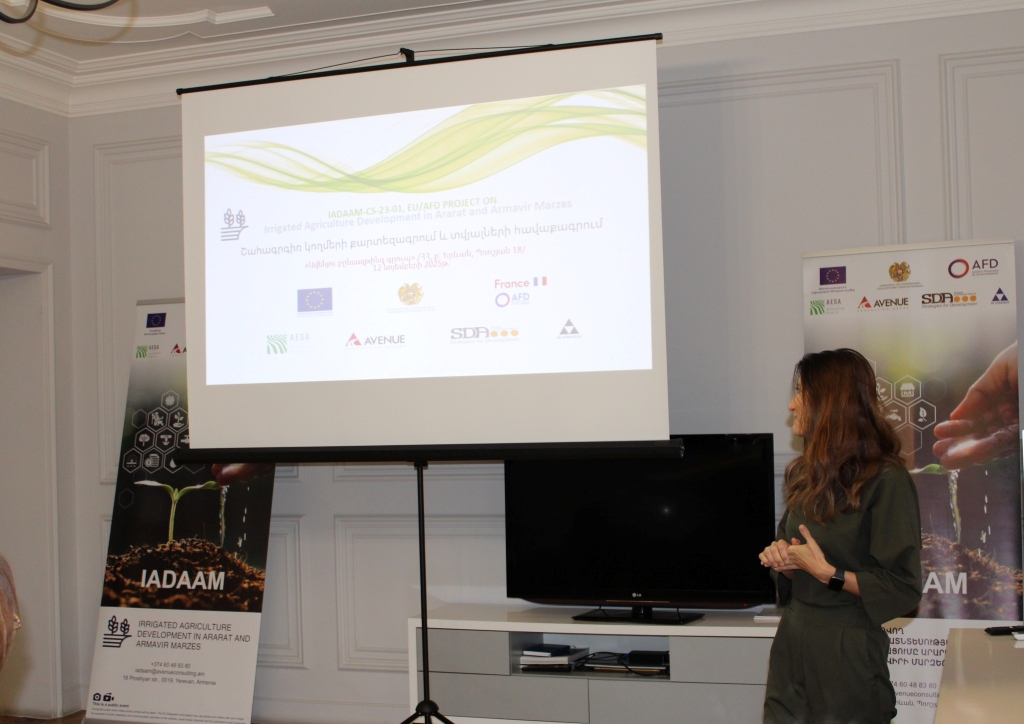
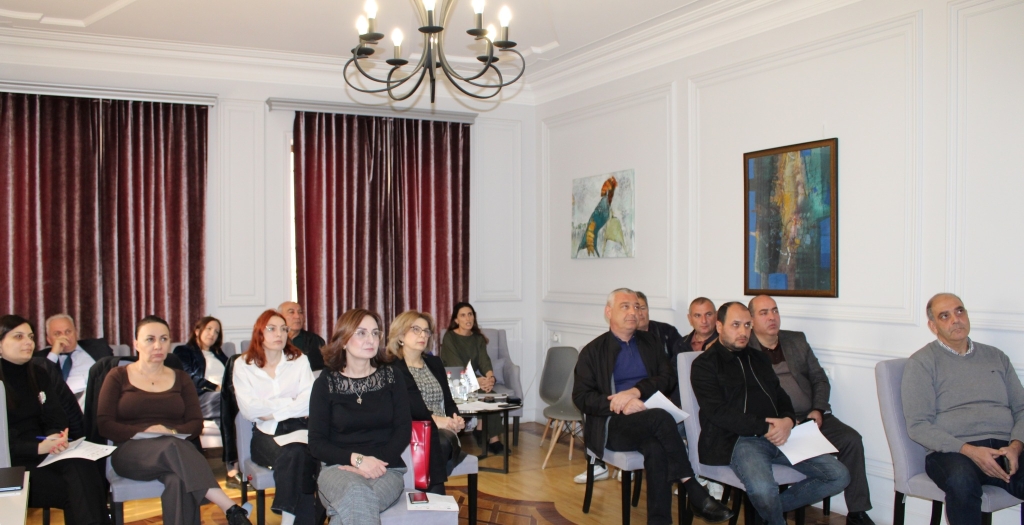
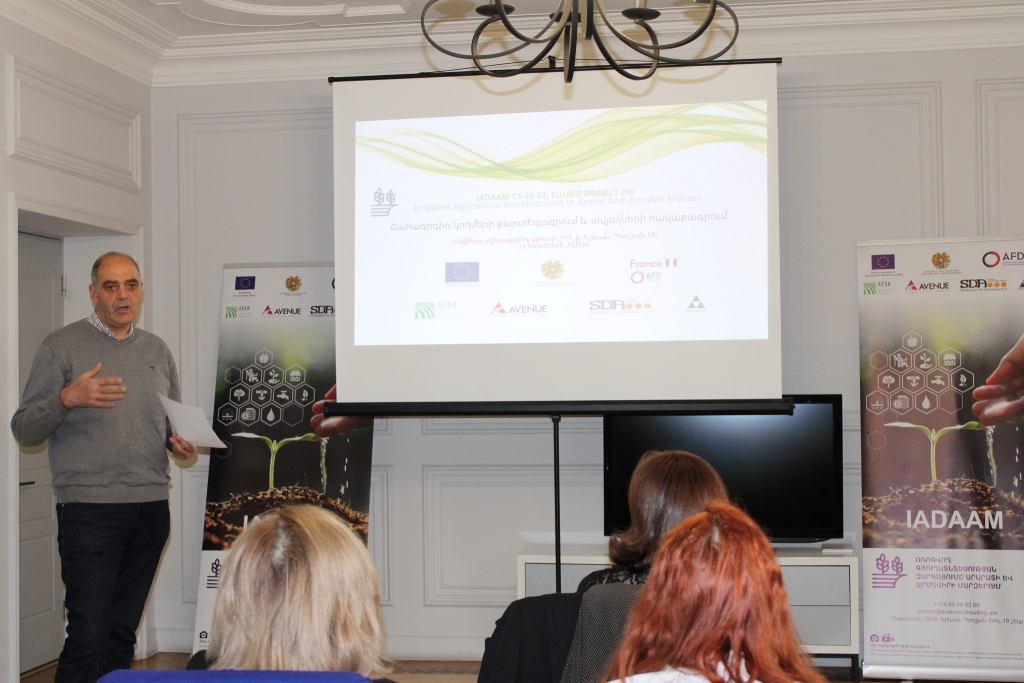
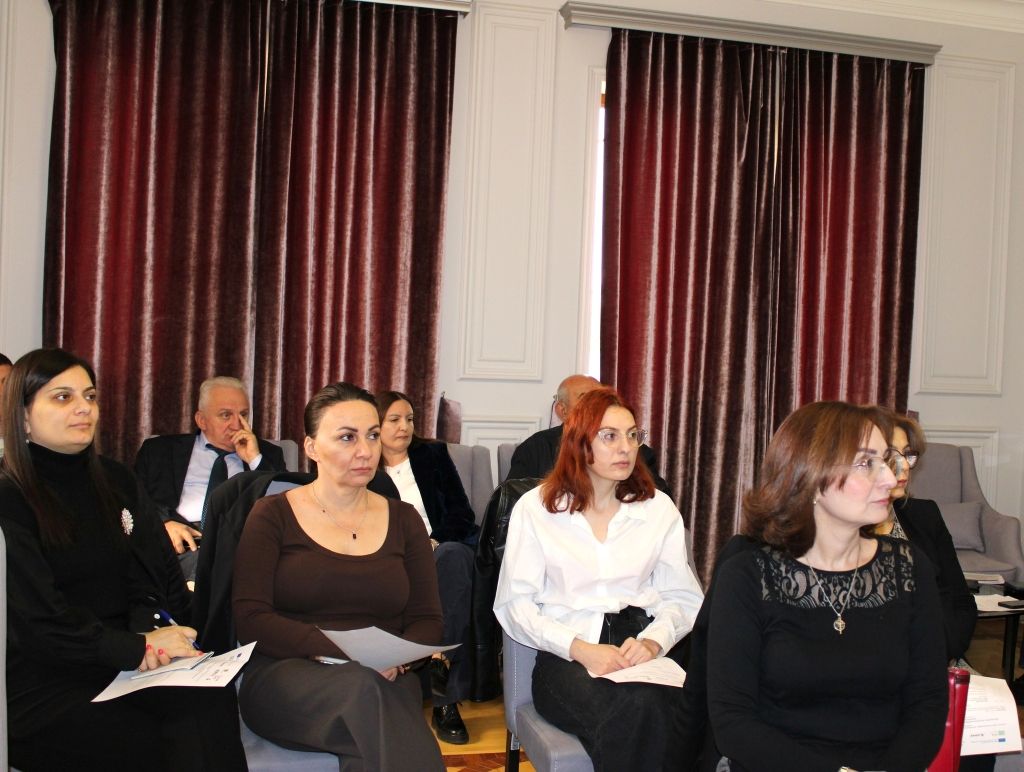
Irrigated Agriculture Development in Ararat and Armavir marzes (IADAAM) project, financed through the European Union (EU) with implementation by the French Development Agency (AFD) is an integrated initiative aimed at transforming irrigated agriculture in Armenia.

Within IADAAM project a technical assistance component is implemented jointly by AESA – Agriconsulting Europe SA, Avenue Consulting Group LLC, Strategic Development Agency NGO and 3R Strategy LLC consortium and aims to provide institutional support to the Ministry of Economy of the Republic of Armenia (MoE) in the formulation of agricultural policies and reforms in priority areas, provide technical support to the MoE in the implementing project activities, ensure communication and reporting for the IADAAM project.

Uncategorized

LILA Training Course on Ecotourism Development in Community-Based Ecological Areas was Held in Lori Region

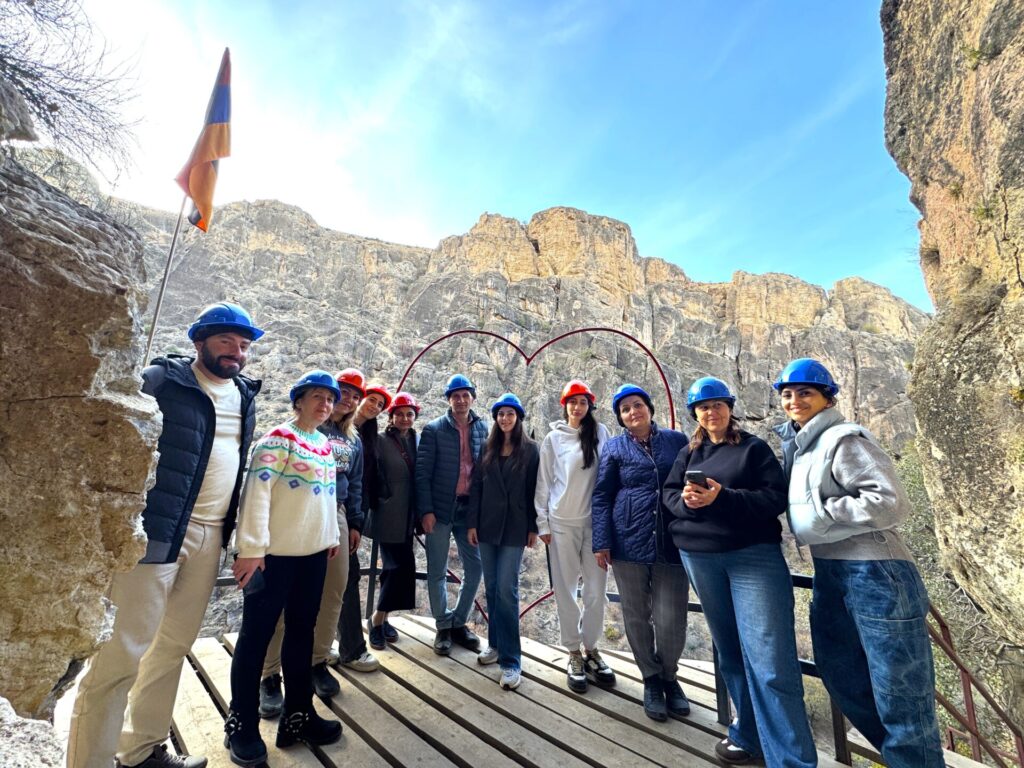
Within the framework of the “Living Landscapes of Armenia for Market Development” (LILA) project—funded by the Swiss Agency for Development and Cooperation (SDC)—a training course on the organization of ecotourism in community-based ecological areas (CBAEs) was held in the Lori region on August 19–20. The training was jointly organized by the “Strategic Development Agency” NGO and WWF-Armenia.

The training was conducted by representatives of the Armenian Institute of Tourism.

Through this training, caretakers of protected areas gained valuable insights into the ecotourism potential of CBAEs, current trends in adventure tourism development, and effective strategies for managing tourist flows in protected areas.

The training included practical exercises focused on the specifics of organizing adventure tourism, with a strong emphasis on safety protocols.

The combination of professional knowledge and practical experience contributes to the development of sustainable ecotourism in community-based ecological areas, while ensuring the participation and involvement of local communities in nature conservation processes.

By combining professional knowledge with hands-on experience, the initiative contributes to the development of sustainable ecotourism in community-based ecological areas, while also promoting the active participation of local communities in nature conservation efforts.

Living Landscapes for Market Development in Armenia (LILA) project is funded by the Swiss Agency for Development and Cooperation (SDC) and implemented by WWF-Armenia in collaboration with SDA NGO

Uncategorized

From seedling to sustainable success – PISTACHIO could be Armavir’s next agricultural icon

Armavir Marz, with its sunny skies and fertile soils, is not just the heart of Armenia’s agriculture – it’s a prime location for a new green-gold crop: pistachio. Here’s why this resilient and high-value nut could become the next big thing for local farmers and investors:

  • Perfect Climate Partner: Armavir’s long, hot summers and cool, crisp winters are exactly what pistachios love. The heat helps nuts mature to premium quality, while the winter chill ensures consistent flowering year after year.
  • Water-Smart & Drought-Resilient: Pistachio trees thrive with minimal water once established, making them ideal for regions facing irrigation challenges. They can even handle regulated deficit irrigation without compromising quality.
  • Soil Tolerance Champion: Pistachios handle moderate salinity and calcareous soils far better than many fruit crops. Their deep root systems not only adapt to Armavir’s soil profile but also improve soil structure over time.
  • High Market Demand & Premium Prices: From local gourmet shops to international export markets, pistachios are in high demand. With a long shelf life, they can be stored and transported easily—reducing post-harvest losses and boosting profitability.
  • Long-Term Investment with Stable Returns: Pistachio orchards remain productive for decades, making them a sustainable, long-term income source. After the initial 4–5 years, maintenance is straightforward and predictable.
  • Modern Farming Ready: Perfect for drip irrigation, fertigation, and even mechanized harvesting—if planted with proper spacing and canopy management in mind.
  • Crop Diversification & Risk Reduction: Adding pistachio to the traditional mix of grapes, apricots, and vegetables gives farmers market flexibility and resilience against crop-specific risks.
  • Boost for Local Agro-Industry: Beyond farming, pistachios open opportunities for processing, roasting, packaging, and branded exports – think “Ararat Valley Pistachios” with global appeal.

Pro Tip for Farmers: Select warm sites with good air drainage to avoid frost damage, plant the right male-to-female tree ratio for pollination, and plan your orchard layout for future mechanization. Careful management in the first years will pay off for decades.

Irrigated Agriculture Development in Ararat and Armavir marzes (IADAAM) project, financed through the European Union (EU) with implementation by the French Development Agency (Agence Française de Développement) is an integrated initiative aimed at transforming irrigated agriculture in Armenia.

Within IADAAM project a technical assistance component is implemented jointly by AESA – Agriconsulting Europe SA, Avenue Consulting Group LLC, Strategic Development Agency NGO and 3R Strategy LLC consortium and aims to provide institutional support to the Ministry of Economy of the Republic of Armenia (MoE) in the formulation of agricultural policies and reforms in priority areas, provide technical support to the MoE in the implementing project activities, ensure communication and reporting for the IADAAM project.

IADAAM Smarter Water, Stronger Harvests – Building the Future of Sustainable Agriculture

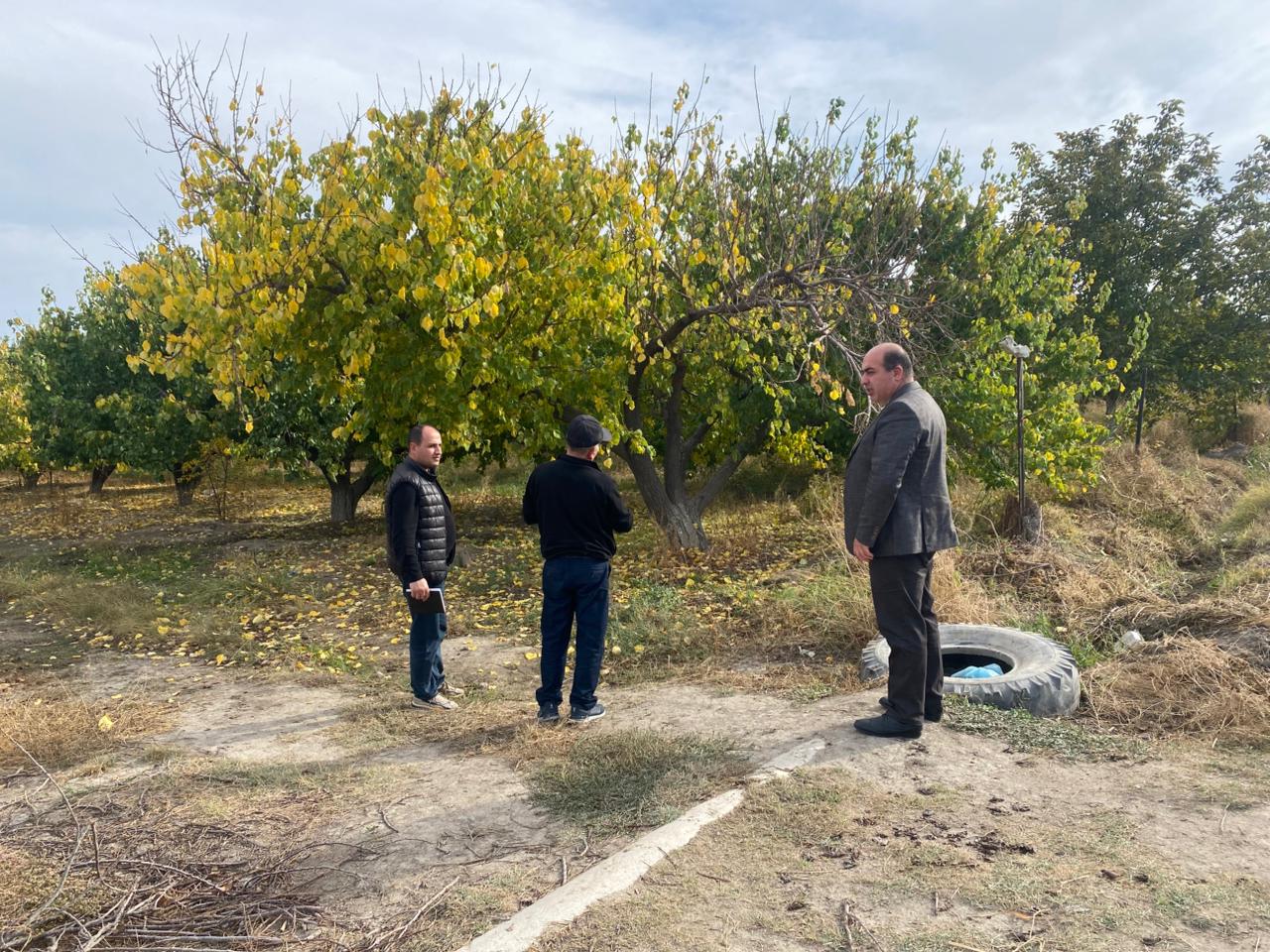
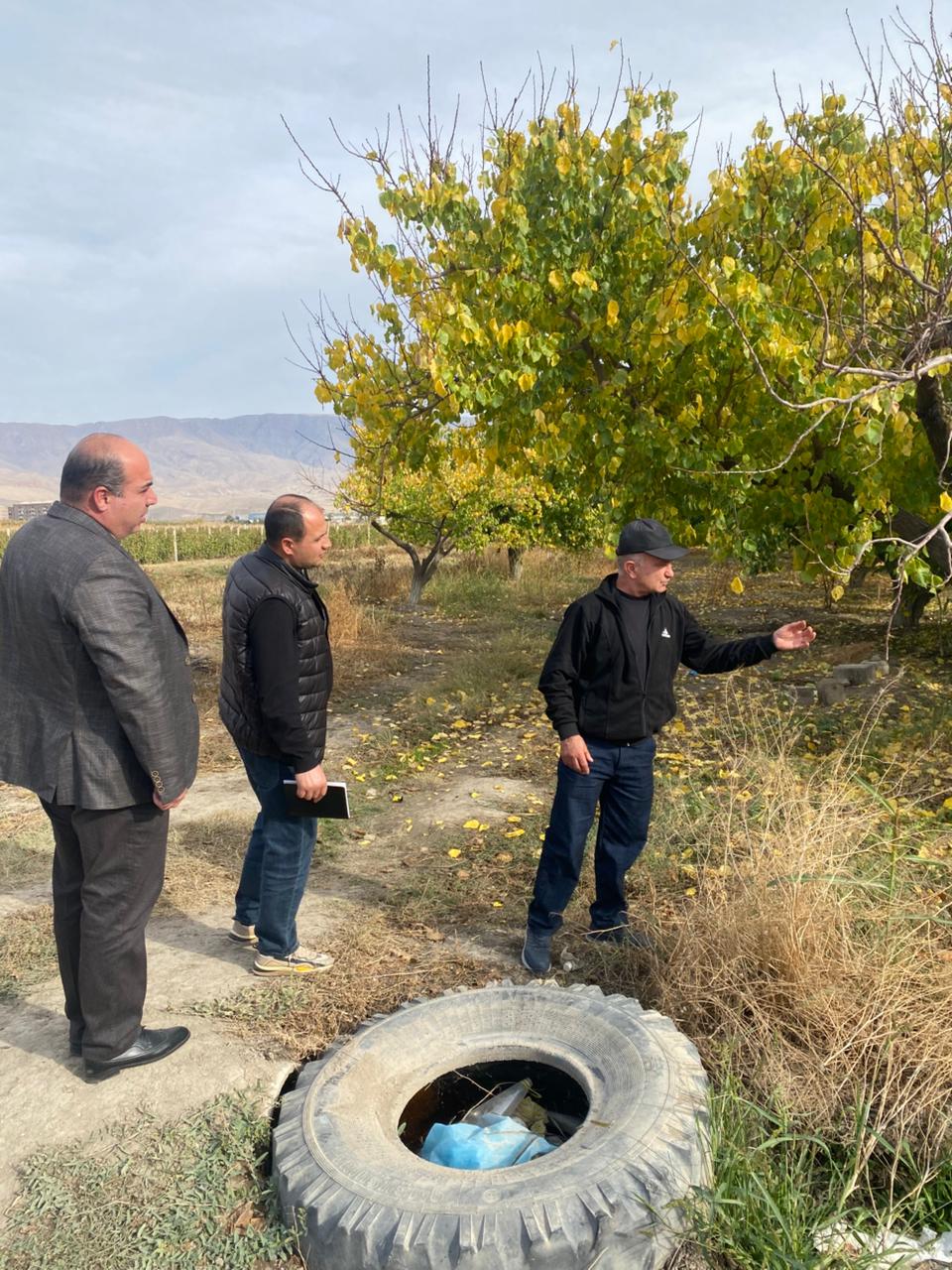
Within the framework of the IADAAM project, Project Manager Karen Harutyunyan, accompanied by AEST Vedi Coordinator Vardan Ivanyan, visited the Vedi reservoir’s on-farm network to observe the installation of state-of-the-art filtration systems.

These modern systems are designed to ensure cleaner, more reliable irrigation water, reducing blockages and wear in drip systems, improving water distribution efficiency, and ultimately increasing crop productivity.

By introducing such advanced solutions, the IADAAM project is helping to secure sustainable water management in agriculture – a key driver for higher yields, healthier orchards, and resilient farming communities in the region.

Smart irrigation is more than technology – it’s an investment in the future of our farmers.

Irrigated Agriculture Development in Ararat and Armavir marzes (IADAAM) project, financed through the European Union (EU) with implementation by the French Development Agency (AFD) is an integrated initiative aimed at transforming irrigated agriculture in Armenia.

Within IADAAM project a technical assistance component is implemented jointly by AESA – Agriconsulting Europe SA, Avenue Consulting Group LLC, Strategic Development Agency NGO and 3R Strategy LLC consortium and aims to provide institutional support to the Ministry of Economy of the Republic of Armenia (MoE) in the formulation of agricultural policies and reforms in priority areas, provide technical support to the MoE in the implementing project activities, ensure communication and reporting for the IADAAM project.