
INLIMA From veterinary knowledge to reproductive practice: strengthening cattle fertility expertise across Armenia

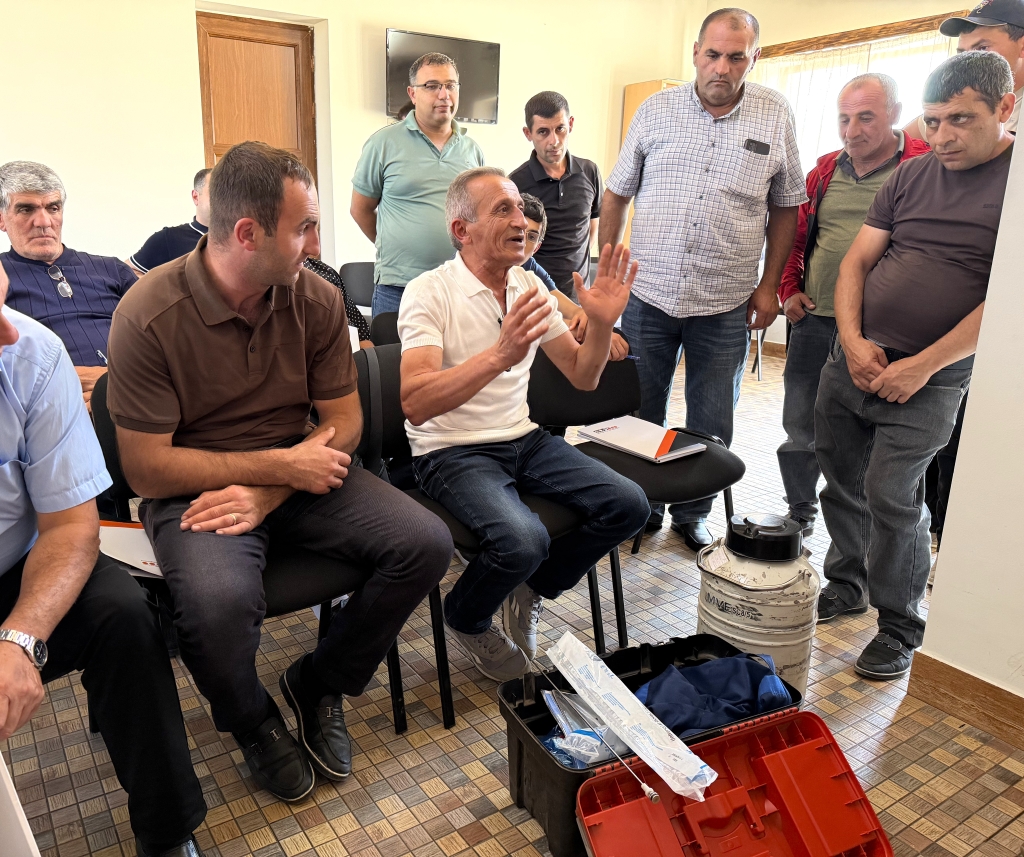
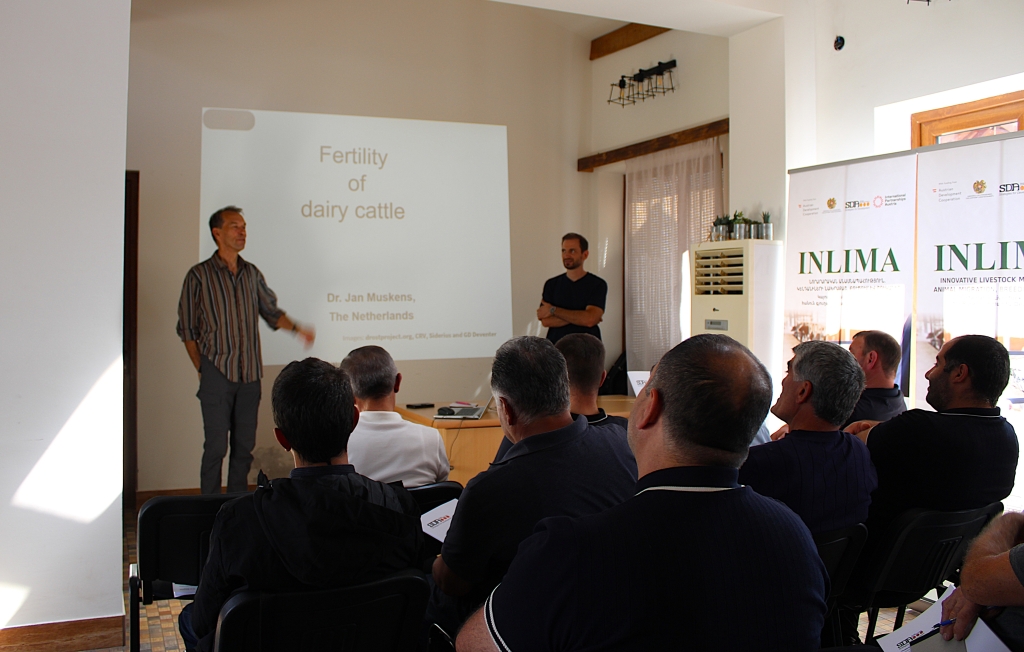
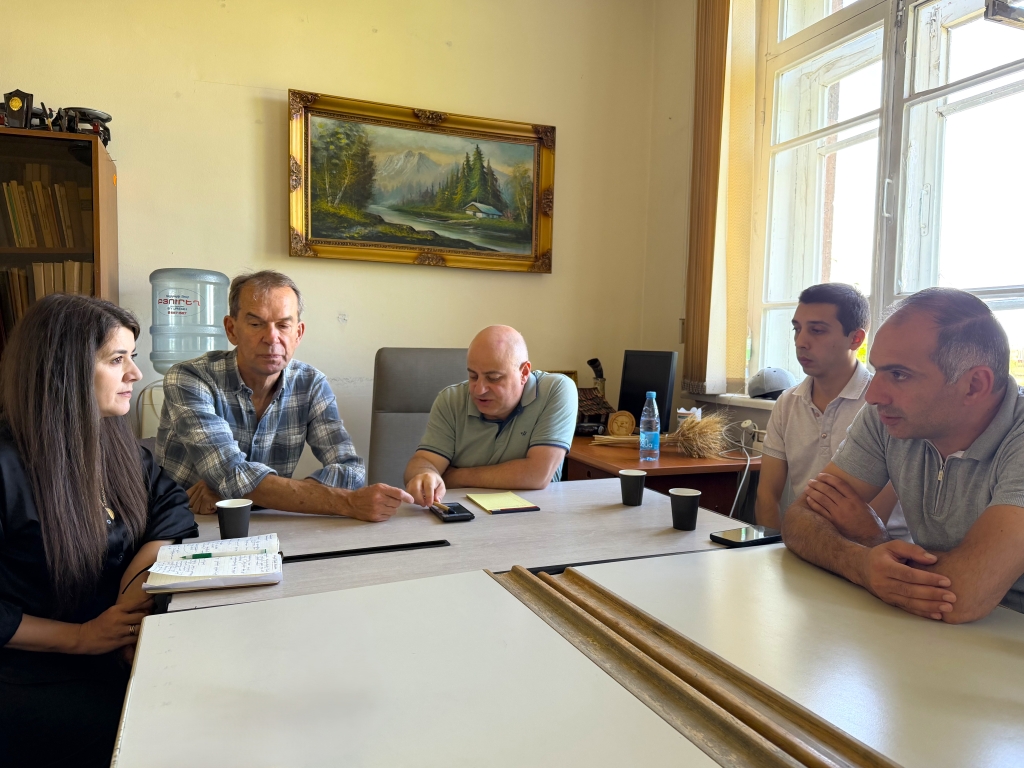
Following his earlier training engagement at the Armenian National Agrarian University, PUM expert Jan Muskens continued his programme in Armenia with a specialised series of professional trainings, field consultations and technical discussions under the Innovative Livestock Management: Animal Migration, Breeding & Markets (INLIMA) project.

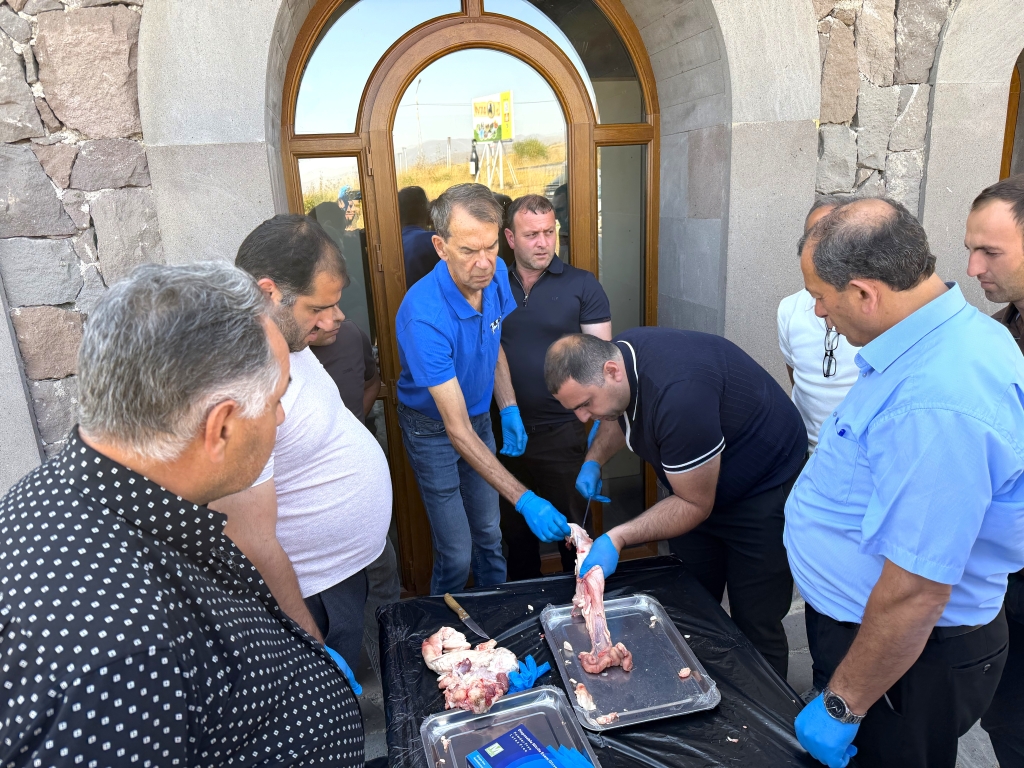
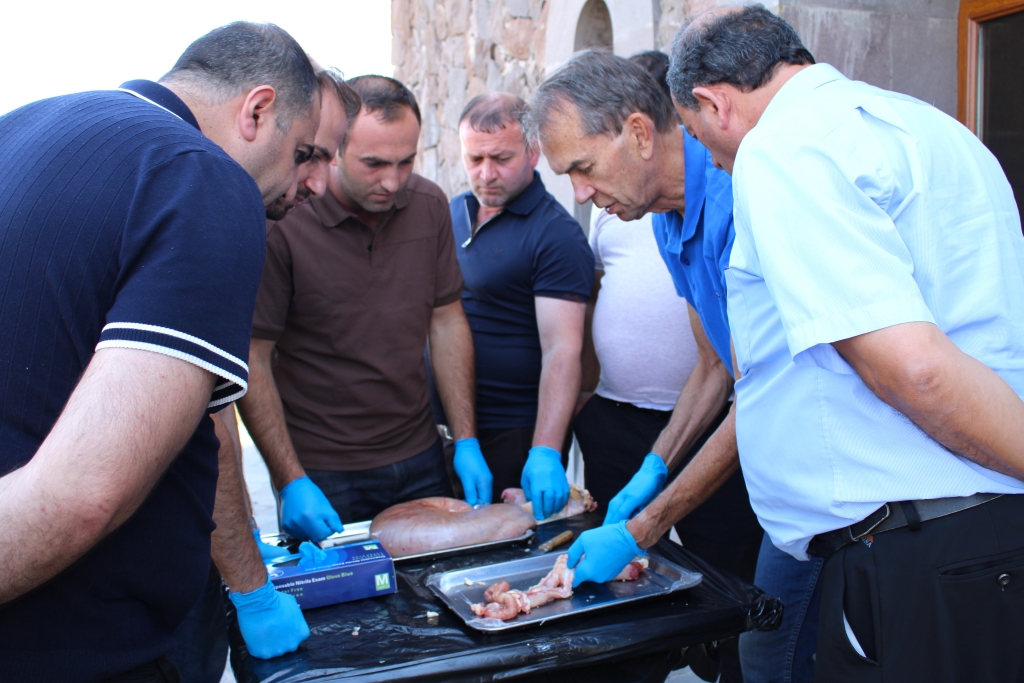
Starting on 16 September, the two-week programme combined specialised training, practical demonstrations, veterinary consultations, farm visits and technical discussions across several regions of Armenia, with a particular focus on cattle breeding, reproductive health, herd fertility and artificial insemination (AI).

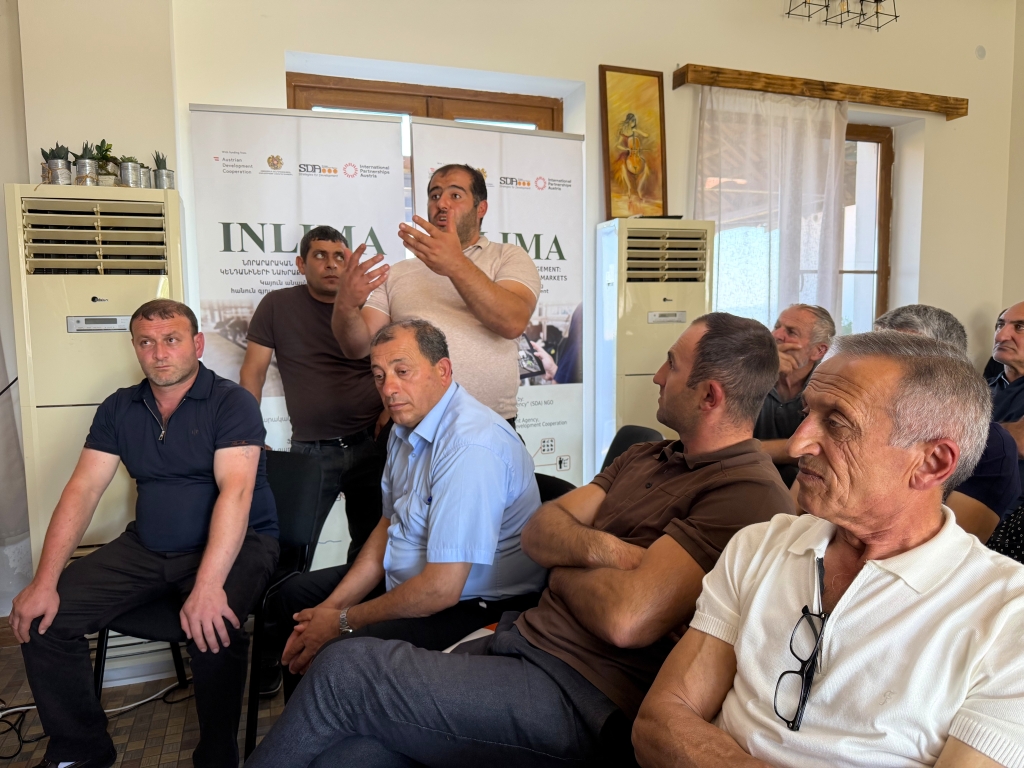
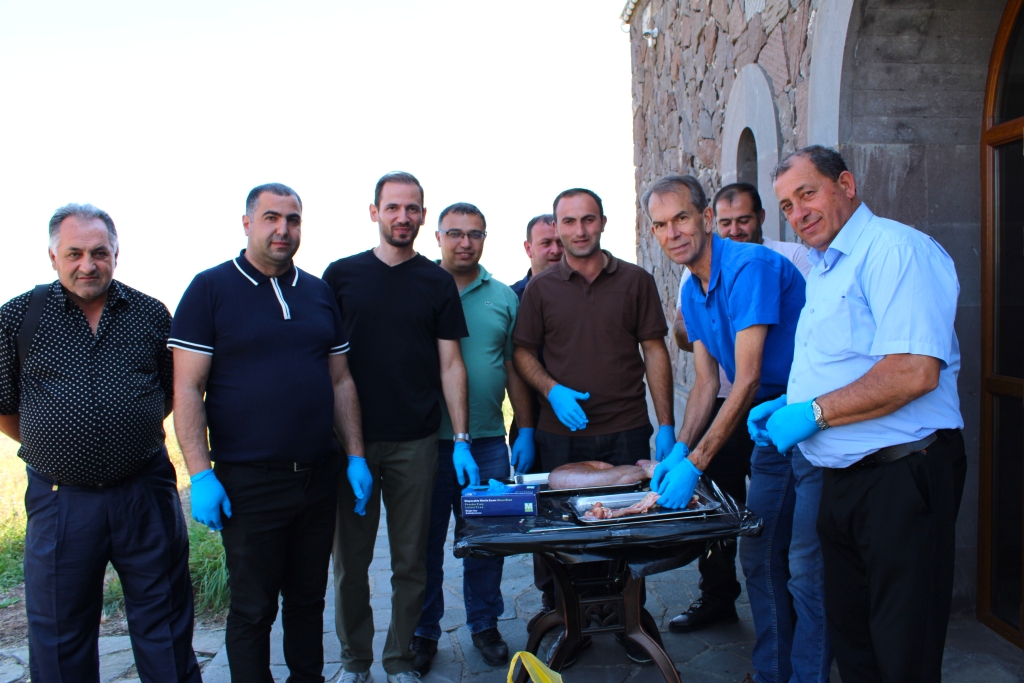
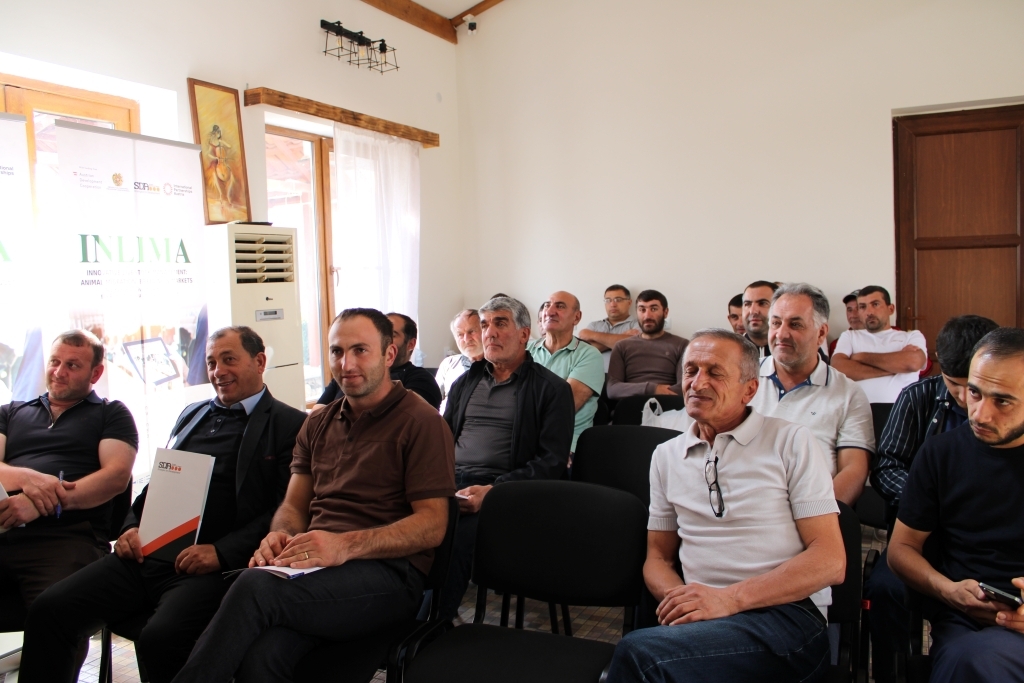
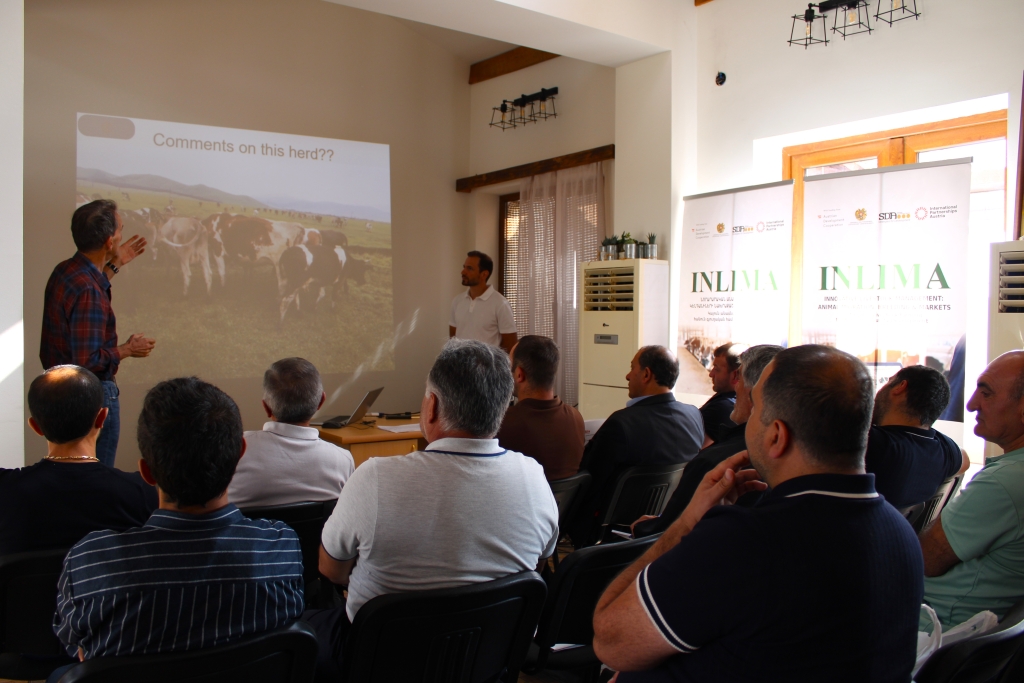
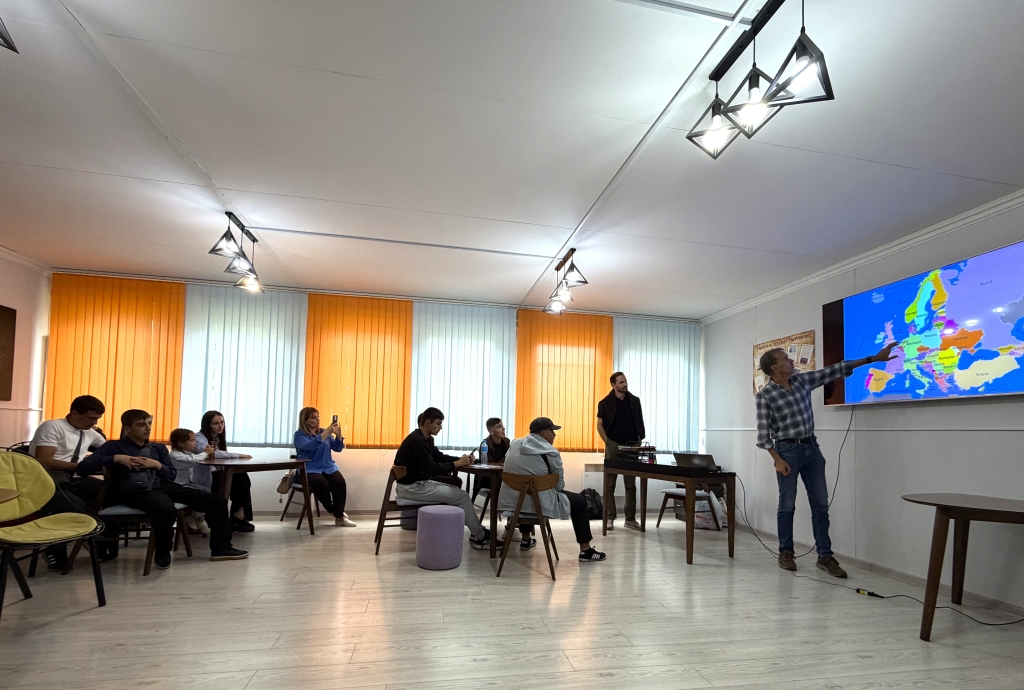
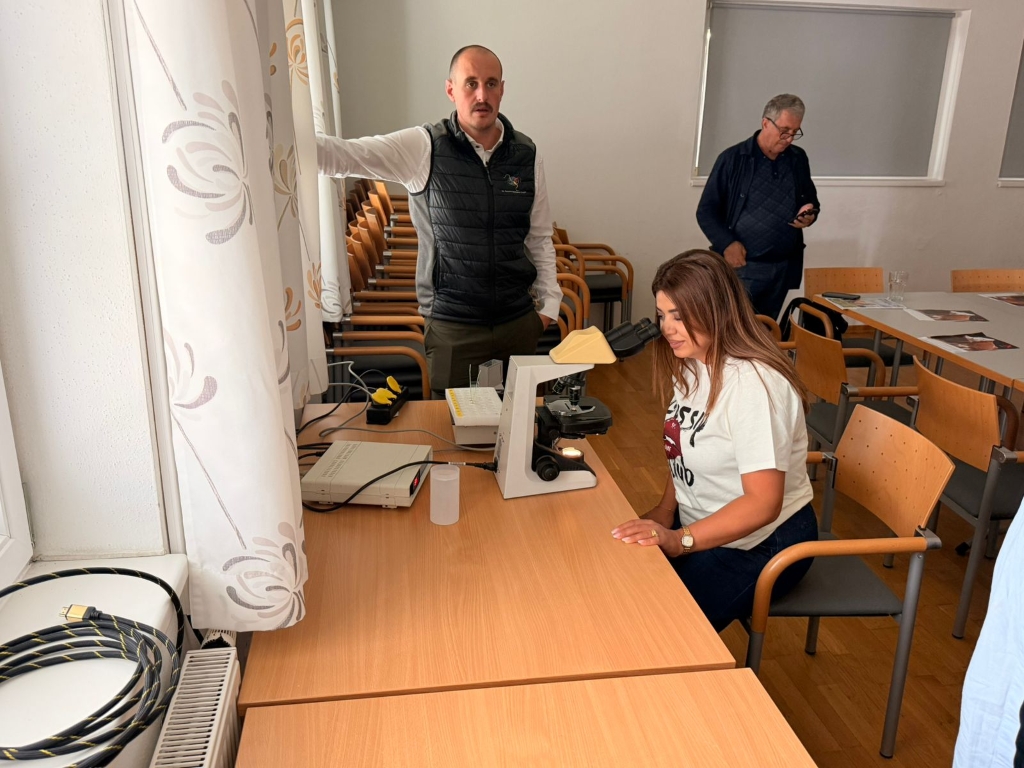
The next stage of the programme, launched in Goris, Syunik, brought together veterinarians and AI technicians for an intensive focus on cattle reproduction and breeding.

Modern herd reproduction is a complex veterinary management process in which reproductive health, genetics, nutrition, disease prevention, animal management, oestrus detection and timely veterinary intervention all influence the final reproductive outcome.

During the training, particular attention was given to modern cattle breeding approaches, breed selection, factors affecting growth and maturation, purposeful breeding and selection of offspring, herd reproductive management, reproductive diseases and their prevention, heat detection, and the role of AI in improving the breeding characteristics of cattle.

From the classroom to the herd

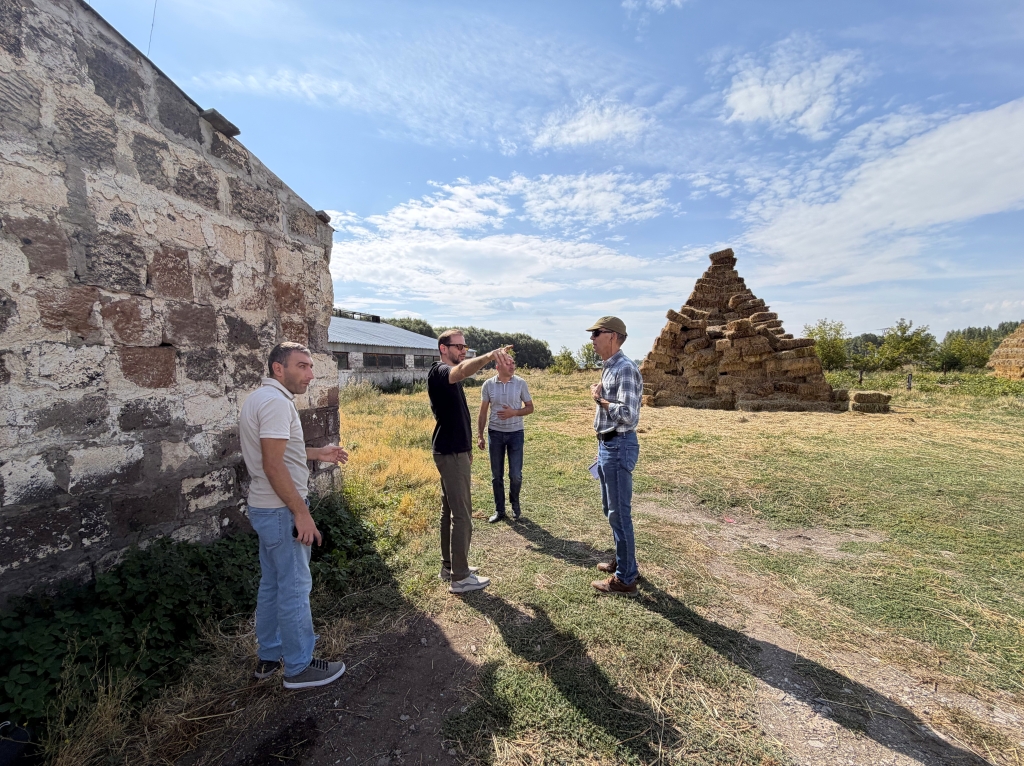
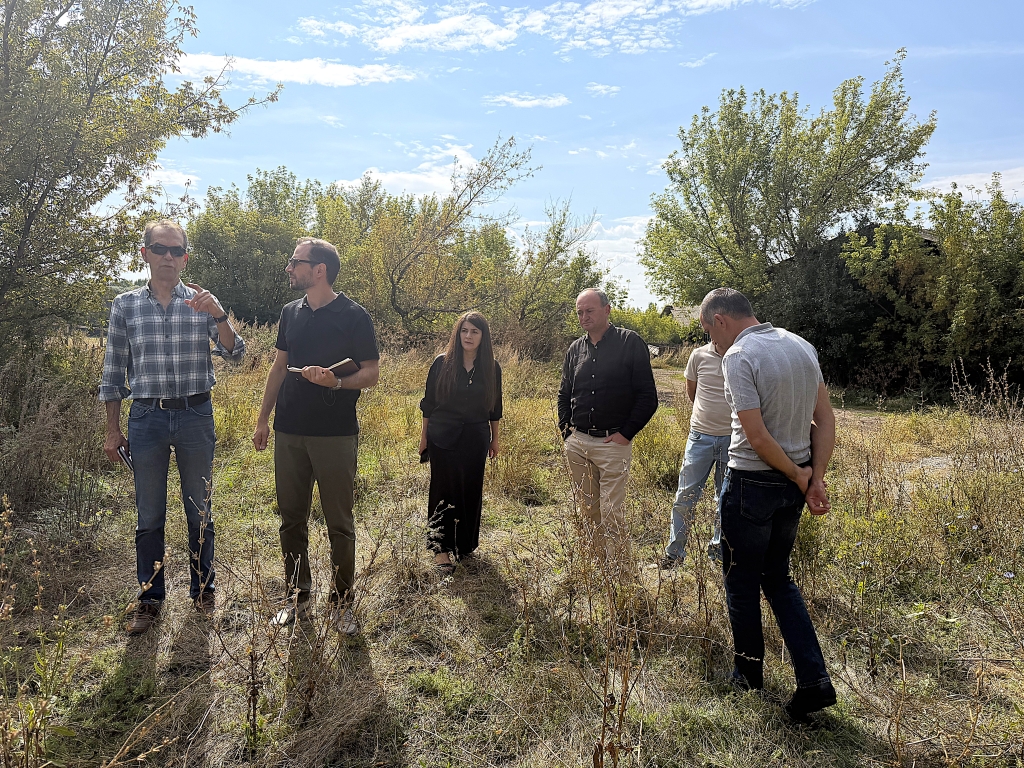
The programme then moved from theoretical and practical training into the field, where veterinary knowledge could be examined against the realities of farm management.

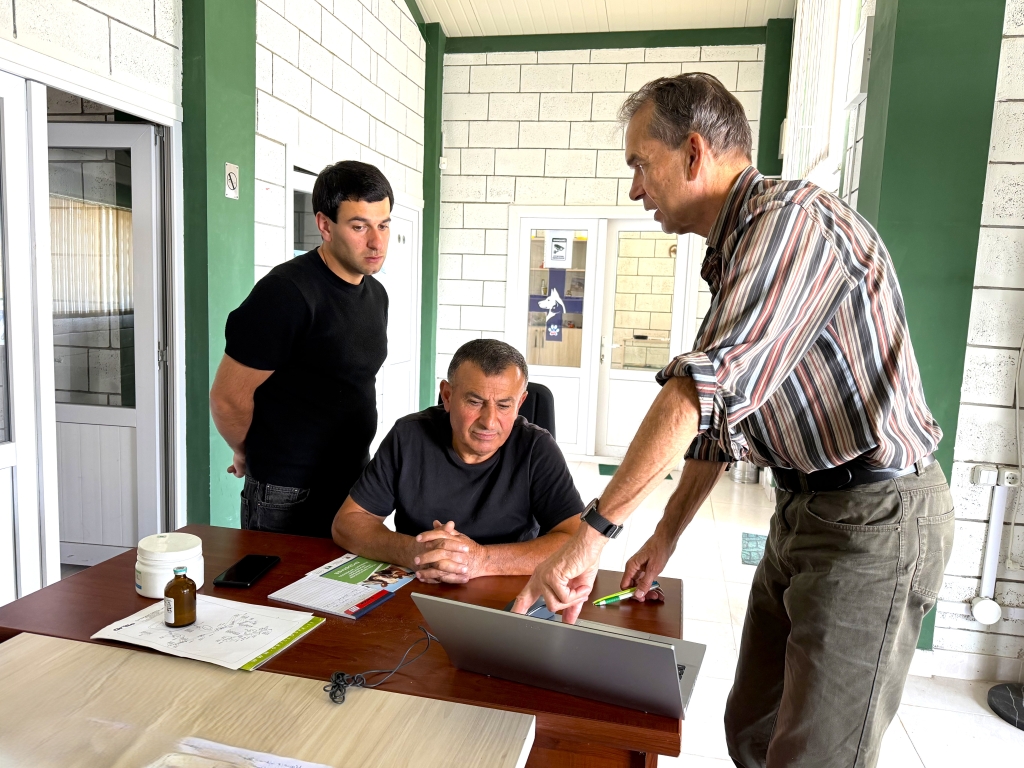
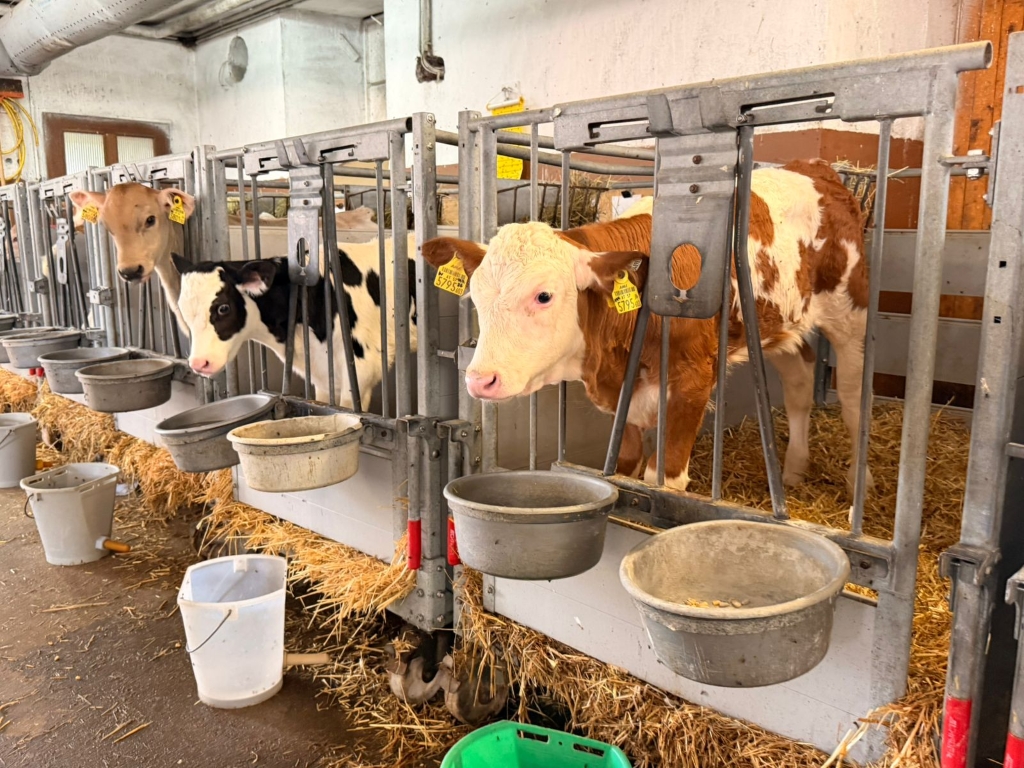
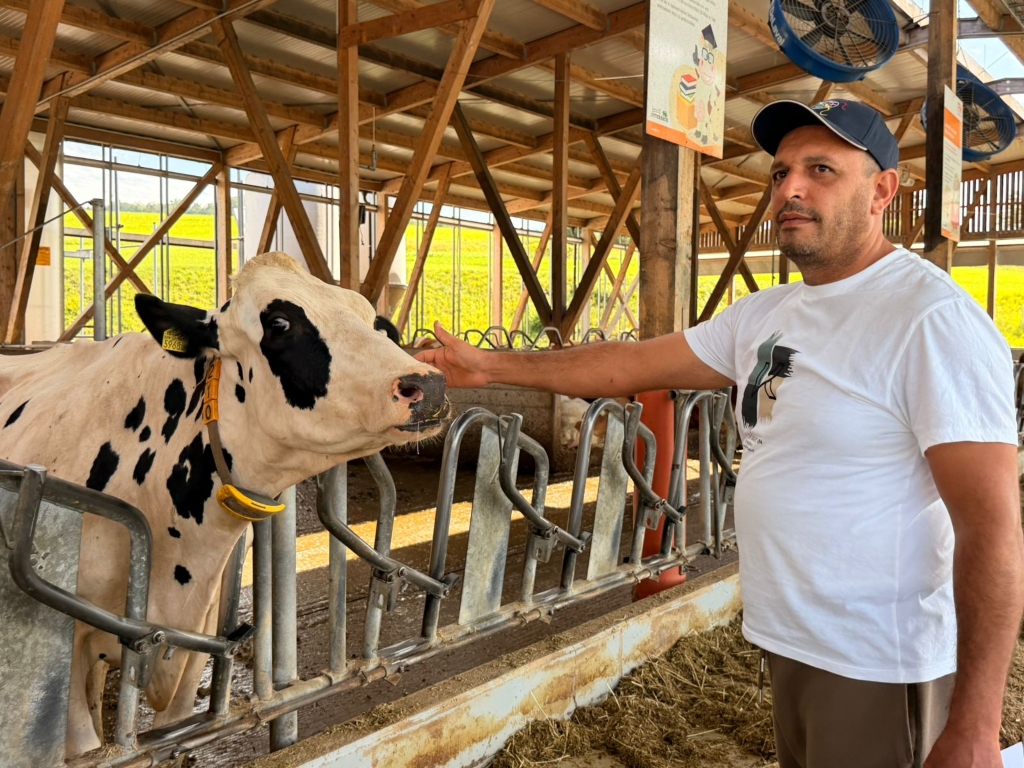
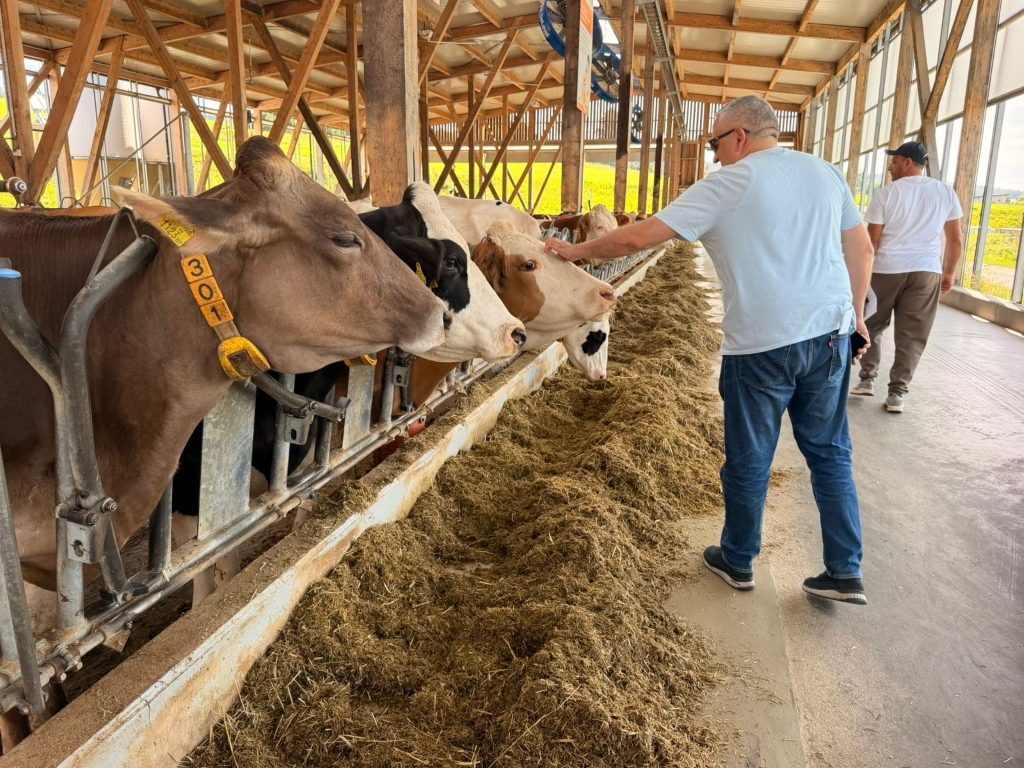
Through visits to farms and meetings with local veterinarians, AI technicians and farmers, the expert assessed the broader factors affecting reproductive performance: herd structure, nutrition, water supply, housing, young-stock management, disease prevention, oestrus detection, AI practices and fertility records.

This field-based approach is particularly important in reproductive veterinary medicine because fertility problems are rarely attributable to a single factor.

A missed oestrus, poor body condition, inadequate nutrition, reproductive disease, inappropriate management or insufficient monitoring can each affect conception and herd reproductive efficiency. Effective veterinary support therefore requires looking beyond the individual reproductive event and understanding the entire production and health system surrounding the animal.

The consultations provided an opportunity to identify management gaps together with farmers and discuss improvements that are both technically sound and practically achievable at farm level.

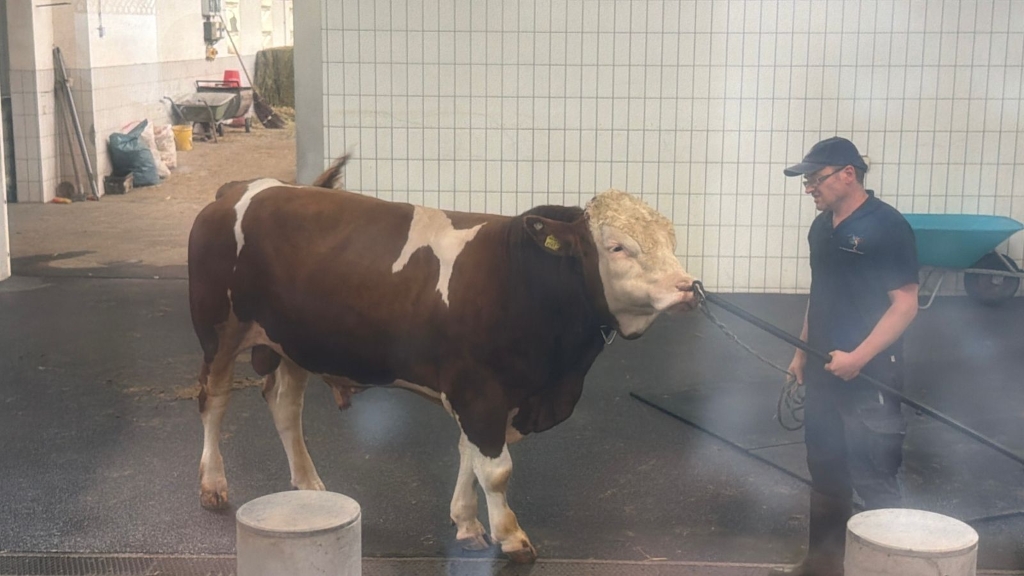
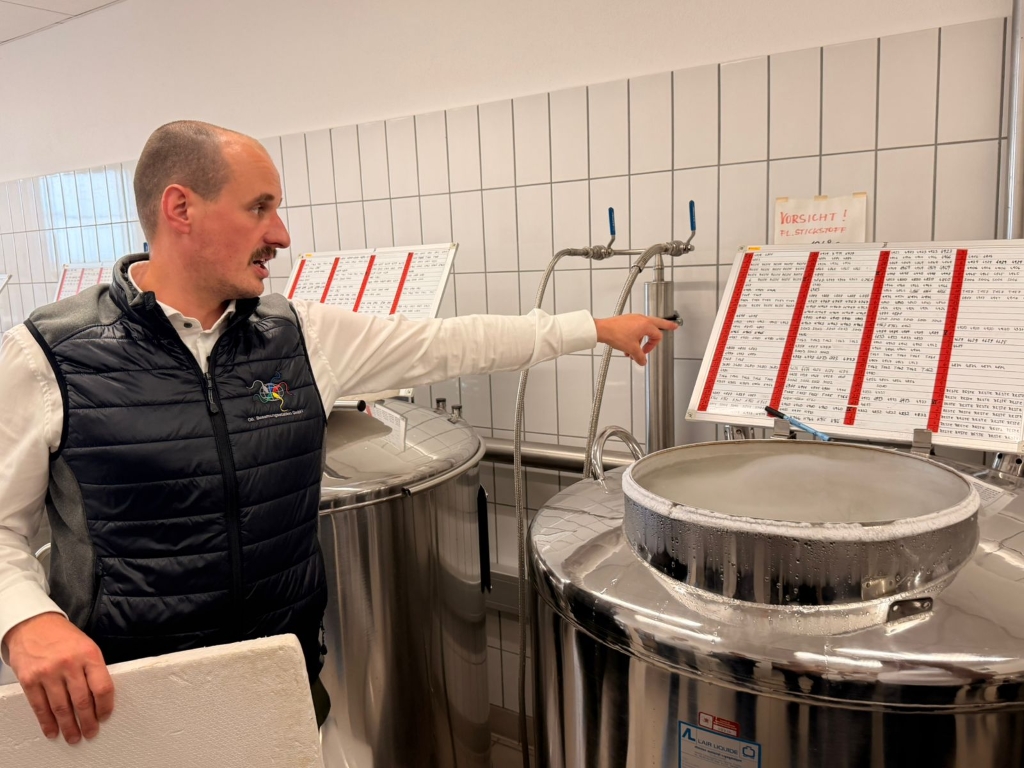
The programme also included a technical visit to the Gyumri Breeding Station, where discussions focused on the development of a semen production and bull centre, including strategic planning and recommendations related to breeding-bull management and health requirements.

Across the different components of the visit, one principle remained consistent: successful herd reproduction begins long before artificial insemination and continues well beyond it.

It depends on healthy breeding animals, appropriate genetics, accurate heat detection, sound nutrition and management, disease prevention, reliable reproductive records and the capacity of veterinary and AI professionals to translate these factors into informed decisions.

For INLIMA, strengthening this professional capacity is an investment not only in reproductive performance, but in the long-term health, productivity and sustainability of Armenia’s cattle sector. Better reproduction starts with better-informed decisions – at the animal, herd and veterinary practice level.

“Innovative Livestock Management: Animal Migration, Breeding & Markets” (INLIMA) project is implemented by Strategic Development Agency NGO and funded by the Austrian Development Agency (ADA), the operational unit of Austrian Development Cooperation.
MAVETA Hands-On Learning and Experience Exchange in Potato Production

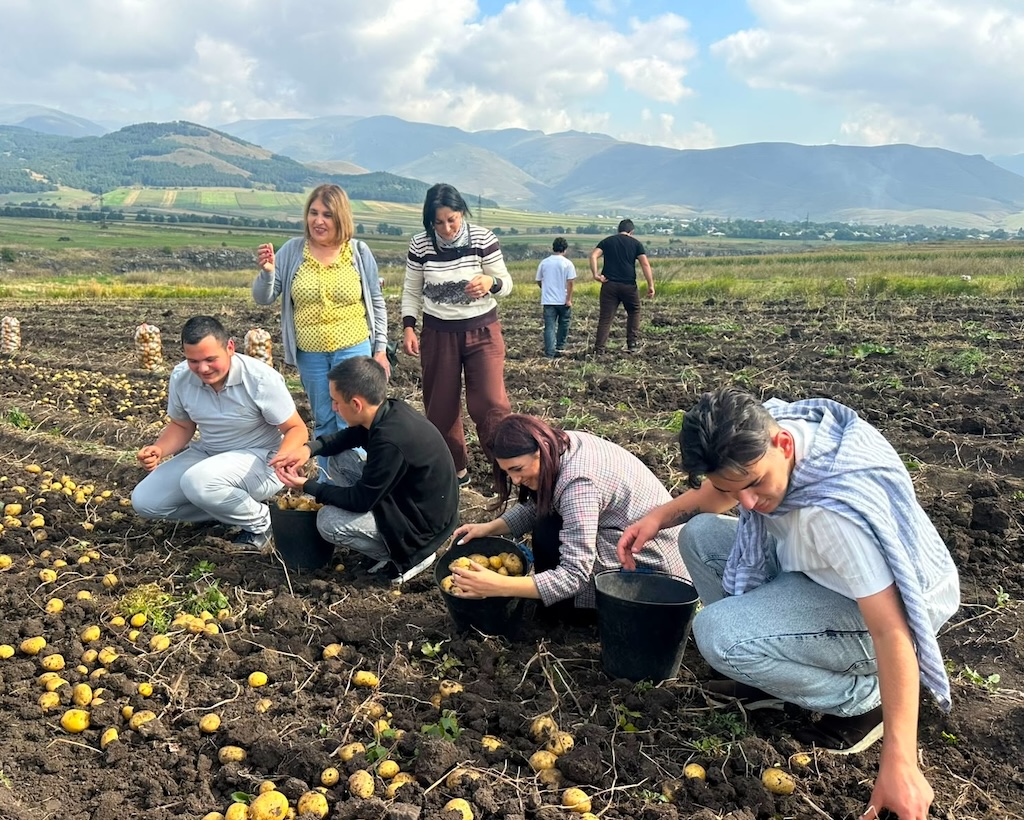
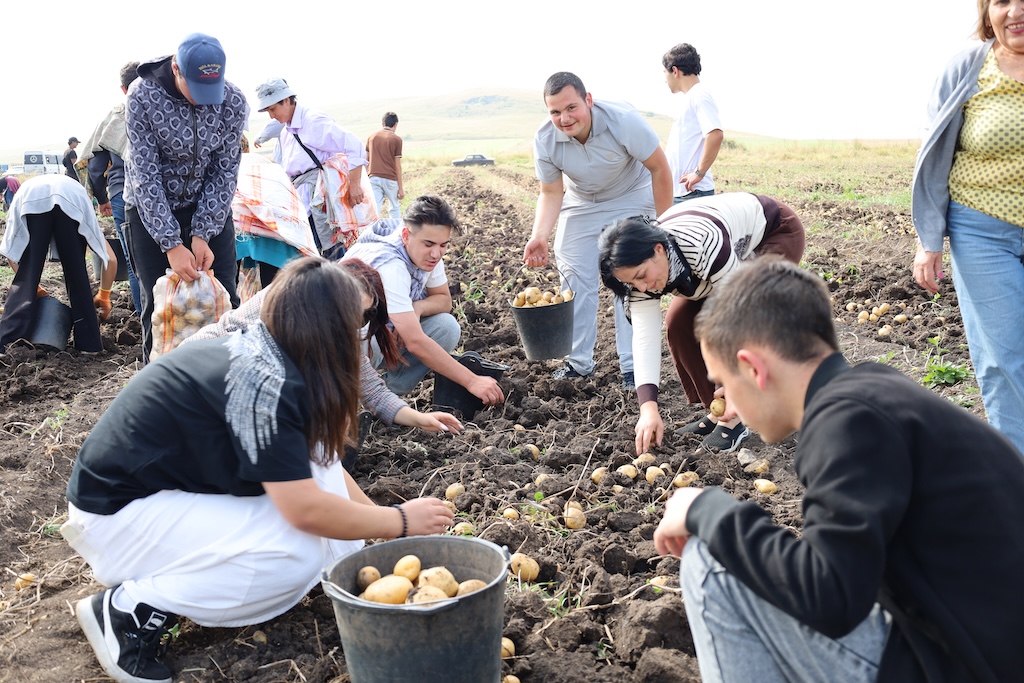
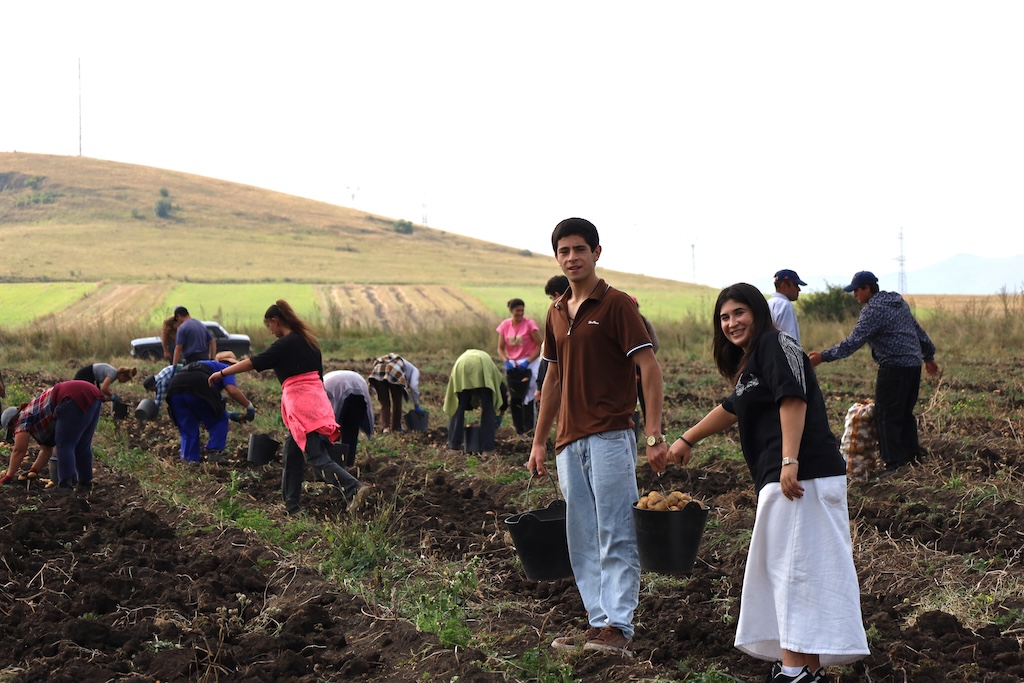
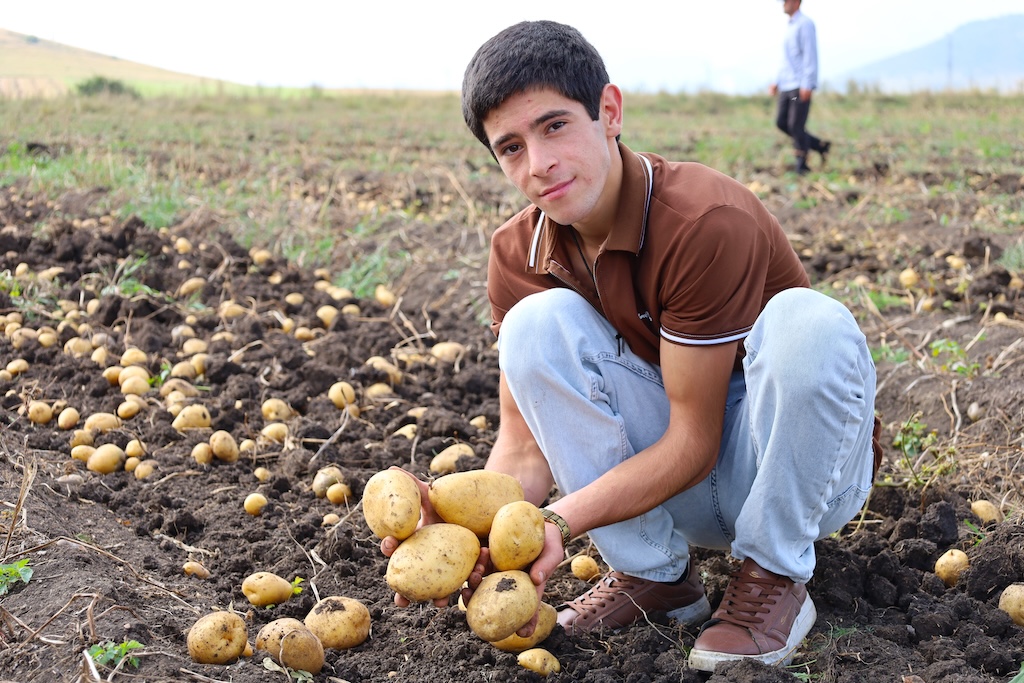
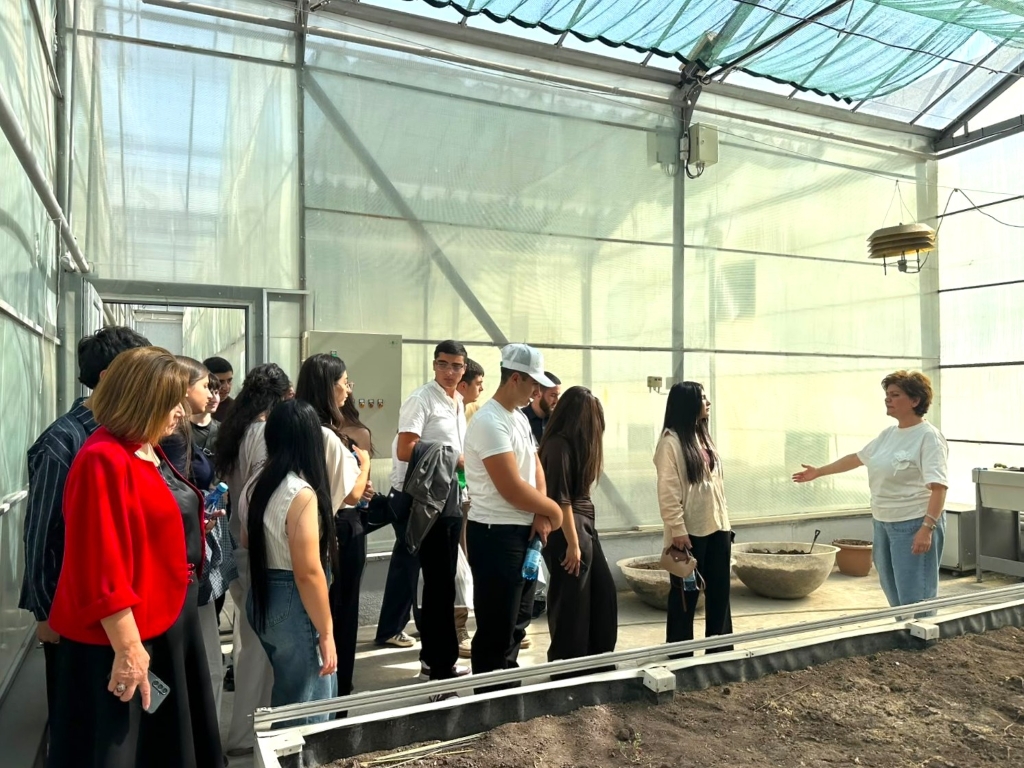
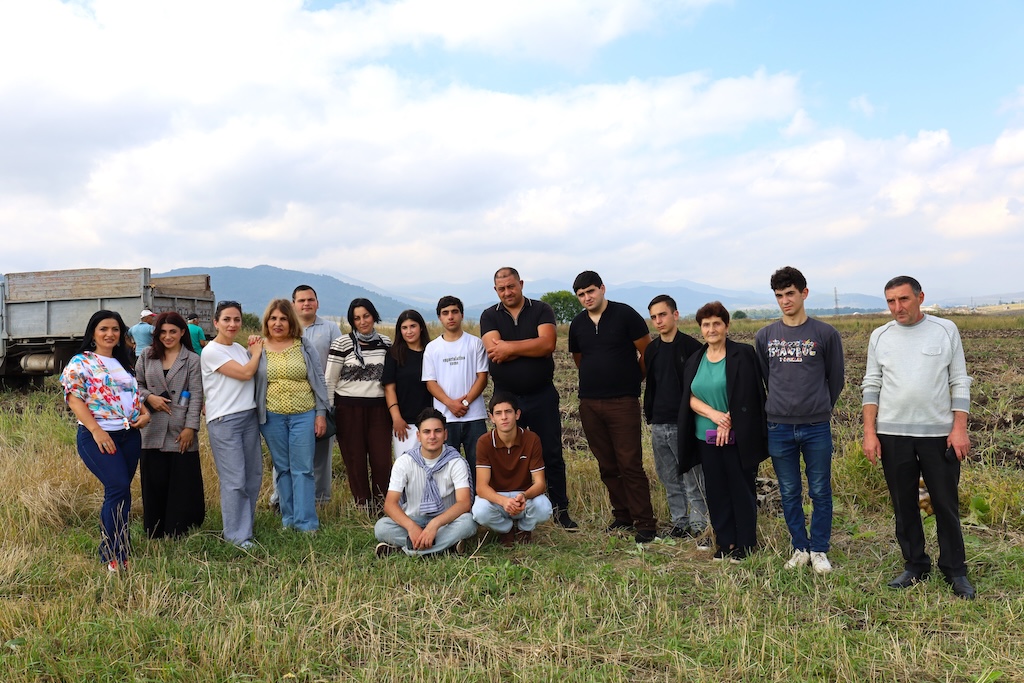
As part of the MAVETA project, apprentices from the Farm Management programme at Goris State Multidisciplinary College travelled to Lori to join their peers from Stepanavan State Agricultural College for a hands-on experience-sharing visit.

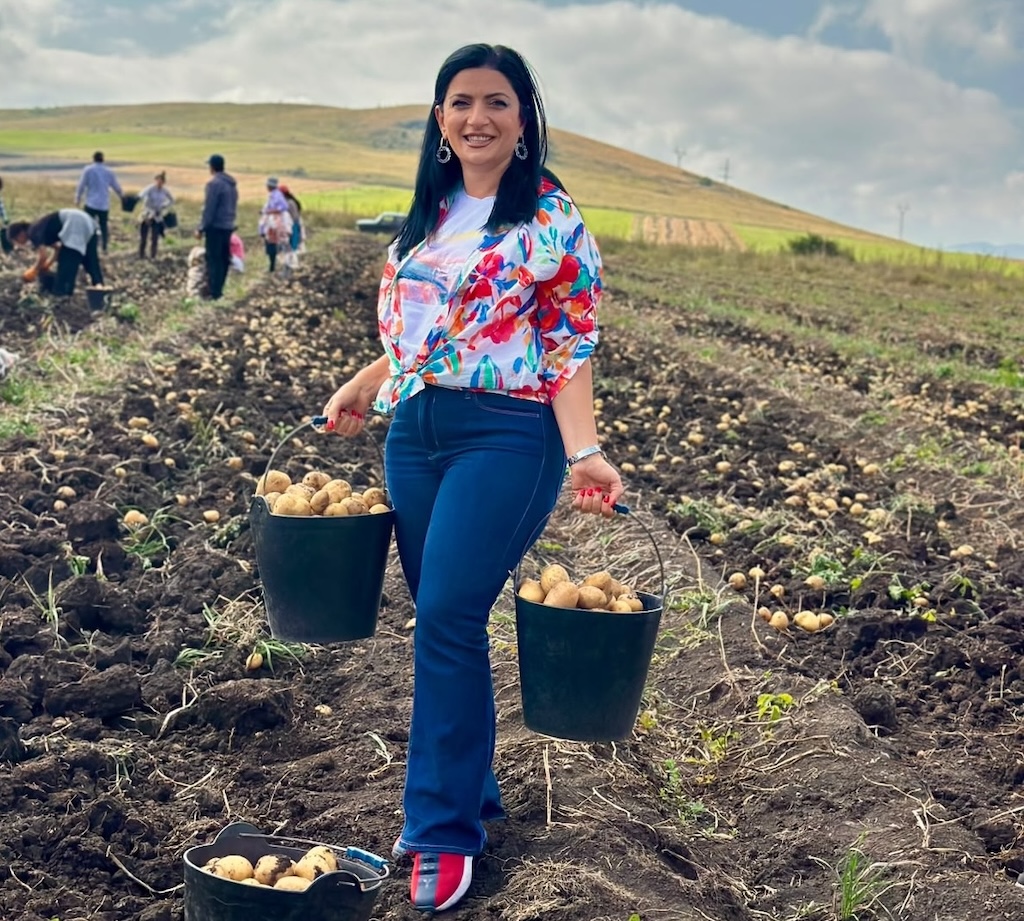
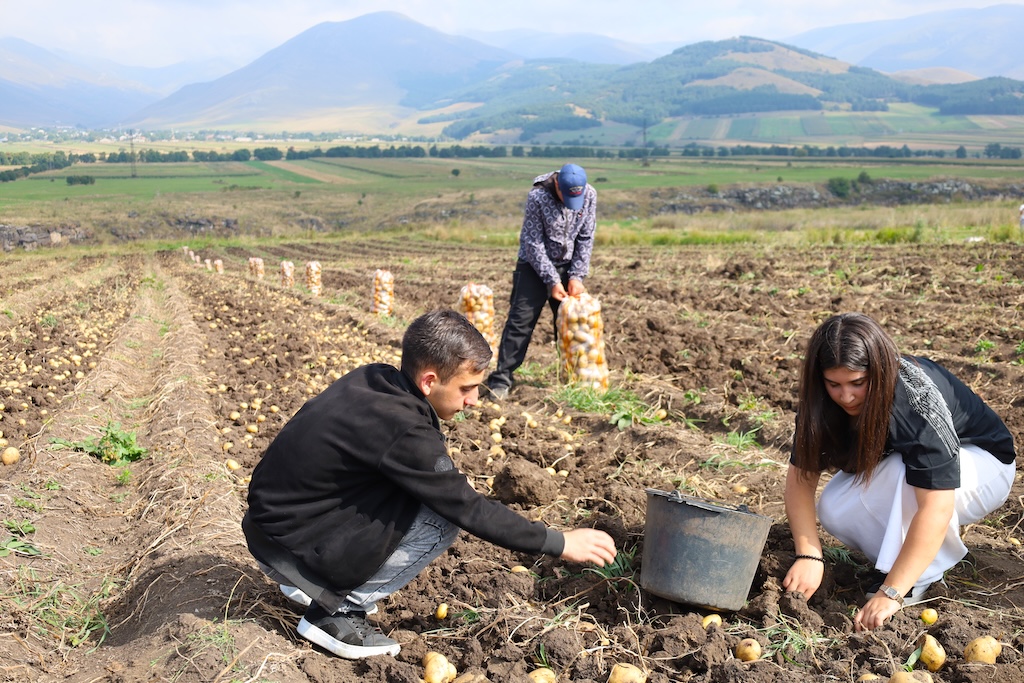
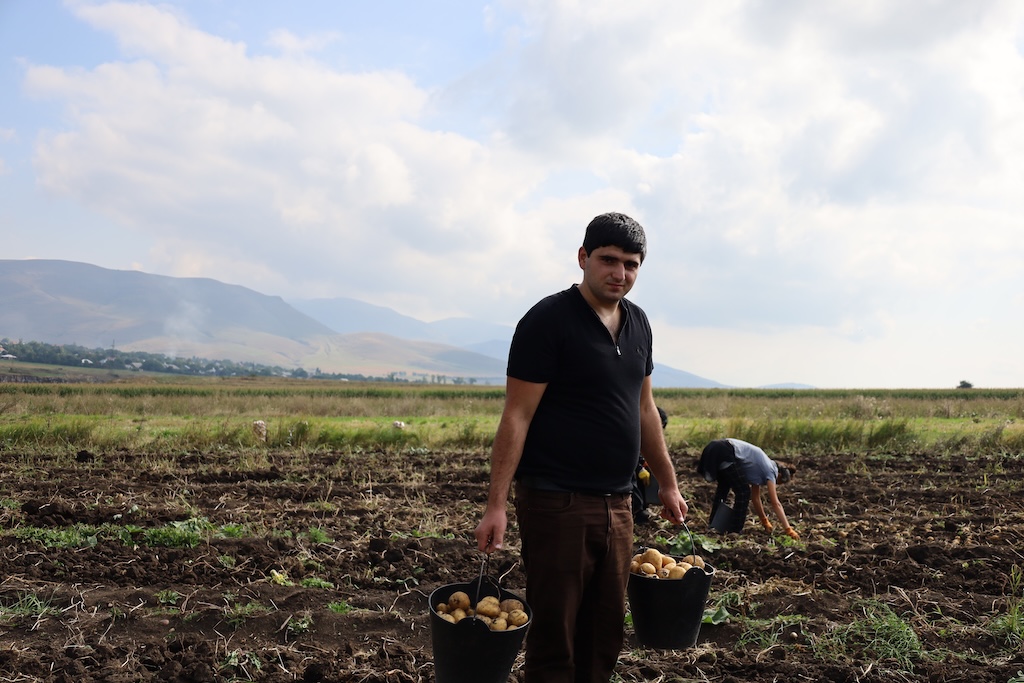
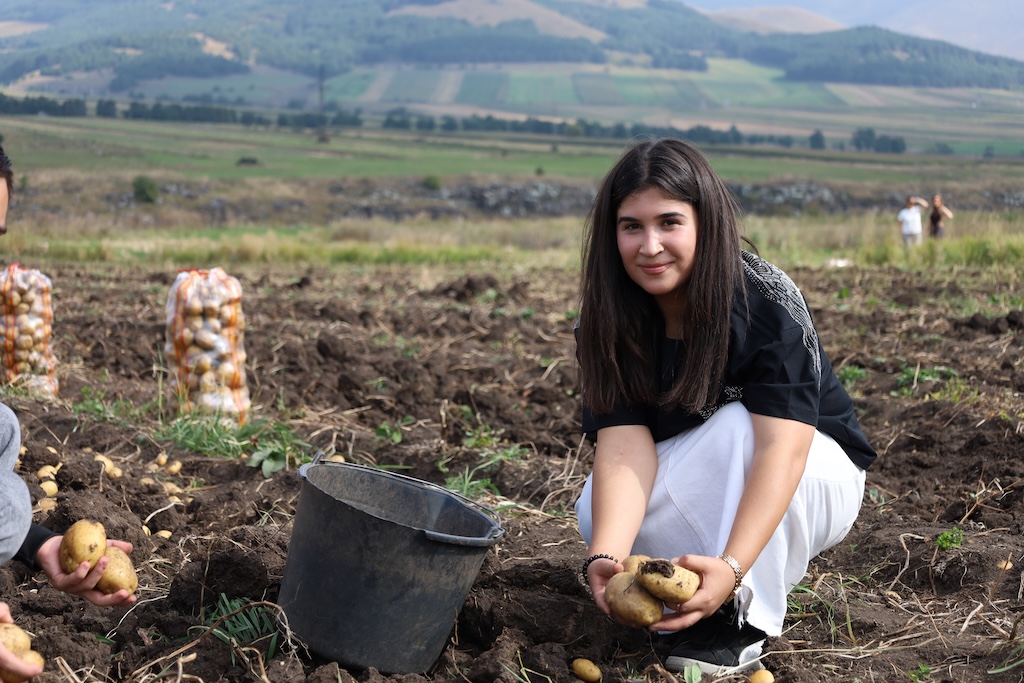
With potato production on this scale being relatively uncommon in Syunik, the visit provided Goris apprentices with an opportunity to gain first-hand insight into field crop production and farm operations in a real agricultural setting, during the harvest season.

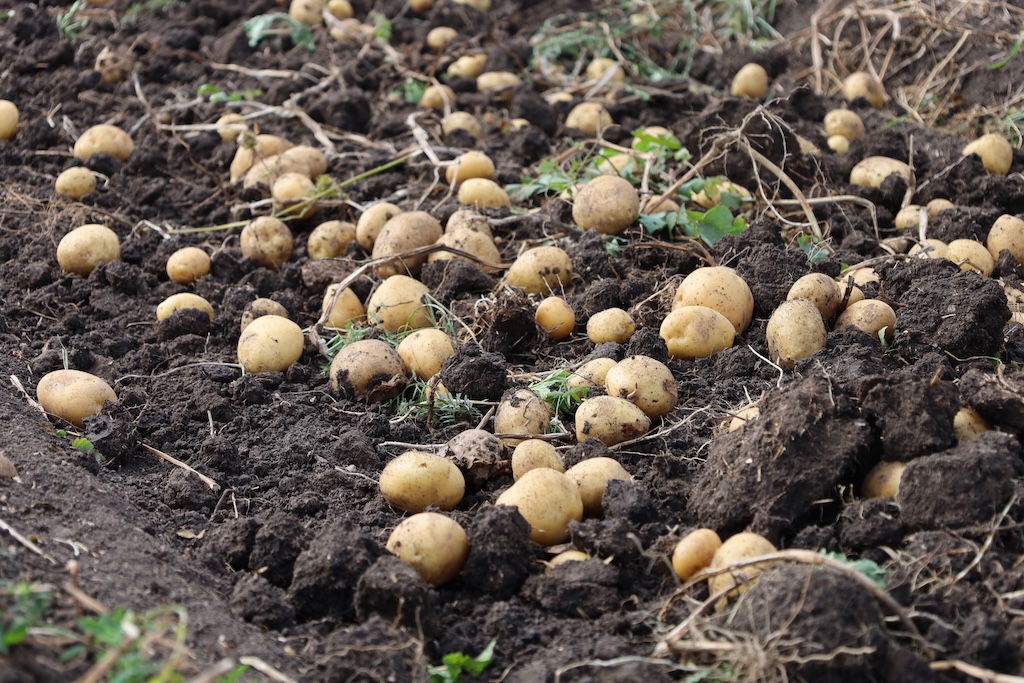
Farmers collaborating with Stepanavan State Agricultural College shared their practical knowledge and experience, introducing the apprentices to different potato varieties and discussing key considerations related to variety selection, cultivation and harvesting.

The apprentices also learned about a potato variety originally introduced from Vladikavkaz several years ago, which is being harvested at this farm for the first time this year.

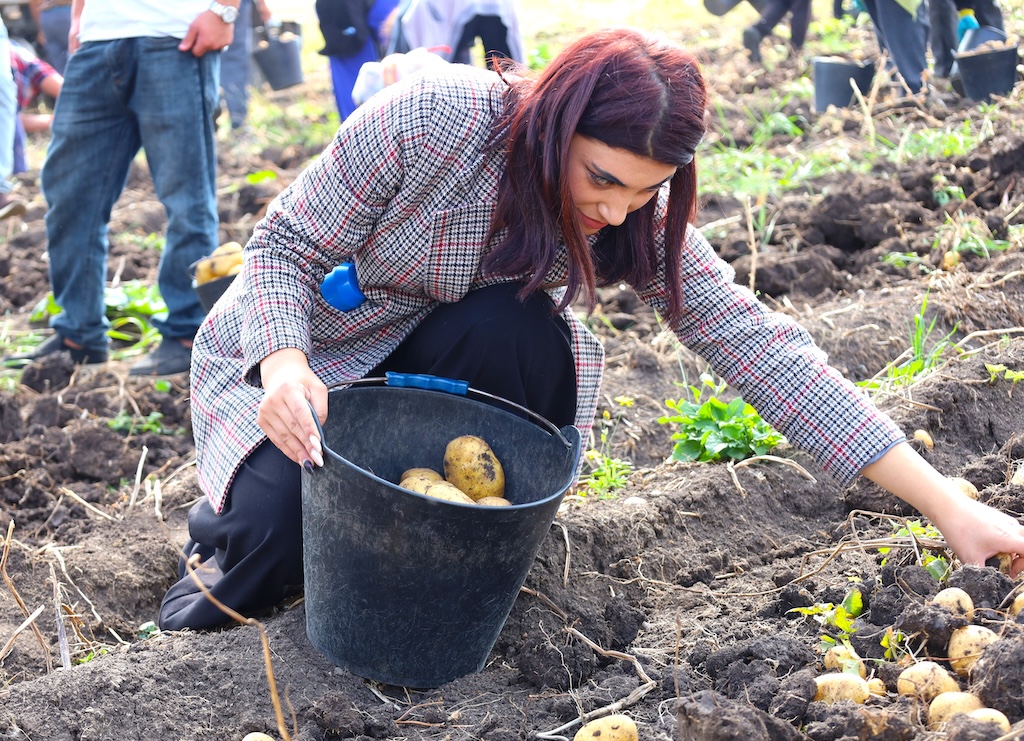
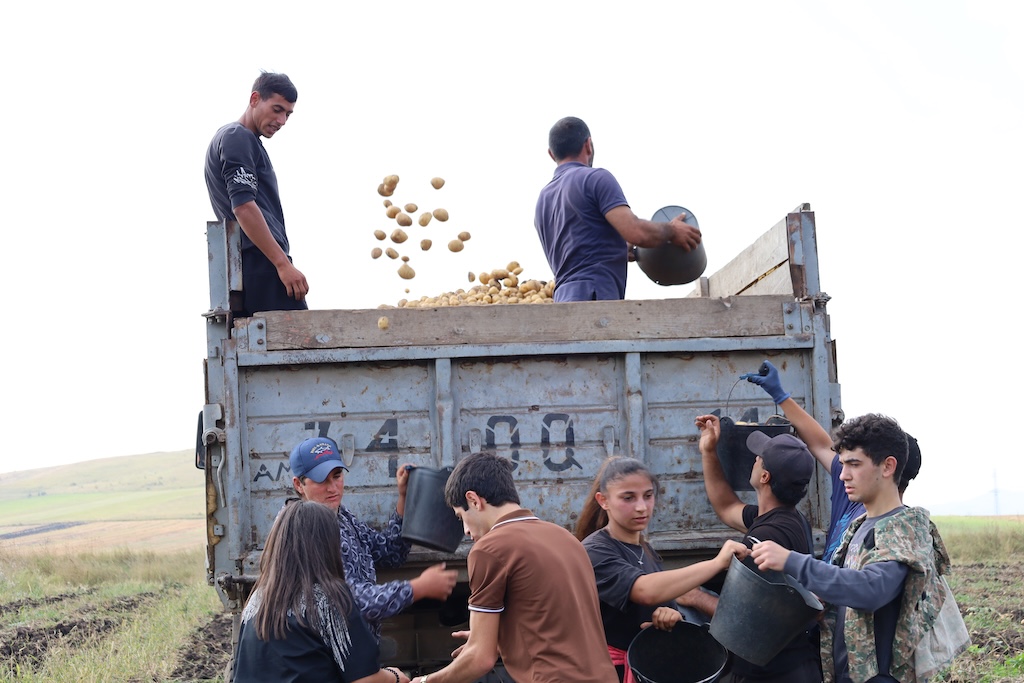
The learning continued beyond observation: apprentices from both colleges actively participated in the potato harvest, working alongside private-sector partners in Lori and putting their knowledge into practice.

The visit combined peer learning, practical skills development and meaningful engagement with the private sector, turning an experience-exchange activity into a hands-on learning opportunity and a shared team effort.

The MAVETA project is financed by the Federal Ministry for Economic Cooperation and Development (BMZ), the Swiss Agency for Development and Cooperation, the Austrian Development Agency (ADA) and the Government of Armenia.

The project’s implementing partners are the Deutsche Gesellschaft für Internationale Zusammenarbeit (GIZ) GmbH and Strategic Development Agency NGO and the School of Agricultural, Forest and Food Sciences at the Bern University of Applied Sciences (BFH-HAFL).

Uncategorized

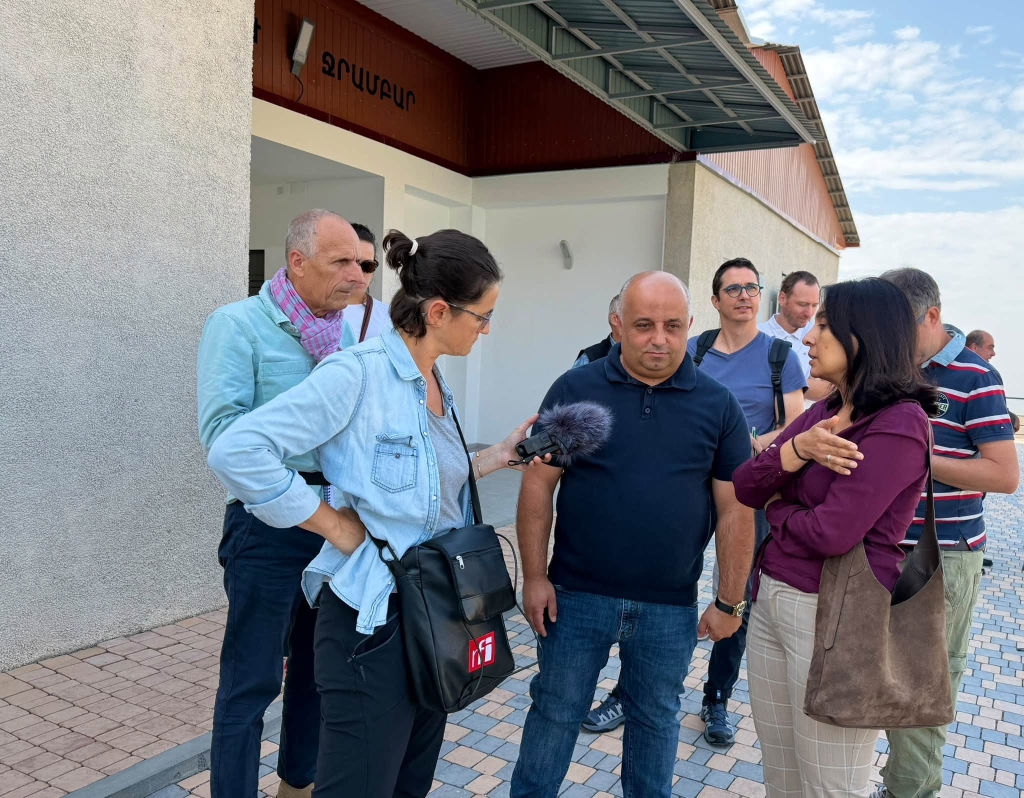
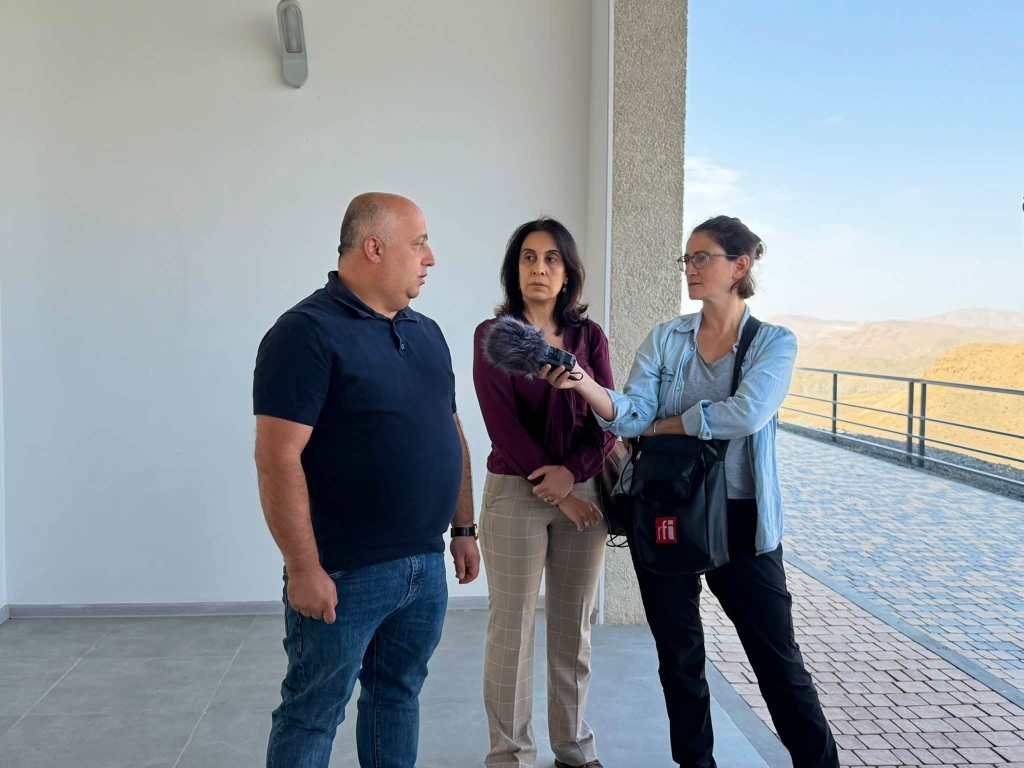
Ahead of COP17, leading French media outlets visited Armenia to cover the IADAAM project

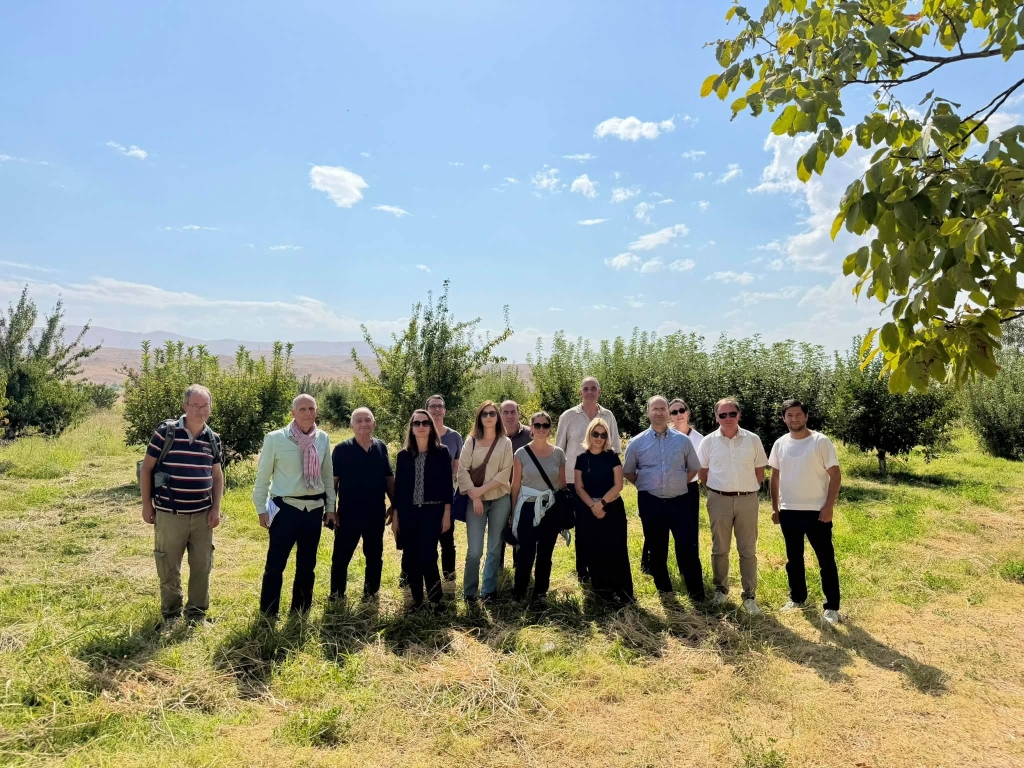
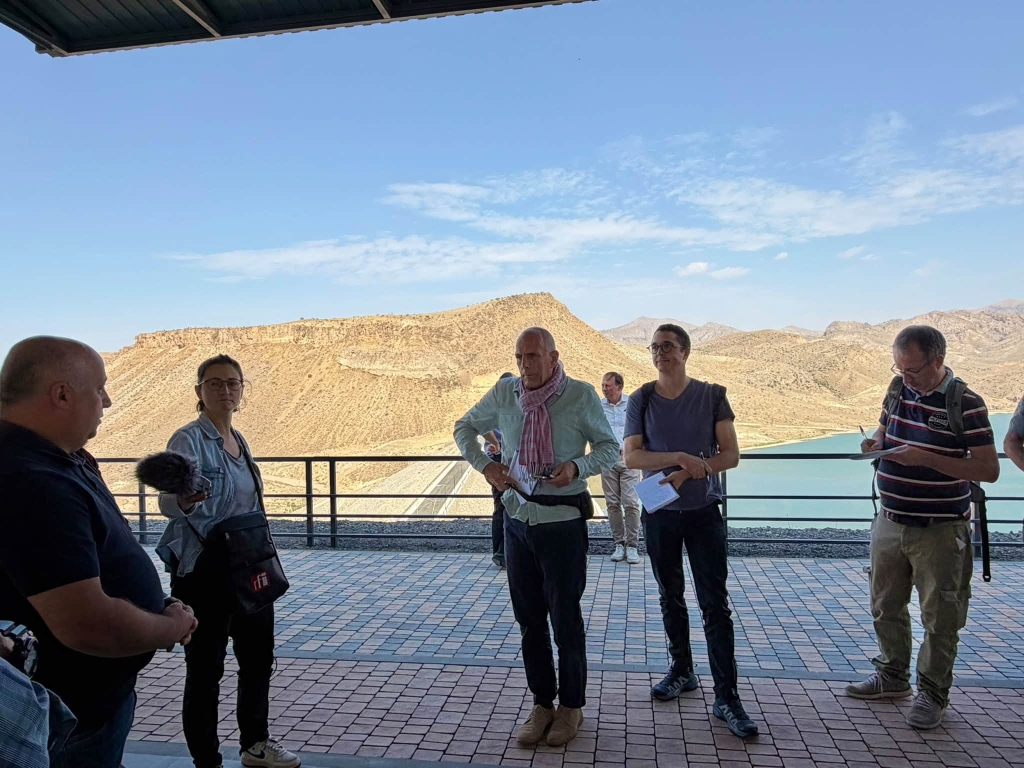
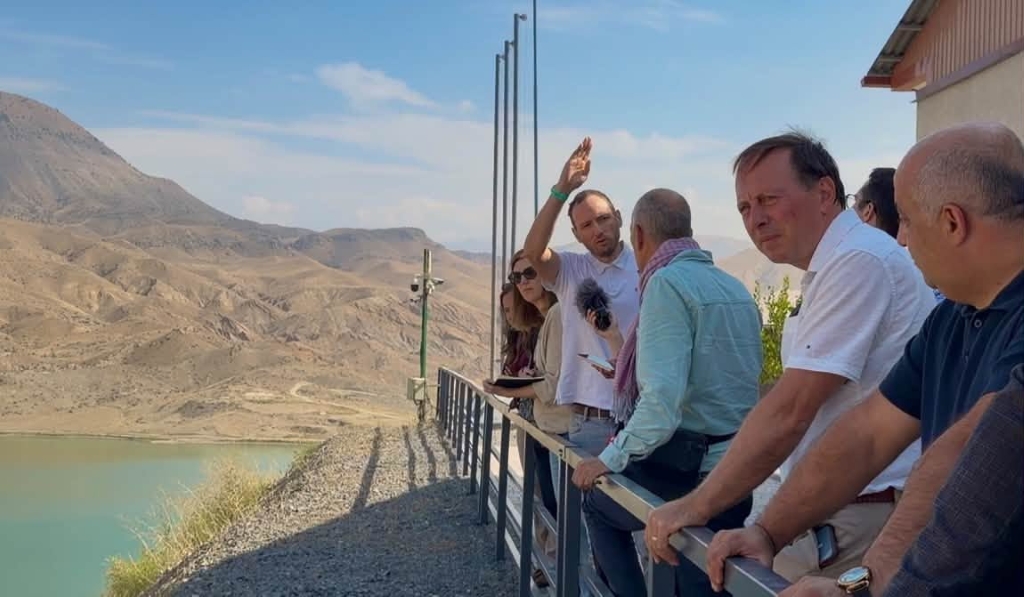
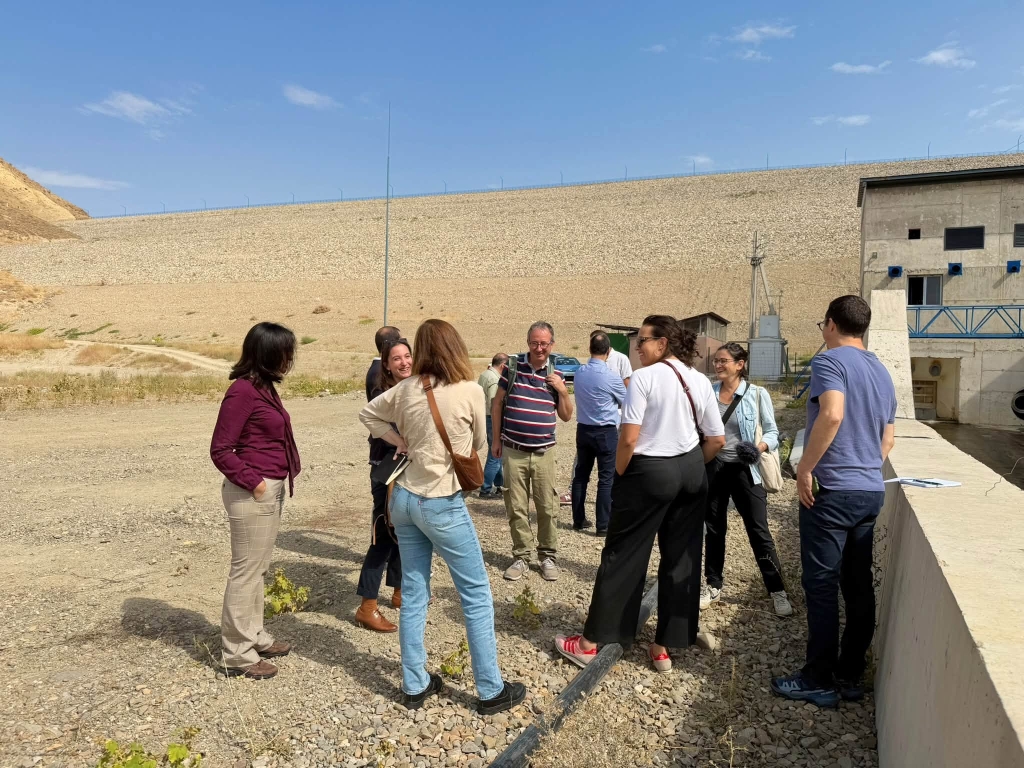
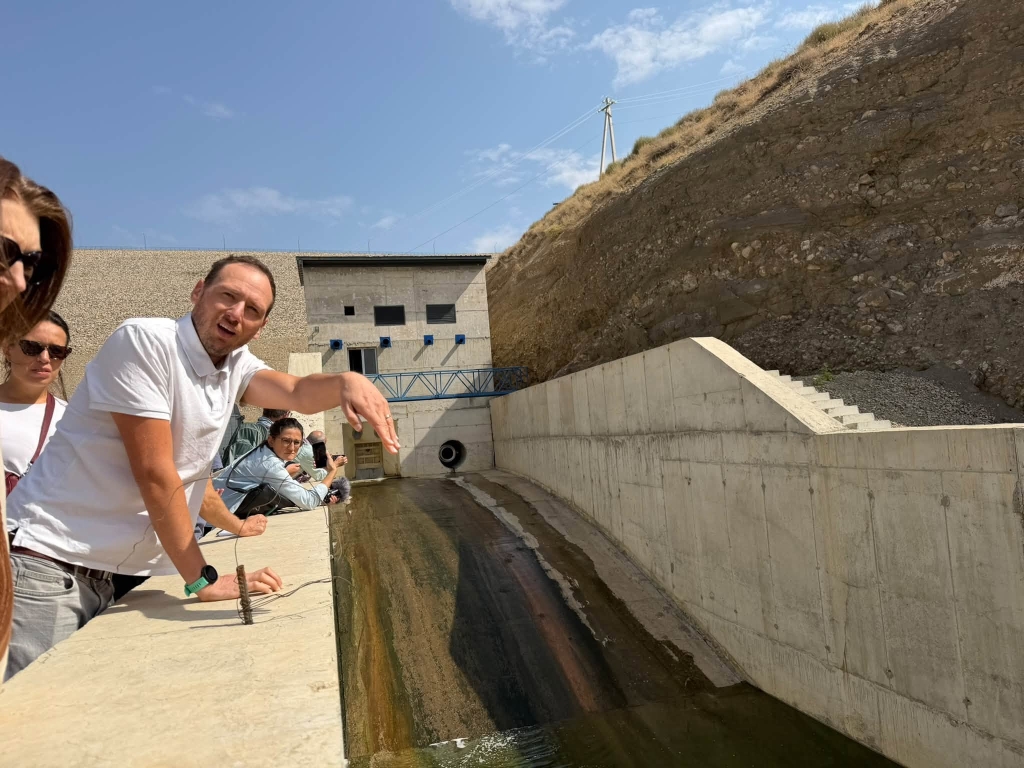
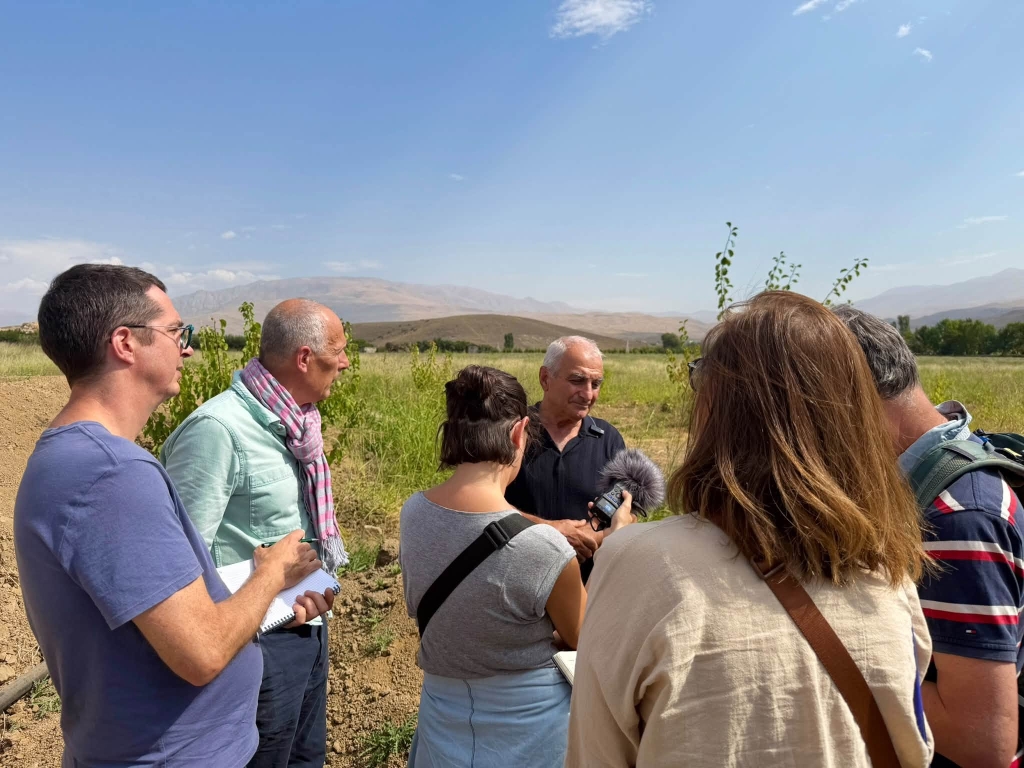
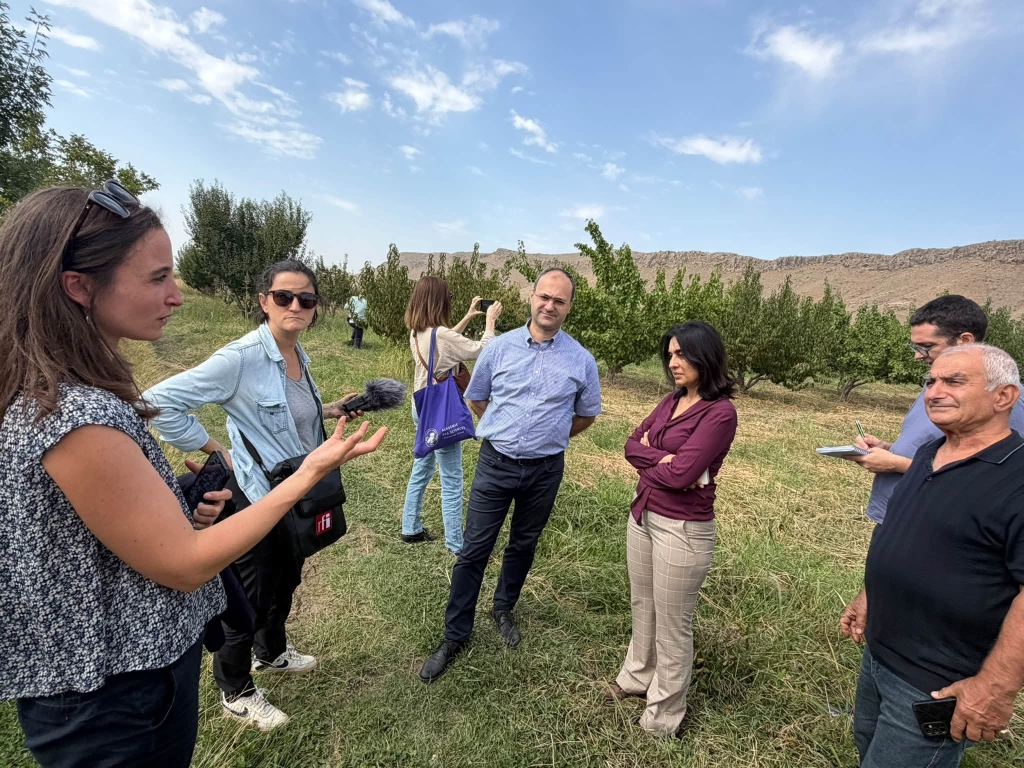
Ahead of COP17, representatives of leading French media outlets – Le Parisien, Le Figaro, Ouest-France, Groupe EBRA (Est-Bourgogne-Rhône-Alpes), and Radio France Internationale (RFI) – visited Armenia to discover the work of the IADAAM project and see first-hand the current situation at the Vedi Reservoir.

As part of the visit, we also visited one of IADAAM’s demonstration farms, exploring climate-resilient agricultural practices and their application in the field.

From water infrastructure to farmers’ fields, the visit offered an opportunity to see how climate adaptation solutions are taking shape on the ground in Armenia.

The Irrigated Agriculture Development in Ararat and Armavir Marzes (IADAAM) Project, financed by the @European Union (EU) and implemented with the support of the French Development Agency (Agence Française de Développement), aims to transform irrigated agriculture in Armenia.

Implemented by the Ministry of Economy of the Republic of Armenia, the project’s technical assistance is provided by a consortium comprising AESA – Agriconsulting Europe SA, Avenue Consulting Group LLC, Strategic Development Agency NGO, and 3R Strategy LLC, with the aim of strengthening agricultural policy and advancing sector reforms.

INLIMA Cooperation aimed at advancing Armenia’s livestock sector is now translating into concrete, practical outcomes

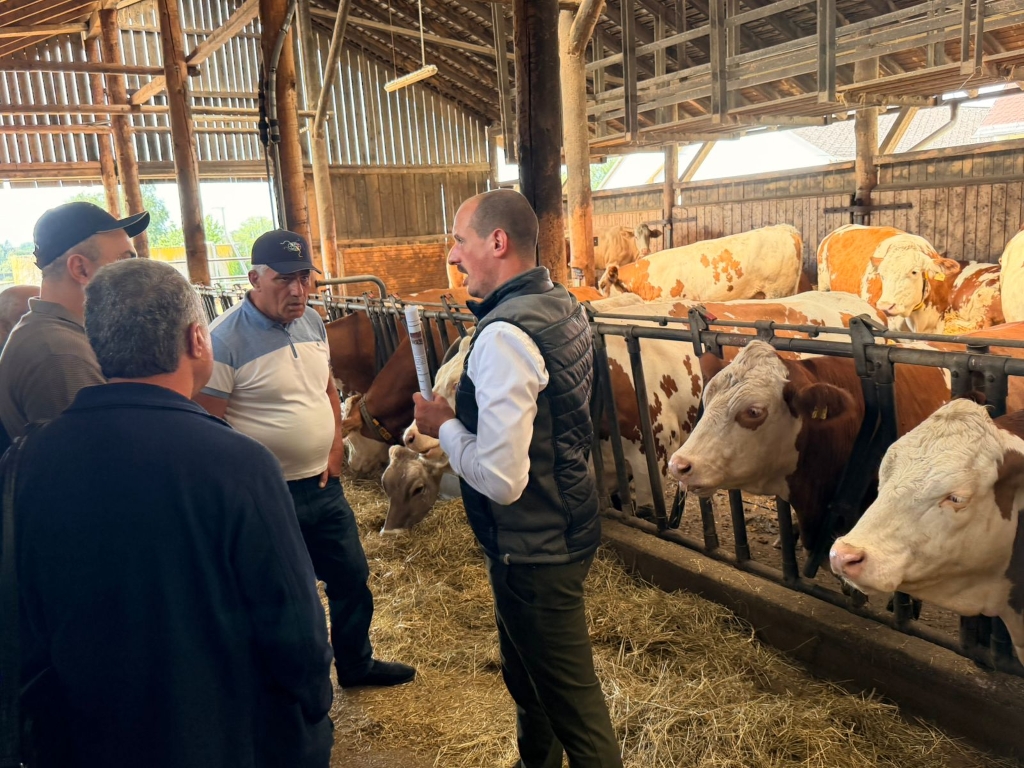
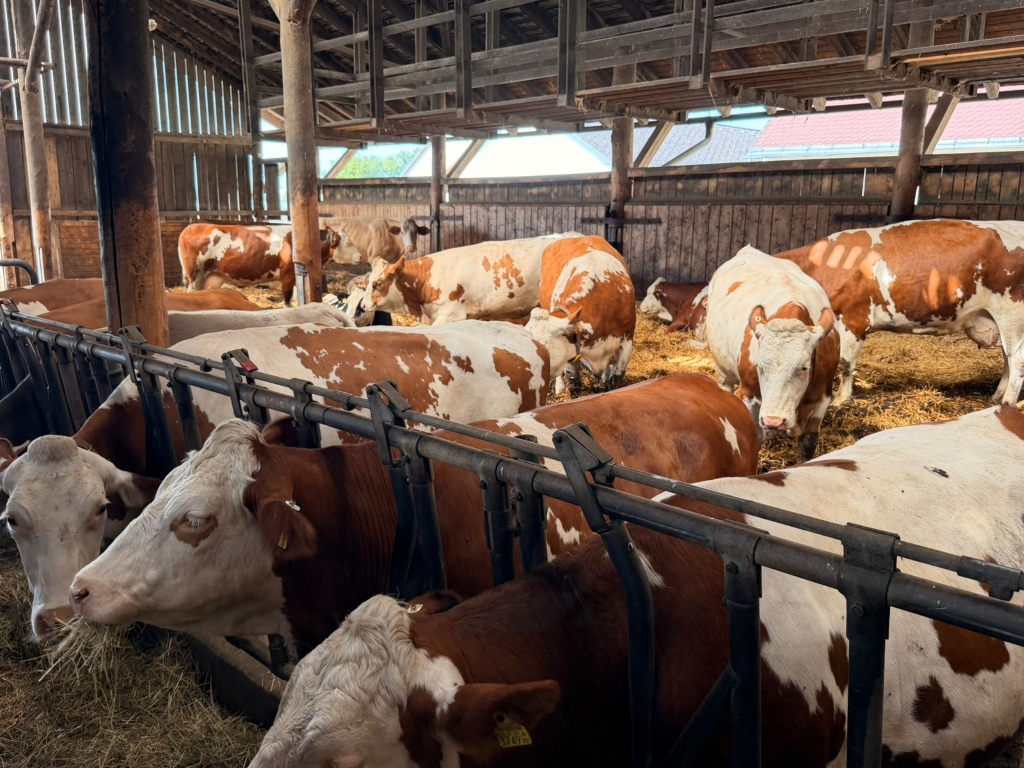
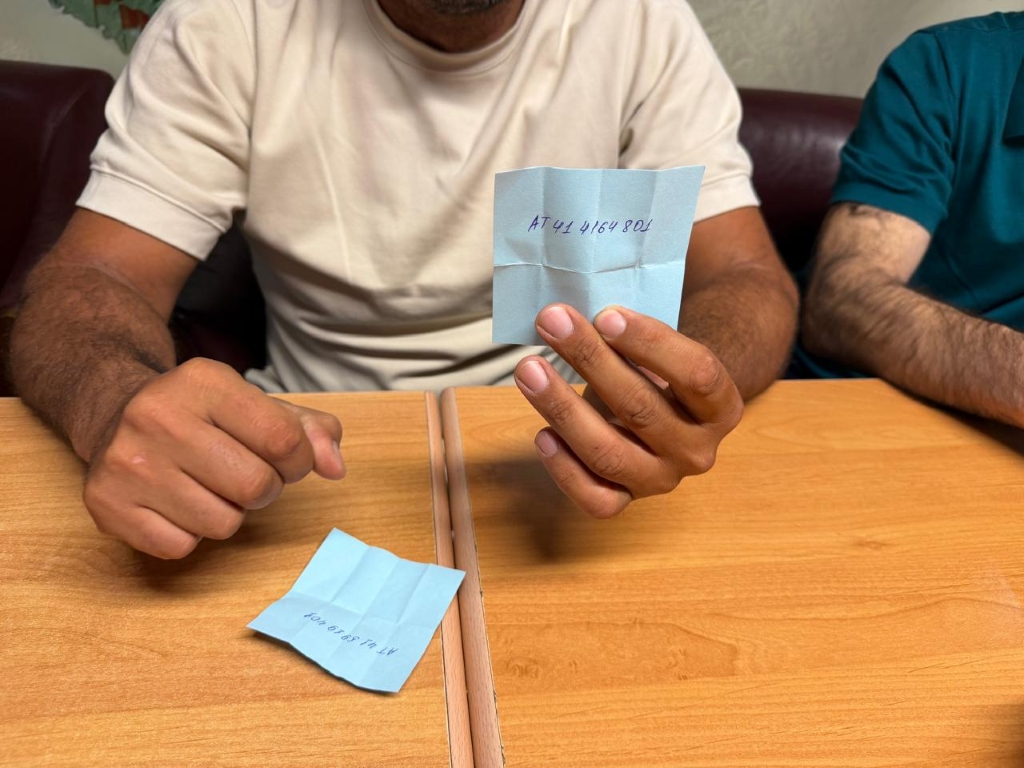
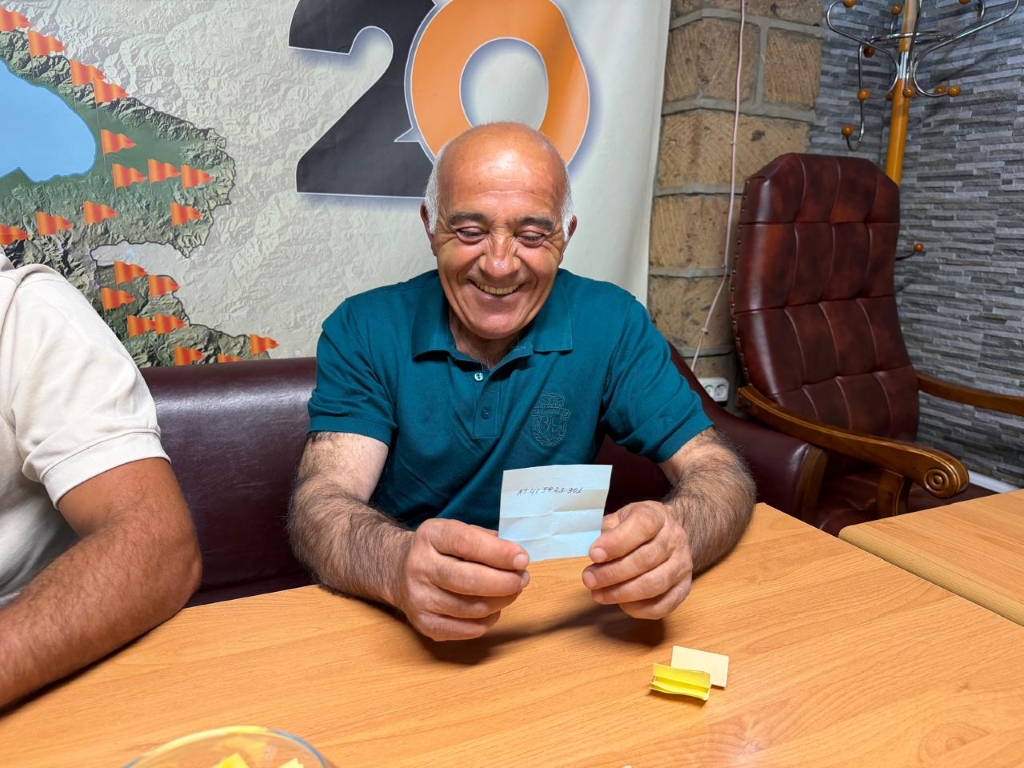
As part of the “Innovative Livestock Management: Animal Migration, Breeding & Markets” (INLIMA) programme, a study visit to Austria led to the signing of a “Memorandum of Understanding between the Ministry of Economy of the Republic of Armenia, Strategic Development Agency NGO, and Cattle Breeders Austria”. Building on the cooperation established through the MoU, 64 Fleckvieh cattle have now been imported to Armenia, acquired by two livestock farmers.

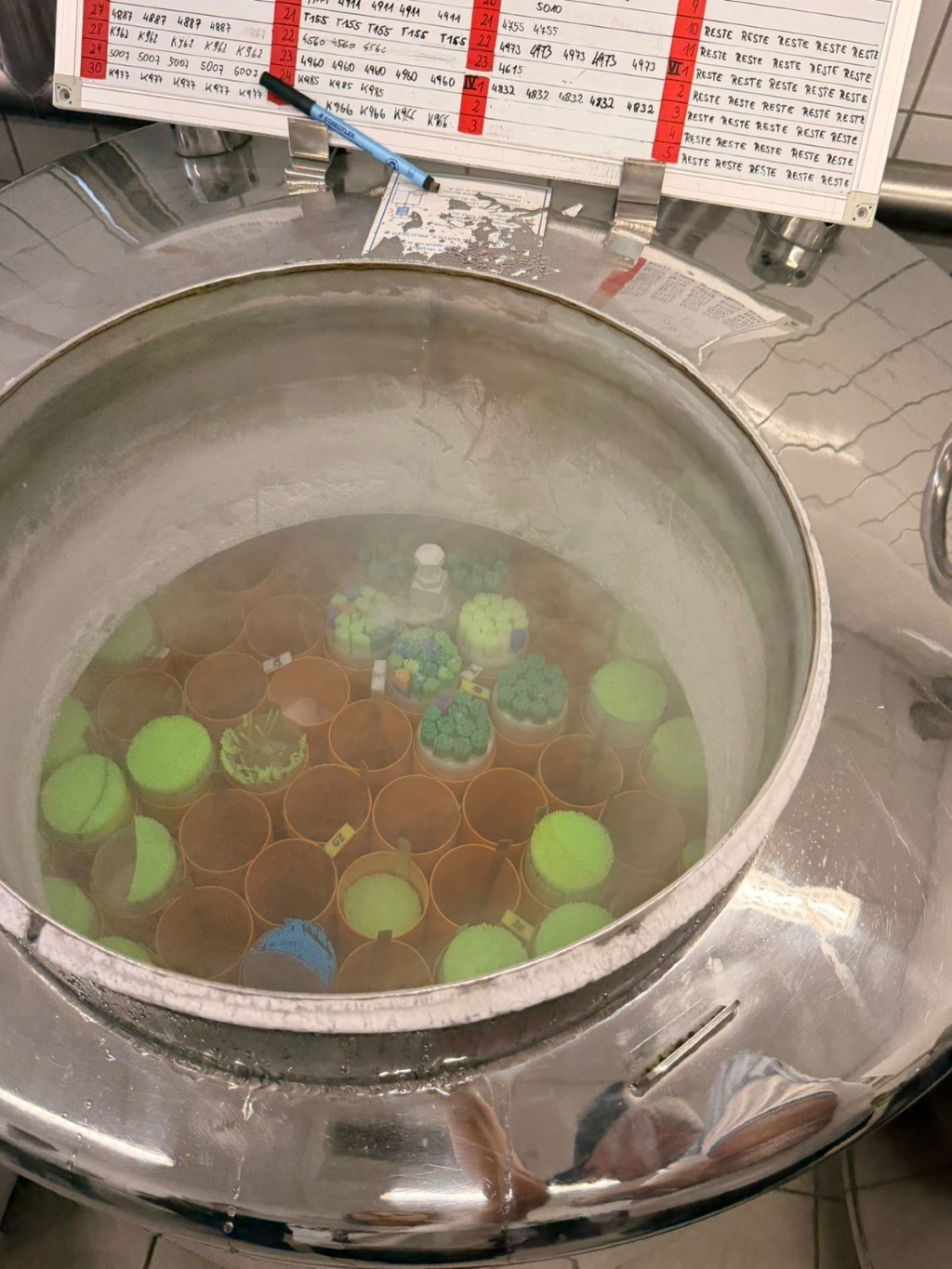
In Austria, the participants had the opportunity to gain first-hand insight into Fleckvieh breeding, the assessment of genetic potential, productivity enhancement, and the application of modern breeding and reproductive technologies. The MoU signed during the visit further established a framework for sustained cooperation between Armenian and Austrian professional institutions in these areas.

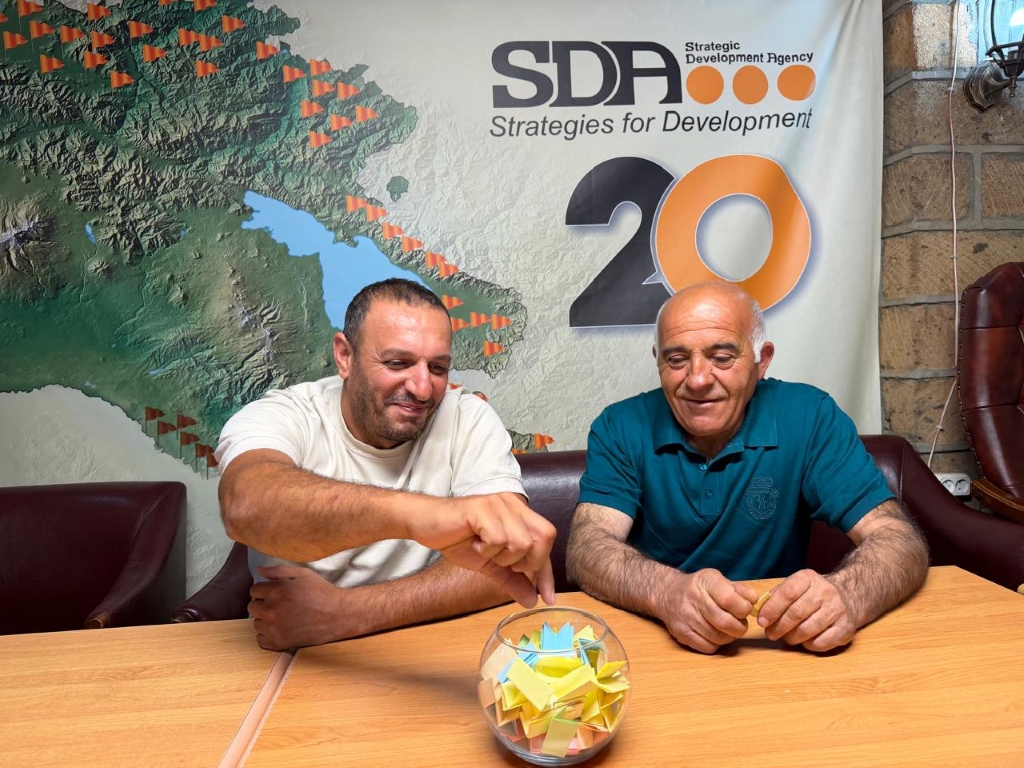
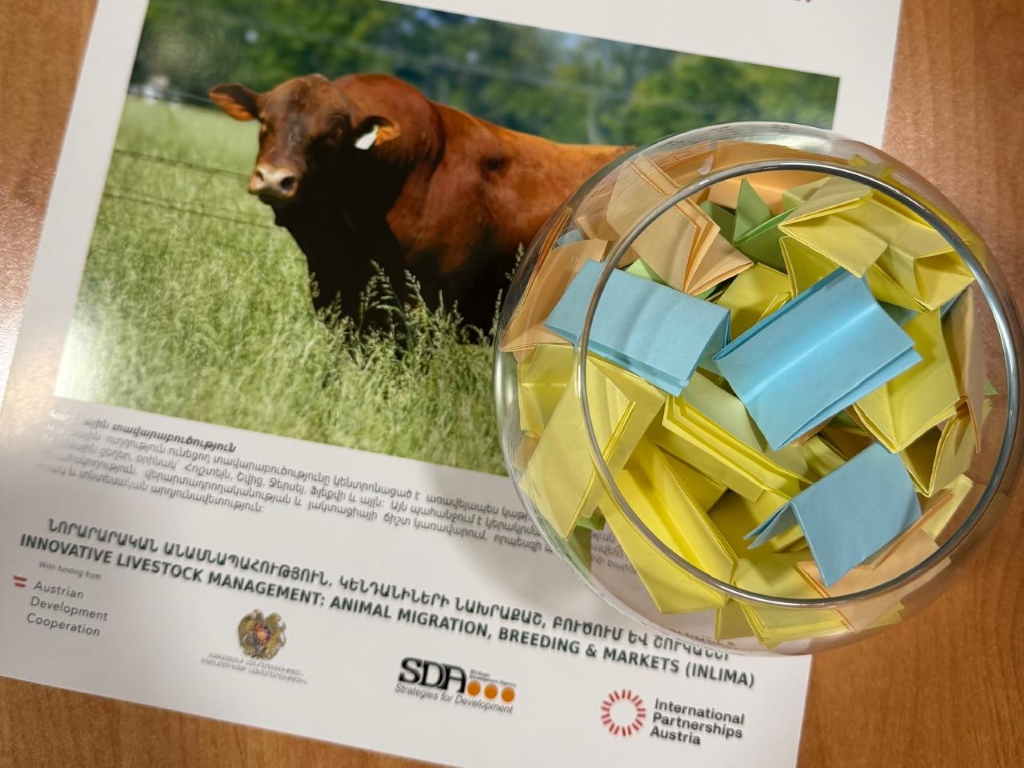
The cattle were subsequently allocated through a draw-based selection process, ensuring that each farmer received the animals acquired for their respective farm in accordance with the pre-agreed arrangements. This small but meaningful moment also reflects the programme’s broader approach: not simply learning from international experience, but translating it into solutions that can be applied in practice.

Fleckvieh is a dual-purpose breed, combining strong potential for both milk and meat production. The introduction of such genetic material can contribute to the qualitative improvement of Armenia’s cattle herds, enhanced productivity, and the wider adoption of modern breeding practices.

Within INLIMA, this is not an isolated initiative. It represents the next step in translating the knowledge and partnerships developed in Austria into practical application in Armenia – moving from international professional cooperation to the farm level, and from individual farms towards the long-term development potential of Armenia’s livestock sector.

“Innovative Livestock Management: Animal Migration, Breeding & Markets” (INLIMA) project is implemented by Strategic Development Agency NGO and funded by the Austrian Development Agency (ADA), the operational unit of Austrian Development Cooperation.
Uncategorized

MAVETA What do Greenhouse Management and Farm Management look like through the eyes of apprentices?

What comes to mind when young people think about the profession they have chosen? What images, colours, technologies, skills and ideas do they associate with it? And, most importantly, how do they imagine the future of these professions?

Young people’s perceptions of their professions matter not only because they reflect their interests and expectations. They also offer an insight into how the image of agriculture is changing – from traditional perceptions of farming towards professions increasingly shaped by technology, innovation, management and new skills.

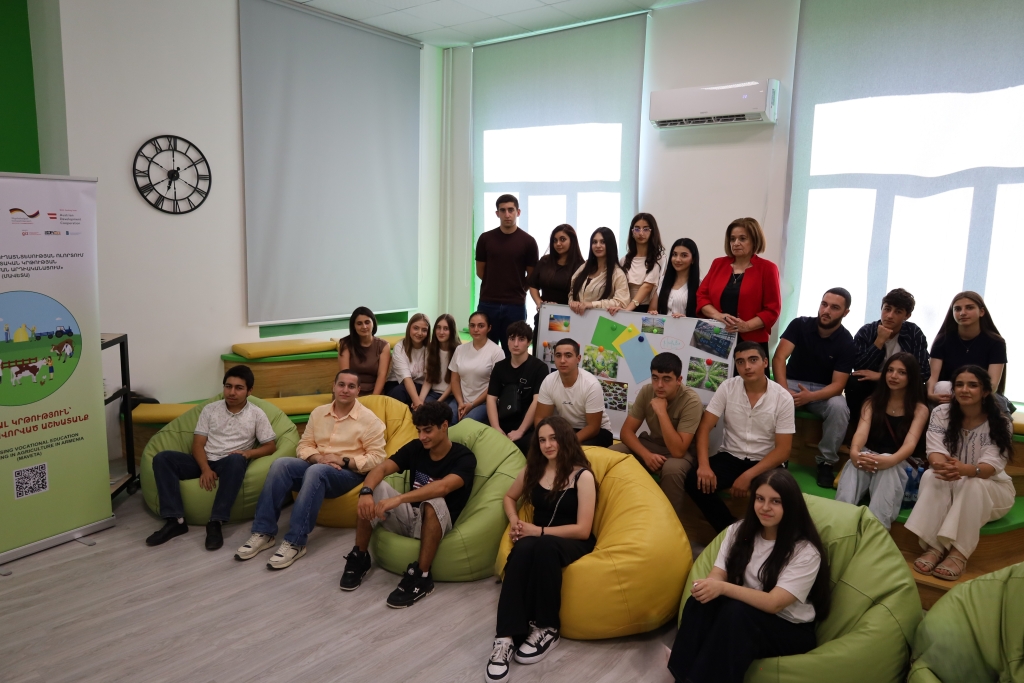
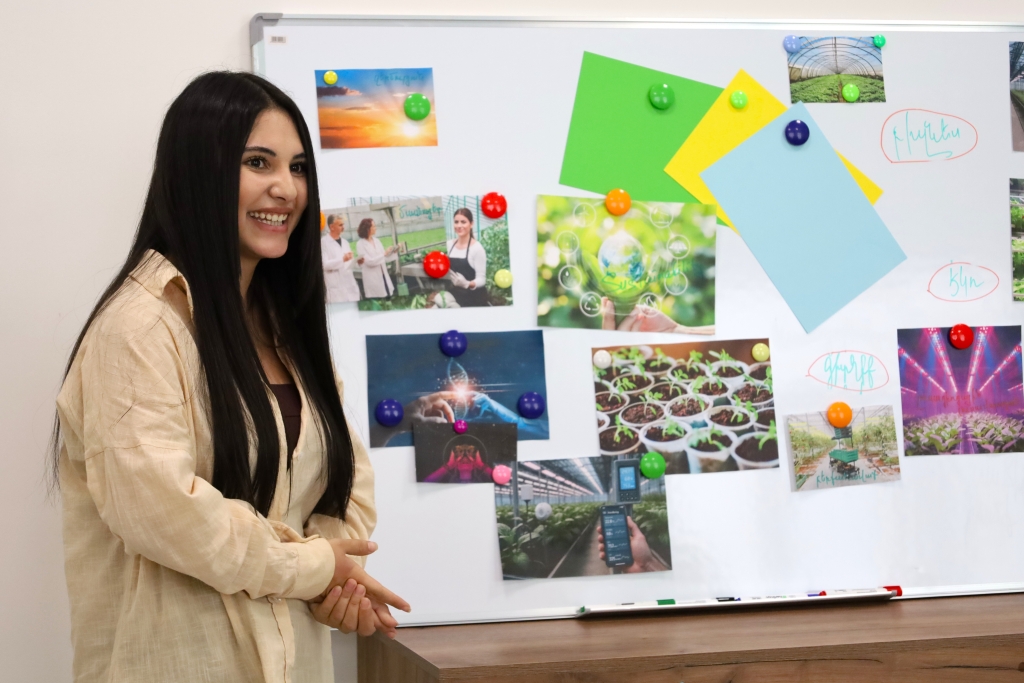
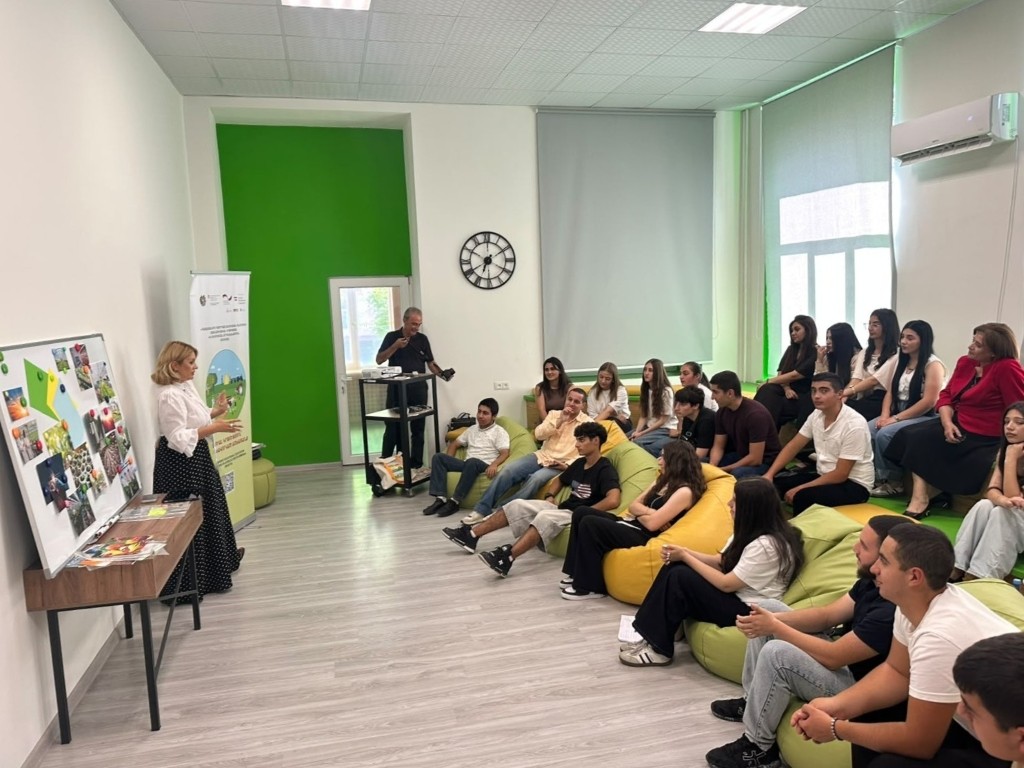
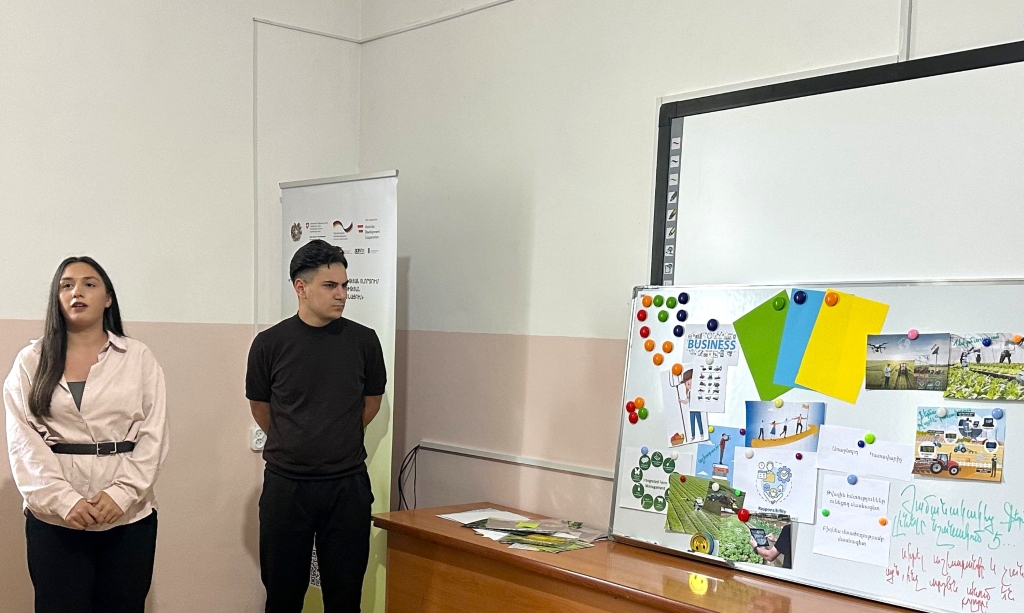
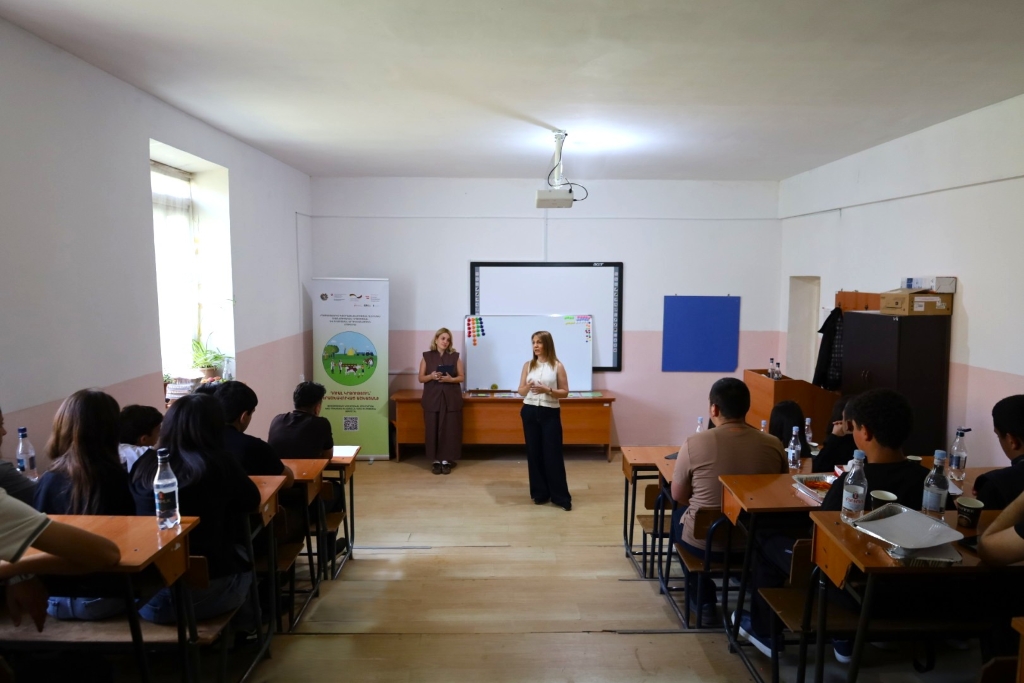
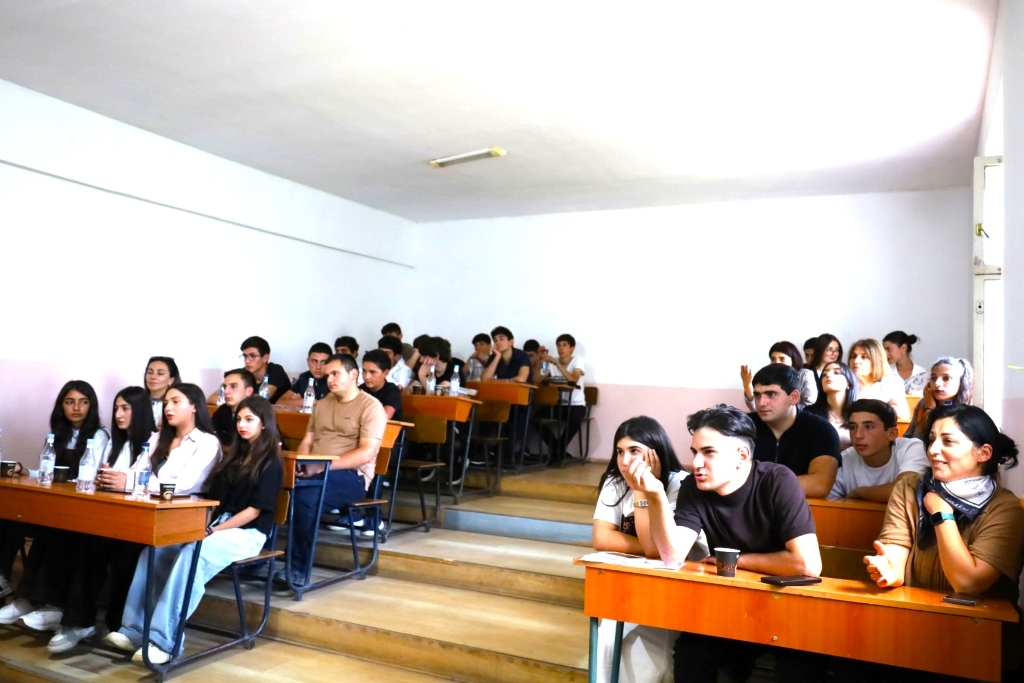
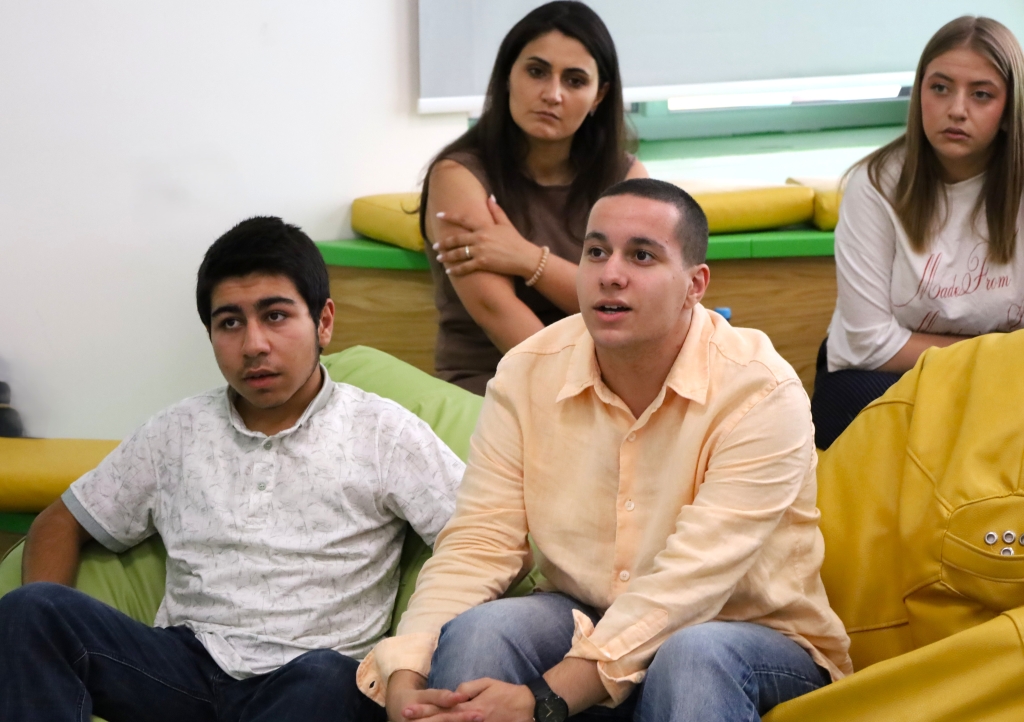
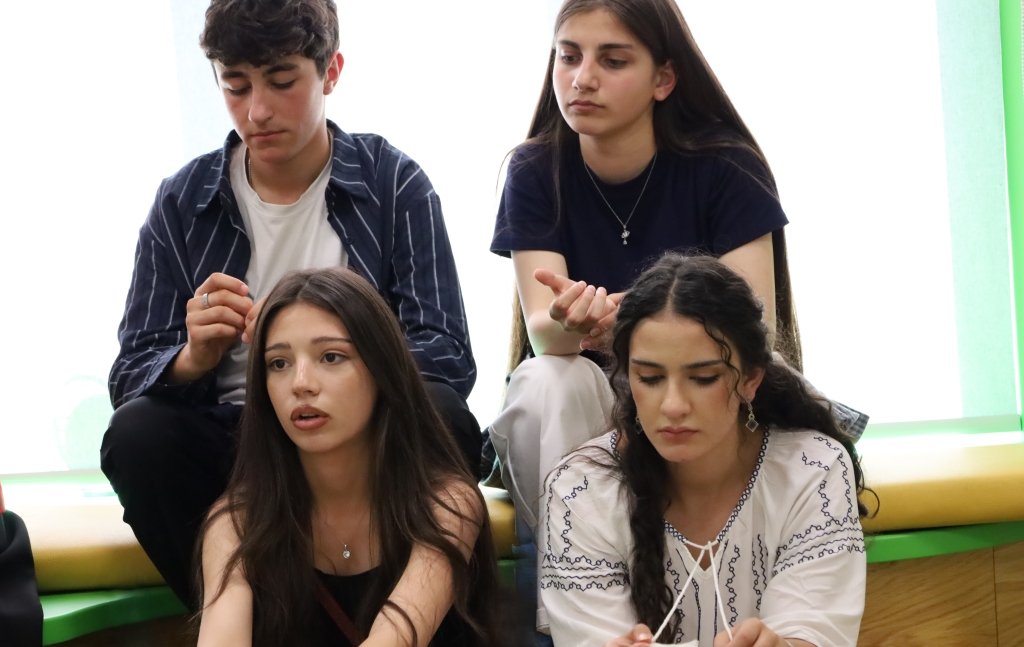
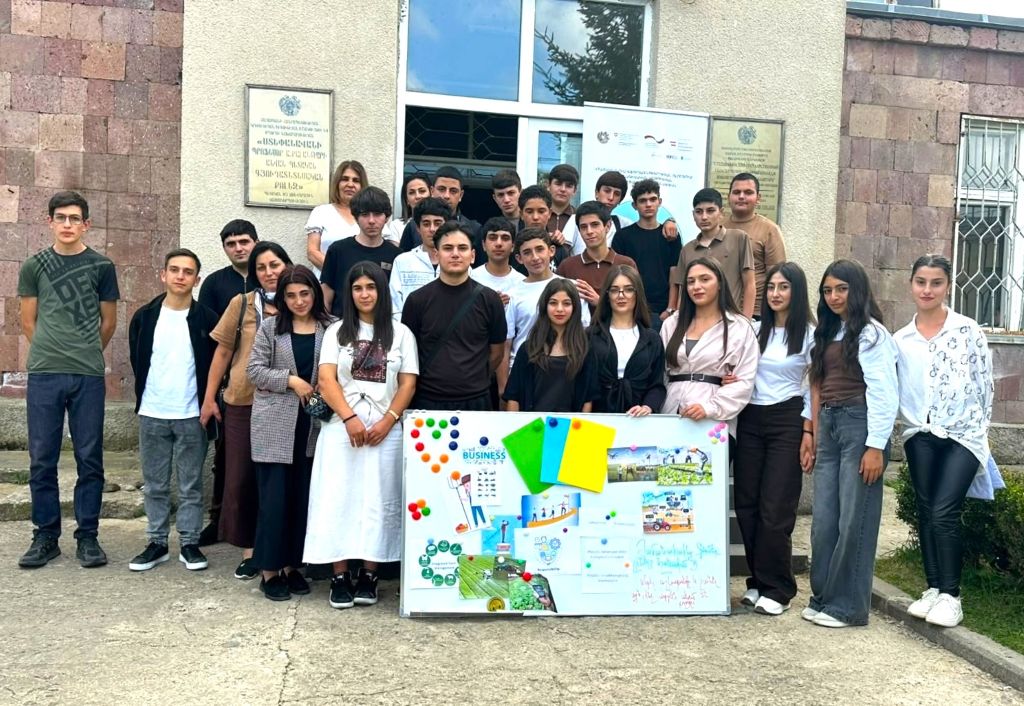
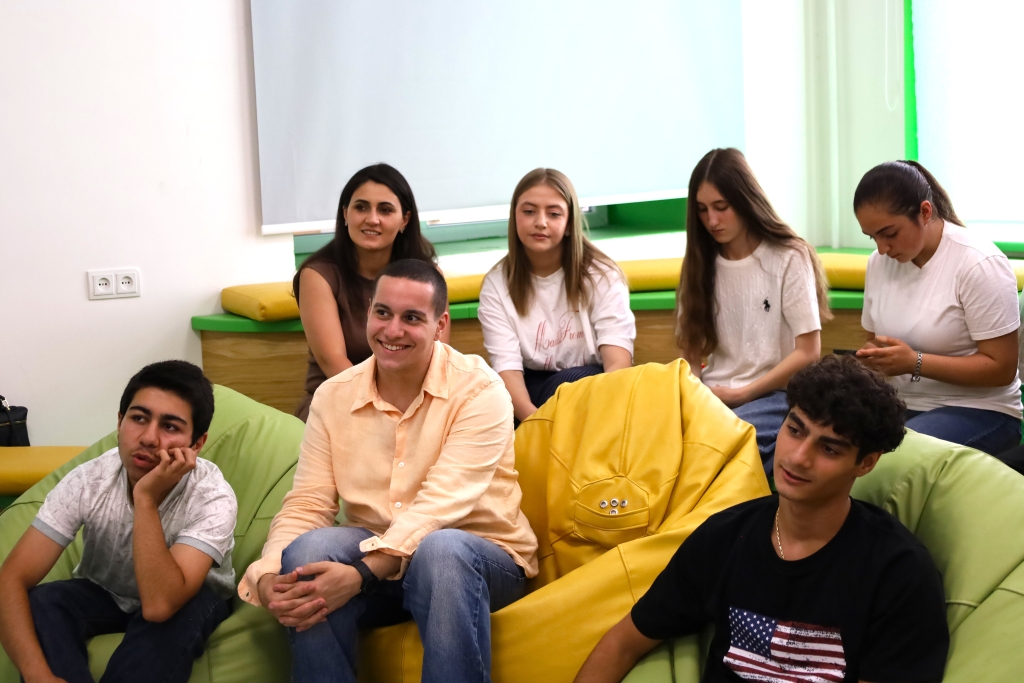
As part of the MAVETA project, apprentices from partner colleges across Armenia were invited to explore one simple but meaningful question: how do they see the professions they are preparing for – and where do they see them heading? Bringing together young people from A. E. Kochinyan Agricultural College of ANAU, Stepanavan State Agricultural College, Goris Multi-functional State College, ANAU Sisian Branch, and Kotayk Regional State College, the activity transformed their individual perspectives into a collective visual picture of the future of agricultural professions.

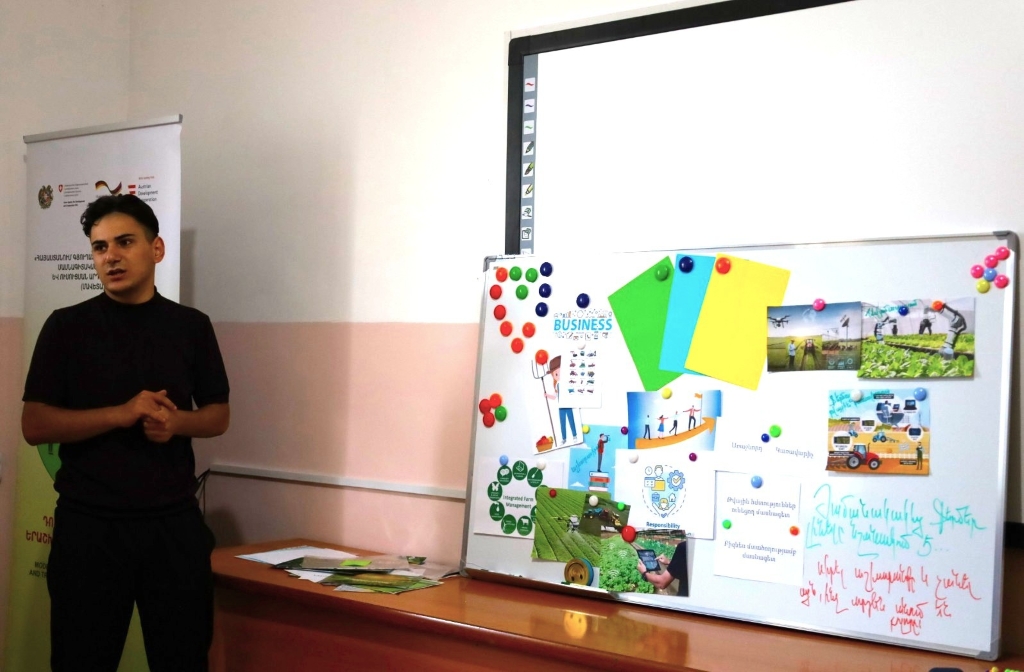
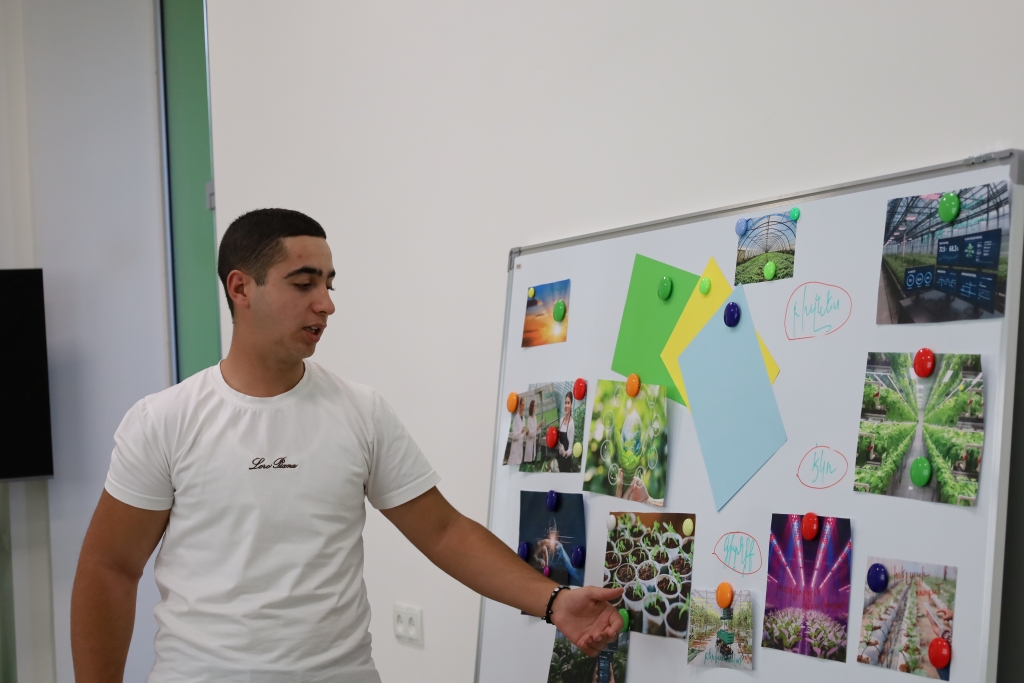
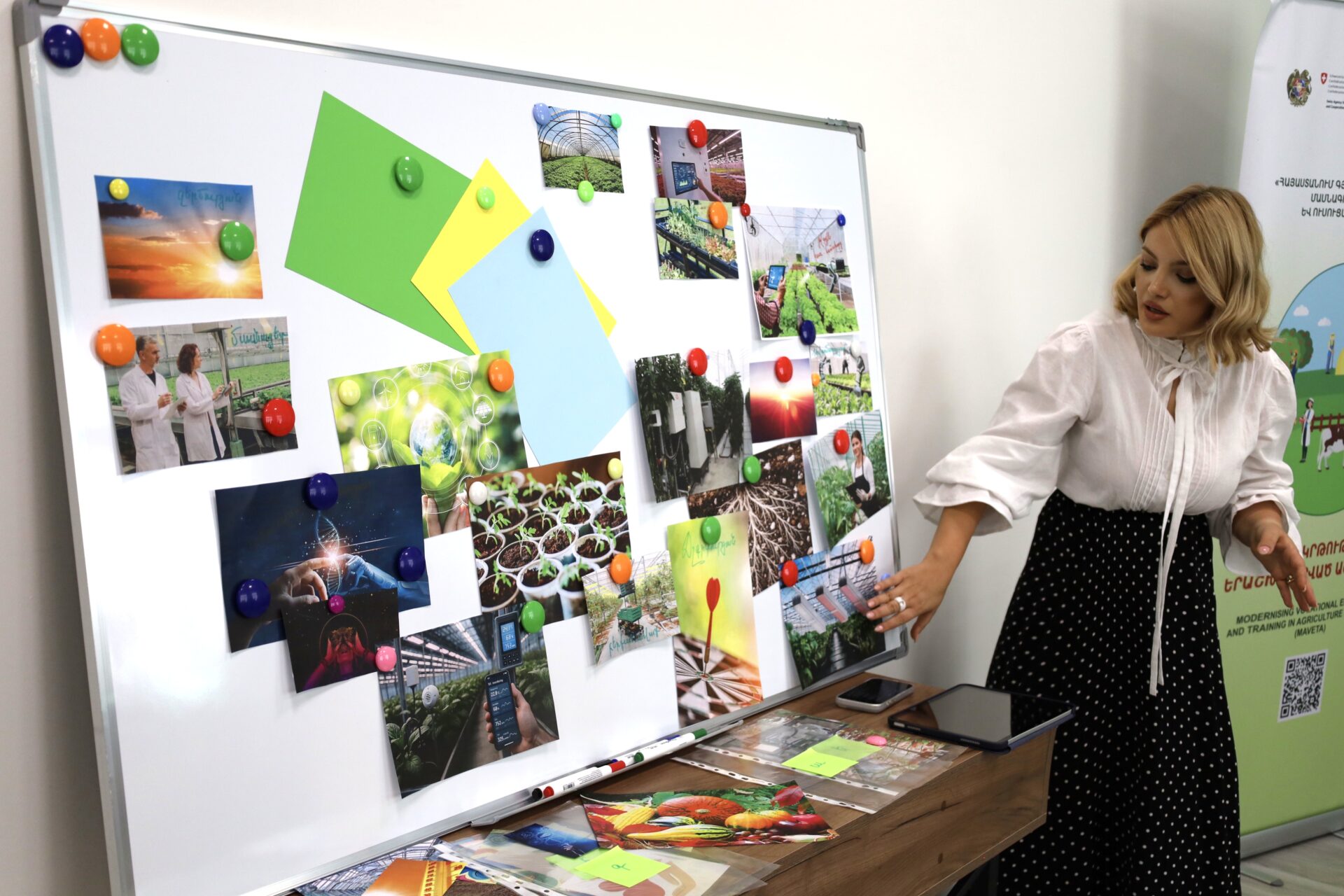
During the session, they translated their ideas into Mood Boards, selecting and combining images, concepts and associations that, in their view, represent their professions.

Their work highlighted agriculture as much more than production. It brought together:
  • modern technologies and automation,
  • innovative and sustainable agriculture,
  • efficient irrigation and production systems,
  • data-informed management and planning,
  • new ideas, creativity and entrepreneurial thinking,
  • practical skills and professional development.

In this sense, the Mood Boards became a visual snapshot of how young people see their professions – today and in the future.

The activity was therefore more than a creative exercise. The apprentices’ ideas, visual associations and perspectives will serve as the basis for animated content dedicated to the Greenhouse Management and Farm Management professions.

The resulting content will present these professions from the perspective of young people themselves, highlighting that modern agricultural careers are not only about farming and production. They increasingly bring together technology, practical expertise, management, innovation and future-oriented skills.
The MAVETA project is financed by the Federal Ministry for Economic Cooperation and Development (BMZ), the Swiss Agency for Development and Cooperation, the Austrian Development Agency (ADA) and the Government of Armenia.

The project’s implementing partners are the Deutsche Gesellschaft für Internationale Zusammenarbeit (GIZ) GmbH and Strategic Development Agency NGO and the School of Agricultural, Forest and Food Sciences at the Bern University of Applied Sciences (BFH-HAFL).