
LILA: A CHAPTER CLOSES, THE IMPACT CONTINUES
After over 3 years of dedicated work across four regions of Armenia, LILA project is writing its final lines – not as an ending, but as the beginning of long-term change that will continue to unfold in communities, landscapes, and local economies. What began as an effort to strengthen green entrepreneurship, eco-tourism, and resilient local development has evolved into a collaborative movement shaping a more sustainable future.
Throughout the project, green entrepreneurship, eco-tourism, wild collection, and local food production grew into interconnected value chains where communities not only enhanced their economic potential but also became responsible stewards of the nature around them. For the first time in Armenia, environmental protection and economic development were deliberately integrated, focusing on three key value chains: sustainable and inclusive tourism, wild collection, and local production with direct linkages to tourism and hospitality sectors.
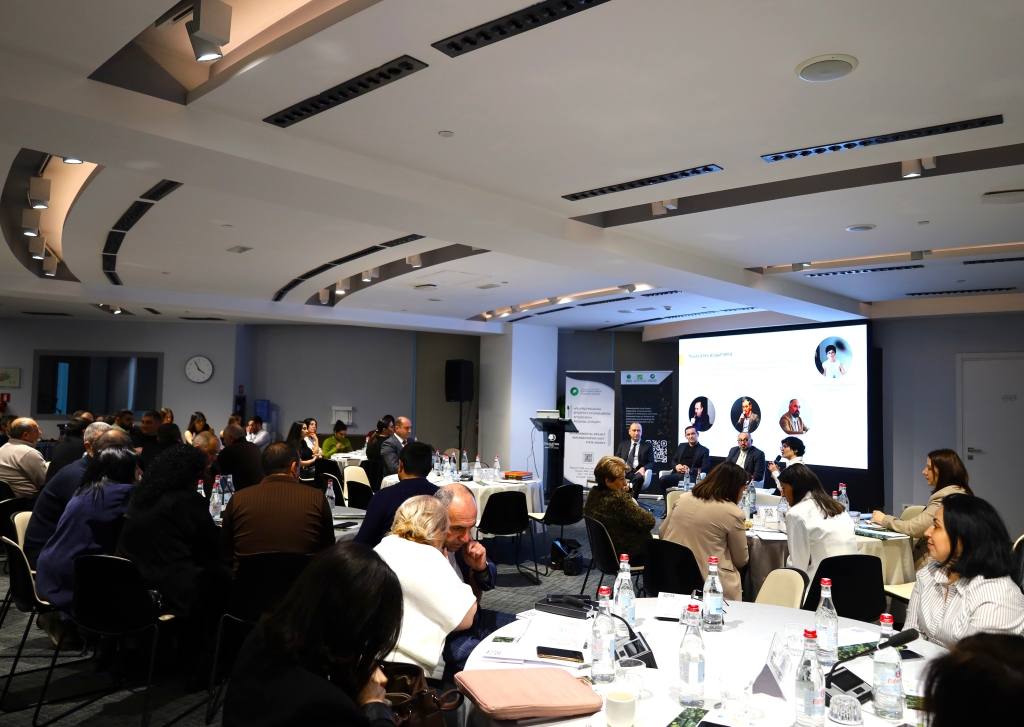
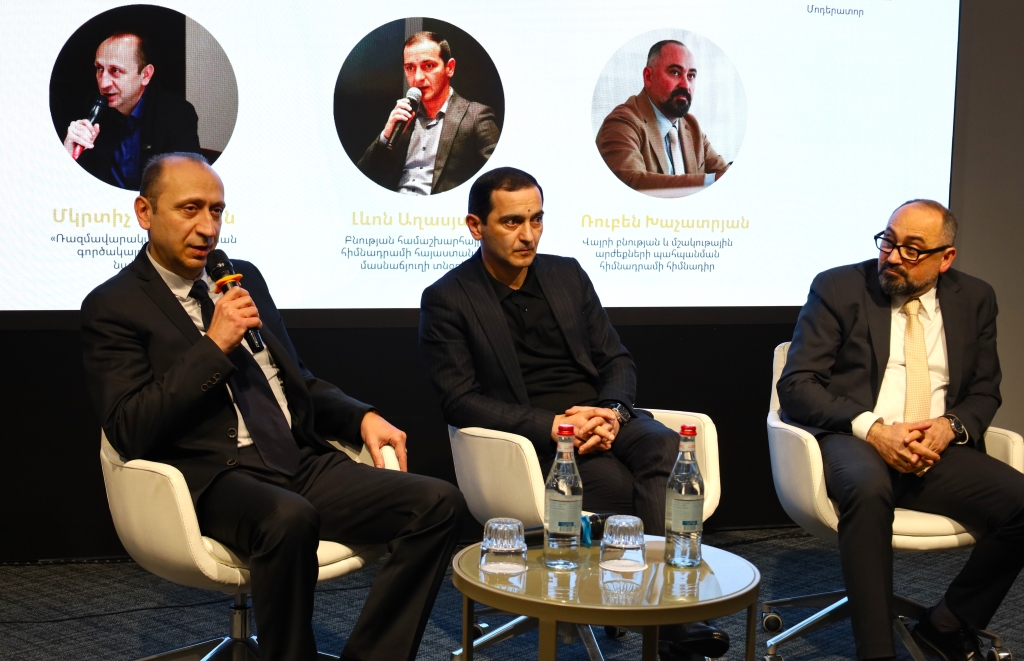
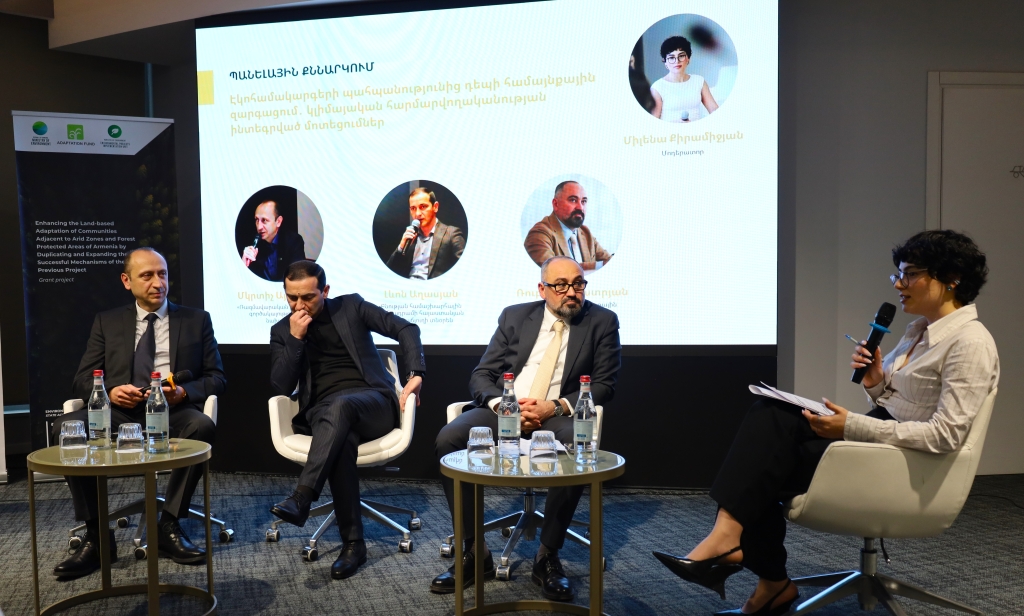
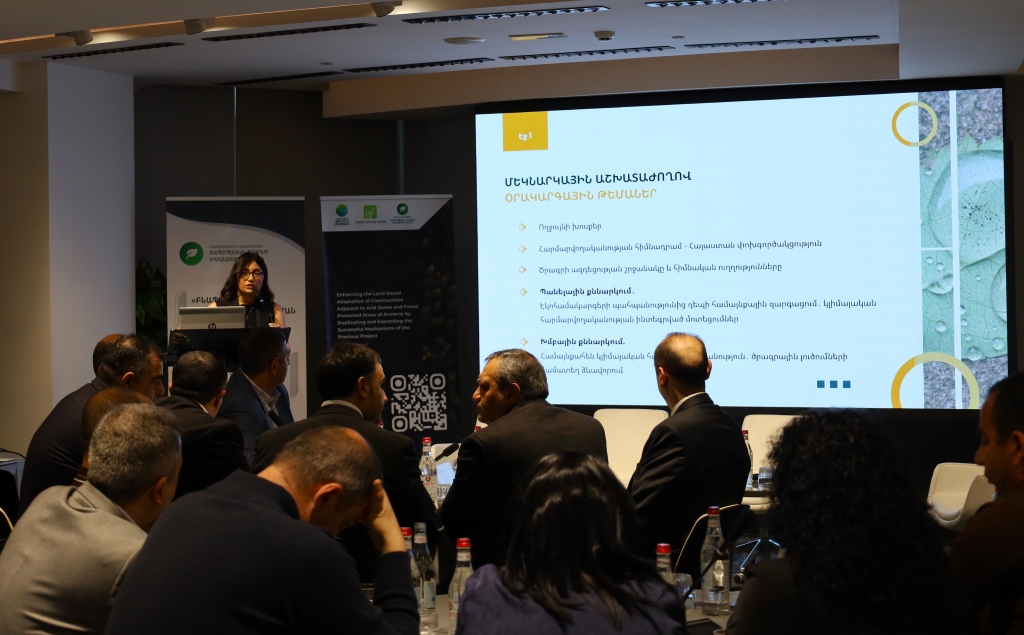
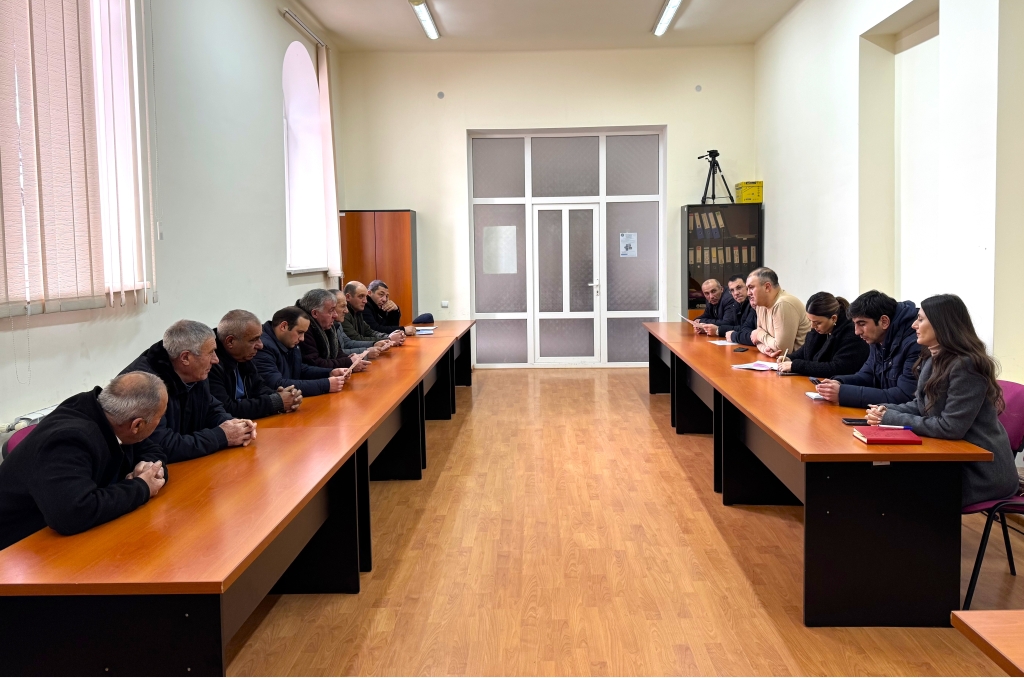
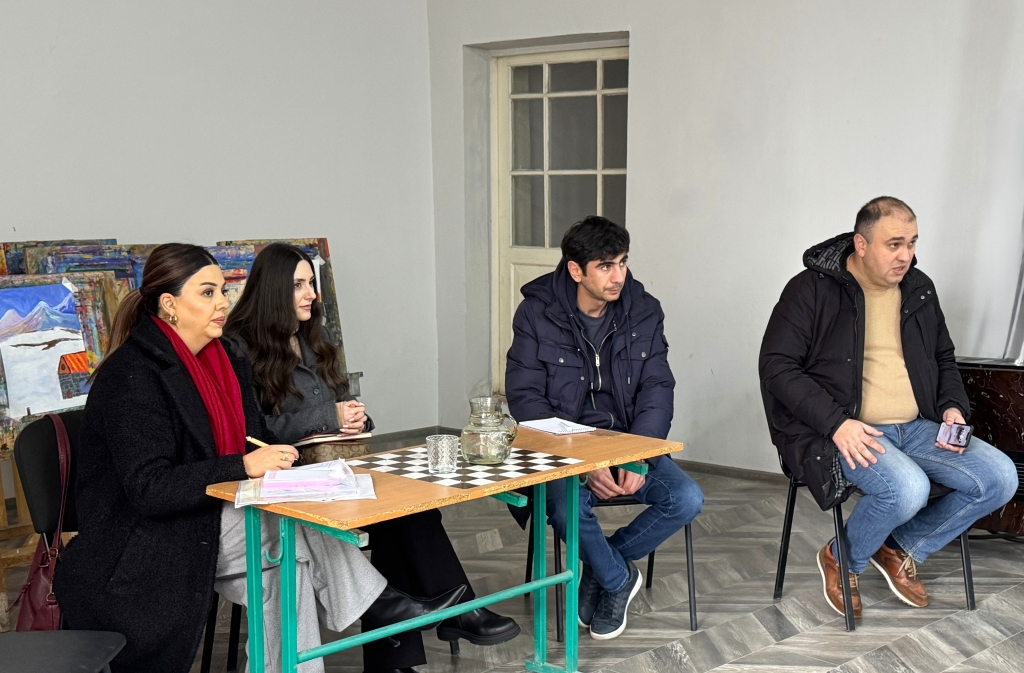
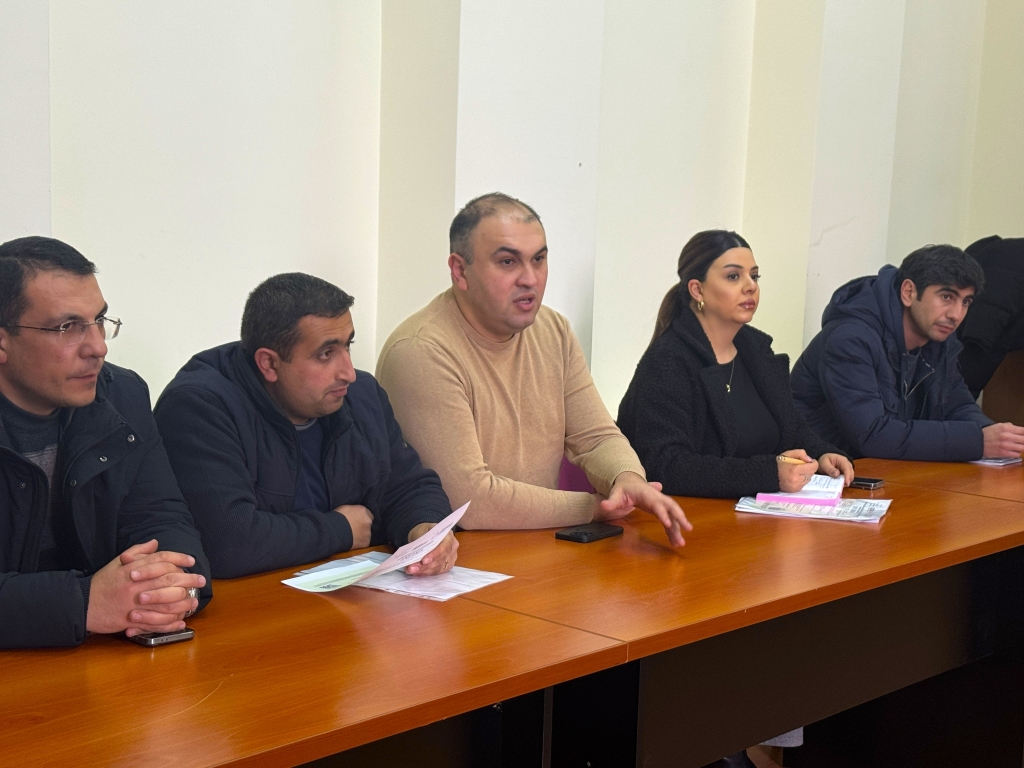
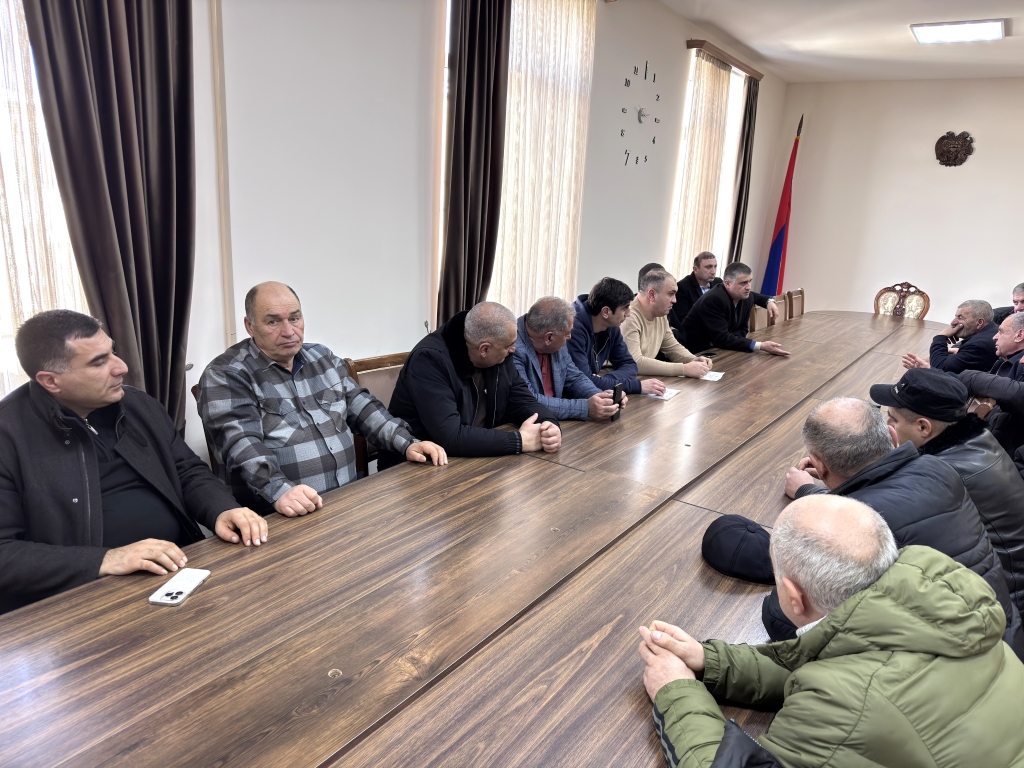
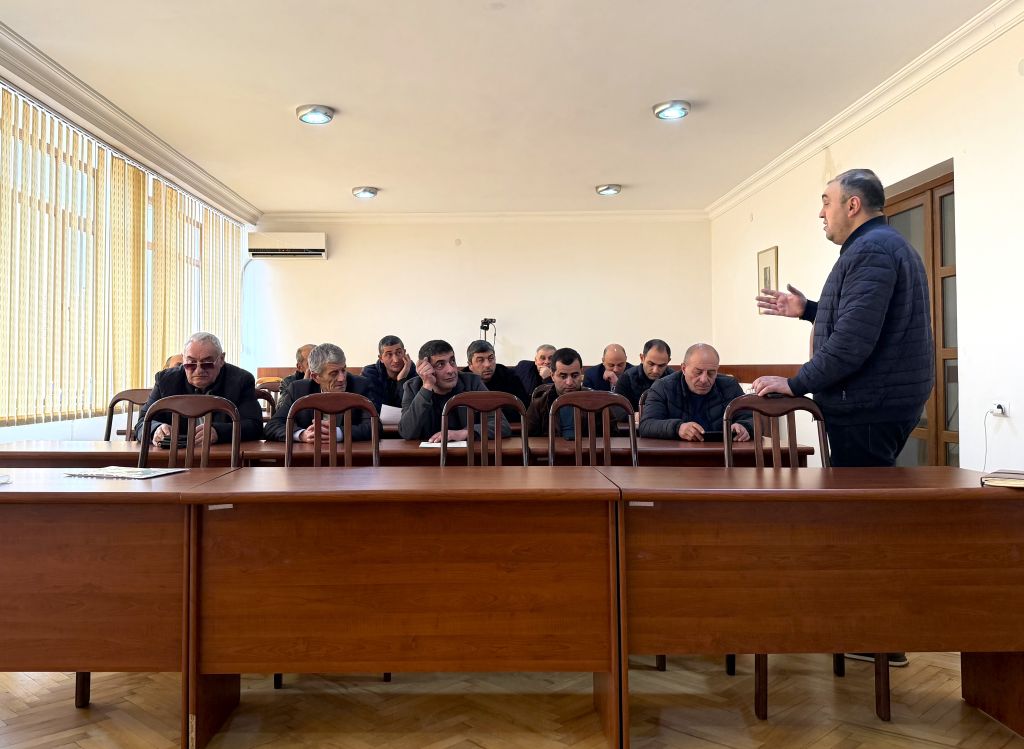
During the project’s concluding press conference, Ursula Läubli (Deputy Head of Mission of the Embassy of Switzerland in Armenia/ SDC), Lusine Gevorgyan (Head of Tourism Committee, Ministry of Economy), Levon Aghasyan, (Director, WWF-Armenia), Naire Yeritsyan (Project Coordinator, WWF-Armenia) and Alla Ghazaryan (Project Coordinator, SDA NGO), reflected on the progress made across Tavush, Lori, Vayots Dzor, and Syunik, highlighting how LILA supported rural businesses, expanded eco-tourism potential, and fostered environmentally responsible practices.
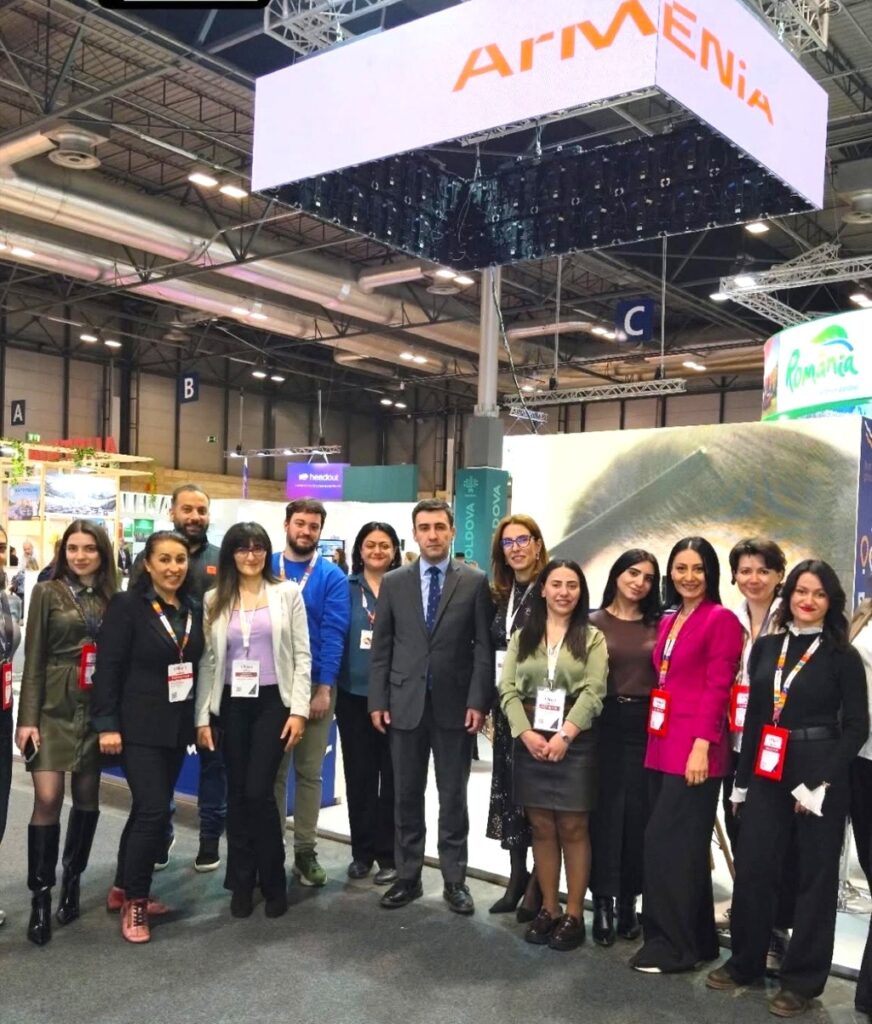
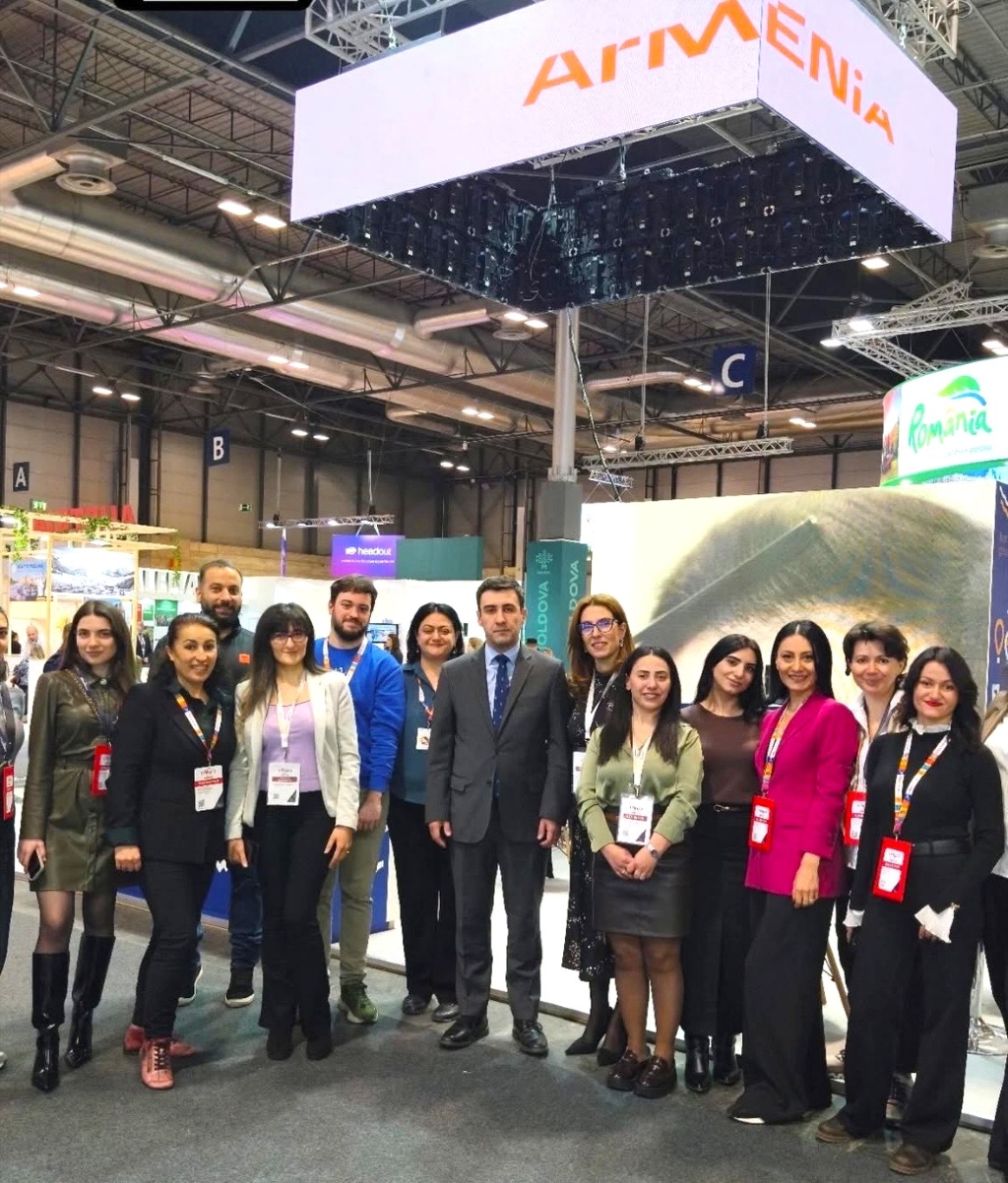
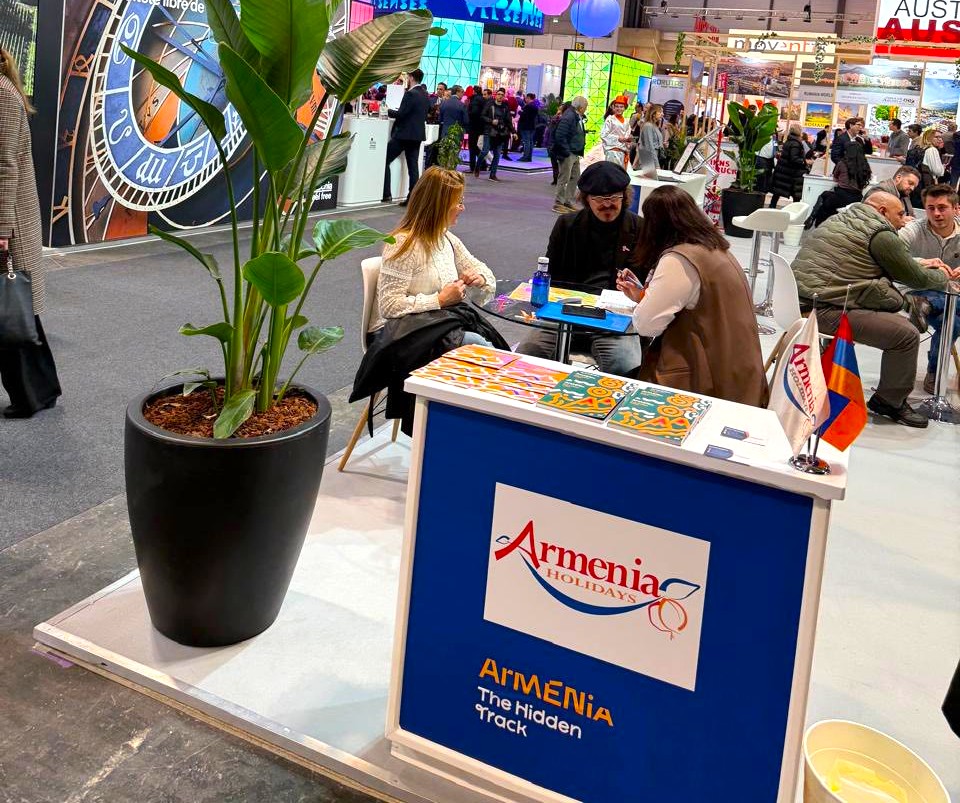
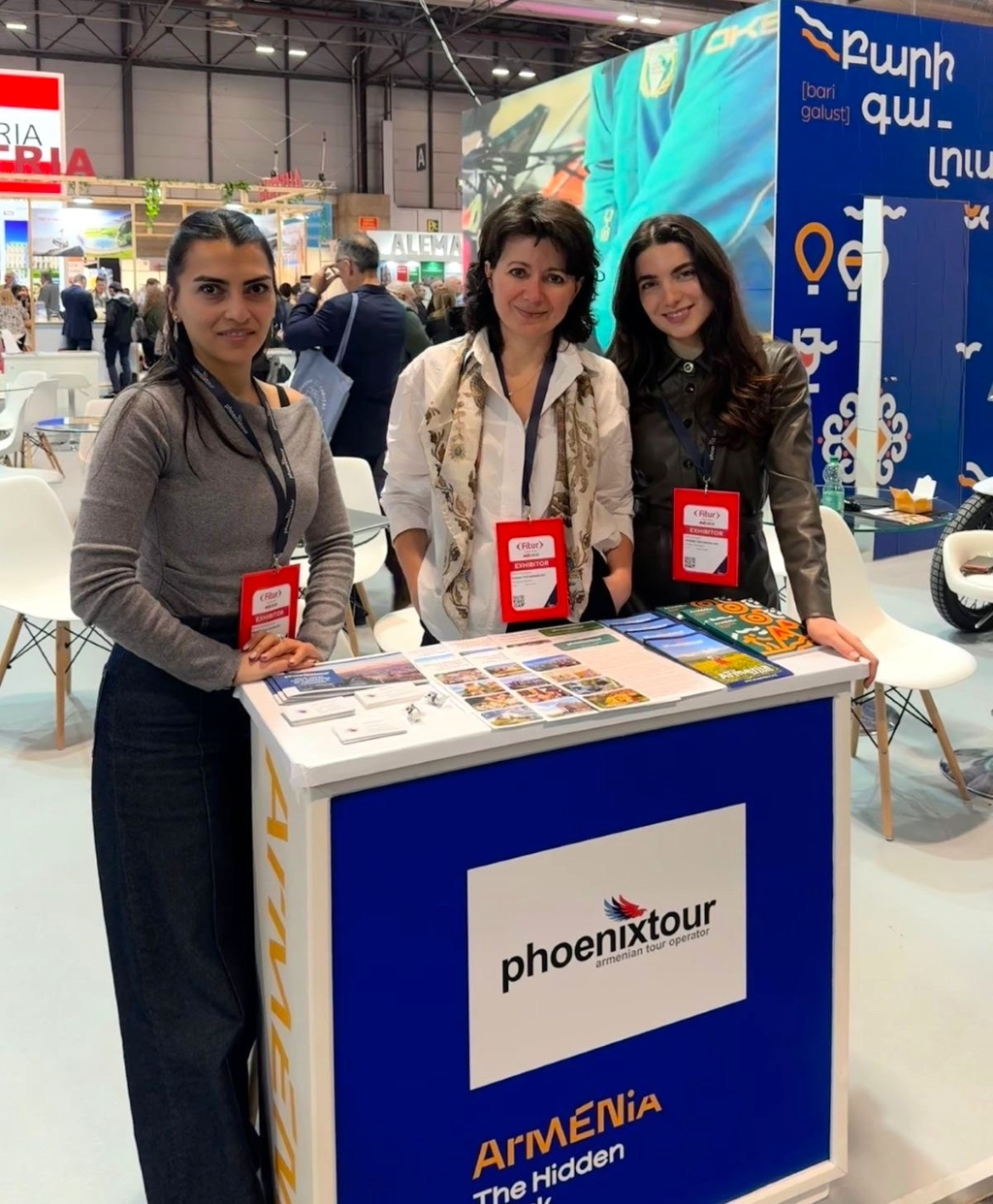
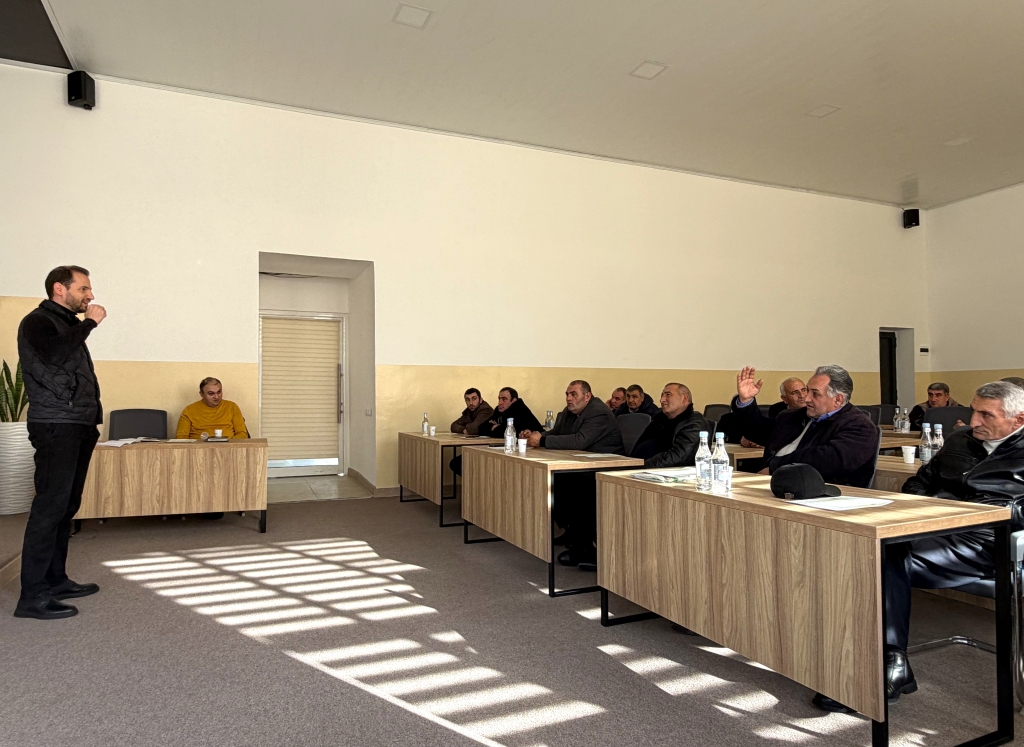
Across the four regions, the project invested in building and improving tourism infrastructure -from the Lori-Atan-Ahnidzor hiking trail to the innovative VR experience in the Areni-1 Cave, which today stands as one of the community’s signature attractions. New nature-based tourism products were developed, many of which are now included in partner tour operators’ packages and showcased at leading international tourism exhibitions. Dozens of capacity-building initiatives were implemented, training professional guides, mountain leaders, and other specialists essential for high-quality and safe tourism services.
Women’s economic participation was a central focus: women were engaged in the wild collection, local production, tourism, and hospitality value chains, while women-led community businesses received tailored support, creating new income streams and leadership roles in their local economies. At the same time, the entire wild-collection value chain was strengthened – from sustainable harvesting and safe processing to packaging and market placement – ensuring both environmental protection and income-generation opportunities for rural households.
The link between local producers and the tourism & hospitality sectors was reinforced through Farm-to-Table models, enabling local farmers and processors to supply fresh and regionally distinctive products to tourism businesses. One of the signature achievements of this work was the publication of culinary collections dedicated to the traditional cuisine of Tavush, Lori, and Vayots Dzor – simultaneously a cultural preservation effort and a tool for developing gastronomic tourism.
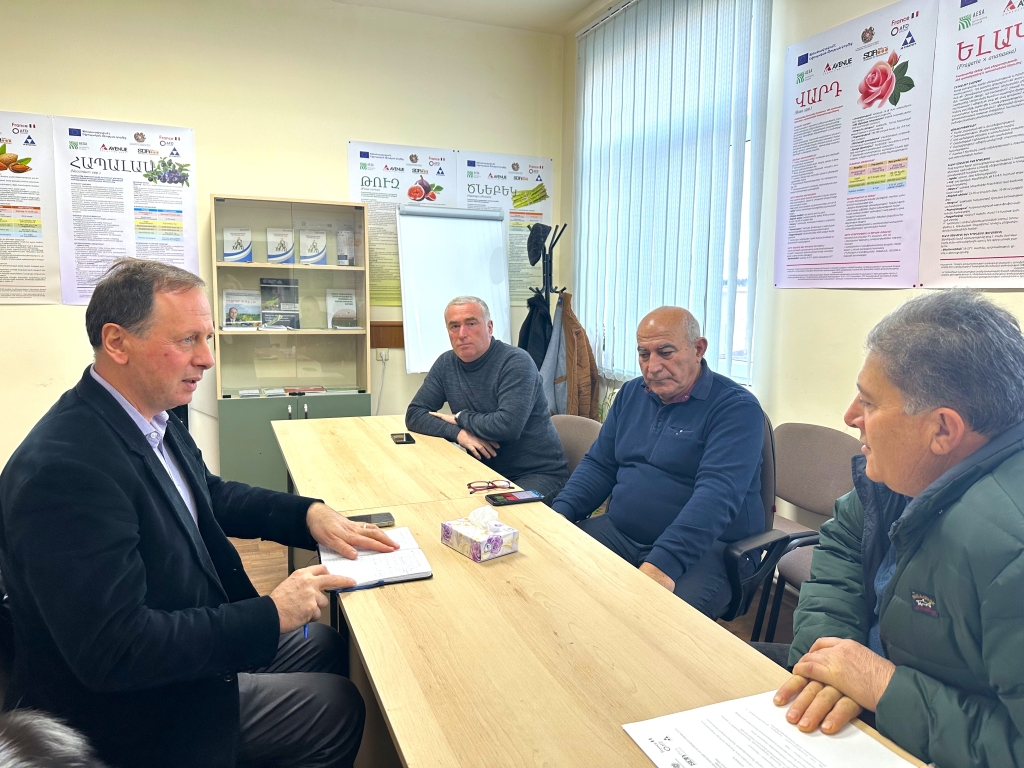
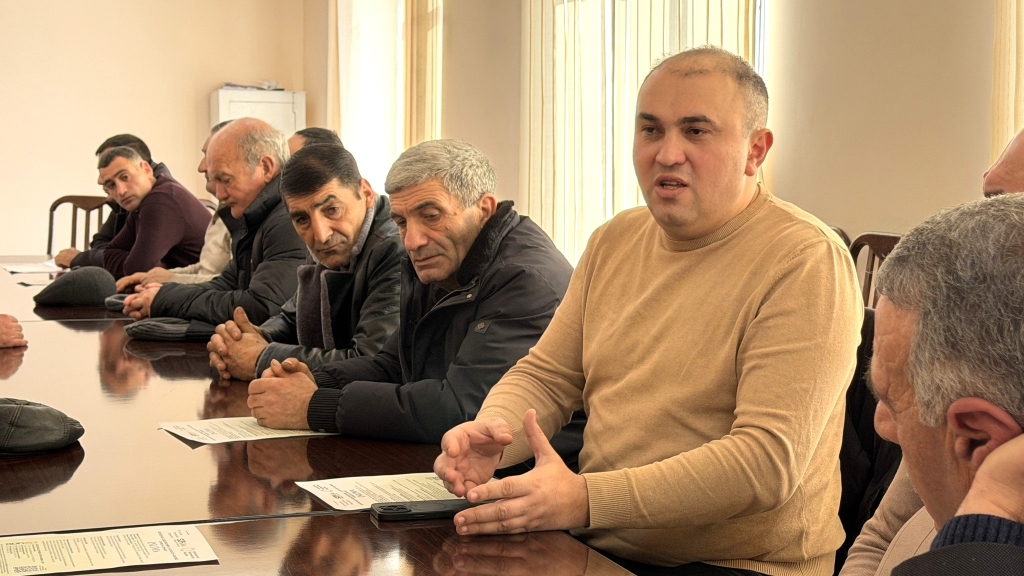
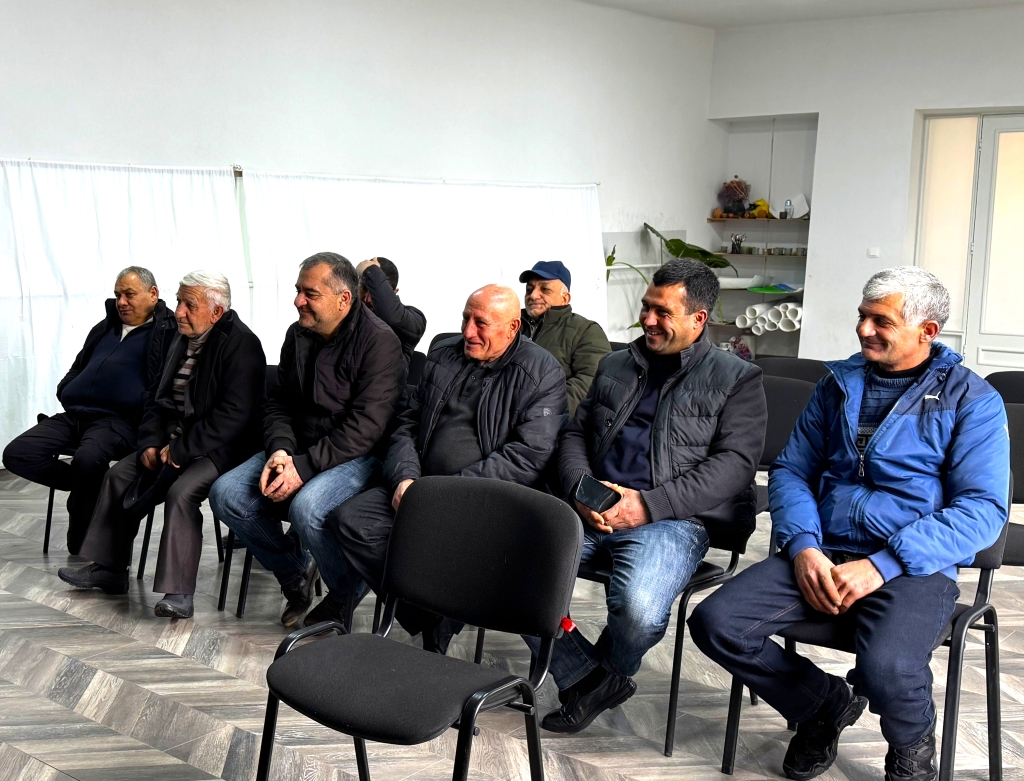
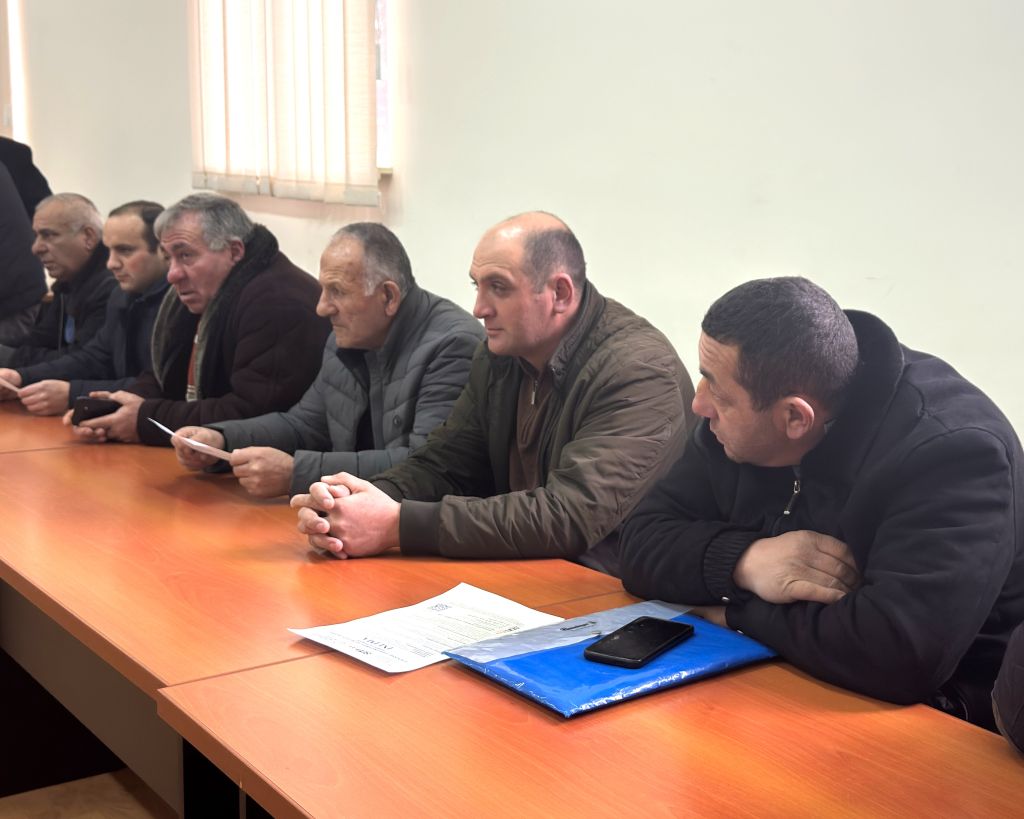
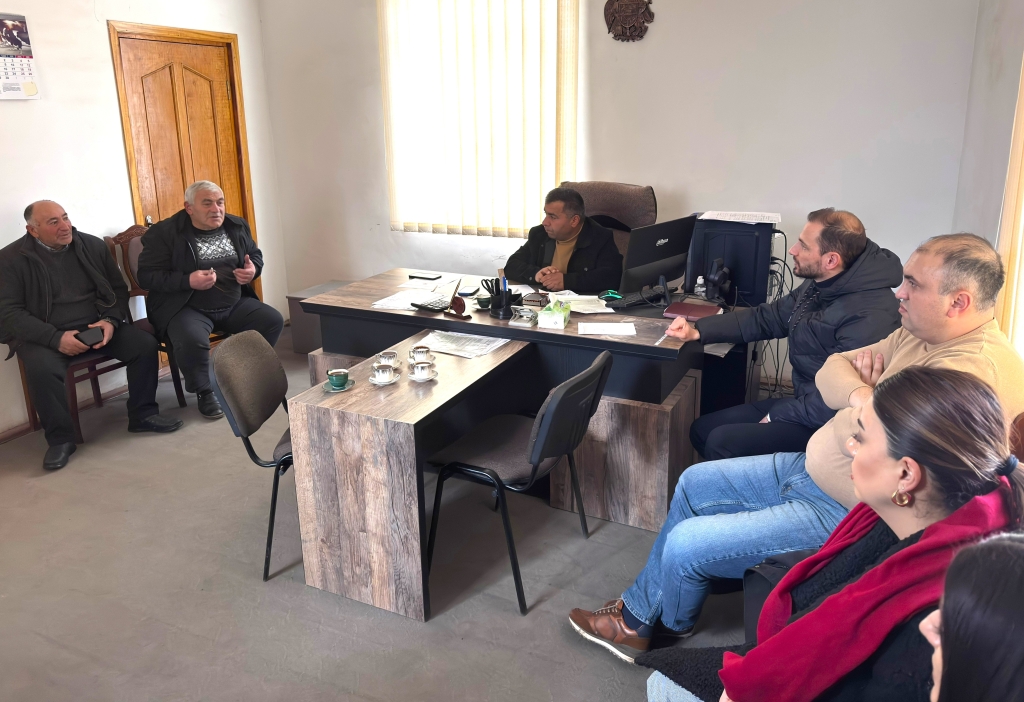
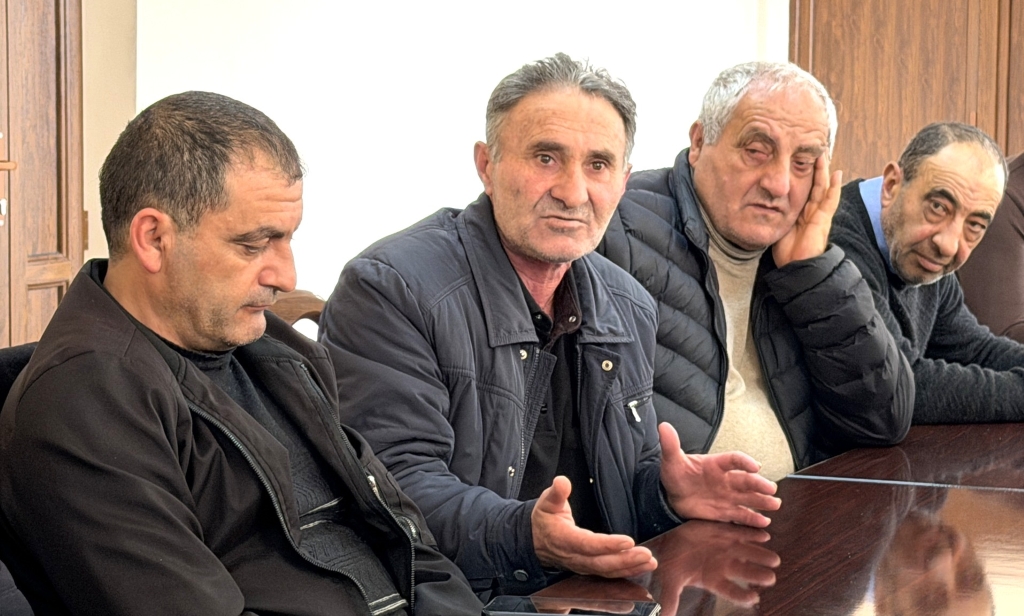
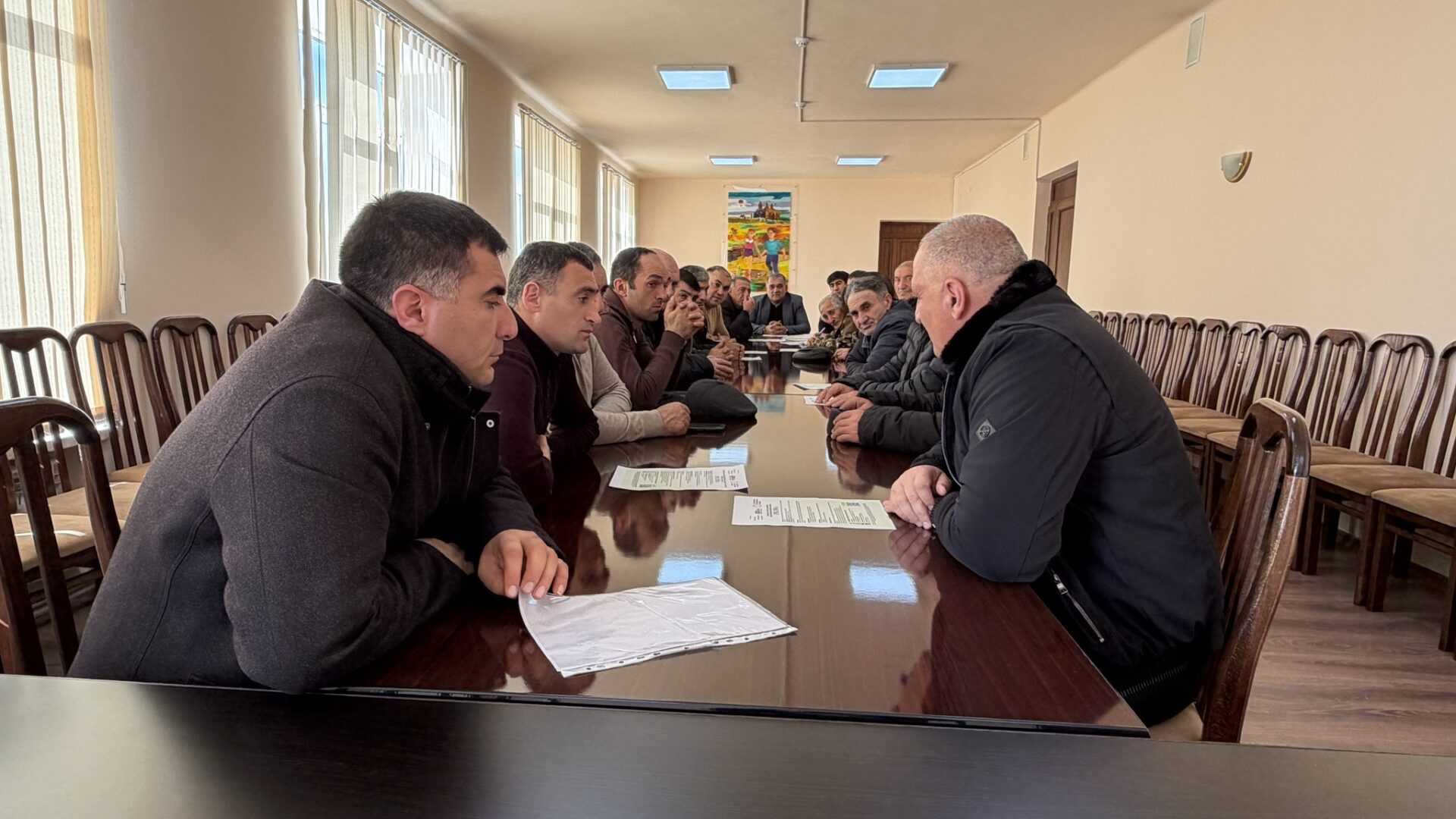
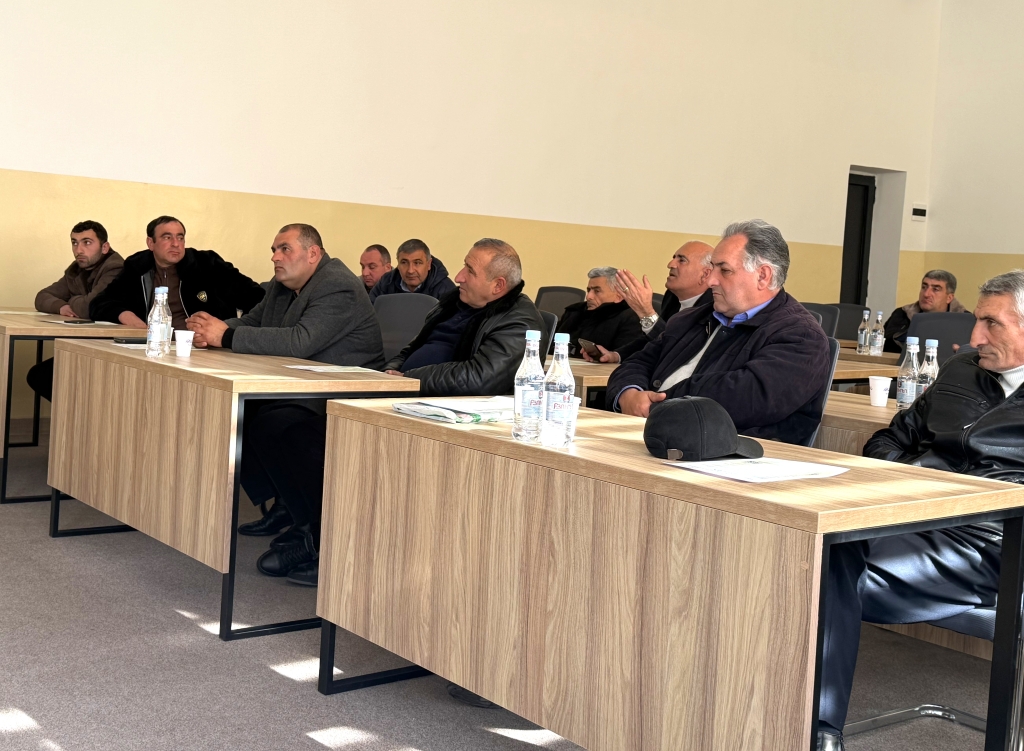
During the closing event, beneficiary communities and project beneficiaries shared their stories of growth and achievement – from strengthened local businesses to new eco-tourism opportunities and environmentally responsible practices that have already become part of everyday life. Their experiences illustrated the real, tangible impact of LILA across the target communities, an impact that helped lay the groundwork for growth rooted in both opportunity and environmental stewardship.
- LILA’s broader results and legacy speak for themselves:
31 rural tourism and related businesses received multifaceted support, improving service quality and competitiveness. - Strategic cooperation was established with leading inbound tour operators, helping promote sustainable tourism across Armenia’s regions.
- More than 600 individuals, half of them women, now have employment or self-employment in key rural economic sectors.
- Dozens of professional trainings were implemented, strengthening regional capacities in eco-, gastro-, safe, and responsible tourism.
- Local products now enjoy broader recognition and stable market access, helping increase the visibility and demand for regional production.
LILA proved that nature-based economic models can become a cornerstone of sustainable rural development and community resilience. It introduced new approaches and practical solutions that can guide future initiatives in Armenia – strengthening the link between nature conservation and socio-economic progress.
LILA leaves behind more than results – it leaves behind momentum, a blueprint for a future where Armenia’s regions grow stronger, greener, and more resilient. And while the project cycle concludes, the impact it cultivated has already taken root – and will continue to flourish well into the future.
Living Landscapes for Market Development in Armenia (LILA) project is funded by the Swiss Agency for Development and Cooperation (SDC) and implemented by WWF-Armenia in collaboration with SDA NGO.