
Uncategorized

SEIRA Awareness is a Key Prerequisite for Socio-Economic Integration

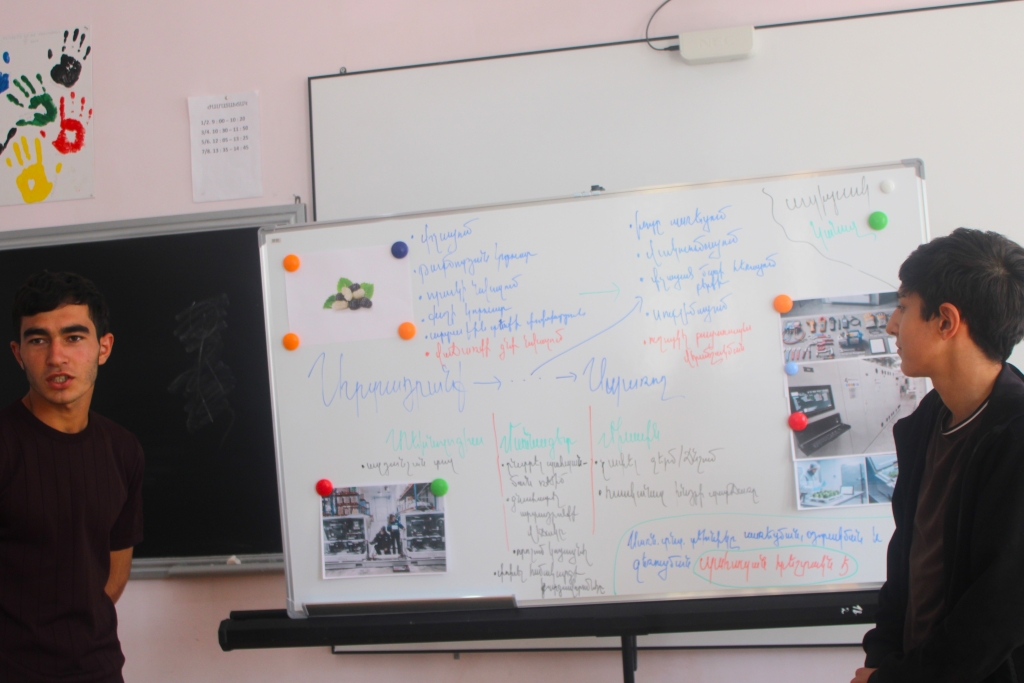
Support mechanisms can only be effective when people are aware of them, understand the opportunities available to them, and are able to navigate the process of accessing them.

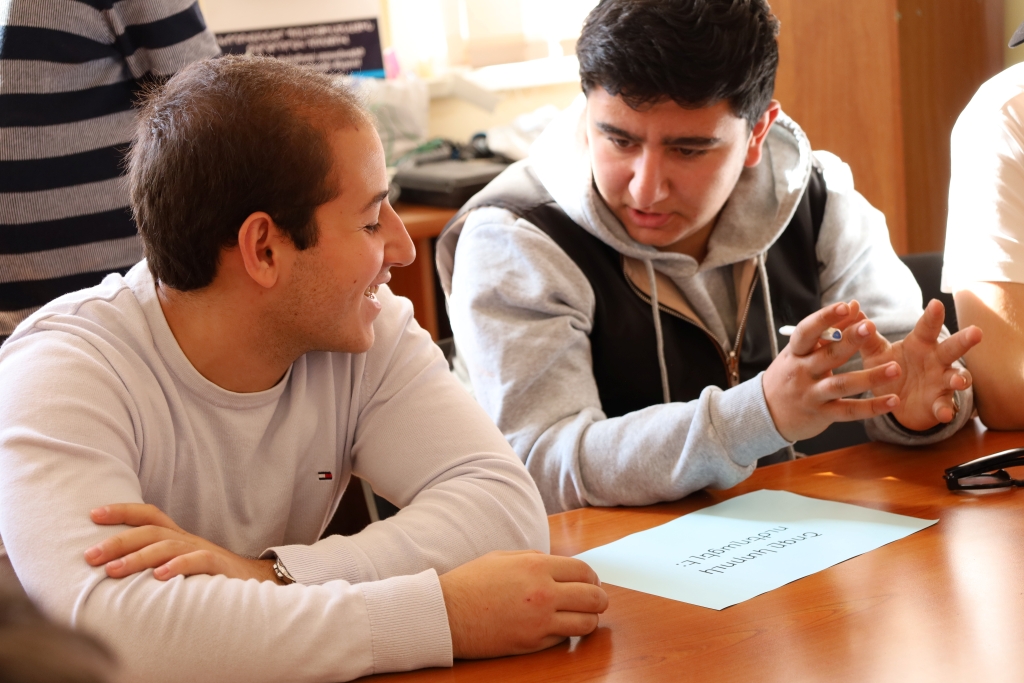
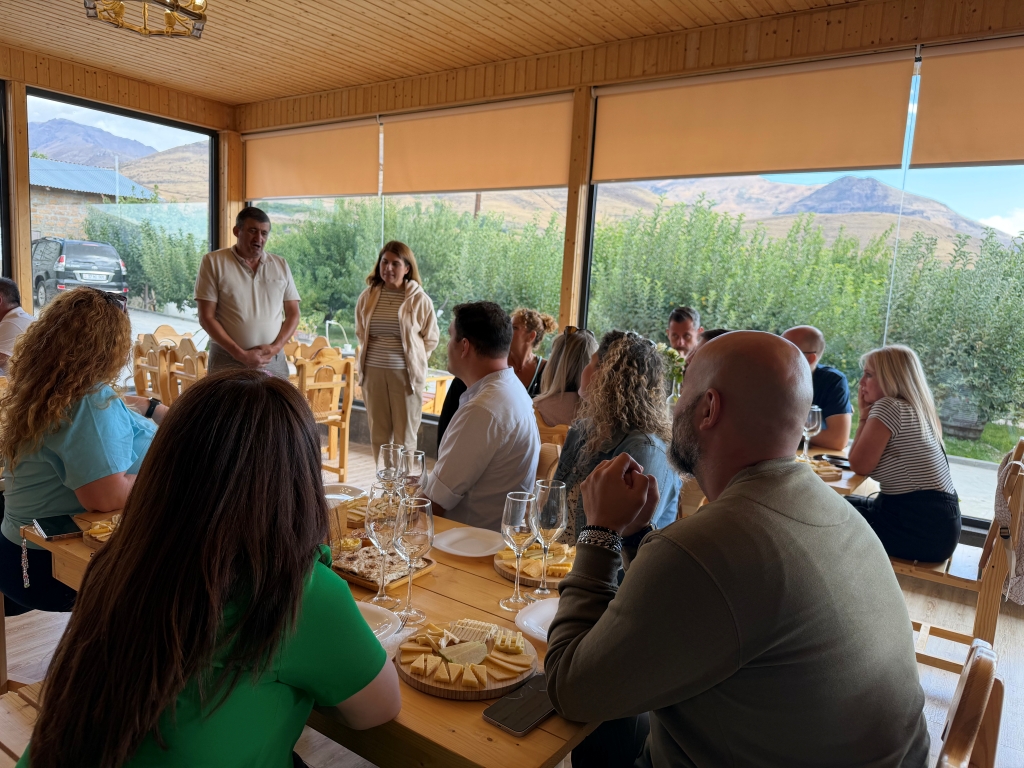
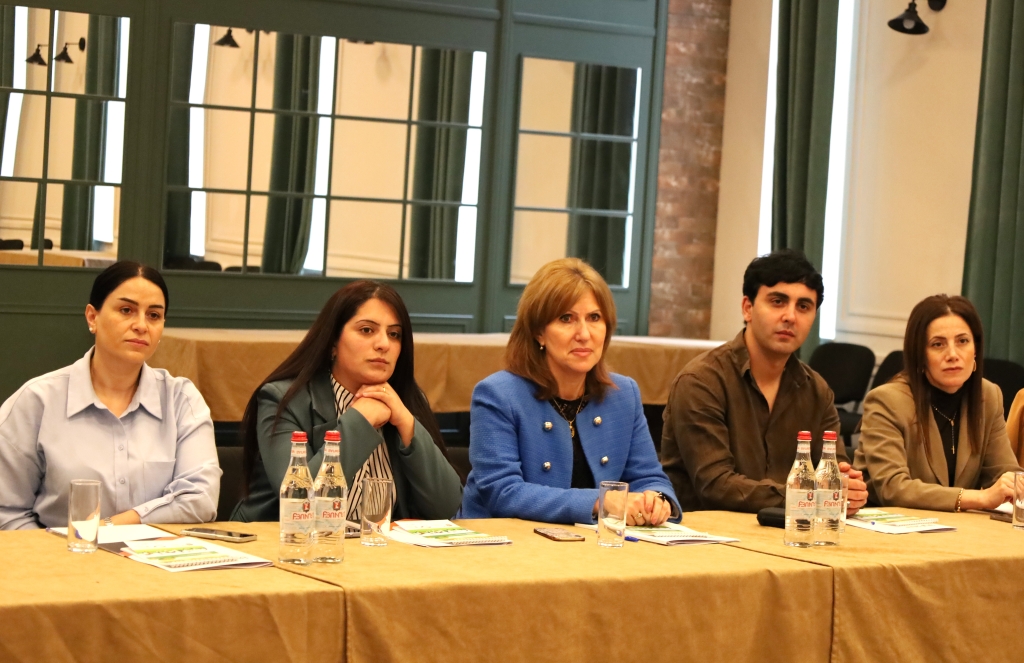
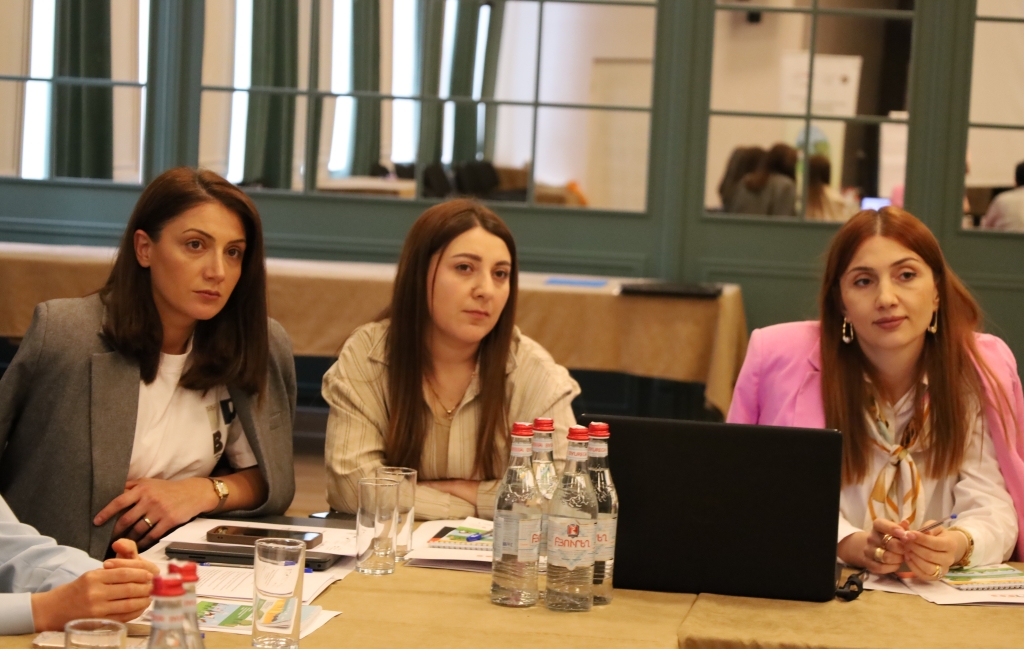
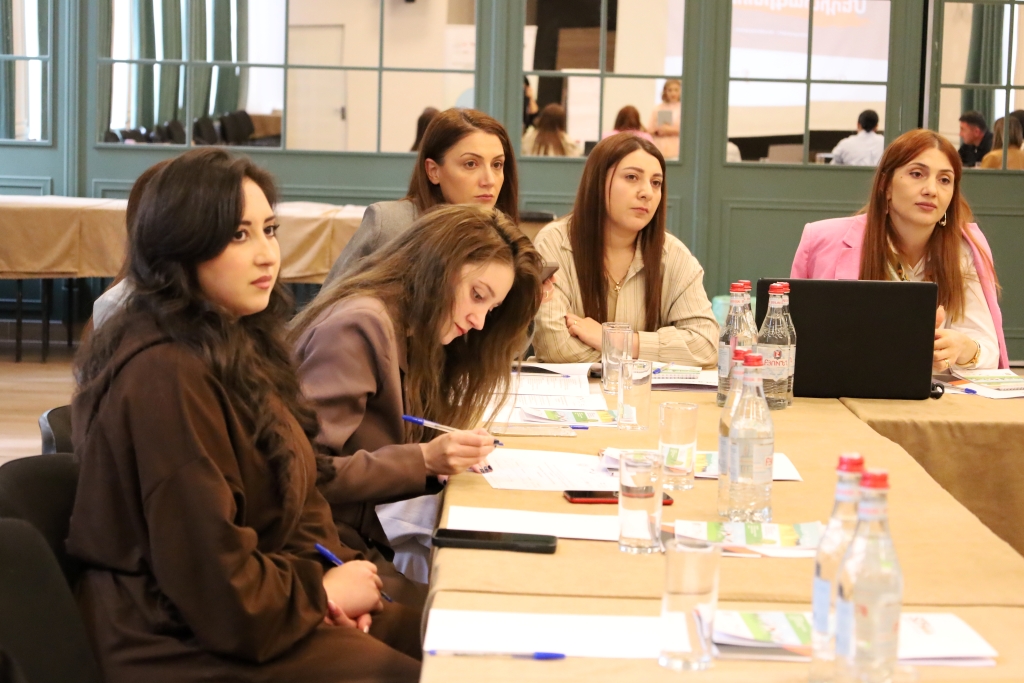
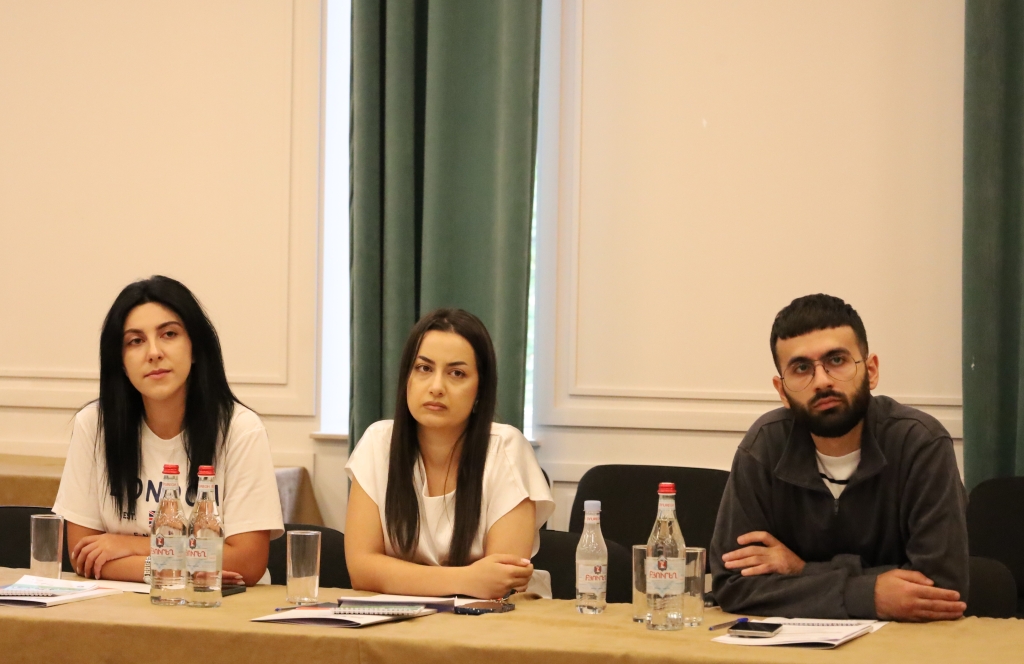
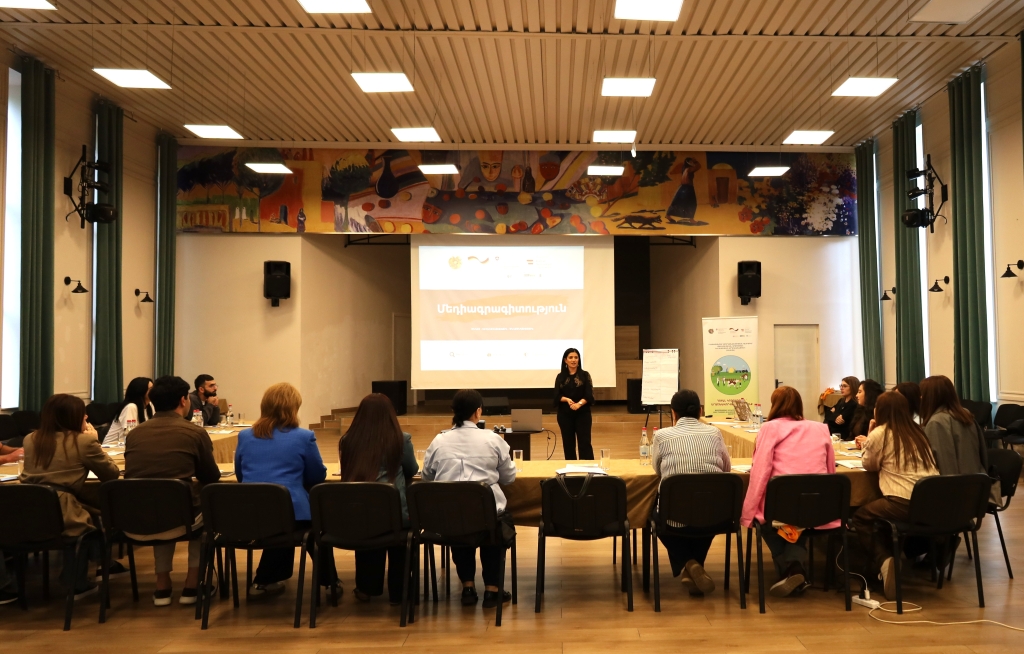
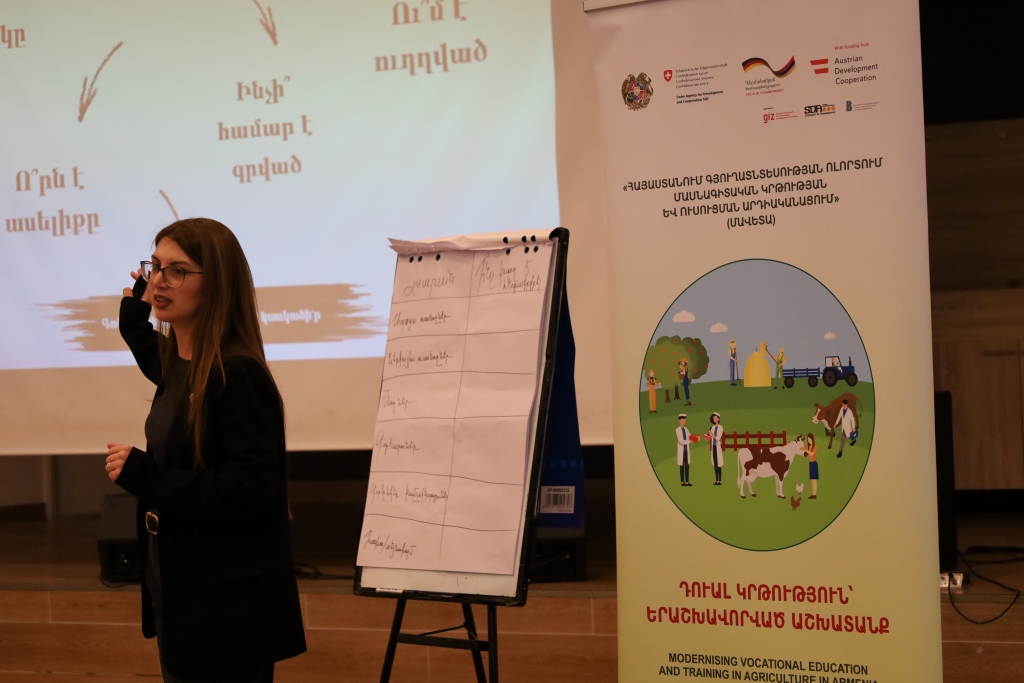
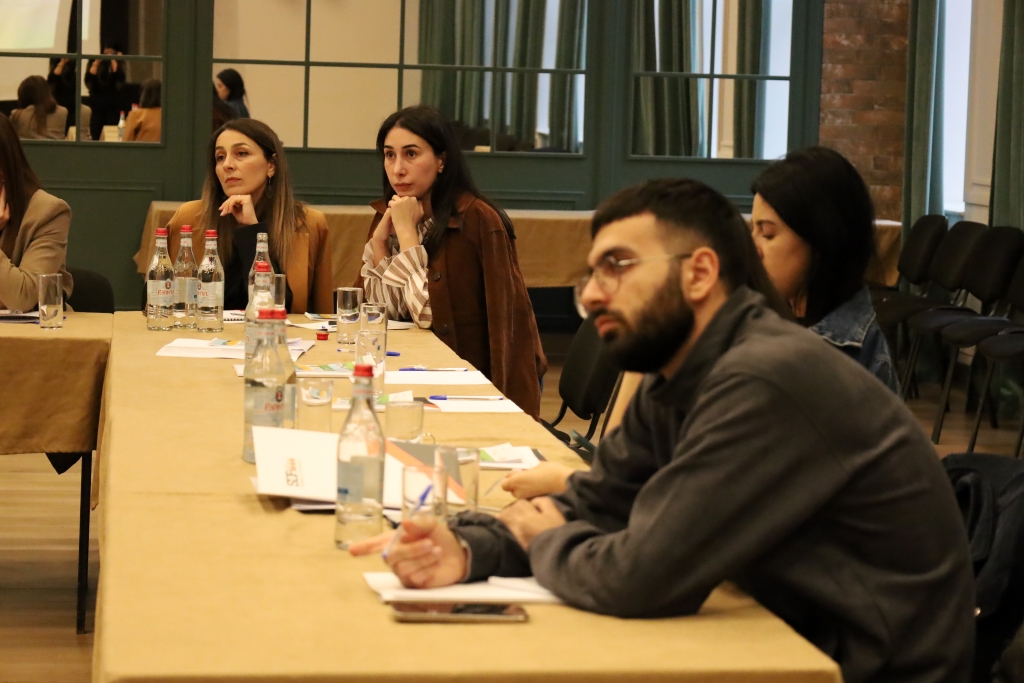
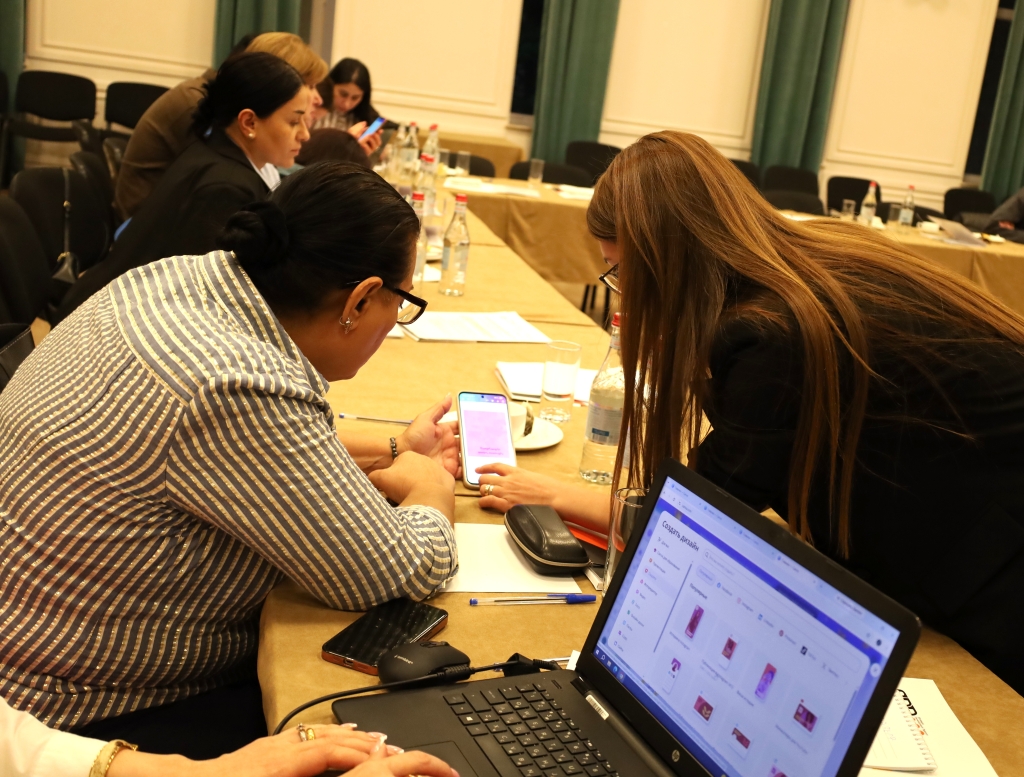
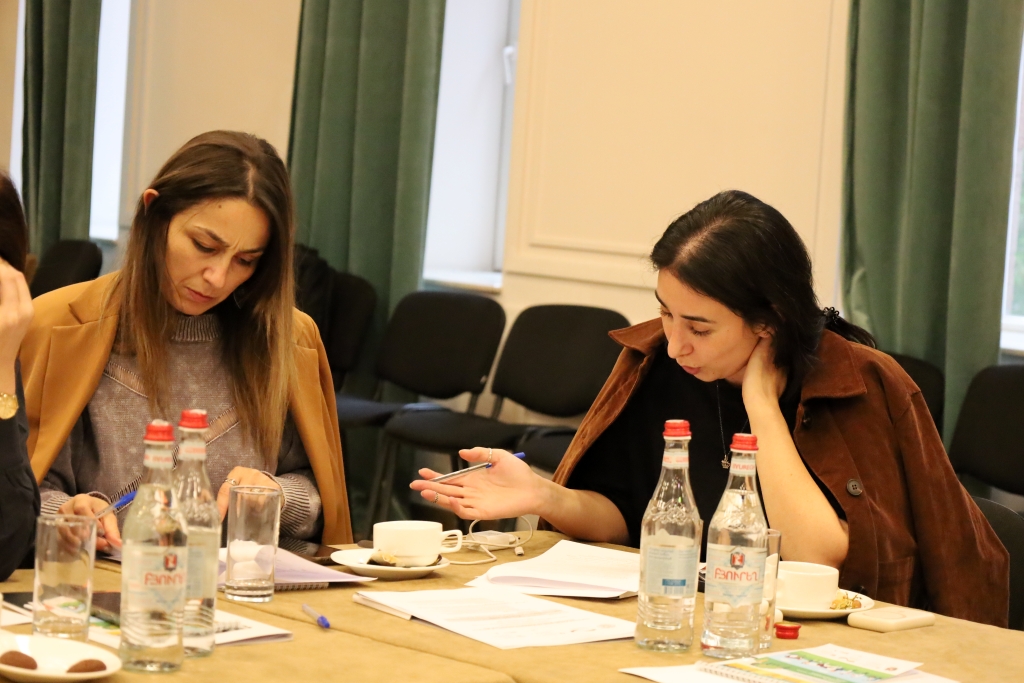
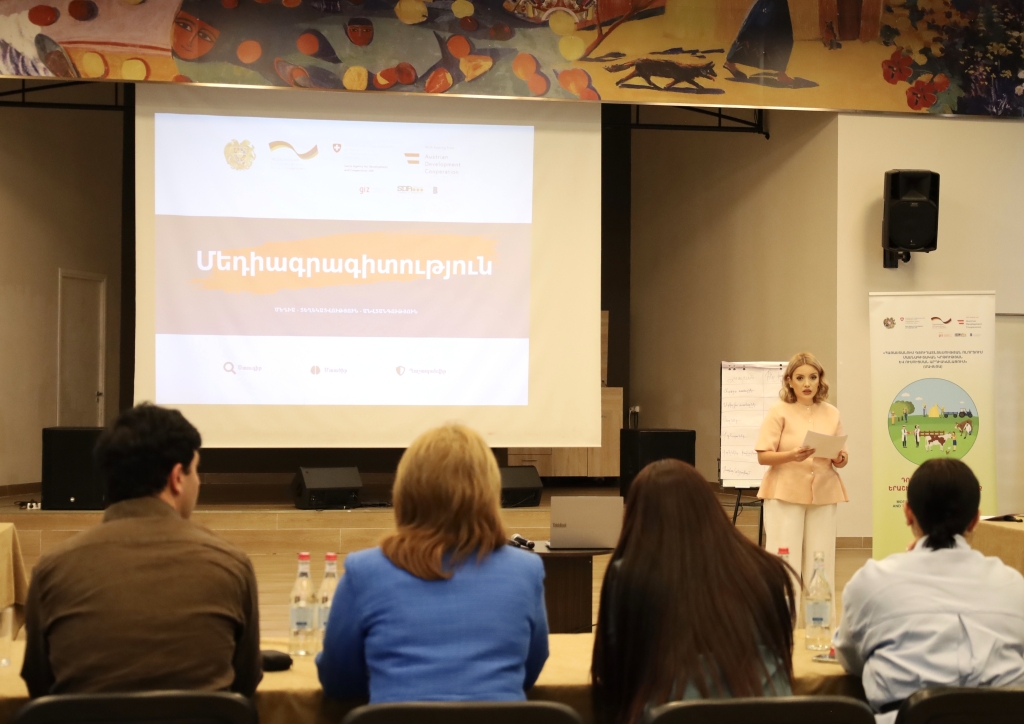
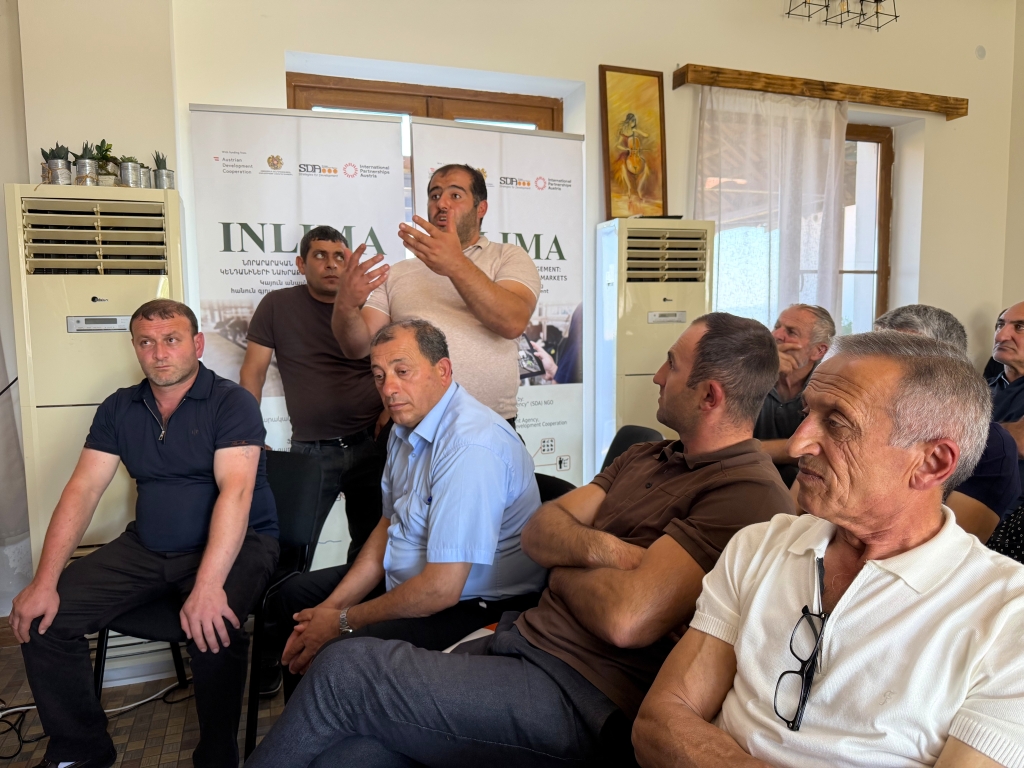
In Vardenis and Chambarak, Gegharkunik Region, the Socio-Economic Integration of Refugees in Armenia (SEIRA) programme organised information and awareness-raising sessions for forcibly displaced persons from Nagorno-Karabakh.

The sessions provided information on existing state support programmes, as well as initiatives implemented by the Unified Social Service for forcibly displaced persons from Nagorno-Karabakh.

At the same time, the value of such sessions extends beyond the provision of information. They create a two-way exchange, allowing beneficiaries to raise questions and share their experiences, thereby providing a clearer understanding of the informational and practical barriers they may encounter when accessing available state support programmes.

In this way, awareness-raising contributes to making existing support mechanisms more accessible and actionable for those they are intended to serve, while strengthening the foundations for sustainable socio-economic integration at the community level.

“Socio-Economic Integration of Refugees in Armenia” (SEIRA) project is funded by the Swiss Agency for Development and Cooperation and implemented by the Strategic Development Agency NGO and the UN World Food Programme.

Uncategorized

INLIMA Mapping Livestock Herding Routes in Syunik

When we speak about efficient and sustainable livestock production, a livestock herding/migration route is far more than a physical pathway. It is part of an interconnected system that supports the safe movement of animals, enhances the efficiency of farmers’ operations, ensures access to pastureland, and contributes to the long-term management of community resources.

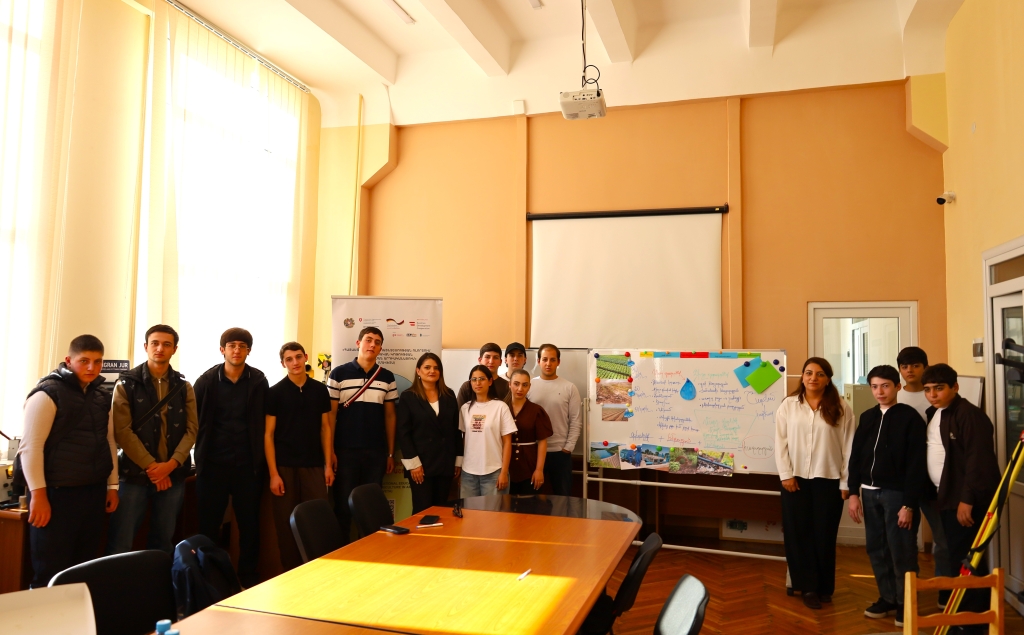
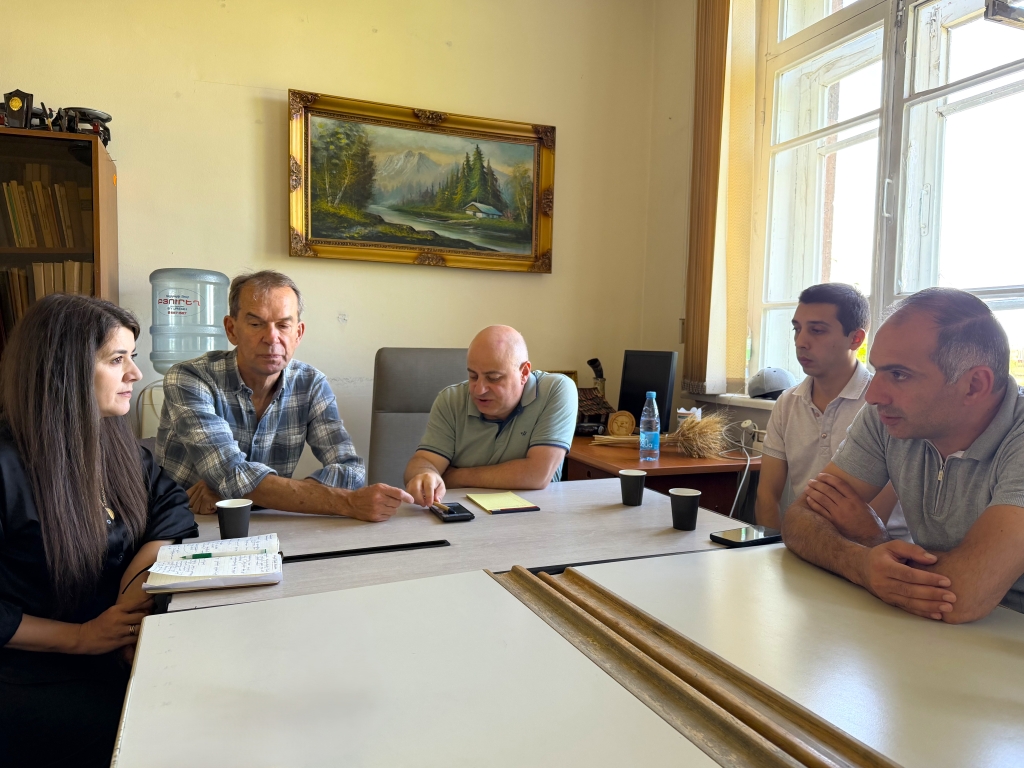
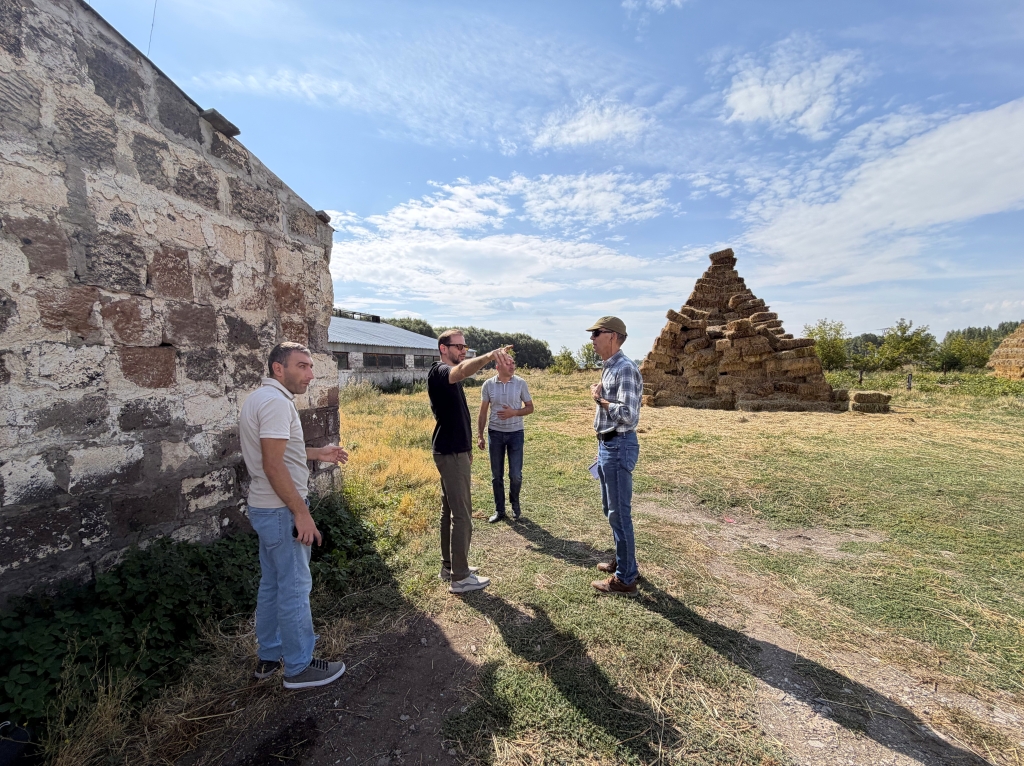
As part of the INLIMA project, working meetings were held in the enlarged communities of Sisian and Goris, Syunik region, with representatives responsible for local governance and agriculture. The meetings focused on presenting the progress of the ongoing assessment and mapping of livestock droving routes currently used by farmers, while ensuring that the emerging mapping is aligned with the communities’ own priorities and development vision.

During the meetings, the preliminary herding routes identified through the mapping process were presented and discussed, including potential locations for related infrastructure and priorities identified by the communities. Particular attention was given to assessing the extent to which the proposed routes correspond to actual community needs, existing infrastructure, and the practical requirements identified by farmers through their day-to-day experience.

The principle underpinning this process is straightforward: a map should reflect not only the territory, but also the real needs of the people who use it.

To this end, the preliminary mapping results developed by the project’s mapping specialist will be submitted to the Goris and Sisian municipal administrations for review and validation. Feedback, observations and recommendations from municipal specialists will be incorporated, and any necessary adjustments will be made. Based on this community-level feedback, the final mapping document will be further refined and subsequently shared with the respective communities.

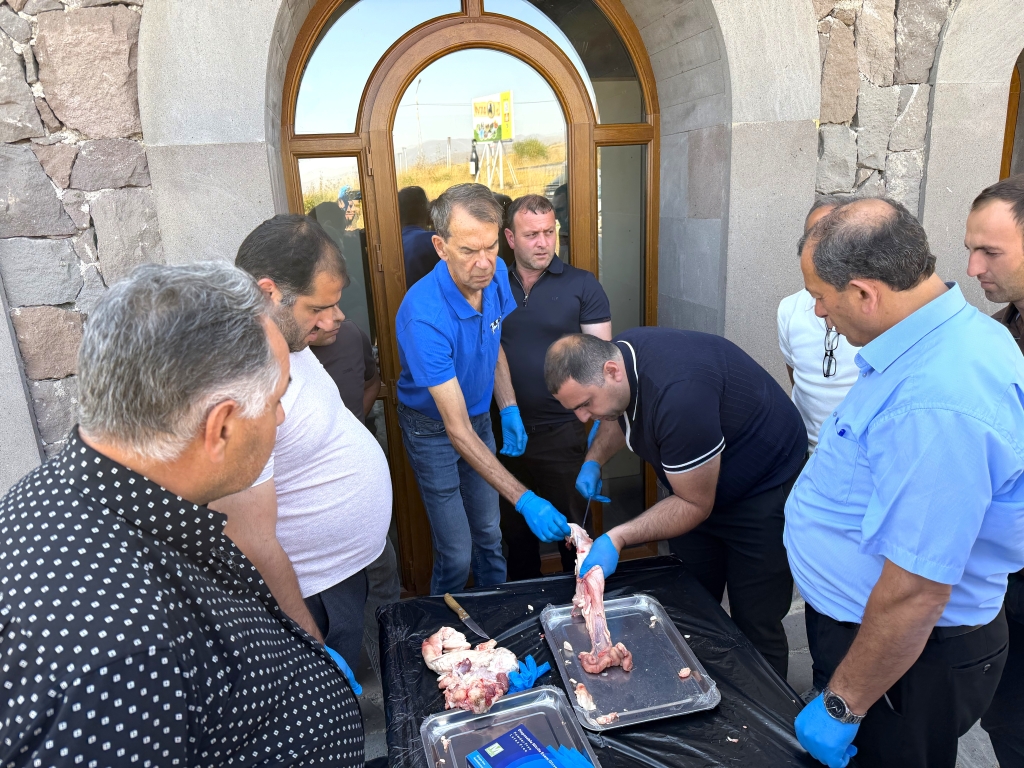
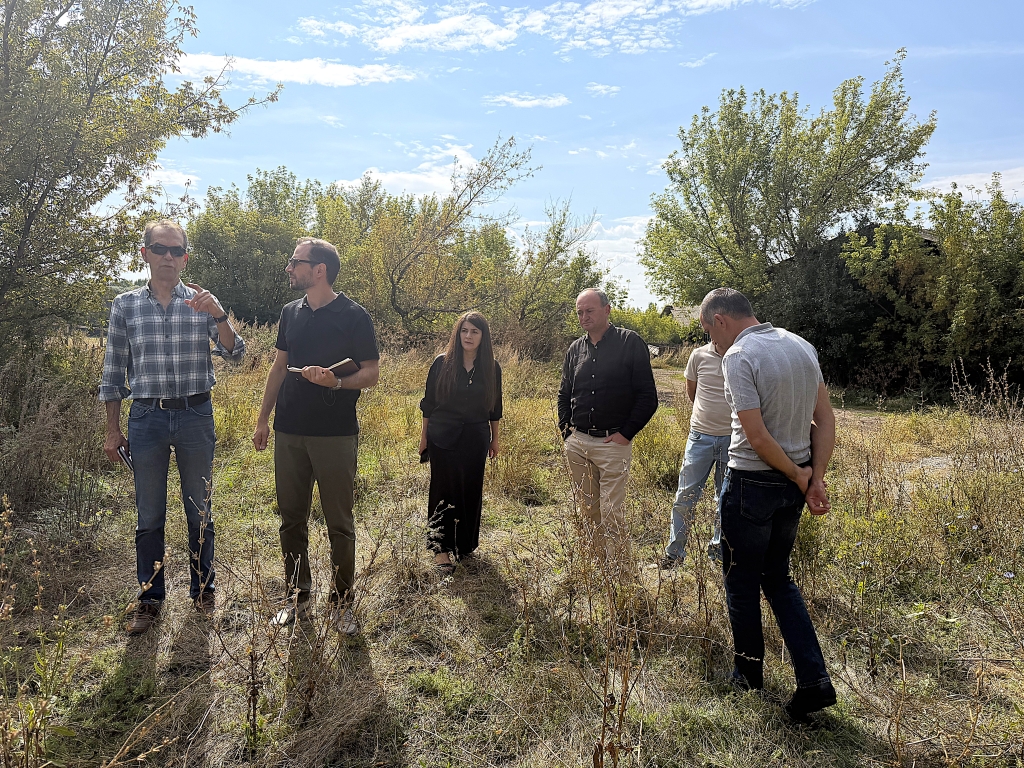
At the same time, within the framework of INLIMA, meetings were also held with key actors across the milk and meat value chains, including representatives of milk-processing companies and slaughterhouses. The visits provided an opportunity to assess existing infrastructure and explore potential areas for future cooperation.

Ultimately, the work follows one interconnected logic: agricultural infrastructure → community planning → value-chain development → more efficient and sustainable livestock production for farmers.

“Innovative Livestock Management: Animal Migration, Breeding & Markets” (INLIMA) project is implemented by Strategic Development Agency NGO and funded by the Austrian Development Agency (ADA), the operational unit of Austrian Development Cooperation.
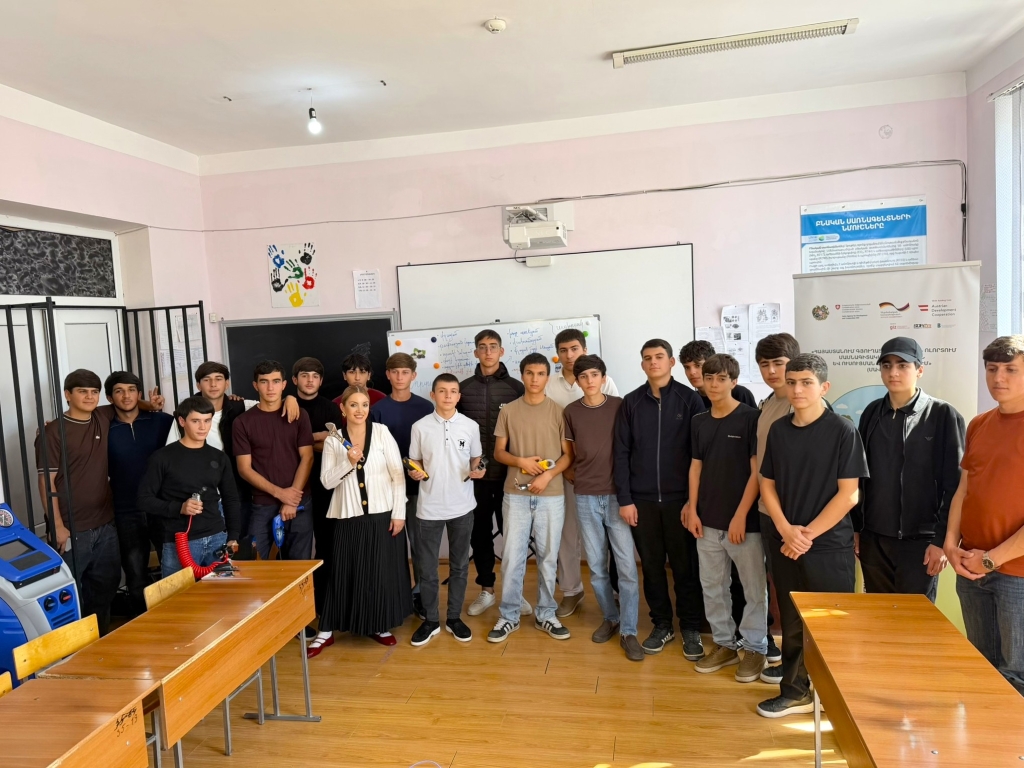
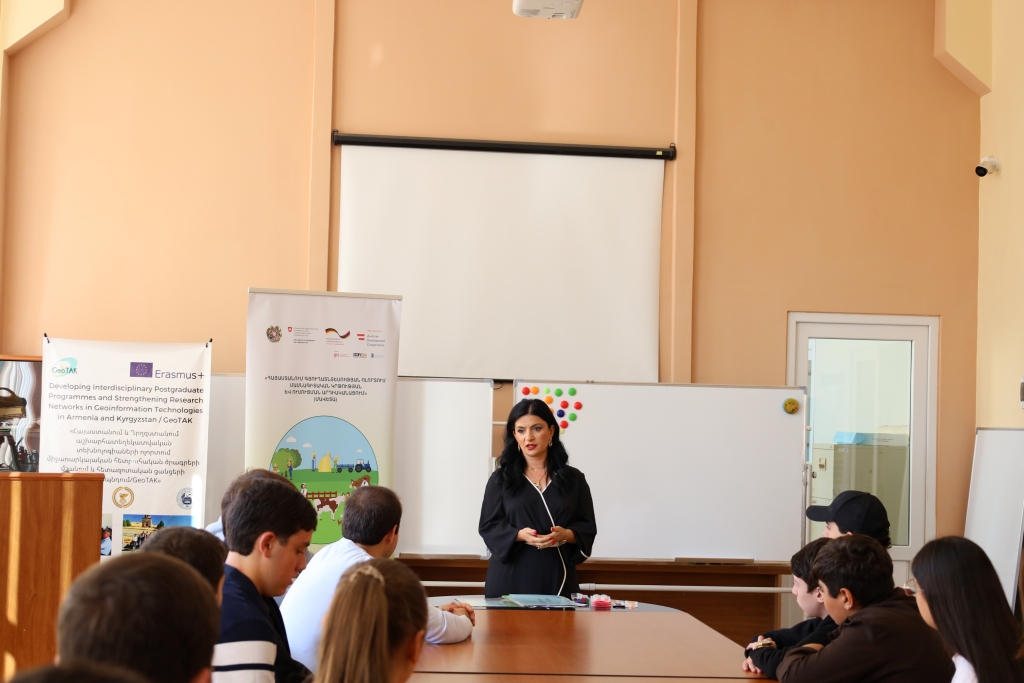
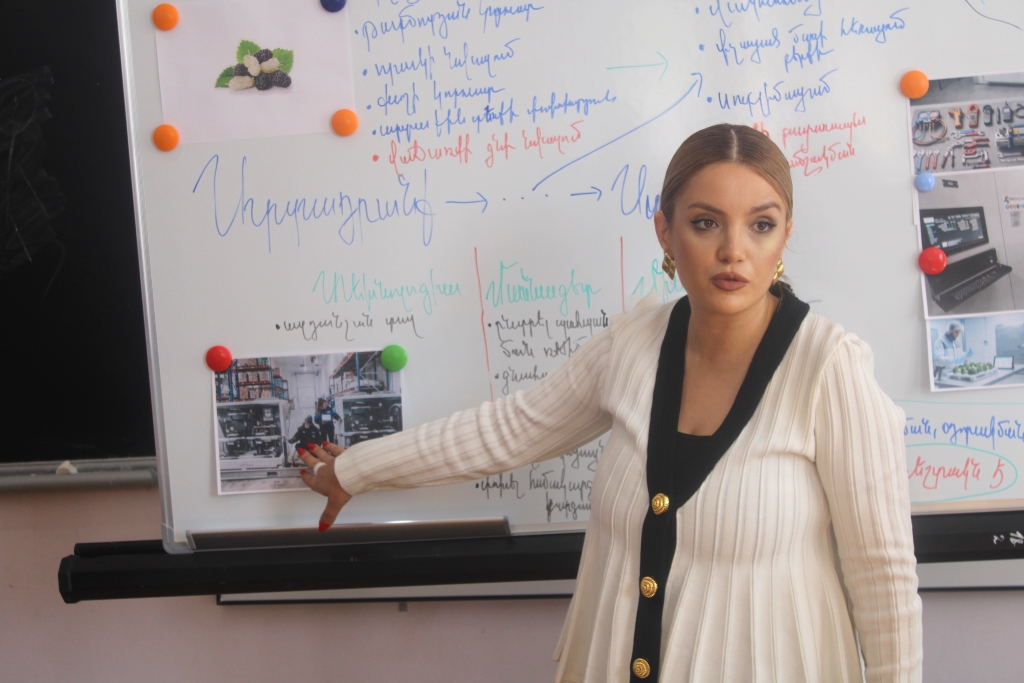
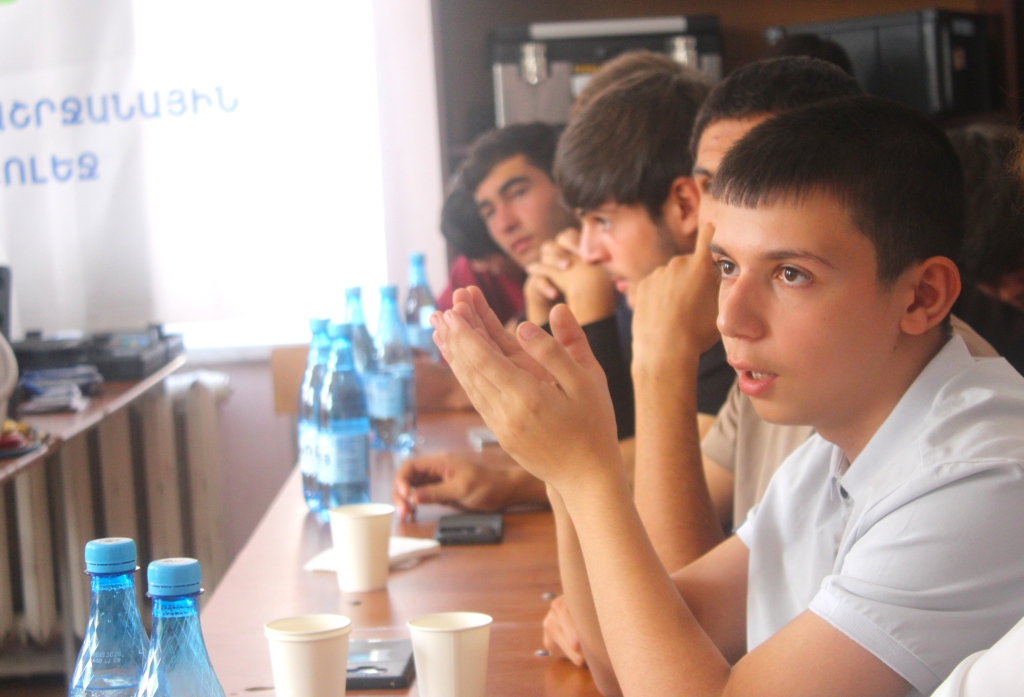
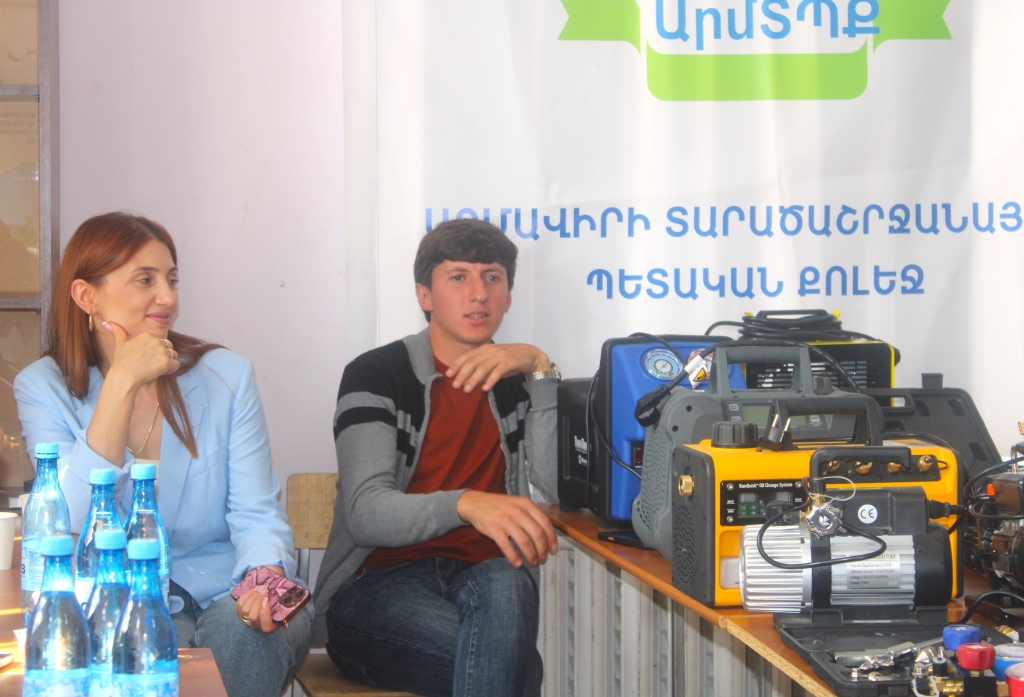
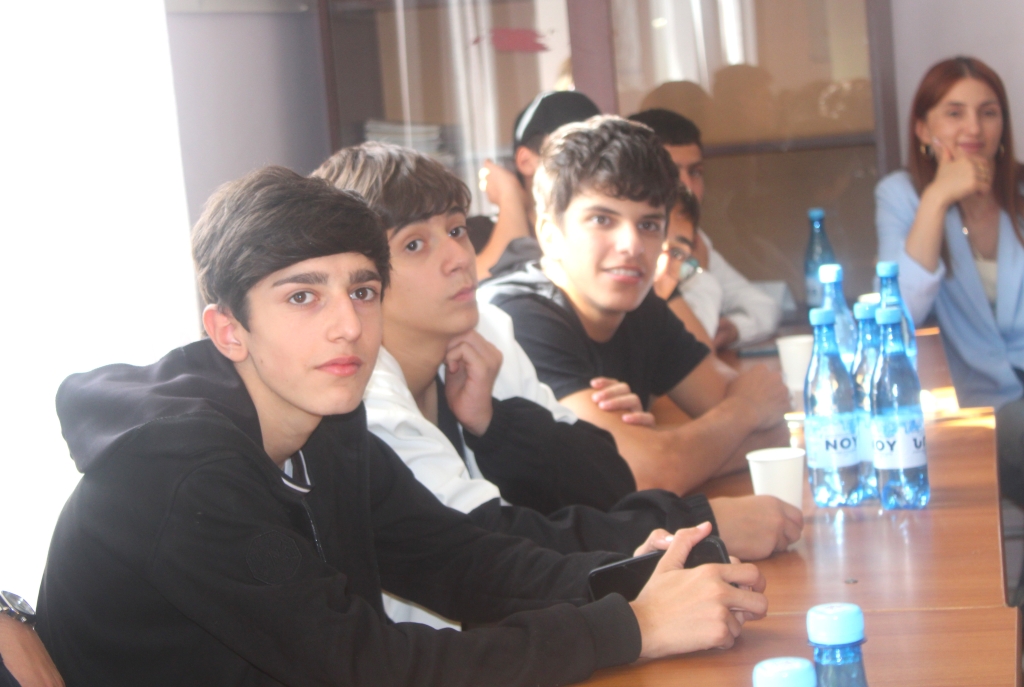
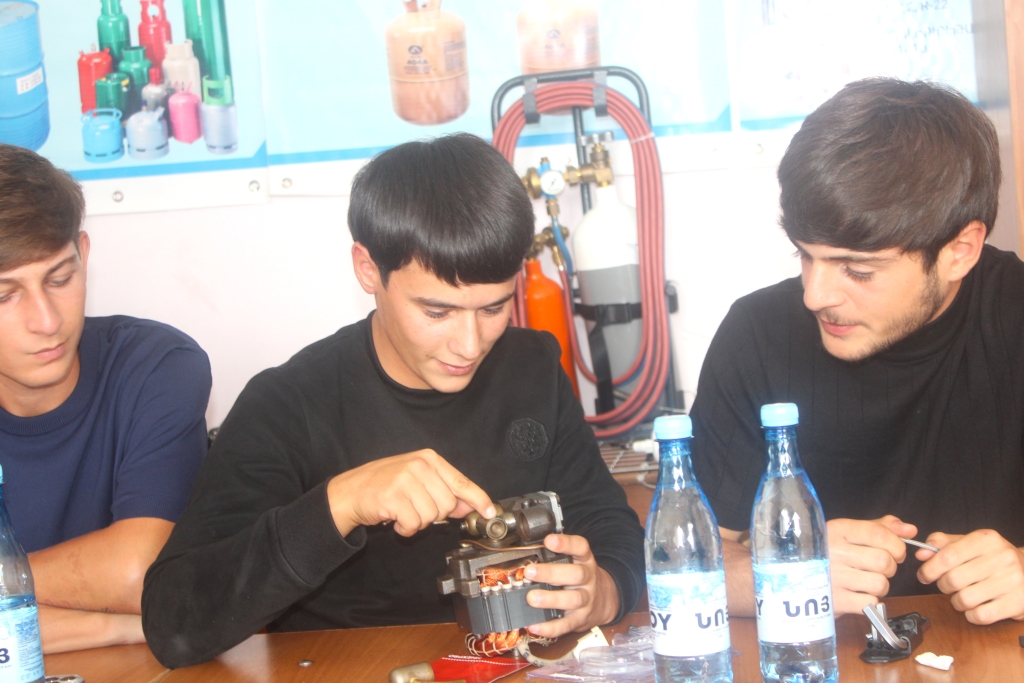
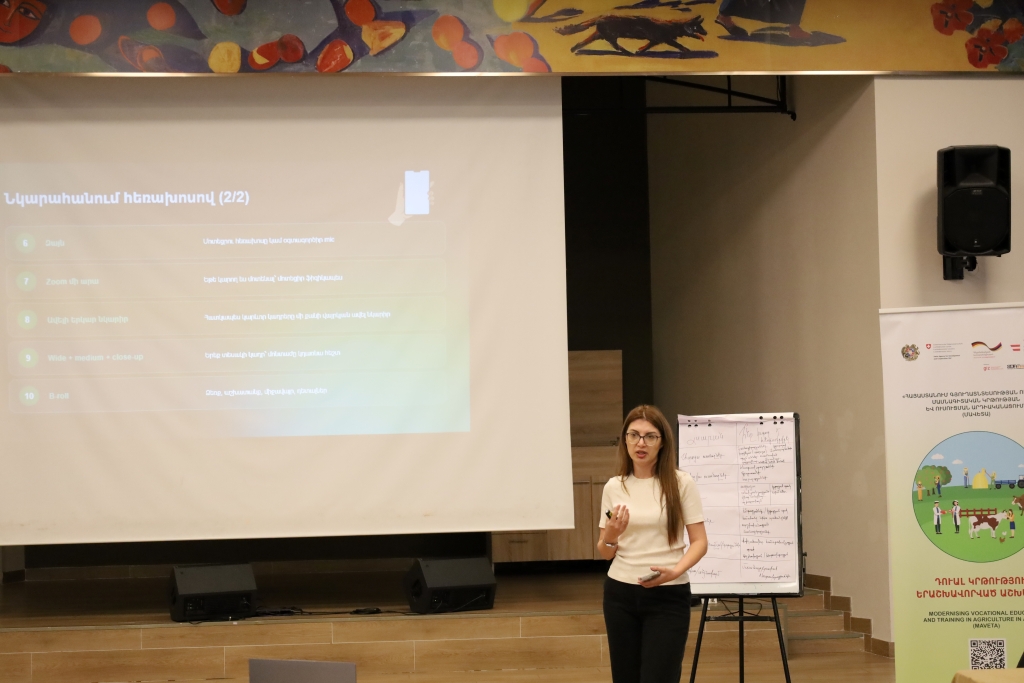
MAVETA: On International Youth Day, young people at Noyemberyan State College were introduced to the “Cold Chain Management” profession.

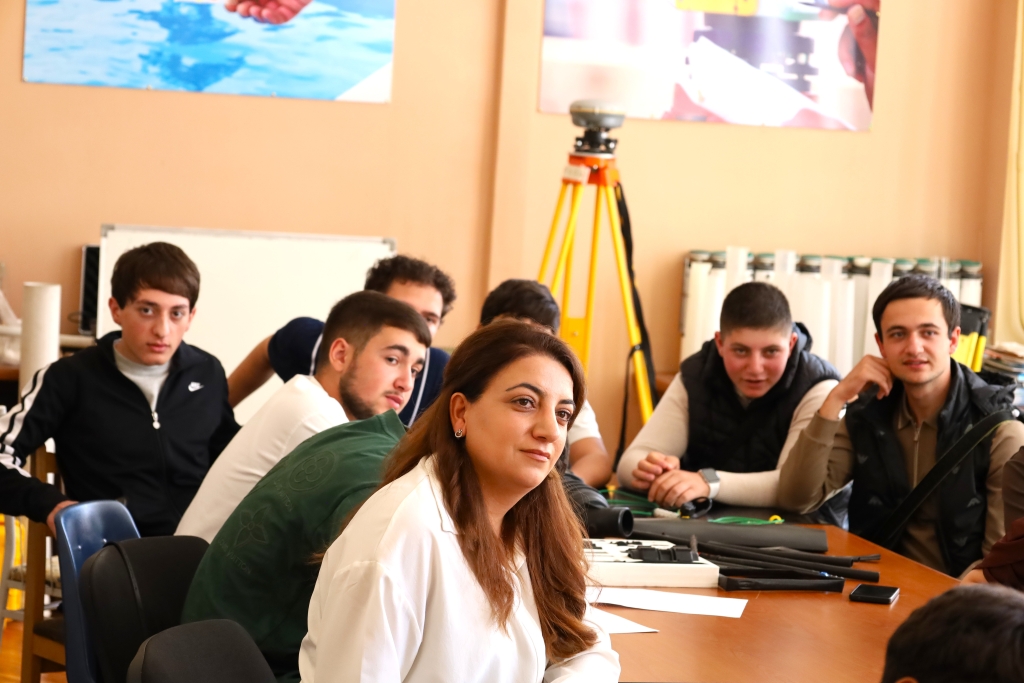
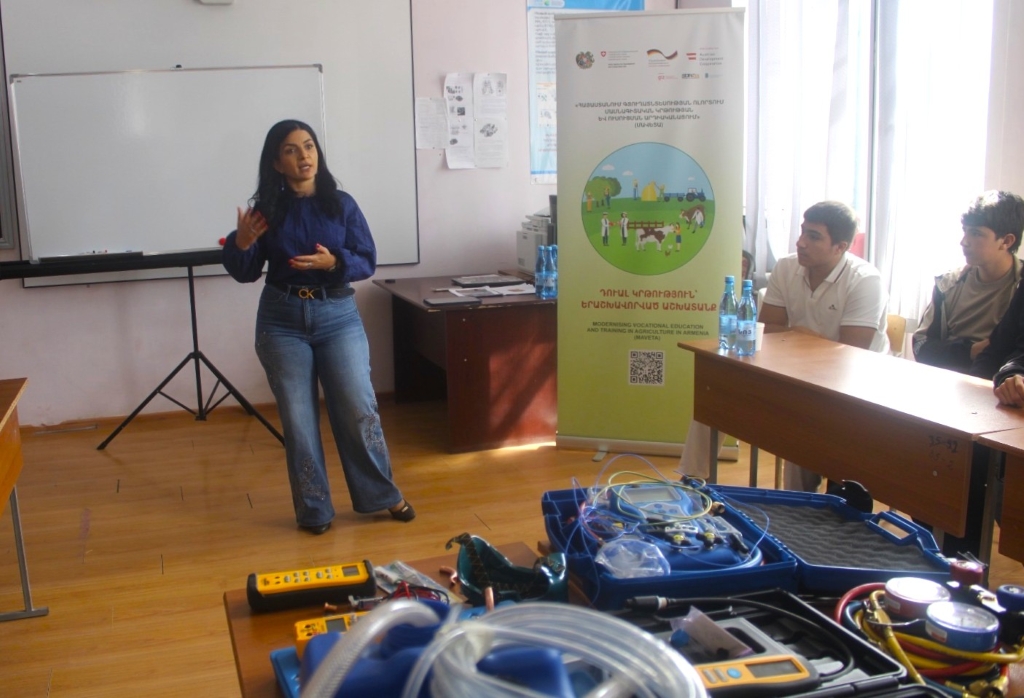
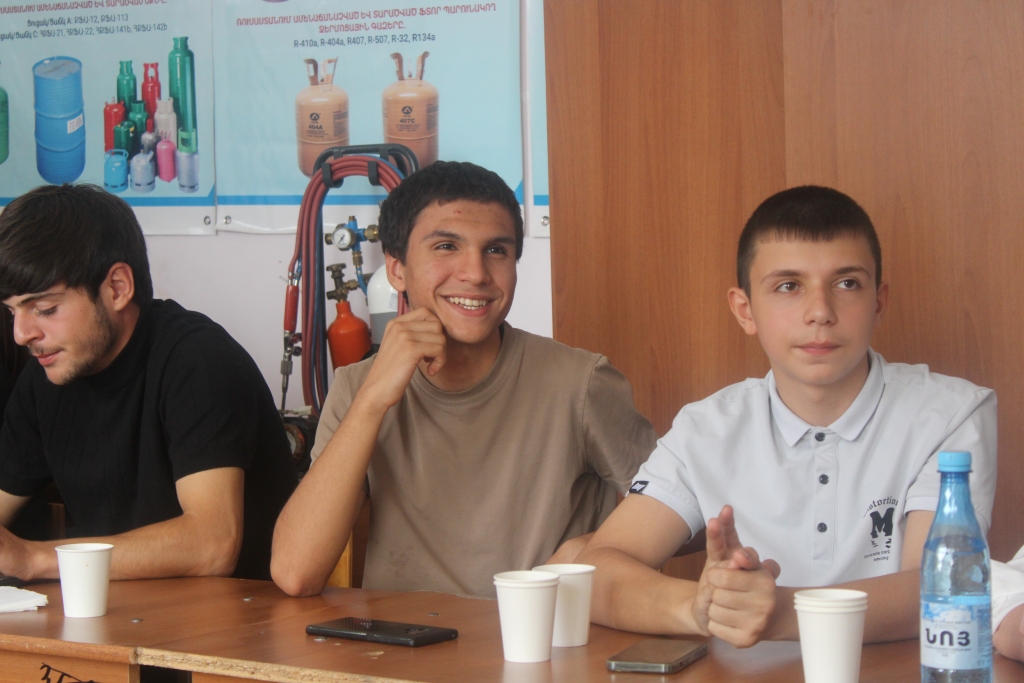
On August 12, International Youth Day, young people at Noyemberyan State College explored Cold Chain Technician as a modern, technology-driven, in-demand, and well-paid career path.

The event was held within the framework of the Ozone Layer Protection Programme, jointly implemented by the Ministry of Environment of the Republic of Armenia and the United Nations Industrial Development Organization (UNIDO).

Participants learned about the key features of the cold chain sector, emerging technologies, labour market demand, and career opportunities available in the field.

The MAVETA project is also contributing to the development of this profession in Armenia.

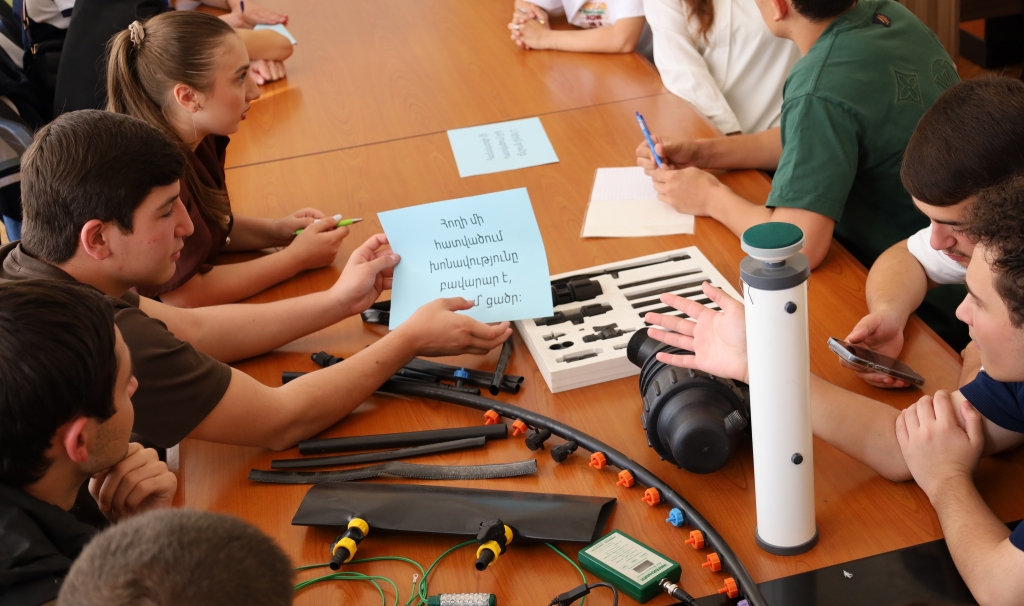
Under the Modernizing Vocational Education and Training in Agriculture in Armenia (MAVETA) project, the Cold Chain Technician qualification will be introduced at Noyemberyan State College through a dual education model.

Through this approach, students will acquire professional knowledge and skills both at the college and in real workplace settings, combining classroom-based learning with practical, hands-on experience.

Cold Chain Management is more than a profession, it is a growing field where technical expertise translates into relevant skills, career opportunities, and employment.

The future of young people starts with professions that are already in demand today.

INLIMA Artificial Insemination: A Foundation for More Productive and Profitable Livestock Farming

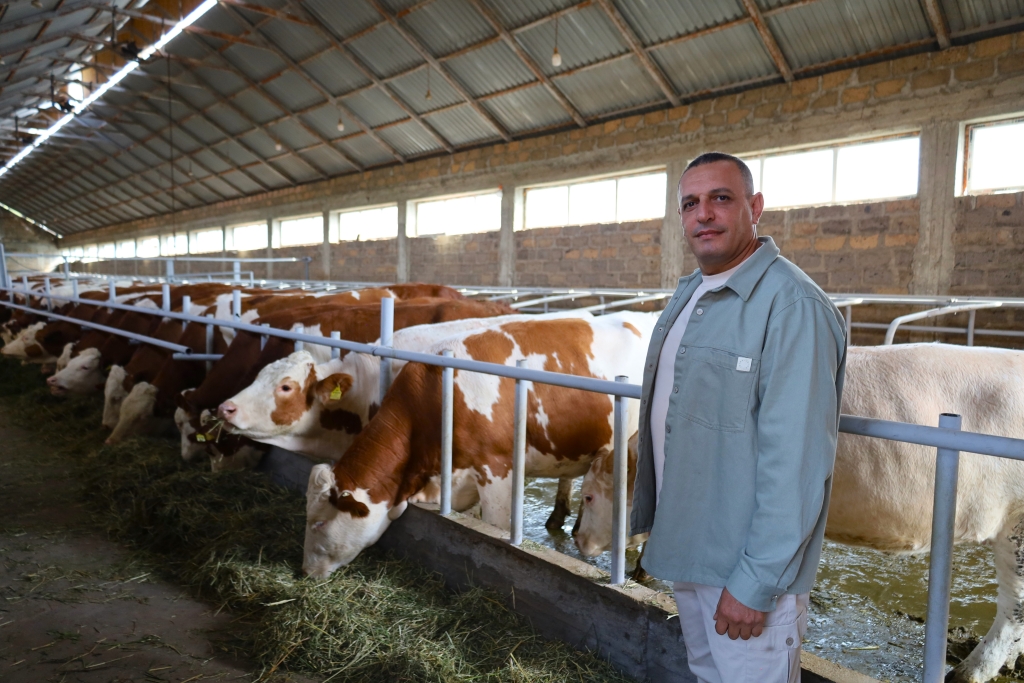
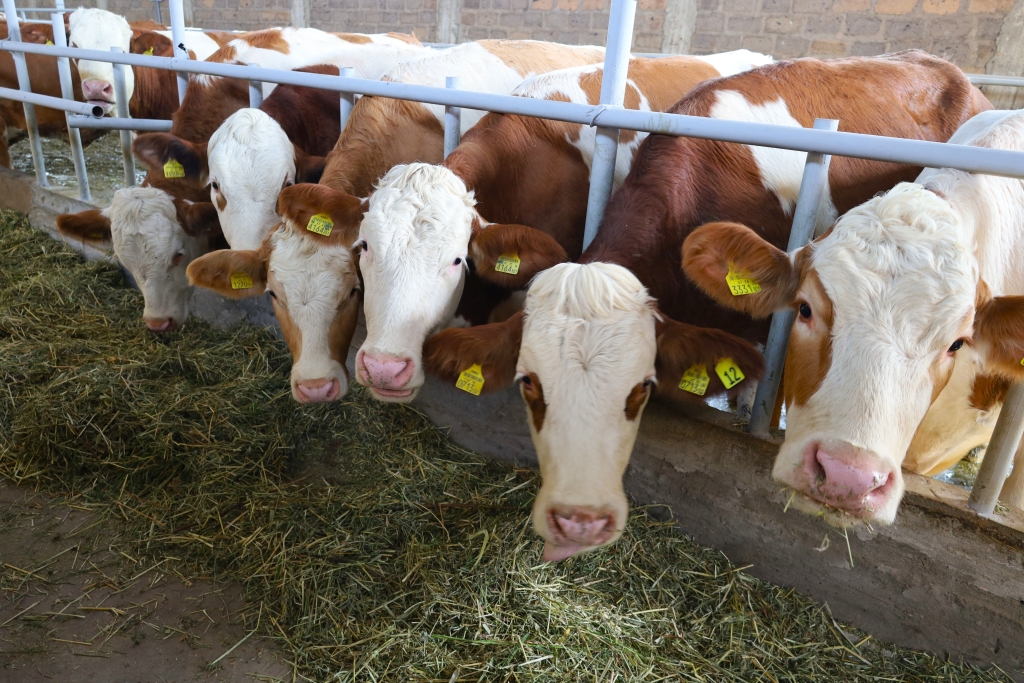
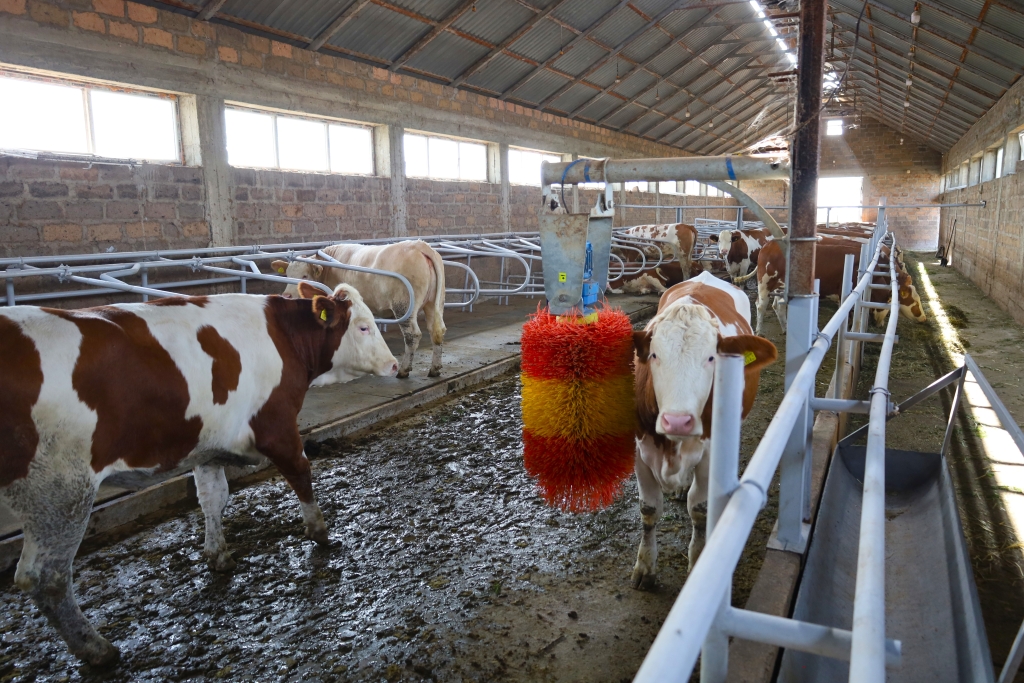
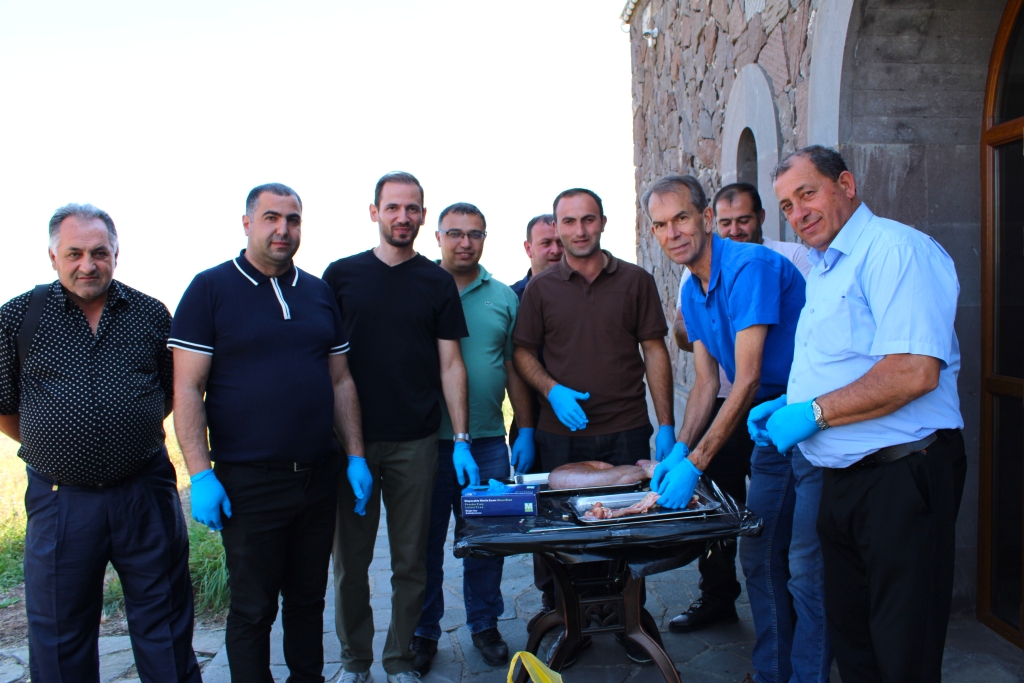
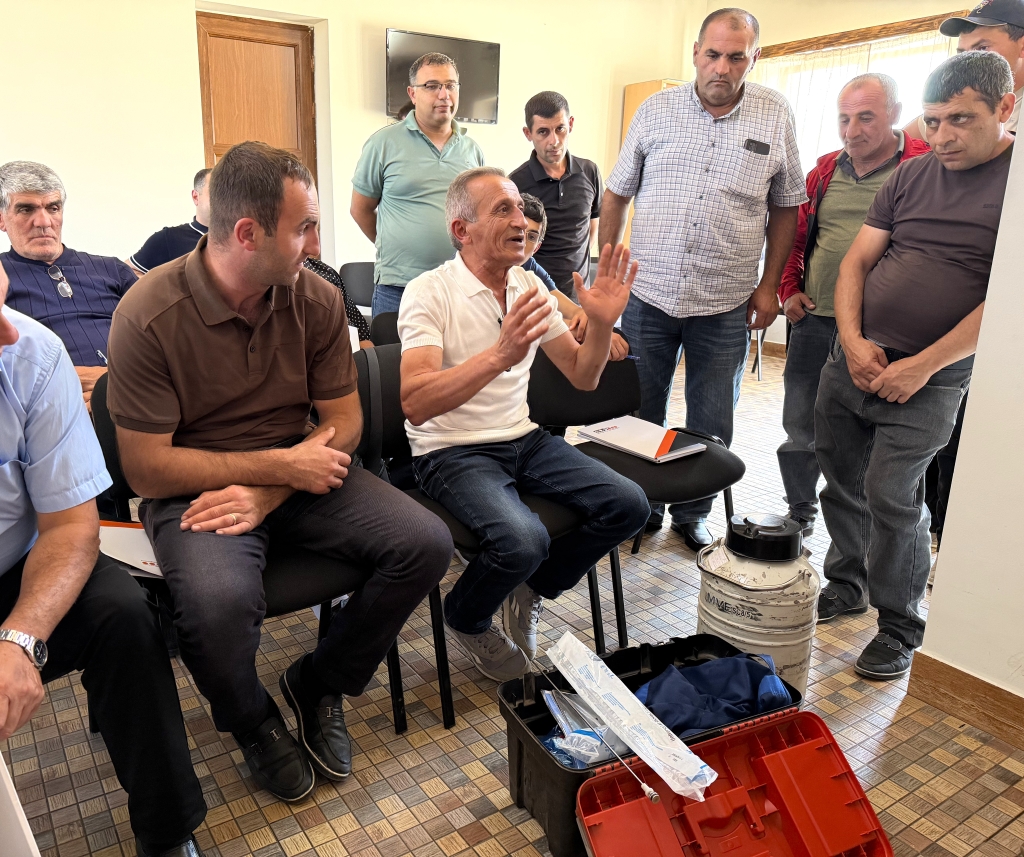
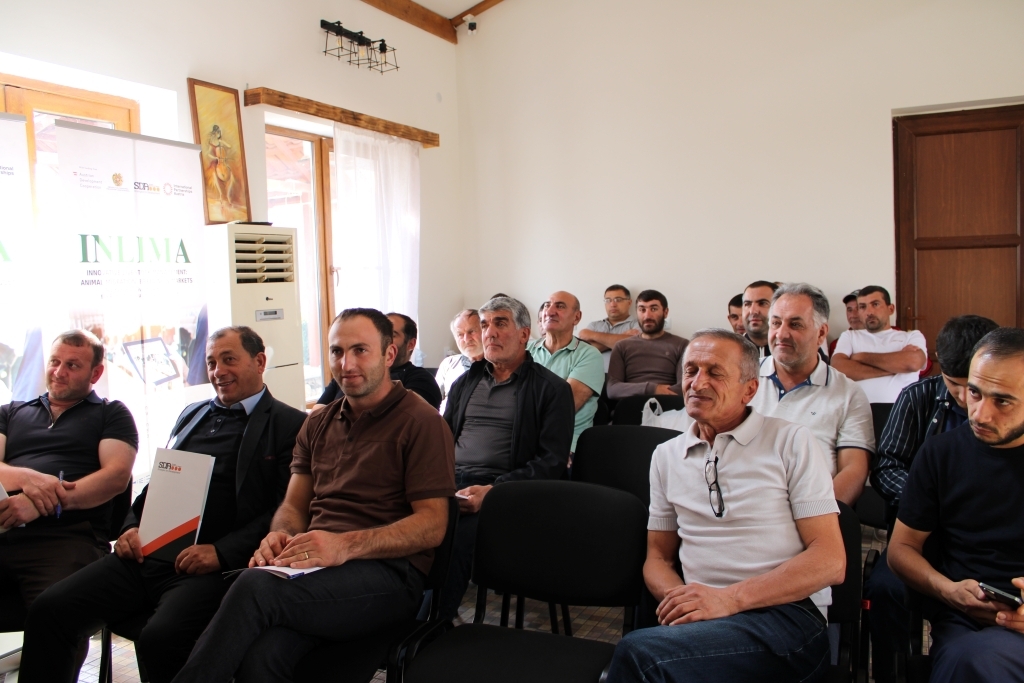
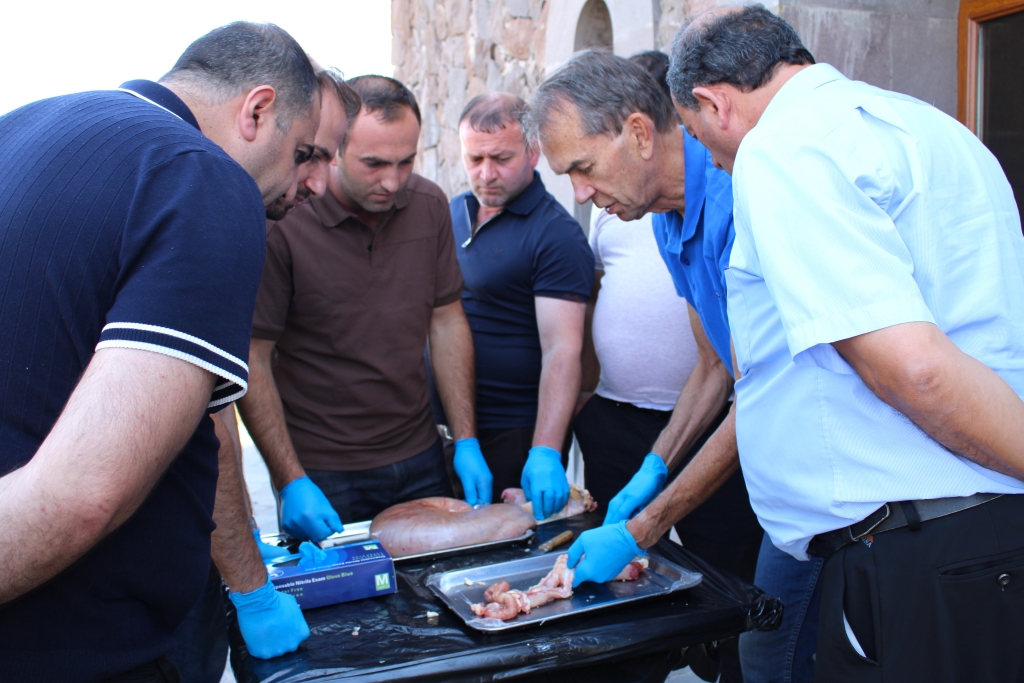
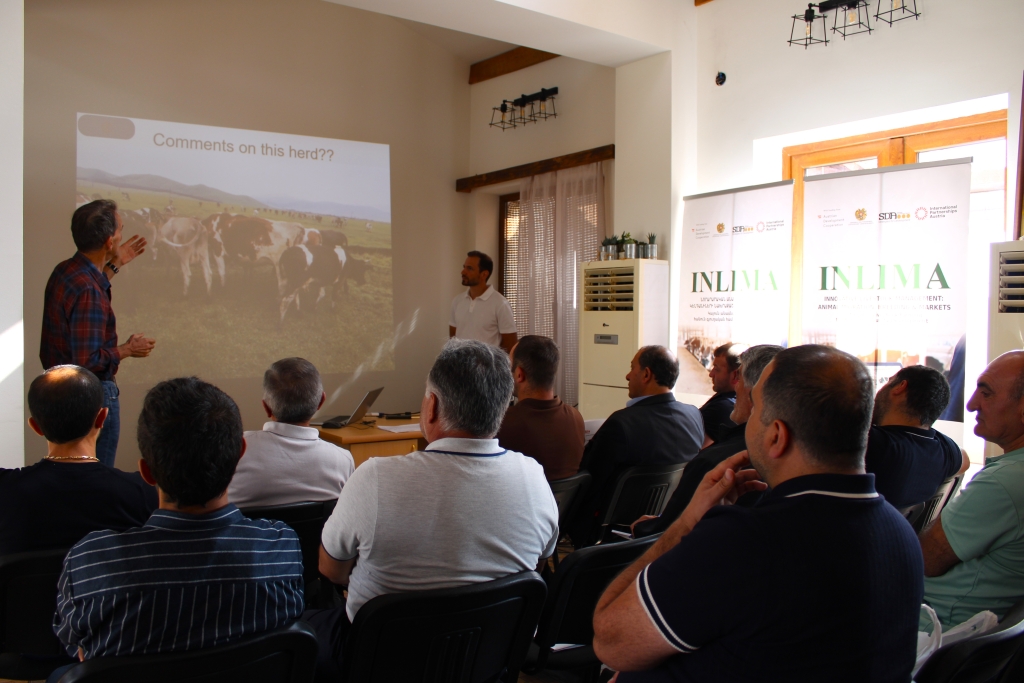
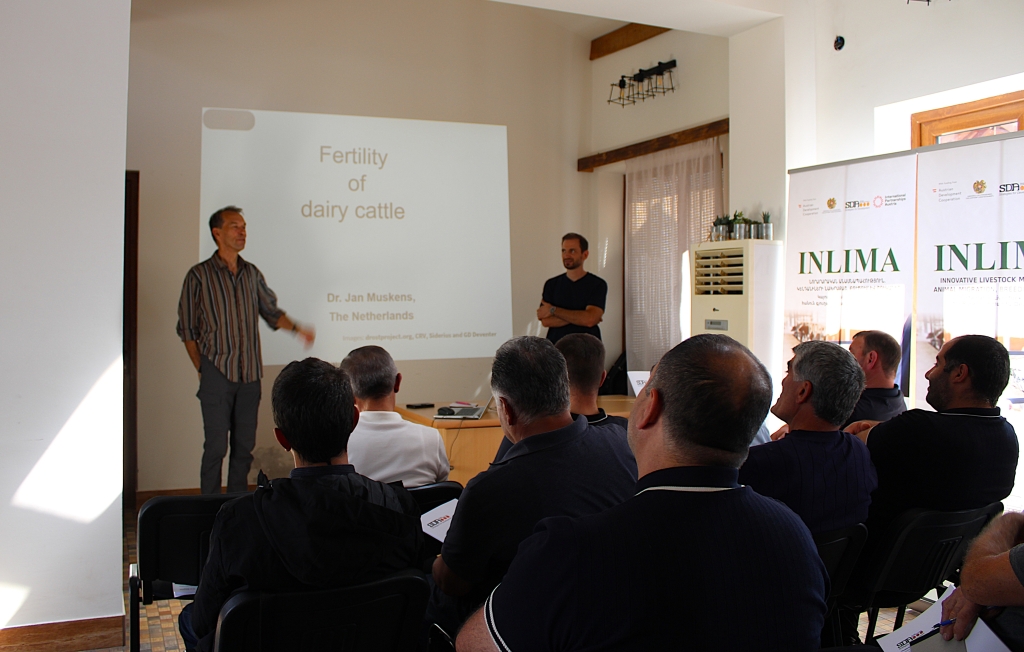
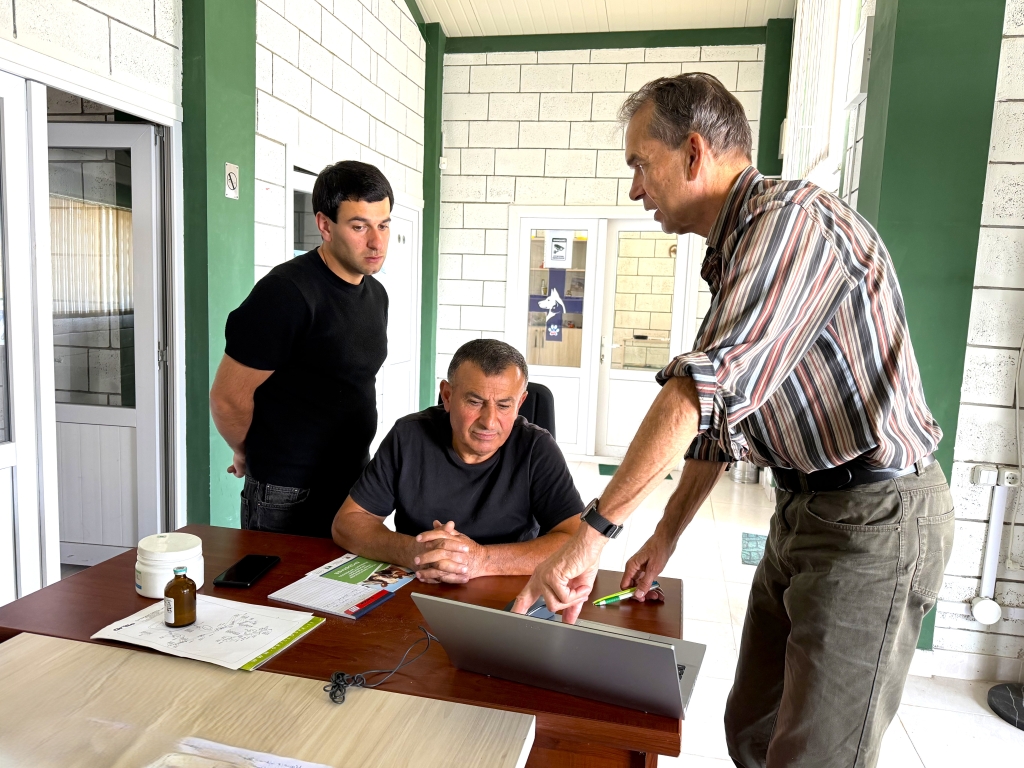
How can artificial insemination contribute to higher productivity, improved herd quality and greater farm profitability? This was the central message of awareness-raising visits conducted under the INLIMA project in Sevan and Tsaghkahovit communities.

During the meetings, livestock farmers were introduced to the state-supported cattle productivity experimental program, demonstrating how access to improved reproductive technologies can contribute to systematic herd improvement.  state-subsidised artificial insemination service for cattle as a practical tool for strengthening herd productivity and improving the economic performance of their farms.

Artificial insemination is far more than a reproductive technology. It provides farmers with an opportunity to improve the genetic potential of their herds, access animals with enhanced production characteristics, reduce the risk of infertility, optimise calving and lactation planning, and prevent inbreeding. It can also contribute to reducing the transmission of certain infectious diseases and supporting more efficient management of farm-level production costs.

Farmers were also introduced to the high-quality breeds available through the programme, including Holstein, Brown Swiss, Jersey and Fleckvieh, enabling breeding decisions to be better aligned with the specific production objectives and conditions of each farm.

The state support mechanism further improves accessibility: AMD 10,000 of the artificial insemination cost per animal is subsidised by the state, while the livestock farmer contributes AMD 5,000. The programme is available to eligible livestock keepers residing in settlements within the target regions who own up to 20 numbered cattle registered in their name and enter into an agreement with an artificial insemination technician participating in the state support programme.

Yet effective breeding begins well before insemination. Animal health, adequate nutrition and water supply, vaccination, parasite control, appropriate housing conditions and hygiene are all critical determinants of an animal’s reproductive performance and productive potential.

Through this awareness-raising campaign, INLIMA is positioning state-supported artificial insemination not simply as an accessible service, but as a knowledge-based livestock management and breeding tool – enabling farmers to make more informed breeding decisions, strengthen the genetic and productive potential of their herds, and ultimately improve the economic sustainability of their farms.

“Innovative Livestock Management: Animal Migration, Breeding & Markets” (INLIMA) project is implemented by Strategic Development Agency NGO and funded by the Austrian Development Agency (ADA), the operational unit of Austrian Development Cooperation.
IADAAM Advancing Land Consolidation in Armenia: Key Directions Discussed

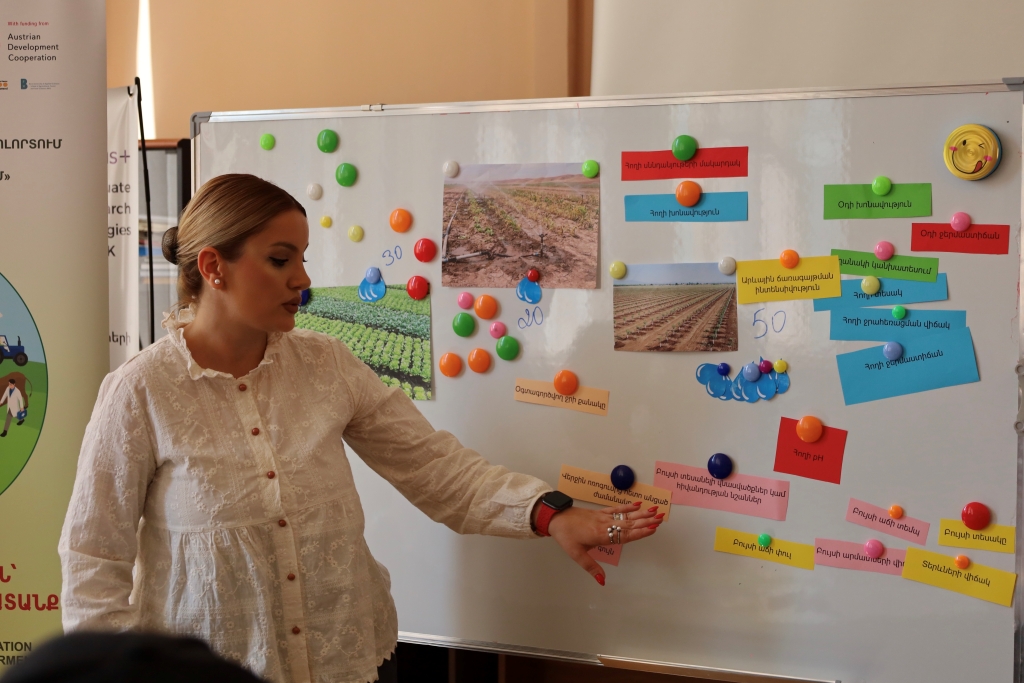
The modernization of irrigated agriculture requires not only the development of infrastructure, but also more effective approaches to land governance and land resource management.
The fragmentation of agricultural land remains one of the main challenges to agricultural development in Armenia, limiting productivity growth, the adoption of modern technologies , the efficient management of irrigation systems , and the competitiveness of the sector .

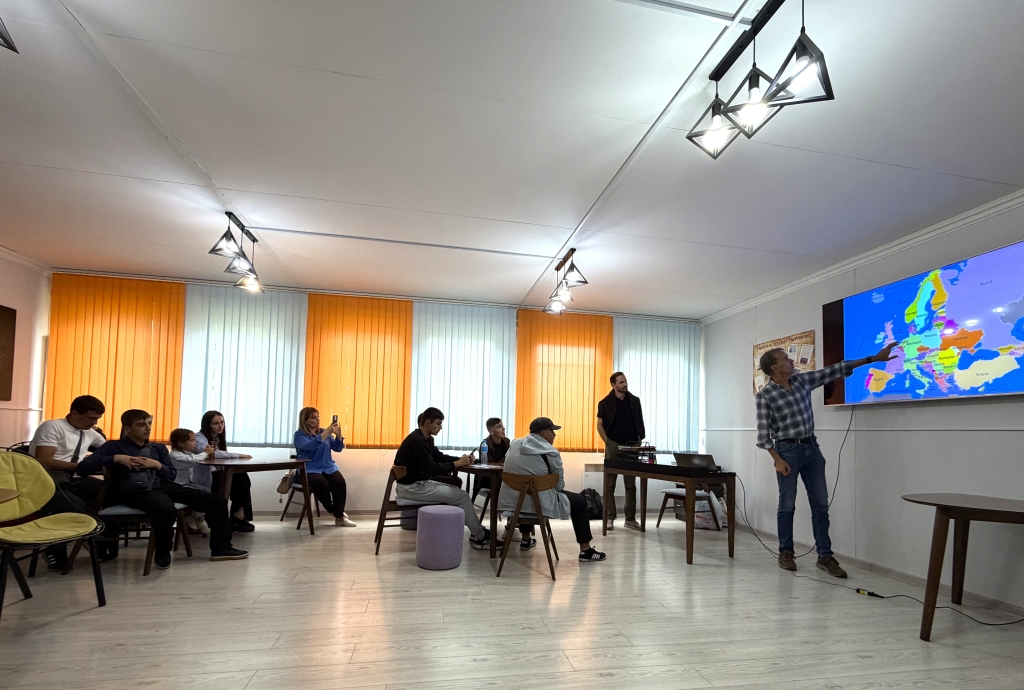
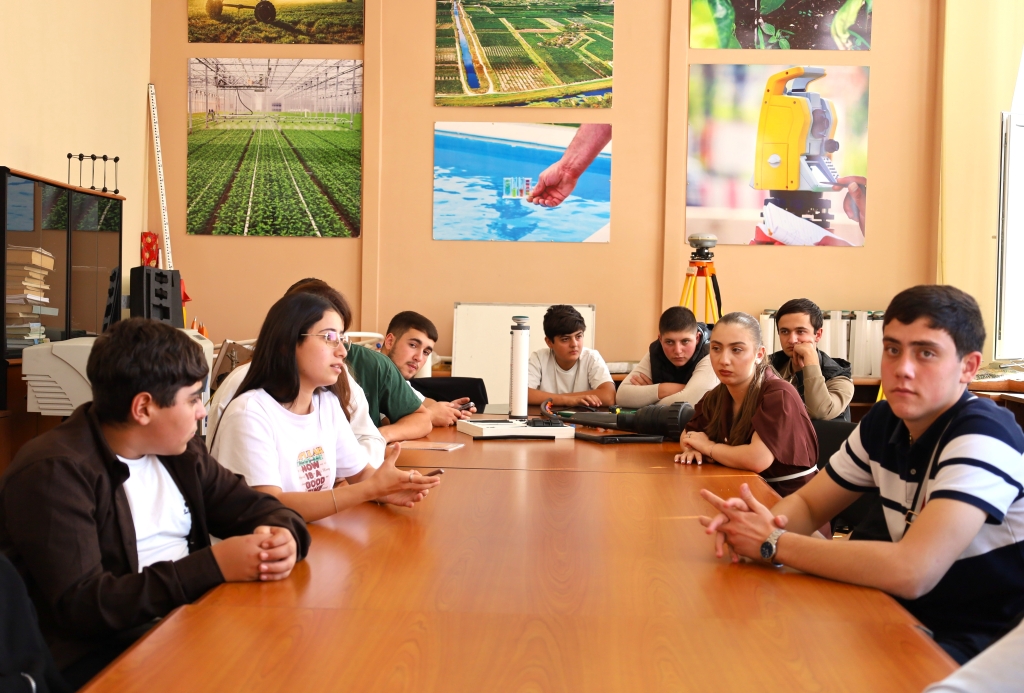
In this context, the “Presentation of the Land Consolidation Process” meeting-discussion was held at the Ministry of Economy of the Republic of Armenia, where specialists of the Ministry were introduced to the strategic importance of land consolidation, international and European experience, and the potential for applying these approaches in the Armenian context.

Discussions focused on the challenges associated with fragmented agricultural land, various land consolidation models, pilot approaches planned for the Ararat and Armavir regions, and the institutional, legal, and organizational frameworks necessary to advance the land consolidation process in Armenia.

Land consolidation is a key instrument of modern land policy. By reducing land fragmentation and improving the management of agricultural land, it contributes to higher productivity, lower production costs, more efficient irrigation management, and a more competitive and resilient agricultural sector.

This meeting-discussion also provided a valuable platform for sharing international experience, fostering professional dialogue, and exploring practical pathways for advancing land consolidation in Armenia.

The Irrigated Agriculture Development in Ararat and Armavir Marzes (IADAAM) Project, financed by the European Union (EU) and implemented with the support of the French Development Agency (Agence Française de Développement), aims to transform irrigated agriculture in Armenia.

Implemented by the Ministry of Economy of the Republic of Armenia, the project’s technical assistance is provided by a consortium comprising AESA – Agriconsulting Europe SA, Avenue Consulting Group LLC, Strategic Development Agency NGO, and 3R Strategy LLC, with the aim of strengthening agricultural policy and advancing sector reforms.