




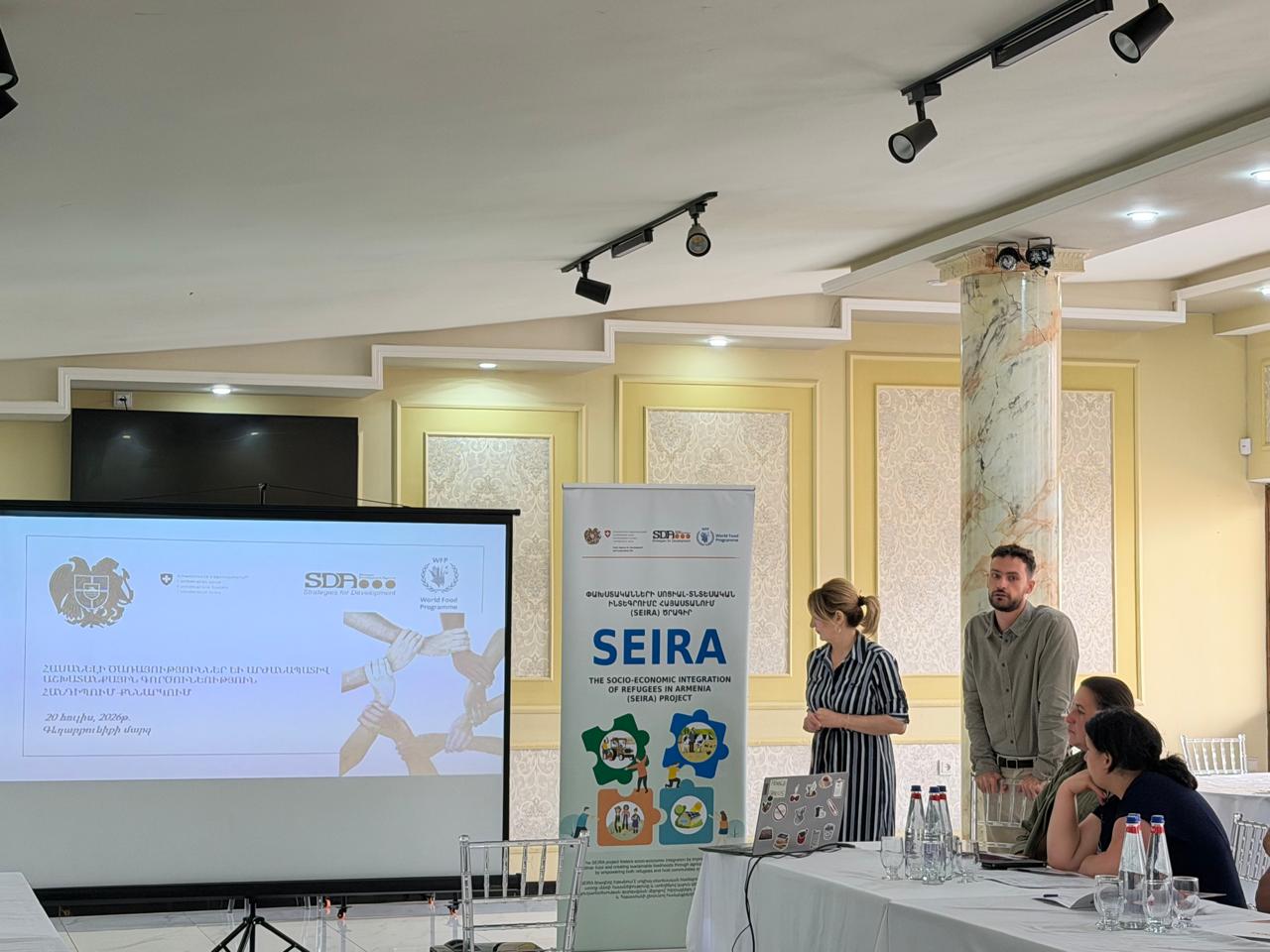
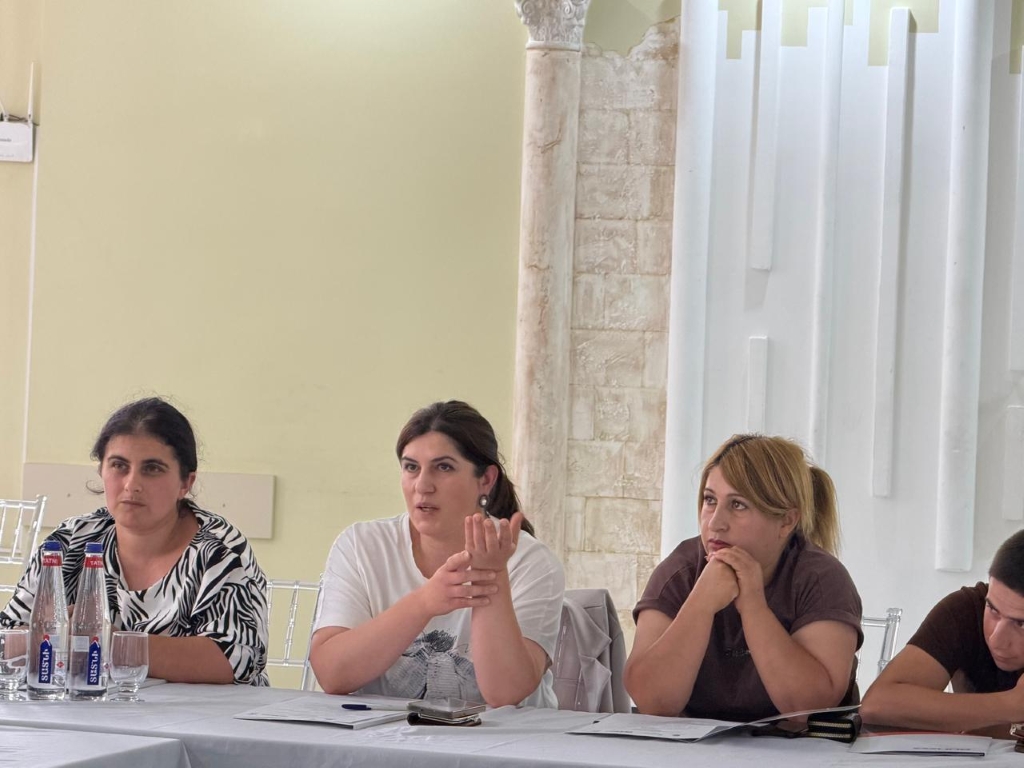
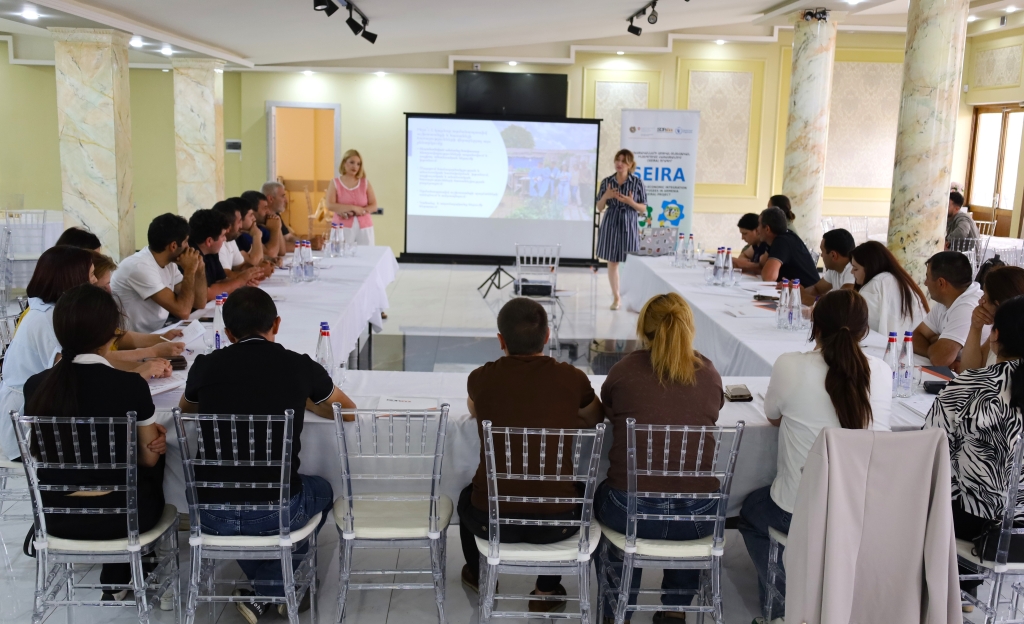
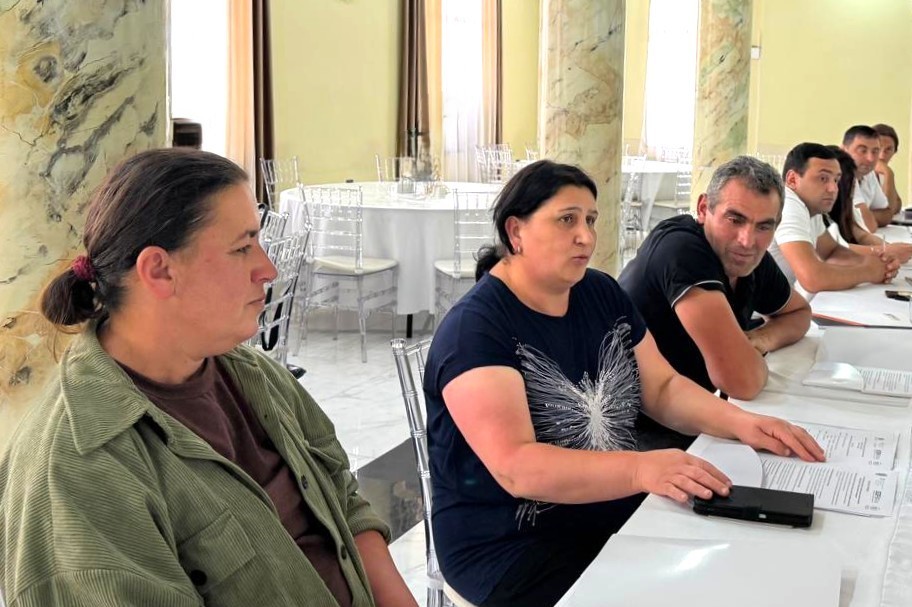
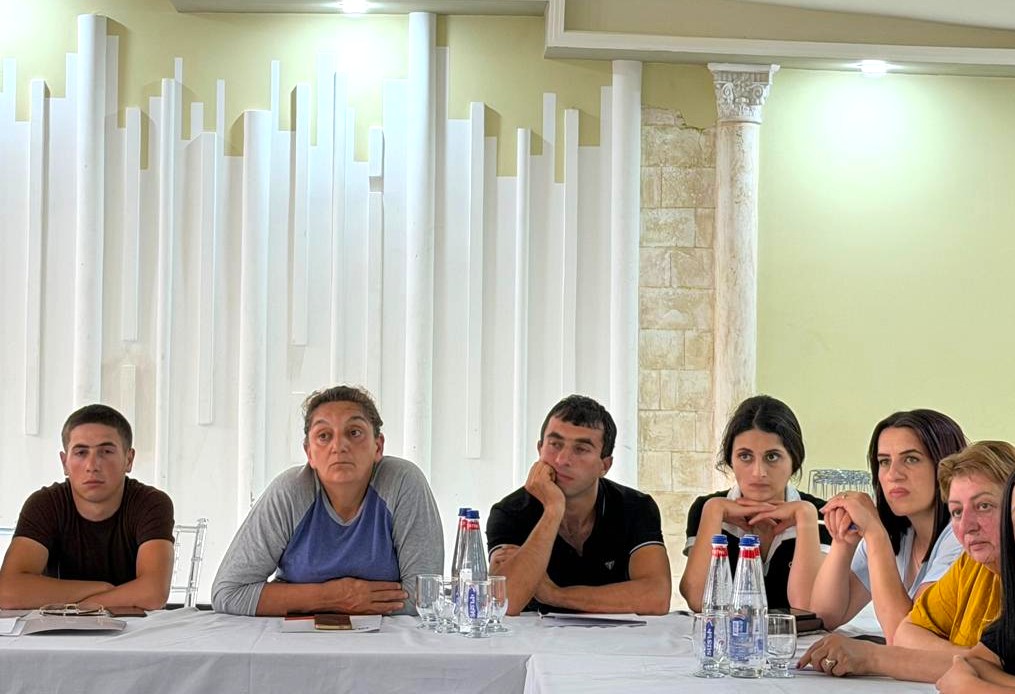
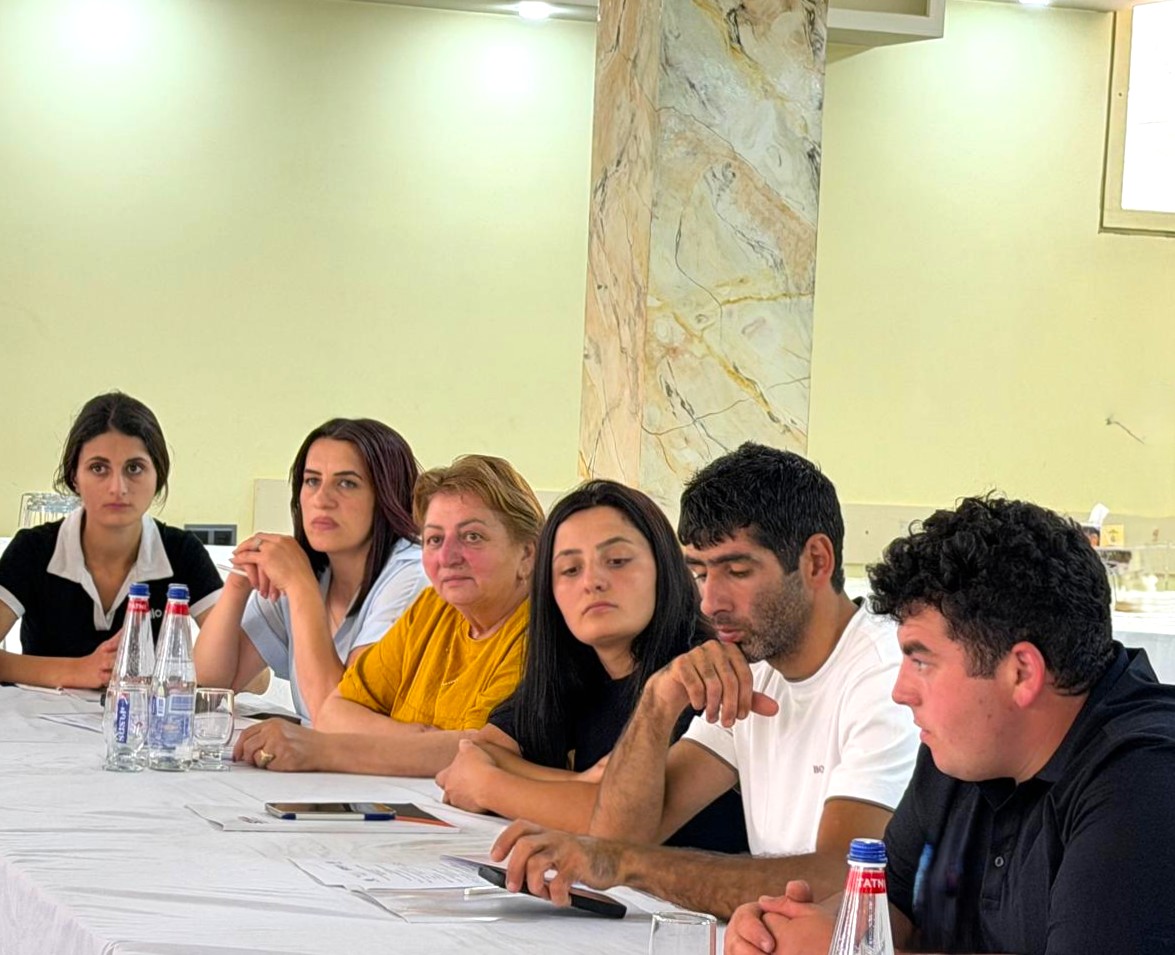
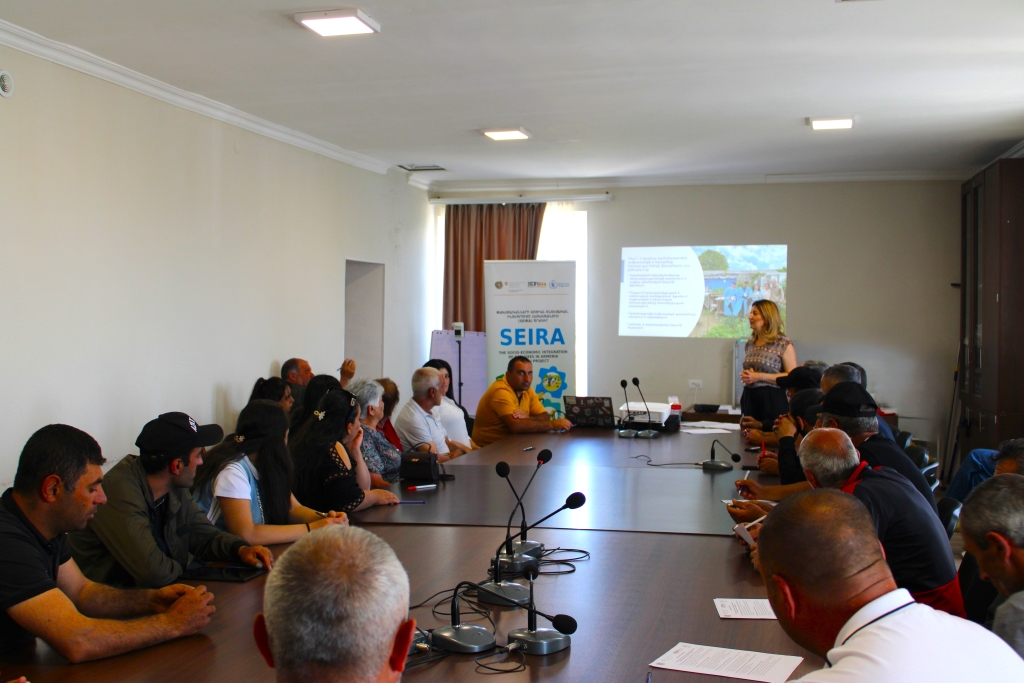
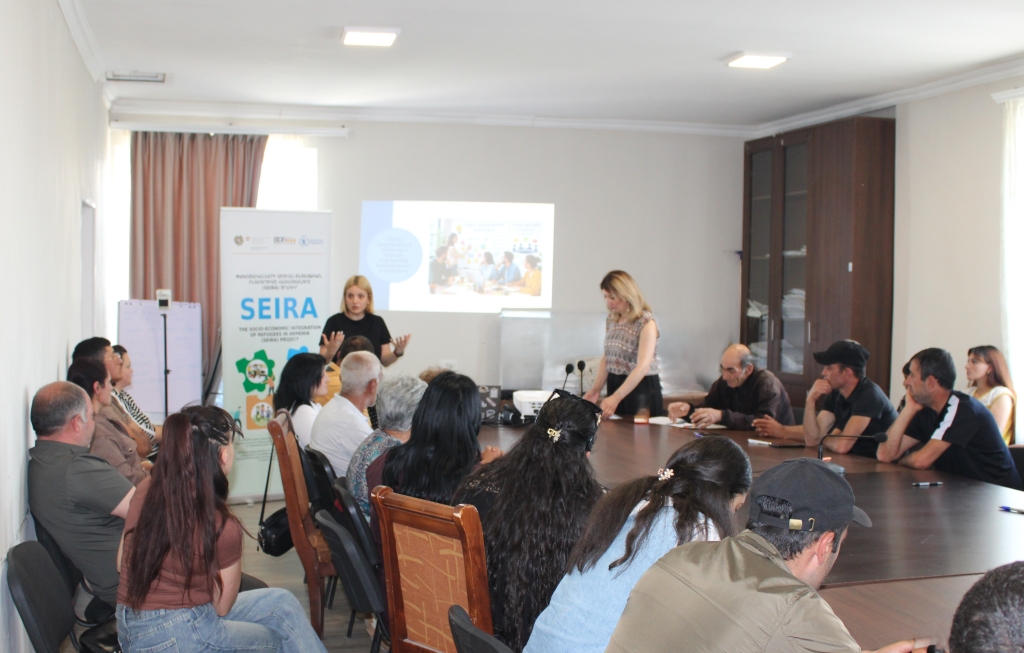
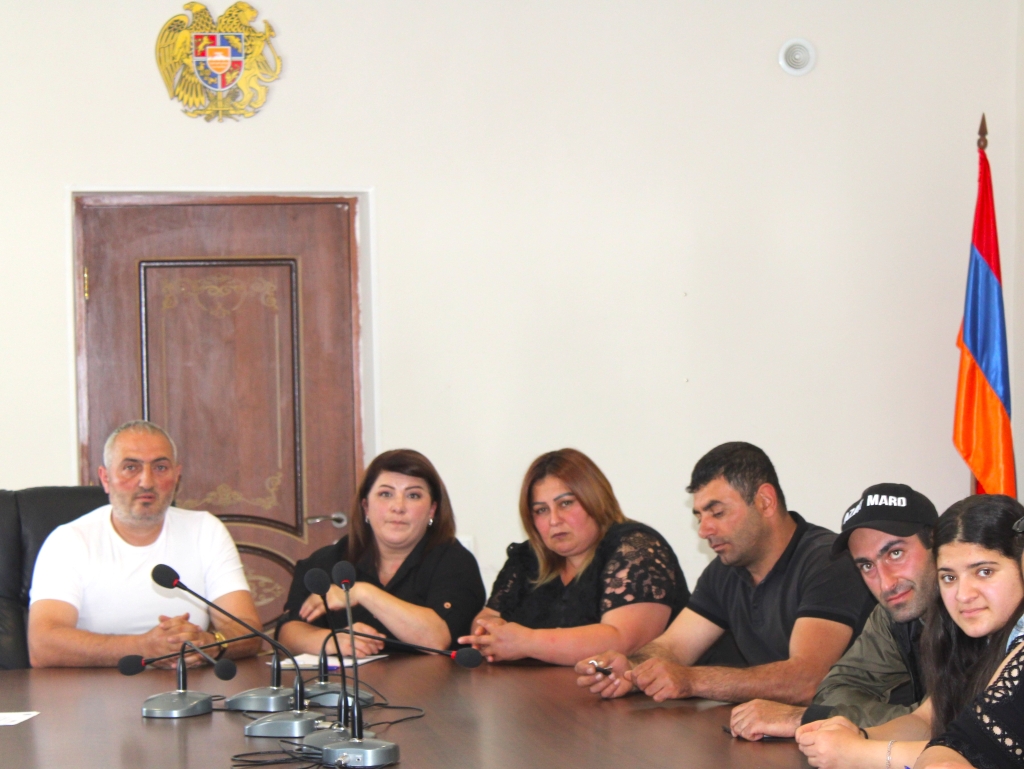
Within the framework of the #SEIRA Project, a series of discussion sessions on “Accessible Services and Decent Work Activities” was conducted in Gegharkunik region. The discussions highlighted once again that the barriers to socio-economic inclusion are not always limited to material or institutional constraints. In many cases, they are shaped by less visible factors, including levels of self-confidence, communication patterns, perceptions of safety and security, and prevailing social norms.
The sessions provided participants with information on available state and community-based social services, principles of decent and safe work, as well as opportunities for self-employment and entrepreneurship. However, the significance of these discussions extended far beyond knowledge-sharing. They created a platform to explore the complex range of personal, social, and contextual factors that influence individuals’ economic participation, decision-making, and engagement within their communities.
Through facilitated focus group discussions, self-reflection exercises, communication confidence assessments, and collective analysis, participants examined challenges that often remain insufficiently addressed within employment and social inclusion policies and programmes. The participatory methodology enabled a deeper understanding of the underlying factors that affect people’s ability to access opportunities, articulate their perspectives, and actively participate in social and economic life.
One of the key insights emerging from the discussions in Gegharkunik was the influence of dialect on communication confidence. Participants shared that, particularly in formal or unfamiliar settings, they may consciously adjust their way of speaking due to concerns that their dialect could be misunderstood, negatively perceived, or become a basis for judgment. This observation highlights the strong relationship between linguistic identity, self-expression, and confidence, emphasizing the importance of fostering inclusive environments where diversity is acknowledged and respected rather than perceived as a limitation.
Another significant finding related to participants’ sense of safety and security, which was described as a process that has not yet been fully restored and remains closely connected to perceptions of peace and stability in the country. Participants emphasized that this sense of uncertainty influences their ability to make long-term plans, pursue employment opportunities, remain mobile, and take initiative. The discussions therefore reinforced the understanding that socio-economic integration cannot be considered separately from broader conditions of peace, security, and social stability.
The discussions also addressed the relationship between unpaid household work and paid employment. Participants’ experiences demonstrated that unpaid care and domestic responsibilities continue to affect economic participation opportunities, particularly for women, while often remaining undervalued in public discussions and labour market analyses. Recognizing and accounting for unpaid work is an important prerequisite for promoting a more equitable and inclusive economic environment.
The discussions conducted in Gegharkunik reaffirmed that decent work extends beyond employment statistics. It is built through conditions that enable people to access information, trust their own capacities, express their voices with confidence, and make informed decisions about their future in an environment where they feel secure and supported.
“Socio-Economic Integration of Refugees in Armenia” (SEIRA) project is funded by the Swiss Agency for Development and Cooperation and implemented by the Strategic Development Agency NGO and the UN World Food Programme.