




When we speak about efficient and sustainable livestock production, a livestock herding/migration route is far more than a physical pathway. It is part of an interconnected system that supports the safe movement of animals, enhances the efficiency of farmers’ operations, ensures access to pastureland, and contributes to the long-term management of community resources.
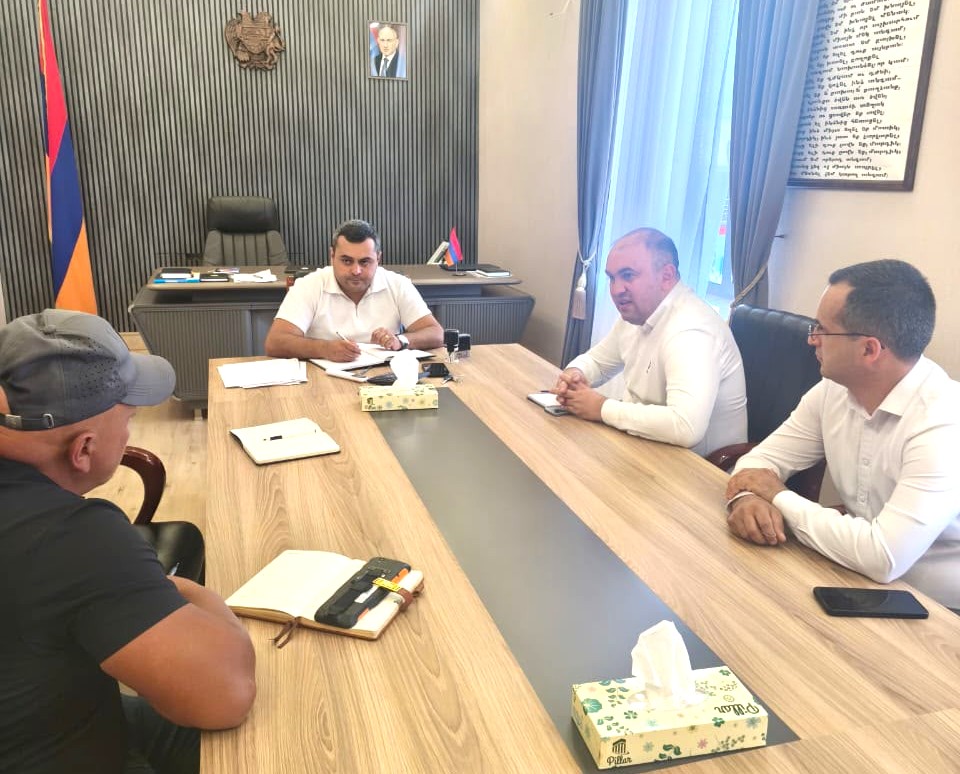
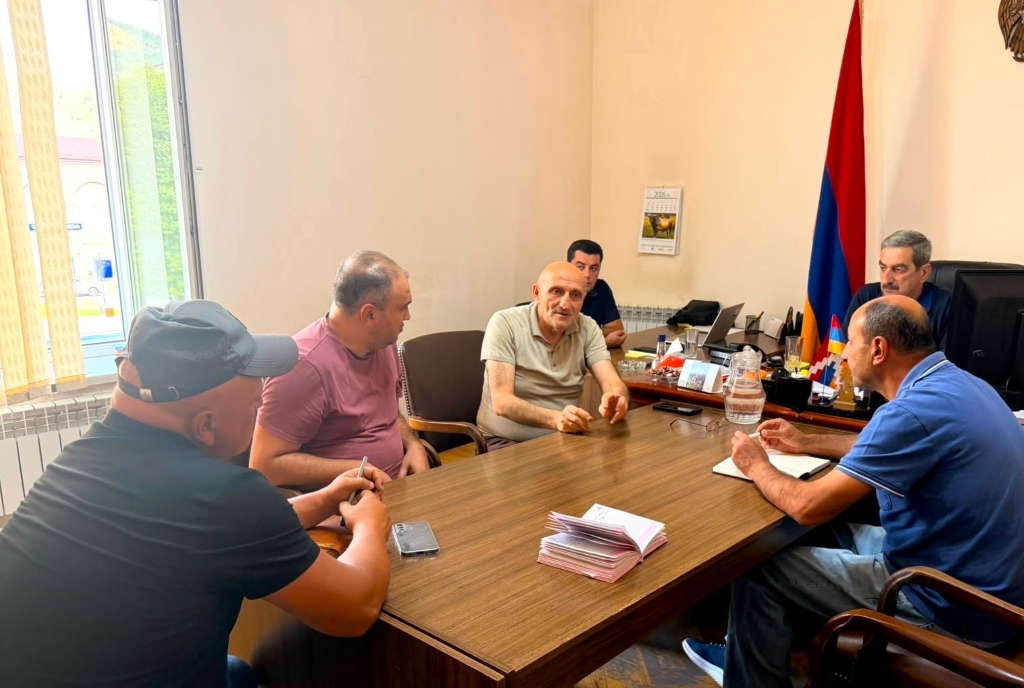
As part of the INLIMA project, working meetings were held in the enlarged communities of Sisian and Goris, Syunik region, with representatives responsible for local governance and agriculture. The meetings focused on presenting the progress of the ongoing assessment and mapping of livestock droving routes currently used by farmers, while ensuring that the emerging mapping is aligned with the communities’ own priorities and development vision.
During the meetings, the preliminary herding routes identified through the mapping process were presented and discussed, including potential locations for related infrastructure and priorities identified by the communities. Particular attention was given to assessing the extent to which the proposed routes correspond to actual community needs, existing infrastructure, and the practical requirements identified by farmers through their day-to-day experience.
The principle underpinning this process is straightforward: a map should reflect not only the territory, but also the real needs of the people who use it.
To this end, the preliminary mapping results developed by the project’s mapping specialist will be submitted to the Goris and Sisian municipal administrations for review and validation. Feedback, observations and recommendations from municipal specialists will be incorporated, and any necessary adjustments will be made. Based on this community-level feedback, the final mapping document will be further refined and subsequently shared with the respective communities.
At the same time, within the framework of INLIMA, meetings were also held with key actors across the milk and meat value chains, including representatives of milk-processing companies and slaughterhouses. The visits provided an opportunity to assess existing infrastructure and explore potential areas for future cooperation.
Ultimately, the work follows one interconnected logic: agricultural infrastructure → community planning → value-chain development → more efficient and sustainable livestock production for farmers.
“Innovative Livestock Management: Animal Migration, Breeding & Markets” (INLIMA) project is implemented by Strategic Development Agency NGO and funded by the Austrian Development Agency (ADA), the operational unit of Austrian Development Cooperation.