
Uncategorized

“DUAL Education Turned My Interest into Real Professional Skills” Martun Minasyan, MAVETA Project Apprentice

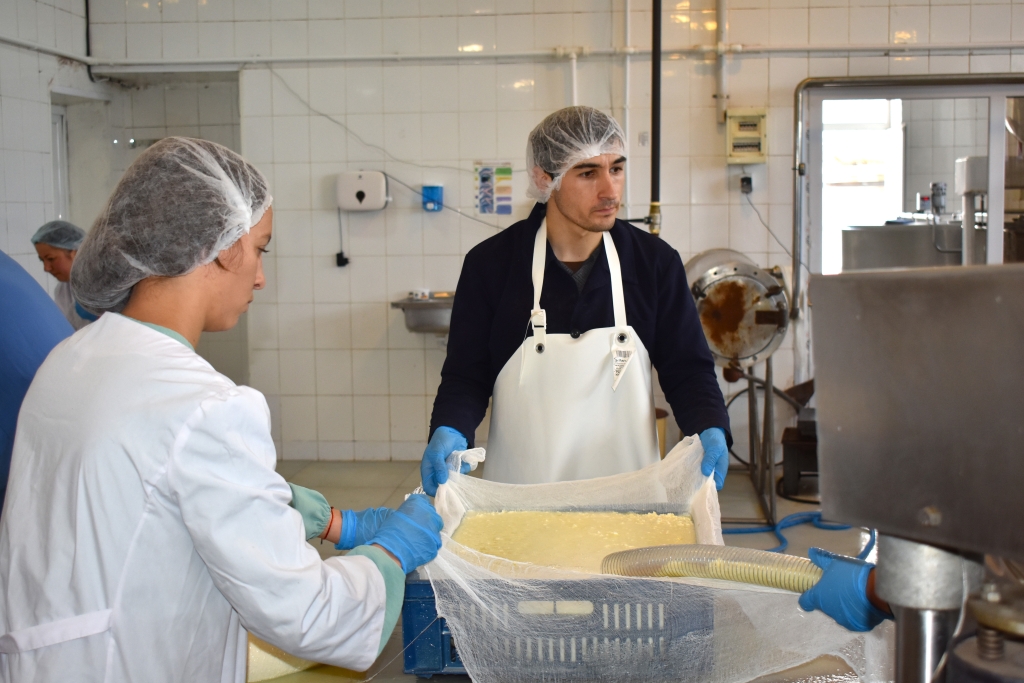
Martun Minasyan / Milk and Dairy Technology / Goris Multifunctional State College

From the beginning, I knew that I wanted to become a specialist in the dairy sector. I was genuinely interested in this field and felt motivated to build my professional future around it. When I enrolled in the Milk and Dairy Technology program at Goris State Agricultural College (now Goris Multifunctional State College), my goal was clear – to gain the knowledge and skills necessary to work in this profession.

Before joining the DUAL education program implemented through the MAVETA project, I had never heard of this learning model. However, once I became part of it, I quickly realized how effective it was. DUAL education allowed me to combine theoretical learning with real work experience, making the entire learning process much more practical and meaningful.

I completed my practical training at the ELOLA dairy factory, where I was involved in the sour cream production unit. Rather than simply observing, I became part of the entire production process. Step by step, I learned how the production line operates – from understanding the workflow to operating and properly managing the equipment. Working directly with the machines and production systems gave me practical knowledge that would have been impossible to gain from textbooks alone.

In addition to technical skills, I also participated in trainings focused on soft skills development, similar to other students involved in the MAVETA program. These trainings helped me better understand teamwork, responsibility, and communication in a professional environment.

The outcome speaks for itself

Today, I feel confident in my professional abilities. Practical experience in a real production environment helped me understand my profession more deeply and strengthened my confidence in performing technical tasks and responsibilities. Most importantly, it confirmed that this is the field in which I want to continue working.

My goal is to continue developing my professional skills in the dairy production sector and work in this field in the future. I have an agreement with my employer to work full-time in the sour cream production unit. After completing my final examinations, I hope to be employed this year and continue working in the company.

Would I recommend DUAL education to other young people?

Absolutely. Through DUAL education, you learn far more than you would through traditional learning alone. When knowledge is combined with real work experience, it becomes practical skill – and that makes a real difference when entering the labor market.

If I were to summarize my experience in a single sentence: DUAL education gave me the practical experience and confidence needed to grow as a specialist and contribute to the development of our sector.

The MAVETA project is funded by a broad coalition of international and local organizations led by the Swiss Agency for Development and Cooperation (SDC), including the Austrian Development Agency, the German Ministry for Economic Cooperation and Development (BMZ), the Government of Armenia, the Swiss Church Aid (HEKS/EPER) NGO, Izmirlian Foundation, the Strategic Development Agency (SDA) NGO and Vanand Agro CJSC.

The project’s implementing partners are the GIZ and HEKS/EPER with the involvement of SDA and the School of Agricultural, Forest and Food Sciences at the Bern University of Applied Sciences (HAFL).
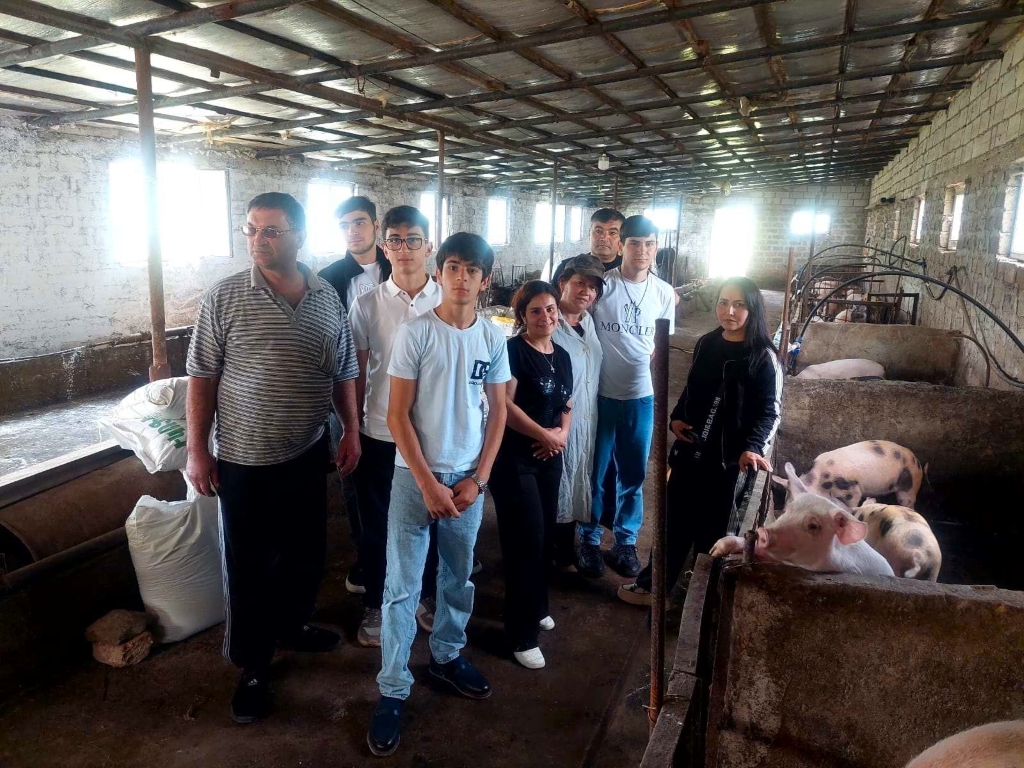
“There Is Work in the Village – I Prove It Every Day” Marine Zadayan, MAVETA Project Partner

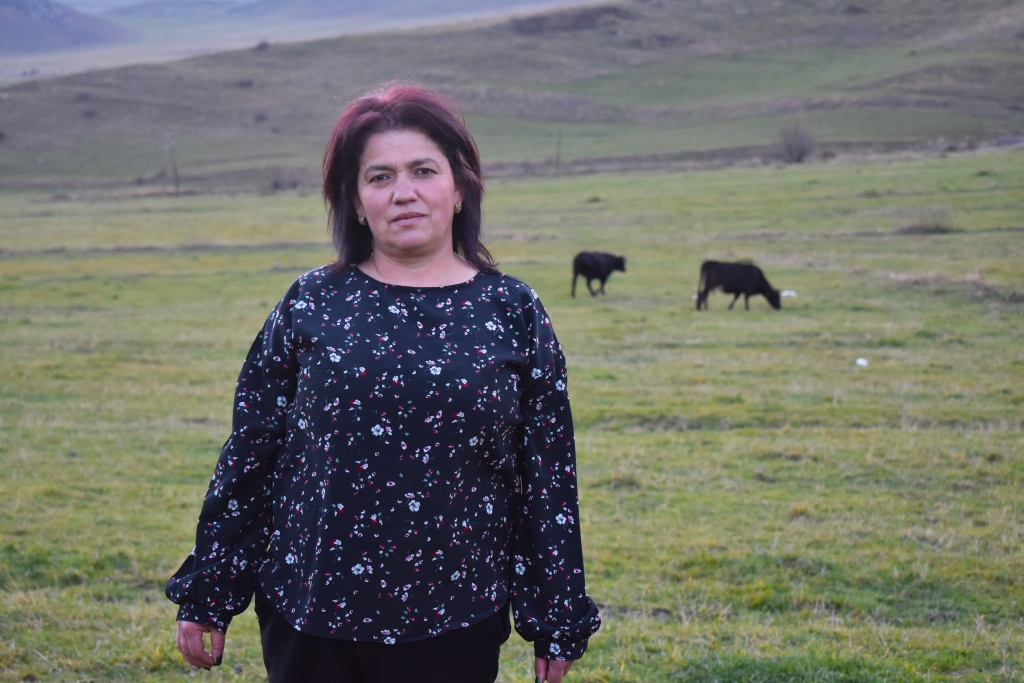
Marine Zadayan / Farmer, Educator / Verishen, Goris

How I Became a MAVETA Partner

For more than 35 years, livestock farming has been an inseparable part of my life. I grew up in a rural community where hard work and care for animals were a natural way of life. Over time, I established and steadily expanded my farm – building a new barn, improving infrastructure, and increasing livestock numbers. Today, my farm includes 12 small ruminants and 30 head of cattle.

Alongside farming, I have dedicated 25 years to education and currently serve as Deputy Principal for Student Affairs at our local school. It was this combination of practical agricultural experience and pedagogical leadership that led me to embrace dual education.

During a Career Day visit, organized within the MAVETA project, I accompanied my students to “The Ranch,” where I was first introduced to the DUAL education. The experience was transformative. I realized that my farm could serve not only as a productive agricultural enterprise, but also as a structured learning environment for young people.

This marked the beginning of my journey as an employer within the DUAL education, welcoming apprentices to train on my farm.

The outcome speaks for itself

To date, I have hosted 16 apprentices. On our farm, they translate classroom knowledge into hands-on experience within a real production setting. Beyond technical competencies, they develop: 1. a strong sense of responsibility and discipline; 2. teamwork and communication skills; 3. practical experience in farm management; 4. end-to-end knowledge of animal care and milk production processes.

Within the MAVETA project, we received technical assistance for modernizing farming operations and enhancing our production capacity, thereby expanded our ability to host and properly train apprentices. Our farm has become a well-equipped, dynamic learning environment, where apprentices are welcomed as family members. My husband also mentors students specializing in agricultural mechanization.

Dual education is reshaping young people’s perceptions of rural life. They come to understand that agriculture is not merely physical labor; it is a knowledge-intensive sector requiring planning, management, and innovation. They begin to see that it is possible to build a sustainable livelihood, create value, and achieve professional fulfillment in the village.

The training courses delivered under the MAVETA project have also contributed significantly to my own professional development. They enabled me to update my knowledge, expand my perspective, and strengthen my capacity to mentor the next generation.

The outcome is clear: a young person equipped with both education and practical experience is more confident, better prepared for the labor market, and capable of generating tangible value for the community.

Why Other Private-Sector Representatives Should Engage in Dual Education

Dual education offers clear advantages not only for students, but also for employers:

  • Access to motivated young professionals trained within your own production environment and aligned with your workplace standards.
  • The opportunity to contribute directly to the development of a qualified workforce and ensure the long-term sustainability of the sector.
  • A meaningful role in strengthening rural communities by creating pathways for young people to remain and thrive locally.

I encourage fellow employers to join this initiative and host apprentices – not merely as a formal obligation, but with genuine commitment and purpose.

If we aspire to advance agriculture, we must be prepared to invest in people and share our experience.

I have always said, “When hardship comes, it is the cow that sustains the household.” Today, I would add: the future of agriculture rests in the hands of educated, practically trained young professionals.

Dual education is the bridge that connects knowledge with practice, experience with results, and generations with opportunity.

Love has given me the strength to build. Dual education gives me the opportunity to pass that strength forward – on to the next generation.

The MAVETA project is funded by a broad coalition of international and local organizations led by the Swiss Agency for Development and Cooperation (SDC), including the Austrian Development Agency, the German Ministry for Economic Cooperation and Development (BMZ), the Government of Armenia, the Swiss Church Aid (HEKS/EPER) NGO, Izmirlian Foundation, the Strategic Development Agency (SDA) NGO and Vanand Agro CJSC.

The project’s implementing partners are the GIZ and HEKS/EPER with the involvement of SDA and the School of Agricultural, Forest and Food Sciences at the Bern University of Applied Sciences (HAFL).

Uncategorized

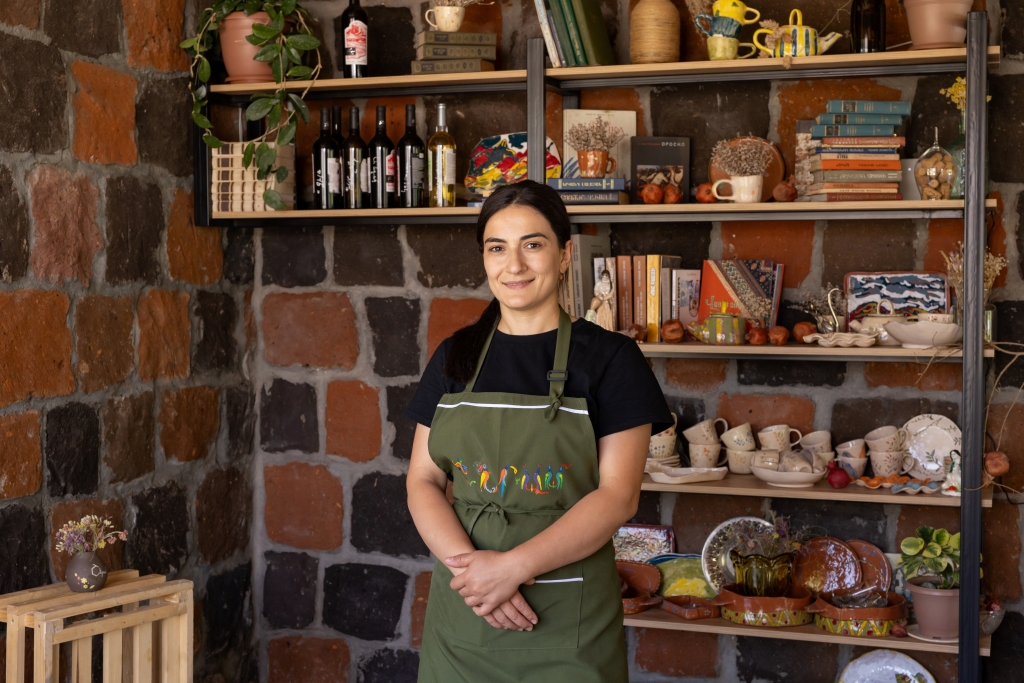
“Transforming Culinary Heritage into a Tourism Experience and Sustainable Business” Mariam Simonyan, LILA Project Beneficiary

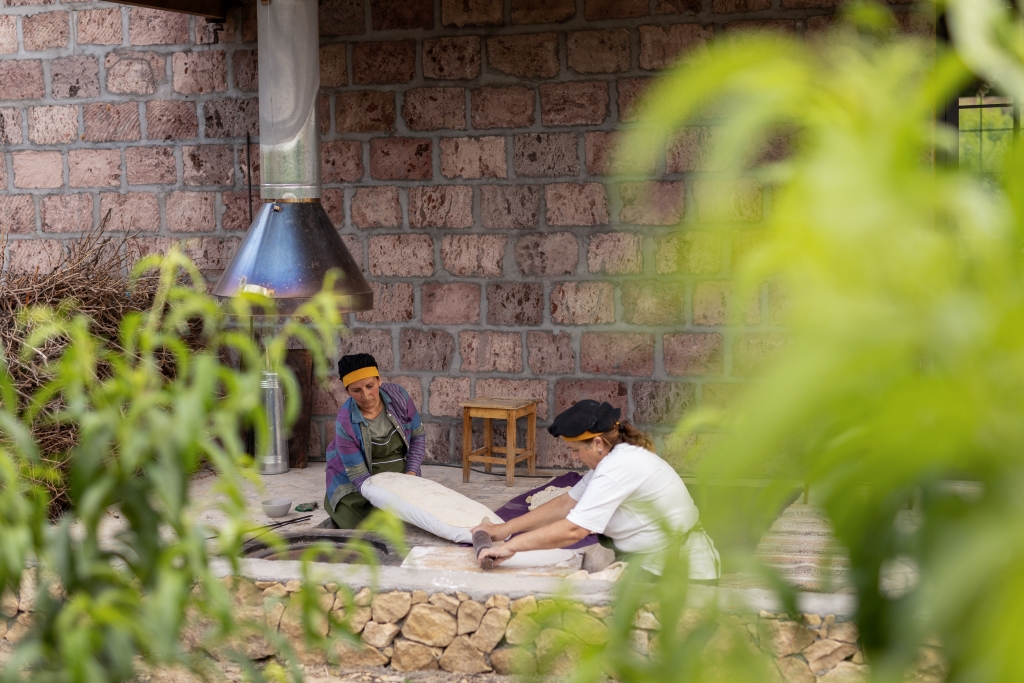
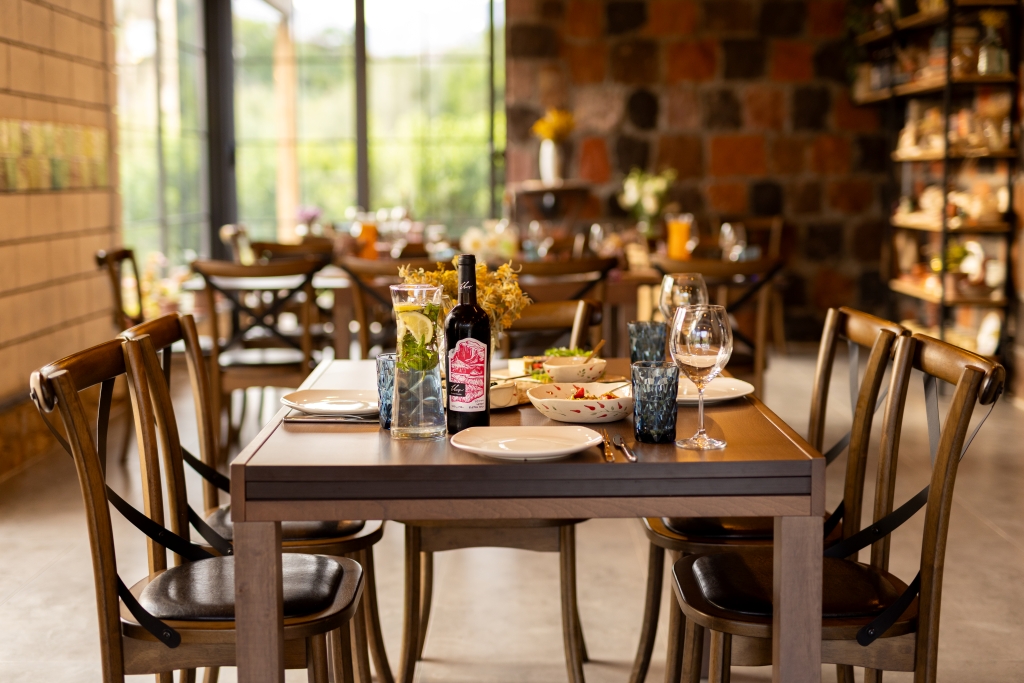
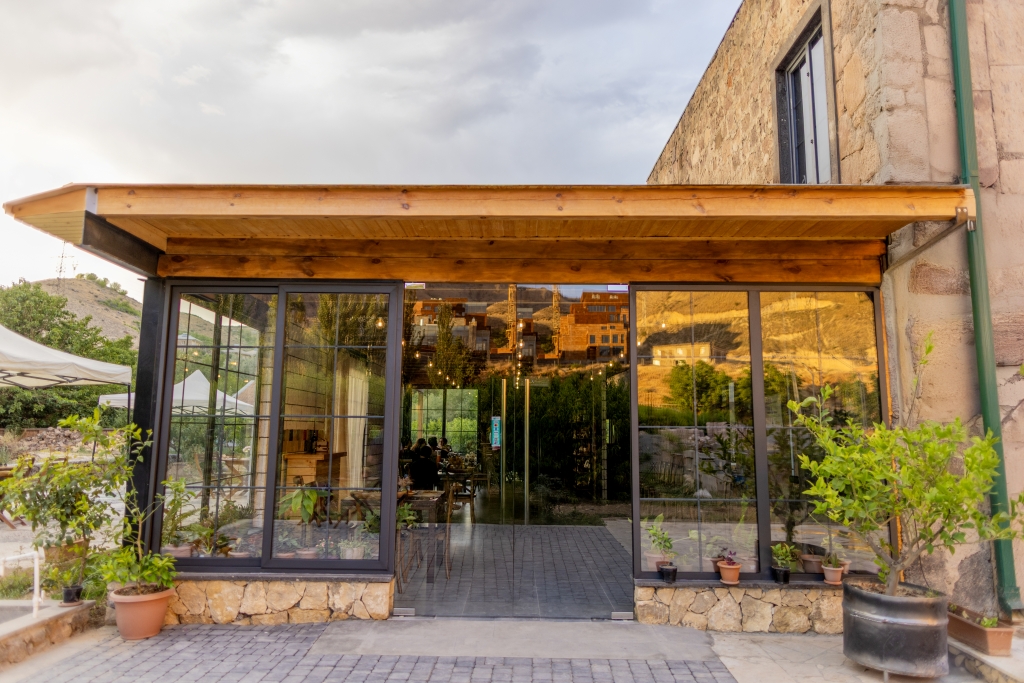
The “Sheram” National Cuisine restaurant in Areni has emerged as a distinctive destination within the growing gastronomic tourism landscape of the Vayots Dzor region. Known for its creative interpretation of traditional Armenian cuisine, the restaurant revives forgotten recipes and presents them with a contemporary touch. Signature dishes include rosehip soup and dolma prepared with a unique combination of grape leaves and dried fruits, reflecting the region’s rich culinary heritage.

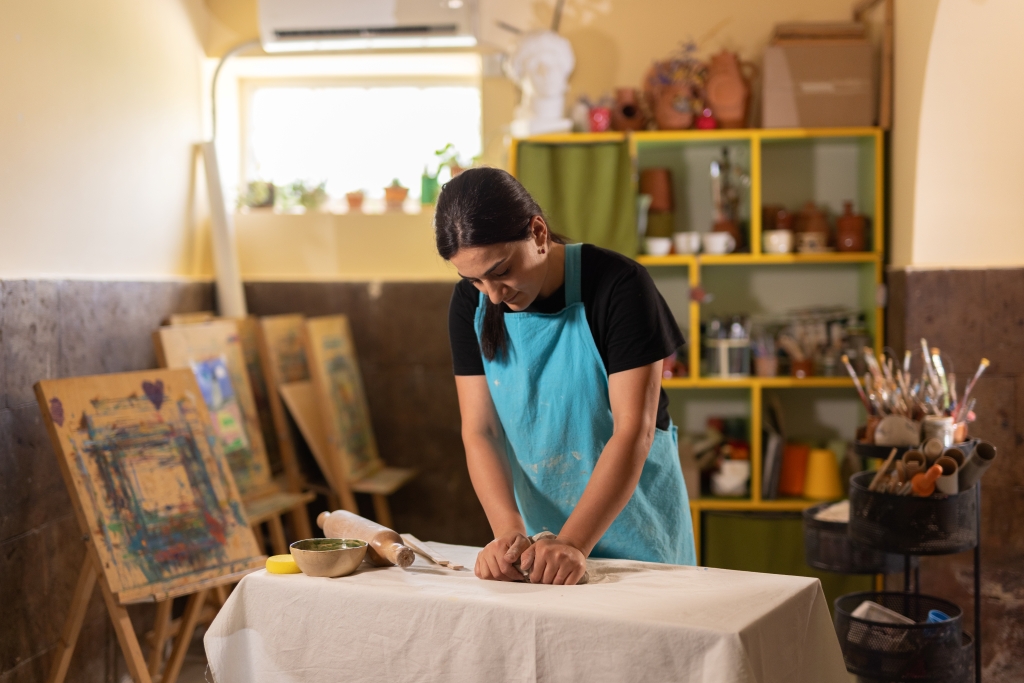
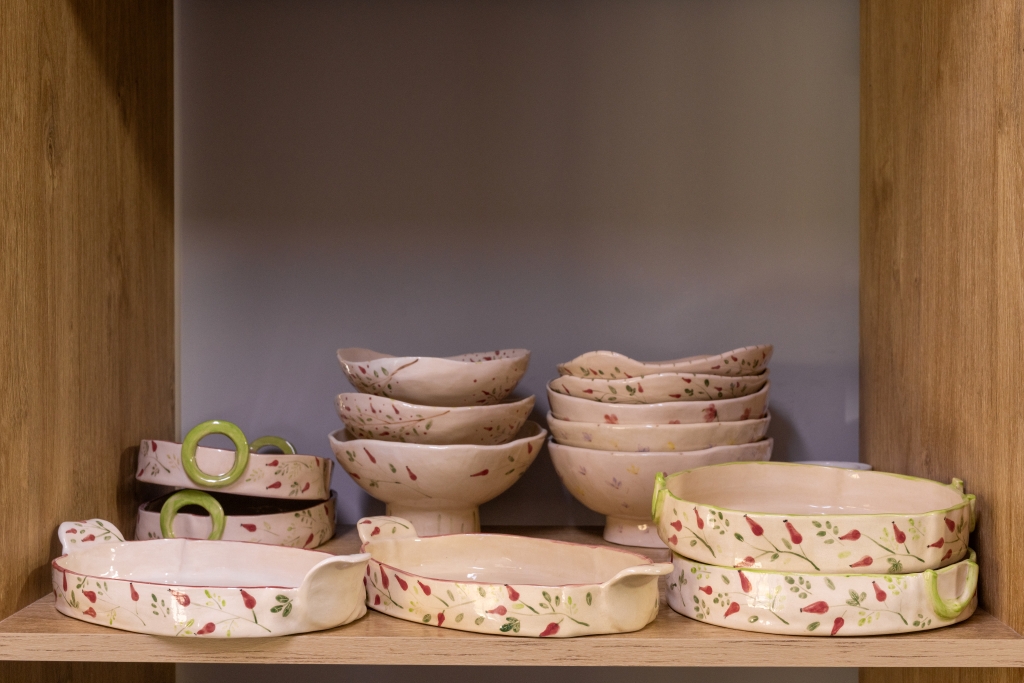
The founder of Sheram, Mariam Simonyan, represents a compelling example of women’s leadership and entrepreneurship in rural Armenia. Although she developed a passion for painting from an early age and pursued formal education in the field, family responsibilities prevented her from continuing a professional career in art. Instead, Mariam channeled her creativity into gastronomy, transforming her artistic vision into a distinctive culinary concept. One of the restaurant’s signature features is the handmade clay tableware crafted by Mariam herself, which adds authenticity and artistic character to the dining experience. Alongside this aesthetic element, the restaurant showcases traditional dishes of Vayots Dzor, highlighting the region’s rich cultural and culinary traditions.

The development of Sheram was supported by the “Living Landscapes for Market Development in Armenia” (LILA) project, which contributed to the construction of the restaurant, the modernization and equipment of the kitchen, and the provision of professional training and marketing support. The project also placed particular emphasis on the sustainable use of wild plants and fruits, encouraging their integration into the food value chain and promoting nature-based and sustainable tourism.

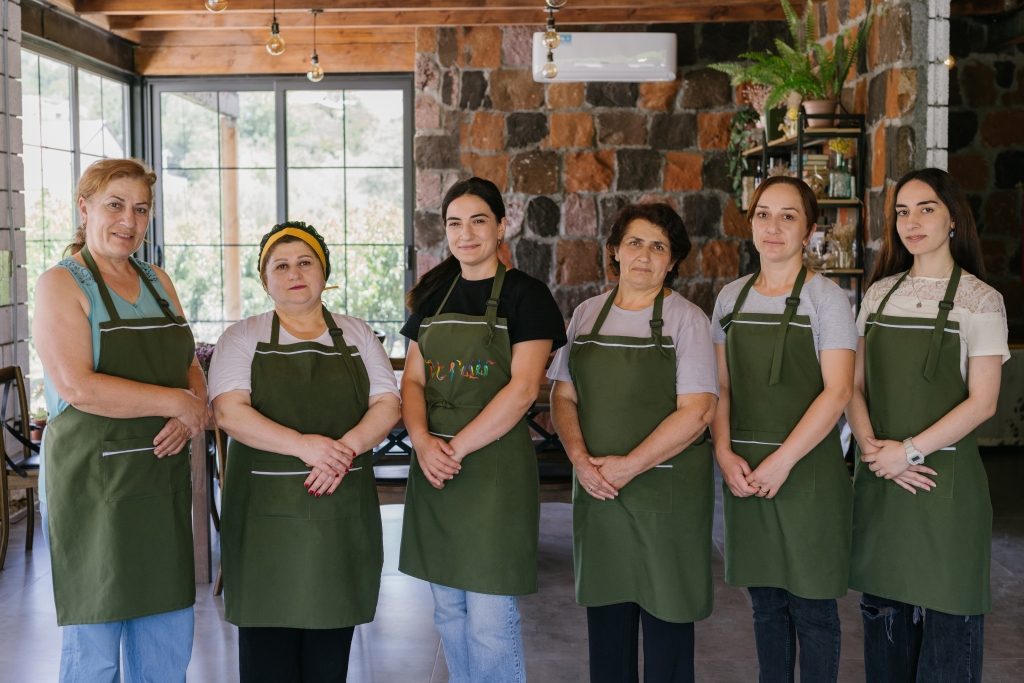
As a result, Sheram has evolved into more than just a restaurant. It has become a sustainable local enterprise and an important hub for community development. The business creates employment opportunities for women in Areni and serves as an inspiring example of women’s economic empowerment in rural communities.

As both an entrepreneur and a mother of several children, Mariam inspires other women to pursue their aspirations and turn their ideas into reality. Through the support of the LILA project, Sheram has strengthened its operations, expanded its visibility, and contributed to the growing tourism potential of the village.

Mariam’s vision – to introduce Armenian cuisine and its often-forgotten traditional dishes to international audiences – is steadily becoming a reality, demonstrating how local culture and heritage can be transformed into a sustainable business and a compelling tourism attraction.

Living Landscapes for Market Development in Armenia (LILA) project is funded by the Swiss Agency for Development and Cooperation (SDC) and implemented by WWF-Armenia in collaboration with SDA NGO.

“The Future of Agriculture Depends on Embracing Innovation” – Meruzhan Gharibyan, MAVETA Project Partner

Meruzhan Gharibyan stands in his smart farm in Getavan, watching over his cattle. There is no rush, no loud commands, no chaotic movement—just the quiet hum of technology working in harmony with nature. With a single push of a button, the barn is cleaned. A digital system monitors the cows’ health and milk production, alerting him to any potential issues before they arise. This is not the agriculture of the past. This is the future, and Meruzhan is one of the leaders.

From Law to Farming

Meruzhan Gharibyan was not always a farmer. Originally trained as a lawyer, his journey took an unexpected turn when he realized that his true calling lay in agriculture. Over the past 25 years, he has dedicated himself to farming, raising pedigree cows and ensuring that his livestock receives the best possible care. However, as the years passed, he saw the challenges facing traditional farming: declining interest, economic struggles, and a lack of modern methods. “Agriculture is a declining sector,” he says. “If we did not switch to innovative approaches, we would not have survived.”

Two years ago, he took a bold step and transitioned his farm into a fully automated, smart system. The shift was not easy—acquiring equipment, adapting to new management techniques, and rethinking decades of traditional practices. But he was determined.

A Farm Without Borders

Meruzhan Gharibyan now manages his farm remotely, sometimes even from Vanadzor, using digital controls to oversee operations. “From Vanadzor, I can clean the barn with one button,” he says with a grin. Sensors track everything from milk production to cow health, ensuring efficiency and quality. The result is higher-quality milk, sold at a premium price.

“In an average farm, milk is bought for 130 drams per liter. Our milk is 170 drams because of its quality,” he explains. “Everything is done in a closed cycle—no human hands touch the milk from the cow to the container. This ensures both hygiene and efficiency.”

But for Meruzhan Gharibyan, innovation is not just about automation—it’s about sustainability. His farm also provides its own feed, ensuring full control over the production chain. Opening a milk and dairy workshop is among his future plans.

Inspiring the Next Generation

One of the biggest challenges Meruzhan Gharibyan sees is the aging of agricultural professions. “No one is interested in traditional agriculture, especially not the youth,” he says. “A lot has changed in people’s perceptions.”

That is why his farm has become a training ground for students. Apprentices from Stepanavan State Agricultural College visit, learning firsthand how modern farming works. “They see that people communicate with animals from a distance, that in some cases, they don’t even open or close doors because everything is automated.”

Though apprentices may not be full-time employees yet, Meruzhan sees their training as an investment in the future. And it’s a two-way street—while he teaches them farming, they teach him digital communication skills. Even his own son has joined the effort, making the farm a true family legacy.

Highly appreciating his partnership with the “Modernizing Vocational Education and Training in Agriculture in Armenia” (MAVETA) project, Meruzhan emphasizes the importance of training courses, opportunities to improve soft skills, and exchange visits to Austria and Switzerland (upcoming), where he has learned from some of the best in the field. “The partnership wasn’t just about technical support,” he says. “It was about constantly learning, growing, and bringing new ideas home.”

Breaking Stereotypes

Meruzhan Gharibyan prioritizes the changes in public’s perception of farming. “When you say you need a milkman, no one responds. But when you advertise for a milk operator, people stand in line,” he says. Words matter, and so does the image of agriculture.

Stereotypes of village barns and backbreaking labor are being replaced by visions of high-tech, efficient farms. “Visiting new smart farms will change your opinion,” he insists. “Agriculture is not just about survival—it’s about solving the food security problem, saving villages, and taking control of the land.

“If we don’t keep cows, where will we get butter and cheese?” he asks a rethoric question.

The Will to Change

When asked what it takes to build a farm like his, Meruzhan doesn’t mention money first. “Willpower,” he says with a smile. “Then land and investment.”

His farm is proof that the future of agriculture is not just about technology, but about mindset. The willingness to adapt, to innovate, and to inspire the next generation is what will keep farming alive in Armenia.

The MAVETA project is funded by a broad coalition of international and local organizations led by the Swiss Agency for Development and Cooperation (SDC), including the Austrian Development Agency, the German Ministry for Economic Cooperation and Development (BMZ), the Government of Armenia, the Swiss Church Aid (HEKS/EPER) NGO, Izmirlian Foundation, the Strategic Development Agency (SDA) NGO and Vanand Agro CJSC.

The project’s implementing partners are the GIZ and HEKS/EPER with the involvement of SDA and the School of Agricultural, Forest and Food Sciences at the Bern University of Applied Sciences (HAFL).

Agriculture is a Lifestyle։ Hayk Aslanyan, MAVETA Project Partner

IMG_5176-002-1-1000x1000

In the aftermath of the war, rebuilding one’s life is no easy feat. For Hayk Aslanyan, a partner of the “Modernizing Vocational Education and Training in Agriculture in Armenia” (MAVETA) project, the challenges of the post-war period have only reinforced his belief in the importance of farming and education.

From Family Legacy to a New Beginning

Aslanyan finds farming more than a profession—a part of his heritage.

“I’ve been involved in farming since my childhood. My grandfather was a farmer, and his efforts laid the foundation for our family’s farm in Artsakh. Unfortunately, after the war, he stepped away from farming. Like many others, we were forced to leave and resettle in Goris, my birthplace,” Aslanyan explains.

Despite the hardships, he refused to give up. “We had a cattle barn from the Soviet era in Goris that had been neglected. After the war, I focused on restoring it. It’s not easy, but step by step, I’m rebuilding what we lost,” he continues confidently.

A Path to Education

Hayk Aslanyan’s passion for agriculture led him to Goris State Agricultural College, where he now combines practical experience with formal education.

“Studying at the Armenian National Agrarian University in Yerevan wasn’t possible for me due to family and work commitments here in Syunik. When the Goris State Agricultural College introduced dual education programs in agriculture, I knew it was my chance. It allowed me to strengthen my practice with theoretical knowledge,” Aslanyan highlights.

Dual education—a combination of classroom instruction and on-the-job training—has become a cornerstone of Aslanyan’s learning experience.

“Students in dual education benefit from both worlds. Teachers provide theoretical knowledge, while farmers like myself offer hands-on training. The better equipped and organized the farm, the more meaningful the practical experience becomes,” he explains.

The Role of MAVETA

Hayk Aslanyan has joined the MAVETA project recently. Being involved as both an apprentice and an employer, he says it creates opportunities not only for students, but also for educators and farmers.

“It’s encouraging to see how such projects can bridge education and practical work in agriculture,” he emphasizes.

When asked if farming is an attractive path for young people, Aslanyan’s answer was clear: passion is key.

“Agriculture is a lifestyle. If you don’t love it, you won’t succeed. But for those who truly care about it, there’s immense satisfaction in working hard and seeing the fruits of your labor.”

He also has a message for those hesitant to change the field and pursue agriculture later in life. “Education has no age limit. The longer we live, the more we learn. If someone hasn’t found success in another field but loves agriculture, they should embrace it geniunely. With love and dedication, everything will work out,” sum ups Hayk Aslanyan.

The MAVETA project is funded by a broad coalition of international and local organizations led by the Swiss Agency for Development and Cooperation (SDC), including the Austrian Development Agency, the German Ministry for Economic Cooperation and Development (BMZ), the Government of Armenia, the Swiss Church Aid (HEKS/EPER) NGO, Izmirlian Foundation, the Strategic Development Agency (SDA) NGO and Vanand Agro CJSC.

 The project’s implementing partners are the GIZ and HEKS/EPER with the involvement of SDA and the School of Agricultural, Forest and Food Sciences at the Bern University of Applied Sciences (HAFL).