
Uncategorized

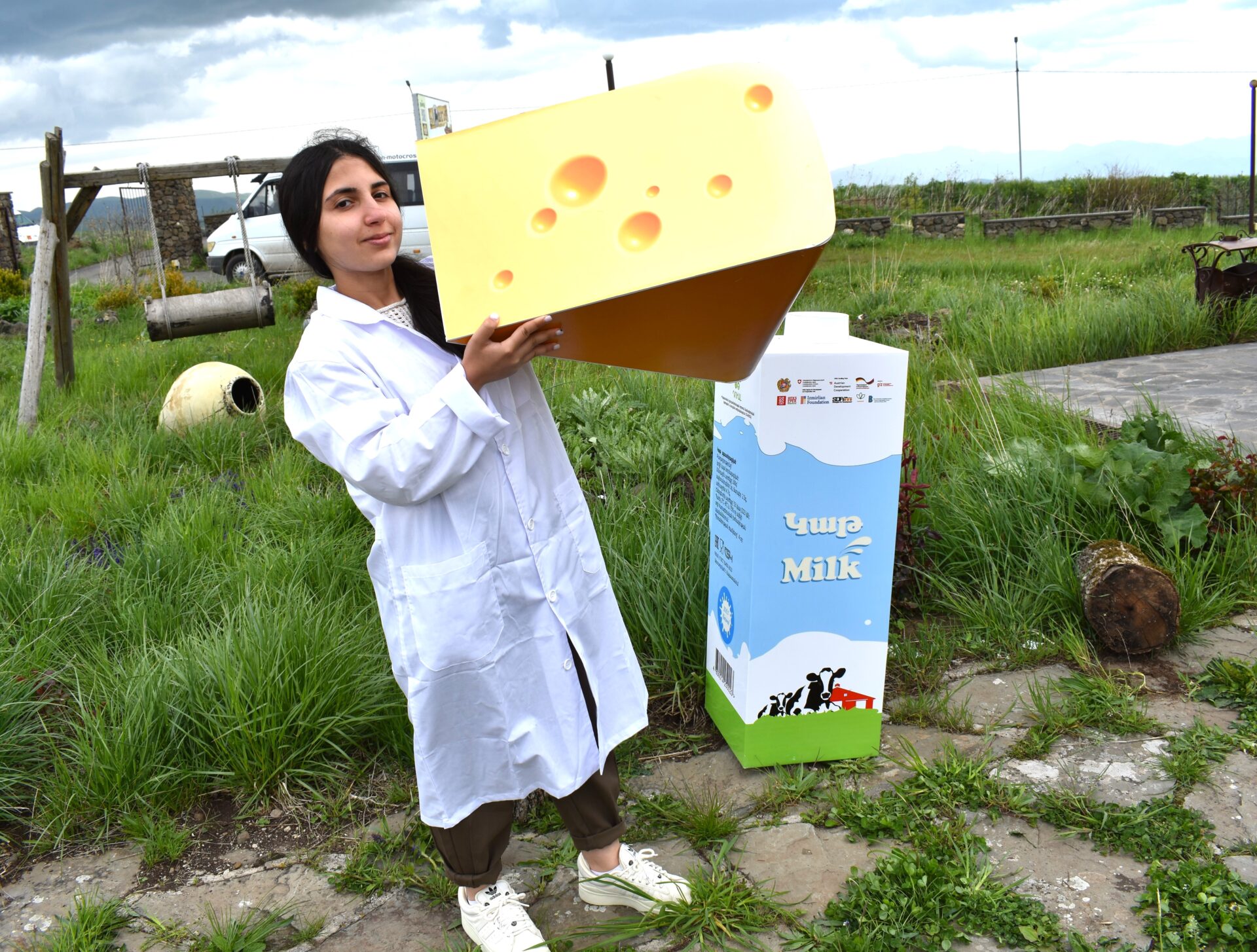
“DUAL Education Gave Me My Dreams Back” Amalya Jhangiryan, MAVETA Project Apprentice

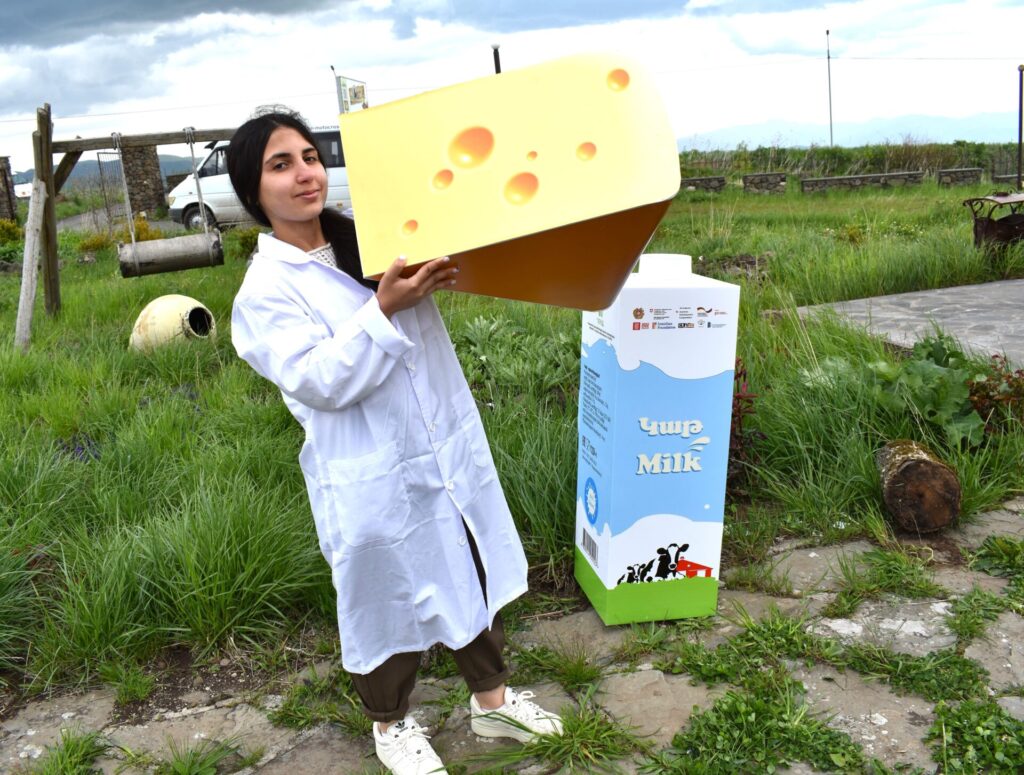
Amalya Jhangiryan / Milk and Dairy Technology / Goris Multidisciplinary State College

I was forcibly displaced from Artsakh. When I moved to Armenia, it felt as though my education, my profession, and my dreams had been abruptly interrupted. What I could not have imagined at that time was that the MAVETA project, through the introduction of DUAL education, would become the turning point that changed my life. MAVETA did not simply offer me a place to continue studying. It restored my confidence, redefined my professional path, and gave me back the belief that my dreams were still within reach.

By enrolling in the DUAL education program at the Goris State Agricultural College (now Goris Multifunctional State College), I entered a system where learning was no longer confined to classrooms. Theory was directly connected to practice, and education became a living, dynamic process.

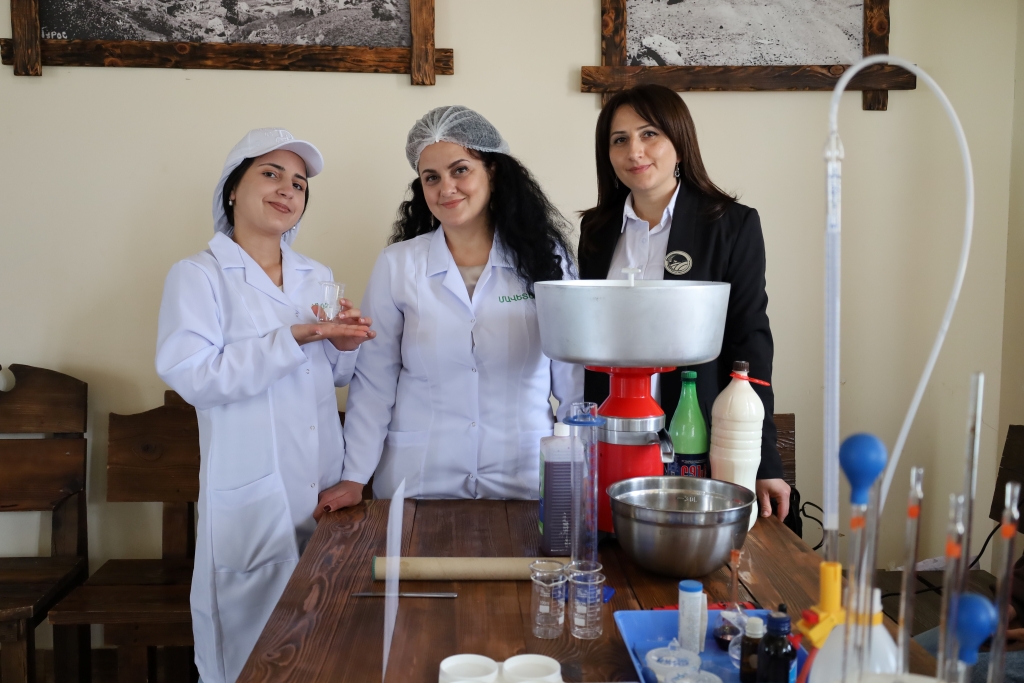
At first, I wasn’t even sure I had chosen the right profession. That uncertainty disappeared as soon as theoretical learning was combined with real workplace experience. Through hands-on training at Elola LLC and Goris Kat, I became actively involved in the entire production cycle – from milk intake and laboratory quality control to processing, packaging, and storage.

Every line I read in the classroom came to life in production. Sometimes it worked the other way around too: practical work deepened and reinforced the theoretical lessons. This continuous interaction between theory and practice shaped me not merely as a student, but as an emerging professional.

The outcome speaks for itself

Today, I am already a specialist with hands-on work experience. I can confidently tell an employer: I know the job. My long-term goal is clear: to establish my own production facility in Armenia and produce types of cheese that are not yet made in our country.

For me, DUAL education is not just a method of learning. It gave me the opportunity to understand, in real conditions, that the profession I chose truly is my aspiration.

Would I recommend DUAL education to other young people?

Absolutely yes. When I interact with students who study only through theoretical programs, I realize they are losing the most valuable things – practical experience and time. DUAL education equips young people not only with knowledge, but also with confidence, clarity of direction, and genuine readiness to enter the labor market.

In my opinion, DUAL education does far more than transfer knowledge, skills and competencies – it builds confidence, direction, and real professional readiness. Learning in an actual production environment helped me develop not only technical competencies, but also essential soft skills that employers truly value: teamwork, communication, responsibility, time management, and problem-solving. Being part of real processes and real decisions transformed me from a student into a young specialist prepared to enter the labor market with clarity and self-assurance.

If I were to summarize my experience in a single sentence: the MAVETA project, through DUAL education, gave me my dreams back – and the confidence to pursue them.

The MAVETA project is funded by a broad coalition of international and local organizations led by the Swiss Agency for Development and Cooperation (SDC), including the Austrian Development Agency, the German Ministry for Economic Cooperation and Development (BMZ), the Government of Armenia, the Swiss Church Aid (HEKS/EPER) NGO, Izmirlian Foundation, the Strategic Development Agency (SDA) NGO and Vanand Agro CJSC.

The project’s implementing partners are the GIZ and HEKS/EPER with the involvement of SDA and the School of Agricultural, Forest and Food Sciences at the Bern University of Applied Sciences (HAFL).
Uncategorized

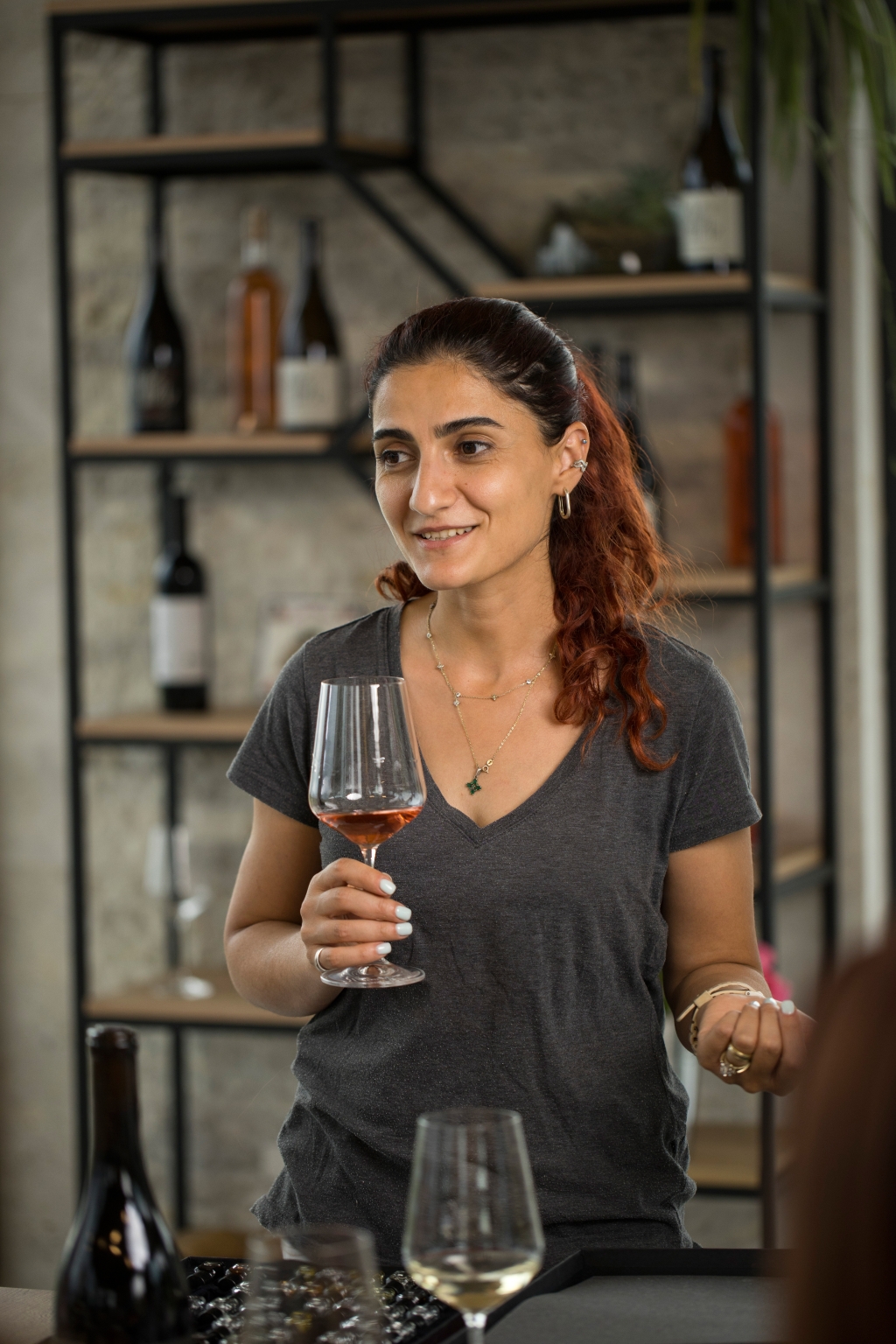
“When a Passion-Driven Initiative Becomes an Innovative Winemaking Venture” Tatevik Gabrielyan, LILA Project Beneficiary

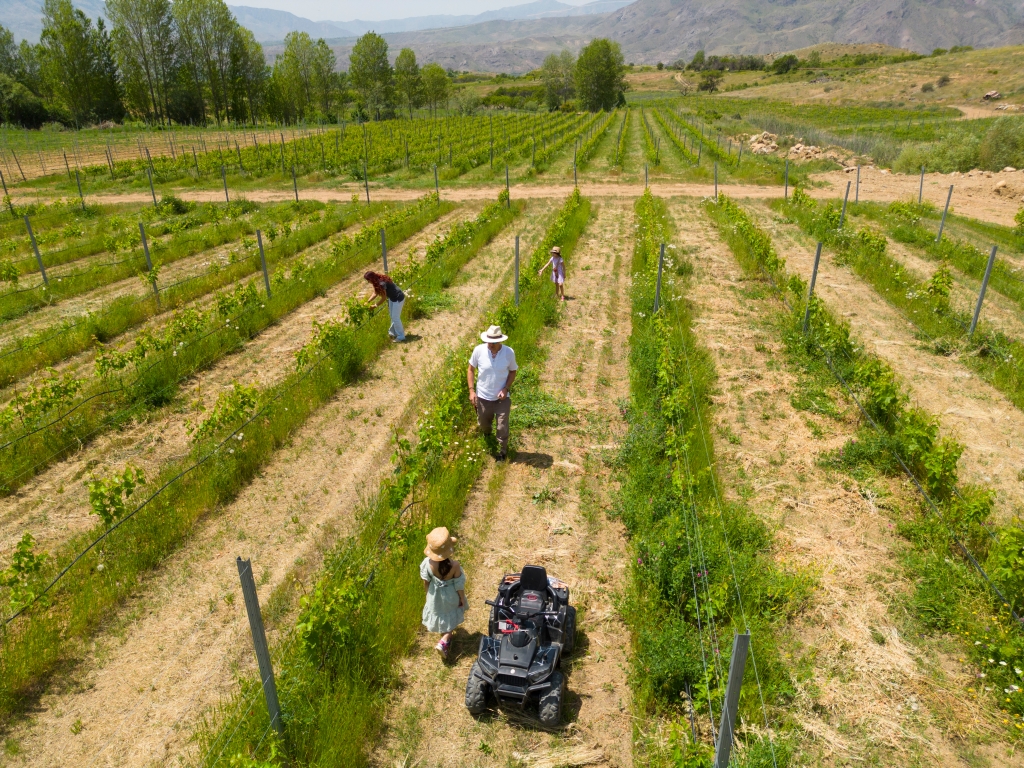
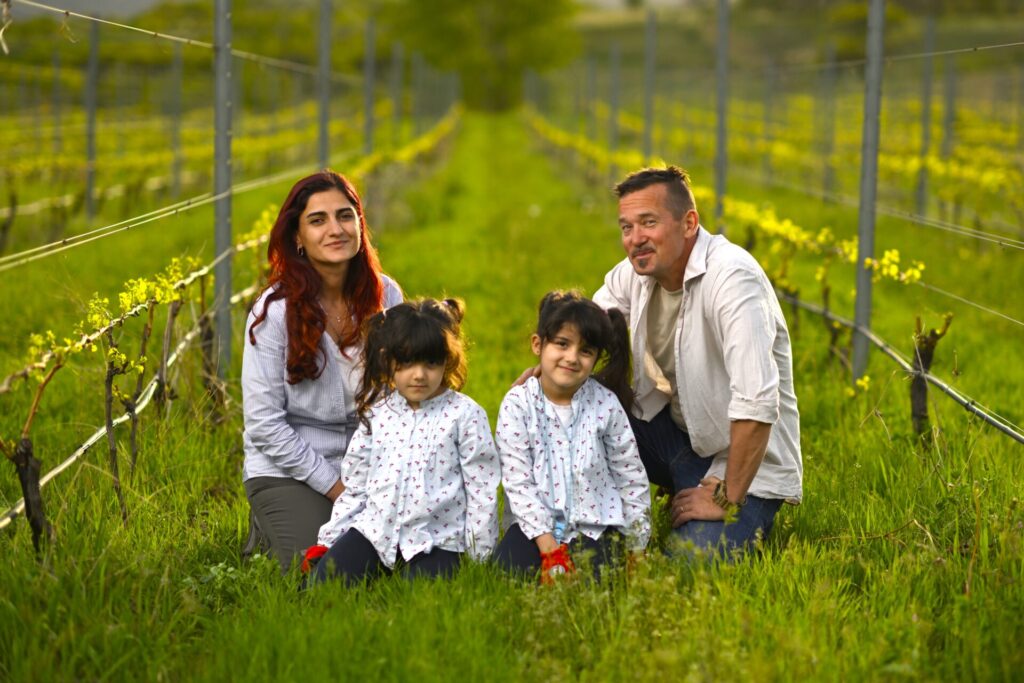
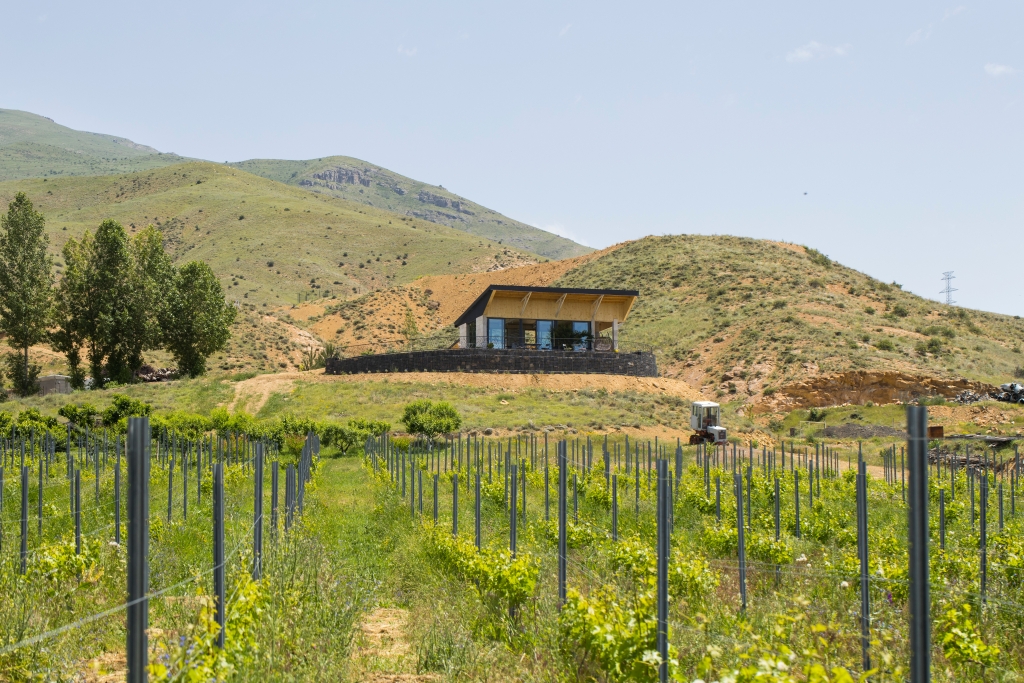
The Krya Winery and tasting room, located in Vernashen, Vayots Dzor, are built on principles of ecologically sustainable production, aiming to maximize the advantages of high-altitude climatic conditions and enhance grape quality.

In 2020, Tatevik Gabrielyan founded the winery with a clear conviction: “One of the most important aspects of winemaking is the vineyards themselves. Properly cultivated vineyards provide high-quality grapes, which can then be transformed into exceptional wine.”

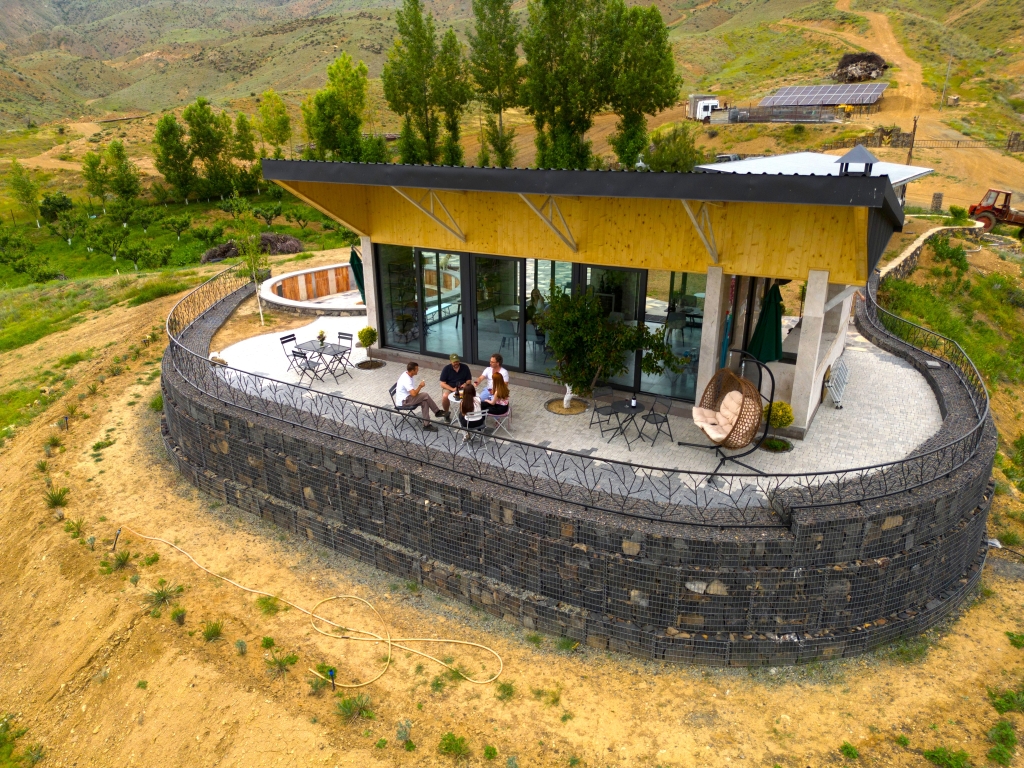
After establishing the winery, Tatévik observed a growing interest from visitors year after year, which led to the creation of a tasting room directly within the vineyards, allowing guests to experience the winemaking process firsthand and enjoy a glass of exceptional wine on site.

With the support of the “Living Landscapes for Market Development in Armenia”) (LILA) project, the tasting room was constructed, the old vineyards in Vernashen were restored, and an ecologically clean processing model was introduced – creating new tourism flows and local employment opportunities. This collaboration not only preserved environmental values but also improved wine quality and expanded Vernashen’s economic and tourism potential in winemaking.

Tatevik’s strategic vision, community-oriented leadership, and commitment to sustainable practices position her as a model for the new generation of female entrepreneurs, exemplifying how thoughtful use of local resources and women’s leadership can drive both economic growth and regional development.

Living Landscapes for Market Development in Armenia (LILA) project is funded by the Swiss Agency for Development and Cooperation (SDC) and implemented by WWF-Armenia in collaboration with SDA NGO.

Uncategorized

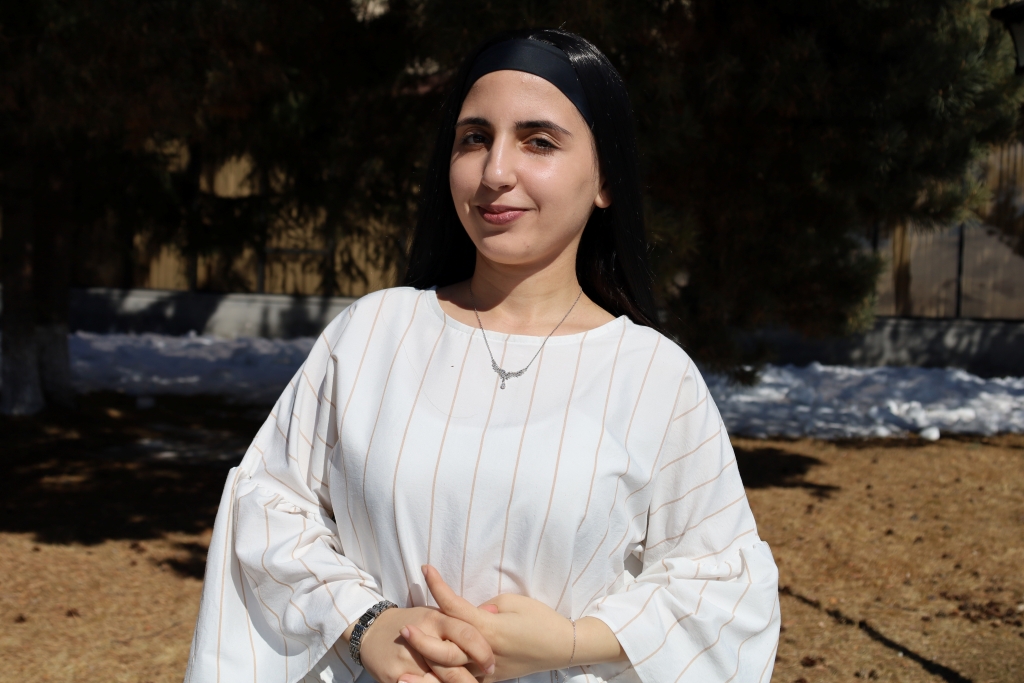
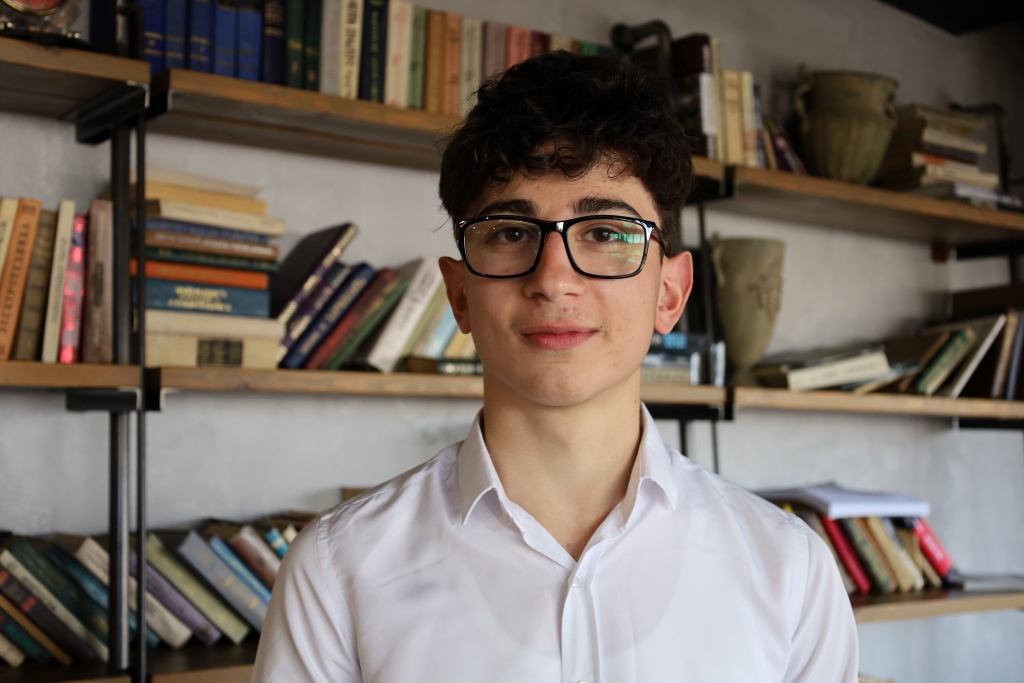
“I chose a field with a shortage of specialists, and today I am ready to bridge that gap.” Edik Tatintsyan, MAVETA Project Apprentice

Edik Tatintsyan / Agricultural Machinery / Goris Multifunctional State College

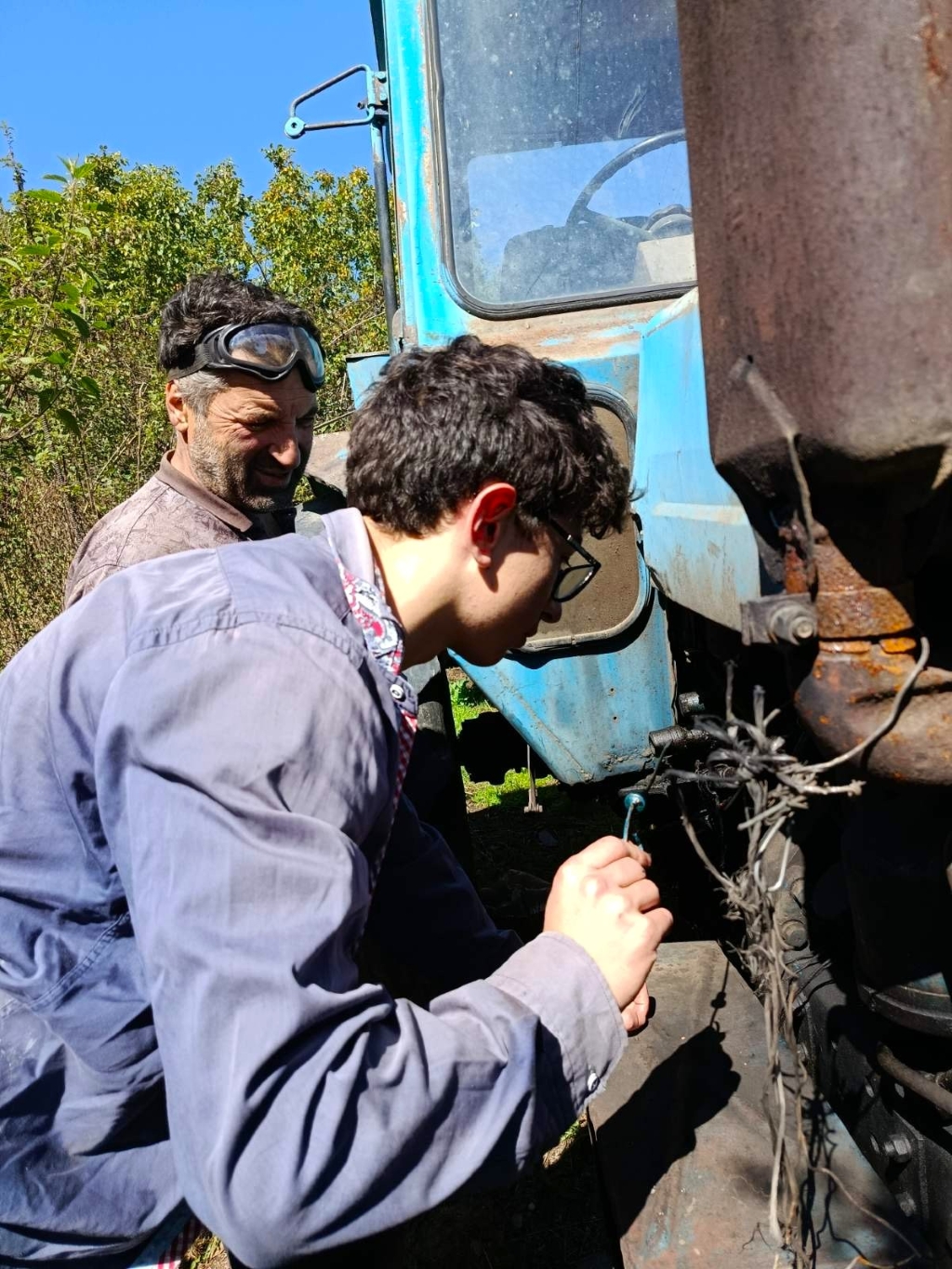
When I was deciding on my career, one thing was clear to me: in Syunik, there is a significant shortage of specialists in agricultural mechanization. Our region is predominantly agricultural, yet very few professionals work with modern machinery. Observing that the number of applicants in this field was also small motivated me even further – if there are few specialists, the sector is waiting for us.

Before enrolling in the DUAL education program under the MAVETA project, I had never heard of it. However, hands-on training completely transformed my understanding of education.

At Norayr Davtyan’s farm in Verishen, I was not just an observer but an active participant. Every process started with a brief theoretical overview, followed by practical application. We disassembled, reassembled, analyzed, and repeated tasks until full mastery was achieved. From safety protocols to time management, every skill was acquired in a real working environment.

Because textbooks were often outdated, practical experience filled that critical gap. I gained not only technical skills but also competencies in client communication, work planning, and time management.


The outcome speaks for itself

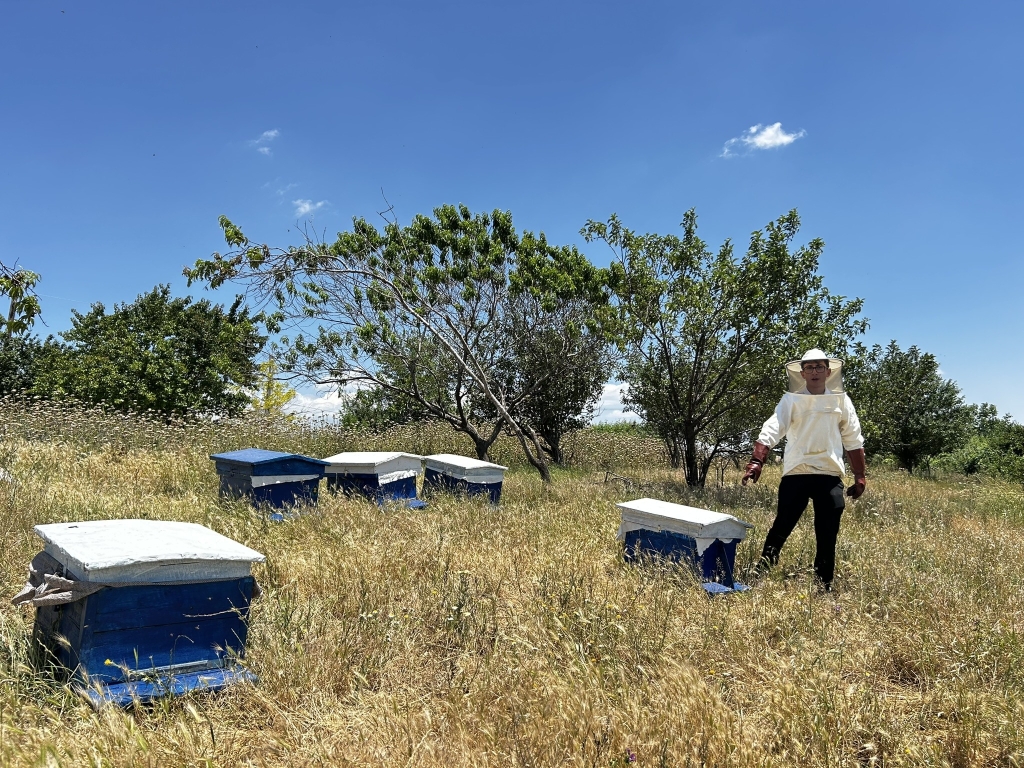
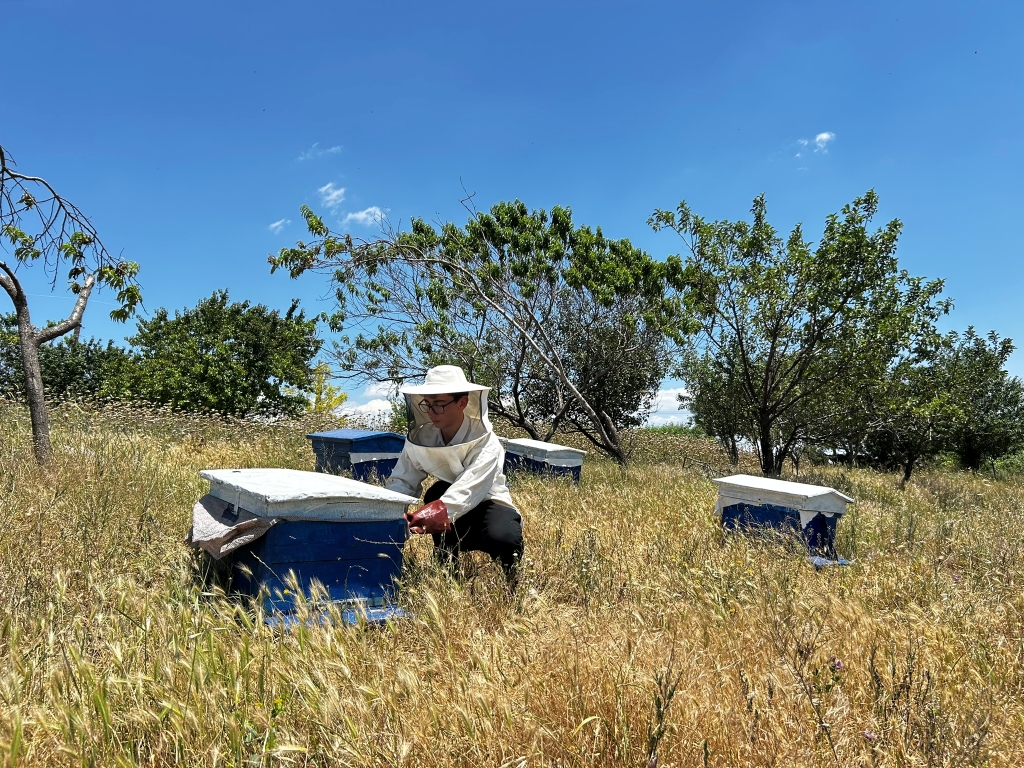
Today, I am not only confident in my professional abilities but also have an actual business initiative. Within the MAVETA project, I participated in the “Farming as a Business” training, developed a beekeeping business plan, and was selected to receive technical support. This has allowed me to expand and manage my own bee colonies successfully. Most importantly, I have already started selling my own honey – turning knowledge into real income and proving that my business idea works in practice.

I am also proud to have served as a MAVETA Ambassador, representing the program and sharing my experience with peers. Being part of MAVETA has not only given me knowledge but also instilled a sense of pride, responsibility, and motivation to contribute to the development of agriculture in Syunik.

DUAL education was far more than traditional training. It equipped me with the skills, confidence, and mindset necessary to enter the labor market and take action immediately.


Would I recommend DUAL education to other young people?

Absolutely. In fact, I believe every profession should adopt DUAL. When theoretical knowledge is applied directly through hands-on practice, it transforms into skill – and skill builds confidence.

If I were to summarize my experience in a single sentence: MAVETA Project provided me not only with knowledge but also with the readiness and confidence to create tangible value in my profession.

The MAVETA project is funded by a broad coalition of international and local organizations led by the Swiss Agency for Development and Cooperation (SDC), including the Austrian Development Agency, the German Ministry for Economic Cooperation and Development (BMZ), the Government of Armenia, the Swiss Church Aid (HEKS/EPER) NGO, Izmirlian Foundation, the Strategic Development Agency (SDA) NGO and Vanand Agro CJSC.

The project’s implementing partners are the GIZ and HEKS/EPER with the involvement of SDA and the School of Agricultural, Forest and Food Sciences at the Bern University of Applied Sciences (HAFL).
“Little Nare’s Dream Became Reality Through DUAL Education” Nare Kirvanyan, MAVETA Project Apprentice

Nare Kirvanyan / Veterinary Medicine / Agricultural College after A. Kochinyan

From an early age, I was certain that I wanted to become a veterinarian. Animals had always been an integral part of my life. However, it was through DUAL education that I truly came to understand the depth of responsibility and professional commitment the profession requires. Yet it was only when DUAL education was introduced to our college through the MAVETA project that my childhood dream began to take real, structured shape.

Having lived in Sweden, I was already familiar with the DUAL education model. Seeing it implemented in Armenia presented a significant opportunity for me – one that allowed me not only to acquire theoretical knowledge, but to immerse myself directly in a real professional environment from the very beginning of my studies.

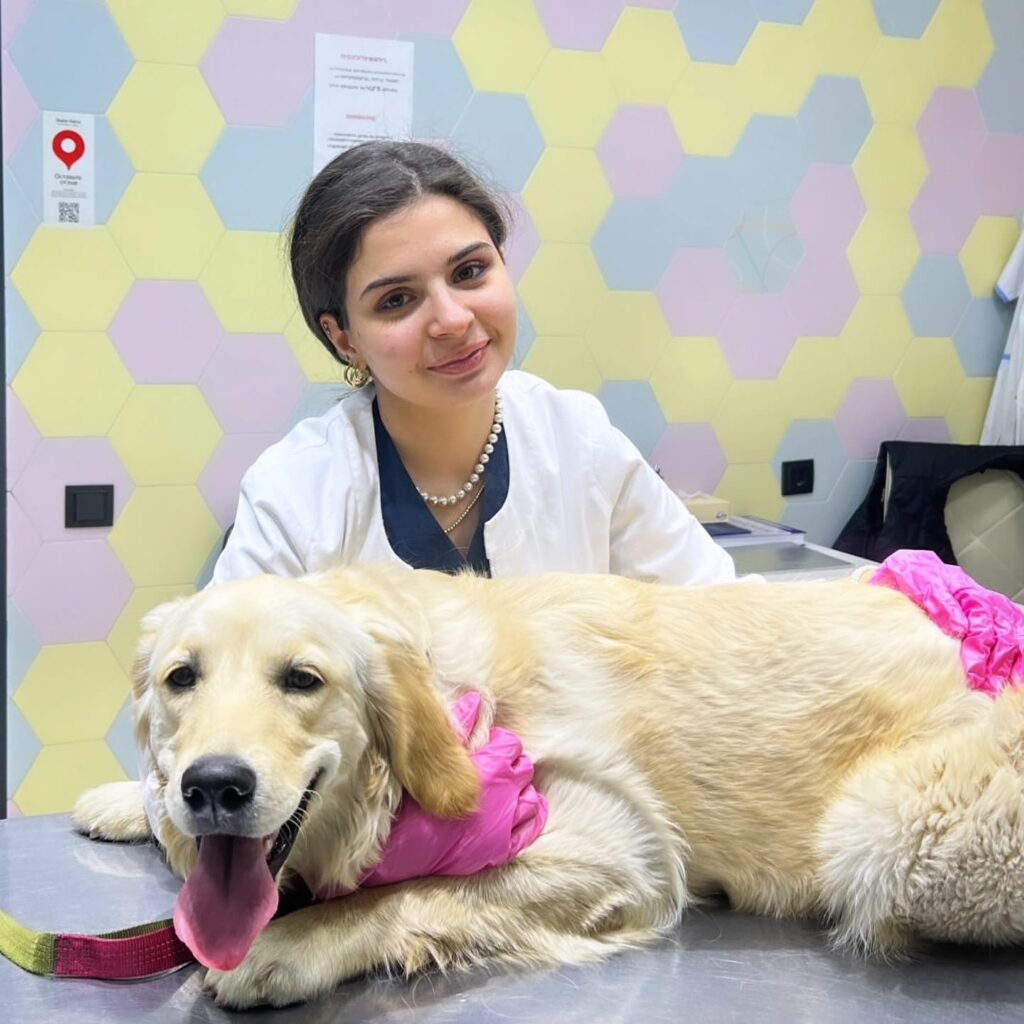
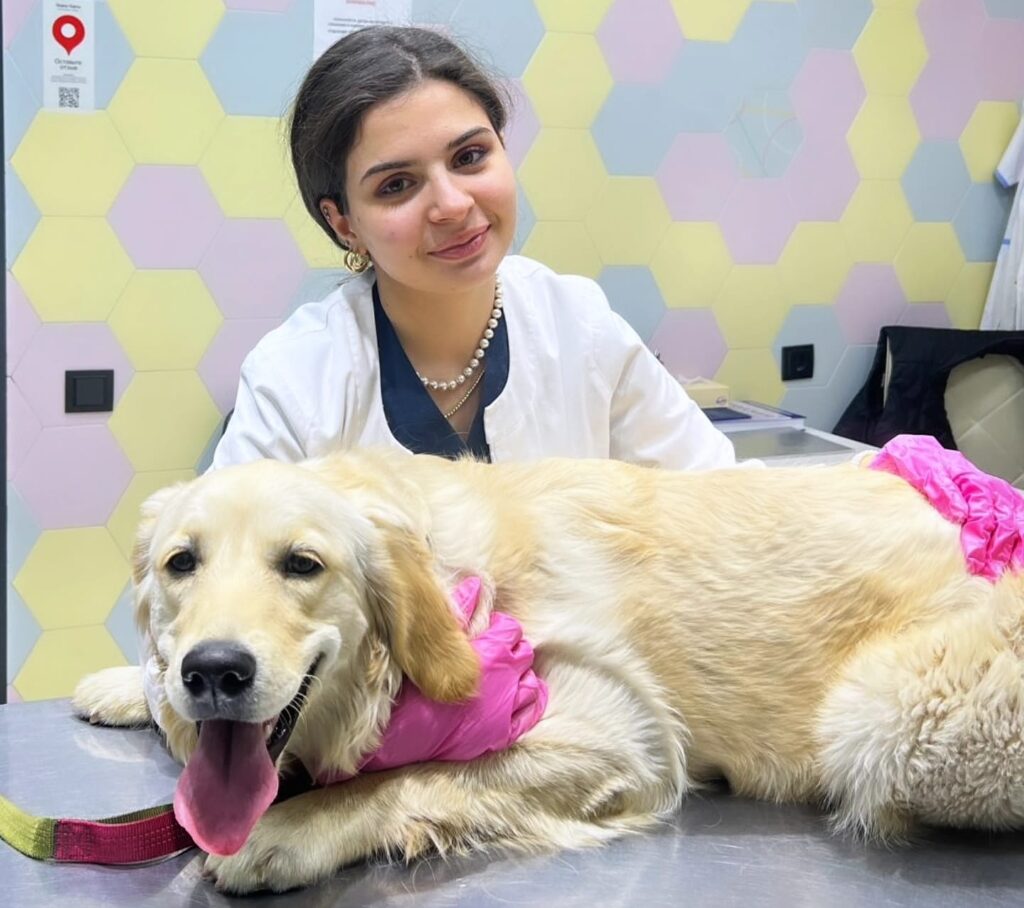
I completed my practical training at three veterinary clinics: Amiryan Vet, VetLine, and Yan Vet. Today, at Yan Vet, I am not only undertaking practical training but am also employed as a member of the professional team. I began with foundational clinical tasks – animal restraint, administering injections, placing catheters – and progressively advanced to assisting in surgical procedures. I am now specializing in the surgical field and have clearly defined this as my professional trajectory.

Although the theoretical courses were mainly focused on farm animals, the clinical experience filled all the gaps related to the treatment of small animals. Before every procedure, we received clear explanations, and only then proceeded to practice. This approach built not only knowledge, but confidence. 

The turning point was in the operating room. Before starting my internship, I could not imagine myself as a surgeon. When I first saw the surgical instruments, I thought I might never be able to use them confidently. At the beginning, I was afraid of harming an animal. However, the supervision and trust of experienced doctors gave me strength. Today, I confidently place sutures, participate in surgeries, and independently perform several procedures.

The outcome speaks for itself

I am no longer solely a student. In the morning, I study at college, and afterwards I work at the clinic until evening, applying my knowledge in practice. My hands have become skilled, and my chosen direction is clear. I have decided to continue in the field of surgery and dedicate my entire life to veterinary medicine.

Would I recommend DUAL education to other young people?

Without hesitation. DUAL education provides more than a diploma – it cultivates professional identity, practical competence, and clarity of purpose. It enables young professionals to determine whether a chosen field is truly aligned with their aspirations and, if so, to pursue it with confidence and preparedness.

If I were to summarize my experience in a single sentence: Through the Maveta Project, DUAL education transformed my childhood aspiration into a clearly defined and professionally grounded career path.

The MAVETA project is funded by a broad coalition of international and local organizations led by the Swiss Agency for Development and Cooperation (SDC), including the Austrian Development Agency, the German Ministry for Economic Cooperation and Development (BMZ), the Government of Armenia, the Swiss Church Aid (HEKS/EPER) NGO, Izmirlian Foundation, the Strategic Development Agency (SDA) NGO and Vanand Agro CJSC.

The project’s implementing partners are the GIZ and HEKS/EPER with the involvement of SDA and the School of Agricultural, Forest and Food Sciences at the Bern University of Applied Sciences (HAFL).

“When a Love for Nature Becomes the Foundation of a Business” Mariam Yeganyan, LILA Project Beneficiary

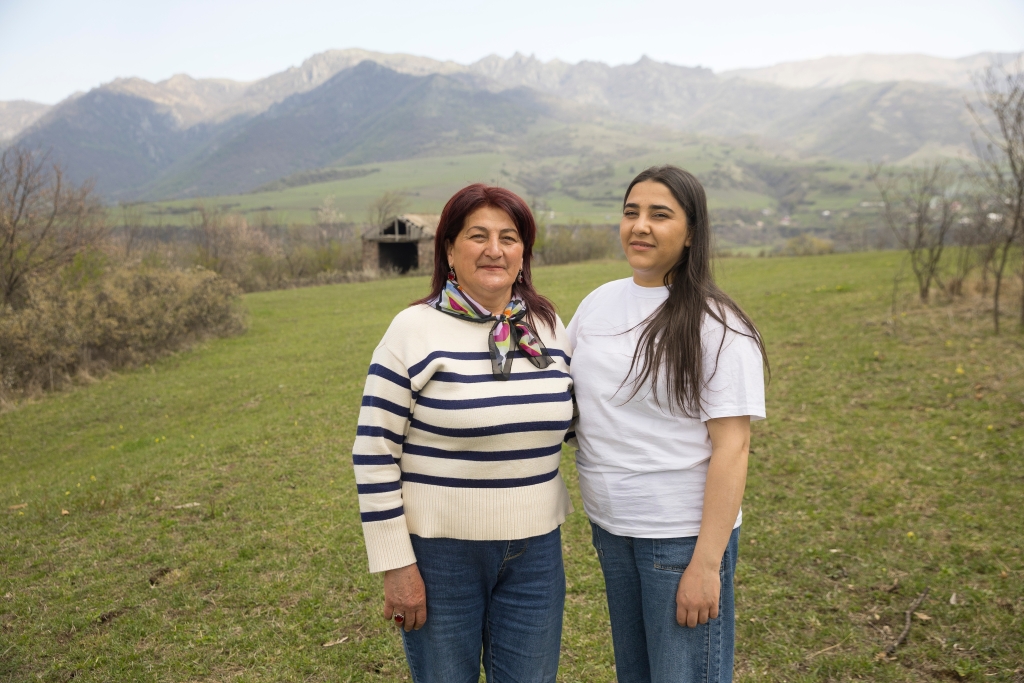
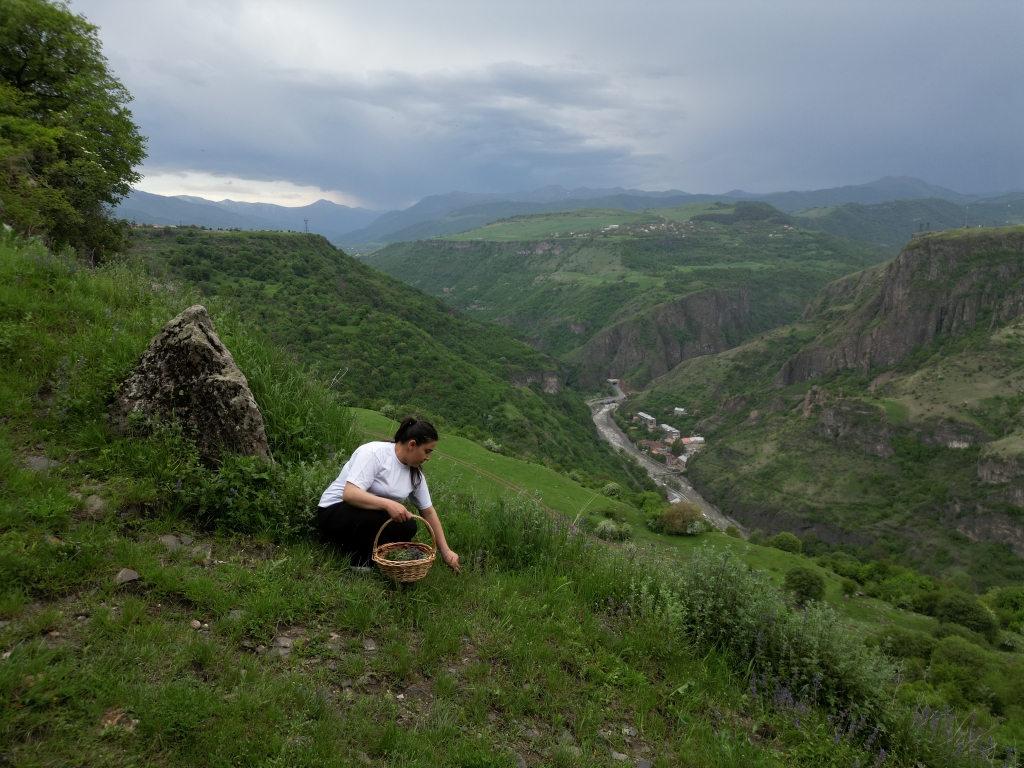
Raised on the plateaus of Lori, Mariam Yeganyan developed a deep connection to nature from an early age. As a child, she joined her family in gathering wild medicinal herbs, where the fragrance of fresh, unharvested thyme left a lasting impression on her. What began as a sensory childhood memory gradually evolved into a guiding principle – one that would later shape her entrepreneurial vision.

Over time, that early experience transformed into a clear and purposeful ambition: to create a product that seamlessly integrates nature, quality, and responsibility.

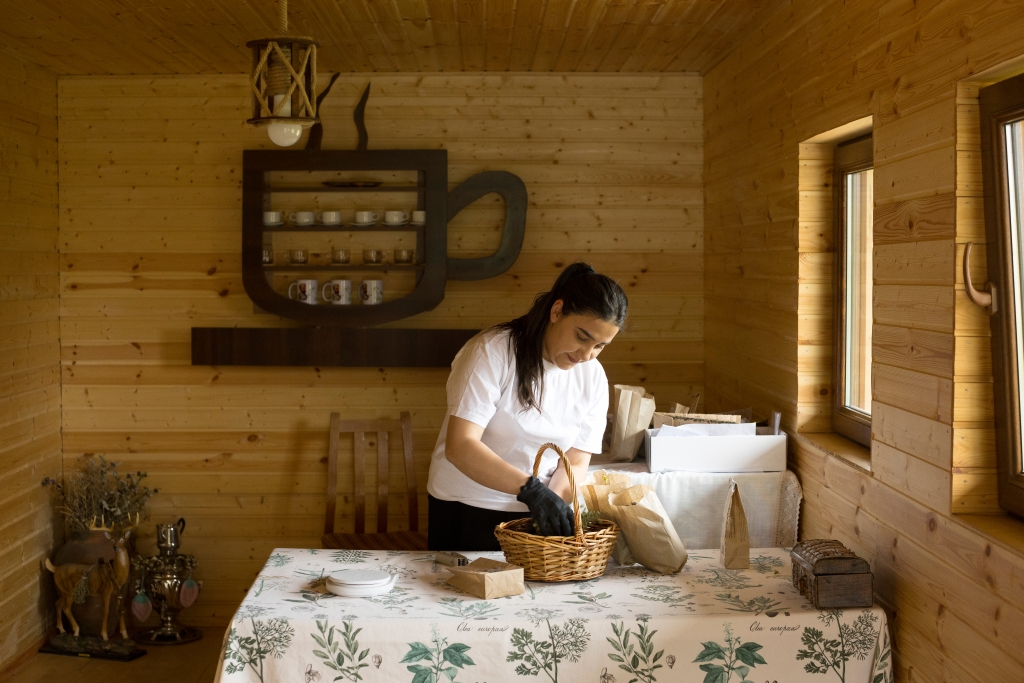
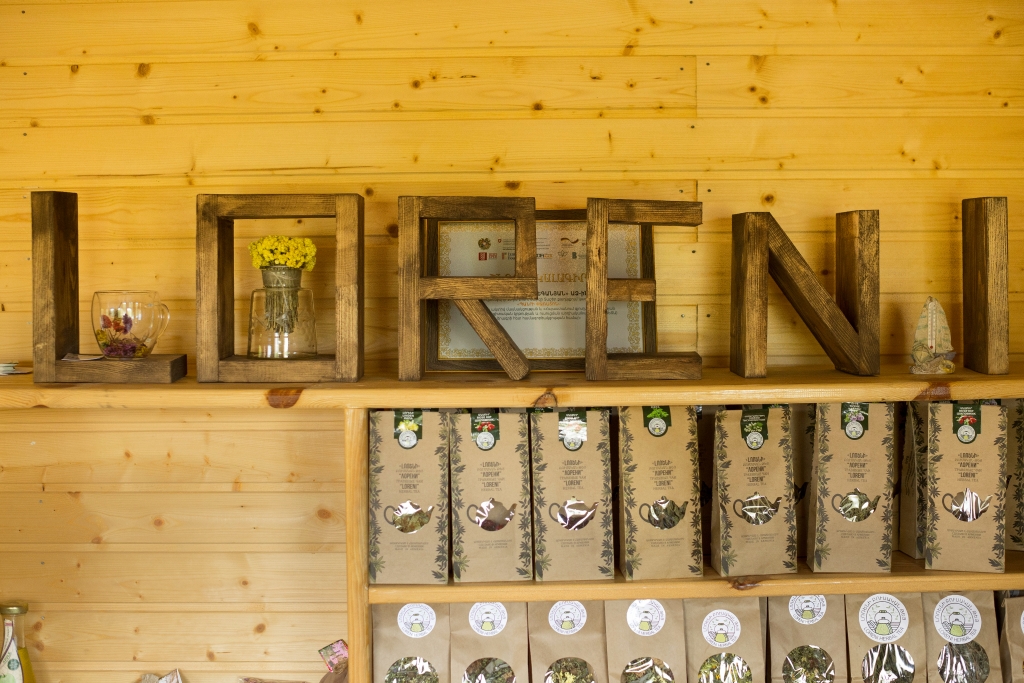
In 2022, inspired by her mother Manik’s idea, the family established a small drying facility and tea house, laying the foundation for the Loreni brand. Under Mariam’s strategic leadership, the initiative evolved into a growing, women-led enterprise rooted in sustainable practices. Particular emphasis is placed on responsible wild harvesting: herbs are carefully cut with scissors or a knife without damaging the roots, ensuring natural regeneration and the preservation of biodiversity.

With the support of the “Living Landscapes for Market Development in Armenia” (LILA) project, a modern drying facility and tea house was constructed, production processes were upgraded, and packaging and branding were significantly enhanced. As a result, the family initiative developed into a sustainable and competitive enterprise that supplies herbal teas to rural guesthouses, effectively linking production with community development and tourism.

Today, Mariam Yeganyan embodies a new generation of business leaders – combining strategic thinking, values-based management, and a strong commitment to environmental stewardship and community advancement.

Her journey stands as a compelling example of how women’s leadership and the responsible use of local resources can become a powerful driver of economic growth and regional development.

Living Landscapes for Market Development in Armenia (LILA) project is funded by the Swiss Agency for Development and Cooperation (SDC) and implemented by WWF-Armenia in collaboration with SDA NGO.