


MAVETA: Strengthening Public-Private Partnerships in TVET


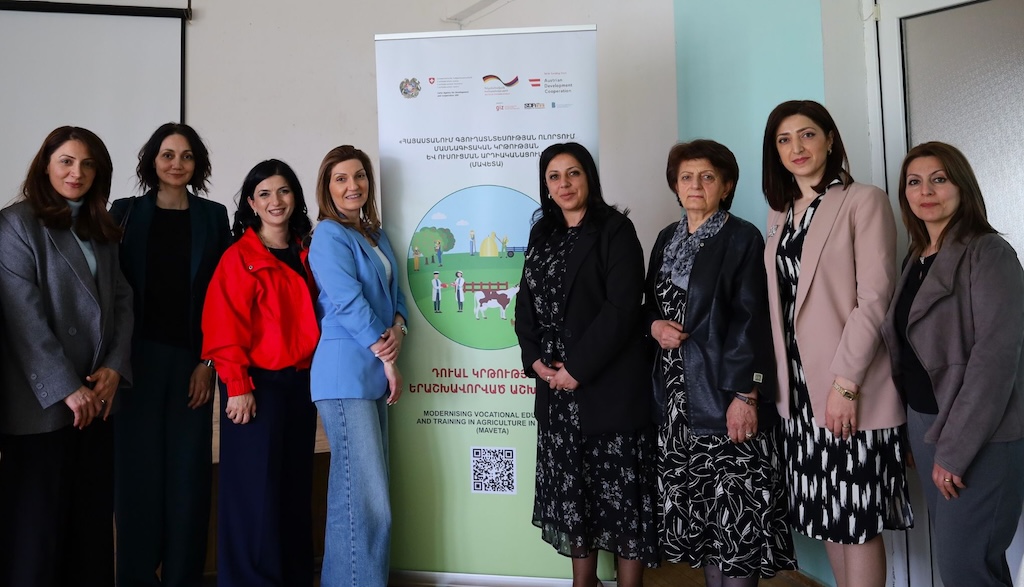

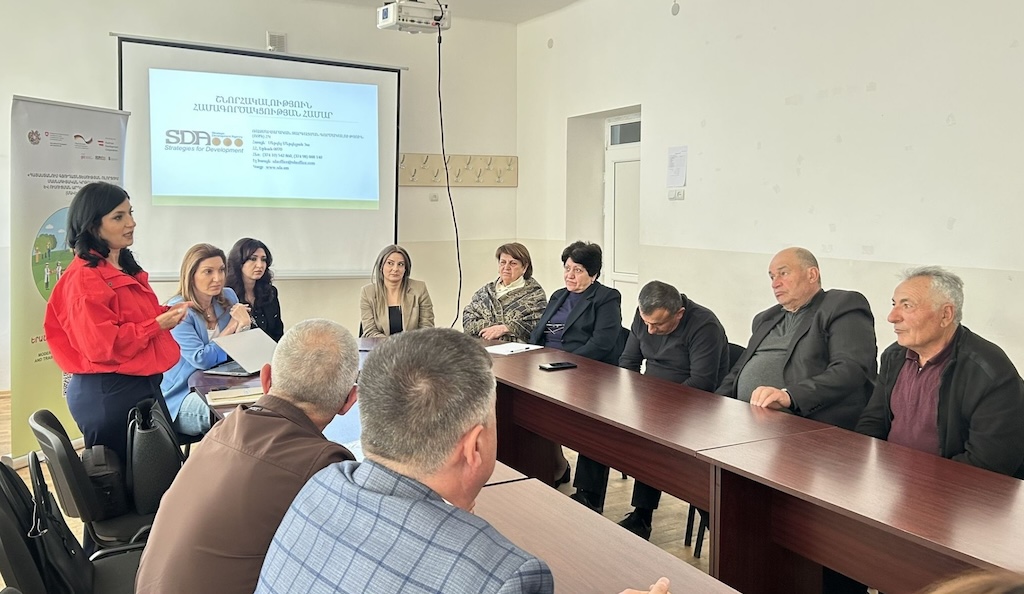
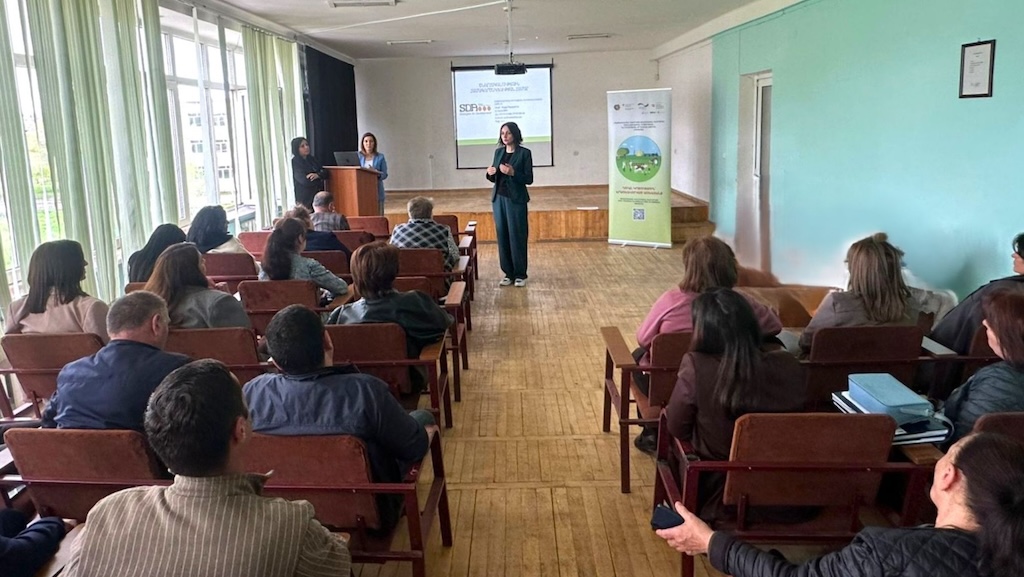

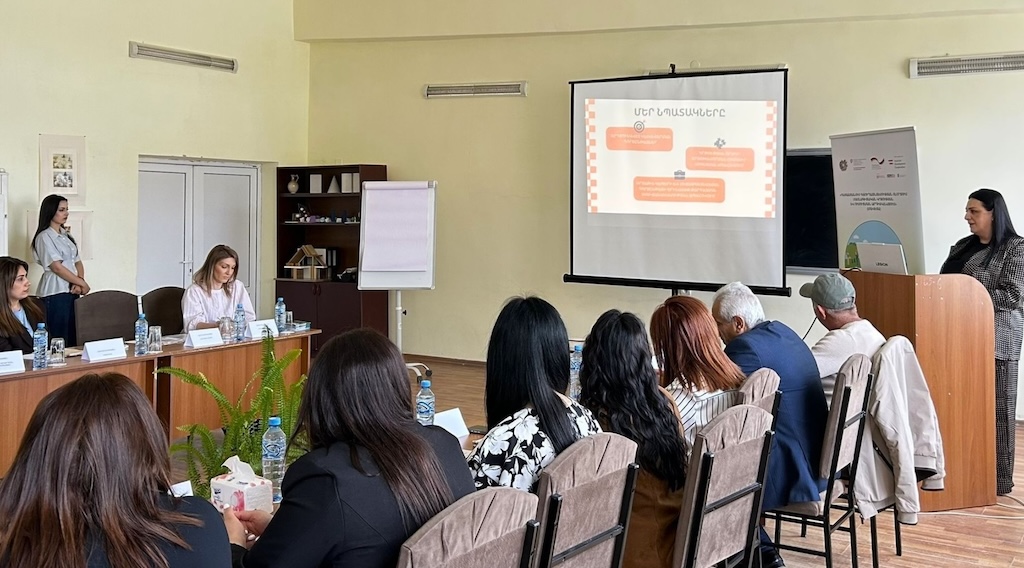
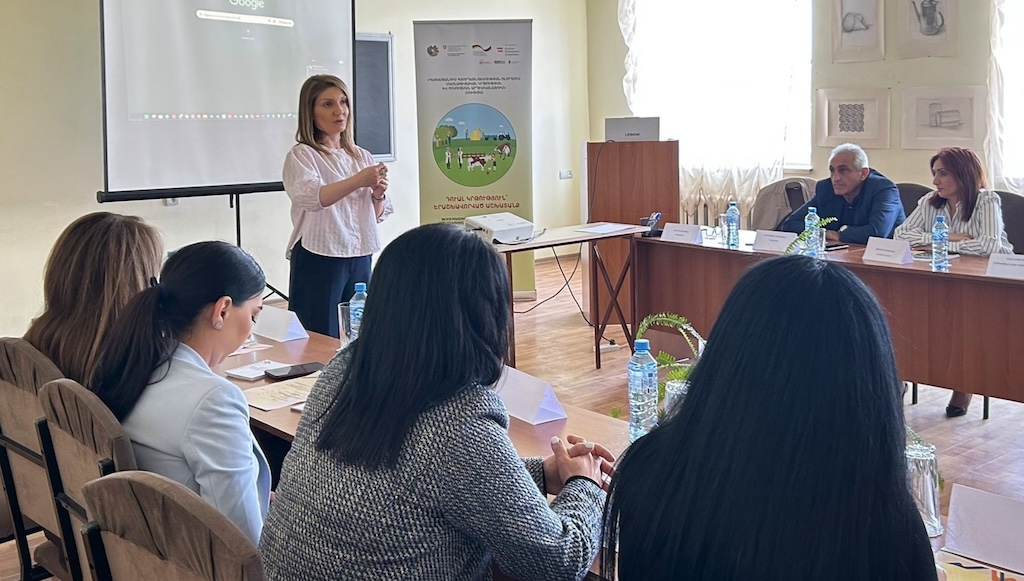


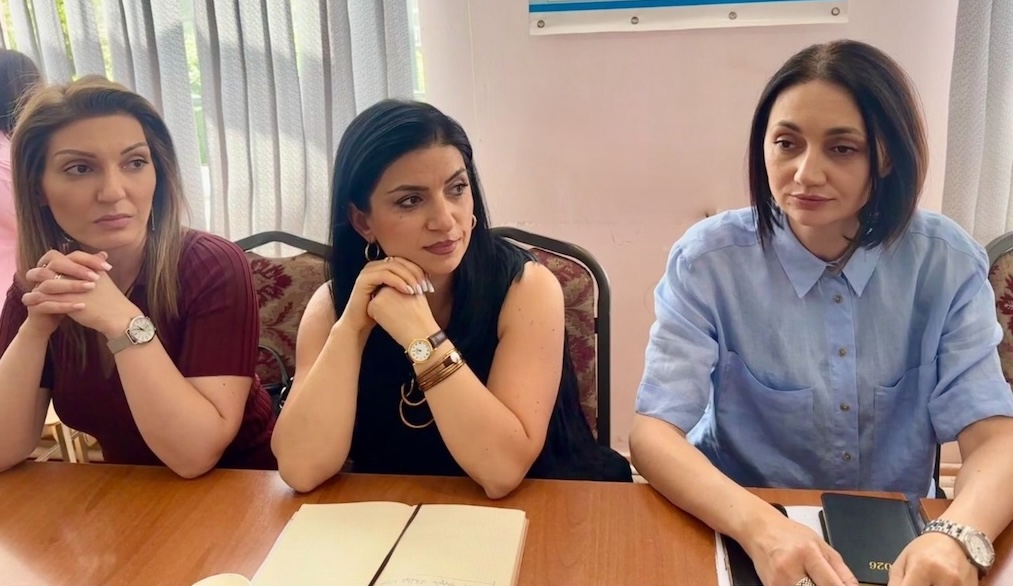
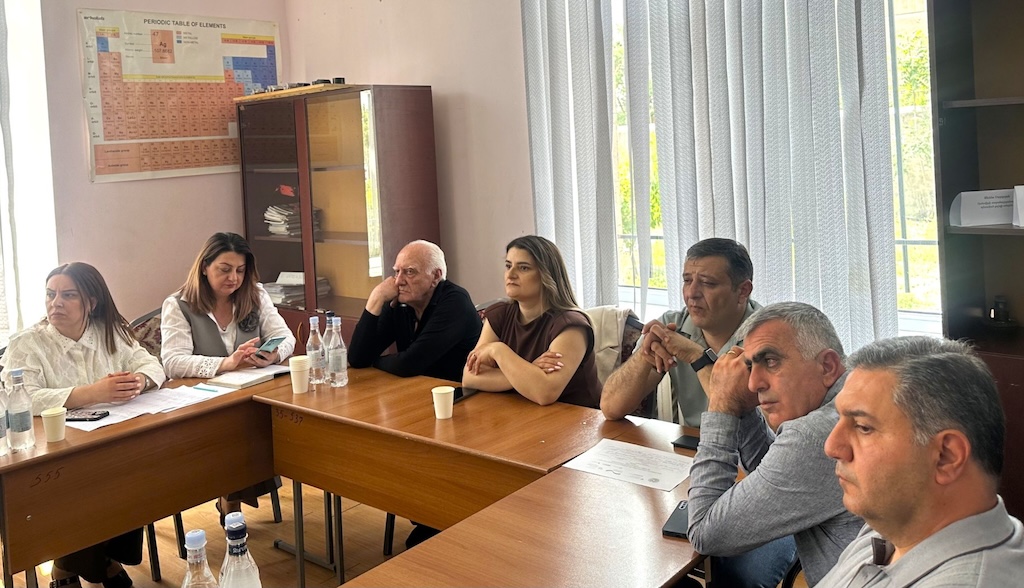

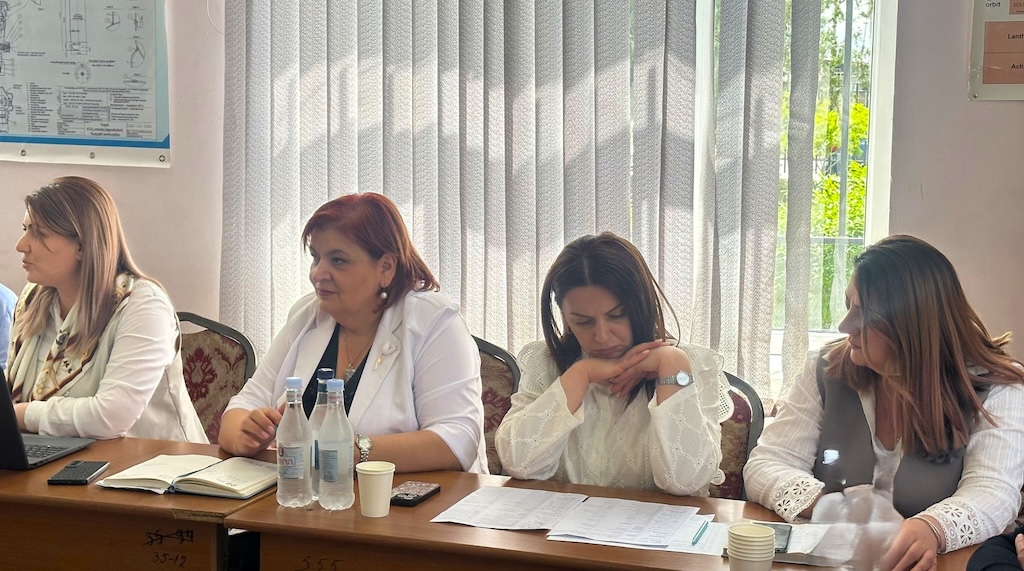
Within the framework of the #MAVETA project, efforts aimed at strengthening cooperation between the private sector and TVET institutions continue across the Ararat, Armavir, Kotayk, and Gegharkunik regions of Armenia.
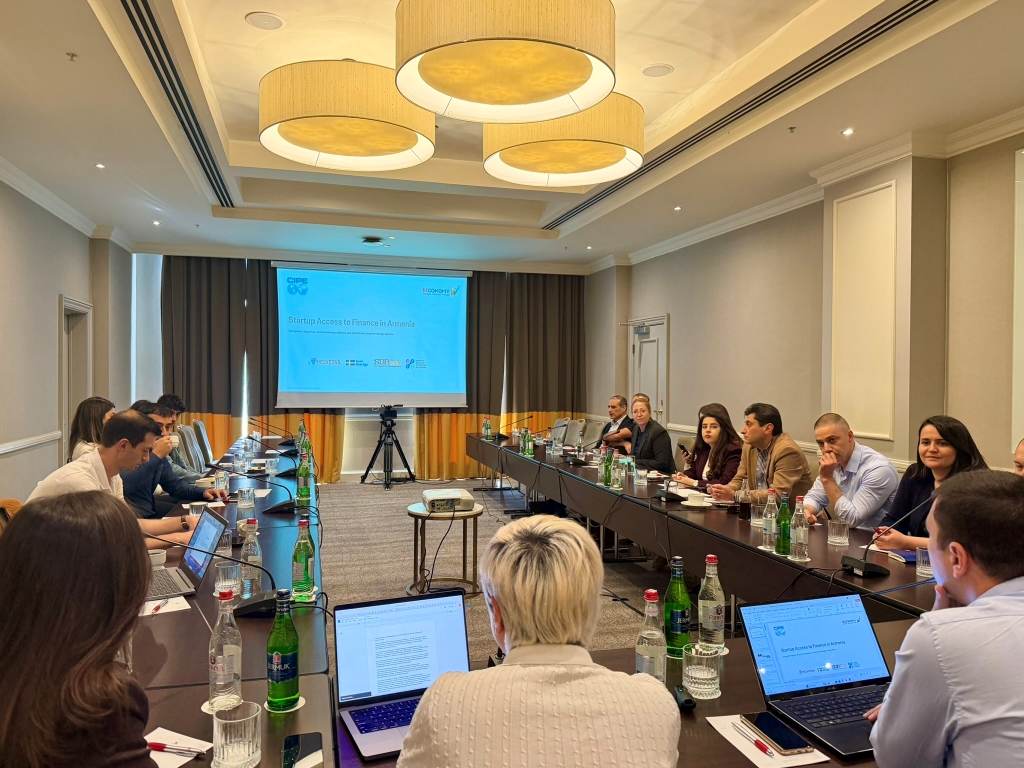
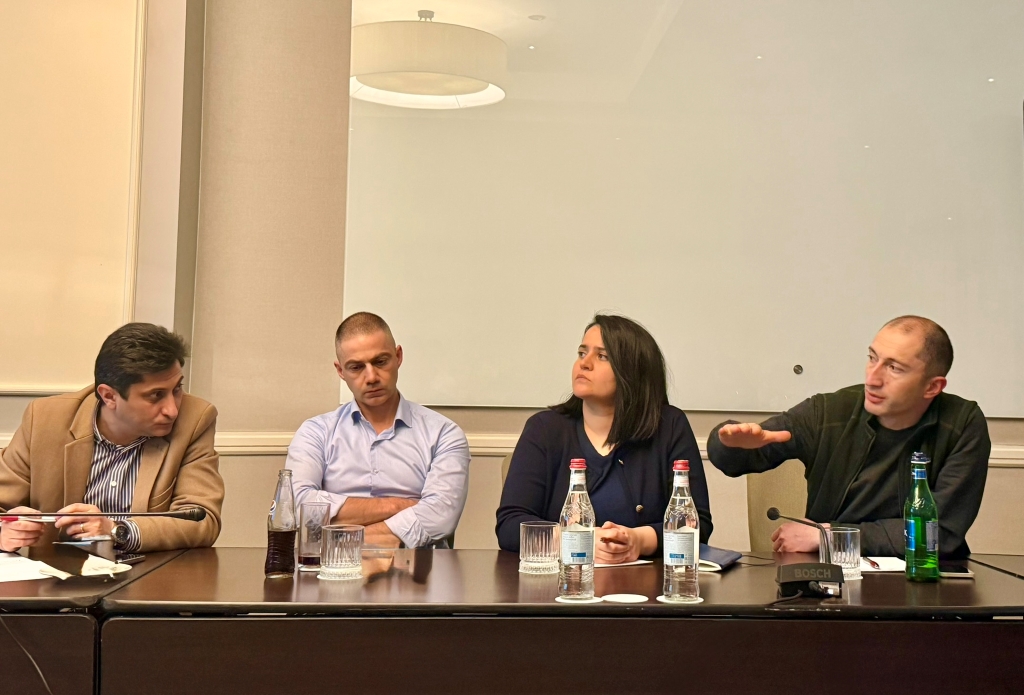
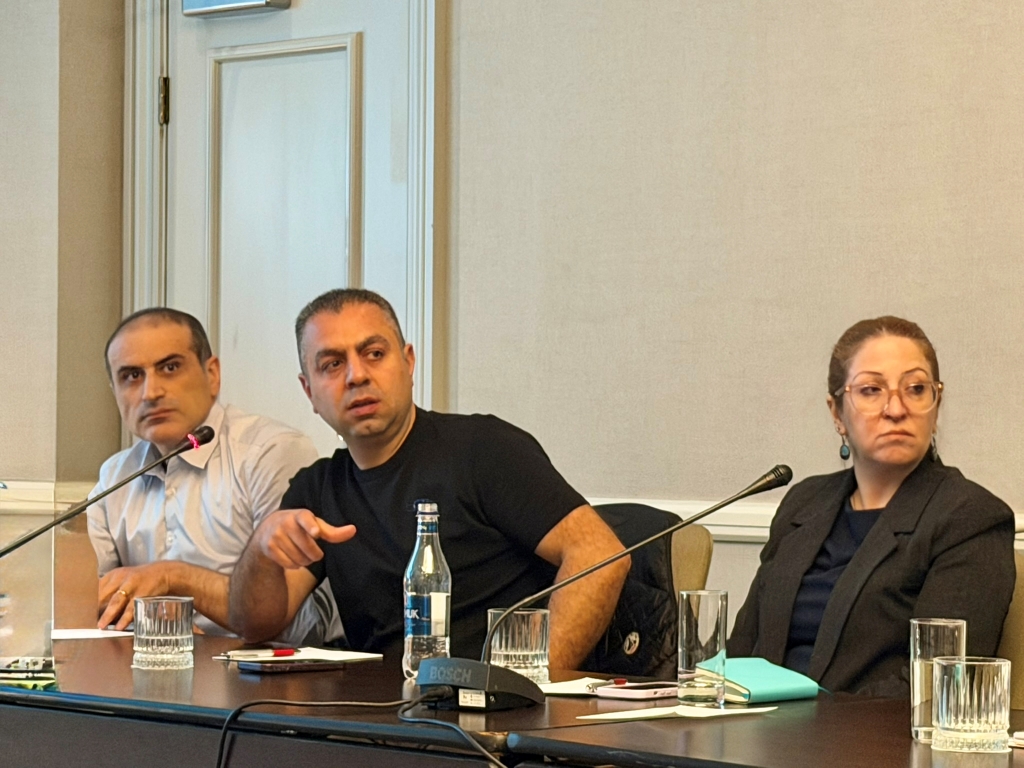
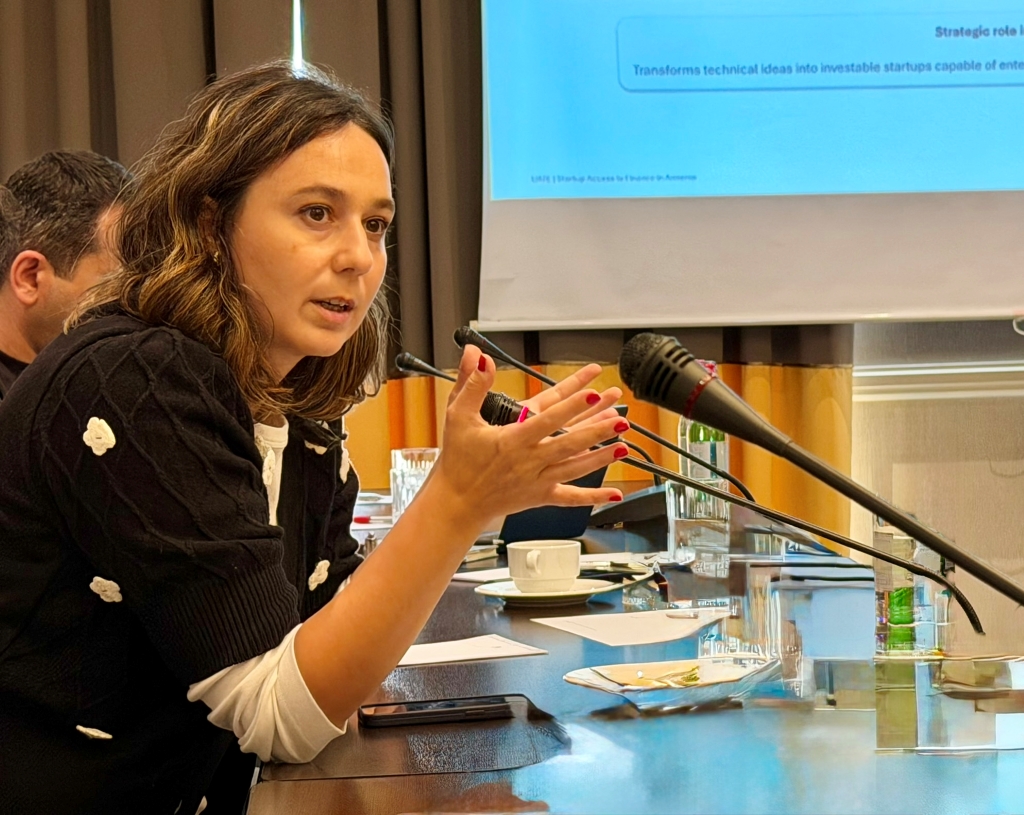
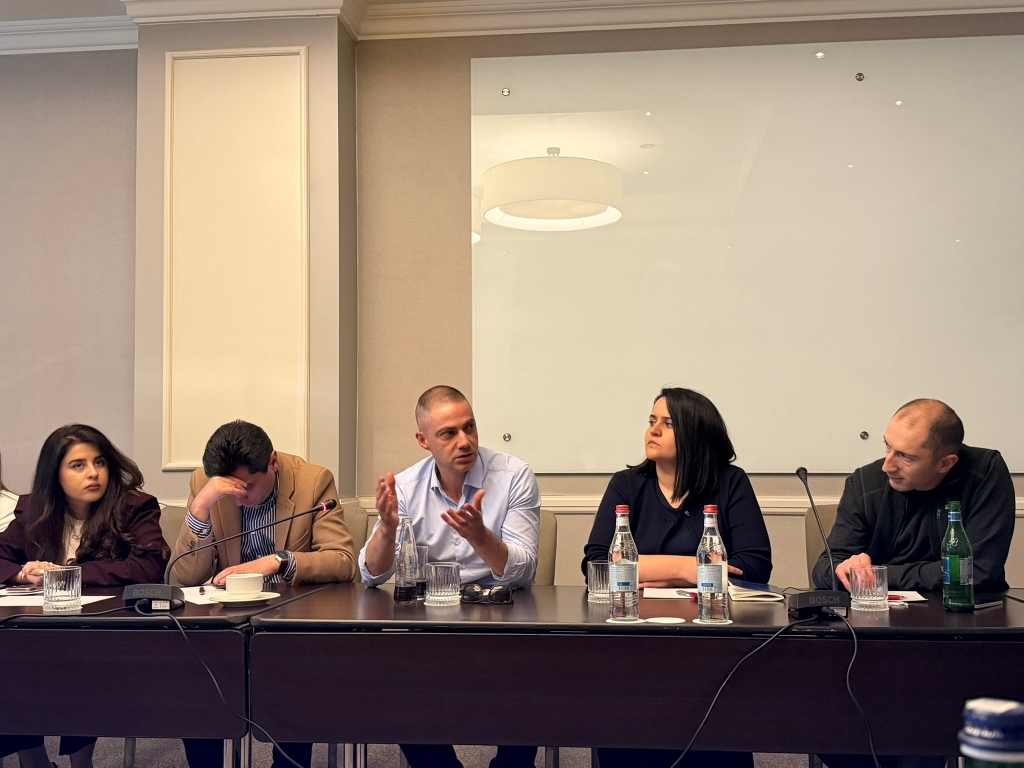
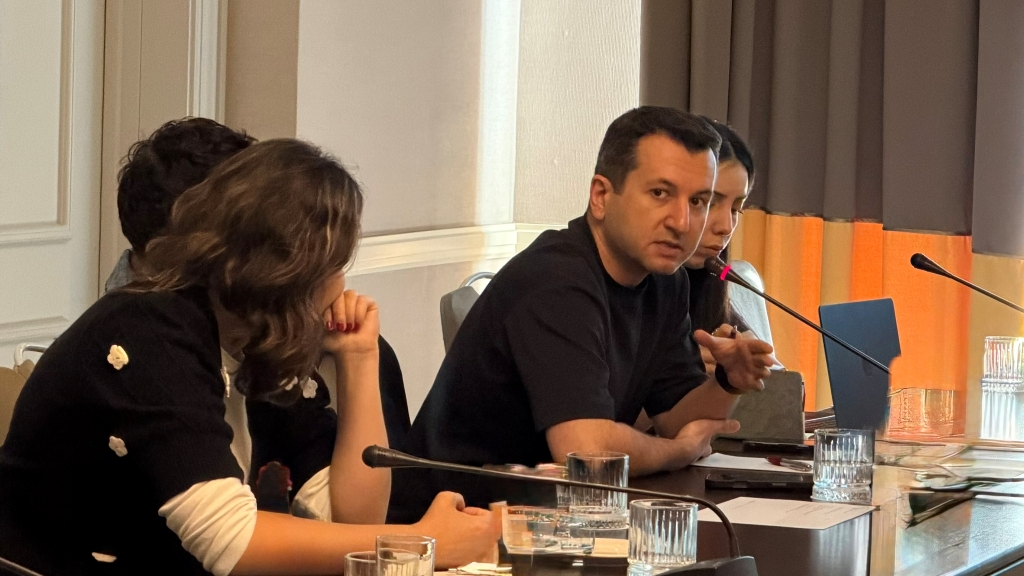
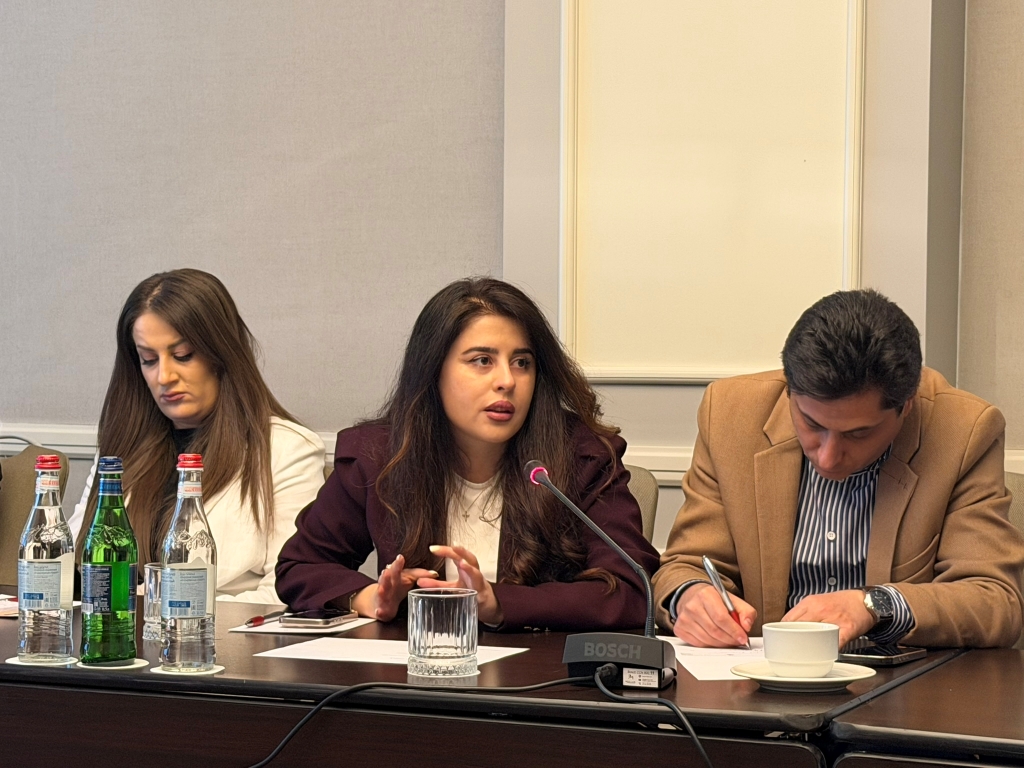
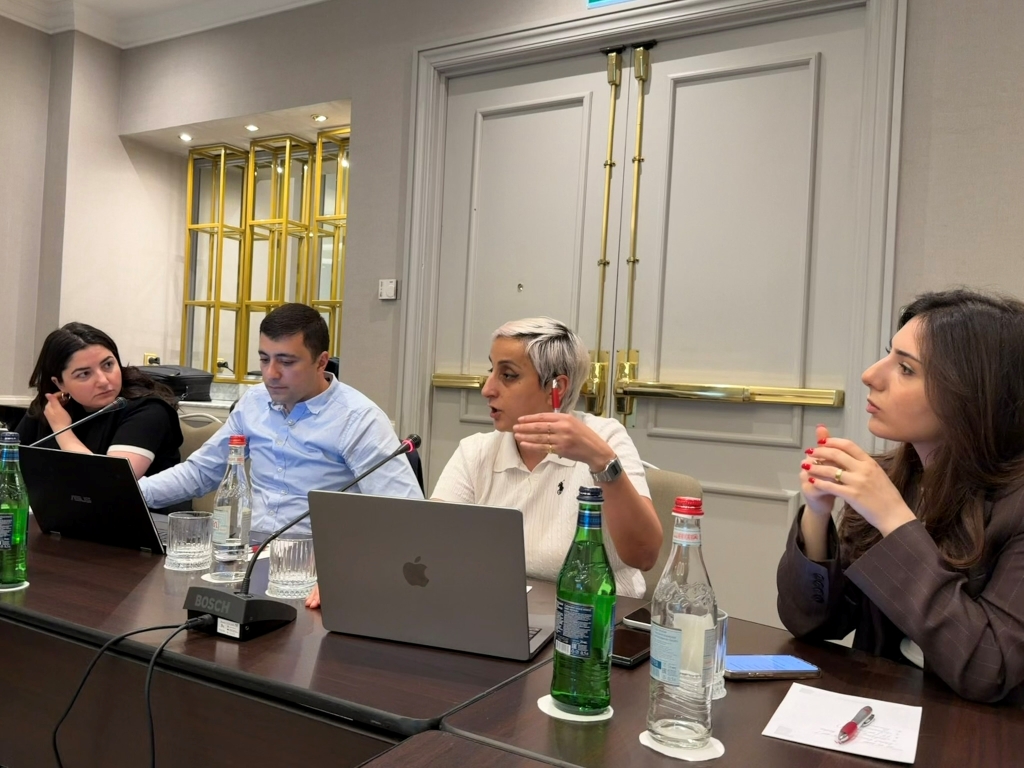
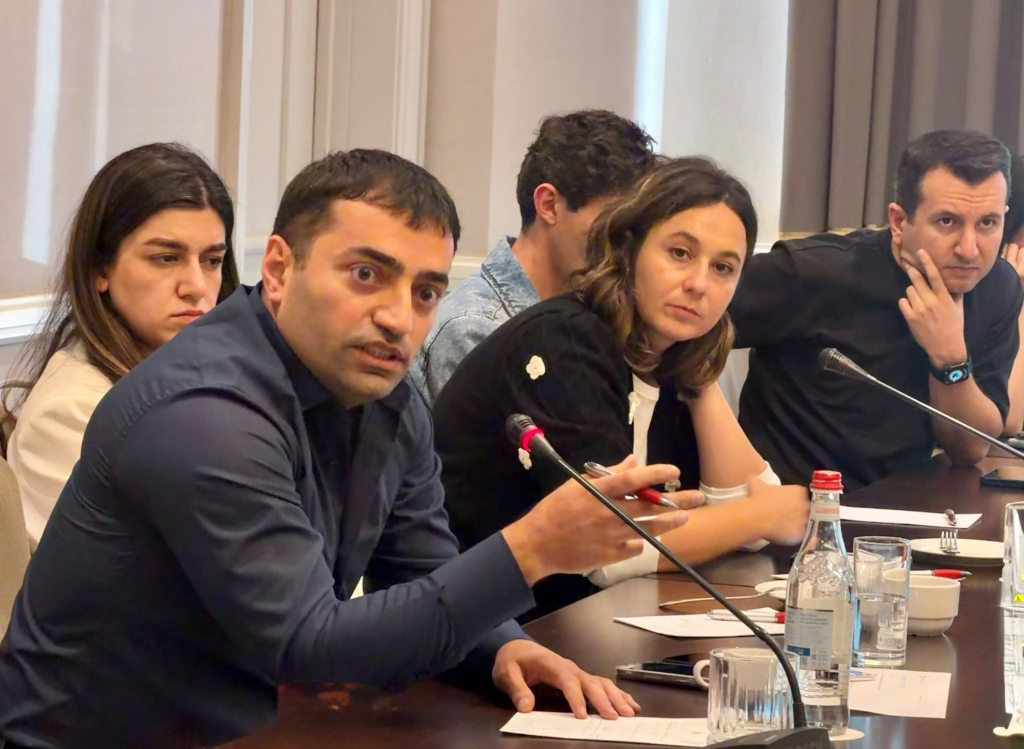
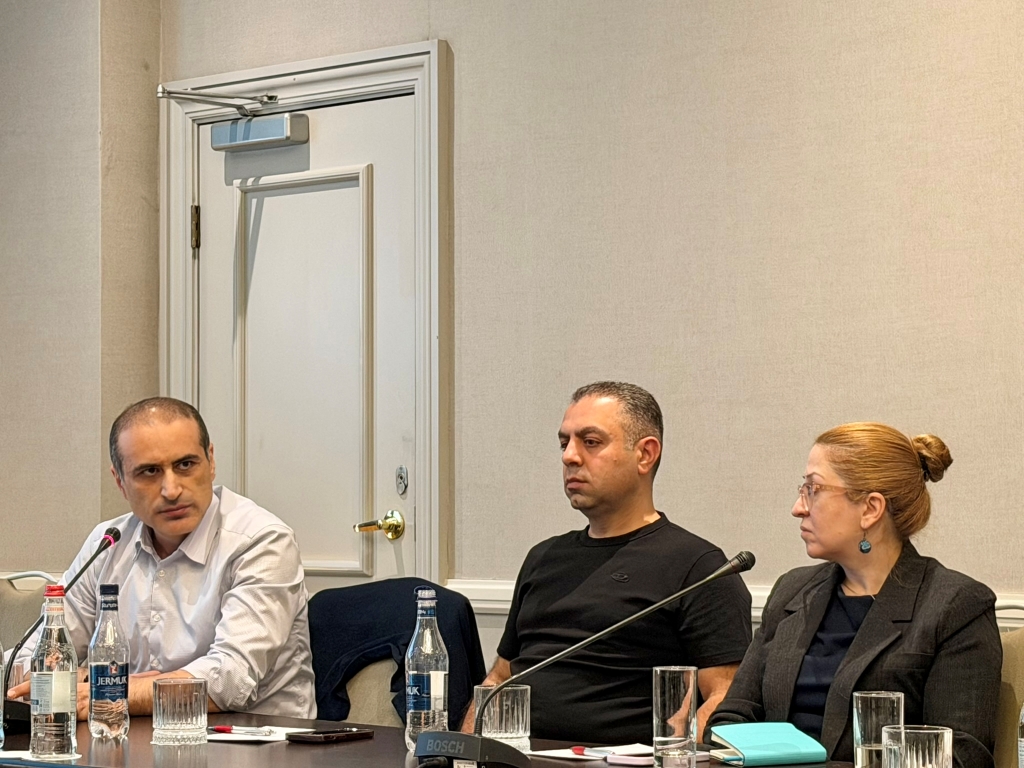
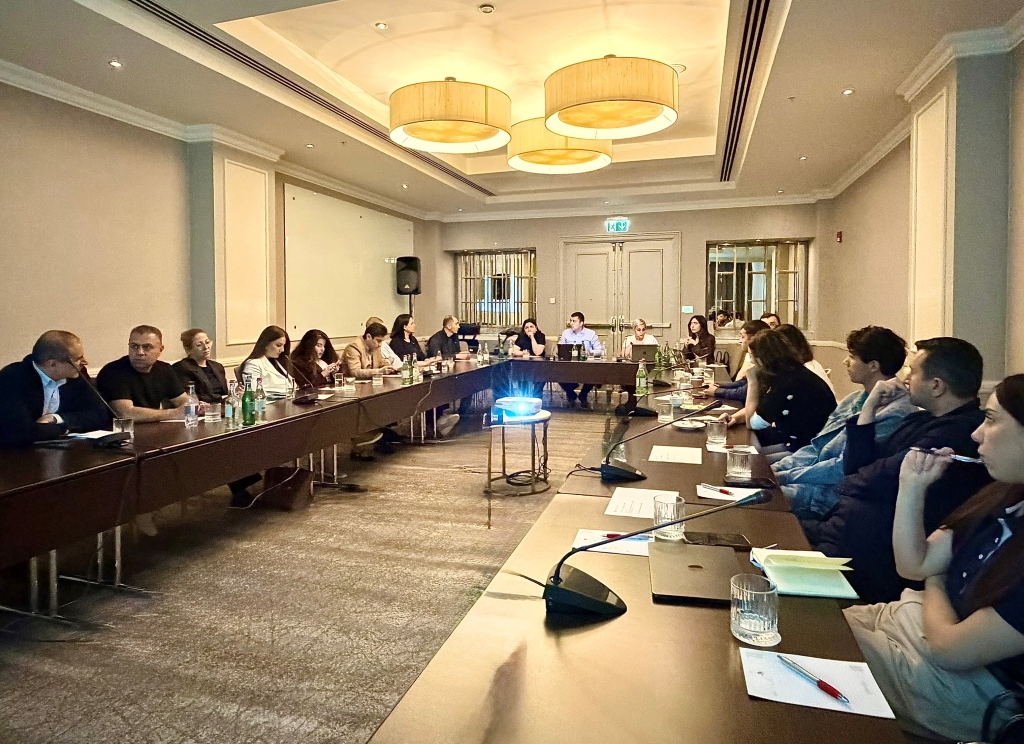
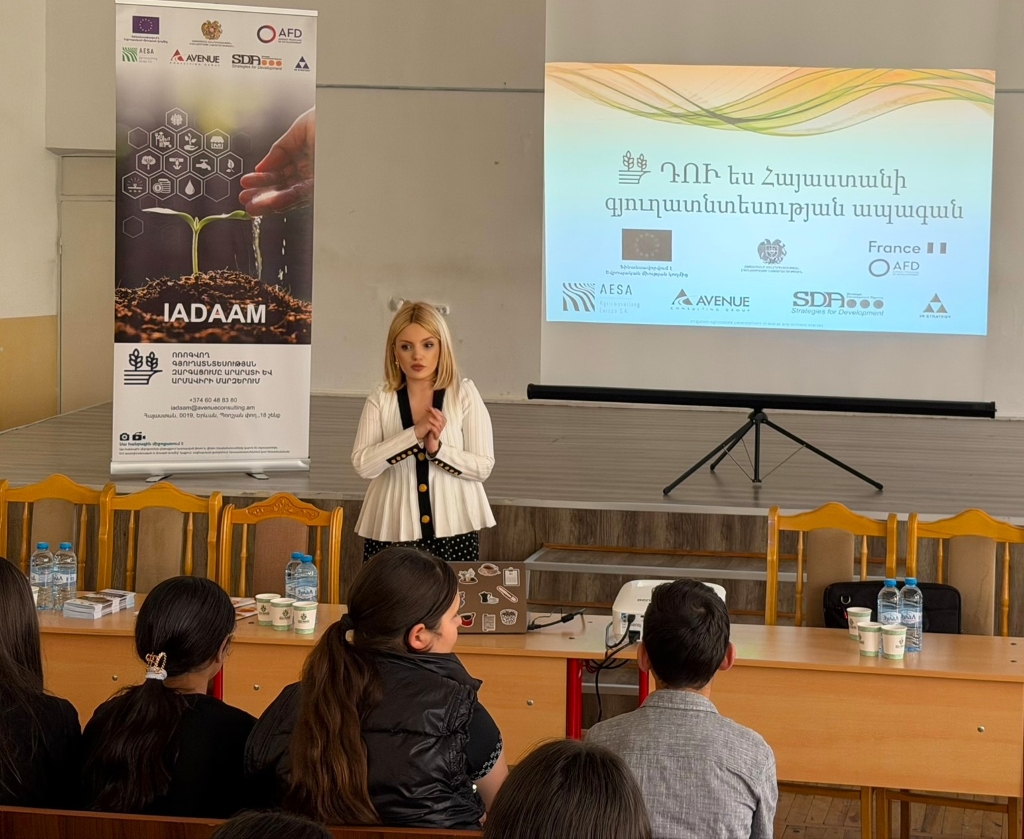
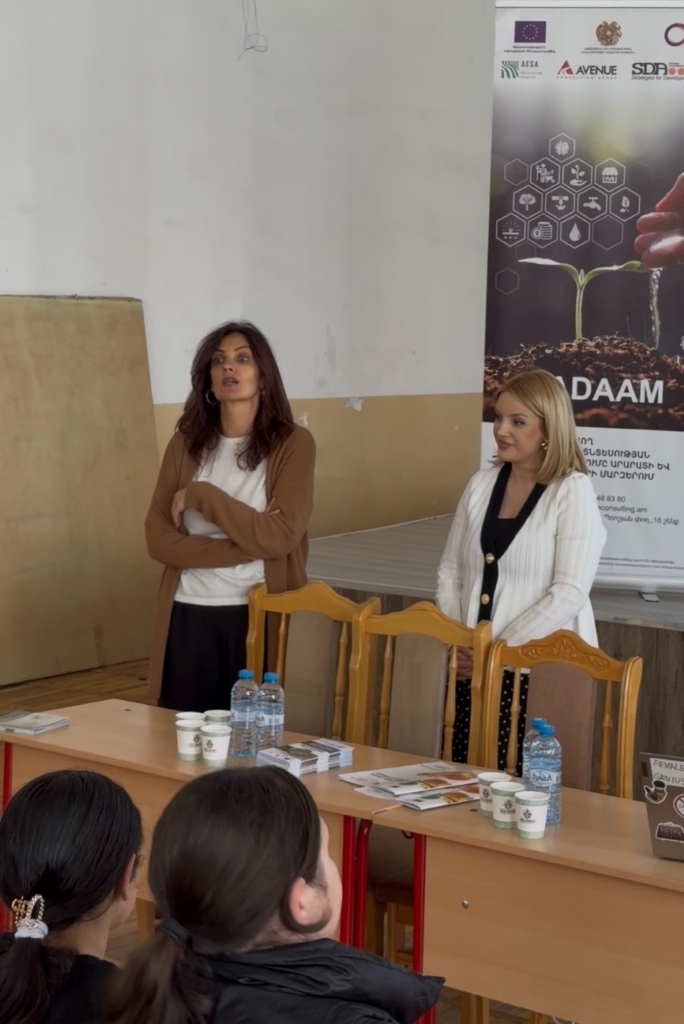
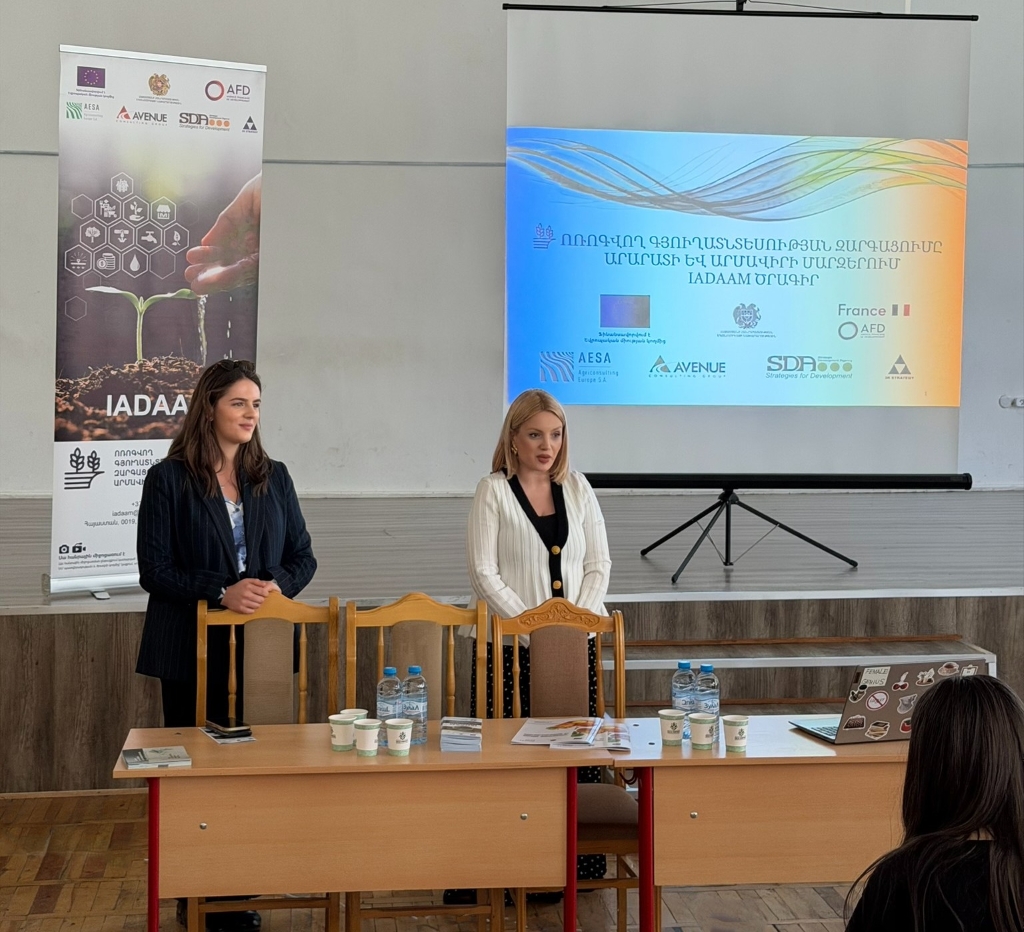
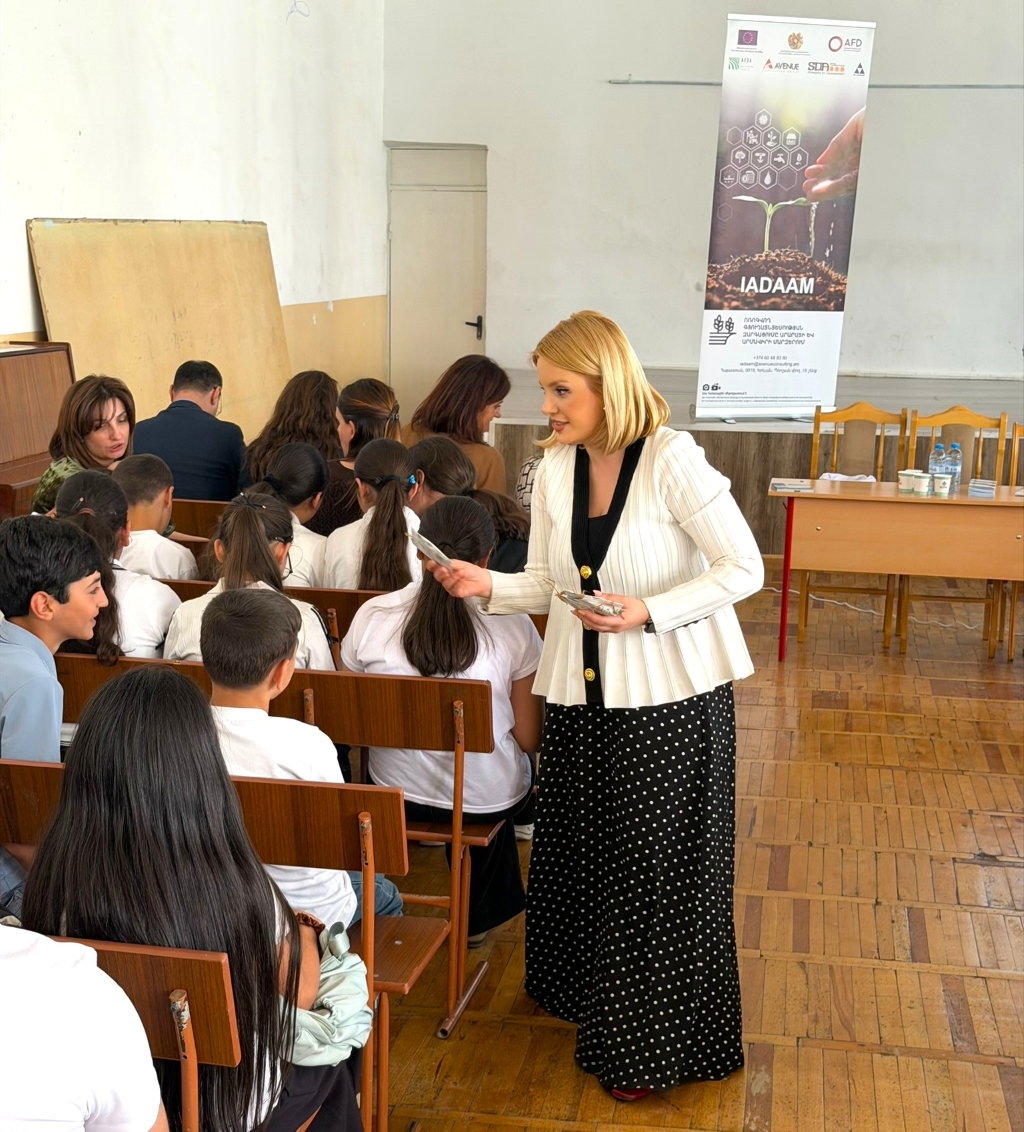
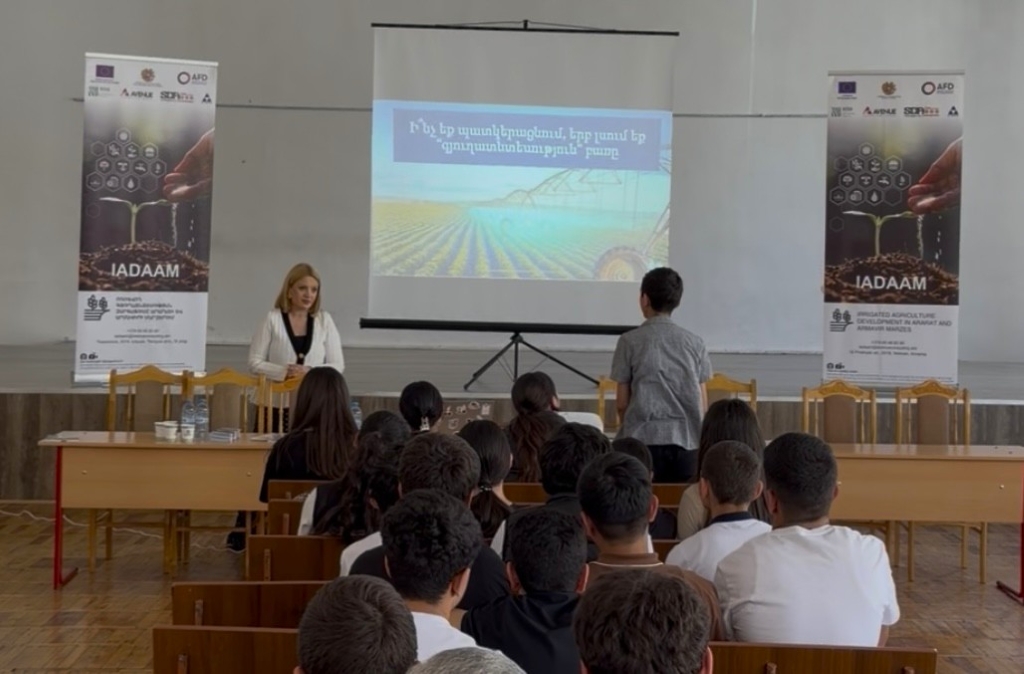
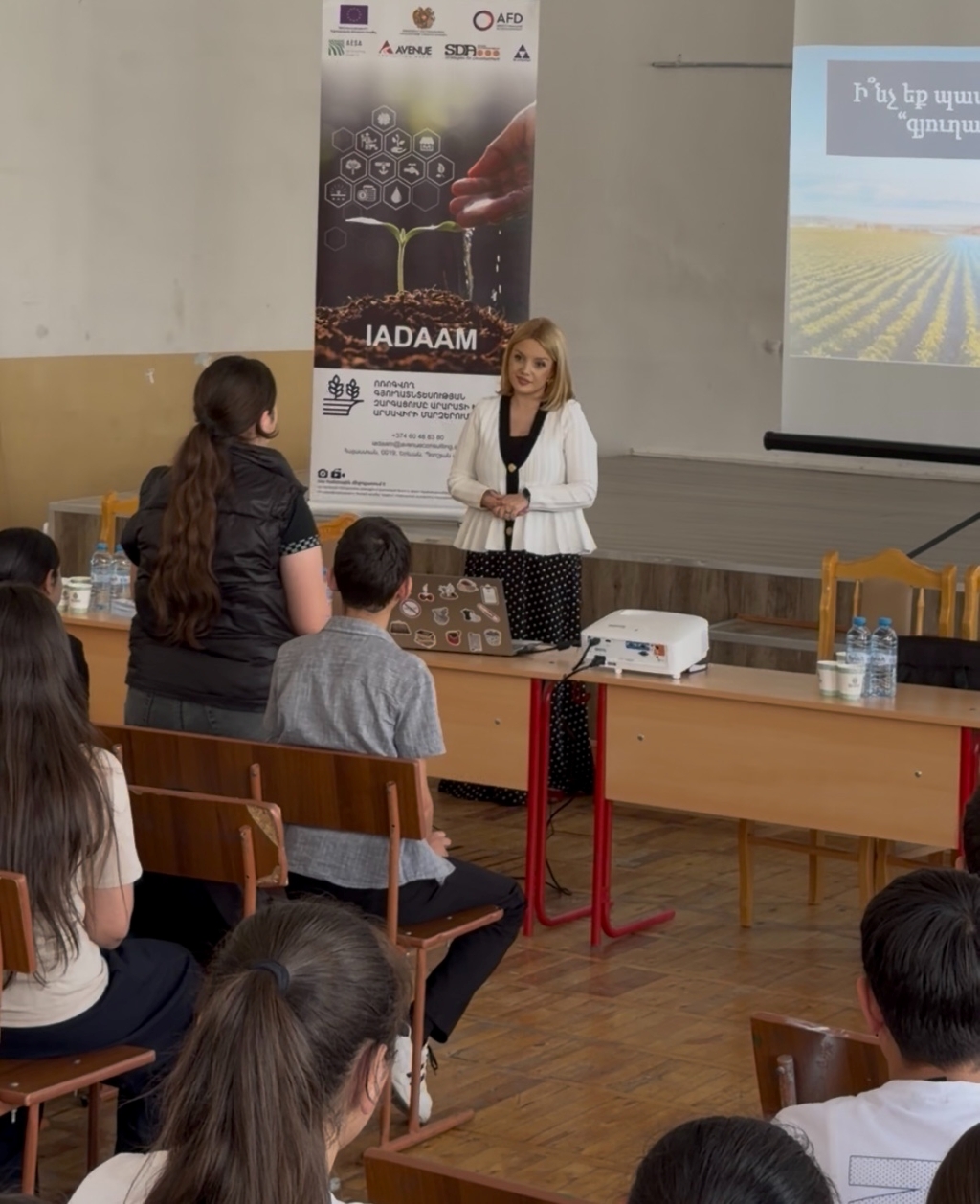
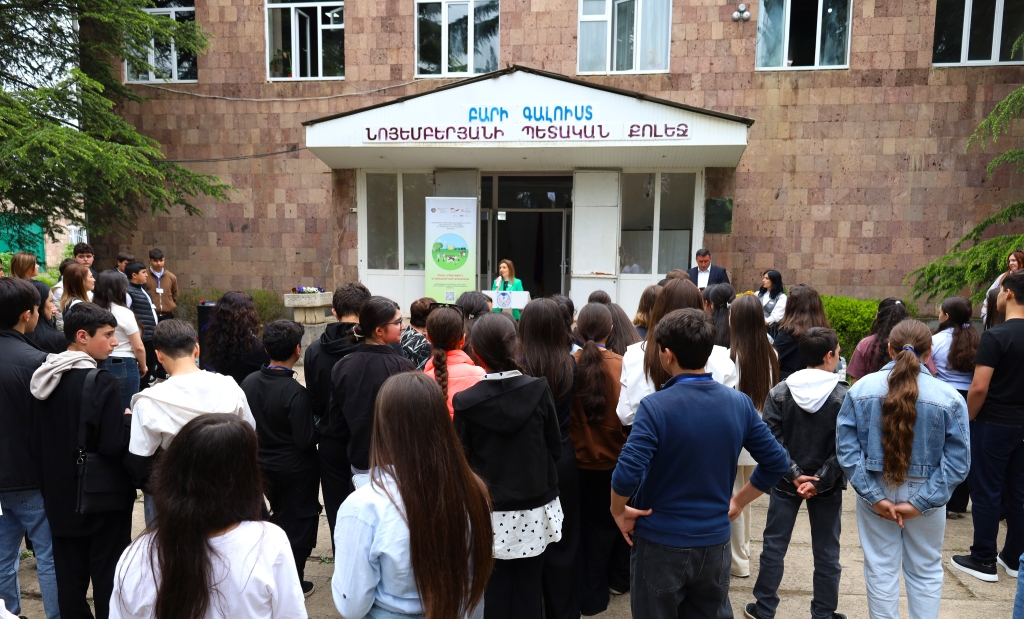
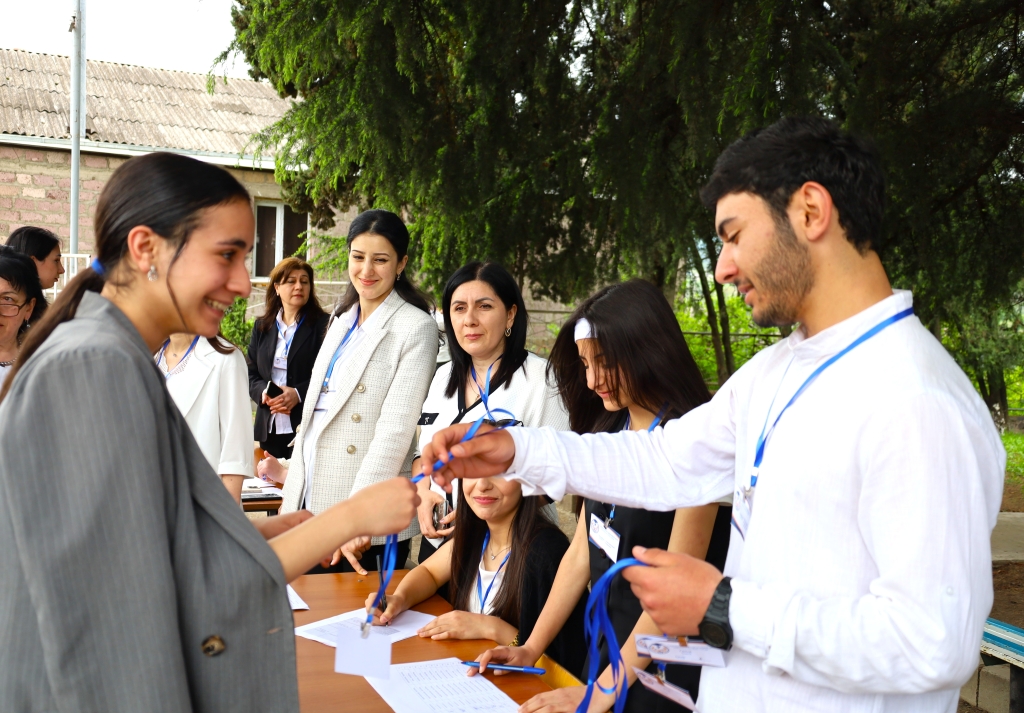
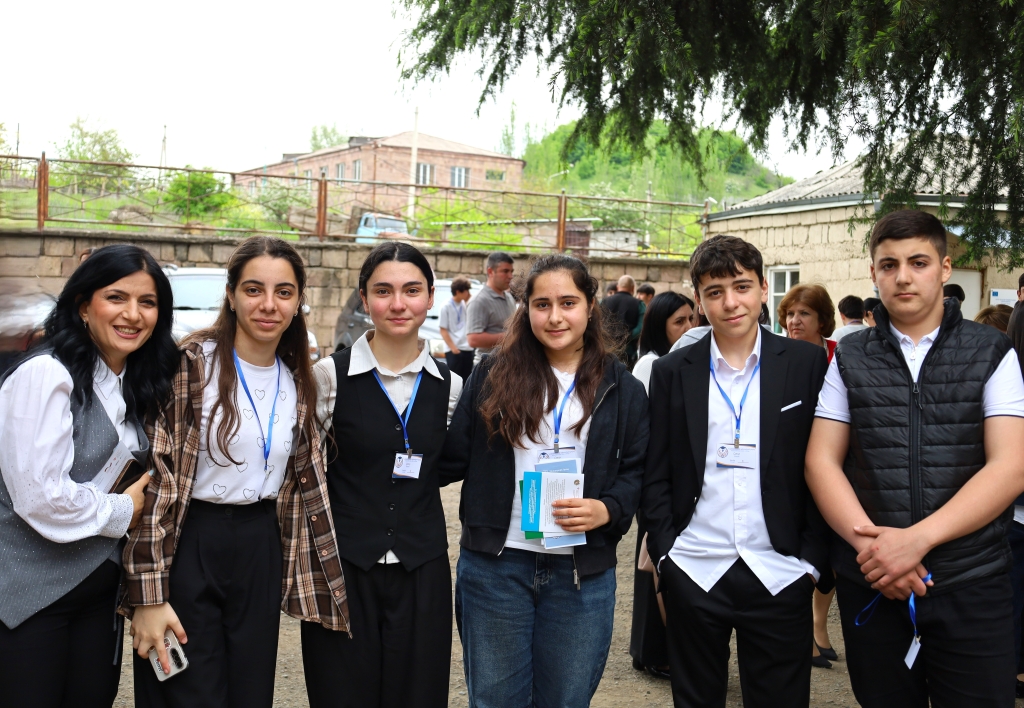
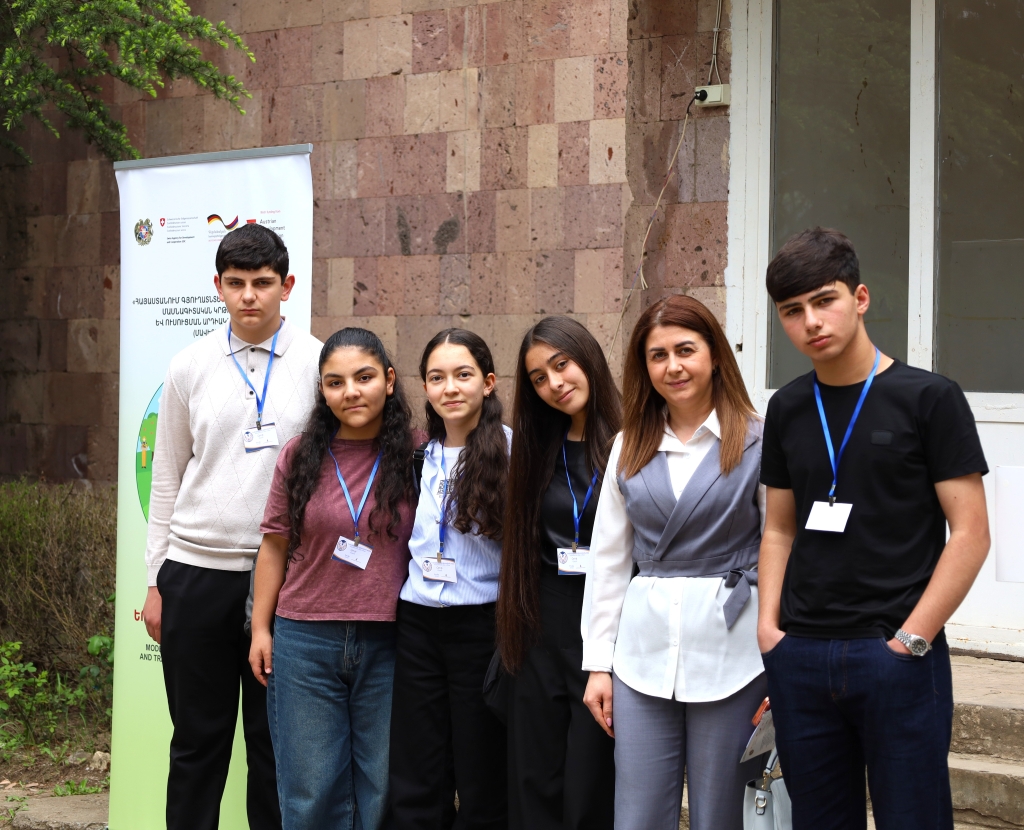
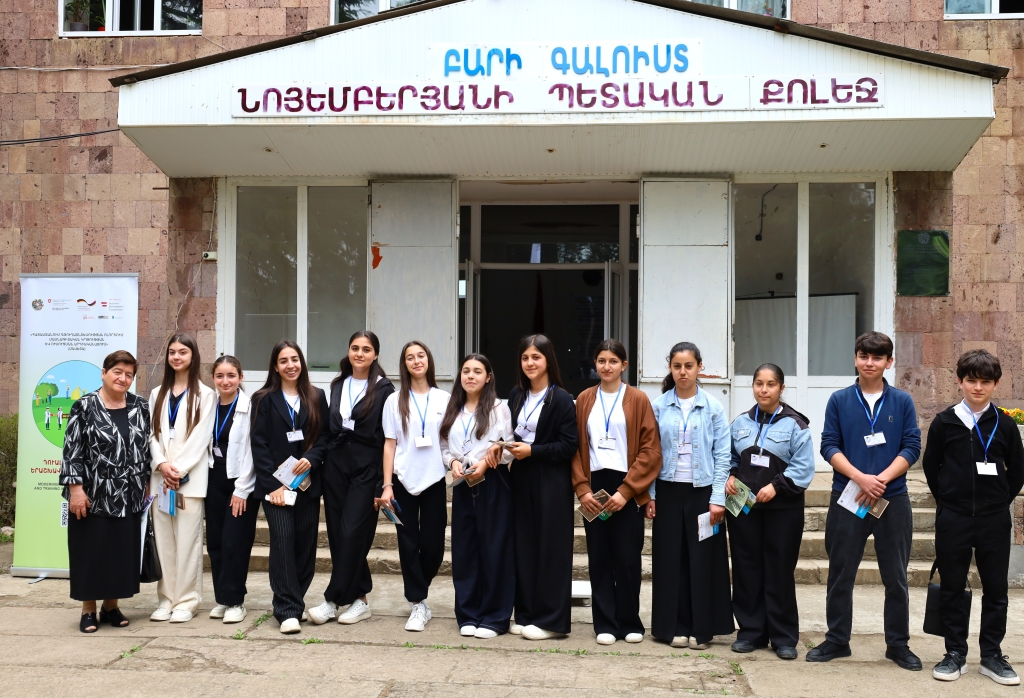
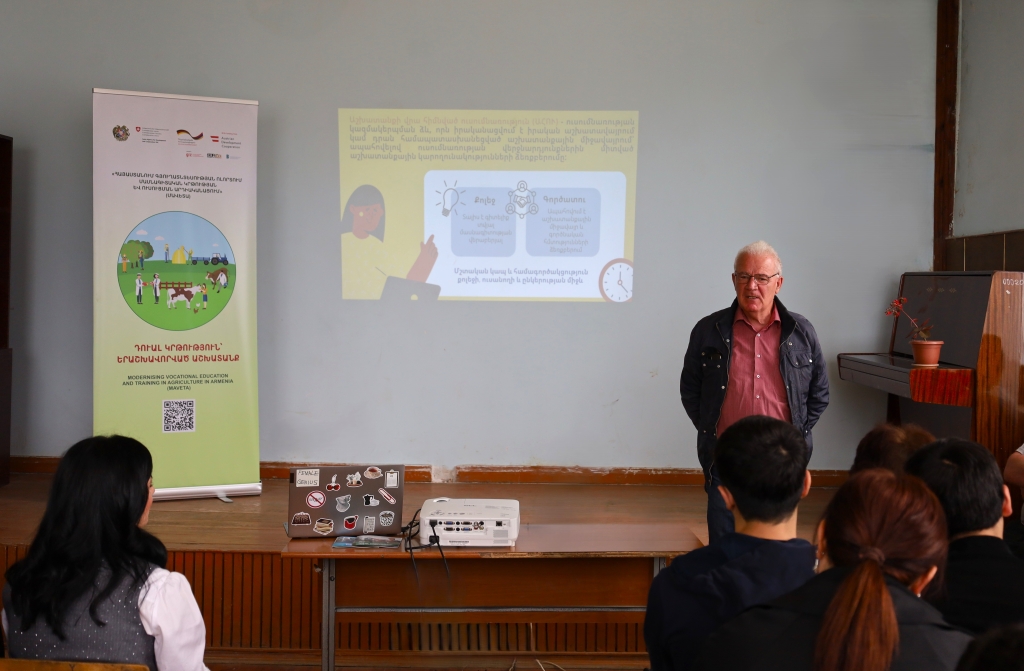
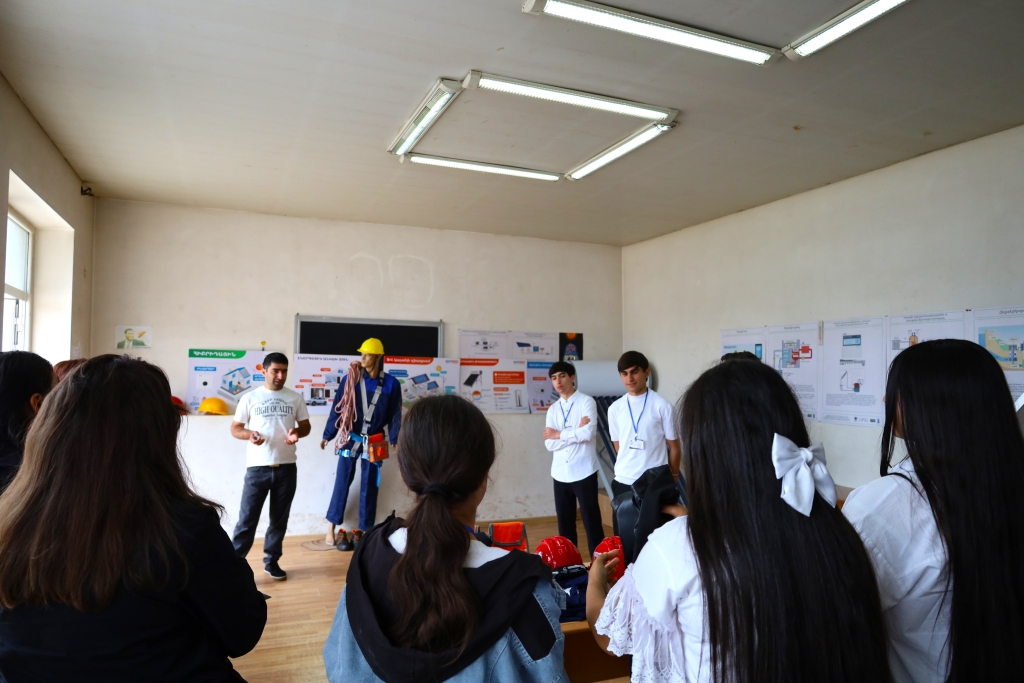
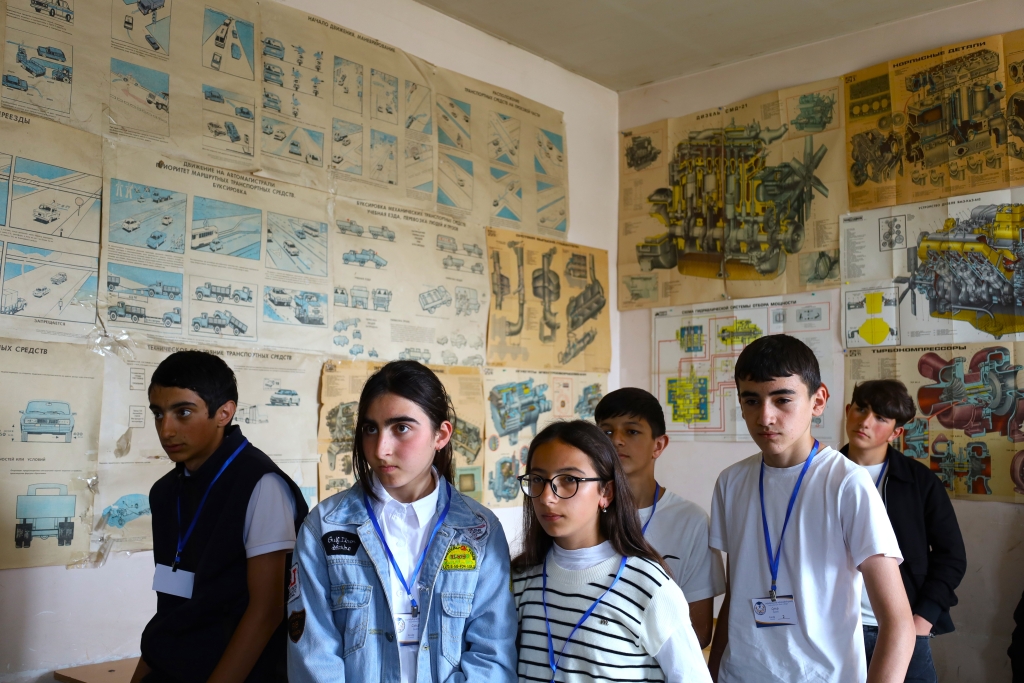
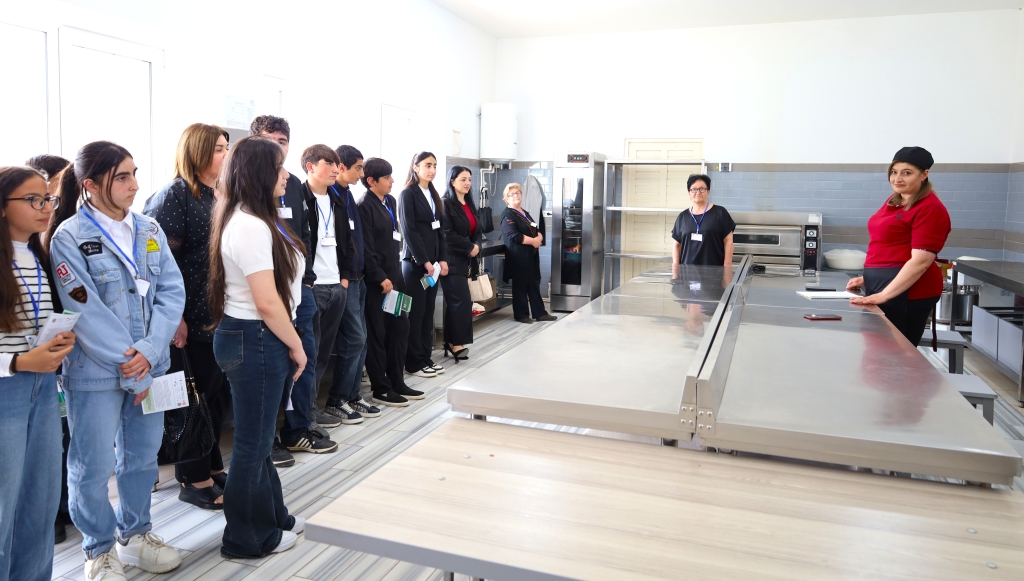
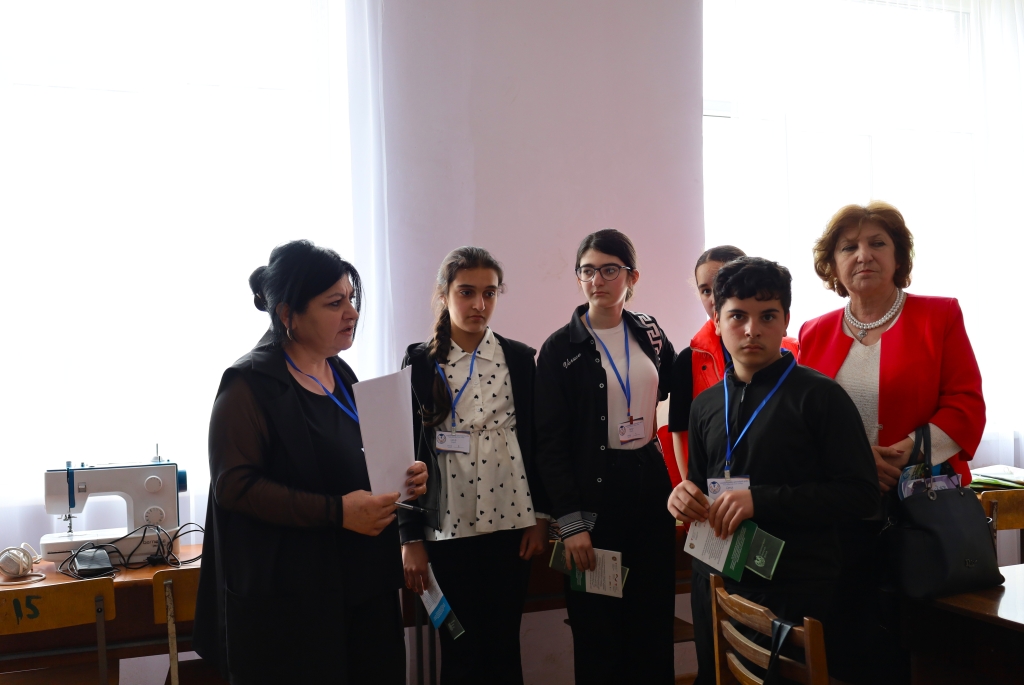
Ararat Regional State College, Armavir Regional State College, Kotayk Regional State College, and Gavar State Agricultural College organized meetings with representatives of private sector companies operating in their respective regions. The meetings aimed to foster new cooperation opportunities and support preparations for the introduction of dual education programmes.
Starting from September, the above-mentioned colleges are expected to introduce several dual education specialties, including:
- Refrigeration Systems
- Installation and Operation of Drip Irrigation Systems
- Greenhouse Management
- Veterinary Medicine
During the meetings, participants were introduced to the key features of the dual education, the specialties, and the main provisions of cooperation agreements between educational institutions and employers.
Discussions also explored potential modalities for private sector engagement, particularly in relation to students’ practical training, professional skills development, and the alignment of education with labour market needs.
As a result of the meetings, preliminary agreements were reached to continue cooperation discussions and proceed with the signing of partnership agreements in the near future. Representatives of the private sector also expressed their readiness to actively contribute to the implementation of dual education and strengthening the link between education and the labour market.
The MAVETA project is financed by a broad coalition of international and local organisations led by the Swiss Agency for Development and Cooperation (SDC), including the German Ministry for Economic Cooperation and Development (BMZ), the Austrian Development Agency and the Government of Armenia.
The project’s implementing partners are the GIZ and SDA and the School of Agricultural, Forest and Food Sciences at the Bern University of Applied Sciences (HAFL).