
From Ecosystem Conservation to Market-Driven Community Development: SDA’s Experience in Strengthening Climate Resilience

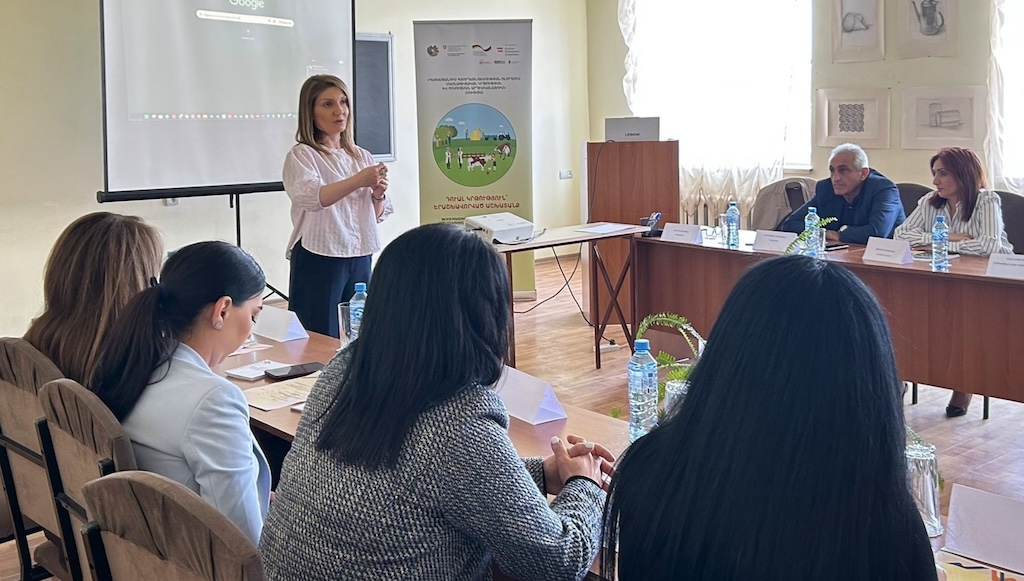
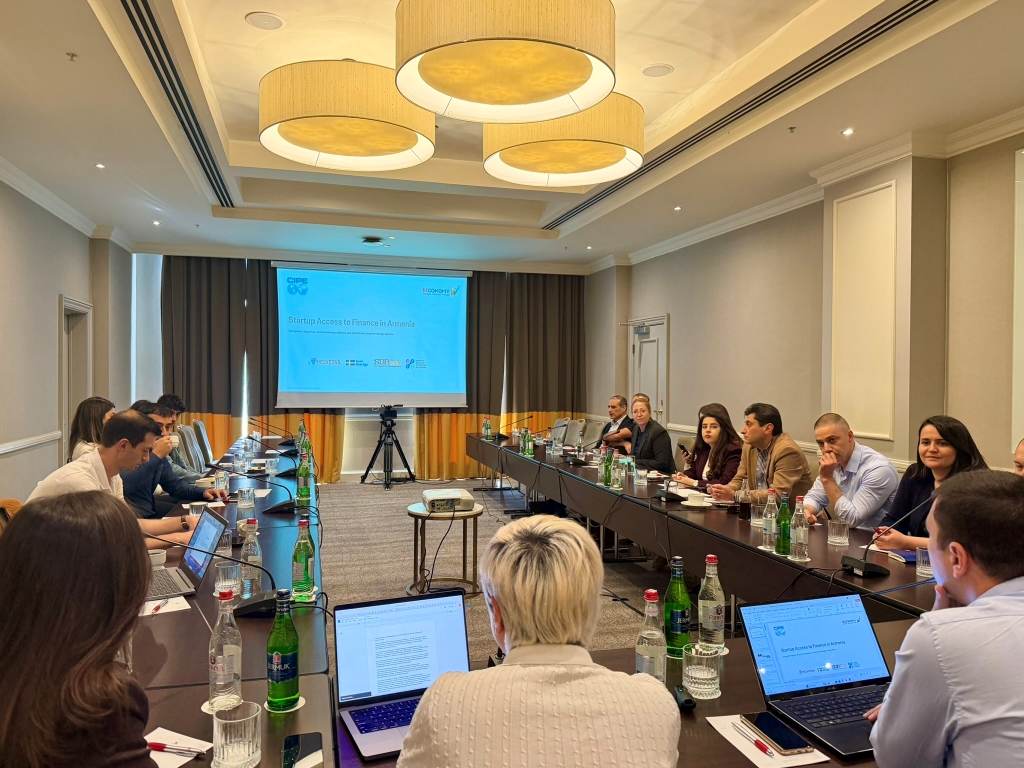
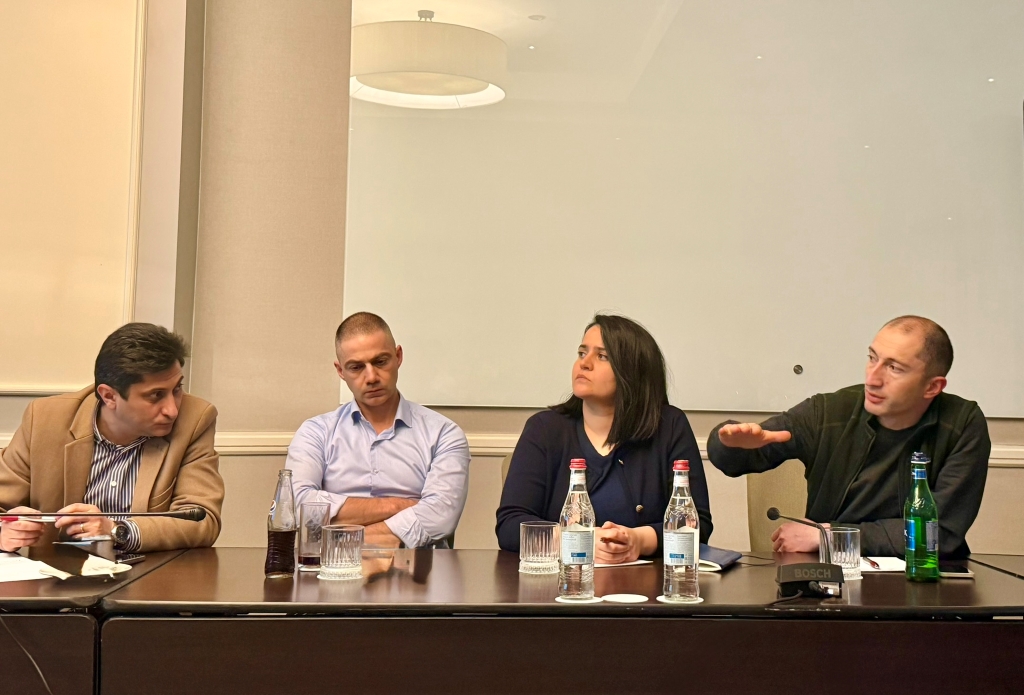
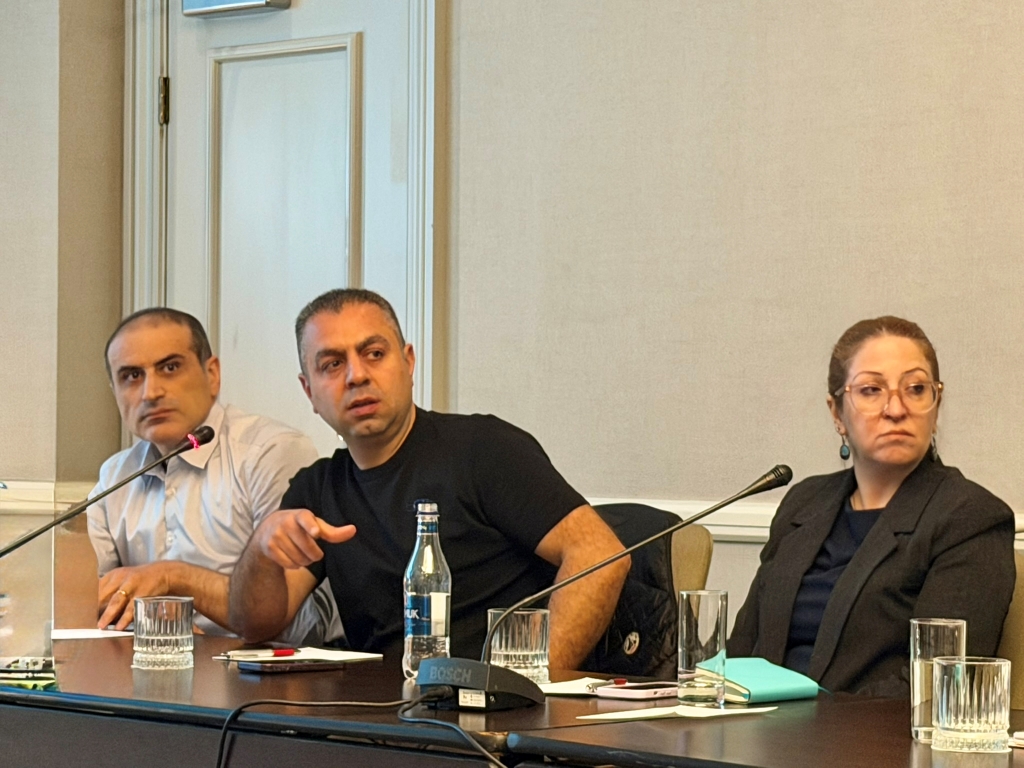
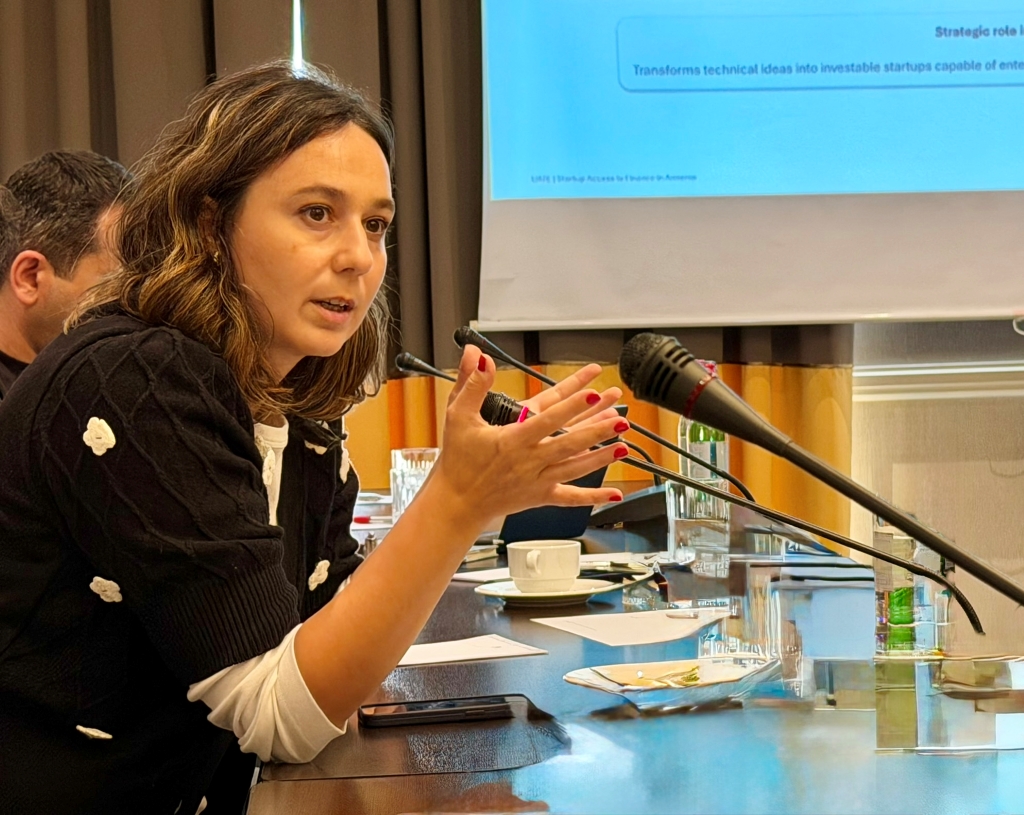
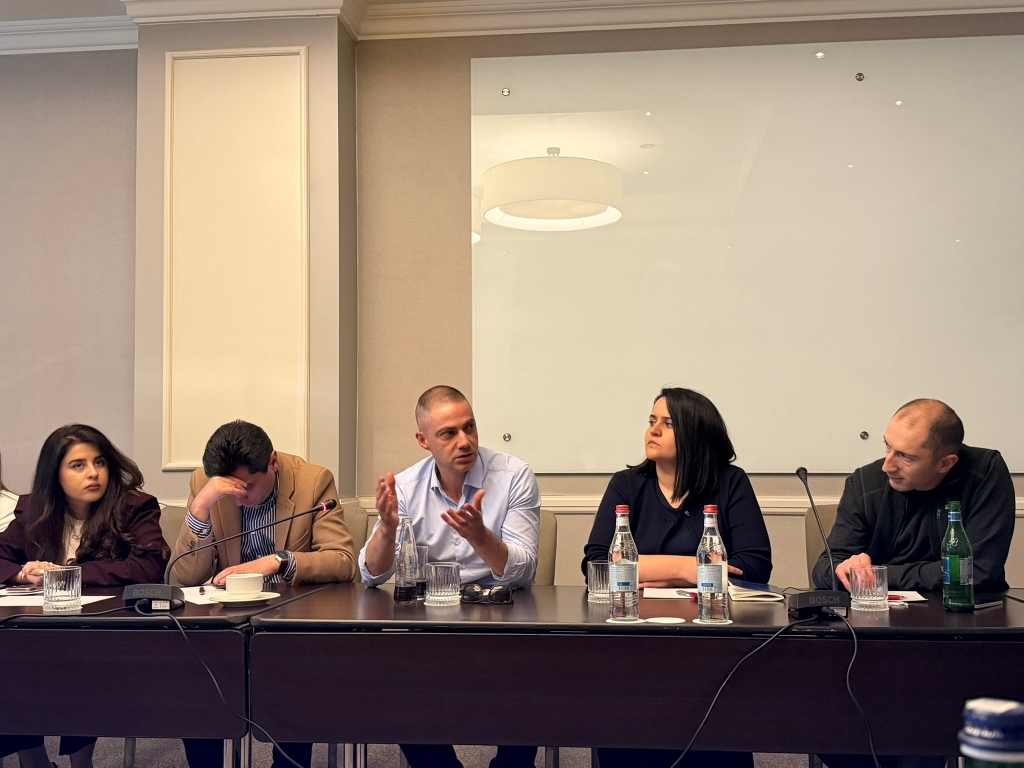
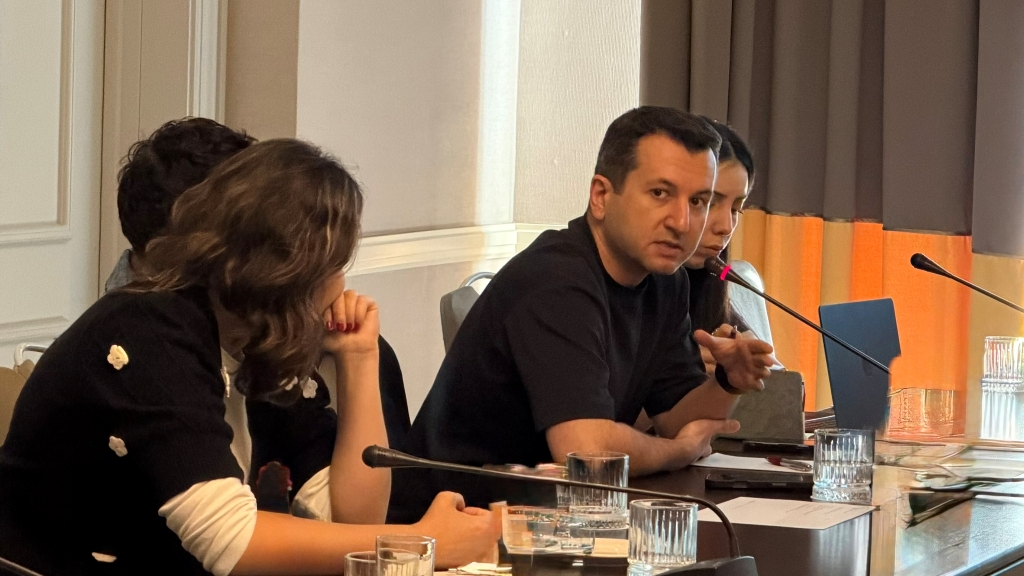
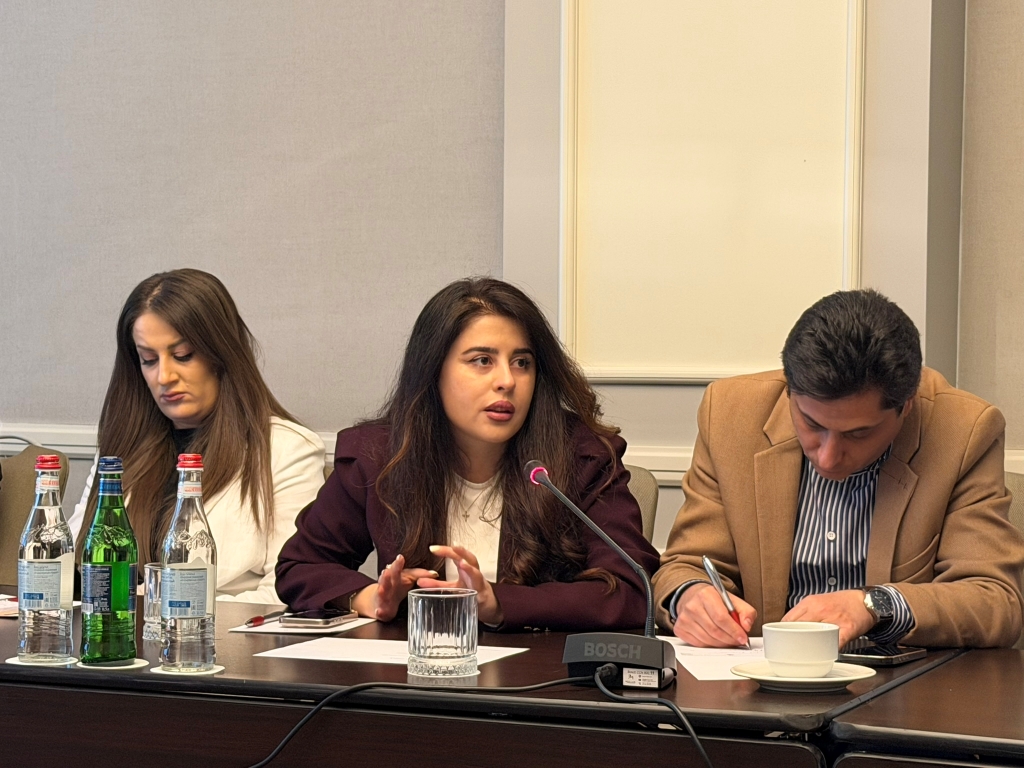
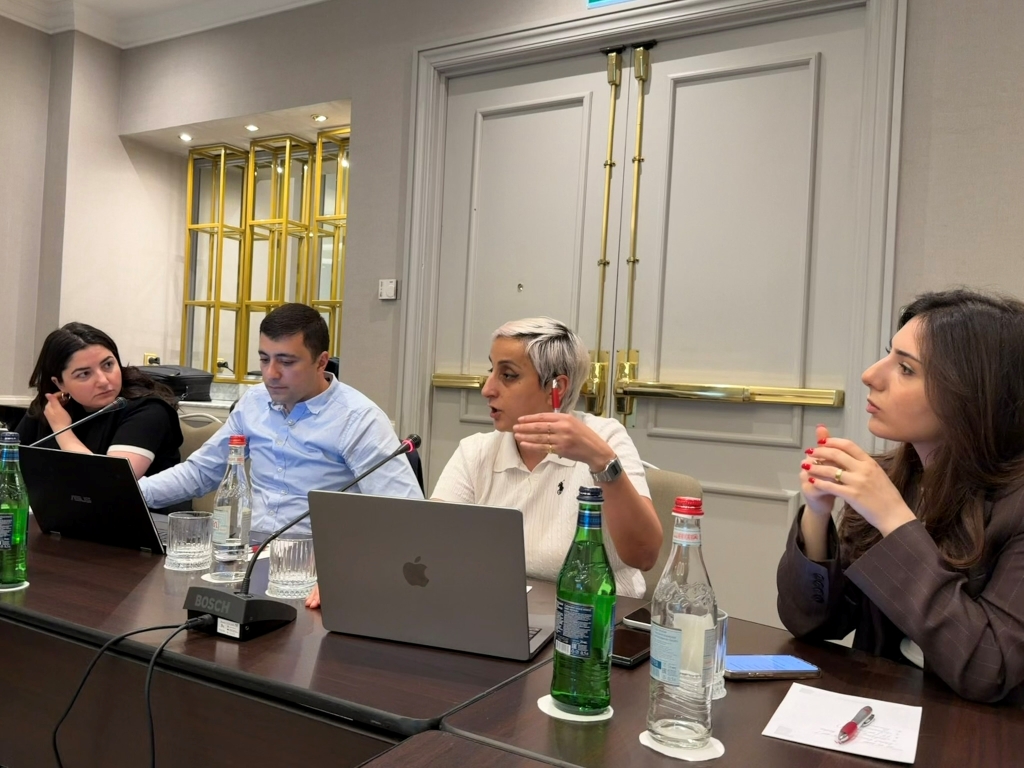
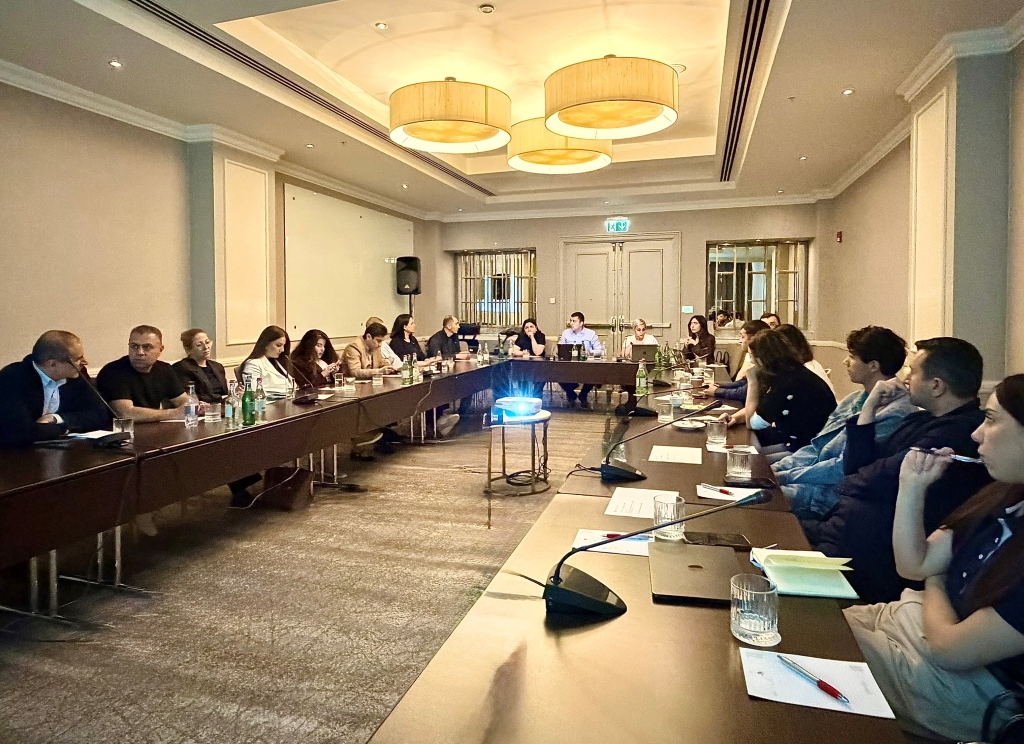
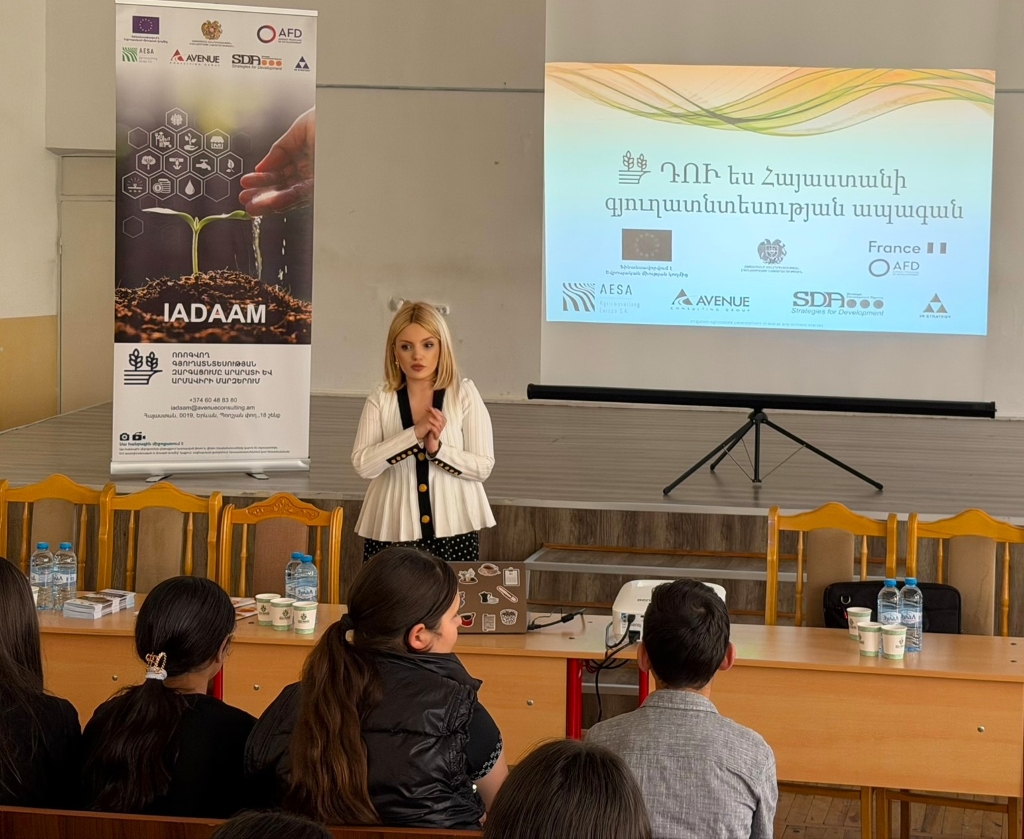
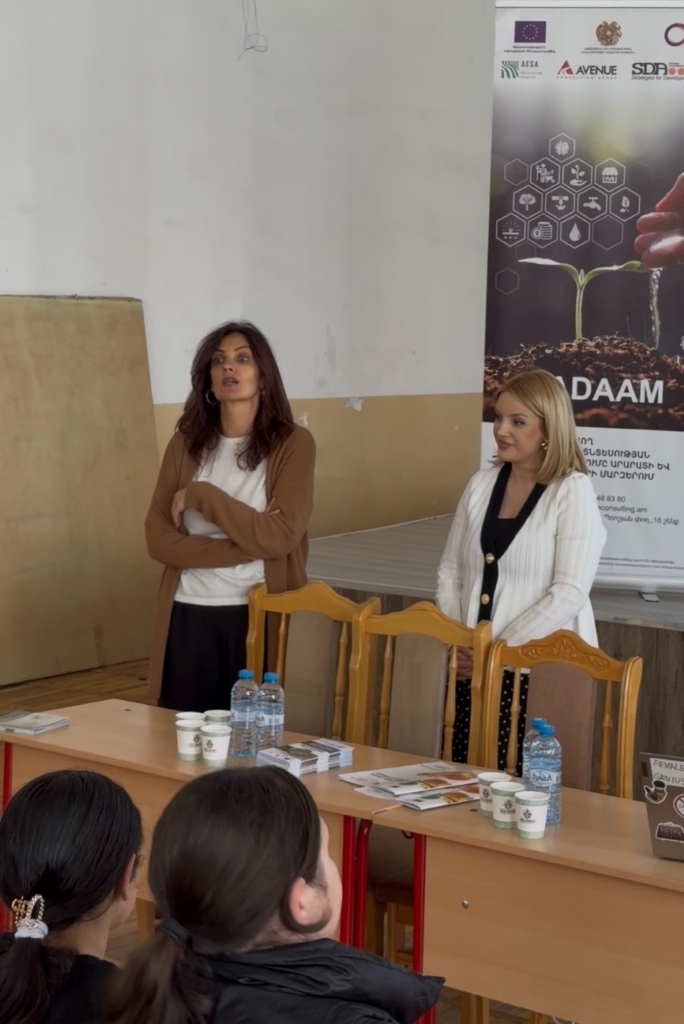
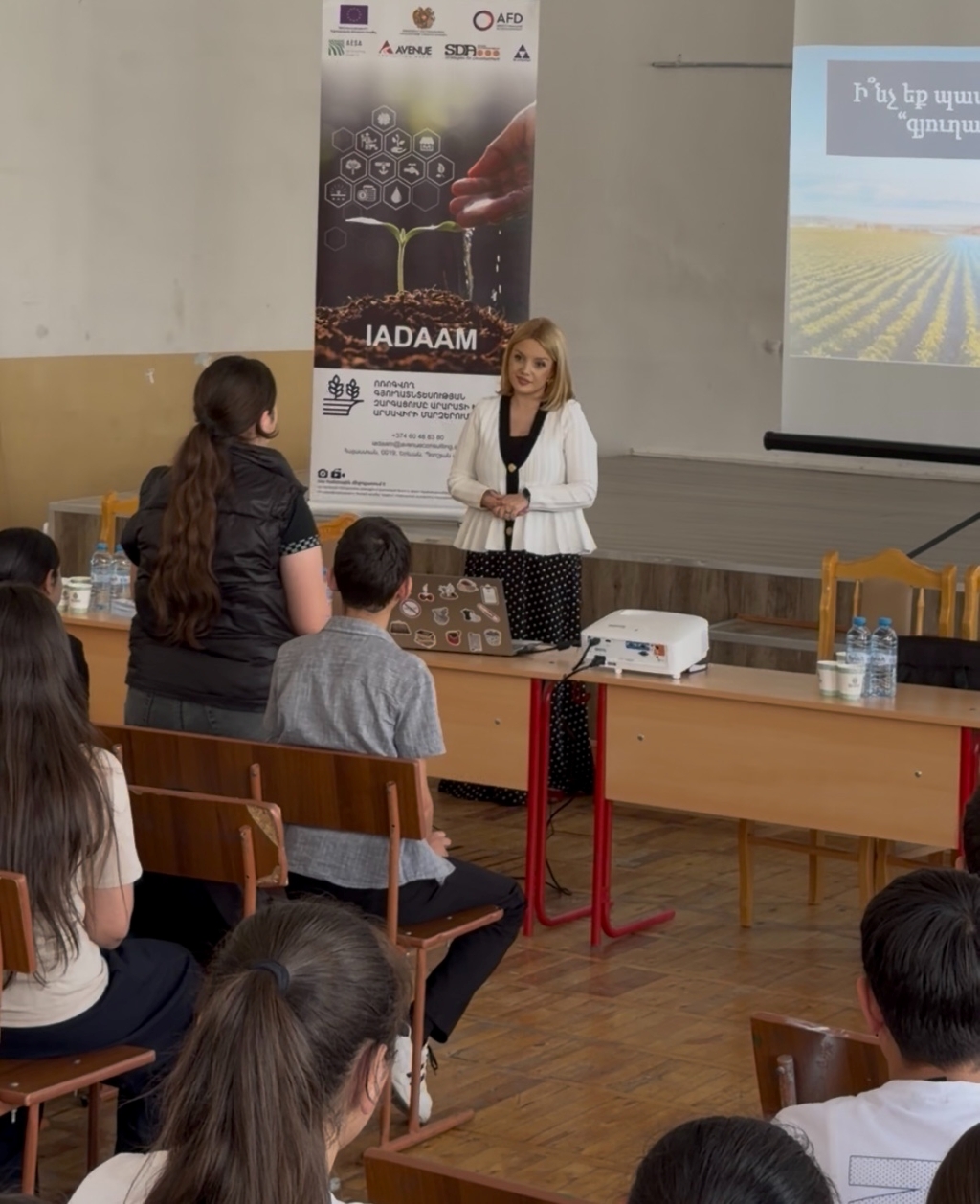
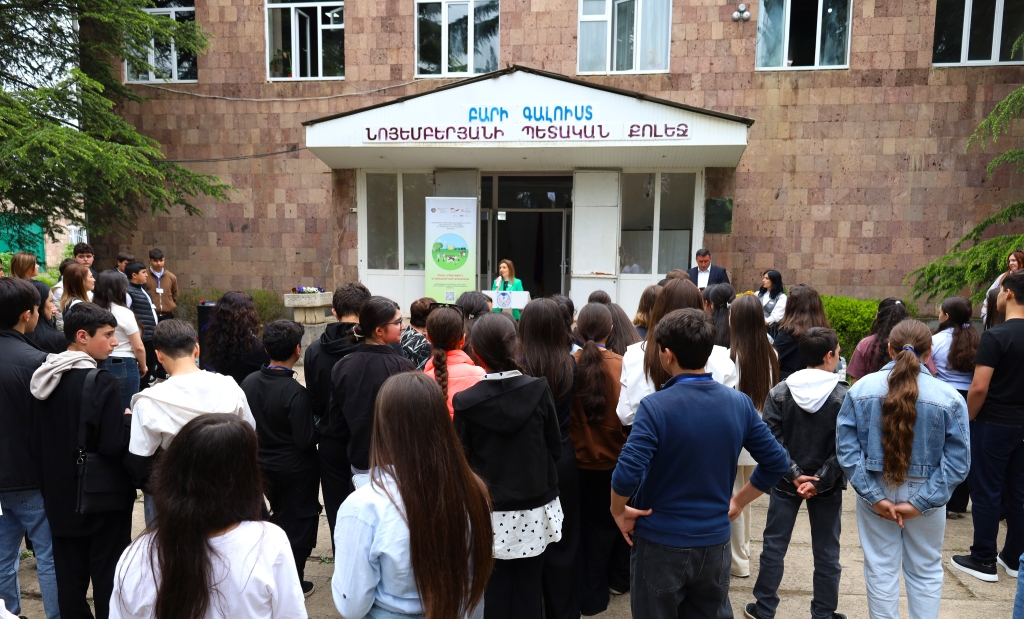
Strategic Development Agency (SDA), represented by its Chairman Mr. Mkrtich Ayvazyan, took part in the opening ceremony of the project “Enhancing the Land-based Adaptation of Communities to Arid Zones and Forest Protected Areas of Armenia by Duplicating and Expanding the Successful Mechanisms of the Previous Project.”

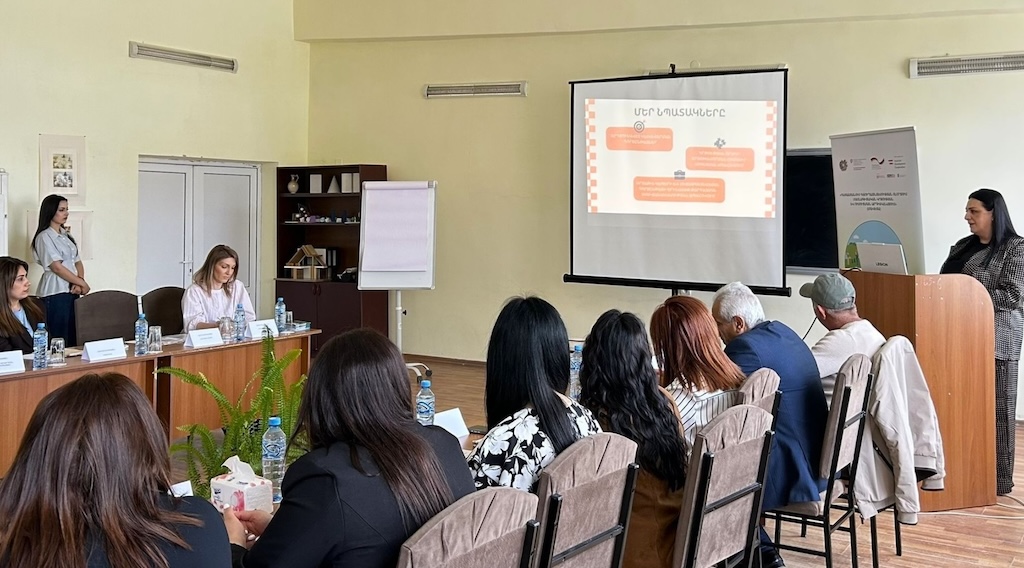
During the panel discussion “From Ecosystem Conservation to Community Development: Integrated Approaches to Climate Adaptation”, Mr. Ayvazyan emphasized that value chain development is not a theoretical concept for SDA, but a proven and measurable pathway to economic resilience and climate adaptation.

Drawing from SDA’s practical experience, including the Armenia’s Living Landscapes for Market Development (LILA) initiative and the Livestock Development in Armenia South-North 2 program, he underlined that diversified, nature-based and agro-food value chains can simultaneously strengthen local incomes, reduce climate vulnerability, and promote sustainable resource management. Through sustainable tourism, wild collection, farm-to-table linkages, livestock market access, and pasture management models, communities were able to generate predictable income, create employment, empower women, and reduce land degradation risks.

He stressed that climate-smart technologies become viable only when accompanied by strong entrepreneurial, managerial, and institutional capacities. SDA’s experience shows that training, market integration, public-private collaboration, and engagement of local self-government bodies are essential to transforming technologies into profitable and self-sustaining models.

In conclusion, Mr. Ayvazyan highlighted that long-term sustainability is achievable when projects are designed as systemic development processes rather than temporary interventions – where communities act as full economic actors, environmental protection becomes a source of income, and market-based mechanisms ensure continued ecosystem preservation, climate resilience, and inclusive economic growth well beyond the project lifecycle.

Uncategorized

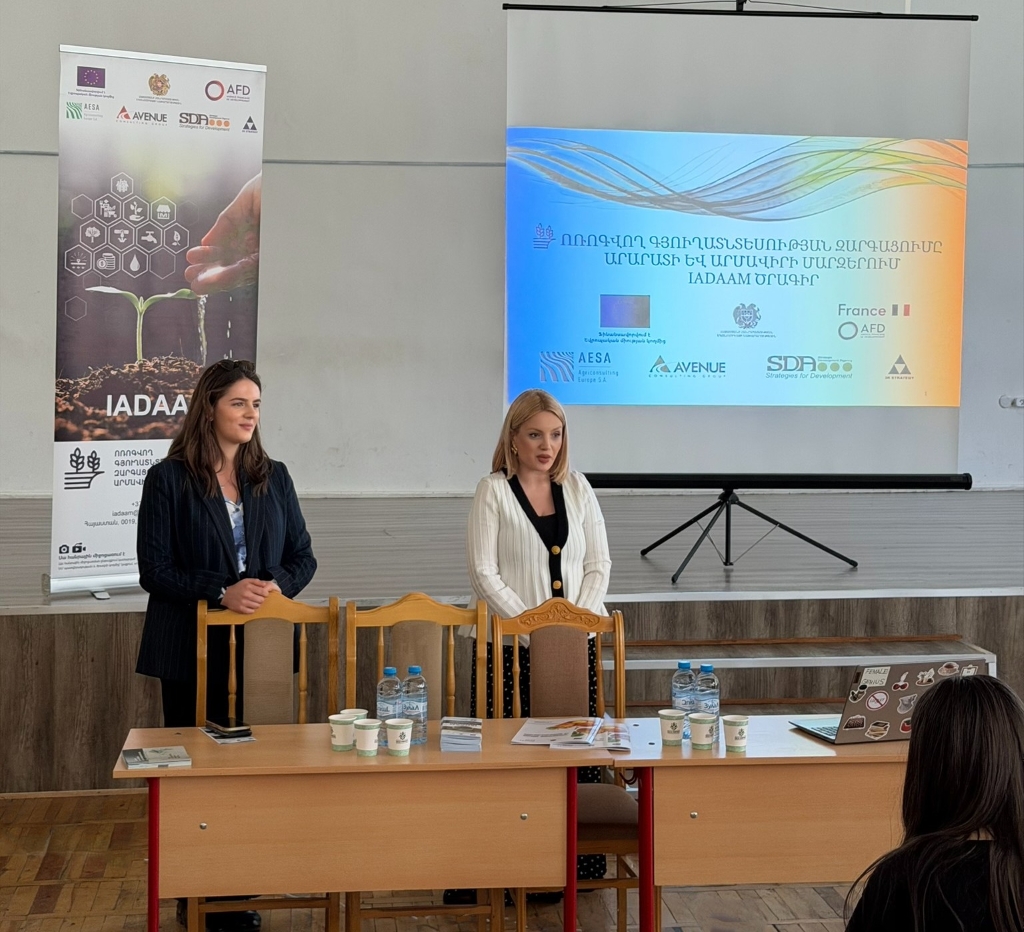
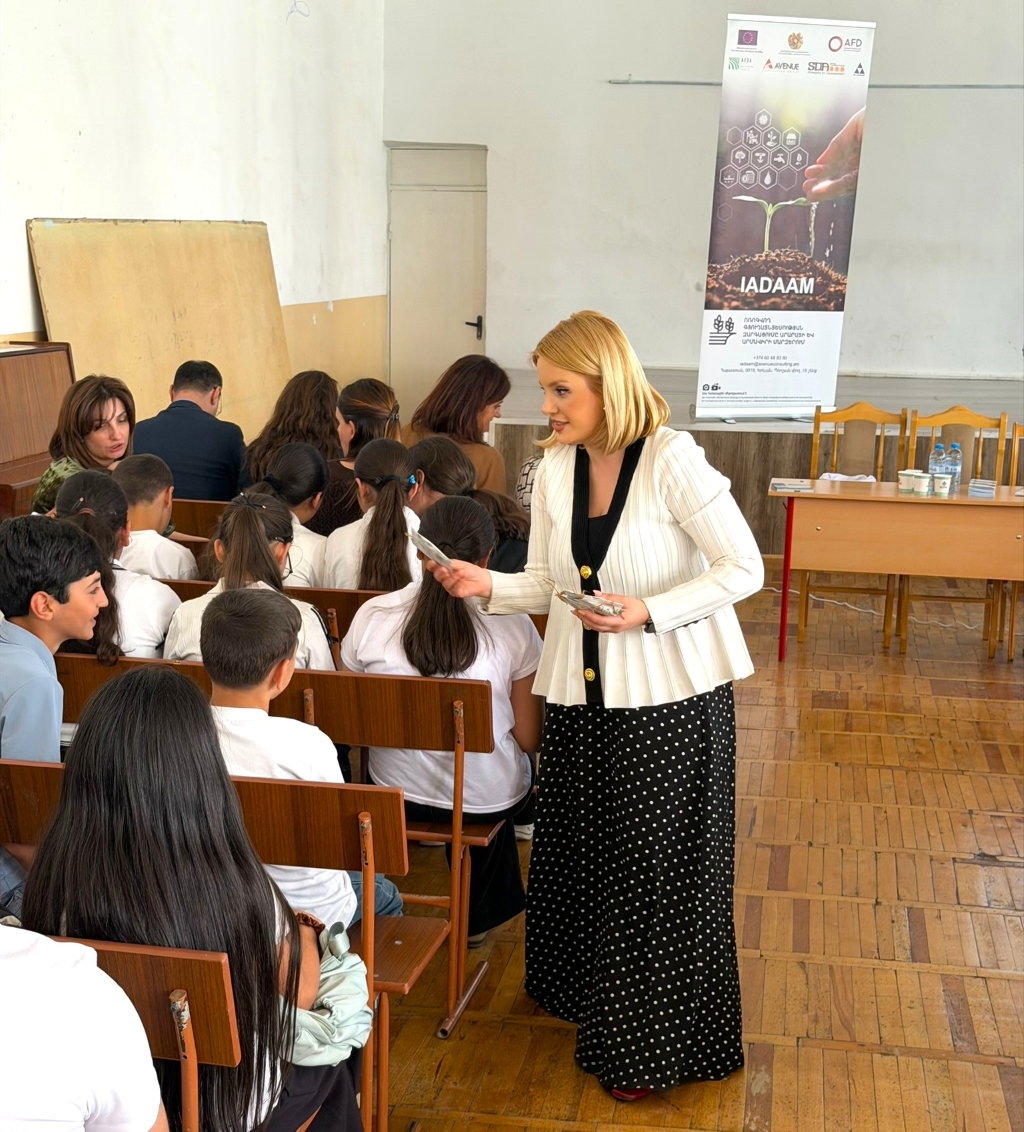
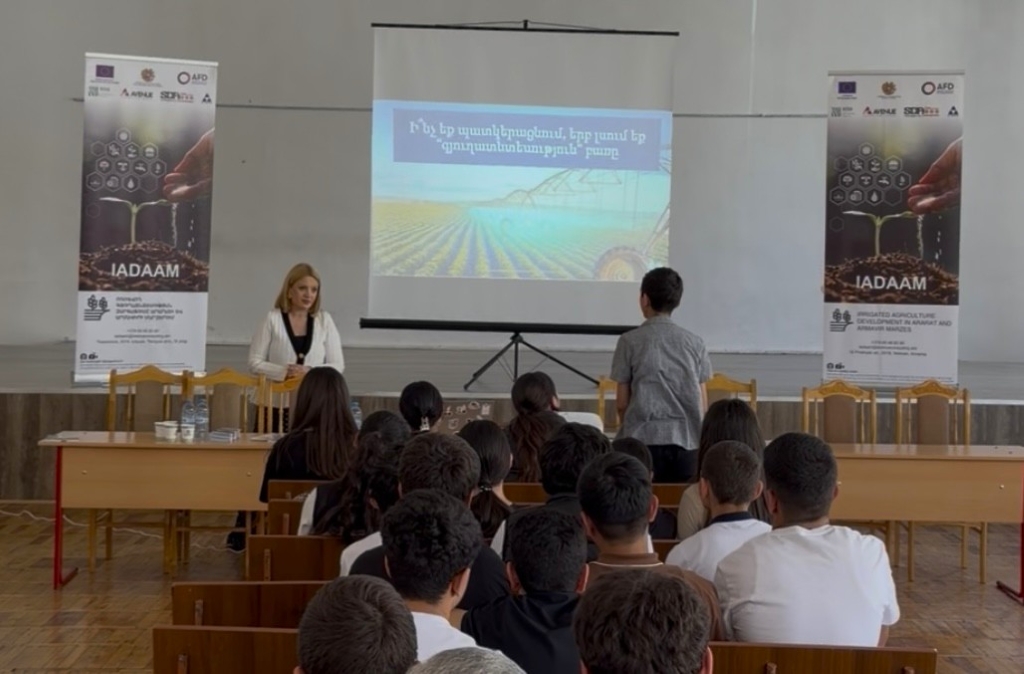
Strengthening Regional Partnerships: IADAAM Team Leader’s Working Visit to Ararat and Armavir Marzes

As part of the IADAAM Project’s ongoing commitment to institutional cooperation and field-level engagement, Team Leader Sergiu Botezatu conducted a series of high-level working meetings in Armavir and Ararat marzes.

The visit commenced at the IADAAM Agricultural Extension Service Team (AEST) Office in Baghramyan, where Mr. Botezatu met with the AEST Armavir team and Arthur Avetisyan, the Head of Baghramyan Settlement. The discussions centered on the progress of extension activities, coordination with local self-government bodies, and the strategic alignment of advisory services with the evolving needs of farmers. Particular emphasis was placed on addressing irrigation challenges as a priority, given that the irrigation system is not yet operational, and on identifying practical steps to support its effective functioning for the benefit of local farmers.

Continuing in Ararat marz, the Team Leader held a constructive meeting with Shamo Bakoyan, Head of the Department of Agriculture and Environmental Protection of the Vedi Community. The dialogue addressed regional agricultural development priorities, environmental sustainability considerations, and opportunities for strengthening synergies between municipal structures and the IADAAM project framework. The meeting reaffirmed the shared vision of fostering resilient, climate-smart, and economically viable irrigated agriculture systems.

The visit also included a meeting with a demonstration farm applicant at the IADAAM AEST Avshar Office. The discussion focused on the role of demonstration farms as practical learning hubs, the selection process, and the strategic importance of showcasing innovative technologies and best practices to accelerate knowledge transfer across farming communities.

These engagements highlight IADAAM’s proactive, partnership-driven approach and its continued emphasis on building strong institutional collaboration, empowering local actors, and advancing sustainable agricultural development in Armenia’s regions.

The Irrigated Agriculture Development in Ararat and Armavir Marzes (IADAAM) project, financed by the European Union (EU) and implemented with the support of the French Development Agency (Agence Française de Développement), aims to transform irrigated agriculture in Armenia.

Implemented by the Ministry of Economy of the Republic of Armenia, the project’s technical assistance is provided by a consortium comprising AESA – Agriconsulting Europe SA, Avenue Consulting Group LLC, Strategic Development Agency NGO, and 3R Strategy LLC, with the aim of strengthening agricultural policy and advancing sector reforms.

INLIMA Field Working Meetings in Vayots Dzor, Gegharkunik & Shirak Regions

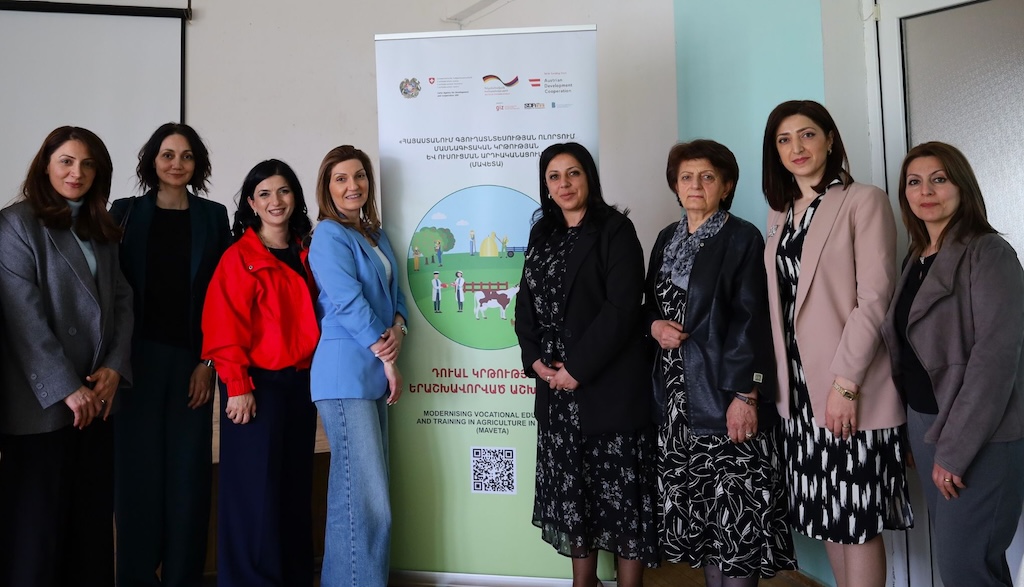
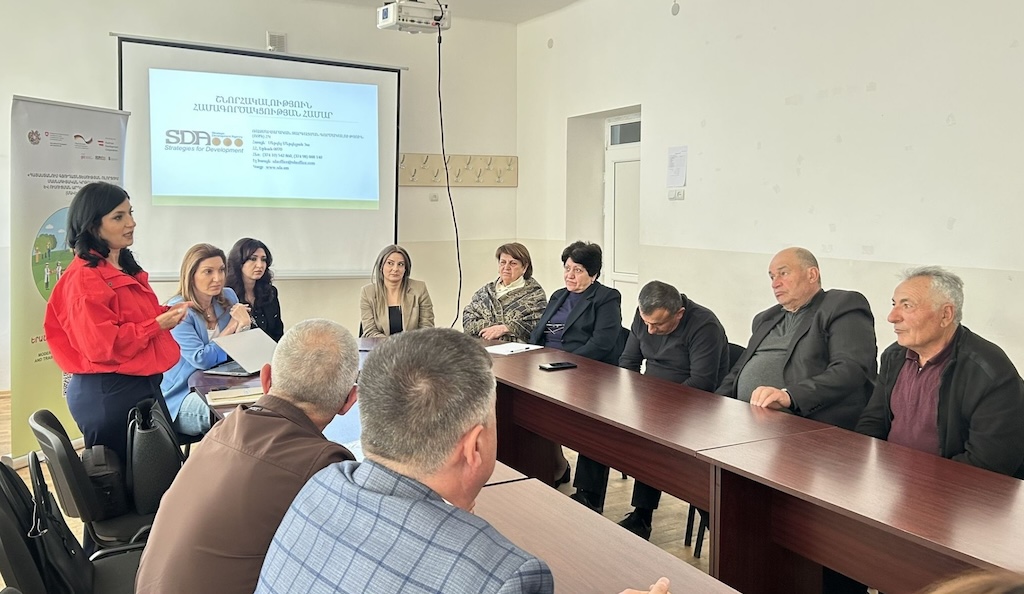
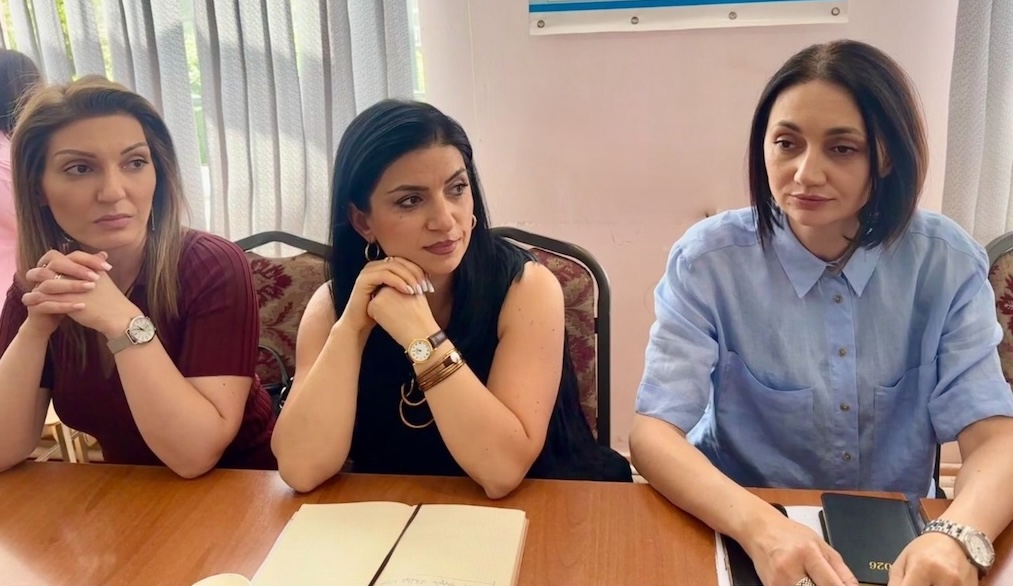
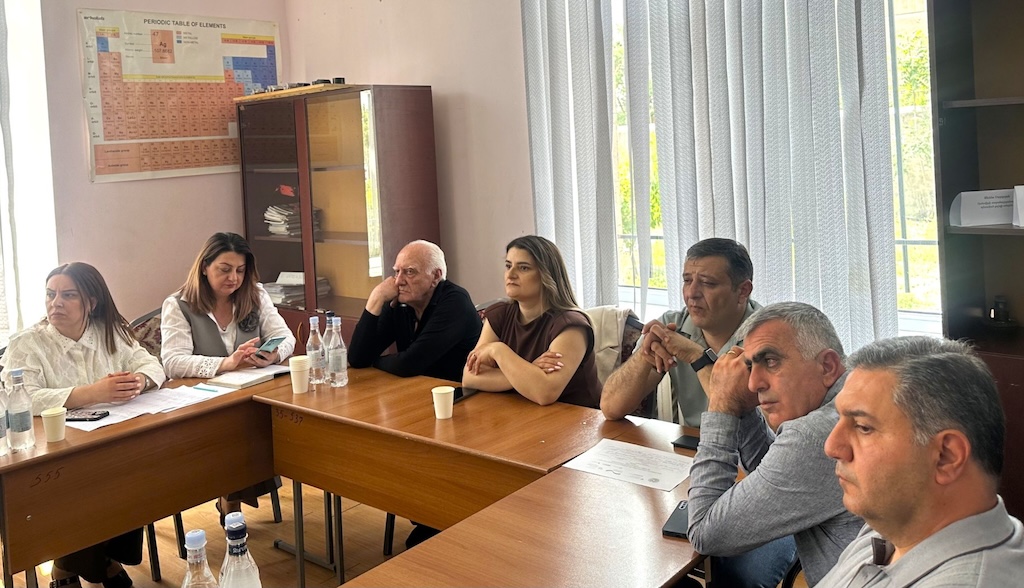
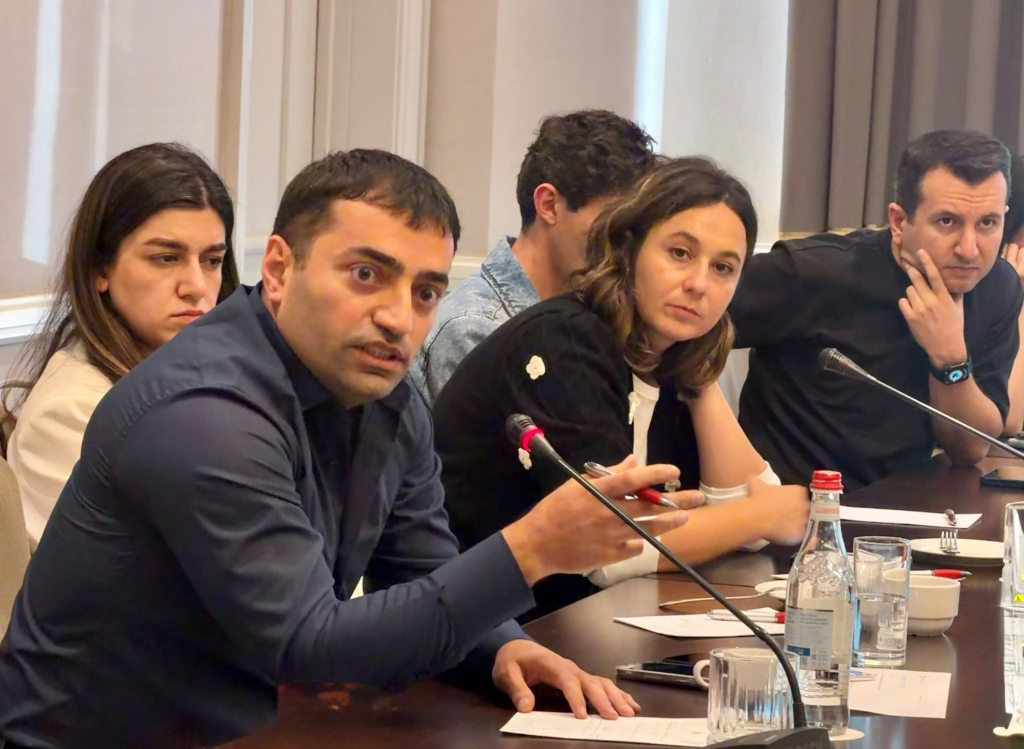
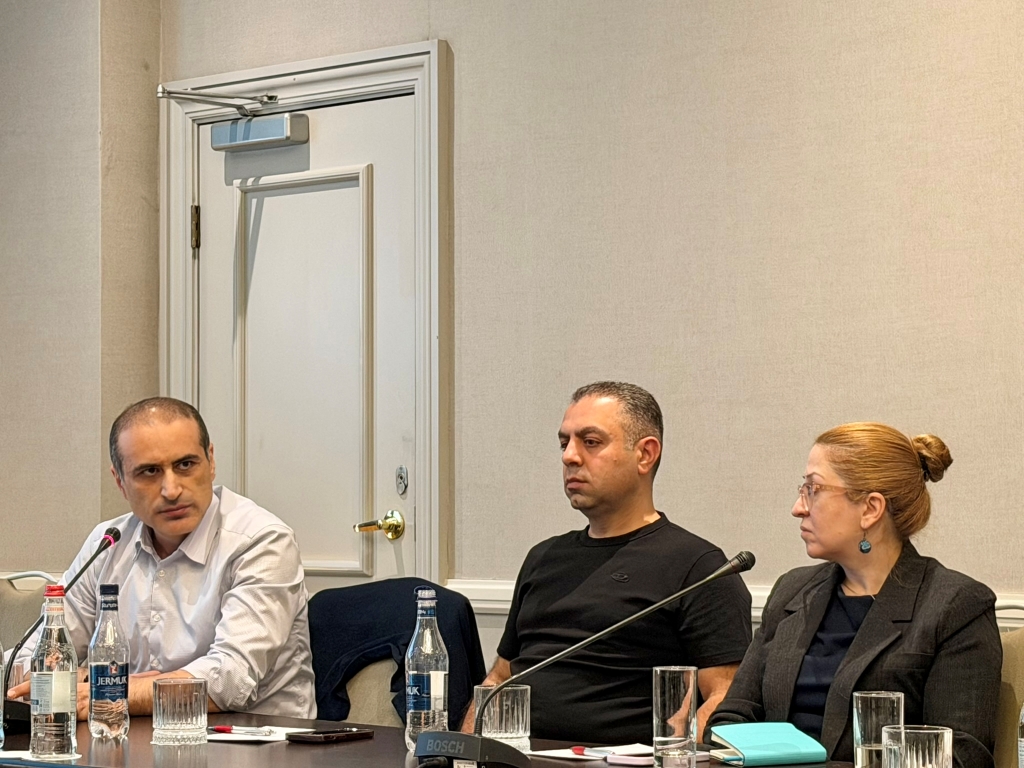
Within the framework of the Innovative Livestock Management: Animal Migration, Breeding & Market (INLIMA) Project, field working meetings were held in the following communities: Vayk, Yeghegnadzor, Areni, and Yeghegis in Vayots Dzor; Gavar and Martuni in Gegharkunik; and Amasia and Ashotsk in Shirak. The meetings brought together all key stakeholders of the livestock value chain, including:

  • milk and meat processors,
  • representatives of slaughterhouses,
  • veterinarians, and
  • livestock farmers.

The discussions focused on animal migration management and improvement, increasing the efficiency of production processes, strengthening the quality of services, and fostering practical cooperation among the different segments of the value chain. These exchanges served as a foundation for the design of targeted project interventions aimed at enhancing the productivity and competitiveness of local producers, while ensuring closer alignment with market requirements.

Through such meetings, INLIMA develops targeted and effective solutions to address systemic challenges in the livestock sector and promote sustainable development. Subsequently, similar working meetings will also be held in the Ararat, Armavir, and Syunik regions.

“Innovative Livestock Management: Animal Migration, Breeding & Markets” (INLIMA) project is implemented by Strategic Development Agency NGO and funded by the Austrian Development Agency (ADA), the operational unit of Austrian Development Cooperation.

From the Region to the Global Stage: RECONOMY’s partner tour operators at FITUR 2026

At FITUR 2026 in Madrid, one of the world’s leading tourism fairs, the Eastern Partnership region was presented through fresh perspectives and collaborative tourism offers developed within the RECONOMY Regional Tourism Development Initiative. Supported by RECONOMY’s Digitizing Sectors for Competitiveness project, partner tour operators Nueva Vista, Phoenix Tour Armenia, and Armenia Holidays took part in the event, engaging directly with international tourism professionals and global market players.

Across packed halls and high-level B2B meetings, the partner tour operators presented new ways of experiencing the region – cross-border journeys, shared stories, and tour packages that go beyond single destinations. FITUR offered the space to test ideas, spark partnerships, and position the region as a connected, diverse, and market-ready tourism destination.

Beyond visibility, the experience delivered momentum. Direct dialogue with international buyers, exposure to emerging travel trends, and peer exchange with global industry leaders strengthened partners’ confidence and sharpened their market approach. Most importantly, it reinforced a core RECONOMY message: regional cooperation creates stronger products and bigger opportunities.

RECONOMY is an inclusive and green economic development program of the Swedish International Development Cooperation Agency (Sida), implemented by Helvetas in partnership with the Strategic Development Agency NGO and others in the Eastern Partnership and Western Balkan countries.

Uncategorized

INLIMA Working Meetings in Aragatsotn Region: Strengthening Cooperation for a Sustainable Value Chain

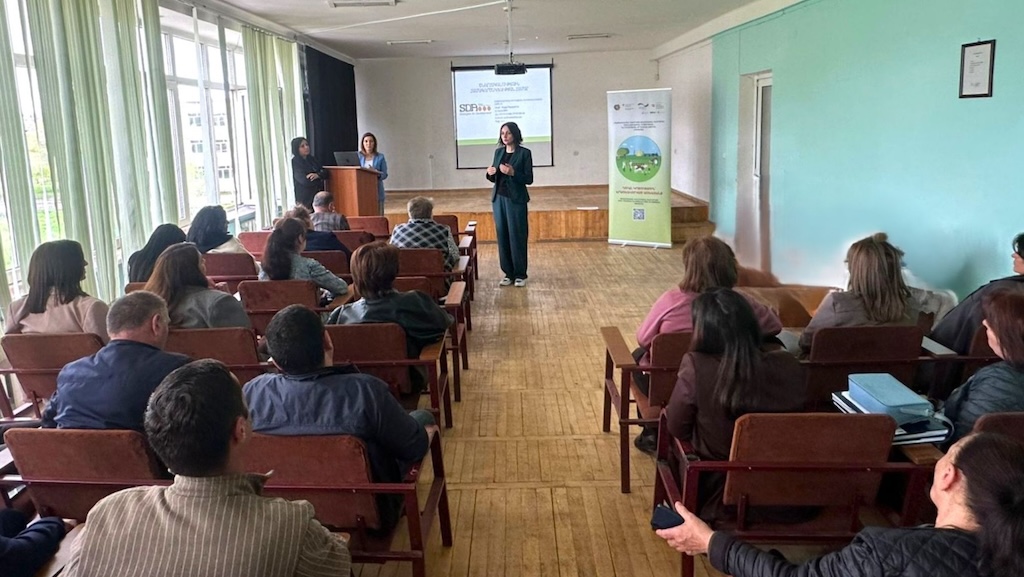
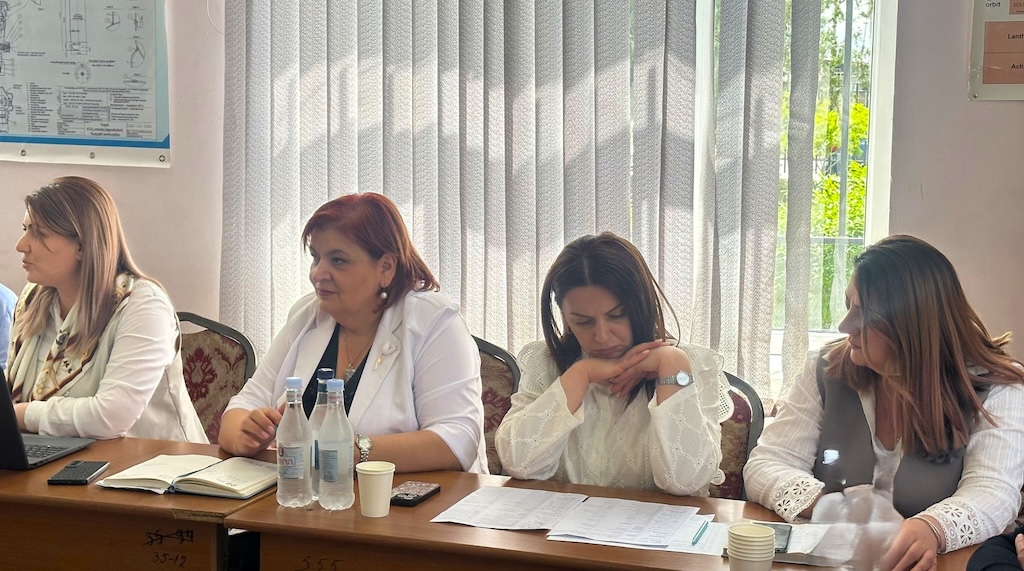
As part of the INLIMA Project, the project team held a series of working meetings in the Aragatsotn region, bringing together representatives of veterinary services, dairy processing enterprises, and slaughterhouses from the communities of Ashtarak, Talin, and Aparan.

The meetings serve as a starting point for the project’s forthcoming interventions. These will include a practical assessment of herd movement organization and management, the identification of gaps and development needs across veterinary services, dairy processing, and slaughtering operations, and the joint development of coordination mechanisms and targeted actions aimed at enhancing the efficiency and structured development of the livestock value chain.

“Innovative Livestock Management: Animal Migration, Breeding & Markets” (INLIMA) project is implemented by Strategic Development Agency NGO Development Agency (SDA) NGO and funded by the Austrian Development Agency (ADA), the operational unit of Austrian Development Cooperation.