
Uncategorized

RECONOMY at ITB Berlin 2026: Showcasing the Power of Regional Tourism

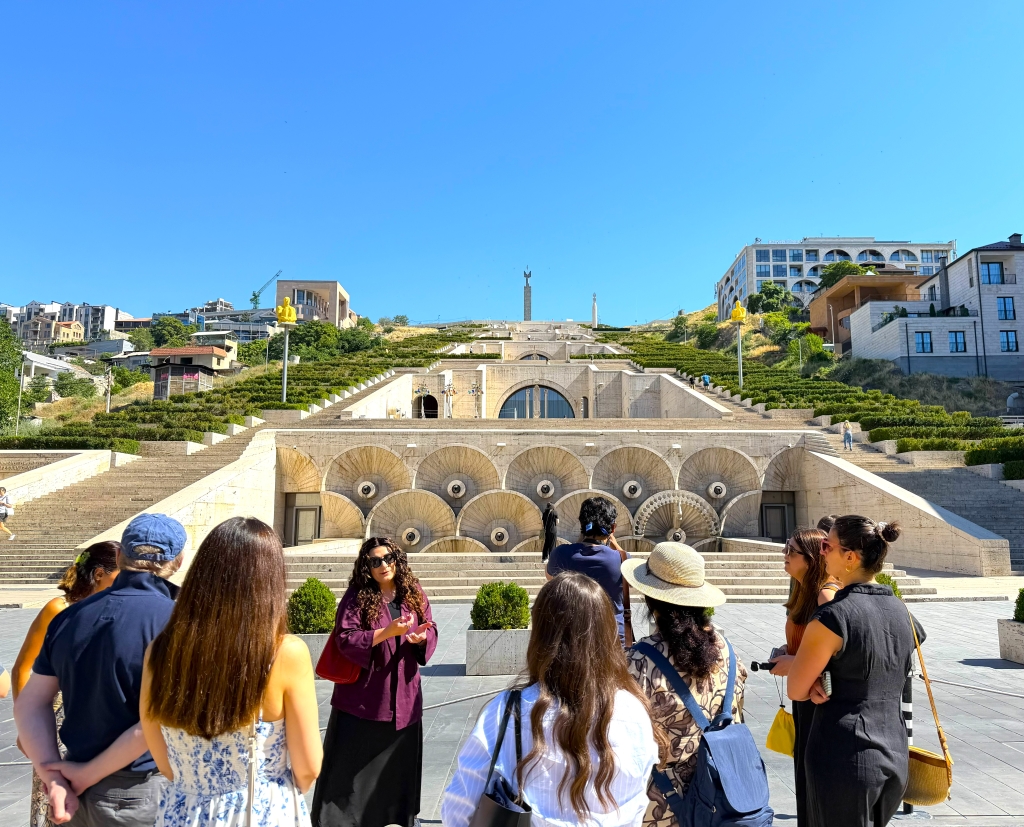
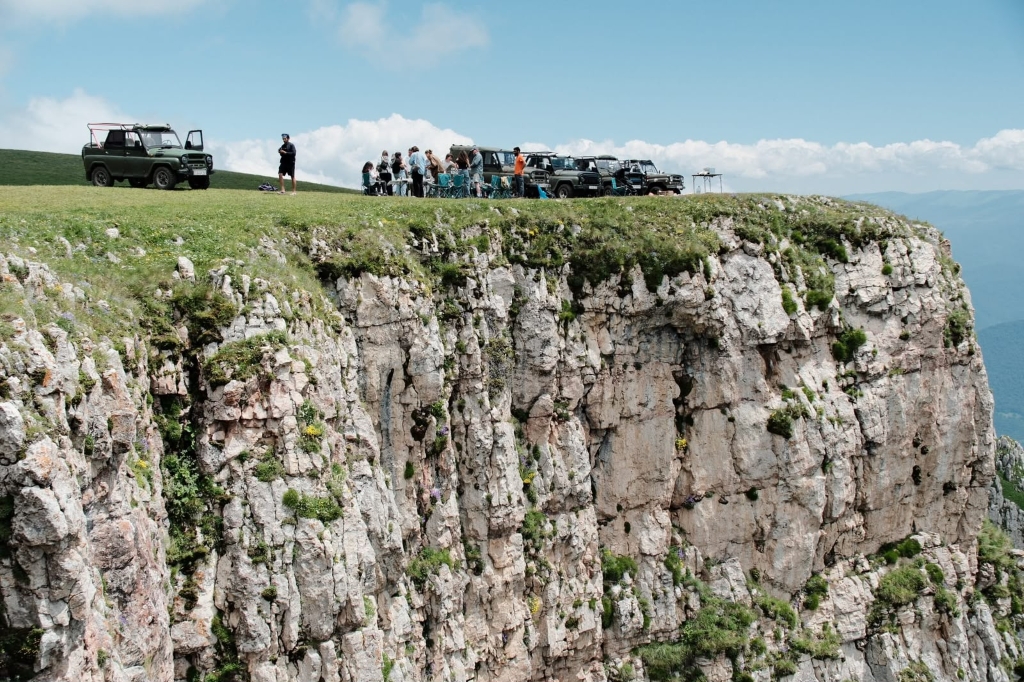
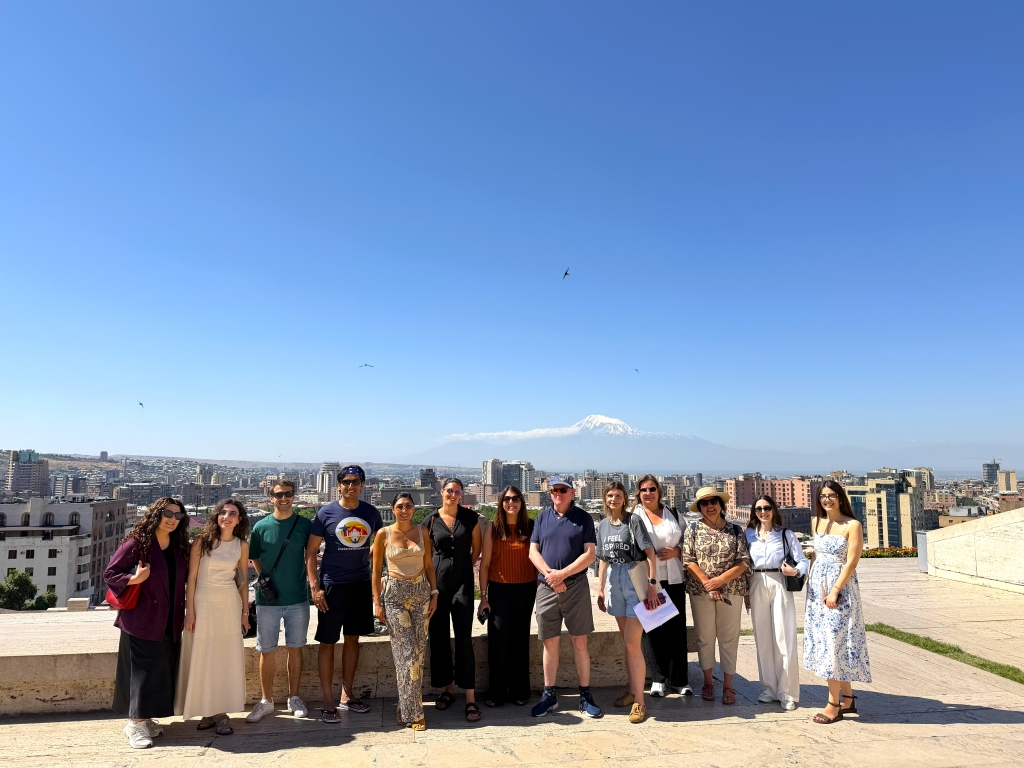
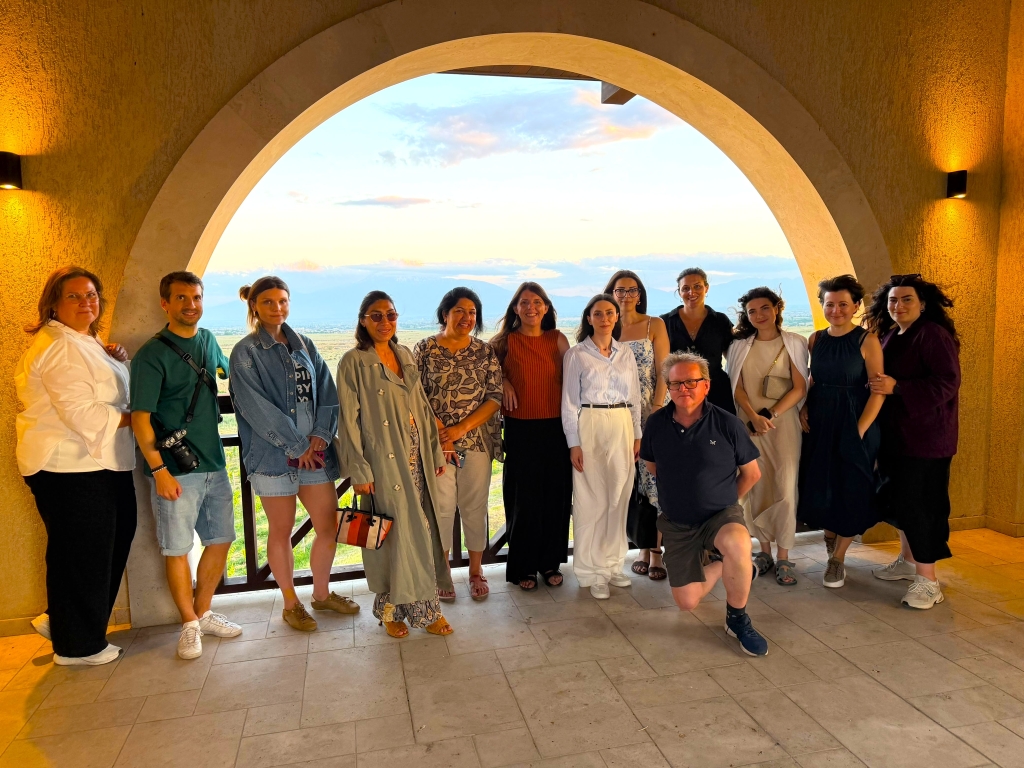
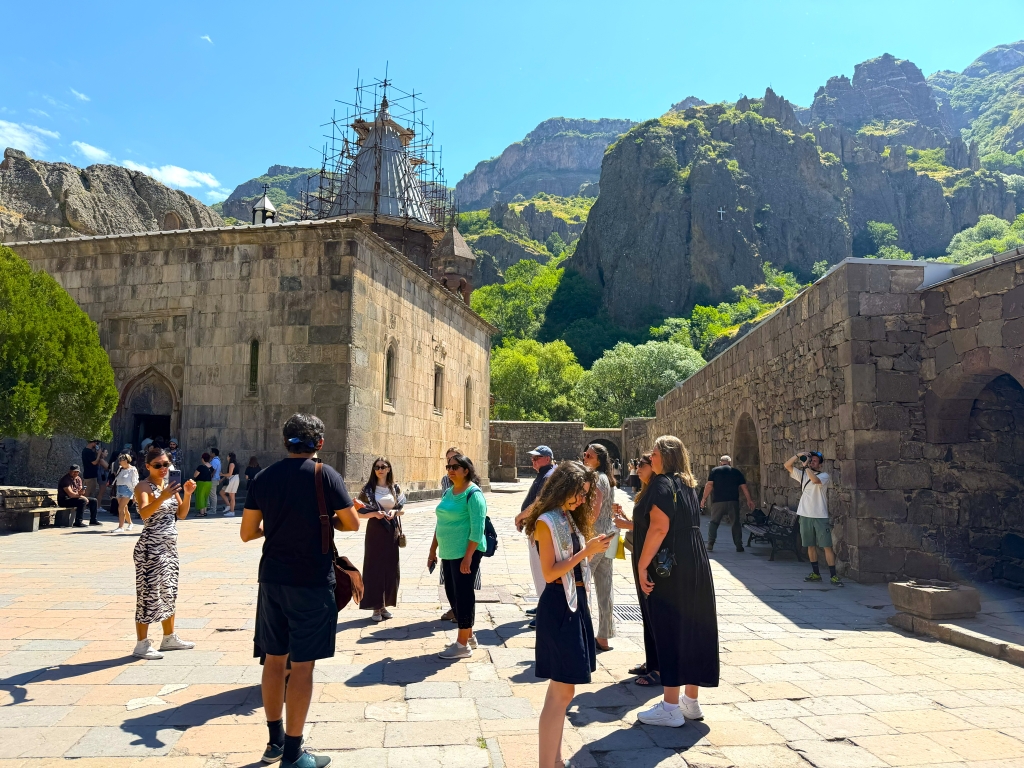
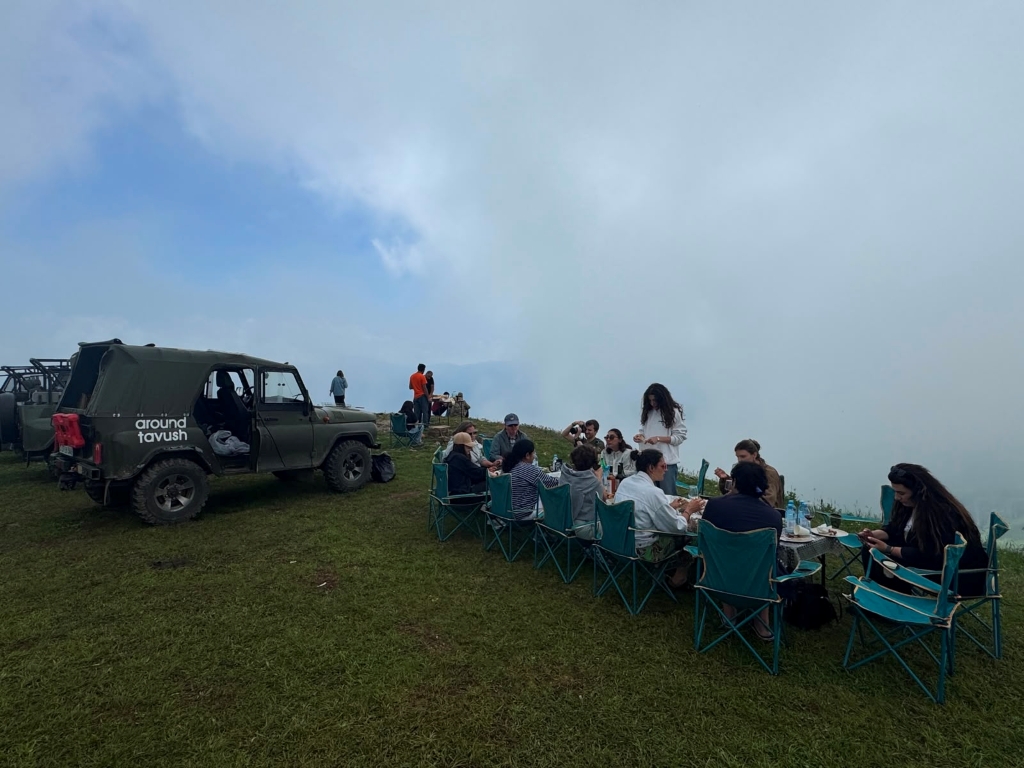
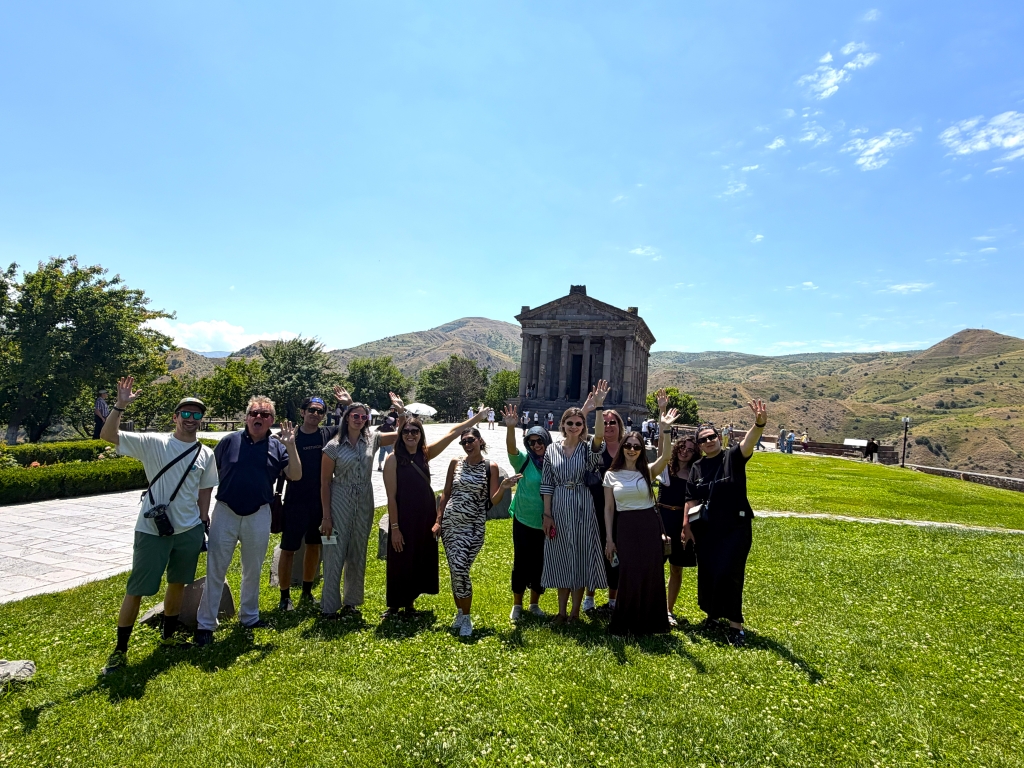
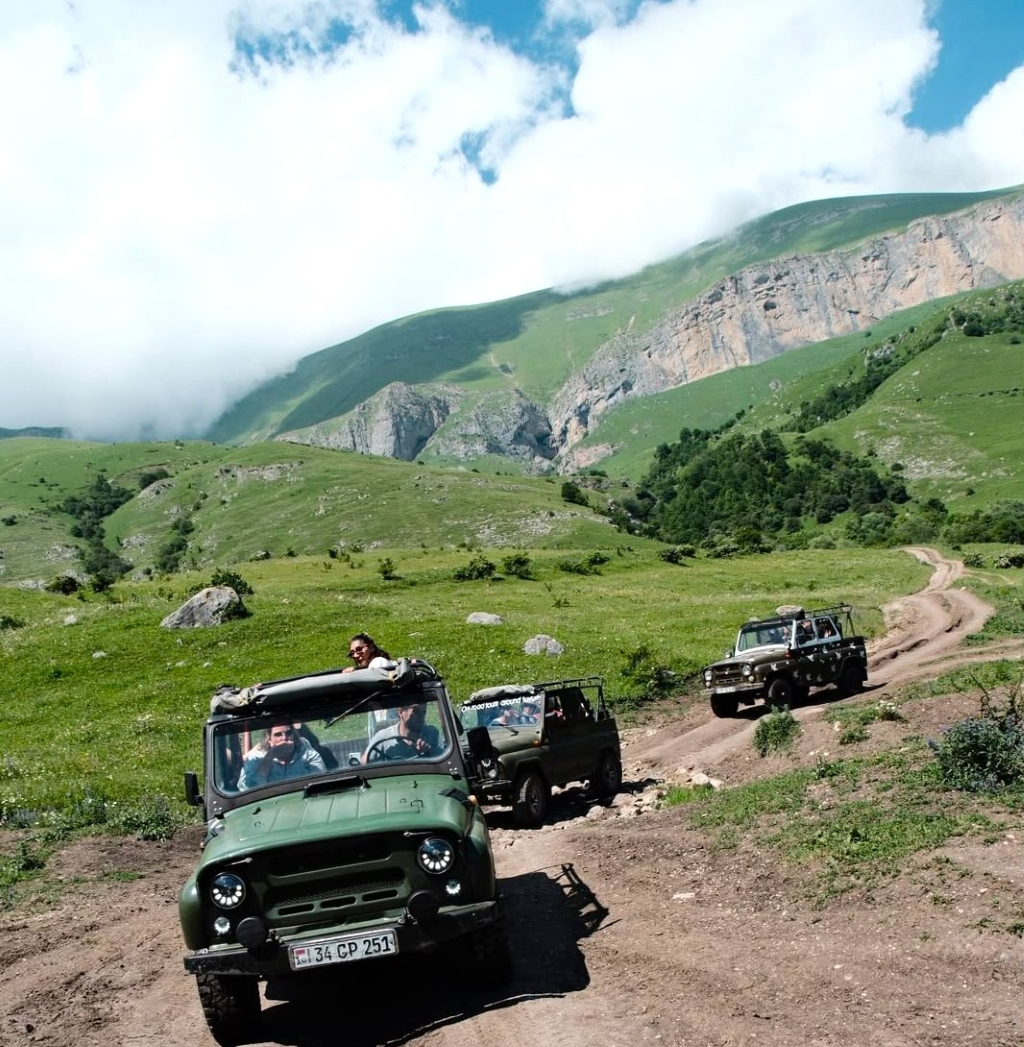
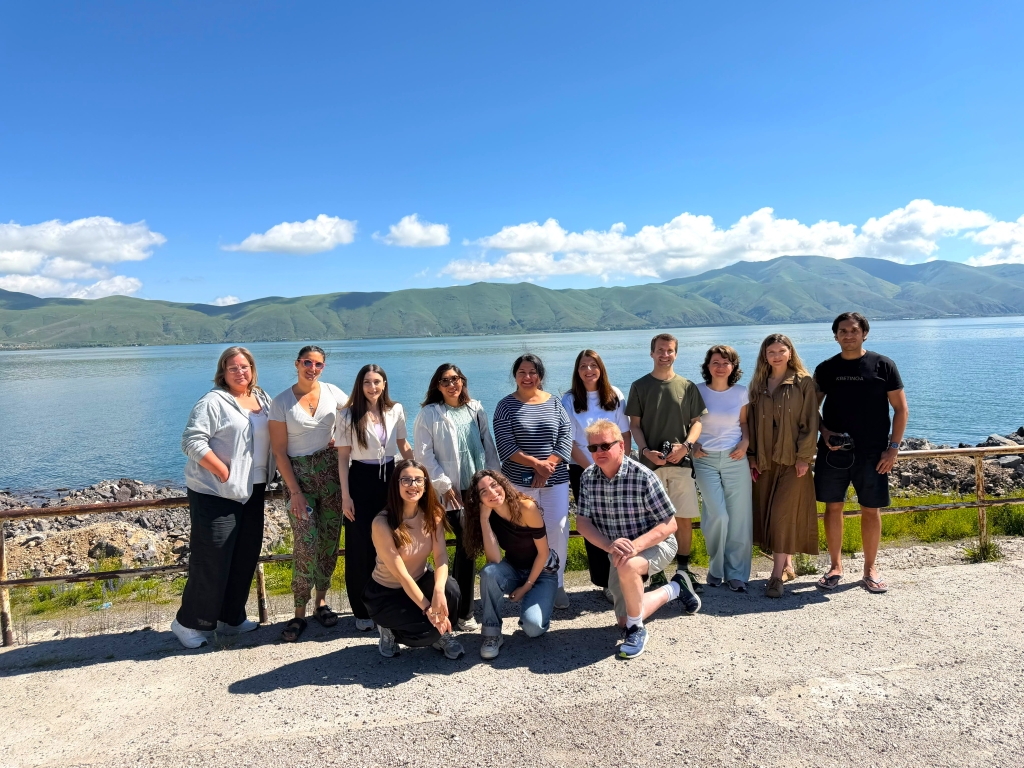
Partner tour operators from Armenia and Moldova, supported by RECONOMY’s “Digitalization of Sectors for Competitiveness” project, participated in ITB Berlin 2026, presenting unique cross-border travel experiences across Armenia, Georgia, and Moldova.

Their presence at one of the world’s leading tourism trade fairs highlighted the growing potential of regional tourism routes that connect destinations, cultures, and communities across borders.

These cross-border experiences offer travelers authentic opportunities to explore the region’s rich cultural heritage, culinary traditions, and diverse natural landscapes, while supporting local tourism businesses and communities.

By strengthening digital capacities, international visibility, and market access, the project is helping tourism operators better position their services in global tourism markets and attract new audiences from around the world.

Regional cooperation, innovation, and digital transformation are opening new pathways for sustainable tourism growth across the region.

RECONOMY is an inclusive and green economic development program of the Swedish International Development Cooperation Agency (Sida), implemented by Helvetas in partnership with the Strategic Development Agency NGO and others in the Eastern Partnership and Western Balkan countries.
SEIRA Strengthening Awareness and Access to State Support Programmes in Armenia’s Agricultural Sector

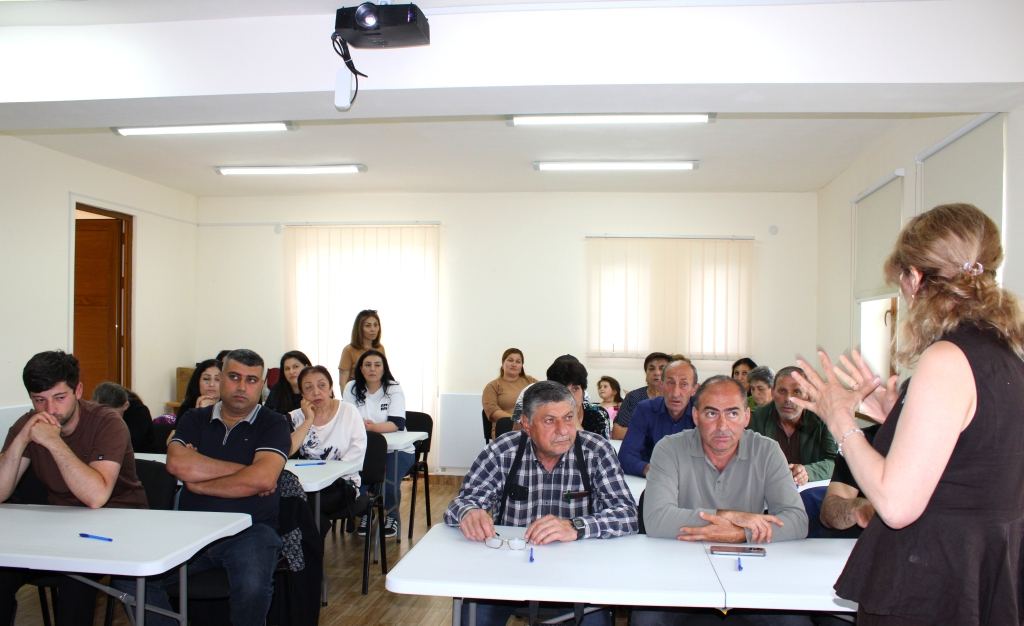
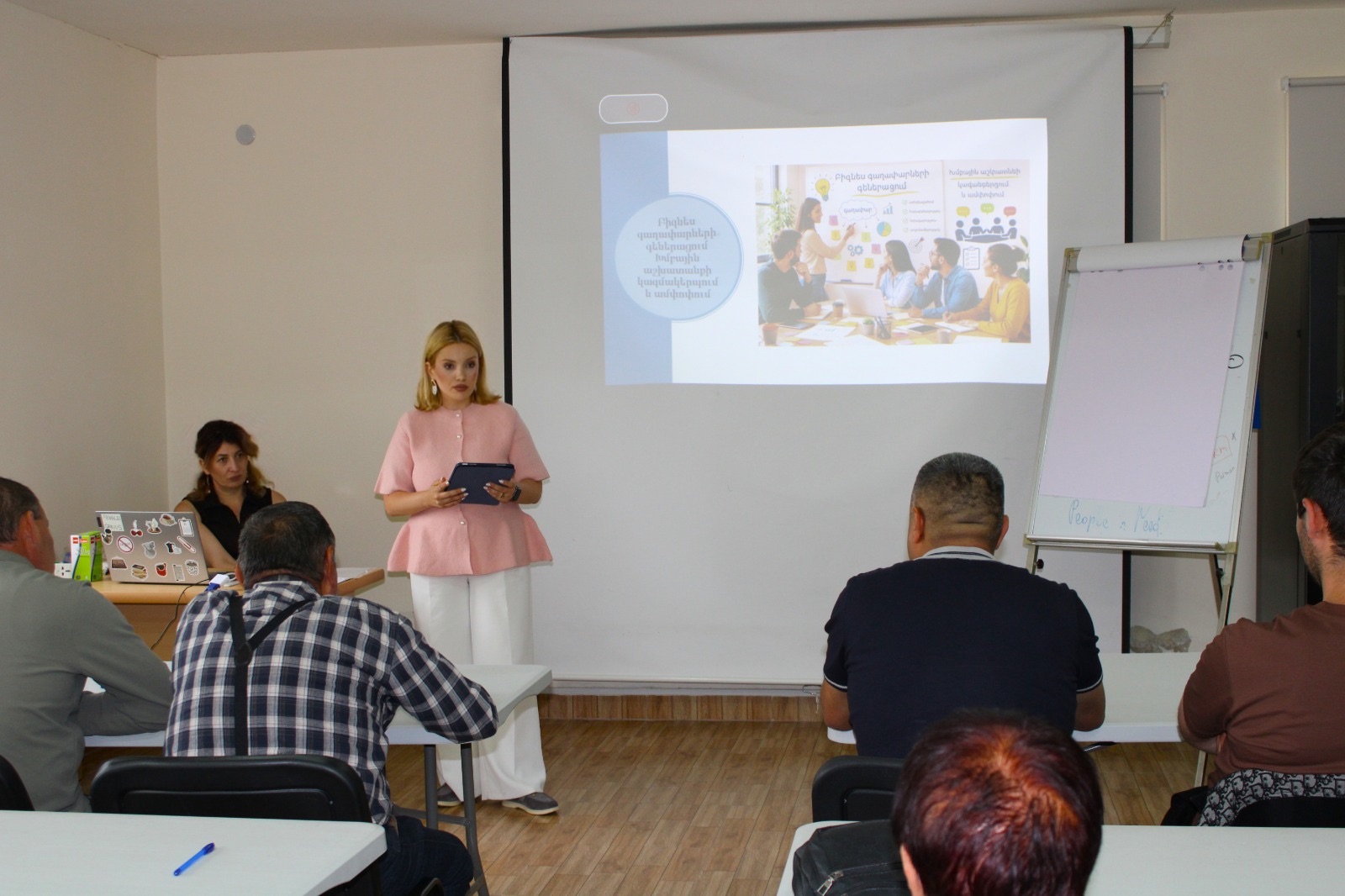
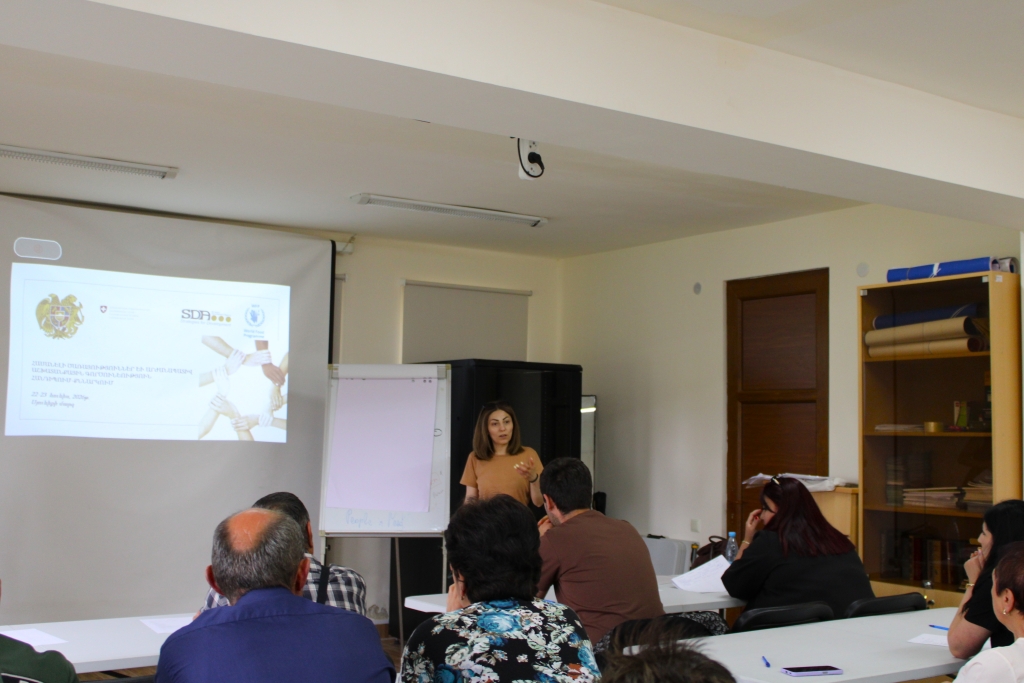
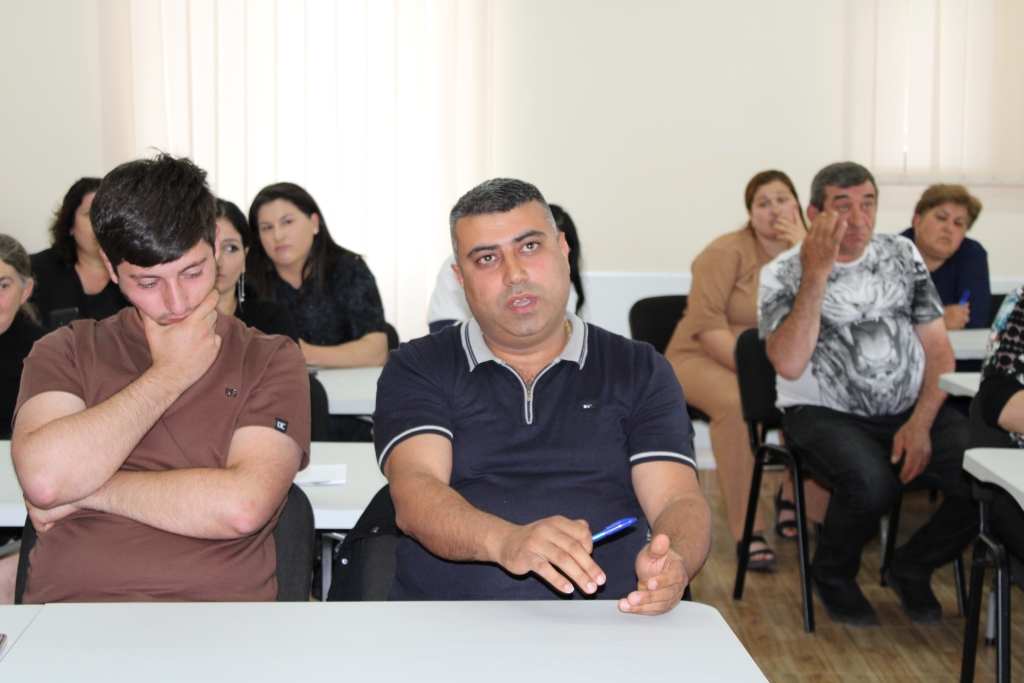
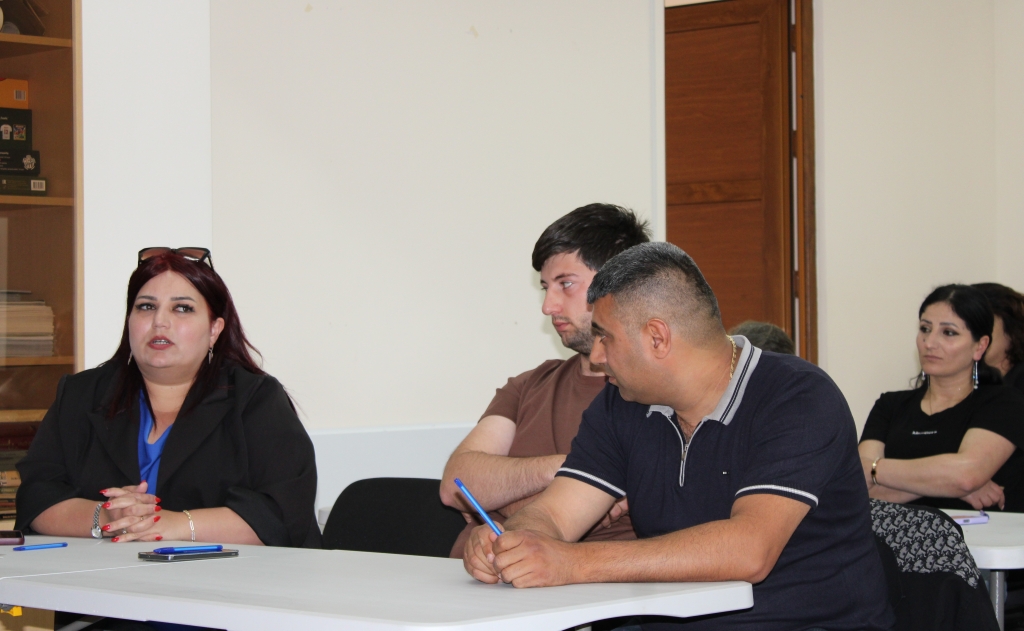
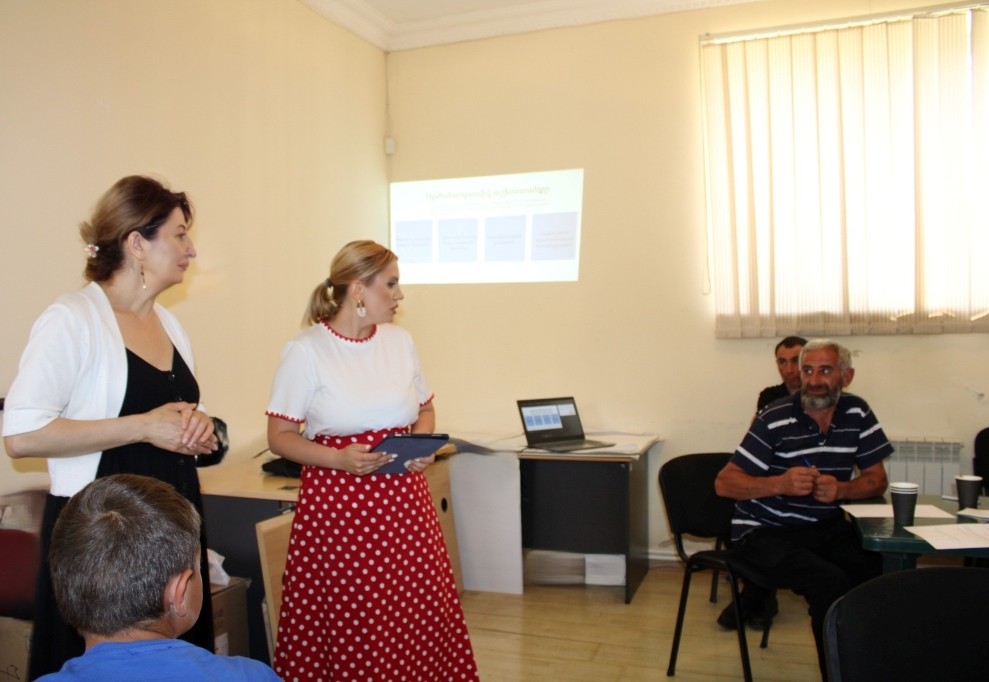
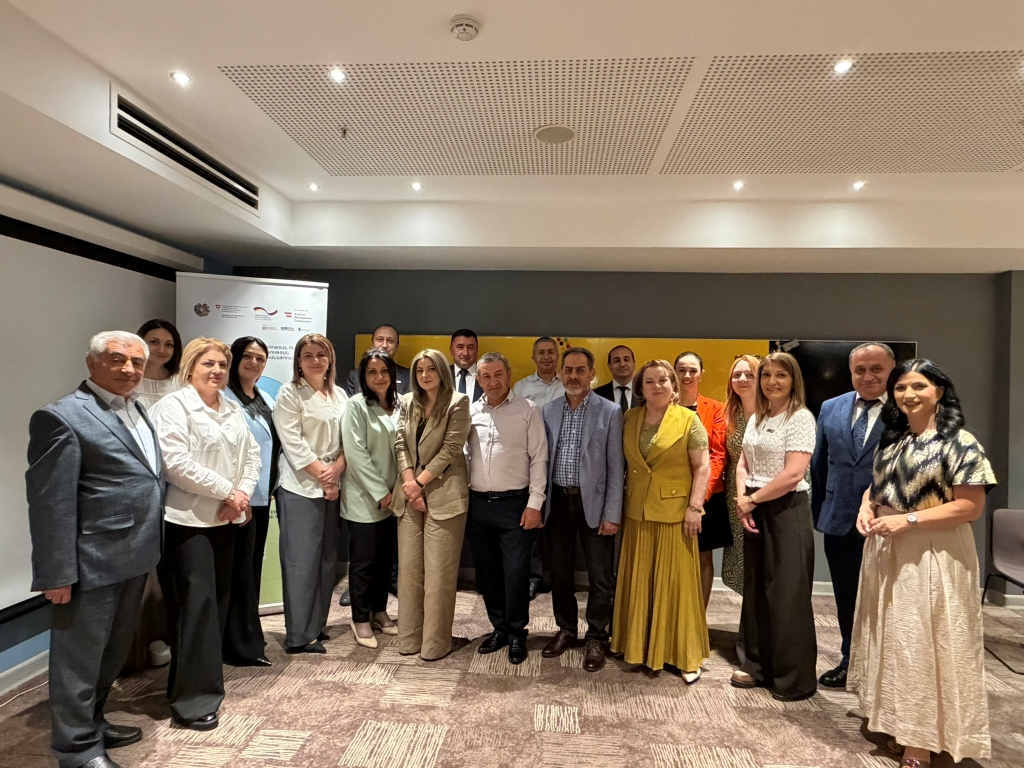
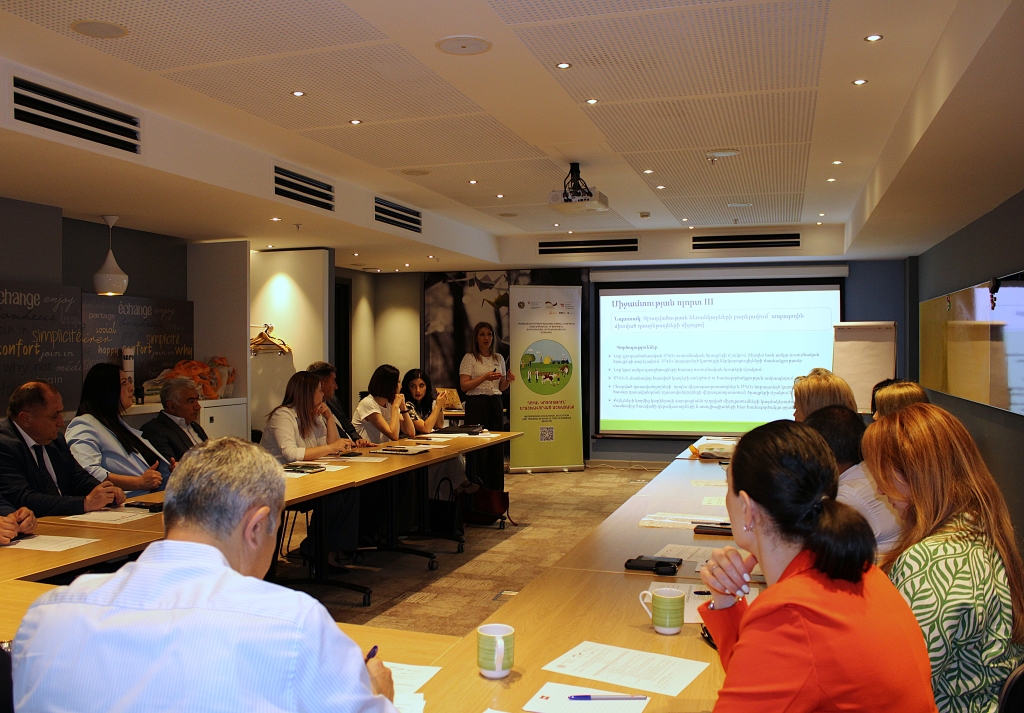
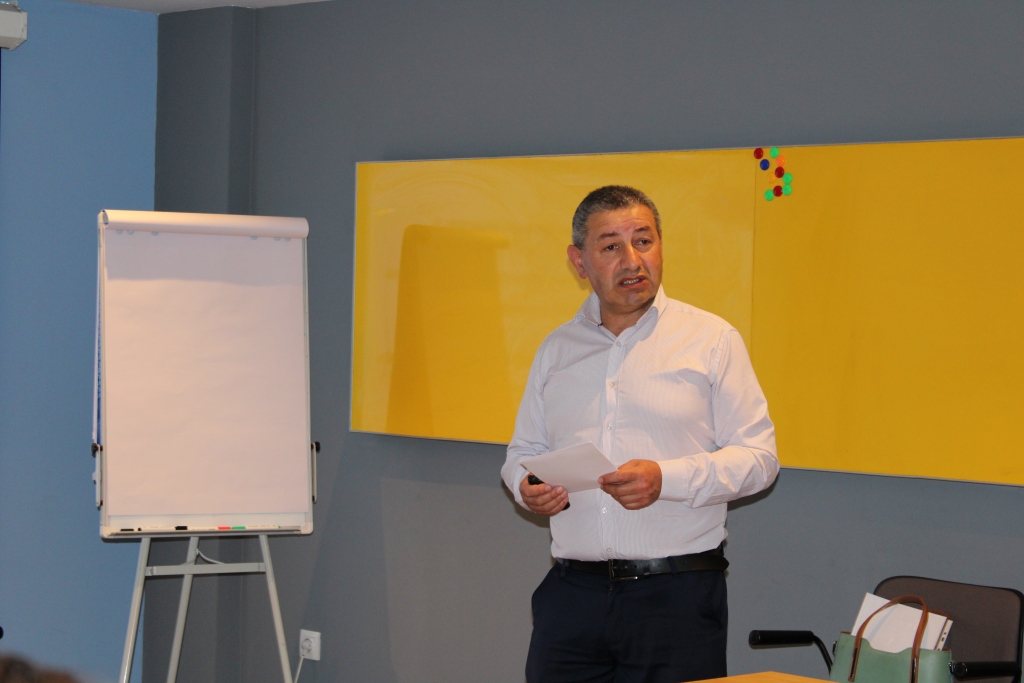
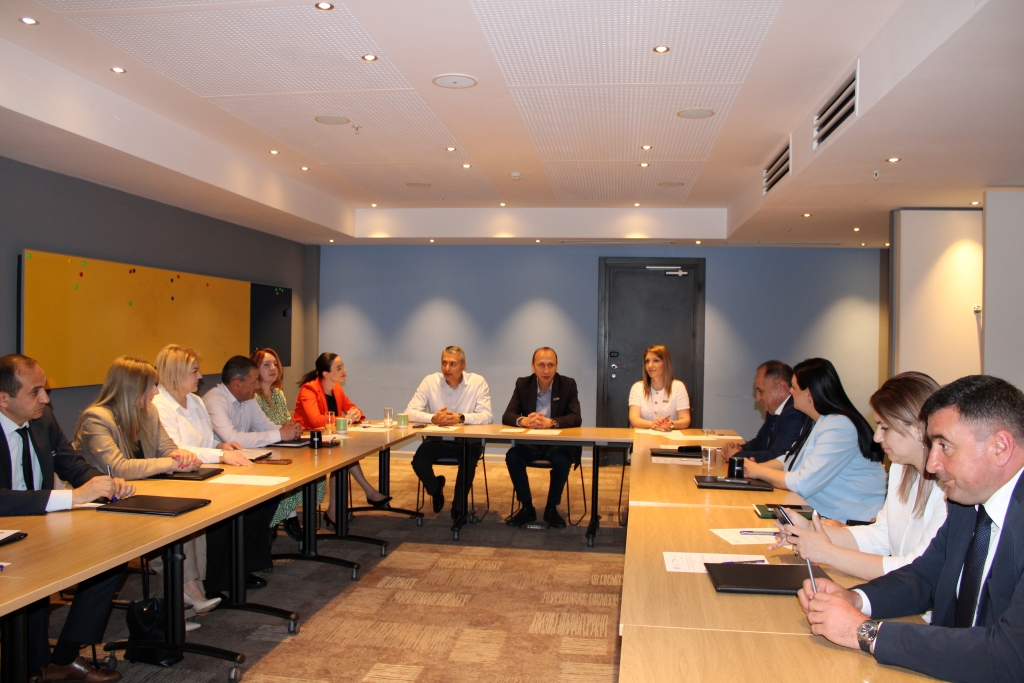
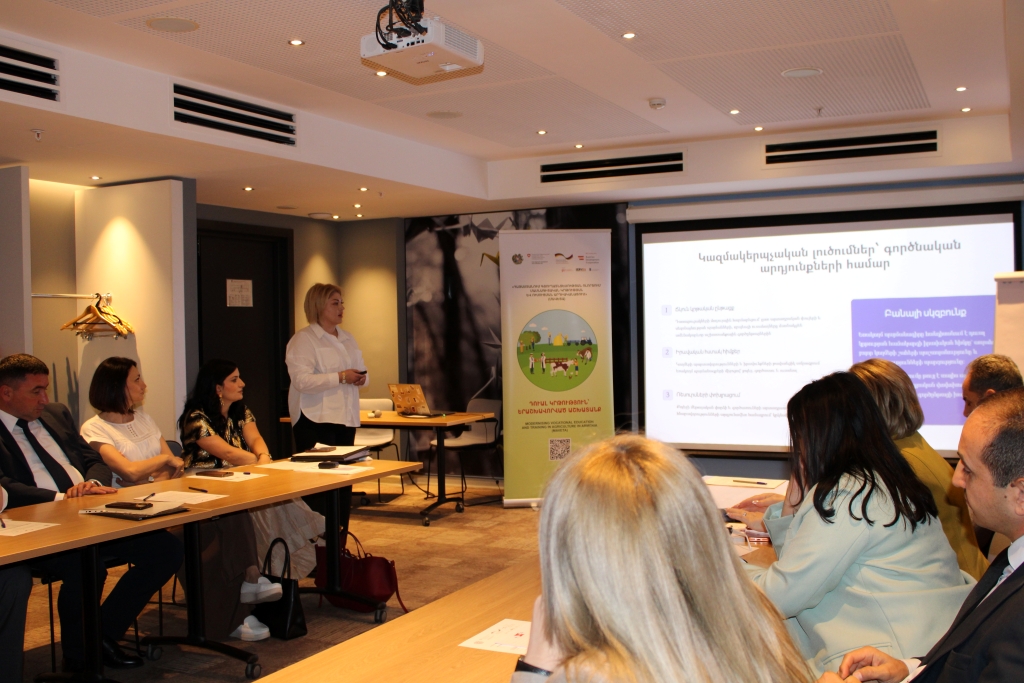
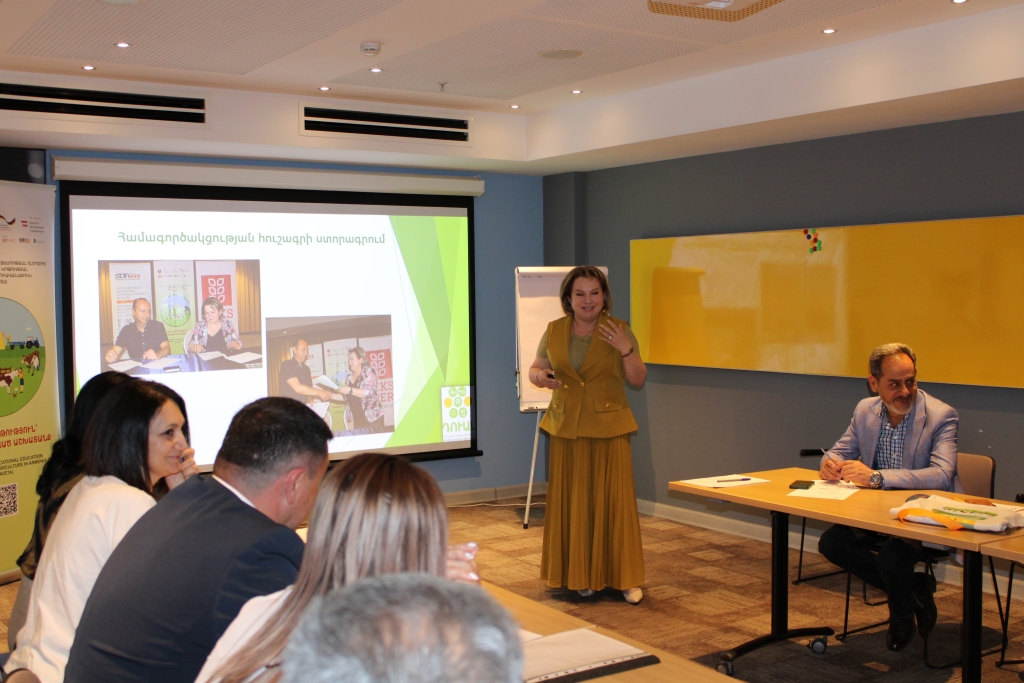
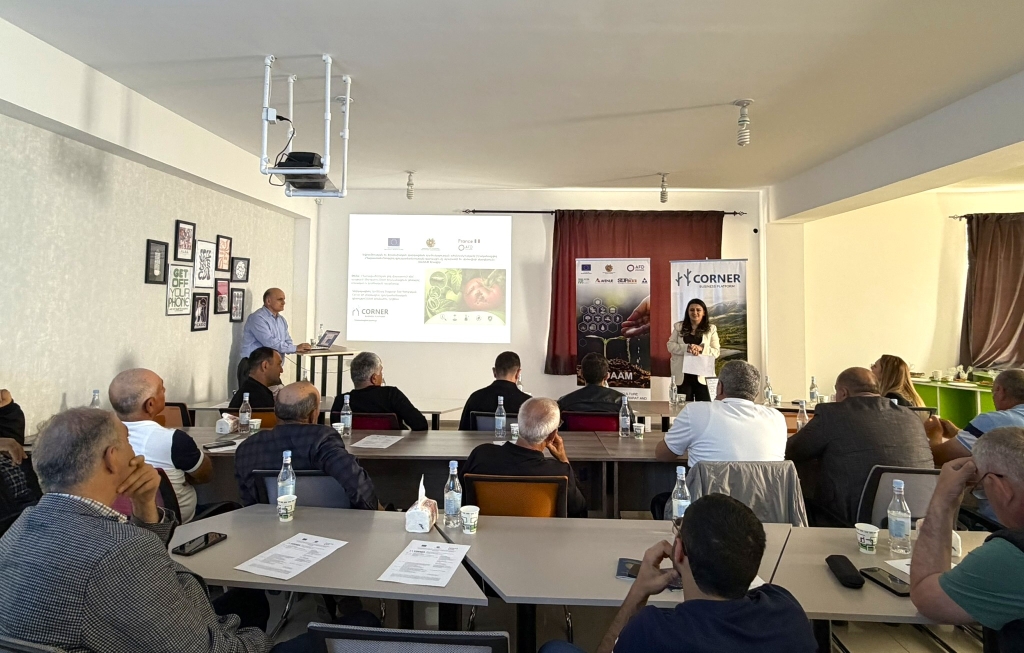
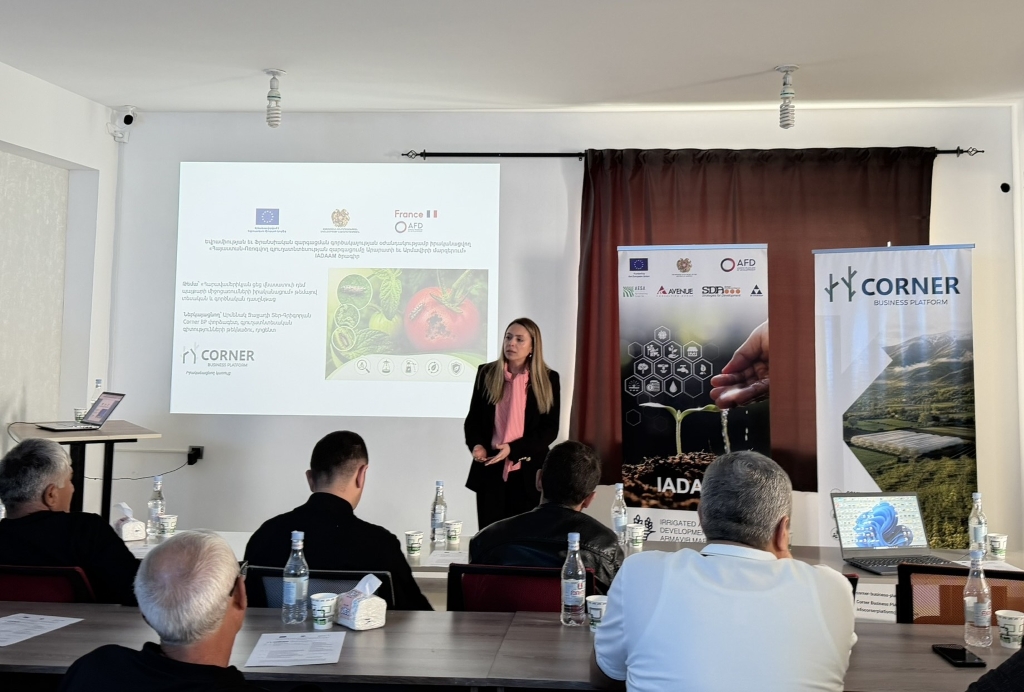
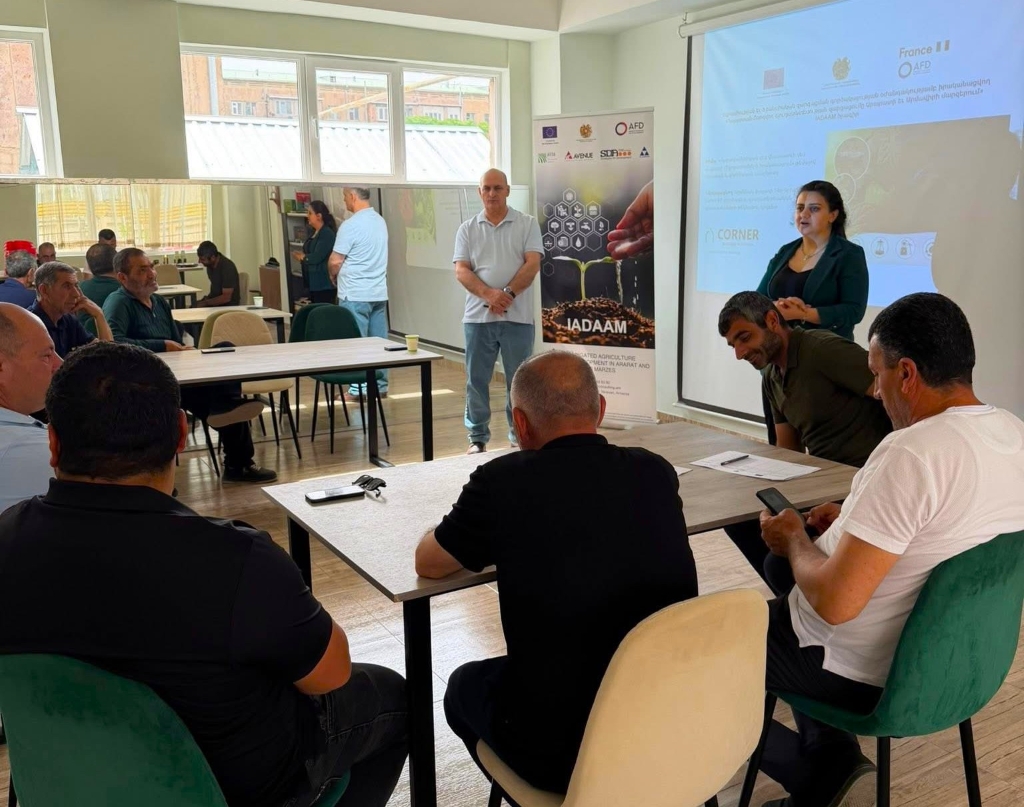
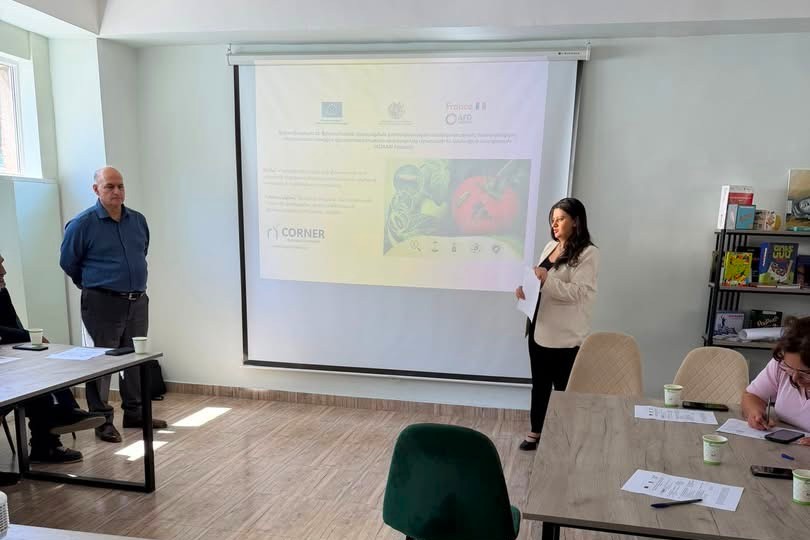
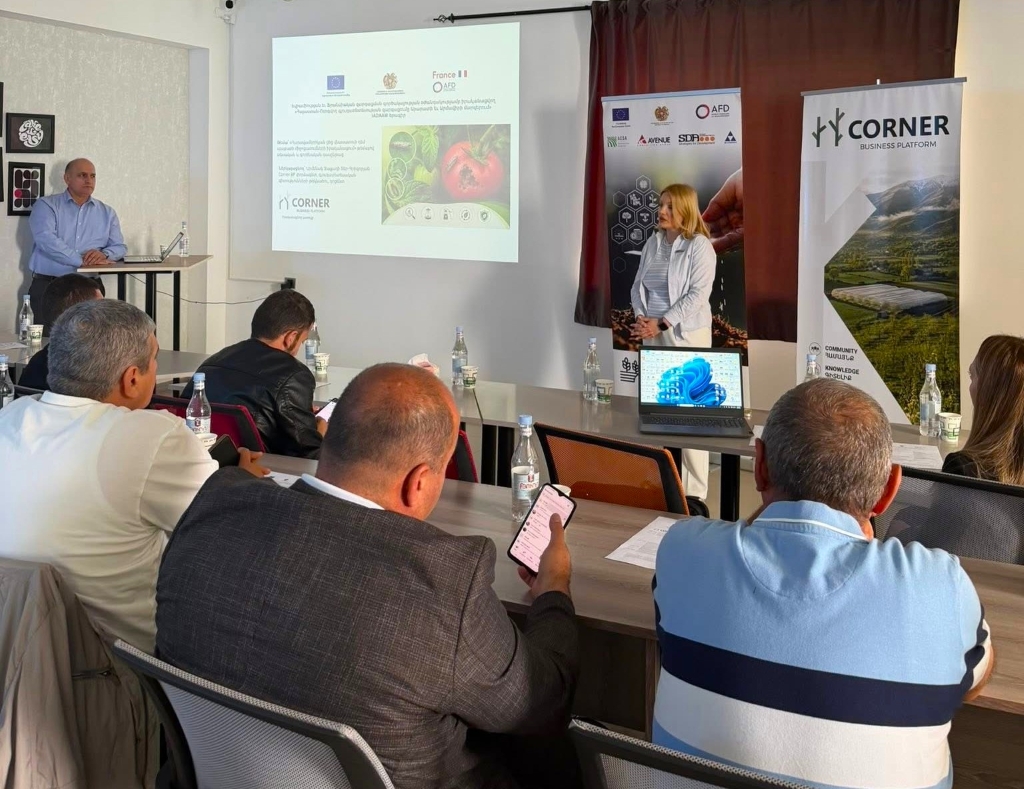
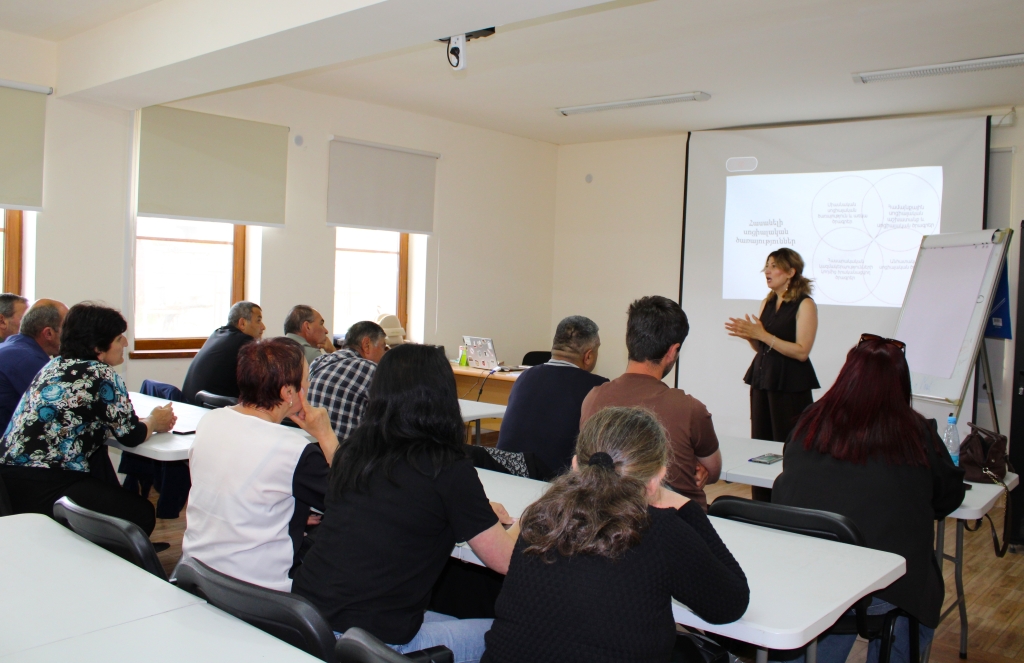
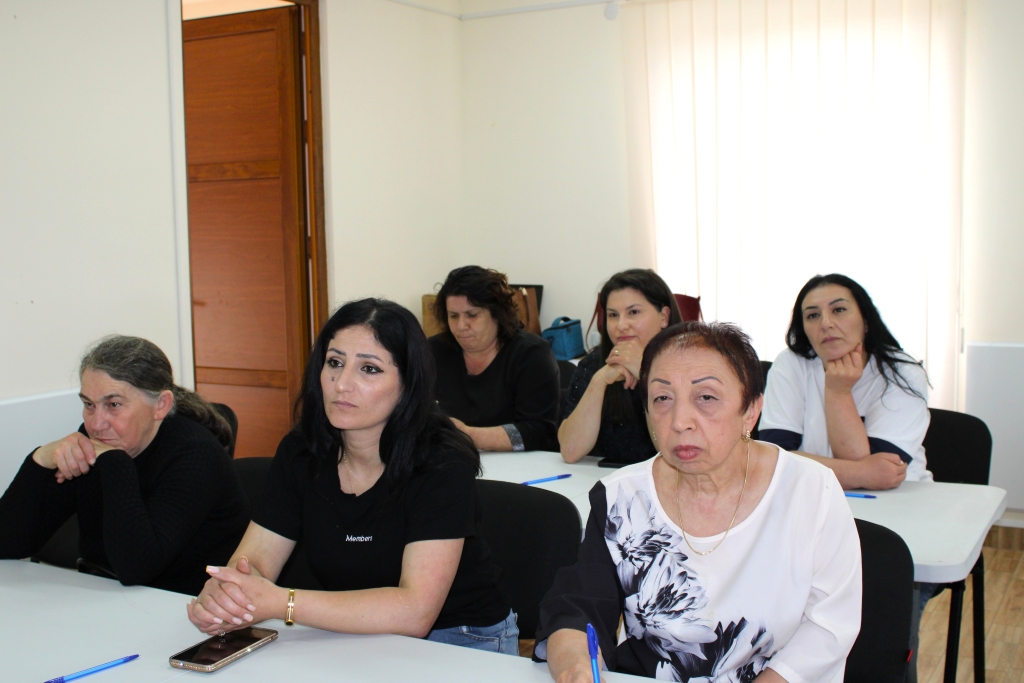
From 19 to 21 February 2026, a three-day event entitled “Awareness on State Support Programmes in the Agricultural Sector” was held within the framework of the “Socio-Economic Integration of Refugees in Armenia” (SEIRA) Project.

In her opening remarks, the Deputy Minister of Economy of the Republic of Armenia, Ms. Tatevik Sargsyan, underscored the importance of ensuring the effective implementation of state support instruments in the agricultural sector, enhancing productivity, and promoting the adoption of modern technologies. She highlighted that strengthening the competitiveness of agriculture, improving resource efficiency, and fostering sustainable sector development – including the economic integration of vulnerable groups – remain key priorities of the Government’s policy agenda.

The primary objective of the three-day event was to enhance the awareness and capacity of beneficiaries, sector stakeholders, and representatives of community agriculture departments regarding existing state support programmes, contemporary approaches in livestock farming and beekeeping, and practical mechanisms for addressing sector-specific challenges. The event further aimed to promote the effective implementation of public support measures at the local level and to strengthen coordinated engagement with beneficiaries.
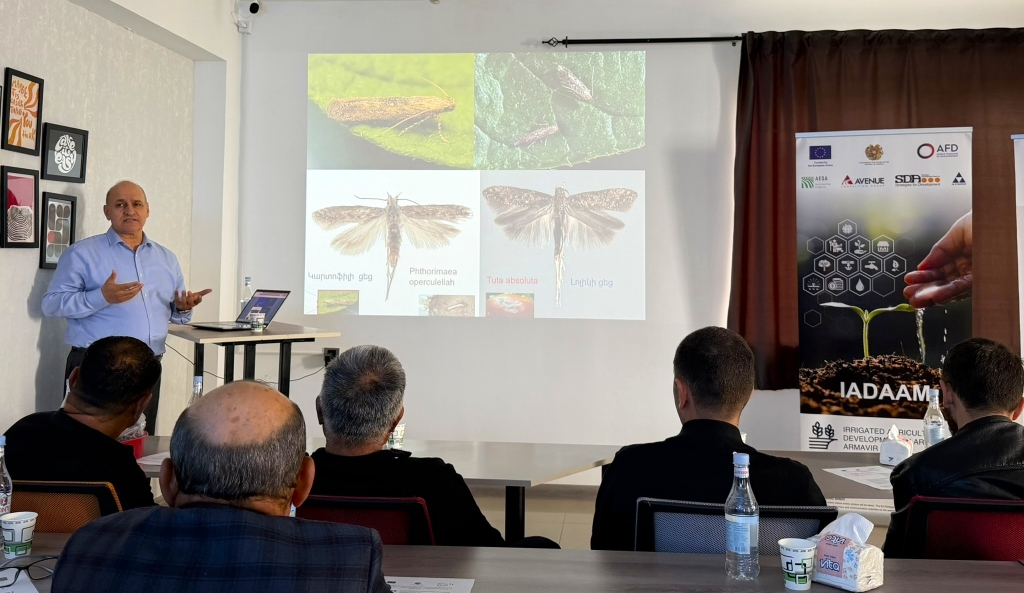
The first day featured sessions on modern livestock management technologies, with particular emphasis on practical pathways for transitioning from extensive to more intensive production systems. Discussions also addressed the impact of climate change on the agricultural sector and outlined mitigation and adaptation measures.

On the second day, participants examined the use of antibiotics in livestock production and the measures required to combat antimicrobial resistance. The discussions emphasized responsible use practices and preventive approaches essential for safeguarding both animal and public health.

Special attention was also given to beekeeping. Participants received detailed insights into varroatosis in bees, including its characteristics and effective prevention and control measures, particularly in relation to the pre- and post-winter management of bee colonies.
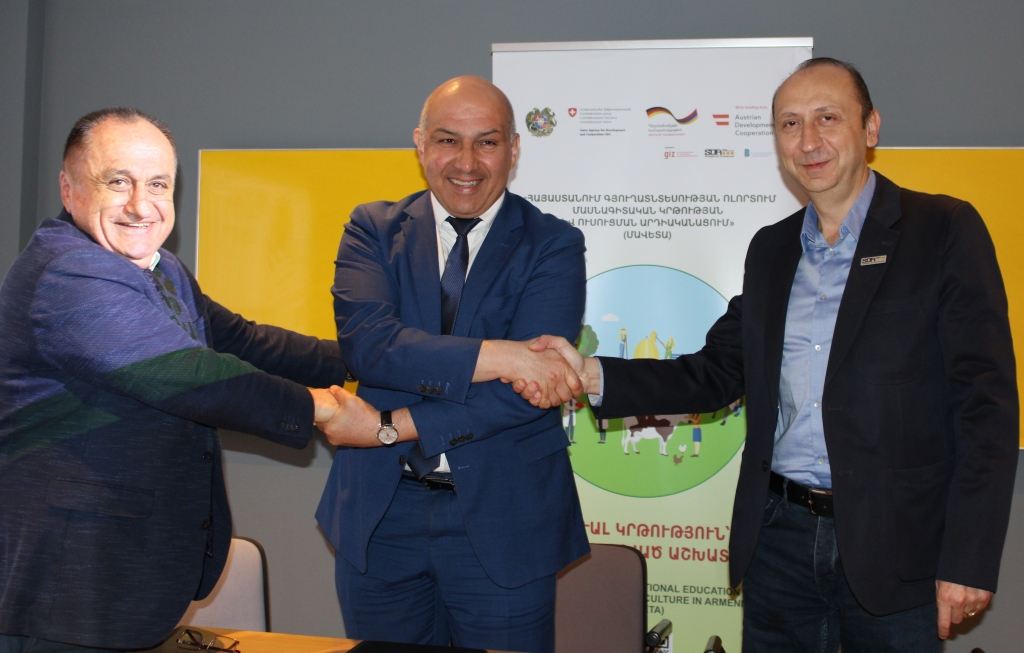
During the closing session, participants shared key observations and reaffirmed the importance of continued awareness-raising initiatives to enhance the accessibility, effectiveness, and impact of state support programmes in the agricultural sector.

The “Socio-Economic Integration of Refugees in Armenia” (SEIRA) project is funded by the Swiss Agency for Development and Cooperation and implemented by the Strategic Development Agency NGO and the UN World Food Programme.

IADAAM Building Impact Where Policy Meets Practice

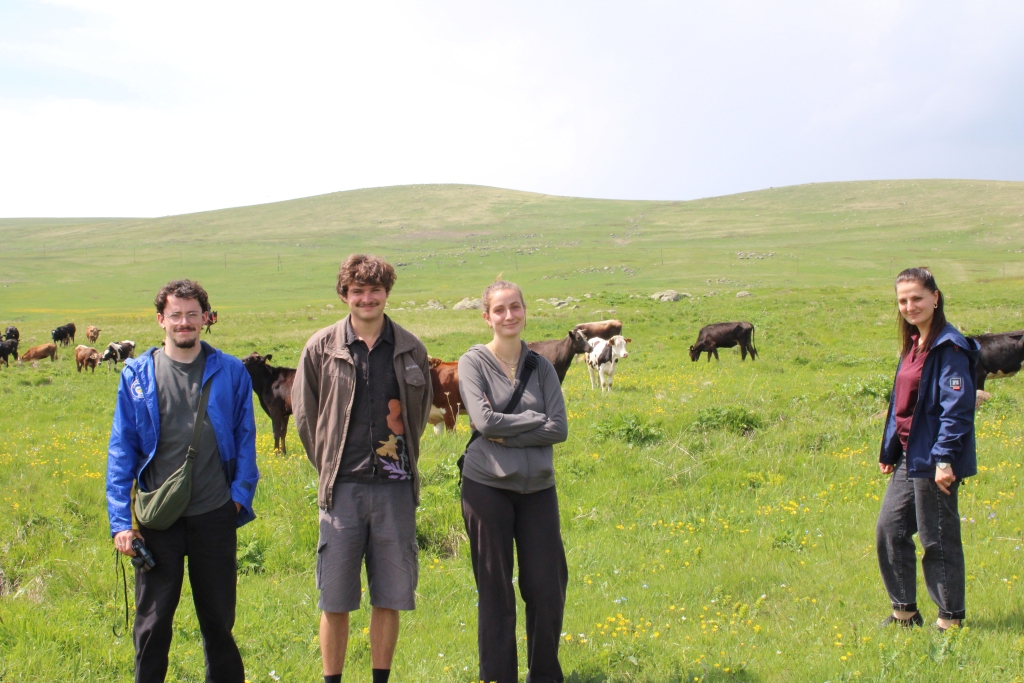
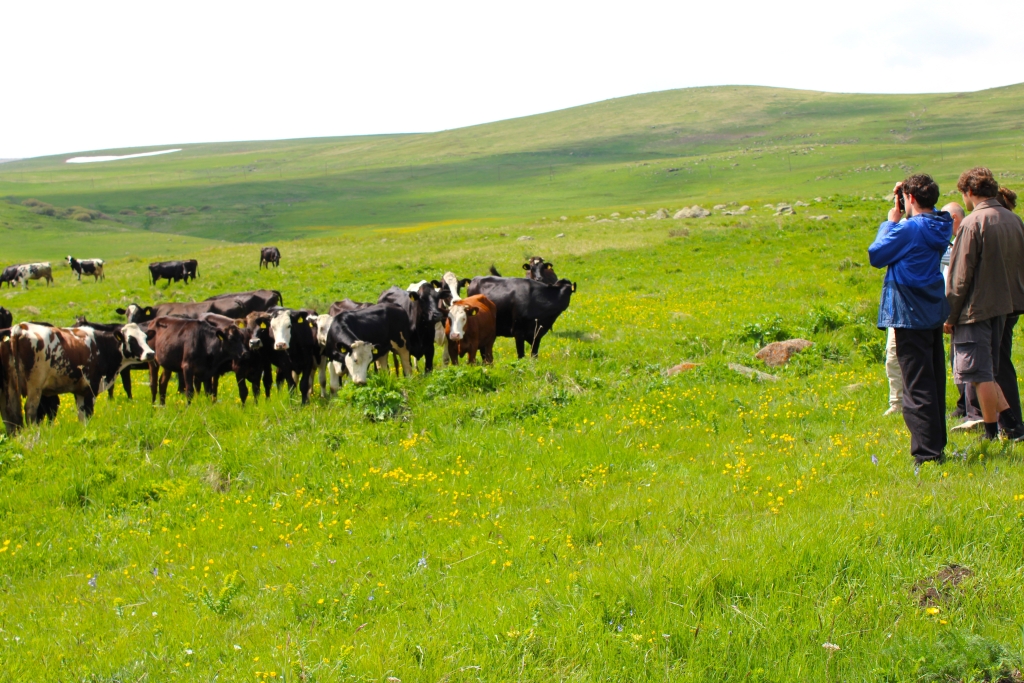
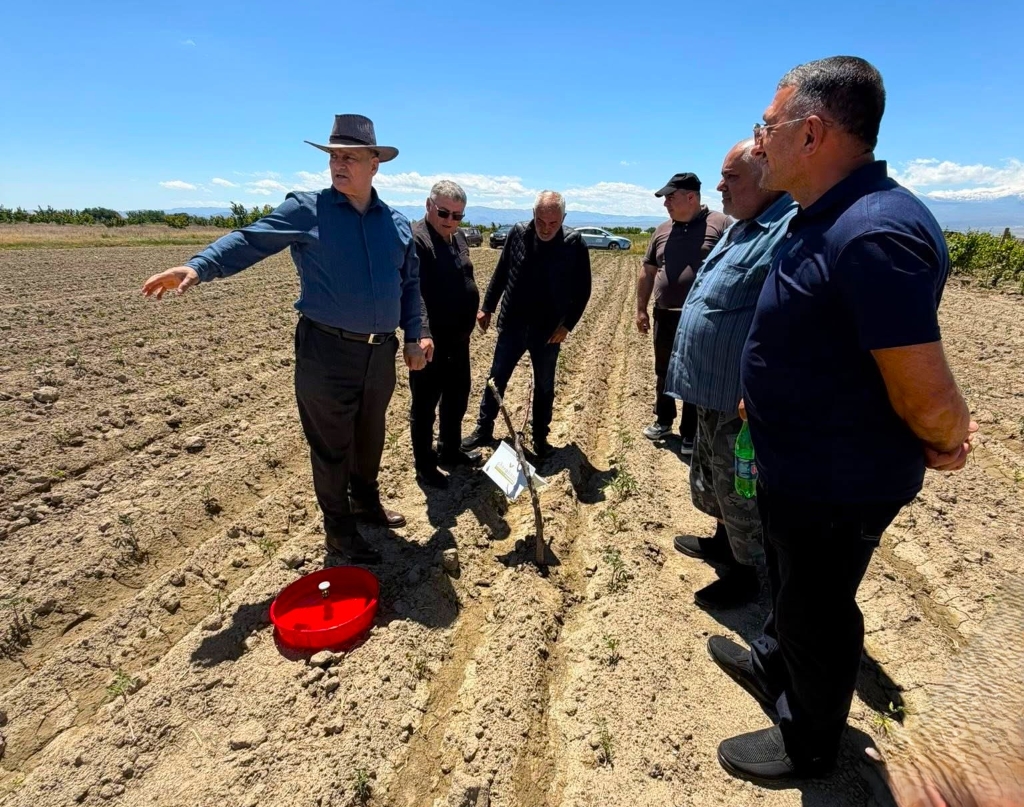
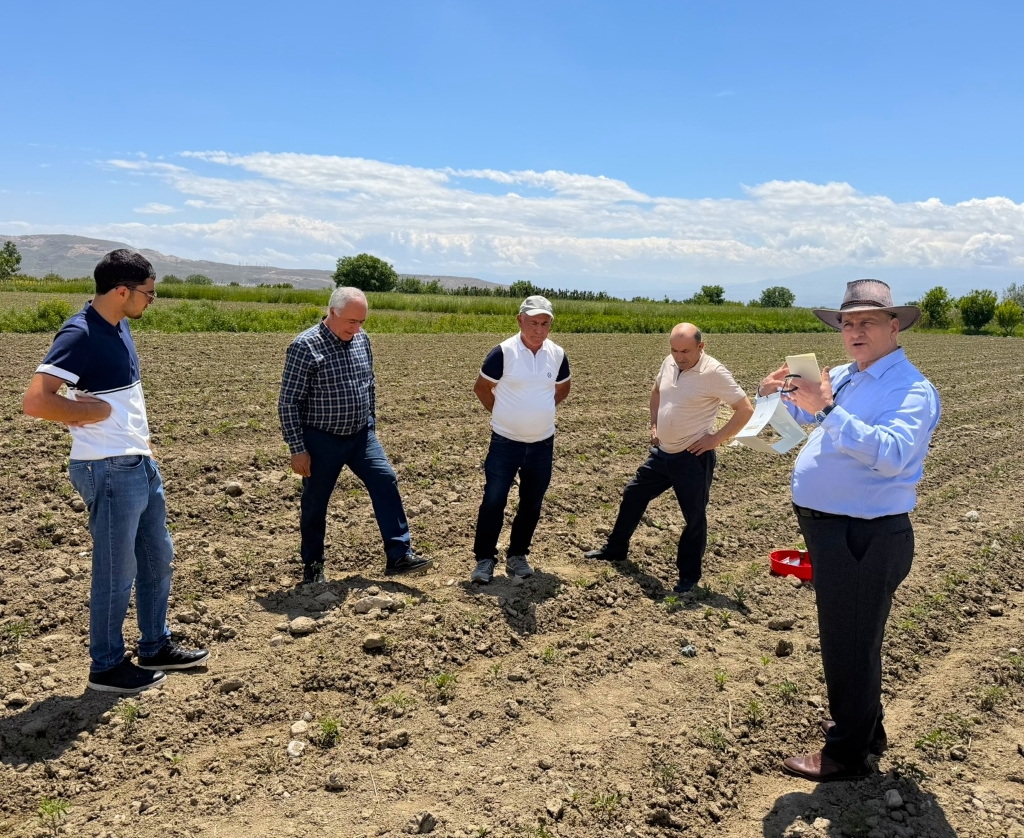
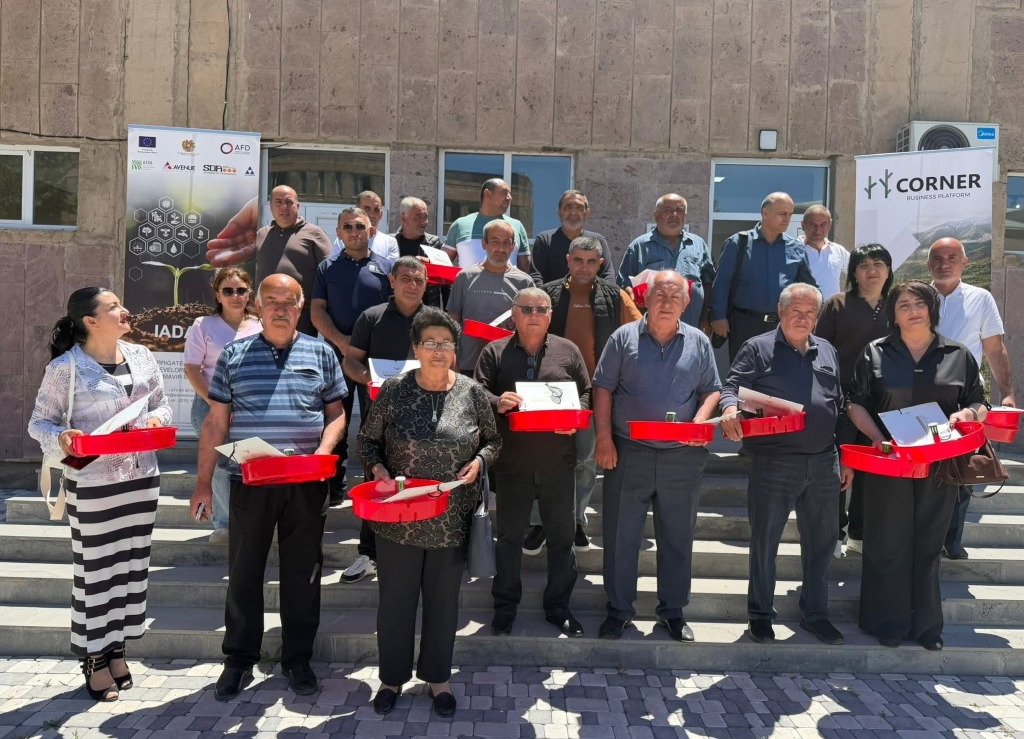
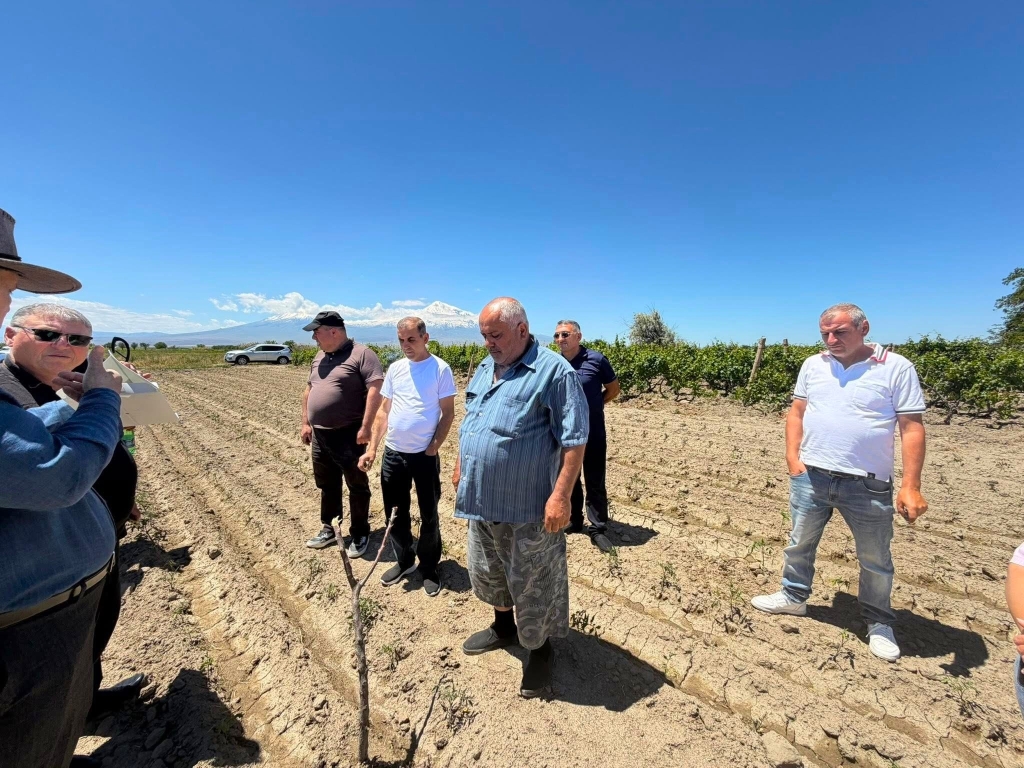
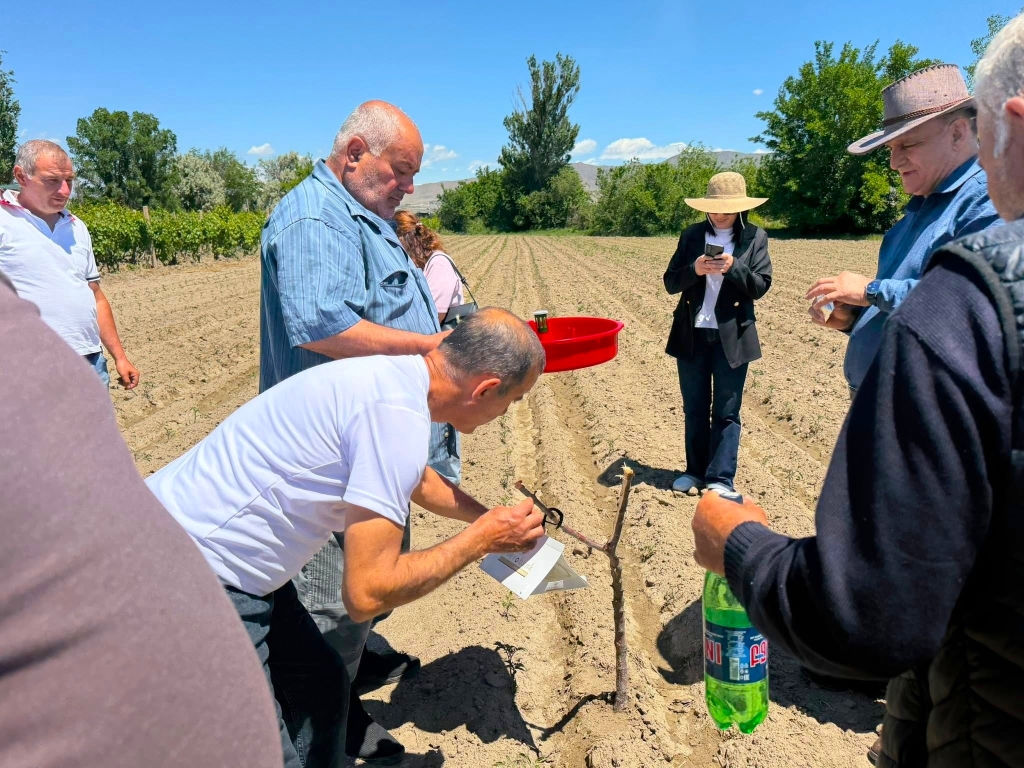
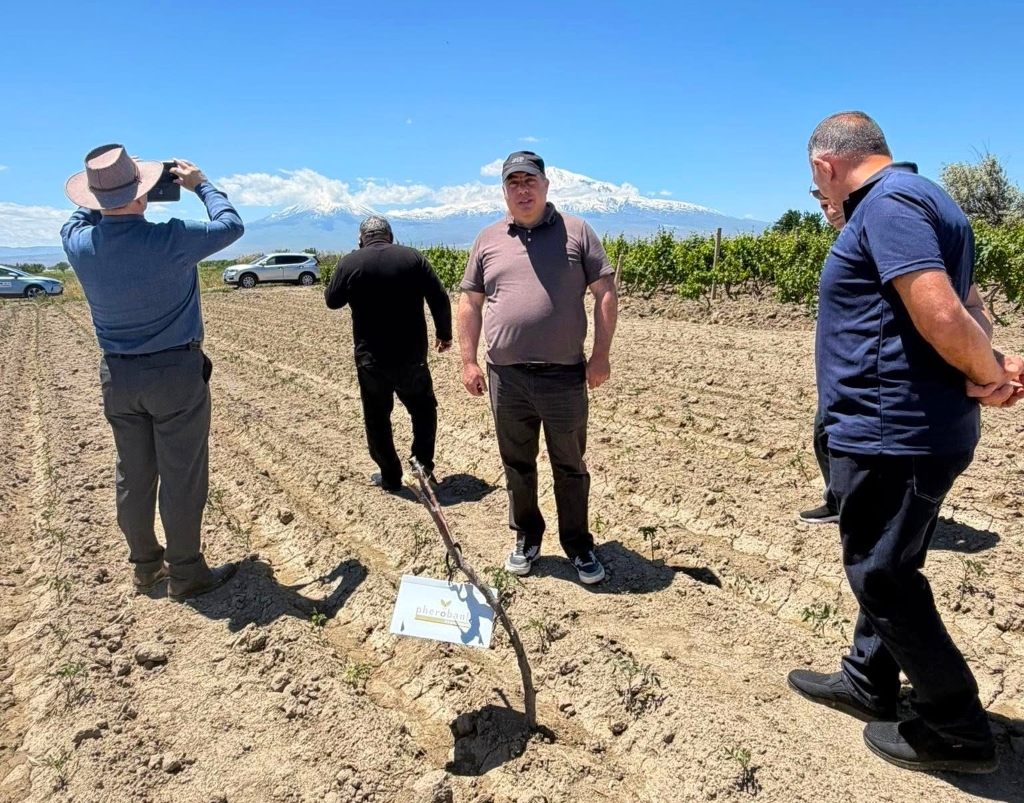
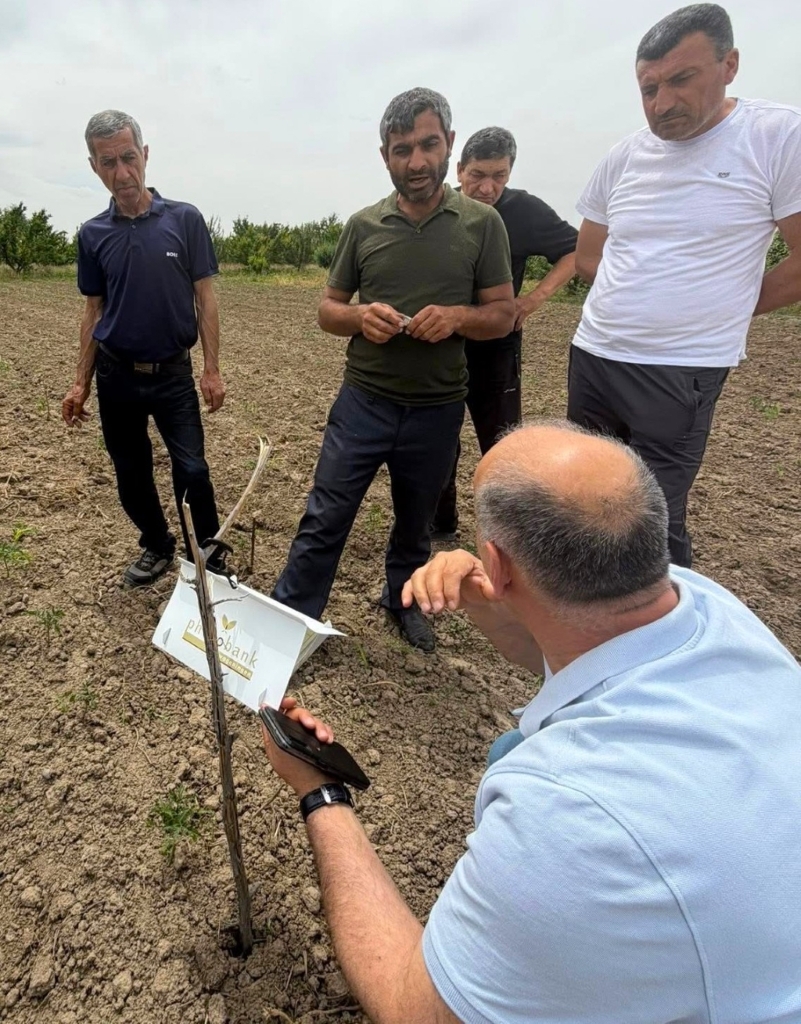
On 19 February 2026, a joint field visit was carried out within the framework of the IADAAM Project, with the participation of European Union Delegation Programme Manager Susana Martins, Agence Française de Développement Project Manager for Armenia Audrey Gourdien, and the IADAAM Project Implementation Team.

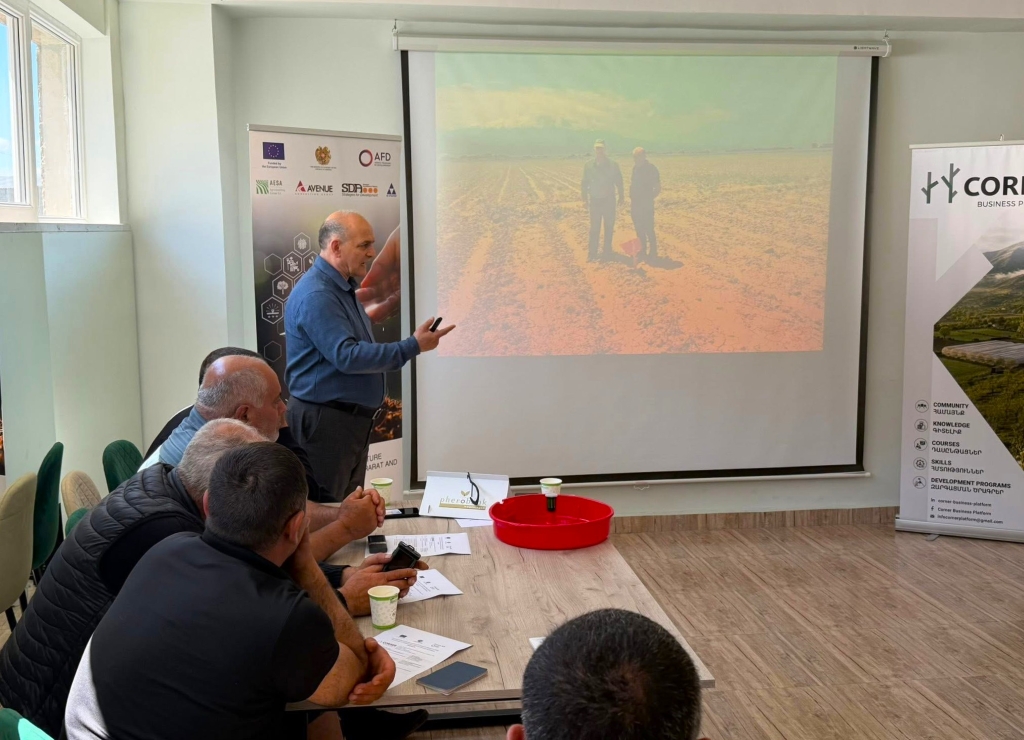
The visit focused on how IADAAM is converting strategic priorities into measurable impact – strengthening agricultural extension services, promoting practical learning through demonstration farms, and improving the efficiency and sustainability of water management systems. These elements are central to empowering farmers, accelerating innovation uptake, and ensuring long-term resilience in the agricultural sector.

By directly engaging with field-level realities, the joint mission reinforced a shared commitment to results-driven implementation, institutional strengthening, and sustainable use of resources – ensuring that IADAAM delivers lasting value for Armenia’s agriculture and water sectors.

The Irrigated Agriculture Development in Ararat and Armavir Marzes (IADAAM) project, financed by the European Union (EU) and implemented with the support of the French Development Agency (Agence Française de Développement), aims to transform irrigated agriculture in Armenia.

Implemented by the Ministry of Economy of the Republic of Armenia, the project’s technical assistance is provided by a consortium comprising AESA – Agriconsulting Europe SA, Avenue Consulting Group LLC, Strategic Development Agency NGO, and 3R Strategy LLC, with the aim of strengthening agricultural policy and advancing sector reforms.

Uncategorized

INLIMA Working Meetings in Ararat Region to Advance Comprehensive Development of the Livestock Value Chain

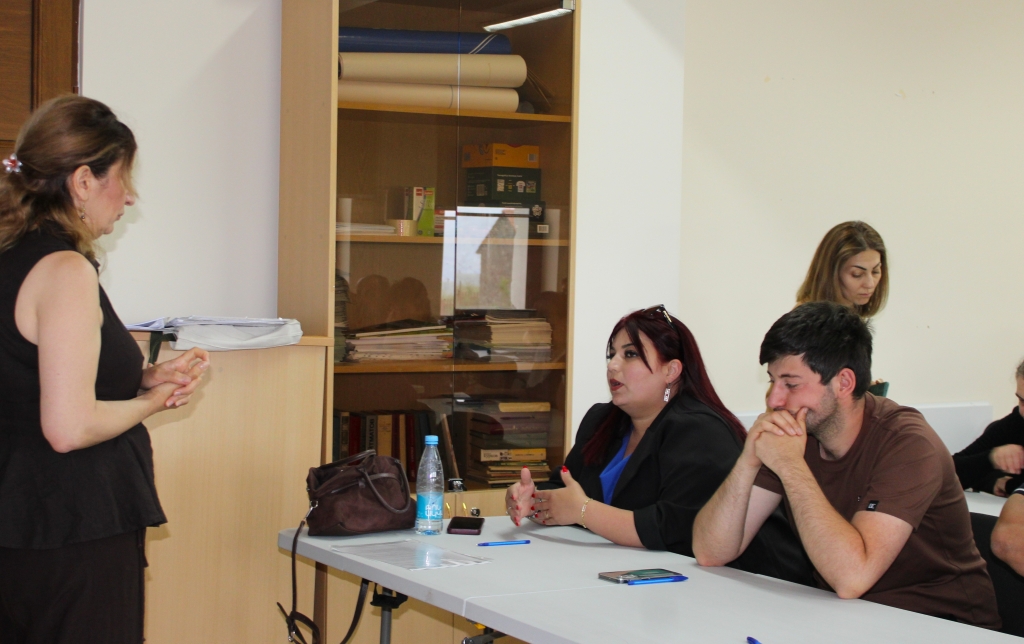
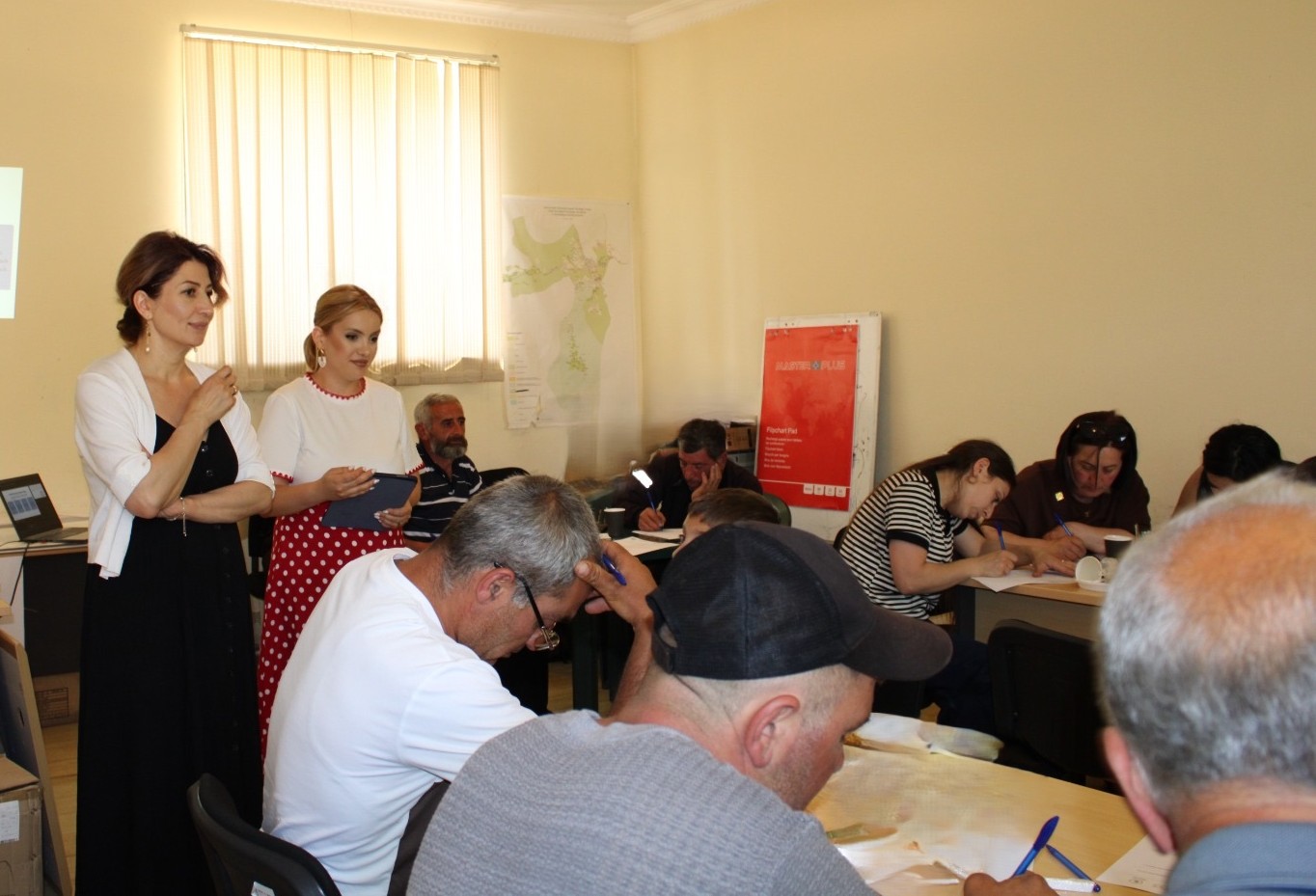
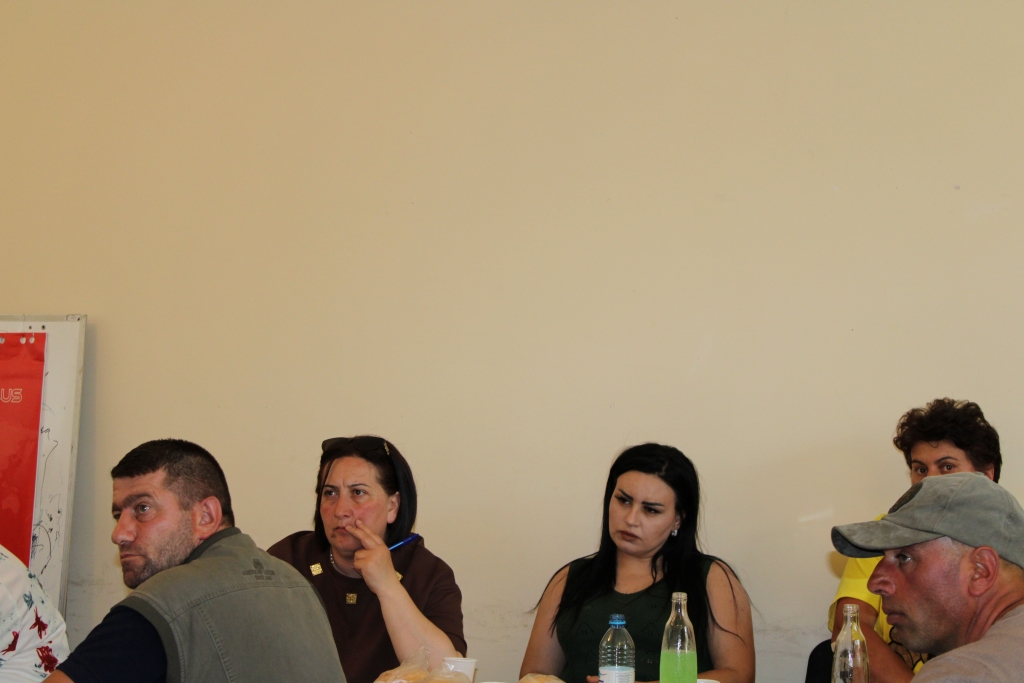
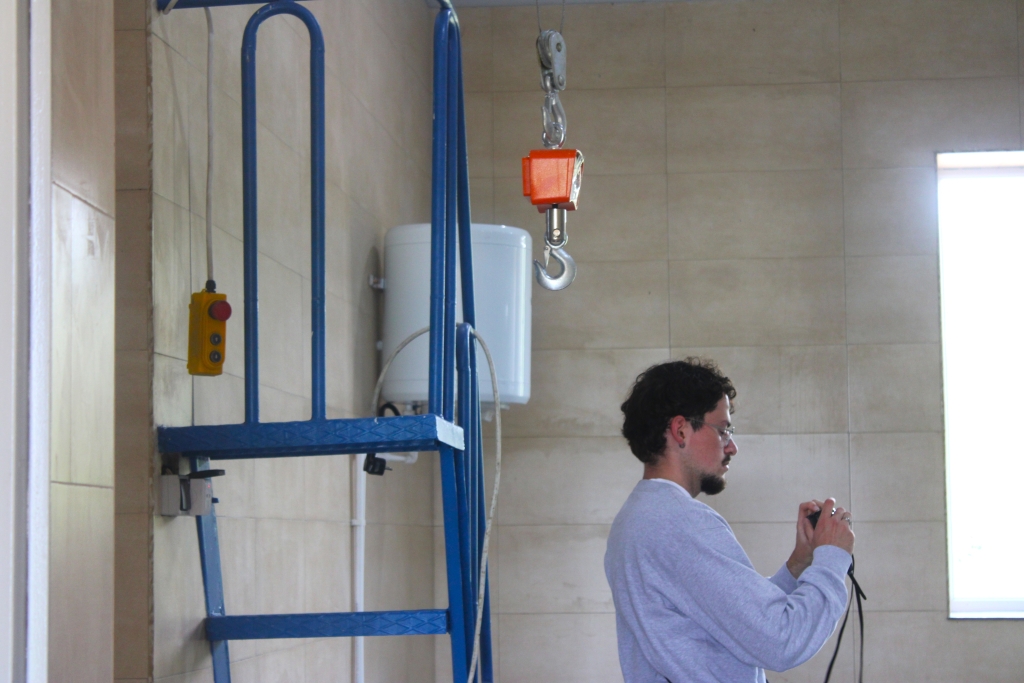
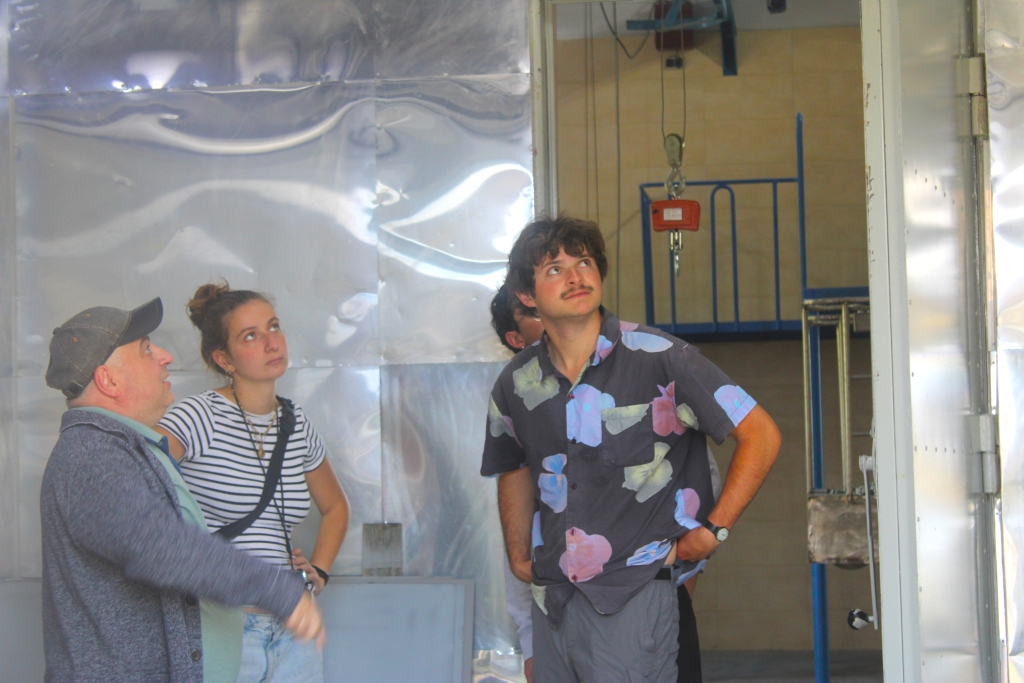
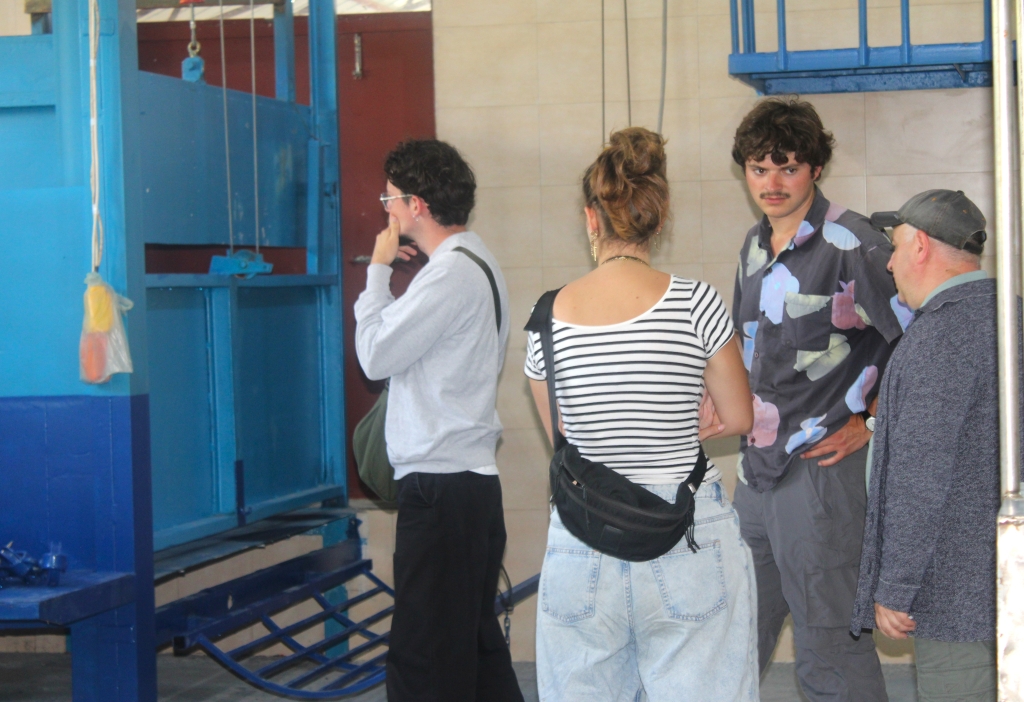
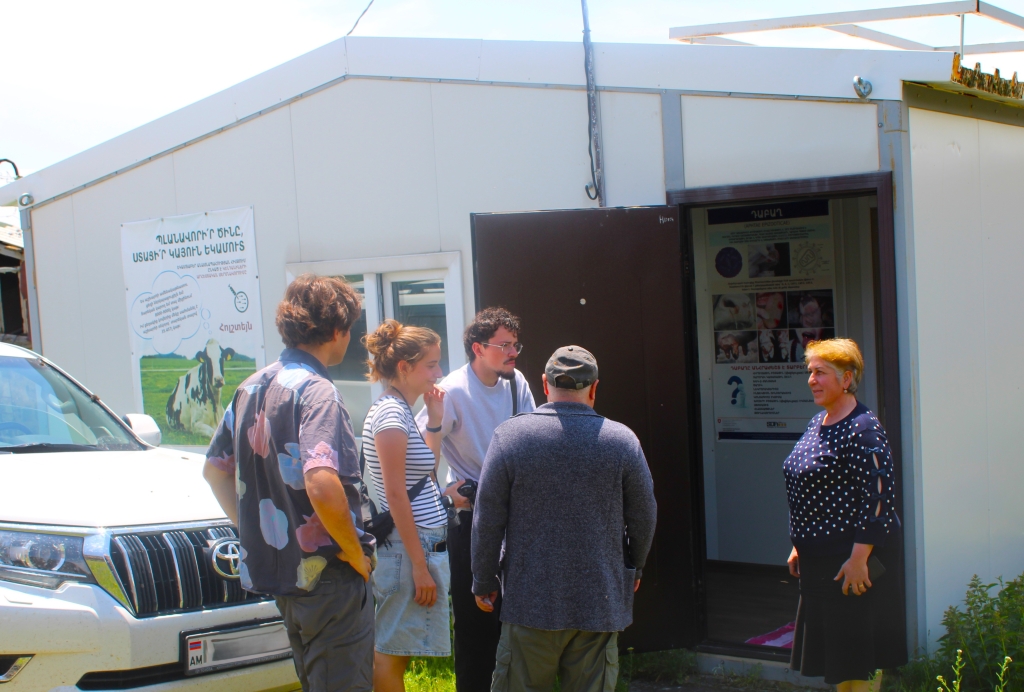
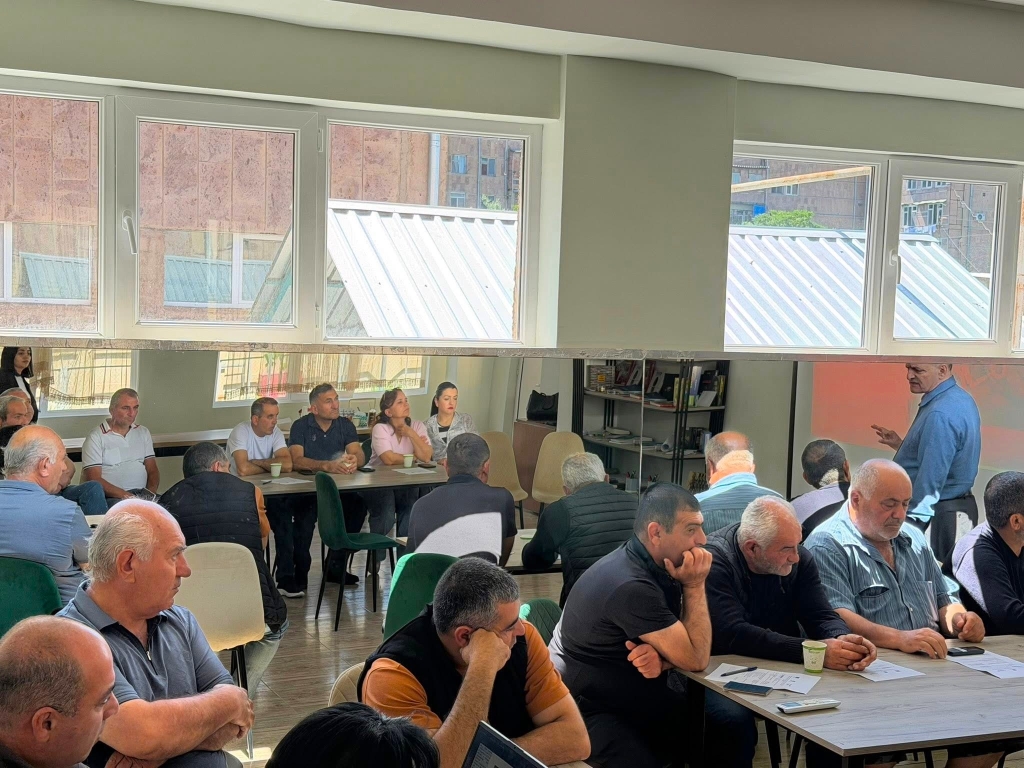
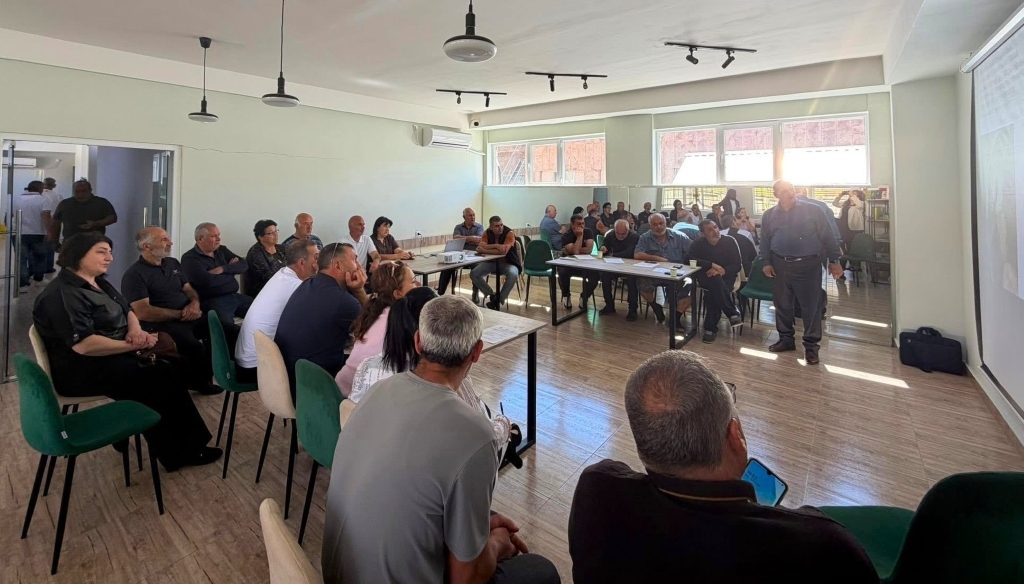
Within the framework of the “Innovative Livestock Management: Animal Migration, Breeding & Markets” (INLIMA) project, a series of structured professional working meetings were convened in the communities of Artashat, Vedi, and Ararat in Ararat region. The meetings brought together key actors across the livestock value chain to foster coordinated dialogue and sector-wide alignment.

Participants included:

  • representatives of milk and meat processing companies,
  • managers and technical specialists from slaughterhouses,
  • veterinarians,
  • livestock farmers.

The discussions centered on improving herd management practices and enhancing genetic potential, introducing modern approaches to production organization, strengthening quality assurance systems, and aligning livestock production with evolving market requirements. Particular emphasis was placed on reinforcing functional linkages among value chain actors in order to mitigate risks, improve traceability and standards compliance, and increase overall sector performance.

The professional exchange enabled stakeholders not only to articulate existing challenges but also to define coordinated action priorities aimed at increasing productivity, optimizing operational costs, and enhancing the competitiveness of locally produced livestock products.

Through this multi-stakeholder engagement model, the INLIMA project advances evidence-based, partnership-driven solutions that support systemic improvements in the livestock sector and contribute to its sustainable and market-oriented development.

“Innovative Livestock Management: Animal Migration, Breeding & Markets” (INLIMA) project is implemented by Strategic Development Agency NGO and funded by the Austrian Development Agency (ADA), the operational unit of Austrian Development Cooperation.

Uncategorized

From Ecosystem Conservation to Market-Driven Community Development: SDA’s Experience in Strengthening Climate Resilience

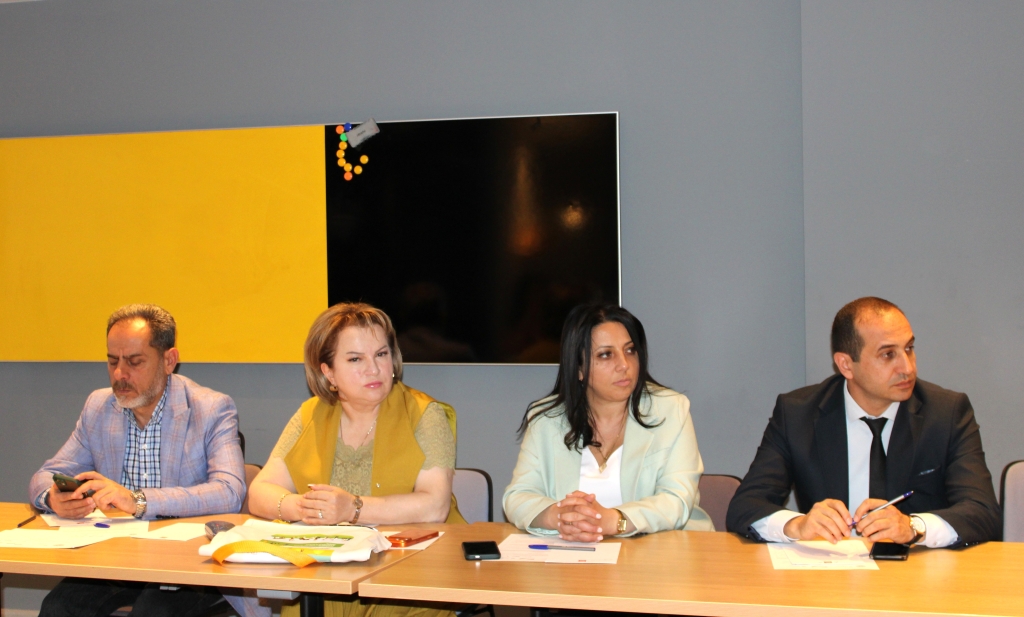
Strategic Development Agency (SDA), represented by its Chairman Mr. Mkrtich Ayvazyan, took part in the opening ceremony of the project “Enhancing the Land-based Adaptation of Communities to Arid Zones and Forest Protected Areas of Armenia by Duplicating and Expanding the Successful Mechanisms of the Previous Project.”

During the panel discussion “From Ecosystem Conservation to Community Development: Integrated Approaches to Climate Adaptation”, Mr. Ayvazyan emphasized that value chain development is not a theoretical concept for SDA, but a proven and measurable pathway to economic resilience and climate adaptation.

Drawing from SDA’s practical experience, including the Armenia’s Living Landscapes for Market Development (LILA) initiative and the Livestock Development in Armenia South-North 2 program, he underlined that diversified, nature-based and agro-food value chains can simultaneously strengthen local incomes, reduce climate vulnerability, and promote sustainable resource management. Through sustainable tourism, wild collection, farm-to-table linkages, livestock market access, and pasture management models, communities were able to generate predictable income, create employment, empower women, and reduce land degradation risks.

He stressed that climate-smart technologies become viable only when accompanied by strong entrepreneurial, managerial, and institutional capacities. SDA’s experience shows that training, market integration, public-private collaboration, and engagement of local self-government bodies are essential to transforming technologies into profitable and self-sustaining models.
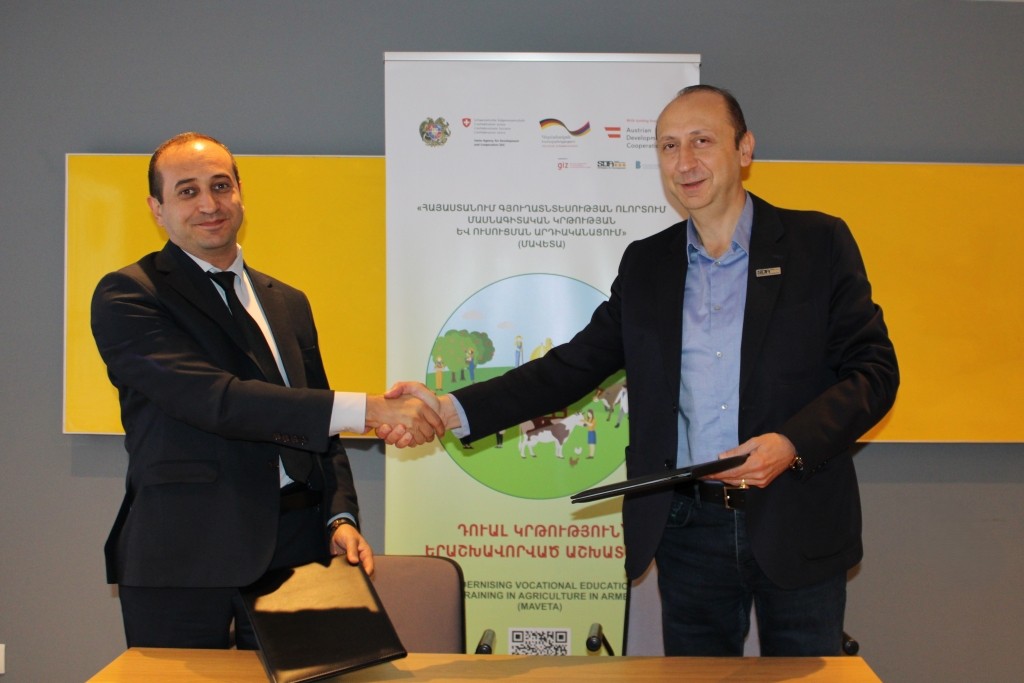
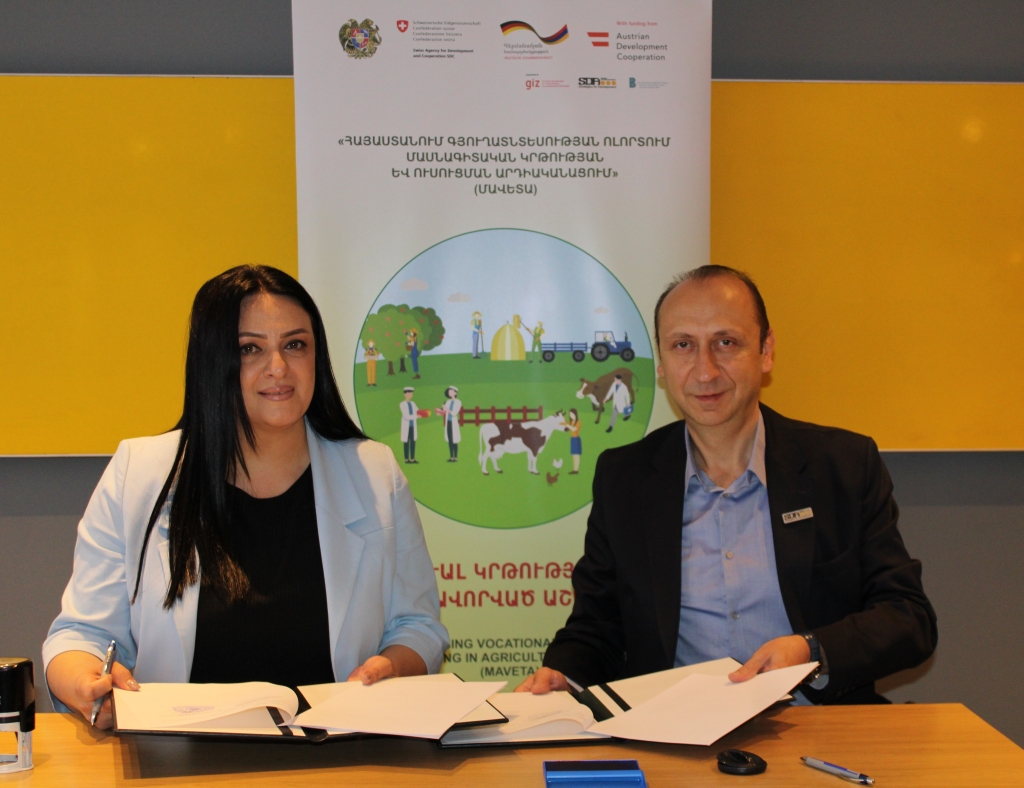
In conclusion, Mr. Ayvazyan highlighted that long-term sustainability is achievable when projects are designed as systemic development processes rather than temporary interventions – where communities act as full economic actors, environmental protection becomes a source of income, and market-based mechanisms ensure continued ecosystem preservation, climate resilience, and inclusive economic growth well beyond the project lifecycle.