


IADAAM What is the Agricultural Extension Service Team (AEST)?


A Strategic Step Toward Sustainable, Knowledge-Based Agriculture in Armenia
The Agricultural Extension Service Team (AEST) was established under the “Irrigated Agriculture Development in Ararat and Armavir Marzes” (IADAAM) project, with the overarching aim of building a structured, inclusive, and sustainable agricultural advisory system in Armenia. AEST seeks to enhance the professional capacities of farmers, promote the adoption of innovative agrotechnologies, and contribute to the establishment of a competitive, resilient, and knowledge-driven agricultural sector – ultimately supporting increased productivity and improved livelihoods for farming communities.
Mission of AEST:
To establish an efficient, comprehensive, and accessible extension service that accelerates innovation in agriculture, improves farm performance, and strengthens farmers’ ability to manage risks and adapt to evolving challenges.
Core Functions of AEST:
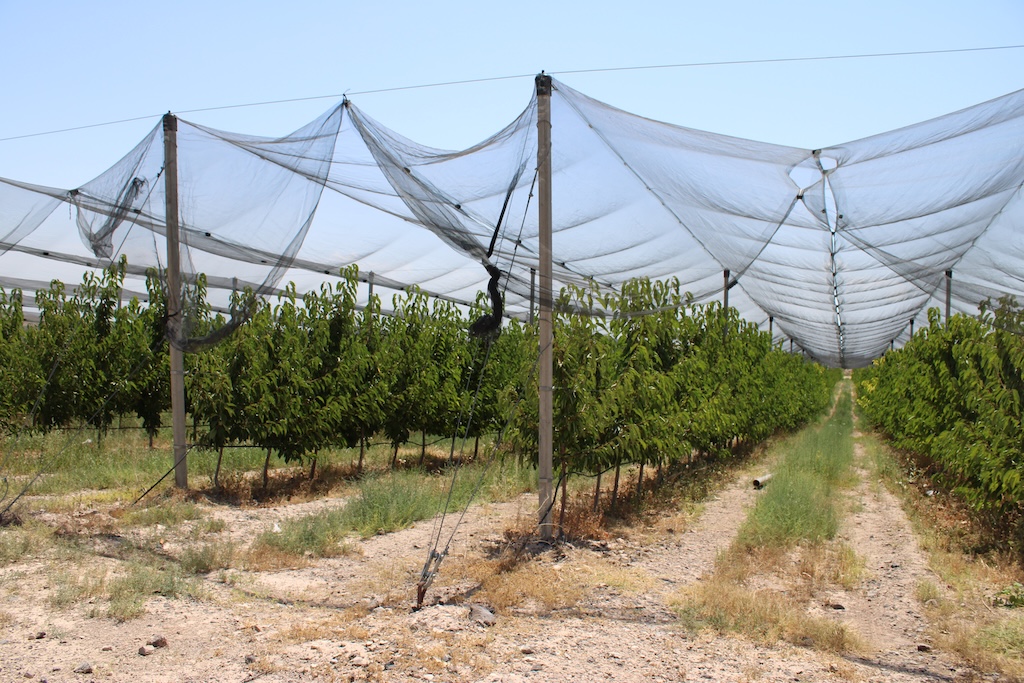
✅ Delivery of expert agricultural advisory services on key topics such as soil management, crop protection, irrigation efficiency, harvesting, and post-harvest handling.
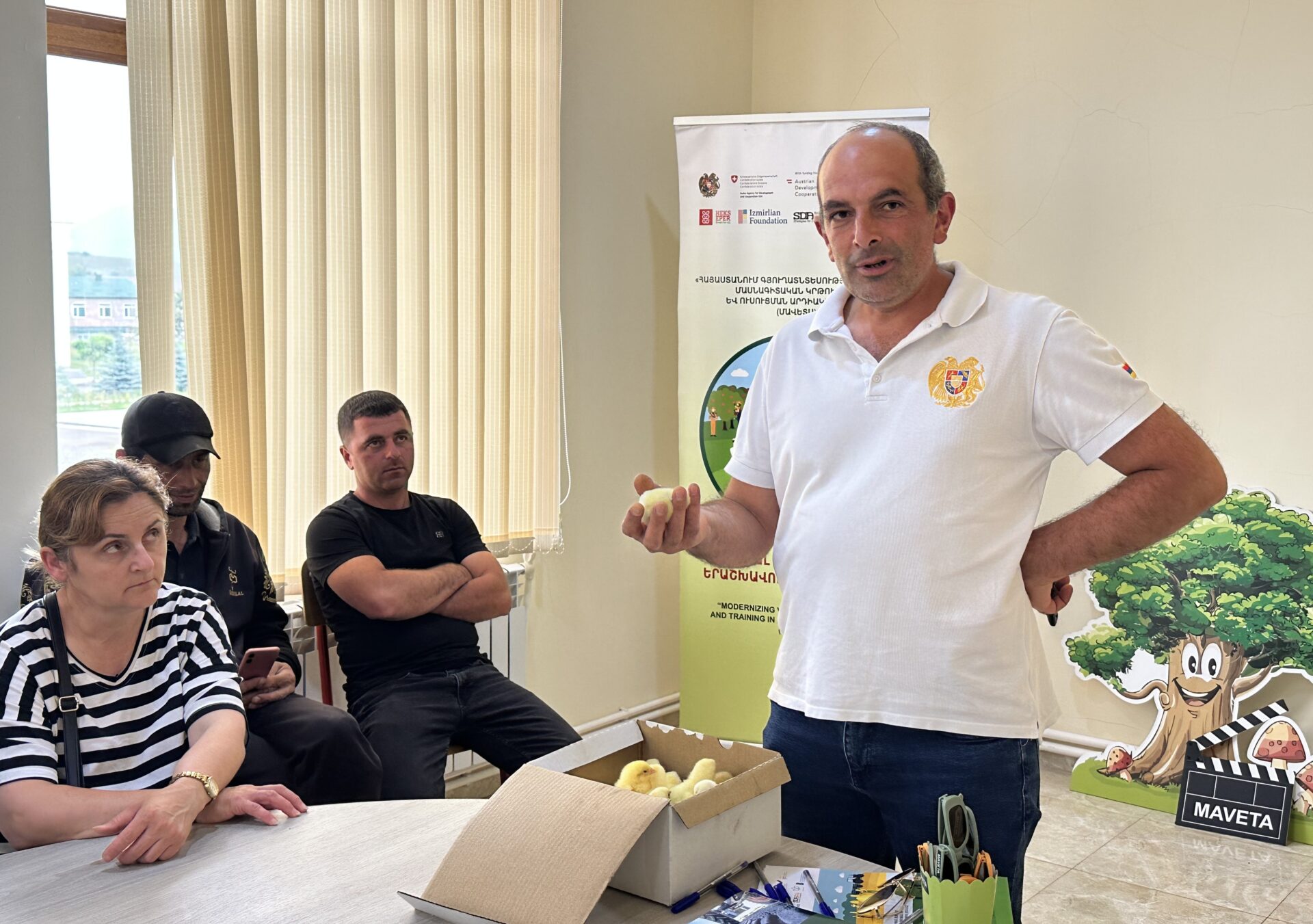
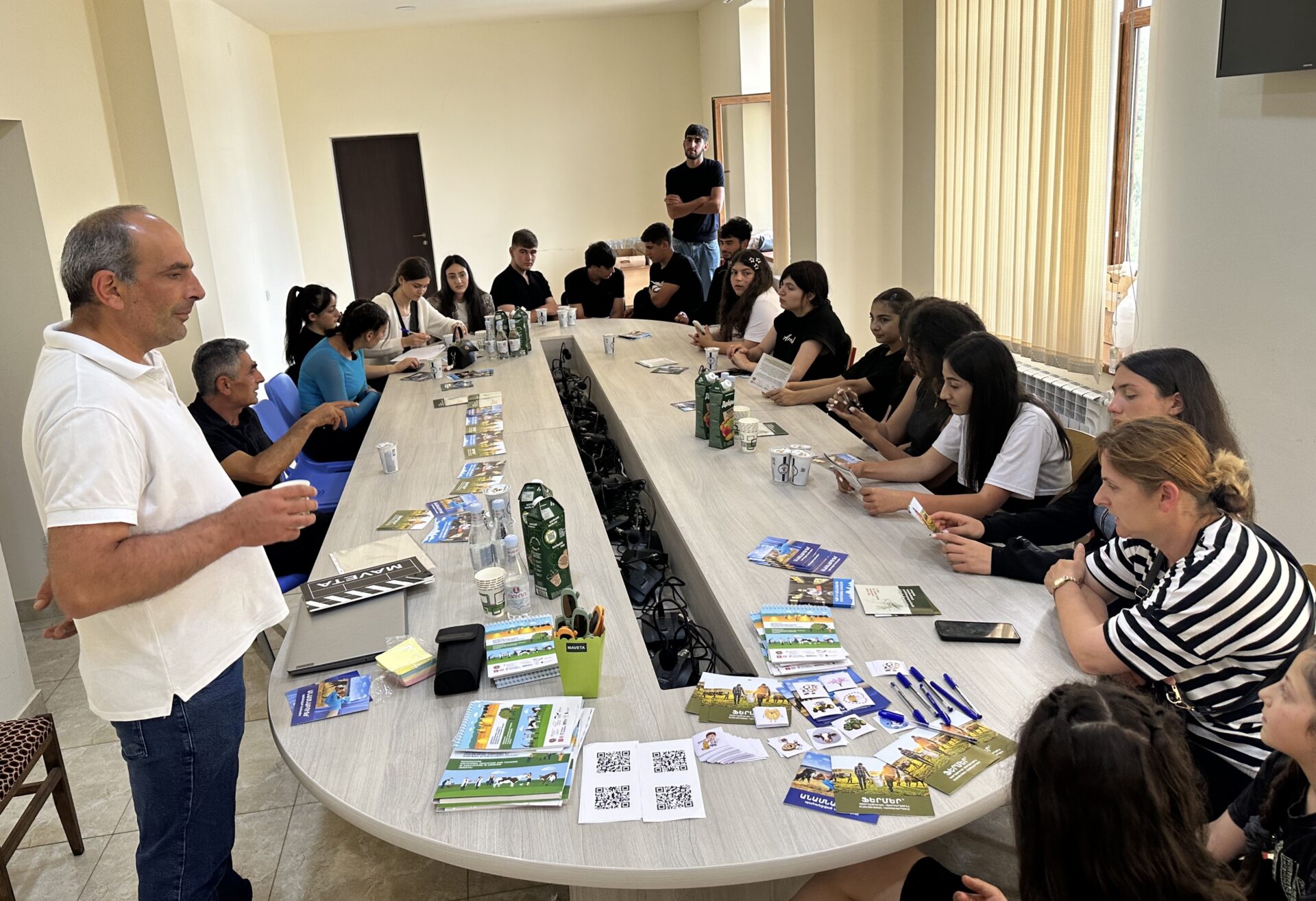
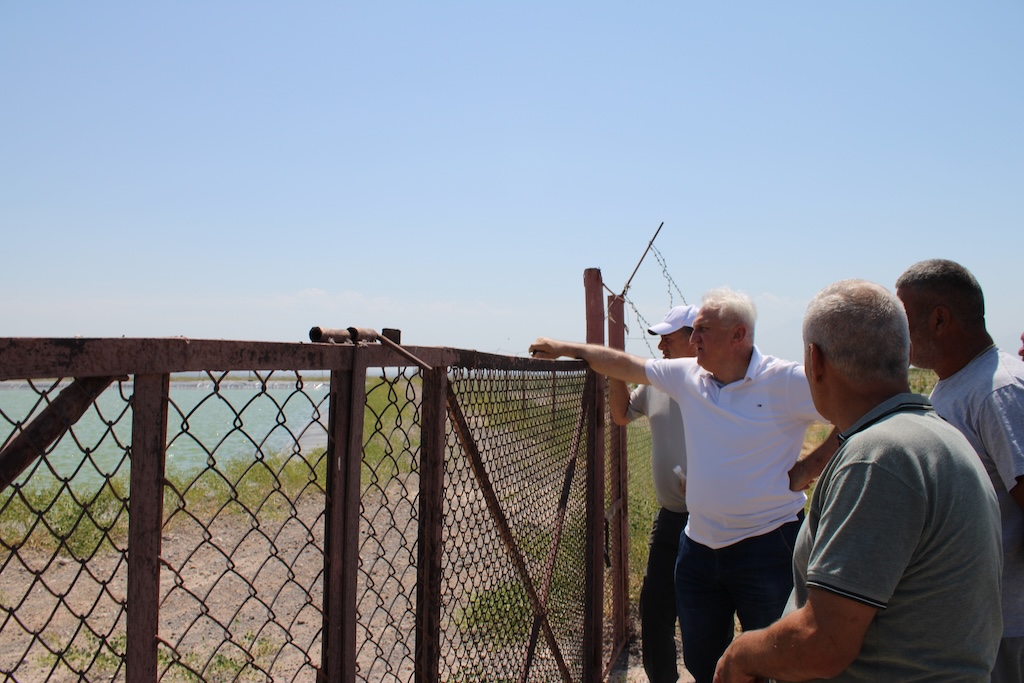
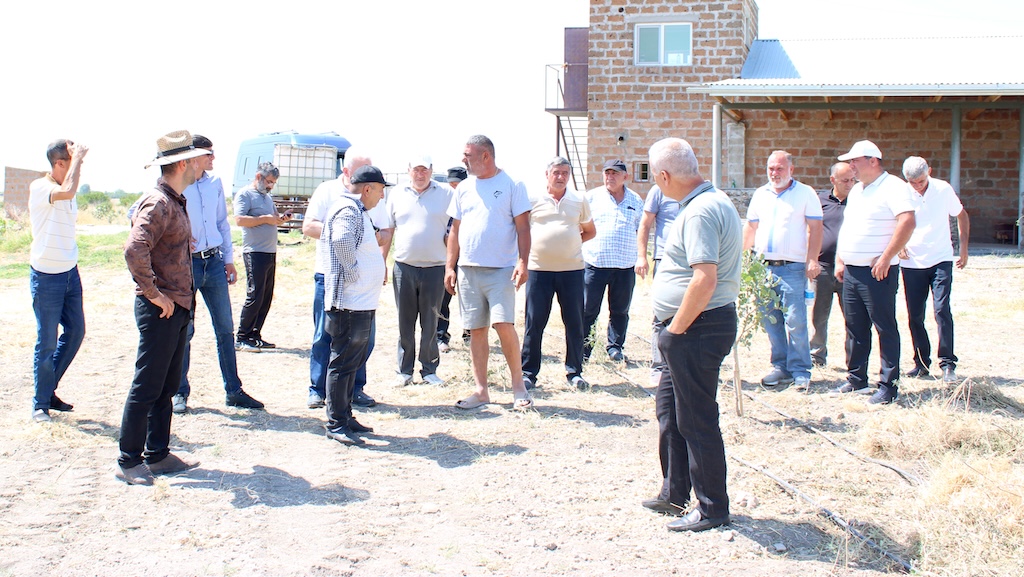
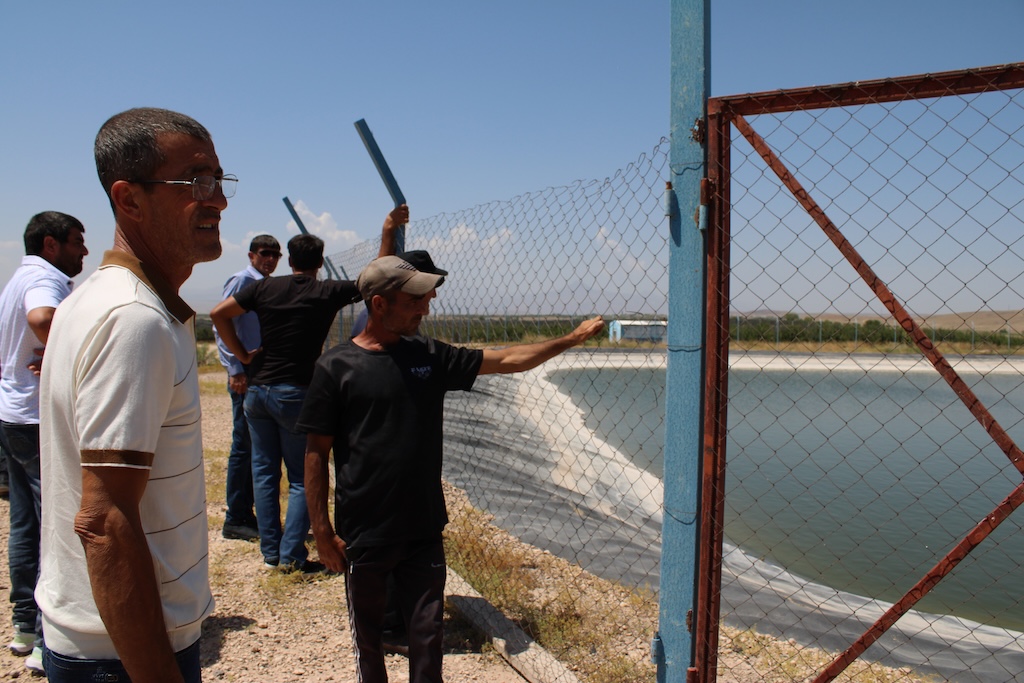
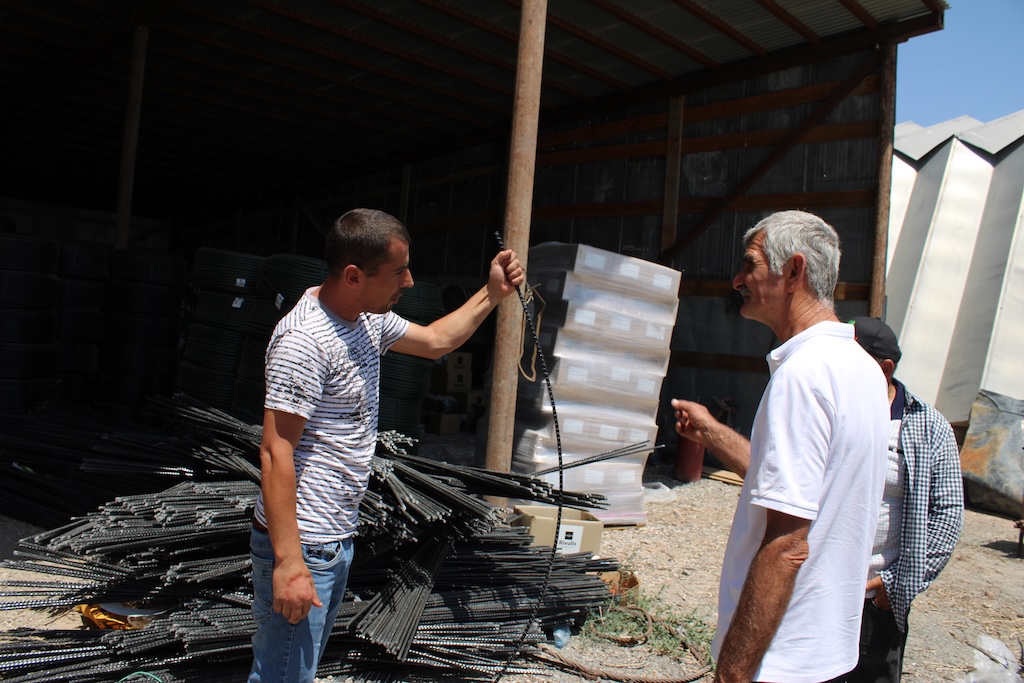
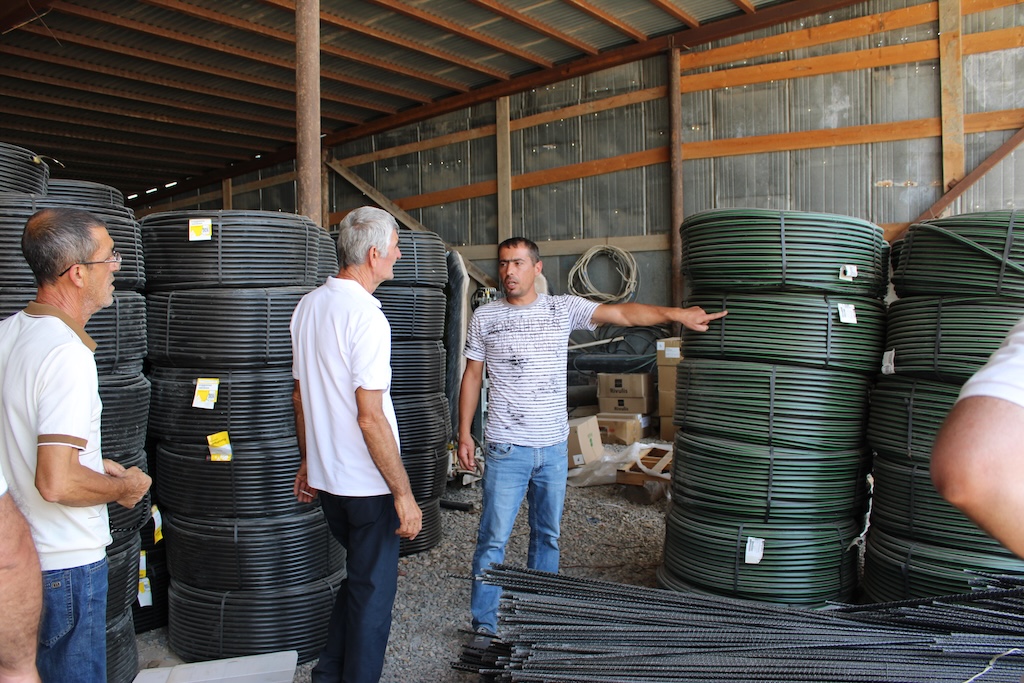
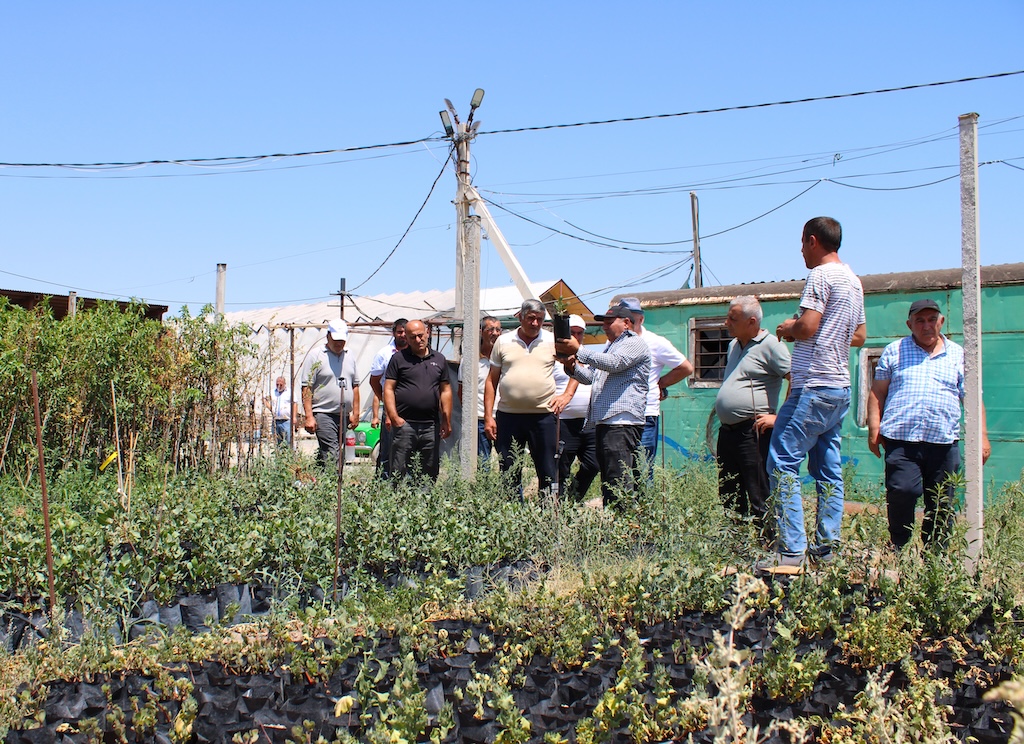
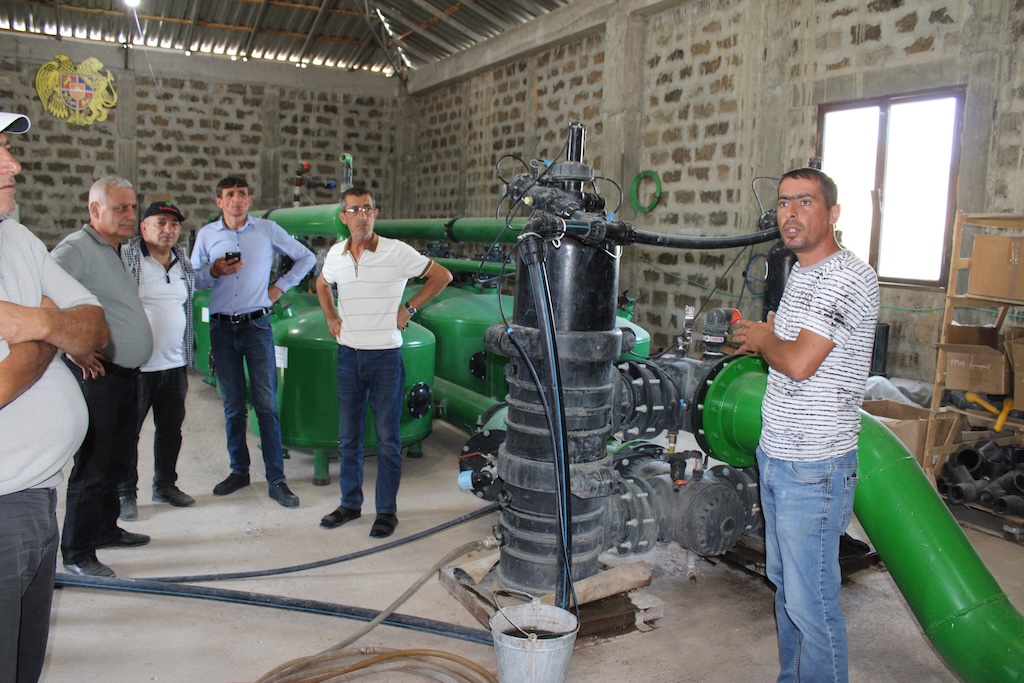
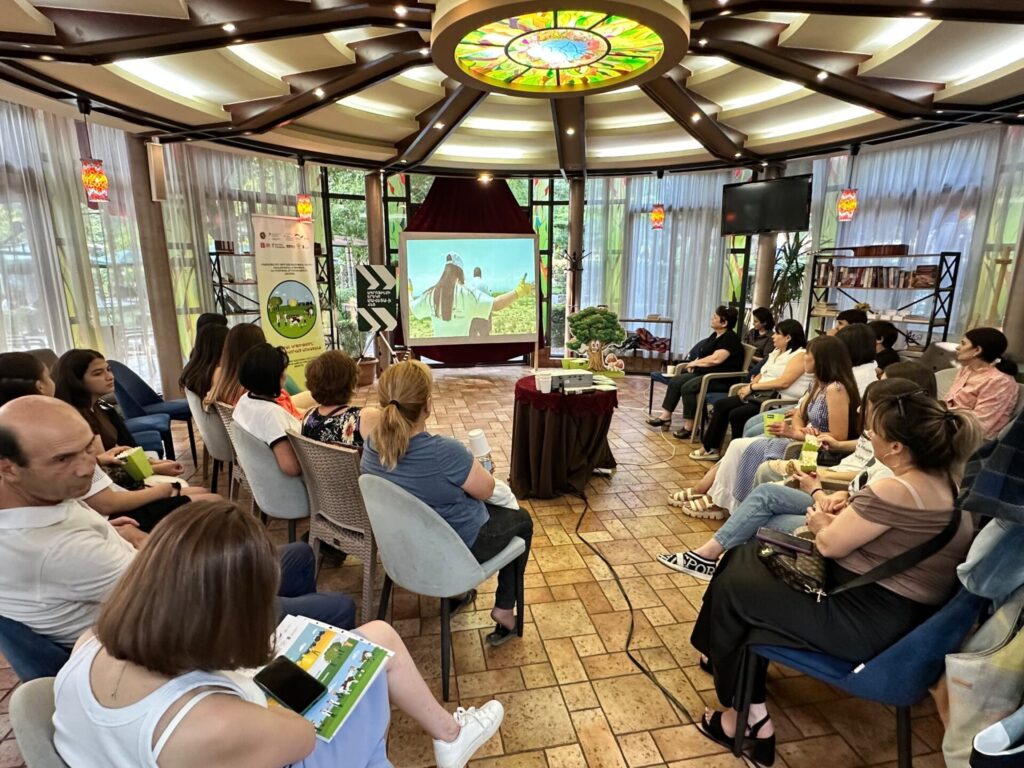
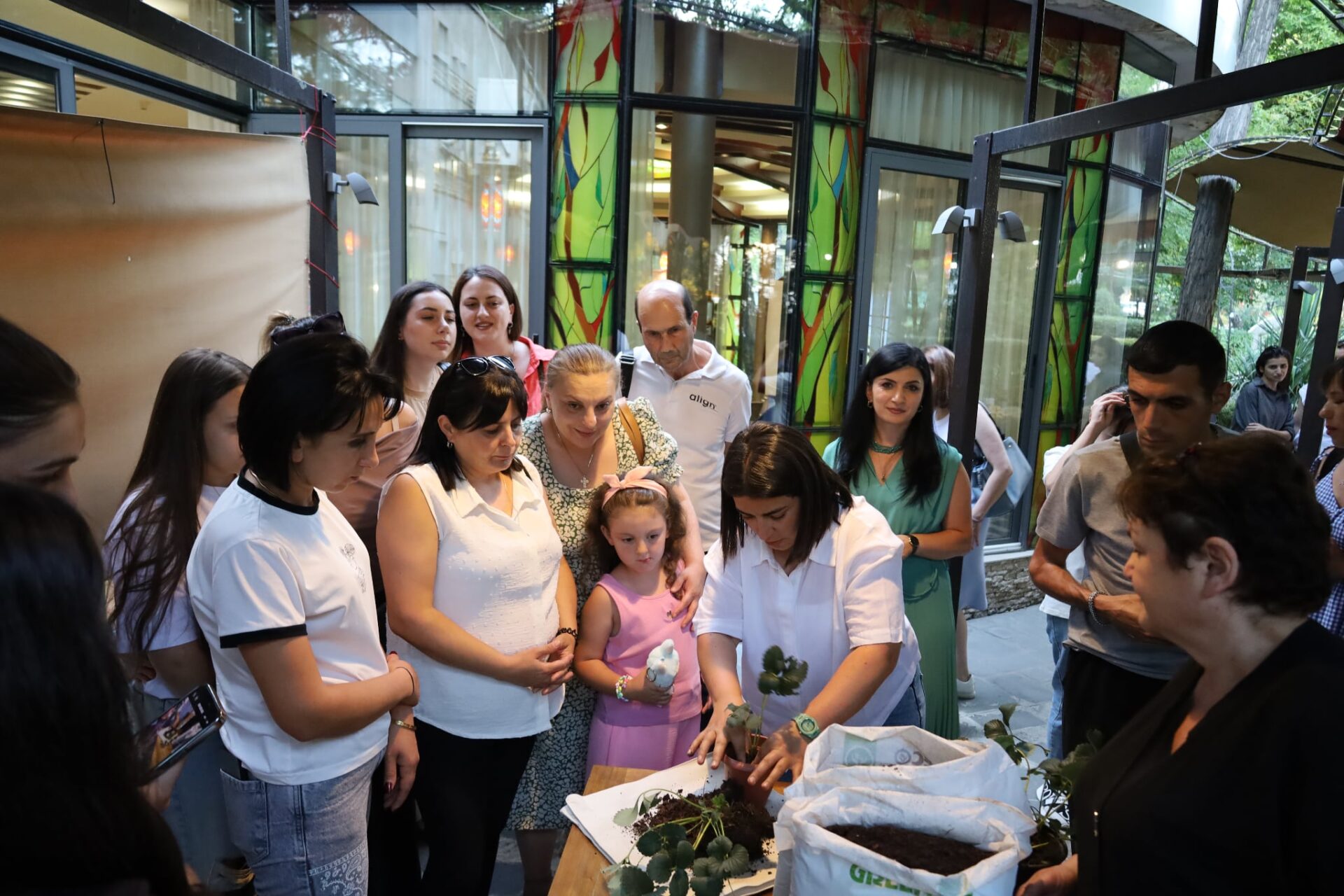
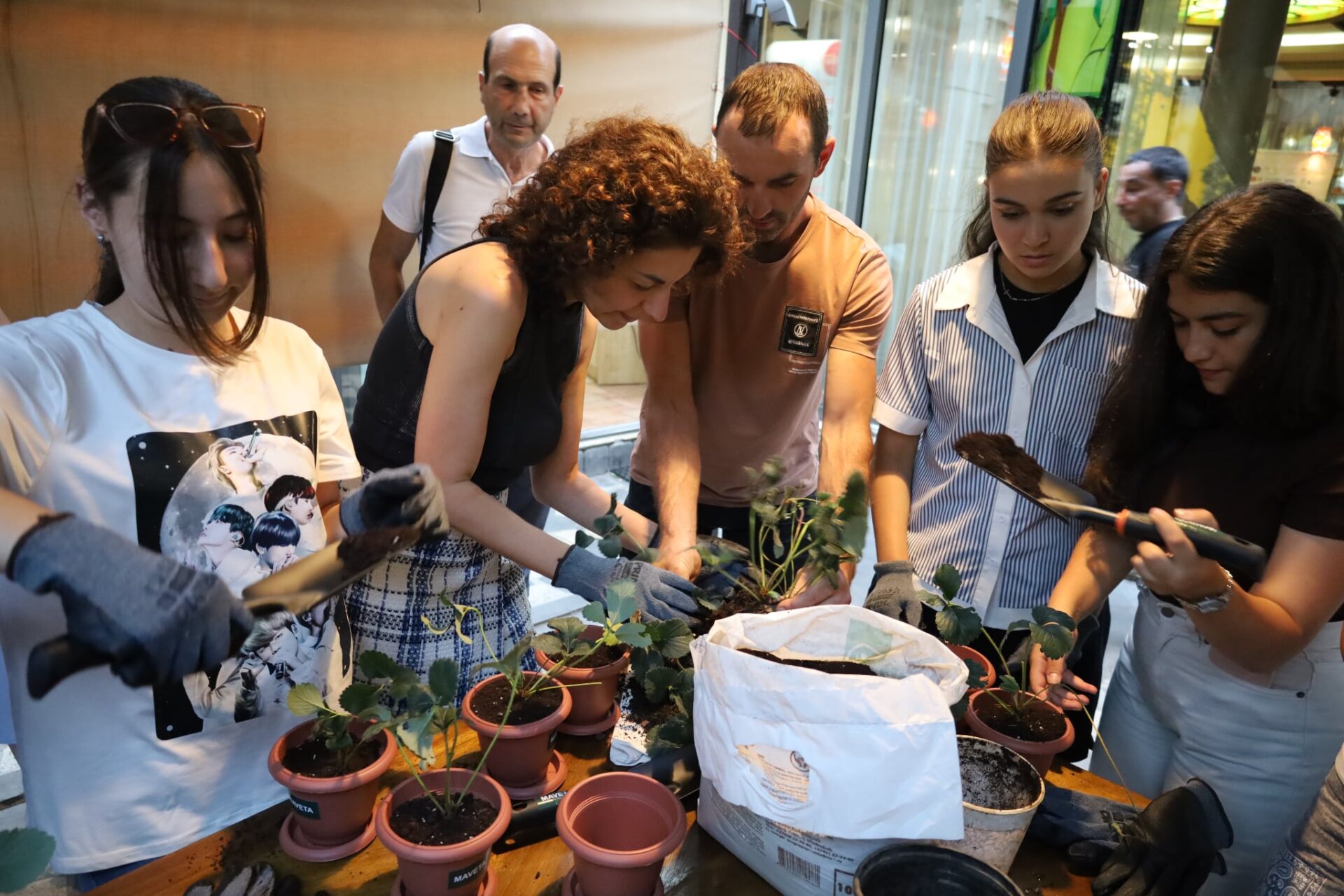
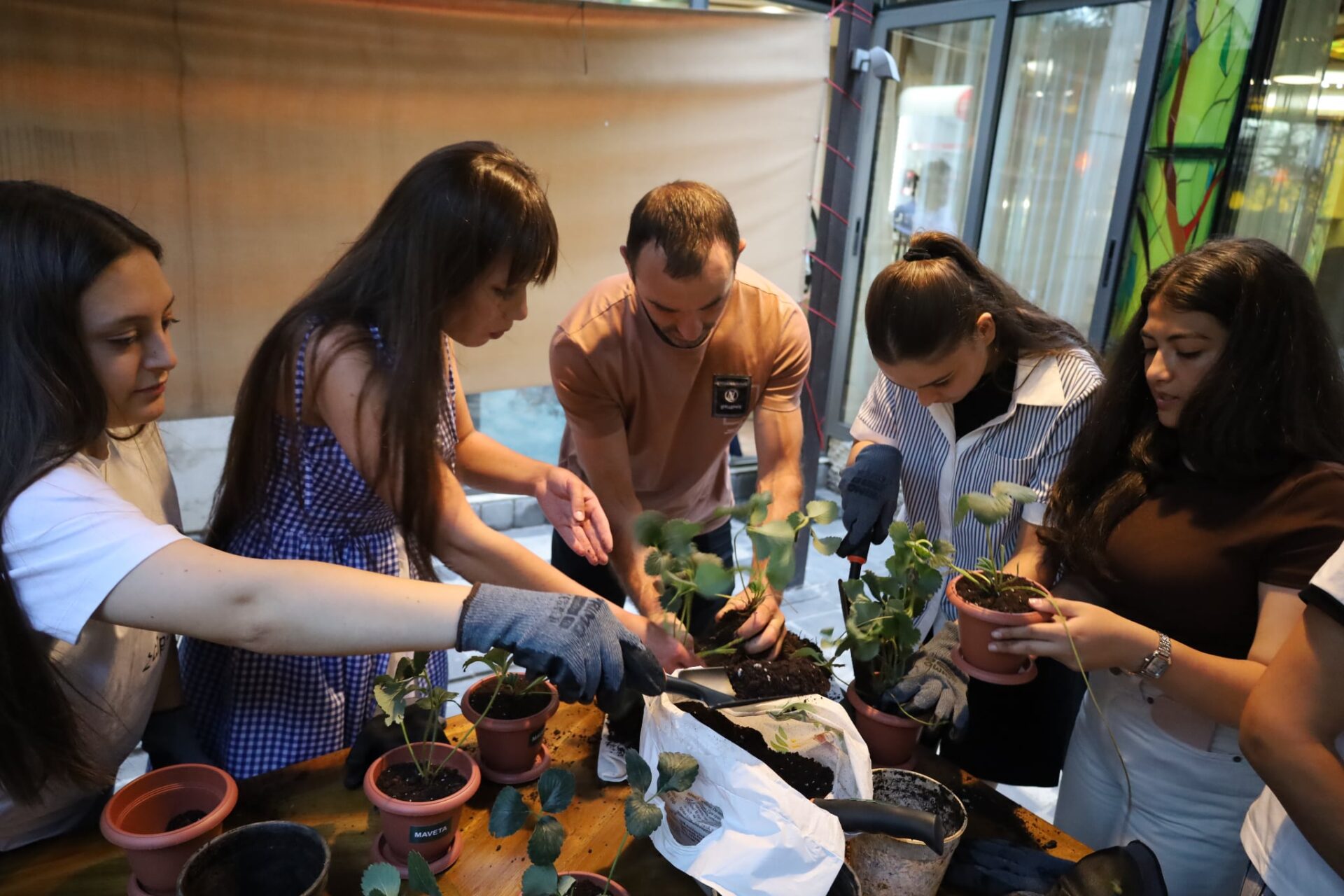
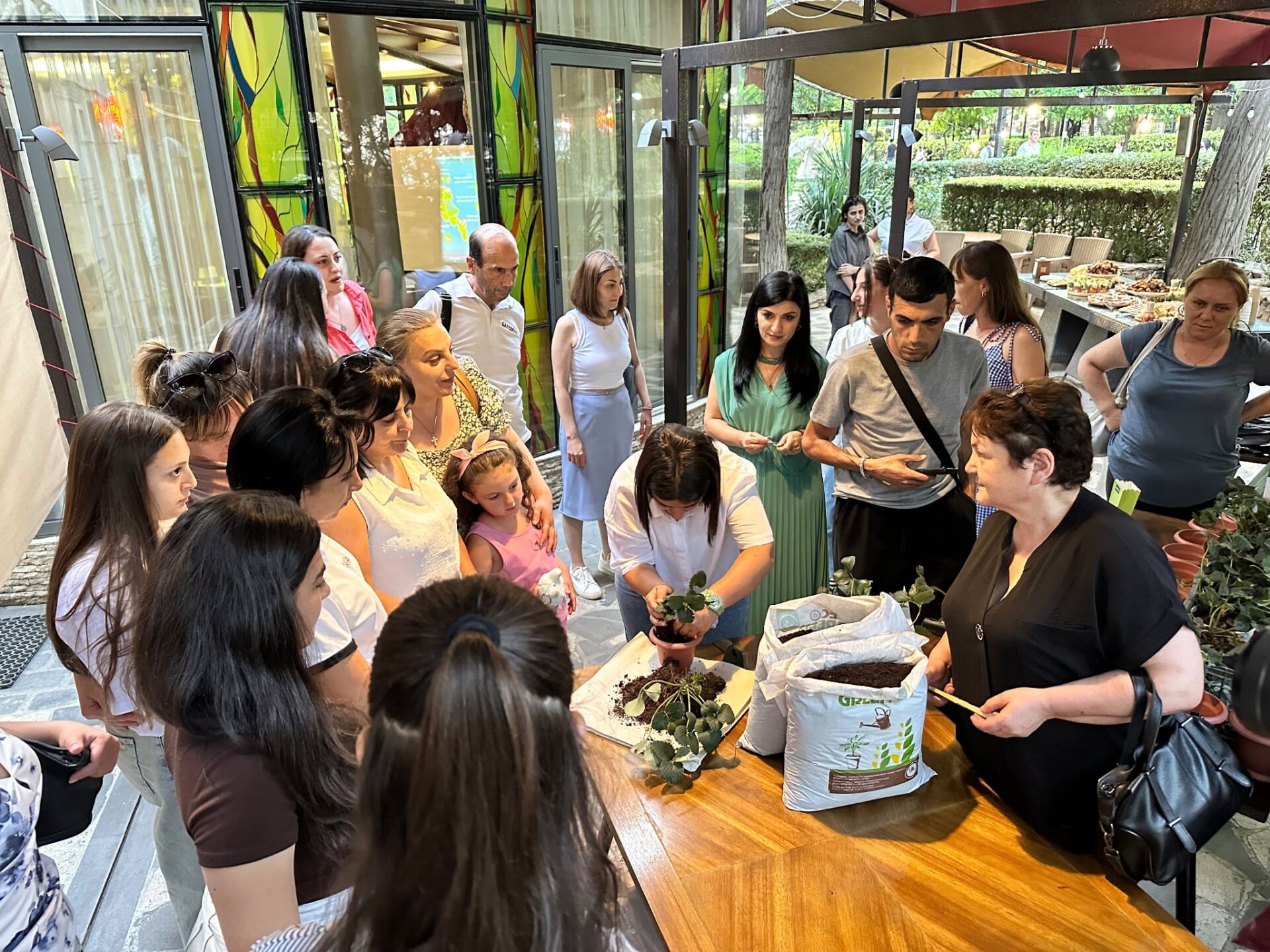
✅ Organization of field-based trainings, demonstration activities, and peer-to-peer learning opportunities based on best practices.
✅ Development and dissemination of localized, practical, and evidence-based educational and informational resources.
✅ Facilitation of partnerships with research institutions, private sector actors, and international development organizations to scale up innovative agricultural solutions.
While currently active in target communities of Ararat and Armavir marzes, AEST is designed with a vision for nationwide expansion, aiming to strengthen farmer capacities and support sustainable rural development across the Republic of Armenia.
Representing a transformative approach to agricultural development, AEST serves as a cornerstone for fostering inclusive, knowledge-based, and future-ready farming systems – working with farmers and for farmers.
Irrigated Agriculture Development in Ararat and Armavir marzes (IADAAM) project, financed through the European Union (EU) with implementation by the French Development Agency (Agence Française de Développement) is an integrated initiative aimed at transforming irrigated agriculture in Armenia.
Within IADAAM project a technical assistance component is implemented jointly by AESA – Agriconsulting Europe SA, Avenue Consulting Group LLC, Strategic Development Agency NGO and 3R Strategy LLC consortium and aims to provide institutional support to the Ministry of Economy of the Republic of Armenia (MoE) in the formulation of agricultural policies and reforms in priority areas, provide technical support to the MoE in the implementing project activities, ensure communication and reporting for the IADAAM project.