
Uncategorized

LILA Project’s Progress to Date Presented in Debed

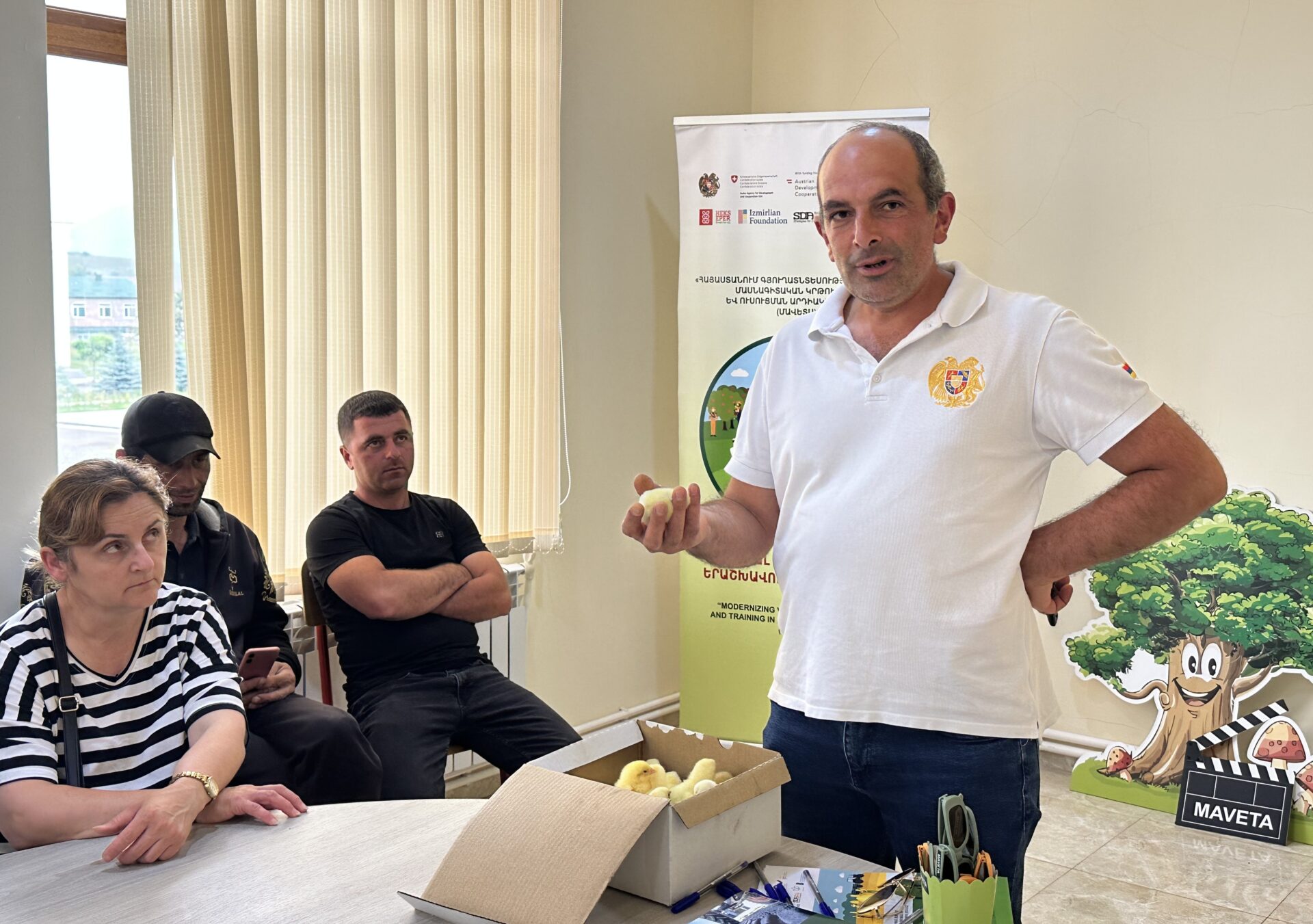
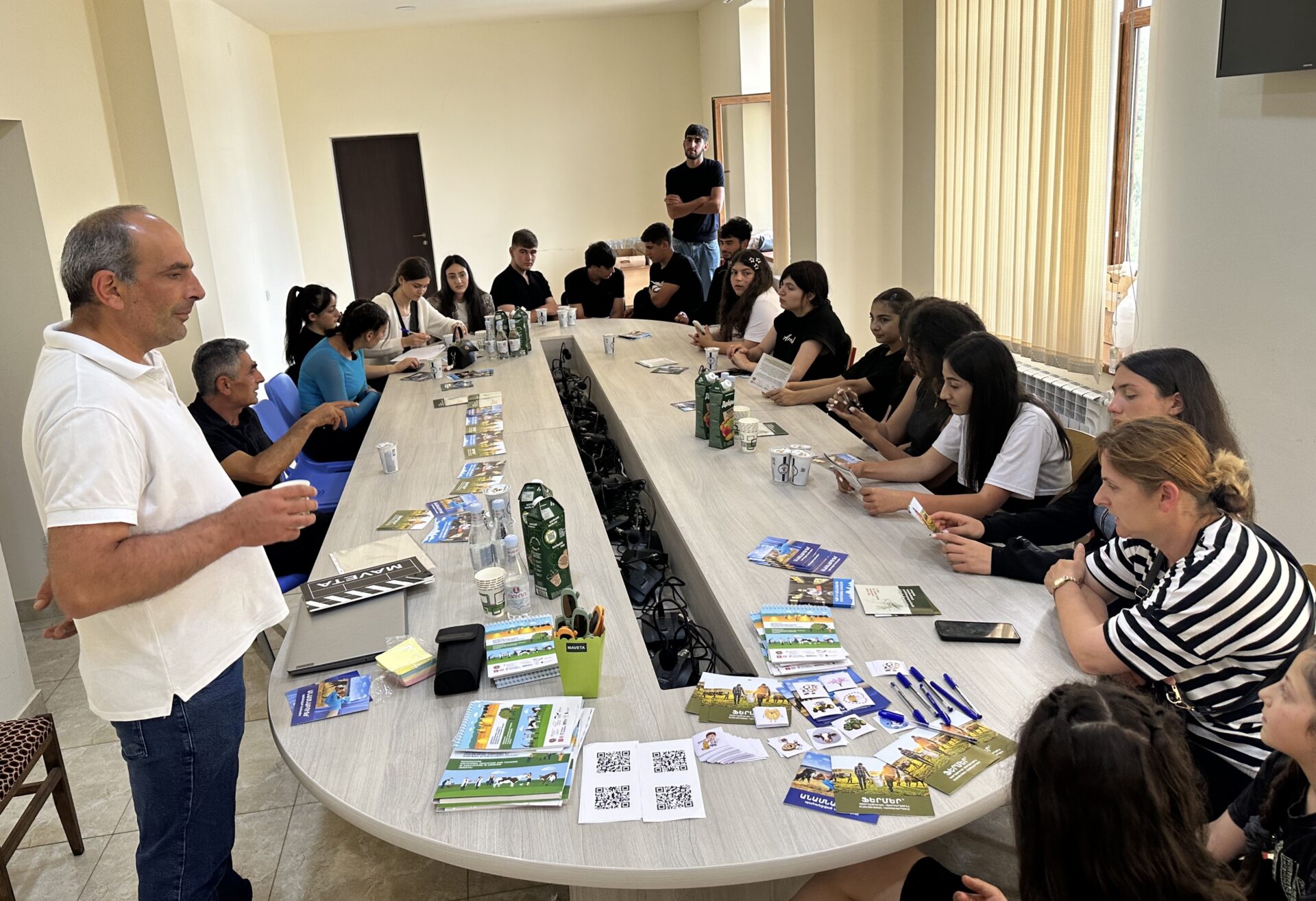
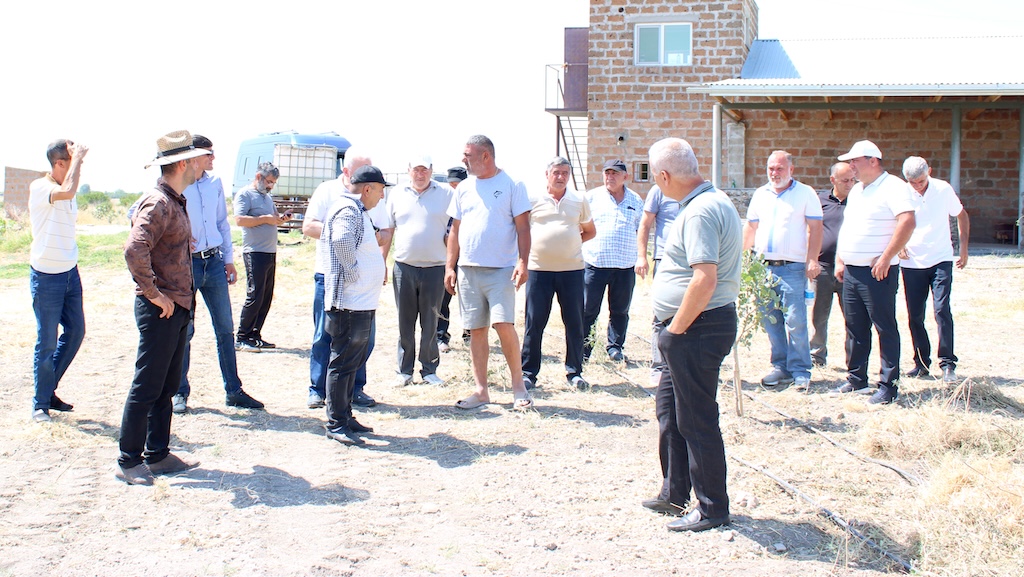
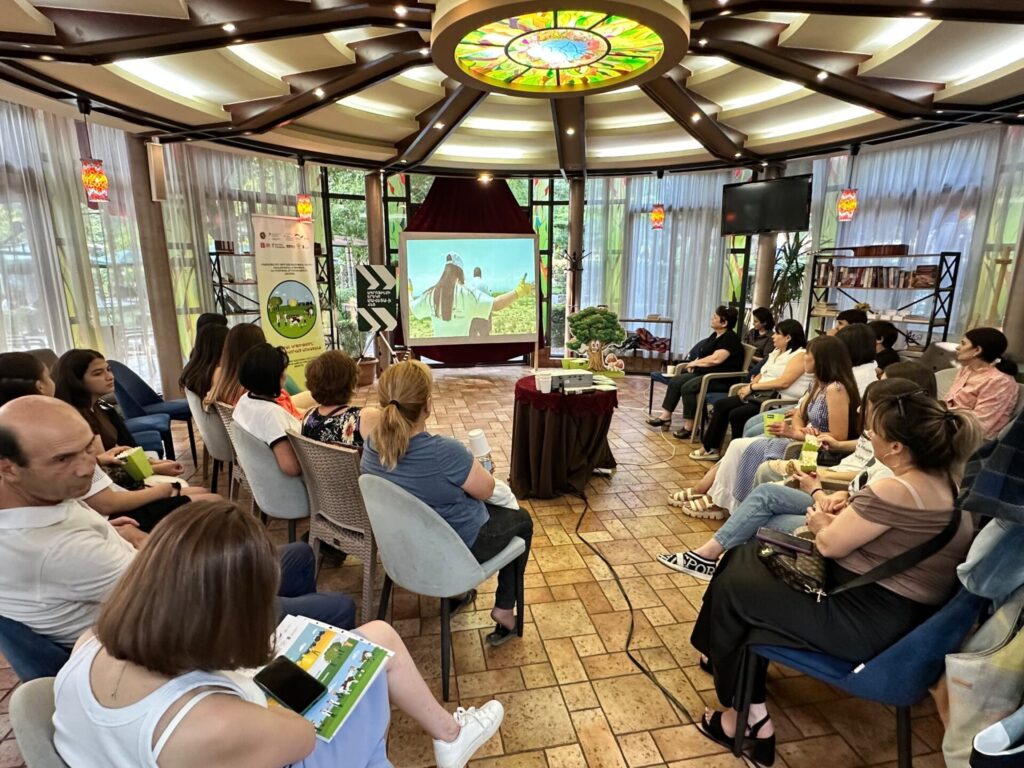
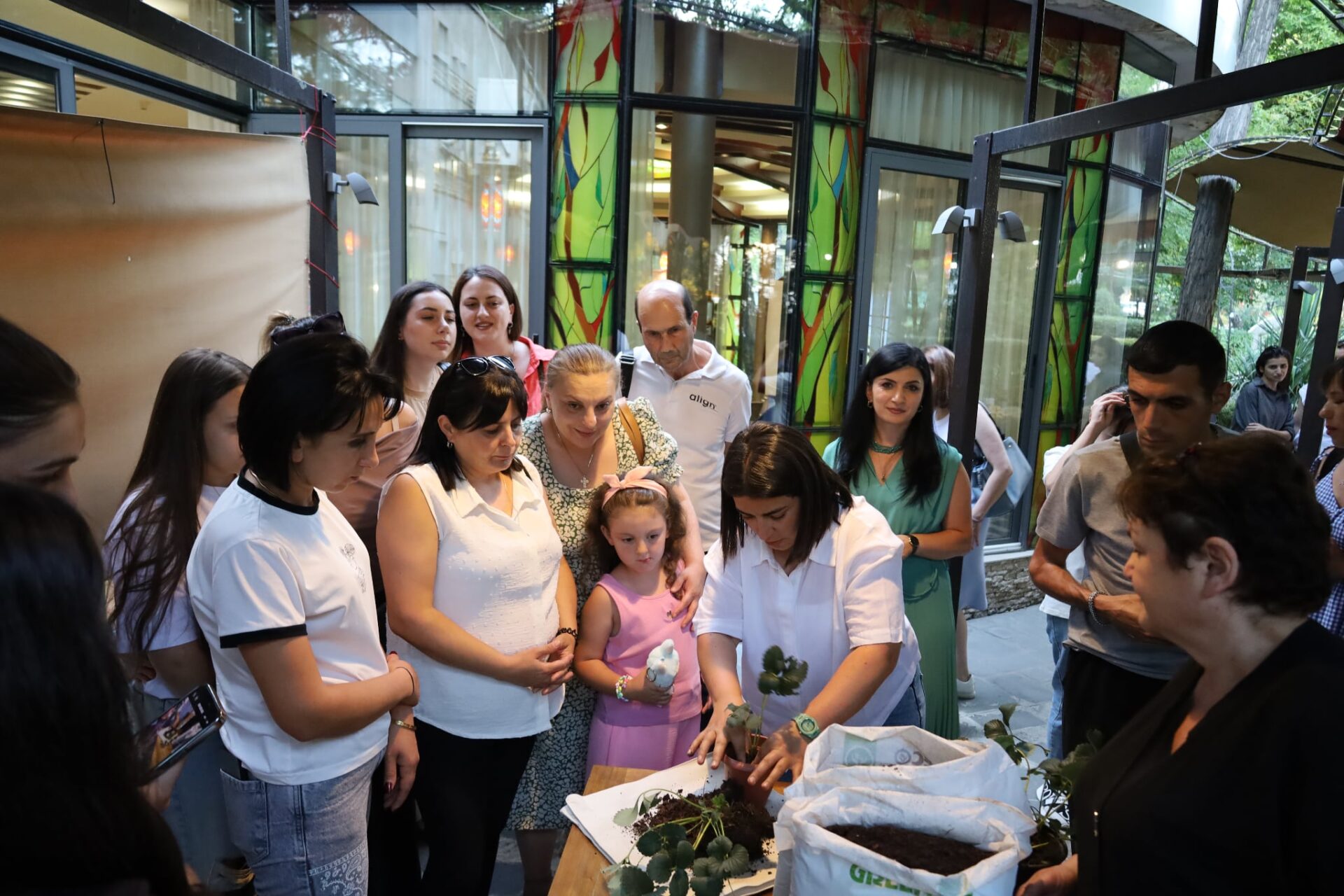
On June 3, a regular meeting of the management team and beneficiaries of the “Living Landscapes for Market Development in Armenia” (LILA) project took place at the COAF Center in the village of Debed, Lori region.

Levon Aghasyan, Director of WWF-Armenia, welcomed the participants and provided an overview of the project’s progress to date.

Alla Ghazaryan, Project Coordinator at the “Strategic Development Agency” NGO, presented updates on the first component. She highlighted efforts to promote sustainable and inclusive tourism, improve local business infrastructure and living conditions, and strengthen the skills and capacities of tourism and hospitality professionals. She also emphasized the value of exchange visits with international partners and the project’s collaboration with target communities.

Naire Yeritsyan, Project Coordinator at WWF-Armenia, shared progress on the second component, focusing on environmental protection efforts. Her remarks underscored activities related to the sustainable use of natural resources, climate change mitigation, and enhanced adaptation strategies.

Victoria Burnazyan, Vice Chairwoman of the Ecolur Information NGO, along with project beneficiaries and community leaders, shared reflections on the project’s impact at the local level.

Living Landscapes for Market Development in Armenia (LILA) project is funded by the Swiss Agency for Development and Cooperation (SDC) and implemented by WWF-Armenia in collaboration with SDA NGO.

Uncategorized

MAVETA Partners’ Concluding Meeting Held in Jermuk

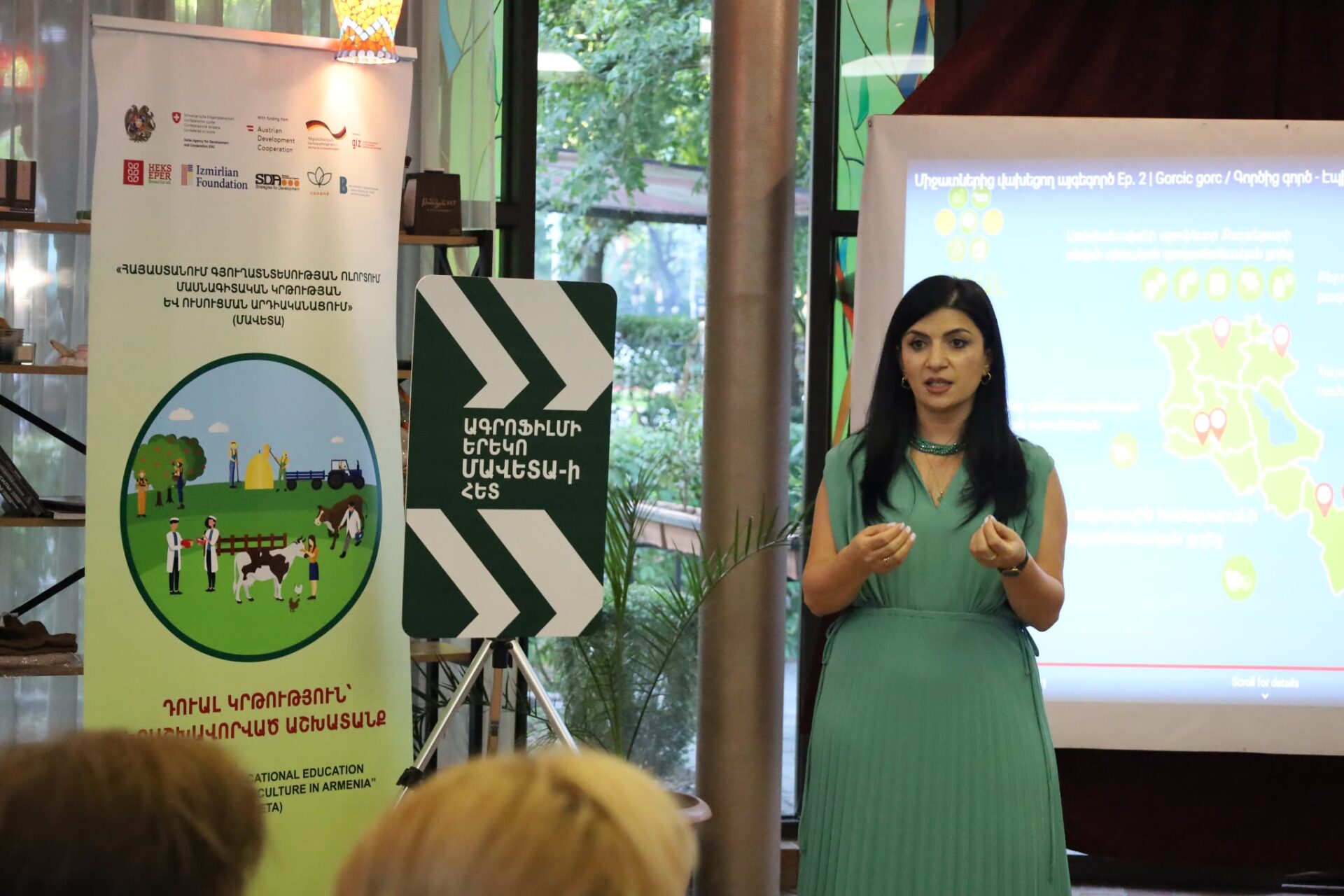
On May 29–30, the concluding meeting of partner vocational education and training (VET) institutions and private sector representatives involved in the Modernizing Vocational Education and Training in Agriculture in Armenia (MAVETA) project took place in Jermuk.

The event opened with welcoming remarks from Mkrtich Ayvazyan, Chairman of the “Strategic Development Agency” NGO, who highlighted the crucial role of employers in shaping both the educational process and practical training in professions developed through the dual education system.

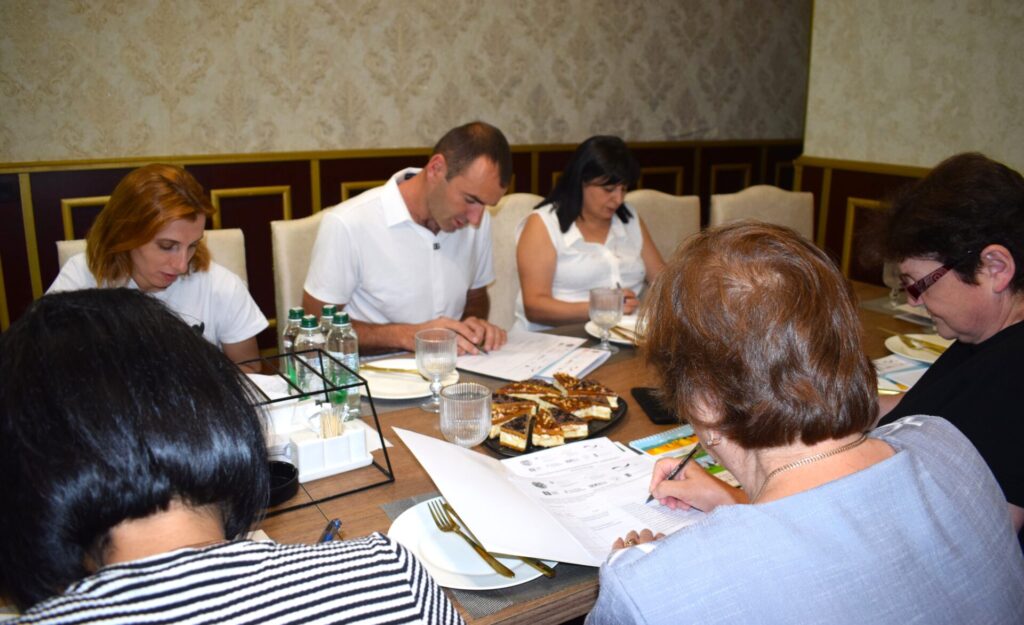
Over the course of the two-day workshop, participants evaluated the current status, key achievements, and ongoing challenges related to dual education from the perspectives of both VET institutions and employers. A comprehensive SWOT analysis was conducted for the five professions introduced through the dual education model under the project.

The second day focused on deepening collaboration between colleges and employers, improving assessment and feedback mechanisms, refining instructional strategies, and addressing other pressing issues relevant to dual education.

Group work sessions led to a set of joint actions and recommendations designed to enhance the implementation of dual education in both colleges and company-based vocational training.

A highlight of the meeting was a presentation on the outcomes of a study visit to Switzerland held in March, which offered valuable insights into Swiss best practices in dual education.

As a gesture of appreciation, certificates were awarded to employers who hosted apprentices as part of the project.

The MAVETA project is funded by a broad coalition of international and local organizations led by the Swiss Agency for Development and Cooperation (SDC), including the Austrian Development Agency, the German Ministry for Economic Cooperation and Development (BMZ), the Government of Armenia, the Swiss Church Aid (HEKS/EPER) NGO, Izmirlian Foundation, the Strategic Development Agency (SDA) NGO and Vanand Agro CJSC.

The project’s implementing partners are the GIZ and HEKS/EPER with the involvement of SDA and the School of Agricultural, Forest and Food Sciences at the Bern University of Applied Sciences (HAFL).

IADAAM Project Team Visits Ararat and Artashat WUAs to Assess Support Opportunities

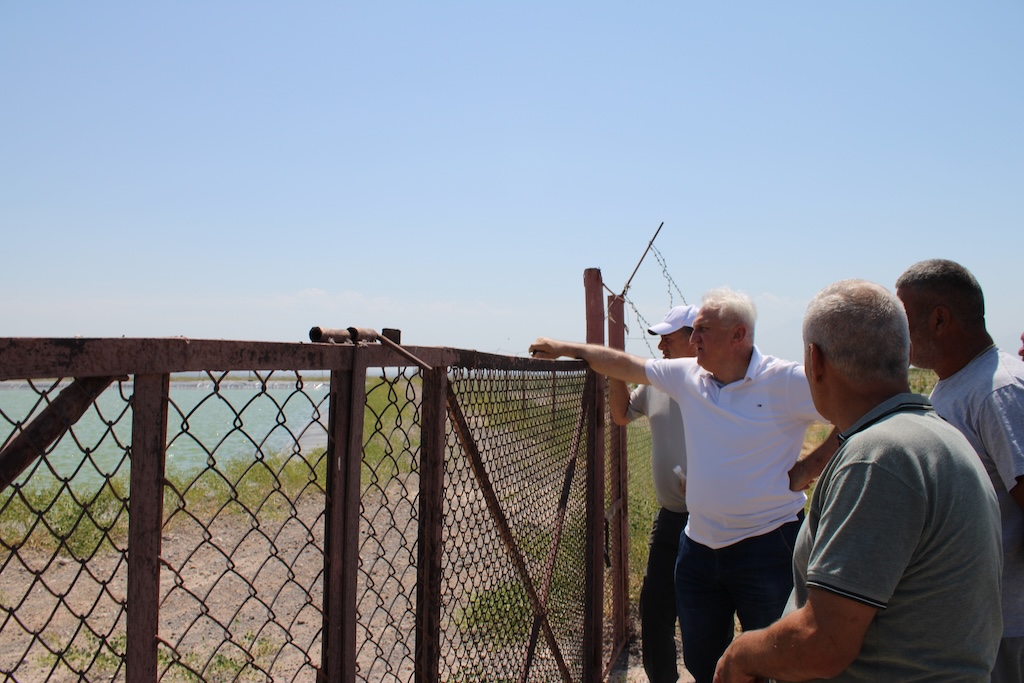
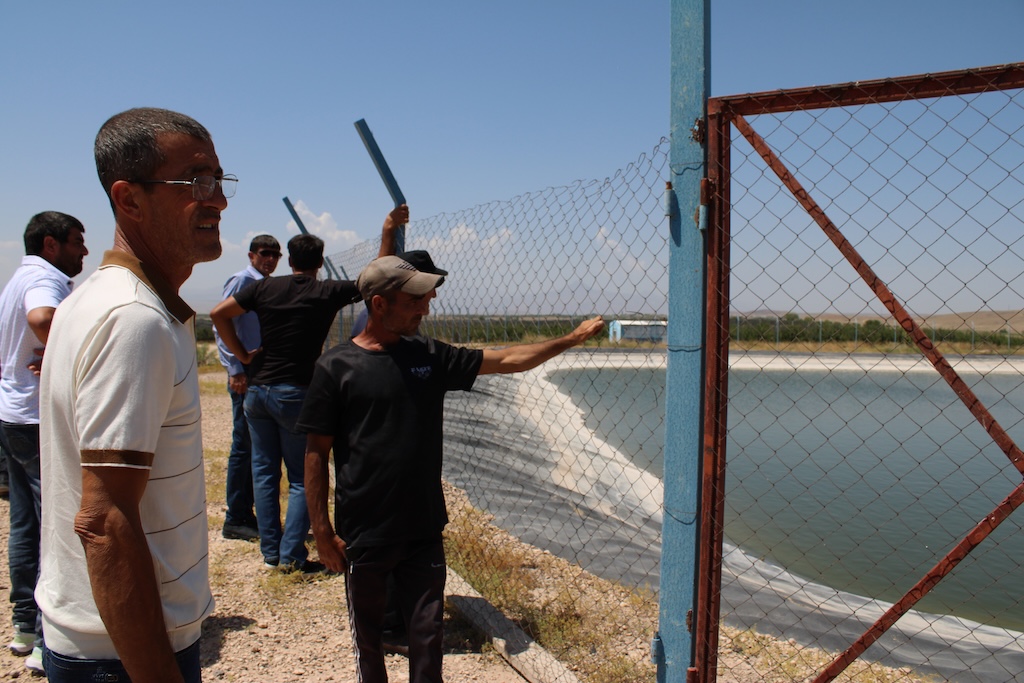
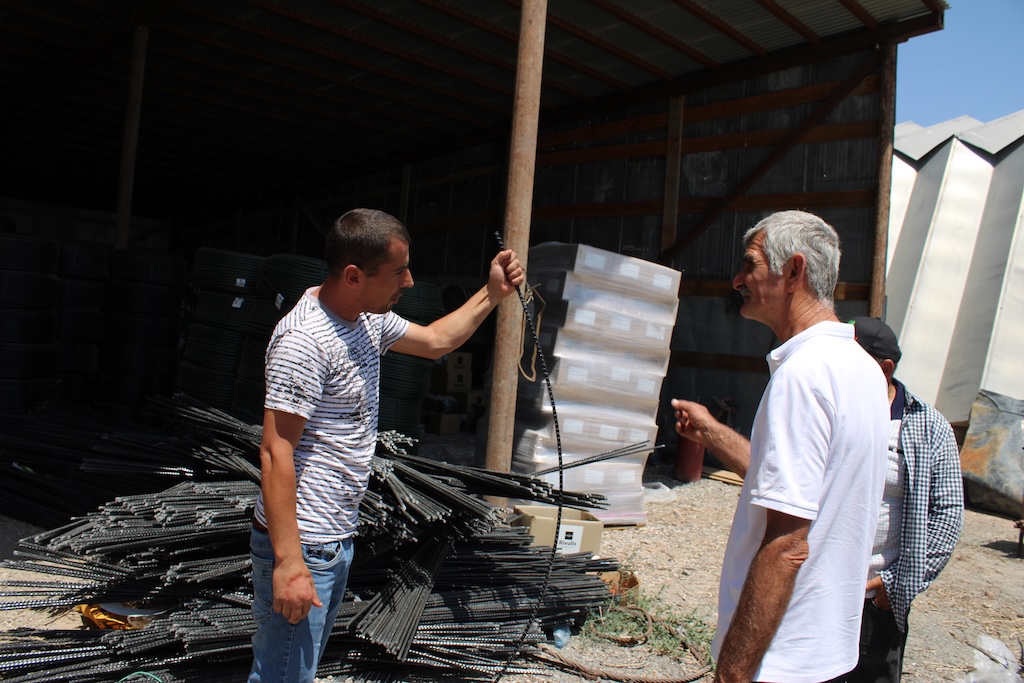
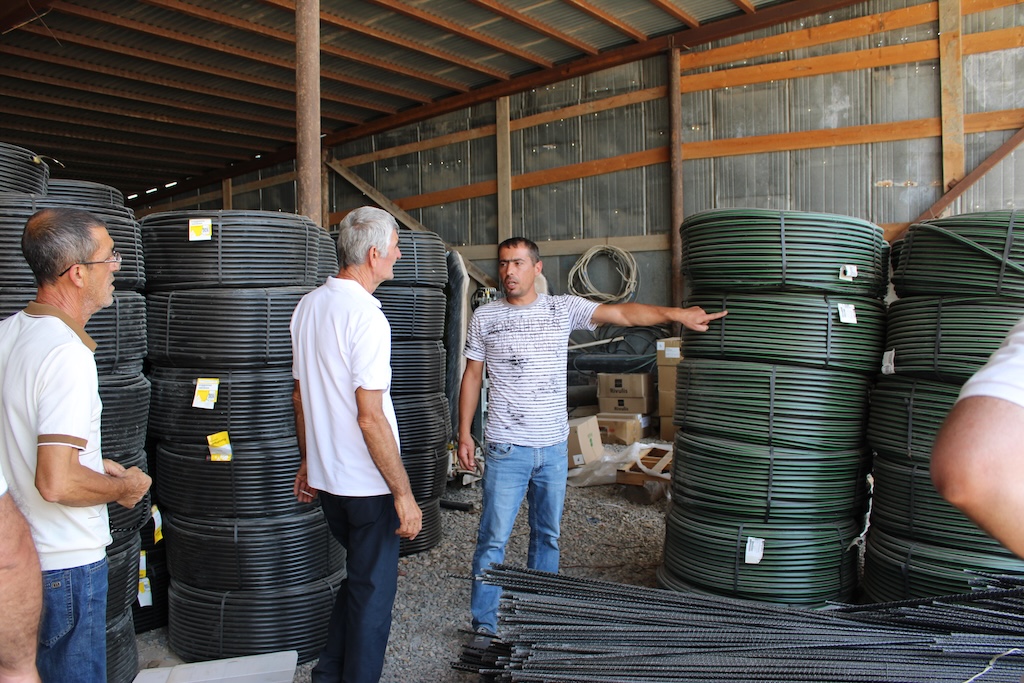
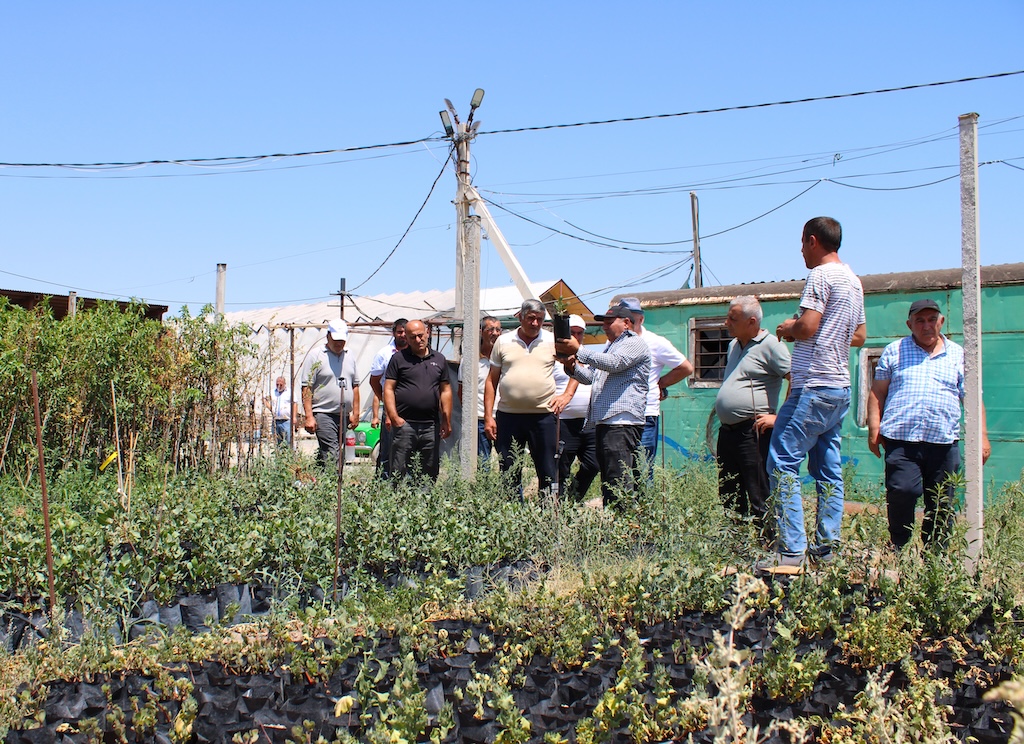
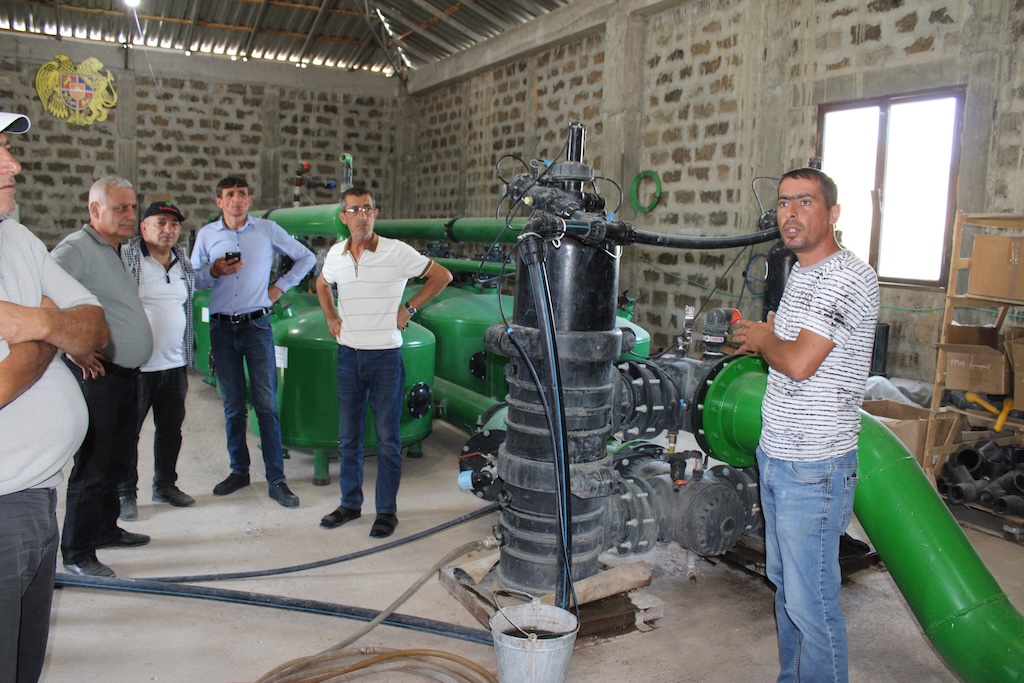
As part of ongoing efforts to ensure the effective implementation and sustainability of irrigation infrastructure, IADAAM Project’s Financial Expert Samvel Bareyan and Fund Expert Donald Aquilina conducted site visits to the Ararat and Artashat Water User Associations (WUAs).

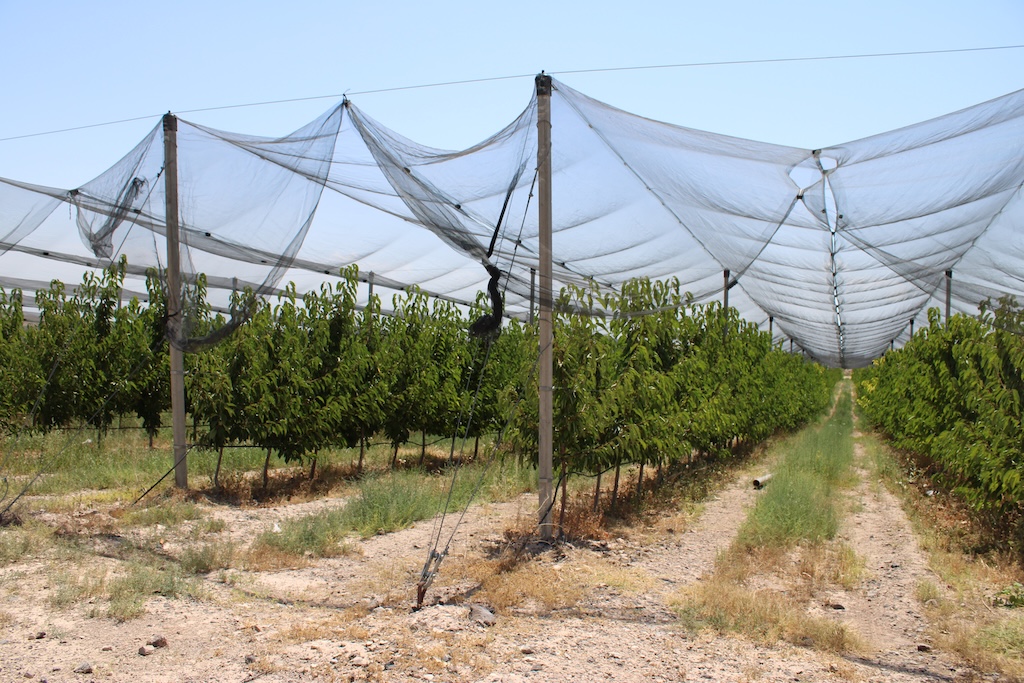
In Ararat WUA, the visit focused on discussions around the status of the irrigation network constructed in the Ararat, Avshar, Aygavan, and Noyakert areas. During the visit, the team sought to:

🔹 Identify current challenges in operating the network,

🔹 Understand the perceived interest of farmers in using the infrastructure,

🔹 Assess the role and readiness of the Water Users Cooperative (WUC) to manage and operate the system,

🔹 Review the WUC’s plans to make the network fully operational,

🔹 Identify opportunities for the Project to provide targeted support.

In Artashat WUA, discussions centered on the irrigation network built in Goravan, Sisavan, and Urtsadzor, with the team:

🔹 Evaluating the current condition of the network,

🔹 Identifying challenges and gaps,

🔹 Understanding farmers’ interest and the WUA’s operational capacity,

🔹 Reviewing activation plans,

🔹 Exploring areas for potential Project assistance.

These visits are part of IADAAM’s continued commitment to strengthening irrigation systems in Armenia through local engagement, practical evaluation, and tailored support initiatives.

Irrigated Agriculture Development in Ararat and Armavir marzes (IADAAM) project, financed through the European Union (EU) with implementation by the French Development Agency (AFD) is an integrated initiative aimed at transforming irrigated agriculture in Armenia.

Within IADAAM project a technical assistance component is implemented jointly by Agriconsulting Europe S.A, Avenue Consulting Group LLC, Strategic Development Agency NGO and 3R Strategy LLC consortium and aims to provide institutional support to the Ministry of Economy (MoE) in the formulation of agricultural policies and reforms in priority areas, provide technical support to the MoE in the implementing project activities, ensure communication and reporting for the IADAAM project.
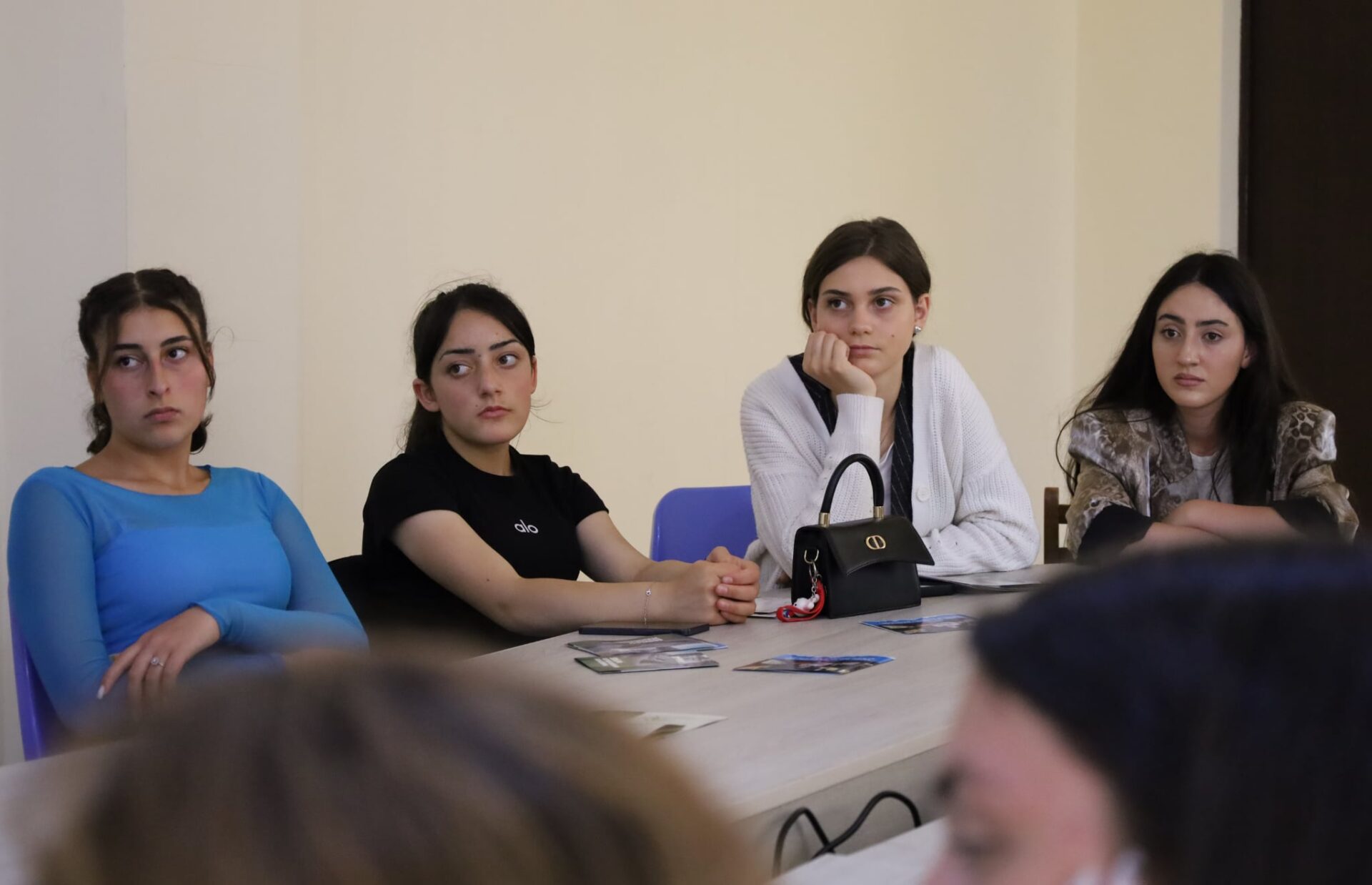
LILA Participants of the Two-Month Course on “Basics of Tourism” Received Certificates

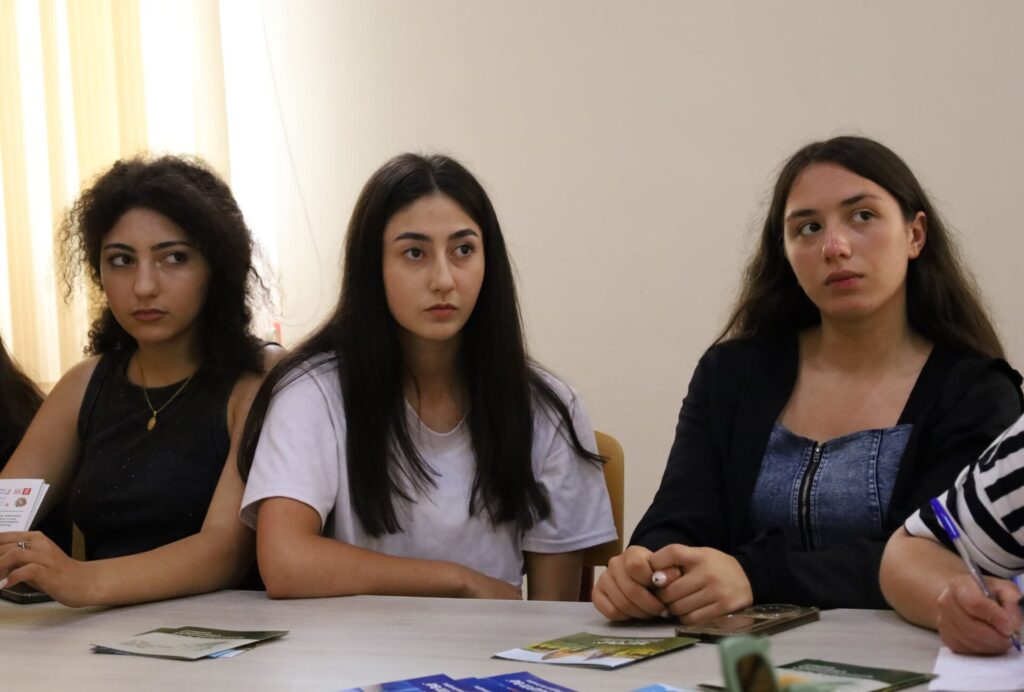
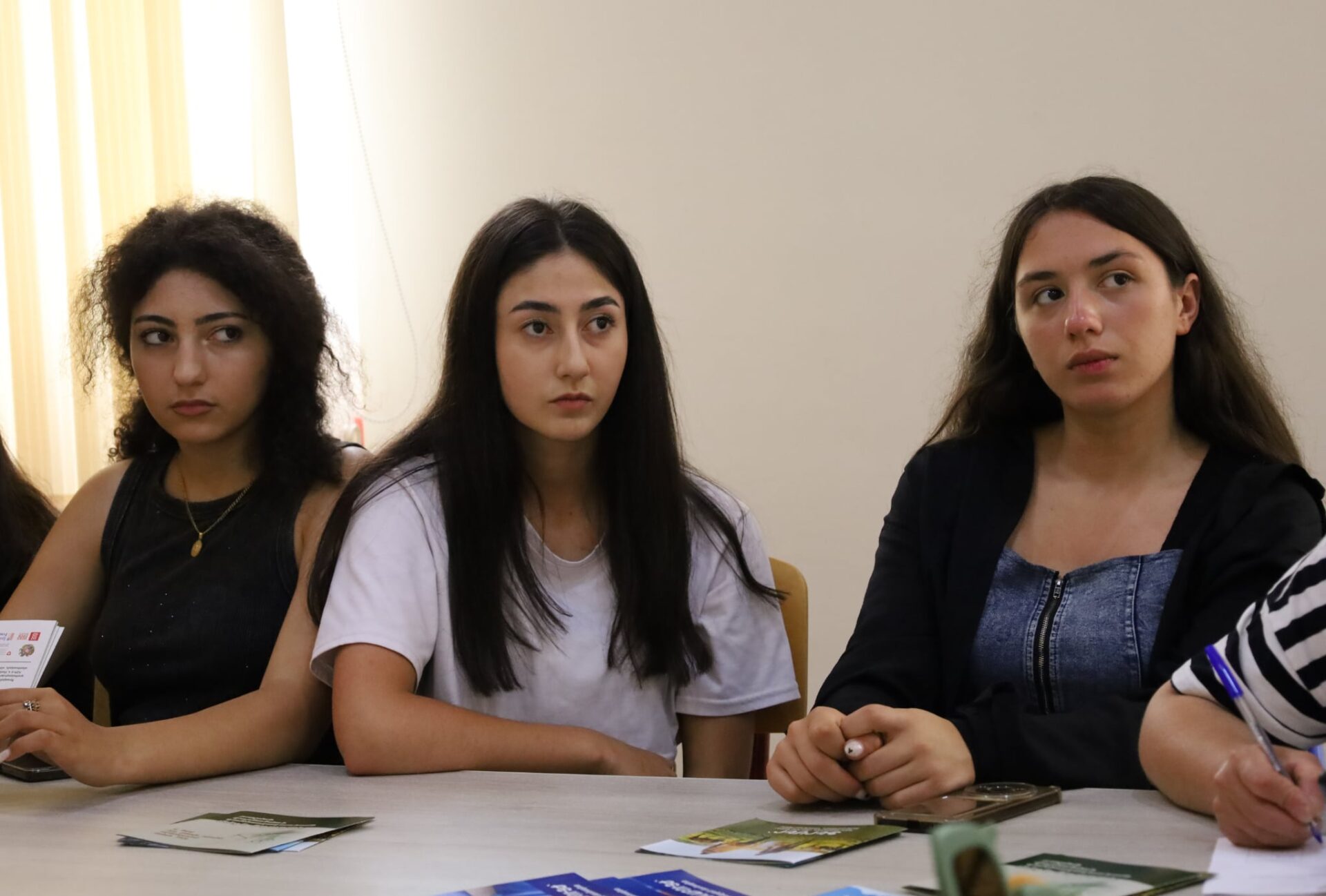
The closing meeting and certificate awarding ceremony of the two-month training course on “Basics of Tourism” organized within the framework of the “Living Landscapes for Market Development in Armenia” (LILA) project took place in Gosh community of Tavush region.

The training was designed for a group of forcibly displaced persons from Artsakh, aiming to develop their skills and support their involvement in Armenia’s inbound and domestic tourism sector. The training was conducted by “One Way” Group LLC.

Edgar Navasardyan, founder of the “Our Mountains” sports camp, a project partner, introduced participants to the basics of adventure tourism, explaining the differences between hiking, trekking, and mountaineering. He also covered the essential aspects of organizing those trips, including important safety rules.

Lilya Torosyan, the tourism officer of the LILA project, presented certificates along with professional hiking equipment sets, wishing the participants success in their future careers.

Following the ceremony, the group enjoyed a cultural tour of Goshavank. During their visit to Gosh, participants also explored the “Arevi Gosh” hotel, another partner of the project, and learned about the nuances of hospitality.

Living Landscapes for Market Development in Armenia (LILA) project is funded by the Swiss Agency for Development and Cooperation (SDC) and implemented by WWF-Armenia in collaboration with SDA NGO.

Uncategorized

Agriculture for All: MAVETA’s Job Fair in Yerevan

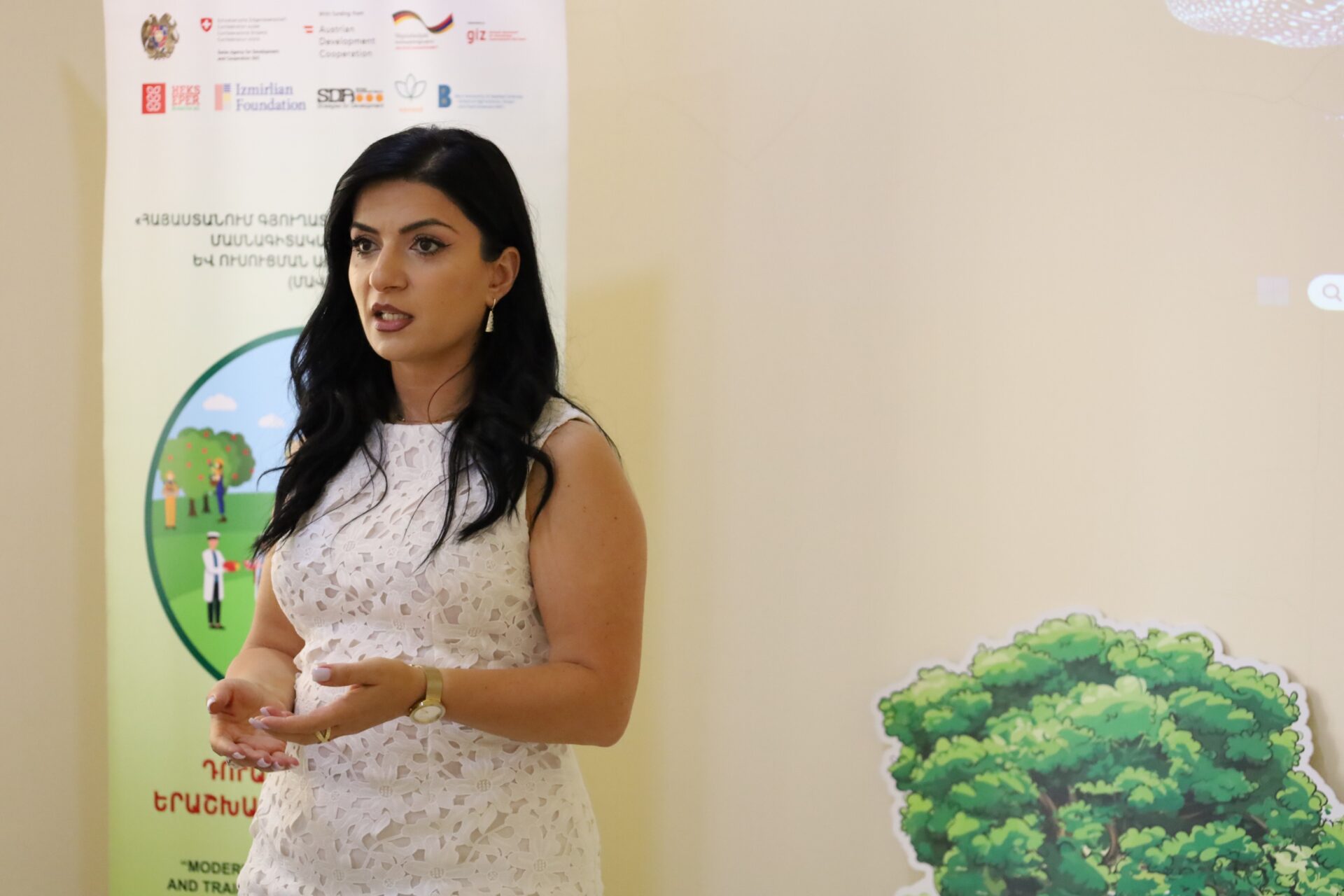
Within the framework of the Modernizing Vocational Education and Training in Agriculture in Armenia (MAVETA) project, the “Strategic Development Agency” NGO, in collaboration with the Armenian National Agrarian University (ANAU), organized a job fair in Yerevan on May 27.

The event was attended by key officials and project partners, including Araksia Svajyan, Deputy Minister of Education, Science, Culture and Sports of the Republic of Armenia, Edgar Hakobyan, Head of the Department of Agricultural Extension and Innovation at the RA Ministry of Economy, Lilit Hovhannisyan, MAVETA Project Manager, and Vardan Vardanyan, Director of the Yerevan College of ANAU.

In her address, Deputy Minister Svajyan highlighted the growing interest in agricultural professions and emphasized the importance of aligning educational initiatives with the evolving needs of the sector. She praised the MAVETA project’s implementation of a work-based learning model, noting its critical role in enhancing students’ practical training. She also stressed that strong collaboration with employers is key to the success of vocational education.

Lilit Hovhannisyan, MAVETA Project Manager, underlined the project’s commitment to social inclusion, with a focus on ensuring equal opportunities for women and vulnerable groups to participate in the labor market. She also emphasized the importance of fostering diverse and inclusive workplaces.
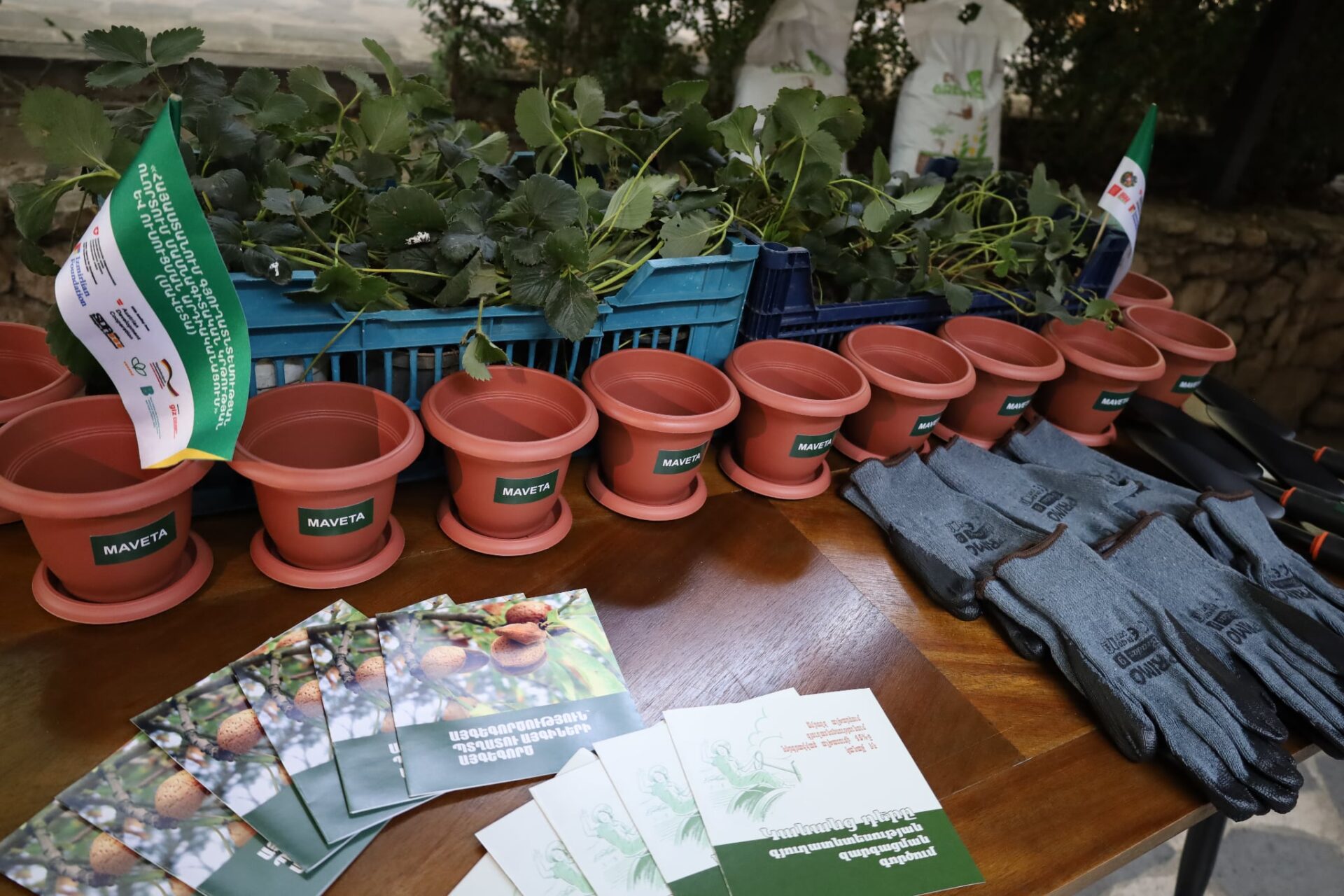
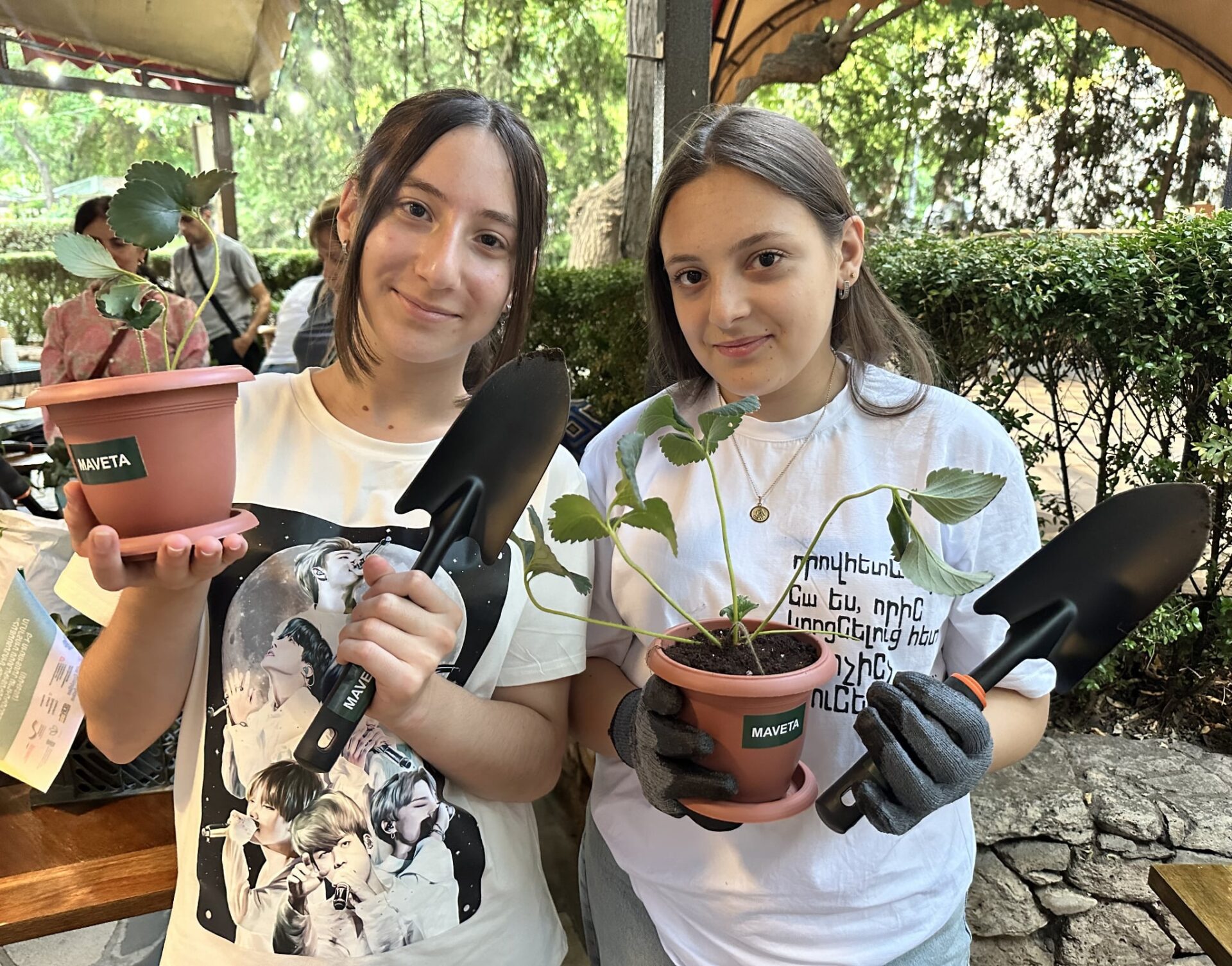
Over 20 employers from the agriculture and agribusiness sectors in the Yerevan and Armavir regions participated in the fair, each represented by individual pavilions offering job opportunities and information.

The Yerevan College of ANAU—one of the MAVETA project’s key partners—along with the Armenian National Agrarian University and the Etchmiadzin Craftsman State School, showcased a list of in-demand agricultural professions and presented the benefits of dual education and practical training.

In addition, a seminar titled “Future Jobs: Classification of Soft and Professional Skills” was held for young people and students. The session offered valuable insights into the skills needed to succeed in today’s job market and prepare for the demands of tomorrow’s workforce.

The MAVETA project is funded by a broad coalition of international and local organizations led by the Swiss Agency for Development and Cooperation (SDC), including the Austrian Development Agency, the German Ministry for Economic Cooperation and Development (BMZ), the Government of Armenia, the Swiss Church Aid (HEKS/EPER) NGO, Izmirlian Foundation, the Strategic Development Agency (SDA) NGO and Vanand Agro CJSC.

The project’s implementing partners are the GIZ and HEKS/EPER with the involvement of SDA and the School of Agricultural, Forest and Food Sciences at the Bern University of Applied Sciences (HAFL).