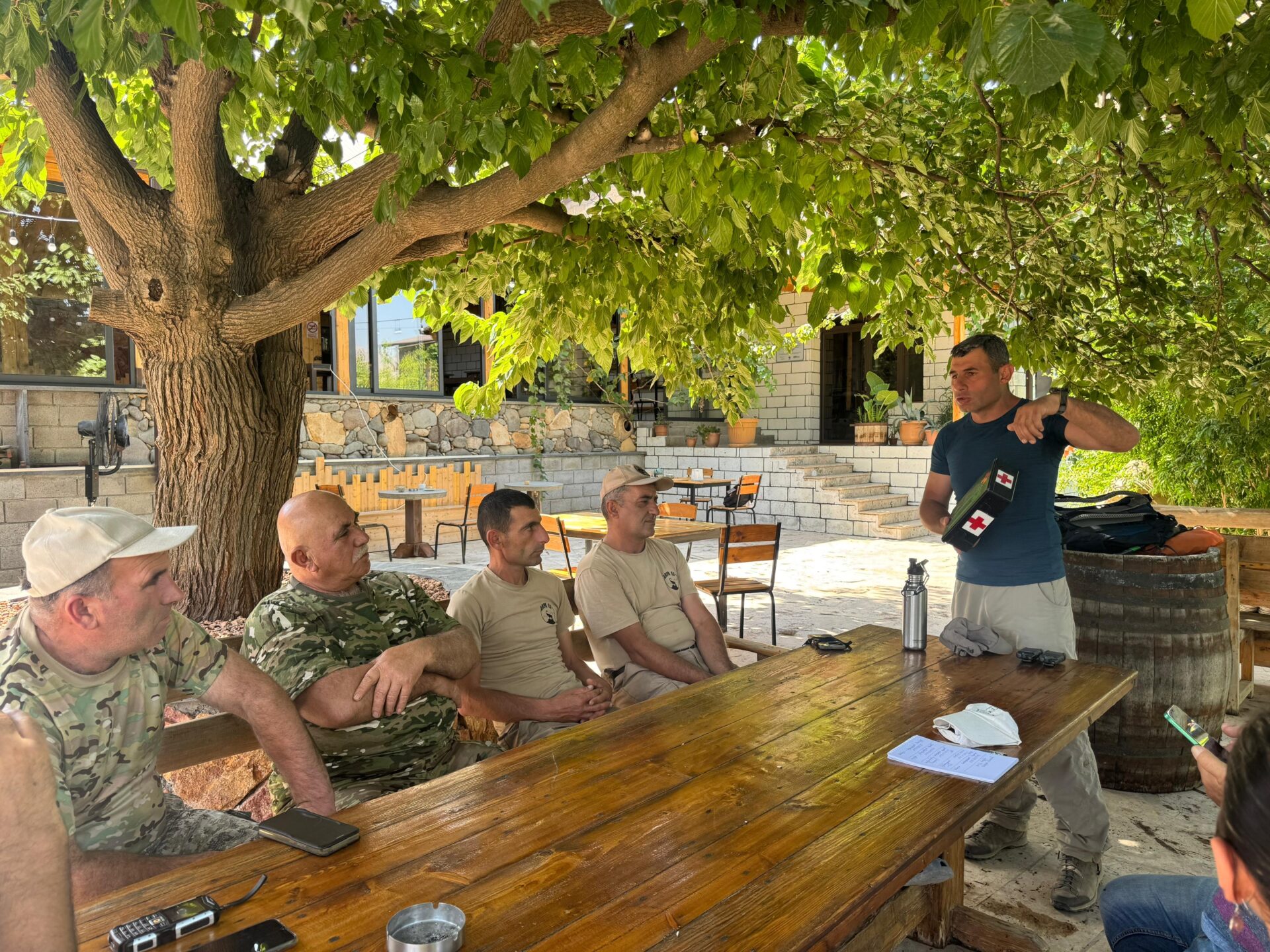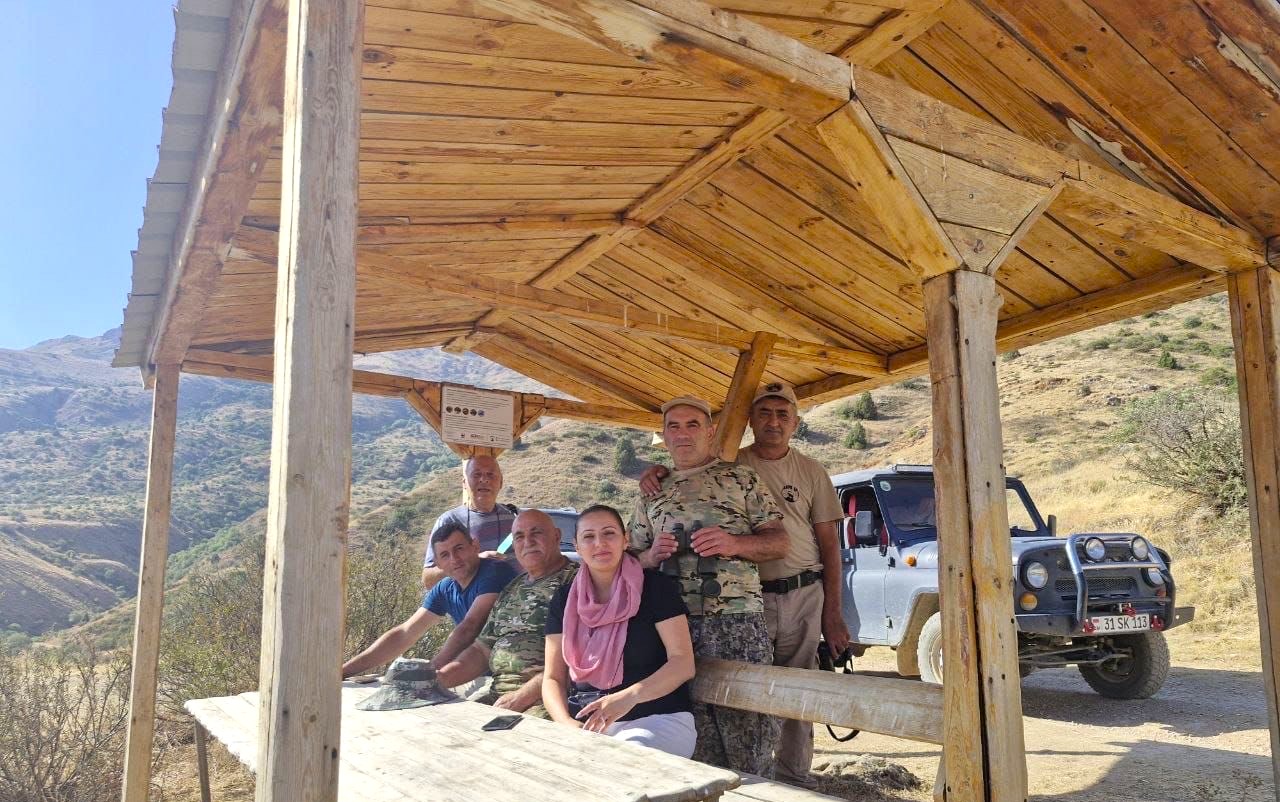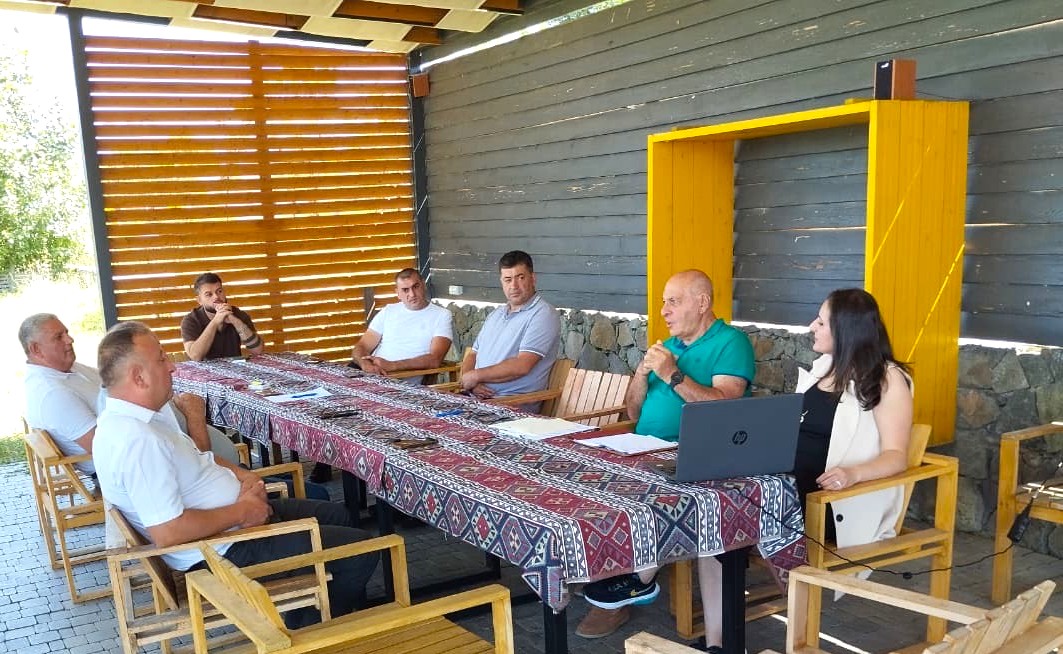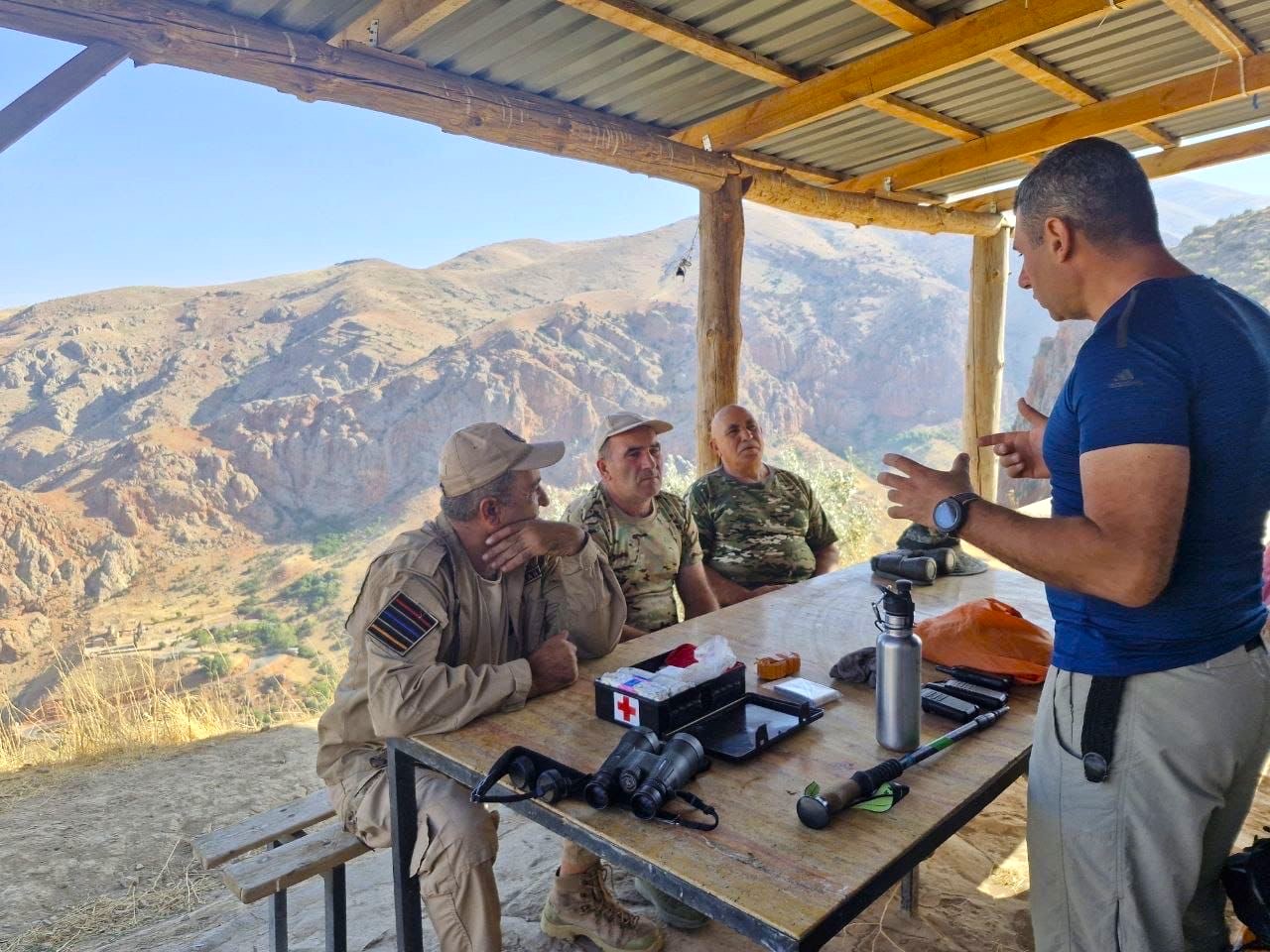

Armenian-Georgian Tourism Business Forum Held Under the RECONOMY Project

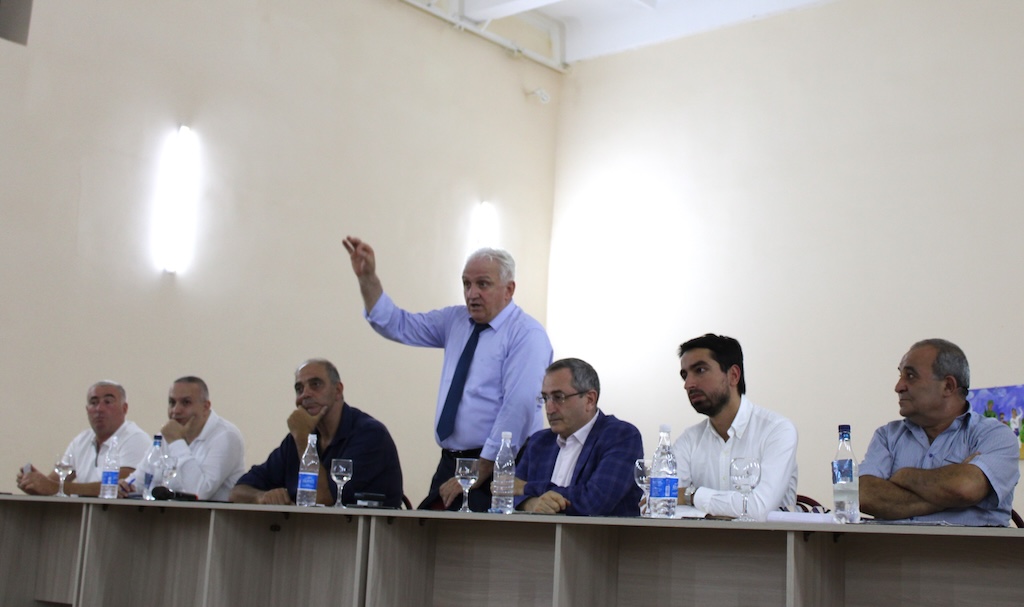
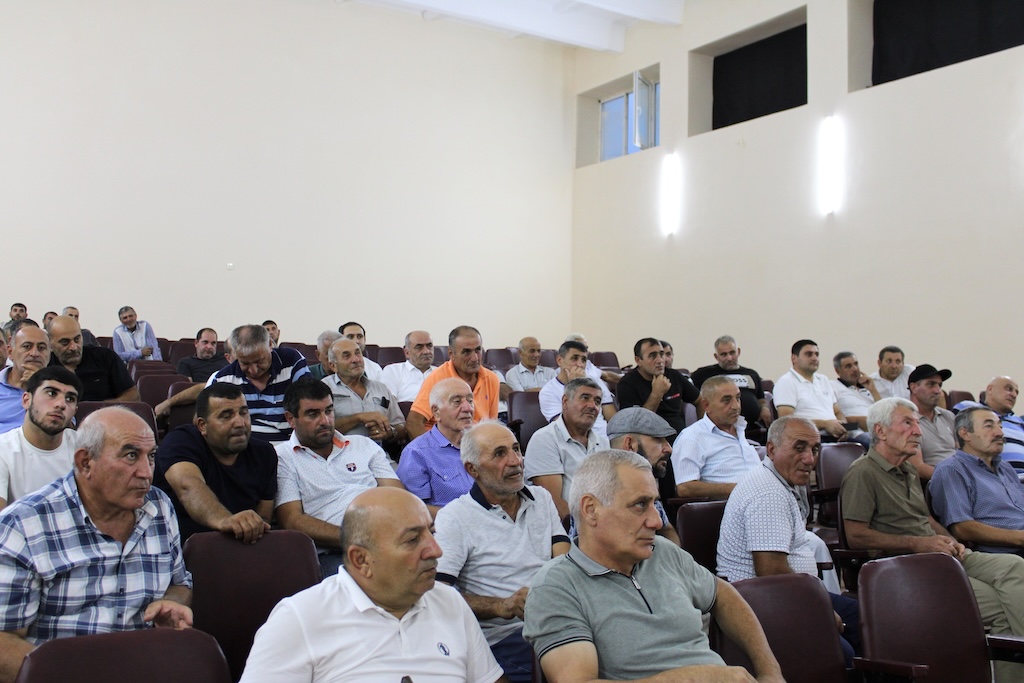
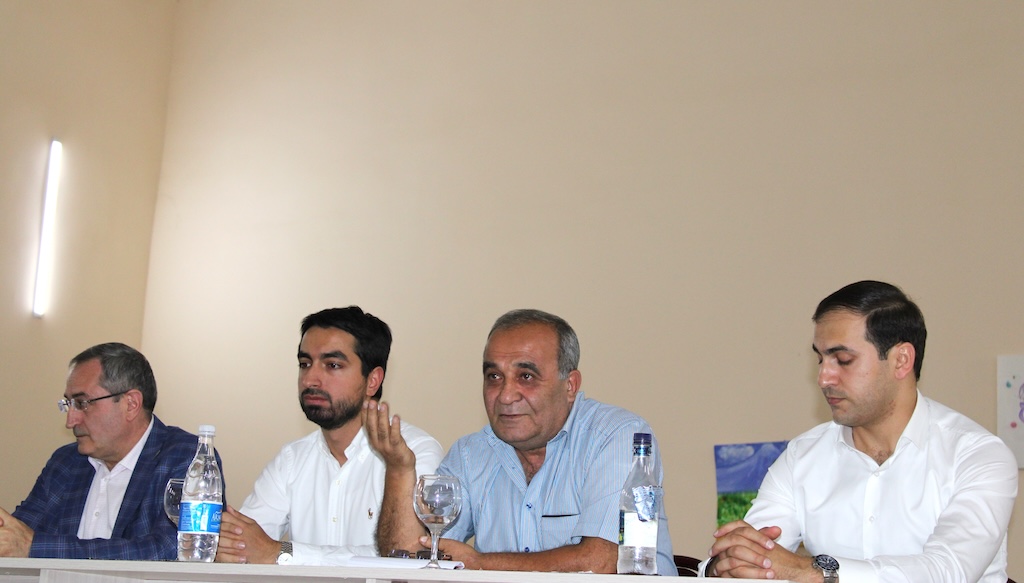
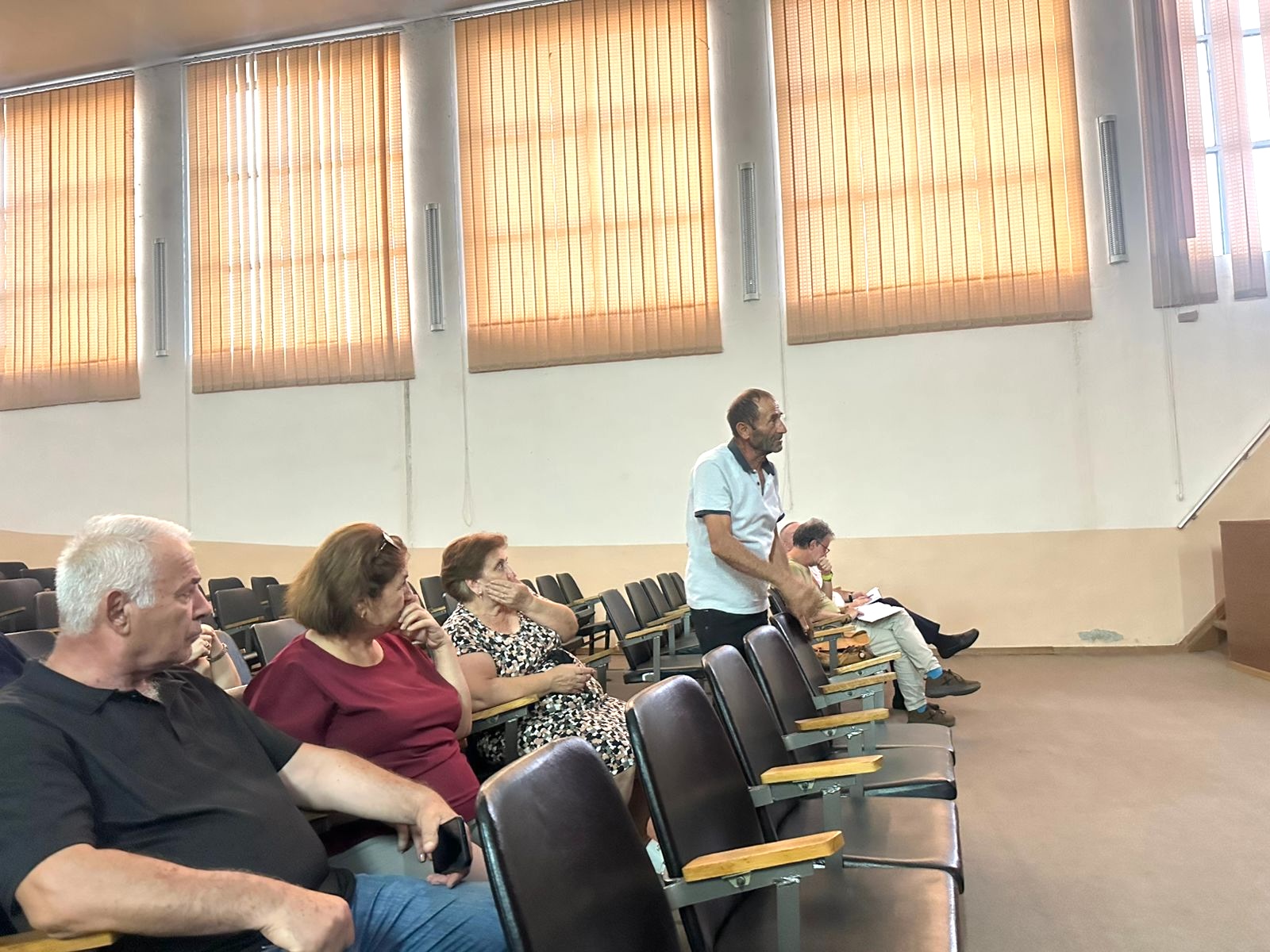
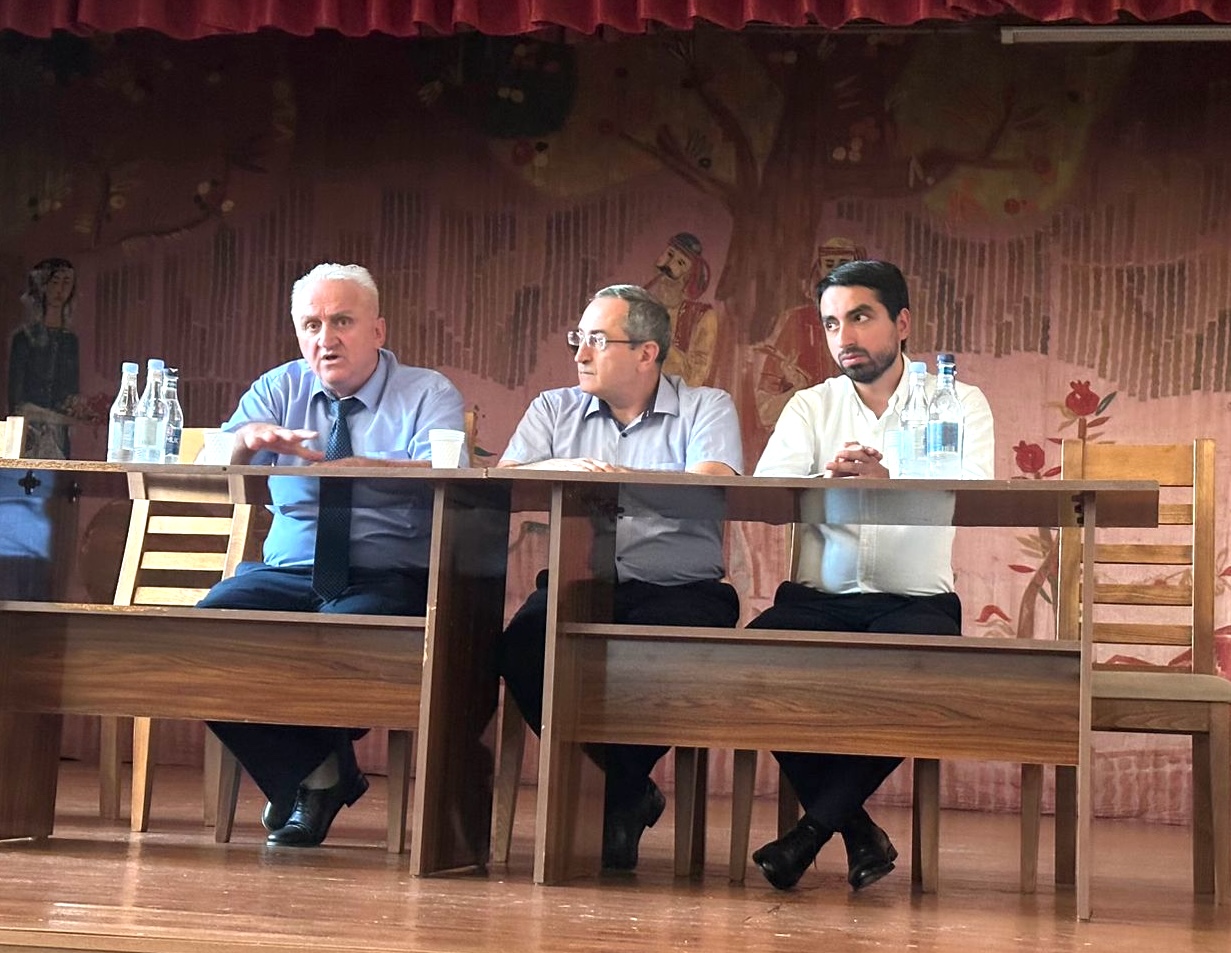
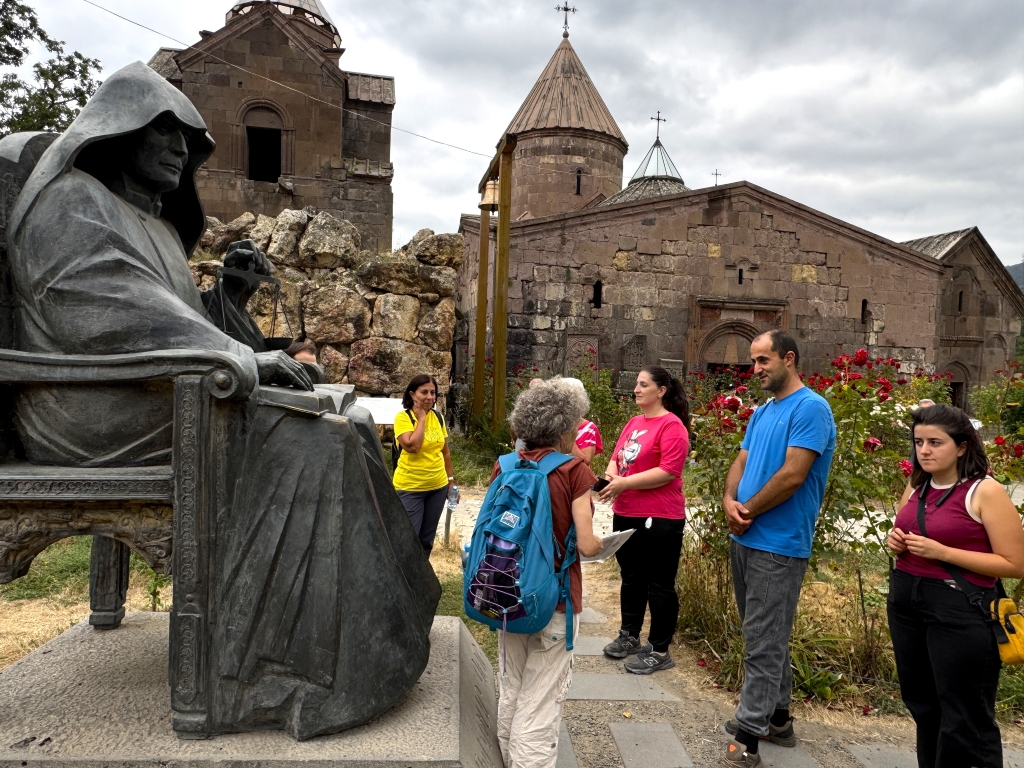
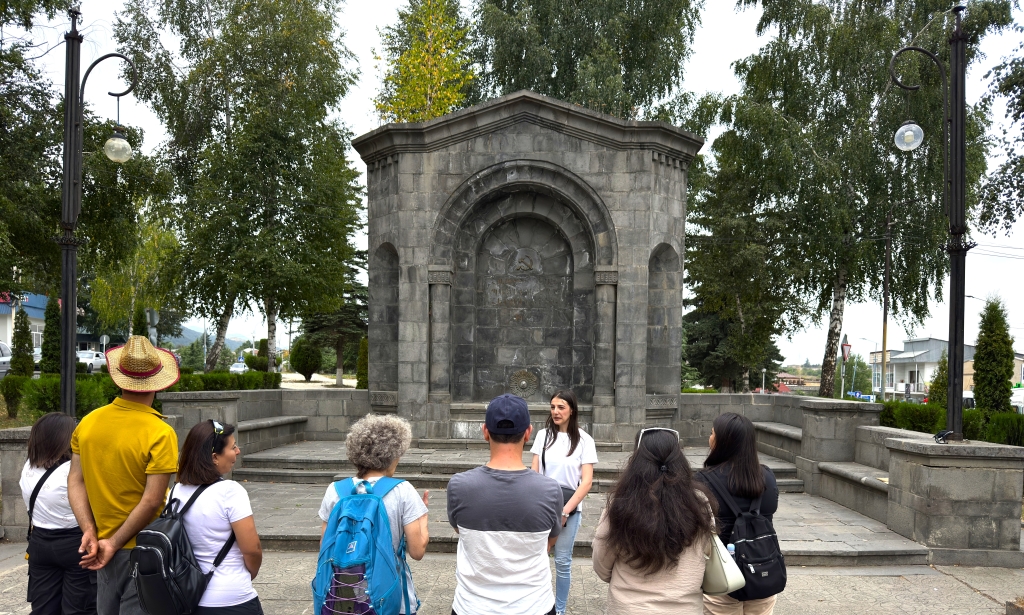
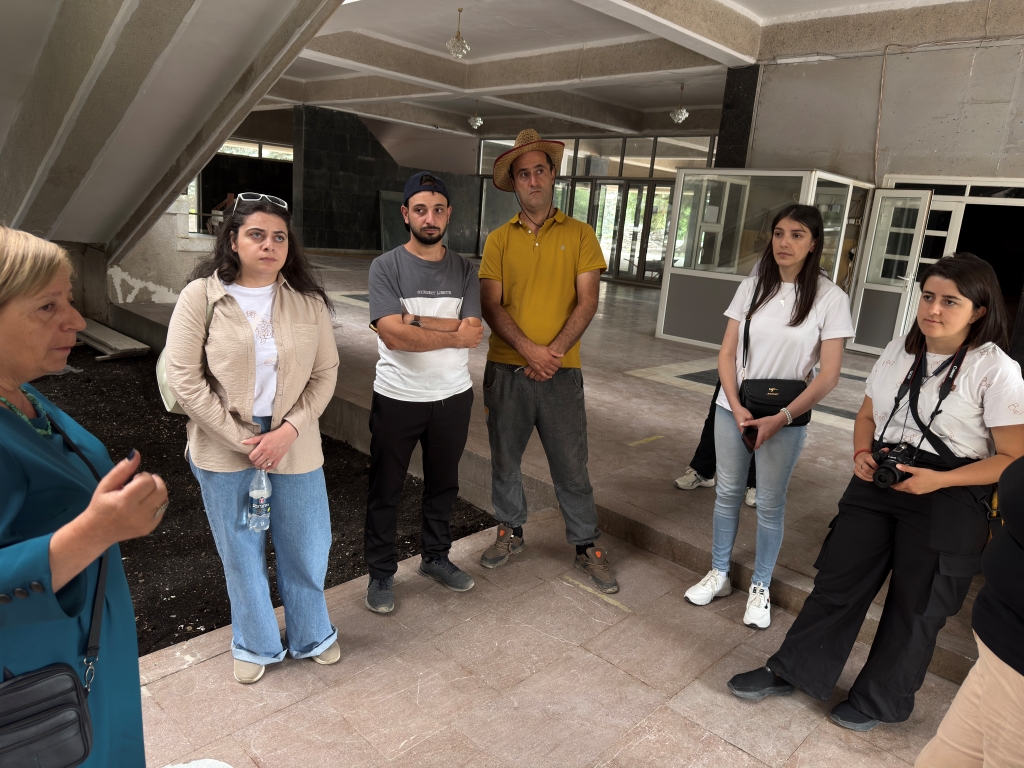
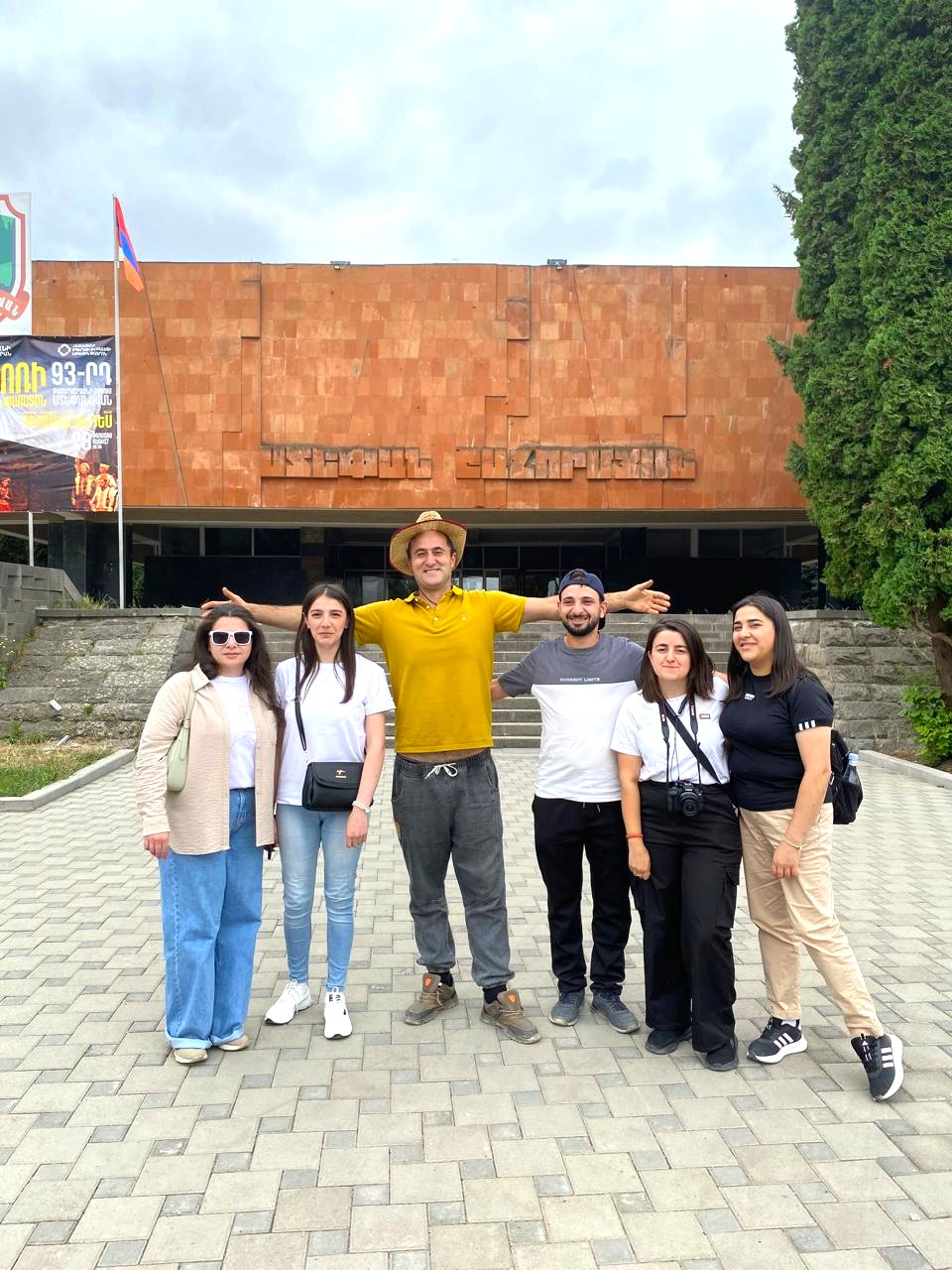
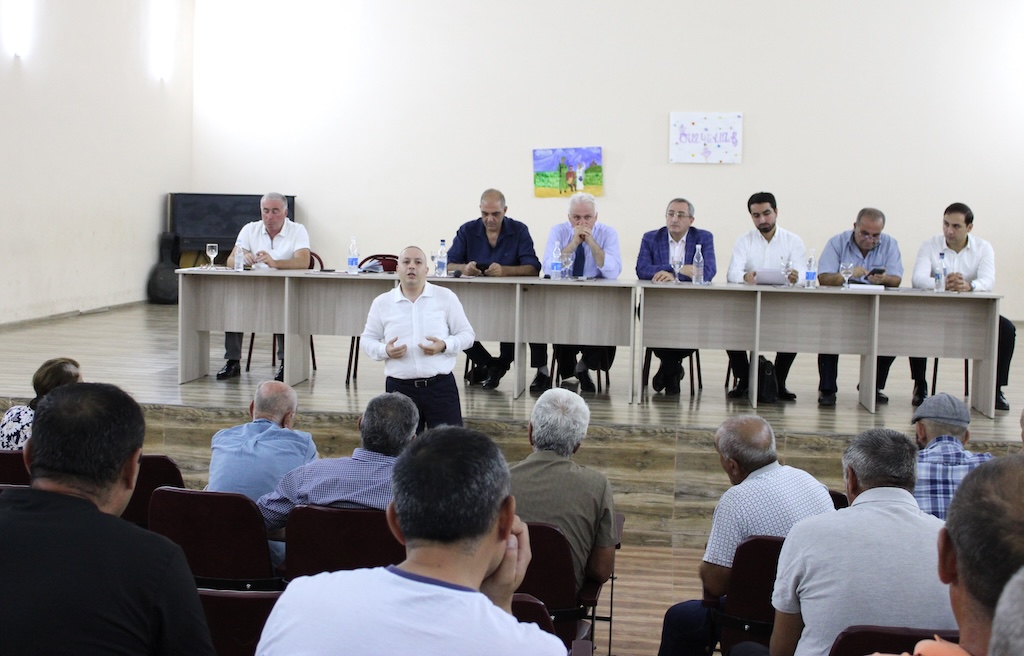
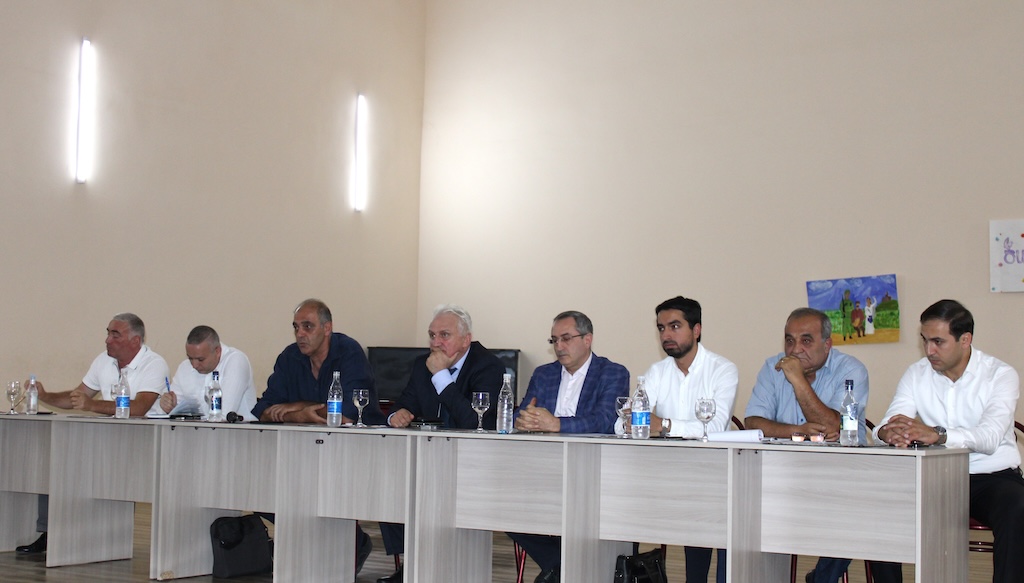
Within the framework of RECONOMY’s “Digitizing Sectors for Competitiveness” project, the Armenian-Georgian Tourism Business Forum was held in Dilijan on June 21–22. The event brought together key stakeholders, including Lusine Gevorgyan, Chairperson of the Tourism Committee of the RA Ministry of Economy, Giorgi Sharvashidze, Ambassador of Georgia to Armenia, Mher Sahakyan, Project Manager at the Strategic Development Agency (SDA) NGO, the Presidents of the Armenian Tourism Federation and the Georgian Tourism Association, representatives of HELVETAS Swiss Intercooperation, and local and Georgian tour operators.

The forum agenda focused on regional and bilateral cooperation in the tourism sector.

Mher Sahakyan, Project Manager of RECONOMY’s “Digitizing Sectors for Competitiveness” presented the steps taken to develop regional tourism and outlined prospects for enhancing cooperation within the project’s framework. This was followed by a presentation from GovTech specialists, who shared findings from a recent study on the Armenian tourism market, specifically examining the digital transformation needs of small and medium-sized enterprises (SMEs).

Participants engaged in discussions on how to enhance the competitiveness of joint Armenian-Georgian tourism packages. They identified key challenges faced by the tourism sectors in both countries and explored practical, collaborative solutions.

Following the forum, B2B meetings were held between Armenian and Georgian tourism companies, providing a platform for networking and business development.

Participants highly valued the outcomes of the forum and expressed strong interest in continuing and expanding cooperation, building on the insights gained during the discussions and B2B sessions.

The business forum and B2B meetings were organized in the margins of the “Mimino” Armenian-Georgian Cultural and Culinary Festival.

RECONOMY is an inclusive and green economic development program of the Swedish International Development Cooperation Agency (Sida), implemented by Helvetas in partnership with the Strategic Development Agency NGO and others in the Eastern Partnership and Western Balkan countries.

Uncategorized

Advancing Irrigation Solutions in Baghramyan and Norakert – A Step Forward Under IADAAM Project

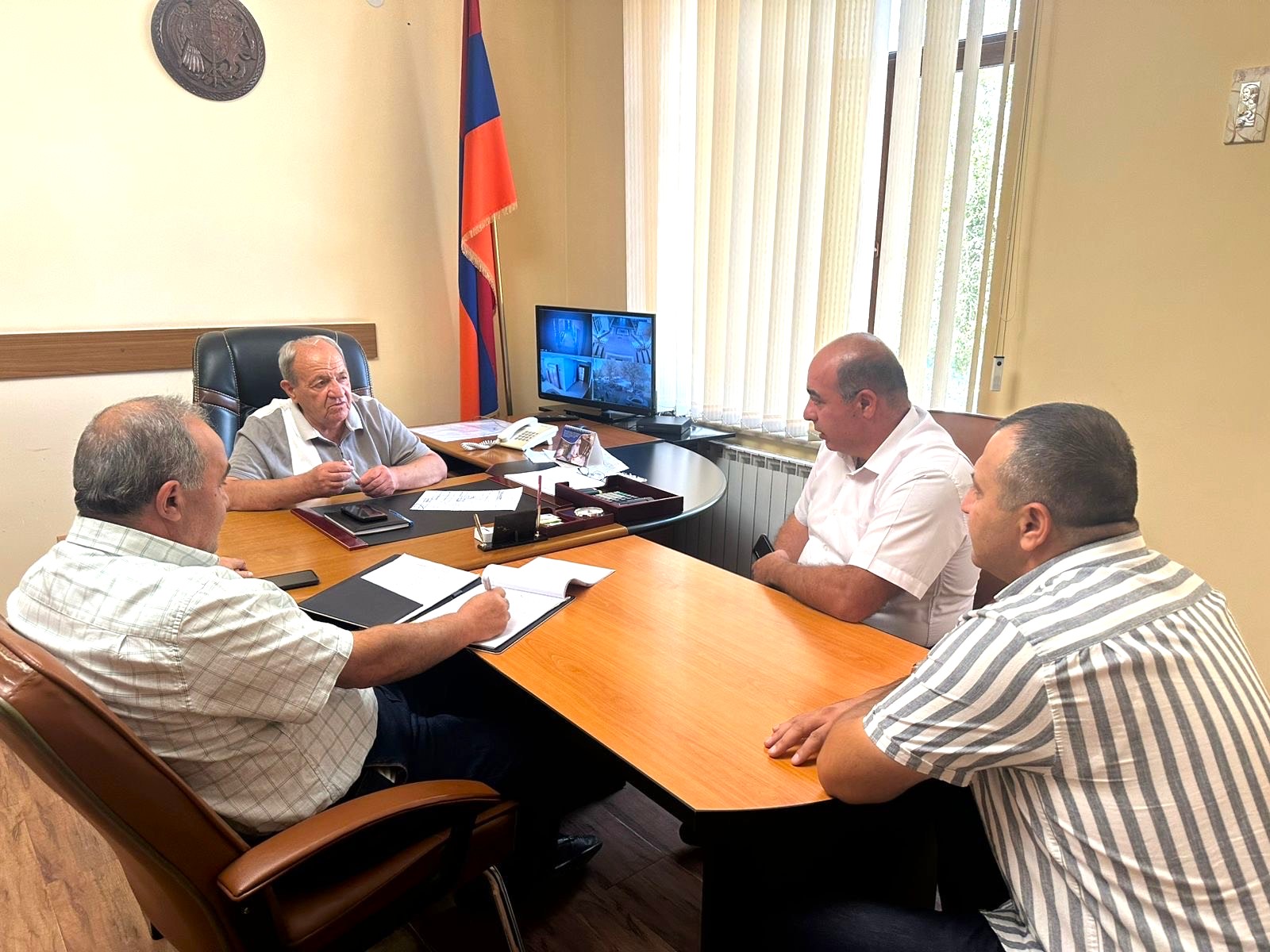
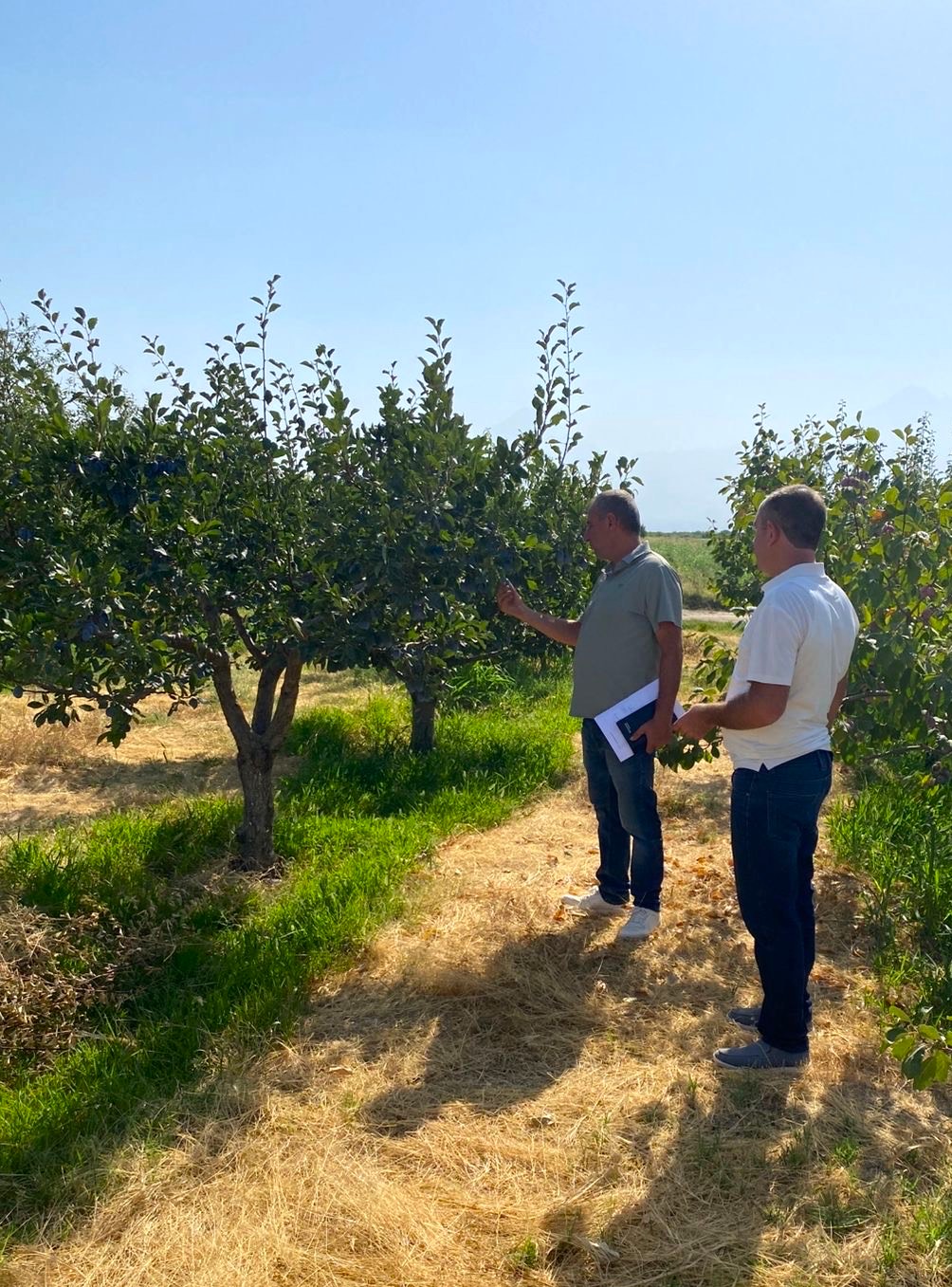
As part of the Irrigated Agriculture Development in Ararat and Armavir Marzes (IADAAM) project, a joint visit was carried out to Parakar Municipality, followed by a field inspection of the Norakert and Baghramyan irrigation systems. The delegation included IADAAM Project Manager Karen Harutyunyan, IADAAM Team Leader Stefan Rosenow, AEST Armavir Coordinator Vardan Hambardzumyan, the AEST Armavir team, and the Heads of the Norakert and Baghramyan Communities. The discussion centered on the provision of four filtration systems to support 620 hectares of irrigated farmland in the Baghramyan and Norakert pilot areas. These filters will play a key role in enabling the shift toward efficient drip irrigation.

📍 Key highlights from the visit:

🔹 The meeting at Parakar Municipality facilitated an open dialogue on how best to cooperate in enhancing irrigation services. The municipality expressed interest in future partnership, recognizing the project’s potential to strengthen agricultural capacity in the region.

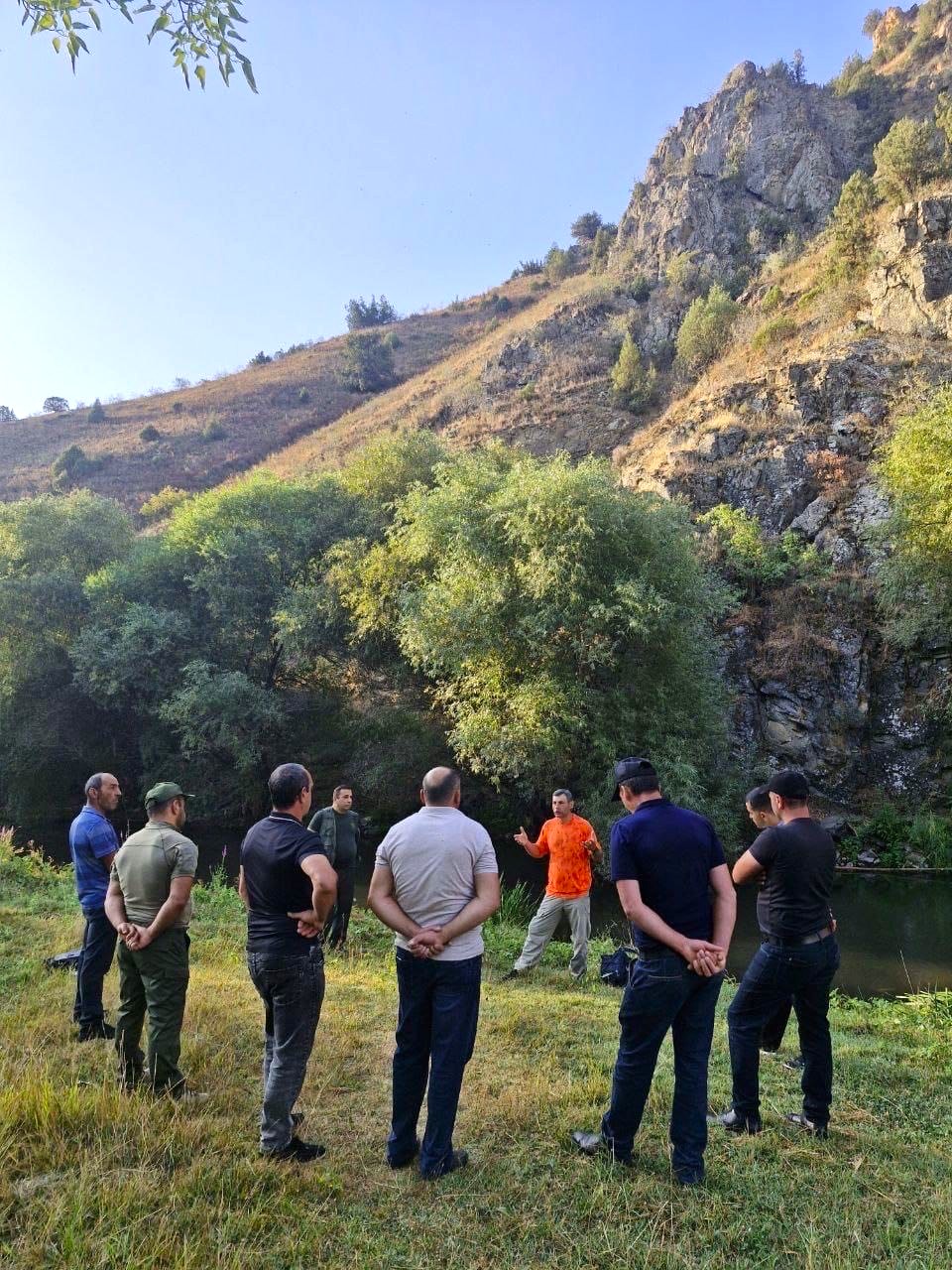
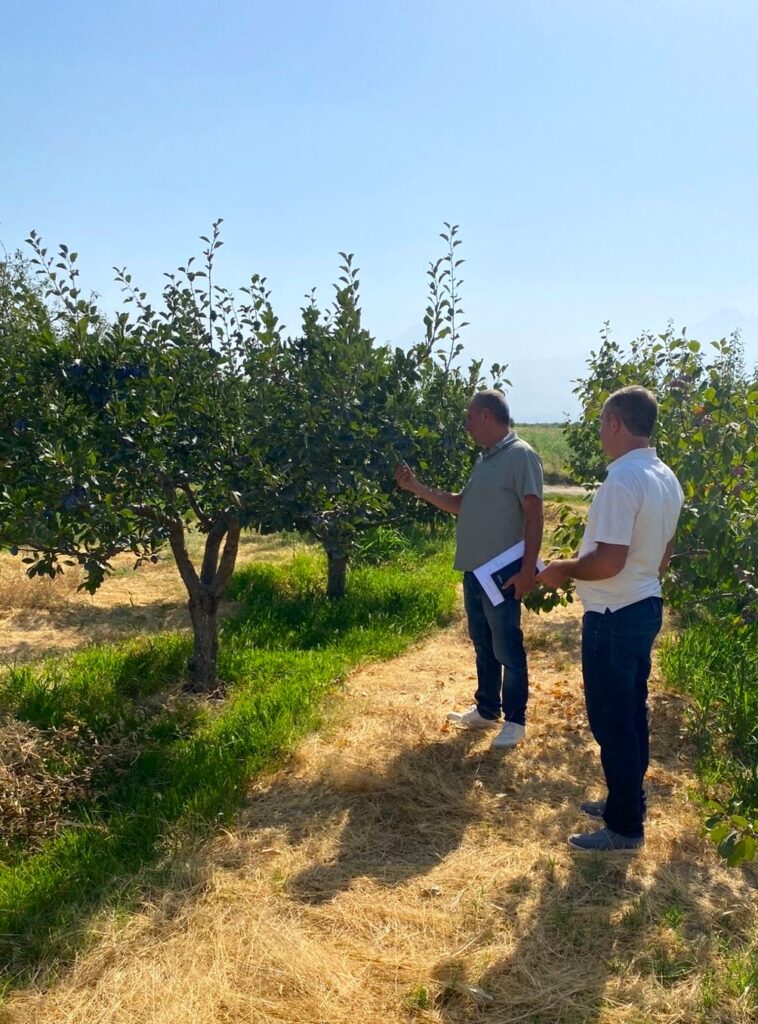
🔹 During the field visit, the team inspected the existing pipe system (but not operating) and potential filter station locations. Although parts of the current pipe networks are still in use for traditional furrow irrigation, the area shows strong potential for the expansion of drip systems. The timely procurement of filtration systems was emphasized, along with potential cost-sharing mechanisms through farmer group participation.

🔹 At the Baghramyan community office, project representatives met with local leadership and farmers who expressed enthusiasm about future collaboration, including forming agricultural cooperatives and exploring new high-value crop options such as pistachios. The community office is now ready for use, and preparations are underway for a drip irrigation field day, aimed at showcasing modern irrigation practices to local farmers. In addition, an informational workshop on cooperative development is planned for September 2025.

📌 Next steps:

  • Submit a request to the PIU for approval and support to procure the filter systems.
  • Share project communication platforms with local municipal leaders to ensure continued engagement.
  • Organize practical demonstrations and capacity-building sessions with interested farmer groups.

This visit marks an important milestone in promoting sustainable water use, climate-resilient agriculture and inclusive rural development in the target area.

Irrigated Agriculture Development in Ararat and Armavir marzes (IADAAM) project, financed through the European Union (EU) with implementation by the French Development Agency (AFD) is an integrated initiative aimed at transforming irrigated agriculture in Armenia.

Within IADAAM project a technical assistance component is implemented jointly by Agriconsulting Europe S.A, Avenue Consulting Group LLC, Strategic Development Agency NGO and 3R Strategy LLC consortium and aims to provide institutional support to the Ministry of Economy (MoE) in the formulation of agricultural policies and reforms in priority areas, provide technical support to the MoE in the implementing project activities, ensure communication and reporting for the IADAAM project.
IADAAM Enhancing Advisory Excellence for Sustainable Agriculture in Armenia

The “Training Programme for AEST Staff: Minimum Operational Tools to Ensure Readiness and Performance of Advisory Staff” has successfully concluded, marking an important step in enhancing the professional capacity of Armenia’s Agricultural Extension Service Team (AEST). Designed to improve operational readiness and advisory performance, the training equipped participants with practical tools, methodologies, and guidelines to better support farmers and contribute to sustainable agricultural growth across the country.

The training focuses on four core areas:

🔹 The current state and development pathways of Armenia’s Agricultural Extension Services (AESs).

🔹 Integration of agricultural value chains and effective use of farm-level data.

🔹 Application of Standard Operating Procedures (SOPs) to improve service delivery and ensure quality.

🔹 Innovative advisory models, technologies, and investment options for high-value crops in irrigated agriculture.

Through a dynamic blend of expert presentations, interactive discussions and real-world case studies, participants will enhance their ability to deliver client-centered, evidence-based advisory services.

This training is a meaningful step toward building a stronger, more responsive extension system – one that empowers farmers and accelerates agricultural transformation in Armenia.

Irrigated Agriculture Development in Ararat and Armavir marzes (IADAAM) project, financed through the European Union (EU) with implementation by the French Development Agency (AFD) is an integrated initiative aimed at transforming irrigated agriculture in Armenia.

Within IADAAM project a technical assistance component is implemented jointly by Agriconsulting Europe S.A, Avenue Consulting Group LLC, Strategic Development Agency NGO and 3R Strategy LLC consortium and aims to provide institutional support to the Ministry of Economy (MoE) in the formulation of agricultural policies and reforms in priority areas, provide technical support to the MoE in the implementing project activities, ensure communication and reporting for the IADAAM project.
LILA: New Horizons for Sustainable and Responsible Tourism Development with the Strategic Development Agency

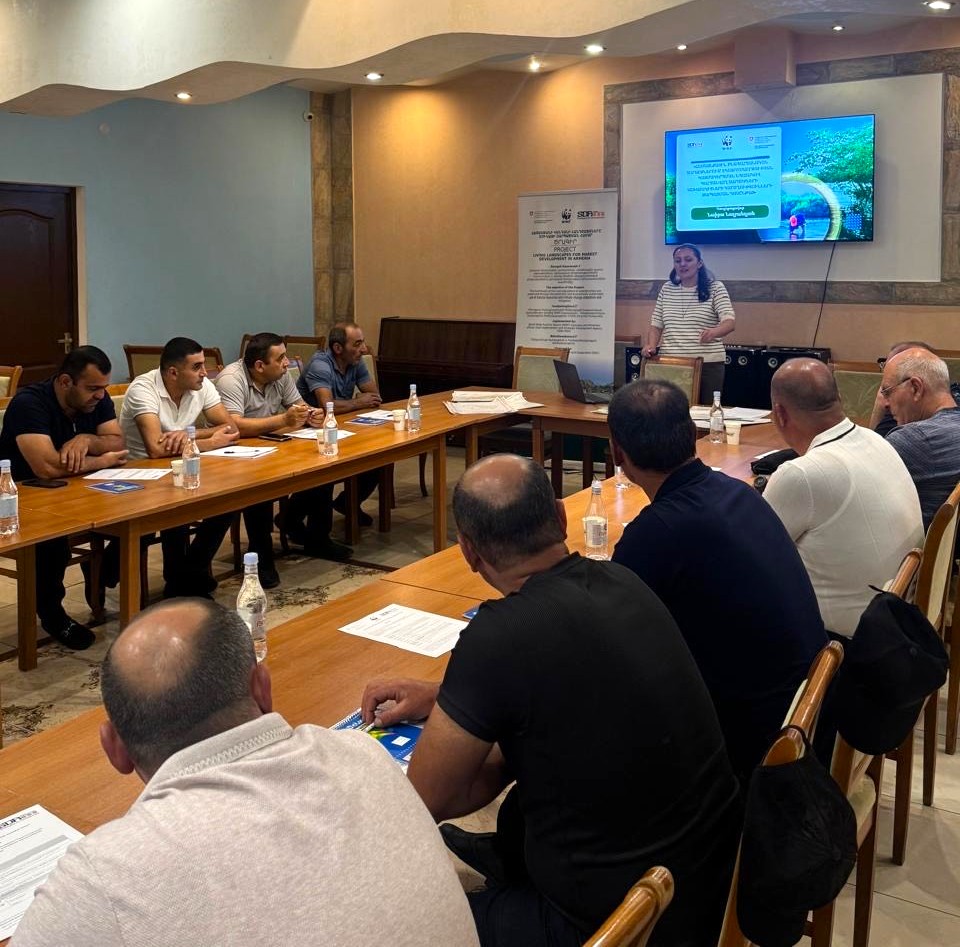
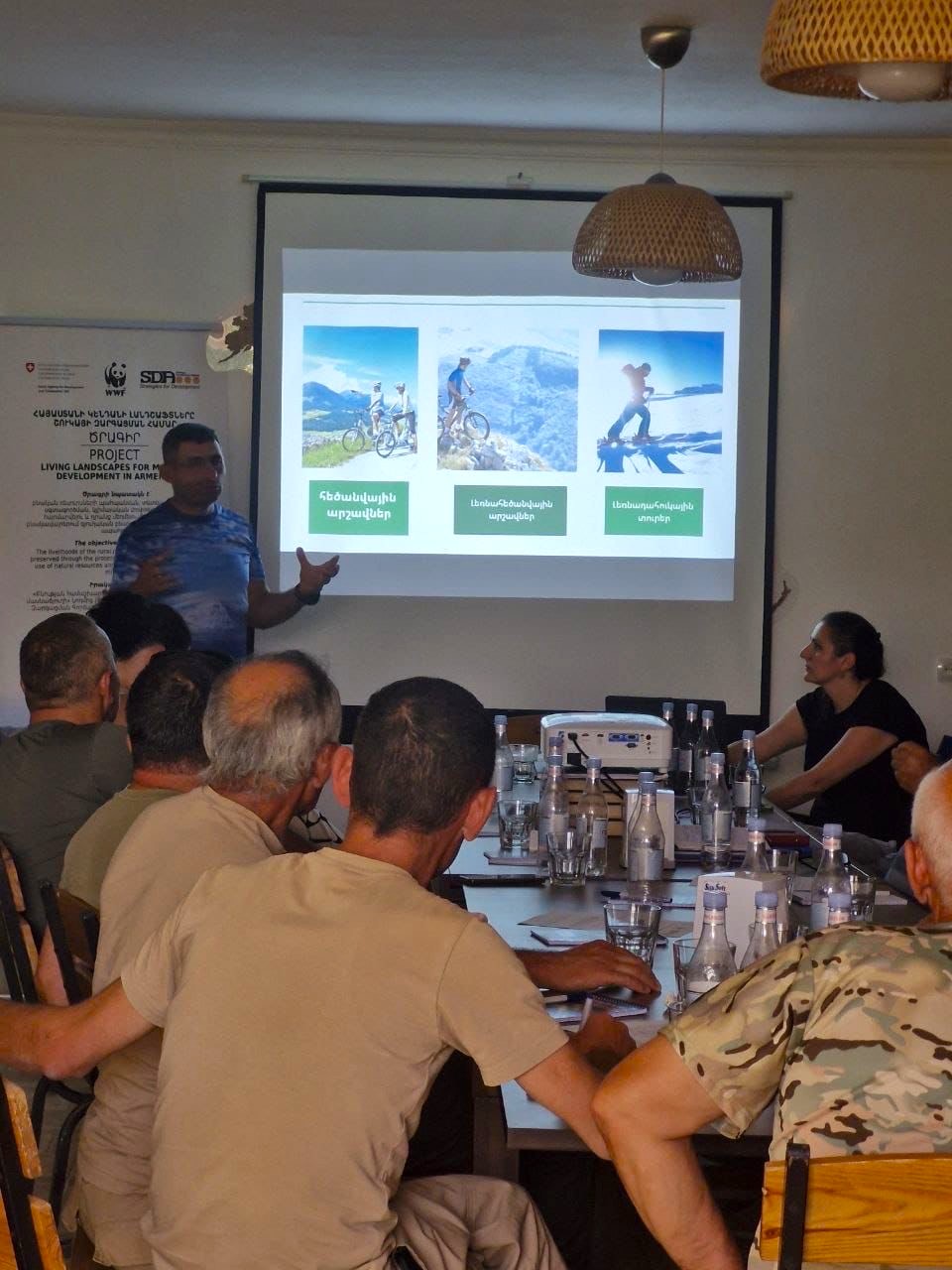
On June 19-20, representatives of LILA project’s partner tourism organizations and beneficiary businesses gathered in Dilijan to participate in the “Tourism Summer Camp.”

Two days, one location and dozens of industry professionals and businesses came together to share ideas, foster collaborative thinking, and promote the principles of innovation and sustainable development. The camp served as a unique platform for discussing sectoral challenges, exploring new avenues for cooperation and advancing the development of sustainable and responsible tourism in Armenia.

As a strategic partner of the camp, the Strategic Development Agency (SDA) ensured the participation of its team and program partners, showcasing the organization’s long-standing experience in implementing sustainable tourism and community development initiatives. SDA’s contribution aimed to inspire innovation, sustainability, and inclusive growth in Armenia’s tourism sector.

SDA representatives Alla Ghazaryan and Lilya Torosyan presented SDA’s various initiatives implemented across Armenian regions, sharing tools and successful models that enriched participants’ knowledge, encouraged the exchange of ideas, and laid the groundwork for new partnerships. They emphasized ways to make tourism initiatives more sustainable, community-driven and impactful in terms of long-term socio-economic development.

An intensive learning program was conducted as part of the camp, through which participants deepened their knowledge in sustainable development, responsible tourism, and intersectoral collaboration. The training concluded with the awarding of participation certificates.

This initiative marked another significant step toward promoting a culture of collaboration, knowledge sharing, and inclusive, long-term tourism development – benefiting local communities and contributing to the full potential of Armenia’s tourism industry.

Living Landscapes for Market Development in Armenia (LILA) project is funded by the Swiss Agency for Development and Cooperation (SDC) and implemented by WWF-Armenia in collaboration with SDA NGO.

Uncategorized

MAVETA “Farming as a Business” Five-Day Intensive Training for Forcibly Displaced Persons from Artsakh

Innovative ideas, business thinking and modern agriculture approaches came together during the five-day intensive training course titled “Farming as a Business”, organized within the framework of the MAVETA project.

Launched on May 16 in Syunik and June 17 in Gegharkunik, the training brought together forcibly displaced persons from Artsakh and representatives of vulnerable local groups. The goal was to enhance participants’ knowledge and skills to approach agriculture from a business perspective, foster strategic thinking and contribute to the development of sustainable income-generating opportunities.

Throughout the course, participants gained practical knowledge in developing business ideas, as well as in strategic, marketing and financial planning, with a strong focus on business plan development.
Following the training, each participant received individual consultations aimed at providing professional guidance in the development and effective implementation of their own agricultural business plans.

The MAVETA project is funded by a broad coalition of international and local organizations led by the Swiss Agency for Development and Cooperation (SDC), including the Austrian Development Agency, the German Ministry for Economic Cooperation and Development (BMZ), the Government of Armenia, the Swiss Church Aid (HEKS/EPER) NGO, Izmirlian Foundation, the Strategic Development Agency (SDA) NGO and Vanand Agro CJSC.

The project’s implementing partners are the GIZ and HEKS/EPER with the involvement of SDA and the School of Agricultural, Forest and Food Sciences at the Bern University of Applied Sciences (HAFL).