
MAVETA Field Visit and Practical Training in Agriculture

Within the framework of the Modernizing Vocational Education and Training in Agriculture in Armenia (MAVETA) project, a practical field training session was held in the Lori region from June 30 to July 4. The training was designed for local farmers specialized in field agriculture, faculty and apprentices from the Stepanavan State Agricultural and Tavush Patrick Devedjian Regional Colleges.
Led by Swiss agronomist Ruedi Schwärzel and agricultural expert Johannes Brunner from Bern University of Applied Sciences (HAFL), the participants explored the best practices in potato cultivation, techniques for diagnosing and preventing viral diseases, and strategies to produce high-quality seed potatoes.

The training also included visits to the Agricultural Research and Certification Center and the Gyumri Breeding Station. During these visits, discussions were held on opportunities for growers to trial new potato varieties, achieve seed certification, and engage in collaborative ventures.

The MAVETA project is funded by a broad coalition of international and local organizations led by the Swiss Agency for Development and Cooperation (SDC), including the Austrian Development Agency, the German Ministry for Economic Cooperation and Development (BMZ), the Government of Armenia, the Swiss Church Aid (HEKS/EPER) NGO, Izmirlian Foundation, the Strategic Development Agency (SDA) NGO and Vanand Agro CJSC.

The project’s implementing partners are the GIZ and HEKS/EPER with the involvement of SDA and the School of Agricultural, Forest and Food Sciences at the Bern University of Applied Sciences (HAFL).

SEIRA Awareness Event on State Support Programs in the Agricultural Sector

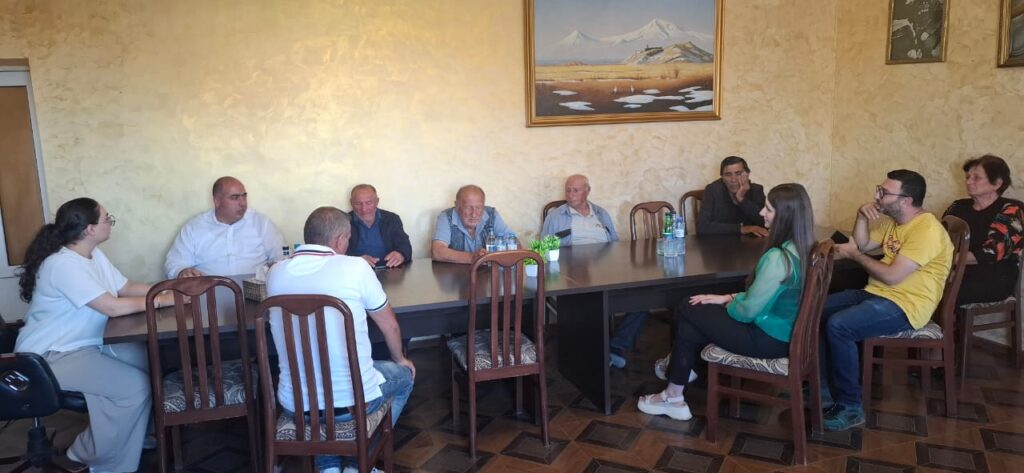
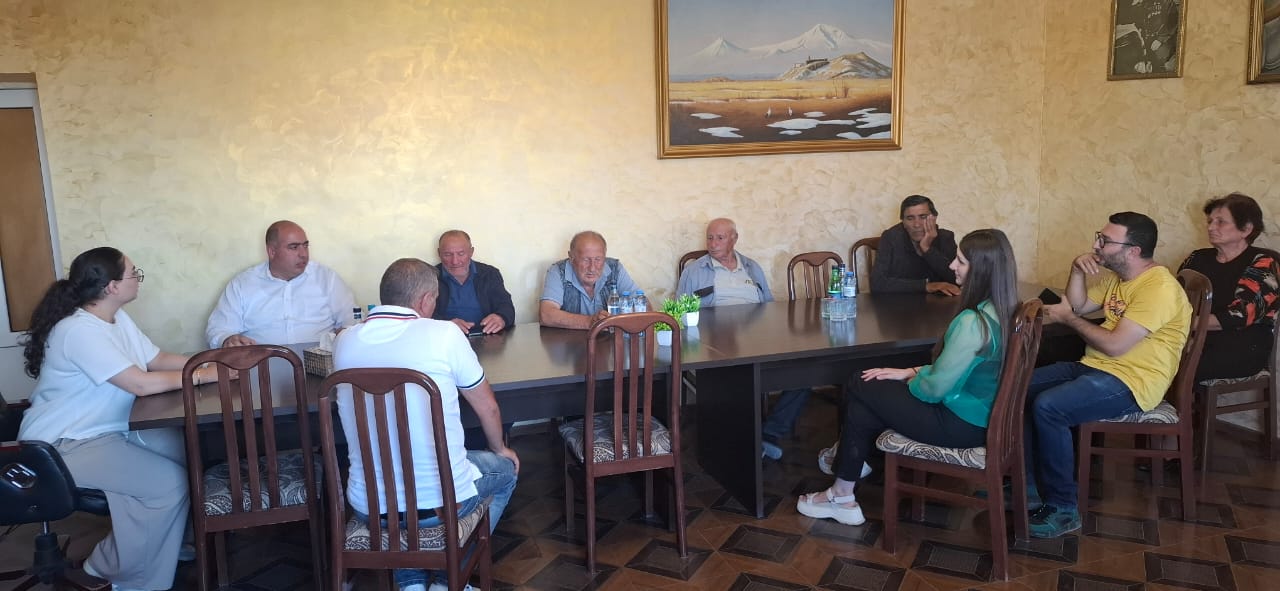
Within the framework of the “Socio-Economic Integration of Refugees in Armenia” (SEIRA) project, a training session titled “Awareness Training on State Support Programs in Agriculture” was held on July 3–4 in Tsaghkadzor, bringing together representatives from target communities.

The training was attended by Tatevik Sargsyan, Deputy Minister of Economy of the Republic of Armenia, Tigran Aleksanyan, Head of the Animal Husbandry Department of the Ministry of Economy of the Republic of Armenia, Vahe Hovhannisyan, SEIRA Project Manager, and other officials in the agricultural sector.

Representatives of the Animal Husbandry Department of the RA Ministry of Economy presented recent updates to existing state support programs, including legislative regulations and implementation procedures related to the new programs.

A particular focus was placed on the pilot program for the development of beekeeping, alongside an in-depth discussion of the RA Law on “Beekeeping”.

Participants were also introduced to the full range of agricultural programs supported by the state, as well as the monitoring mechanisms to ensure effective implementation.

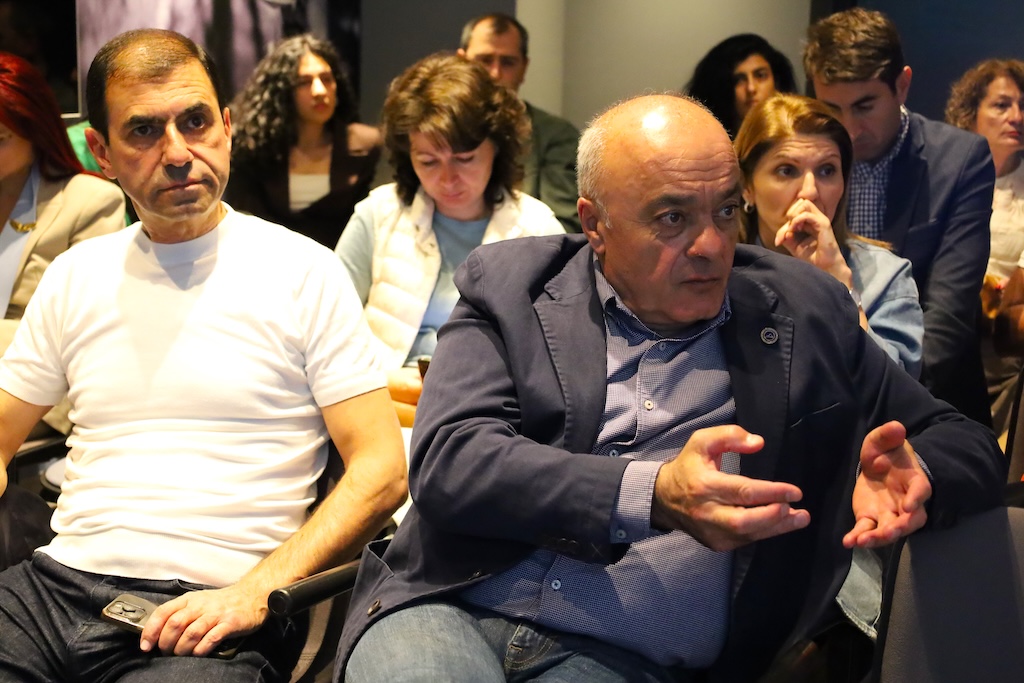
Leaders of the SEIRA project’s target communities had the opportunity to engage directly with ministry officials, addressing current challenges and raising key issues relevant to their local contexts.

The “Socio-Economic Integration of Refugees in Armenia” (SEIRA) project fosters socio-economic integration by improving food security, creating sustainable livelihoods, and empowering both refugees and host communities in Armenia, promoting resilience and economic growth through agricultural and business development.

The SEIRA project is funded by the Swiss Agency for Development and Cooperation and implemented by the “Strategic Development Agency” NGO and the UN World Food Programme.


Uncategorized

Enhancing High-Value Agricultural Value Chains and Competitive Agriculture with the Support of the IADAAM AEST

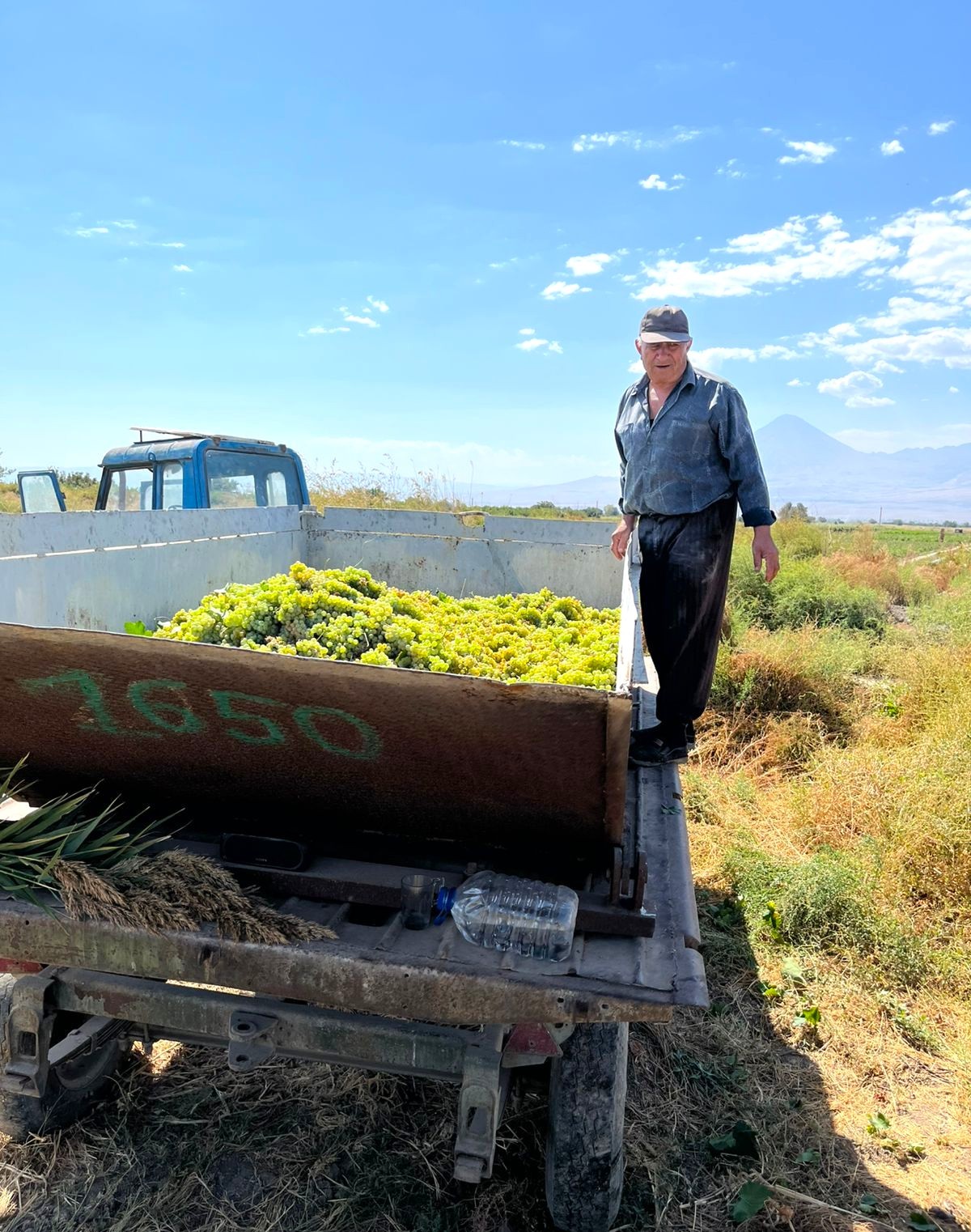
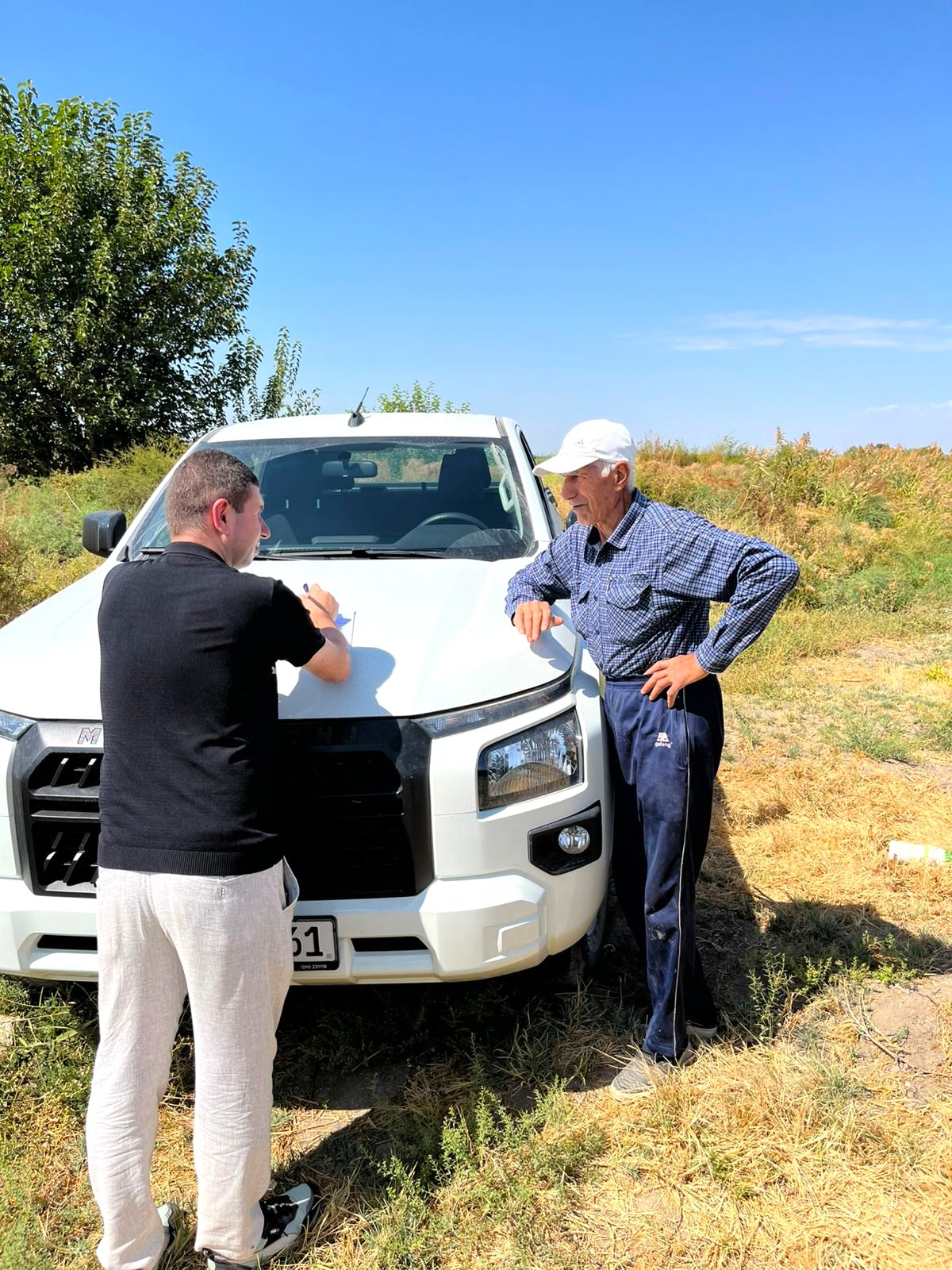
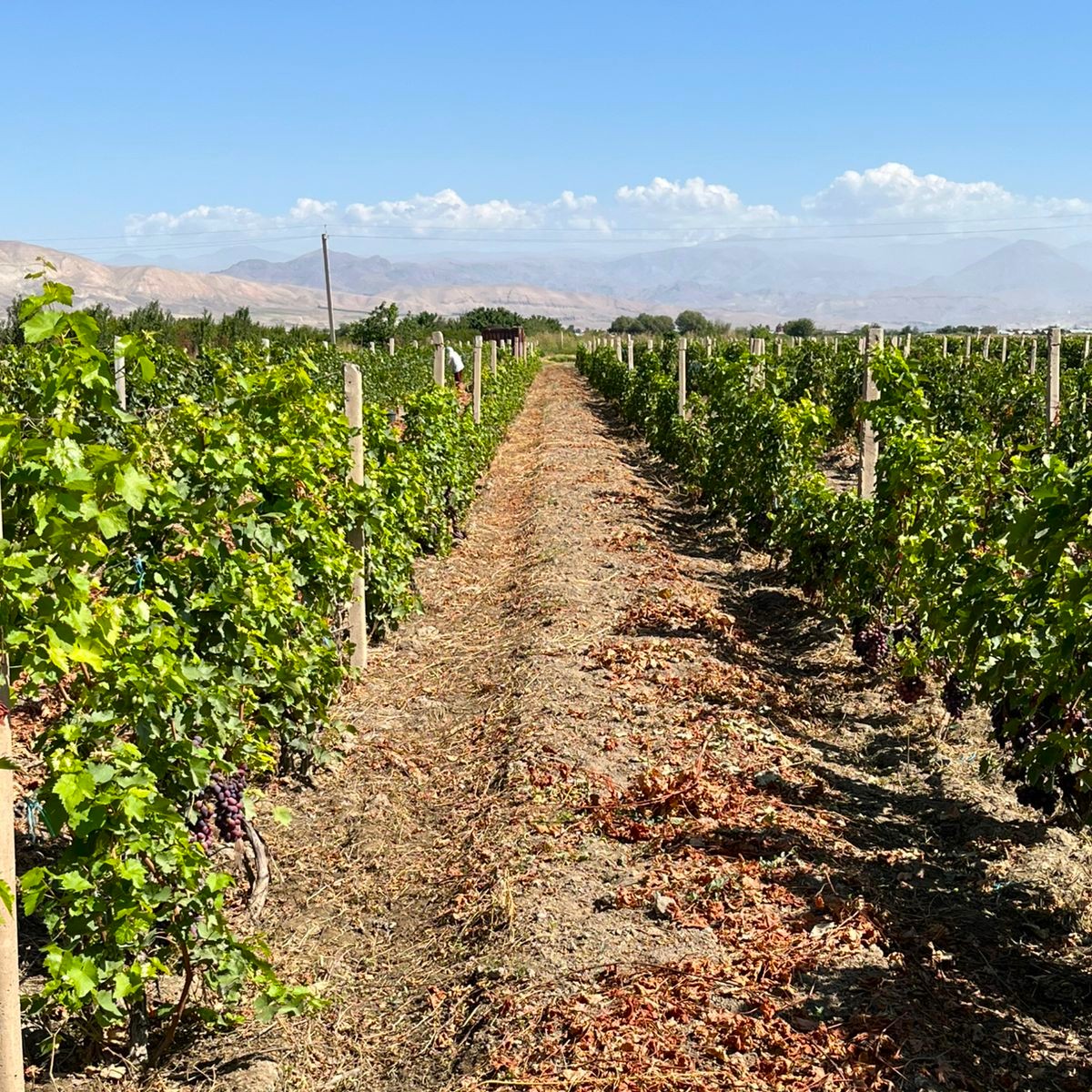
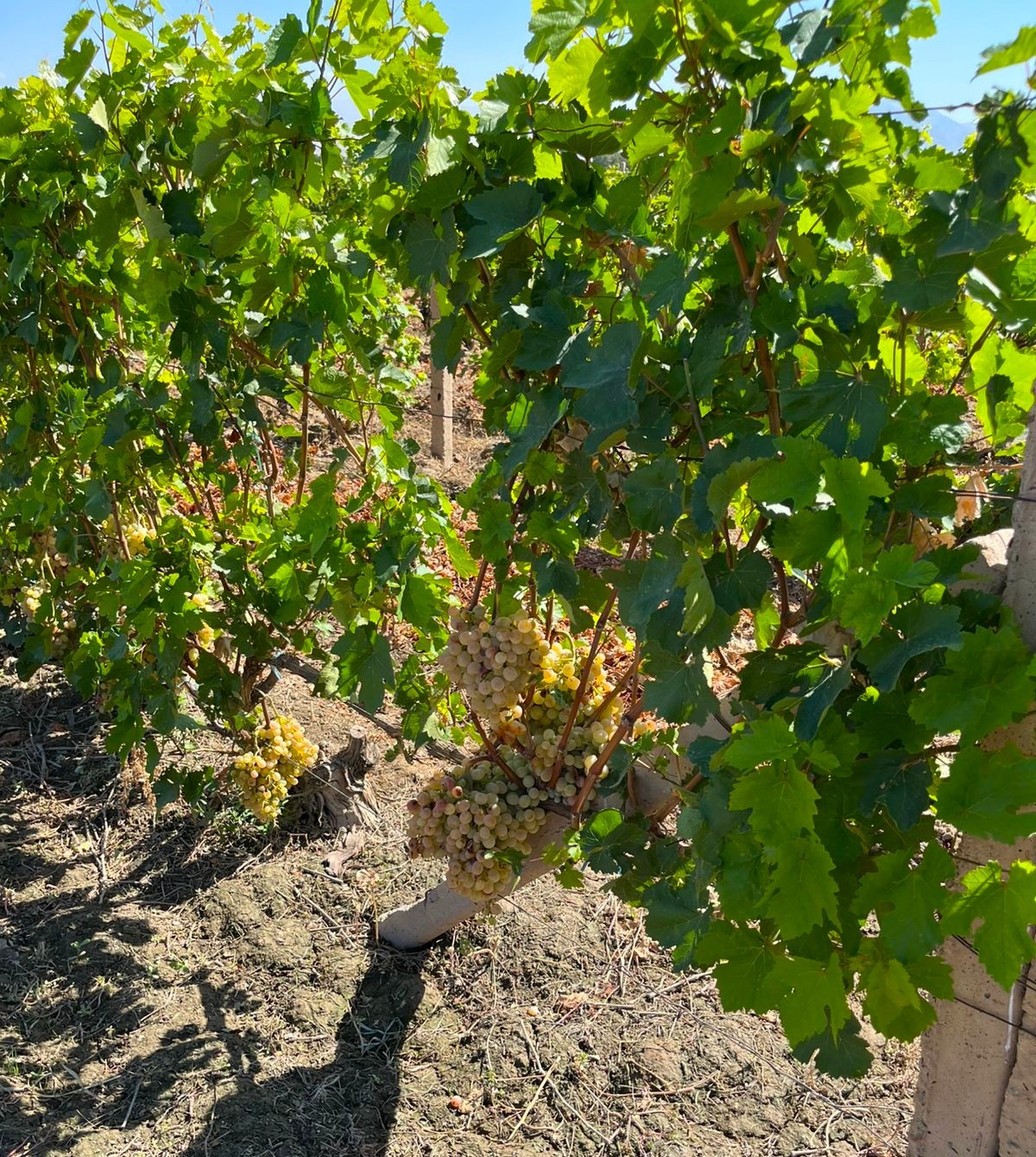
Significant progress continues in the advancement of irrigated agriculture in Armenia’s Ararat region. As part of the “Irrigated Agriculture Development in Ararat and Armavir Marzes” (IADAAM) project, the Agricultural Extension Services Teams (AEST) of Vedi and Artashat – led by AEST Vedi Coordinator Vardan Ivanyan, met with farmers cultivating high-value crops and successfully implementing drip irrigation systems. These systems significantly improve water-use efficiency and enhance overall crop quality.

As an outcome of the visit, the AEST team presented the key benefits of growing high-value crops – cherries, mulberries, tomatoes, pears, and apricots – emphasizing three main aspects: profitability, market demand and production efficiency.

🍒 Cherries – A high-value crop with strong demand in both domestic and export markets (particularly Russia and the EU). Early-yielding, with first harvests typically achieved within 3-4 years. Suitable for fresh consumption and processing (e.g., jams, juices, dried products). Due to its early harvest season, it commands premium market prices.

🍇 Mulberries – A niche and underexploited crop with strong market demand. Highly suitable for drying and value-added processing, including syrups and winemaking. Recognized for its medicinal properties and applications in herbal remedies. It is also drought-tolerant and well-adapted to challenging soil conditions.

🍅 Tomatoes – Rapid-yielding crop, producing multiple harvests in the same year. High and consistent market demand – used fresh, canned or as juices and sauces. Flexible cultivation methods: open field, greenhouse or drip irrigation. Strong potential for import substitution through increased local production.

🍐 Pears – A long-shelf-life fruit that retains quality for months. Strong demand and high prices in export markets. Diverse varietals allow for adaptation to different climates and market needs. With proper care, trees produce stable and above-average yields.

🍑 Apricots – One of Armenia’s flagship agricultural products, apricots are widely recognized and sought after in international markets. Excellent potential across fresh, dried and processed segments. High returns within a short harvest period. Long-term investment: trees bear fruit for decades with reliable productivity.

Through the IADAAM program, support is extended not only for advanced irrigation technologies but also for the strategic selection and cultivation of high-value crops – empowering farmers and enhancing the overall competitiveness of Armenia’s agriculture sector.

We remain committed to working closely with local communities – delivering agricultural consultations, tailored support, and innovative solutions for sustainable rural development.

Irrigated Agriculture Development in Ararat and Armavir marzes (IADAAM) project, financed through the European Union (EU) with implementation by the French Development Agency (Agence Française de Développement) is an integrated initiative aimed at transforming irrigated agriculture in Armenia.

Within IADAAM project a technical assistance component is implemented jointly by AESA – Agriconsulting Europe SA, Avenue Consulting Group LLC, Strategic Development Agency NGO and 3R Strategy LLC consortium and aims to provide institutional support to the Ministry of Economy of the Republic of Armenia (MoE) in the formulation of agricultural policies and reforms in priority areas, provide technical support to the MoE in the implementing project activities, ensure communication and reporting for the IADAAM project.

IADAAM Advancing Drip Irrigation Practices in Ararat Region

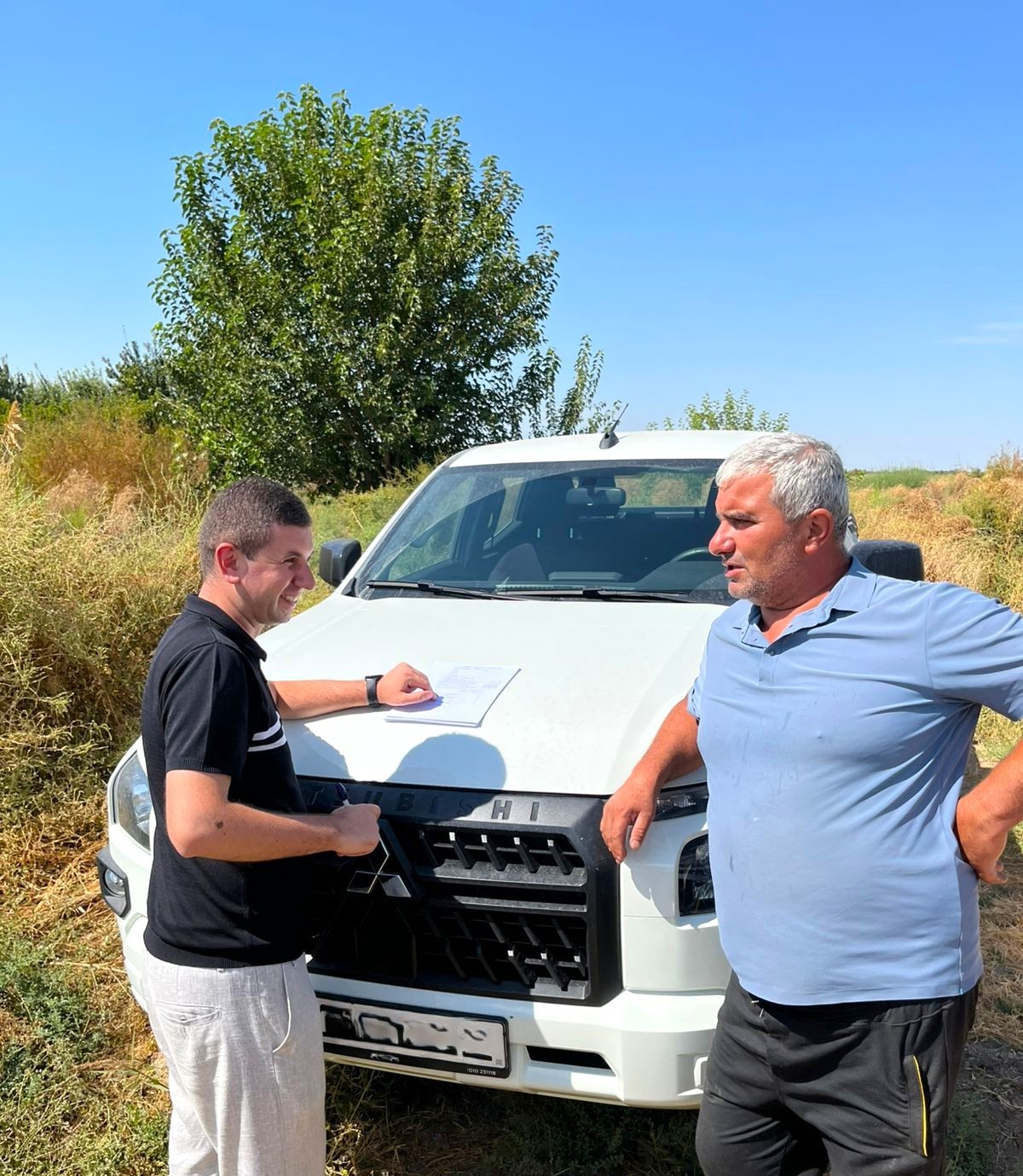
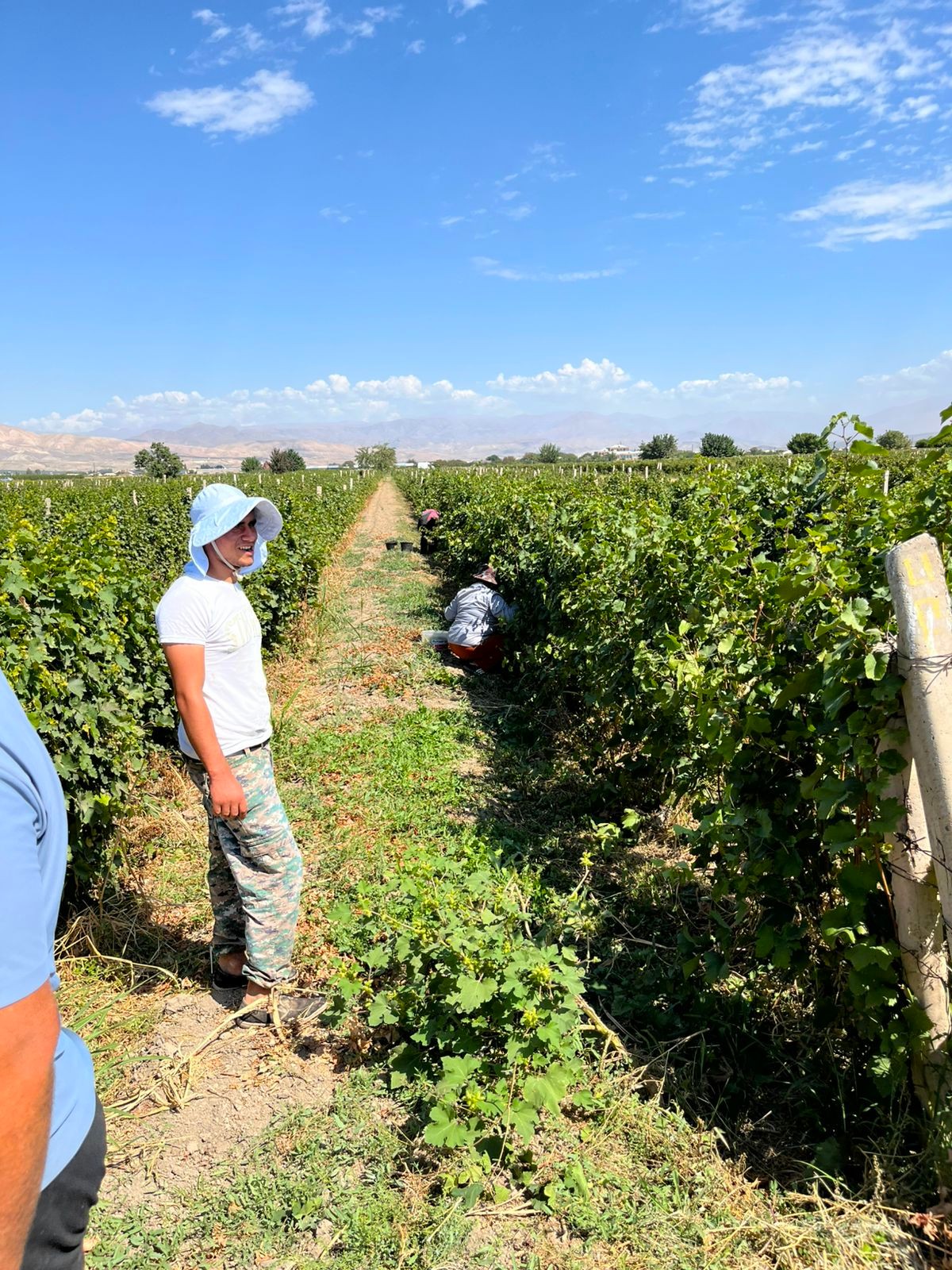
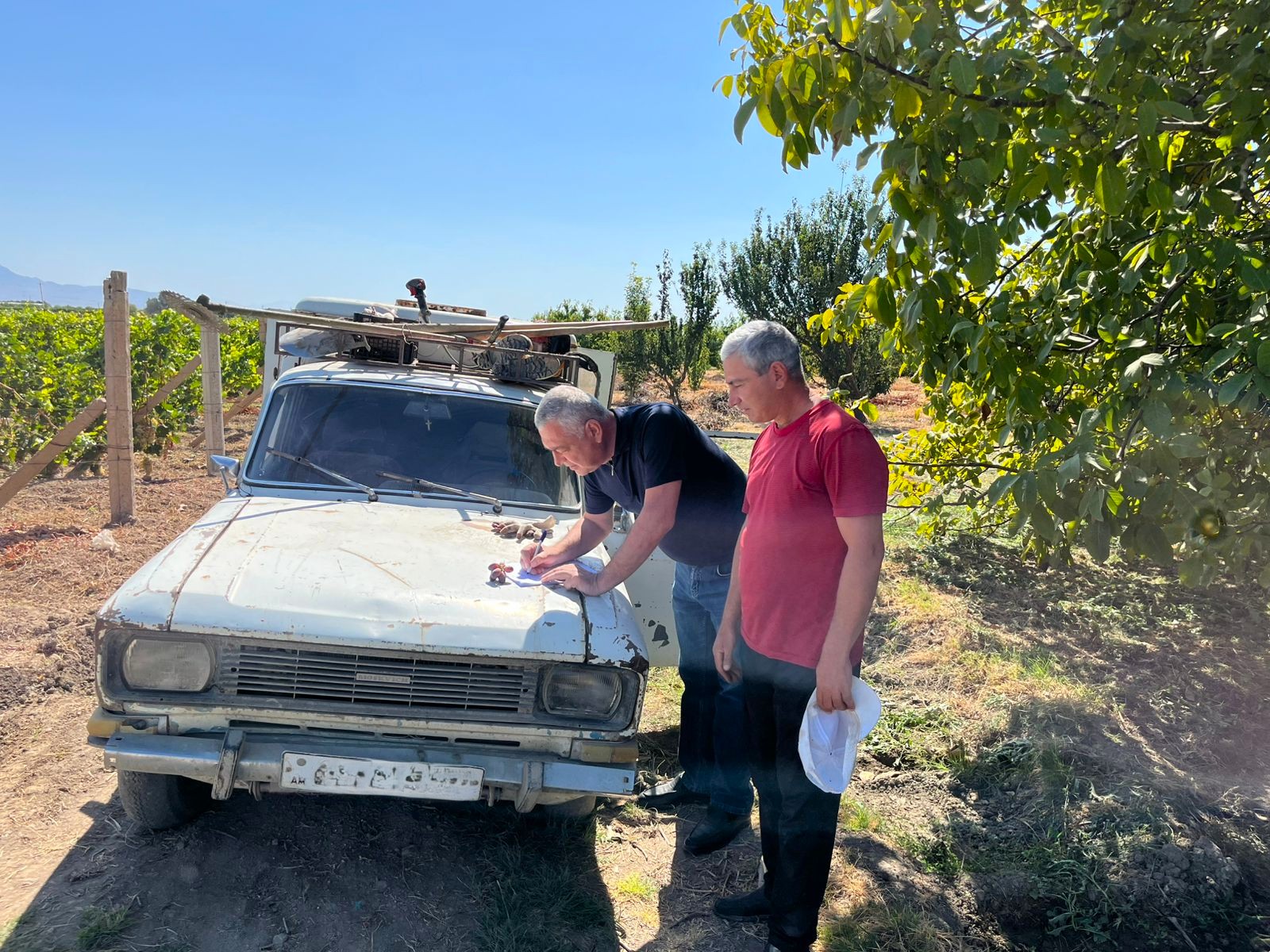
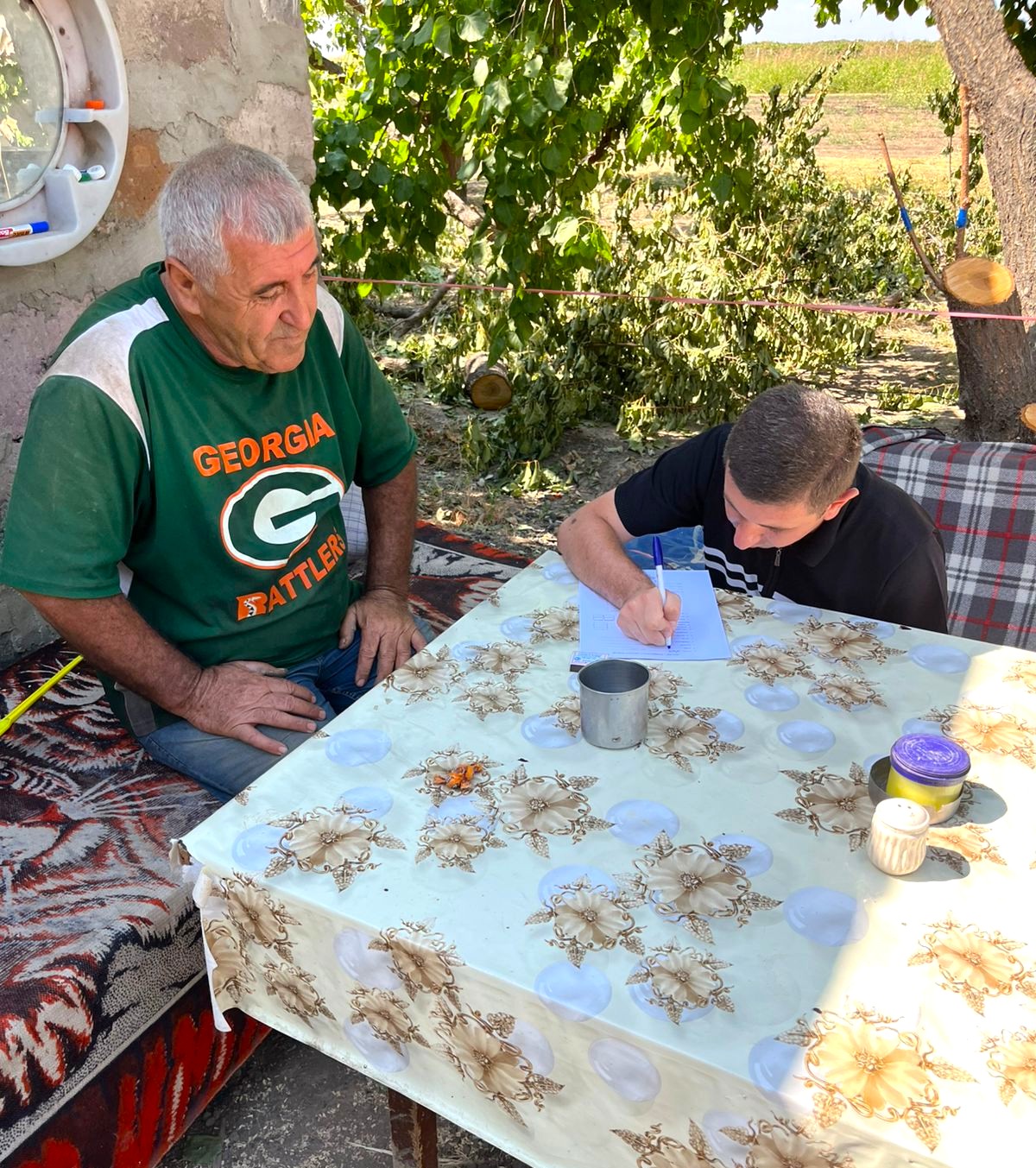
Within the framework of the “Development of Irrigated Agriculture in Ararat and Armavir Marzes” (IADAAM) project, the AEST – Agricultural Extension Service teams from Vedi and Artashat, under the leadership of Vedi Coordinator Vardan Ivanyan, conducted a joint field visit to farmers specializing in high-value crops who actively implement drip irrigation systems.

During the visit, farmers provided comprehensive insights into their experiences, underscoring the critical benefits of drip irrigation, including:

🔹 Significant Water Savings – Reducing water consumption by 40-60% compared to conventional irrigation methods.

🔹 Enhanced Nutrient Management (Fertigation) – Simultaneous delivery of essential nutrients with irrigation water directly to the plants.

🔹 Higher Crop Yields – Consistent soil moisture fosters healthier and more productive crops.

🔹 Effective Weed Control – Targeted watering limits moisture availability to weeds, reducing their growth.

🔹 Soil Conservation – Controlled water flow prevents erosion and maintains soil structure.

🔹 Automation Compatibility – Easily integrates with modern agricultural technologies for improved efficiency.

🔹 Adaptability to Challenging Terrain – Proven effectiveness in uneven and hilly landscapes.

🔹 Environmental Sustainability – Minimizes water wastage and promotes sustainable farming practices.

Farmers expressed strong appreciation for the support provided by Agricultural Extension Services Teams (AEST), highlighting its vital role in enhancing awareness and delivering expert guidance that enables informed decision-making in agricultural operations. They also emphasized the ongoing need for continuous advisory support. Consequently, plans were established to organize additional individual and group consultation sessions. Moreover, farmers demonstrated their readiness to host peer-to-peer exchange visits and contribute their expertise during IADAAM AEST training programs, sharing best practices on drip irrigation and reservoir management.

During the visit, the IADAAM AES Vedi and Artashat teams identified several critical challenges that require timely and coordinated interventions:

▪️ Enhancing pesticide efficacy

▪️ Addressing labor shortages and optimizing workforce management

▪️ Promoting efficient utilization of water resources

▪️ Expanding adoption of drip irrigation systems and strengthening technical capacities

Such field engagements not only deepen farmer involvement in the project but also facilitate accurate data collection and comprehensive problem analysis, ultimately supporting the development of sustainable, long-term solutions.

Irrigated Agriculture Development in Ararat and Armavir marzes (IADAAM) project, financed through the European Union (EU) with implementation by the French Development Agency (AFD) is an integrated initiative aimed at transforming irrigated agriculture in Armenia.

Within IADAAM project a technical assistance component is implemented jointly by AESA – Agriconsulting Europe SA, Avenue Consulting Group LLC, Strategic Development Agency NGO and 3R Strategy LLC consortium and aims to provide institutional support to the Ministry of Economy of the Republic of Armenia (MoE) in the formulation of agricultural policies and reforms in priority areas, provide technical support to the MoE in the implementing project activities, ensure communication and reporting for the IADAAM project.

Uncategorized

Closing Event of the “Livestock Development in Armenia: South-North 2” Project

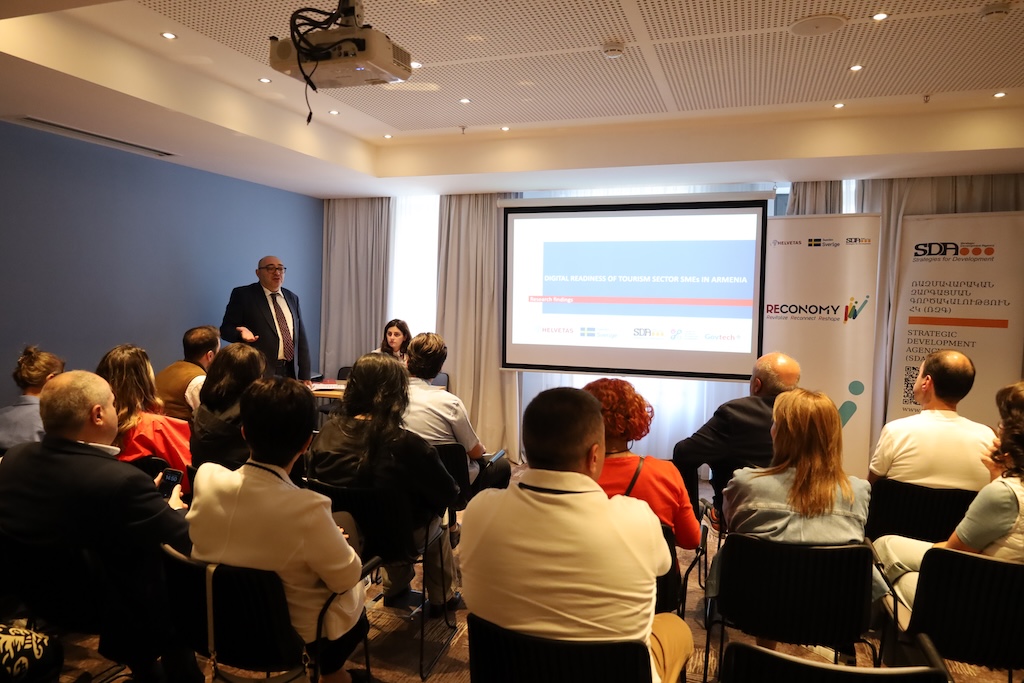
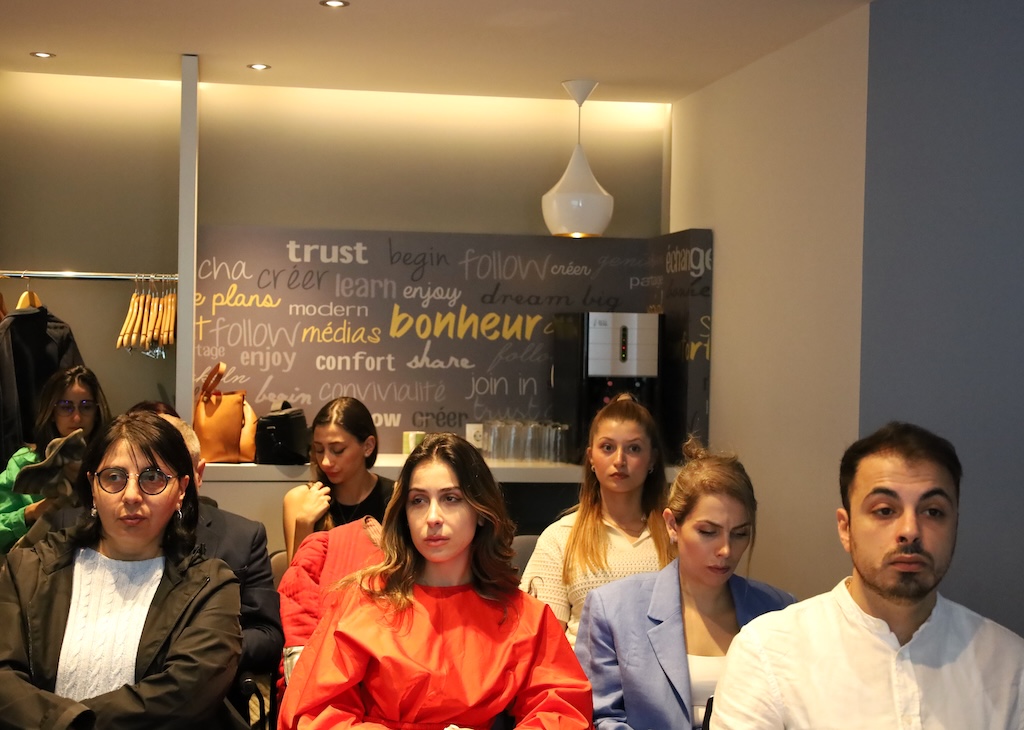
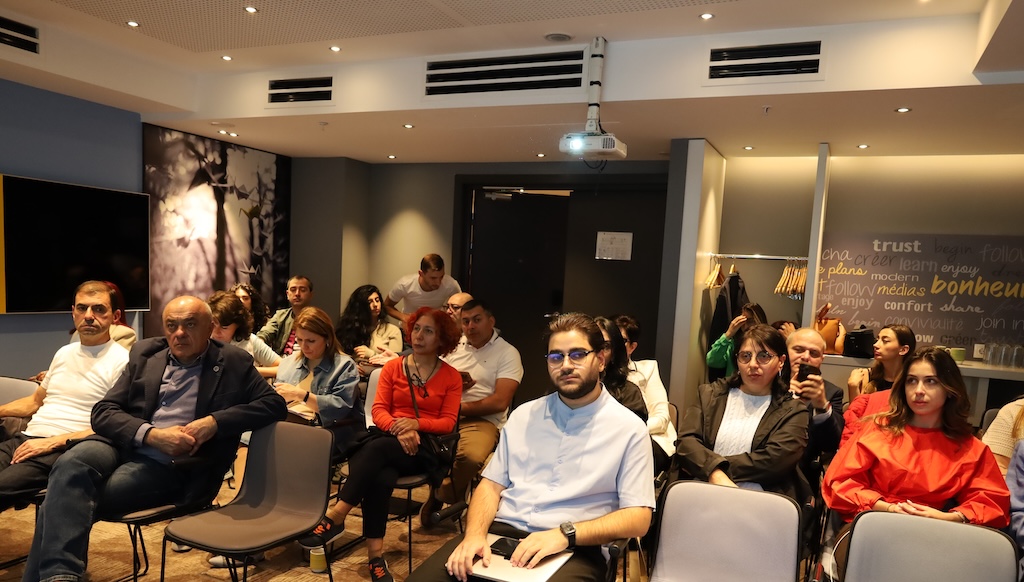
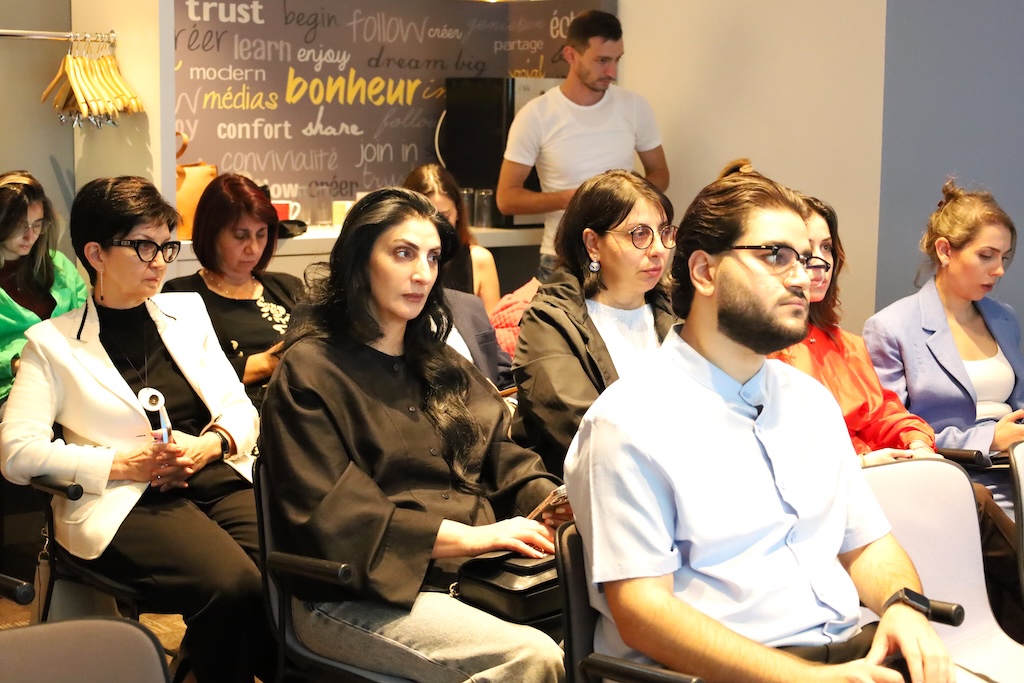
On June 30, the closing event of the “Livestock Development in Armenia: South-North 2” project was held, during which the results of the external evaluation were also presented.

In his welcome speech, Mkrtich Ayvazyan, Chairman of the Strategic Development Agency NGO, emphasized that livestock development has been a priority for the organization for over two decades. He noted that the “ Livestock Development in Armenia: South-North 2” project was a logical continuation of previous initiatives and highlighted the consistent and dedicated work of the project team.

Tatevik Sargsyan, Deputy Minister of Economy of the Republic of Armenia, commended SDA’s efforts and the project’s role in transforming and modernizing Armenia’s livestock sector.

Nora Alanakyan, Deputy Head of the Yerevan Office of the Austrian Development Agency, highlighted the importance of the project’s long-term impact and the integration of international best practices into Armenia’s livestock development strategies.

Vahe Hovhannisyan, Project Manager of the “Livestock Development in Armenia: South-North 2” project, briefly outlined the interventions and outcomes, noting that the external evaluation was conducted by Avenue Consulting Group LLC.

The consulting firm’s experts, Paruyr Asatryan and Tatev Mkrtchyan, presented the evaluation findings, which focused on the effectiveness, sustainability, targeted resource use, and social impact of the program.

Key Results of the Project:

  1. Activities were implemented in 70 settlements across three regions: Shirak, Gegharkunik, and Syunik.
  2. Beneficiaries reported increased income and new employment opportunities as a result of improved animal health, better milk quality, and increased productivity.
  3. Several project interventions have been integrated into state support programs, including initiatives on smart livestock, productivity enhancement, feed production, and pasture infrastructure improvement.
  4. The project addressed cross-cutting themes such as environmental protection, climate change, gender equality, and support for vulnerable groups.

The project’s conclusion highlighted that thorough initial planning, active beneficiary engagement, sectoral collaboration, and strong public-private partnerships were essential to its success.

“Livestock Development in Armenia: South-North 2” project is implemented by “Strategic Development Agency” NGO and financed by the Austrian Development Agency, the operational unit of Austrian Development Cooperation.