
When women lead, change becomes sustainable

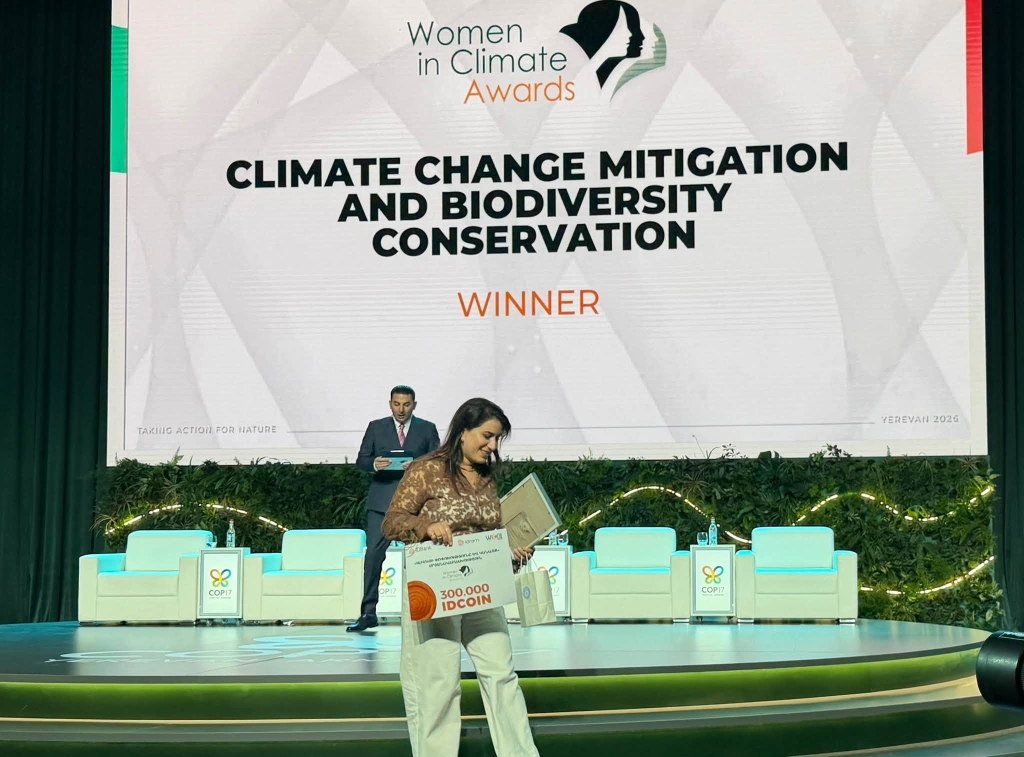
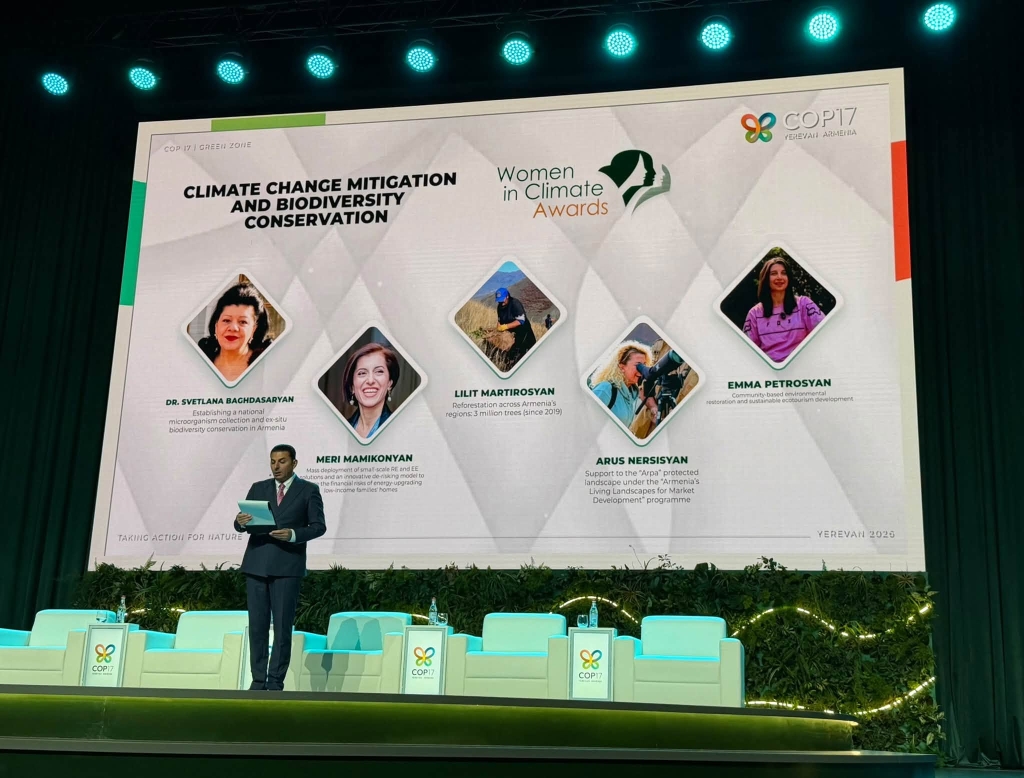
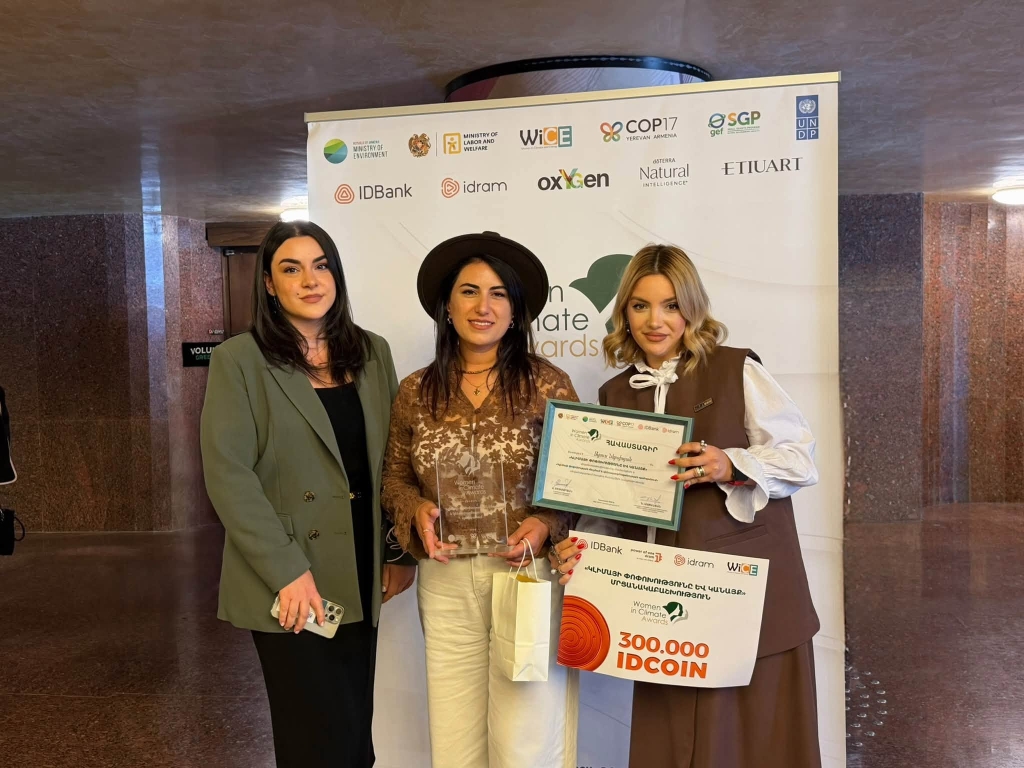
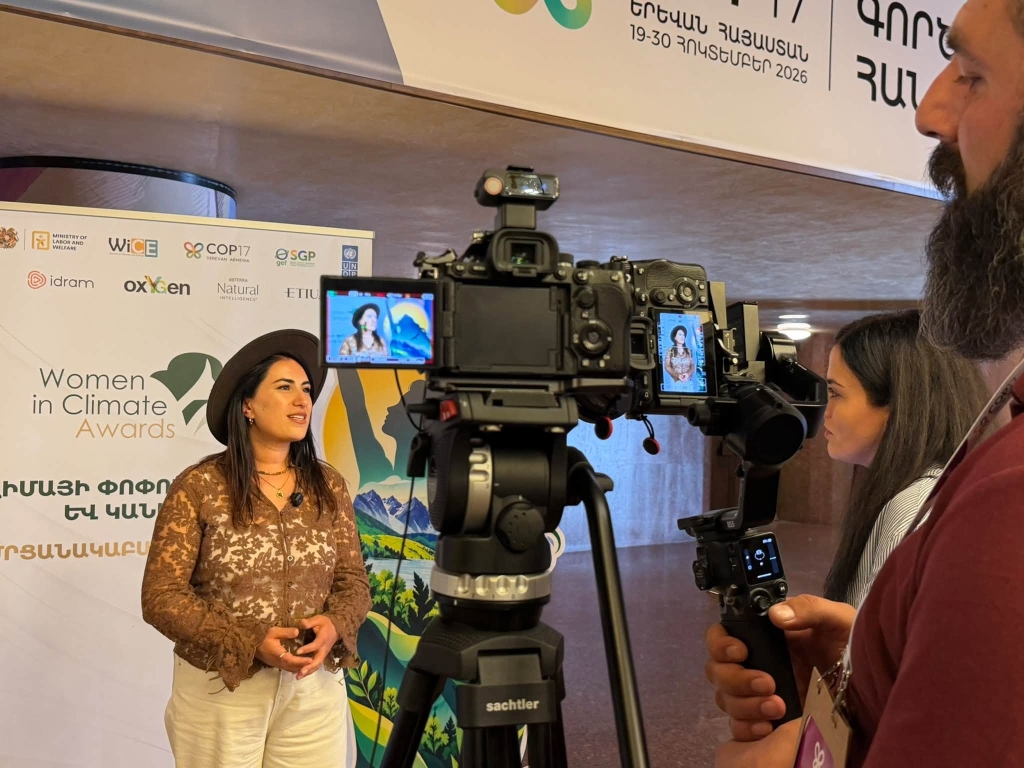
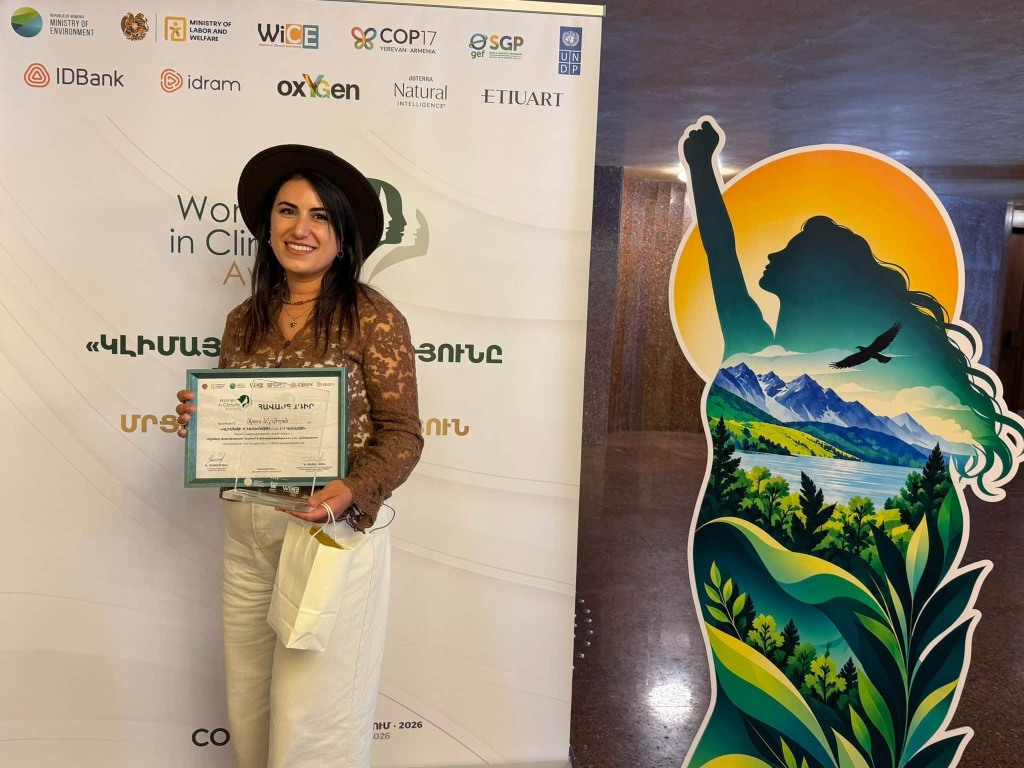
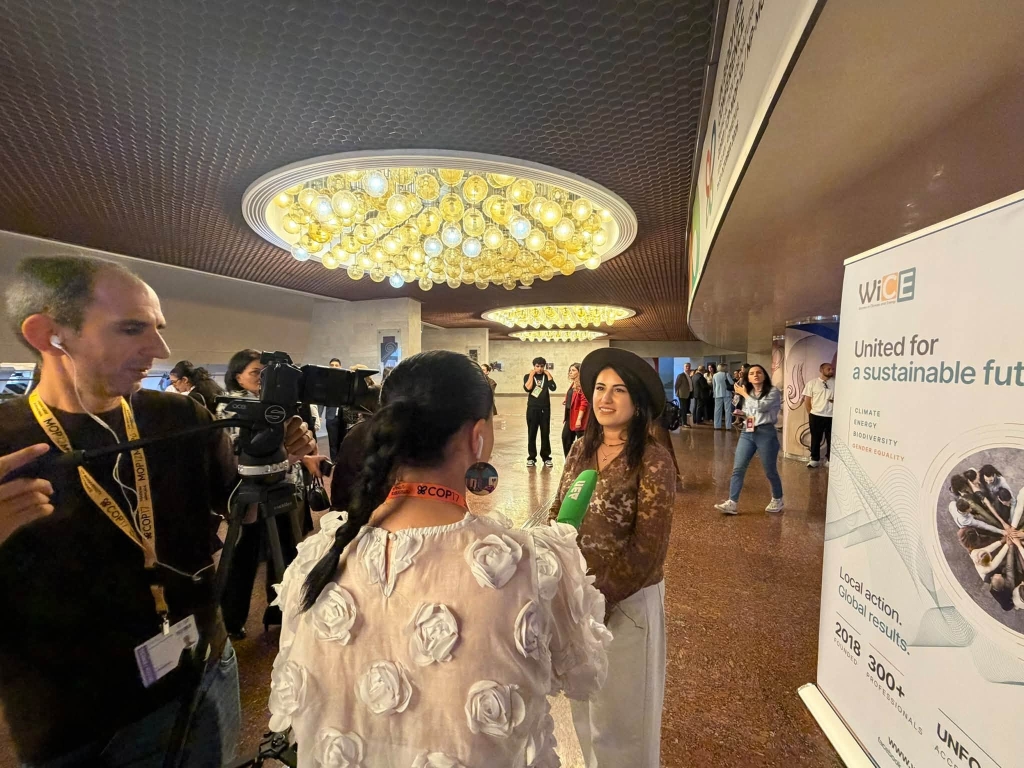
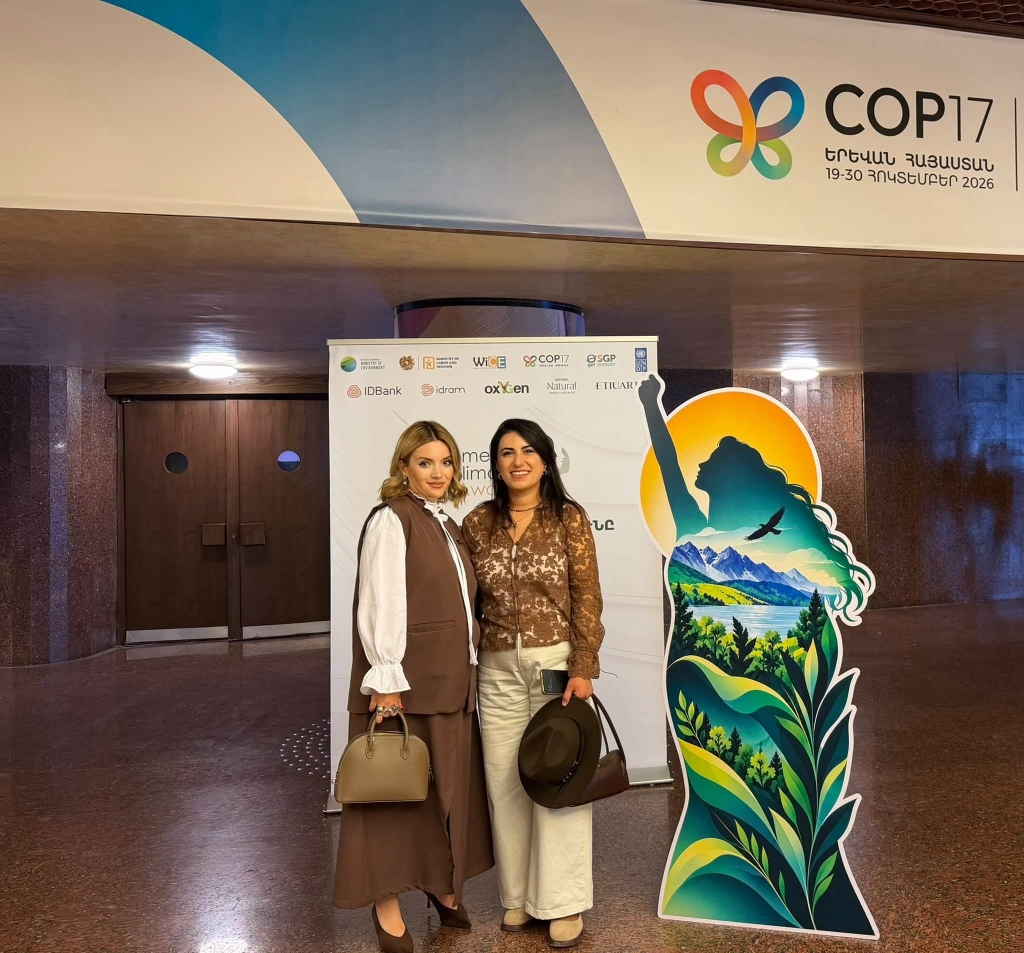
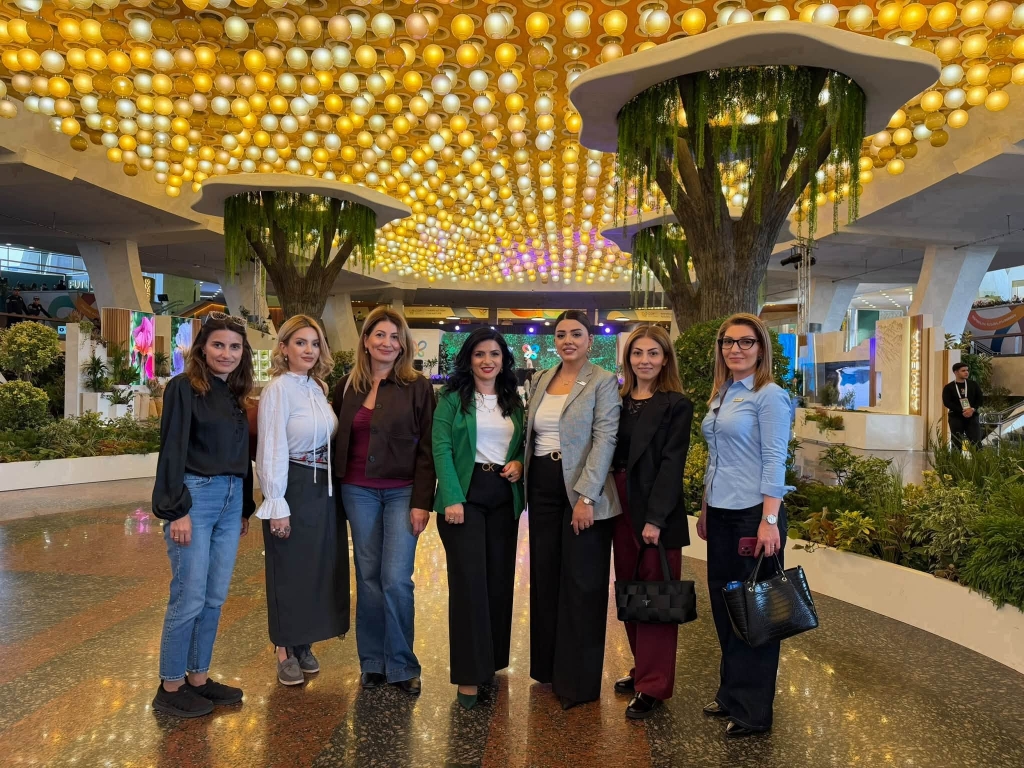
At the “Women and Climate Change” Awards Ceremony, held today as part of COP17 Armenia, Arus Nersisyan, Head of Arpa Protected Landscape, was named the winner in the “Climate Change Mitigation and Biodiversity Conservation” category.

Arus’s achievement is a meaningful recognition of women’s leadership, environmental commitment, and their power to drive lasting change.

Arus’s candidacy was nominated by the Strategic Development Agency (SDA) NGO within the framework of the Living Landscapes for Market Development in Armenia (LILA) Project.

Through LILA, we supported initiatives promoting nature conservation, community development, and sustainable tourism, contributing to the protection of Armenia’s biodiversity and the expansion of opportunities for local communities.

Although the LILA Project has come to an end, its values and impact live on. We continue to support initiatives that contribute to nature conservation, community empowerment, and, in particular, the advancement of women’s leadership and participation.

Women’s empowerment is about more than creating opportunities. It means recognising women’s leadership, valuing their impact, and believing in their potential to drive meaningful change.

Congratulations to Arus Nersisyan on this well-deserved recognition! Her example is a powerful reminder that women’s leadership in nature conservation can be a driving force for meaningful, long-term change.

We extend our sincere gratitude to Women in Climate and Energy – WiCE NGO for this important initiative, which recognises women’s contributions to addressing climate change and protecting nature, while bringing their achievements into the spotlight.

The LILA Project was funded by the Swiss Agency for Development and Cooperation (SDC) and implemented jointly by the WWF Armenia and the Strategic Development Agency NGO (SDA) NGO.
Uncategorized

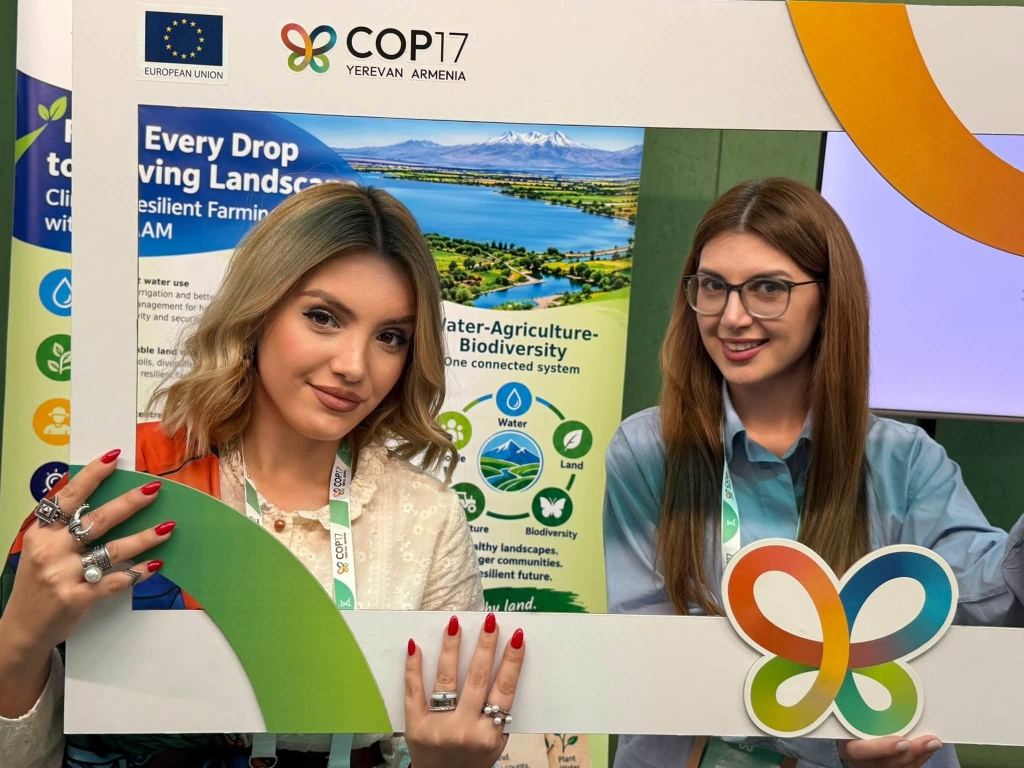
IADAAM at COP17: From Water and Land to More Resilient Agriculture

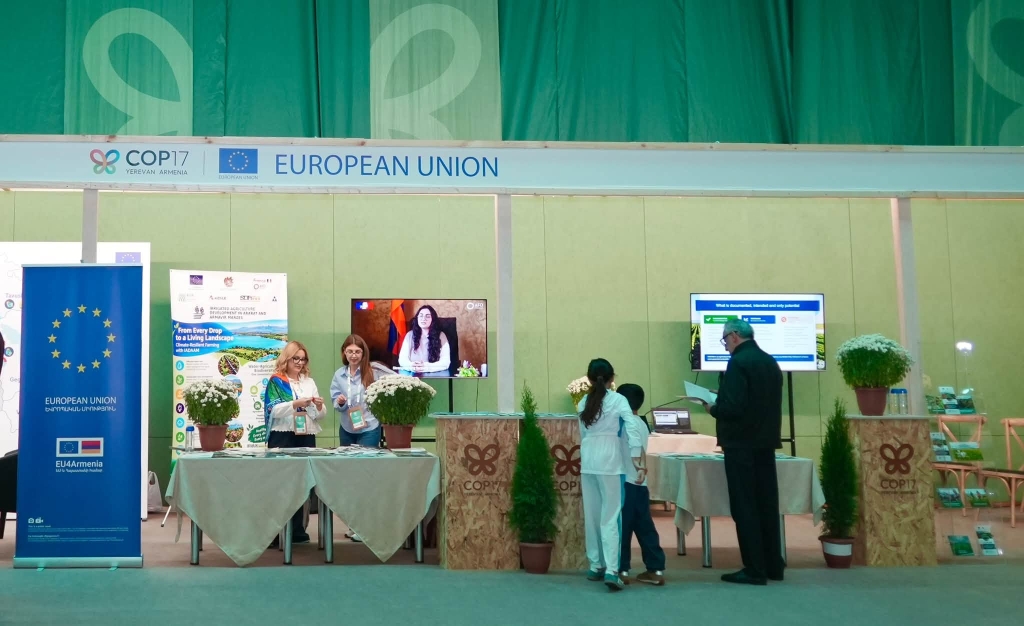
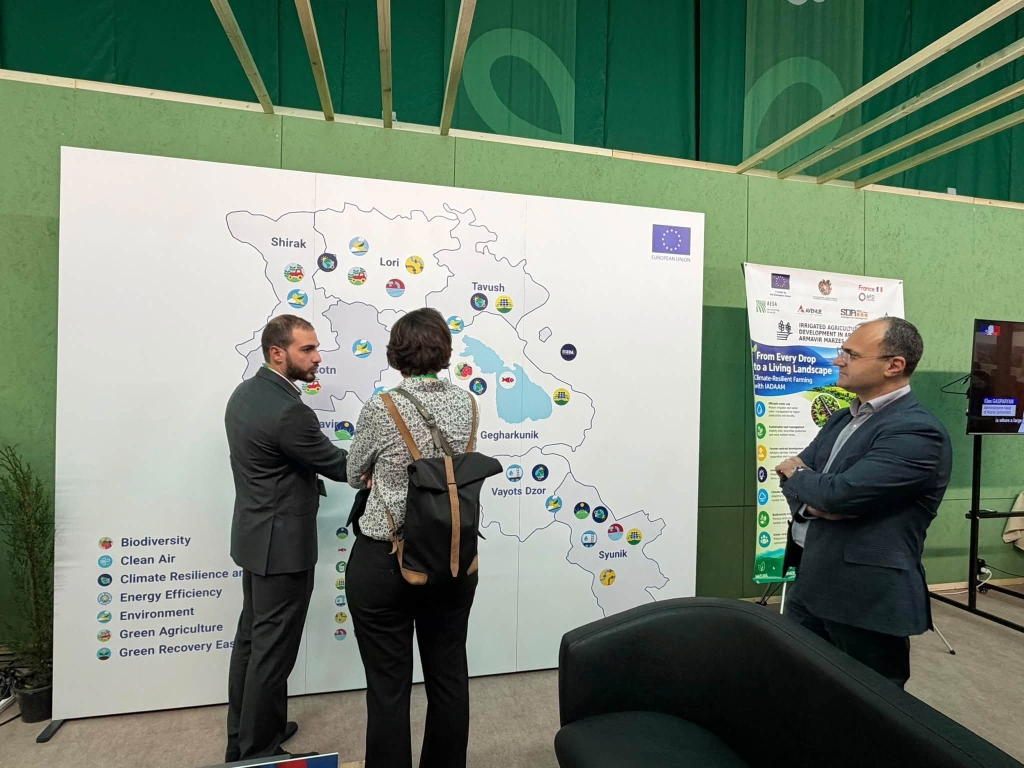
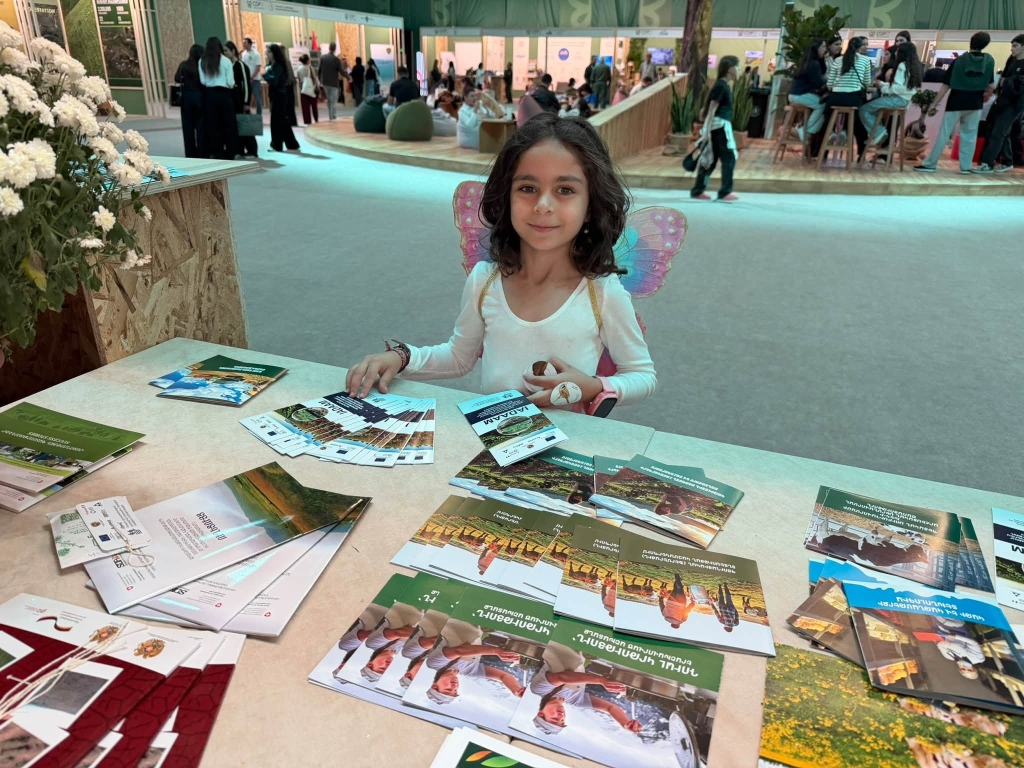
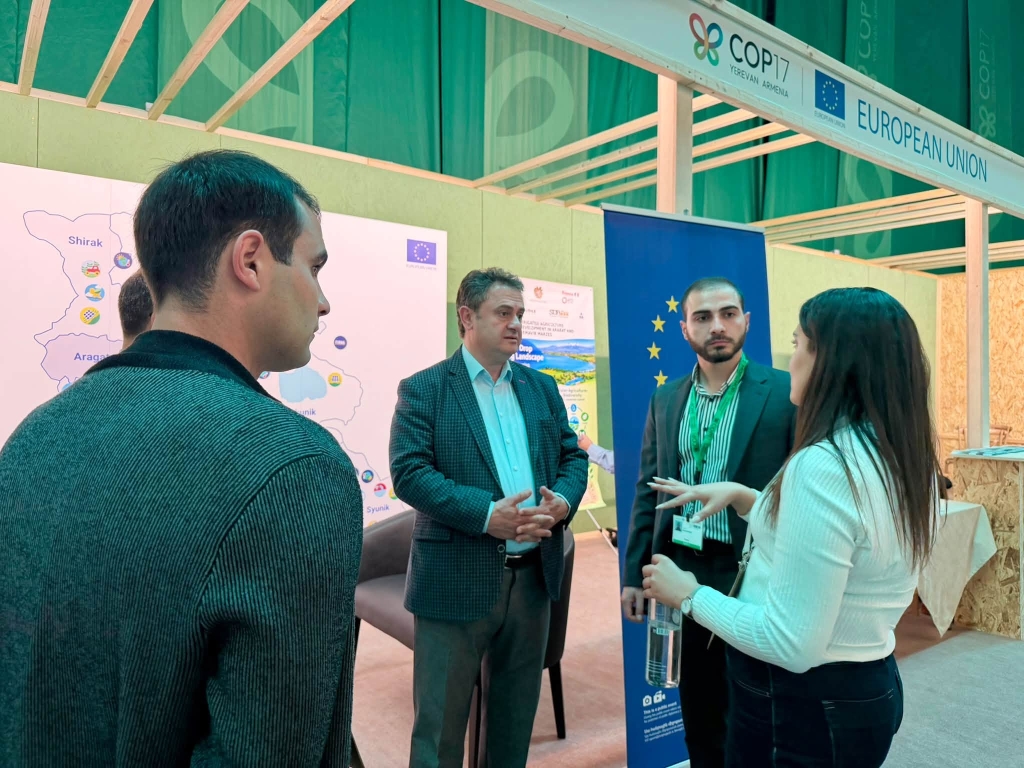
IADAAM Project brought today at the EU booth the discussion on sustainable agriculture to the practical level – exploring how water management, land use, farming practices and knowledge can come together to strengthen agricultural resilience.
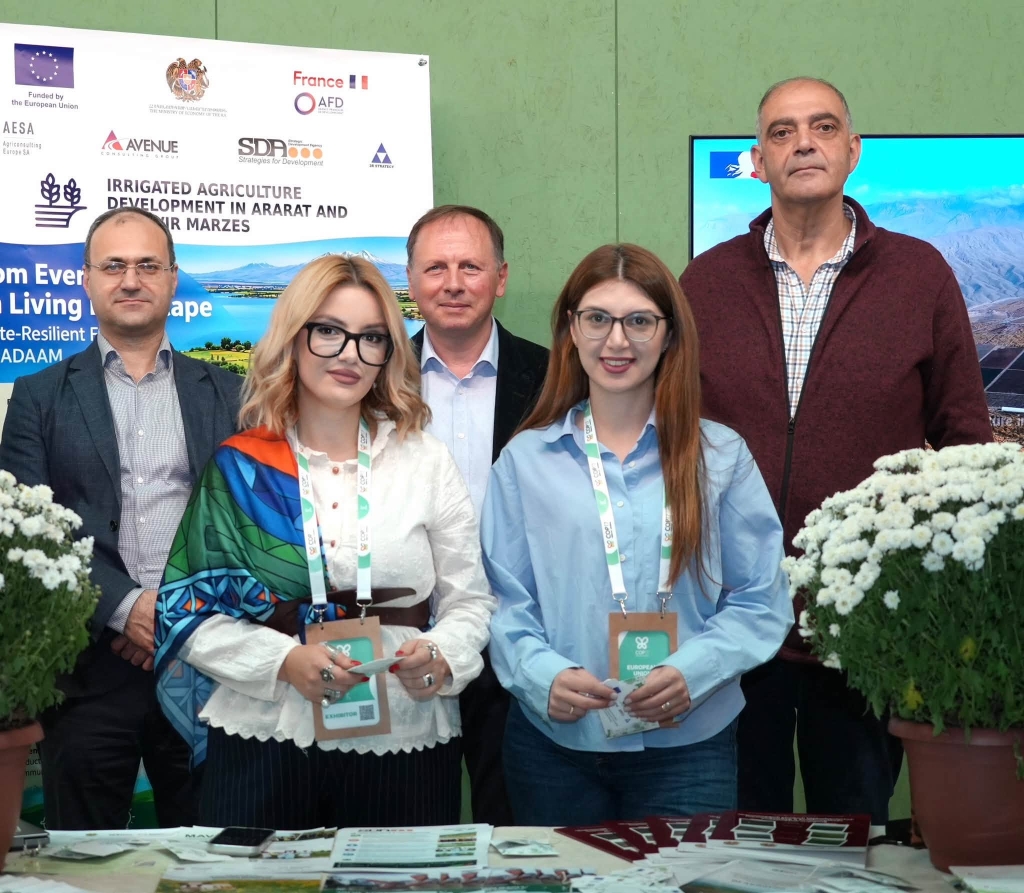
Throughout the day, visitors had the opportunity to learn more about IADAAM’s work in Ararat and Armavir, including modern irrigation solutions, sustainable land management, demonstration farms and farmer-centred advisory services.

The programme also highlighted the experience of the Vedi landscape, where water infrastructure, agricultural land and surrounding ecosystems form an interconnected system. The discussions demonstrated why more efficient use of water and land is essential not only for agricultural productivity, but also for reducing pressure on natural resources and supporting resilient rural livelihoods.

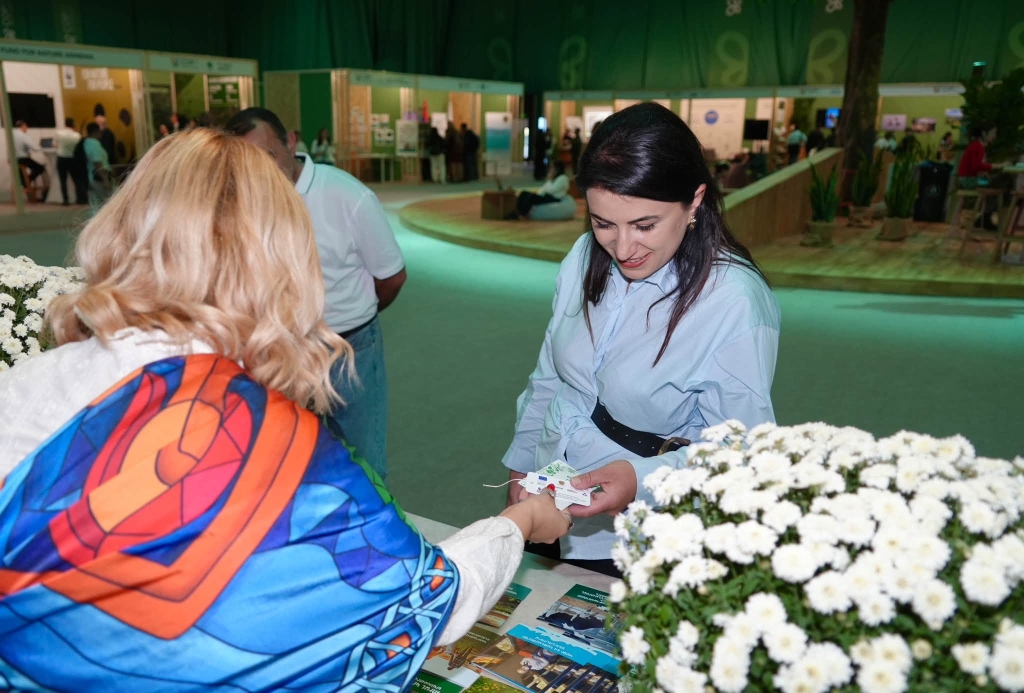
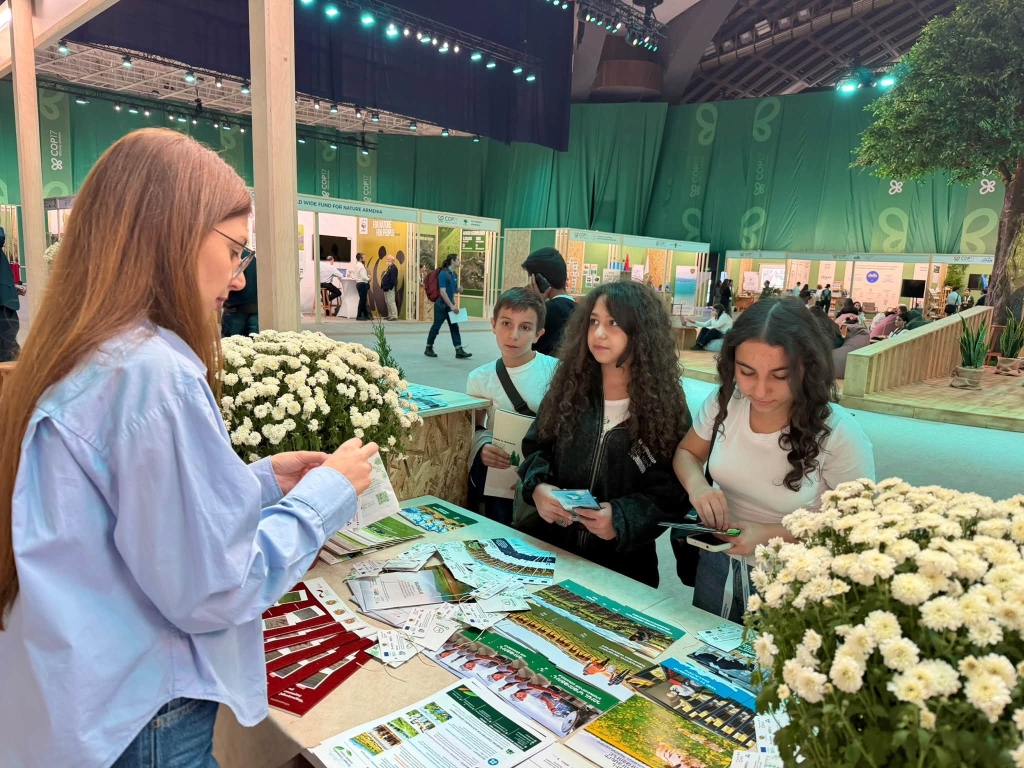
Thank you to everyone who visited the EU Booth, took part in the discussions and shared their perspectives.

The Irrigated Agriculture Development in Ararat and Armavir Marzes (IADAAM) Project, financed by the European Union (EU) and implemented with the support of the French Development Agency (Agence Française de Développement), aims to transform irrigated agriculture in Armenia.

Implemented by the Ministry of Economy of the Republic of Armenia, the project’s technical assistance is provided by a consortium comprising AESA – Agriconsulting Europe SA, Avenue Consulting Group LLC, Strategic Development Agency NGO, and 3R Strategy LLC, with the aim of strengthening agricultural policy and advancing sector reforms.

INLIMA From Austrian Expertise to an Armenian Farm: New Opportunities for Cattle Breeding

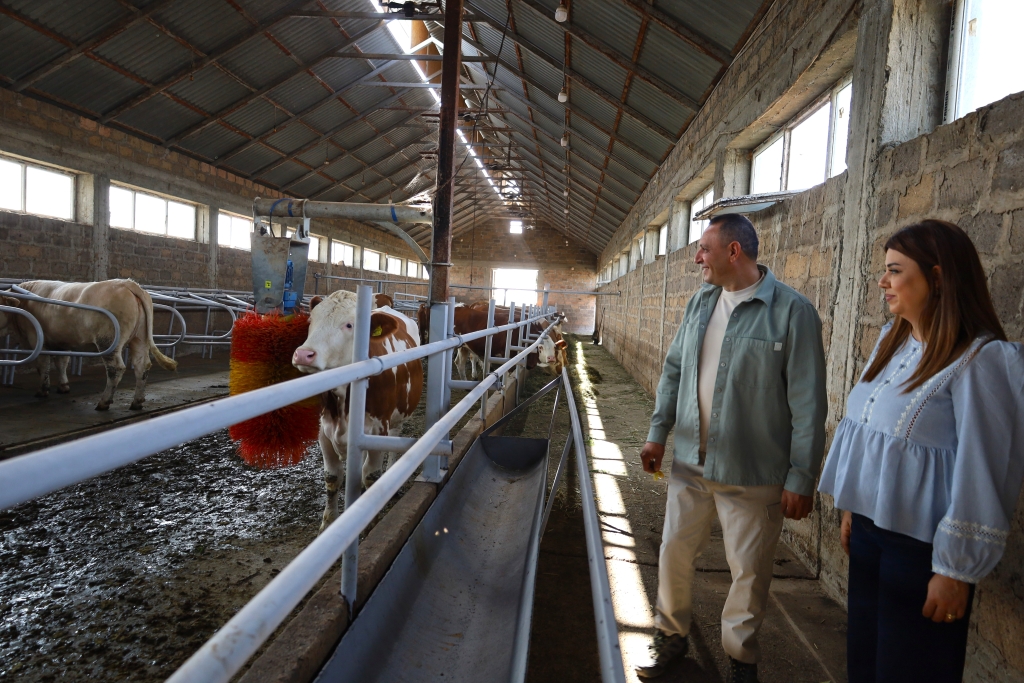
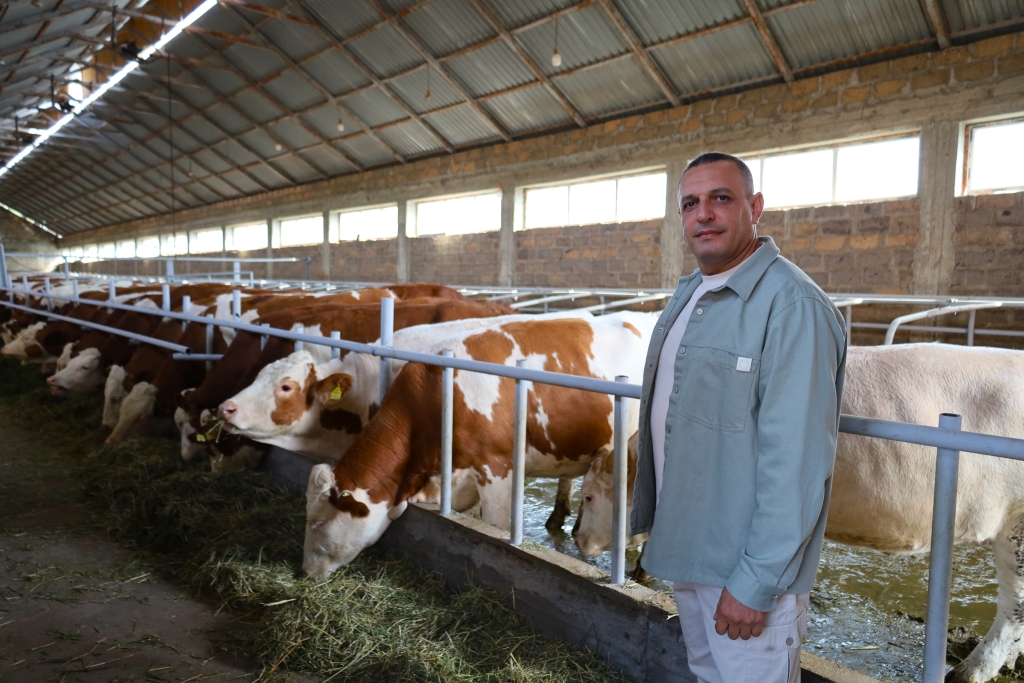
New opportunities for the development of Armenia’s cattle sector are emerging as farmers gain access to international expertise and high-quality breeding animals. Among those taking advantage of these opportunities is Khachik Hovsepyan, an IT specialist who is also applying his knowledge and entrepreneurial approach to livestock farming.

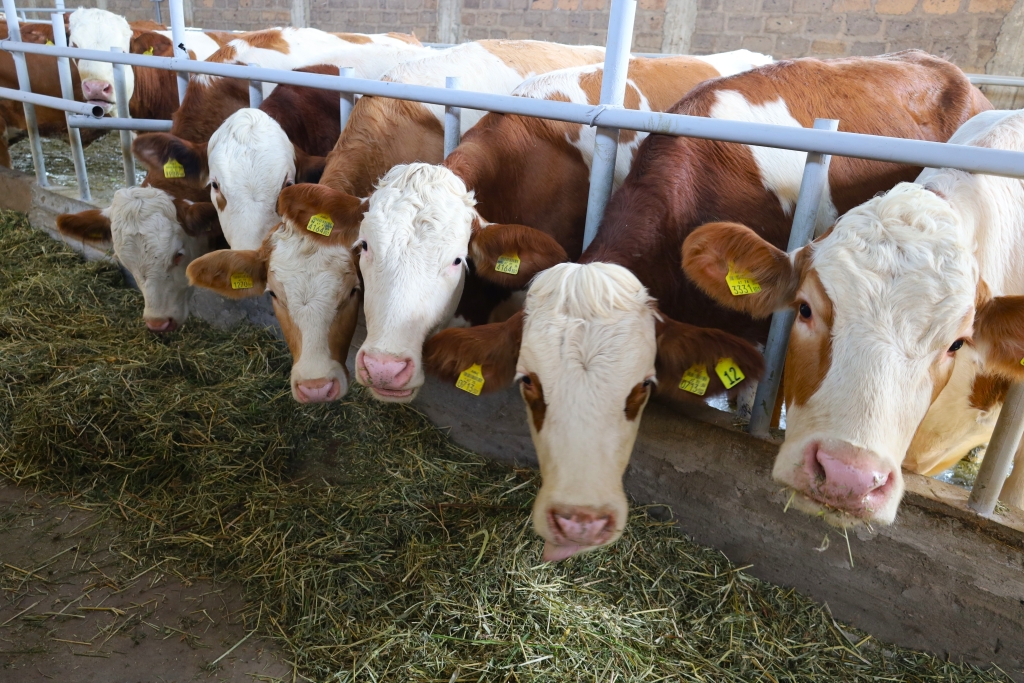
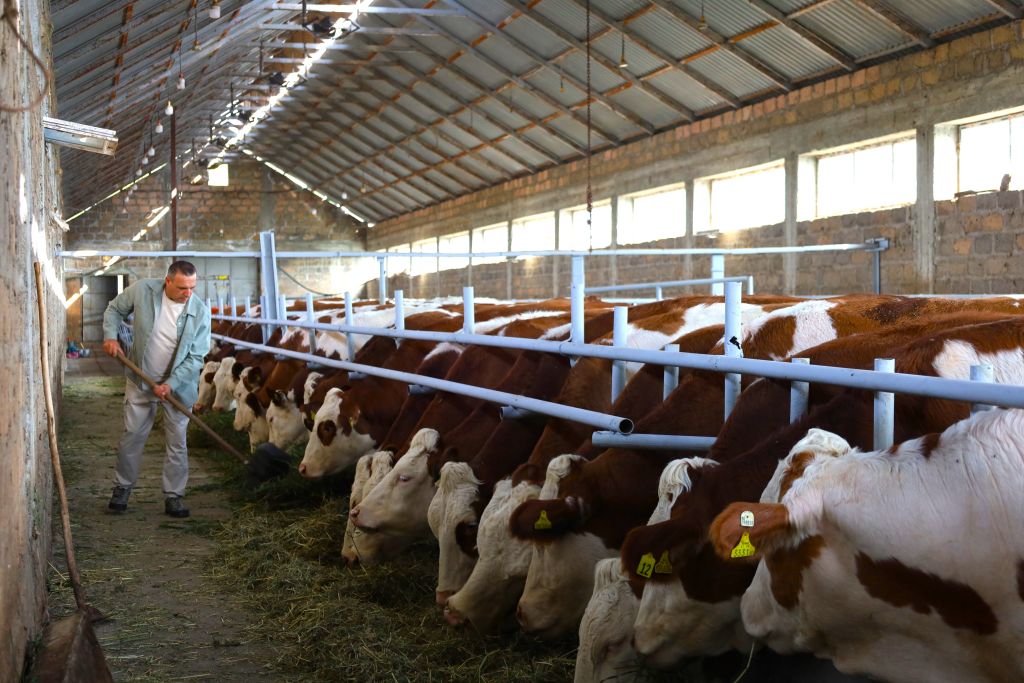
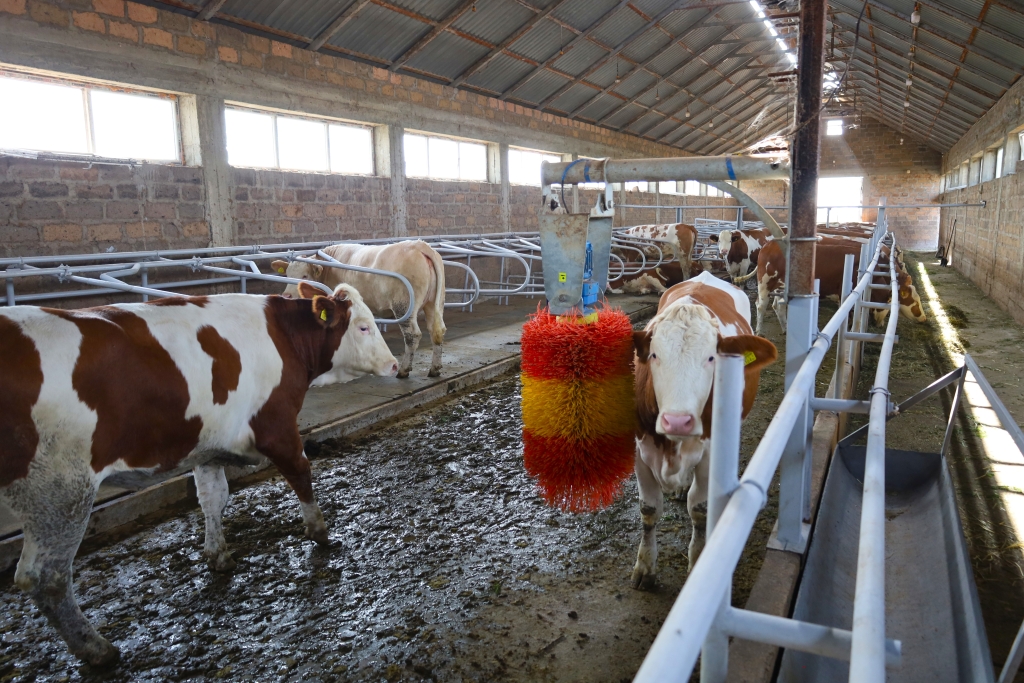
Of the 64 Fleckvieh cattle recently imported to Armenia, 32 were acquired by Khachik. As a dual-purpose dairy and beef breed, Fleckvieh can contribute to improving the genetic potential of local herds, enhancing productivity, and strengthening the foundations for more efficient cattle breeding.

The initiative is a practical outcome of Armenian-Austrian cooperation. The collaboration was initiated through a study visit to Austria, during which a Memorandum of Understanding was signed between the Ministry of Economy of the Republic of Armenia, the Strategic Development Agency (SDA) NGO, and Cattle Breeders Austria. The acquisition of the animals was also supported through the Government of Armenia’s 2025-2029 Cattle Breeding Development Programme, providing farmers with access to relevant state support mechanisms.

Why does this matter for Armenia’s cattle sector?
The introduction of Fleckvieh cattle creates opportunities to strengthen the genetic potential of herds, improve productivity, and promote modern breeding practices. At the same time, the engagement of professionals such as Khachik Hovsepyan demonstrates that agriculture can offer meaningful opportunities for innovation, entrepreneurship, and professional development beyond traditional farming pathways.

Through collaboration with public and international partners, the INLIMA Programme contributes to the modernization of Armenia’s livestock sector and to creating new opportunities for farmers and livestock businesses. This initiative illustrates how international knowledge exchange, public support mechanisms, and targeted programme assistance can come together to strengthen farm-level development and contribute to the long-term advancement of cattle breeding in Armenia.

“Innovative Livestock Management: Animal Migration, Breeding & Markets” (INLIMA) project is implemented by Strategic Development Agency NGO and funded by the Austrian Development Agency (ADA), the operational unit of Austrian Development Cooperation.

Uncategorized

SDA at COP17։ Showcasing the impact of LILA Project

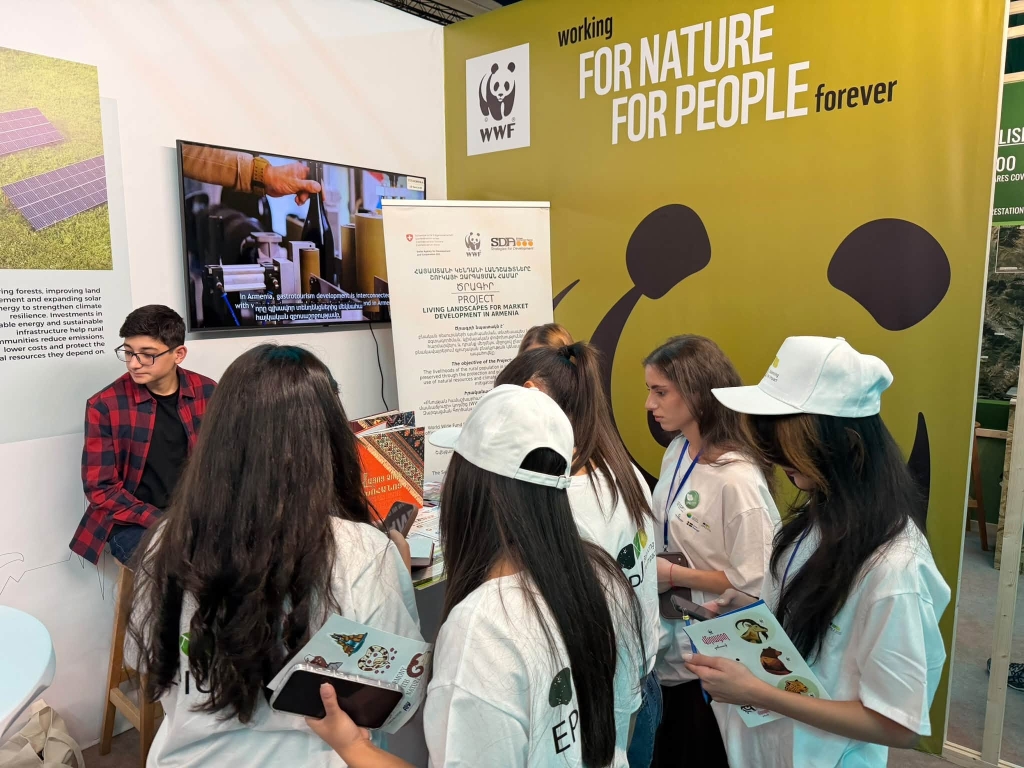
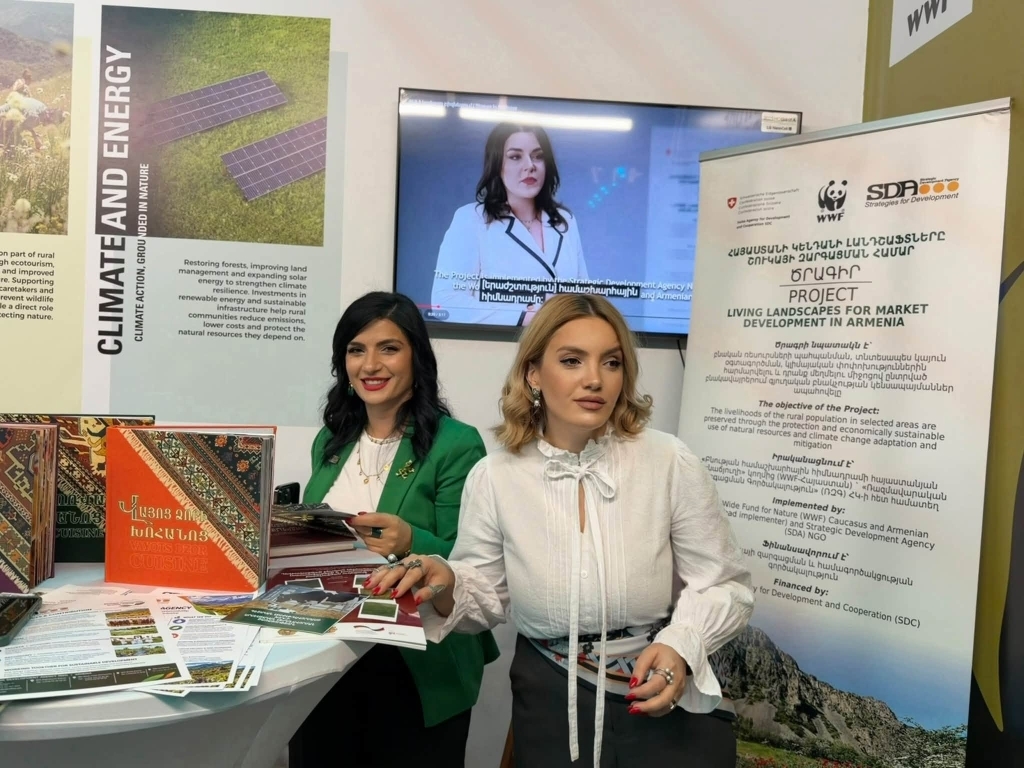
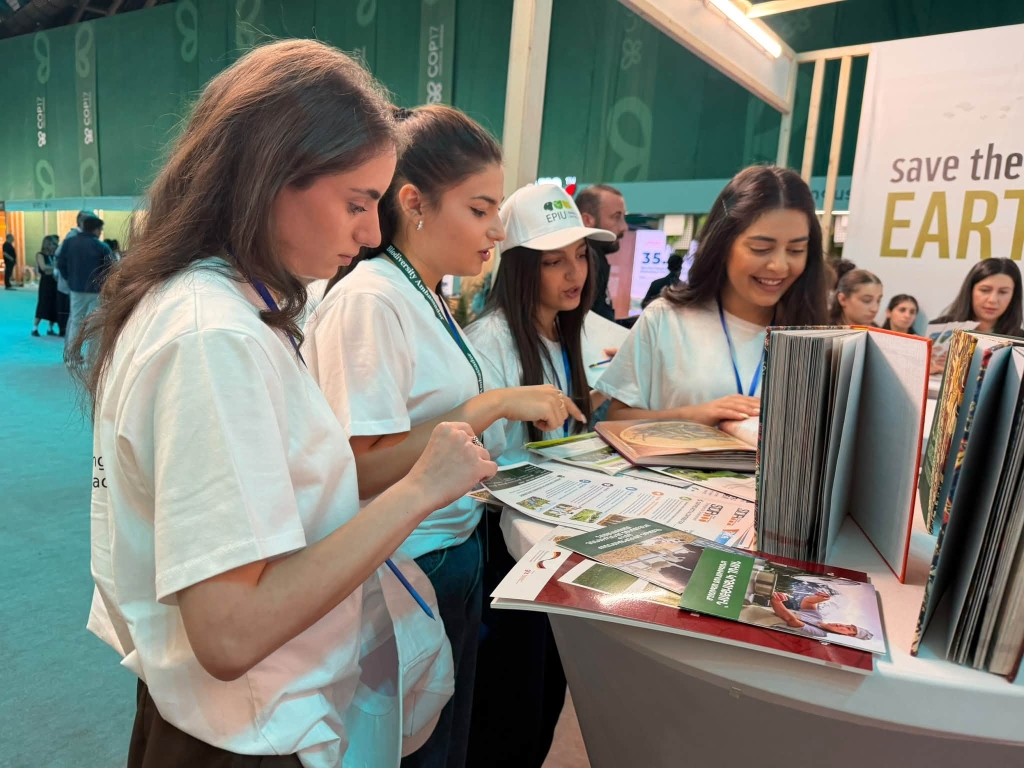
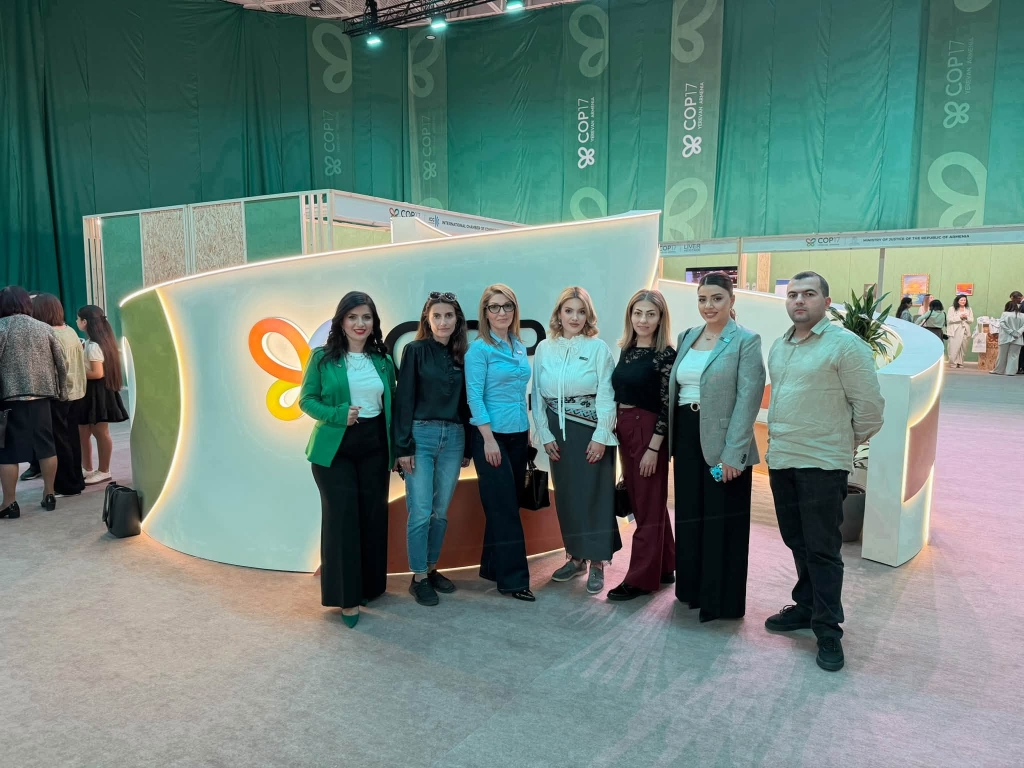
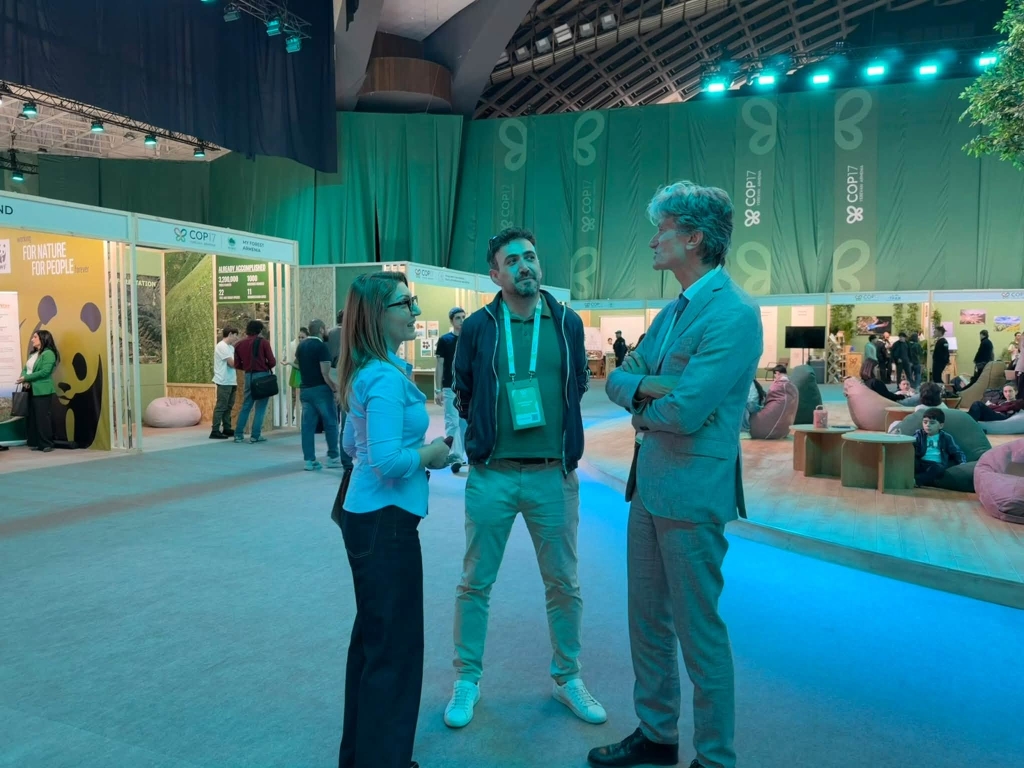
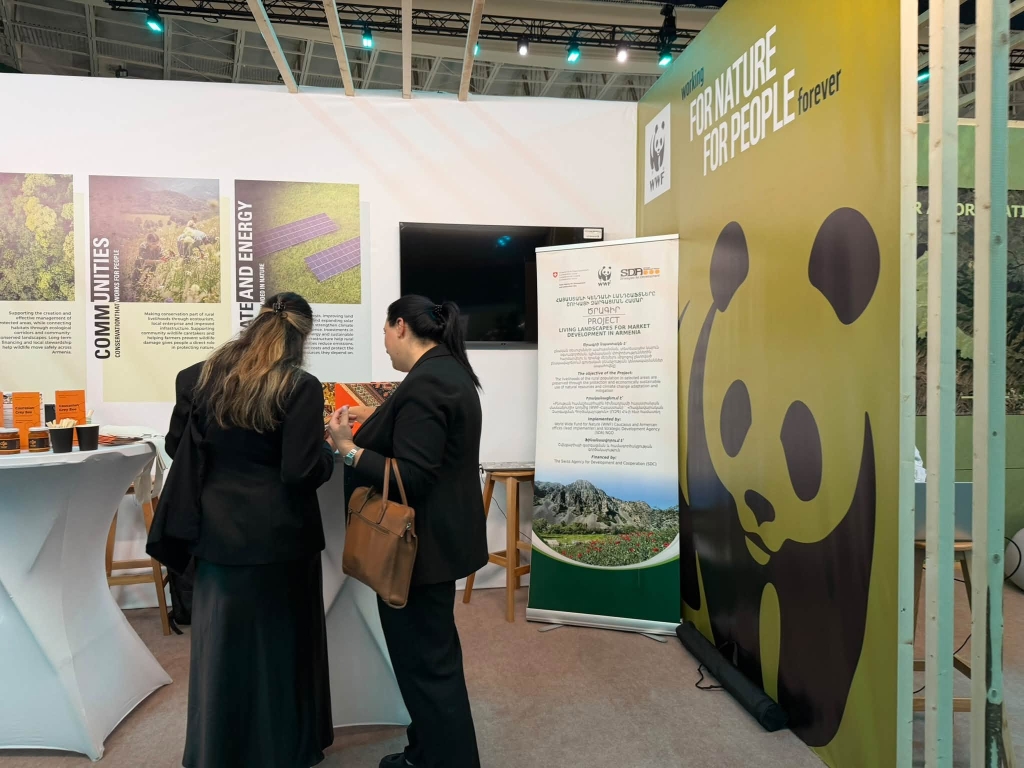
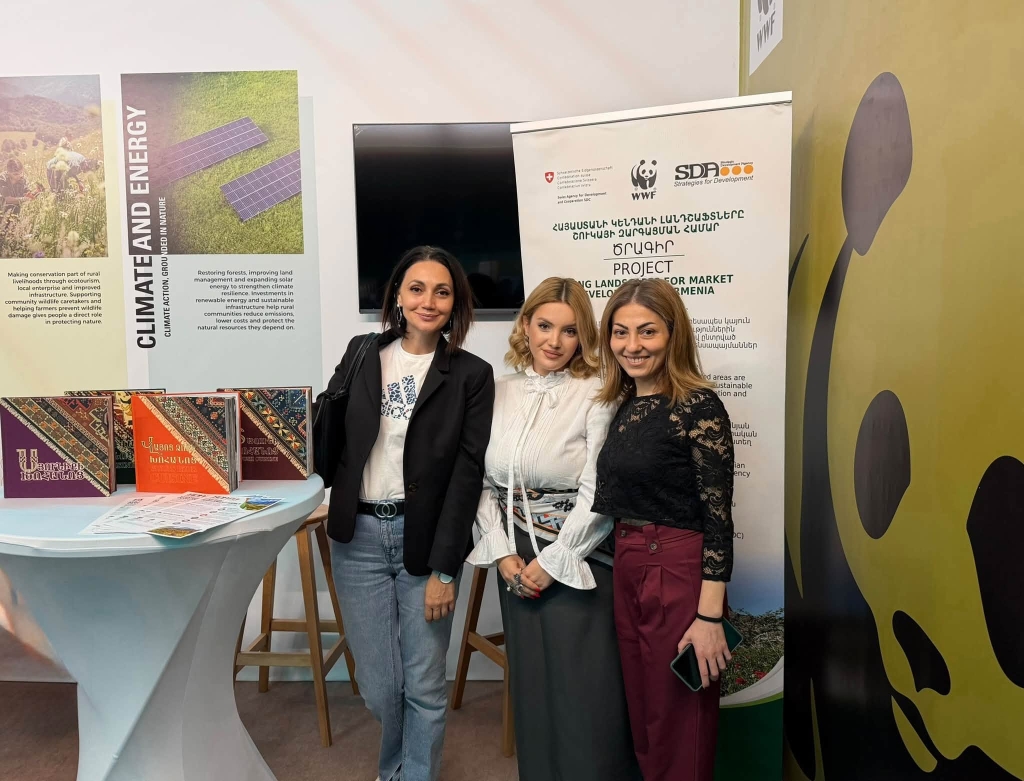
Today, we were pleased to take part in COP17 Armenia at the WWF Armenia booth, where we had the opportunity to present the key achievements and impact of the LILA Project, highlighting its contribution to Armenia’s sustainable development.

We are proud of what we have accomplished together and the positive change that collaborative efforts can bring to local communities and the environment.

Our sincere thanks to WWF Armenia, our implementing partner within LILA, for hosting us and for a valuable partnership built on a shared commitment to a more sustainable future for Armenia.

Together, we continue to turn our shared vision into meaningful action.

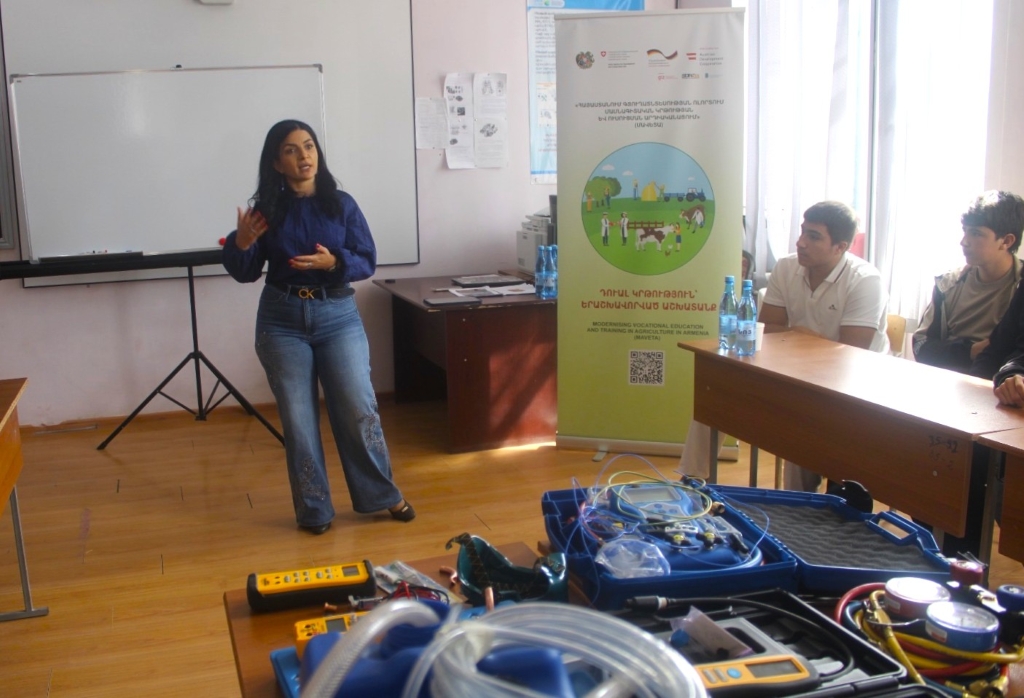
MAVETA How Do Apprentices See Their Professions?

What can a single drop of water tell us about a profession? And what knowledge and technologies are needed to keep agricultural produce fresh and maintain its quality?

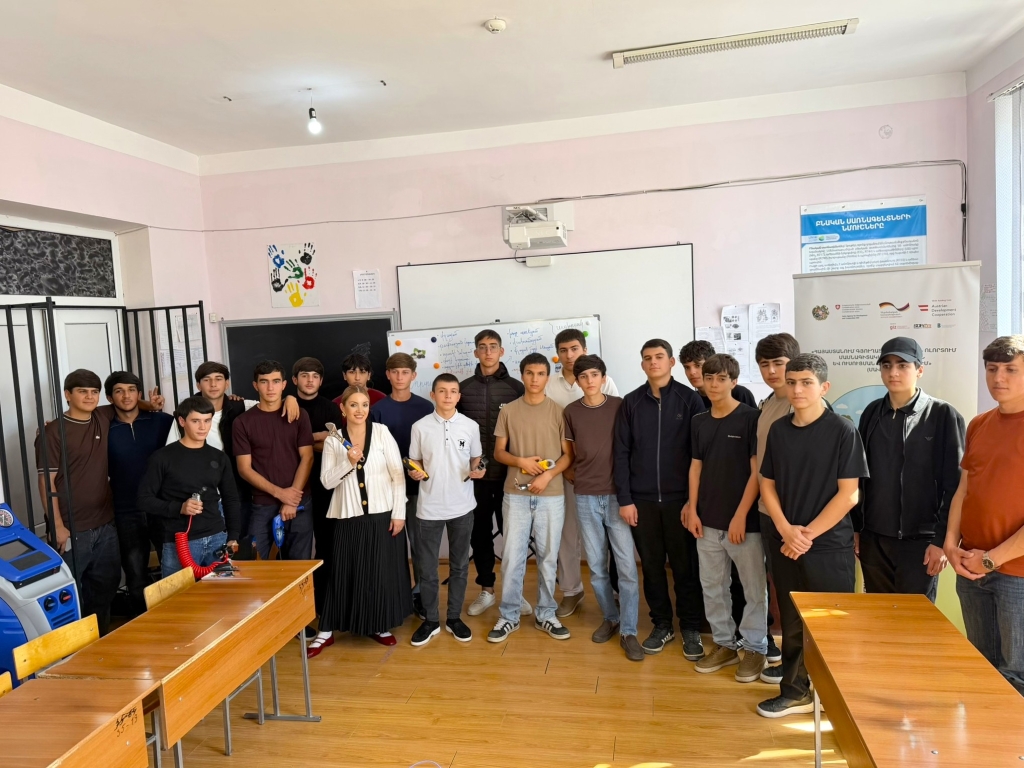
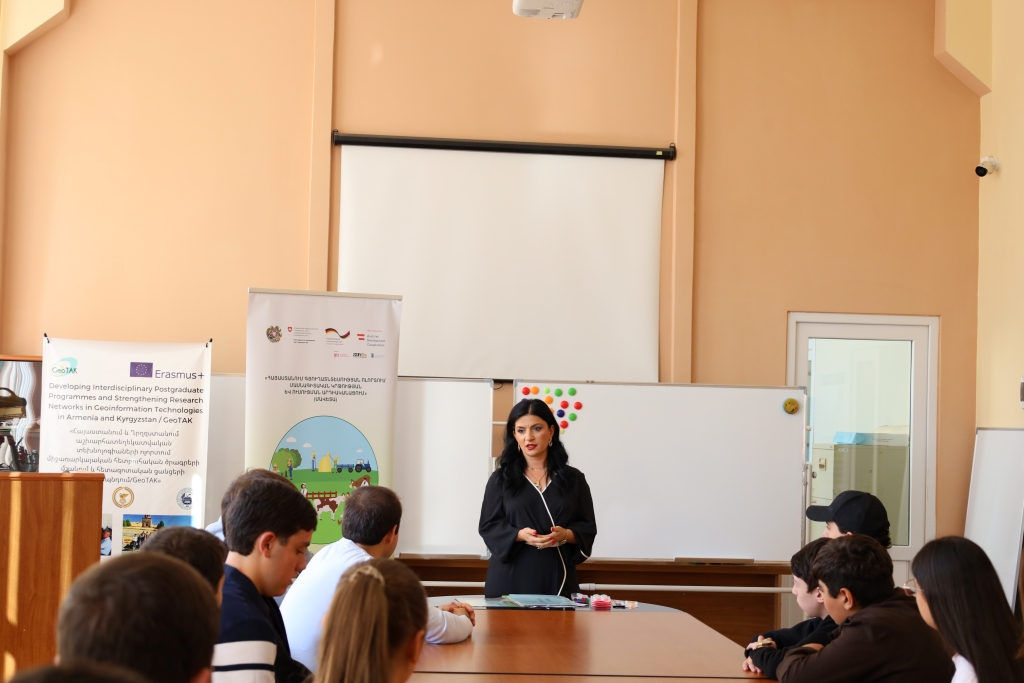
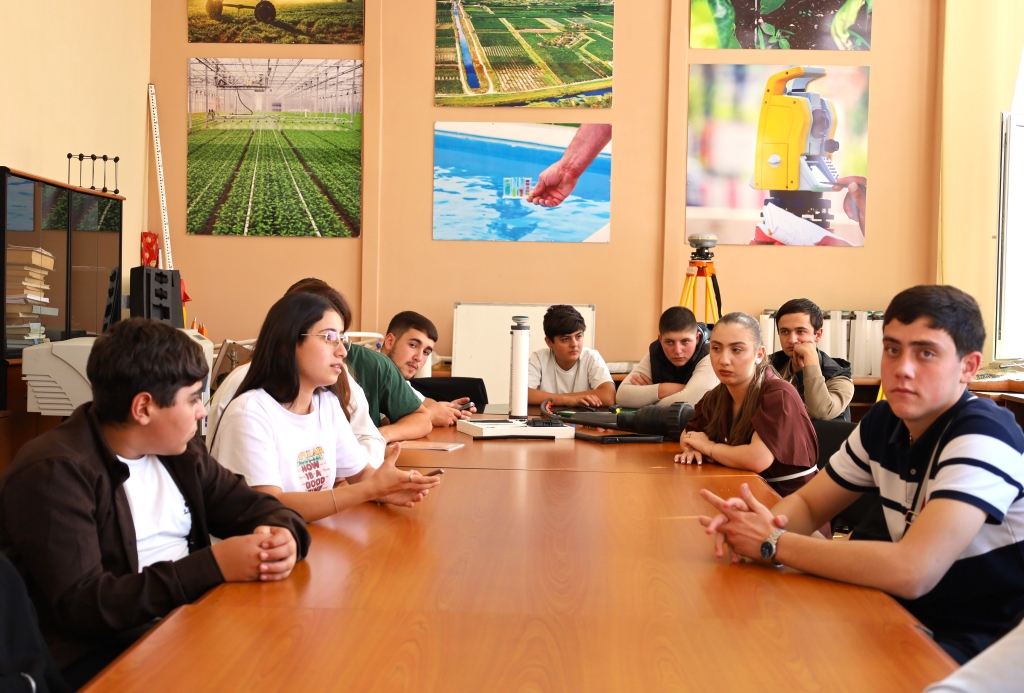
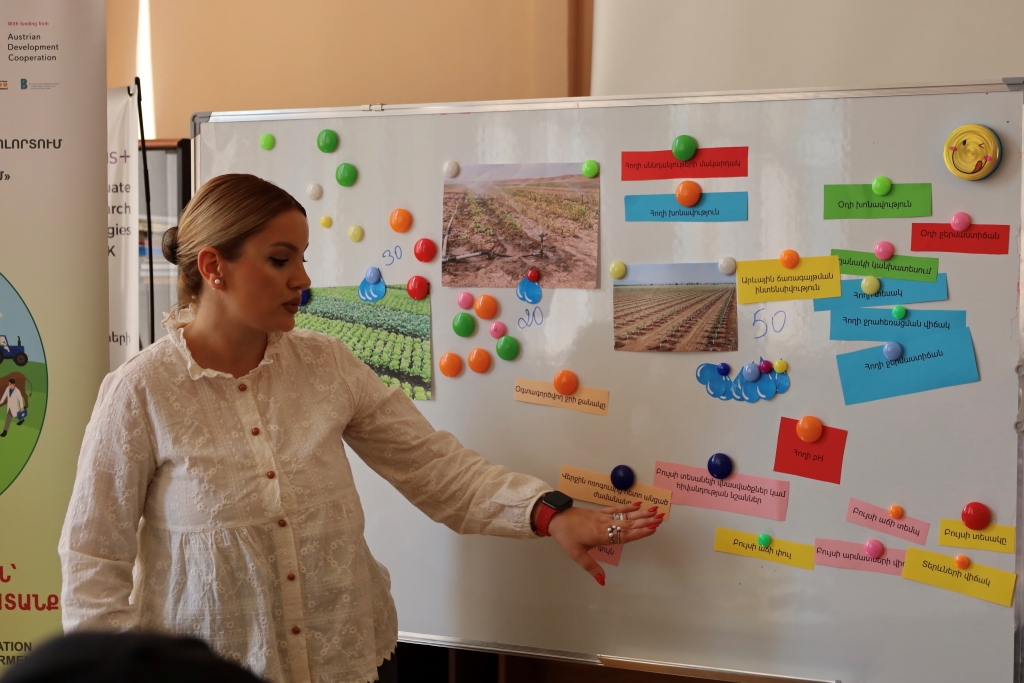
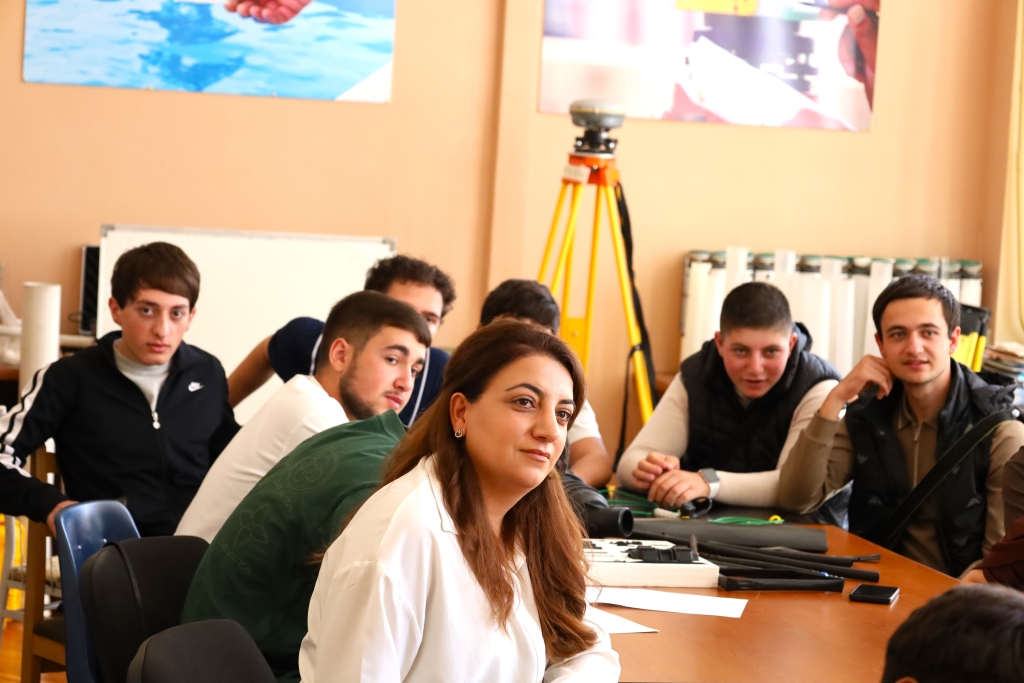
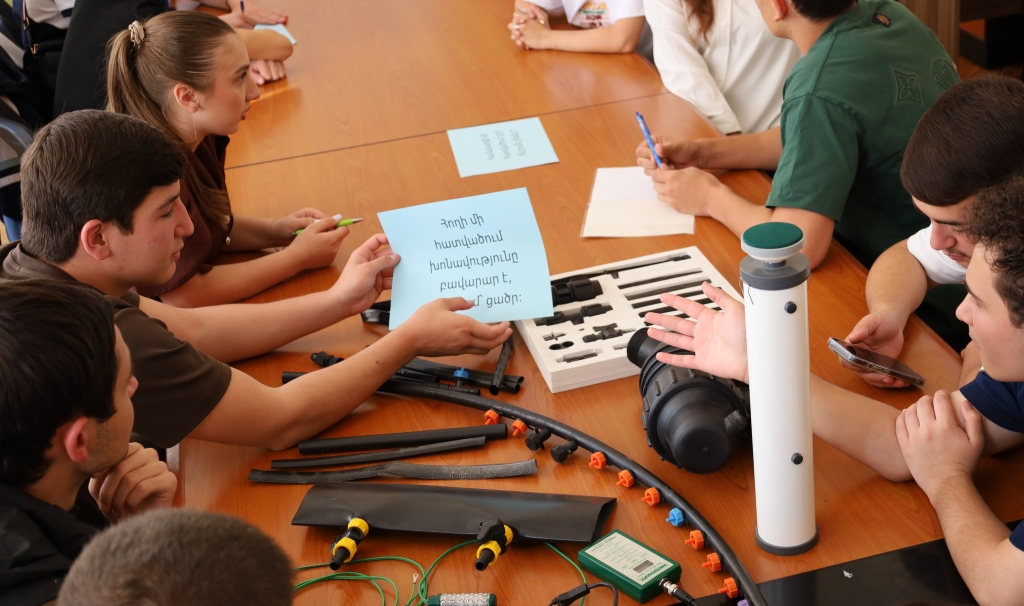
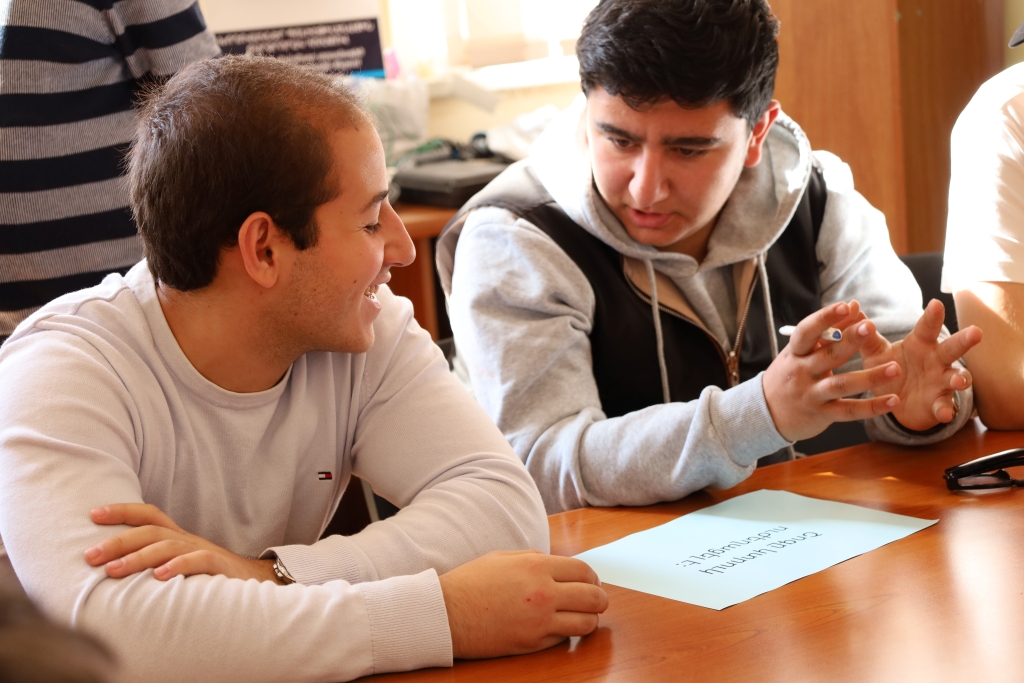
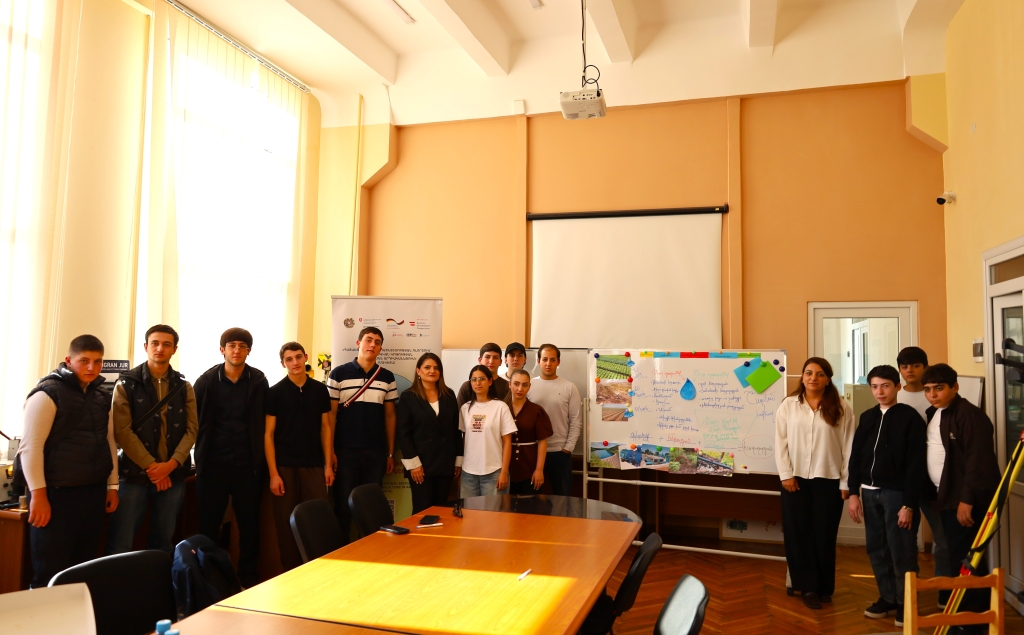
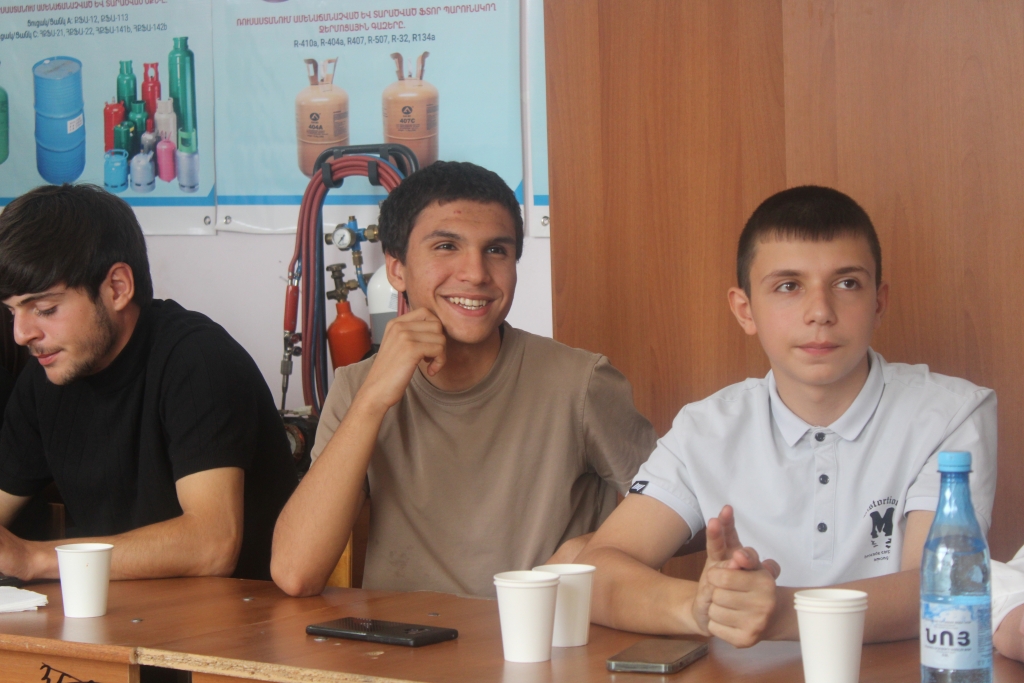
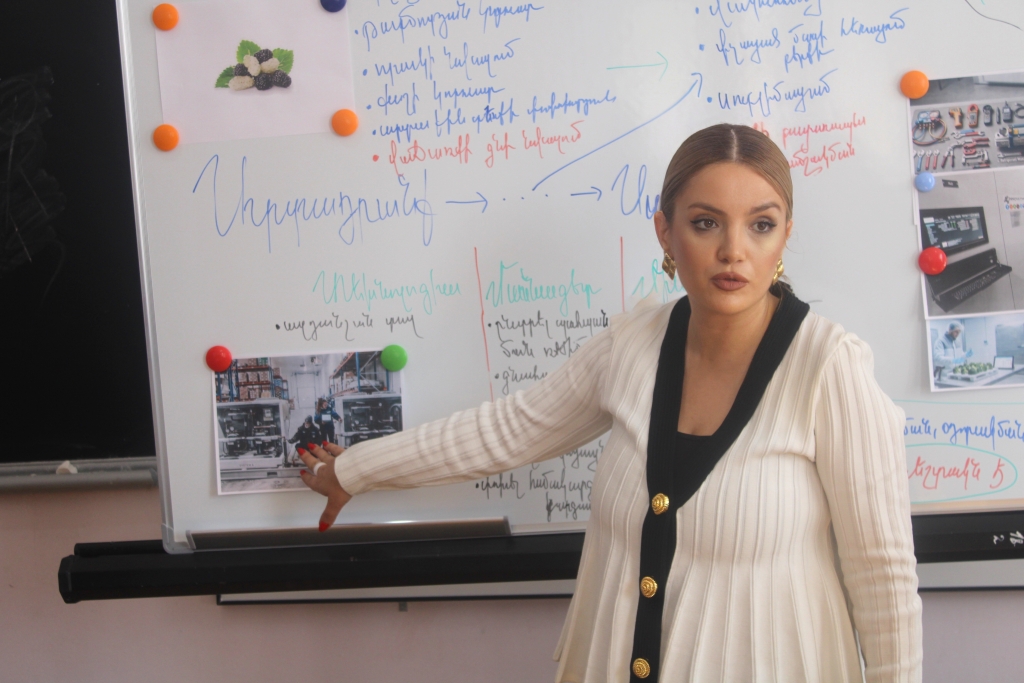
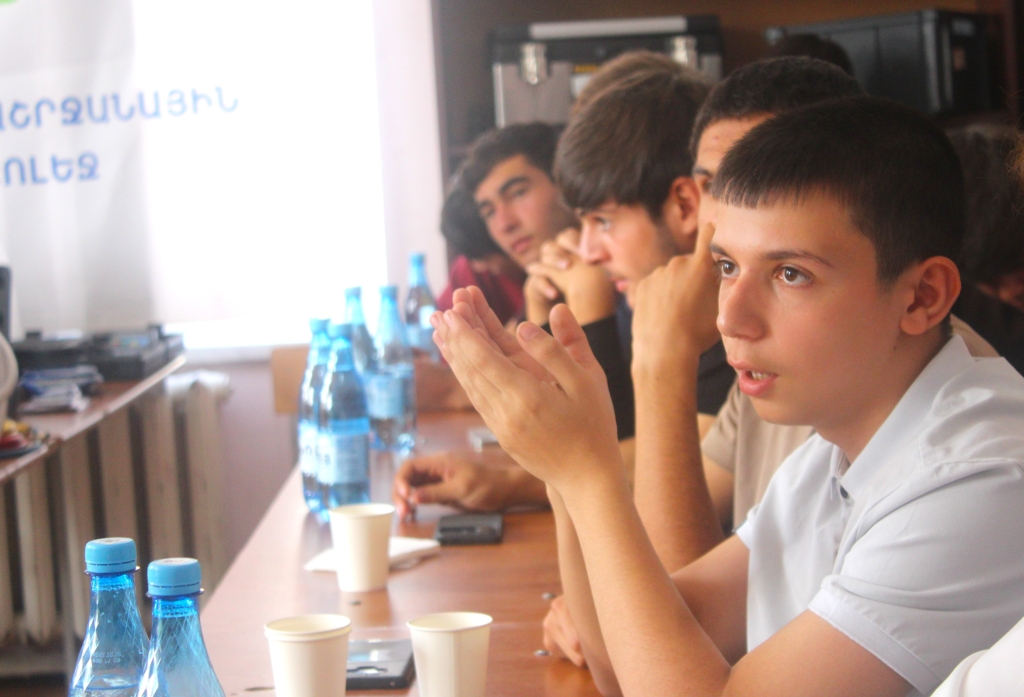
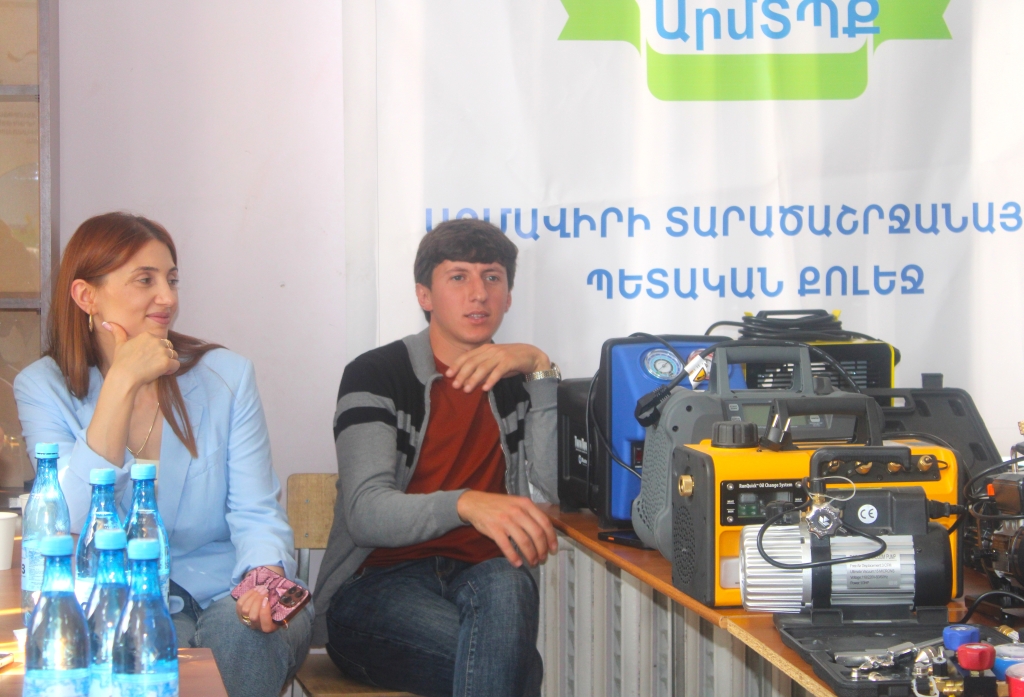
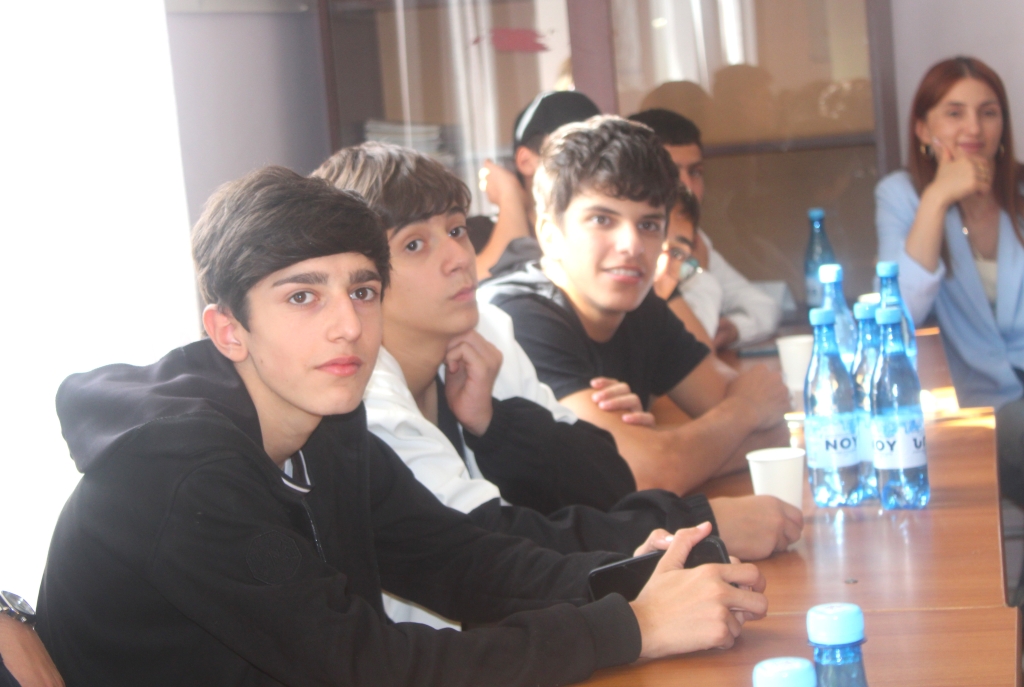
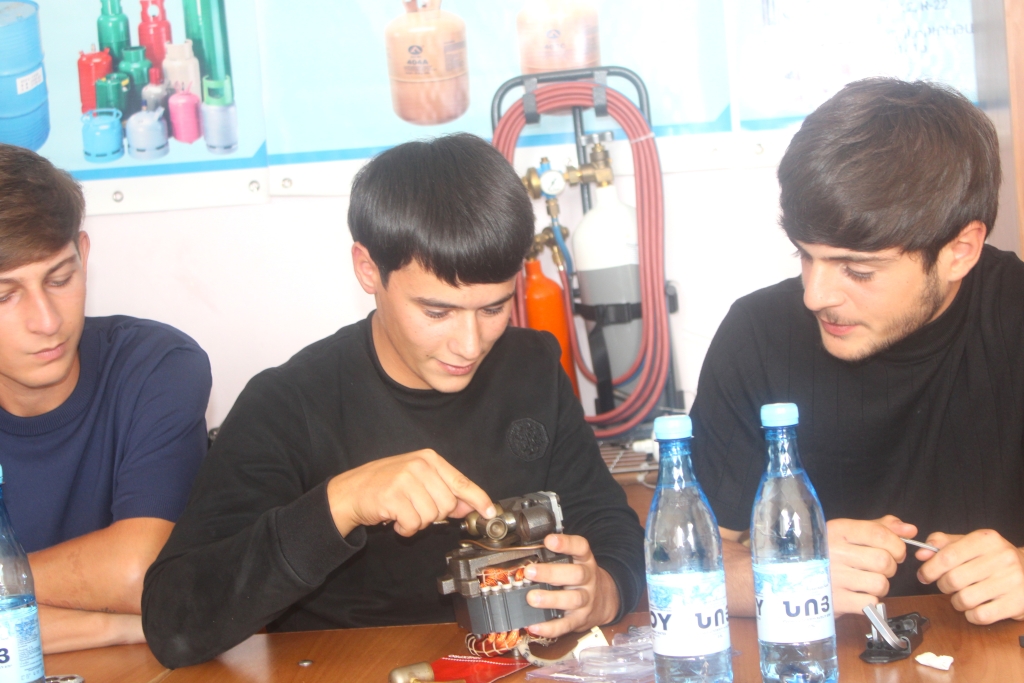
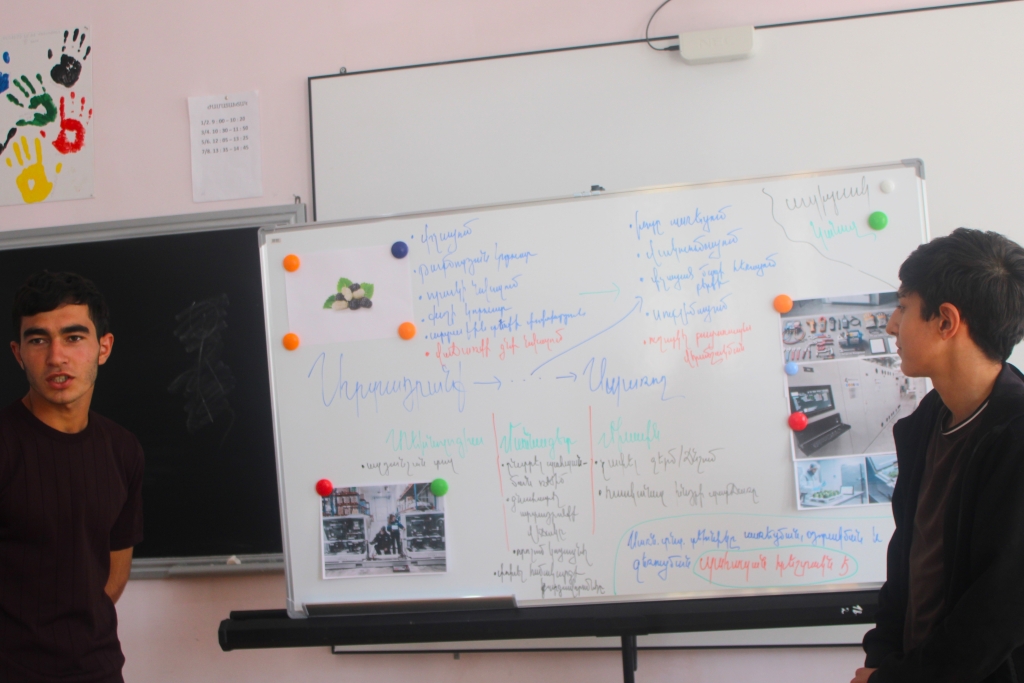
As part of the MAVETA project, apprentices studying “Installation and Operation of Drip Irrigation Systems” and “Cold Chain Management” explored these questions through creative games, discussions of professional scenarios, and the development of Mood Boards.

“The Power of Every Drop”
How can limited water resources be used as efficiently as possible? How can technology and data help us understand plants’ needs and make informed decisions? The apprentices explored how drip irrigation specialists help conserve water, improve efficiency, and contribute to sustainable agricultural development.

“Preserve the Produce”
What does a farmer lose when produce is not stored under appropriate conditions? And how can specialists prevent these losses? Through discussions, the apprentices discovered the role of cold chain management in maintaining product quality, reducing food loss, and preserving the value of agricultural produce.

During both sessions, the young participants also selected colours, images, symbols, and ideas that, in their view, best capture the essence and future of these professions.

Most importantly, the apprentices’ ideas, professional insights, and visions of the future will serve as the foundation for the creation of two animated films. The films will highlight why these professions matter in modern agriculture, the role of technology and professional expertise, and the opportunities these career paths offer young people.

Because the future of agriculture is shaped not only by new technologies, but also by the skilled, knowledgeable professionals who put them into practice.

The MAVETA project is financed by the Federal Ministry for Economic Cooperation and Development (BMZ), the Swiss Agency for Development and Cooperation, the Austrian Development Agency (ADA) and the Government of Armenia.

The project’s implementing partners are the Deutsche Gesellschaft für Internationale Zusammenarbeit (GIZ) GmbH and Strategic Development Agency NGO, the School of Agricultural, Forest and Food Sciences at the Bern University of Applied Sciences (BFH-HAFL).