
Uncategorized

MAVETA What do Greenhouse Management and Farm Management look like through the eyes of apprentices?

What comes to mind when young people think about the profession they have chosen? What images, colours, technologies, skills and ideas do they associate with it? And, most importantly, how do they imagine the future of these professions?

Young people’s perceptions of their professions matter not only because they reflect their interests and expectations. They also offer an insight into how the image of agriculture is changing – from traditional perceptions of farming towards professions increasingly shaped by technology, innovation, management and new skills.

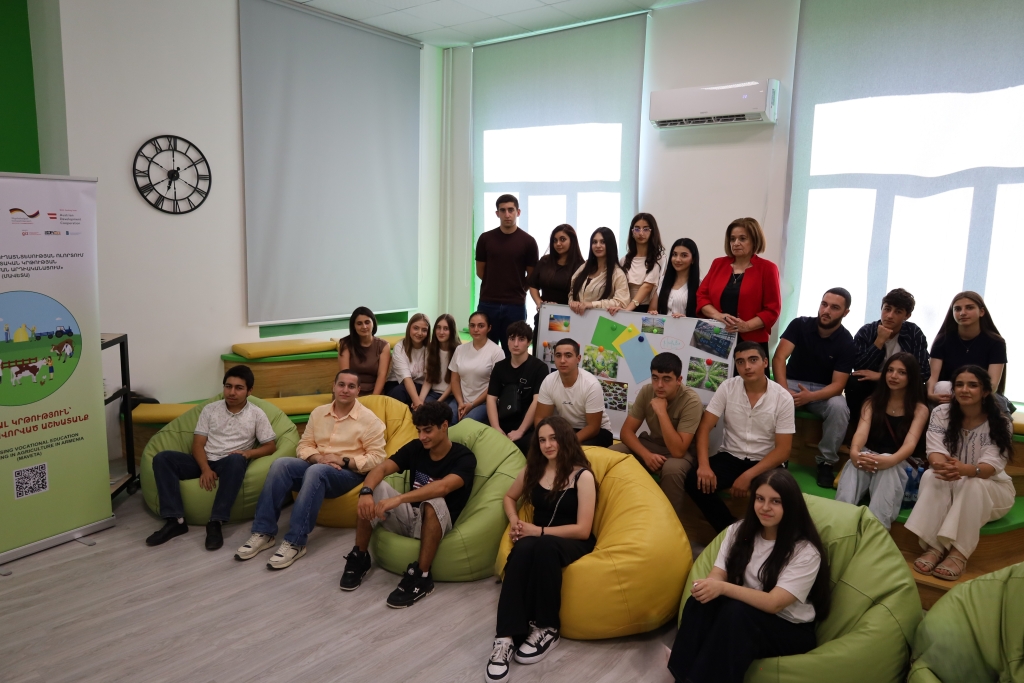
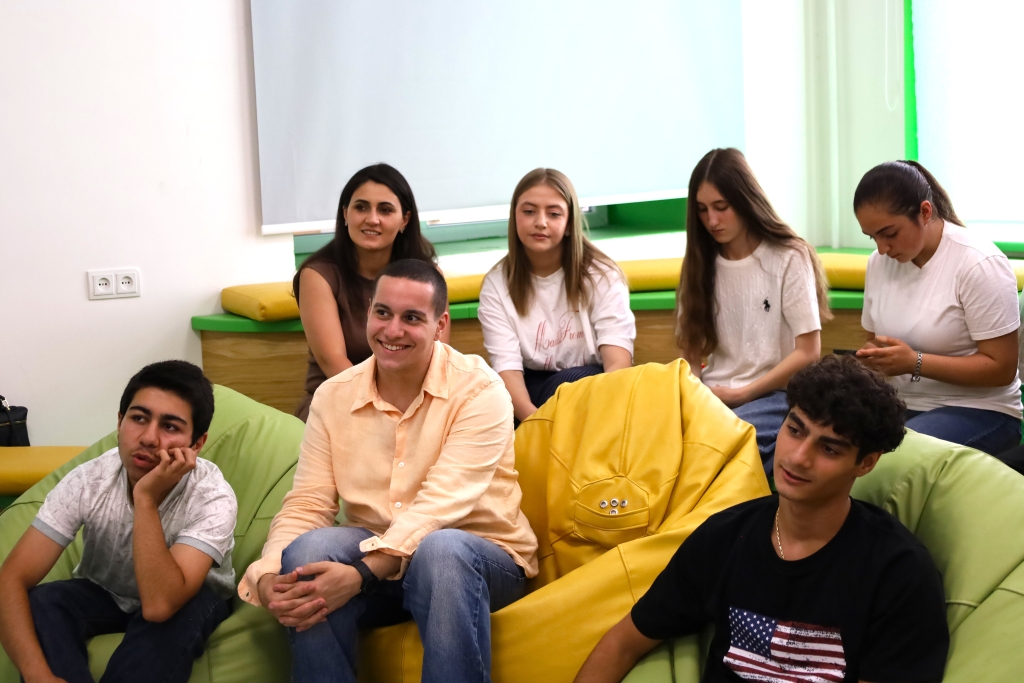
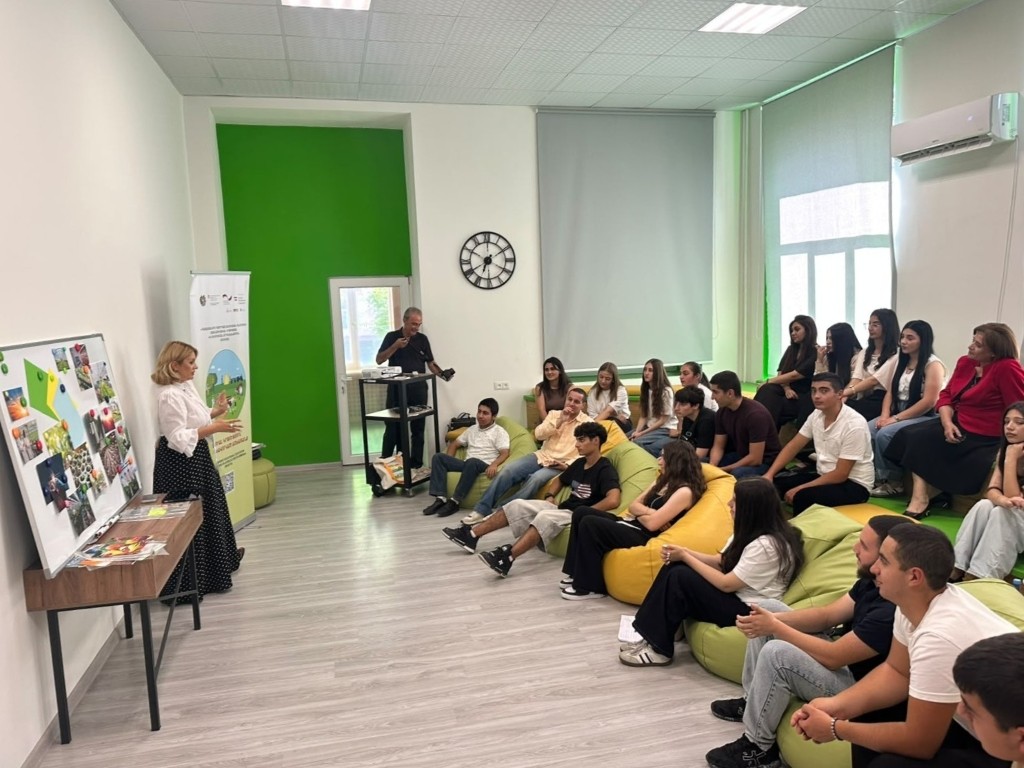
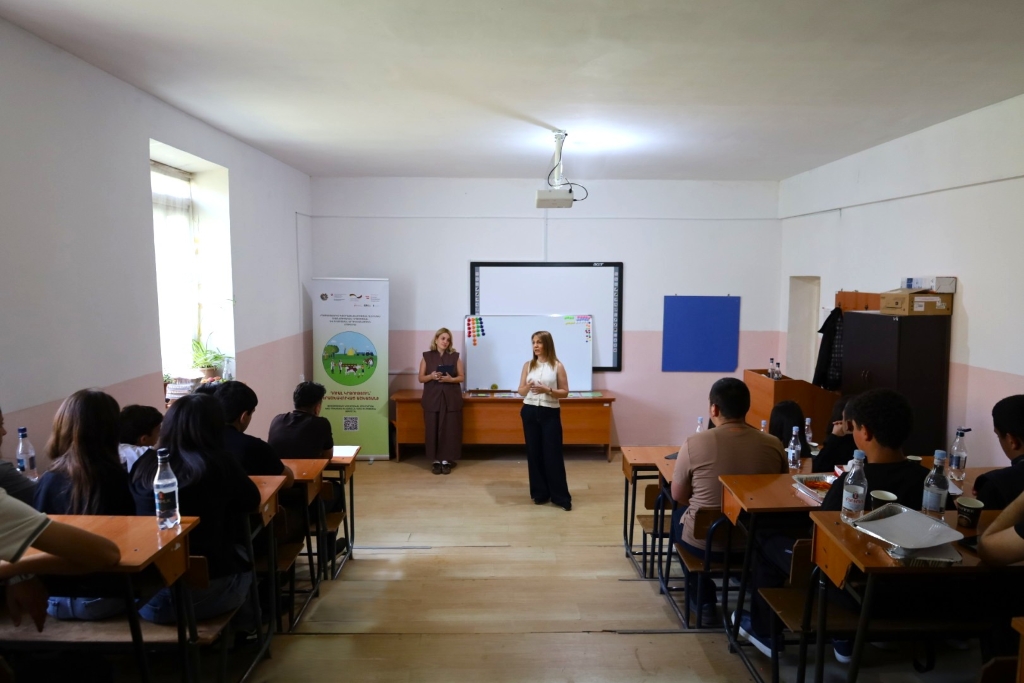
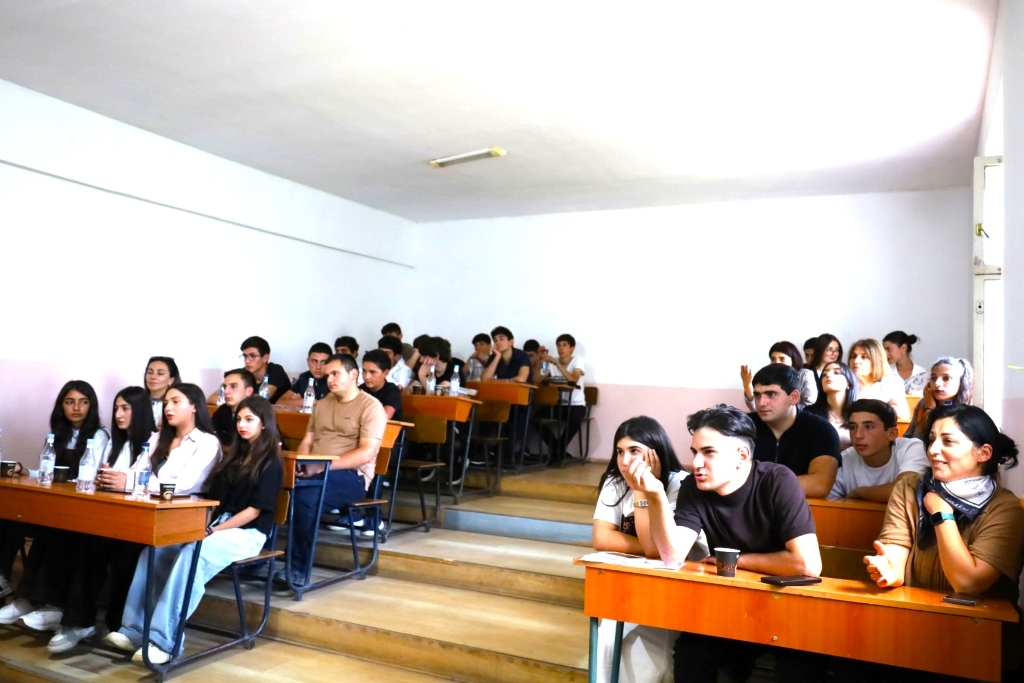
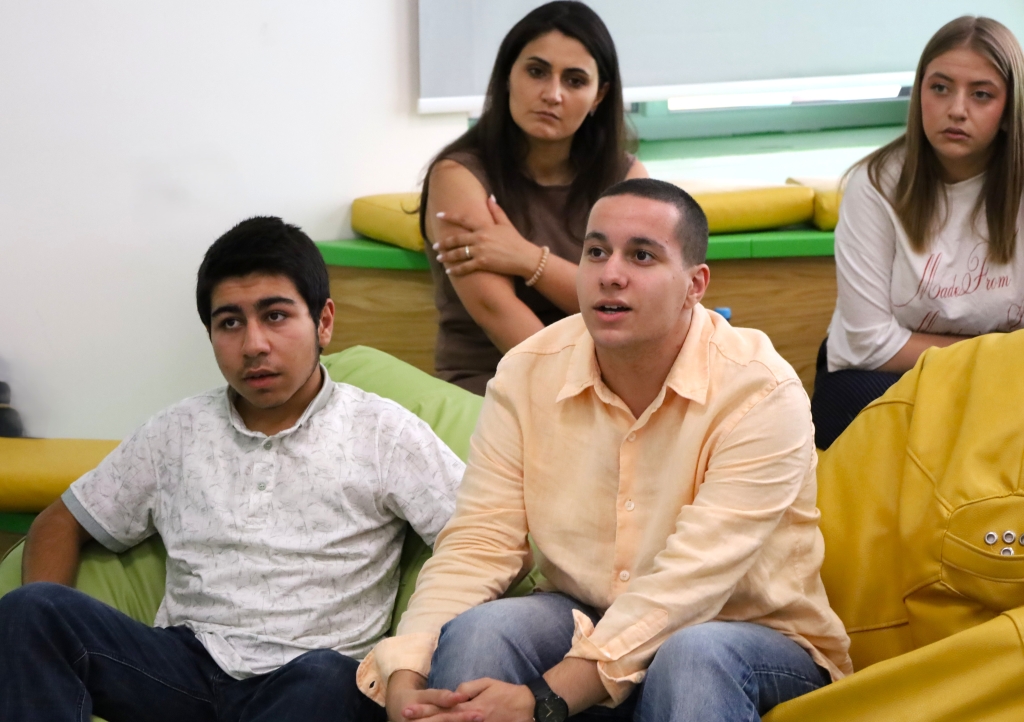
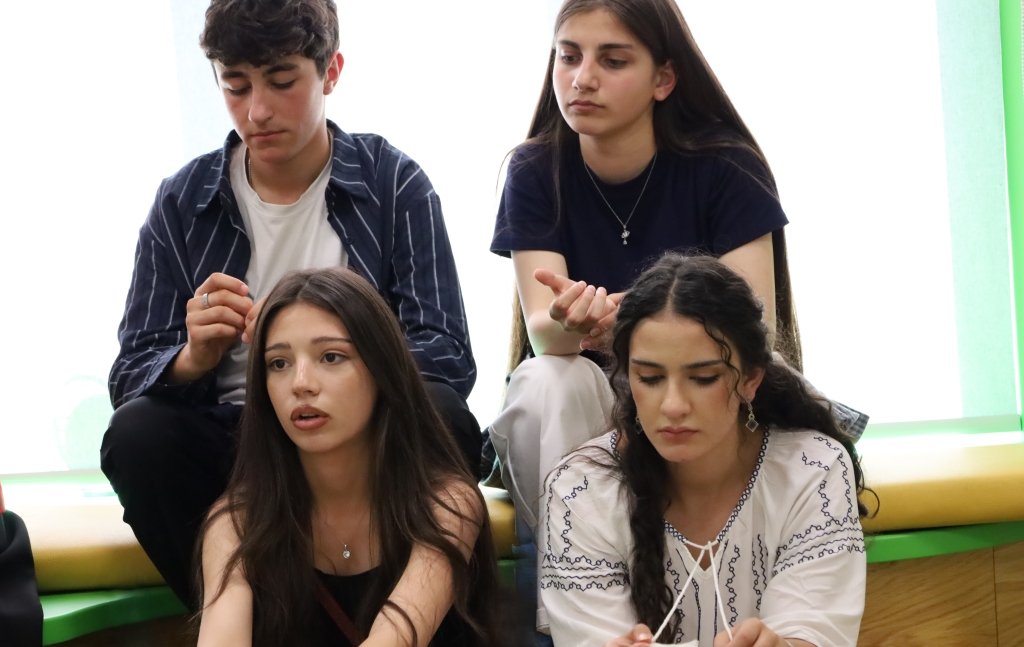
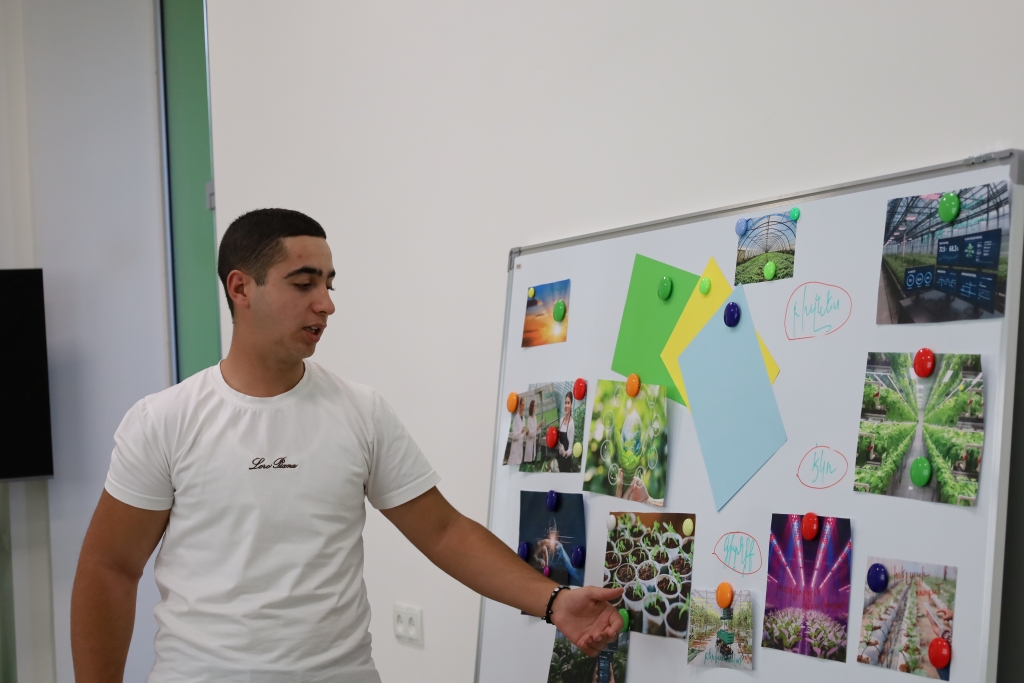
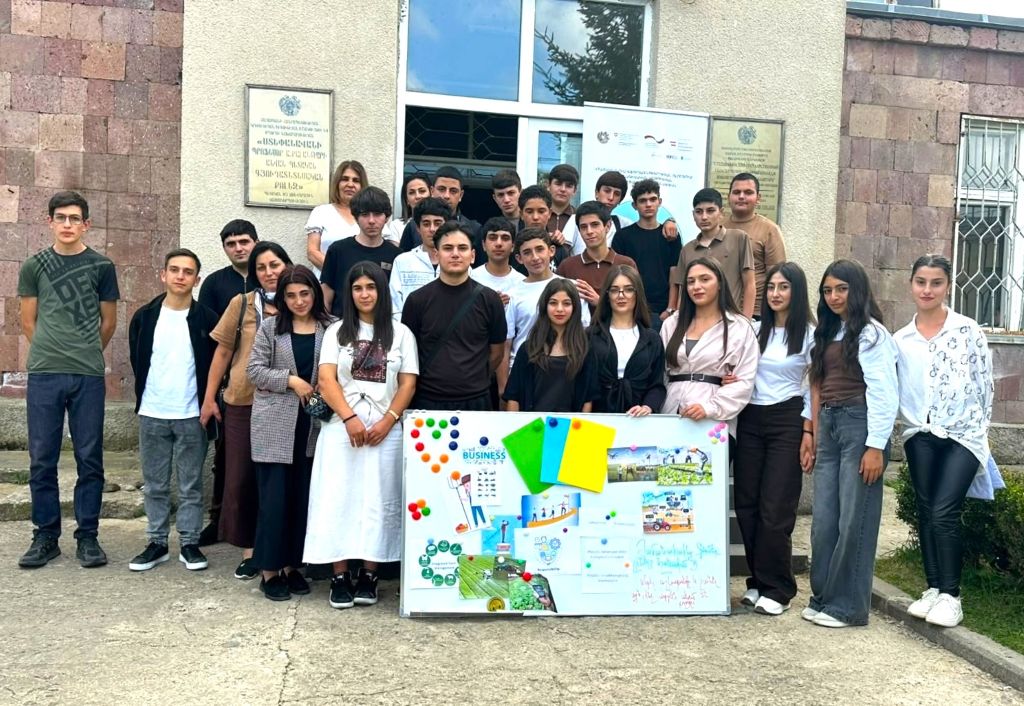
As part of the MAVETA project, apprentices from partner colleges across Armenia were invited to explore one simple but meaningful question: how do they see the professions they are preparing for – and where do they see them heading? Bringing together young people from A. E. Kochinyan Agricultural College of ANAU, Stepanavan State Agricultural College, Goris Multi-functional State College, ANAU Sisian Branch, and Kotayk Regional State College, the activity transformed their individual perspectives into a collective visual picture of the future of agricultural professions.

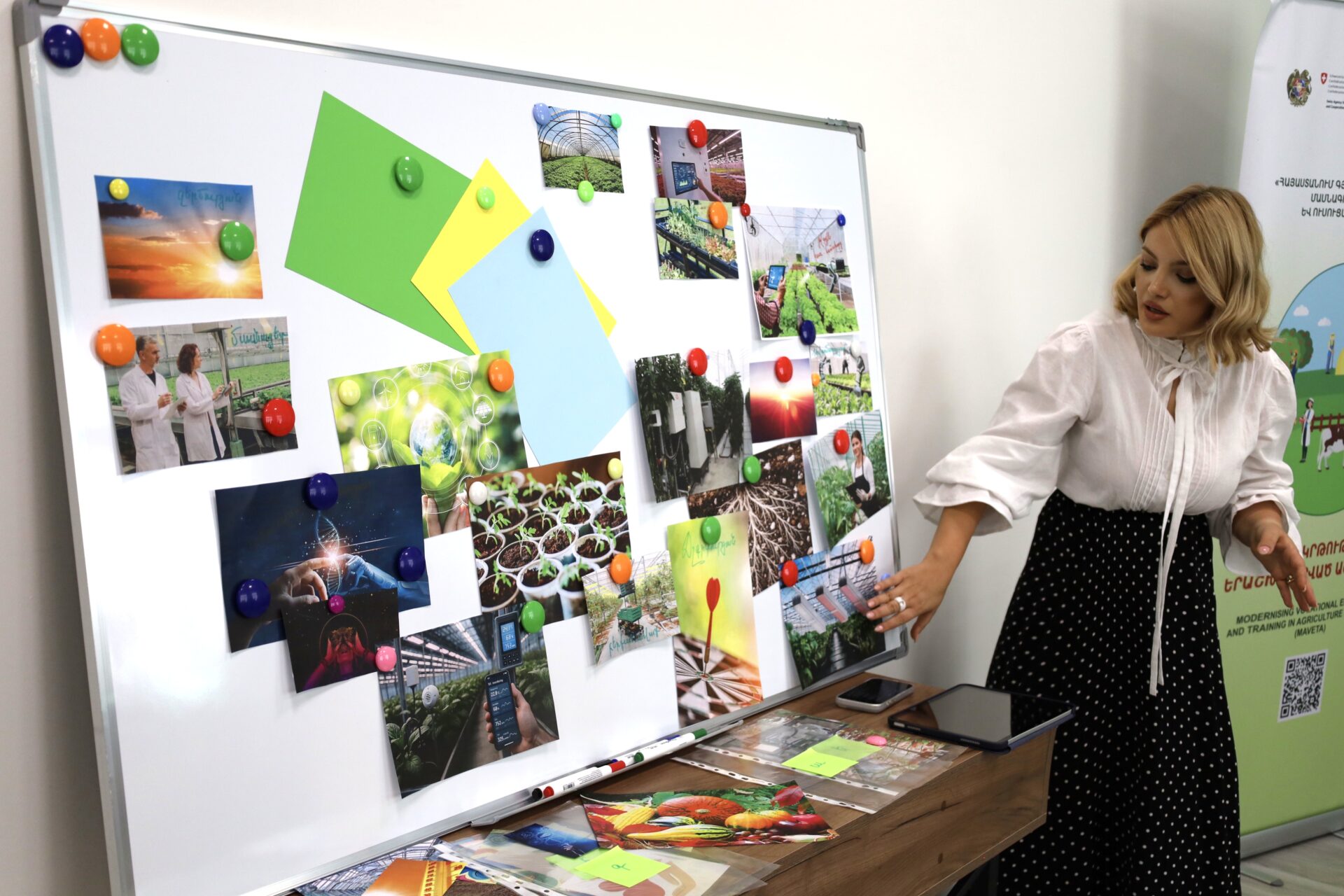
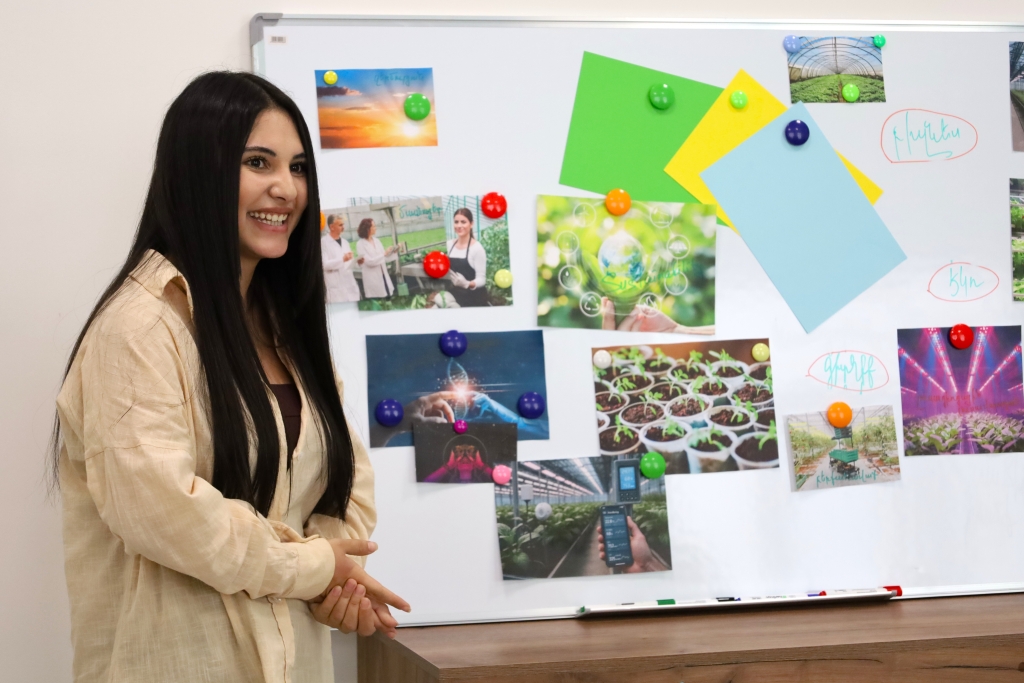
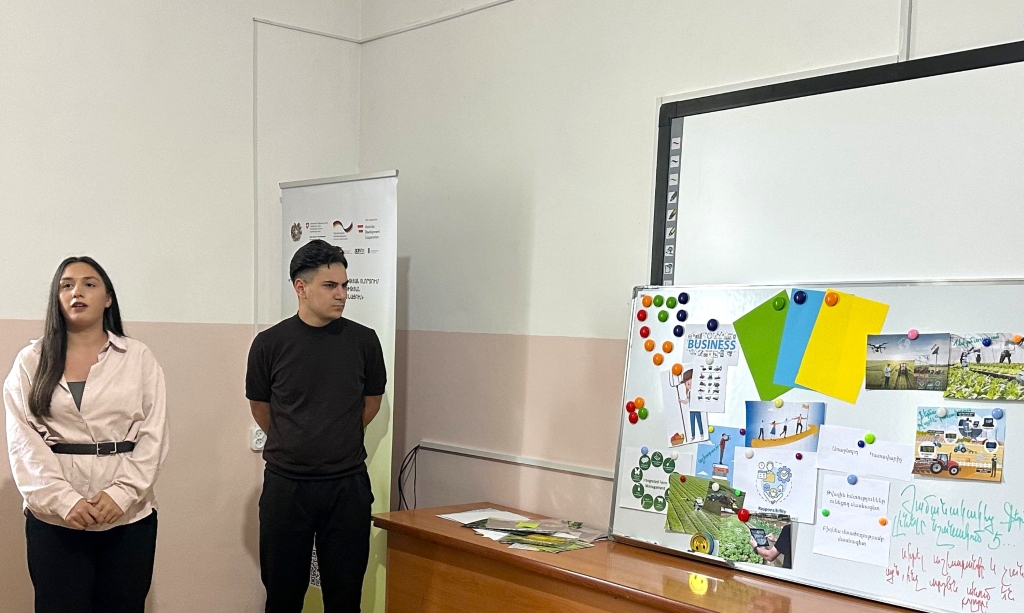
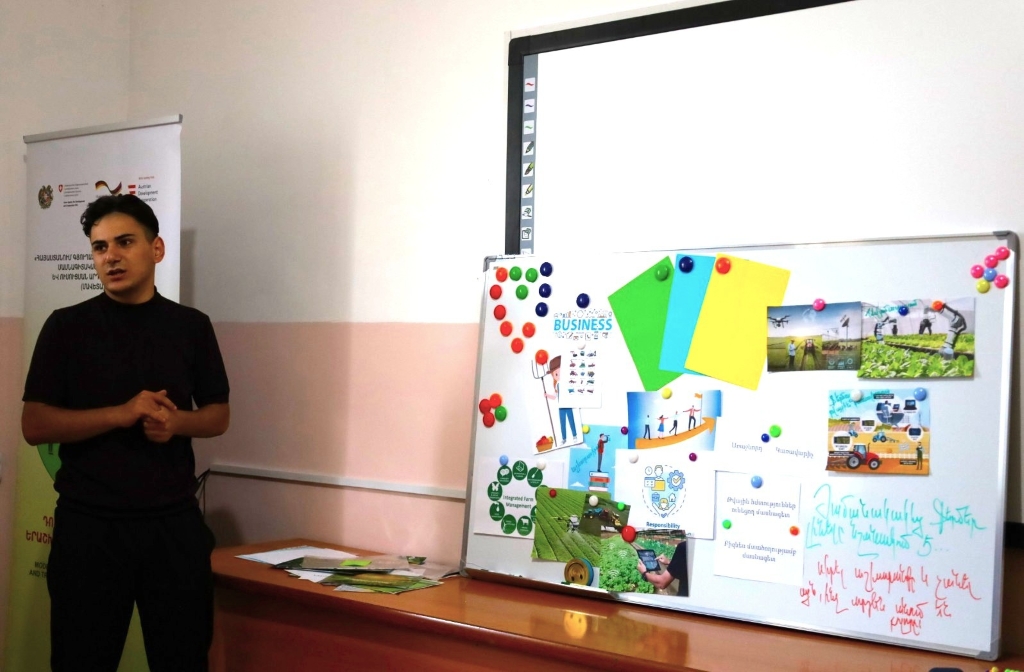
During the session, they translated their ideas into Mood Boards, selecting and combining images, concepts and associations that, in their view, represent their professions.

Their work highlighted agriculture as much more than production. It brought together:

  • modern technologies and automation,
  • innovative and sustainable agriculture,
  • efficient irrigation and production systems,
  • data-informed management and planning,
  • new ideas, creativity and entrepreneurial thinking,
  • practical skills and professional development.

In this sense, the Mood Boards became a visual snapshot of how young people see their professions – today and in the future.

The activity was therefore more than a creative exercise. The apprentices’ ideas, visual associations and perspectives will serve as the basis for animated content dedicated to the Greenhouse Management and Farm Management professions.

The resulting content will present these professions from the perspective of young people themselves, highlighting that modern agricultural careers are not only about farming and production. They increasingly bring together technology, practical expertise, management, innovation and future-oriented skills.

The MAVETA project is financed by the Federal Ministry for Economic Cooperation and Development (BMZ), the Swiss Agency for Development and Cooperation, the Austrian Development Agency (ADA) and the Government of Armenia.

The project’s implementing partners are the Deutsche Gesellschaft für Internationale Zusammenarbeit (GIZ) GmbH and Strategic Development Agency NGO and the School of Agricultural, Forest and Food Sciences at the Bern University of Applied Sciences (BFH-HAFL).


Modern Greenhouse Farming: From Knowledge to Practical Skills

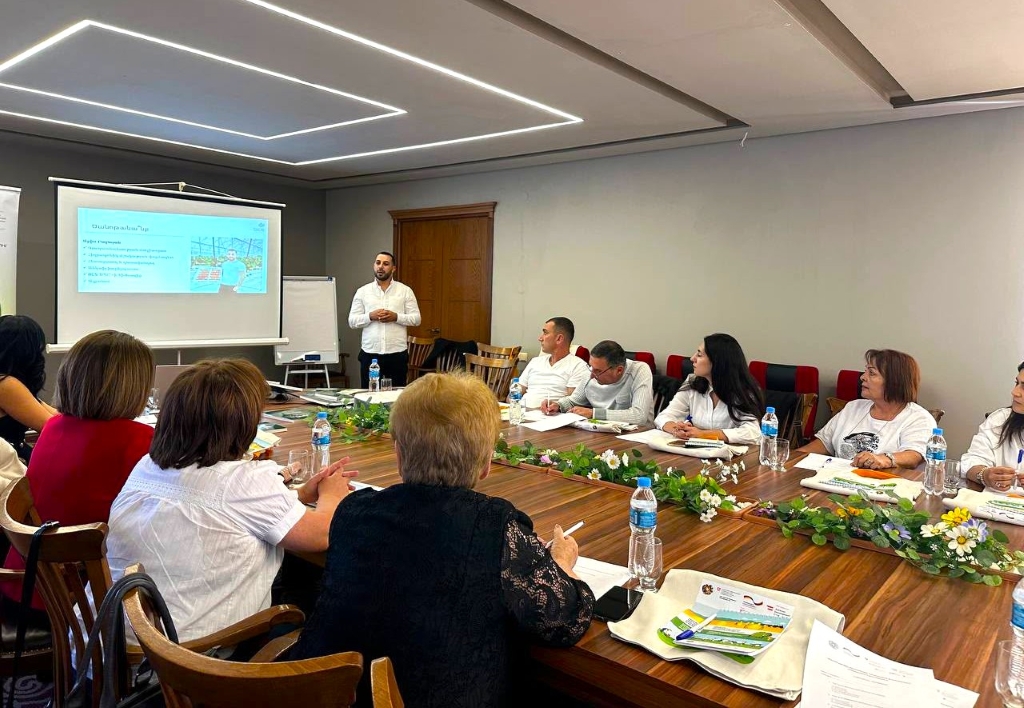
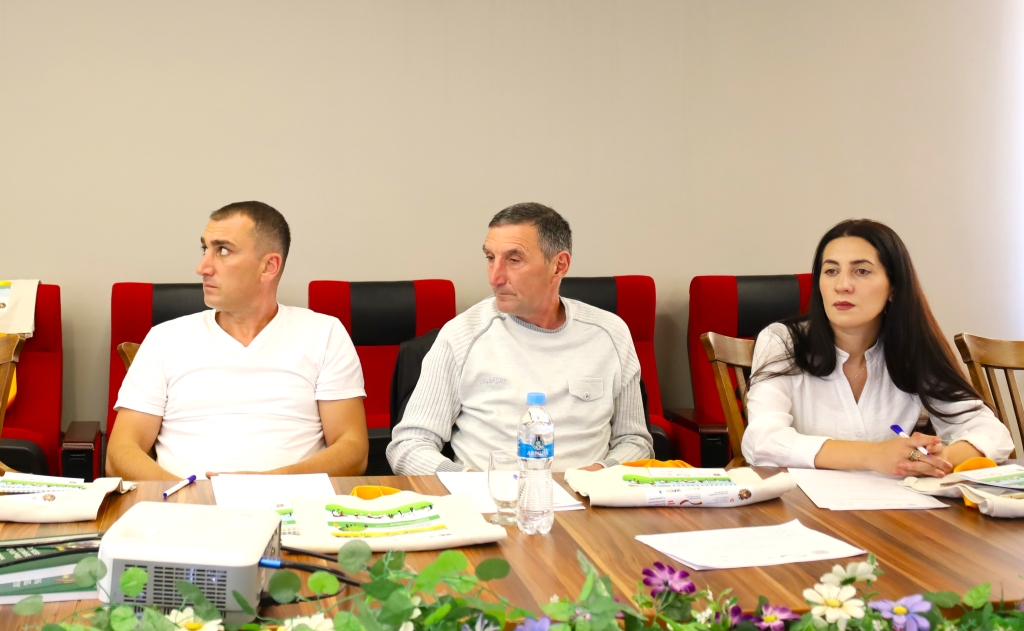
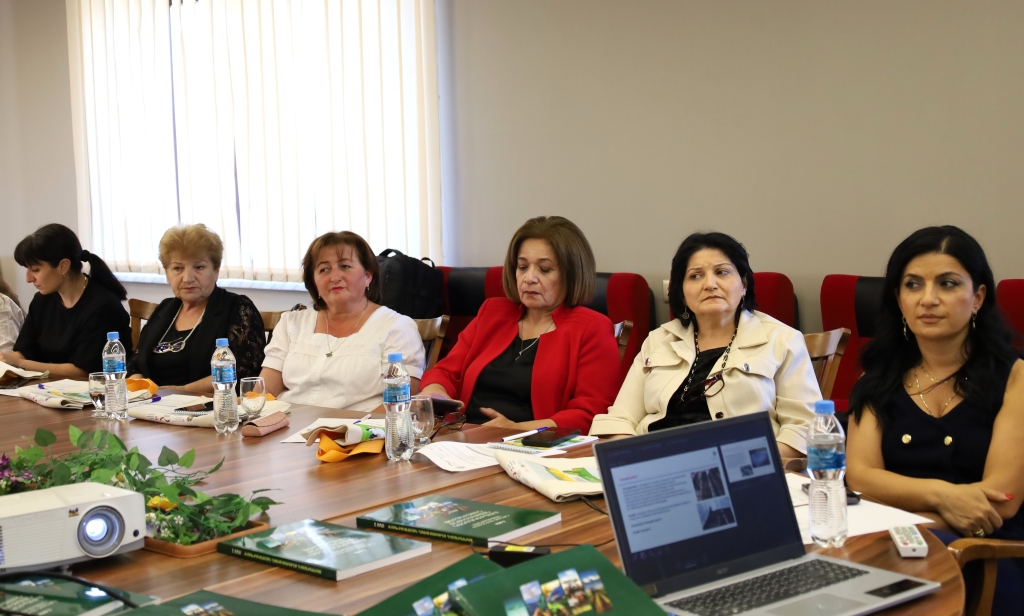
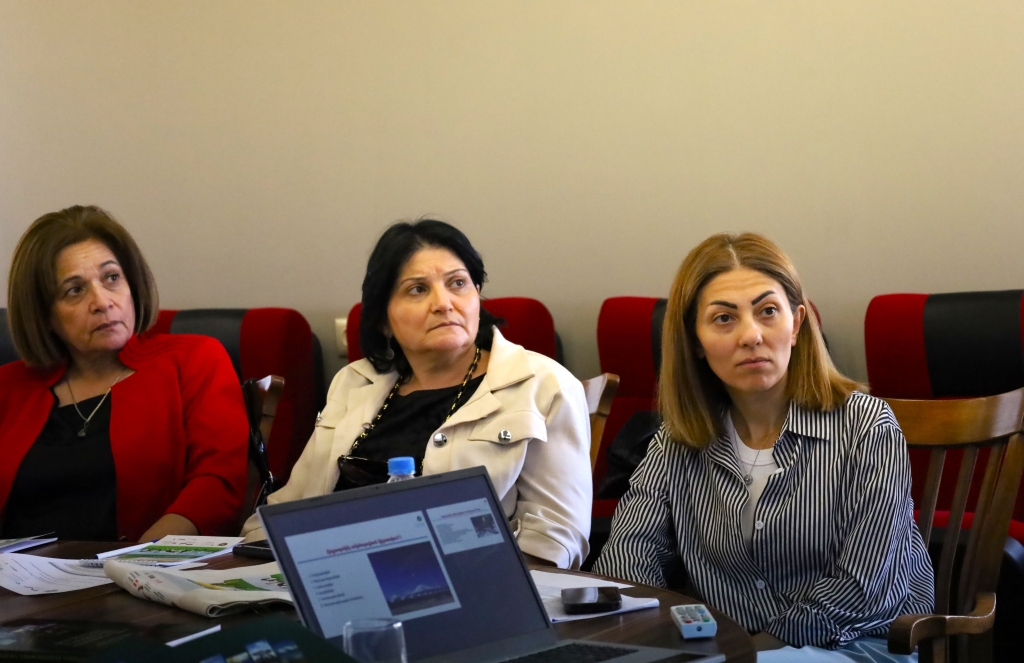
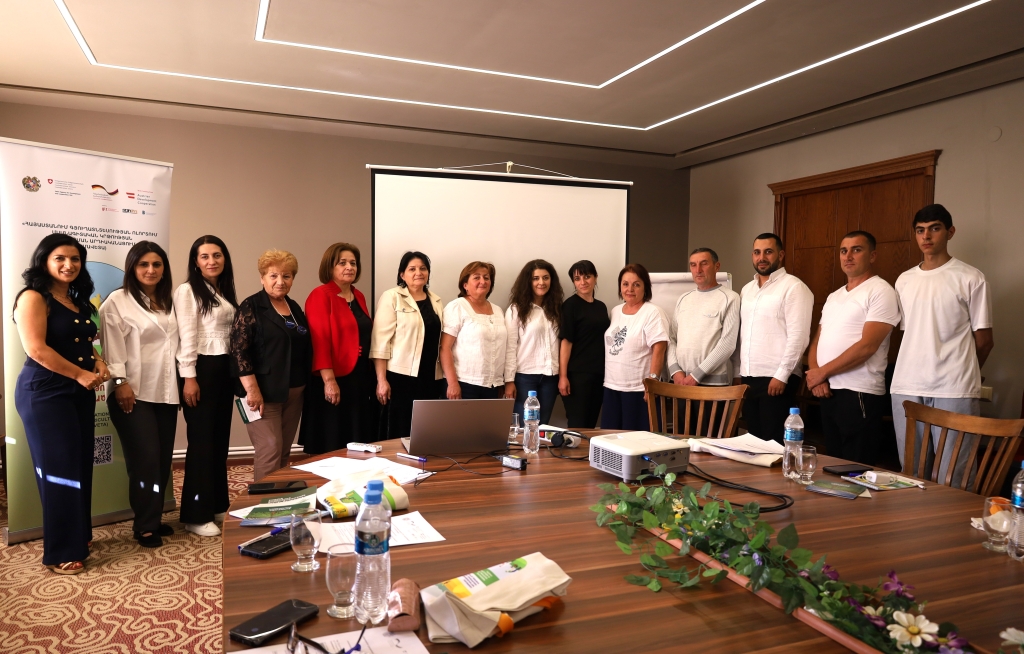
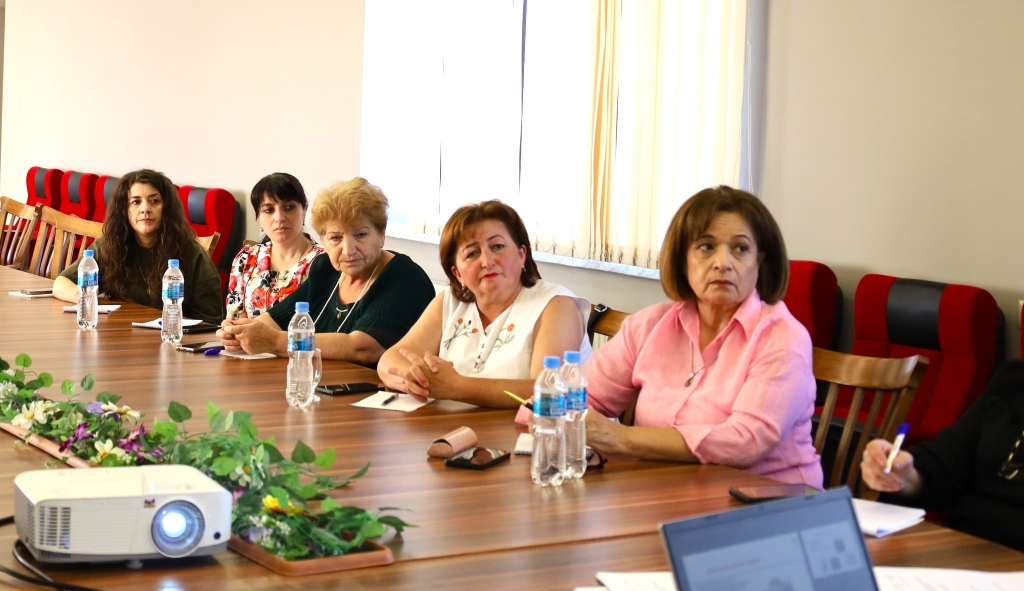
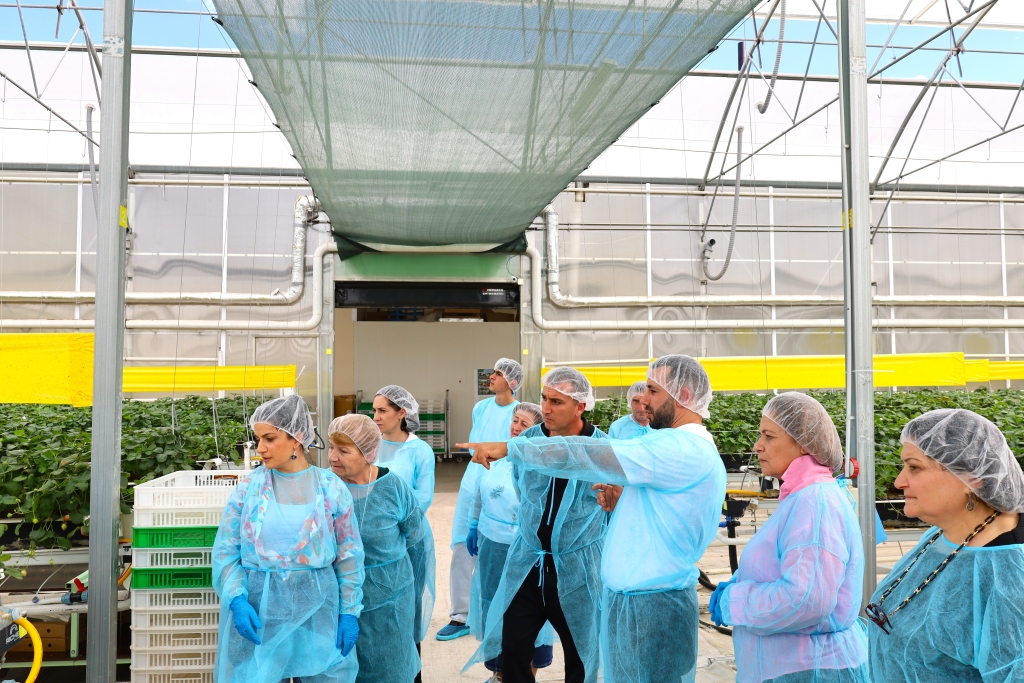
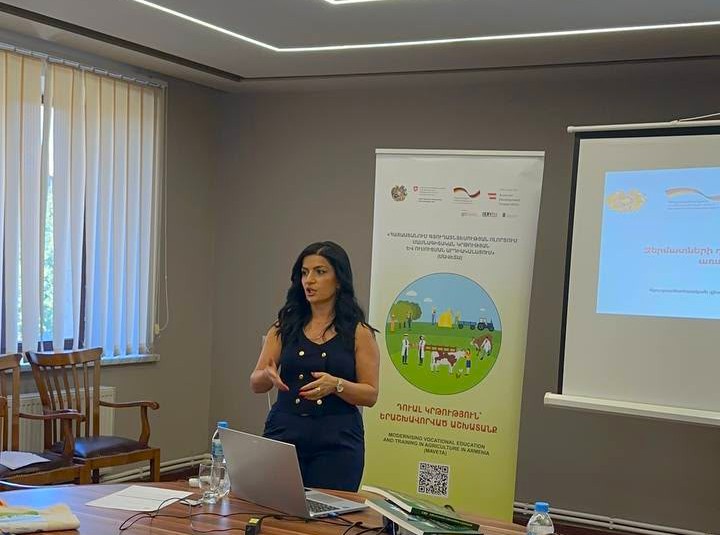
On September 10-11, a two-day training workshop on “Modern Greenhouse Production: Organisation, Operation and Management” was held in Gyumri within the framework of the MAVETA project.

The training brought together instructors and partners from MAVETA VET institutions implementing dual education in the “Greenhouse Management” profession. The training was delivered by Aris Babayan, a specialist in modern greenhouse production and management.

Participants strengthened their knowledge and practical understanding of:
modern greenhouse structures and operations;
hydroponic cultivation;
microclimate management;
modern plant protection methods;
data collection and analysis.

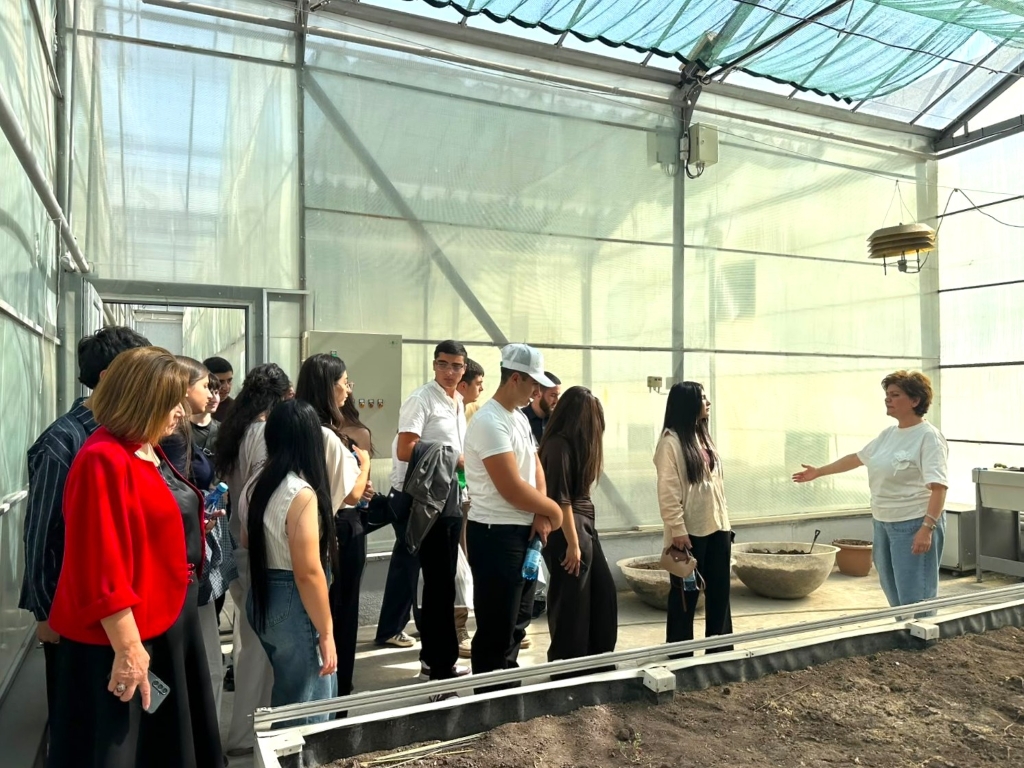
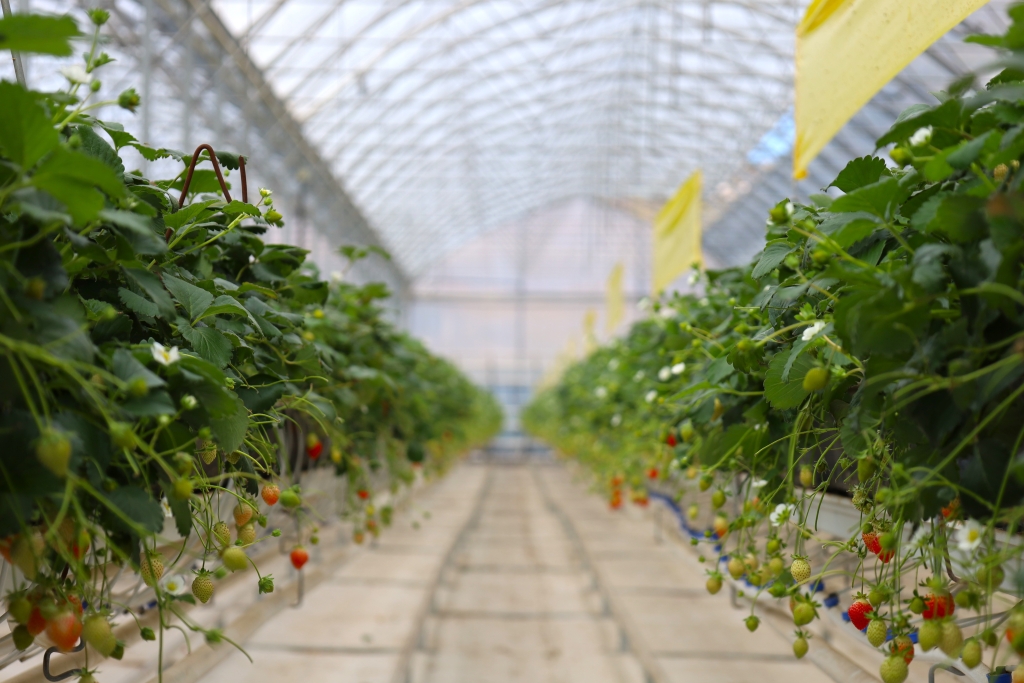
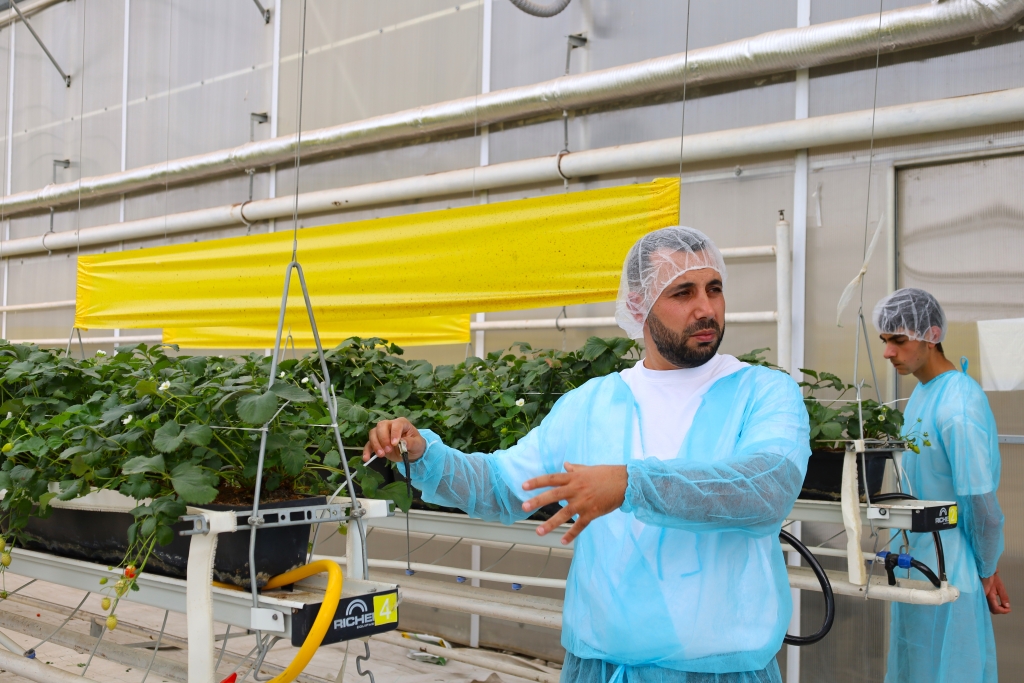
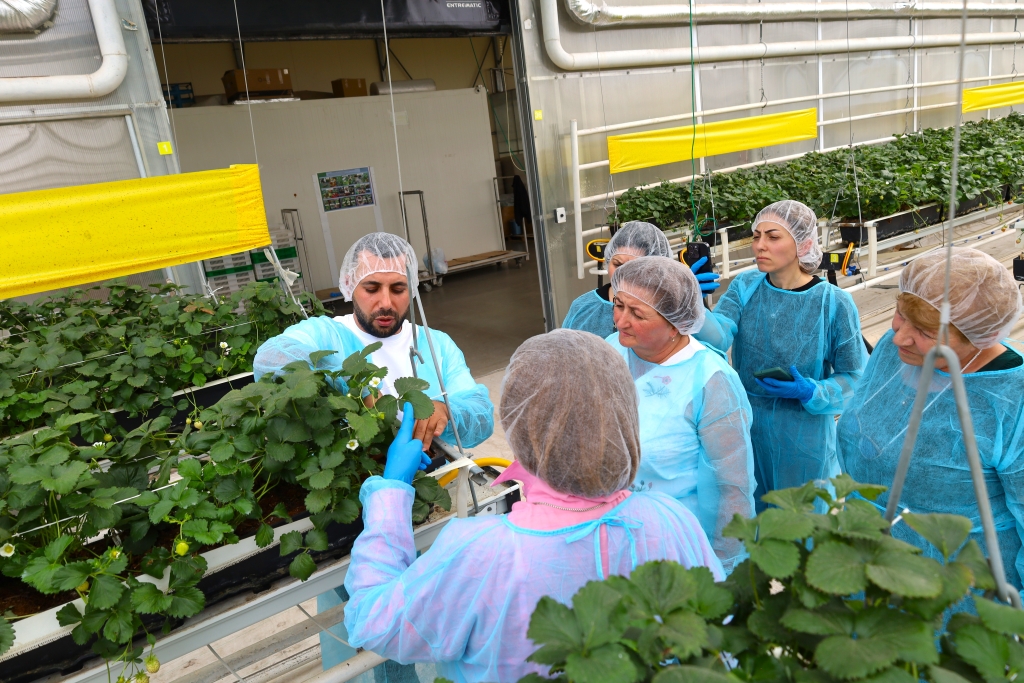
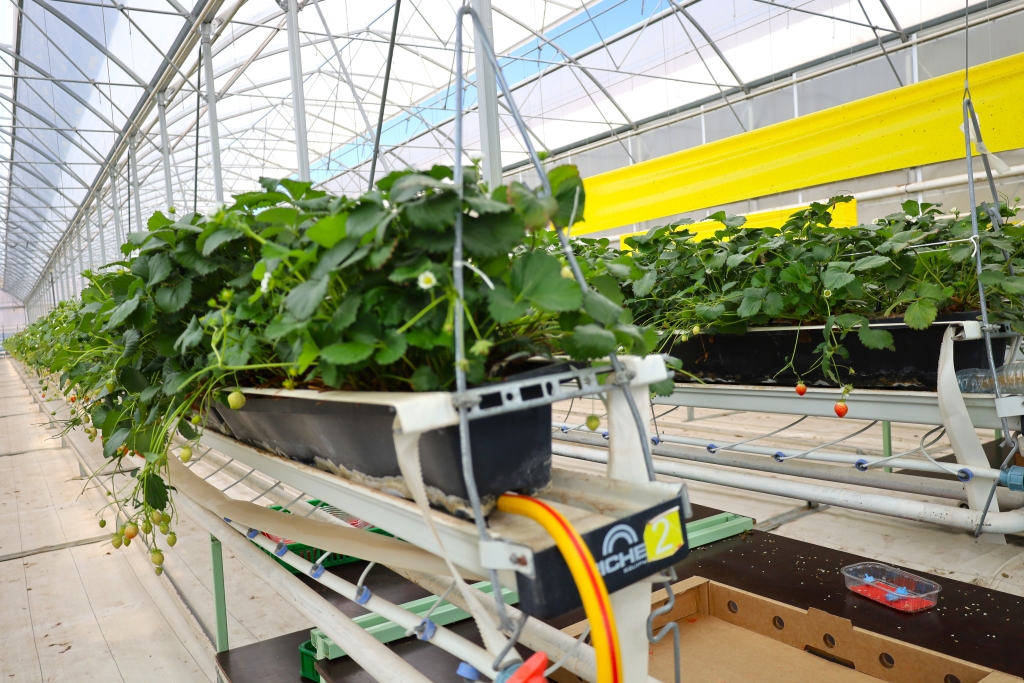
The theoretical sessions were complemented by hands-on learning through a field visit to GreenFood’s high-tech strawberry greenhouse in Artik, where participants explored automated control systems, hydroponic cultivation, crop care and post-harvest management practices.

The training marked another important step towards strengthening the professional capacities of VET instructors and promoting modern, practice-oriented and technology-enabled agricultural education that responds to evolving labour-market needs.

The MAVETA project is financed by the German Ministry for Economic Cooperation and Development (BMZ), the Swiss Agency for Development and Cooperation (SDC), the Austrian Development Agency (ADA) and the Government of Armenia.  

The project’s implementing partners are the GIZ and SDA and the School of Agricultural, Forest and Food Sciences at the Bern University of Applied Sciences (HAFL). 
Uncategorized

INLIMA Modern livestock farming starts with knowledge, technology and well-managed reproduction

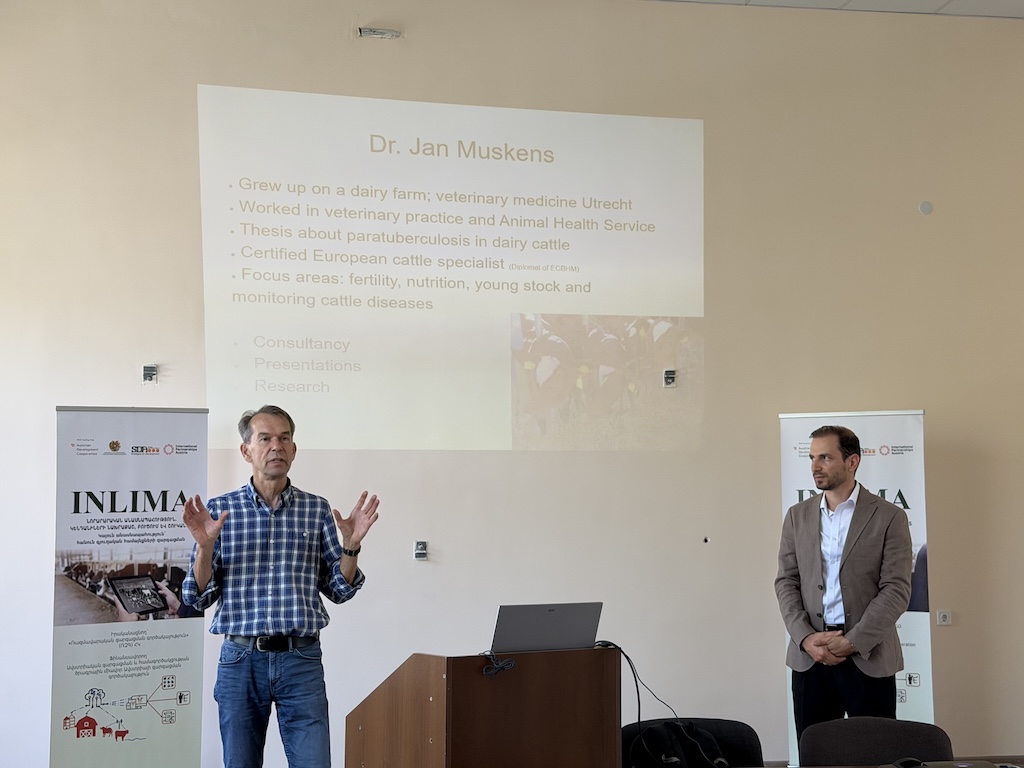
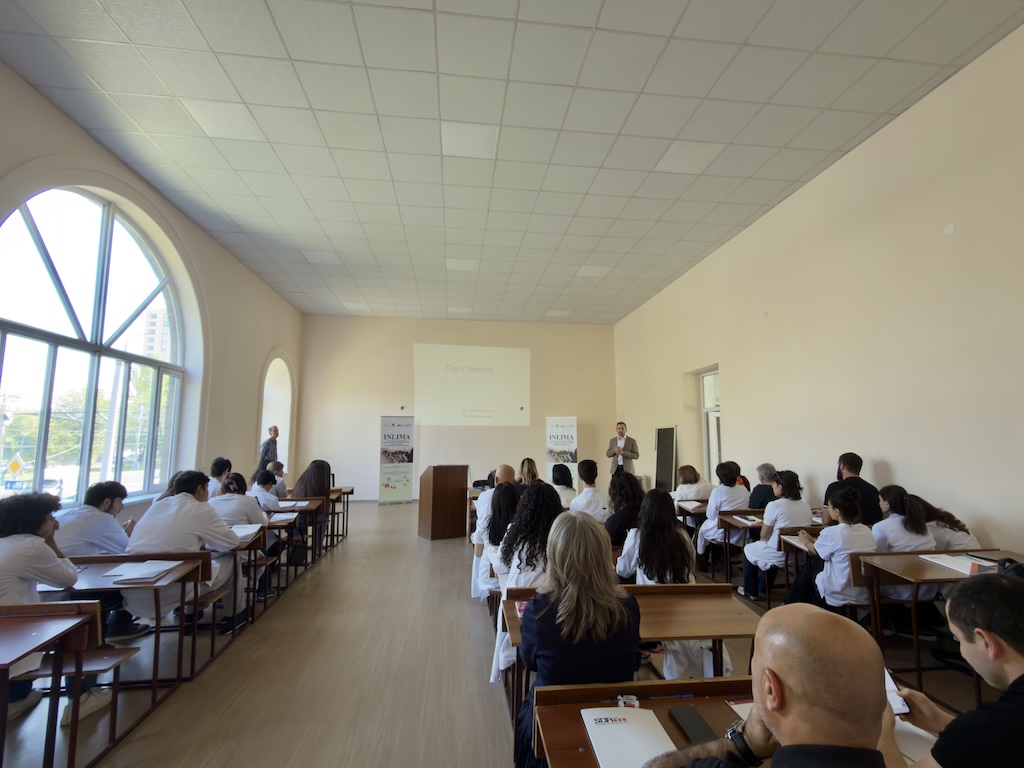
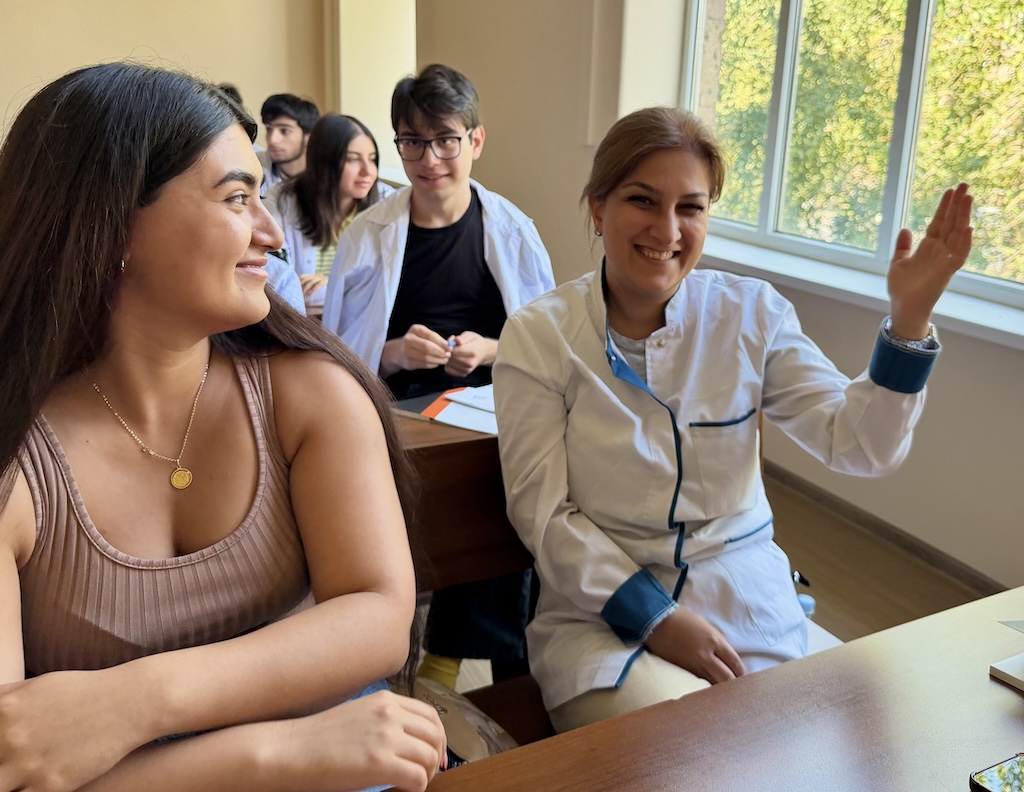
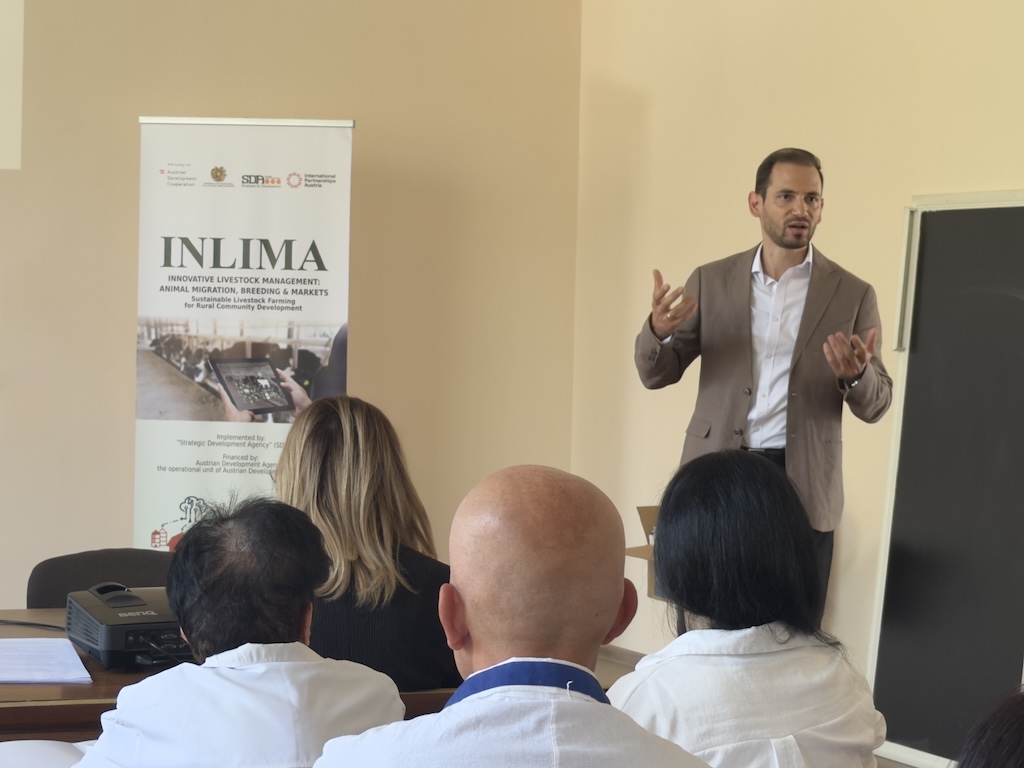
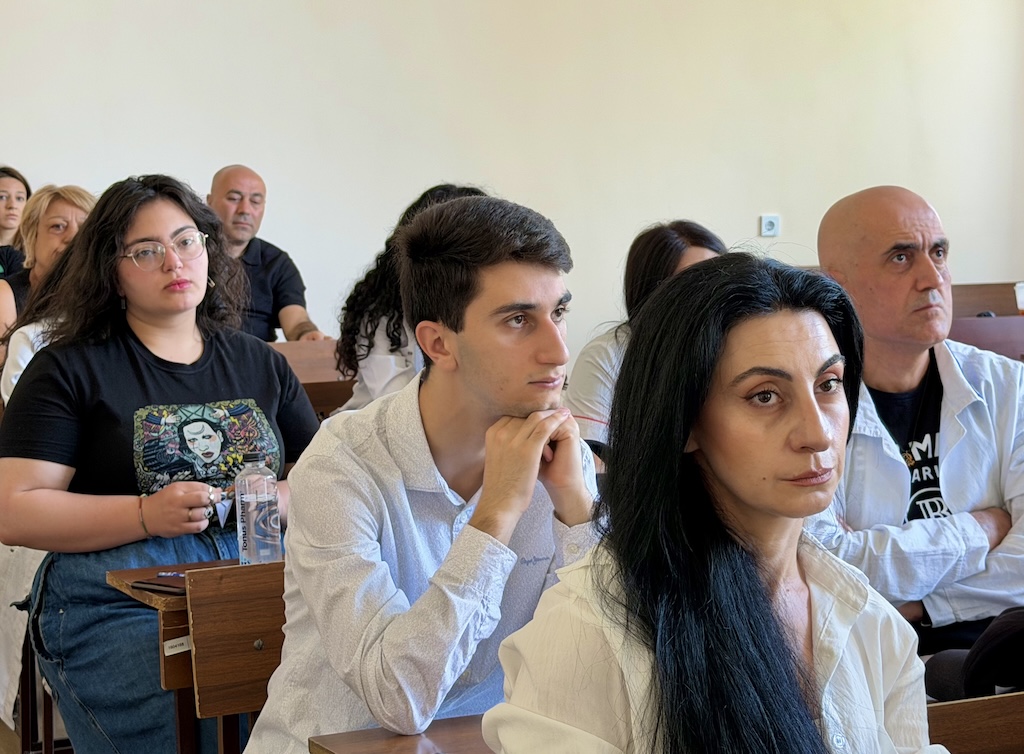
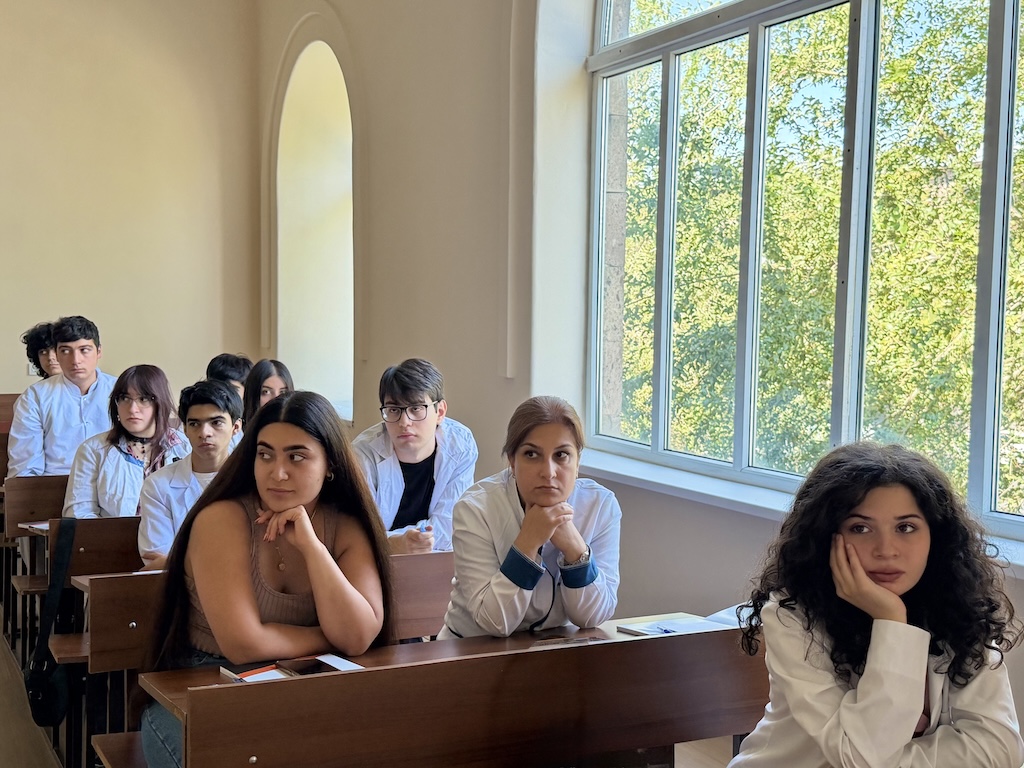
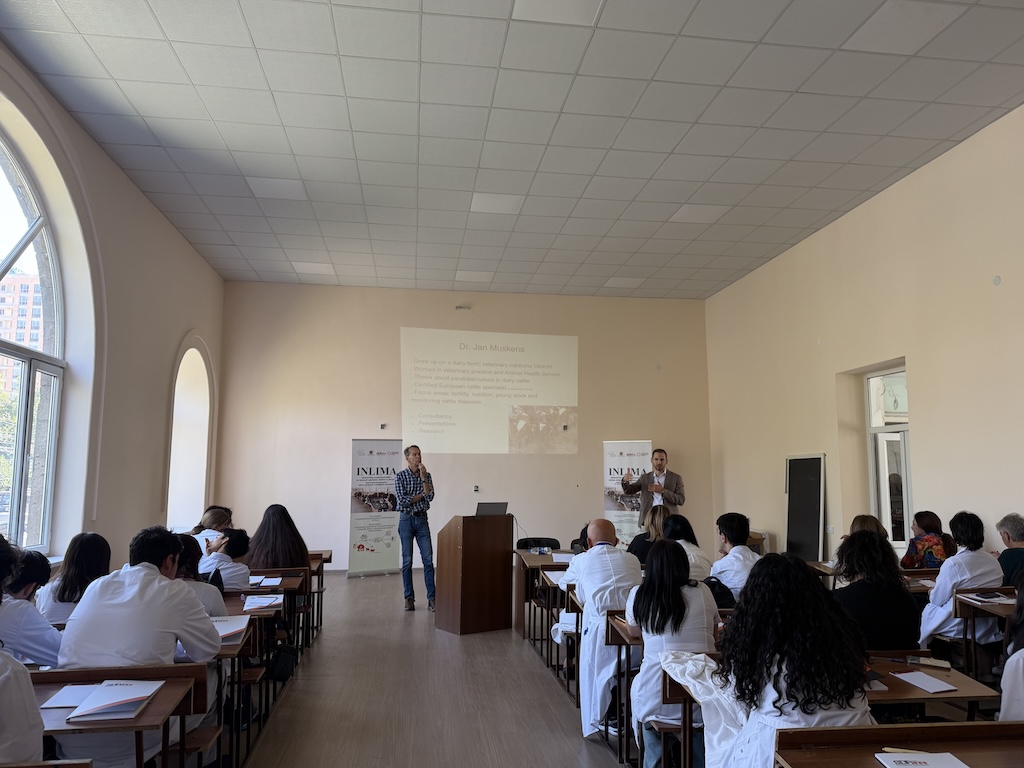
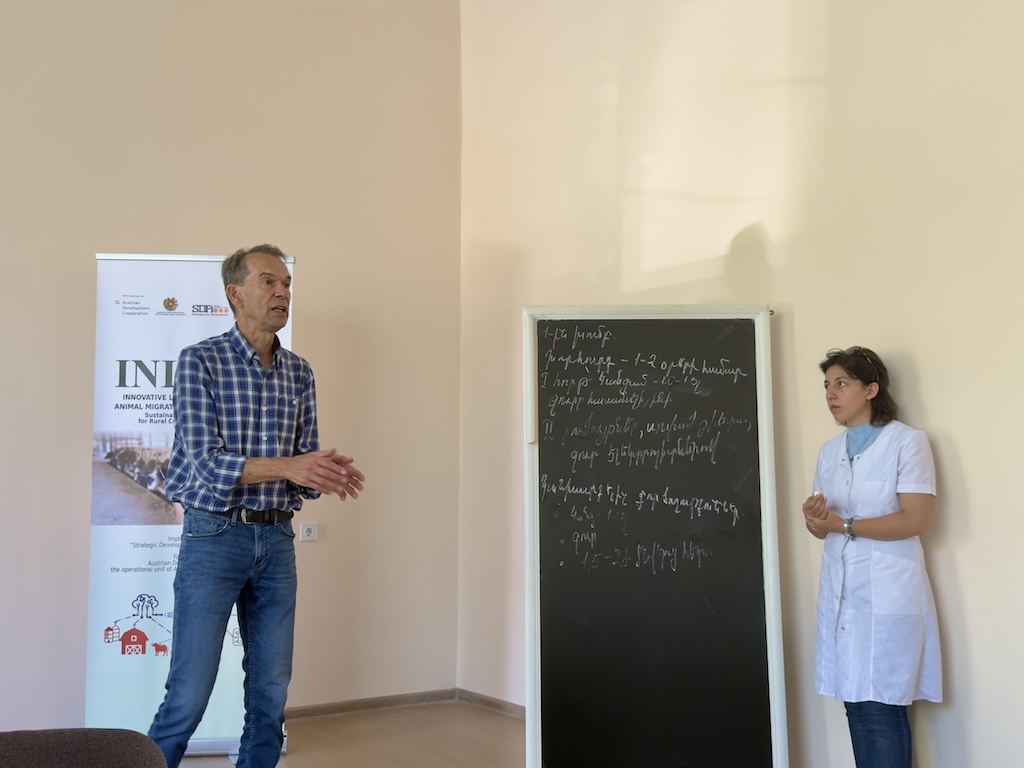
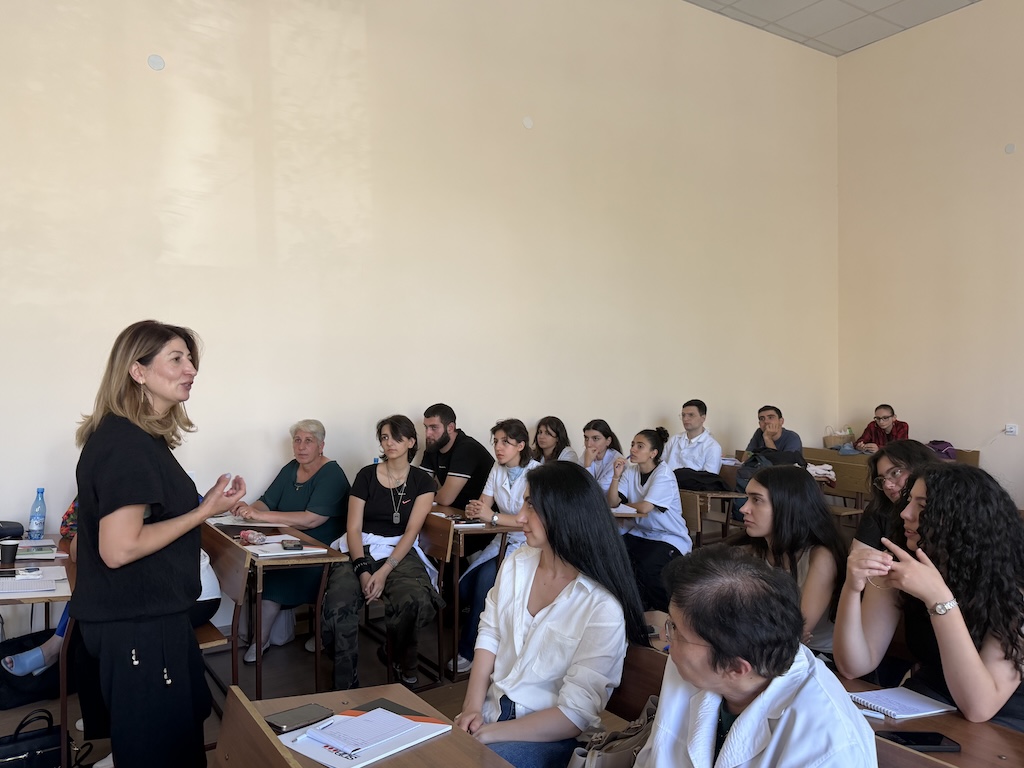
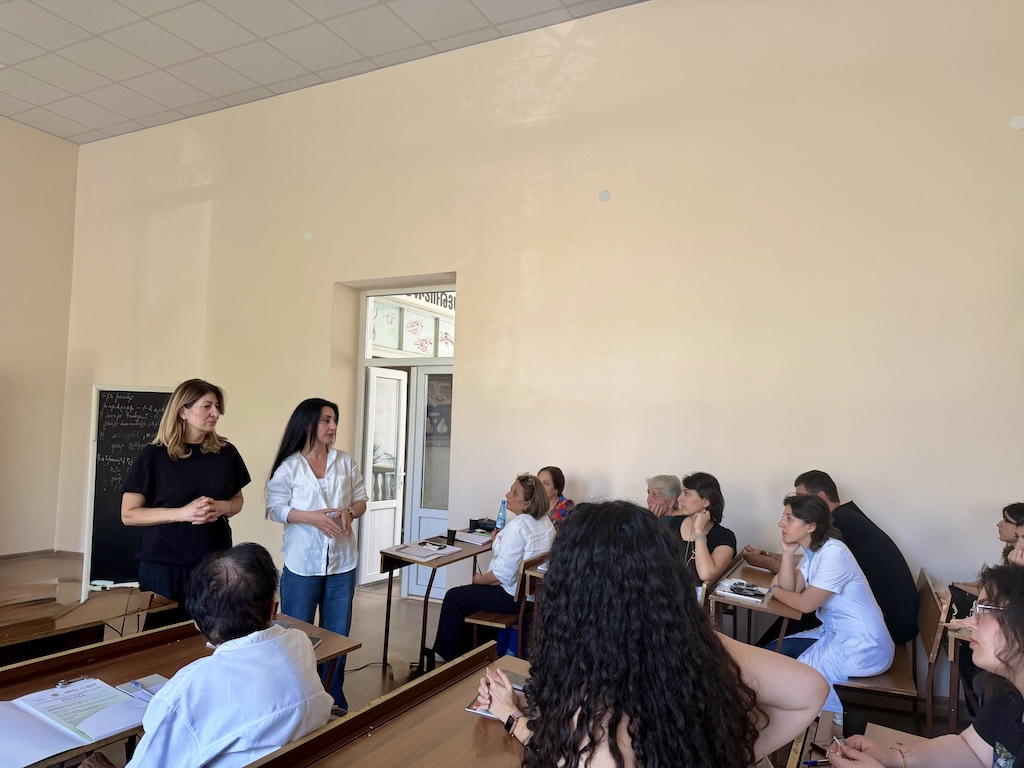
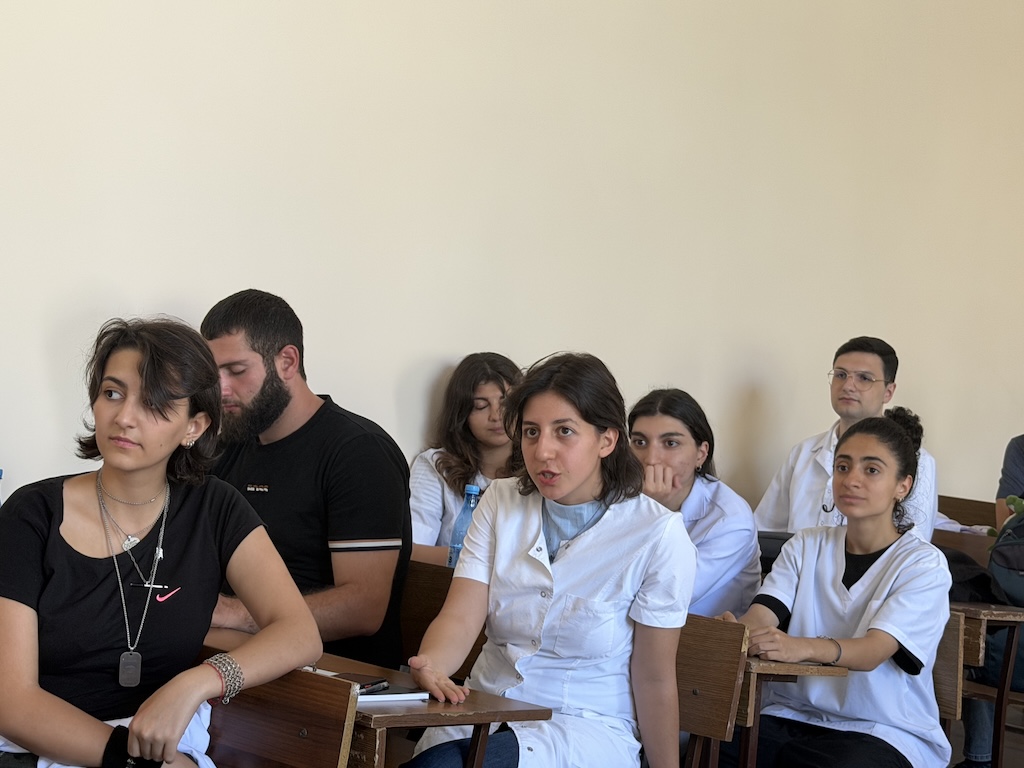
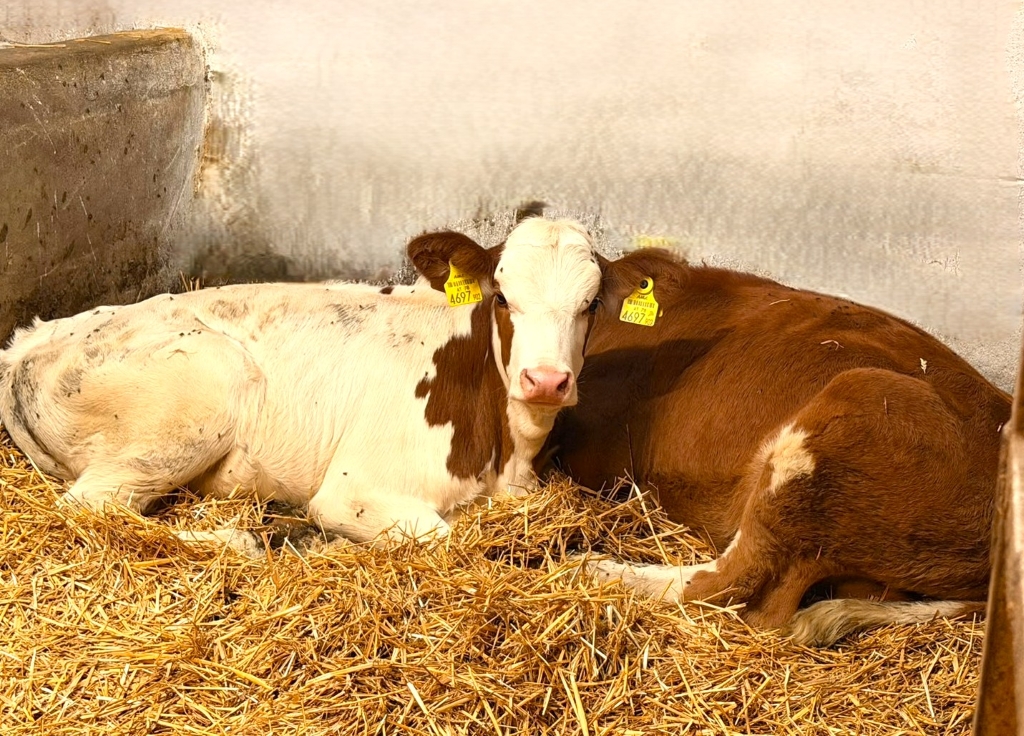
As part of the INLIMA Project, within an awareness initiative focused on artificial insemination in livestock, a professional training course was held on “The Dutch Experience in Cattle Farming and Reproductive Management of Cattle.”

The training brought together science, international expertise and hands-on practice in one space.

Participants included:
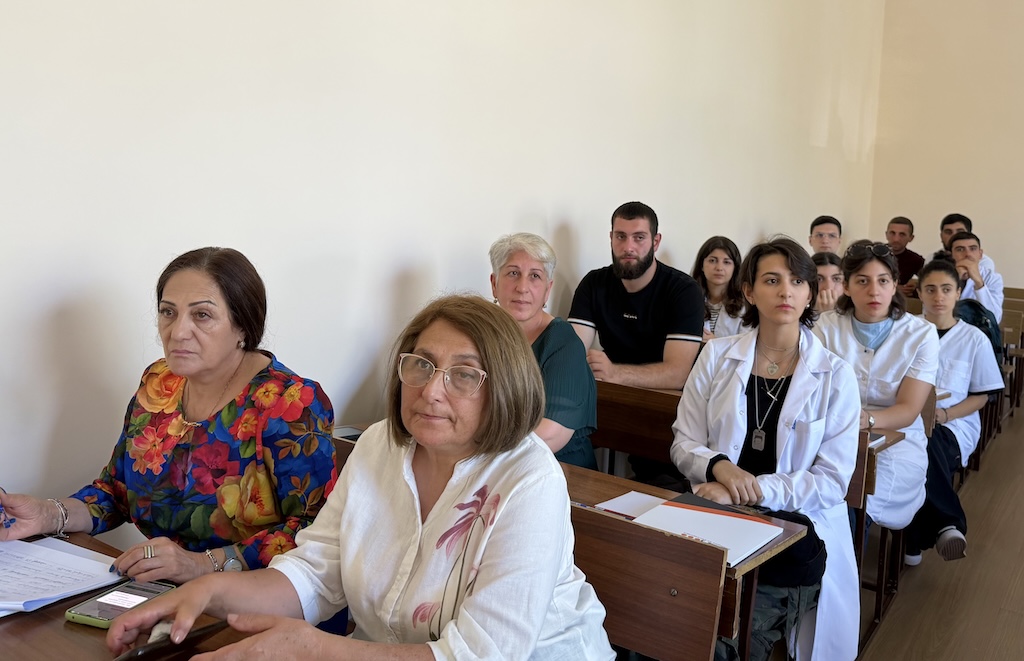
🔹 Veterinary Medicine students of the Armenian National Agrarian University,
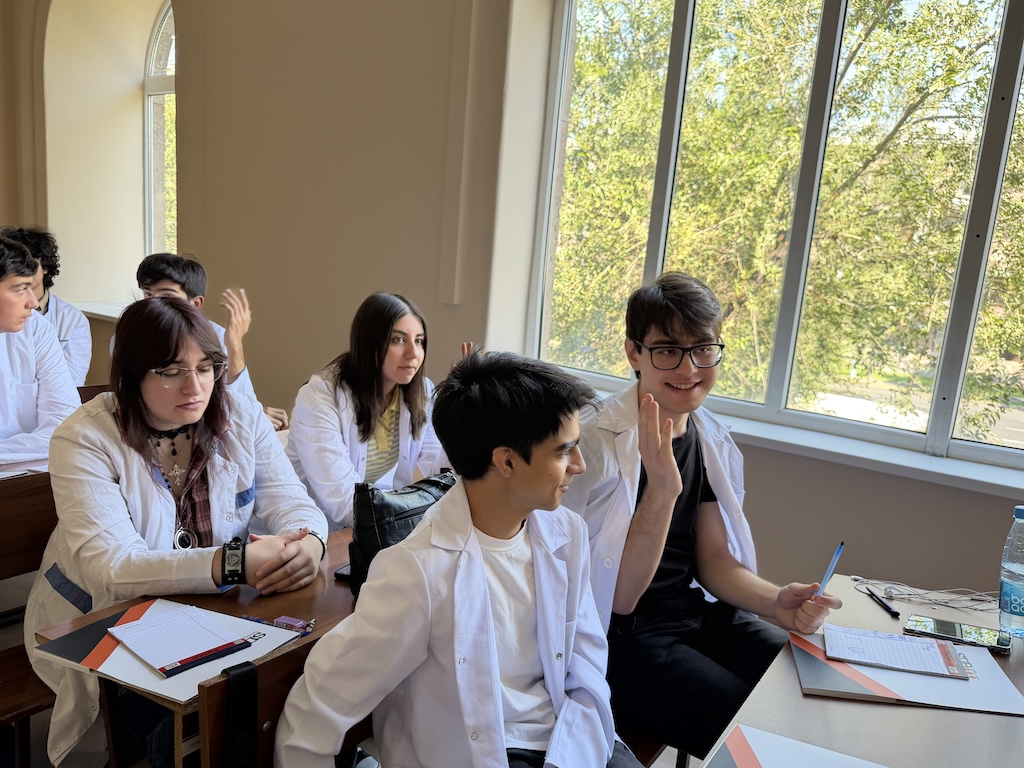
🔹 MAVETA apprentices studying Veterinary Medicine at the ANAU Agricultural College after A. Kochinyan,
🔹 representatives of the National Association of Veterinarians,
🔹 ANAU academic staff,
🔹 and, importantly, women veterinarians currently working in the field.

Led by PUM expert Dr. Jan Muskens, the training introduced participants to approaches practiced in the Netherlands in livestock management, the application of modern technologies, linking science with practice, veterinary services, and the prevention and treatment of animal diseases.

But the value of such training goes beyond acquiring new knowledge. It creates a knowledge and experience transfer chain-from future veterinary professionals to practitioners already working in the field, helping build the foundations for more efficient, technology-driven and profitable livestock farming in Armenia.

“Innovative Livestock Management: Animal Migration, Breeding & Markets” (INLIMA) project is implemented by Strategic Development Agency NGO and funded by the Austrian Development Agency (ADA), the operational unit of Austrian Development Cooperation.

INLIMA Enhancing Genetic Potential: A Key Priority for Modern Livestock Development

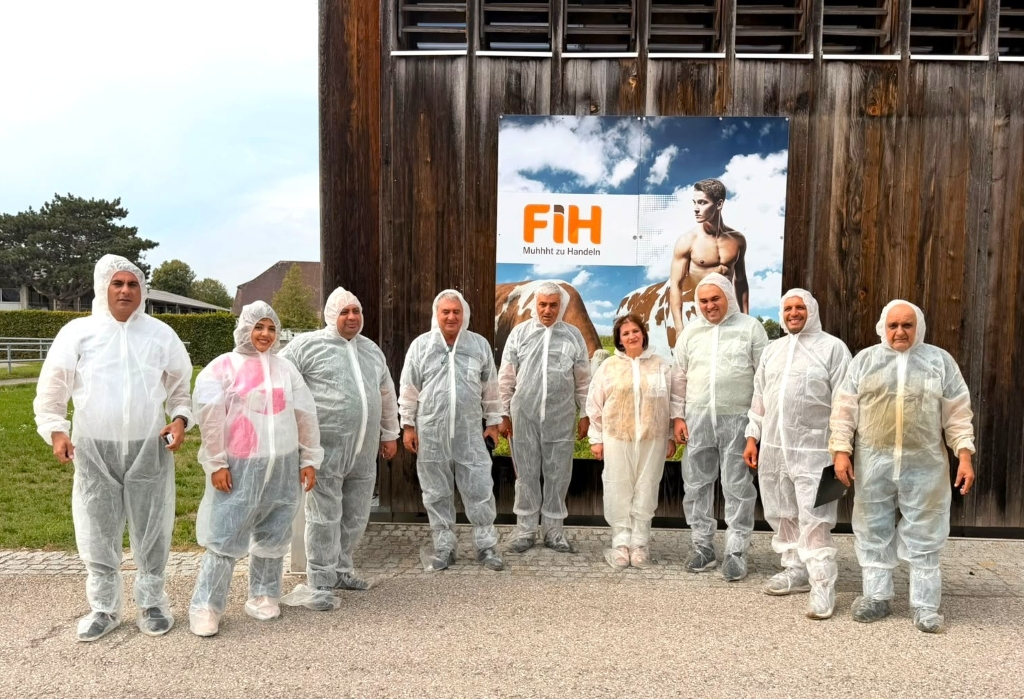
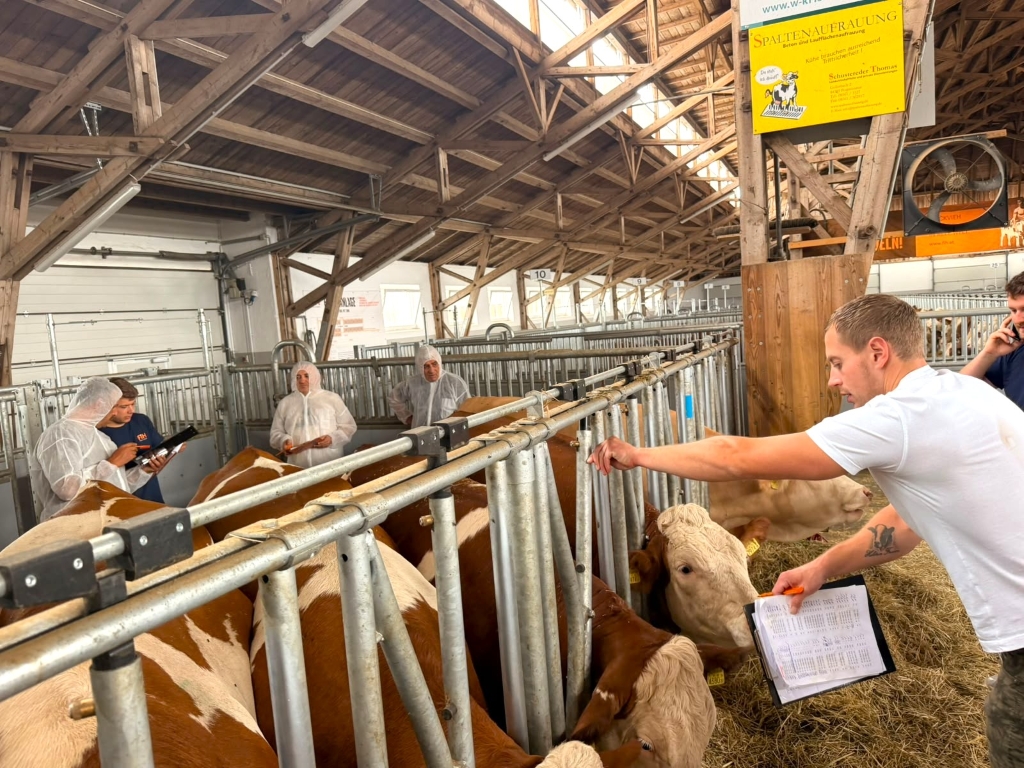
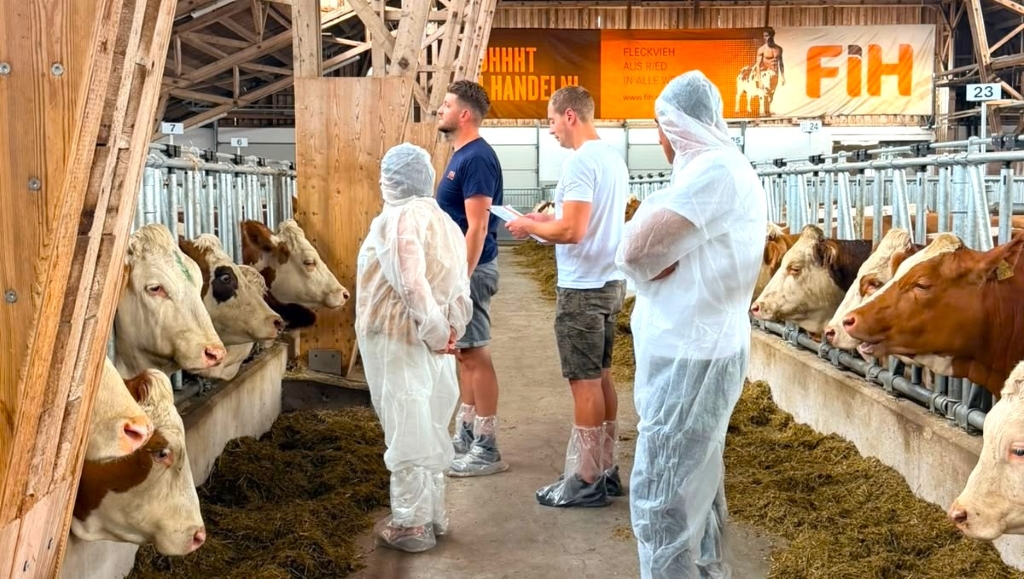
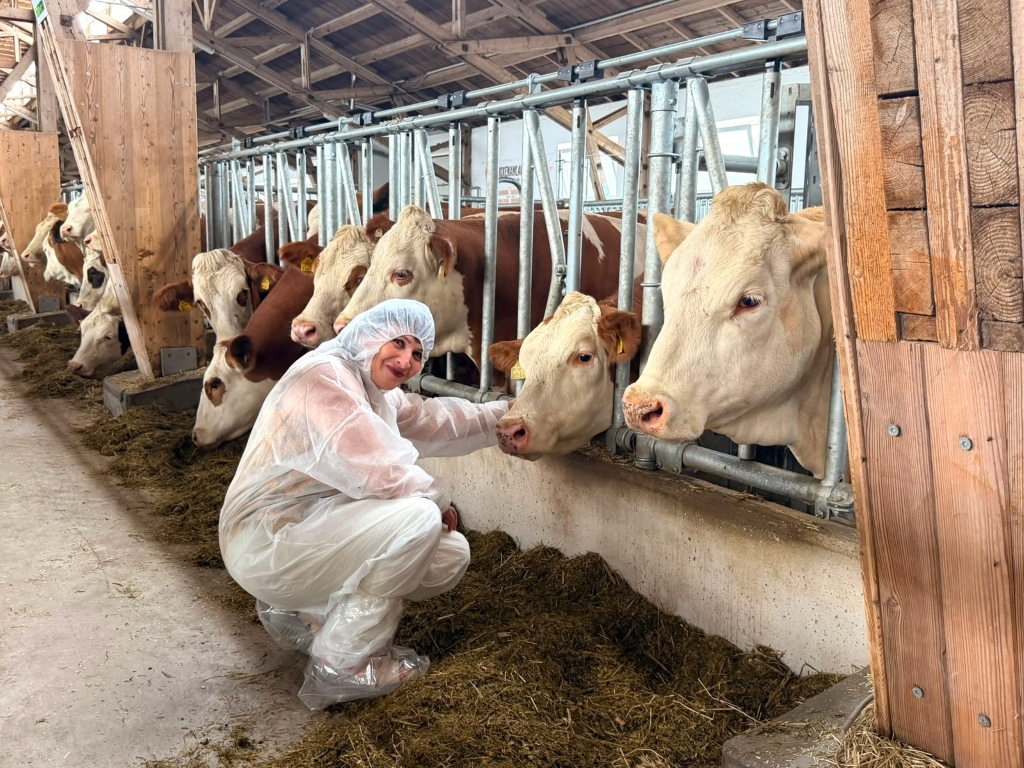
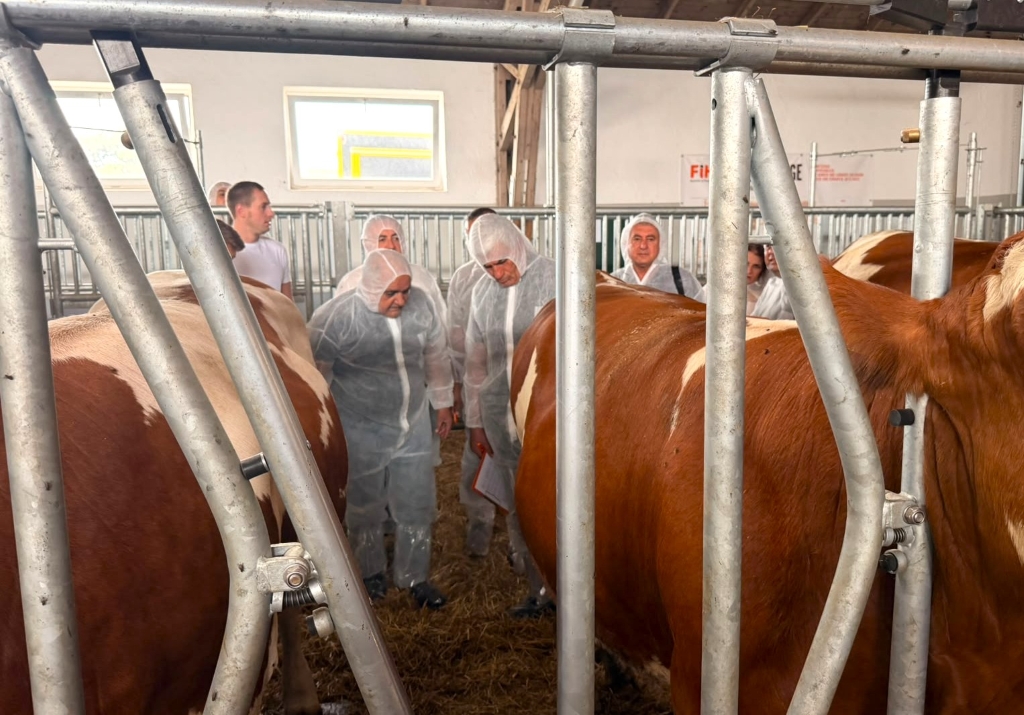
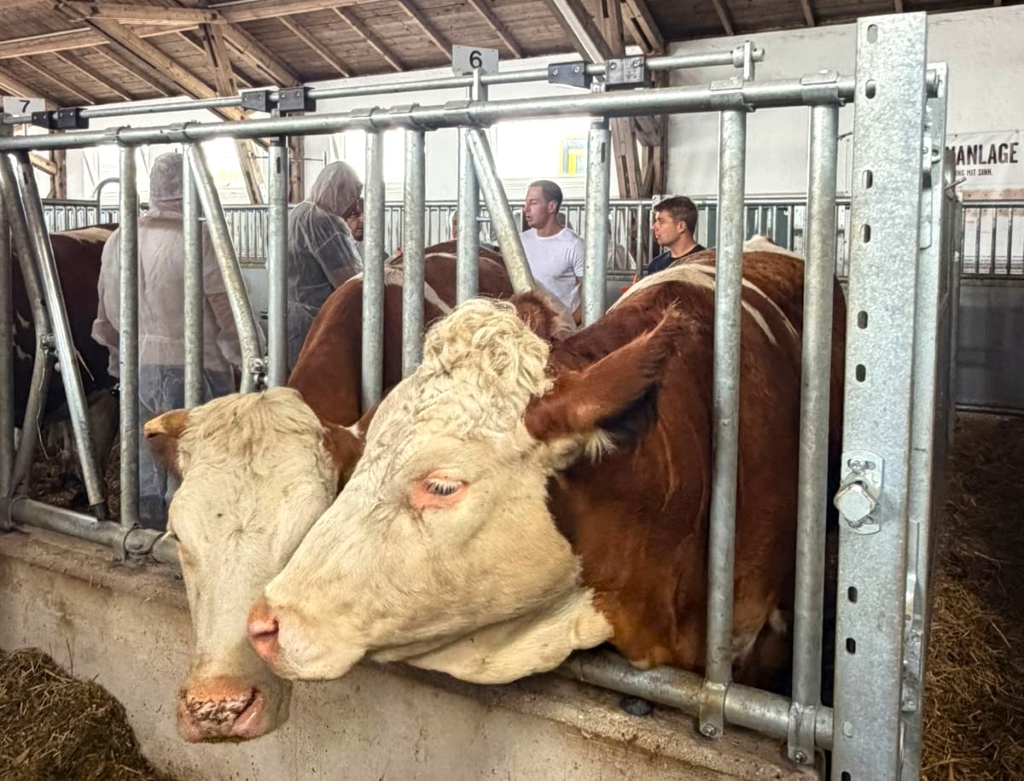
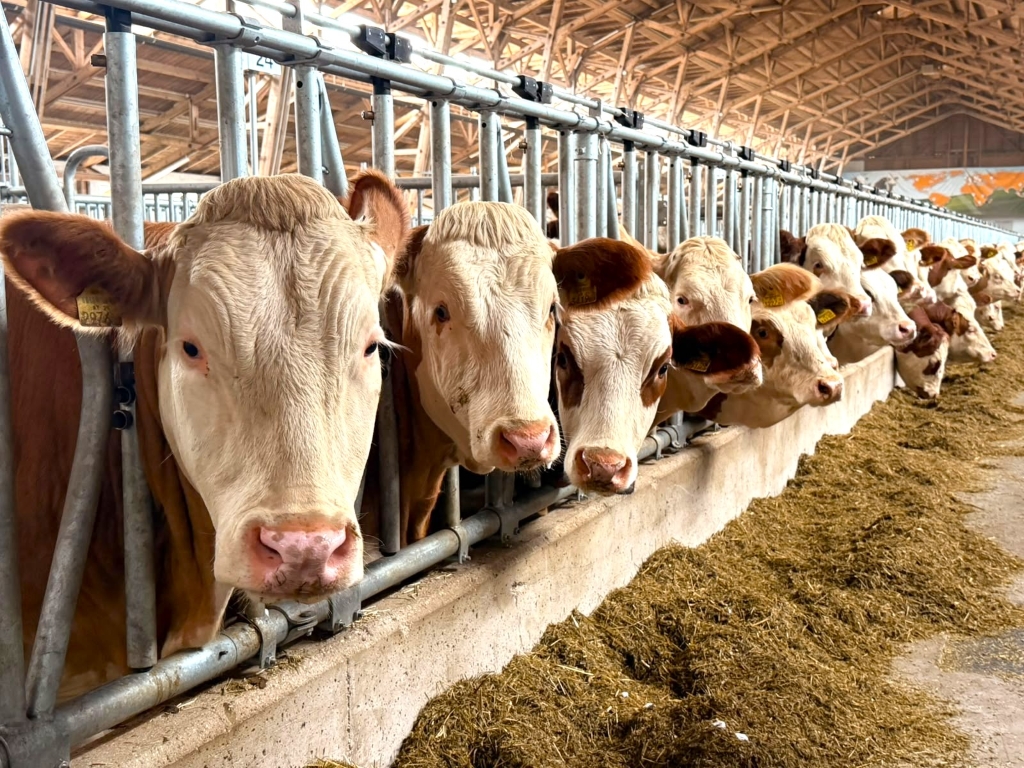
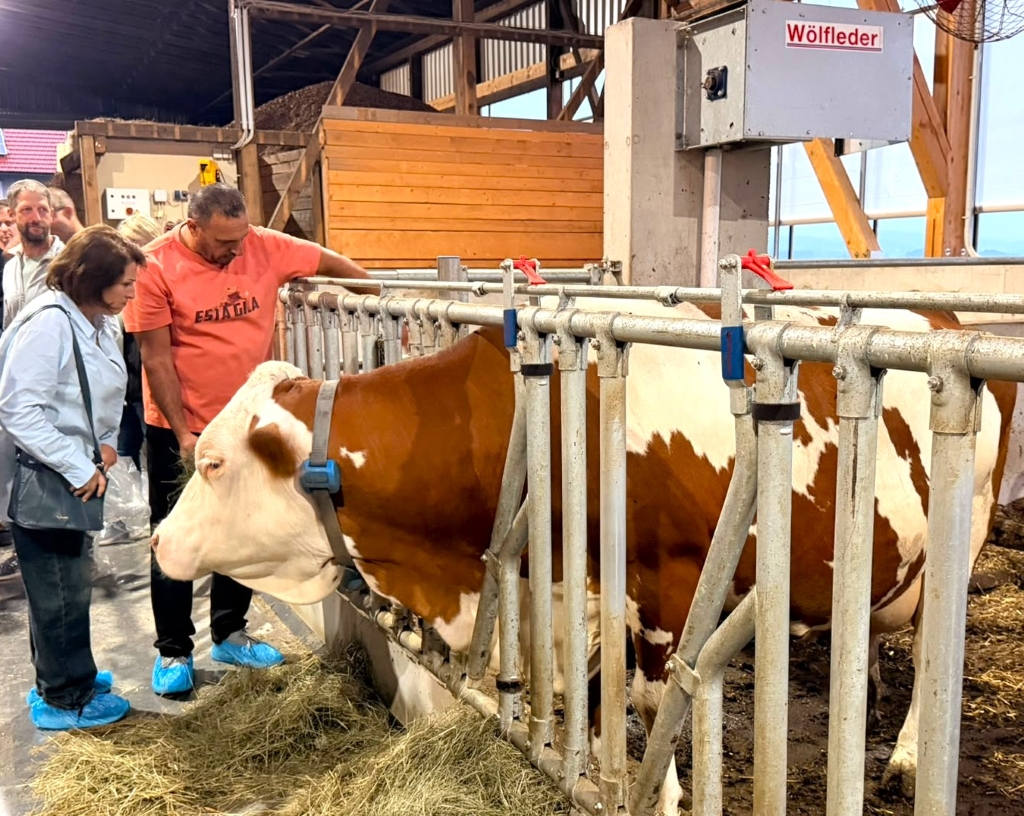
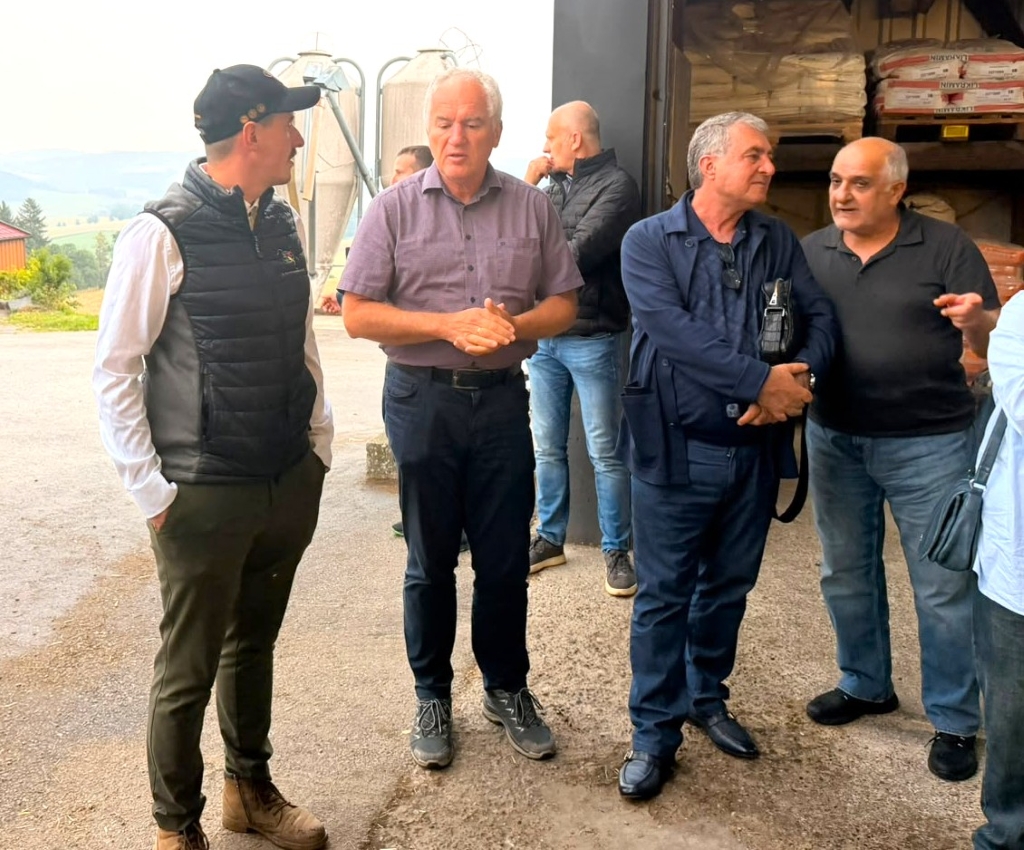
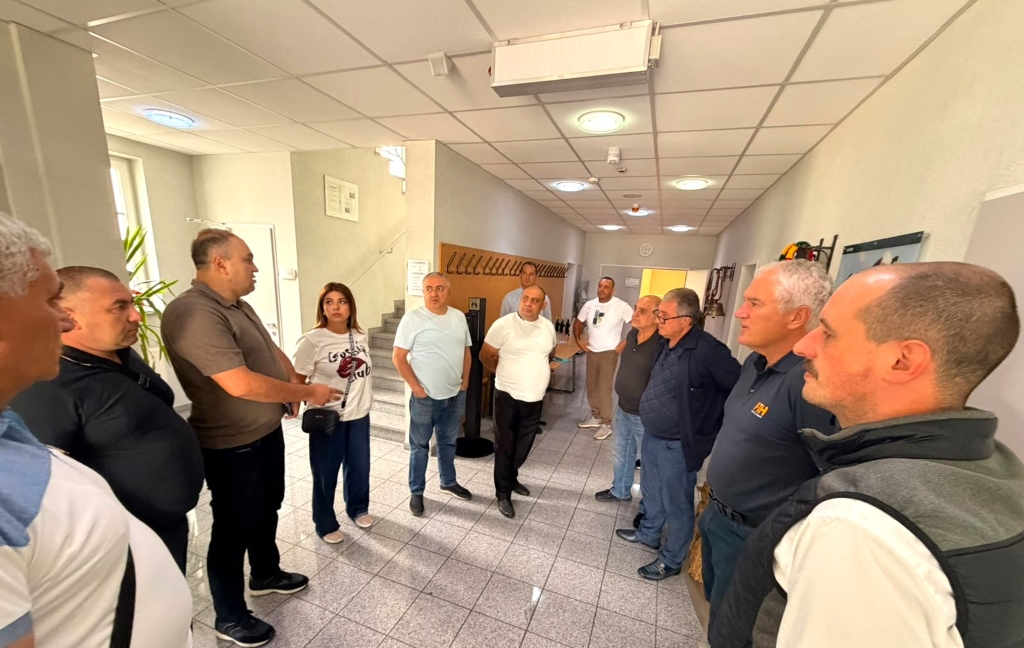
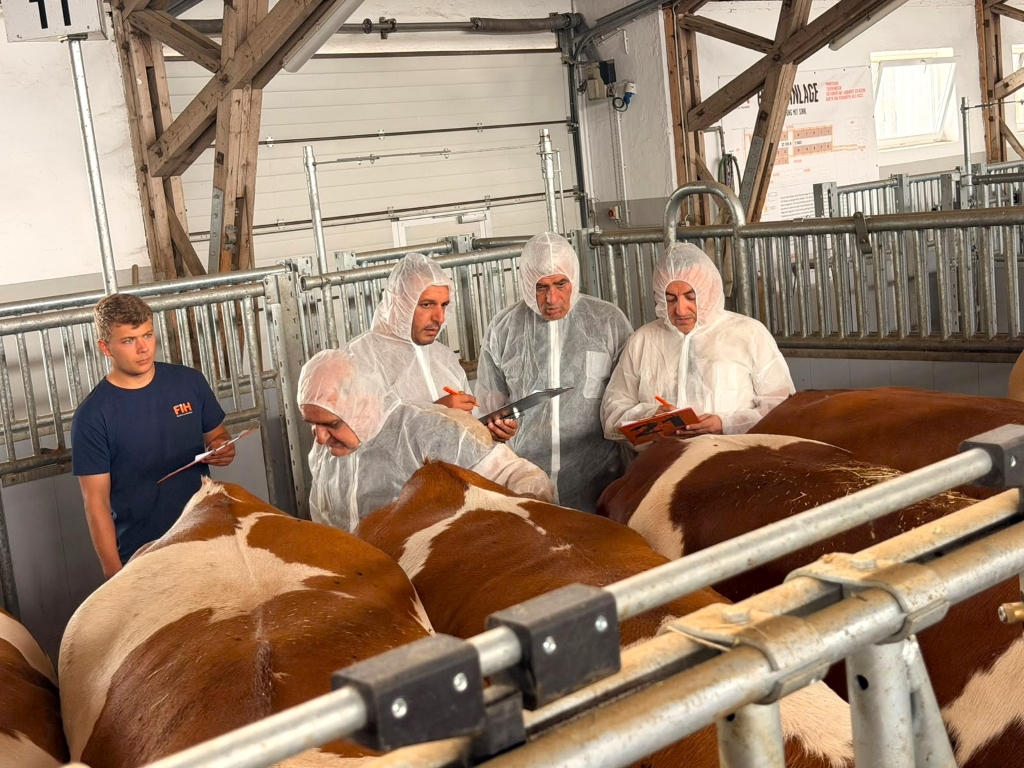
As part of the “Innovative Livestock Management: Animal Migration, Breeding and Markets” (INLIMA) Project, a study visit was organised for livestock sector stakeholders to a farm cooperating with the FIH Association and the Euro Genetic Artificial Insemination Centre.

Representatives of the private livestock sector, specialists from the Animal Husbandry Department of the Ministry of Economy of the Republic of Armenia, and members of the INLIMA Project team participated in the study visit, providing an opportunity for professional exchange and strengthened cooperation among public, private and development-sector stakeholders.

At the Euro Genetic Centre, participants were introduced to the centre’s overall operations and its breeding and reproductive technologies. The presentation covered the collection, quality control and storage of bull semen, the breeds and genetic potential of bulls currently available at the centre, as well as the use of its breeding catalogue.

Particular attention was given to embryo transfer technology, including the main stages of the process and its potential for the efficient multiplication and dissemination of high-value genetic material.

Alongside the technical presentations, participants had the opportunity to observe the centre’s leading breeding bulls in person, gaining practical insight into their breeding characteristics and genetic potential.

The practical knowledge and professional exchange facilitated through the visit contribute to the promotion of modern breeding approaches in Armenia, more effective utilisation of genetic resources, and improved productivity and competitiveness of the livestock sector.

“Innovative Livestock Management: Animal Migration, Breeding & Markets” (INLIMA) project is implemented by Strategic Development Agency NGO and funded by the Austrian Development Agency (ADA), the operational unit of Austrian Development Cooperation.

The Ministry of Economy of the Republic of Armenia, SDA NGO, and Cattle Breeders Austria Sign a Memorandum of Understanding

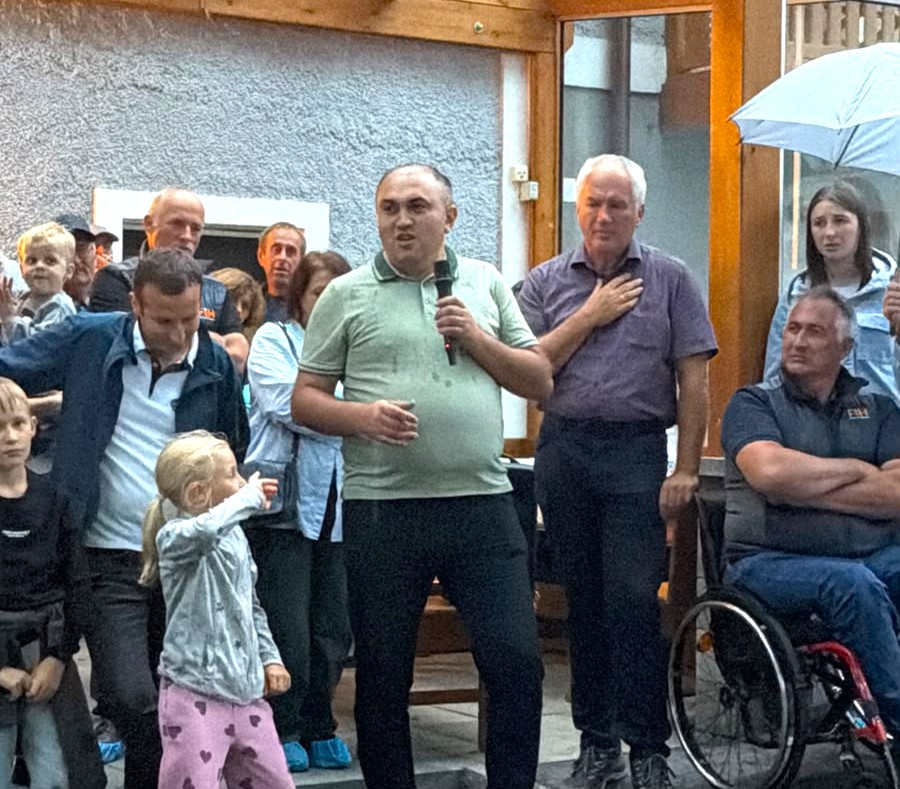
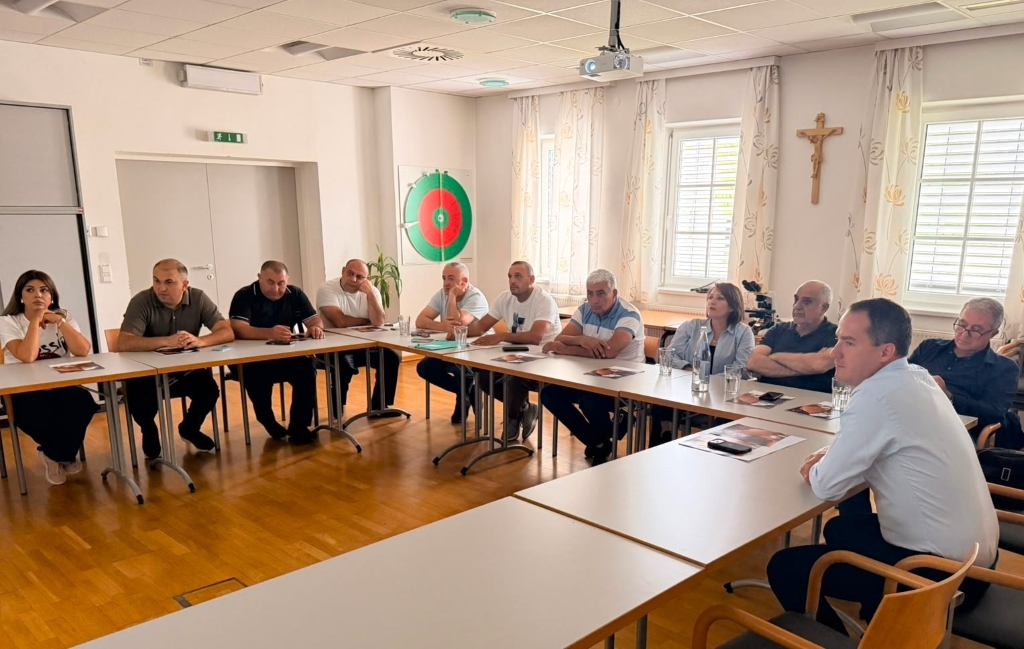
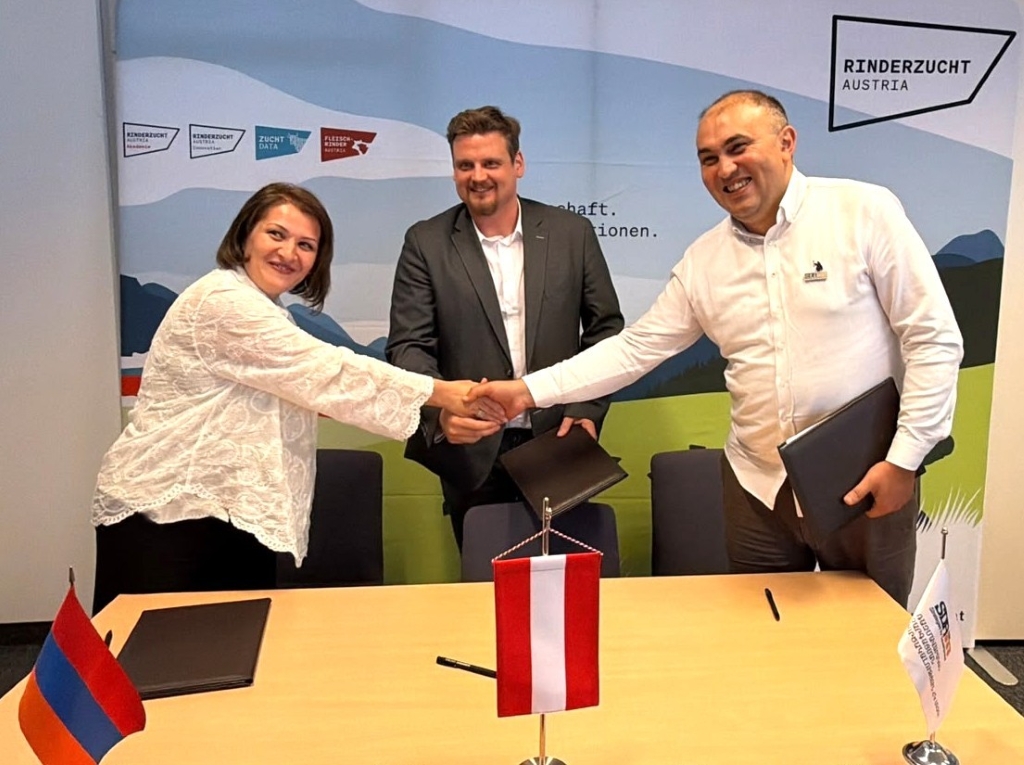
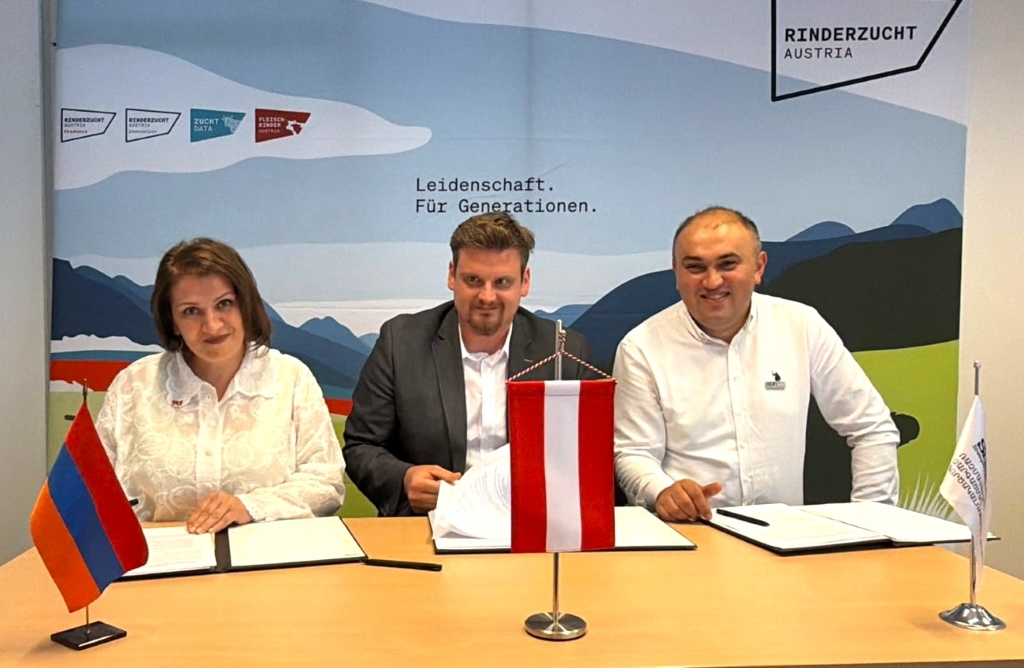
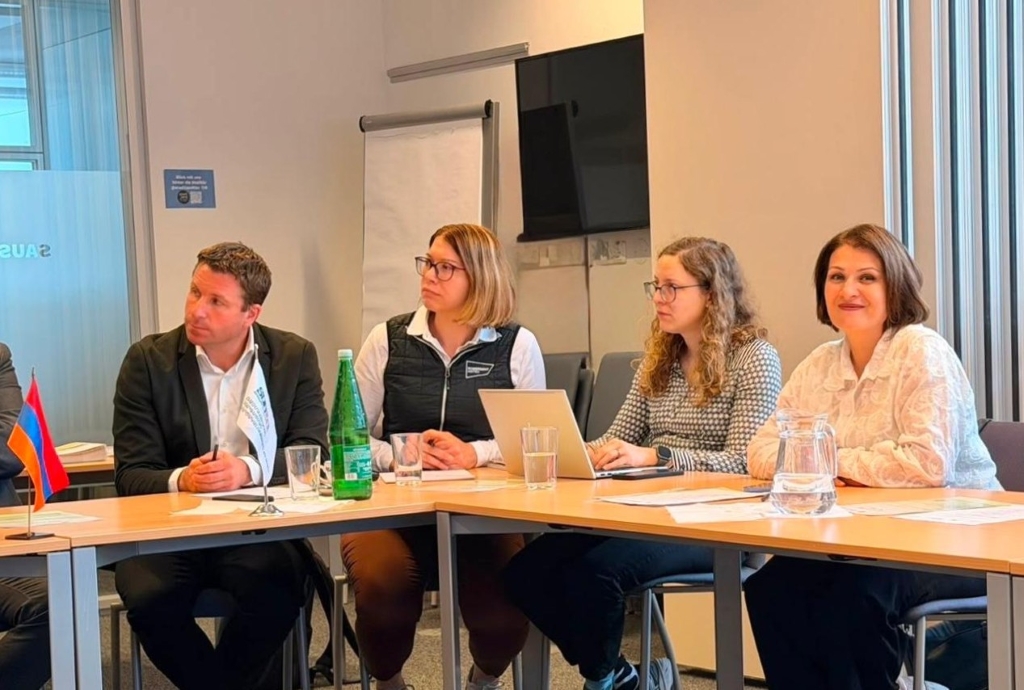
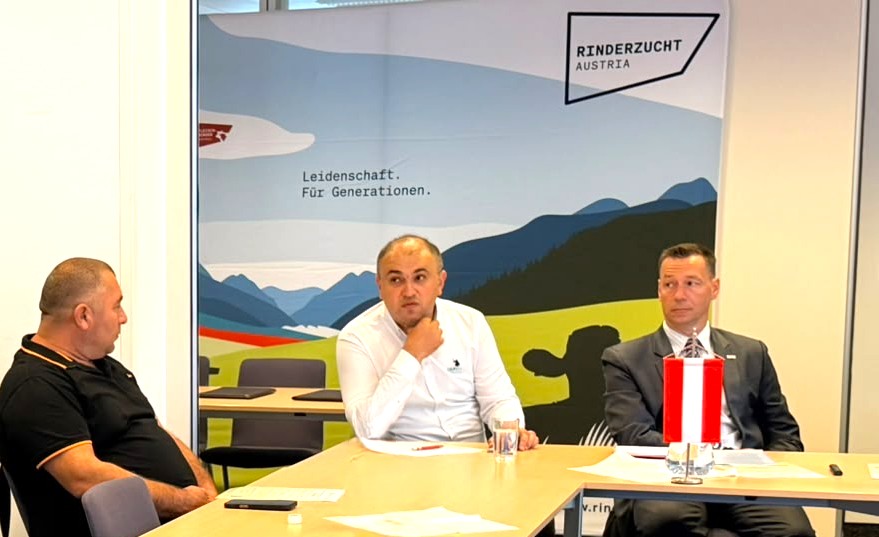
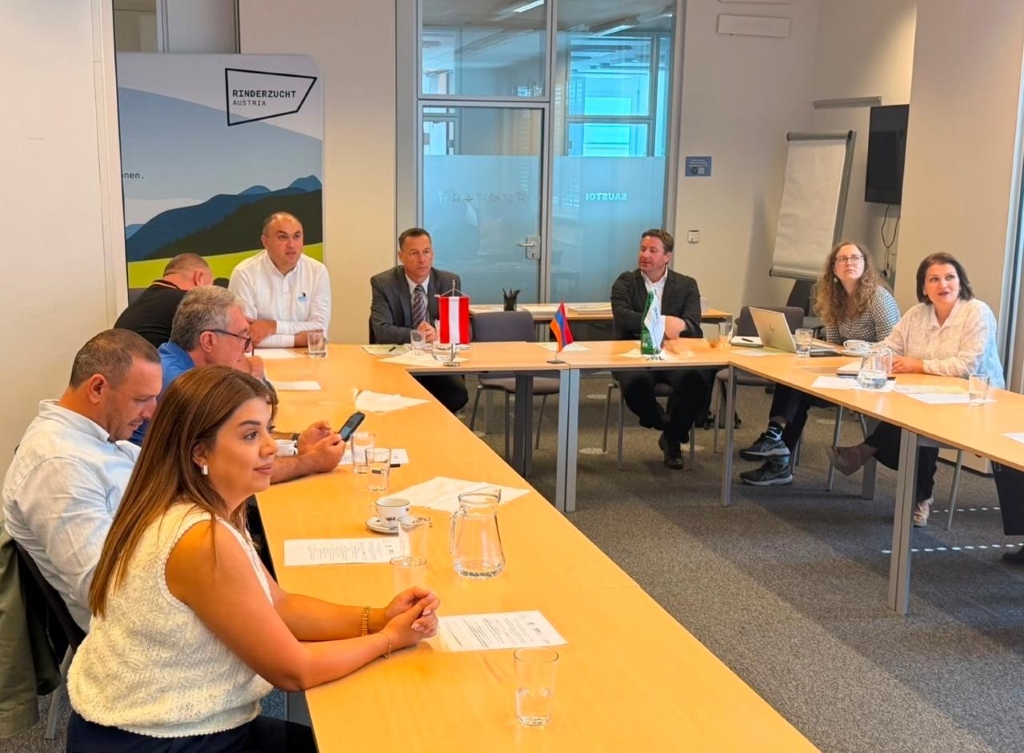
A significant step has been taken in advancing Armenia’s cattle breeding agenda, laying the foundation for new cooperation aimed at introducing international expertise, innovative breeding practices, and modern reproductive technologies in the sector. On 24 August 2026, in Austria, the Ministry of Economy of the Republic of Armenia, the Strategic Development Agency (SDA) NGO, and Cattle Breeders Austria signed a Memorandum of Understanding (MoU) to establish cooperation in the development of cattle breeding, more effective breeding practices, and the application of modern reproductive technologies.

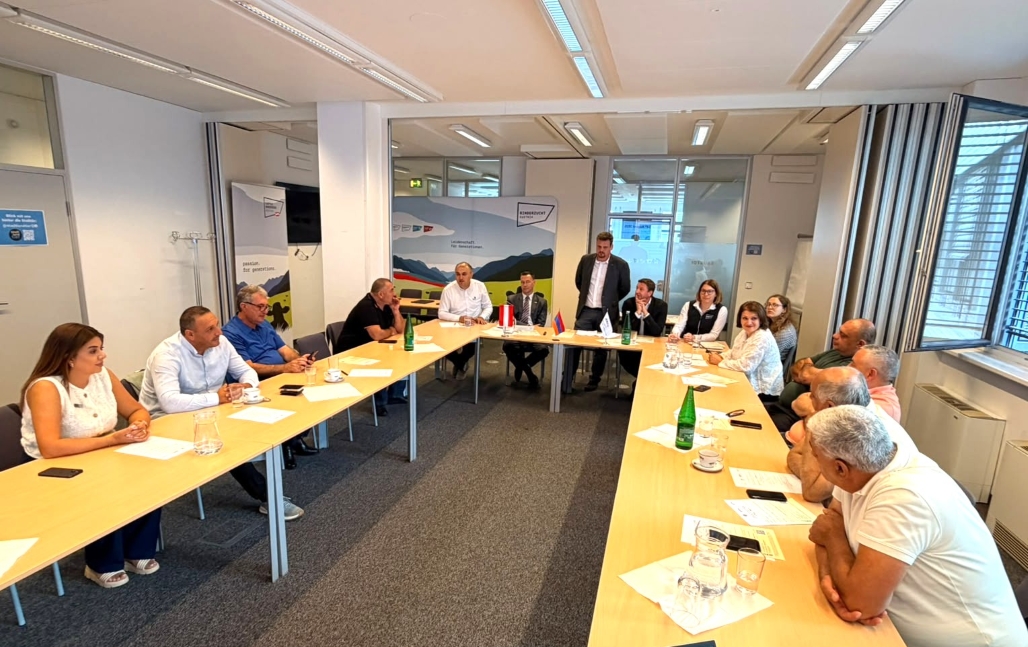
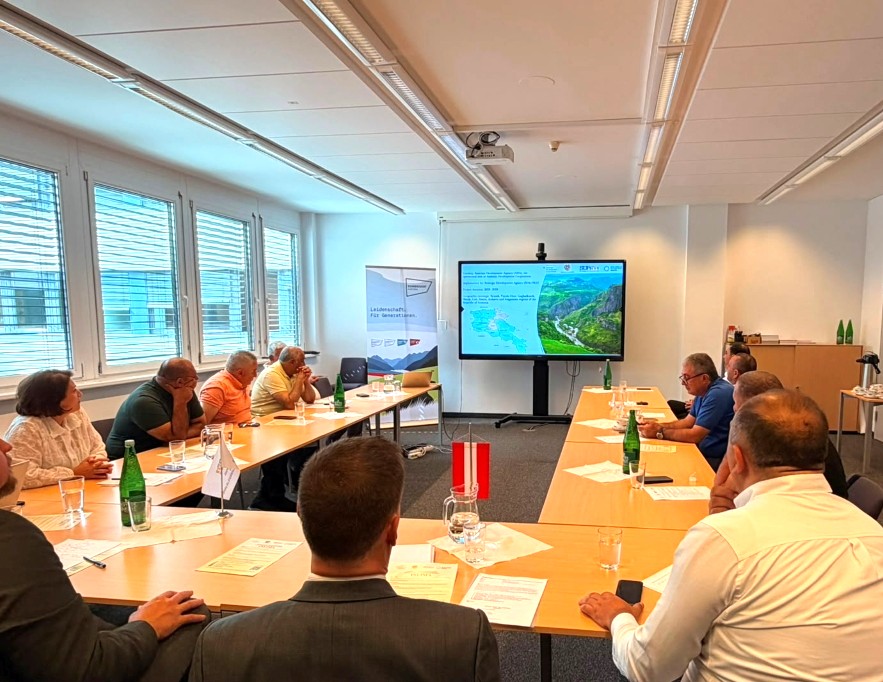
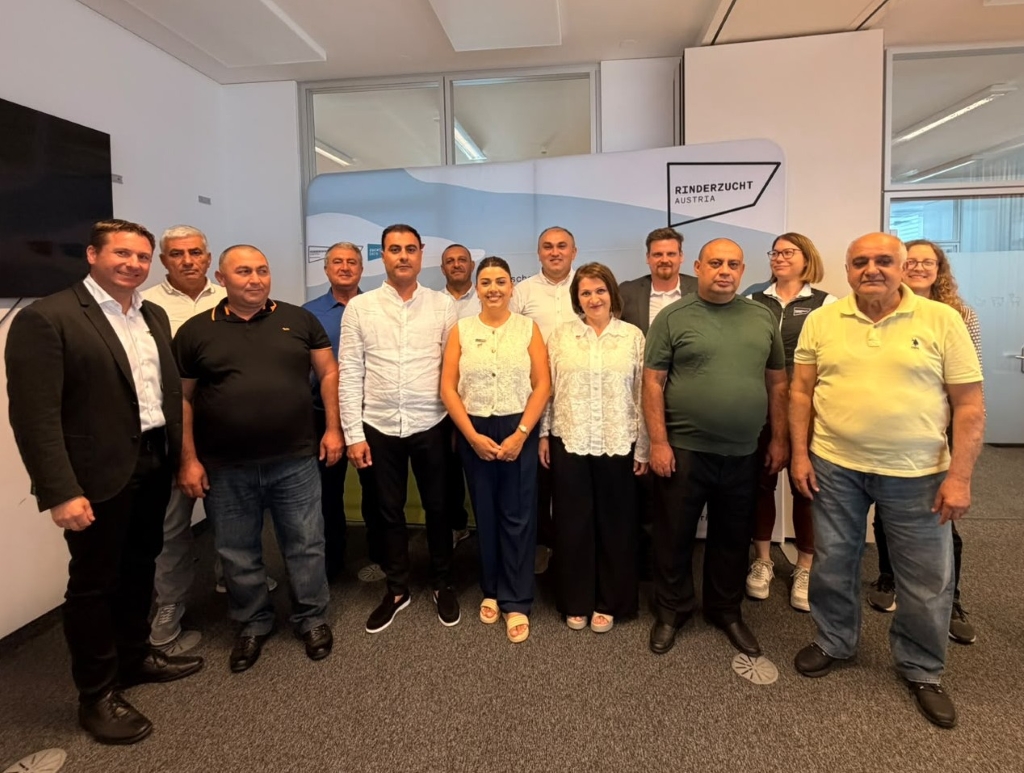
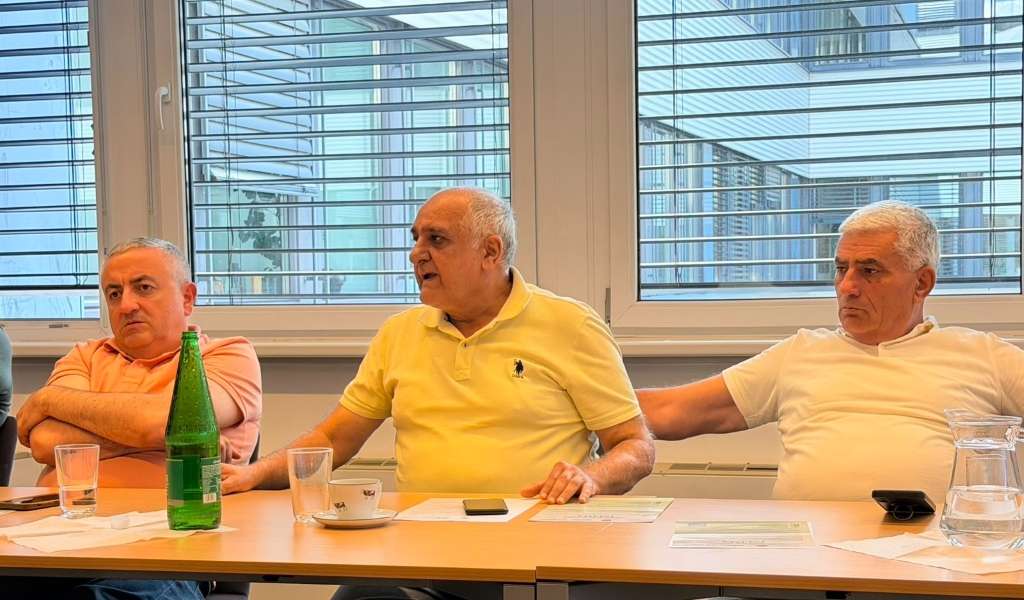
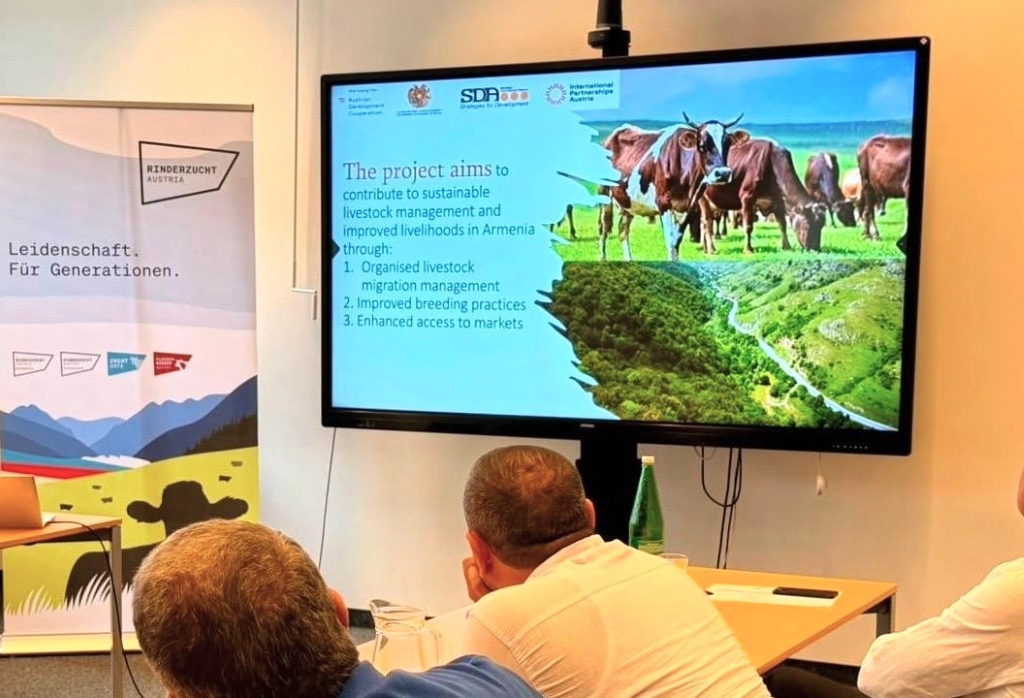
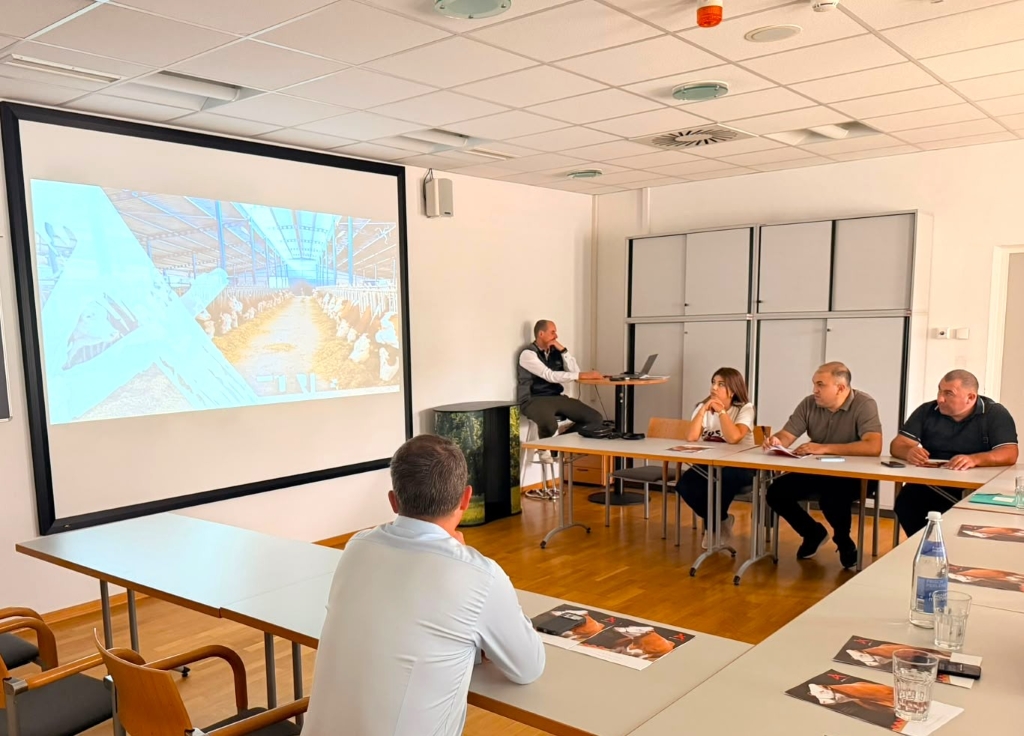
The signing of the MoU took place during a study visit organized within the framework of the Innovative Livestock Management: Animal Migration, Breeding and Markets (INLIMA) project. The project is implemented by the Strategic Development Agency (SDA) NGO with funding from the Austrian Development Agency (ADA).
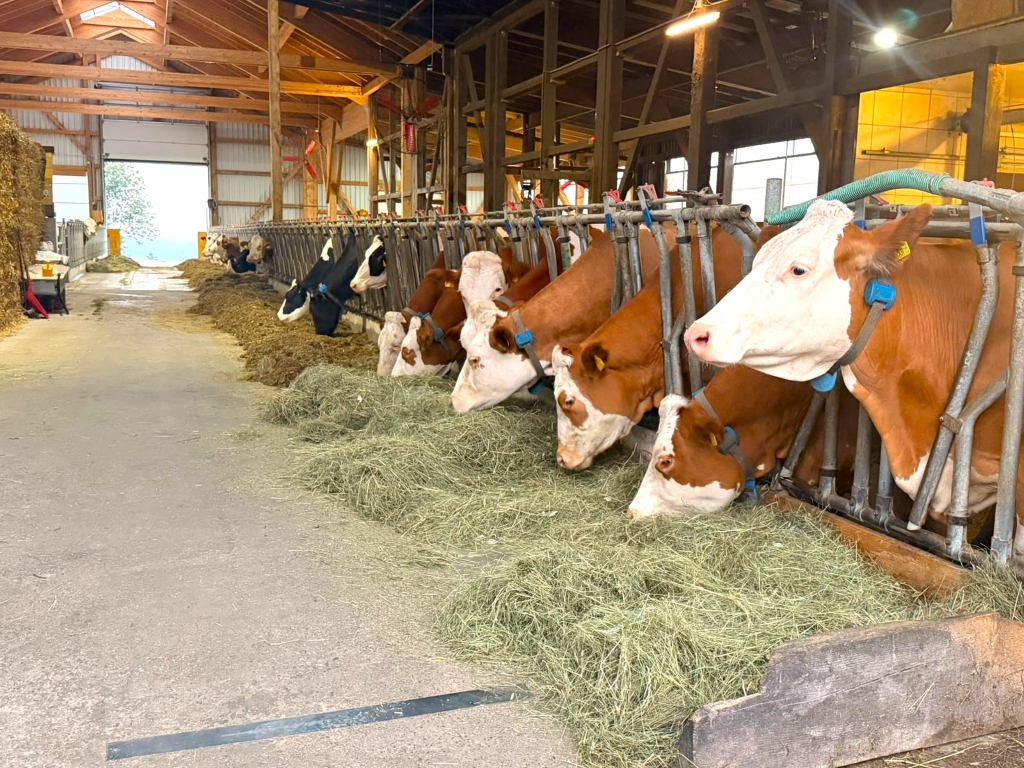
In his welcoming remarks, Tobias Orischnig, ADA Program Manager for Armenia, highlighted the importance of cooperation aimed at advancing Armenia’s livestock sector. He noted that the INLIMA project reflects a shared commitment to strengthening Armenia’s livestock sector and addressing key challenges facing agriculture by supporting sustainable livestock migration, the development of modern breeding services, and stronger market linkages.
Tobias Orischnig also highlighted the role of the Strategic Development Agency, noting that over the years, SDA has established itself as a trusted and highly capable partner, translating development objectives into practical and sustainable solutions for farmers, rural entrepreneurs, and communities across Armenia.

“The INLIMA project builds on a long-standing history of successful cooperation and demonstrates SDA’s strong commitment to innovation, partnership, and long-term impact,” said Tobias Orischnig.

He further emphasized that such partnerships provide an opportunity to combine technical expertise, institutional cooperation, and knowledge exchange, creating lasting connections between Austrian and Armenian institutions and contributing to the sustainable development of the sector.

During the event, Vahe Hovhannisyan, INLIMA Project Manager, presented the programme’s objectives, key components, and ongoing activities, highlighting the areas in which international expertise can generate the greatest added value for the development of Armenia’s livestock sector.

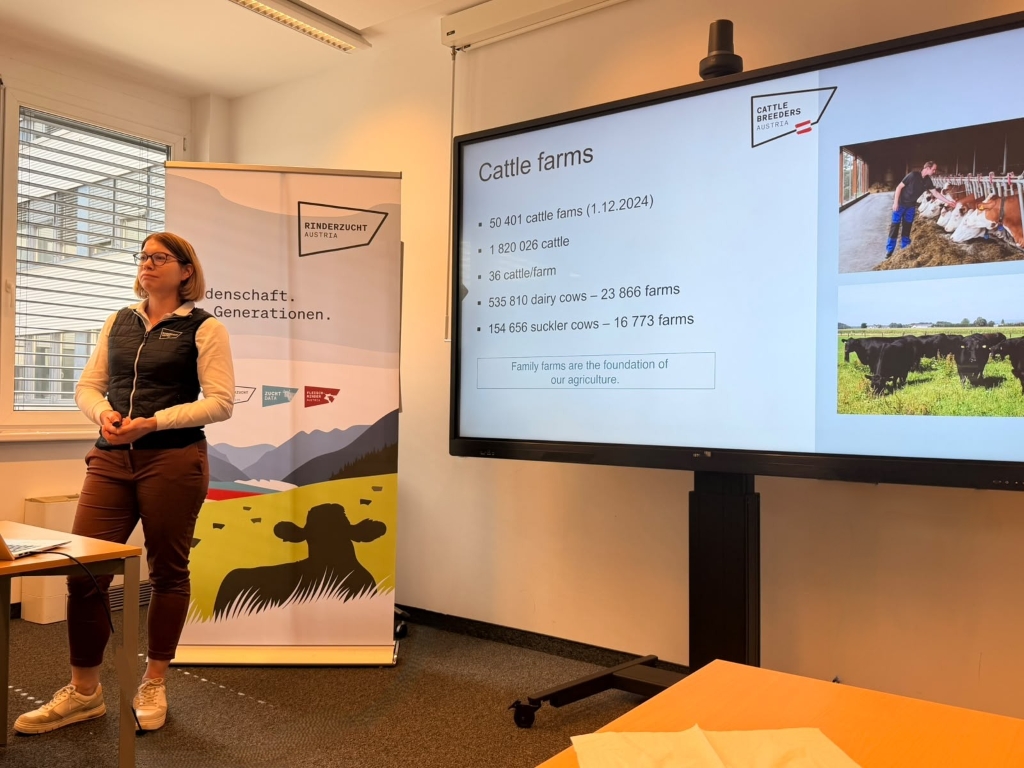
Anna Könner, representative of Cattle Breeders Austria, presented the organisation’s activities and Austria’s experience in cattle breeding management and animal performance assessment. Reinhard Pfleger, representative of Fleckvieh Austria, presented the experience of developing the Fleckvieh breed and its international potential.

The exchange of expertise is particularly relevant to Armenia, as increasing productivity in the cattle sector requires a transition towards more systematic and data-driven breeding approaches. These include improving the genetic base, strengthening the selection of breeding animals, assessing animal performance, applying modern reproductive technologies, and ensuring effective long-term herd management.

The signed MoU establishes a framework for cooperation on breed and breeding animal selection, genetic improvement, artificial insemination and other reproductive technologies, and breeding planning. The parties will provide technical expertise and advisory support to advance these areas of cooperation.

Another important area of cooperation is the development of bull semen production capacities at Gyumri Selection Station CJSC. The introduction of Austrian expertise and technical knowledge can contribute to strengthening systems for the availability and effective use of high-quality genetic material in Armenia, with the potential to generate long-term improvements in animal productivity and the overall performance of the cattle breeding sector.

“Innovative Livestock Management: Animal Migration, Breeding & Markets” (INLIMA) project is implemented by Strategic Development Agency NGO and funded by the Austrian Development Agency (ADA), the operational unit of Austrian Development Cooperation.