
IADAAM What is the Agricultural Extension Service Team (AEST)?

A Strategic Step Toward Sustainable, Knowledge-Based Agriculture in Armenia

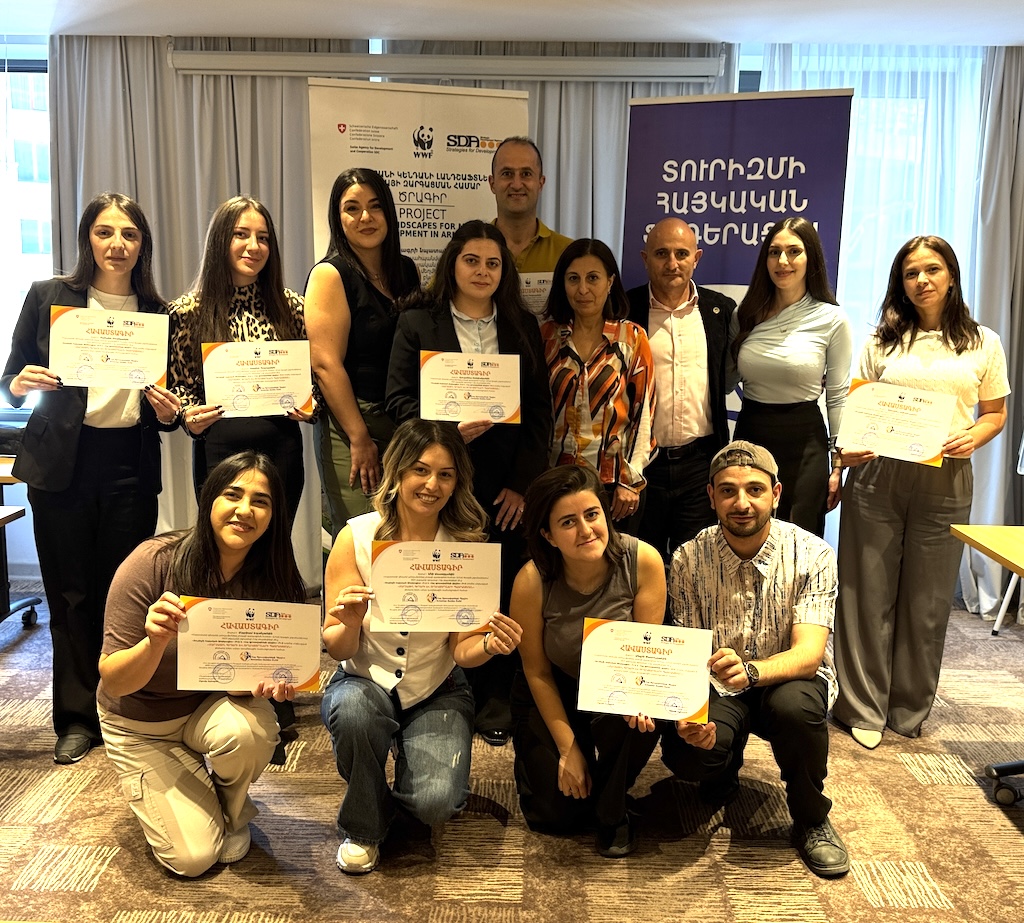
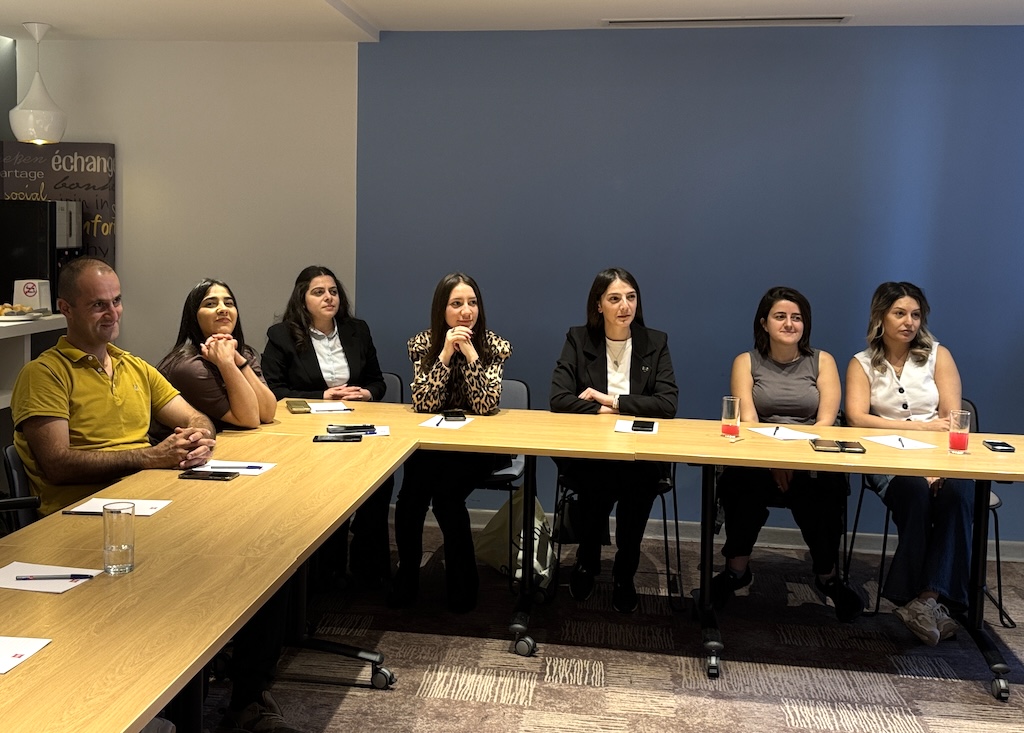
The Agricultural Extension Service Team (AEST) was established under the “Irrigated Agriculture Development in Ararat and Armavir Marzes” (IADAAM) project, with the overarching aim of building a structured, inclusive, and sustainable agricultural advisory system in Armenia. AEST seeks to enhance the professional capacities of farmers, promote the adoption of innovative agrotechnologies, and contribute to the establishment of a competitive, resilient, and knowledge-driven agricultural sector – ultimately supporting increased productivity and improved livelihoods for farming communities.

Mission of AEST:

To establish an efficient, comprehensive, and accessible extension service that accelerates innovation in agriculture, improves farm performance, and strengthens farmers’ ability to manage risks and adapt to evolving challenges.

Core Functions of AEST:

✅ Delivery of expert agricultural advisory services on key topics such as soil management, crop protection, irrigation efficiency, harvesting, and post-harvest handling.

✅ Organization of field-based trainings, demonstration activities, and peer-to-peer learning opportunities based on best practices.

✅ Development and dissemination of localized, practical, and evidence-based educational and informational resources.

✅ Facilitation of partnerships with research institutions, private sector actors, and international development organizations to scale up innovative agricultural solutions.

While currently active in target communities of Ararat and Armavir marzes, AEST is designed with a vision for nationwide expansion, aiming to strengthen farmer capacities and support sustainable rural development across the Republic of Armenia.

Representing a transformative approach to agricultural development, AEST serves as a cornerstone for fostering inclusive, knowledge-based, and future-ready farming systems – working with farmers and for farmers.

Irrigated Agriculture Development in Ararat and Armavir marzes (IADAAM) project, financed through the European Union (EU) with implementation by the French Development Agency (Agence Française de Développement) is an integrated initiative aimed at transforming irrigated agriculture in Armenia.

Within IADAAM project a technical assistance component is implemented jointly by AESA – Agriconsulting Europe SA, Avenue Consulting Group LLC, Strategic Development Agency NGO and 3R Strategy LLC consortium and aims to provide institutional support to the Ministry of Economy of the Republic of Armenia (MoE) in the formulation of agricultural policies and reforms in priority areas, provide technical support to the MoE in the implementing project activities, ensure communication and reporting for the IADAAM project.

MAVETA Professions Promotion Event Held in Tashir

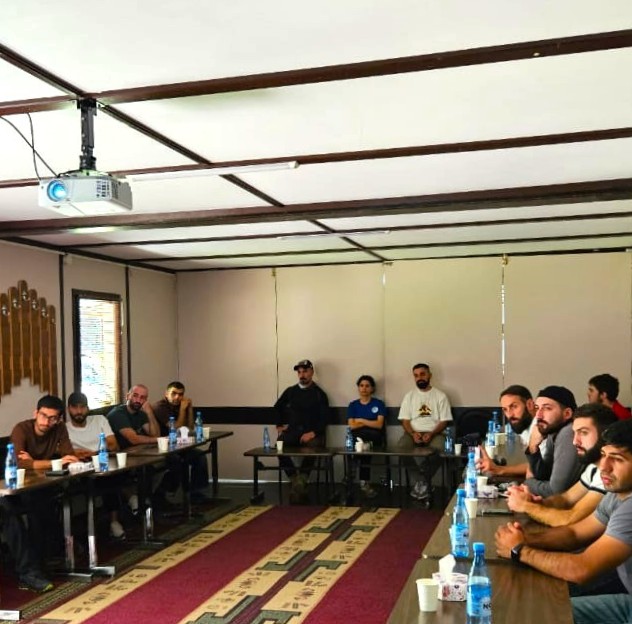
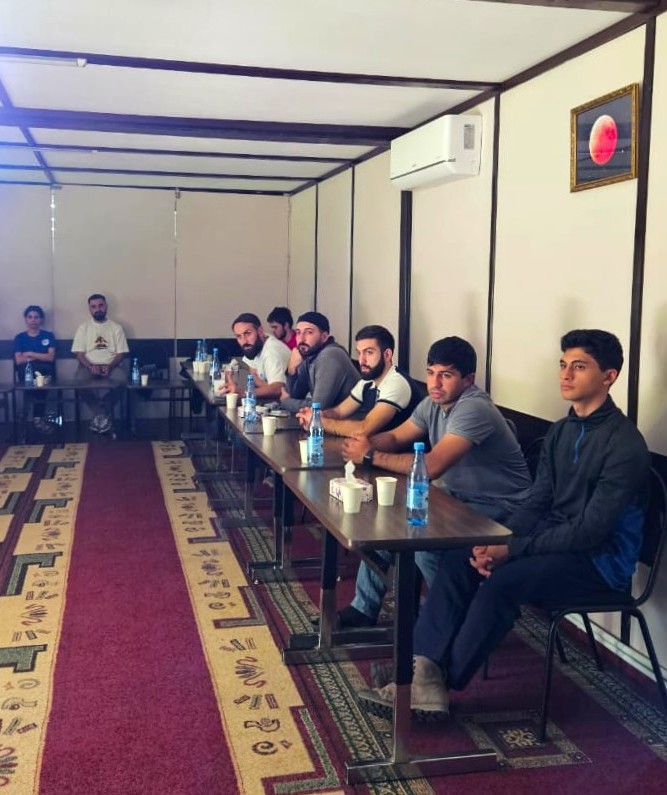
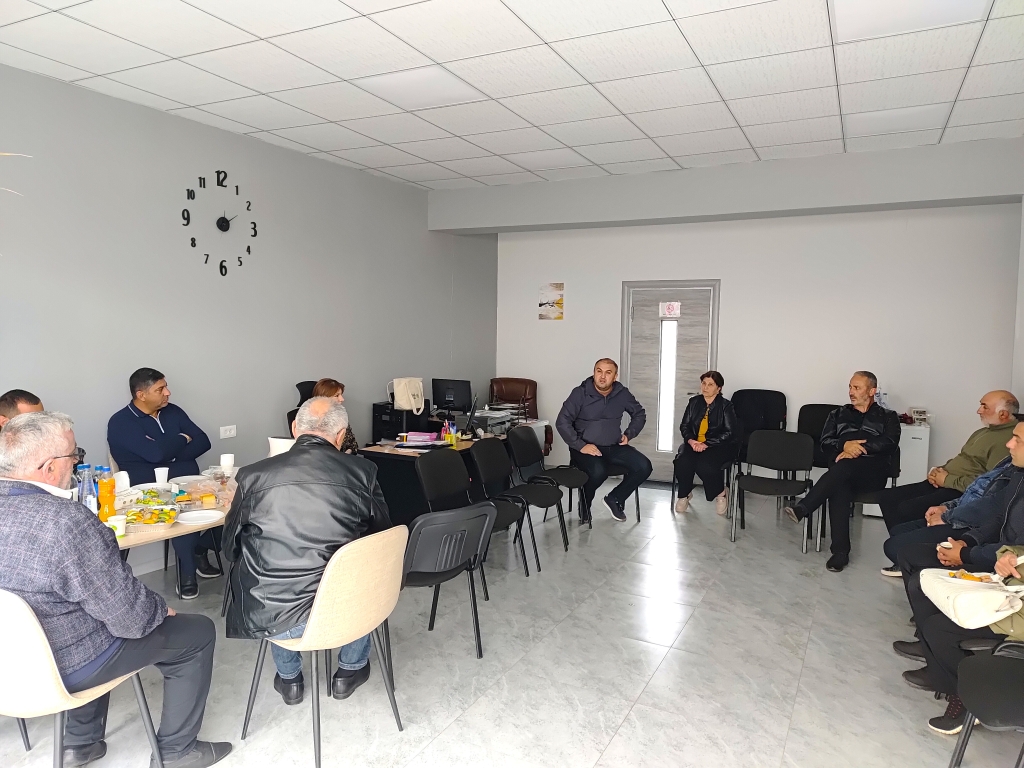
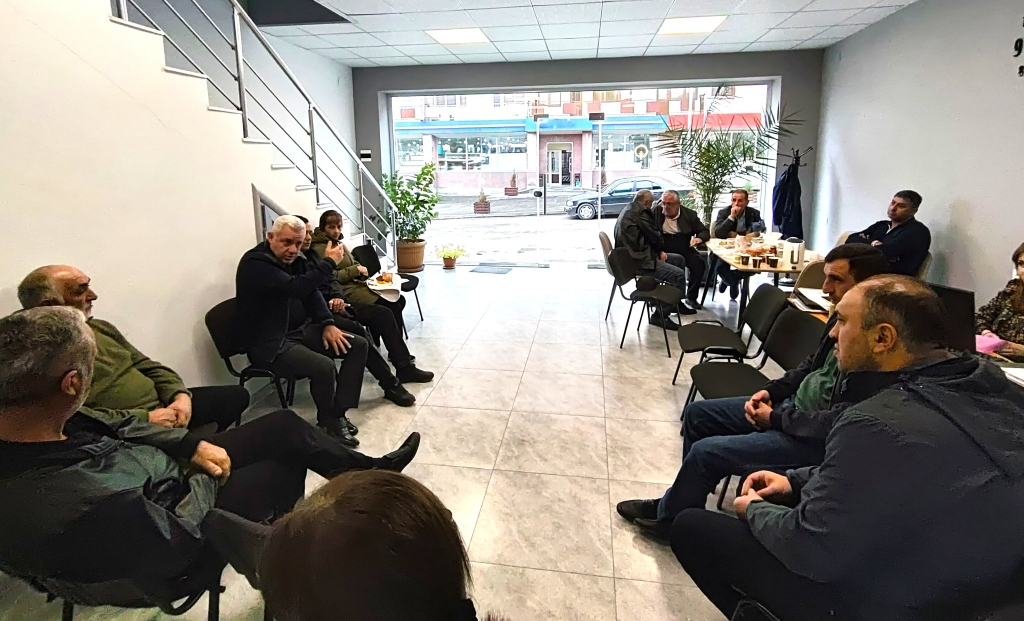
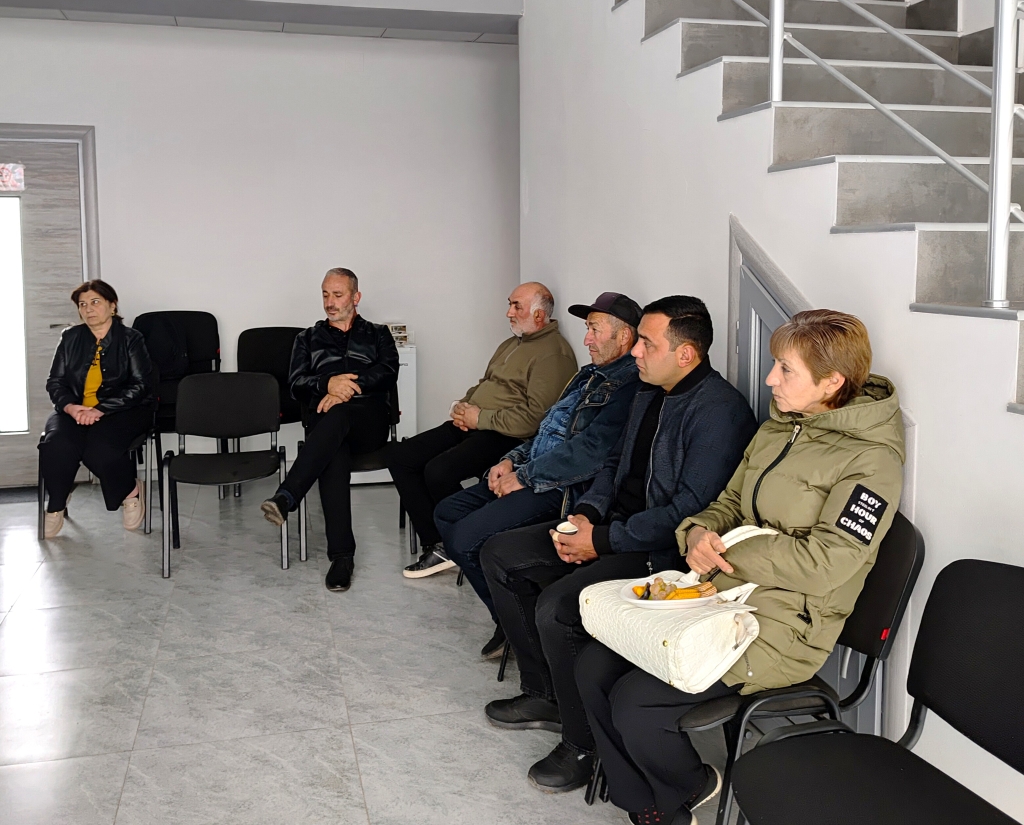
Within the framework of the “Modernizing Vocational Education and Training in Agriculture in Armenia” (MAVETA) project, a professions promotion event was held on July 21 at the ArTa Youth Organization Center in the Tashir community.

Lilit Beglaryan, VET Consultant for the MAVETA project, presented the project’s objectives, current activities, the benefits of pursuing careers in agriculture, and the potential of dual education in Armenia.

Participants watched an educational episode on veterinary medicine, which was followed by a discussion with Artur Titanyan, an experienced veterinarian and project partner.

During the Q&A session, the discussion highlighted the importance of training in high-demand professions and the development of practical, hands-on skills.

Kamo Jilavyan, Career Guidance Officer at Stepanavan State Agricultural College, introduced the college’s academic programs, particularly its dual education offerings that integrate classroom instruction with practical experience.

The event also featured a discussion on regional labor market opportunities. Arman Sakanyan, a poultry farming specialist and practicing farmer, shared insights into the field and led a live demonstration course, actively engaging participants.

 The MAVETA project is funded by a broad coalition of international and local organizations led by the Swiss Agency for Development and Cooperation (SDC), including the Austrian Development Agency, the German Ministry for Economic Cooperation and Development (BMZ), the Government of Armenia, the Swiss Church Aid (HEKS/EPER) NGO, Izmirlian Foundation, the Strategic Development Agency (SDA) NGO and Vanand Agro CJSC.

The project’s implementing partners are the GIZ and HEKS/EPER with the involvement of SDA and the School of Agricultural, Forest and Food Sciences at the Bern University of Applied Sciences (HAFL).

Uncategorized

IADAAM AEST Study and Knowledge Exchange Visit for Farmers from Baghramyan and Norakert

On July 15, 2025, within the framework of the “Irrigated Agriculture Development in Ararat and Armavir Regions” (IADAAM) project, a study and knowledge exchange visit was organized for farmers and local government representatives from Baghramyan and Norakert settlements of Parakar Community in Armavir region.

The visit was organized by the AEST Armavir team, led by coordinator Vardan Hambardzumyan, with full team participation through on-site presentations and direct farmer engagement. They were joined by Vardan Ivanyan, coordinator of the AEST Vedi team, whose presence further strengthened inter-regional collaboration and knowledge exchange of practical expertise. The delegation also included Hakob Harutyunyan, Chief Specialist for Urban Development, Land Management, Agriculture, and Environmental Protection at the Parakar Municipality.

The program included the following key components:

🔹 Visits to pistachio orchards, where participants were introduced to orchard planning principles, varietal selection criteria, planting and grafting techniques, drip irrigation systems, water reservoir infrastructure, as well as nutrient and pest management practices.

🔹 Visits to multi-crop farms, with a focus on crop rotation and intercropping techniques aimed at improving soil health, increasing productivity, and mitigating agricultural risks. The discussions also addressed climate adaptation strategies and approaches to improving market access.

🔹 Tour of a pistachio processing facility, offering insights into post-harvest processing stages, quality assurance mechanisms, packaging practices and competitiveness strategies. The visit also highlighted the potential for integrating smallholder farmers into value-added processing and market systems.

✅ Through such targeted interventions, IADAAM project continues to strengthen farmer capacities and expand access to high-quality agricultural advisory services across its target communities in the Ararat and Armavir regions.

Irrigated Agriculture Development in Ararat and Armavir marzes (IADAAM) project, financed through the European Union (EU) with implementation by the French Development Agency (AFD) is an integrated initiative aimed at transforming irrigated agriculture in Armenia.

Within IADAAM project a technical assistance component is implemented jointly by AESA – Agriconsulting Europe SA, Avenue Consulting Group LLC, Strategic Development Agency NGO and 3R Strategy LLC consortium and aims to provide institutional support to the Ministry of Economy of the Republic of Armenia (MoE) in the formulation of agricultural policies and reforms in priority areas, provide technical support to the MoE in the implementing project activities, ensure communication and reporting for the IADAAM project.

Uncategorized

MAVETA Professions Promotion Event Held in Yerevan

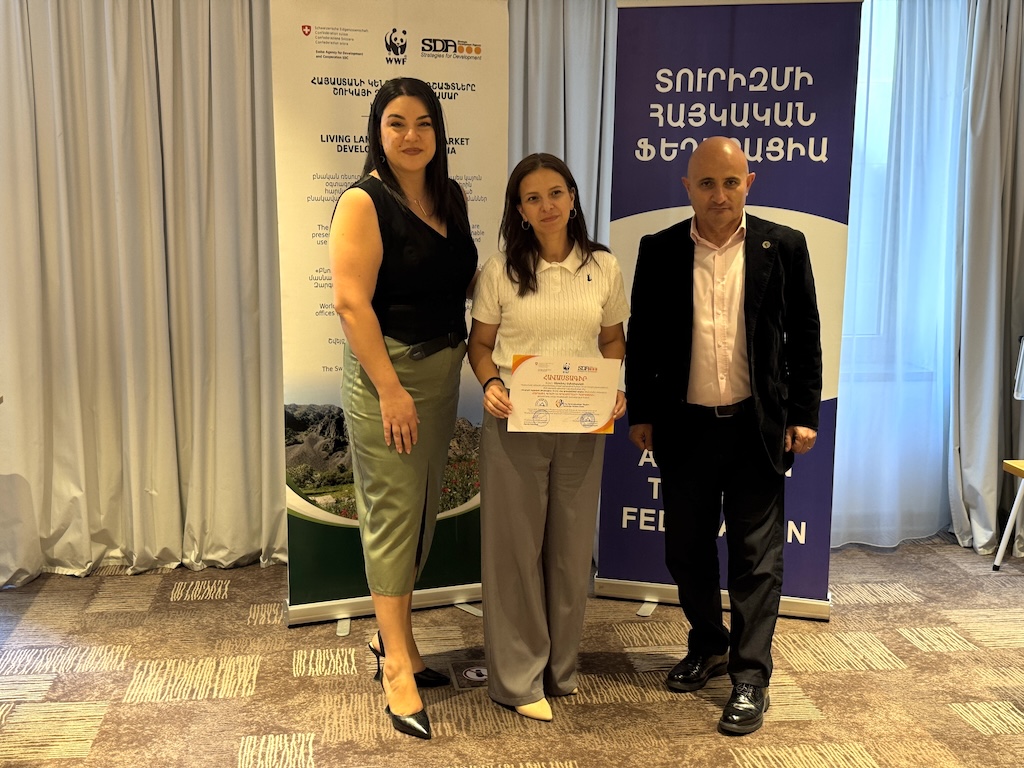
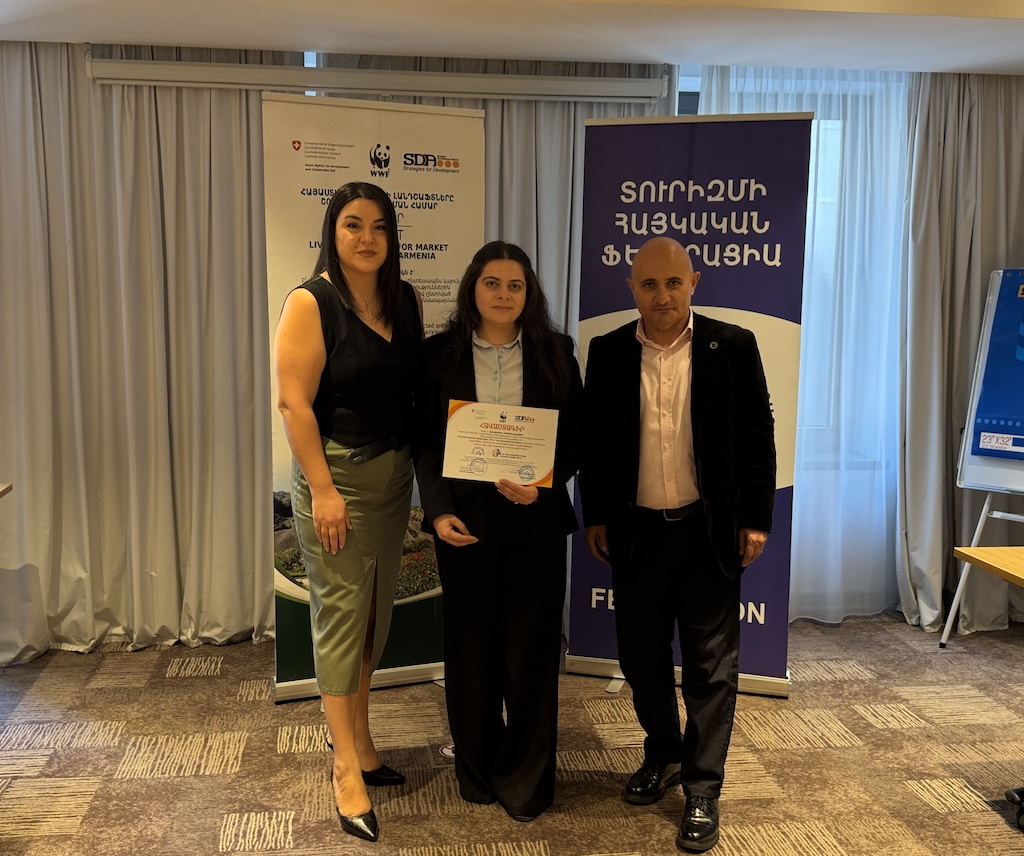
Within the framework of the Modernizing Vocational Education and Training in Agriculture in Armenia(MAVETA) project, on July 12, an engaging evening of agricinema and seedling planting was held in Yerevan.

Lilit Beglaryan, project’s VET consultant, presented the agricultural professions introduced through dual education. She emphasized the opportunities available at MAVETA partner colleges and discussed the growing demand for these professions in the labor market.

Participants then watched a film on orcharding, produced within the framework of the project, which showcased the advantages of dual education in agriculture.

Ashkhen Sargsyan, an experienced orchard worker, demonstrated the correct techniques for planting strawberry seedlings, shared advice on their care, and invited attendees to participate in the planting process.

The event aimed to promote agricultural professions and increase engagement in the sector, particularly among forcibly displaced people from Artsakh.
The MAVETA project is funded by a broad coalition of international and local organizations led by the Swiss Agency for Development and Cooperation (SDC), including the Austrian Development Agency, the German Ministry for Economic Cooperation and Development (BMZ), the Government of Armenia, the Swiss Church Aid (HEKS/EPER) NGO, Izmirlian Foundation, the Strategic Development Agency (SDA) NGO and Vanand Agro CJSC.
The project’s implementing partners are the GIZ and HEKS/EPER with the involvement of SDA and the School of Agricultural, Forest and Food Sciences at the Bern University of Applied Sciences (HAFL).

MAVETA Training on Orcharding for Forcibly Displaced Persons from Artsakh

DSC_3889

Within the framework of the “Modernizing Vocational Education and Training in Agriculture in Armenia” (MAVETA) project, a four-day training titled “Innovative Orcharding” was held in the Armavir community from July 8 to 11. The training was designed for forcibly displaced persons from Artsakh who have resettled in the Armavir region.

The training was conducted by Eteri Stepanyan, a lecturer at the Armenian National Agrarian University.

During the four-day training, participants were introduced to the basics of the orcharding. They were engaged in interactive discussions on a variety of topics, including site selection for orchards, soil fertilization, and the specifics of pruning in both intensive and traditional orchards. The training also addressed the current state of fruit growing practices in Armenia, different fruit varieties and their cultivation methods, as well as nursery operations—from establishment to management.

Special emphasis was placed on the challenges facing the sector, potential solutions, and the future prospects for its development.

The primary objective of the training was to equip participants with up-to-date knowledge and to develop the essential skills needed to actively engage in the field.

The MAVETA project is funded by a broad coalition of international and local organizations led by the Swiss Agency for Development and Cooperation (SDC), including the Austrian Development Agency, the German Ministry for Economic Cooperation and Development (BMZ), the Government of Armenia, the Swiss Church Aid (HEKS/EPER) NGO, Izmirlian Foundation, the Strategic Development Agency (SDA) NGO and Vanand Agro CJSC.

The project’s implementing partners are the GIZ and HEKS/EPER with the involvement of SDA and the School of Agricultural, Forest and Food Sciences at the Bern University of Applied Sciences (HAFL).