
Uncategorized

IADAAM Smarter Water, Stronger Harvests – Building the Future of Sustainable Agriculture

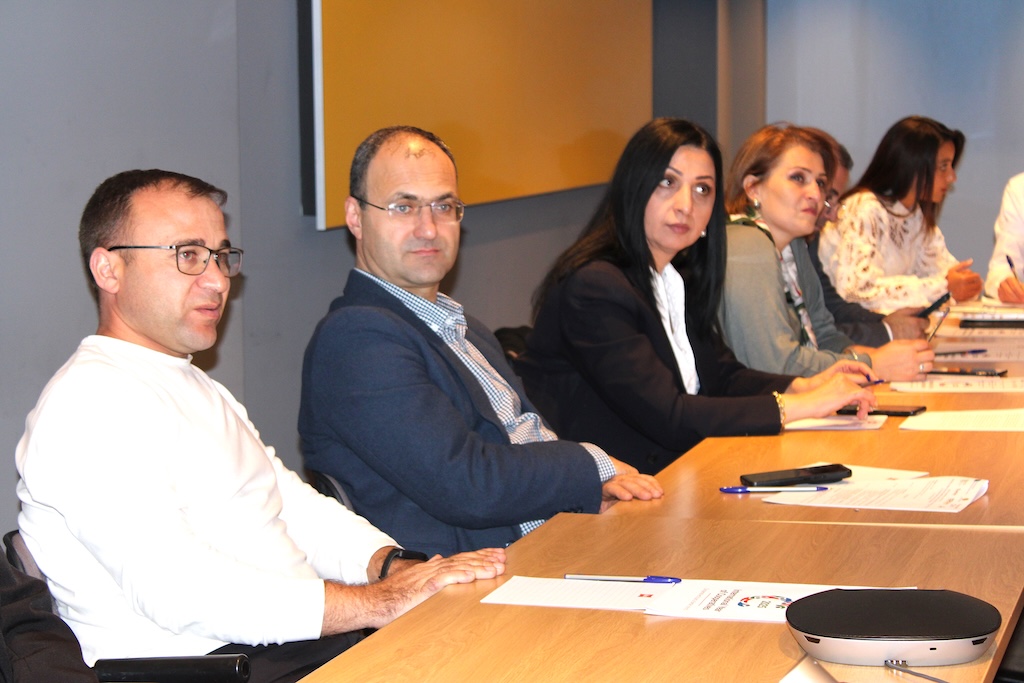
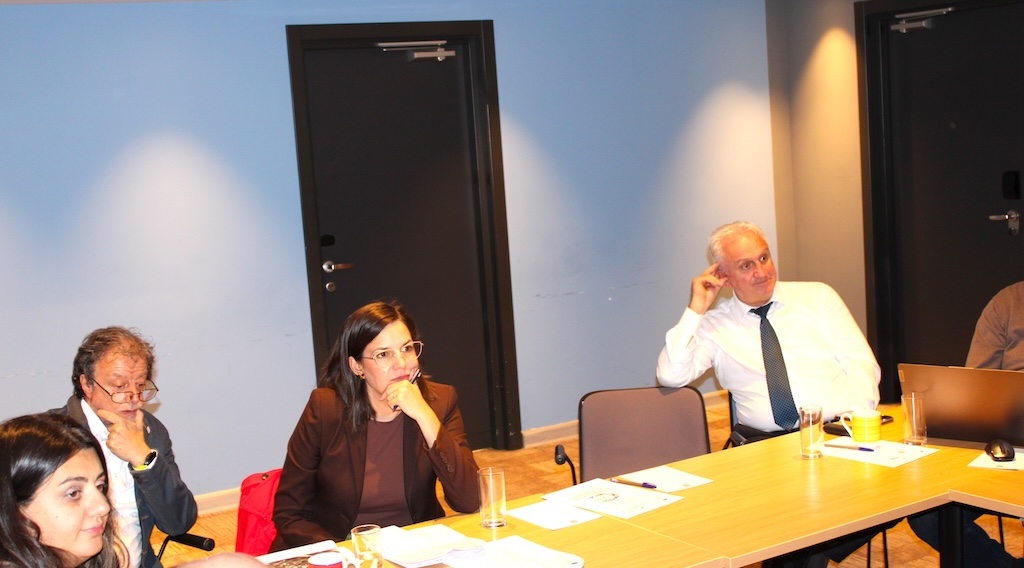
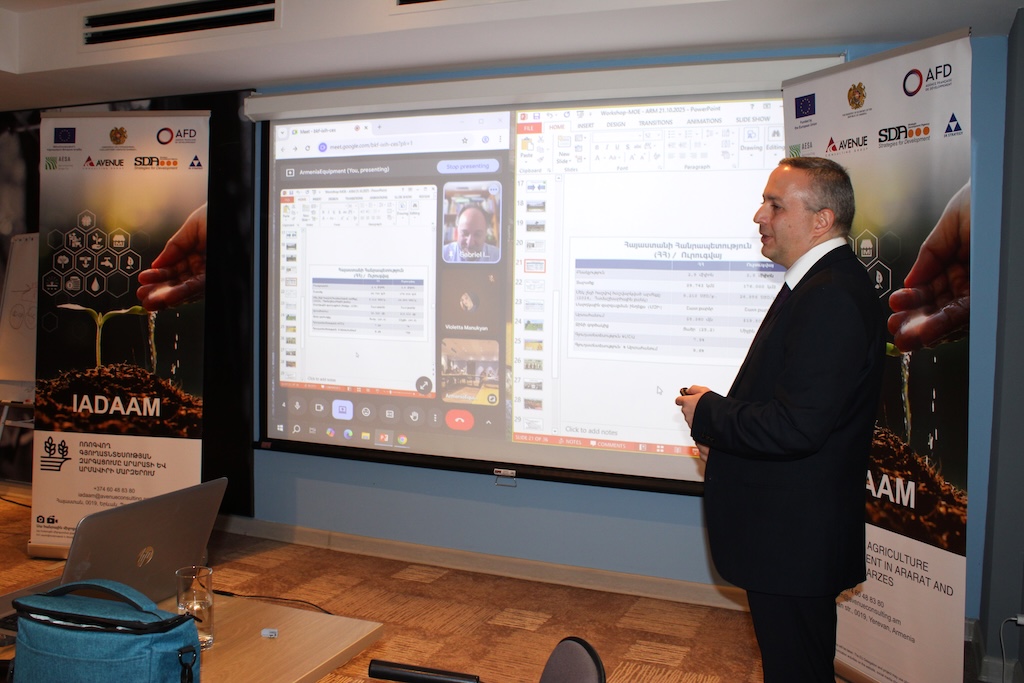
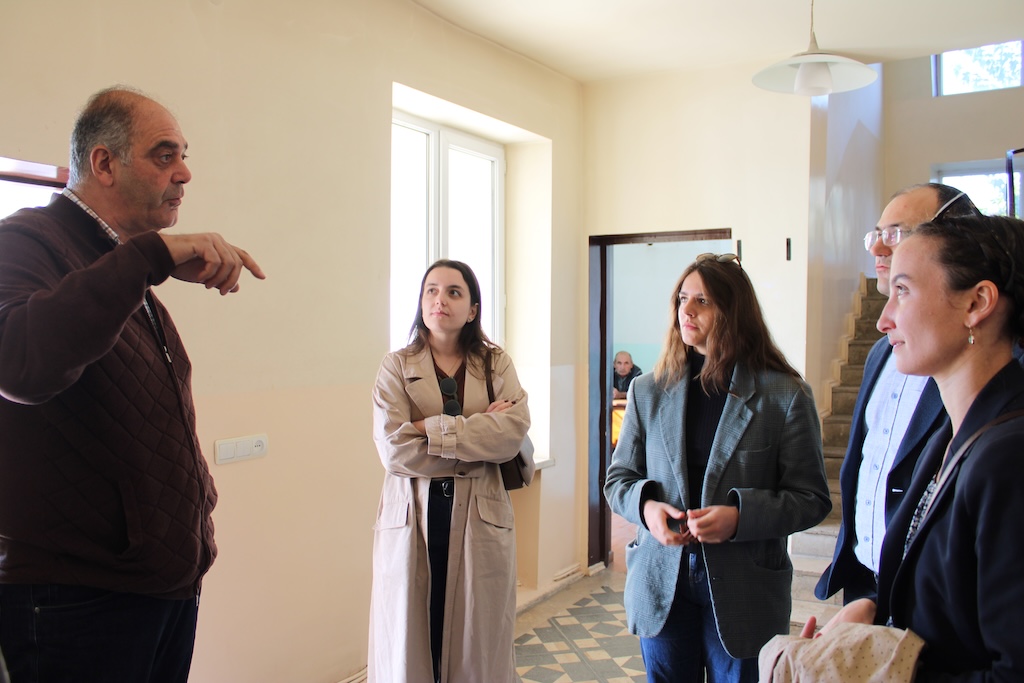
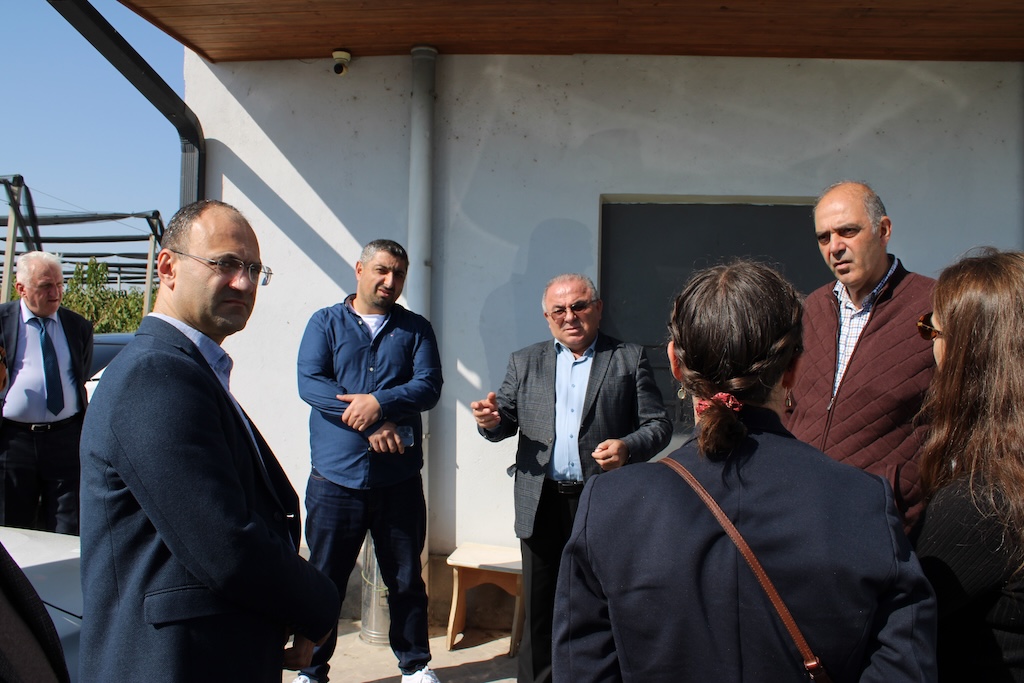
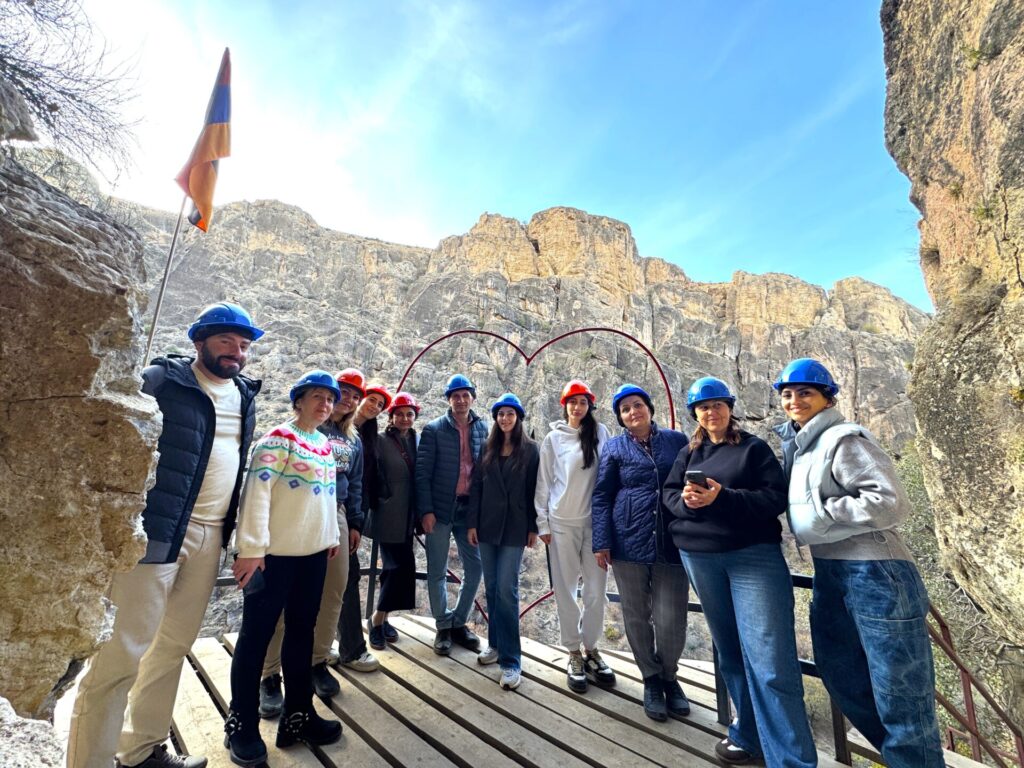
Within the framework of the IADAAM project, Project Manager Karen Harutyunyan, accompanied by AEST Vedi Coordinator Vardan Ivanyan, visited the Vedi reservoir’s on-farm network to observe the installation of state-of-the-art filtration systems.
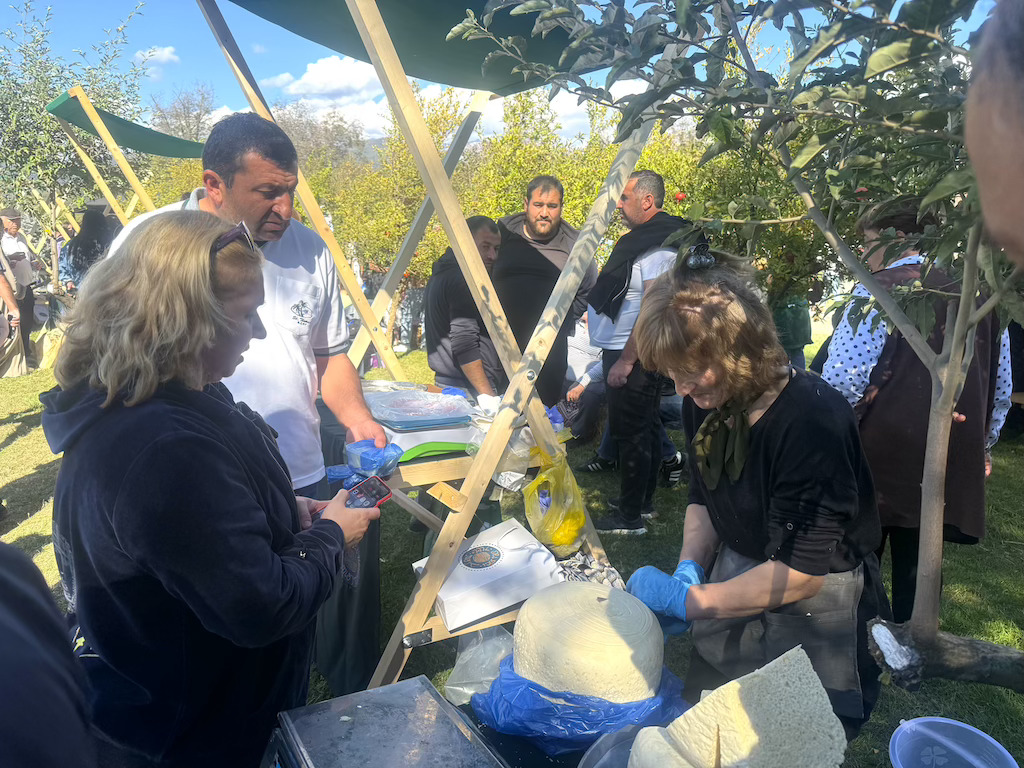
These modern systems are designed to ensure cleaner, more reliable irrigation water, reducing blockages and wear in drip systems, improving water distribution efficiency, and ultimately increasing crop productivity.

By introducing such advanced solutions, the IADAAM project is helping to secure sustainable water management in agriculture – a key driver for higher yields, healthier orchards, and resilient farming communities in the region.

Smart irrigation is more than technology – it’s an investment in the future of our farmers.

Irrigated Agriculture Development in Ararat and Armavir marzes (IADAAM) project, financed through the European Union (EU) with implementation by the French Development Agency (AFD) is an integrated initiative aimed at transforming irrigated agriculture in Armenia.

Within IADAAM project a technical assistance component is implemented jointly by AESA – Agriconsulting Europe SA, Avenue Consulting Group LLC, Strategic Development Agency NGO and 3R Strategy LLC consortium and aims to provide institutional support to the Ministry of Economy of the Republic of Armenia (MoE) in the formulation of agricultural policies and reforms in priority areas, provide technical support to the MoE in the implementing project activities, ensure communication and reporting for the IADAAM project.

IADAAM AEST Promoting Intensive Orchard Cultivation and Innovative Irrigation Technologies

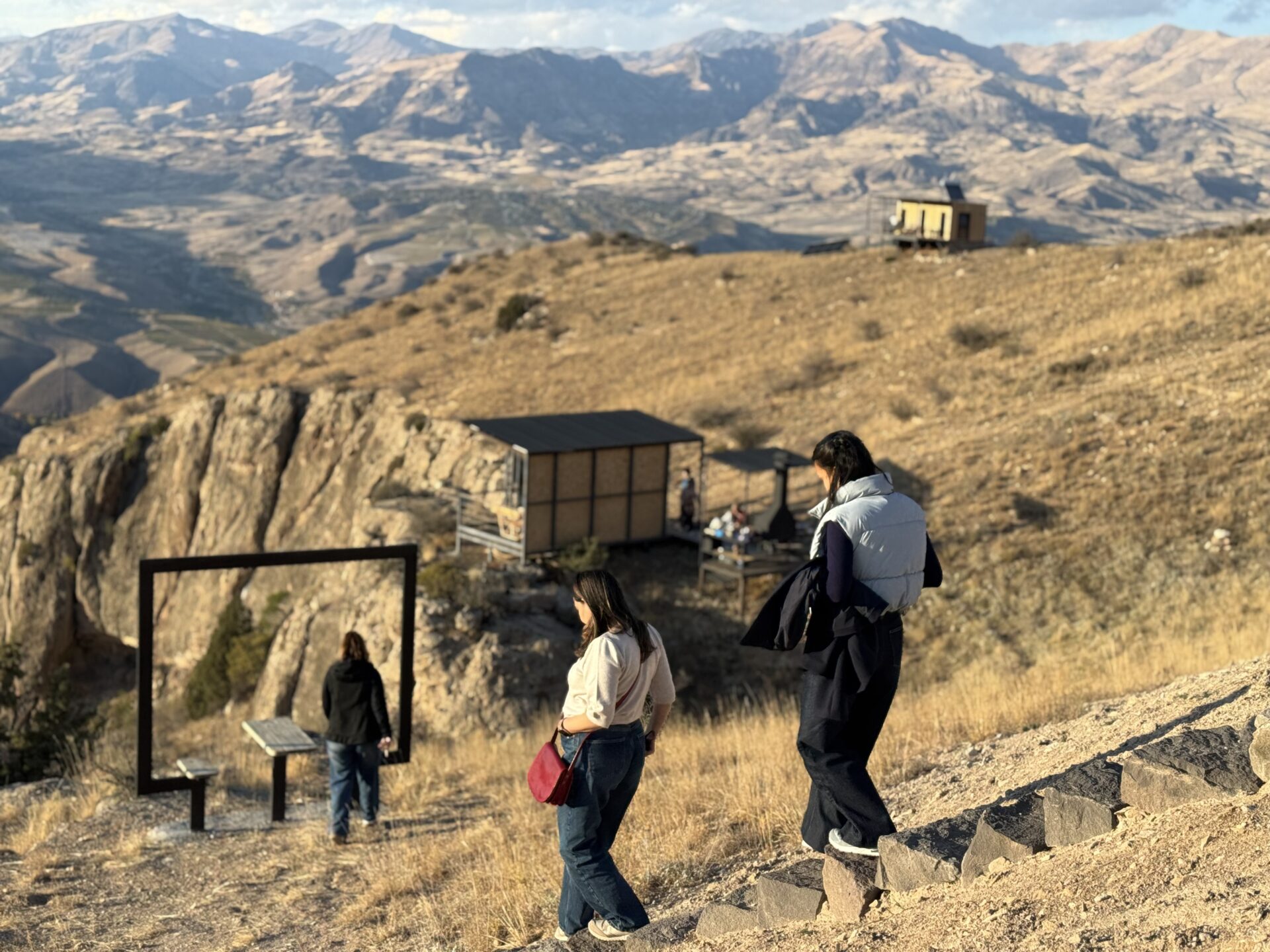
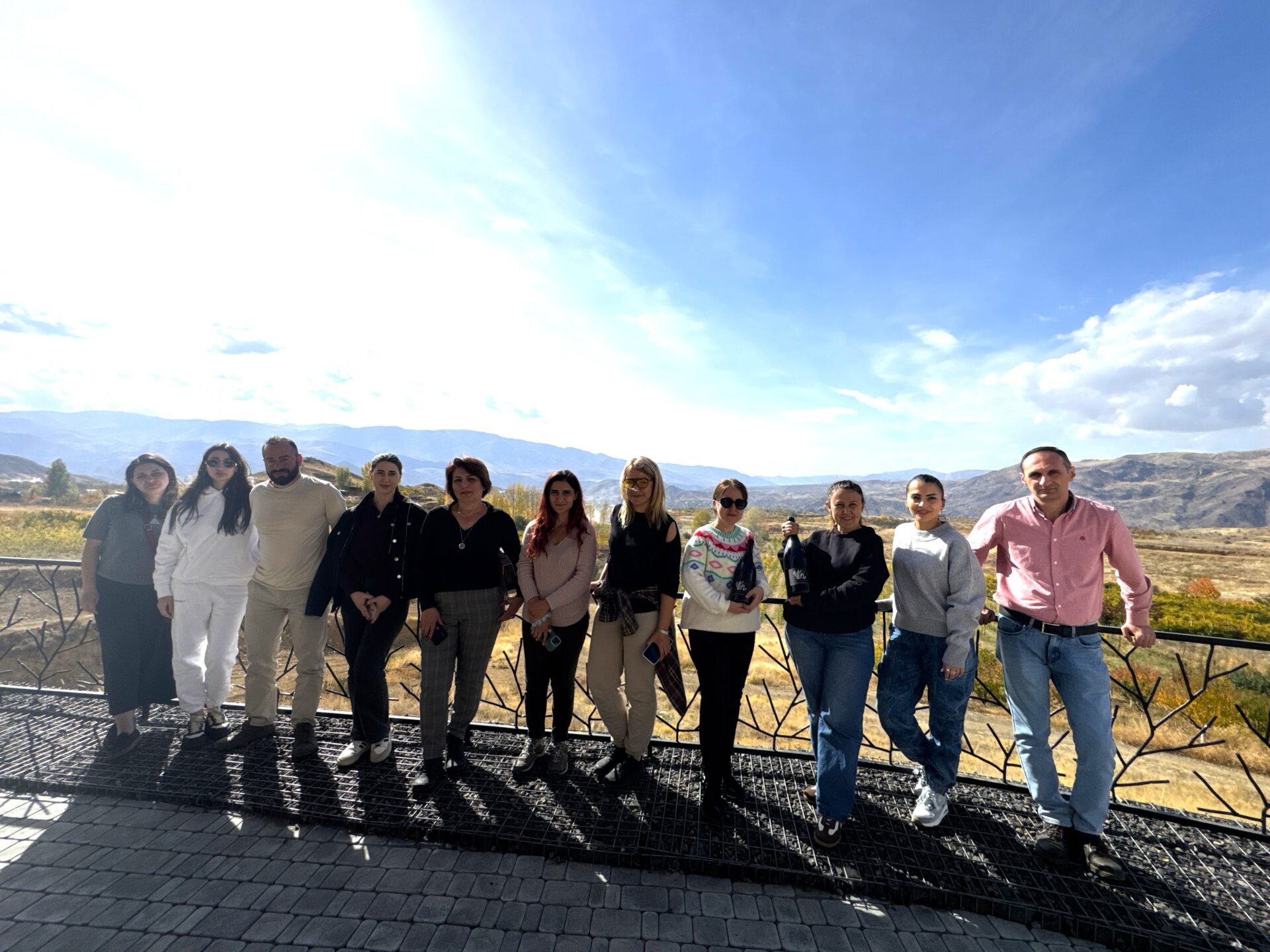
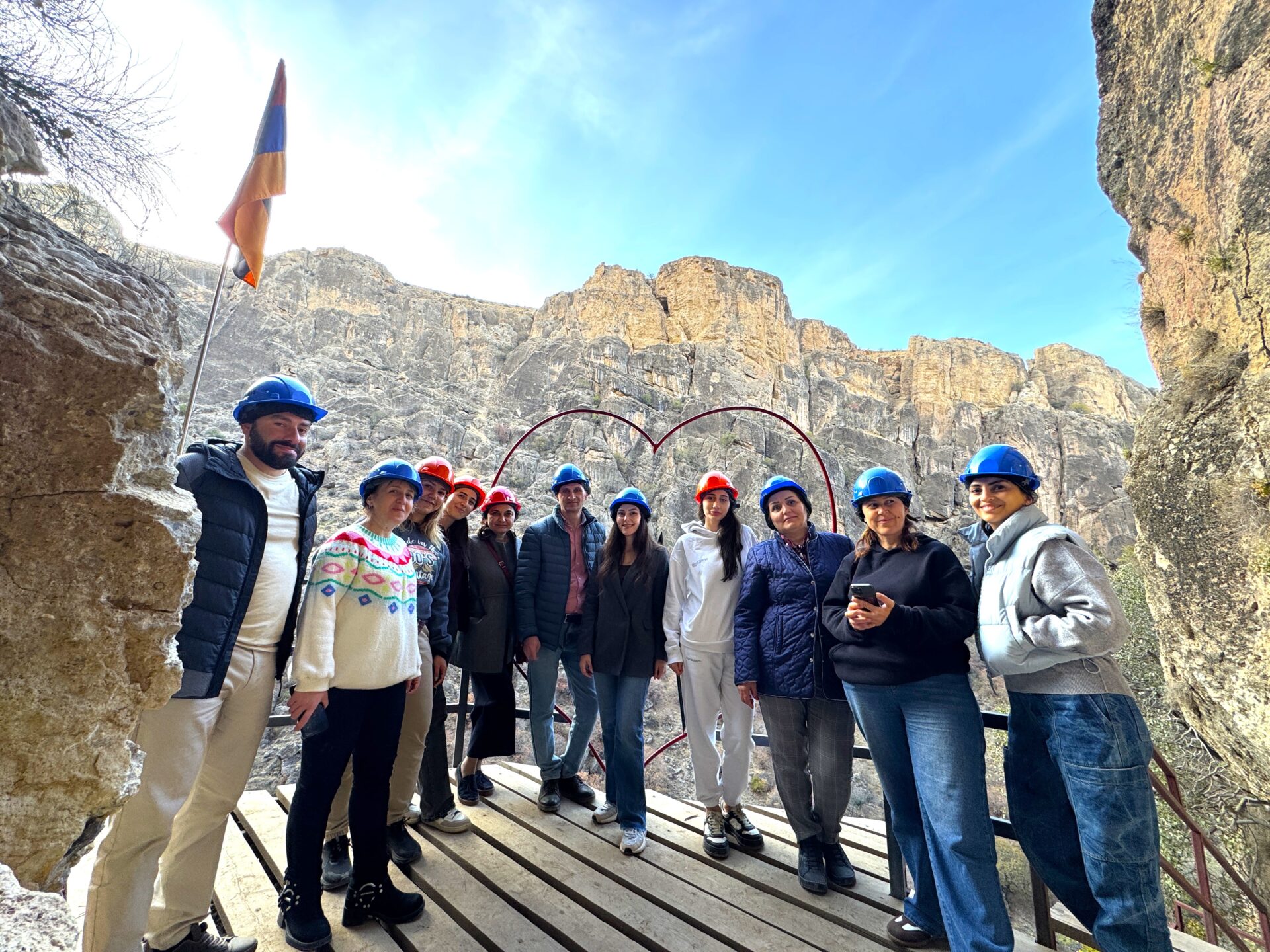
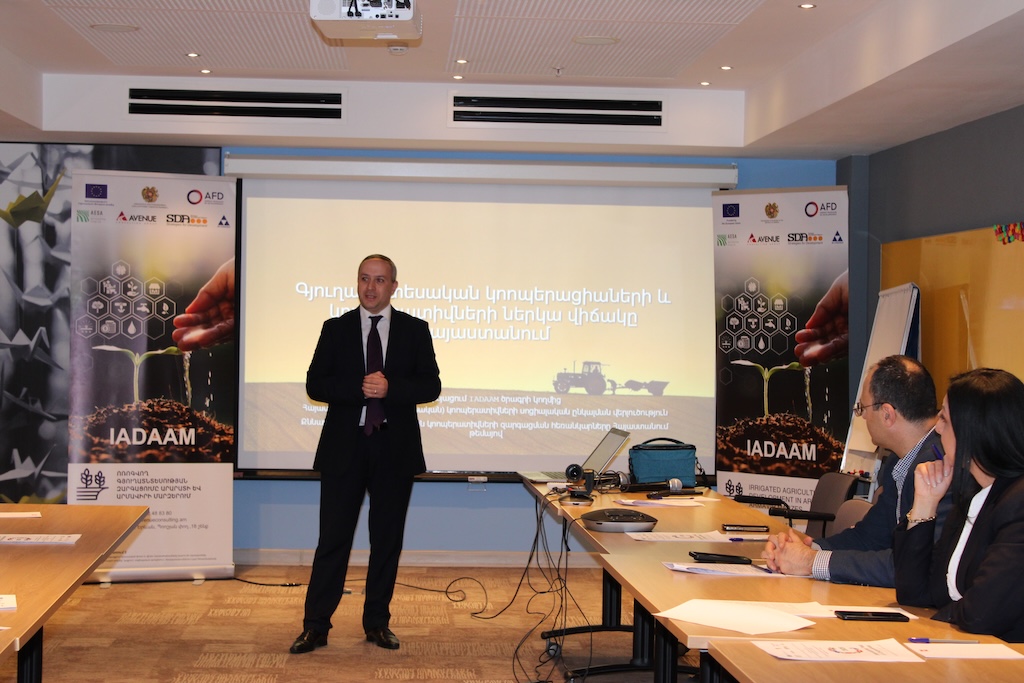
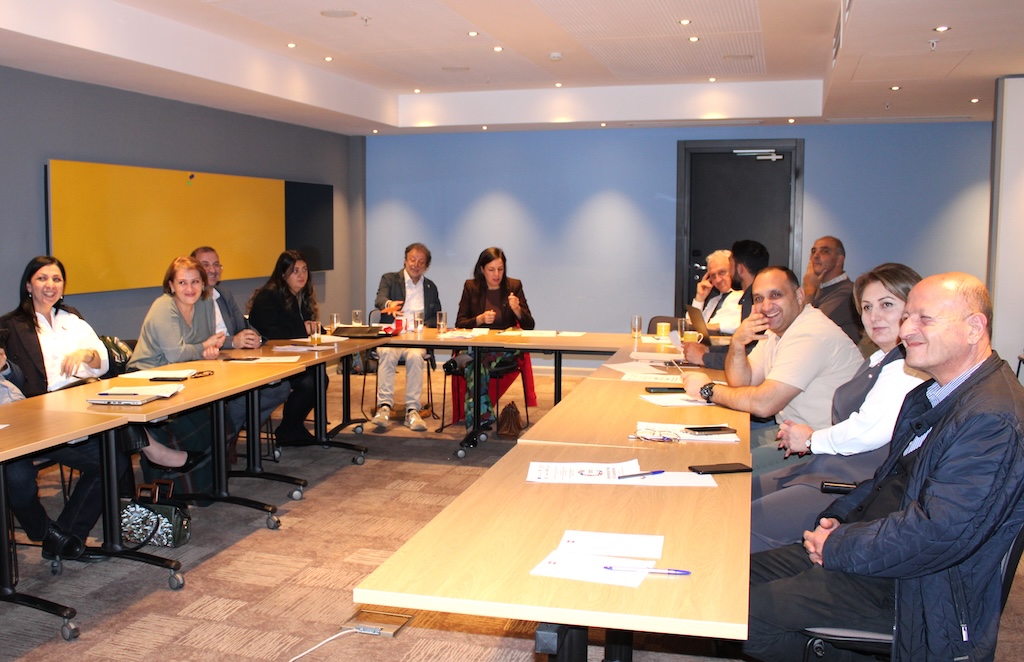
On August 7, the Agricultural Extension Support Team (AEST), established under the IADAAM project, organized a study visit and knowledge exchange for targeted farmers and community representatives from the Ararat and Vedi regions. The visit aimed to showcase best practices in intensive orchard cultivation alongside advanced irrigation technologies.

AEST is an advisory body established within the IADAAM project that works directly within communities, providing demand-driven, localized, and practical agricultural advisory services while promoting innovative and climate-resilient solutions.

During the visit, participants had the opportunity to learn about:

  • Effective management of intensive apricot, mulberry, cherry, and pear orchards
  • Implementation of drip irrigation and reservoir systems
  • Adoption of sustainable and climate-smart agricultural practices
  • Post-harvest storage and cold chain solutions

Through its ongoing activities and the deployment of the AEST advisory system, the IADAAM project contributes to strengthening farmers’ technical and professional capacities, facilitating the adoption of innovative approaches, and providing high-quality advisory services – all aimed at fostering sustainable and competitive agricultural development.

Irrigated Agriculture Development in Ararat and Armavir marzes (IADAAM) project, financed through the European Union (EU) with implementation by the French Development Agency (AFD) is an integrated initiative aimed at transforming irrigated agriculture in Armenia.

Within IADAAM project a technical assistance component is implemented jointly by AESA – Agriconsulting Europe SA, Avenue Consulting Group LLC, Strategic Development Agency NGO and 3R Strategy LLC consortium and aims to provide institutional support to the Ministry of Economy of the Republic of Armenia (MoE) in the formulation of agricultural policies and reforms in priority areas, provide technical support to the MoE in the implementing project activities, ensure communication and reporting for the IADAAM project.

Uncategorized

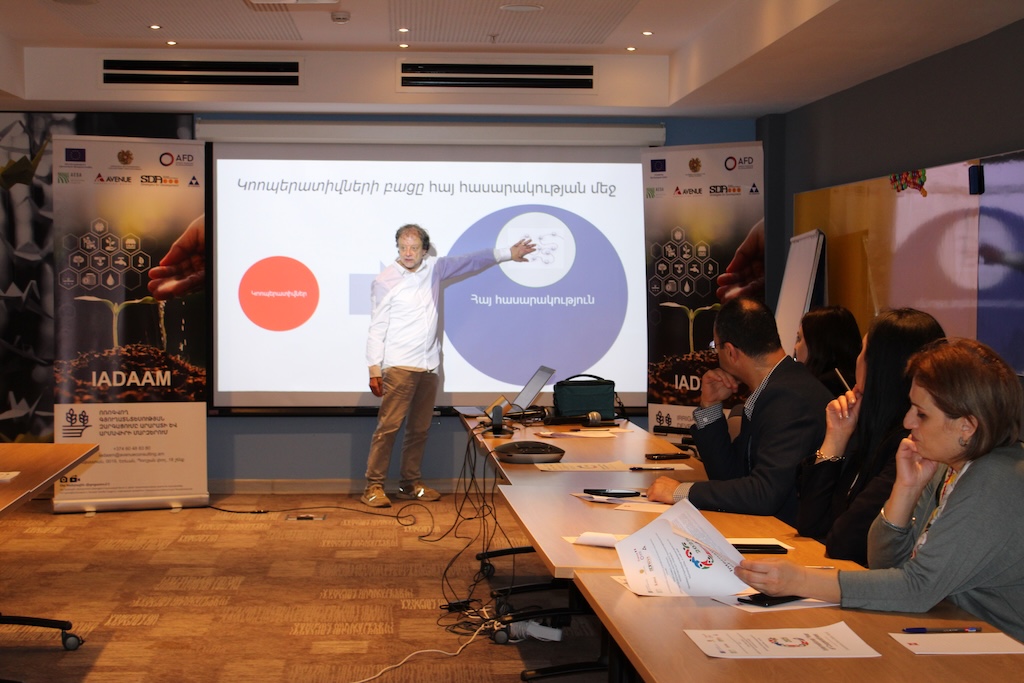
IADAAM’s Vision: Building Cooperatives for Sustainable Development

Within the framework of the “Irrigated Agriculture Development in Ararat and Armavir Marzes” (IADAAM) Project, we recognize that agricultural cooperatives are a vital approach for transforming rural livelihoods and accelerating sustainable agricultural development in Armenia.

Our vision is to promote the formation and strengthening of modern, inclusive, and accountable cooperatives that empower farmers to act collectively – enhancing their productivity, strenghtening bargaining power and access to markets, and increasing resilience to climate challenges.

IADAAM is committed to:

  • Supporting farmers and rural stakeholders in organizing around shared goals
  • Providing tailored training and advisory services to strengthen cooperative governance and management
  • Facilitating access to legal and financial frameworks for cooperative development
  • Promoting joint investments in infrastructure, inputs, processing, and marketing
  • Encouraging the adoption of sustainable, climate-smart practices through collective action

We do not view cooperatives as short-term projects, but as long-term institutions that can foster trust, innovation, and inclusive growth across rural communities.

Why this matters for smallholder farmers:

In Armenia, the majority of farmers are smallholders managing limited plots of land. These farmers often face challenges such as limited access to markets, credit, modern technologies, and extension services. By coming together through cooperatives, smallholders can pool resources, lower production costs, and increase their voice in decision-making processes – ultimately improving their livelihoods and economic security. Cooperatives can be a game-changer for unlocking opportunities that would otherwise remain out of reach for individual farmers.

This approach is guided by the belief that cooperatives should serve as engines of inclusive development, placing people, sustainability, and shared prosperity at the center of agricultural progress.

Cooperatives for Sustainable Development means building structures that go beyond profit – structures that serve the community, protect the environment, and create a better future for generations to come.

Irrigated Agriculture Development in Ararat and Armavir marzes (IADAAM) project, financed through the European Union (EU) with implementation by the French Development Agency (AFD) is an integrated initiative aimed at transforming irrigated agriculture in Armenia.

Within IADAAM project a technical assistance component is implemented jointly by AESA – Agriconsulting Europe SA, Avenue Consulting Group LLC, Strategic Development Agency NGO and 3R Strategy LLC consortium and aims to provide institutional support to the Ministry of Economy of the Republic of Armenia (MoE) in the formulation of agricultural policies and reforms in priority areas, provide technical support to the MoE in the implementing project activities, ensure communication and reporting for the IADAAM project.

Uncategorized

SEIRA Short-Term Training on “Best Practices in Pig Farming” in Syunik

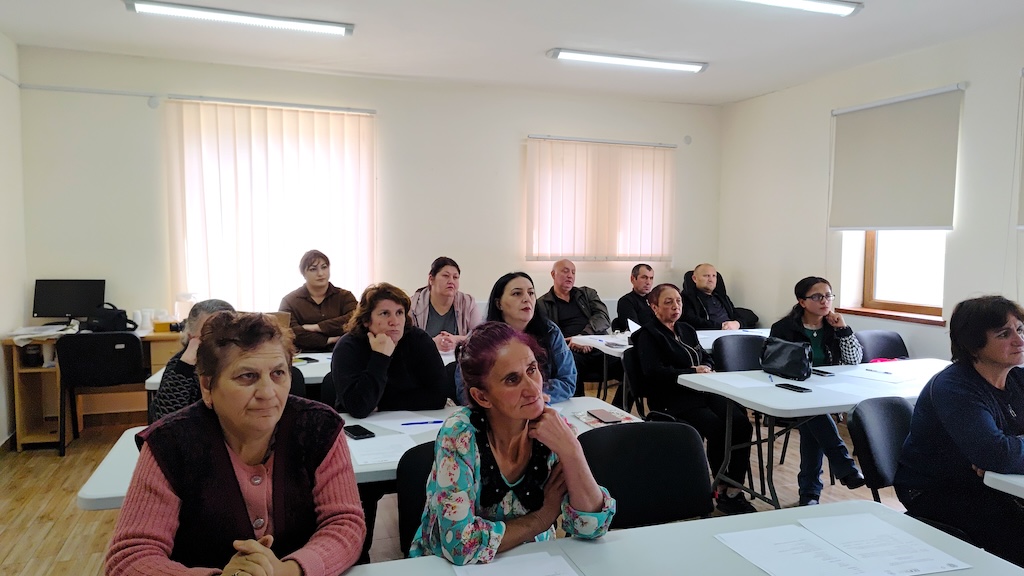
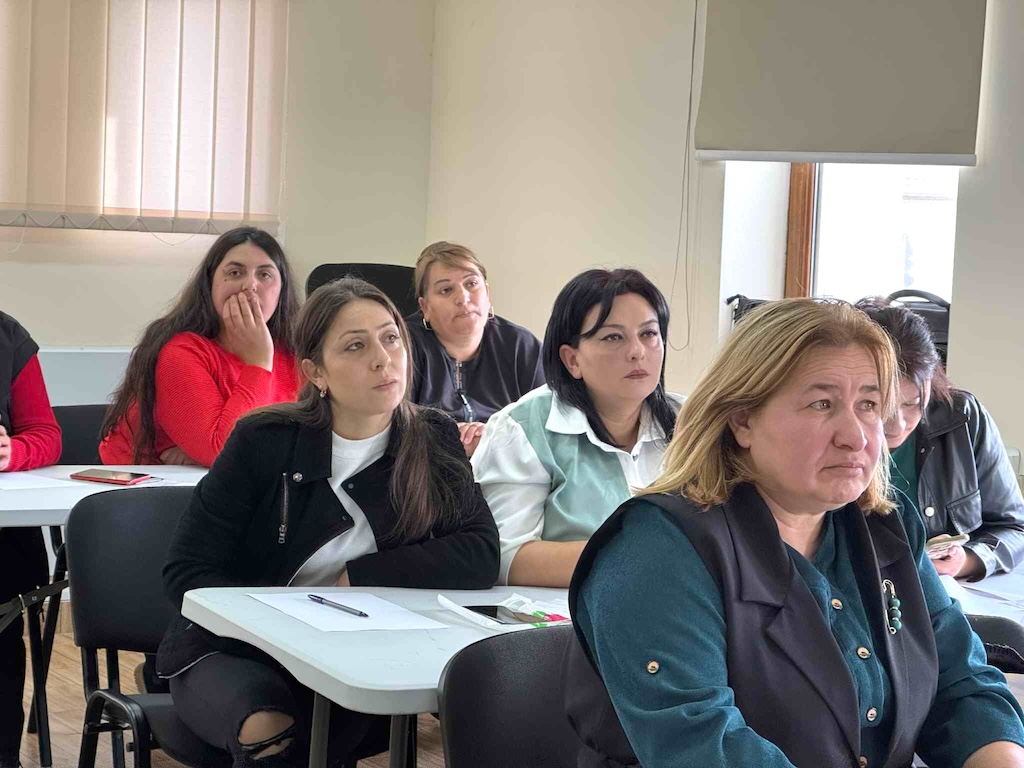
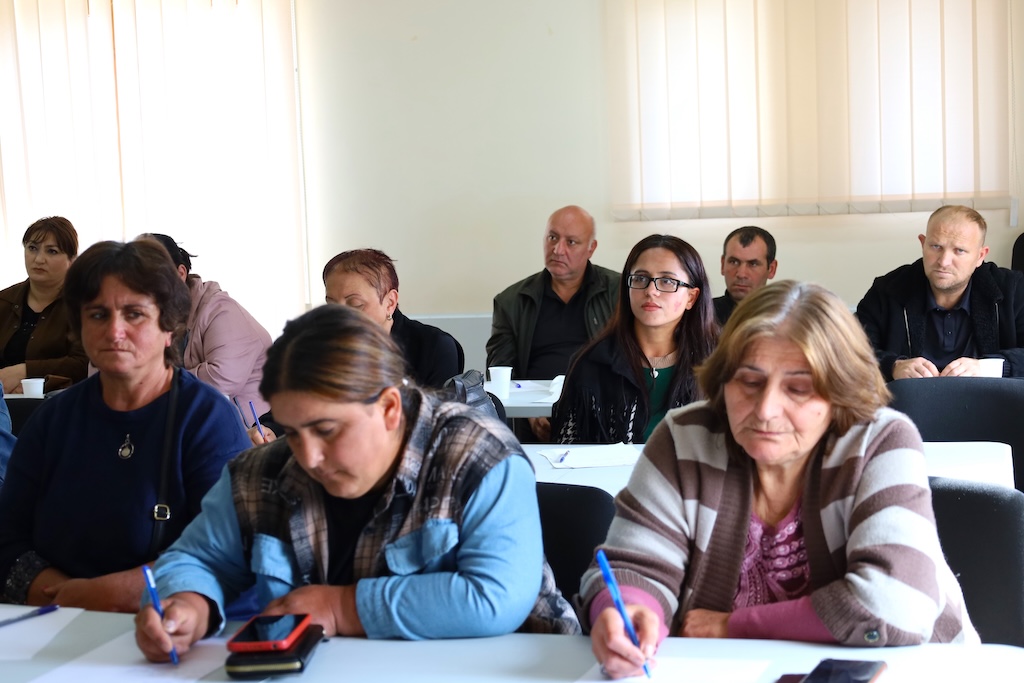
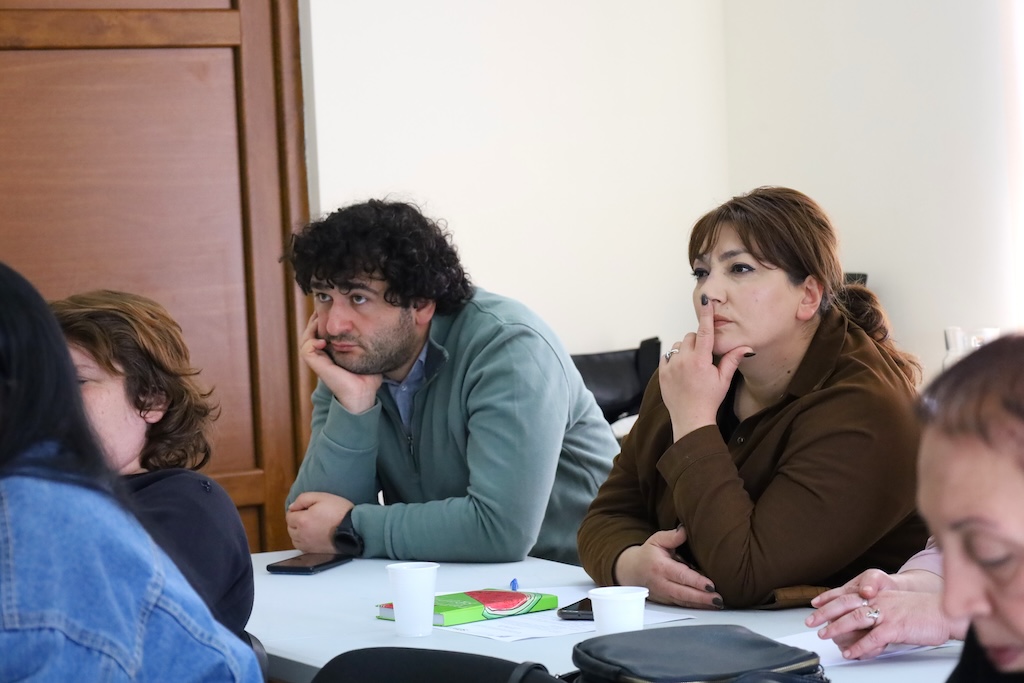
Within the framework of the “Socio-Economic Integration of Refugees in Armenia” (SEIRA) project, a short-term training on “Best Practices in Pig Farming” took place on July 24 at the information center of the “The Ranch” social enterprise. The training was designed for forcibly displaced people from Artsakh, who have resettled in the Goris enlarged community of the Syunik region.

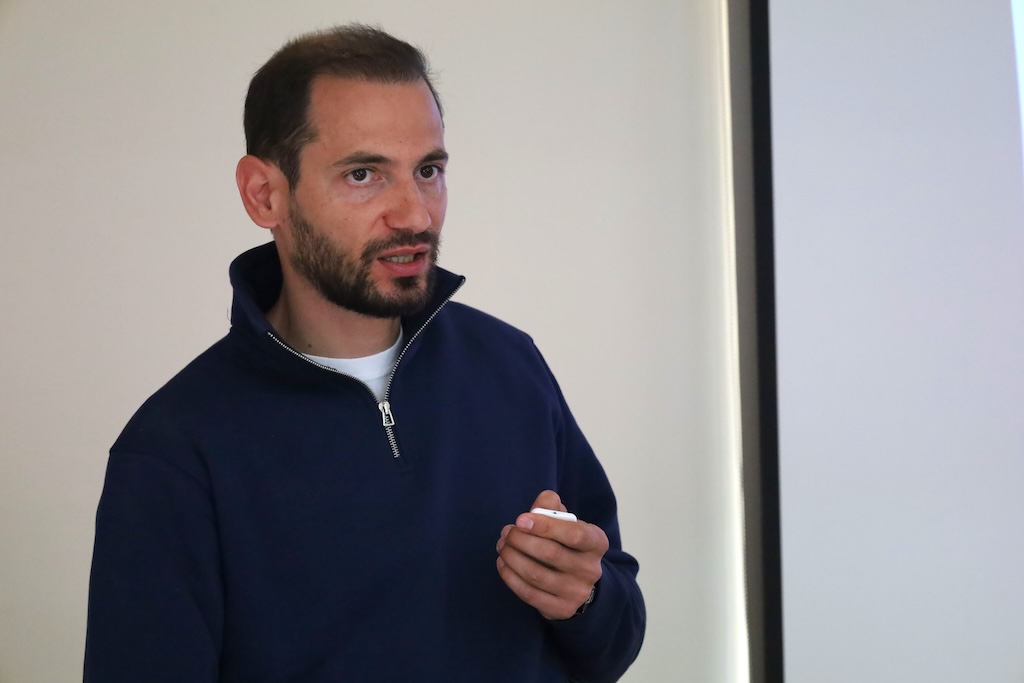
Trainer Areg Sarukhanyan provided an in-depth overview of the opportunities for pig farming development in Syunik, highlighting the ongoing programs and the best practices currently being implemented. He also shared successful examples of local pig farms, which can serve as a source of inspiration and motivation for the displaced participants.

The “Socio-Economic Integration of Refugees in Armenia” (SEIRA) project fosters socio-economic integration by improving food security, creating sustainable livelihoods, and empowering both refugees and host communities in Armenia, promoting resilience and economic growth through agricultural and business development.

The SEIRA project is funded by the Swiss Agency for Development and Cooperation and implemented by the “Strategic Development Agency” NGO and the UN World Food Programme.

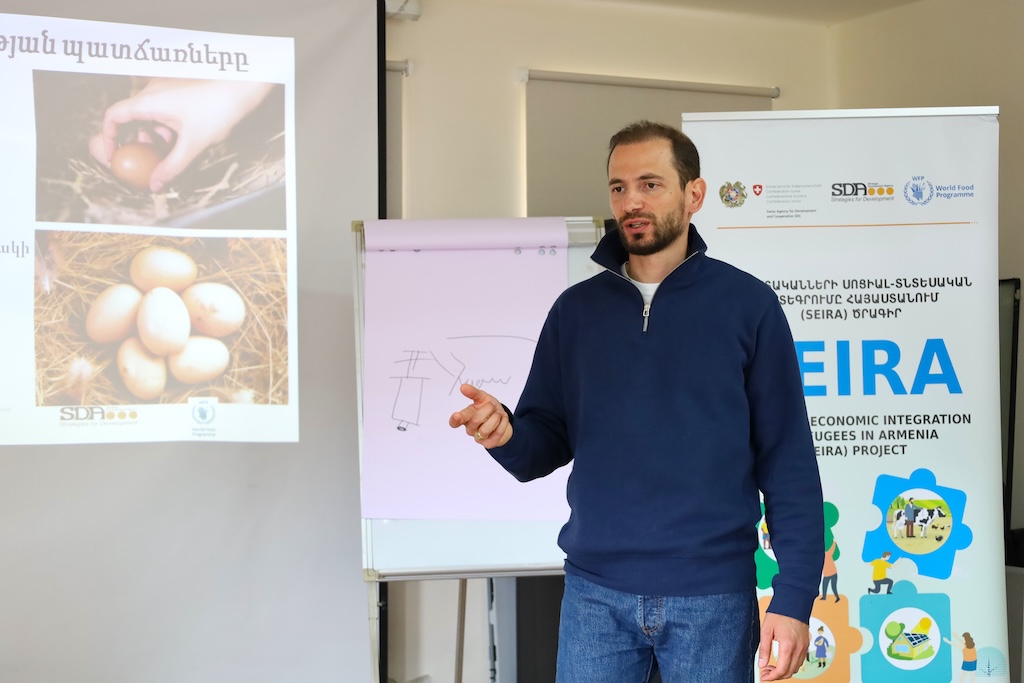
MAVETA Poultry Farming Training for Displaced People from Artsakh

Within the framework of the “Modernizing Vocational Education and Training in Agriculture in Armenia 2022–2025” (MAVETA) project, a short-term training course on the “Peculiarities of Poultry Farming in Small‑Scale Farms” was held at the Information Ceneter of The Ranch Social Enterprise in Syunik Marz on July 23–24, for the forcibly displaced people from Artsakh who have since settled in Syunik and Vayots Dzor marzes.

The course was led by Mikael Haykuni, an expert in animal health and breeding, and aimed to equip participants with practical, region‑adapted knowledge.

Participants received detailed instruction on:

  • Key characteristics of Armenia’s poultry sector, including typical products and emerging trends.
  • High‑performing poultry breeds suited to small farms in Armenia.
  • Best practices for daily care, feeding regimens, and nutritional management.
  • Essential biosecurity protocols and preventive health measures, with a focus on vaccination strategies.

This training reflects MAVETA’s mission to enhance sustainable agricultural livelihoods and promote inclusive vocational education—particularly for vulnerable groups such as displaced persons in rural communities.

The MAVETA project is funded by a broad coalition of international and local organizations led by the Swiss Agency for Development and Cooperation (SDC), including the Austrian Development Agency, the German Ministry for Economic Cooperation and Development (BMZ), the Government of Armenia, the Swiss Church Aid (HEKS/EPER) NGO, Izmirlian Foundation, the Strategic Development Agency (SDA) NGO and Vanand Agro CJSC.

The project’s implementing partners are the GIZ and HEKS/EPER with the involvement of SDA and the School of Agricultural, Forest and Food Sciences at the Bern University of Applied Sciences (HAFL).