


IADAAM Mapping Stakeholders, Cultivating Impact: AEST and MoE Teams Build New Skills

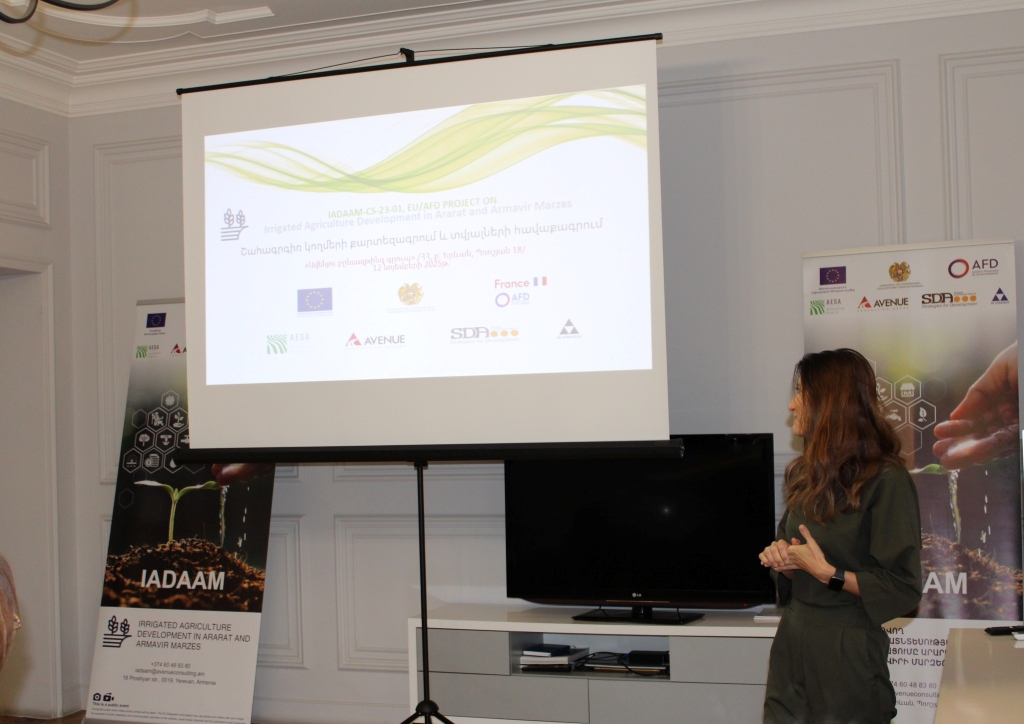
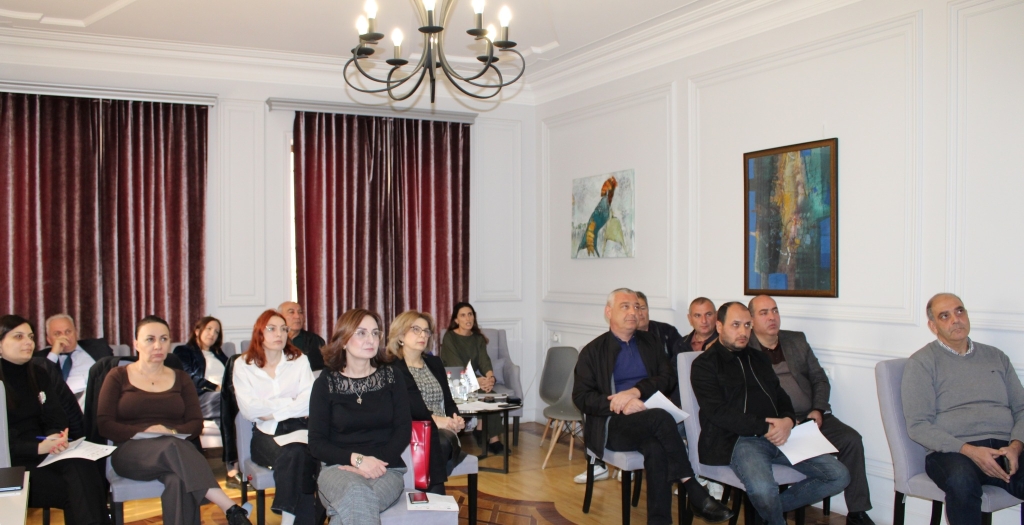
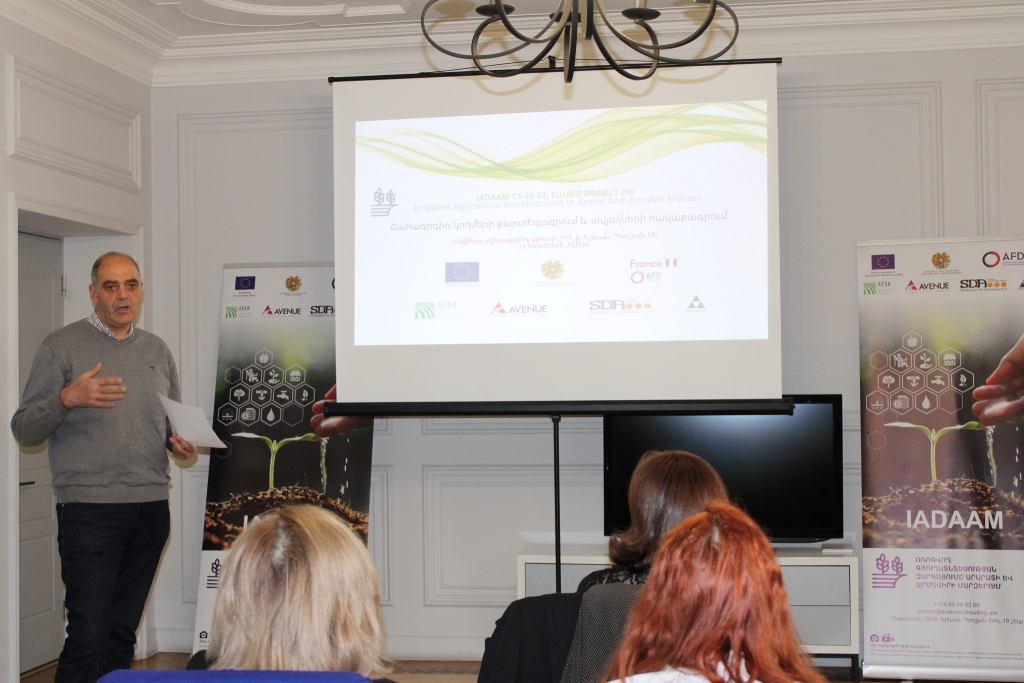
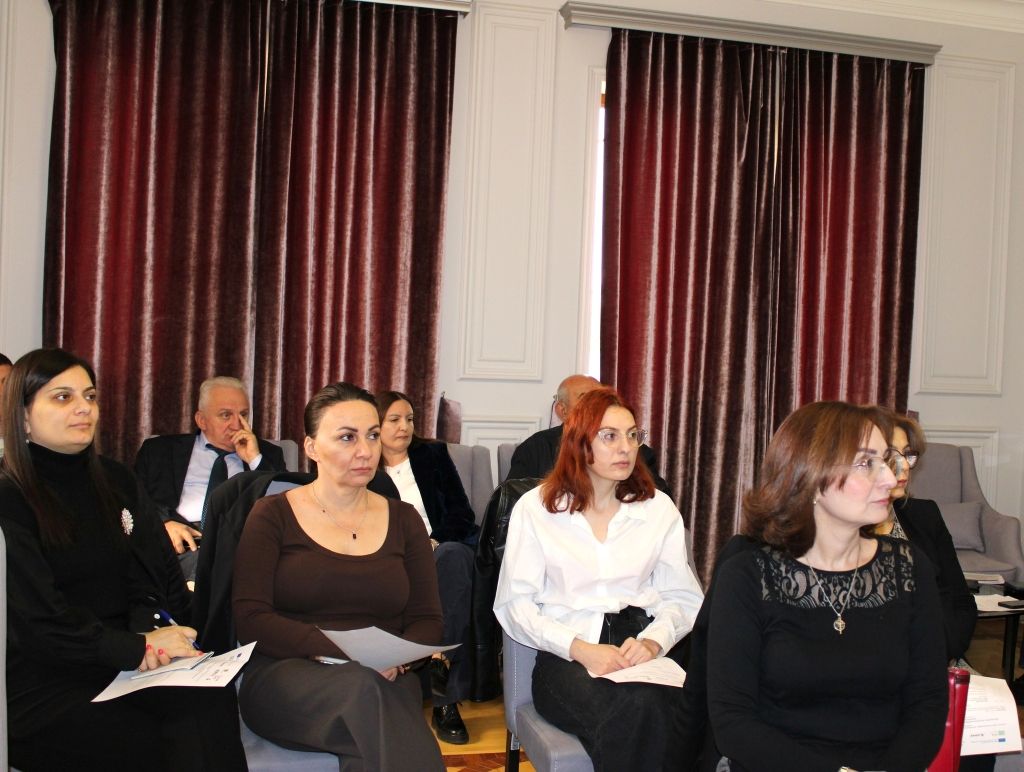
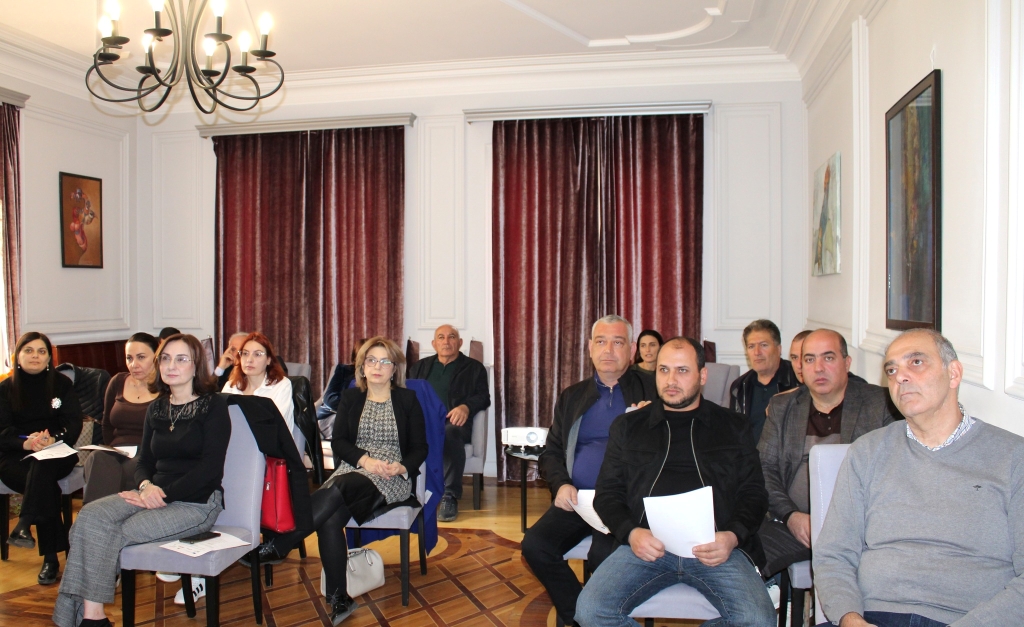
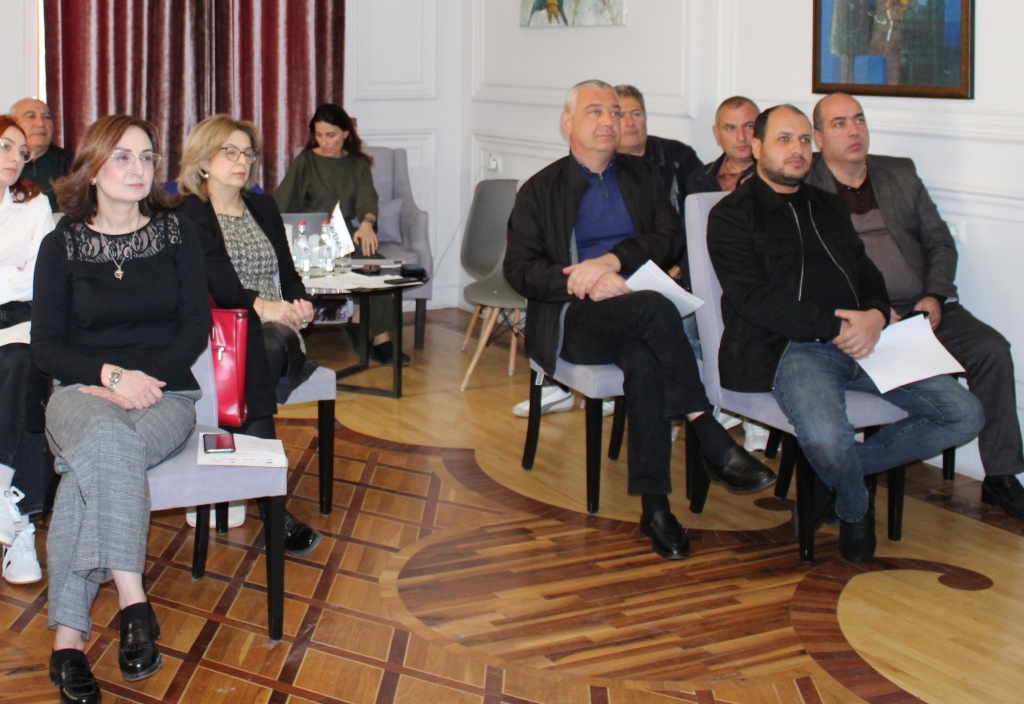
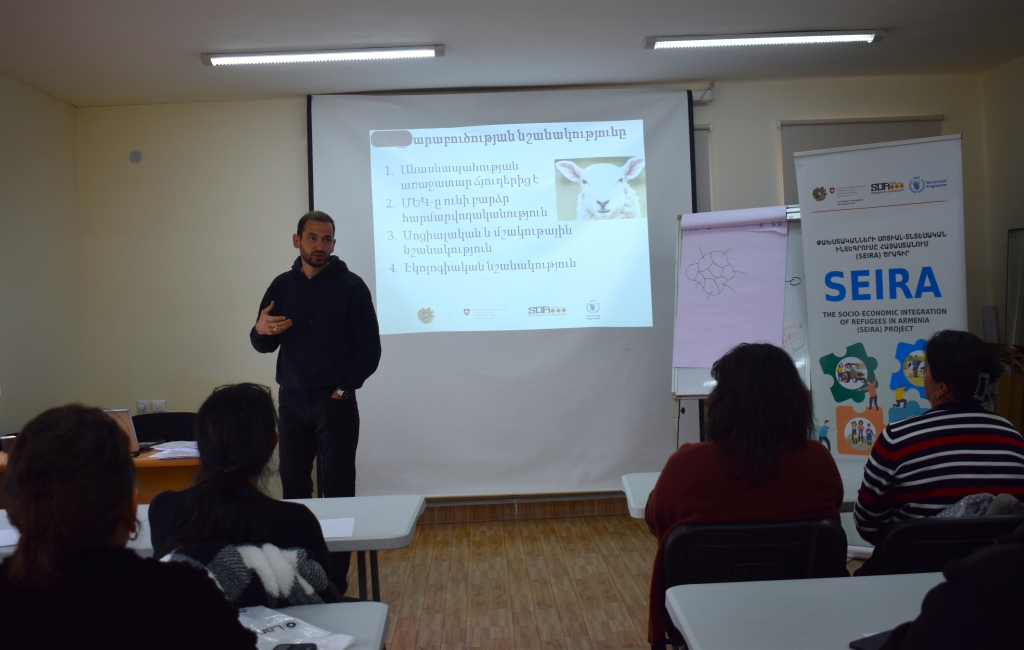
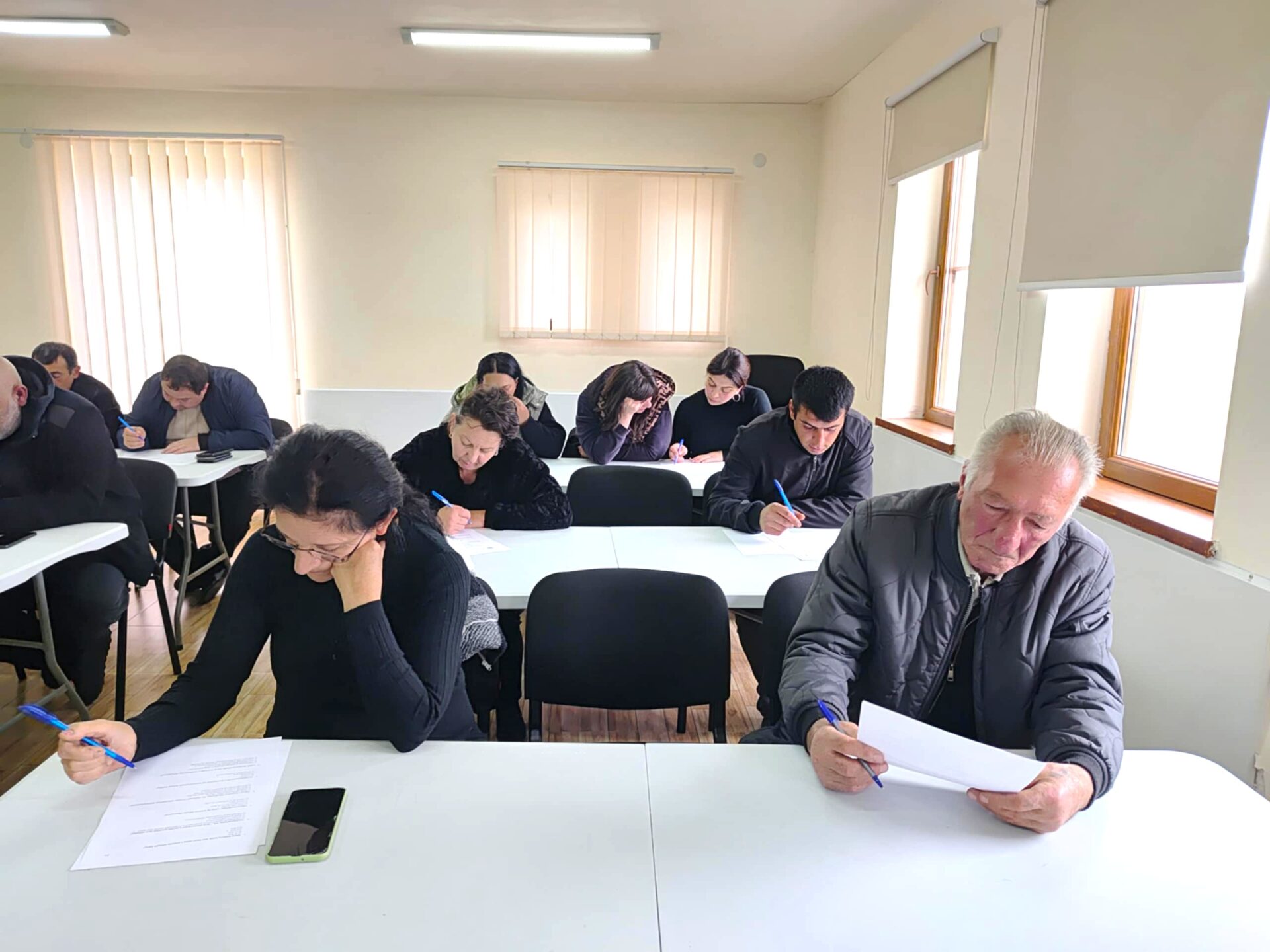
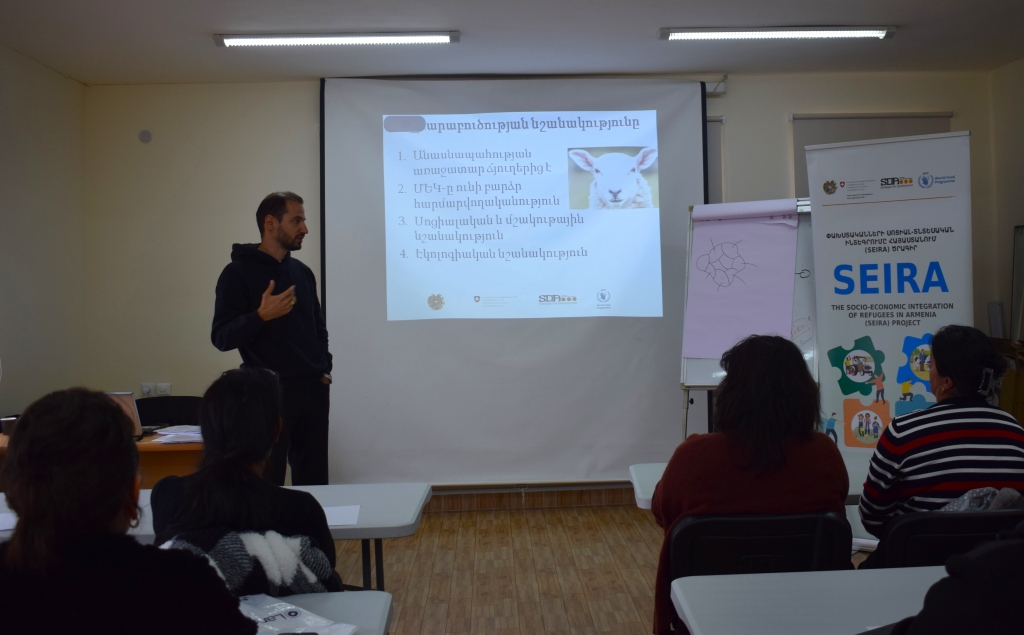
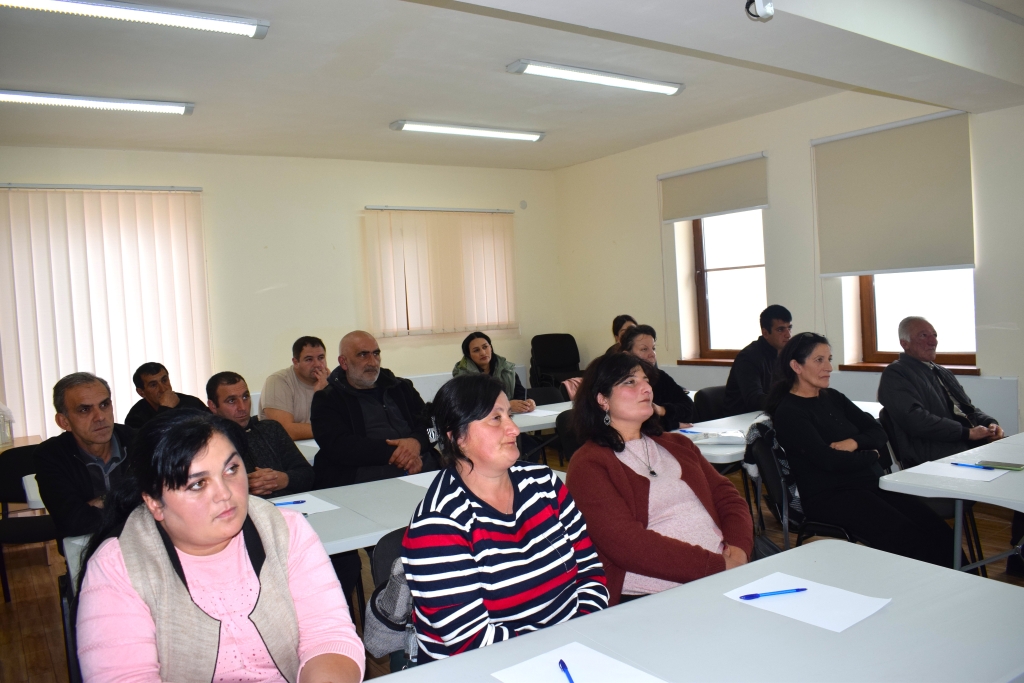
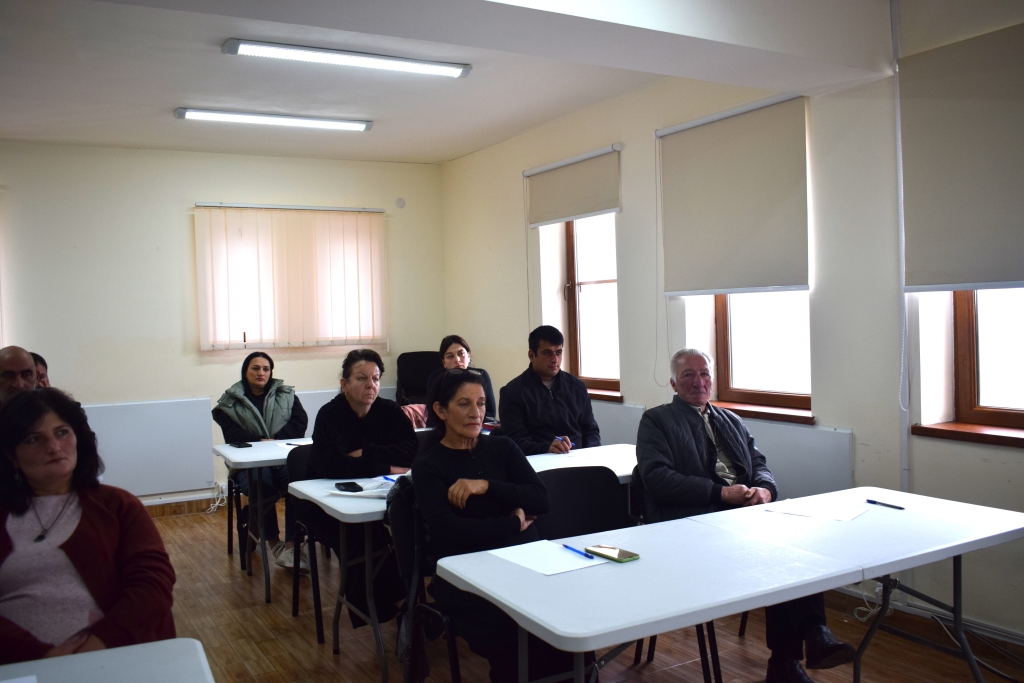
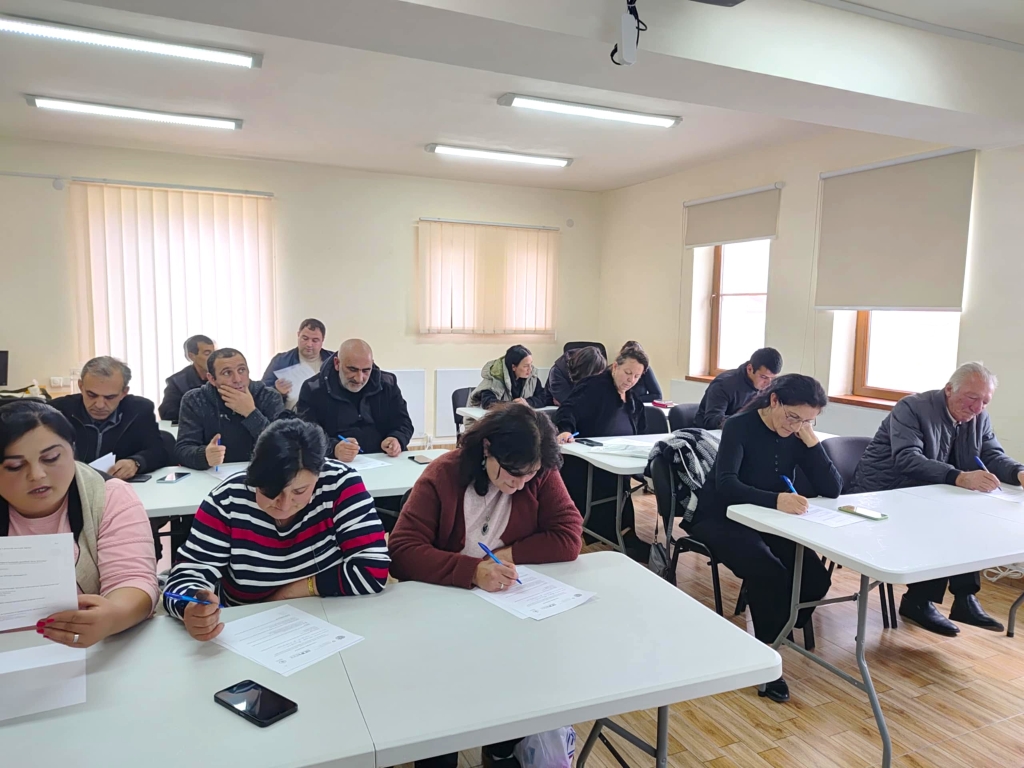
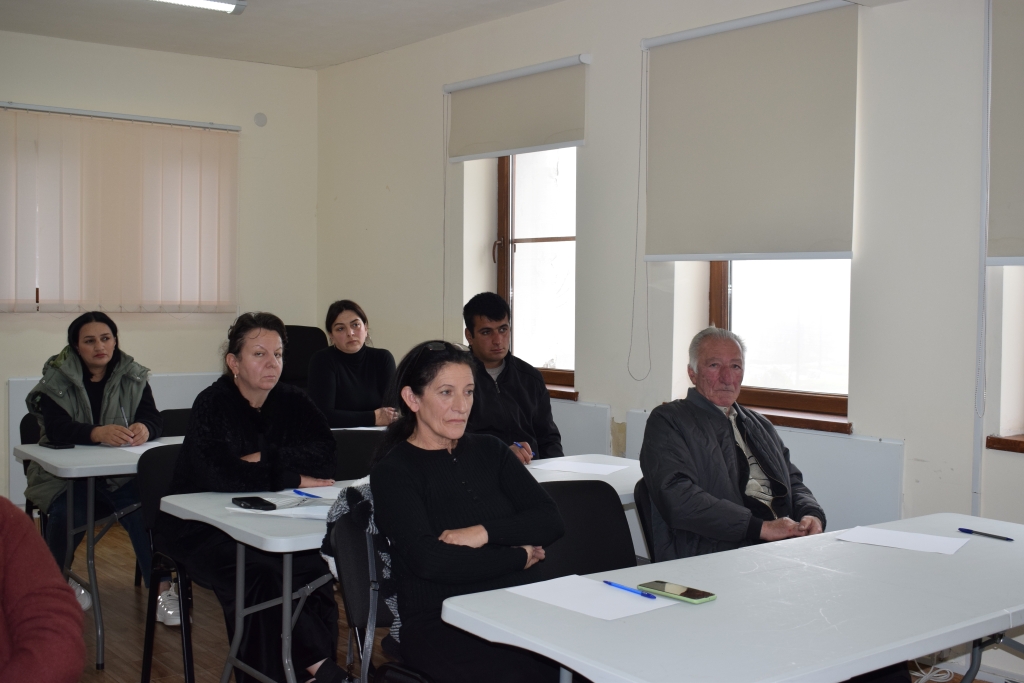
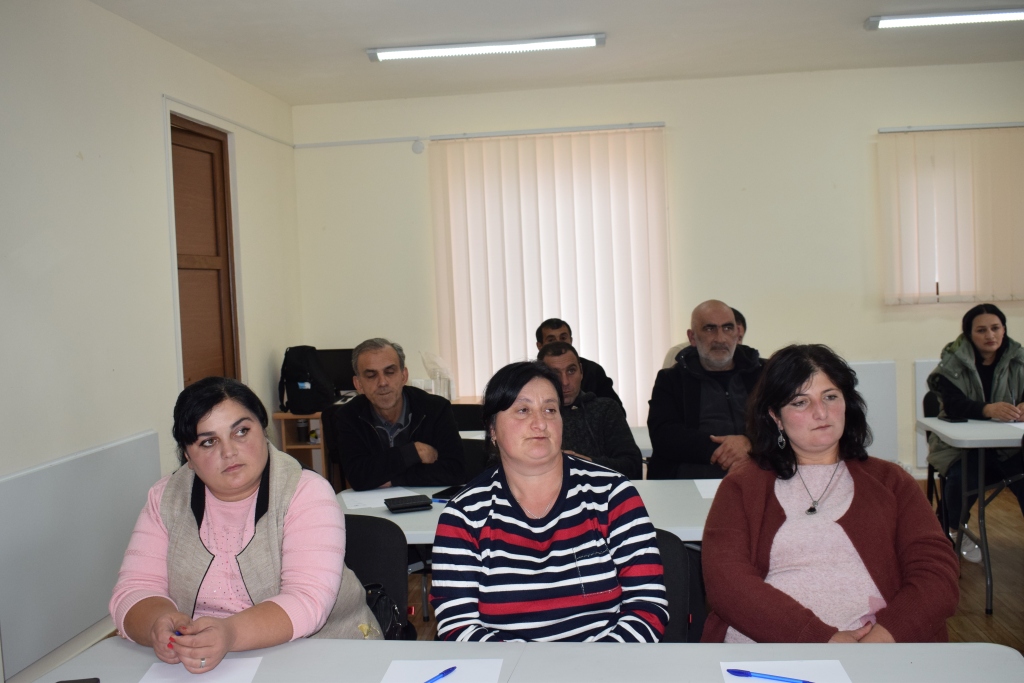
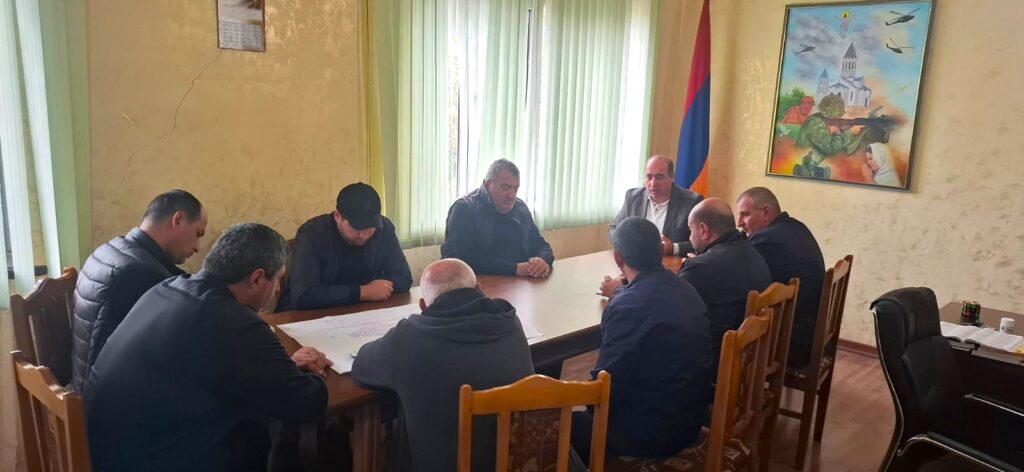
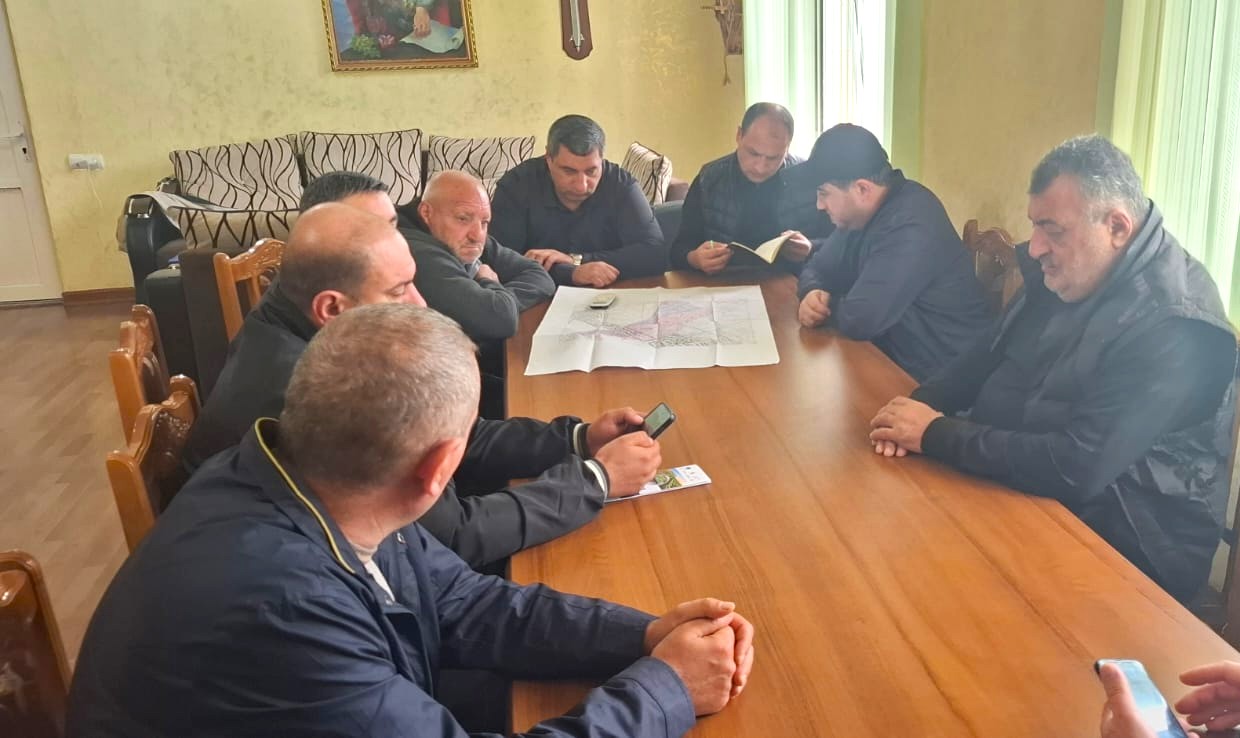
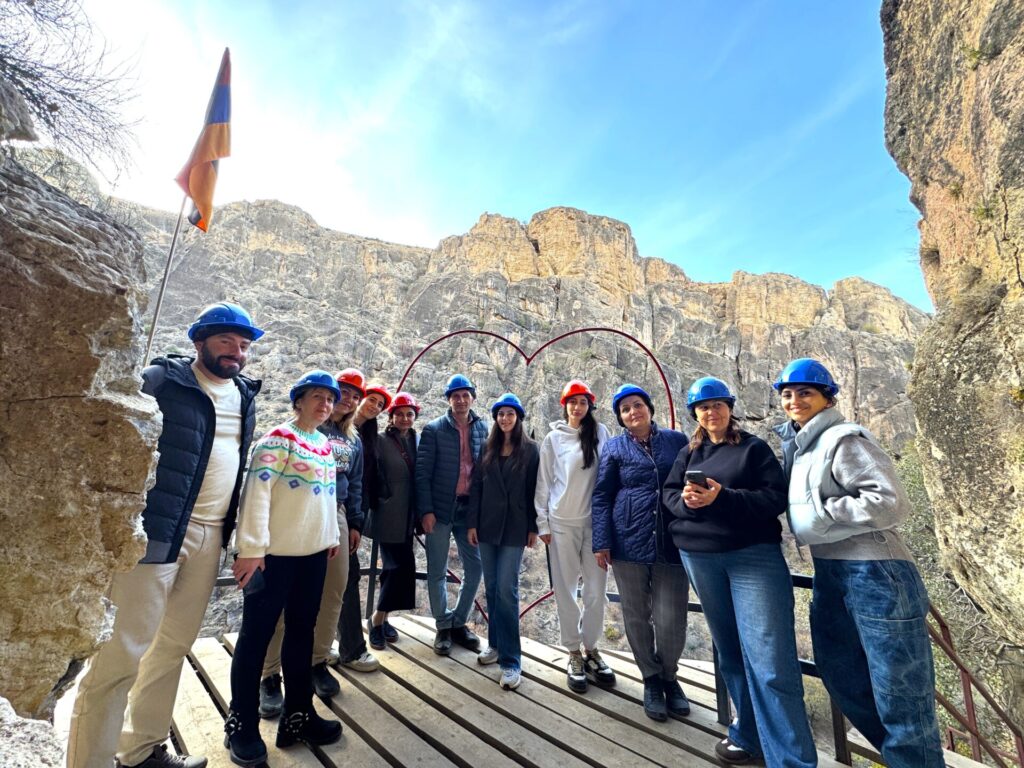
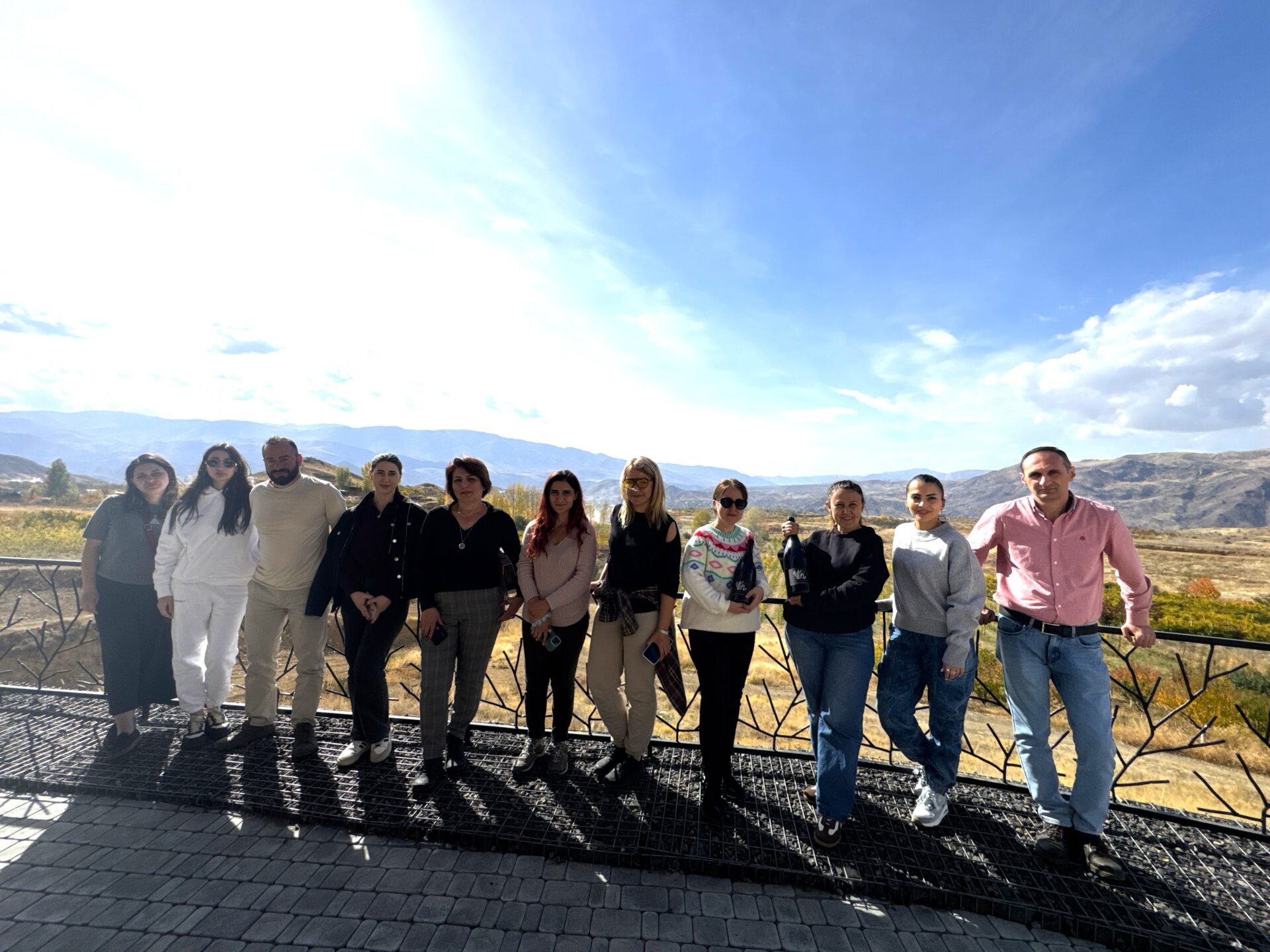
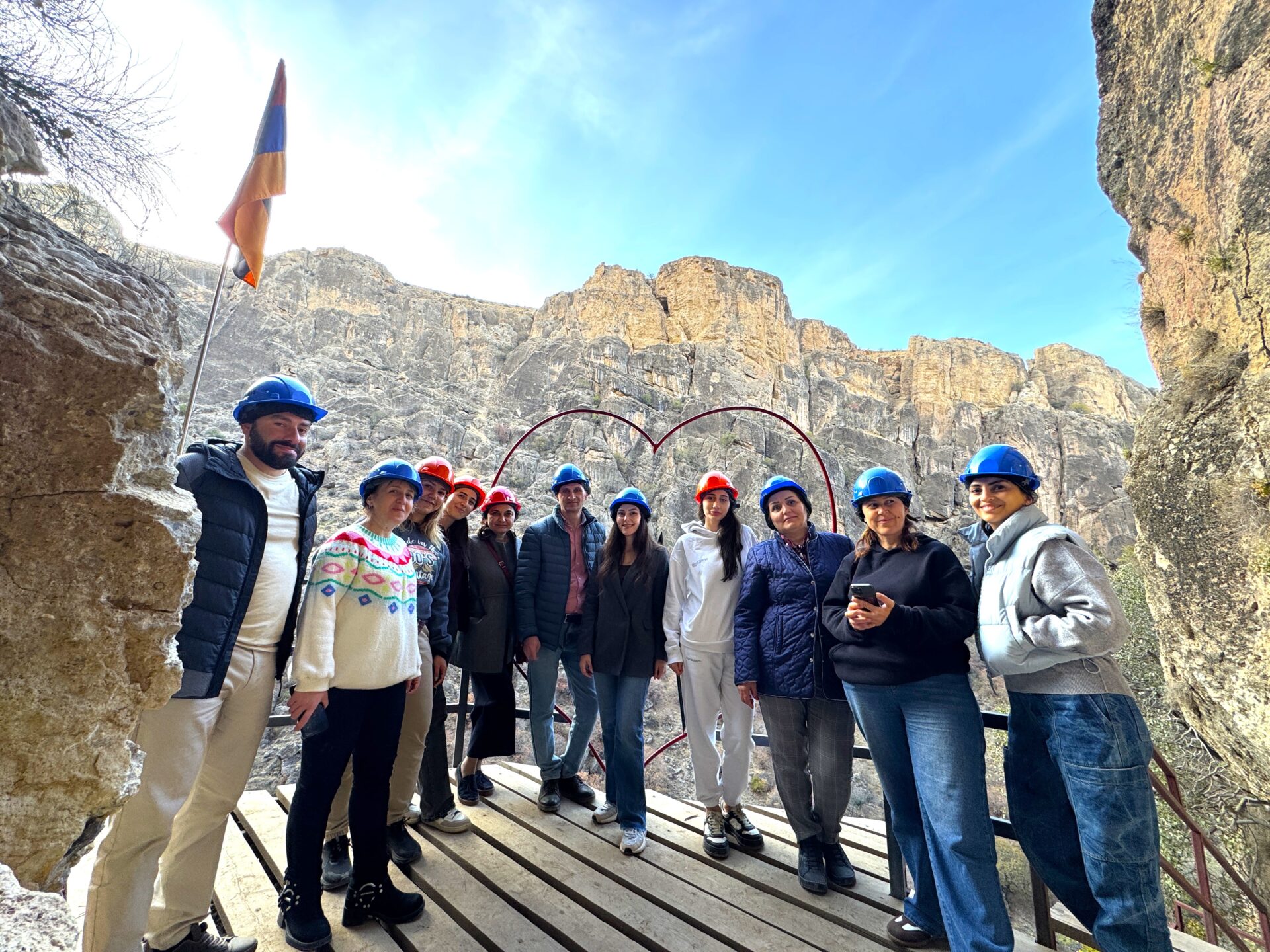
On November 12, 2025, the “Irrigated Agriculture Development in Ararat and Armavir Marzes (IADAAM)” Project organized a training session on “Stakeholder Mapping and Data Collection.”
The training, led by Anna Sargsyan, Monitoring and Evaluation Expert of the IADAAM Project, brought together representatives of the Agricultural Extension Support Team (AEST) and the Ministry of Economy of the Republic of Armenia (MoE).
The training focused on strengthening participants’ understanding of stakeholder mapping as a dynamic and ongoing process essential for effective project implementation. It covered key principles, approaches, and methodologies for identifying, analyzing, and classifying stakeholders, as well as techniques for data collection and analysis relevant to the project’s objectives.
By fostering collaboration and innovation, the session equipped AEST and MoE teams to drive evidence-based change in Armenia’s irrigated agriculture sector.
The Irrigated Agriculture Development in Ararat and Armavir Marzes (IADAAM) project, financed by the European Union (EU) and implemented with the support of the French Development Agency (Agence Française de Développement), aims to transform irrigated agriculture in Armenia.
Implemented by the Ministry of Economy of the Republic of Armenia, the project’s technical assistance is provided by a consortium comprising AESA – Agriconsulting Europe SA, Avenue Consulting Group LLC, Strategic Development Agency NGO, and 3R Strategy LLC, with the aim of strengthening agricultural policy and advancing sector reforms.