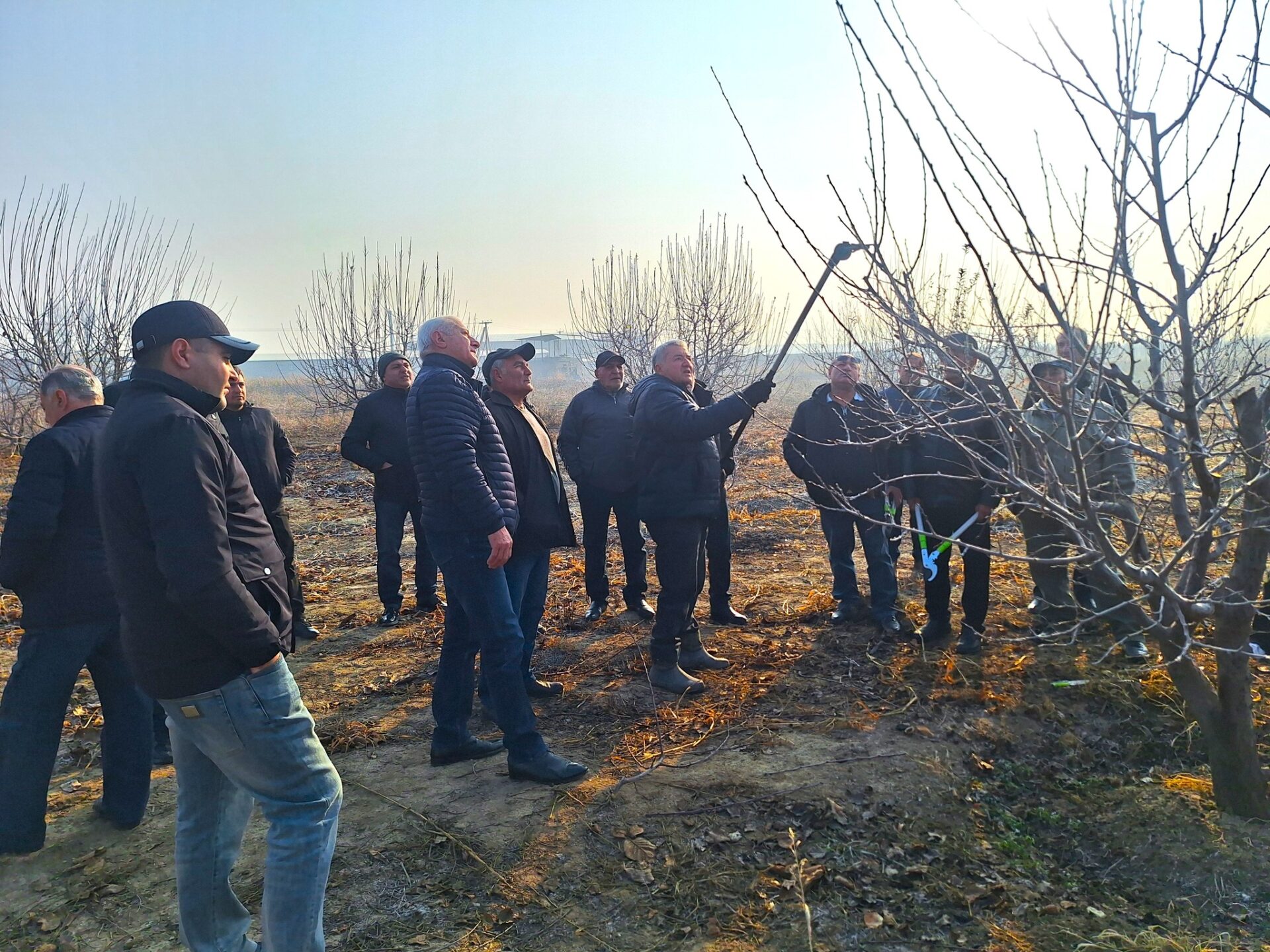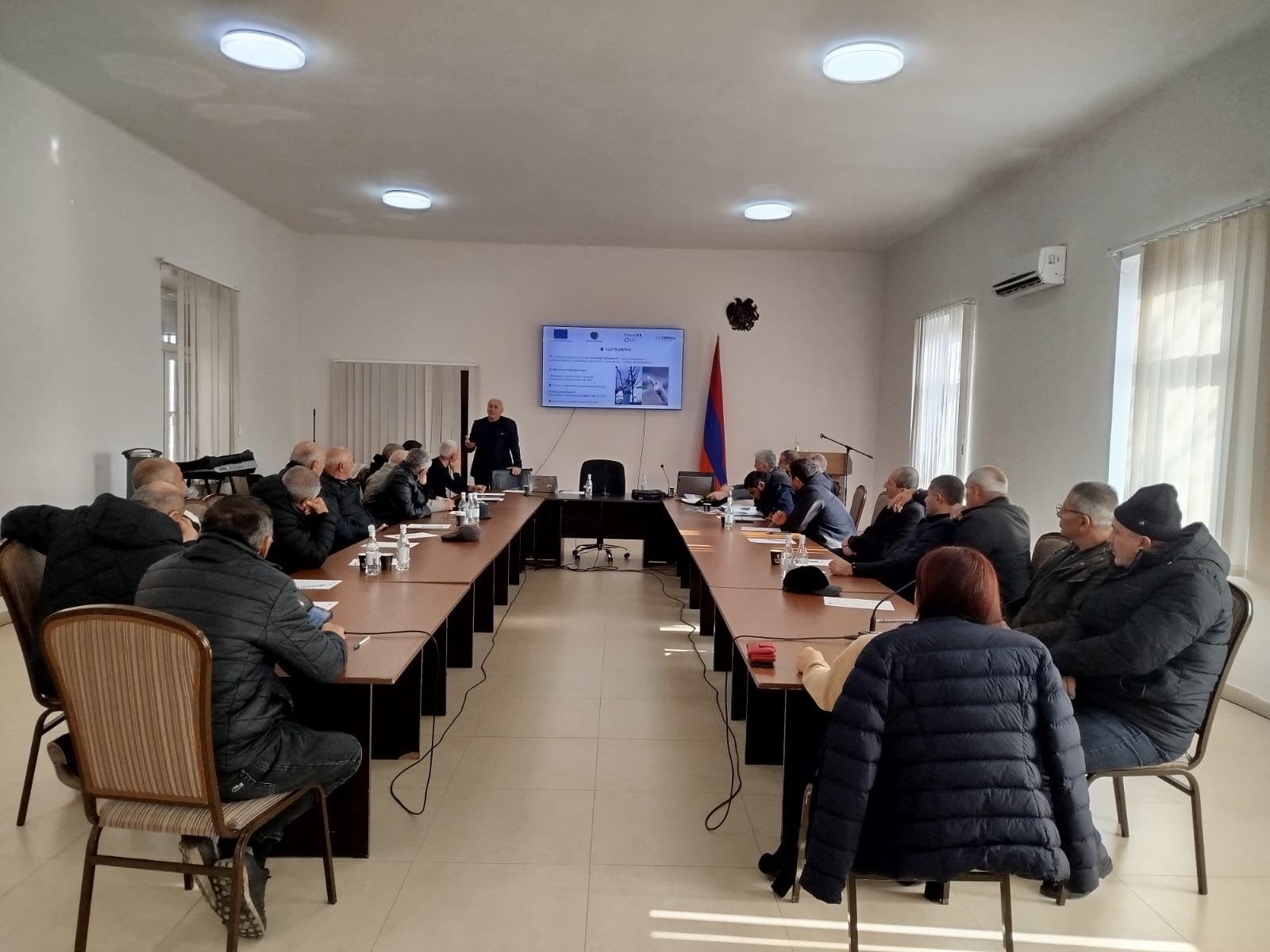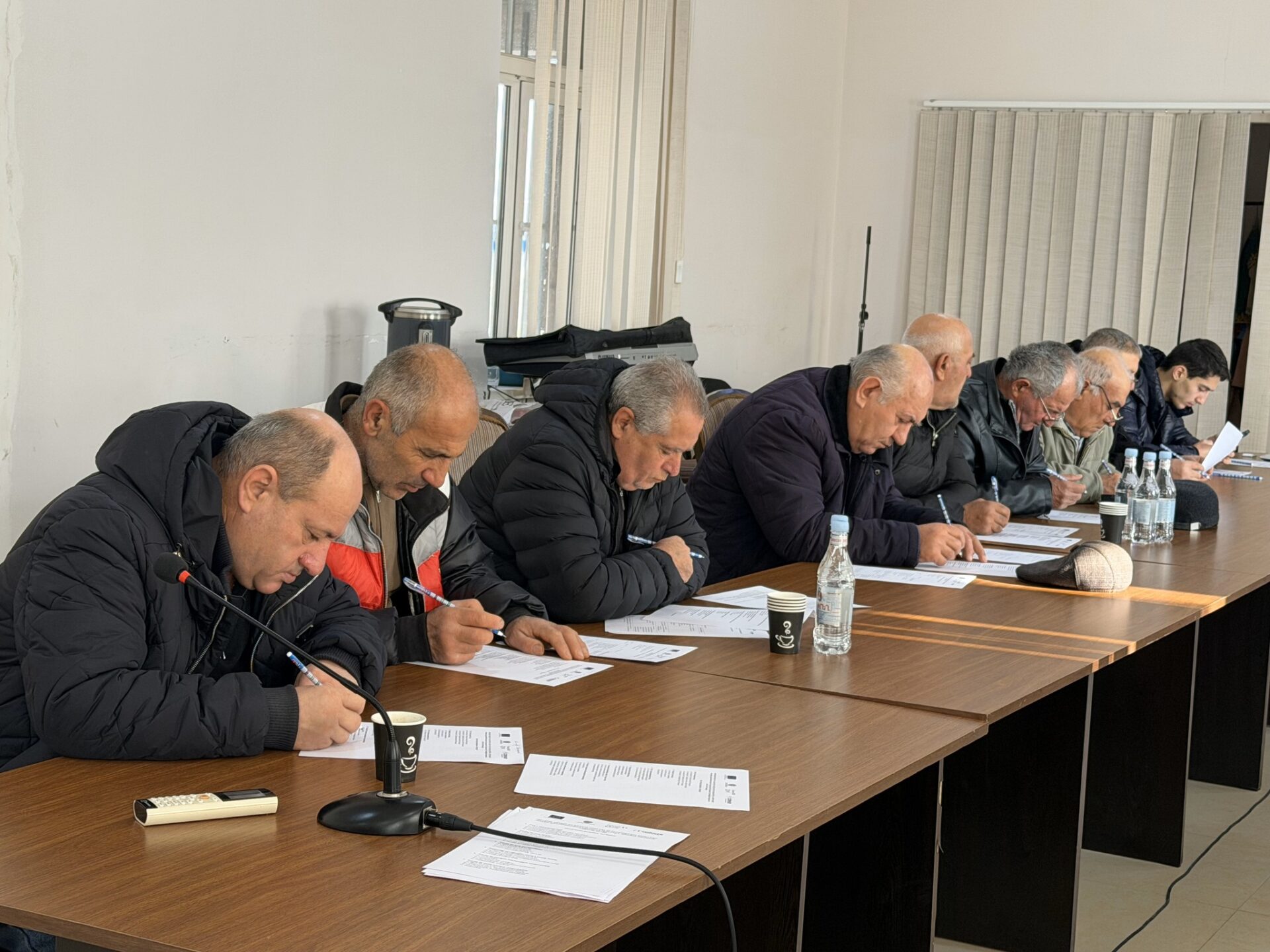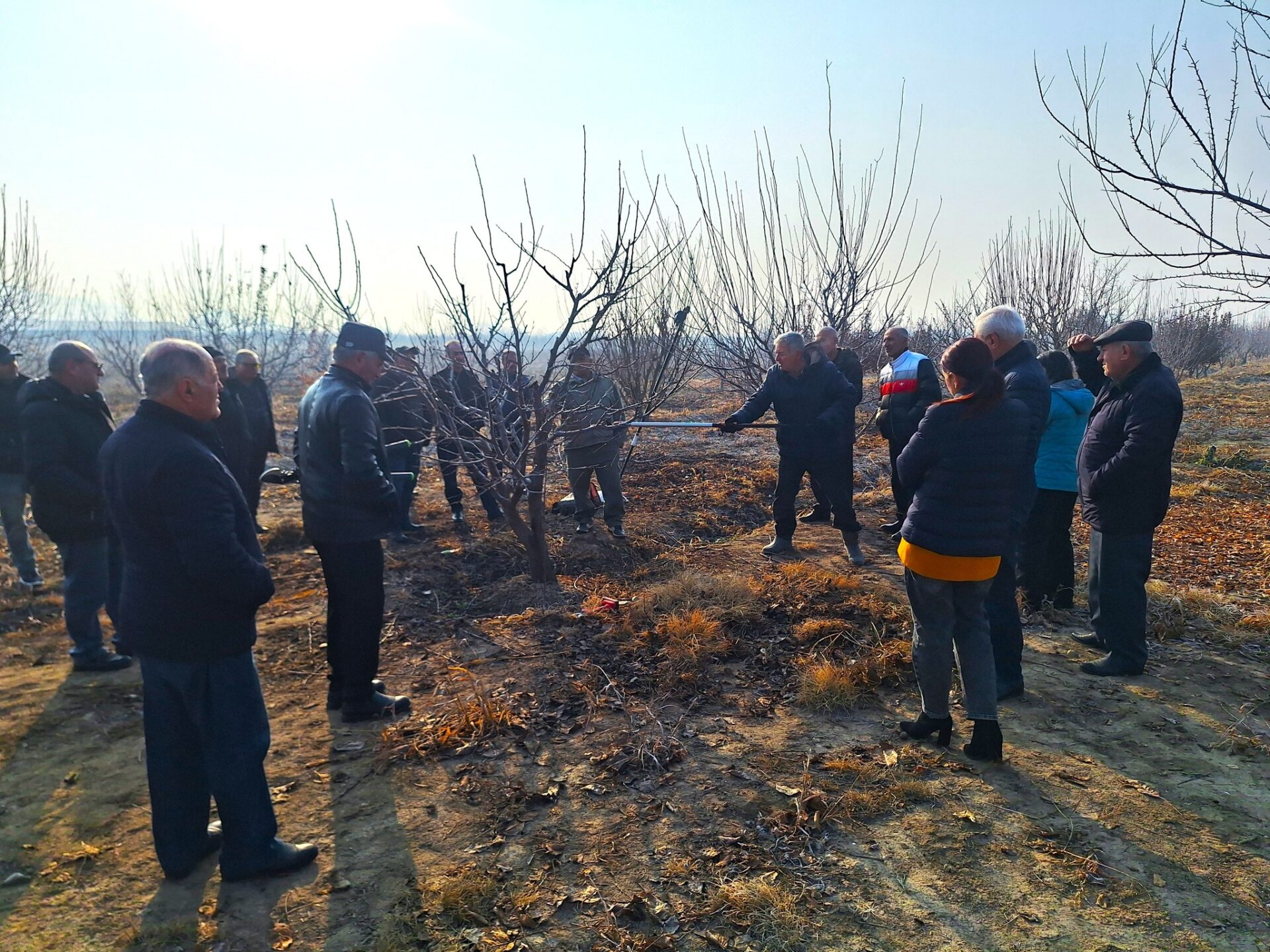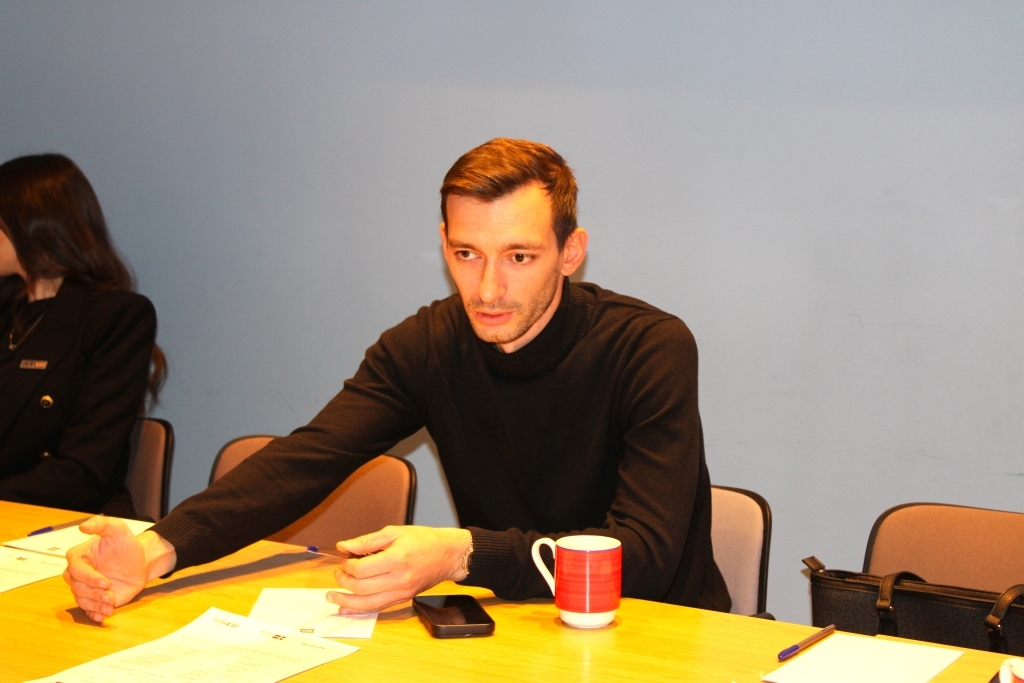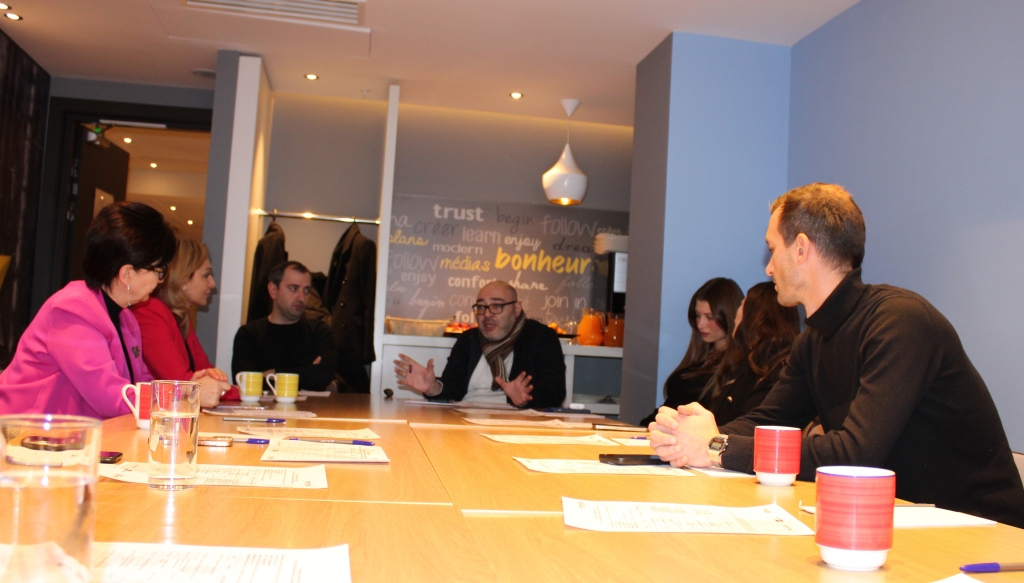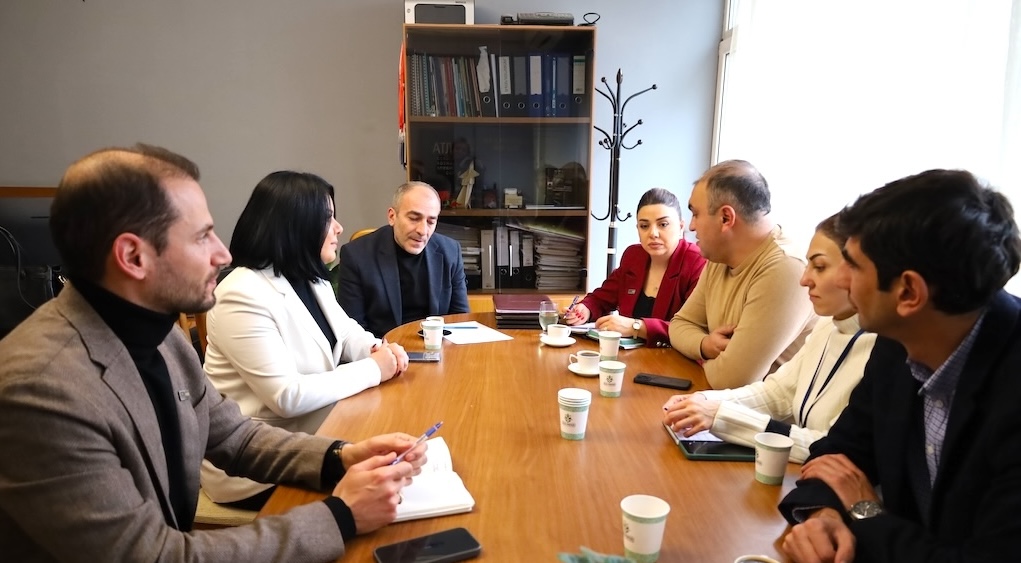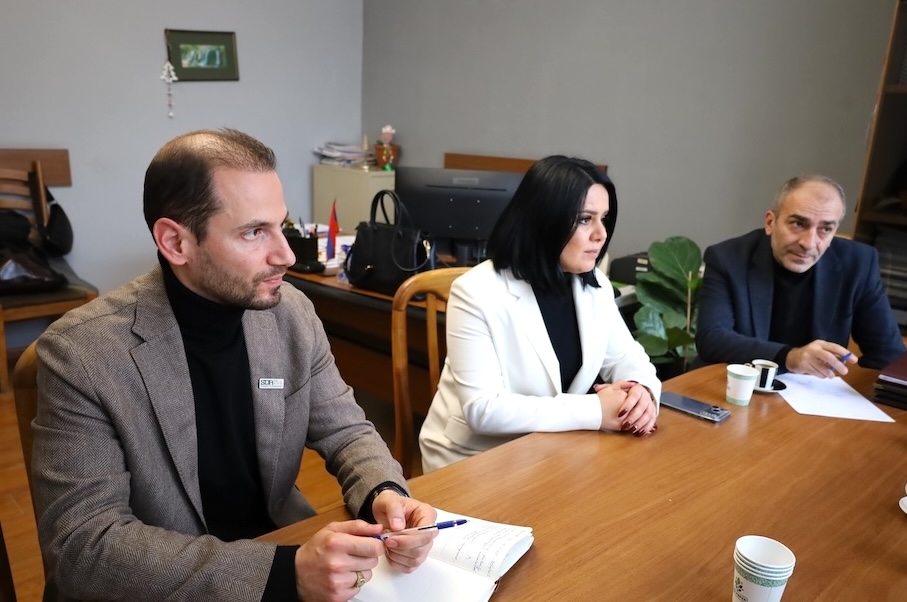

Practical Knowledge and New Skills: SEIRA Short-Term Trainings in Syunik on “Best Practices in Poultry Farming”

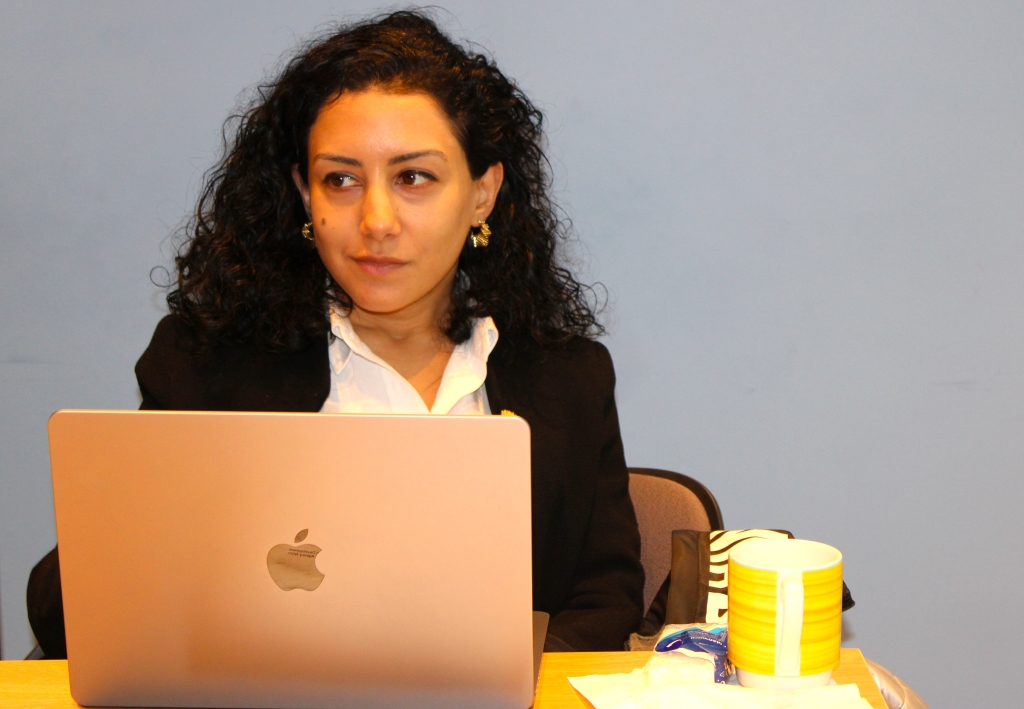
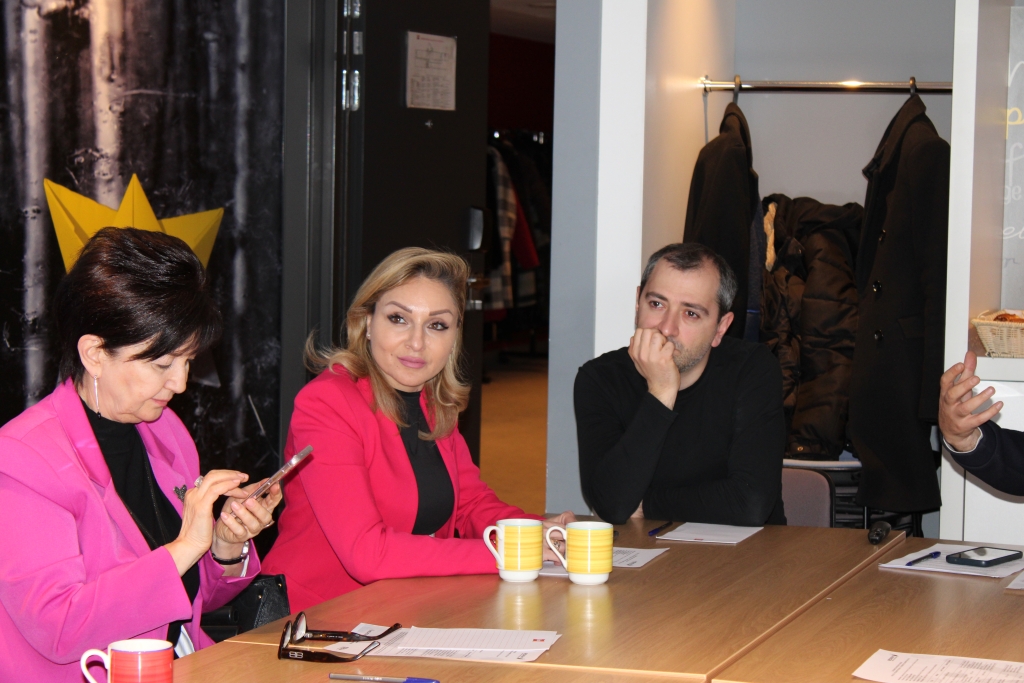
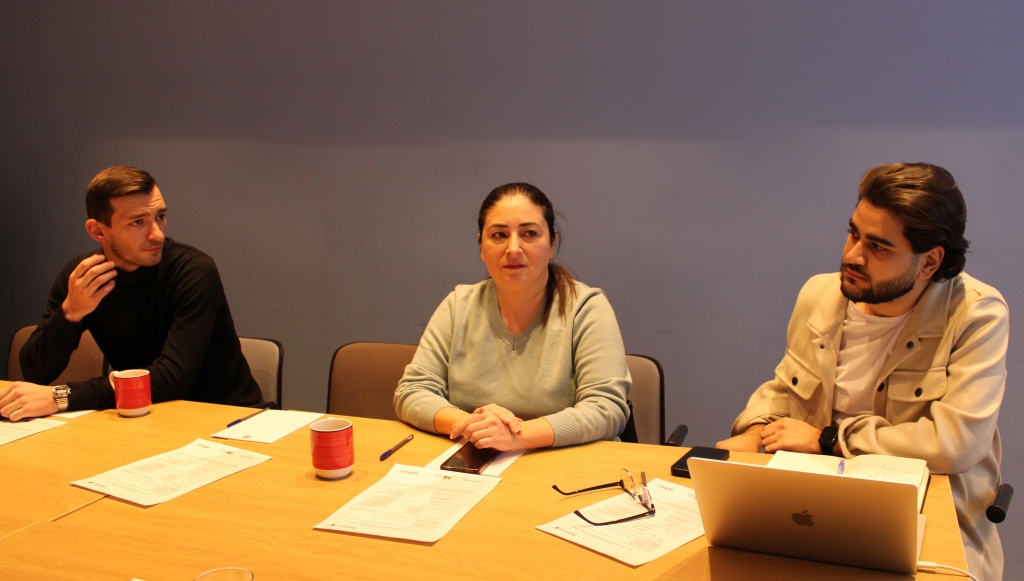
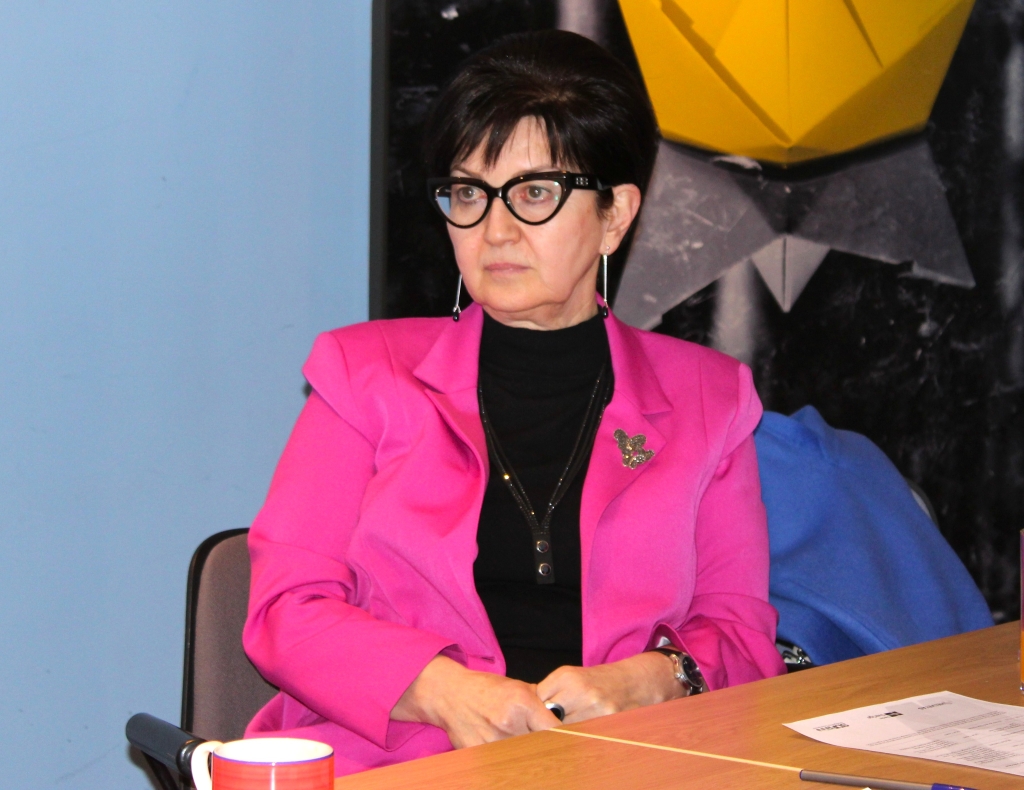
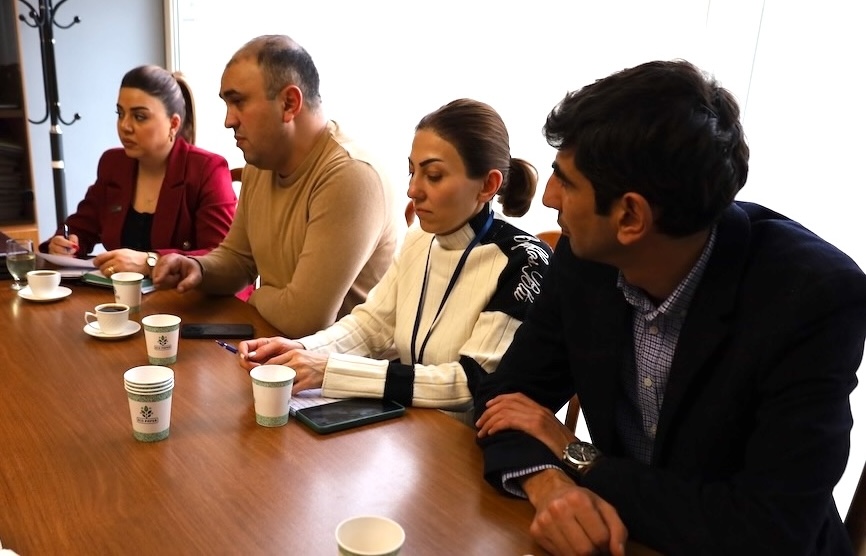
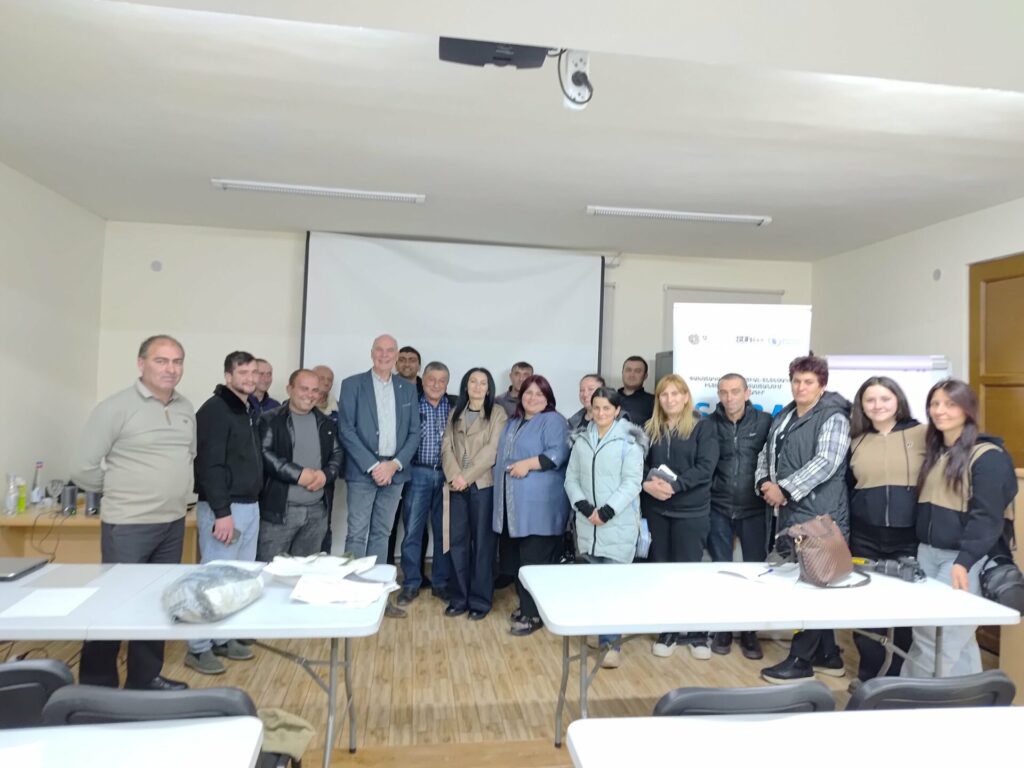
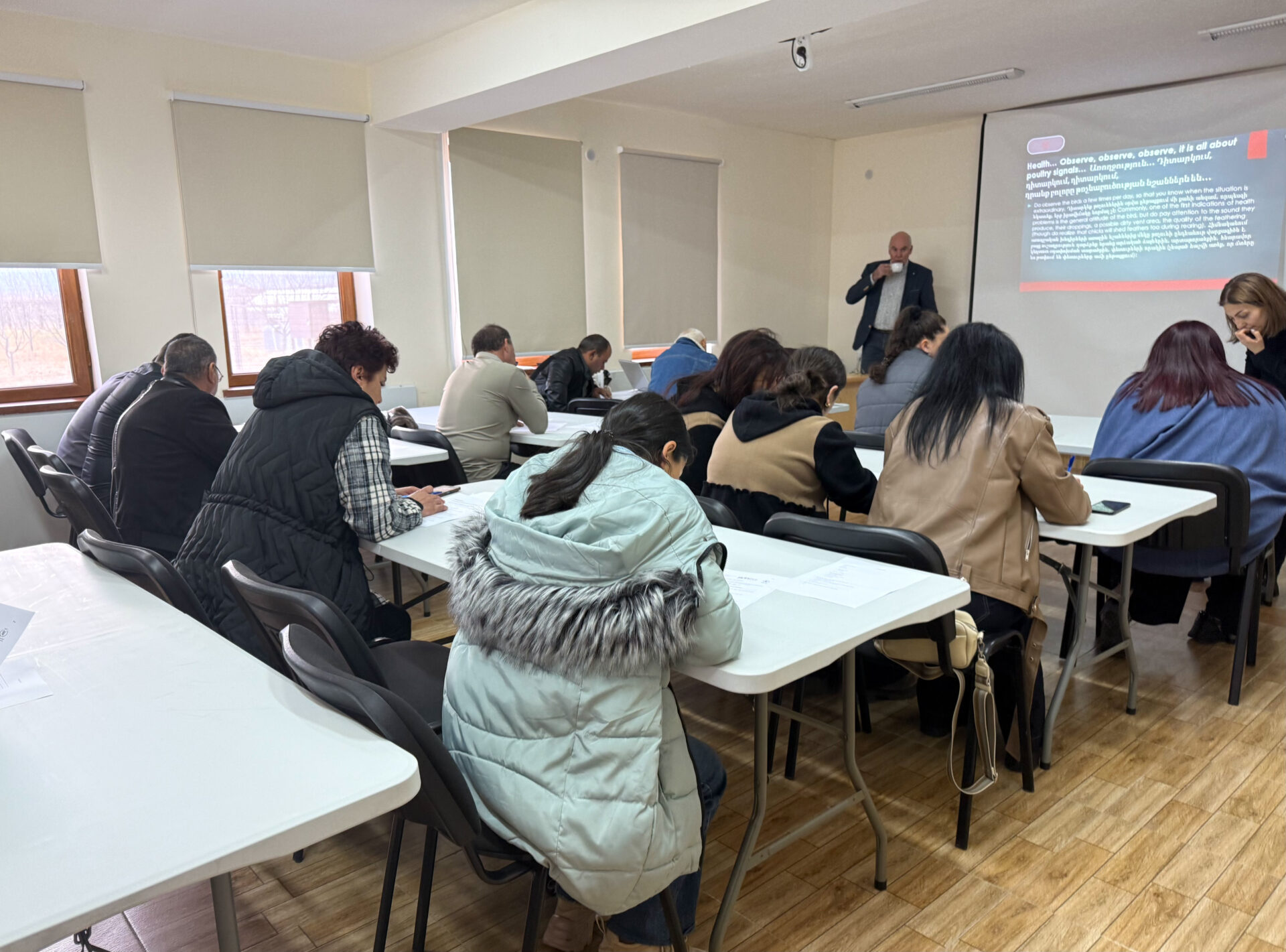
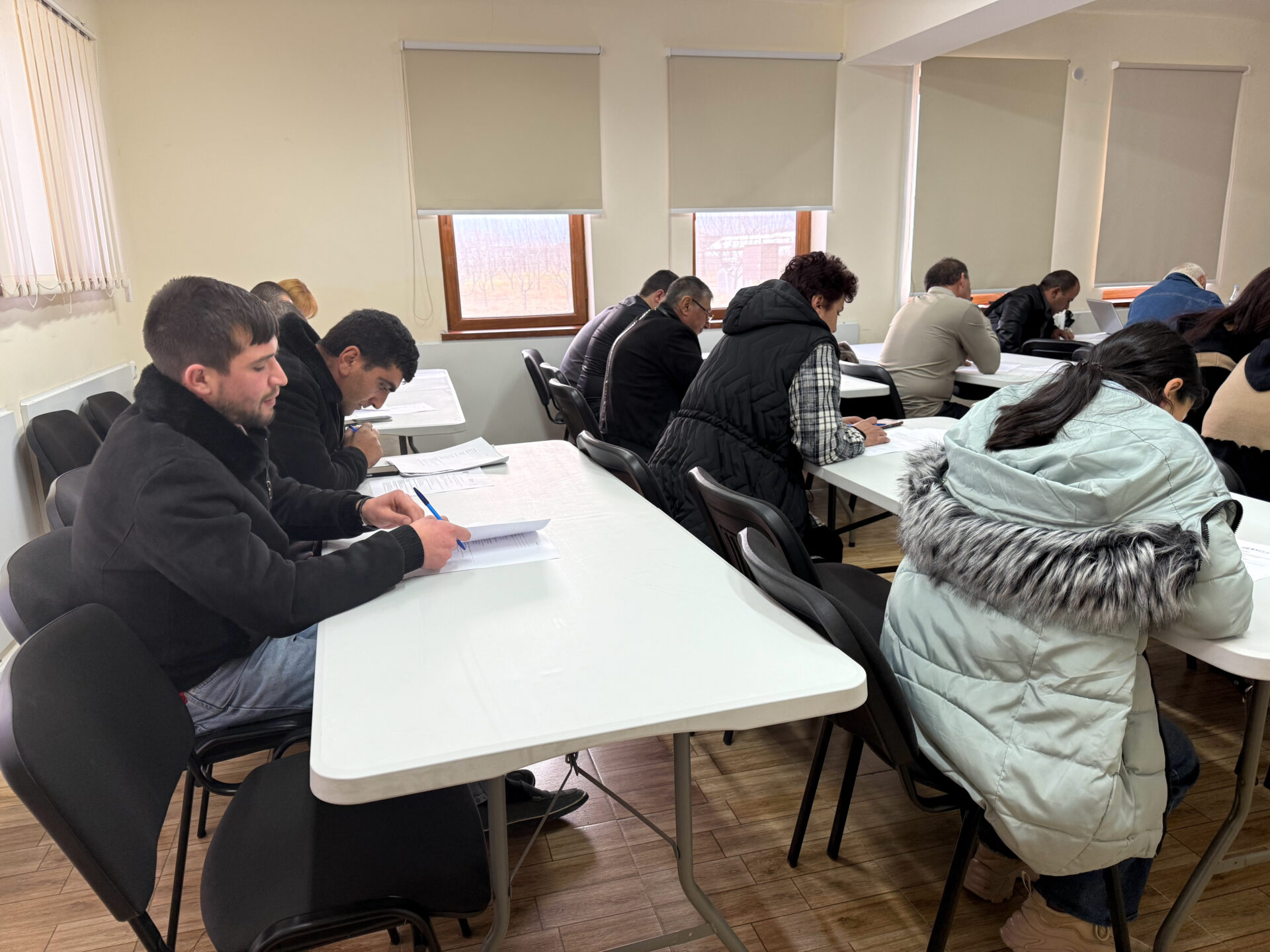
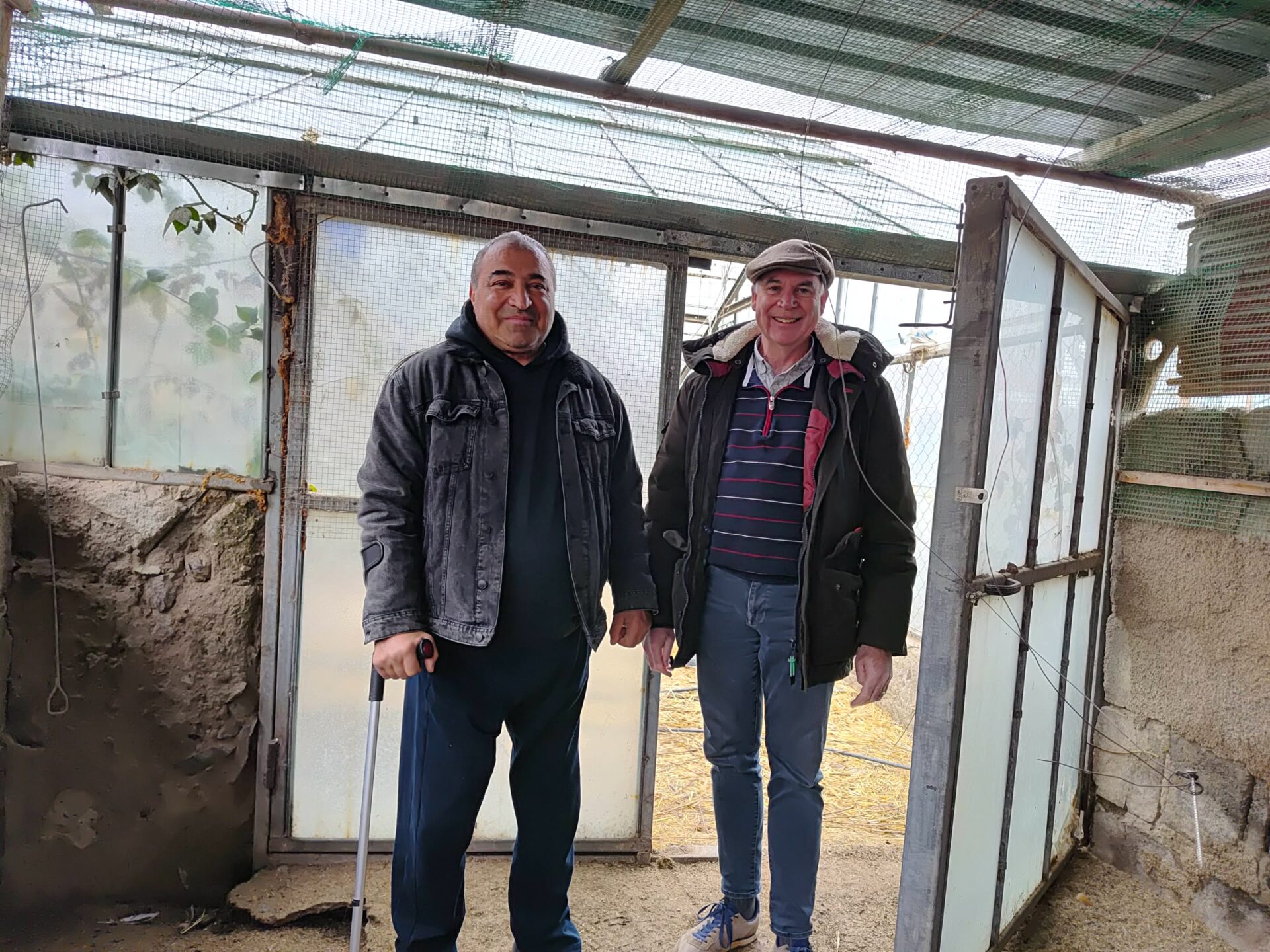
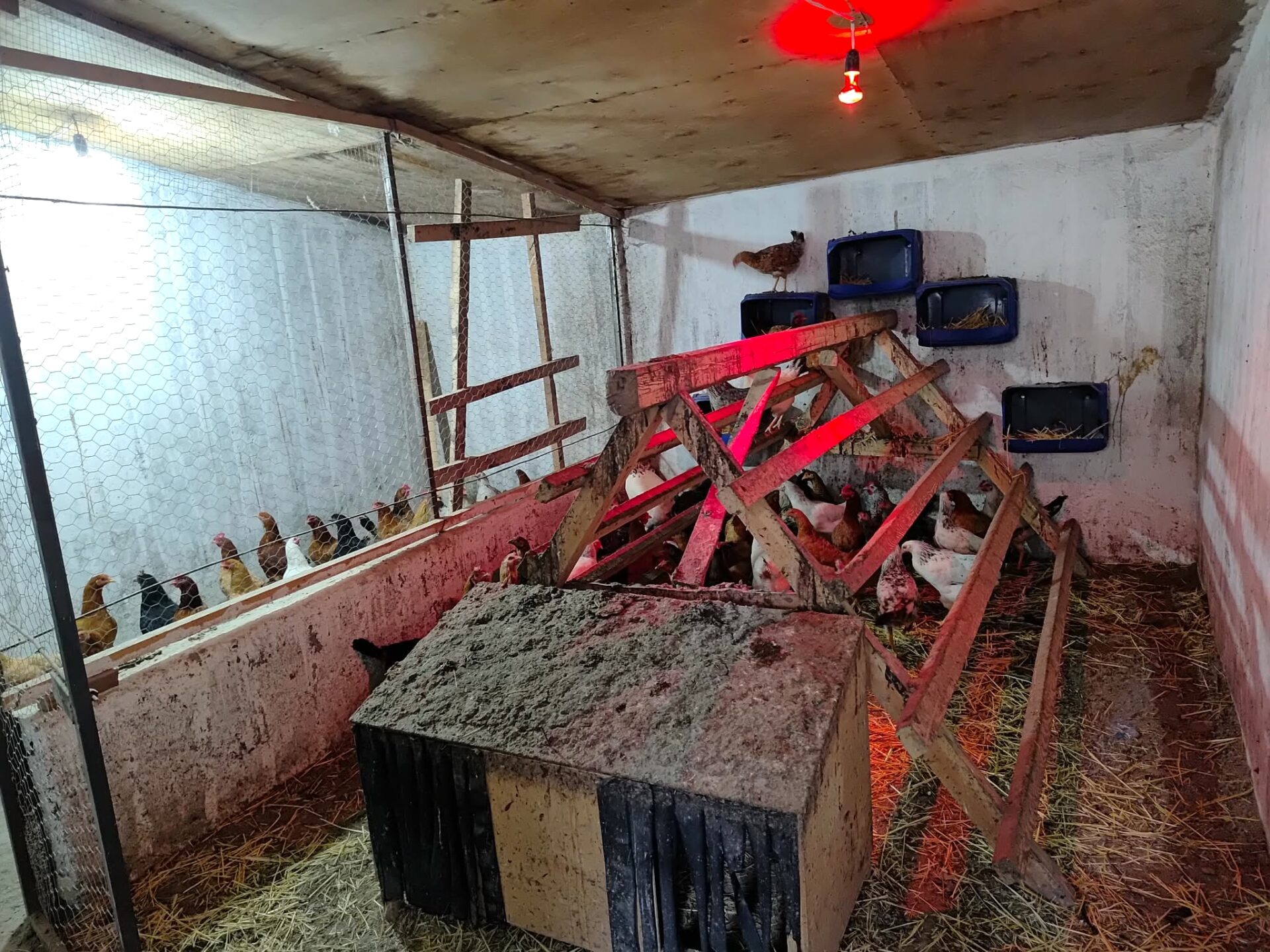
Within the framework of the “Socio-Economic Integration of Refugees in Armenia” (SEIRA) project, two short-term training sessions on “Best Practices in Poultry Farming” were conducted on October 17 and 24 in Syunik region, hosted by The Ranch LLC.

The trainings were designed for forcibly displaced persons from Nagorno-Karabakh residing in the communities of Goris and Sisian, aiming to provide them with practical knowledge and hands-on skills in poultry farming.

Trainer Mikael Haykuni introduced participants to:

  • The main directions of poultry farming and its key products,
  • Modern approaches to feeding and animal care,
  • Innovative methods for ensuring biosecurity and preventing poultry diseases.

The knowledge gained during these sessions will serve as a practical foundation for participants to make effective use of the support provided through the next stages of the project.

Such initiatives create powerful platforms of trust, collaboration and shared progress –

📌 fostering socio-economic cohesion,

📌 supporting the full integration of refugees into the local economy,

📌 and transforming agriculture into a driving force for community renewal.

SEIRA Project continues to transform challenges into opportunities, contributing to the development of resilient, inclusive, and sustainable communities across Armenia.

“Socio-Economic Integration of Refugees in Armenia” (SEIRA) project fosters socio-economic integration by improving food security, creating sustainable livelihoods, and empowering both refugees and host communities in Armenia, promoting resilience and economic growth through agricultural and business development.

“Socio-Economic Integration of Refugees in Armenia” (SEIRA) project is funded by the Swiss Agency for Development and Cooperation and implemented by the Strategic Development Agency NGO and the UN World Food Programme.

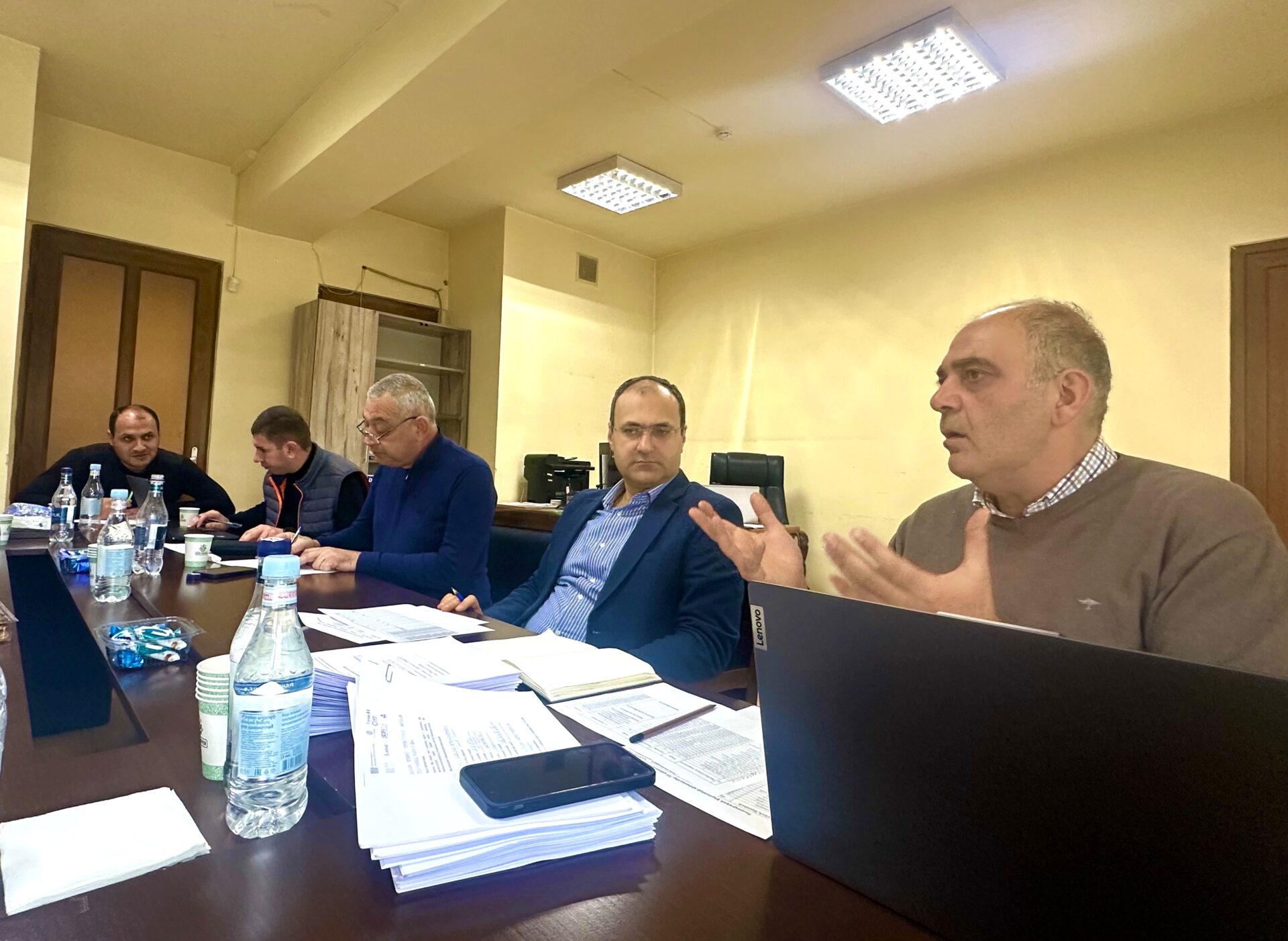
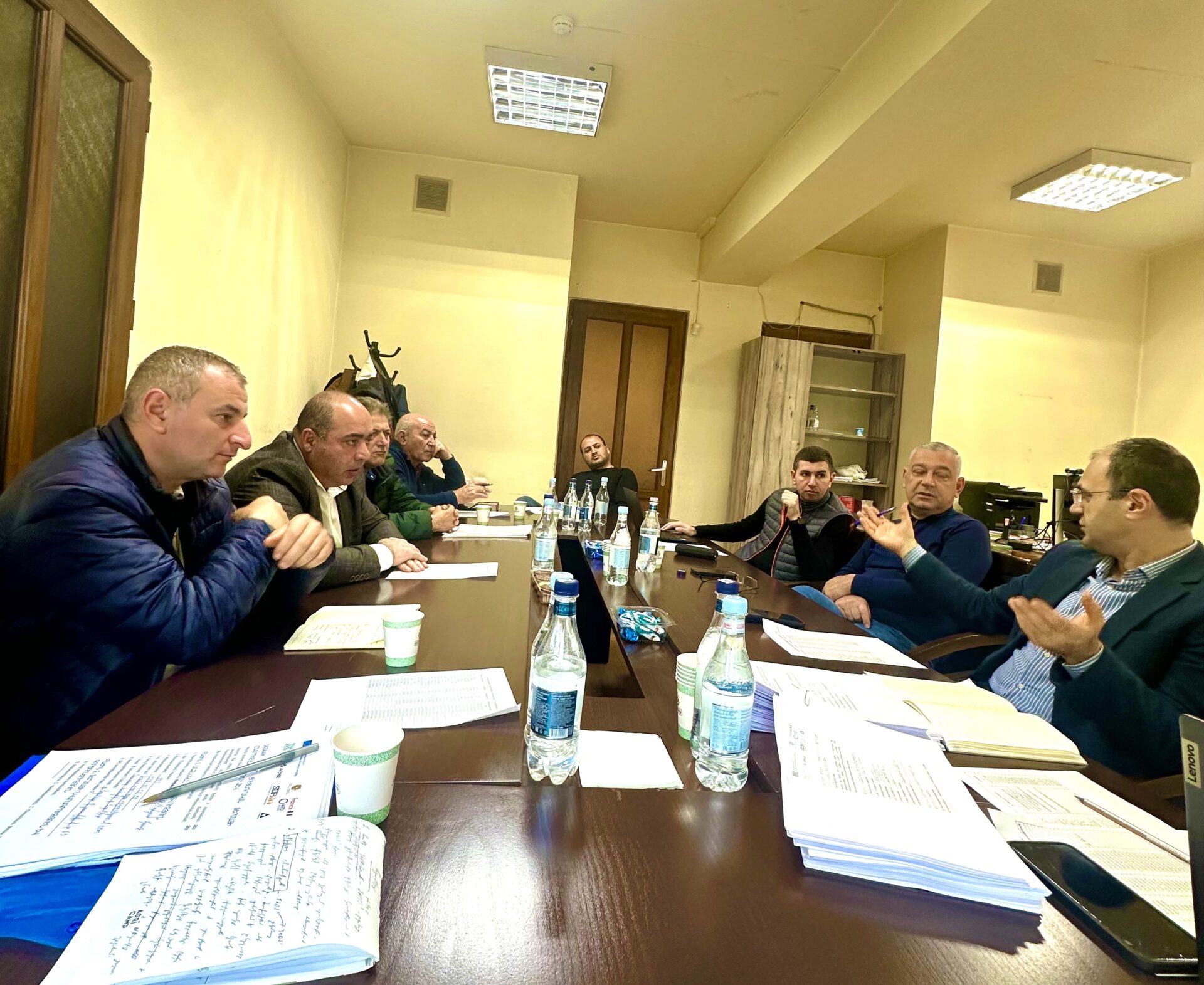
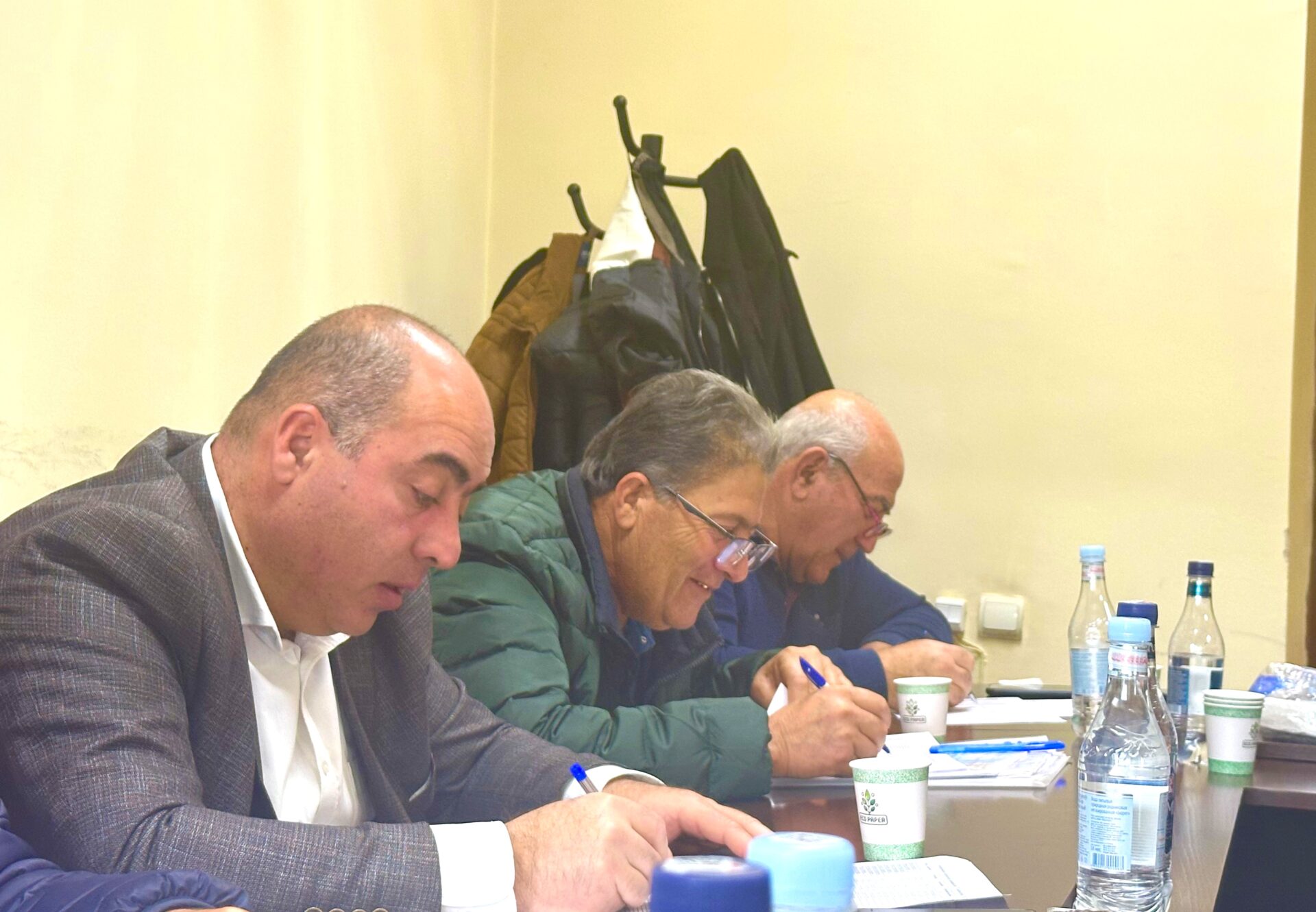
IADAAM: On the Path of Agricultural Unity: New Perspectives for Cooperative Development in Armenia

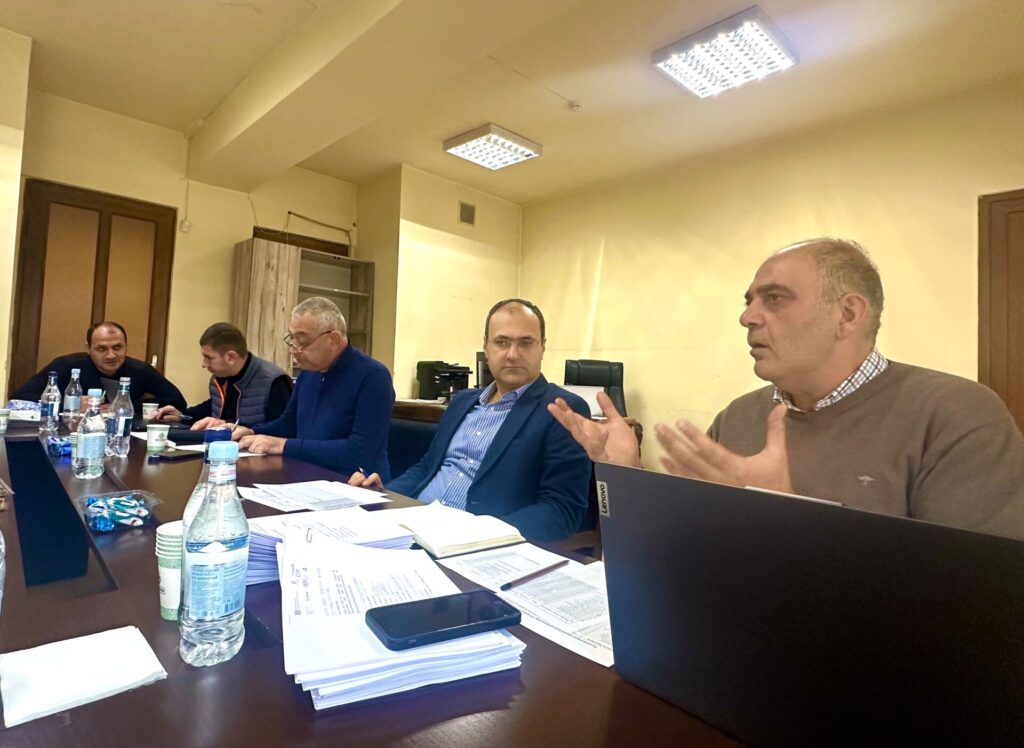
On October 21, 2025, a workshop titled “Seeds of Unity: Advancing Armenian Agriculture through Cooperation and Cooperatives” was held within the framework of the “Irrigated Agriculture Development in Ararat and Armavir Marzes (IADAAM)” program. The event was organized with the objective of enhancing the professional capacities of specialists from the Ministry of Economy of the Republic of Armenia.

The workshop brought together senior officials from the Ministry of Economy, representatives of international organizations, and leading experts in the field to discuss the current state, development prospects, and innovative models of agricultural cooperatives in Armenia.

Discussions focused on strengthening the efficiency of agricultural cooperatives, improving their adaptability to climate change, promoting land consolidation, and designing policy instruments to foster high-value agriculture. The exchange of perspectives and expertise contributed to the generation of new ideas aimed at advancing sectoral policies and strengthening state institutional capacities.

Representatives of the Food and Agriculture Organization of the United Nations (FAO) and the Ministry of Livestock, Agriculture and Fisheries (MGAP) of the Oriental Republic of Uruguay shared successful international experiences in the development and management of agricultural cooperatives. The workshop was also attended by H.E. Silvana Lesca Barolin, Ambassador Extraordinary and Plenipotentiary of the Oriental Republic of Uruguay to Armenia, who delivered opening remarks underscoring the significance of fostering collaboration and knowledge exchange between Uruguay’s experience and Armenia’s agricultural sector. Drawing on Uruguay’s example, participants explored effective governance practices and international mechanisms for ensuring cooperative sustainability.

The workshop served as an effective platform for the exchange of knowledge, experience, and ideas – reaffirming that cooperation is a cornerstone of sustainable agricultural development in Armenia. It represented an important step toward improving cooperative-related policies and reinforcing institutional capacities, while emphasizing the vital role of partnership and unity in ensuring the sector’s long-term progress.

The Irrigated Agriculture Development in Ararat and Armavir Marzes (IADAAM) project, financed by the European Union (EU) and implemented with the support of the French Development Agency (AFD), aims to transform irrigated agriculture in Armenia.

Implemented by the Ministry of Economy of Armenia, the project’s technical assistance is provided by a consortium comprising Agriconsulting Europe S.A., Avenue Consulting Group LLC, Strategic Development Agency NGO, and 3R Strategy LLC, with the aim of strengthening agricultural policy and advancing sector reforms.
Uncategorized

Strengthening the Roots of Sustainable Agriculture: A Joint Field Visit under the IADAAM Project

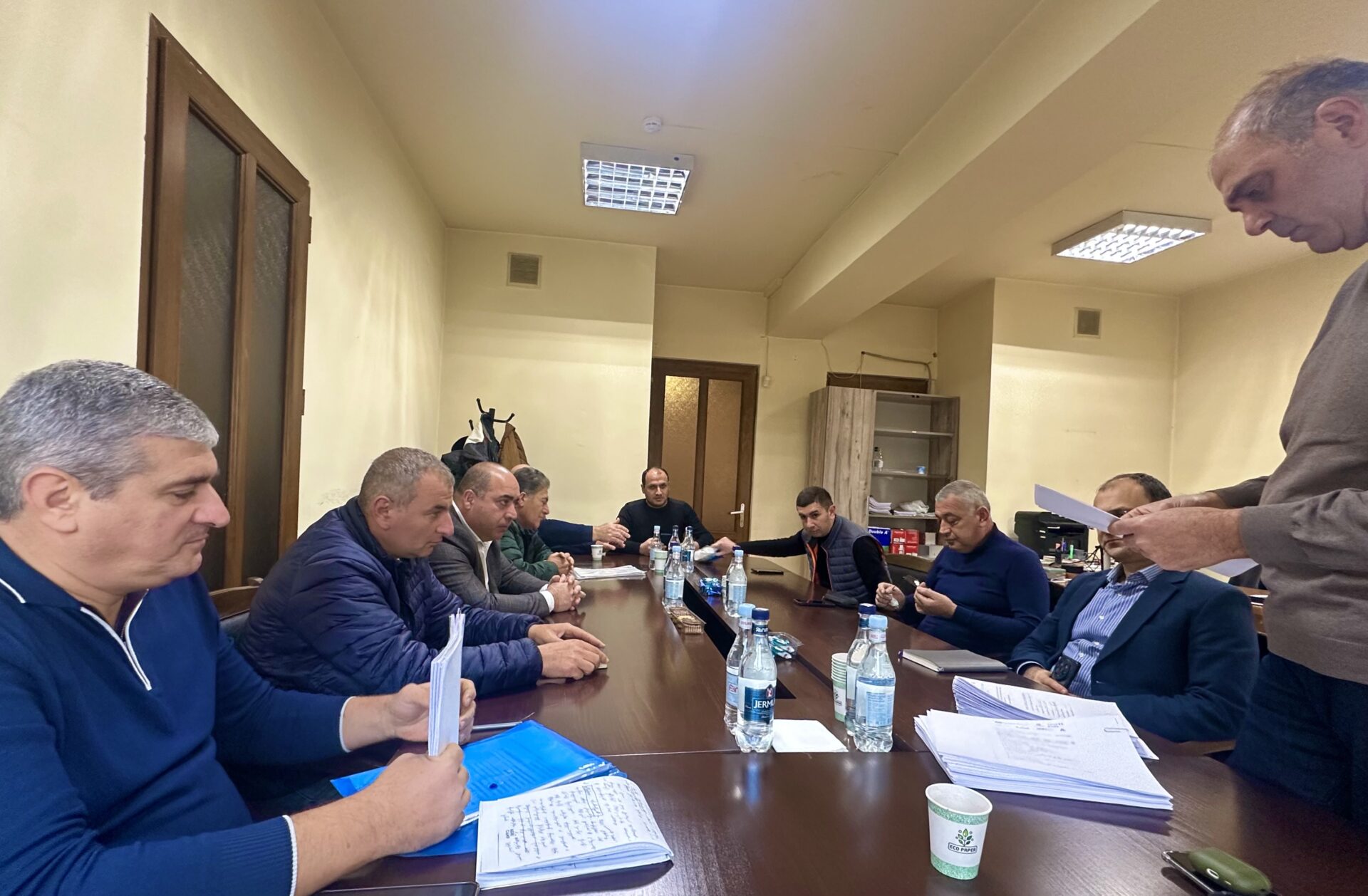
On 17 October 2025, representatives of the Agence Française de Développement (AFD), RA Ministry of Economy’s Project Implementation Team (PIT), and the IADAAM Project Team conducted a joint field visit to Ararat Marz – the target region of the IADAAM initiative and one of Armenia’s most vital agricultural hubs.

This mission was more than a routine site visit. It was an opportunity to see impact in action – where policies, partnerships, and technology meet the realities of the field.

The field visit began at the Avshar Agricultural Extension Service Office, where the team explored the digitalization of agricultural extension services and met with the Agricultural Extension Service Teams (AEST) of Vedi, Artashat and Armavir, who bridge innovation and farmers’ everyday needs. Discussions focused on how digital tools and coordinated advisory efforts are helping farmers access knowledge, improve practices, and strengthen their resilience.

A visit to a potential demonstration farms followed, providing insight into site selection rationale and planned demonstration themes. The team engaged with the farmers and AEST advisors to discuss capacity building, co-financing mechanisms, and implementation pathways that will bring innovation closer to the field.

At the Artashat Extension Office, discussions centered on grassroots collaboration – how the Agricutlural Extension Service Teams’ advisors collaborate with community actors to ensure that modern irrigation and farming solutions reach the grassroots level – where real impact begins.

The visit concluded at the Vedi Reservoir, where the team reviewed the infrastructure, operational systems, and on-farm network. Together with water management authorities, they explored strategic steps to bridge the time gap between reservoir readiness and project closure, ensuring long-term continuity through effective planning and coordination.

This joint field visit reaffirmed the shared commitment of AFD, PIT, and IADAAM to build a resilient, efficient, and inclusive irrigation future for Ararat Marz.
Through innovation, partnership, and people-centered implementation, the project continues to strengthen the foundations of Armenia’s irrigated agriculture – one field, one farmer, and one community at a time.

The Irrigated Agriculture Development in Ararat and Armavir Marzes (IADAAM) project, financed by the European Union (EU) and implemented with the support of the French Development Agency (AFD), aims to transform irrigated agriculture in Armenia.

Implemented by the Ministry of Economy of Armenia, the project’s technical assistance is provided by a consortium comprising Agriconsulting Europe S.A., Avenue Consulting Group LLC, Strategic Development Agency NGO, and 3R Strategy LLC, with the aim of strengthening agricultural policy and advancing sector reforms.

Uncategorized

RECONOMY Empowering Rural Visibility through Digitalization and Partnership

The Tushetian Guda Cheese Festival 2025, held on October 12 in the scenic village of Zemo Alvani, Kakheti, once again celebrated Georgia’s rich heritage of traditional cheese-making and agritourism. This year, the festival received valuable support from RECONOMY’s “Digitizing Sectors for Competitiveness” project, which contributed to the design and printing of promotional materials – helping elevate the visibility and outreach of this remarkable rural initiative.

By supporting the festival’s communication efforts, RECONOMY’s “Digitizing Sectors for Competitiveness” project helped local producers and organizers better showcase their craftsmanship, attract new visitors, and promote the Tushetian Guda cheese brand as a symbol of sustainable rural entrepreneurship.

The project’s involvement aligns with RECONOMY’s broader mission to enhance the competitiveness of key sectors through digital tools and improved market linkages – enabling rural communities to connect tradition with innovation, and heritage with modern market opportunities.

The Guda Cheese Festival stands as an inspiring example of how digitalization and smart promotion can strengthen rural economies, encourage sustainable tourism, and bring local producers closer to new audiences.

RECONOMY is an inclusive and green economic development program of the Swedish International Development Cooperation Agency (Sida), implemented by Helvetas in partnership with the Strategic Development Agency NGO and others in the Eastern Partnership and Western Balkan countries.

LILA Project Fosters a New Generation of Responsible Adventure Tourism Leaders

Under the framework of the LILA Project, an intensive course on “Capacity Building Training for the Development of Mountain, Sports, and Adventure Tourism” has been successfully completed – marking a significant milestone in strengthening Armenia’s potential for sustainable and responsible adventure tourism.

Throughout the program, participants not only expanded their theoretical and technical knowledge but also put their newly acquired skills into practice through immersive, real-world exercises.

The field training, conducted in the breathtaking mountainous landscapes of Lori, became the program’s most dynamic and memorable phase – emphasizing the essential principles of teamwork, responsibility, leadership, and safety in organizing adventure tourism activities.

The course was expertly delivered by the Armenian Federation of Alpinism and Mountain Tourism, with sessions led by distinguished professionals Suren Danielyan, Antuan Ananyan, Edgar Navasardyan, Narine Chagharyan, and Gegham Aloyan, whose expertise and dedication ensured a transformative learning experience for all participants.

At the conclusion of the course, participants were awarded certificates in recognition of their achievements – symbolizing not only their strengthened professional competencies but also their readiness to lead the development of a more responsible and sustainable adventure tourism sector in Armenia.

Conceived as more than a professional training initiative, LILA Project designed this program as an inspirational journey of self-growth, collective learning, and leadership development. The knowledge and field experience gained will serve as a solid foundation for launching innovative and sustainable initiatives in mountain, sports, and adventure tourism – transforming forward-looking ideas into meaningful experiences and tangible opportunities.

Living Landscapes for Market Development in Armenia (LILA) project is funded by the Swiss Agency for Development and Cooperation (SDC) and implemented by WWF-Armenia in collaboration with SDA NGO.