
Uncategorized

INLIMA From Austrian Expertise to an Armenian Farm: New Opportunities for Cattle Breeding

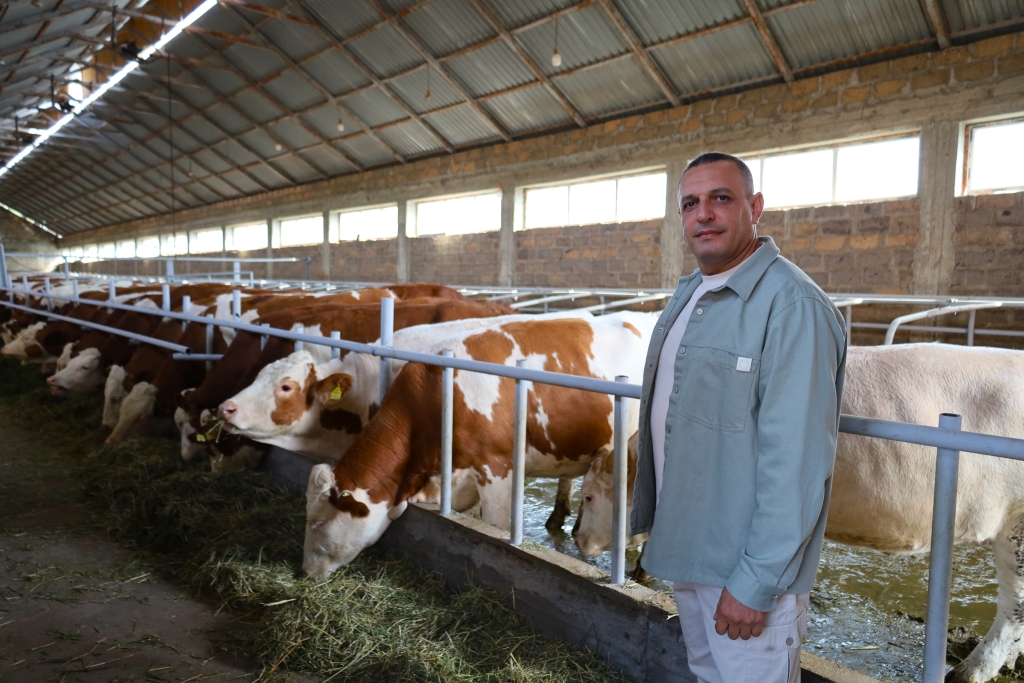
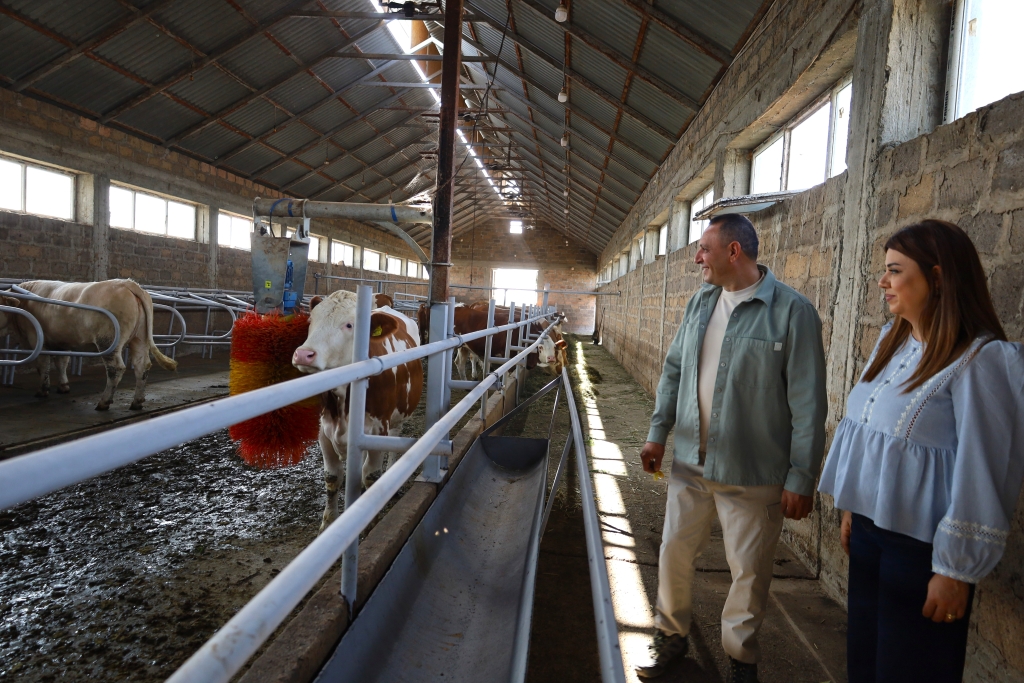
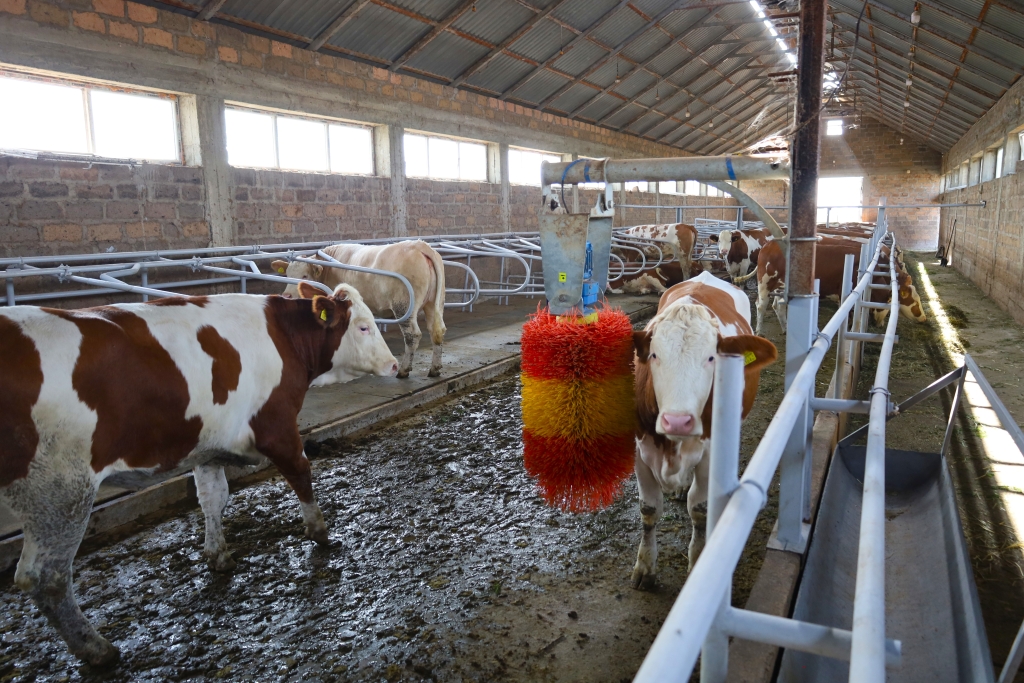
New opportunities for the development of Armenia’s cattle sector are emerging as farmers gain access to international expertise and high-quality breeding animals. Among those taking advantage of these opportunities is Khachik Hovsepyan, an IT specialist who is also applying his knowledge and entrepreneurial approach to livestock farming.

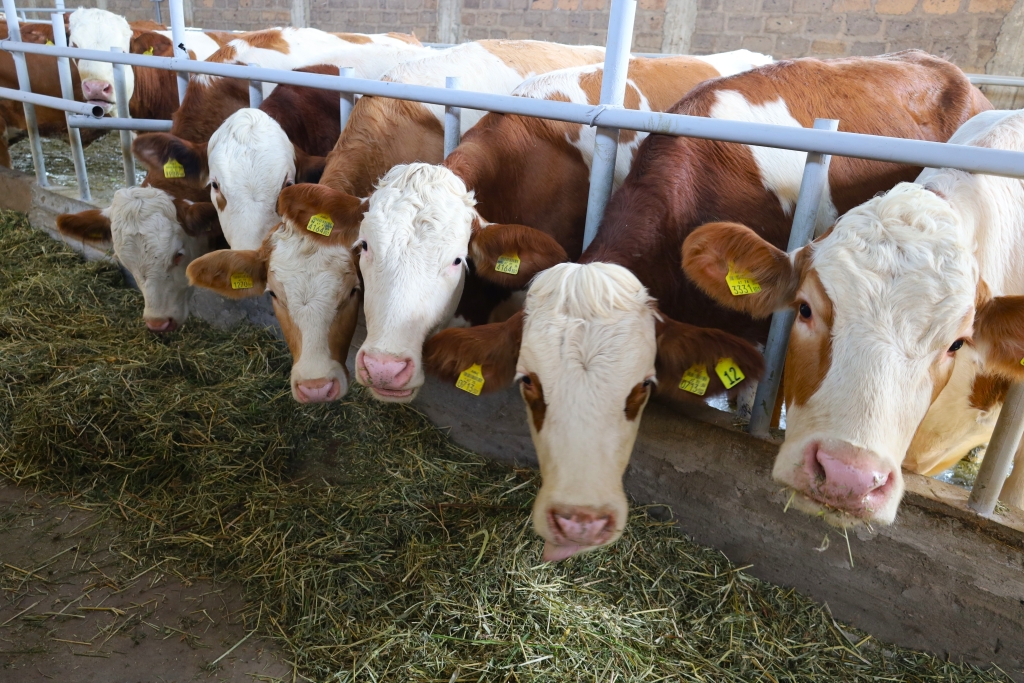
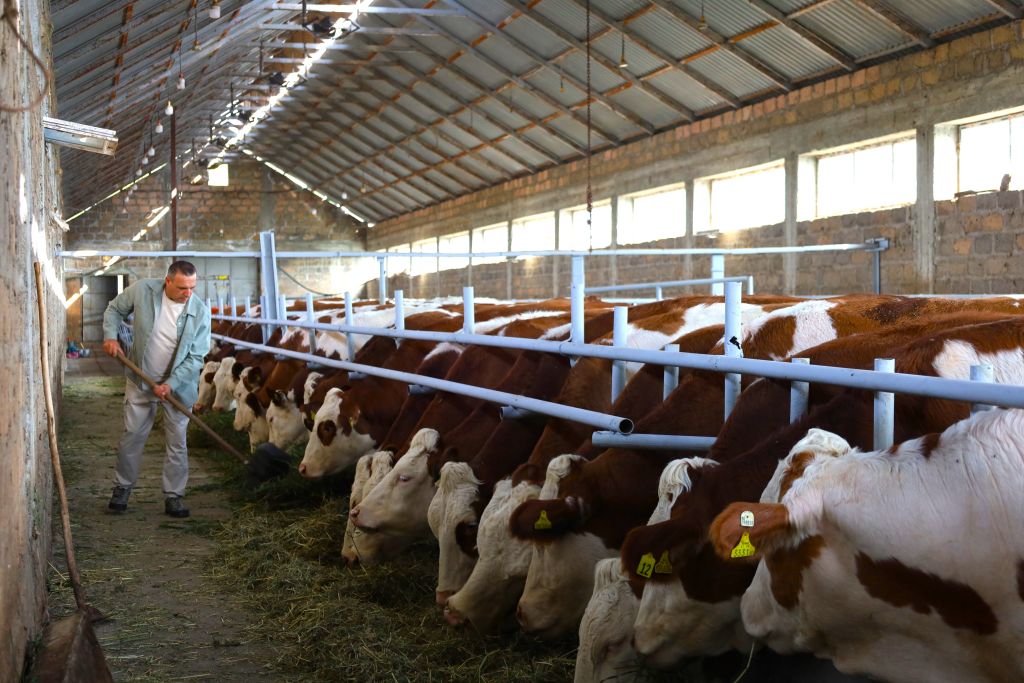
Of the 64 Fleckvieh cattle recently imported to Armenia, 32 were acquired by Khachik. As a dual-purpose dairy and beef breed, Fleckvieh can contribute to improving the genetic potential of local herds, enhancing productivity, and strengthening the foundations for more efficient cattle breeding.

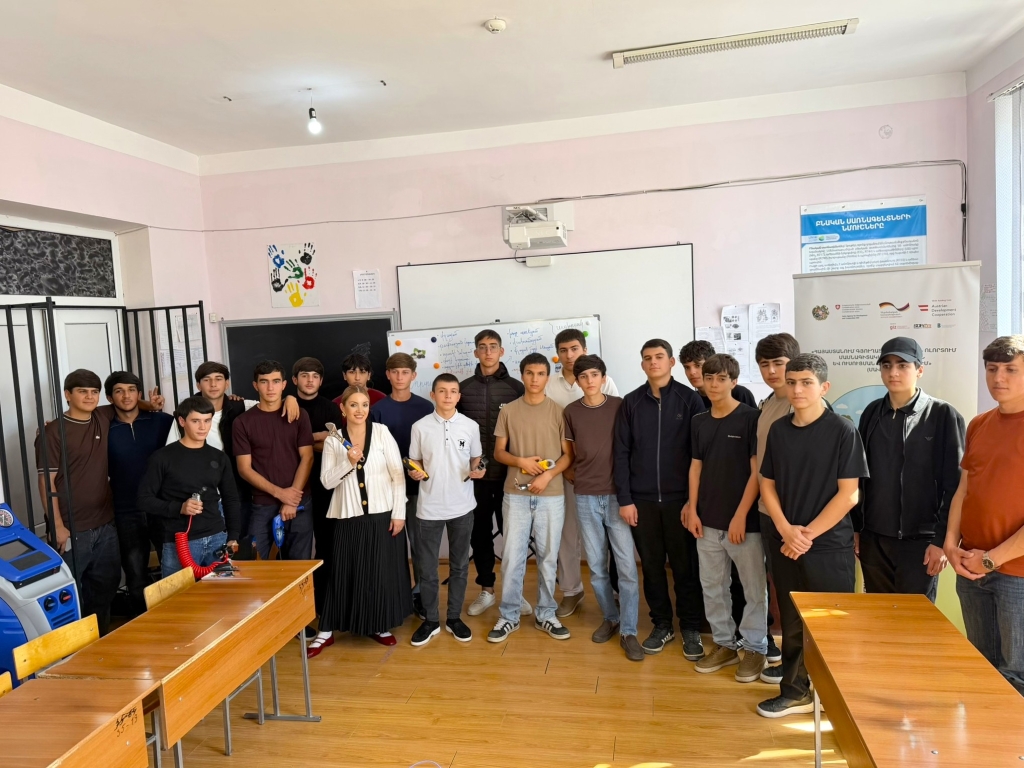
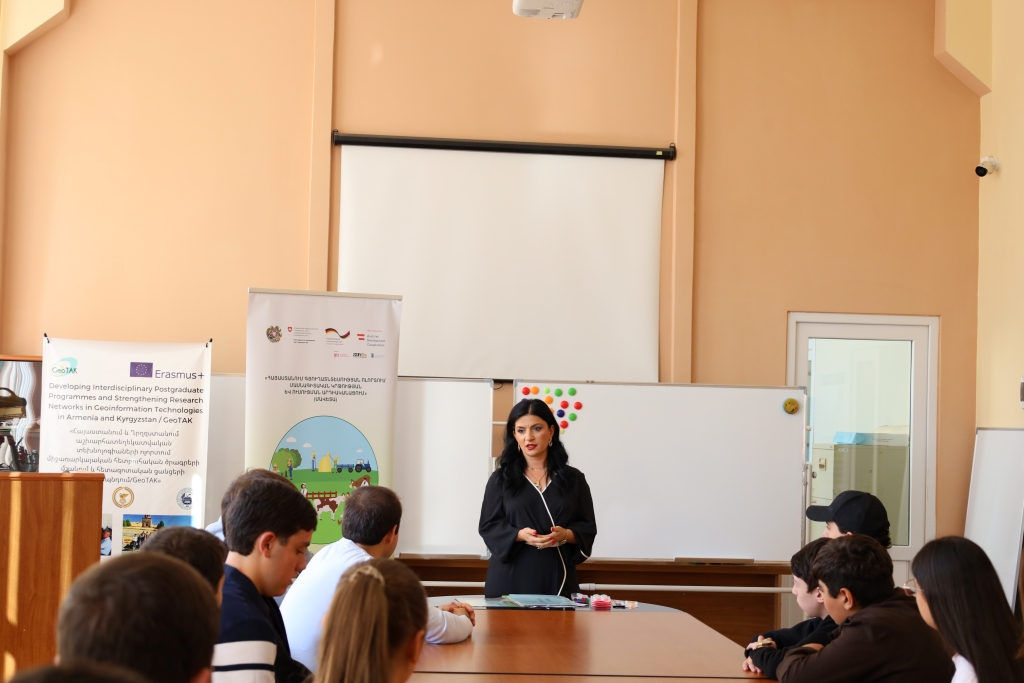
The initiative is a practical outcome of Armenian-Austrian cooperation. The collaboration was initiated through a study visit to Austria, during which a Memorandum of Understanding was signed between the Ministry of Economy of the Republic of Armenia, the Strategic Development Agency (SDA) NGO, and Cattle Breeders Austria. The acquisition of the animals was also supported through the Government of Armenia’s 2025-2029 Cattle Breeding Development Programme, providing farmers with access to relevant state support mechanisms.

Why does this matter for Armenia’s cattle sector?
The introduction of Fleckvieh cattle creates opportunities to strengthen the genetic potential of herds, improve productivity, and promote modern breeding practices. At the same time, the engagement of professionals such as Khachik Hovsepyan demonstrates that agriculture can offer meaningful opportunities for innovation, entrepreneurship, and professional development beyond traditional farming pathways.

Through collaboration with public and international partners, the INLIMA Programme contributes to the modernization of Armenia’s livestock sector and to creating new opportunities for farmers and livestock businesses. This initiative illustrates how international knowledge exchange, public support mechanisms, and targeted programme assistance can come together to strengthen farm-level development and contribute to the long-term advancement of cattle breeding in Armenia.

“Innovative Livestock Management: Animal Migration, Breeding & Markets” (INLIMA) project is implemented by Strategic Development Agency NGO and funded by the Austrian Development Agency (ADA), the operational unit of Austrian Development Cooperation.
Uncategorized

MAVETA How Do Apprentices See Their Professions?

What can a single drop of water tell us about a profession? And what knowledge and technologies are needed to keep agricultural produce fresh and maintain its quality?

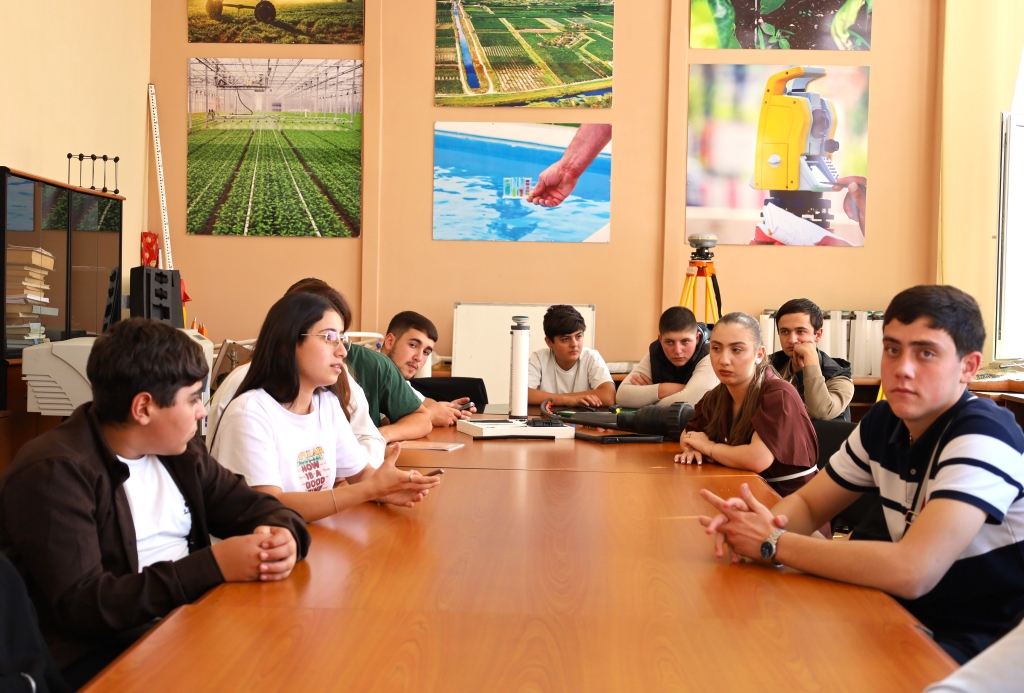
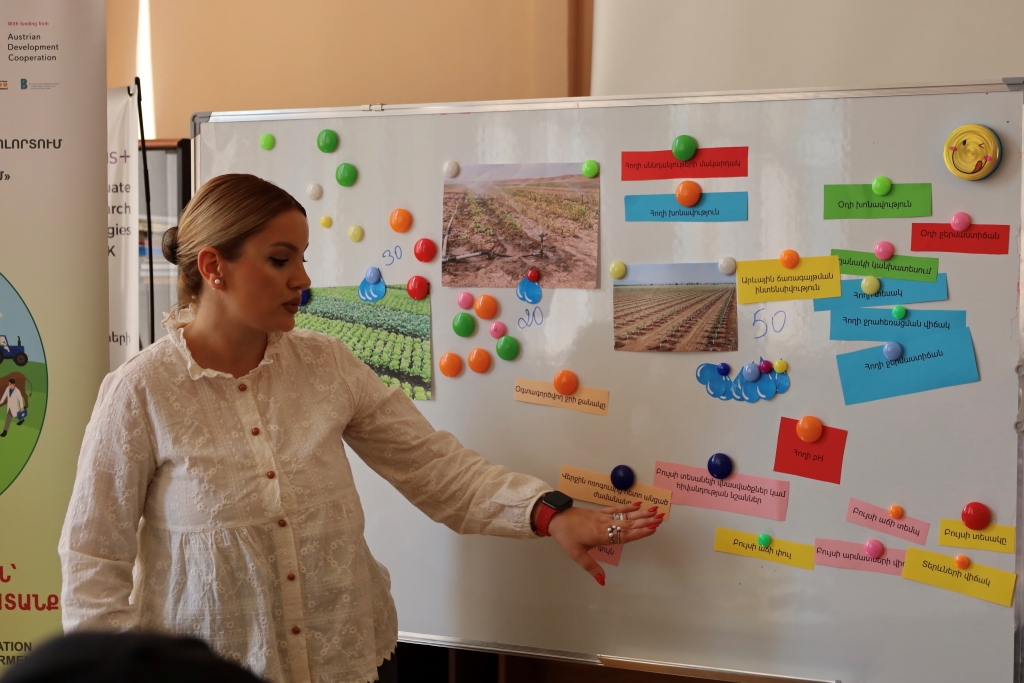
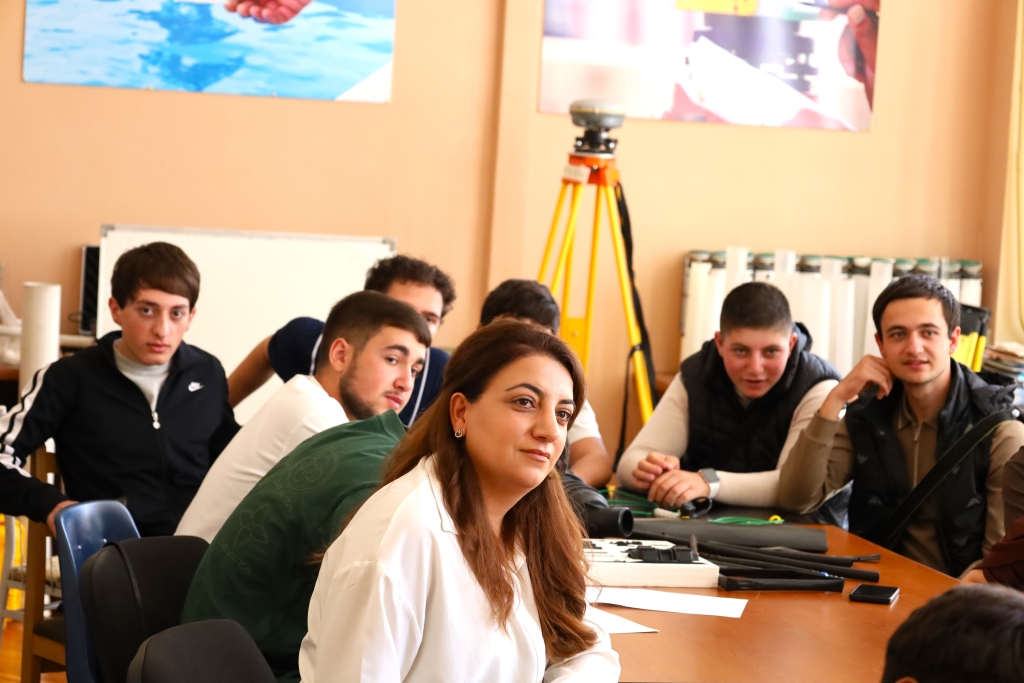
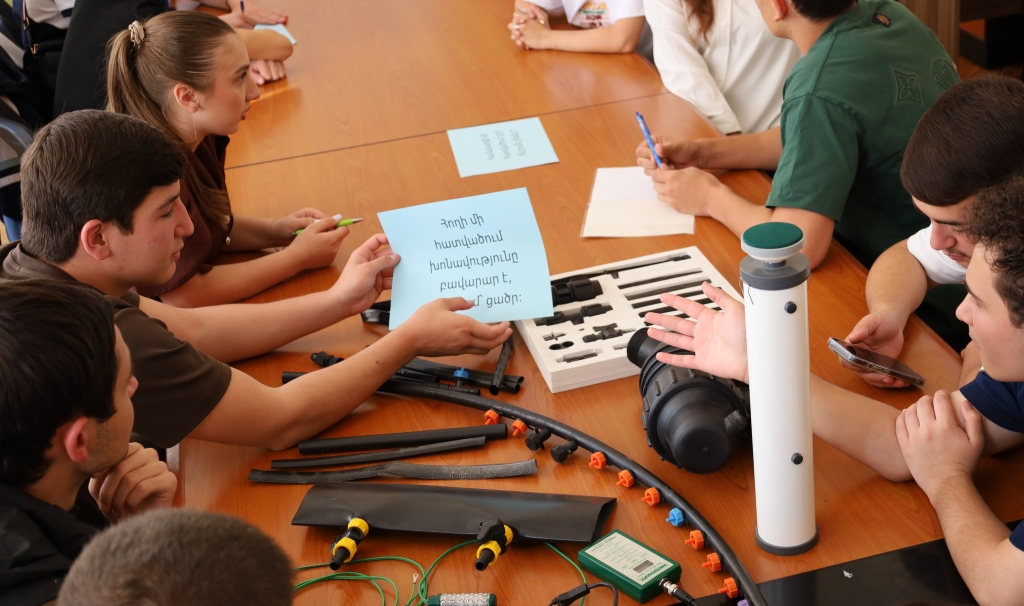
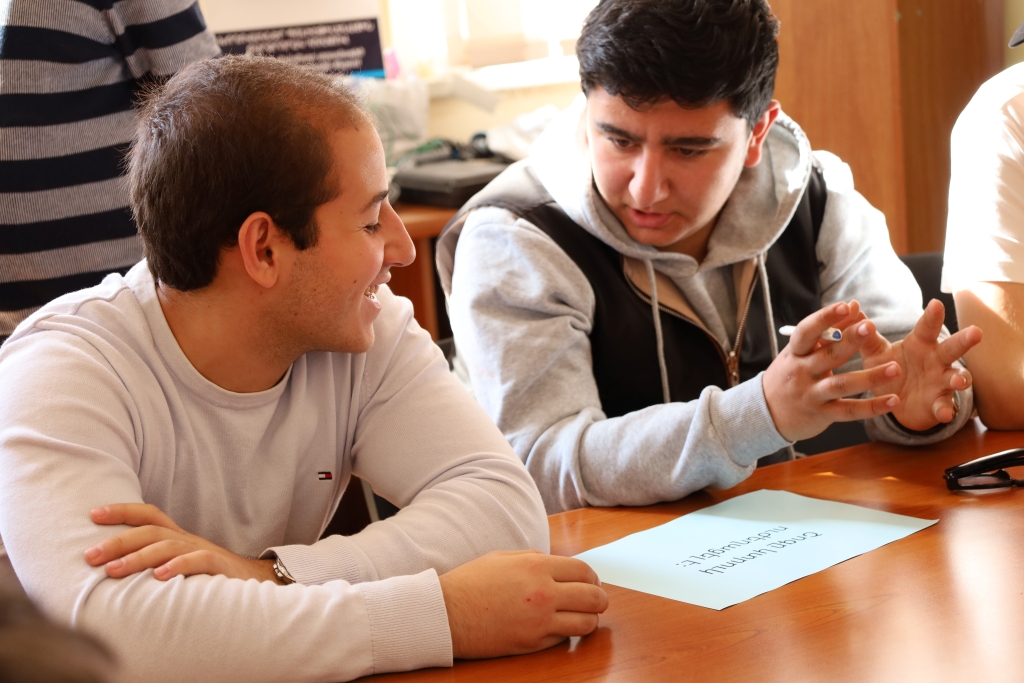
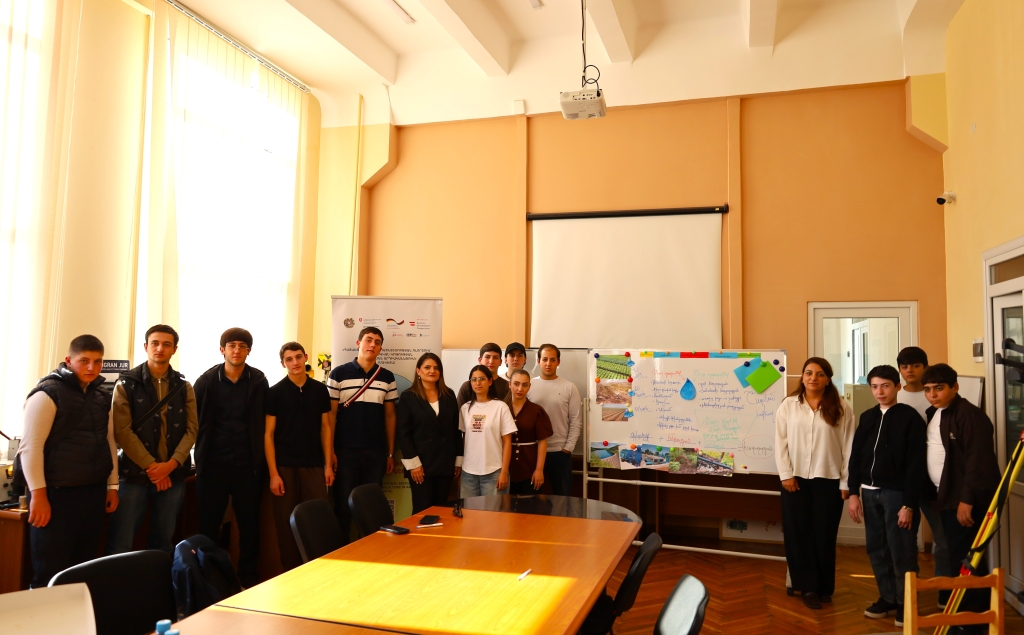
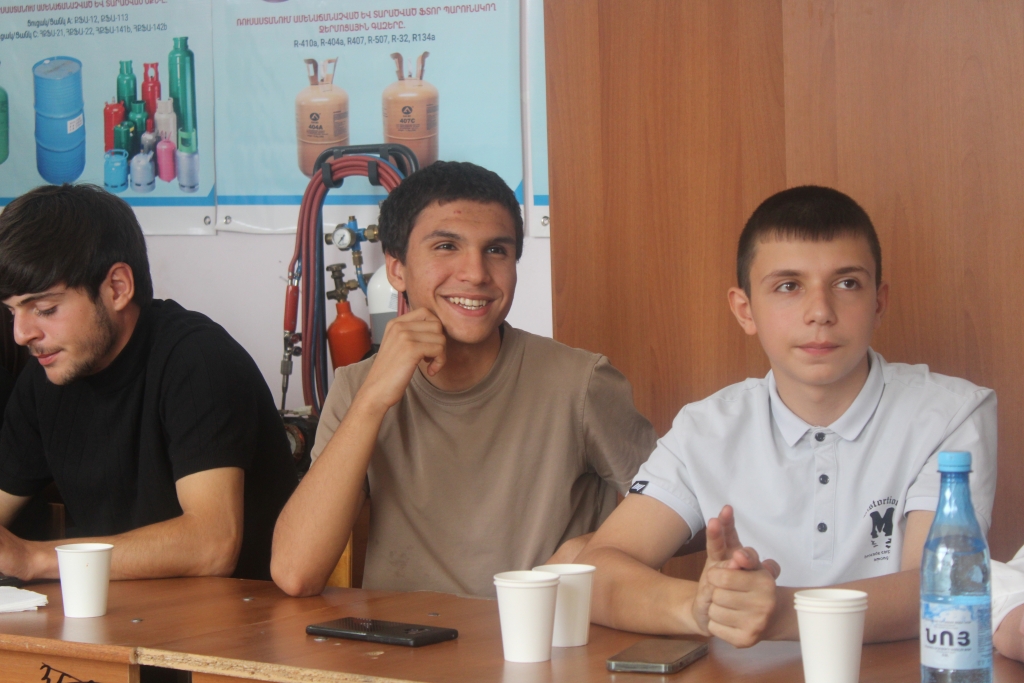
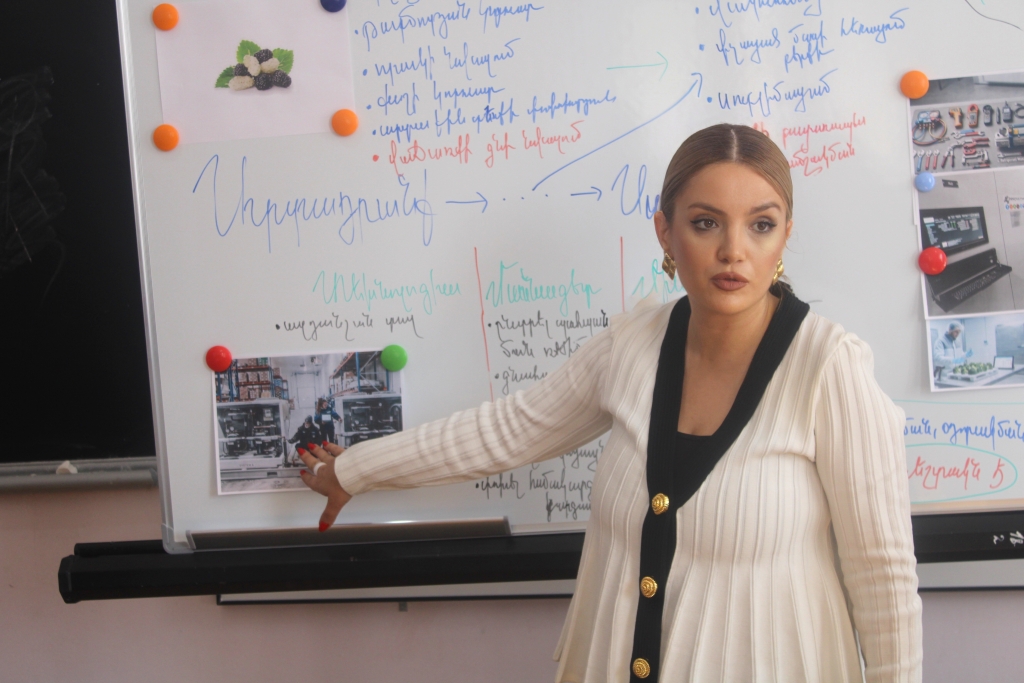
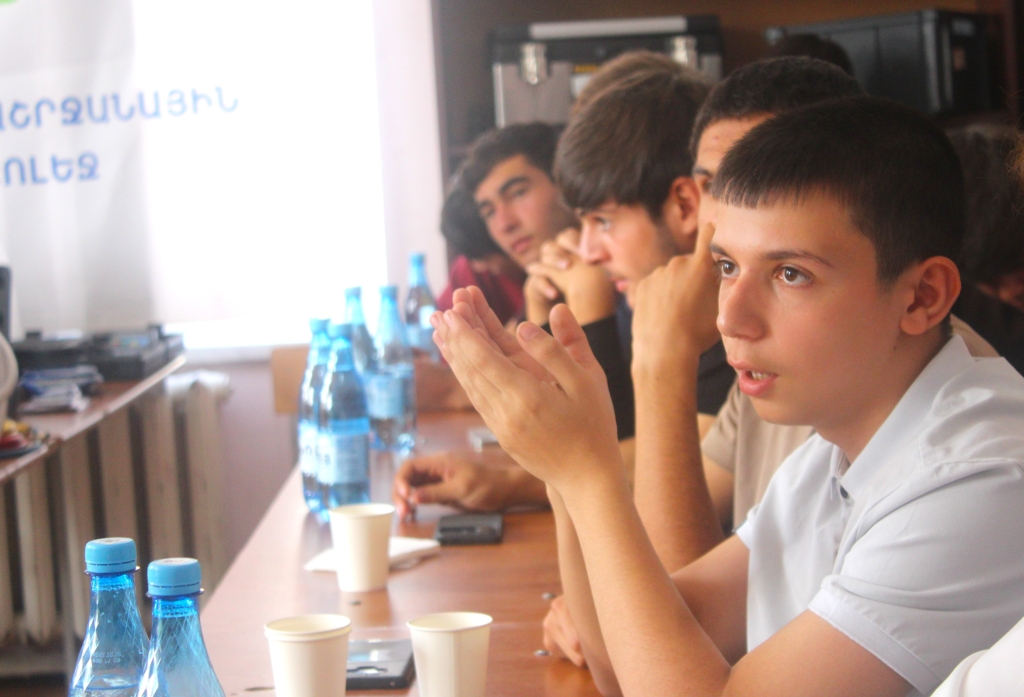
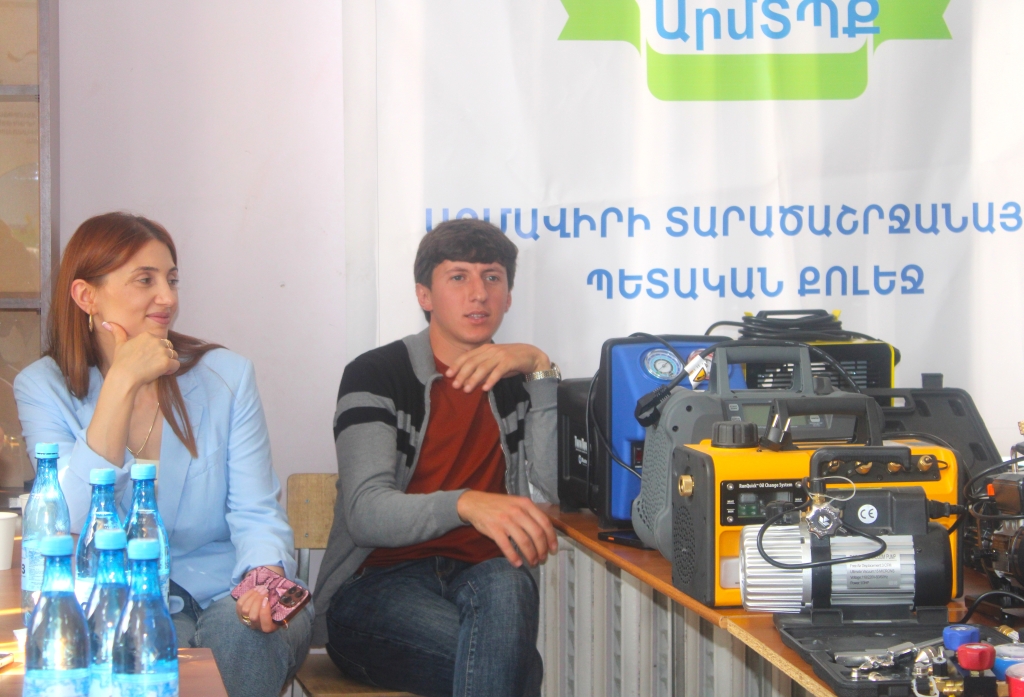
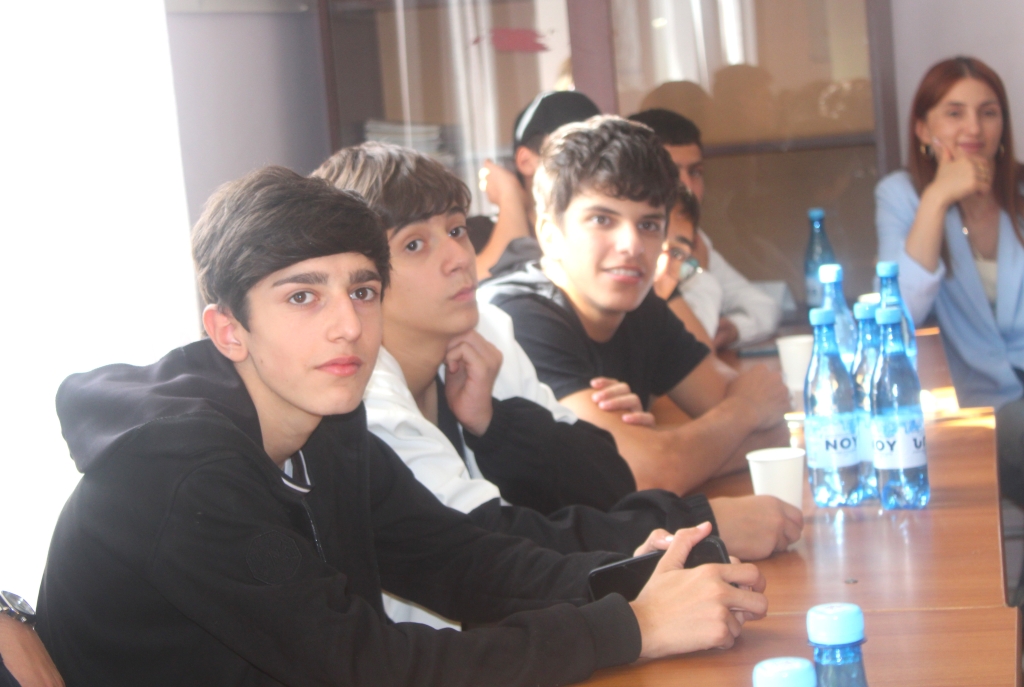
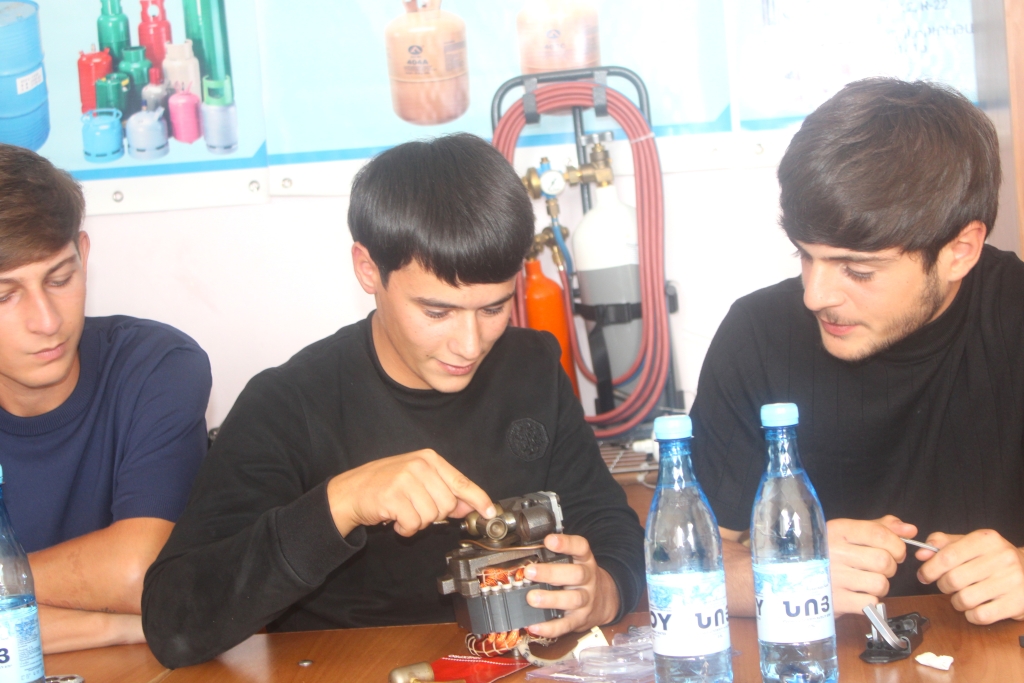
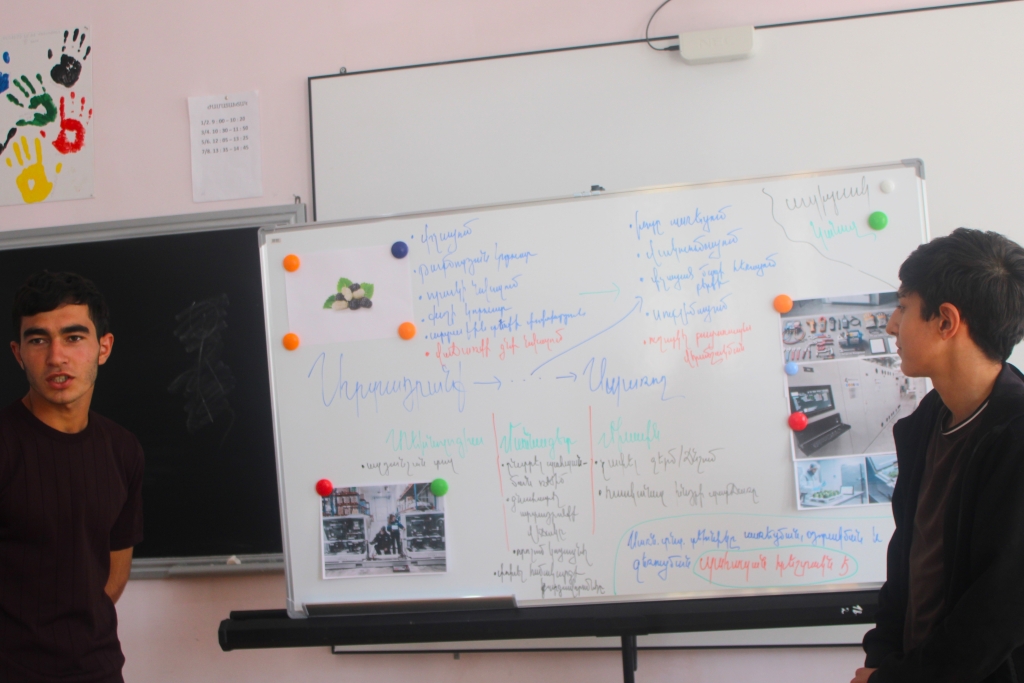
As part of the MAVETA project, apprentices studying “Installation and Operation of Drip Irrigation Systems” and “Cold Chain Management” explored these questions through creative games, discussions of professional scenarios, and the development of Mood Boards.

“The Power of Every Drop”
How can limited water resources be used as efficiently as possible? How can technology and data help us understand plants’ needs and make informed decisions? The apprentices explored how drip irrigation specialists help conserve water, improve efficiency, and contribute to sustainable agricultural development.

“Preserve the Produce”
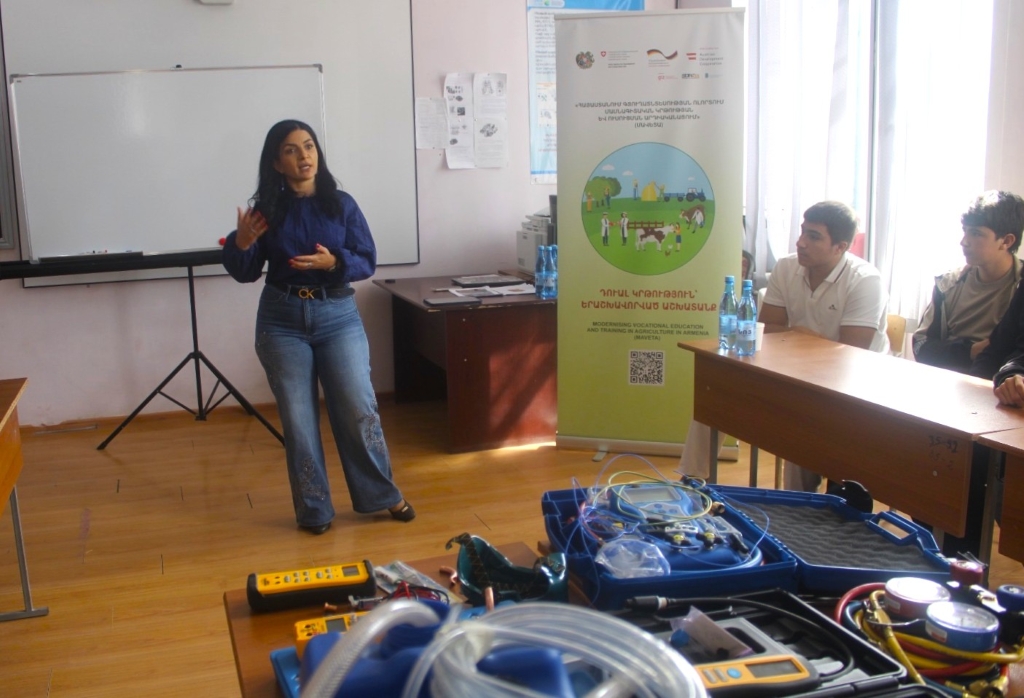
What does a farmer lose when produce is not stored under appropriate conditions? And how can specialists prevent these losses? Through discussions, the apprentices discovered the role of cold chain management in maintaining product quality, reducing food loss, and preserving the value of agricultural produce.

During both sessions, the young participants also selected colours, images, symbols, and ideas that, in their view, best capture the essence and future of these professions.

Most importantly, the apprentices’ ideas, professional insights, and visions of the future will serve as the foundation for the creation of two animated films. The films will highlight why these professions matter in modern agriculture, the role of technology and professional expertise, and the opportunities these career paths offer young people.

Because the future of agriculture is shaped not only by new technologies, but also by the skilled, knowledgeable professionals who put them into practice.

The MAVETA project is financed by the Federal Ministry for Economic Cooperation and Development (BMZ), the Swiss Agency for Development and Cooperation, the Austrian Development Agency (ADA) and the Government of Armenia.

The project’s implementing partners are the Deutsche Gesellschaft für Internationale Zusammenarbeit (GIZ) GmbH and Strategic Development Agency NGO, the School of Agricultural, Forest and Food Sciences at the Bern University of Applied Sciences (BFH-HAFL).

MAVETA Accurate Diagnostics, Safe Practices: New Requirements for Veterinary Laboratories

How can modern laboratory diagnostics help detect diseases in a timely manner, while adherence to biosafety protocols reduce the risk of their spread? Both are essential to ensuring the quality of veterinary services and protecting animal health.

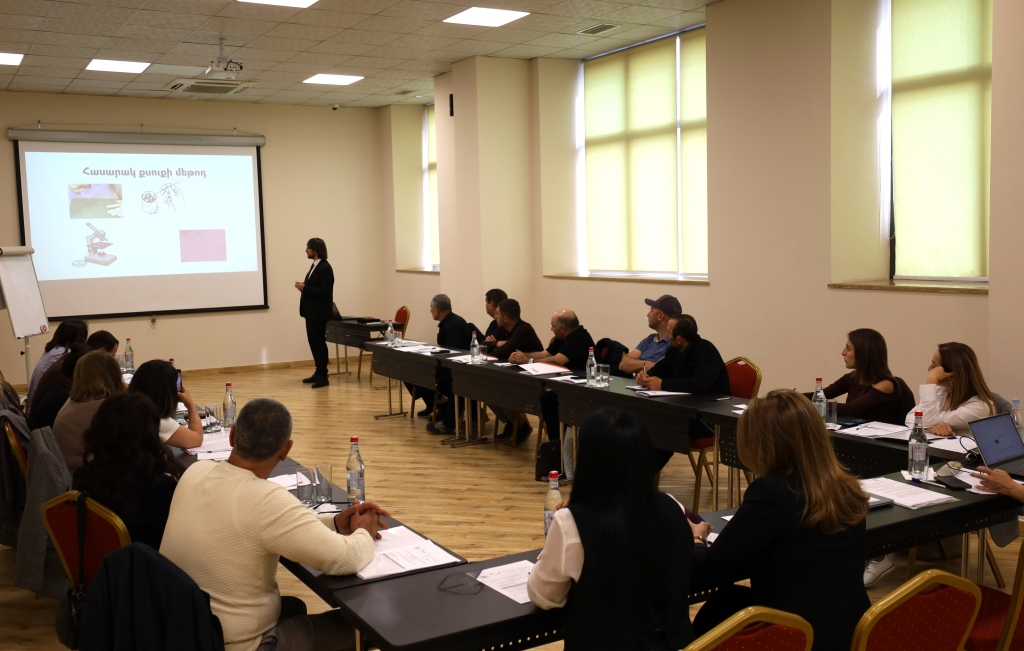
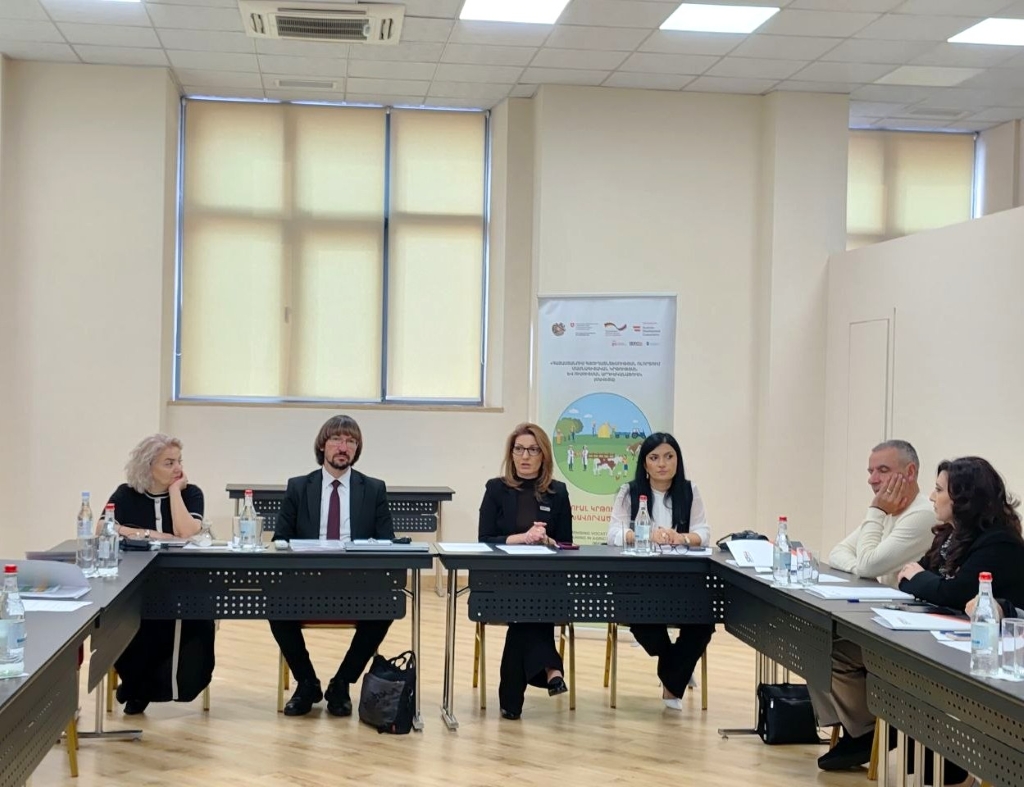
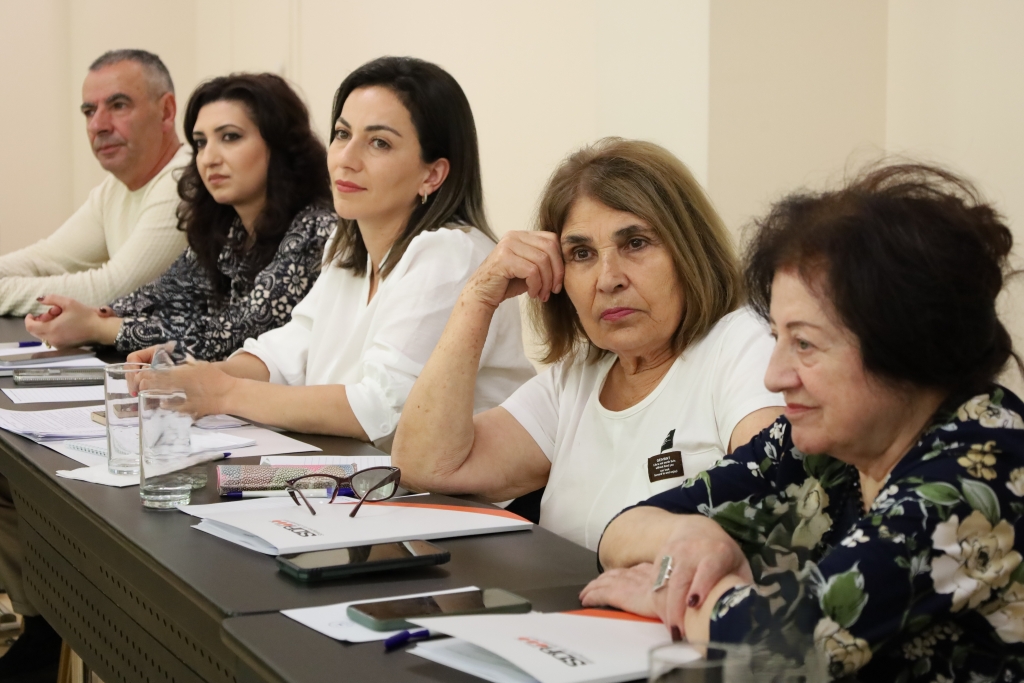
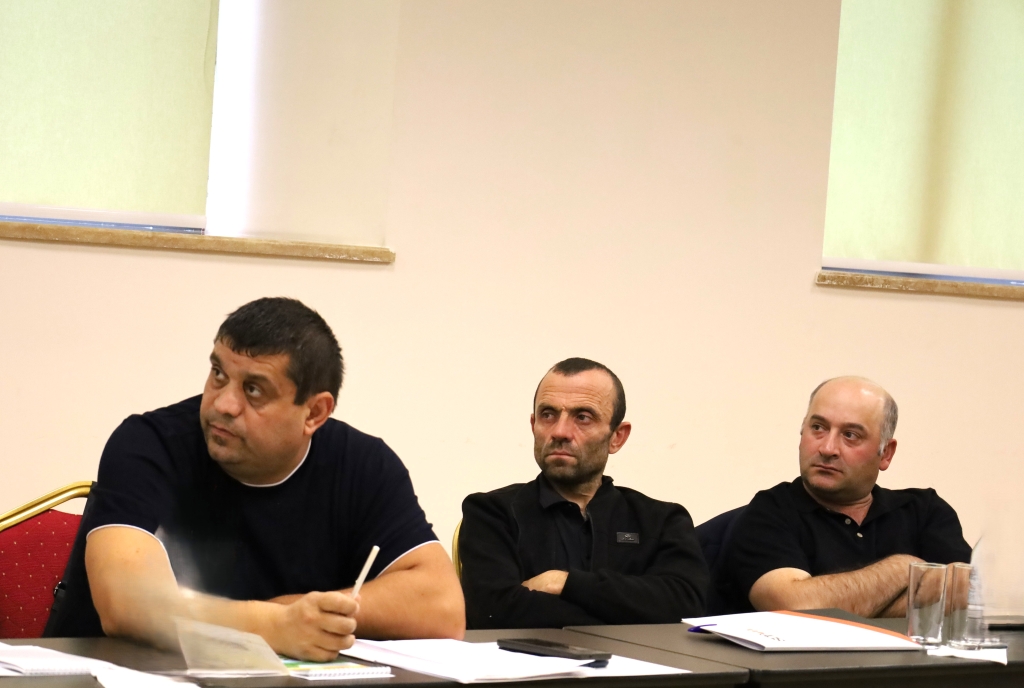
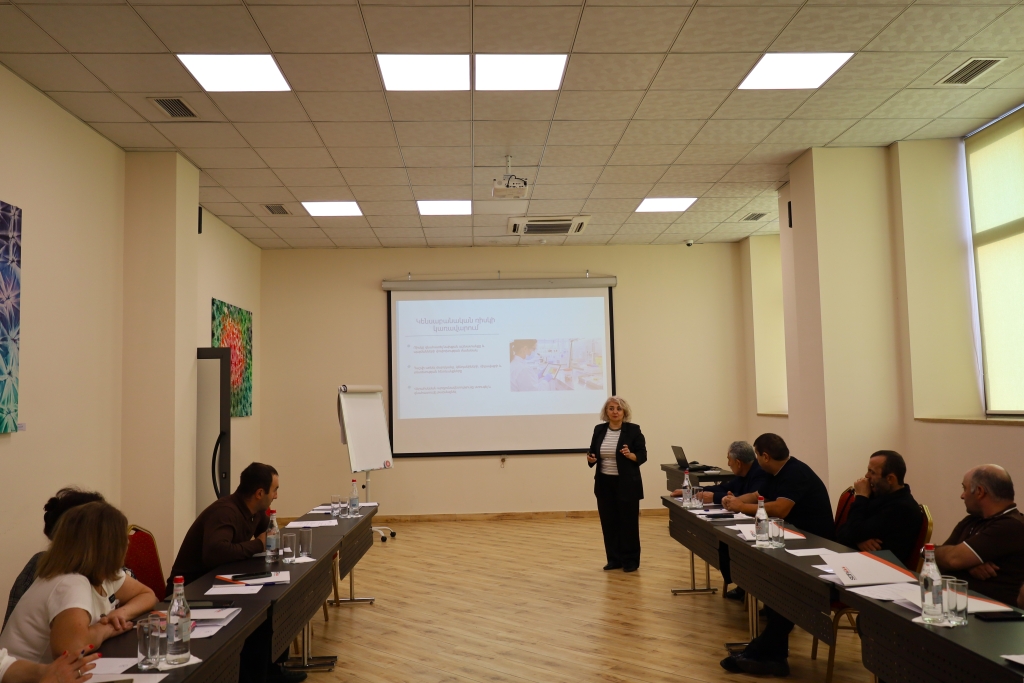
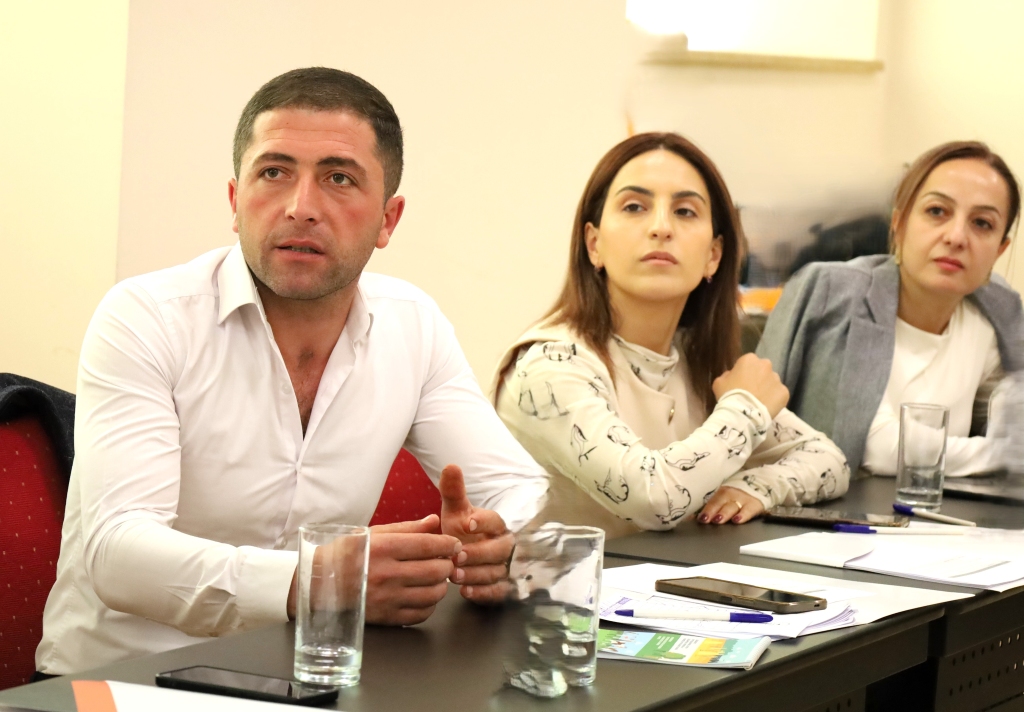
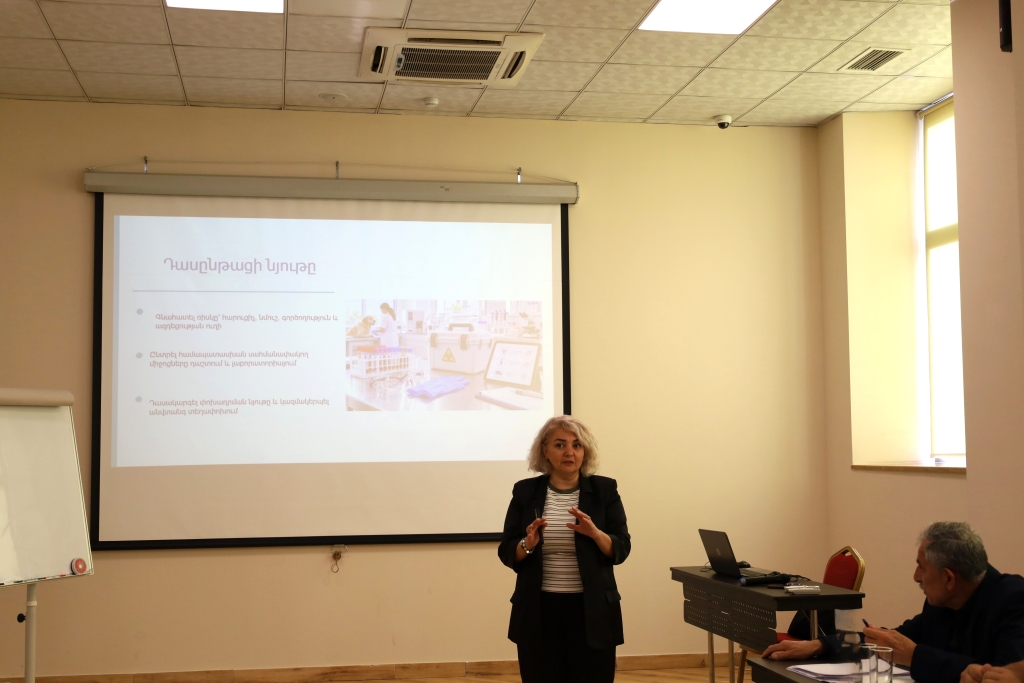
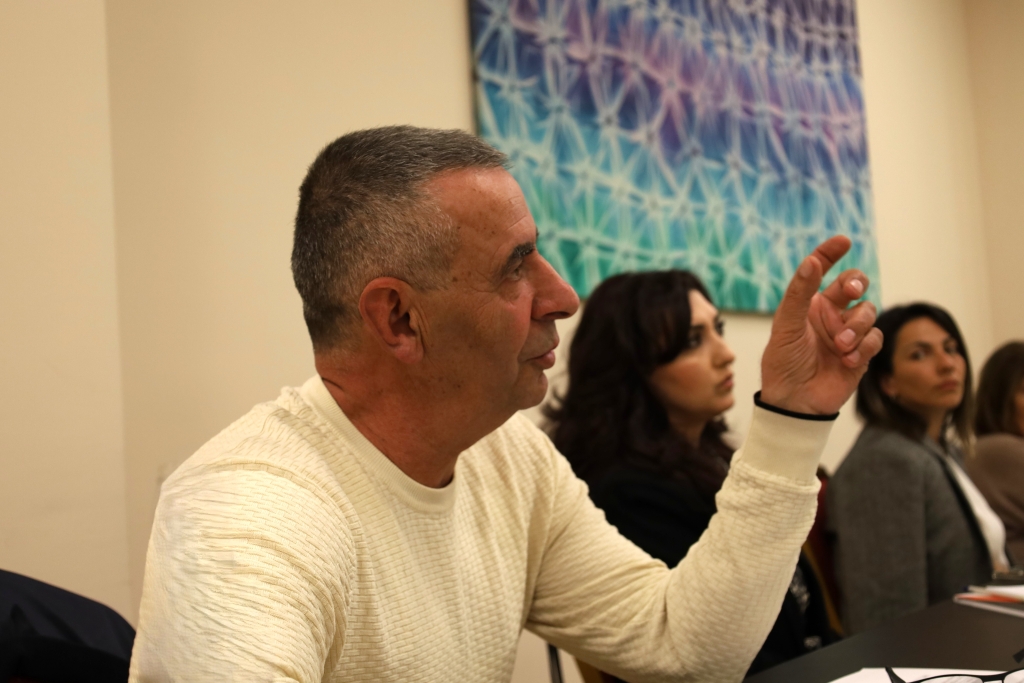
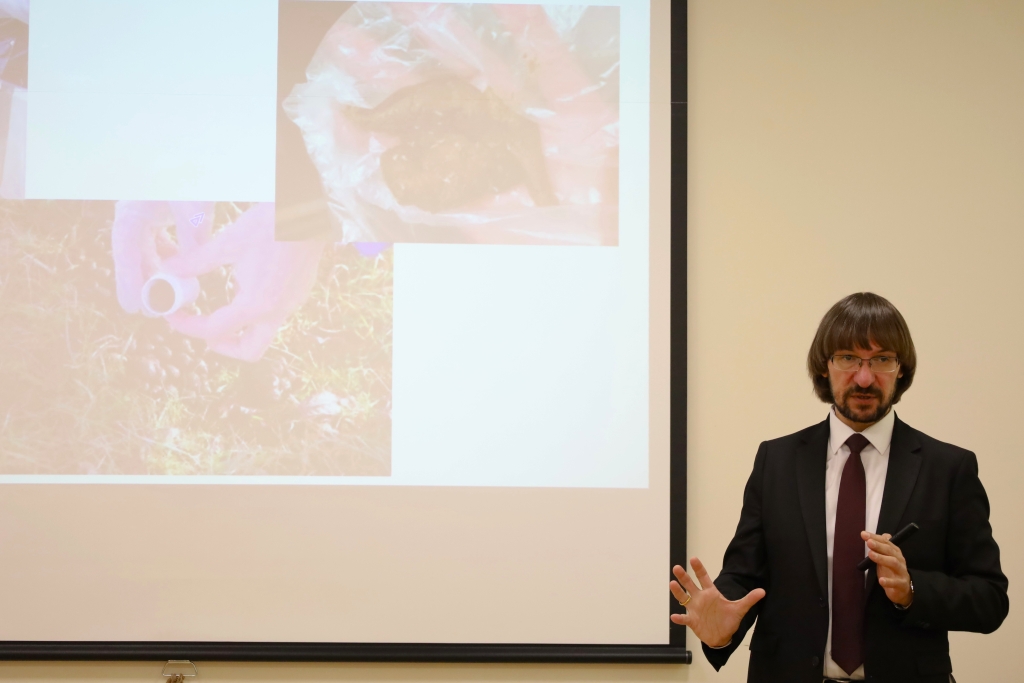
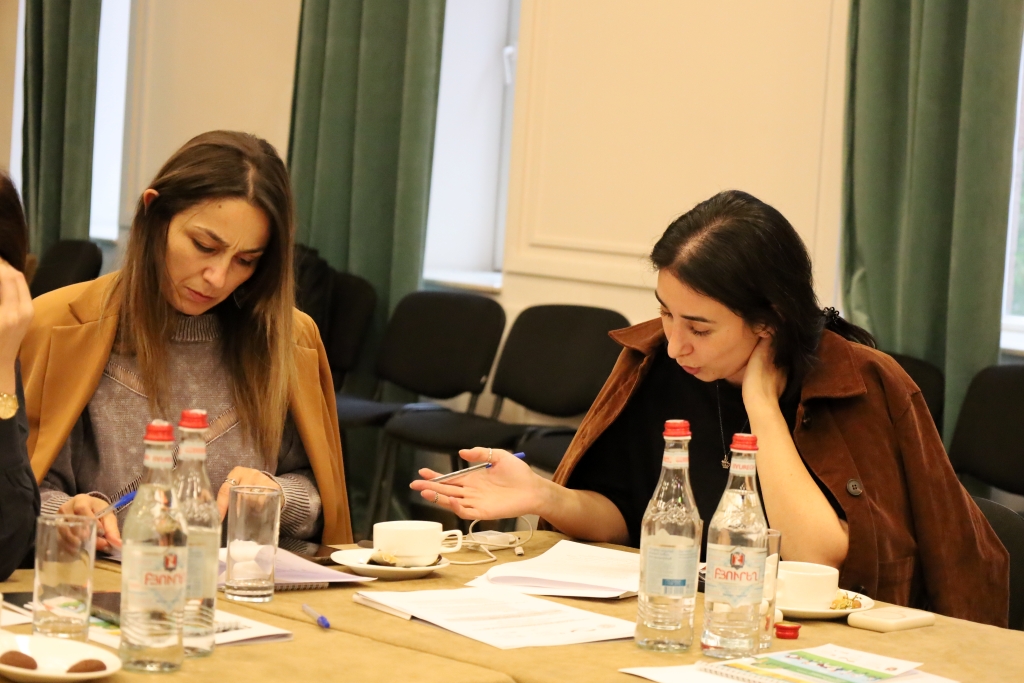
On October 6-7, a two-day training workshop entitled “Modern Methods of Veterinary Laboratory Diagnostics and Biosafety Requirements” was held within the framework of the MAVETA project. The workshop aimed to deepen participants’ professional knowledge and strengthen their ability to apply it in practice.

During the training, participants explored modern diagnostic methods for parasitic diseases, as well as approaches to their treatment, prevention, and control. The sessions also covered pathological sampling, serological testing, and other laboratory examination procedures. Particular emphasis was placed on the fact that reliable diagnostics begin with proper sample collection and depend on accuracy at every stage of the testing process.

Special attention was given to biosafety during laboratory testing and sample transportation. Compliance with safety requirements is more than a procedural obligation; it is an essential aspect of professional practice that helps minimise biological risks, protect the health of laboratory personnel, and ensure the reliability of test results.

Professional training initiatives of this kind, delivered within the framework of MAVETA, play an important role in translating knowledge into practical skills. Understanding modern diagnostic methods, disease prevention approaches, and the consistent application of biosafety principles are mutually reinforcing elements that provide the professional foundation for high-quality work in the veterinary sector.

The training was delivered by Oleg Shcherbakov and Ruzanna Harutyunyan.

The MAVETA project is financed by the Federal Ministry for Economic Cooperation and Development (BMZ), the Swiss Agency for Development and Cooperation, the Austrian Development Agency (ADA) and the Government of Armenia.

The project’s implementing partners are the Deutsche Gesellschaft für Internationale Zusammenarbeit (GIZ) GmbH and Strategic Development Agency NGO, the School of Agricultural, Forest and Food Sciences at the Bern University of Applied Sciences (BFH-HAFL).

RECONOMY Beyond the destination: connecting tourism potential with international markets

A destination’s attractiveness does not automatically translate into international demand. Between having distinctive cultural heritage, landscapes, and authentic experiences and becoming a competitive choice for international travellers lies a critical process: connecting local tourism offerings with the markets, networks, and businesses that can bring them to a wider audience.

This has been one of the key objectives behind the familiarisation (FAM) tours supported by RECONOMY’s Digitizing Sectors for Competitiveness project.

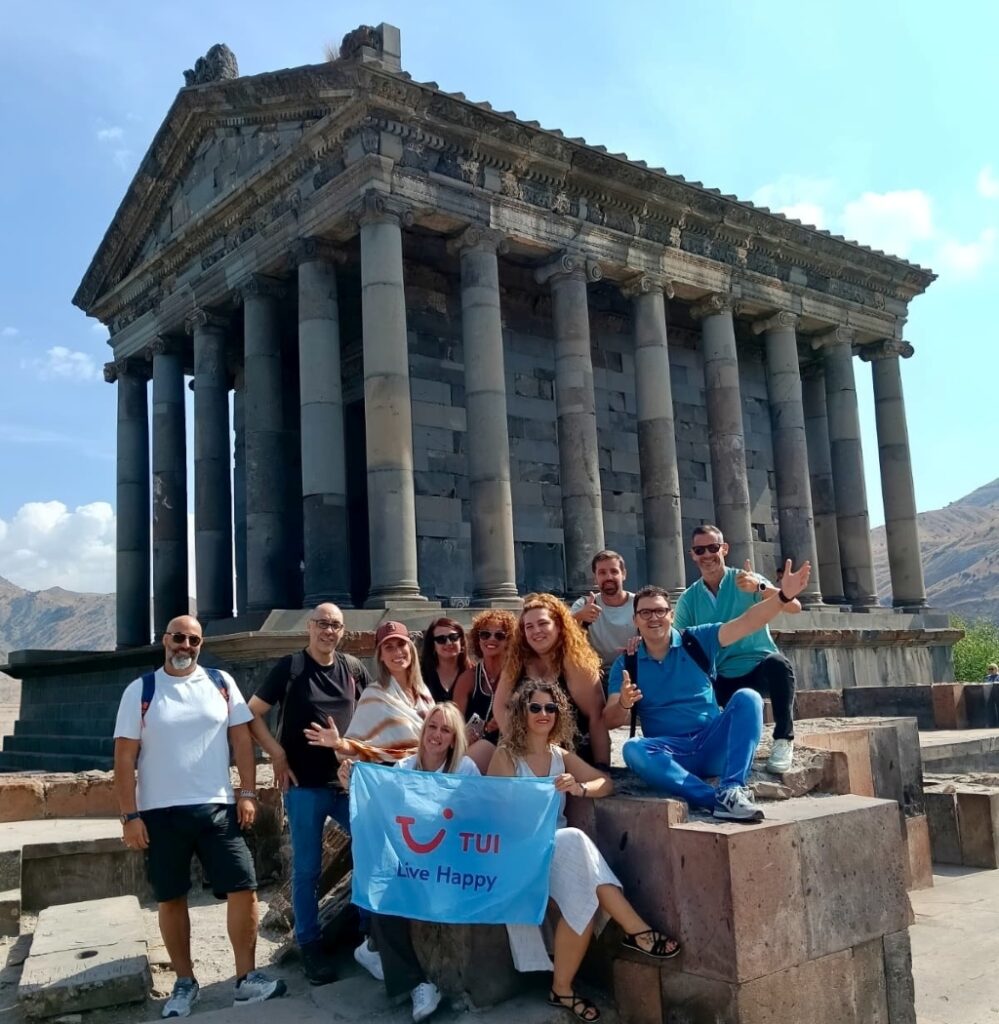
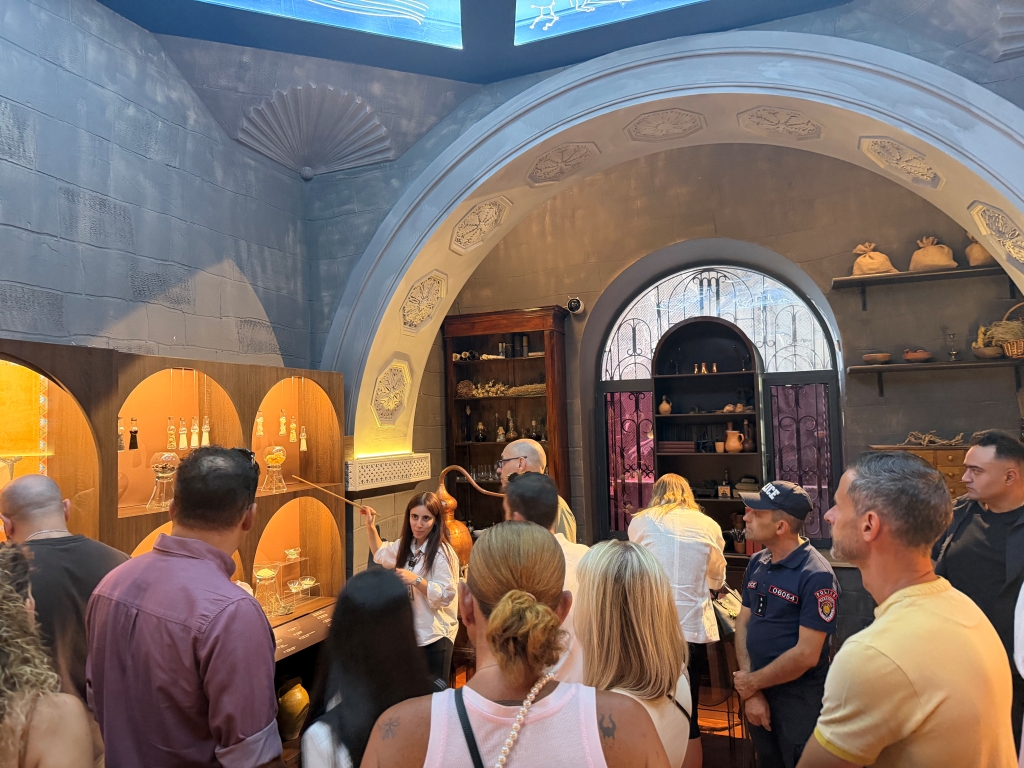
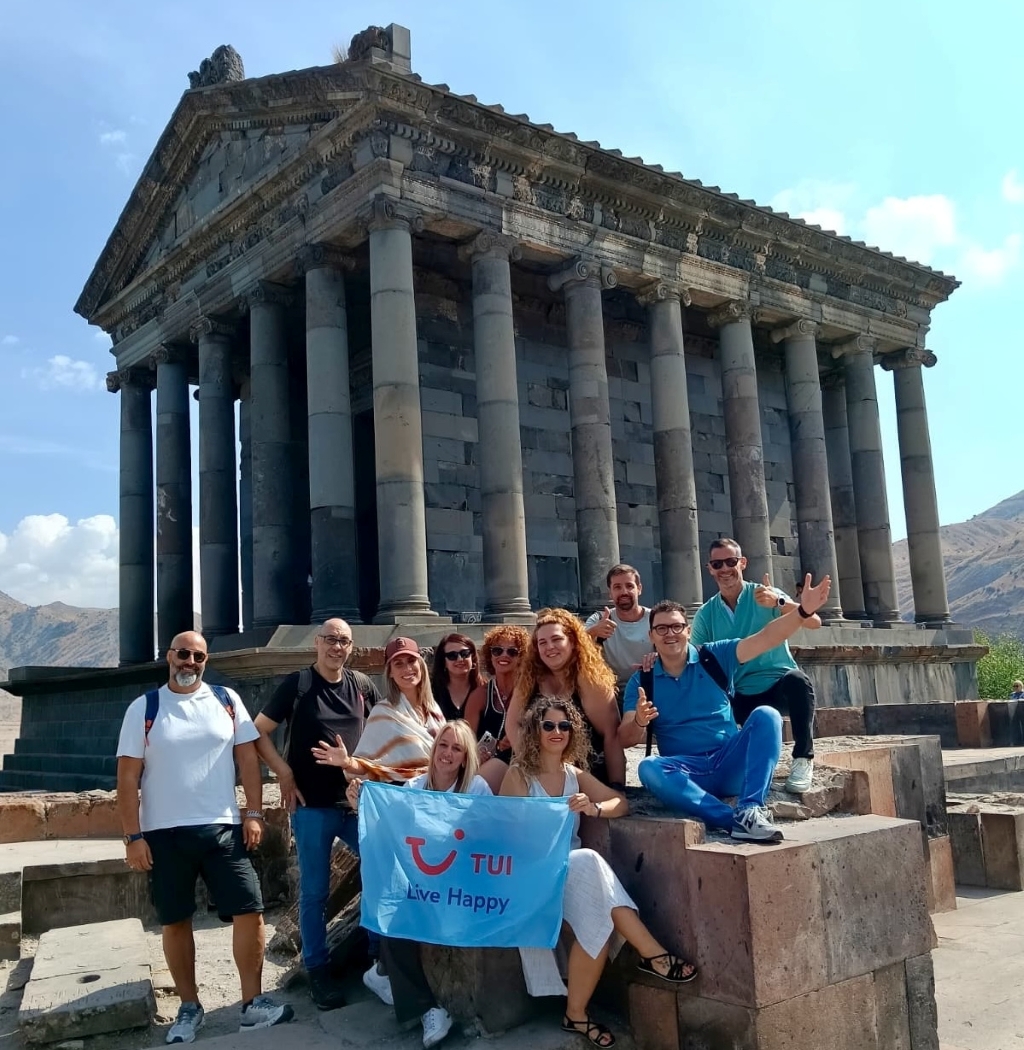
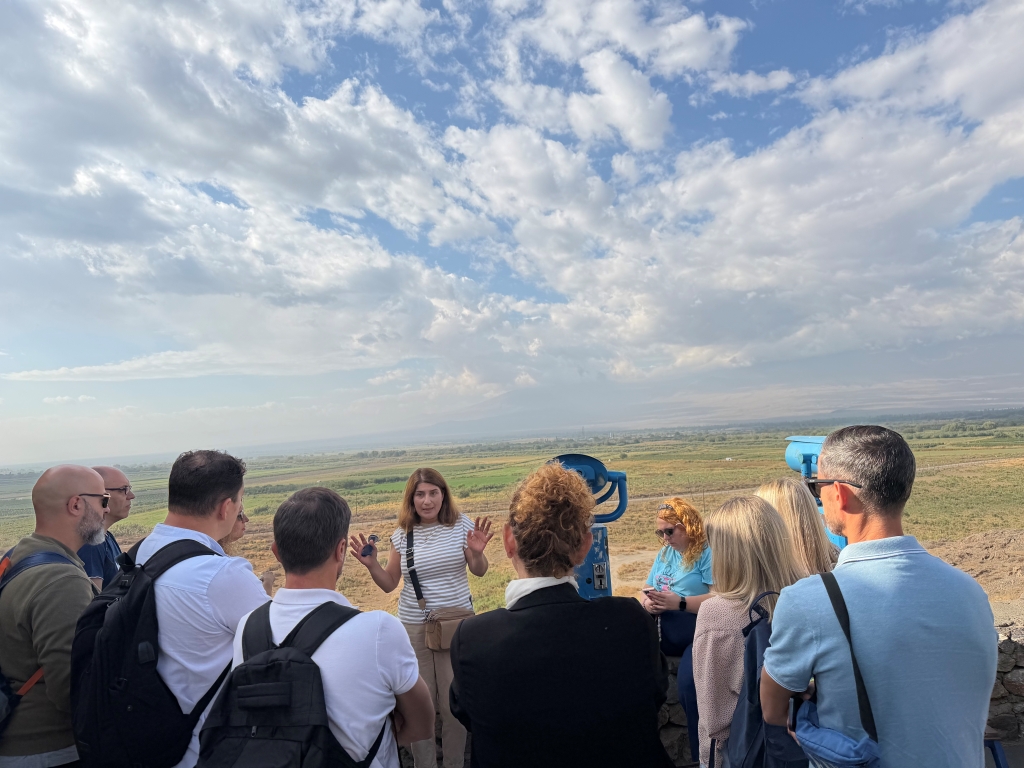
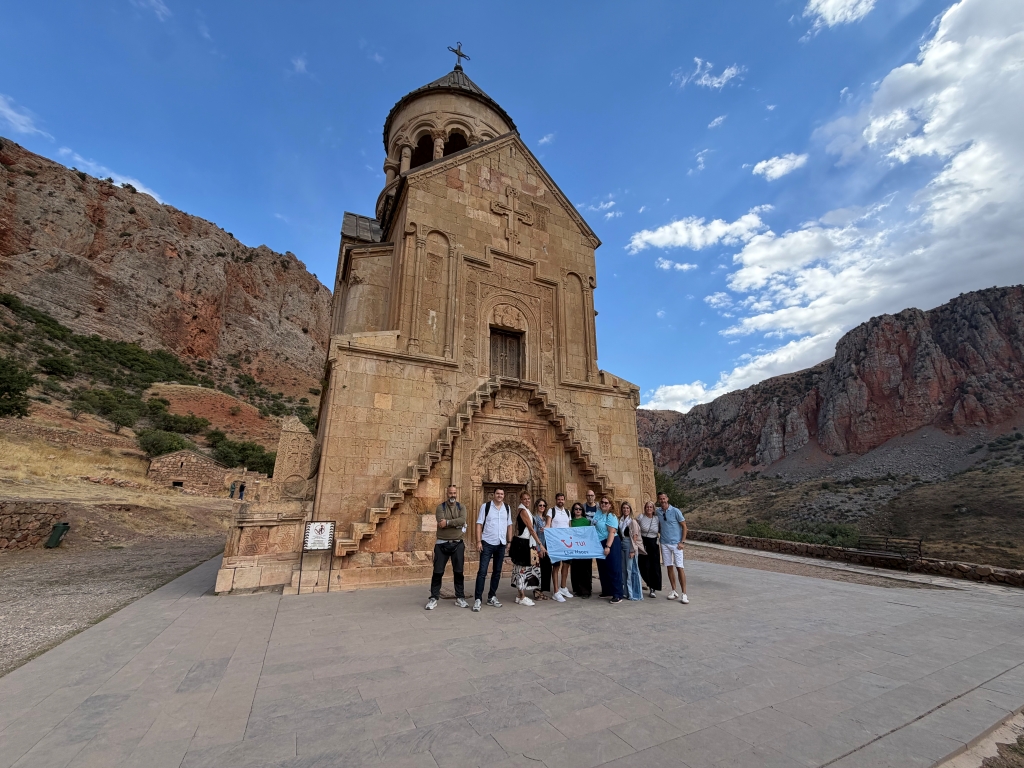
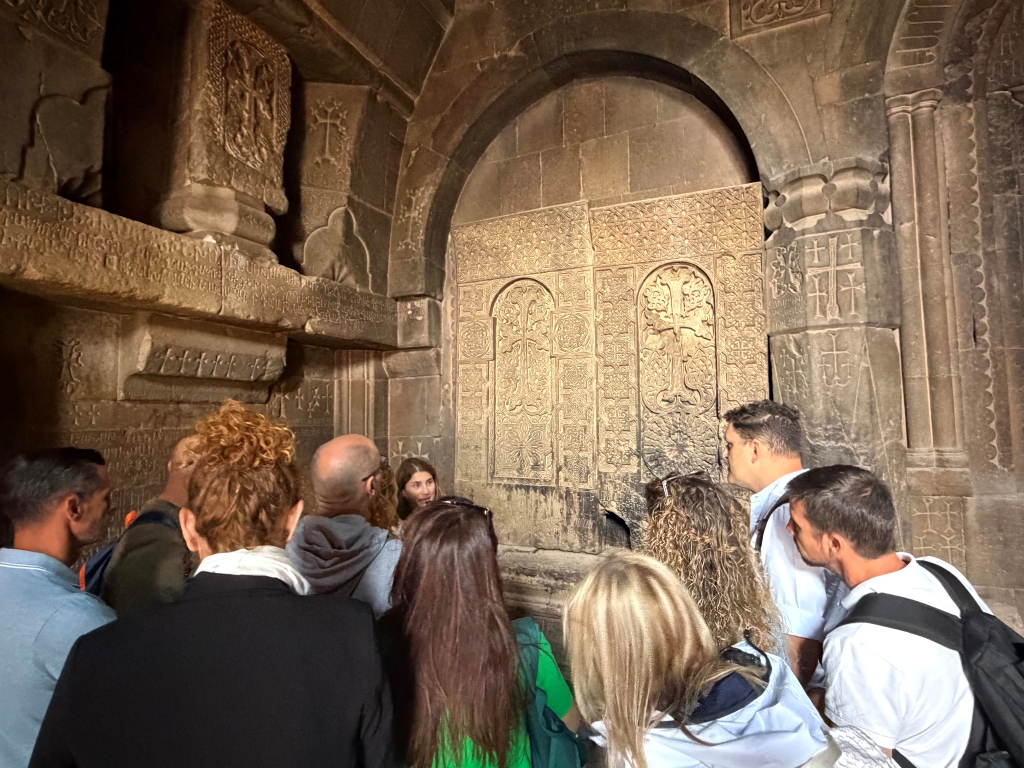
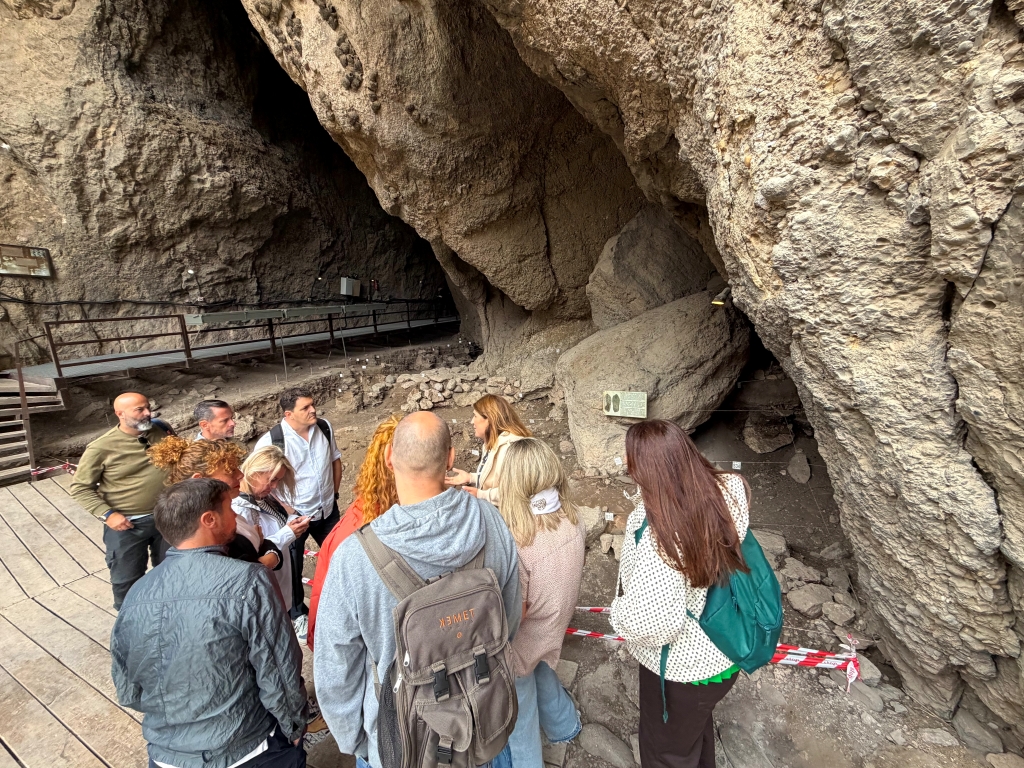
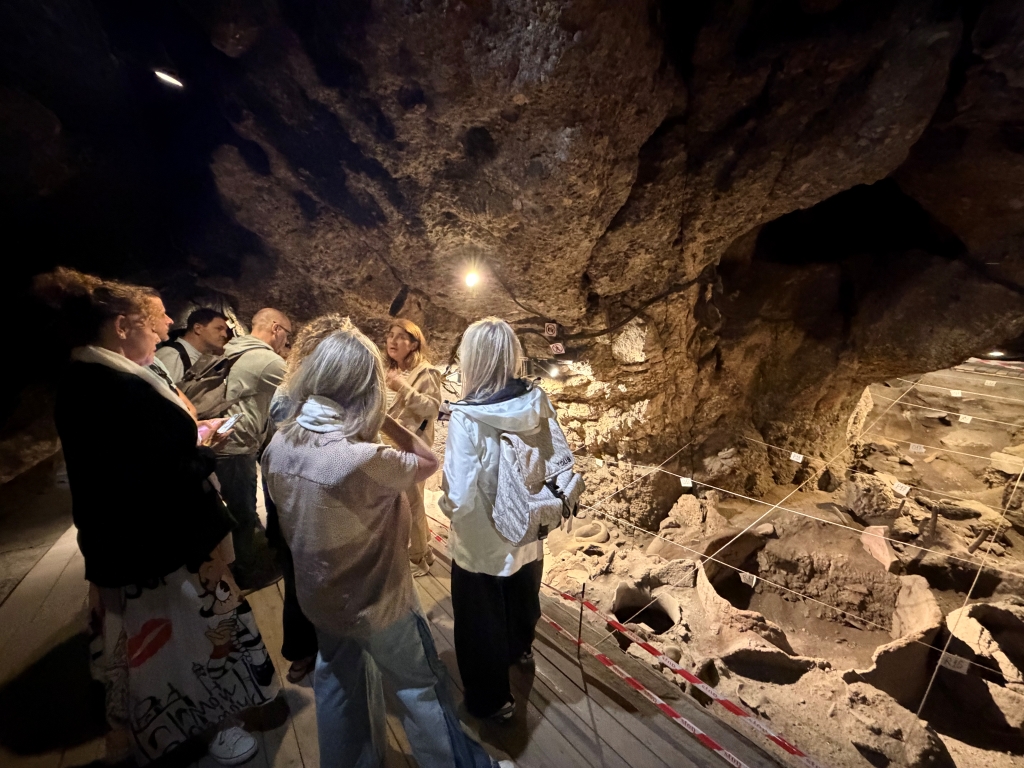
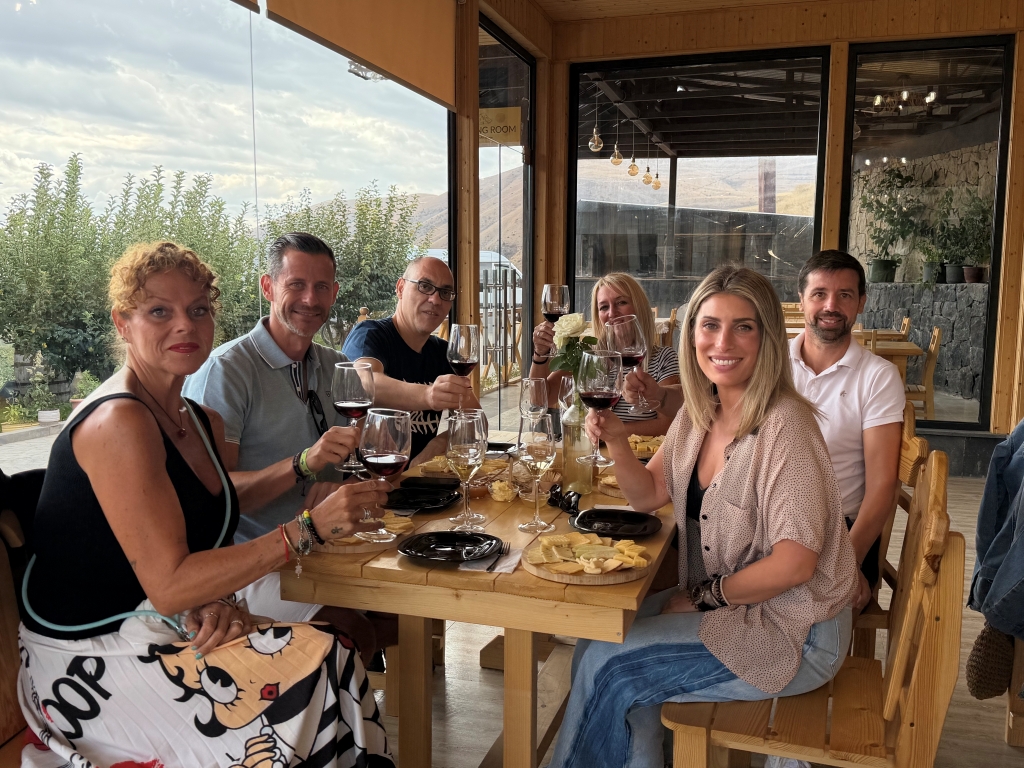
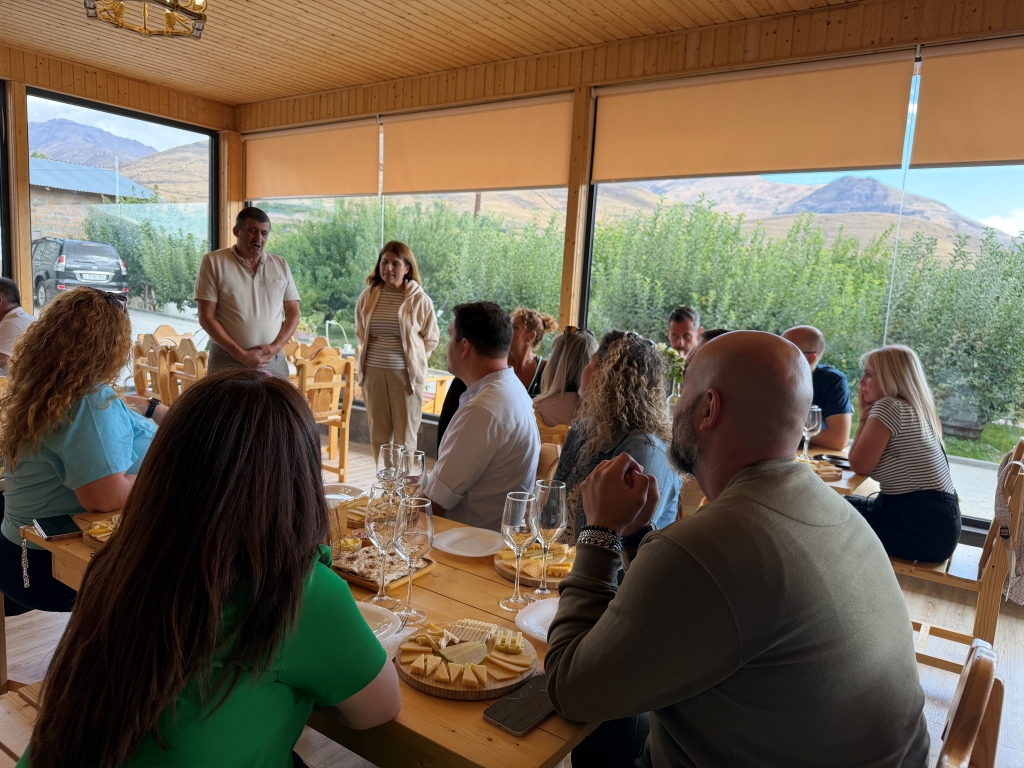
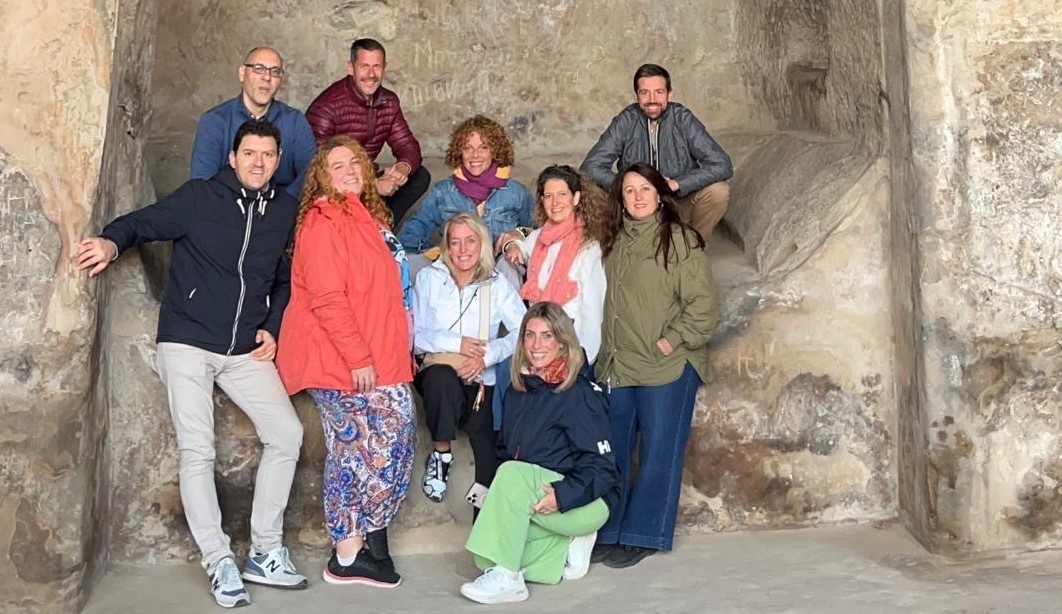
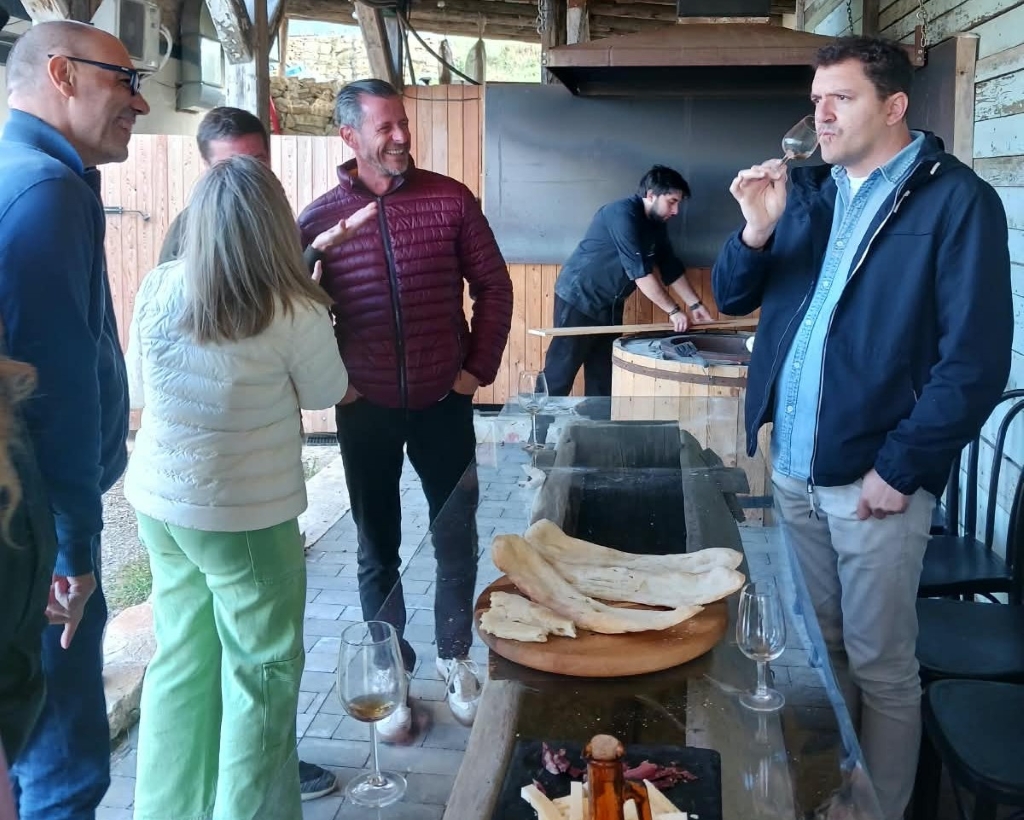
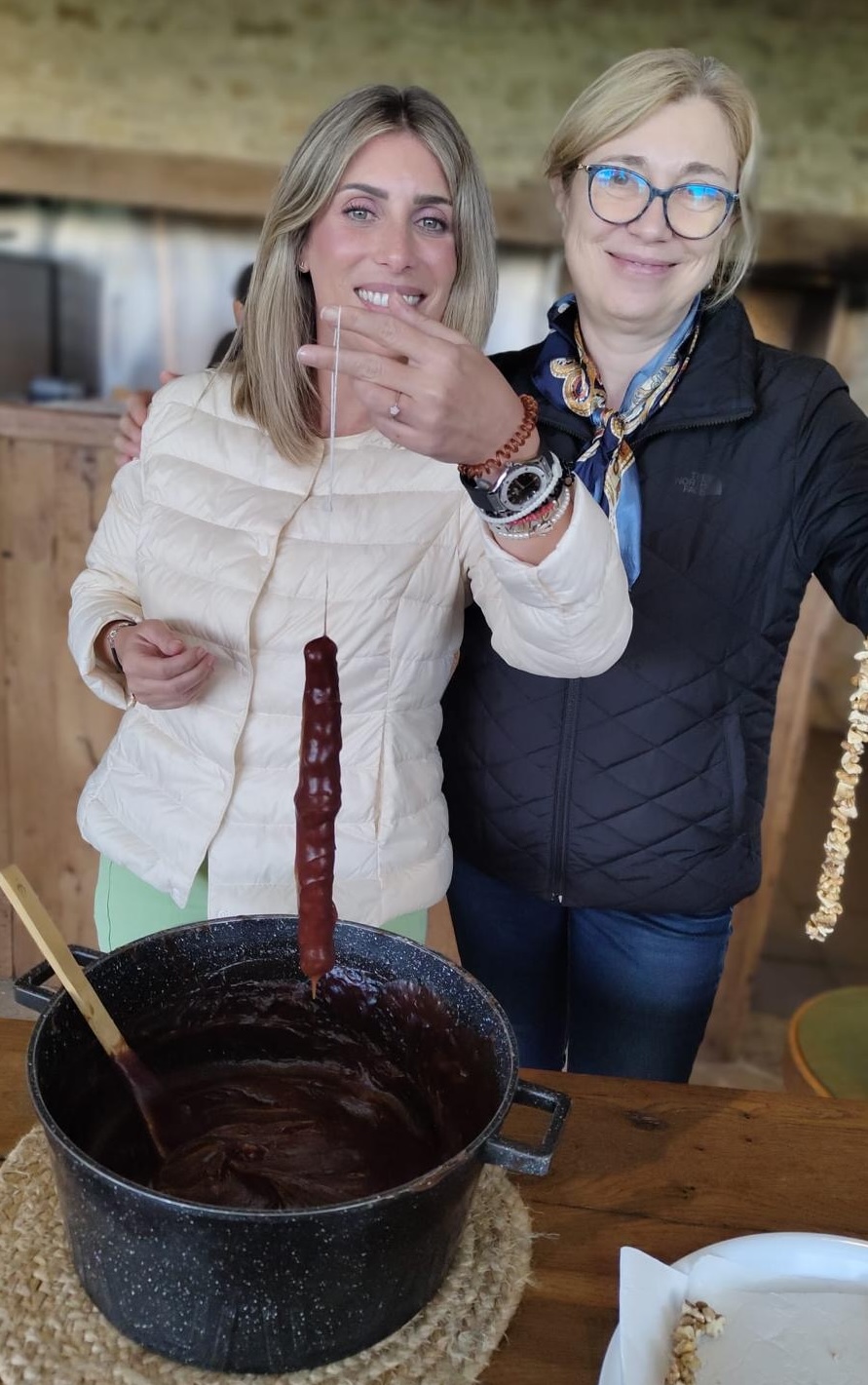
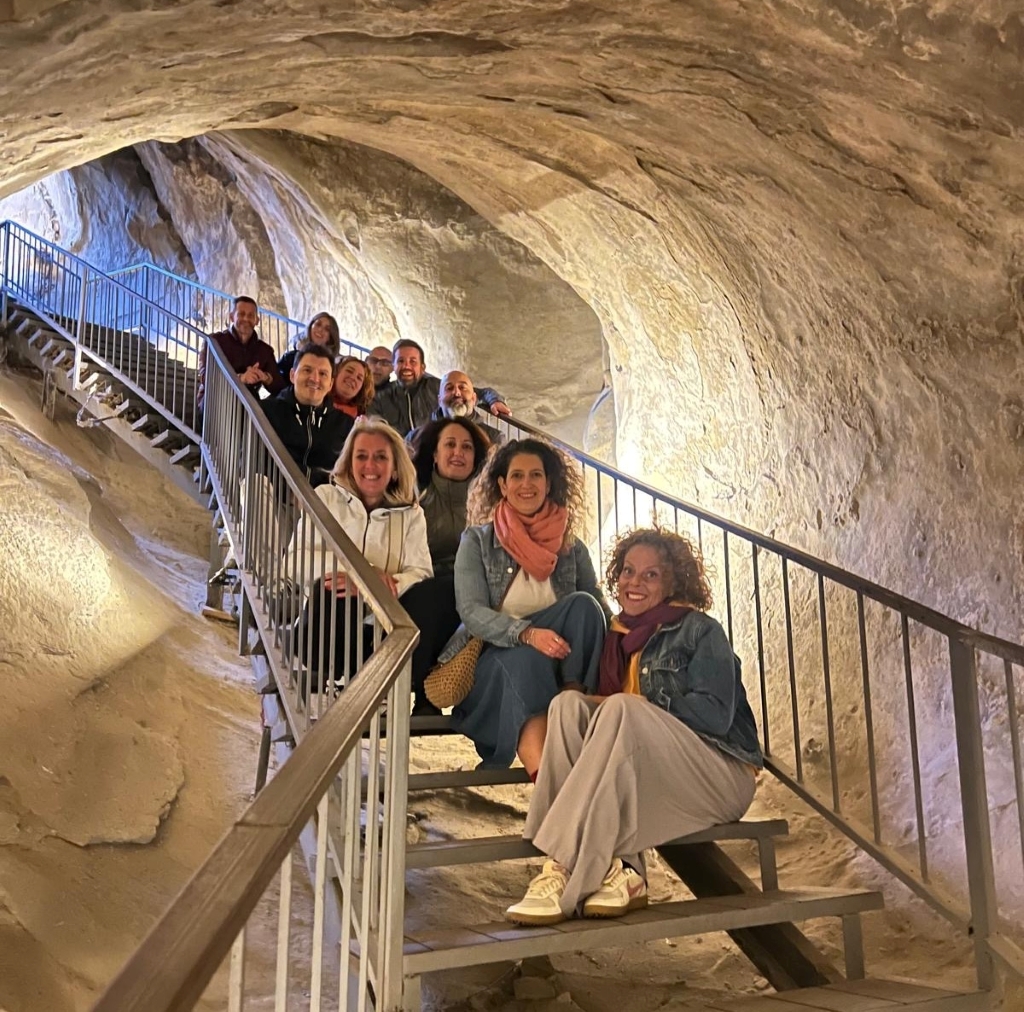
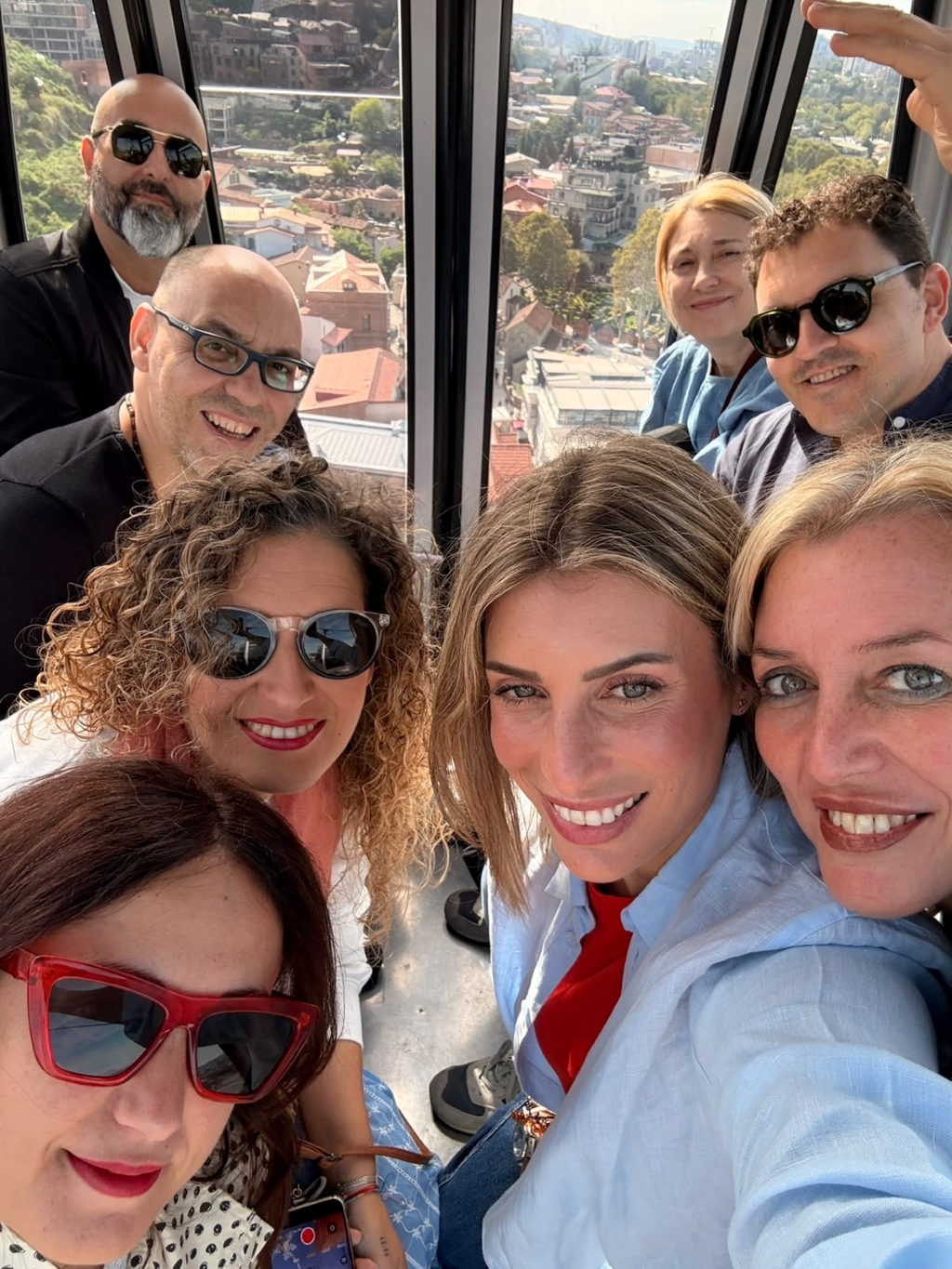
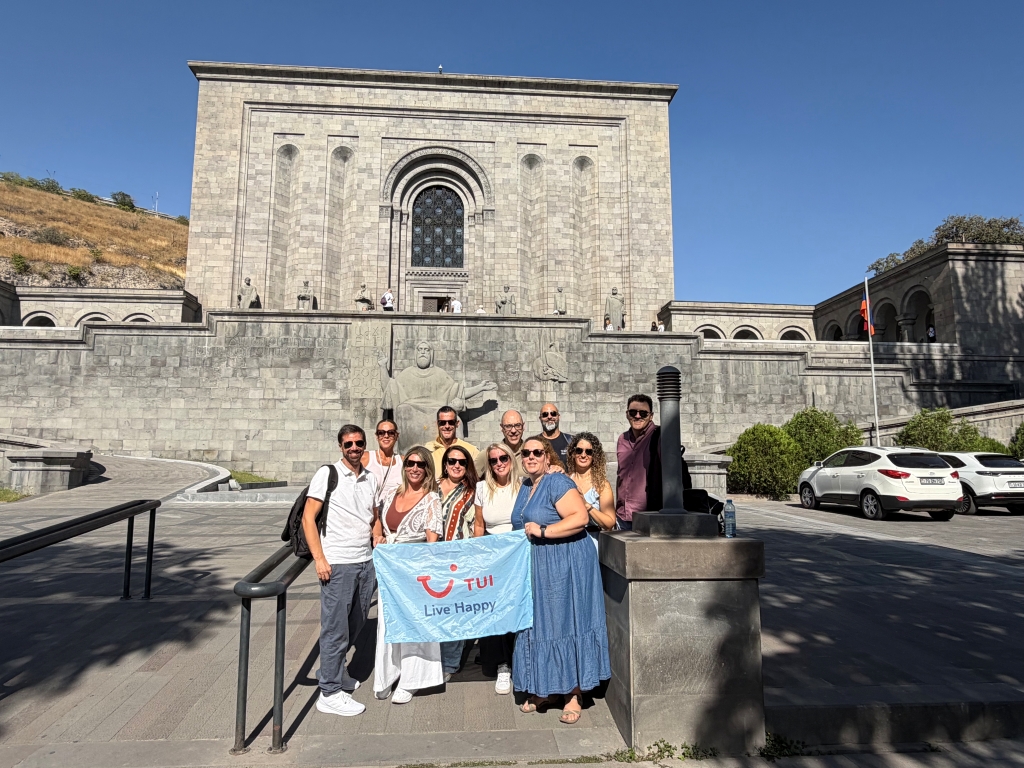
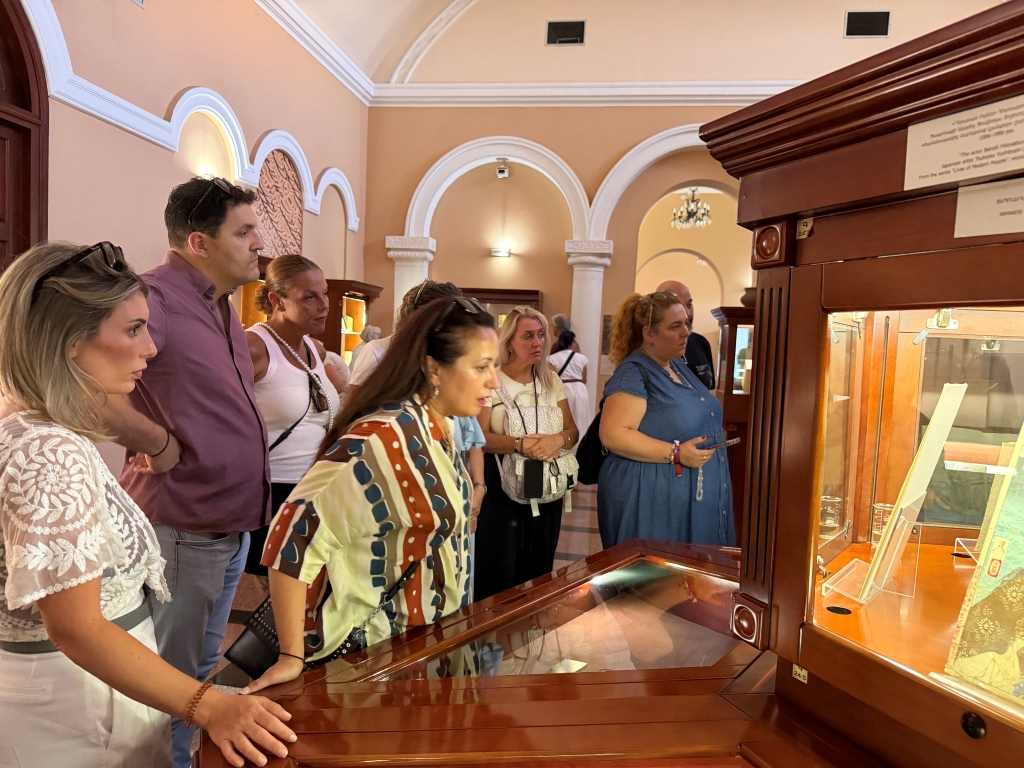
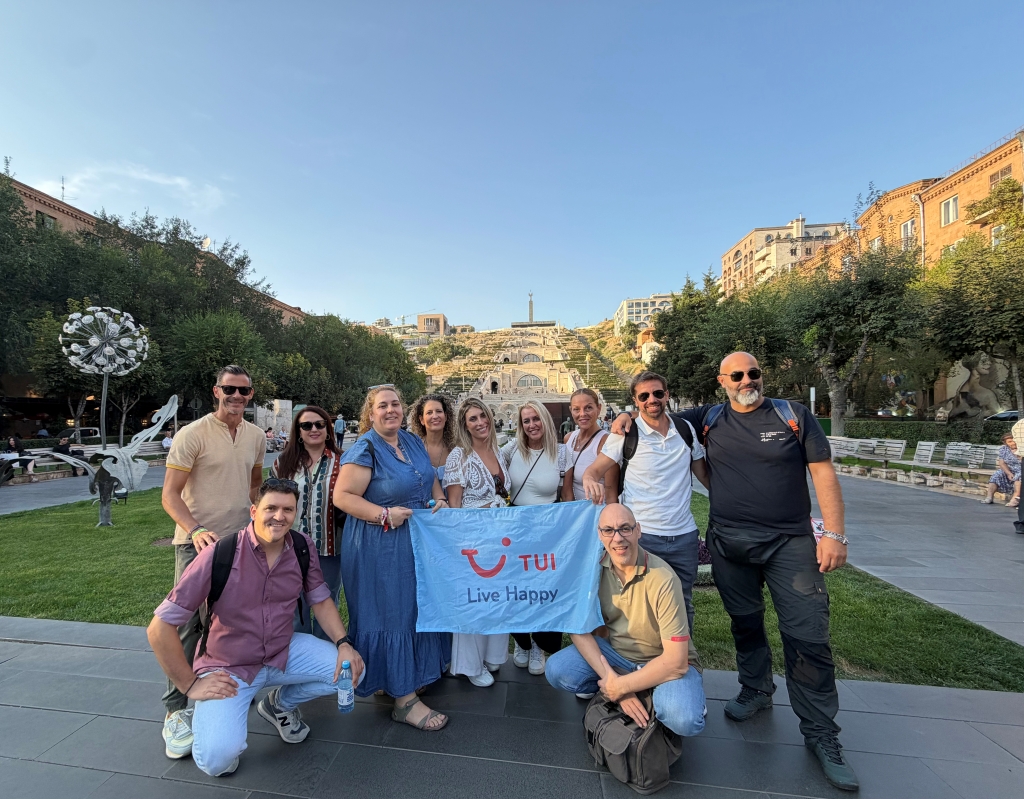
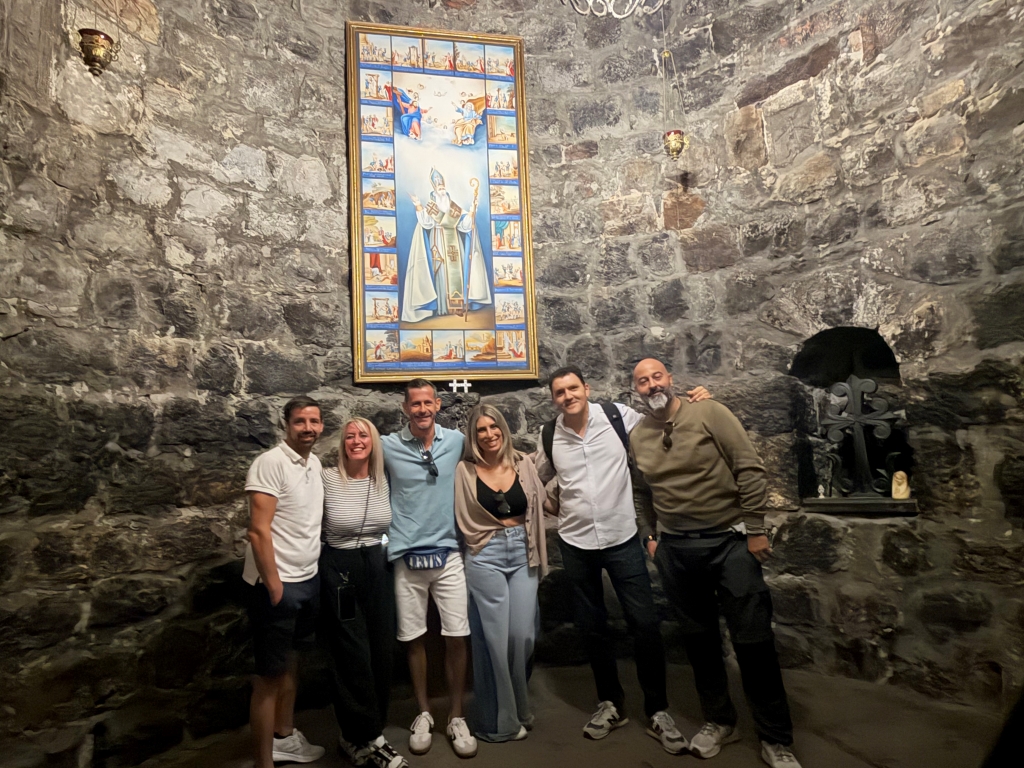
Our partner tour operator, Nueva Vista, organised a FAM tour for representatives of the Spanish tourism market, combining two neighbouring destinations in one journey: Armenia from 25-30 September, followed by Georgia from 30 September to 4 October 2026.

Bringing Armenia and Georgia together in one itinerary offered an opportunity to introduce international tourism professionals to the region’s diverse tourism potential and explore how neighbouring destinations can complement one another in international travel offerings.

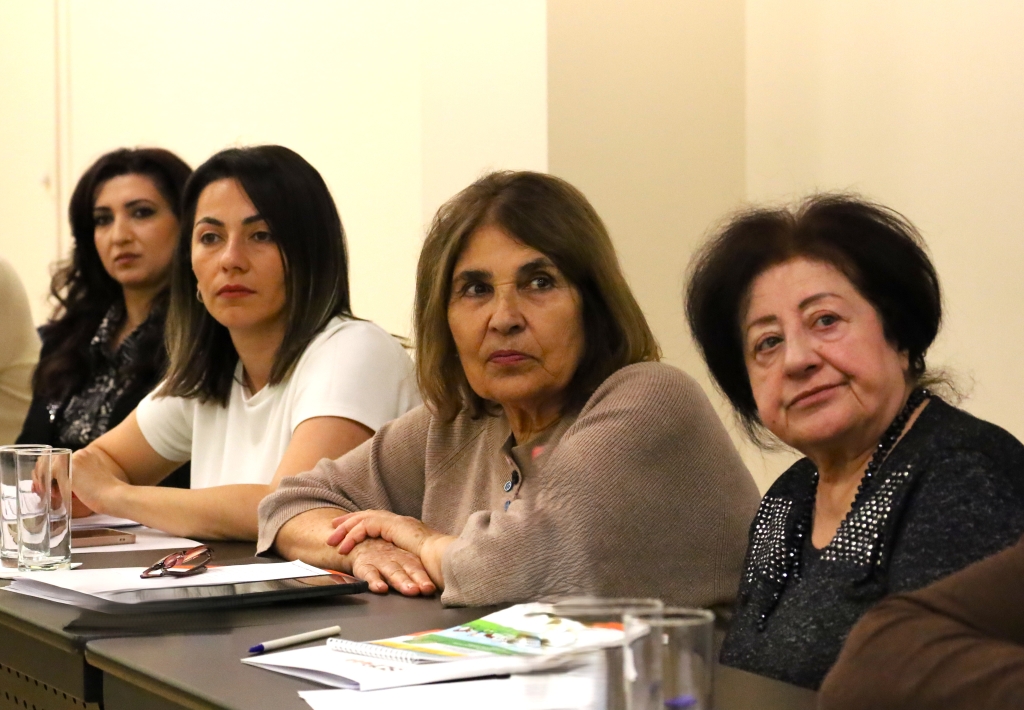
The broader significance of FAM tours lies in the connections they help create. First-hand exposure enables international tourism professionals to develop a more informed understanding of destinations, evaluate tourism products and services, and identify opportunities for future business cooperation. For local tourism providers, these interactions can help reduce information gaps, strengthen relationships with international operators, and improve the positioning of their offerings in competitive markets.
For tourism businesses, competitiveness is not simply about having something worth visiting. It also depends on how effectively their products are developed, communicated, packaged, and connected to international demand.

Through its support for Nueva Vista in organising the tour, RECONOMY’s Digitizing Sectors for Competitiveness project contributes to strengthening these market connections and expanding opportunities for tourism businesses to engage with international partners.

Because putting a destination on the map is only the beginning. The real opportunity lies in connecting its unique offerings with the markets, partnerships, and travellers that can help its tourism sector grow.

RECONOMY is an inclusive and green economic development program of the Swedish International Development Cooperation Agency (Sida), implemented by Helvetas in partnership with the Strategic Development Agency NGO and others in the Eastern Partnership and Western Balkan countries.

MAVETA: Colleges’ Digital Presence in a New Format

Today, a college’s digital presence is an important part of how it communicates – how it presents itself, its students and the opportunities it offers. A social media page has become a space where students, parents, partners and prospective applicants can learn about college life, vocational professions, opportunities and the people who are part of it.

A single photograph, a short video or a well-crafted post can do much more than simply provide information. It can tell a story, spark interest, build trust and make the everyday work and life of a college visible to a wider audience.
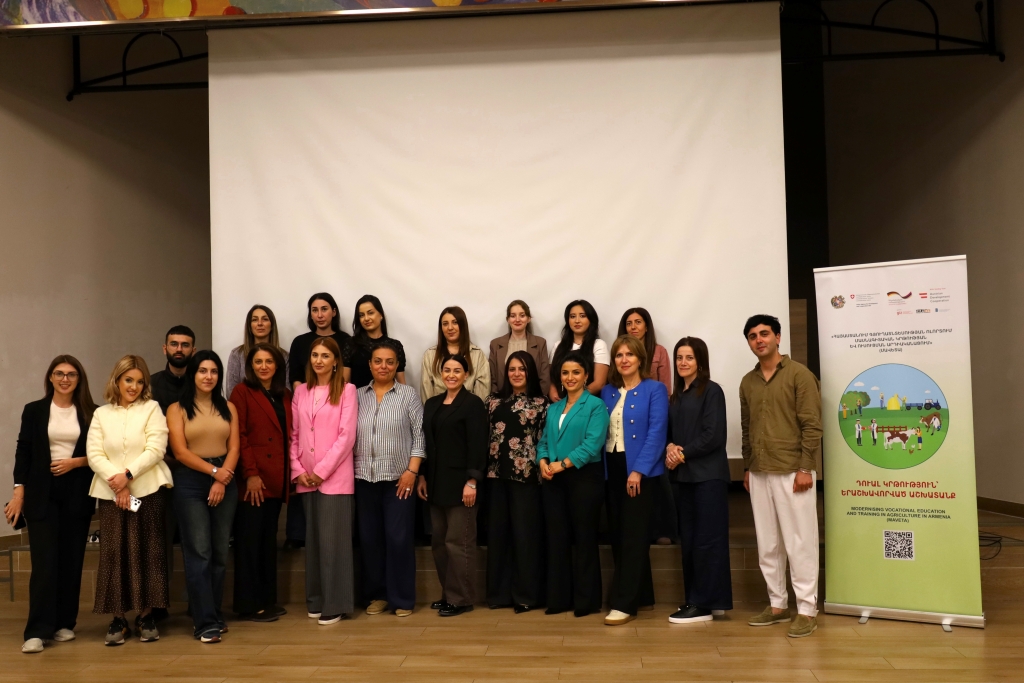
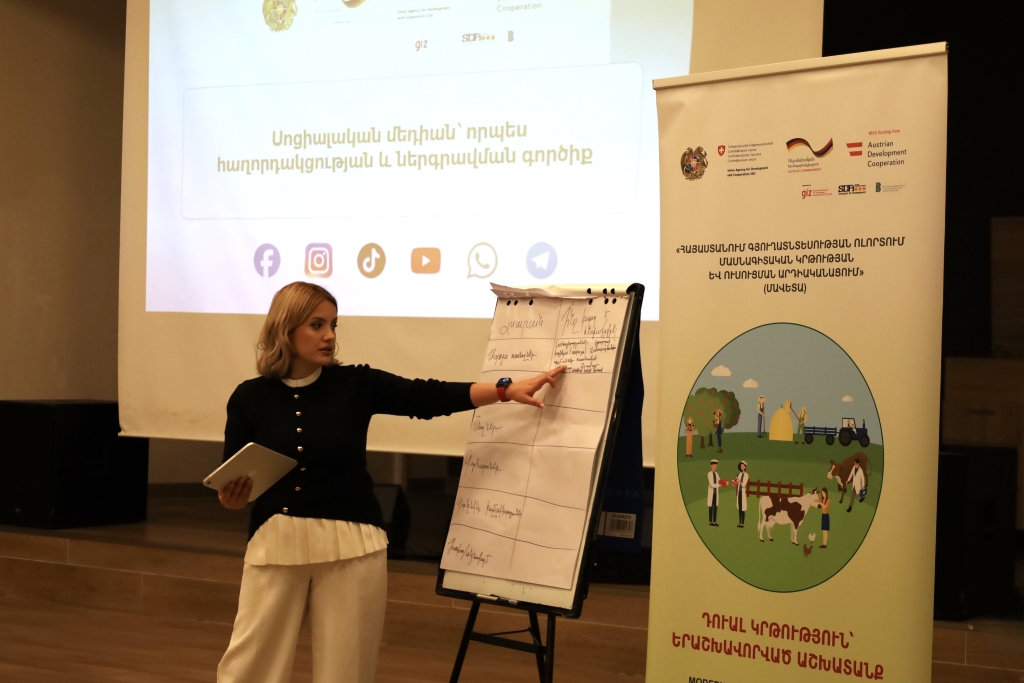
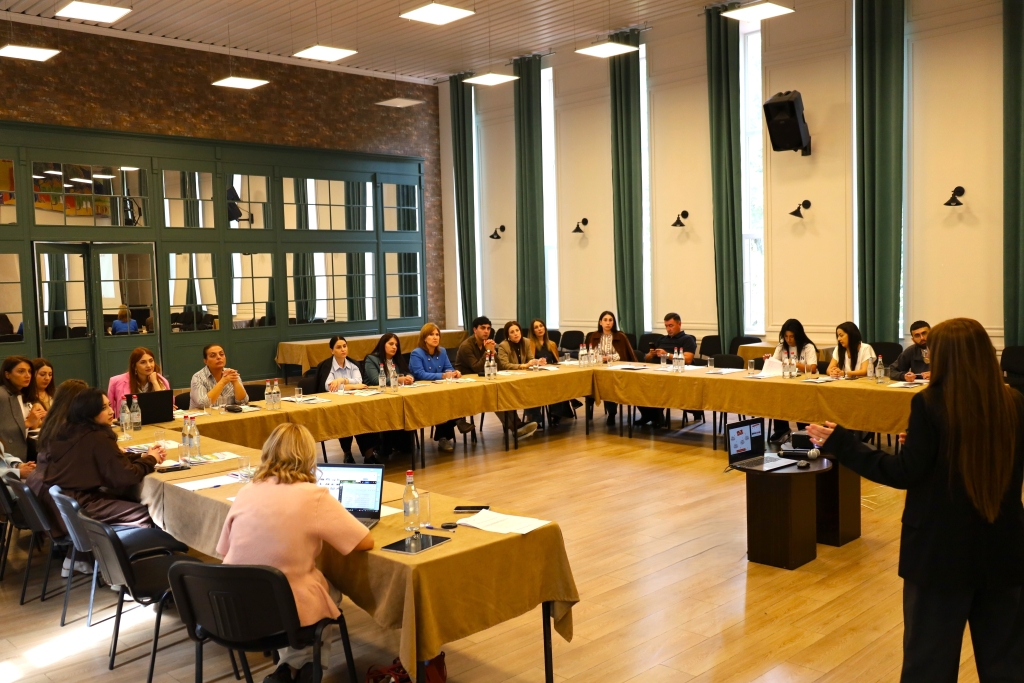
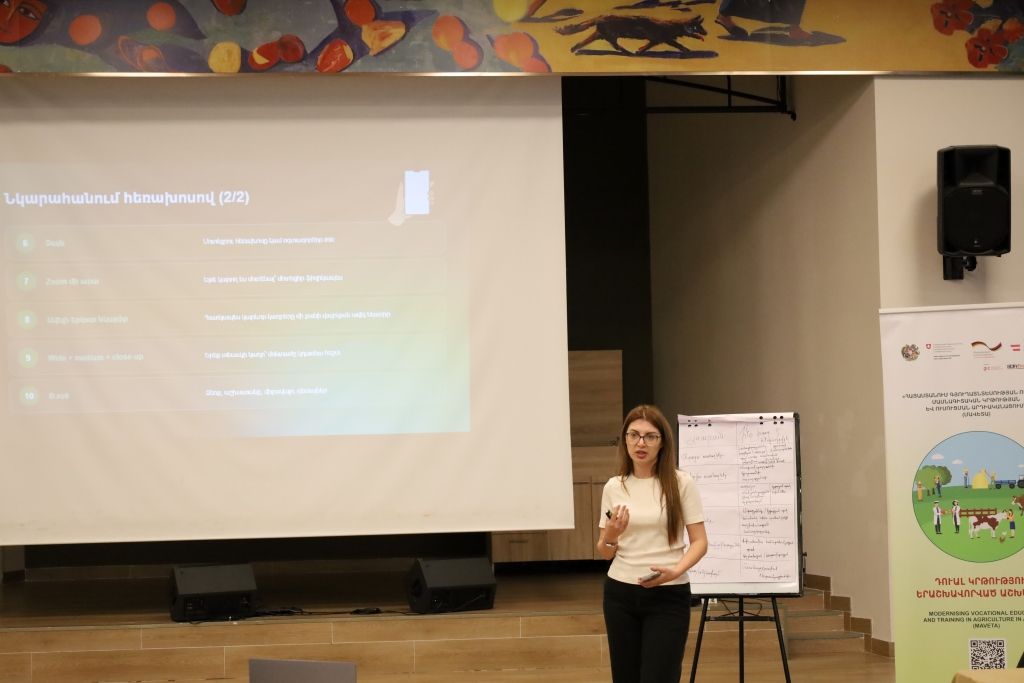
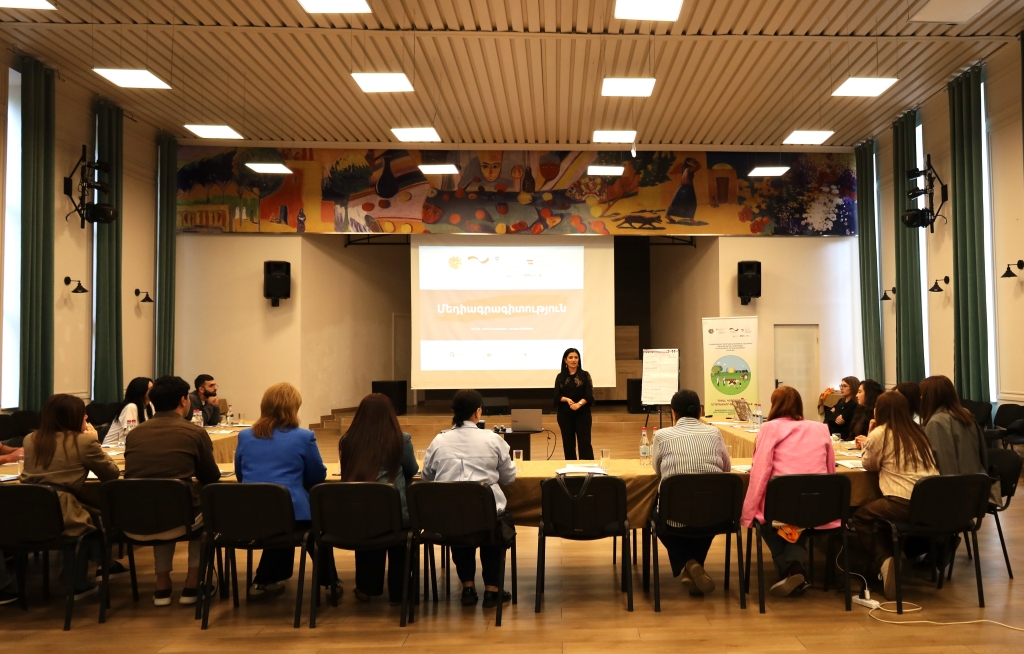
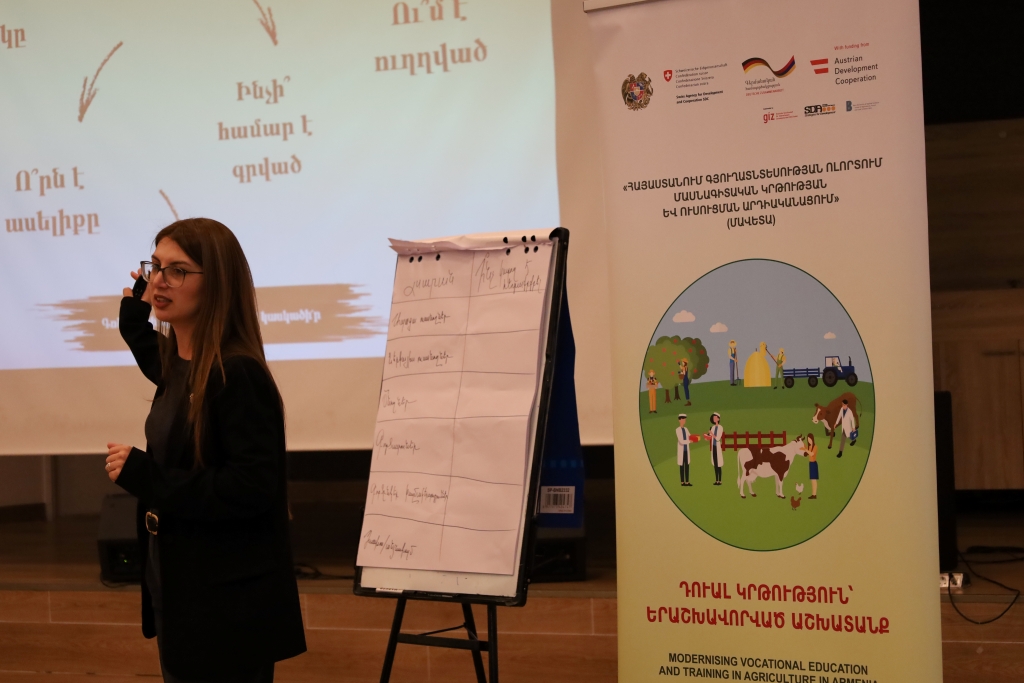
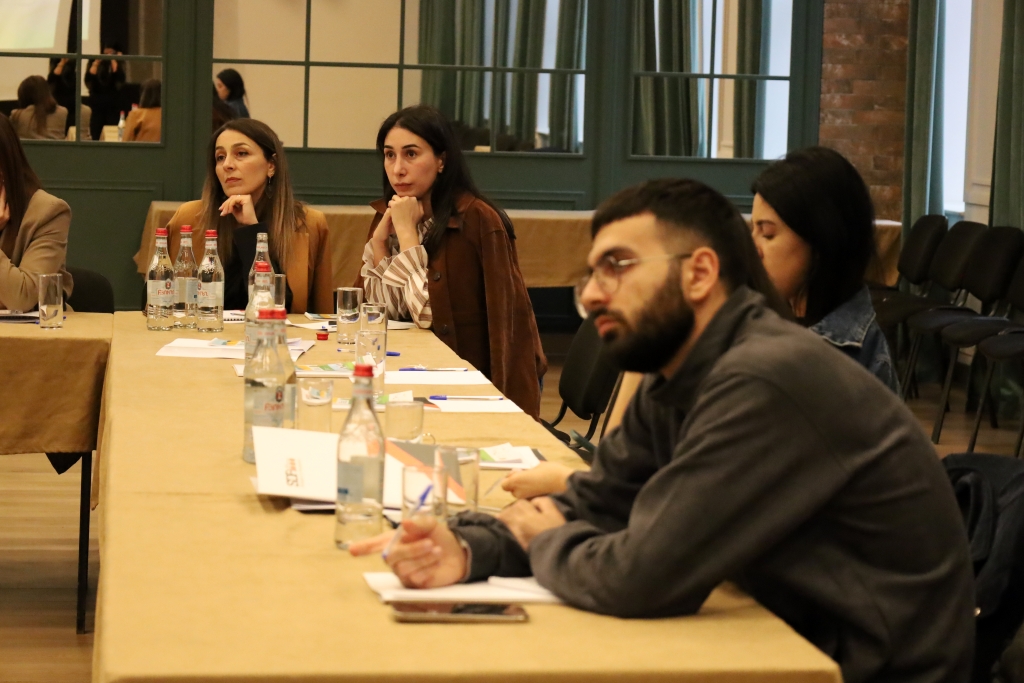
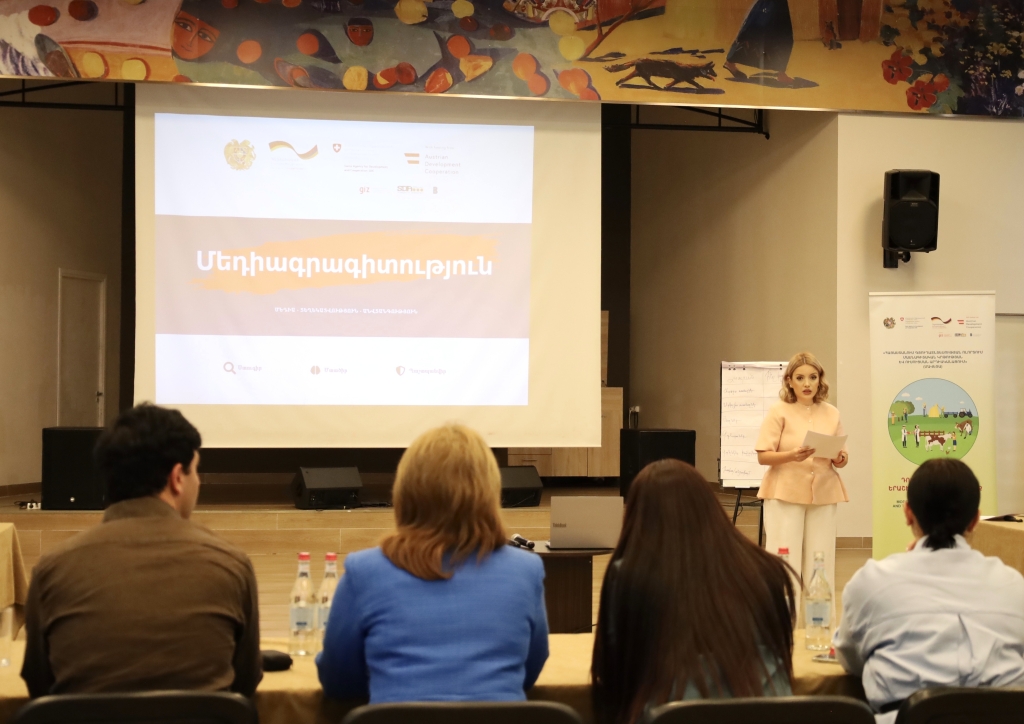
It was with this approach in mind that, on 1-2 October, MAVETA organised a two-day training workshop on “Social Media, Digital Content Creation and the Effective Use of AI Tools in College Communication.” The workshop brought together the social media managers from all our partner colleges.

From Information to Engaging Content

The first day of the workshop began with a discussion on media literacy and the role of social media in modern communication. Participants explored how to verify information, assess sources, recognise misleading content, and use photographs, videos and texts responsibly on social media.
An important question was also addressed: How can ordinary information be transformed into a story that people will want to read, watch and share?

Participants worked on the key communication messages of colleges, target audiences and student-centred content, exploring the possibilities offered by posts, stories, Reels and carousels. Through practical exercises, they experimented with transforming standard informational announcements into more engaging and narrative-driven social media content.

The effective use of hashtags and thematic campaigns was also discussed. Participants were introduced to the upcoming MAVETA II hashtag campaign and competition, through which colleges will have an opportunity to present their students, vocational professions and college life in more creative ways.

From an Idea to Ready-to-Use Content

A key feature of the workshop was its strong practical component. Participants not only became familiar with digital communication tools but also immediately put them into practice.

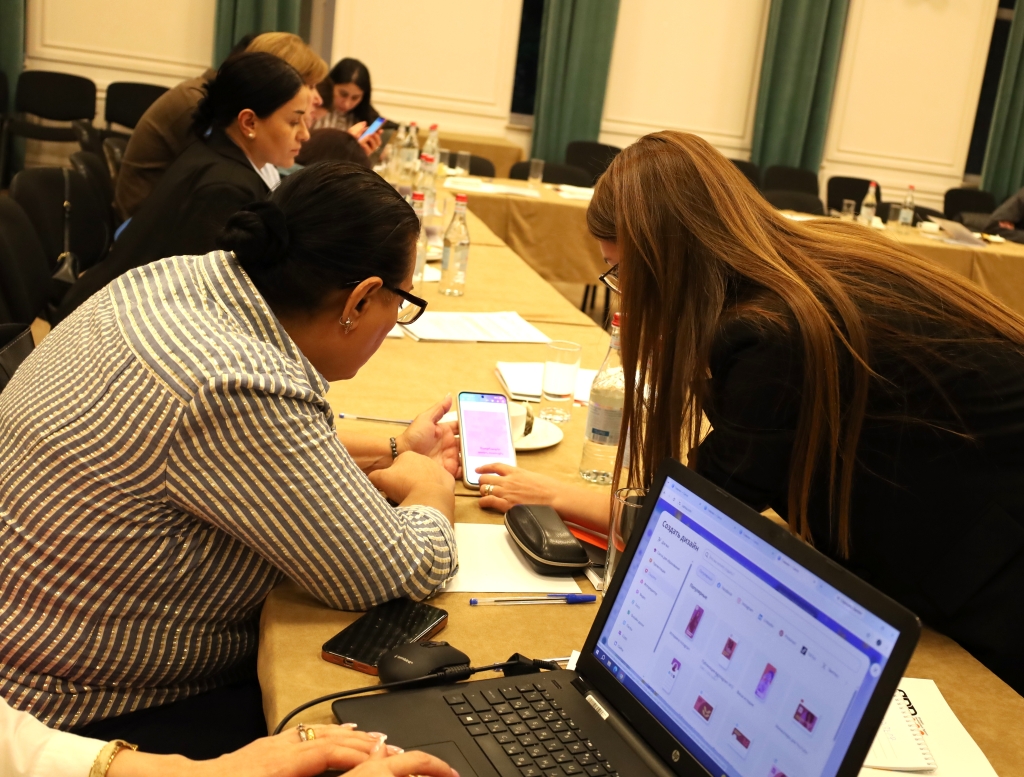
During the Canva session, they worked on creating visual content, adapting templates, combining text and photographs, applying visual hierarchy and designing materials specifically for social media.

The video creation and editing sessions focused on how to structure a short video, capture viewers’ attention in the first few seconds, select the right shots, maintain an effective rhythm and use text, subtitles and audio effectively.

Participants immediately applied these skills in practice.

Based on a pre-prepared interview questionnaire and video script, participants organised short video shoots, captured additional footage and used the material to create a complete Reel on the second day. Using CapCut, they went through the full editing process—from selecting and cutting footage to adding subtitles, music and transitions and preparing the final format.

As part of the practical exercise, participants created short Reels on the theme “My First Salary.” The videos were then reviewed and discussed by the trainer and the project’s communications specialist. Each participant received individual feedback on content, storytelling structure, shot selection, technical quality and the overall effectiveness of the video for social media.

AI as a Working Tool

The final session of the second day focused on the practical use of artificial intelligence tools in college communication.
Participants explored how AI can support idea generation, content planning, the preparation of headlines and social media posts, text editing and adaptation for different audiences, the development of content calendars and idea banks, as well as the generation of hashtag and content ideas.
At the same time, particular emphasis was placed on the capabilities and limitations of AI, especially the importance of maintaining human oversight, factual accuracy and the authenticity of content.

As a practical exercise, participants used AI tools to develop one week of social media content ideas for their colleges and prepare a draft of a complete social media post.

The workshop was delivered by digital communications and content creation specialist Alisa Chilingaryan, who combined theoretical knowledge with hands-on practice throughout the two days, enabling participants to work on real content intended for their own colleges.

Making College Communication More Independent and Visible

The workshop aimed not only to introduce new social media tools, but also to strengthen the practical skills of the people who represent their colleges in the digital environment every day.

An effective digital presence is not simply about publishing frequently. It requires understanding the audience, identifying stories within everyday college life, choosing the right format, creating credible and engaging content, and turning an idea into a story that can be seen and understood.

Within the framework of the MAVETA project, the two-day workshop provided another opportunity to strengthen these skills and facilitate the exchange of experience among partner colleges.

Looking ahead, new digital initiatives, campaigns and creative stories will be developed together with MAVETA partner colleges, helping bring greater visibility to students, vocational professions, college life and the opportunities that education creates for young people.