
Uncategorized

IADAAM New Horizons in Agricultural Management Leadership and Communication

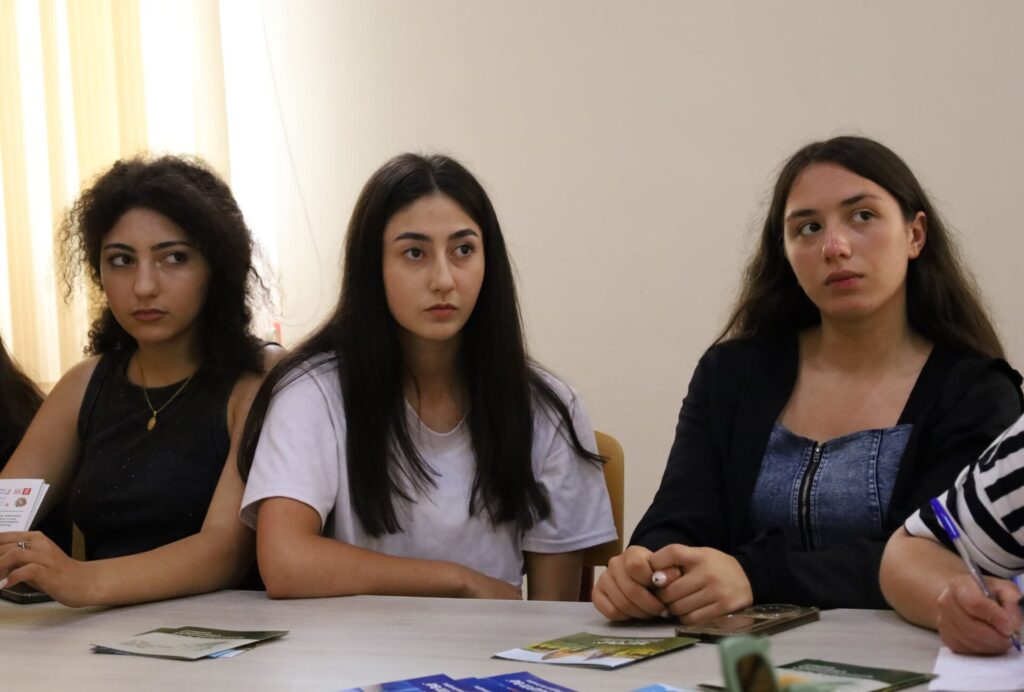
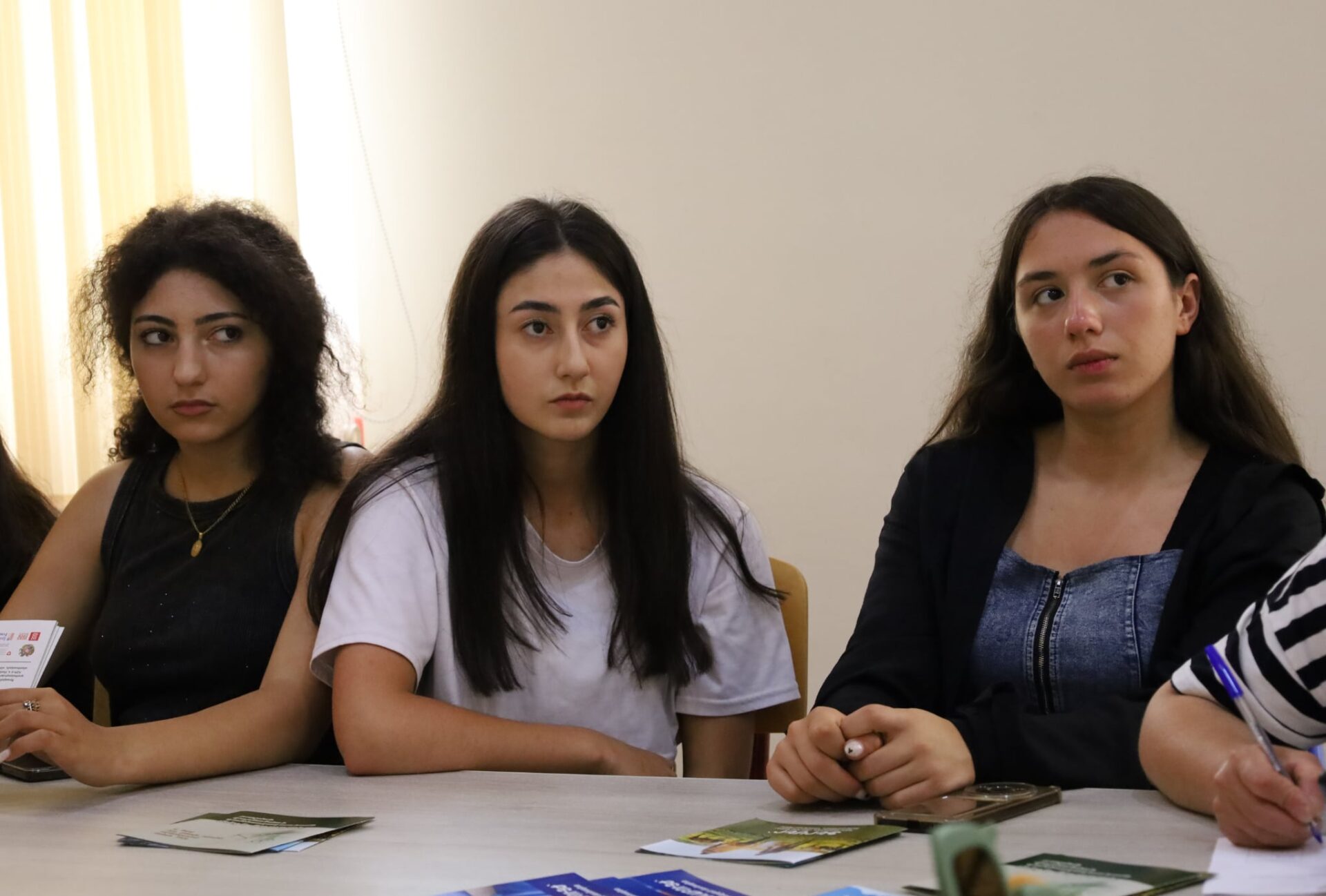
On June 7 and 8, 2025, within the framework of the “Development of Irrigated Agriculture in the Ararat and Armavir Regions” (IADAAM) program, two intensive thematic training sessions were successfully conducted. These sessions were designed specifically for the staff of the Agricultural Departments under the Ministry of Economy of the Republic of Armenia, aimed at enhancing their leadership, communication, and negotiation skills – both at the individual and team levels.

The trainings were delivered by Magda Arsenyan, PhD in Political Science, whose experienced and specialized approach ensured high participant engagement and effective achievement of the training objectives.

On June 7, the training session entitled “Leadership in Public Administration: From Self-Awareness to Effective Crisis Management” was conducted. Throughout this comprehensive program, participants engaged in an in-depth examination of the core leadership principles pertinent to the public administration sector. The session also addressed the critical influence of socio-psychological factors on managerial processes, alongside the development and implementation of effective strategies for crisis prevention and management.

On June 8, the participants proceeded with the training titled “Communication, Negotiation, and Conflict Resolution”. This training focused on enhancing participants’ proficiency in communication by exploring a wide array of mechanisms, including communication techniques, strategic planning, digital and remote communication platforms, active listening, public speaking, and constructive feedback – integrating both theoretical frameworks and practical applications. Furthermore, participants were introduced to diverse negotiation models, conflict resolution methodologies, and advanced persuasion tactics.

Irrigated Agriculture Development in Ararat and Armavir marzes (IADAAM) project, financed through the European Union (EU) with implementation by the French Development Agency (AFD) is an integrated initiative aimed at transforming irrigated agriculture in Armenia.

Within IADAAM project a technical assistance component is implemented jointly by Agriconsulting Europe S.A, Avenue Consulting Group LLC, Strategic Development Agency NGO and 3R Strategy LLC consortium and aims to provide institutional support to the Ministry of Economy (MoE) in the formulation of agricultural policies and reforms in priority areas, provide technical support to the MoE in the implementing project activities, ensure communication and reporting for the IADAAM project.

IADAAM Land Consolidation Expert Represents Armenia at FAO LANDNET Workshop in Budapest

Stepan Davtyan, Land Consolidation Expert of the IADAAM Project, participated in the 16th International LANDNET Workshop, held from May 28 to 30, 2025, in Budapest, Hungary.

Organized by the Food and Agriculture Organization of the United Nations (FAO), this year’s workshop focused on the theme “Land Consolidation from the European and Global Perspective”.  It brought together land governance professionals from across Europe and beyond to explore innovative approaches to land consolidation, rural development, and sustainable land management.

Stepan Davtyan was elected as a Board Member of the LANDNET Network for the 2026–2027 term. His appointment reflects not only his deep expertise in land consolidation but also his active contribution to advancing land governance practices in the region.

Irrigated Agriculture Development in Ararat and Armavir marzes (IADAAM) project, financed through the European Union (EU) with implementation by the French Development Agency (Agence Française de Développement) is an integrated initiative aimed at transforming irrigated agriculture in Armenia.

Within IADAAM project a technical assistance component is implemented jointly by AESA – Agriconsulting Europe SA, Avenue Consulting Group LLC, Strategic Development Agency NGO and 3R Strategy LLC consortium and aims to provide institutional support to the Ministry of Economy of the Republic of Armenia (MoE) in the formulation of agricultural policies and reforms in priority areas, provide technical support to the MoE in the implementing project activities, ensure communication and reporting for the IADAAM project.

Uncategorized

LILA Project’s Progress to Date Presented in Debed

On June 3, a regular meeting of the management team and beneficiaries of the “Living Landscapes for Market Development in Armenia” (LILA) project took place at the COAF Center in the village of Debed, Lori region.

Levon Aghasyan, Director of WWF-Armenia, welcomed the participants and provided an overview of the project’s progress to date.

Alla Ghazaryan, Project Coordinator at the “Strategic Development Agency” NGO, presented updates on the first component. She highlighted efforts to promote sustainable and inclusive tourism, improve local business infrastructure and living conditions, and strengthen the skills and capacities of tourism and hospitality professionals. She also emphasized the value of exchange visits with international partners and the project’s collaboration with target communities.

Naire Yeritsyan, Project Coordinator at WWF-Armenia, shared progress on the second component, focusing on environmental protection efforts. Her remarks underscored activities related to the sustainable use of natural resources, climate change mitigation, and enhanced adaptation strategies.

Victoria Burnazyan, Vice Chairwoman of the Ecolur Information NGO, along with project beneficiaries and community leaders, shared reflections on the project’s impact at the local level.

Living Landscapes for Market Development in Armenia (LILA) project is funded by the Swiss Agency for Development and Cooperation (SDC) and implemented by WWF-Armenia in collaboration with SDA NGO.

MAVETA Partners’ Concluding Meeting Held in Jermuk

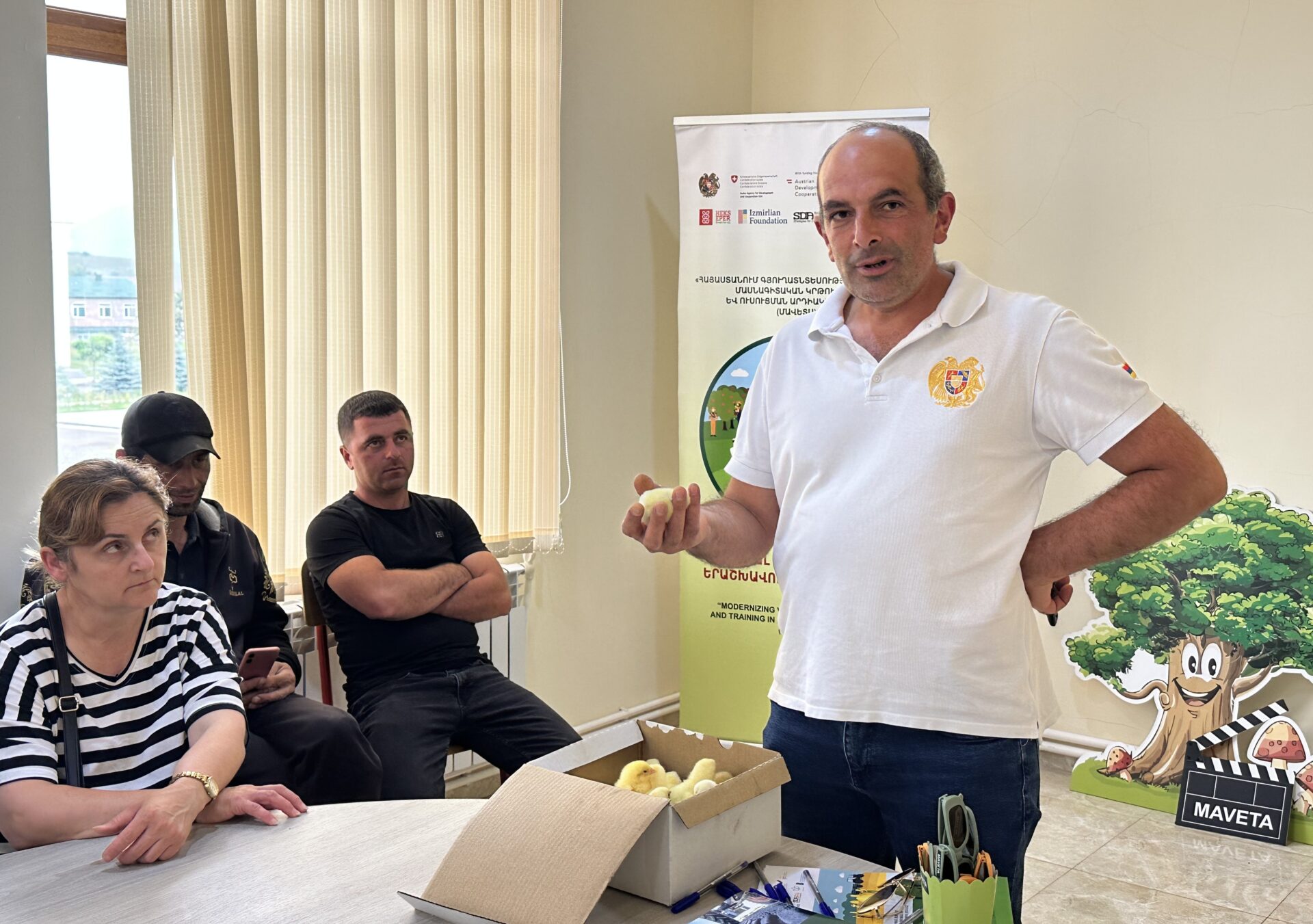
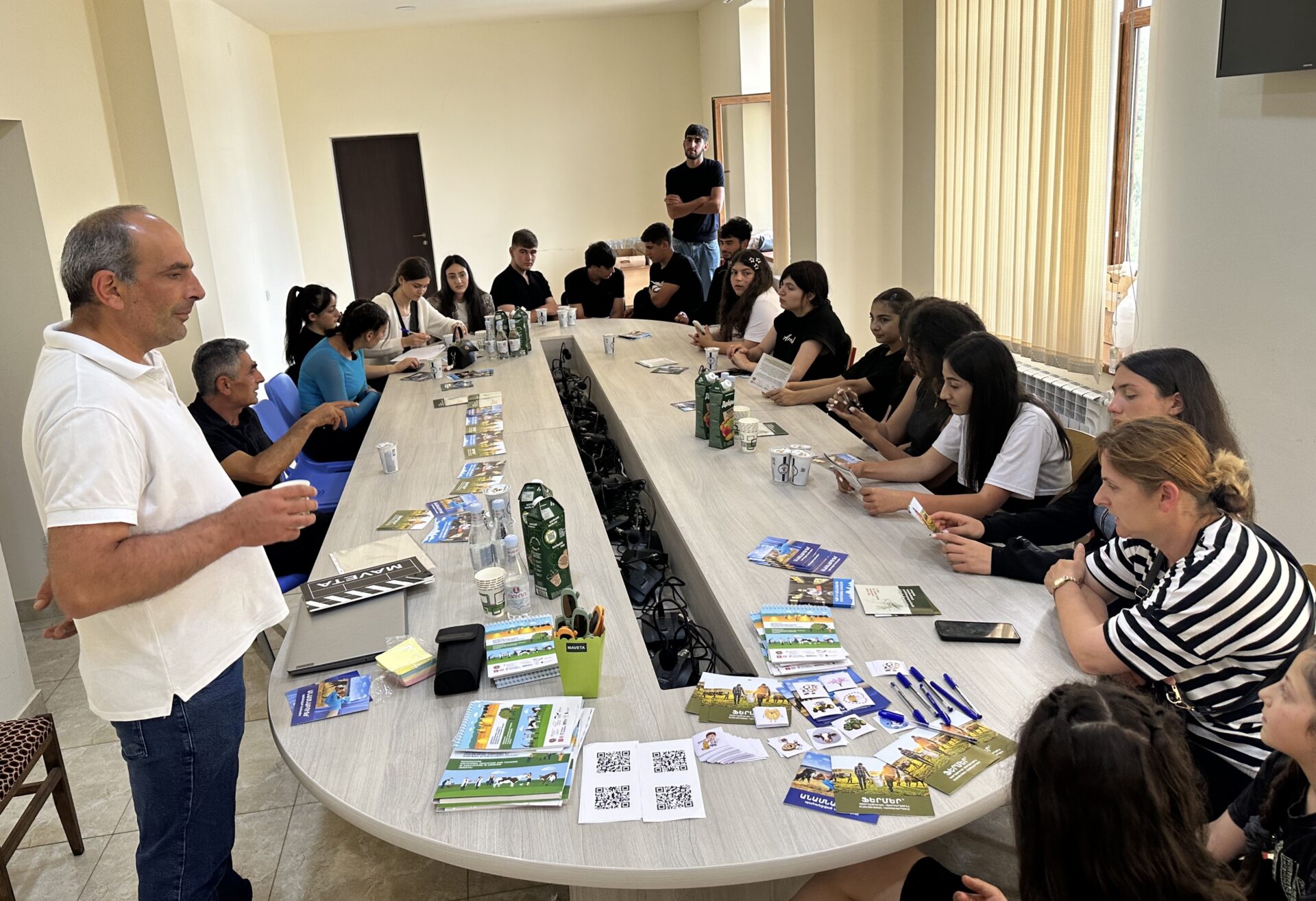
On May 29–30, the concluding meeting of partner vocational education and training (VET) institutions and private sector representatives involved in the Modernizing Vocational Education and Training in Agriculture in Armenia (MAVETA) project took place in Jermuk.

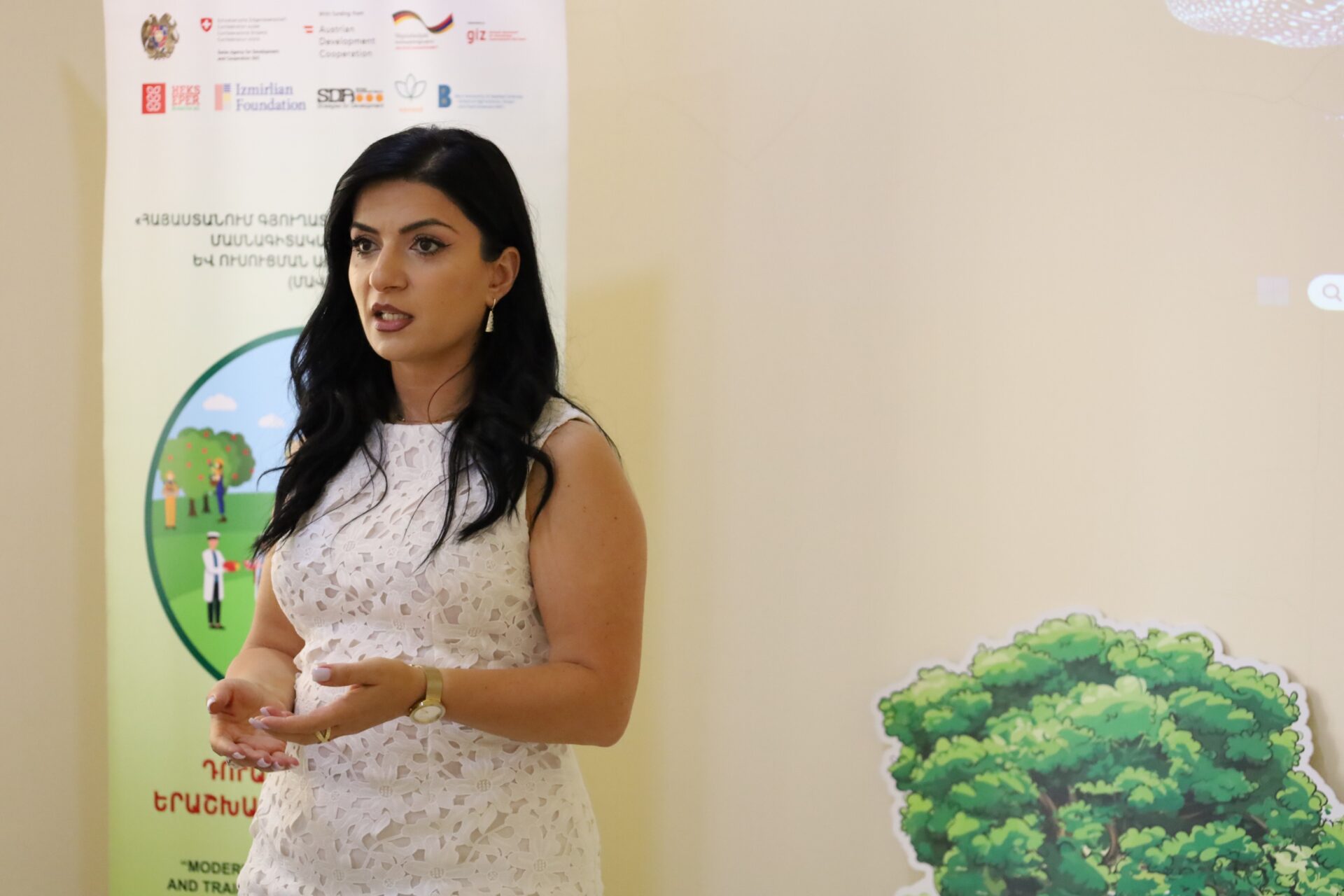
The event opened with welcoming remarks from Mkrtich Ayvazyan, Chairman of the “Strategic Development Agency” NGO, who highlighted the crucial role of employers in shaping both the educational process and practical training in professions developed through the dual education system.

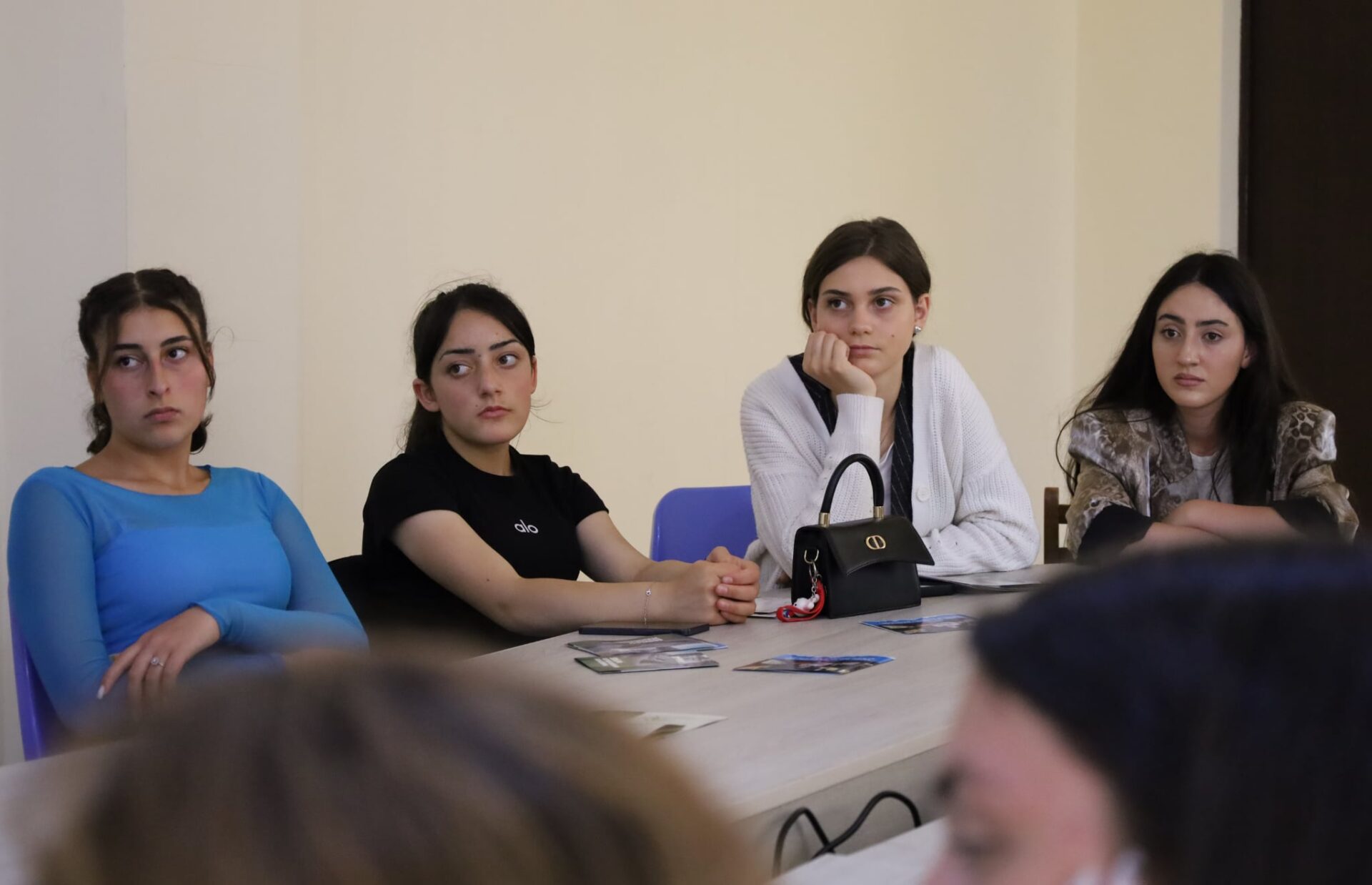
Over the course of the two-day workshop, participants evaluated the current status, key achievements, and ongoing challenges related to dual education from the perspectives of both VET institutions and employers. A comprehensive SWOT analysis was conducted for the five professions introduced through the dual education model under the project.

The second day focused on deepening collaboration between colleges and employers, improving assessment and feedback mechanisms, refining instructional strategies, and addressing other pressing issues relevant to dual education.

Group work sessions led to a set of joint actions and recommendations designed to enhance the implementation of dual education in both colleges and company-based vocational training.

A highlight of the meeting was a presentation on the outcomes of a study visit to Switzerland held in March, which offered valuable insights into Swiss best practices in dual education.

As a gesture of appreciation, certificates were awarded to employers who hosted apprentices as part of the project.

The MAVETA project is funded by a broad coalition of international and local organizations led by the Swiss Agency for Development and Cooperation (SDC), including the Austrian Development Agency, the German Ministry for Economic Cooperation and Development (BMZ), the Government of Armenia, the Swiss Church Aid (HEKS/EPER) NGO, Izmirlian Foundation, the Strategic Development Agency (SDA) NGO and Vanand Agro CJSC.

The project’s implementing partners are the GIZ and HEKS/EPER with the involvement of SDA and the School of Agricultural, Forest and Food Sciences at the Bern University of Applied Sciences (HAFL).

IADAAM Project Team Visits Ararat and Artashat WUAs to Assess Support Opportunities

As part of ongoing efforts to ensure the effective implementation and sustainability of irrigation infrastructure, IADAAM Project’s Financial Expert Samvel Bareyan and Fund Expert Donald Aquilina conducted site visits to the Ararat and Artashat Water User Associations (WUAs).

In Ararat WUA, the visit focused on discussions around the status of the irrigation network constructed in the Ararat, Avshar, Aygavan, and Noyakert areas. During the visit, the team sought to:

🔹 Identify current challenges in operating the network,

🔹 Understand the perceived interest of farmers in using the infrastructure,

🔹 Assess the role and readiness of the Water Users Cooperative (WUC) to manage and operate the system,

🔹 Review the WUC’s plans to make the network fully operational,

🔹 Identify opportunities for the Project to provide targeted support.

In Artashat WUA, discussions centered on the irrigation network built in Goravan, Sisavan, and Urtsadzor, with the team:

🔹 Evaluating the current condition of the network,

🔹 Identifying challenges and gaps,

🔹 Understanding farmers’ interest and the WUA’s operational capacity,

🔹 Reviewing activation plans,

🔹 Exploring areas for potential Project assistance.

These visits are part of IADAAM’s continued commitment to strengthening irrigation systems in Armenia through local engagement, practical evaluation, and tailored support initiatives.

Irrigated Agriculture Development in Ararat and Armavir marzes (IADAAM) project, financed through the European Union (EU) with implementation by the French Development Agency (AFD) is an integrated initiative aimed at transforming irrigated agriculture in Armenia.

Within IADAAM project a technical assistance component is implemented jointly by Agriconsulting Europe S.A, Avenue Consulting Group LLC, Strategic Development Agency NGO and 3R Strategy LLC consortium and aims to provide institutional support to the Ministry of Economy (MoE) in the formulation of agricultural policies and reforms in priority areas, provide technical support to the MoE in the implementing project activities, ensure communication and reporting for the IADAAM project.