
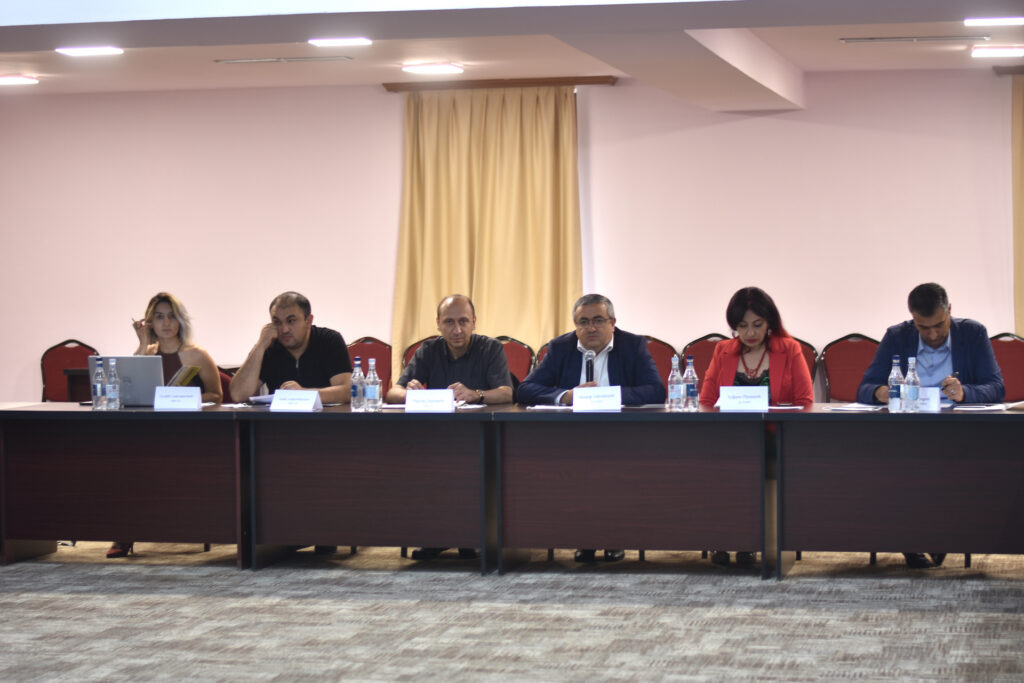
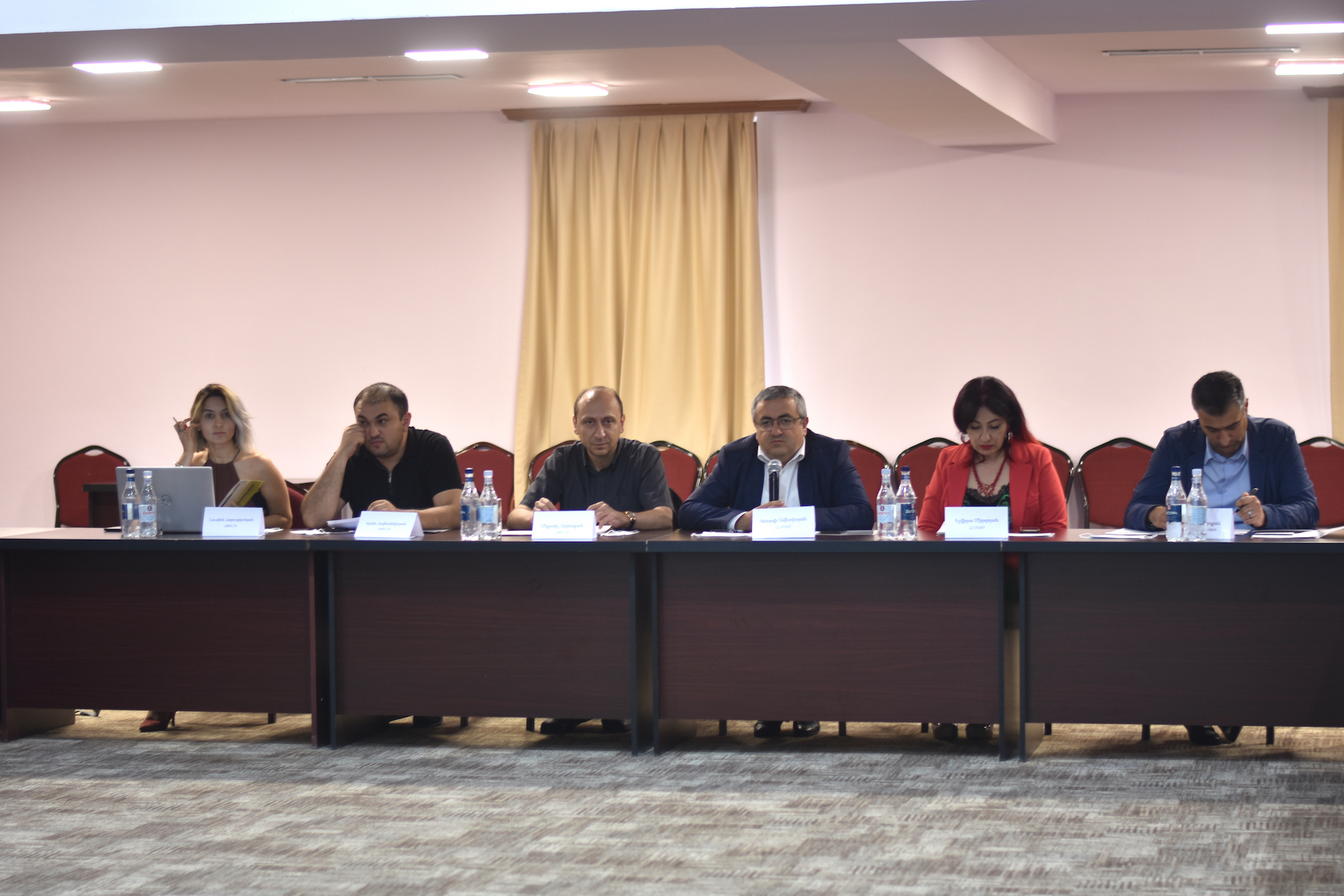
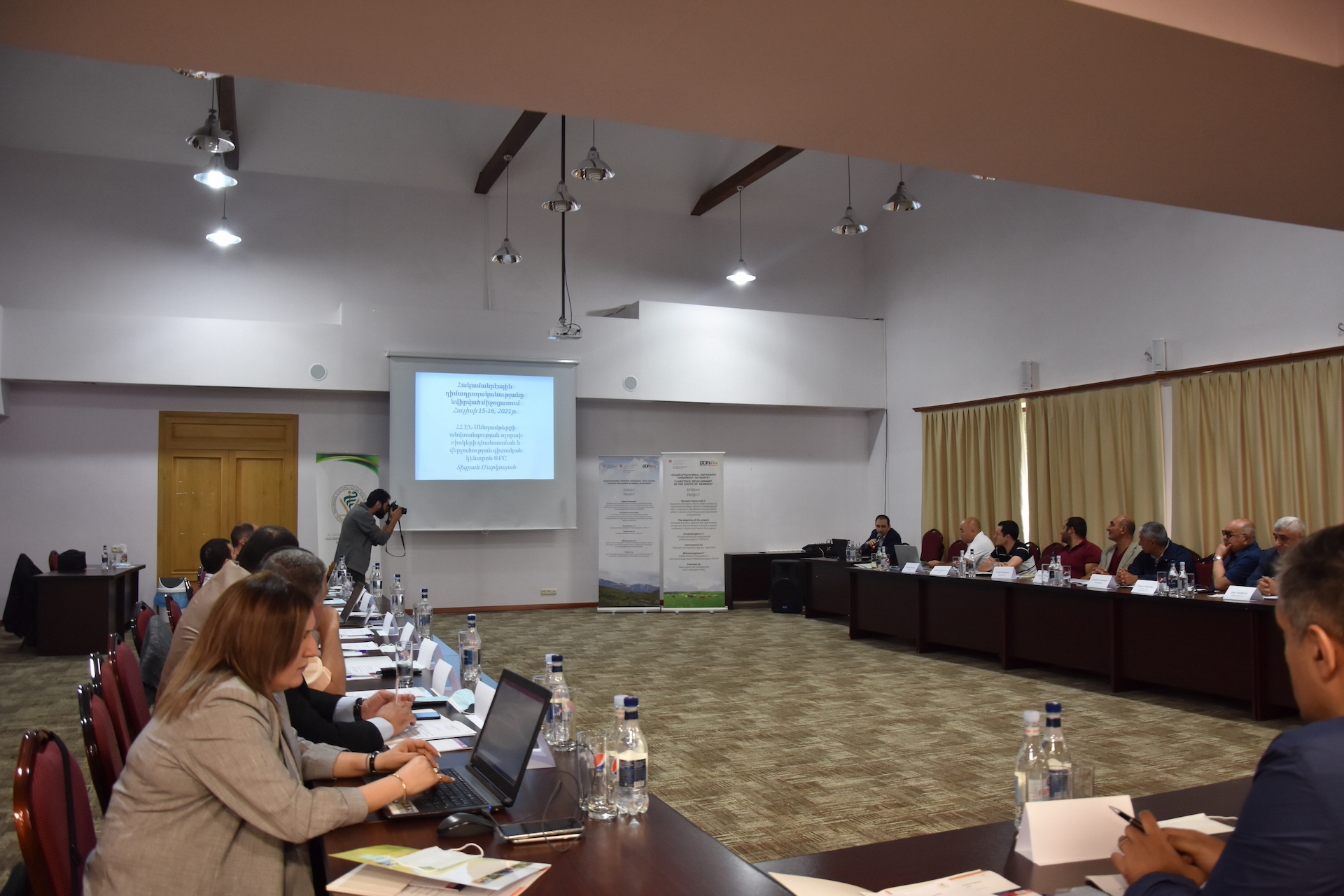
The Importance of Antimicrobial Resistance: A conference took place

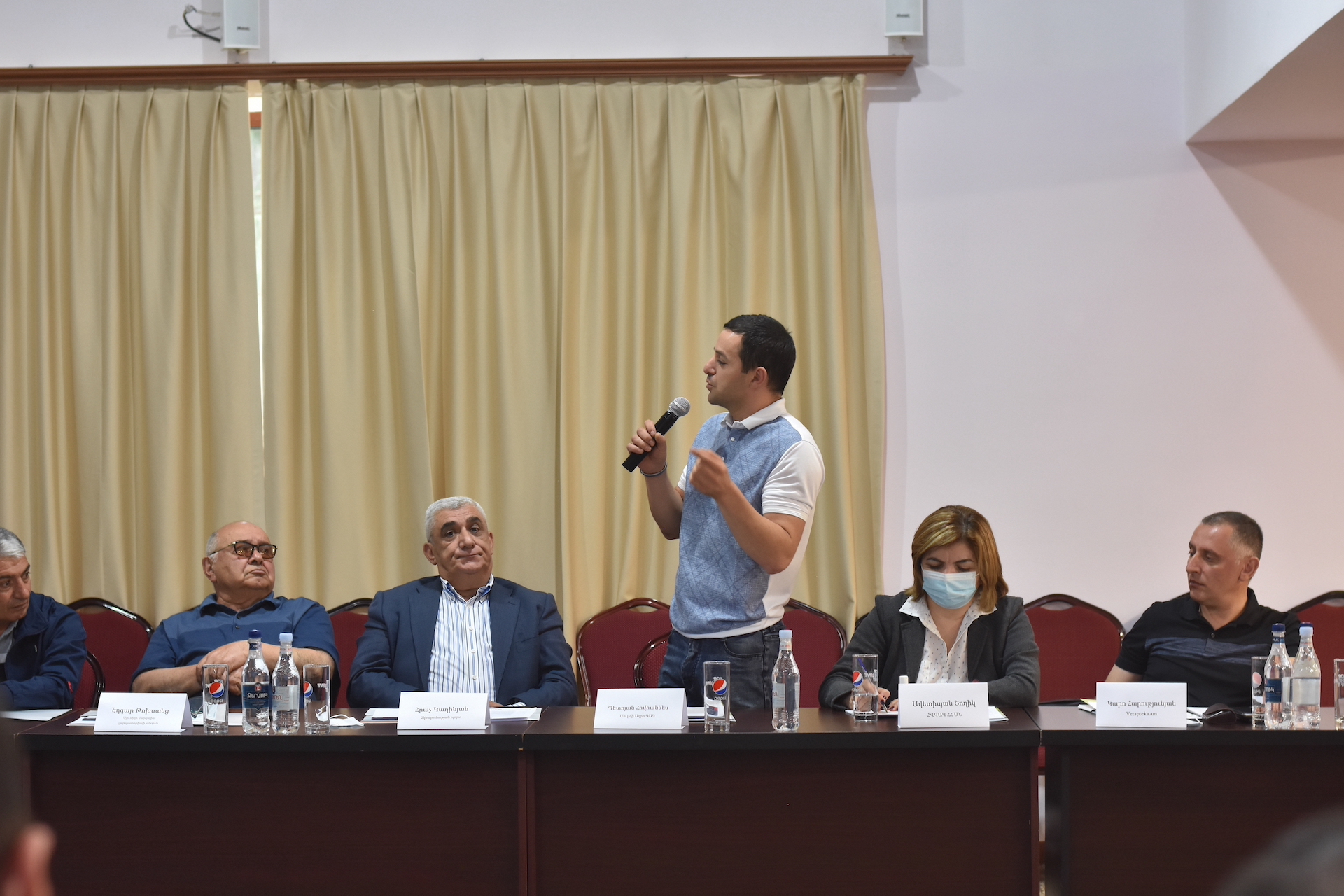
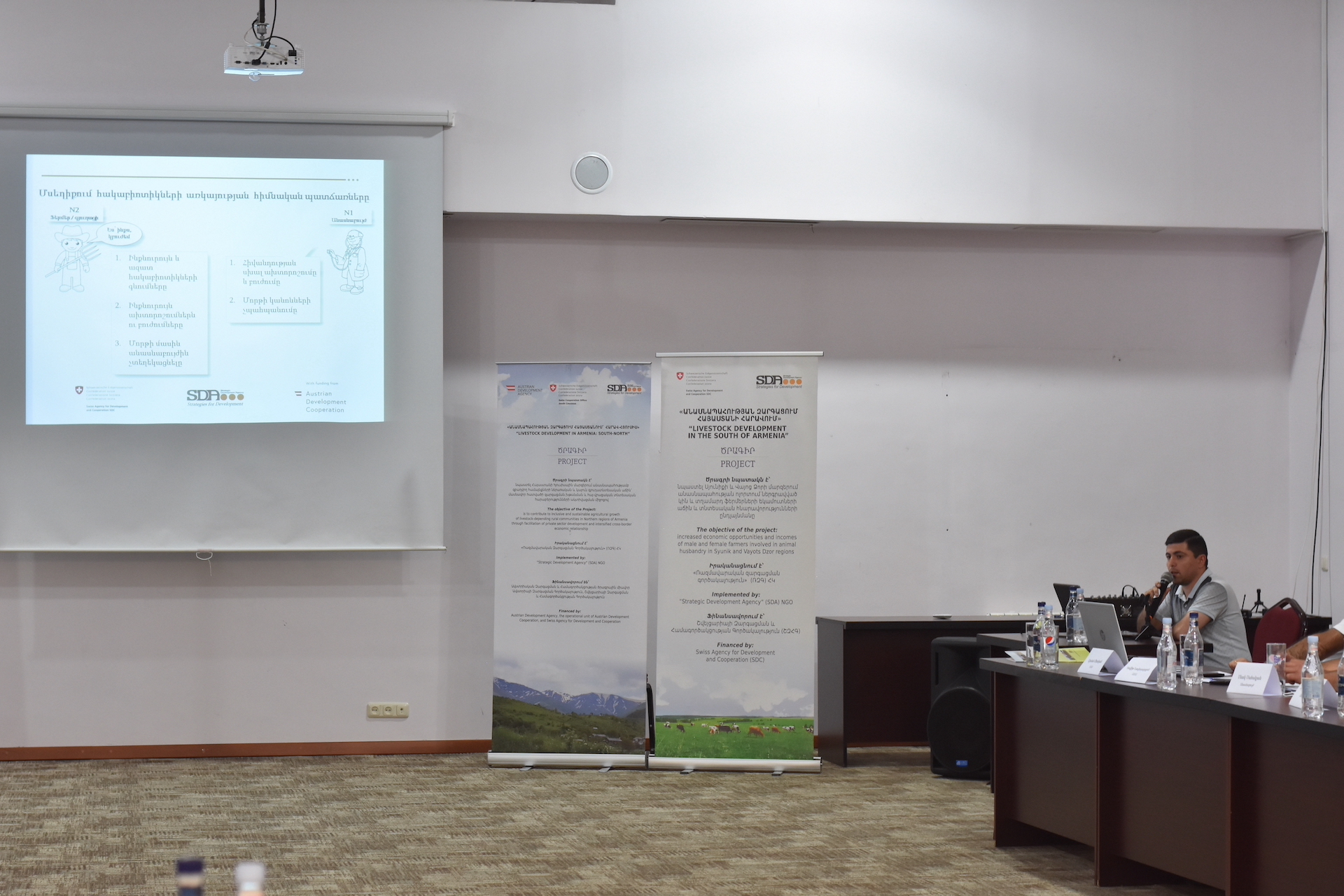
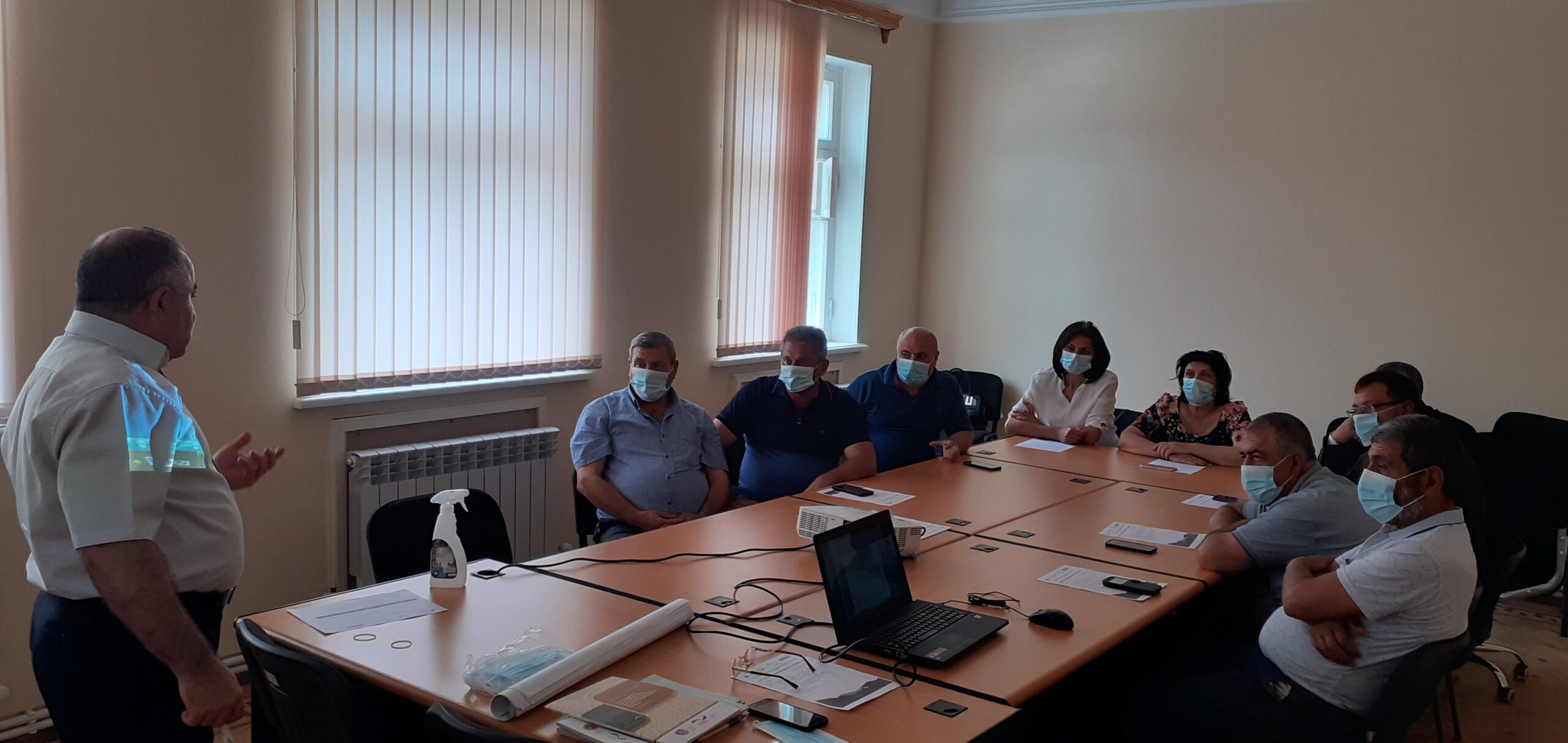
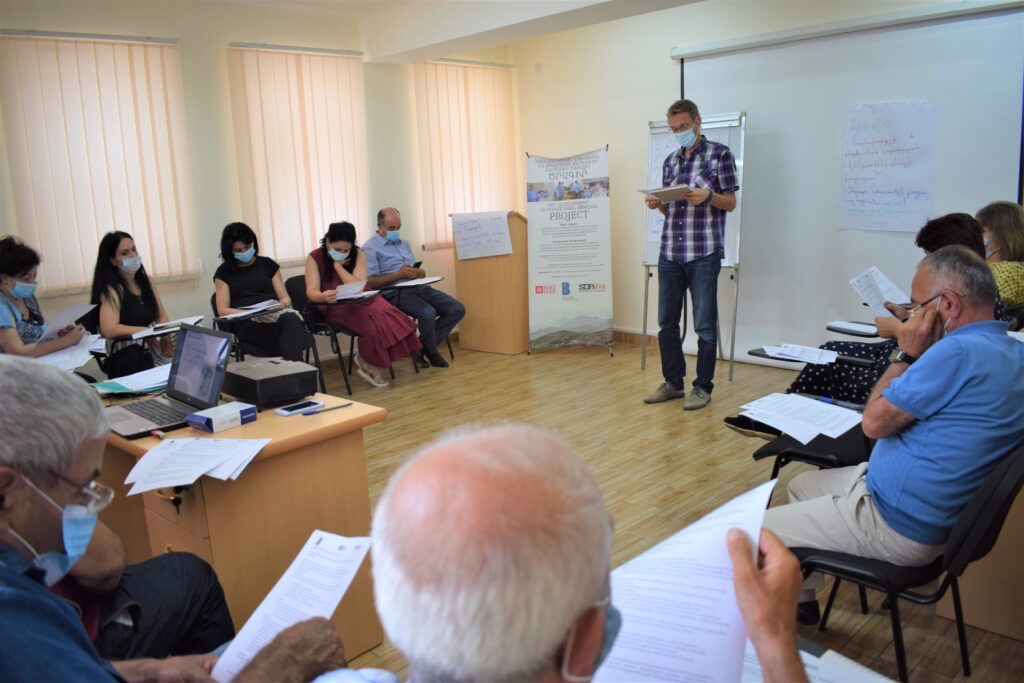
On July 15th and 16th, 2021 a conference on “The Importance of Antimicrobial Resistance” was organized, initiated by the Food Safety Inspectorate of the Republic of Armenia with the support of the “Livestock Development in Armenia – South-North” program, implemented by the Strategic Development Agency NGO and co-funded by the Austrian Development Agency’s Austrian development cooperation program unit and the Swiss Agency for Development and Cooperation.

The human body can become resistant to antimicrobials both by taking the medicine and as a result of its residues in food. Antimicrobial resistance is a global issue not only in the field of medicine but also in the field of veterinary medicine and food safety. Experts regularly raise the issue of antibacterial resistance, but the problem remains.

The main goal of the conference was to analyze the level of control of the circulation of antibiotics in the field of veterinary medicine, to suggest control mechanisms, as well as to present the results of the research conducted by scientific and laboratory centers in the fields of veterinary medicine, healthcare, and food industry, as well as to share the international experience and scheduled programs.

The event was attended by the veterinarians and the representatives of the Food Safety Inspectorate of the Republic of Armenia, the Food and Agriculture Organization of the United Nations, Strategic Development Agency, the Center for Risk Assessment and Analysis, National Agrarian University of Armenia, the Bee Disease Laboratory, FAO and the National Center for Disease Control and Prevention of the Ministry of Health of the Republic of Armenia.

At the beginning of the event, the participants were greeted by the head of the RA Food Safety Inspection Body, Mr. G. Avetisyan and the chairman of the Strategic Development Agency NGO Mr. M. Ayvazyan. They stressed the role and work of all governmental and non-governmental agencies/stakeholders in the fight against antimicrobial stability within the framework of the “One Health” idea.

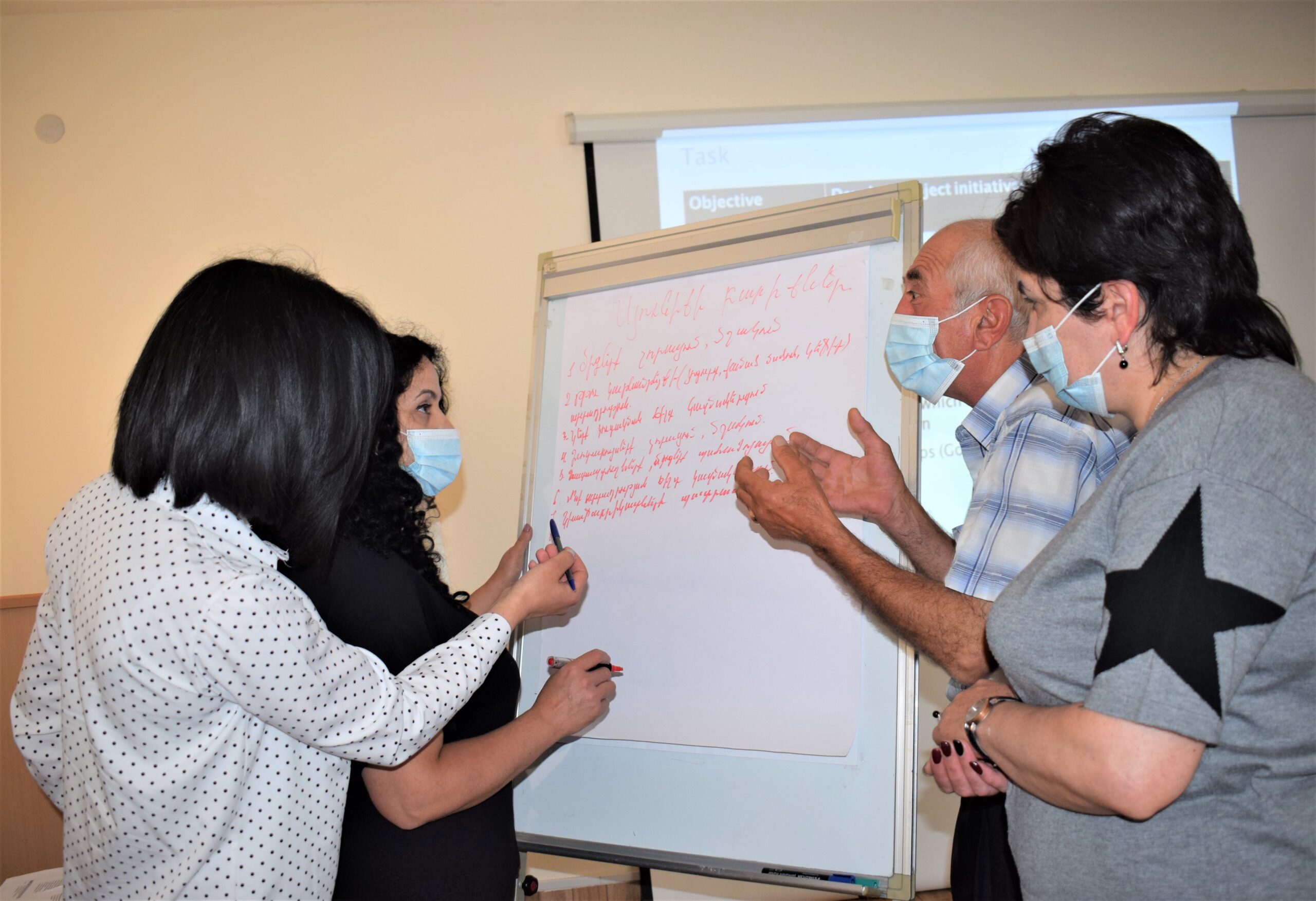
The specialists presented the gaps in veterinary medicine use, as well as the mechanisms for controlling the circulation of antibiotics in the field of healthcare, the results of research conducted by scientific and laboratory centers, as well as the international experience, programs, and environmental issues.
Uncategorized

Seminar on the topic “Development/ modernization of pasture rotation schedule”

On July 15th, 2021 seminar on the topic “Development/ modernization of pasture rotation schedule” was organized in the Amasia community of Shirak marz within the frameworks of “Introducing pasture and grassland maps for sustainable pasture and grasslands management practices in Lori and Shirak marzes of Armenia” pilot project.

The project is financed by the GIZ ECOSERVE Project, with co-financing from the “Livestock Development in the South of Armenia” project implemented by “Strategic Development Agency” NGO with the financial support of the Swiss Agency for Development and Cooperation.

The following topics have been covered during the seminar:

  • Schedule and timeline development procedures for regular use of pastures,
  • Development of pasture rotation plan and procedure and features of rotations by pasture management units,
  • Procedure for calculating allowable grazing days in regular pasture management units for herds consisting of different sex and age groups.

Support Provided to “Vaccination of Farm Animals” State Project

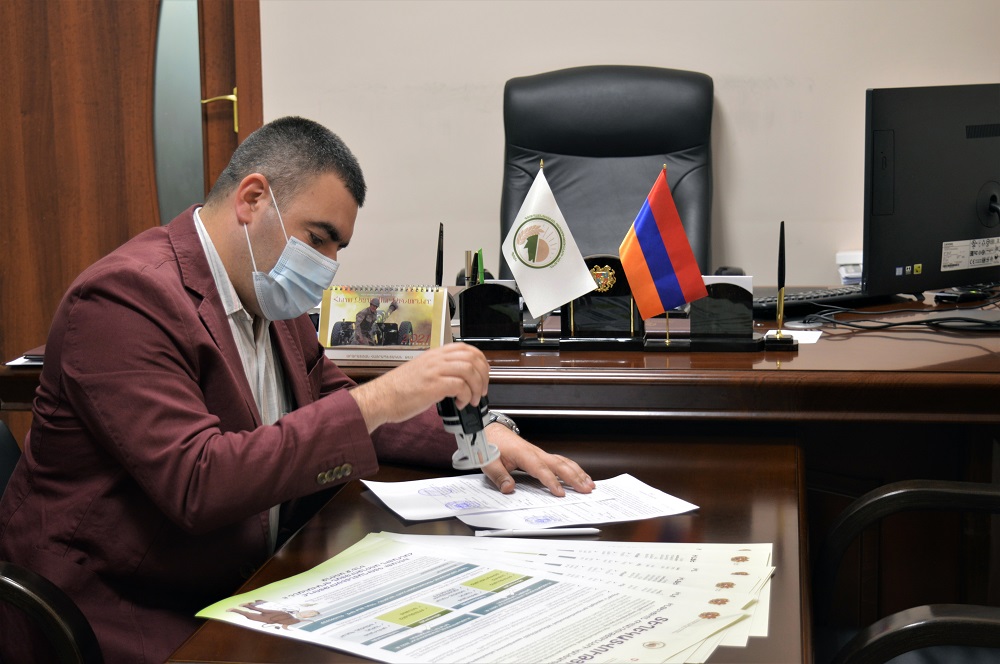
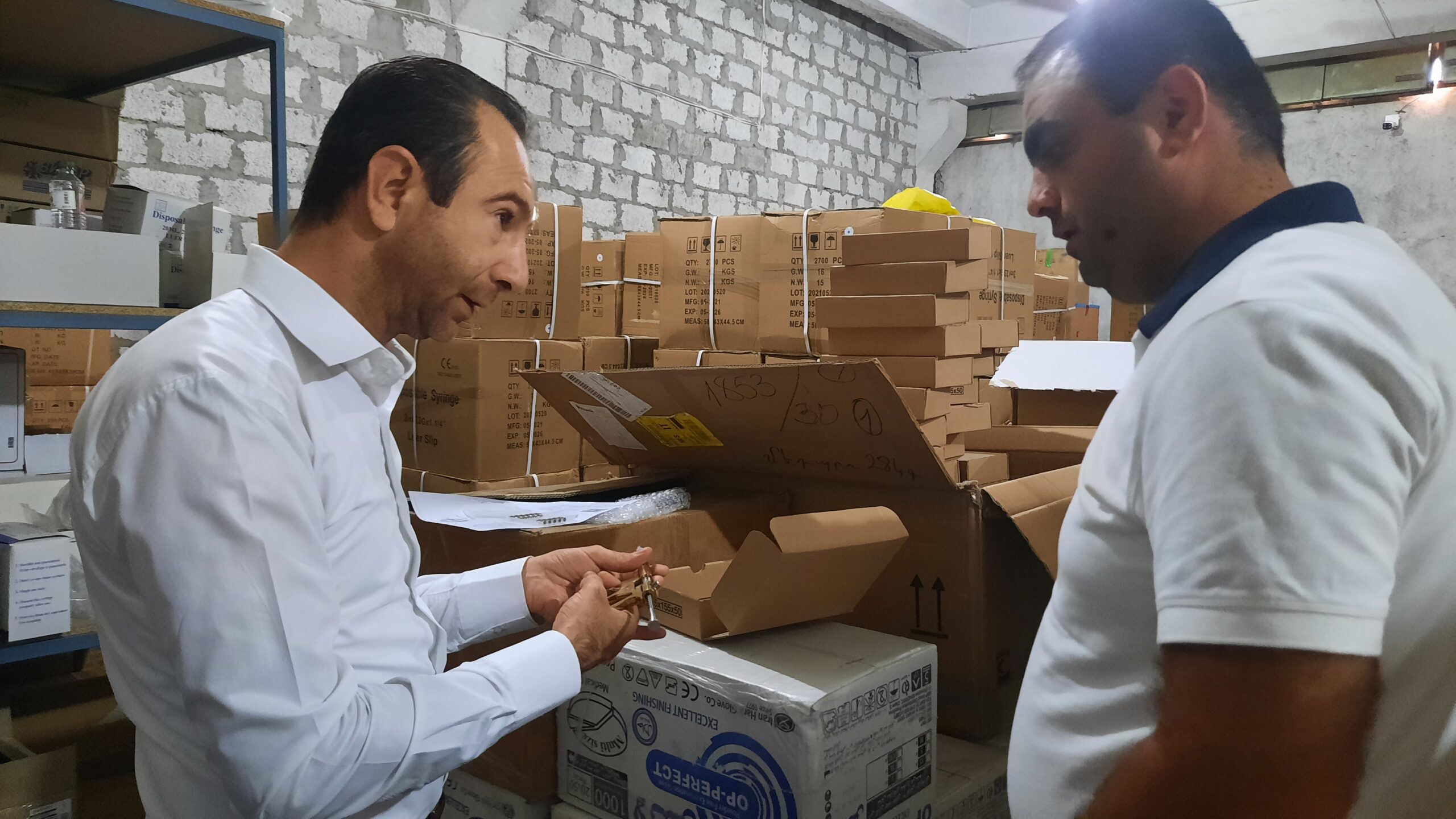
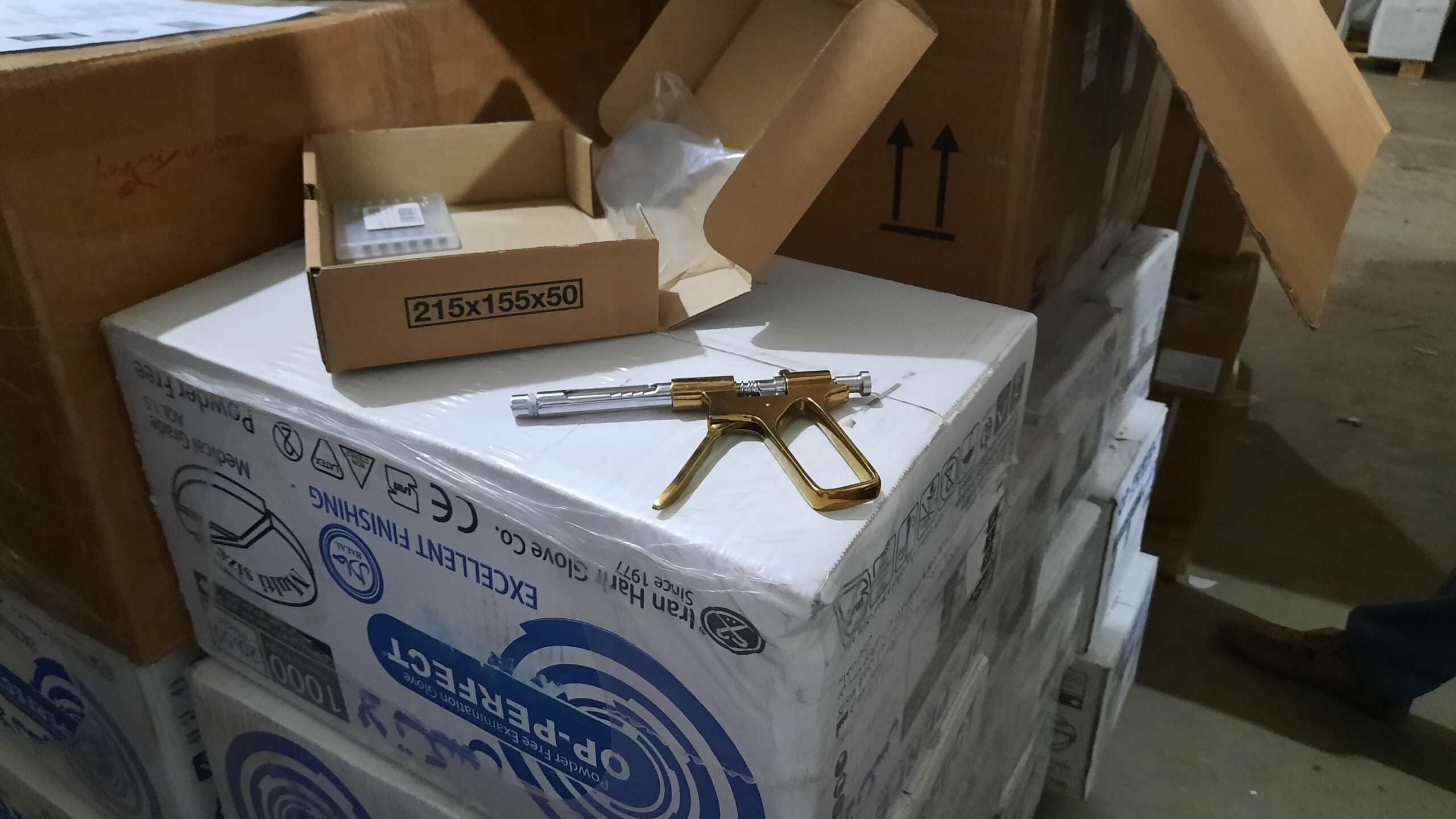
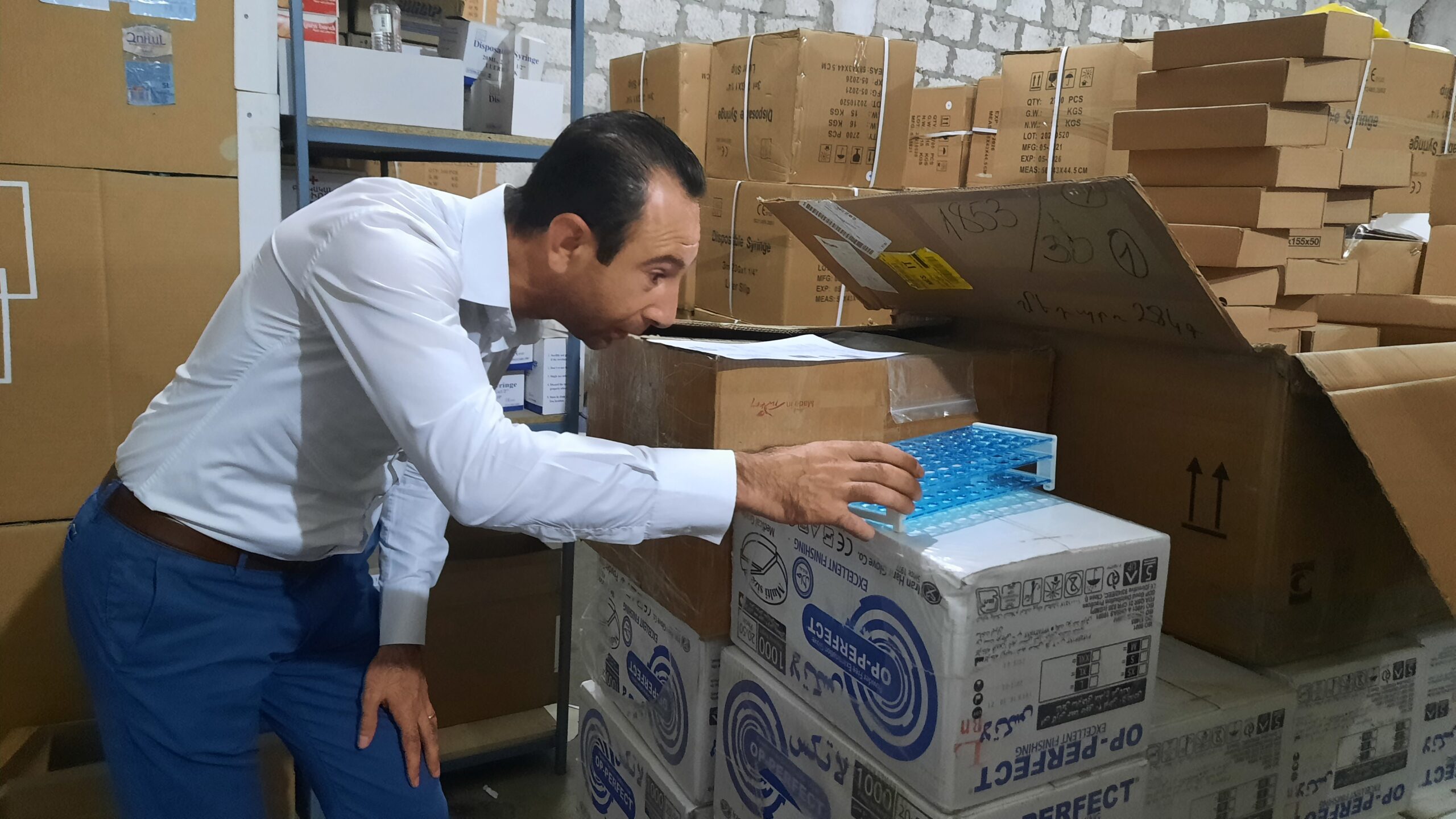
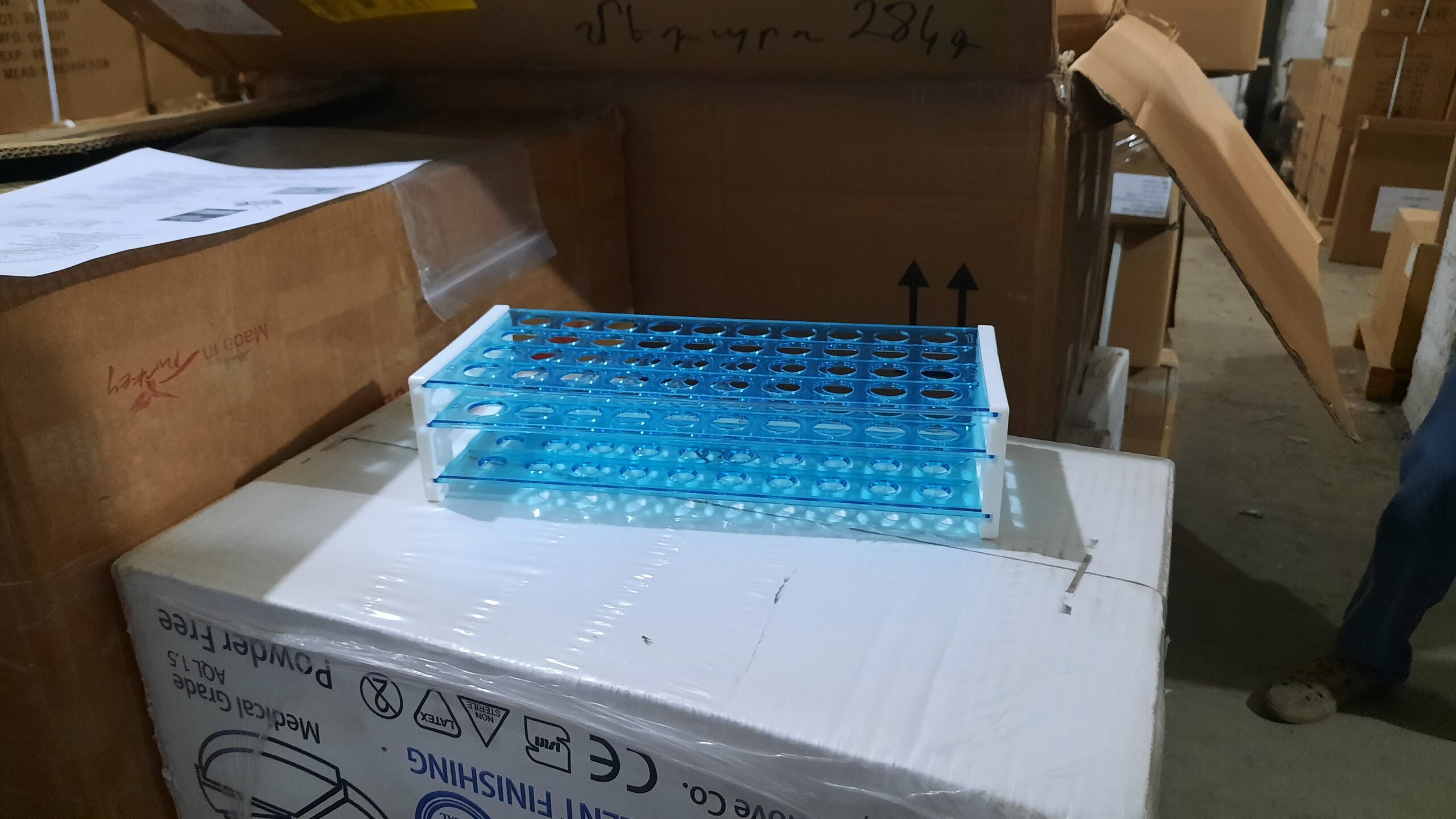
To ensure the proper implementation of veterinary anti-epidemic measures and to promote public awareness about them, within the framework of the “Vaccination of Farm Animals” project, technical support in creation and printing of information posters, as well as the purchase of necessary materials was provided by SDA NGO to the “Agricultural Services Center” SNCO of the Ministry of Economy of the Republic of Armenia.

The support was provided as part of the “Livestock Development in the South of Armenia” project implemented by SDA NGO with the financial support of the Swiss Agency for Development and Cooperation.

To spread information about the prevention of infectious diseases among farmers, information posters were disseminated in the rural areas through regional municipalities. The posters call on farmers as well as community heads to act responsibly when it comes to the vaccination of farm animals. In order to facilitate the implementation of veterinary anti-epidemic measures in the set time frame, tripods, tuberculin syringes, personal protective equipment, gloves were provided to the “Agricultural Services Center” SNCO.

The purpose of the assistance is to support the structure in the smooth and safe implementation of diagnostic measures against infectious diseases for animals and humans in the following areas:

  • Raising awareness of the need for the anti-epidemic measures among livestock farms, the importance of their proper and timely implementation.
  • Equipping veterinarians with the necessary items for the complete and safe implementation of the anti-epidemic measures.

“Action and competence-oriented teaching” four-day training course

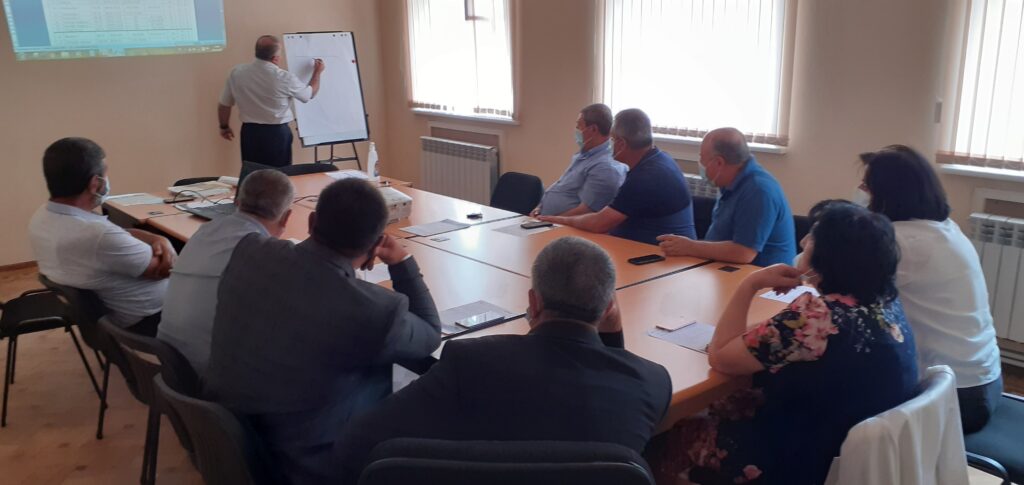
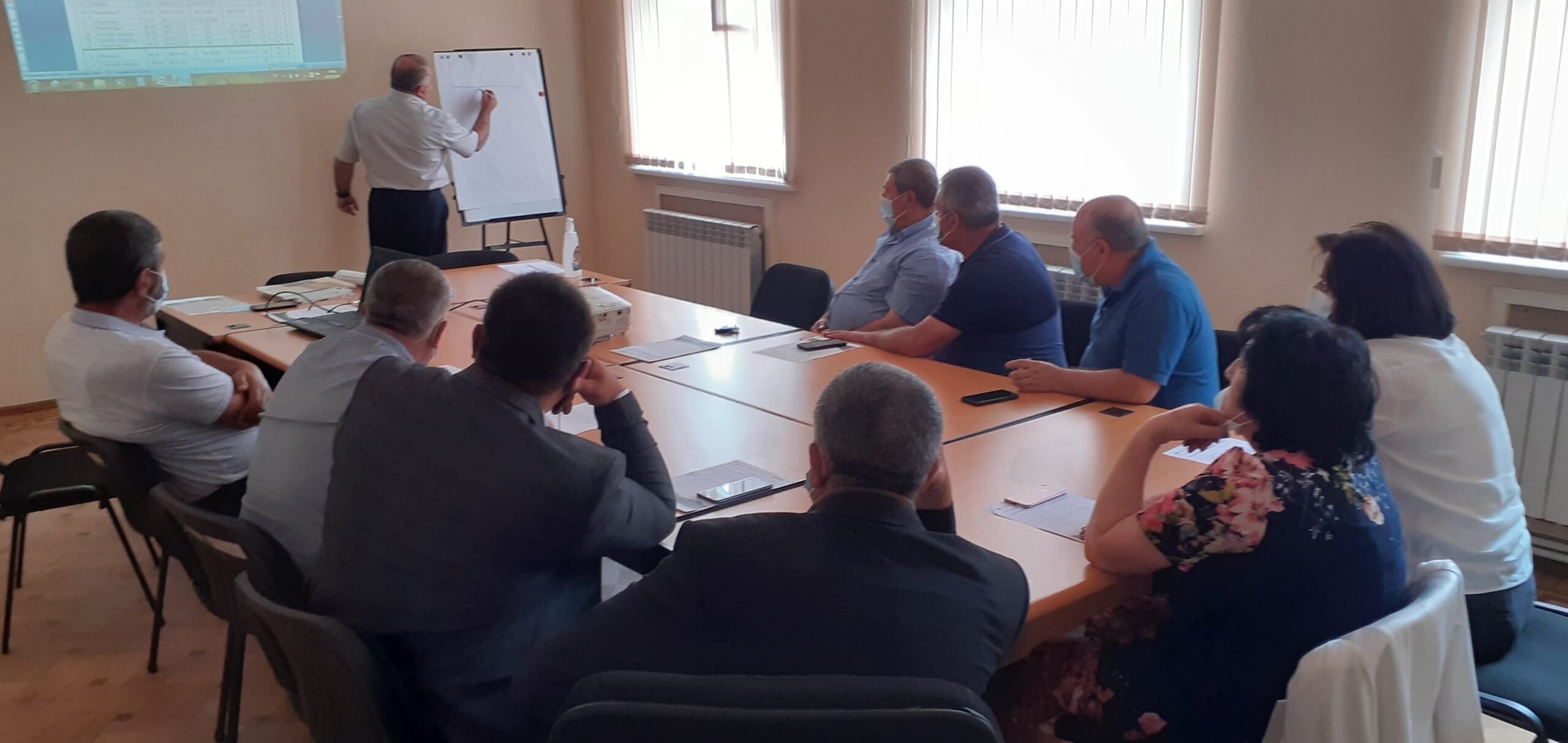
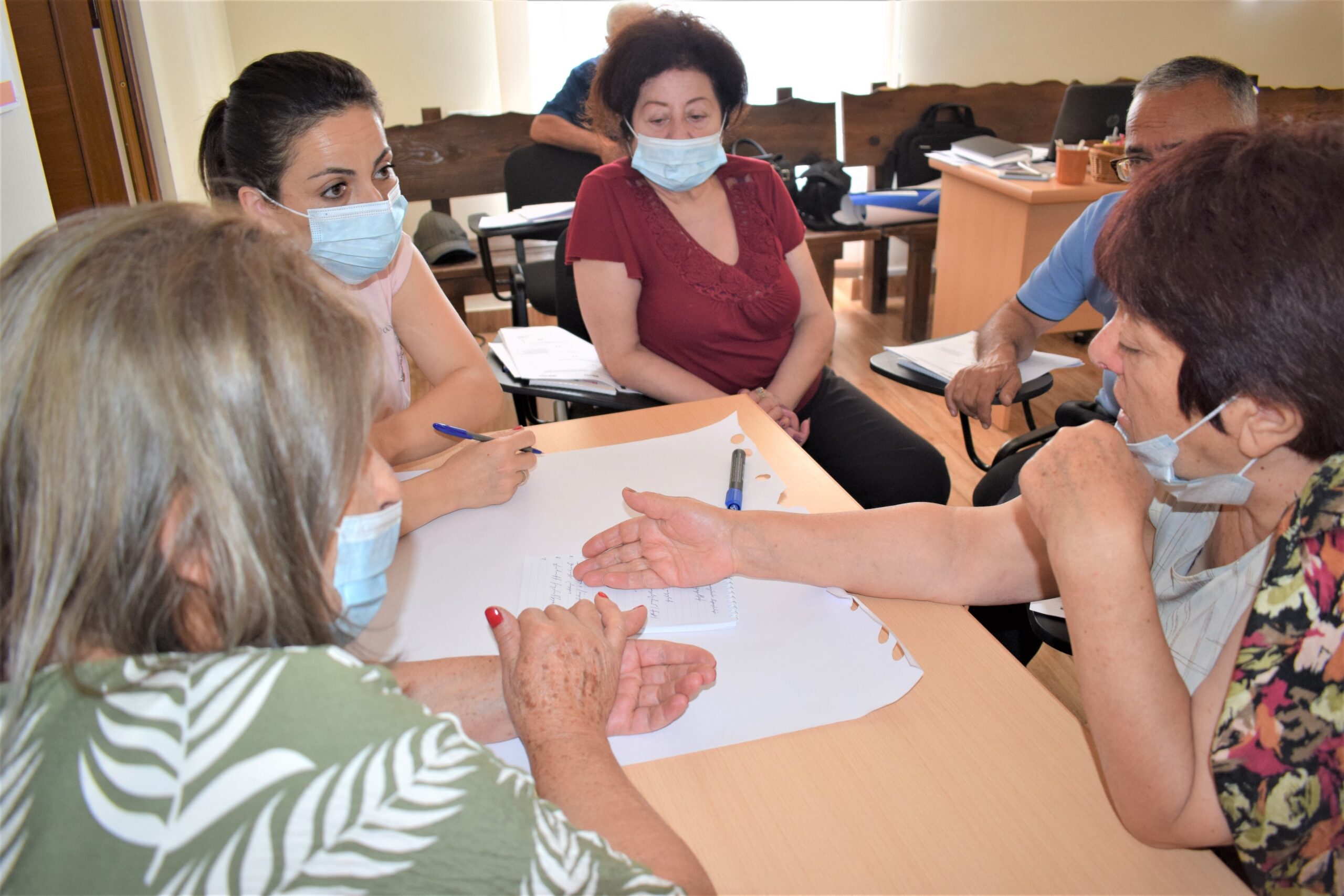
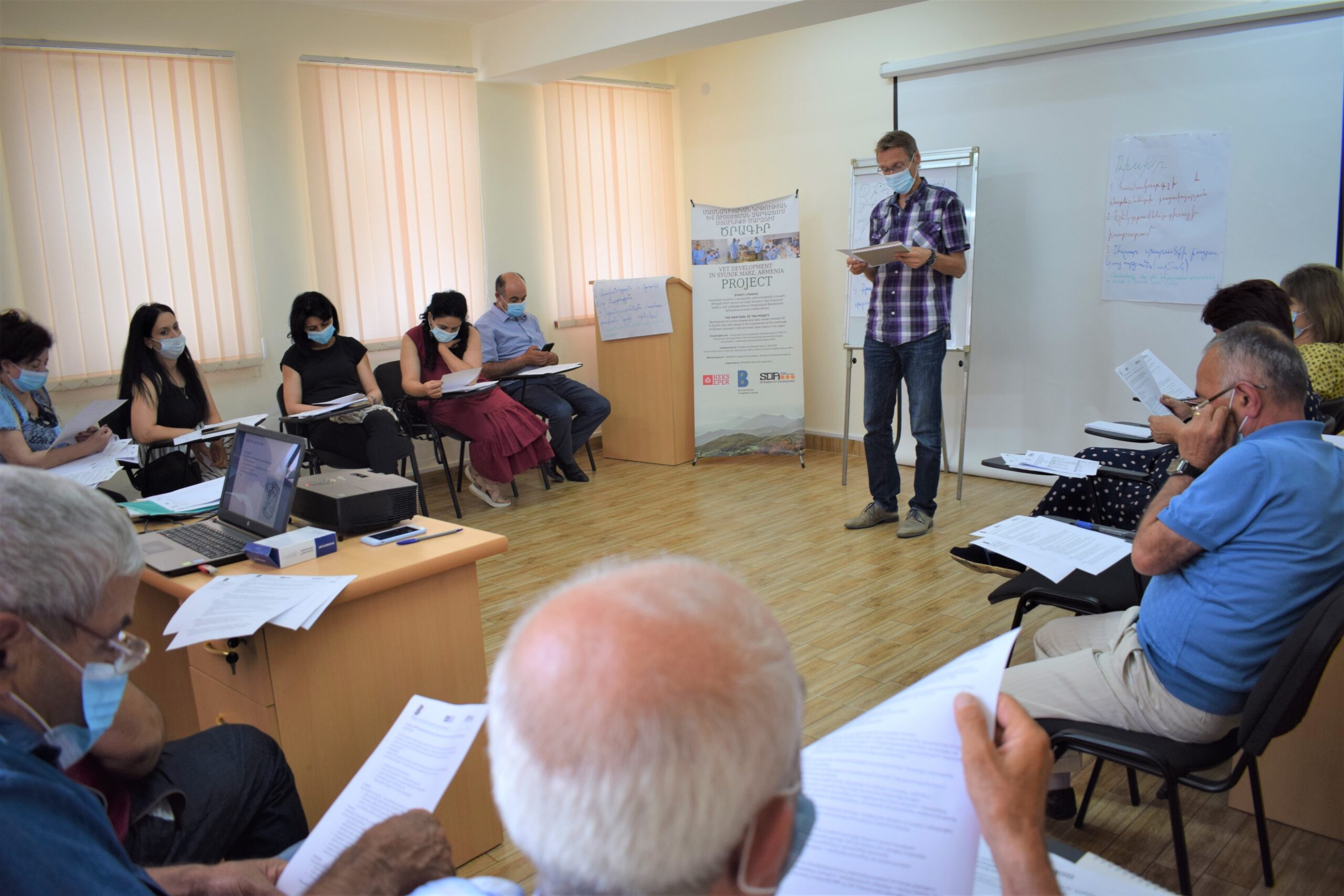
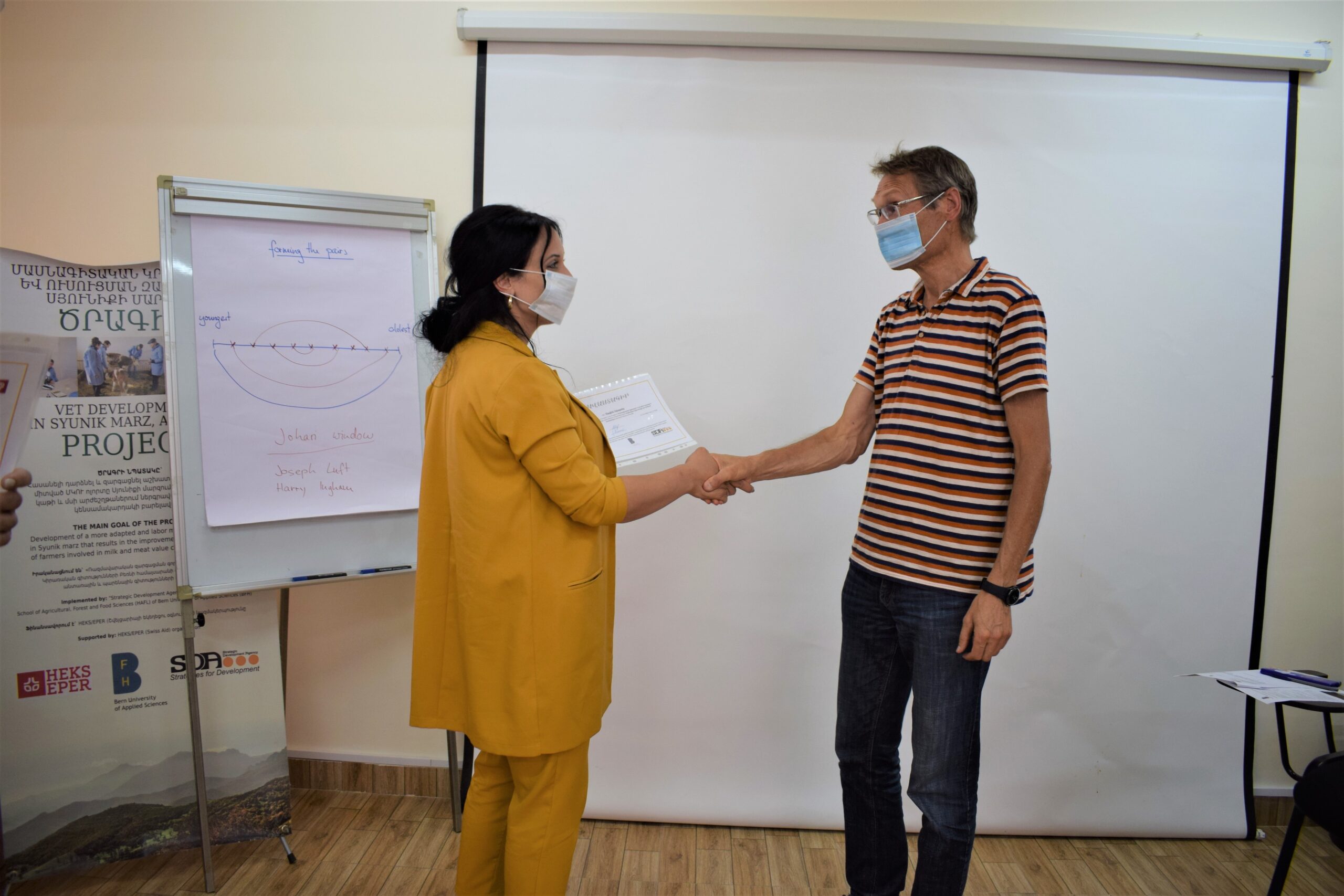
In the framework of “Vocational Education and Training (VET) development in Syunik marz” project the “Action and competence-oriented teaching” four-day training course took place from 29 June to 2 July, 2021.

The mentioned project is being implemented by Strategic Development Agency (SDA) NGO in partnership with HAFL (The School of Agricultural, Forest and Food Sciences of the Bern University of Applied Sciences) and with the support of Swiss Church Aid (HEKS/EPER).

The training involved 12 teachers from Goris State Agricultural College after Professor Kh. Yeritsyan and Sisian Branch of the Armenian National Agrarian University. The main objective of the training was to introduce the participants to the new teaching methods and approaches which the teachers will use during the coming semester.

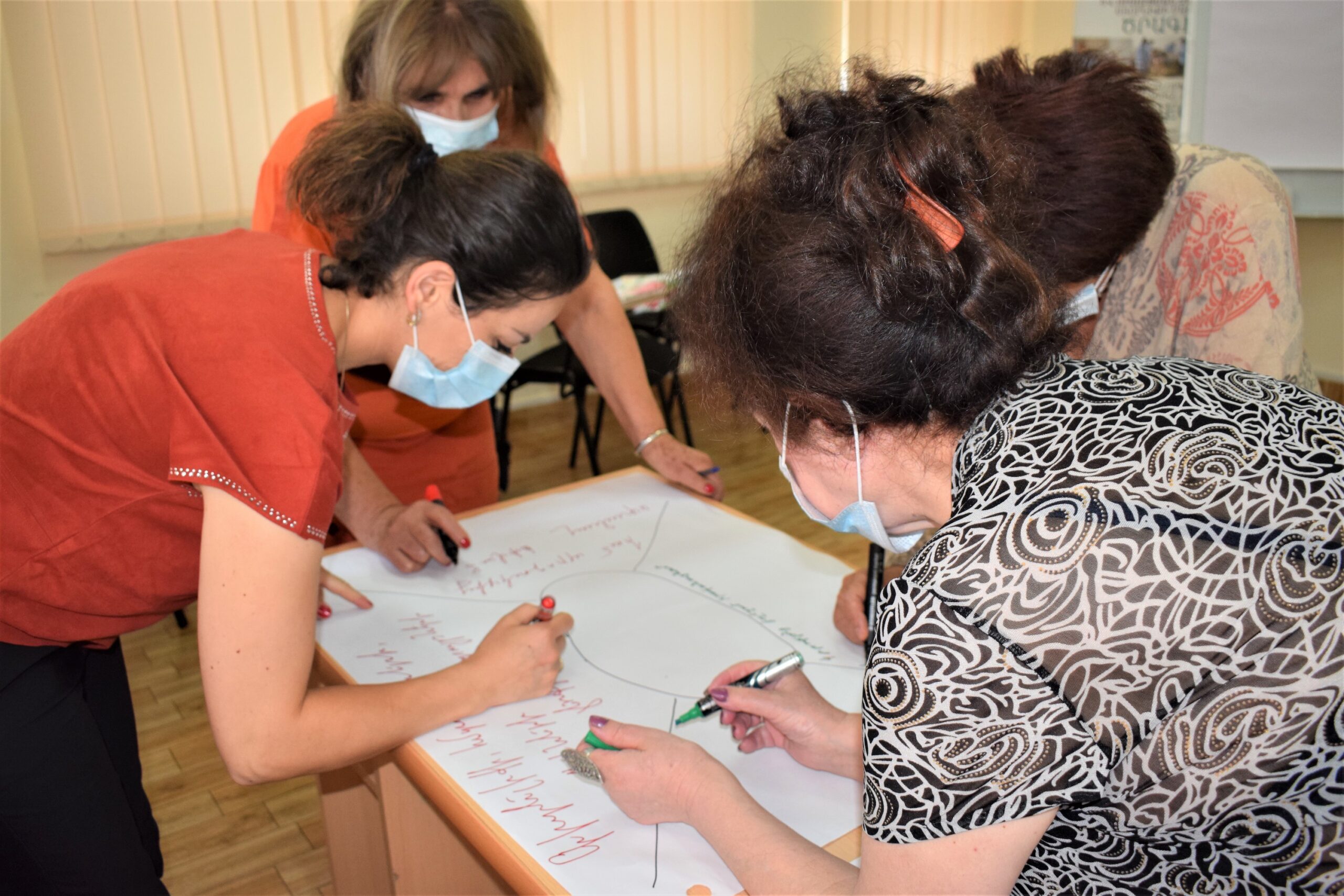
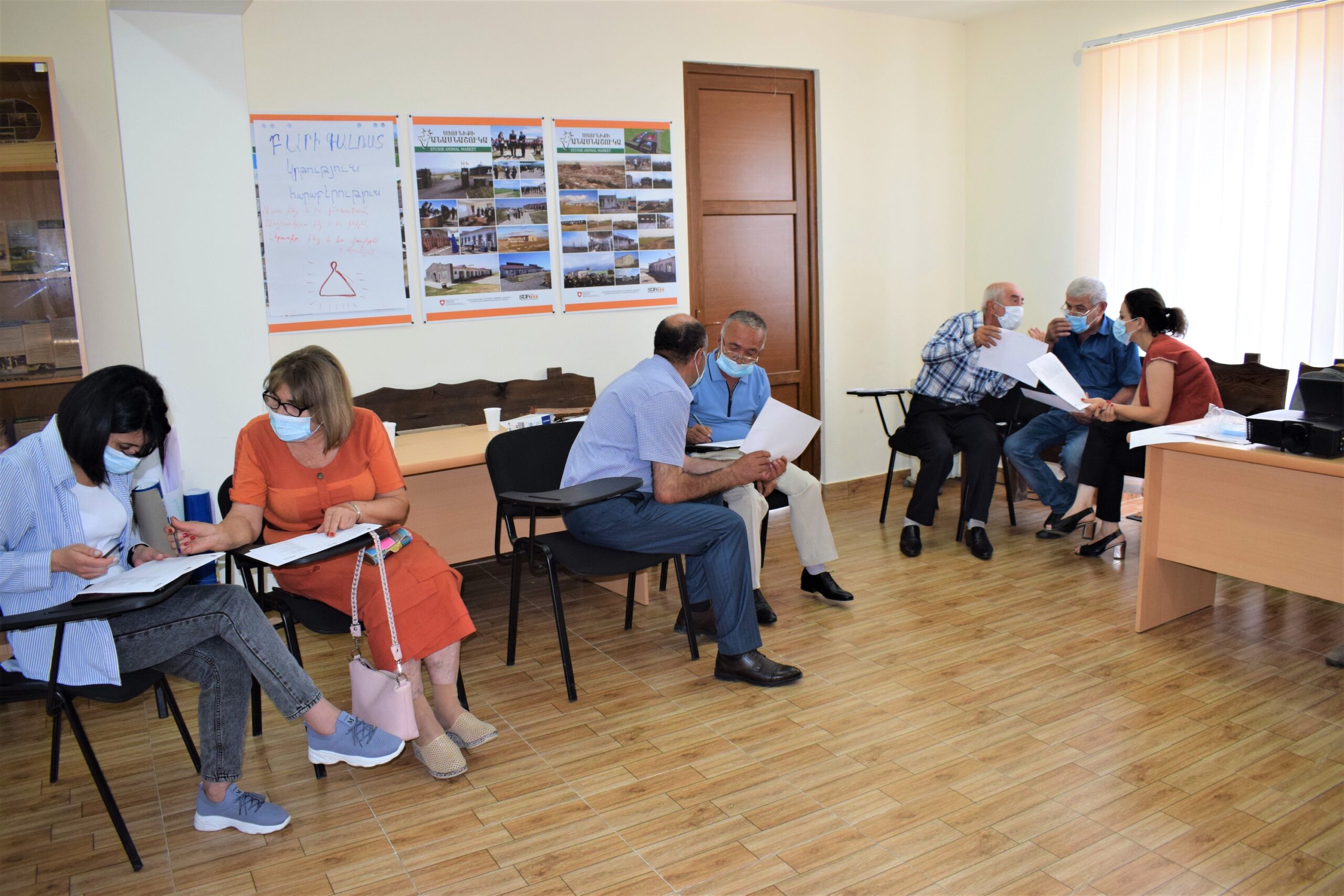
During the training, the participants were introduced to the program-based teaching method added to a comparative analysis with the problem-based teaching method, tools for developing students’ self-learning skills addressing both free, unguided, and guided self-learning, as well as to the online and mixed learning approaches. On the last day of the tarining, the teachers had the opportunity to share with each other their teaching experiences, successes and shortcomings occurred in the course of their teaching years. The training was conducted in an interactive way combining group tasks, panel discussions, questions and answers.

At the end of the training, the participants were awarded certificates of participation.

Practical Training for Veterinarians on Cattle Rumenotomy

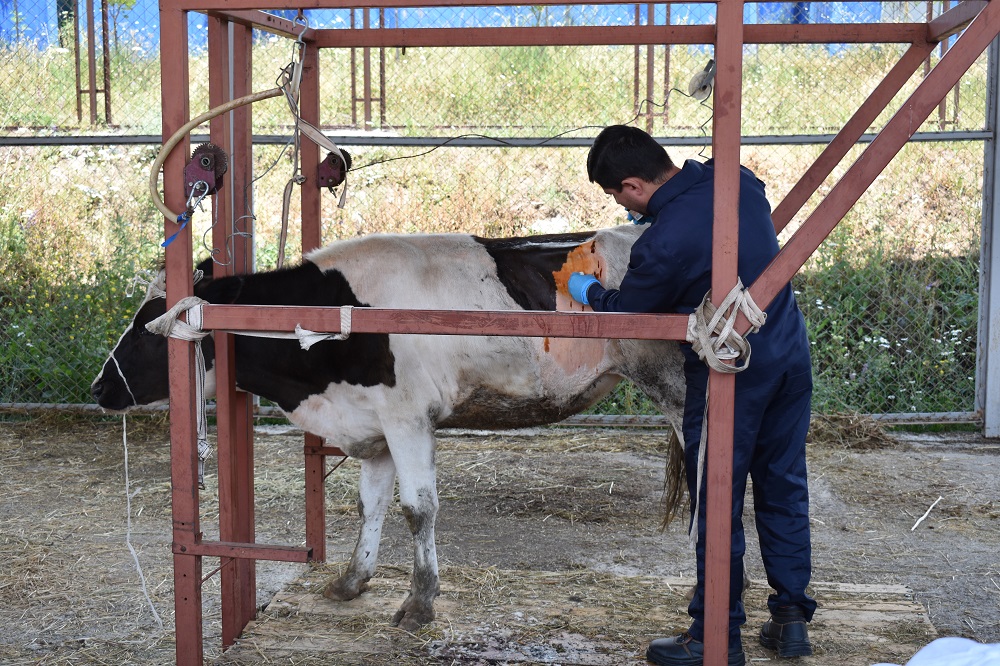
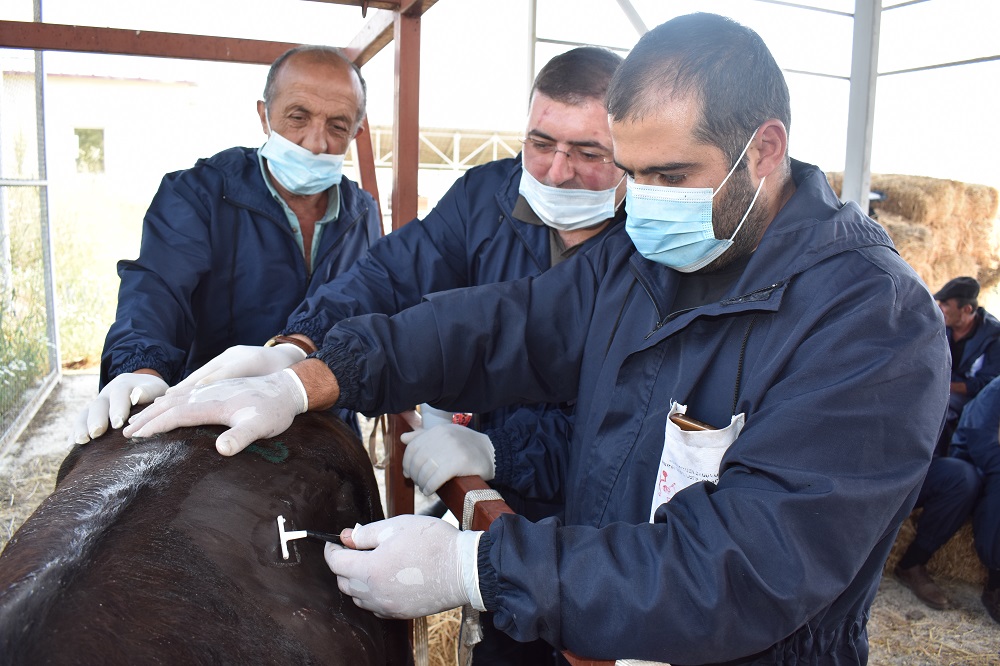
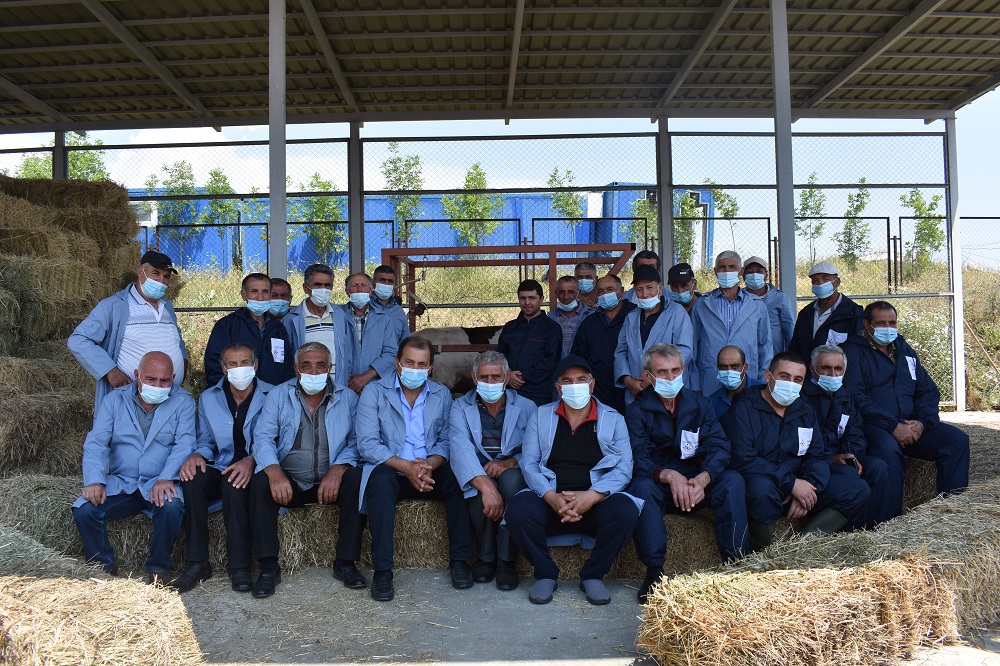
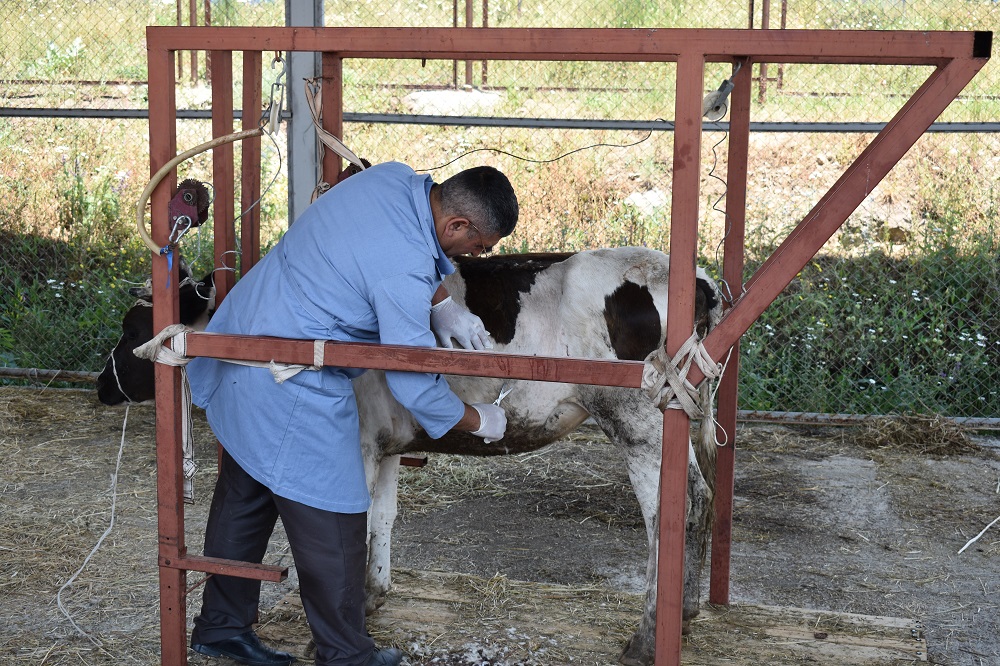
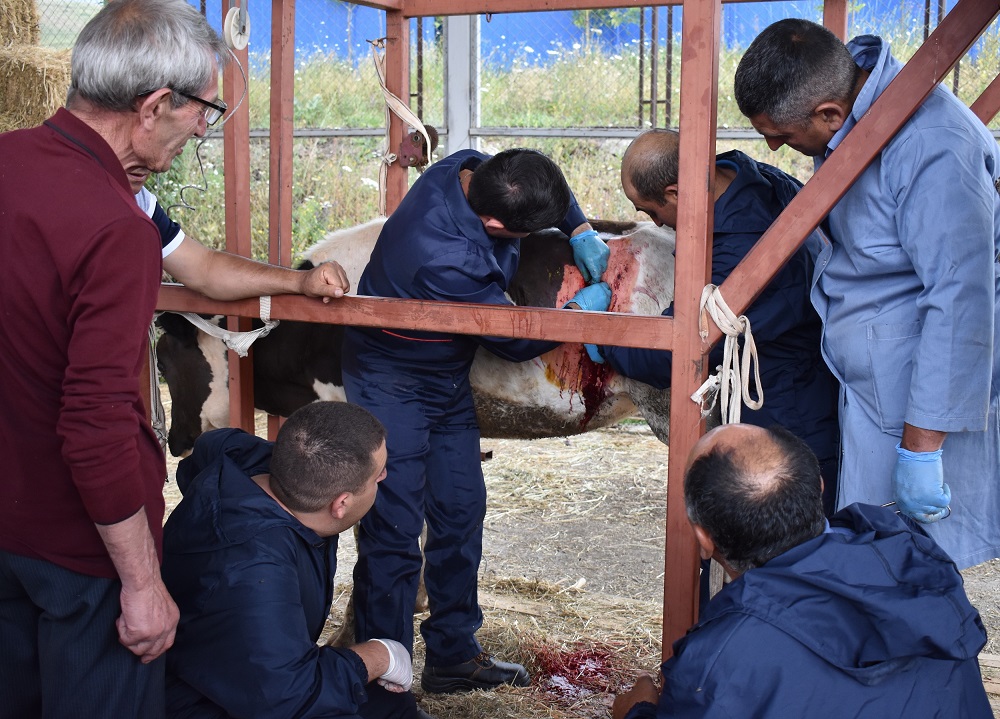
On July 1st and 2nd, the “Livestock Development in Armenia: South-North” and “Livestock Development in the South of Armenia” projects implemented by the Strategic Development Agency NGO organized a practical training session on Cattle Rumenotomy for 52 veterinarians participated from Shirak, Lori, Tavush, Gegharkunik, Vayots Dzor and Syunik marzes.

The course consisted of theoretical and practical parts. Before the operative intervention, during the theoretical part, the participants were introduced to the basics of rumenotomy, post- and preoperative interventions, and relevant operating procedures. During the surgery a detailed reference was made to the material highlighted in the theoretical part. As a result, the participants strengthened their academic knowledge and acquired practical skills. Throughout the surgery, the veterinarians were actively involved while also being given a chance of a few interventions.

In the practical part of the course, parallels were drawn on the similarities between the Rumenotomy and the Caesarean section of pregnant animals. Some details regarding the Caesarean section were therefore demonstrated.

Considering the veterinarians’ enthusiasm, the SDA trainer showed the techniques of a tail blood sampling, which significantly facilitates the implementation of measures carried out within the framework of the state order, in particular, for the diagnosis of Brucellosis.