
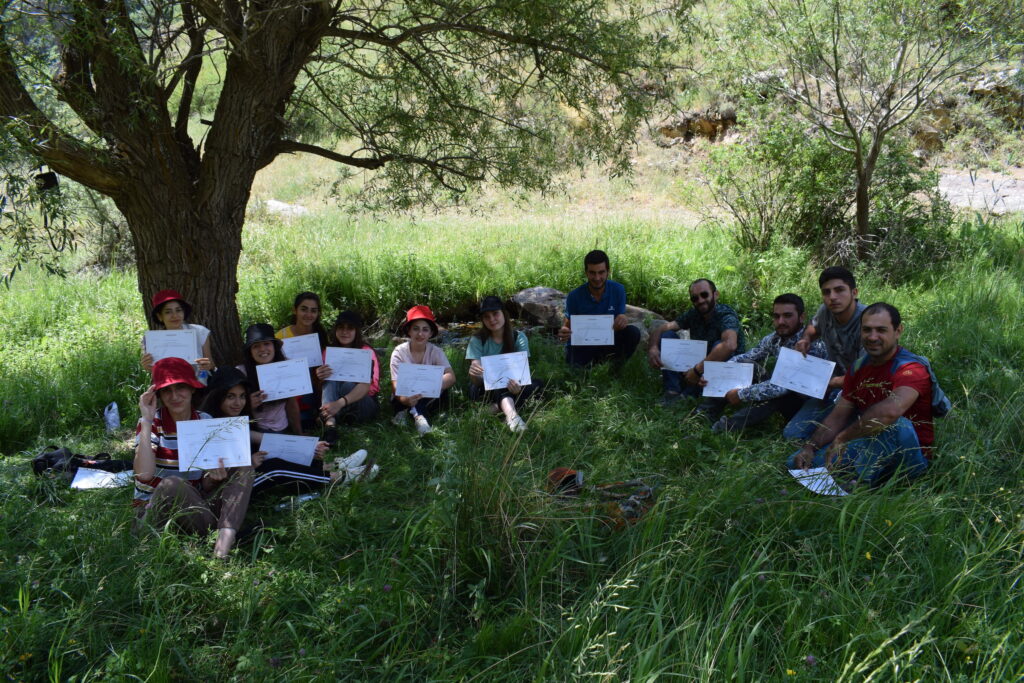
“Hiking Tourism” 4-day training held in Vayots Dzor

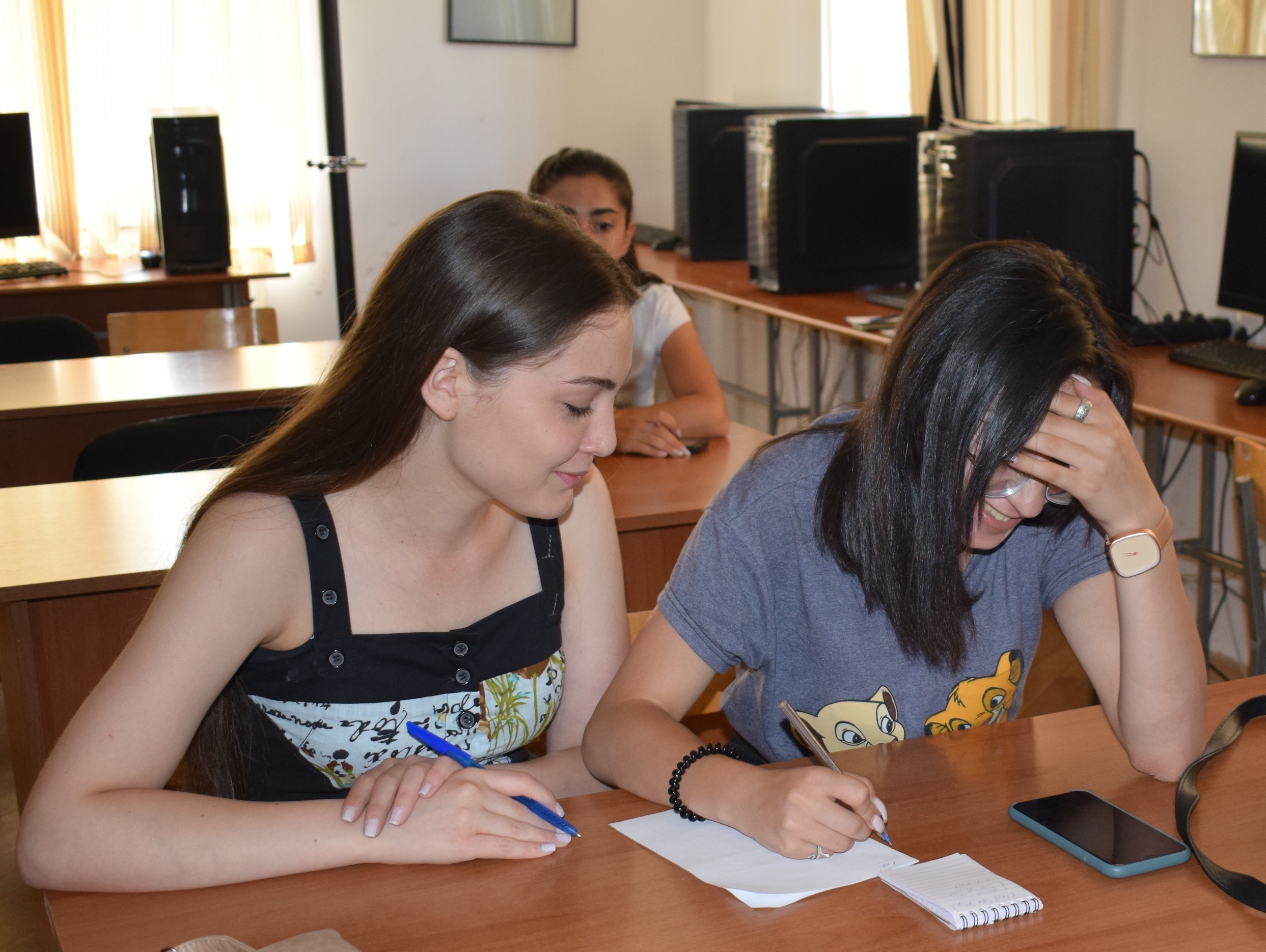
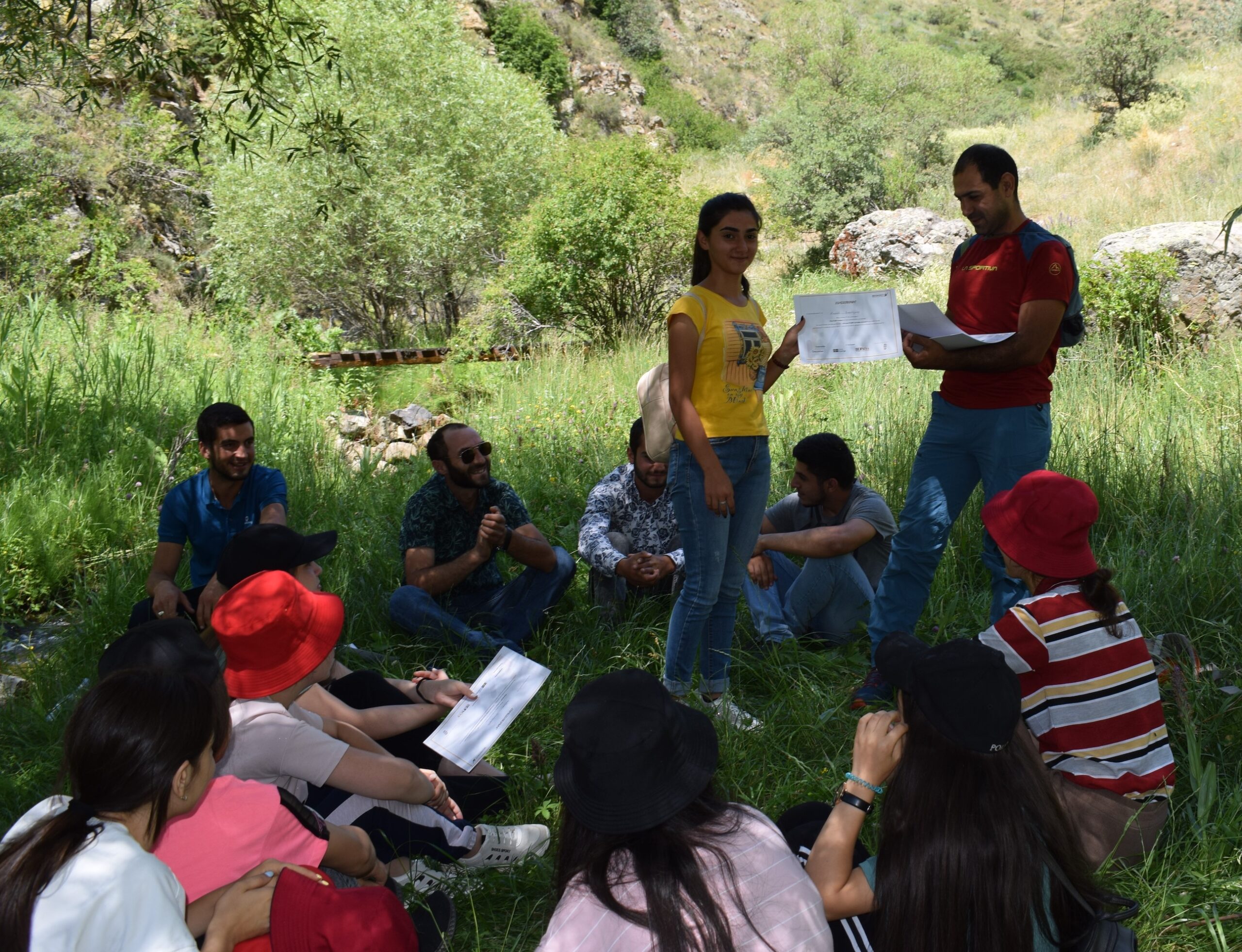
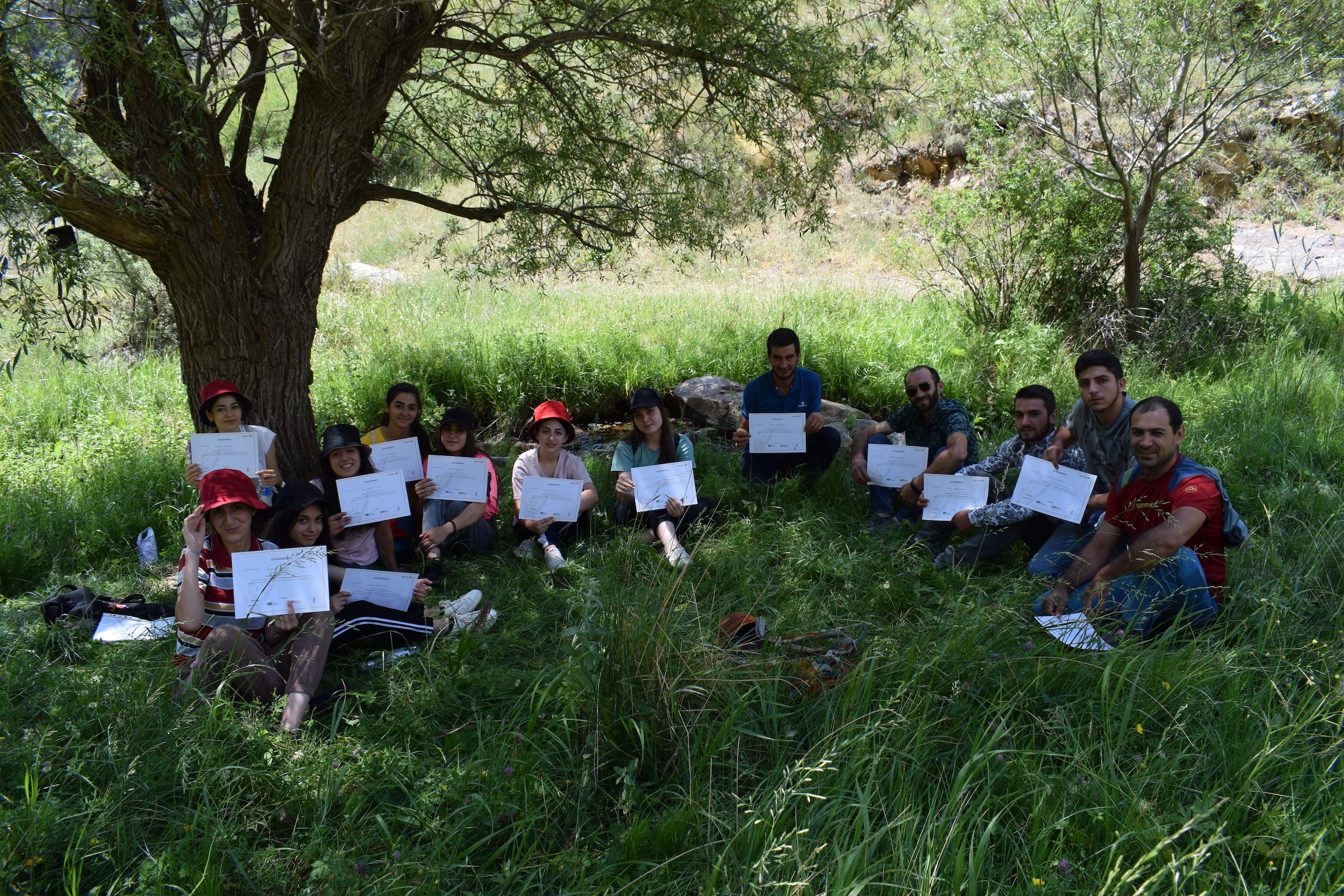
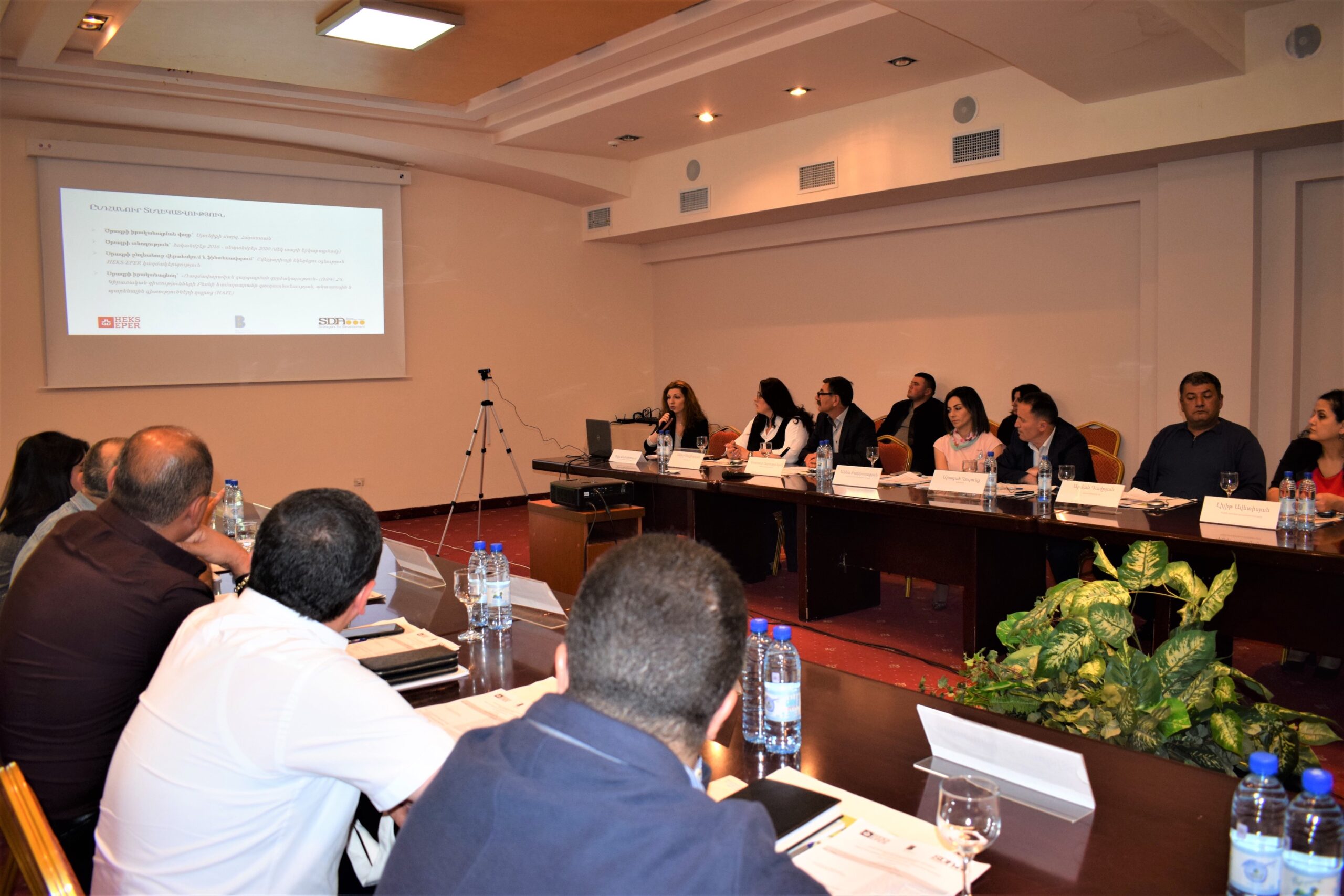
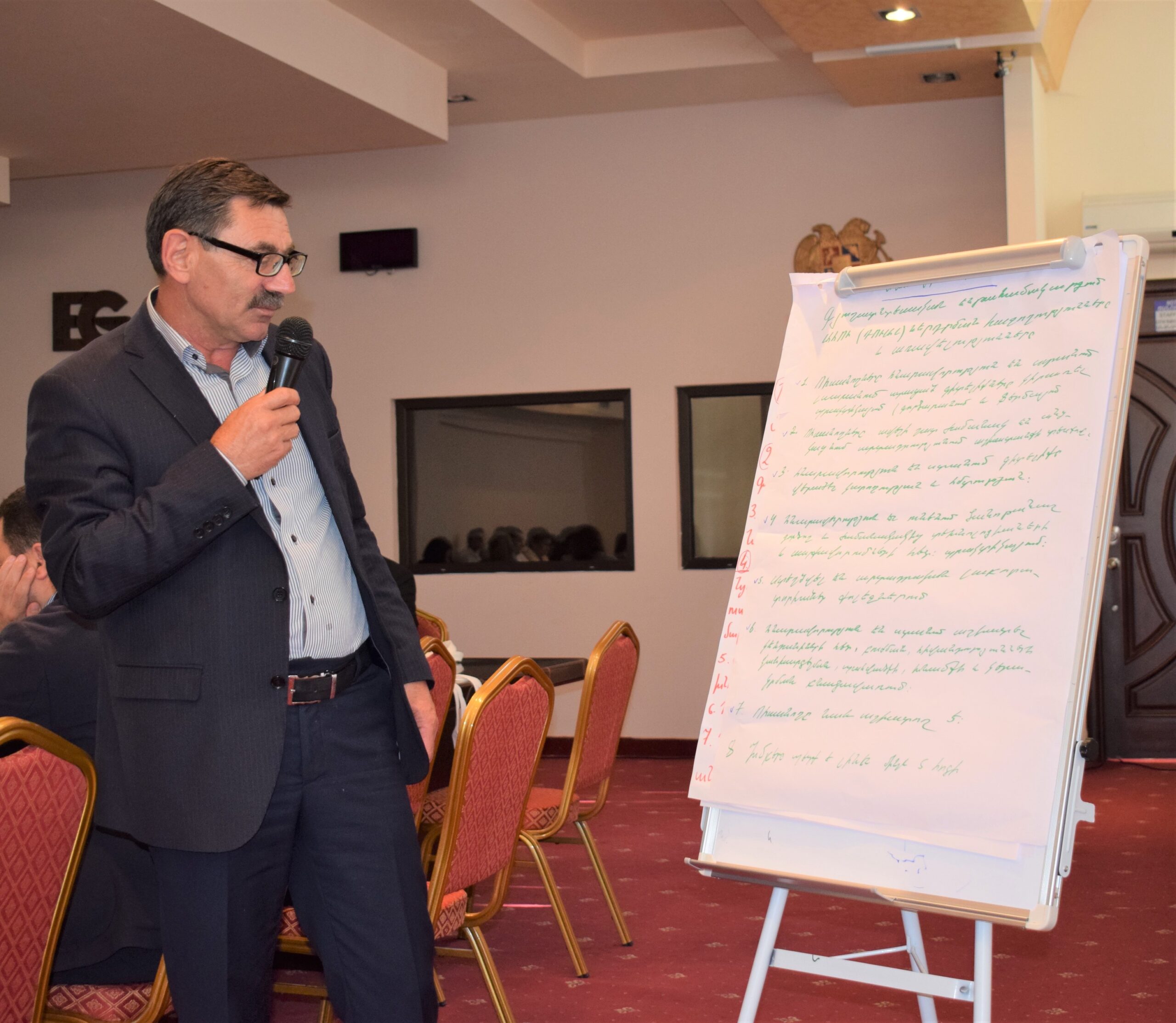
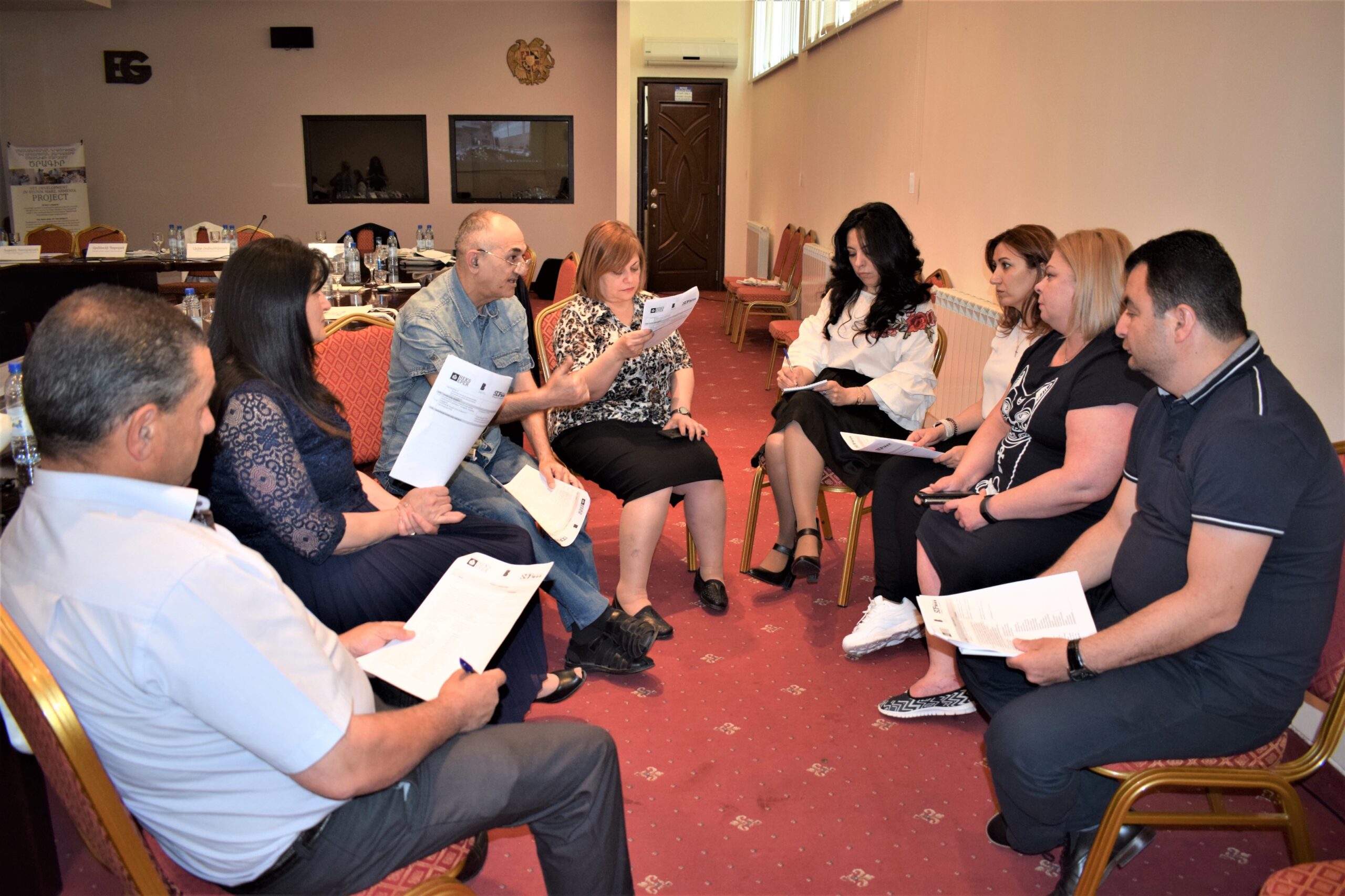
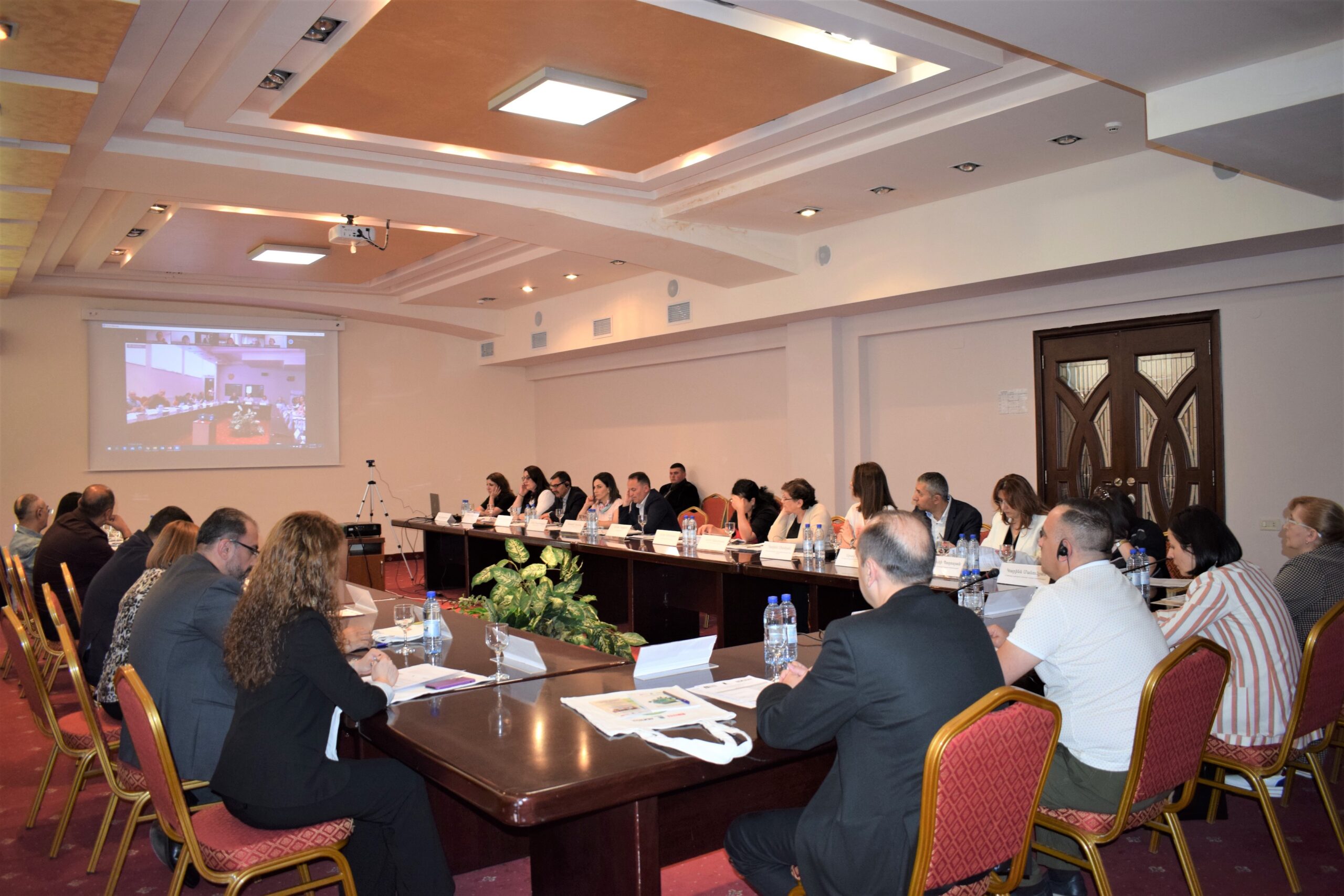
On June 15-18, four-day “Hiking Tourism” training developed and organized by Armenian Hikers Association in frames of the “Skills and Knowledge Intermediation Development” pilot project, was held in Vayots Dzor region.

The “Skills, Knowledge and Intermediation Development” pilot project is implemented by Strategic Development Agency (SDA) NGO with the support of HELVETAS Swiss Intercooperation -cooperating partner to SIDA.

The “Hiking Tourism” training module combines theoretical and practical methods ensuring the effective assimilation of delivered material. The training aims to equip the participants with practical knowledge contributing to the self-sufficiency of tourism industry employees and (self)employability improvement in the region with high tourism potential.

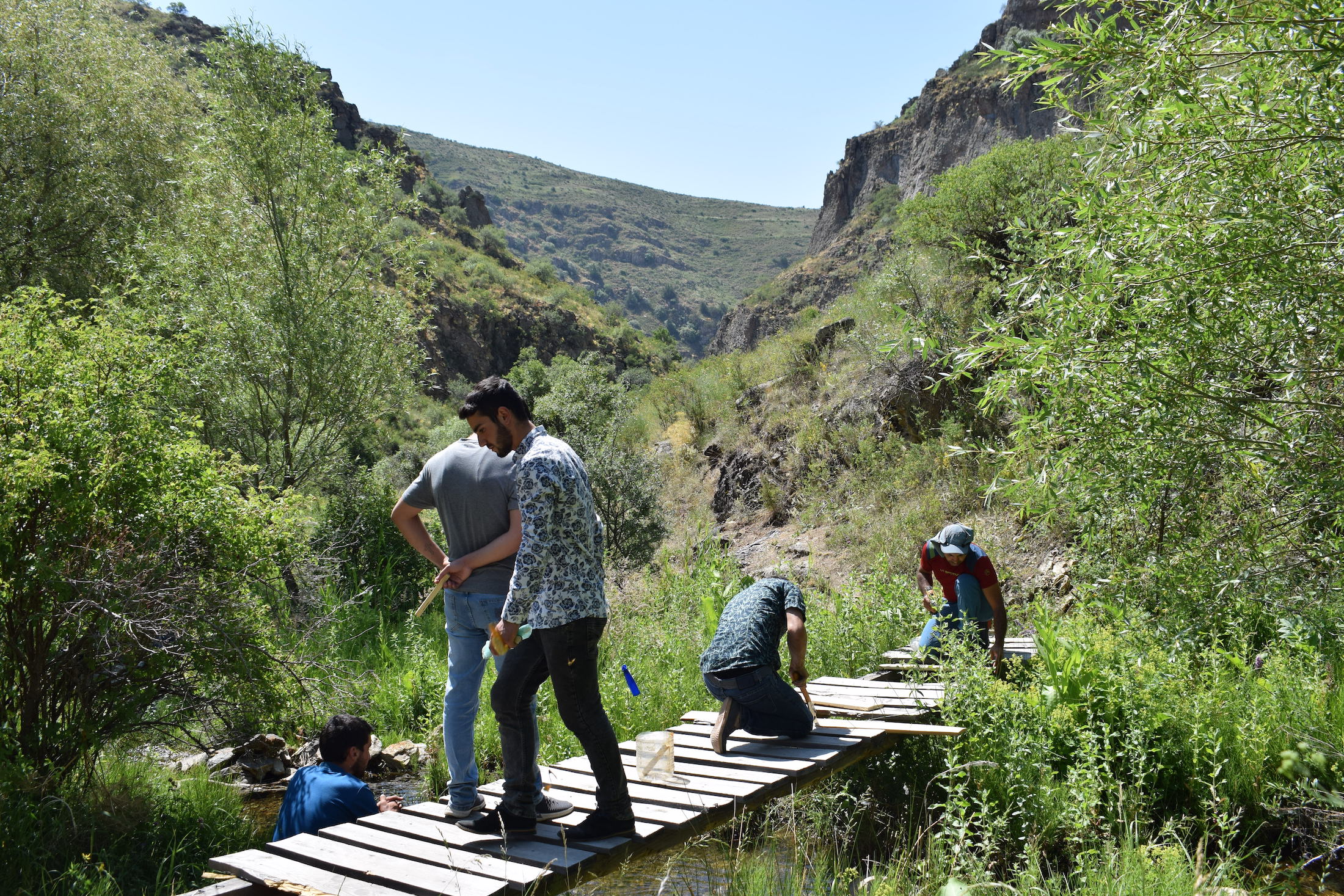
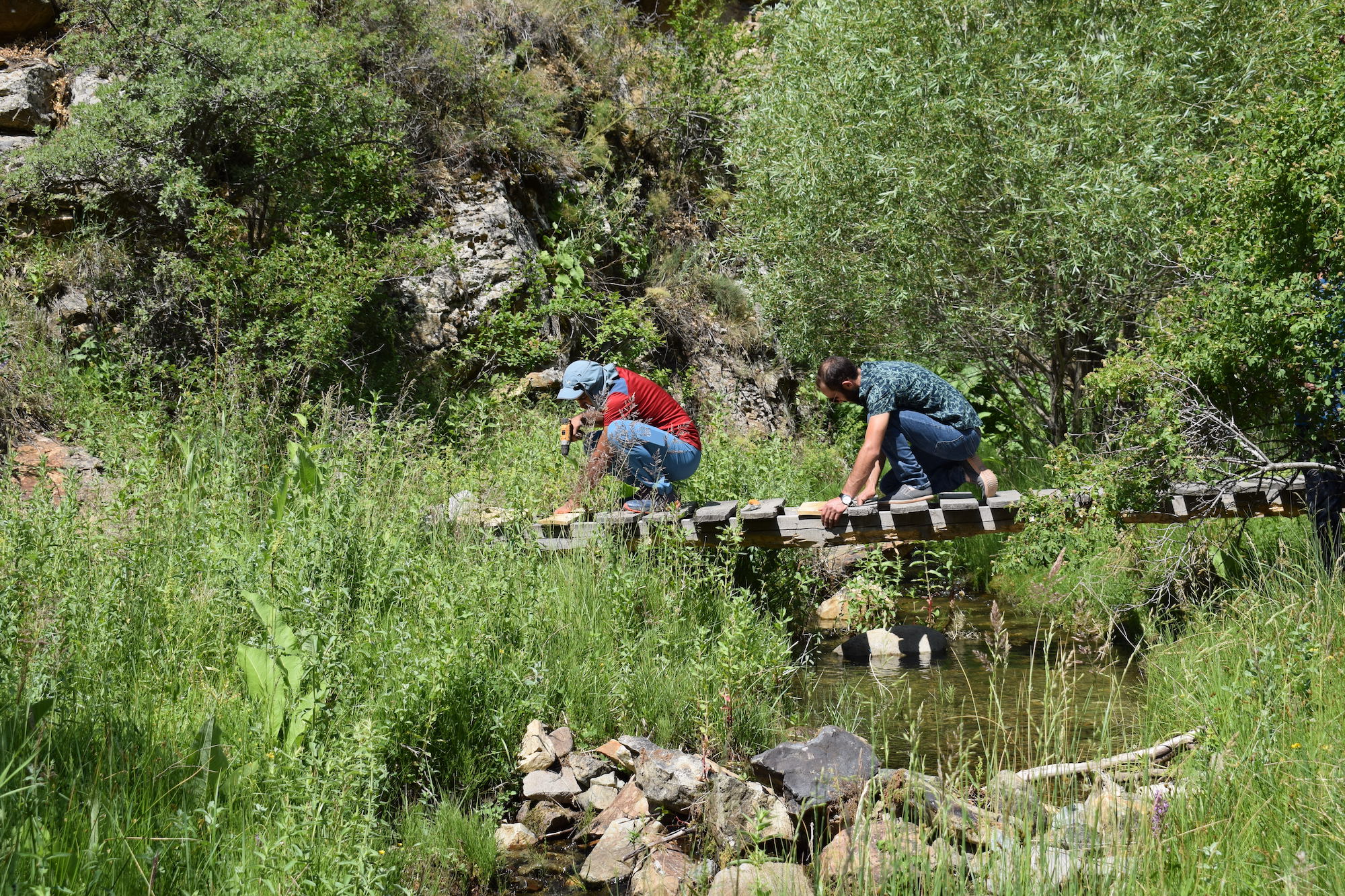
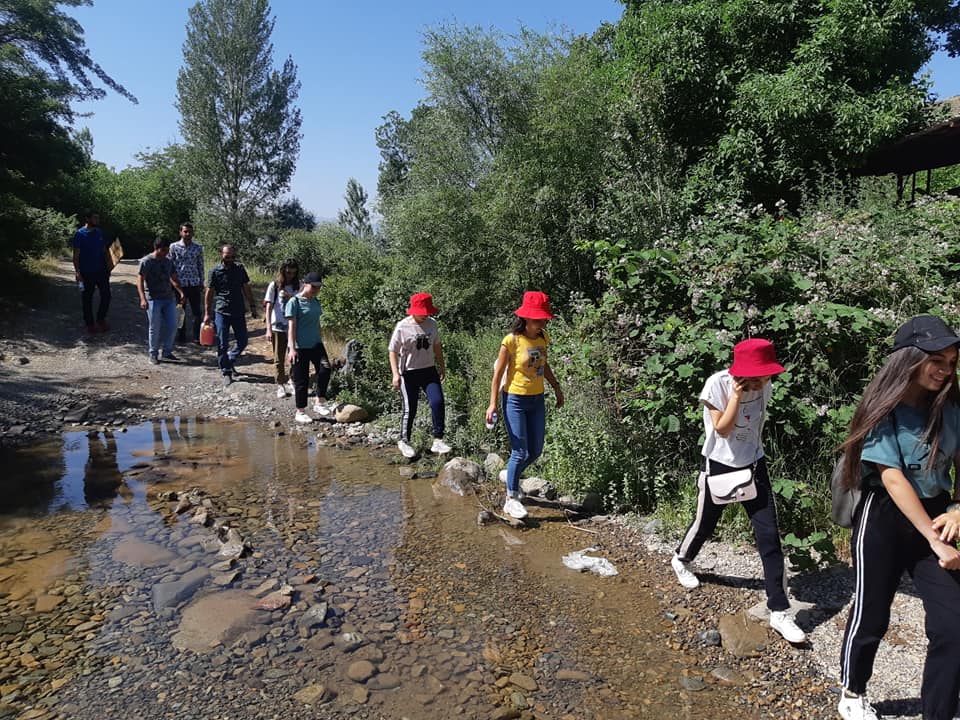
As a result of the four-day training, the participants got acquainted with the main trends in hiking tourism, popular applications, and all safety measures. The participants developed relevant tour packages based on the acquired knowledge and skills. On the last day of the training, a hiking trip to Spitakavor monastery was organized. The participants practically used the acquired knowledge through the trip, getting an in-depth understanding of the rules of leading a hike and ensuring the safety of the group. At the end of the training one of the bridges of the trail leading to Spitakavor monastery was recovered with participants’ efforts.
Uncategorized

Training on “Methodology and functions of pasture management development and modernization”

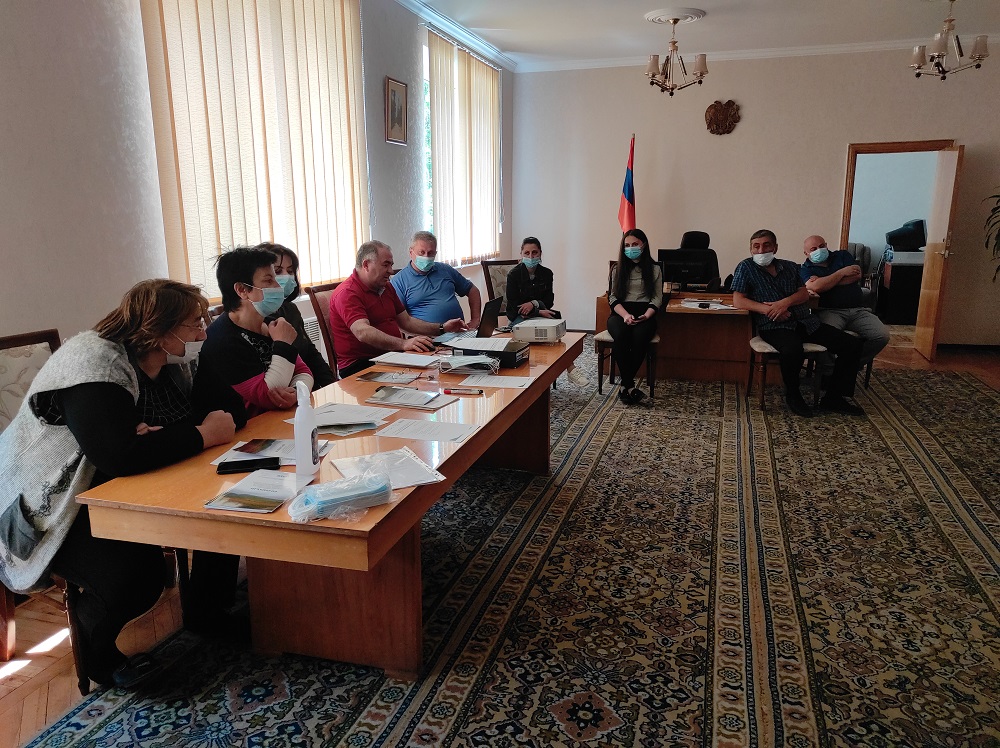
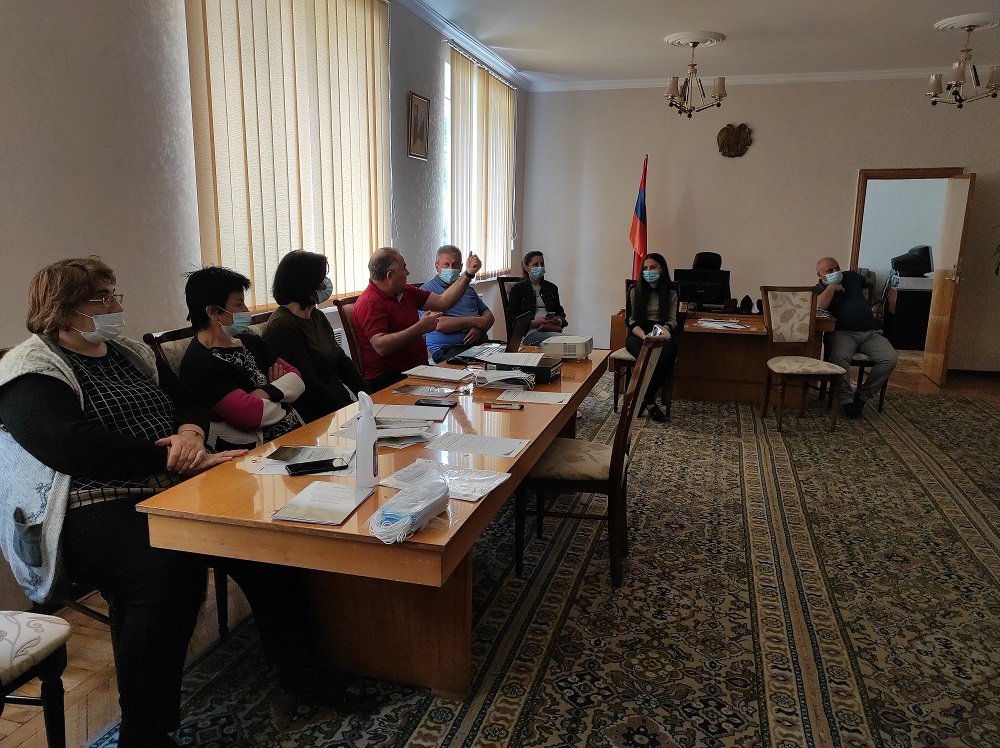
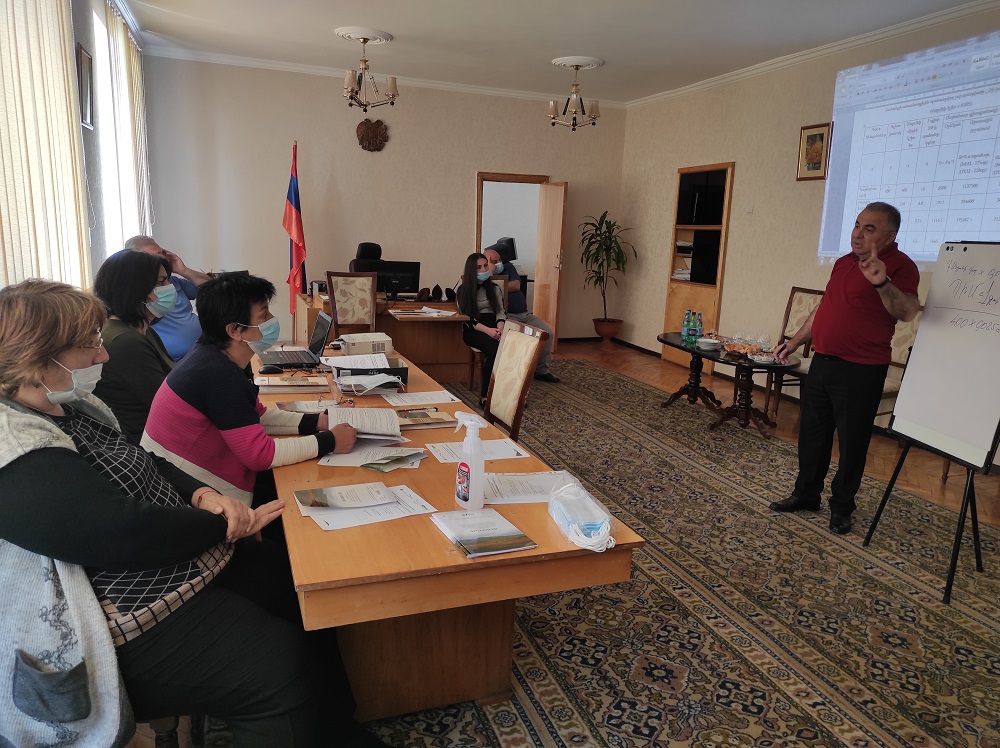
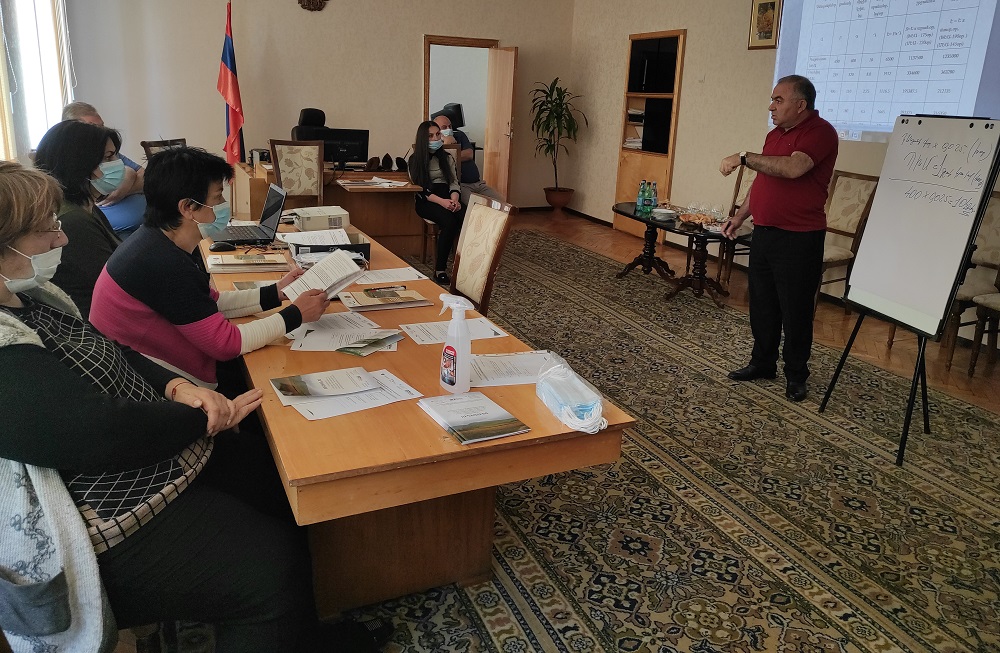
On June 10 2021 a training was organized on the topic “Methodology and functions of pasture management plan development and modernization” for the staff of the Amasia municipality in Shirak marz of RA.

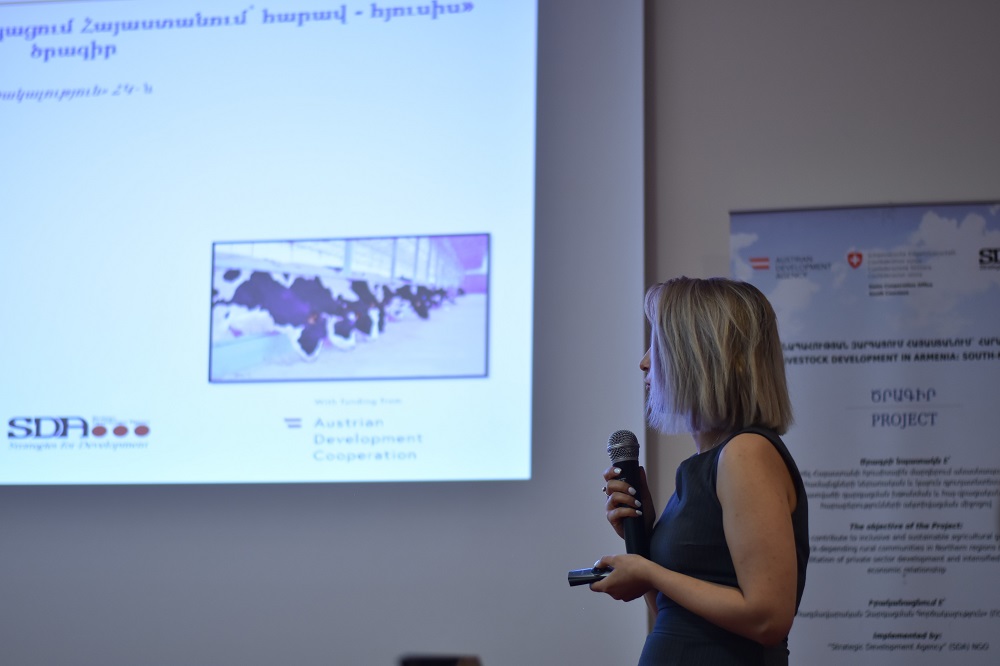
The training was organized within the pilot project “Introducing pasture and grassland maps for sustainable pasture and grasslands management practices in Lori and Shirak marzes of Armenia” which is financed by the GIZ ECOSERVE Project, with co-financing from the “Livestock Development in the South of Armenia” project implemented by “Strategic Development Agency” NGO with financial support of Swiss Agency for Development and Cooperation.

The aim of the training was to supplement the knowledge of the employees of the municipality on such topics as:

  • Composition of pasture feed demand and base,
  • Calculation of allowable pasture loading and pasture area per conventional large unit,
  • Preparation of pasture rotation plan and pasture use schedule and regulations according to regular grazing method,
  • Development of rotational pasture management plans (management plans).

The course ended with a discussion on the topics. Participants explored the role of such trainings in the optimal use of natural resources.

The Final Conference of the “VET Development in Syunik marz” project

The Final Conference of the “VET Development in Syunik marz” project implemented by the “Strategic Development Agency” NGO took place on June 10-11, 2021.

The project is being implemented in partnership with the School of Agricultural, Forest and Food Sciences of the Bern University of Applied Sciences (HAFL) and with the support of Swiss Church Aid (HEKS/EPER).

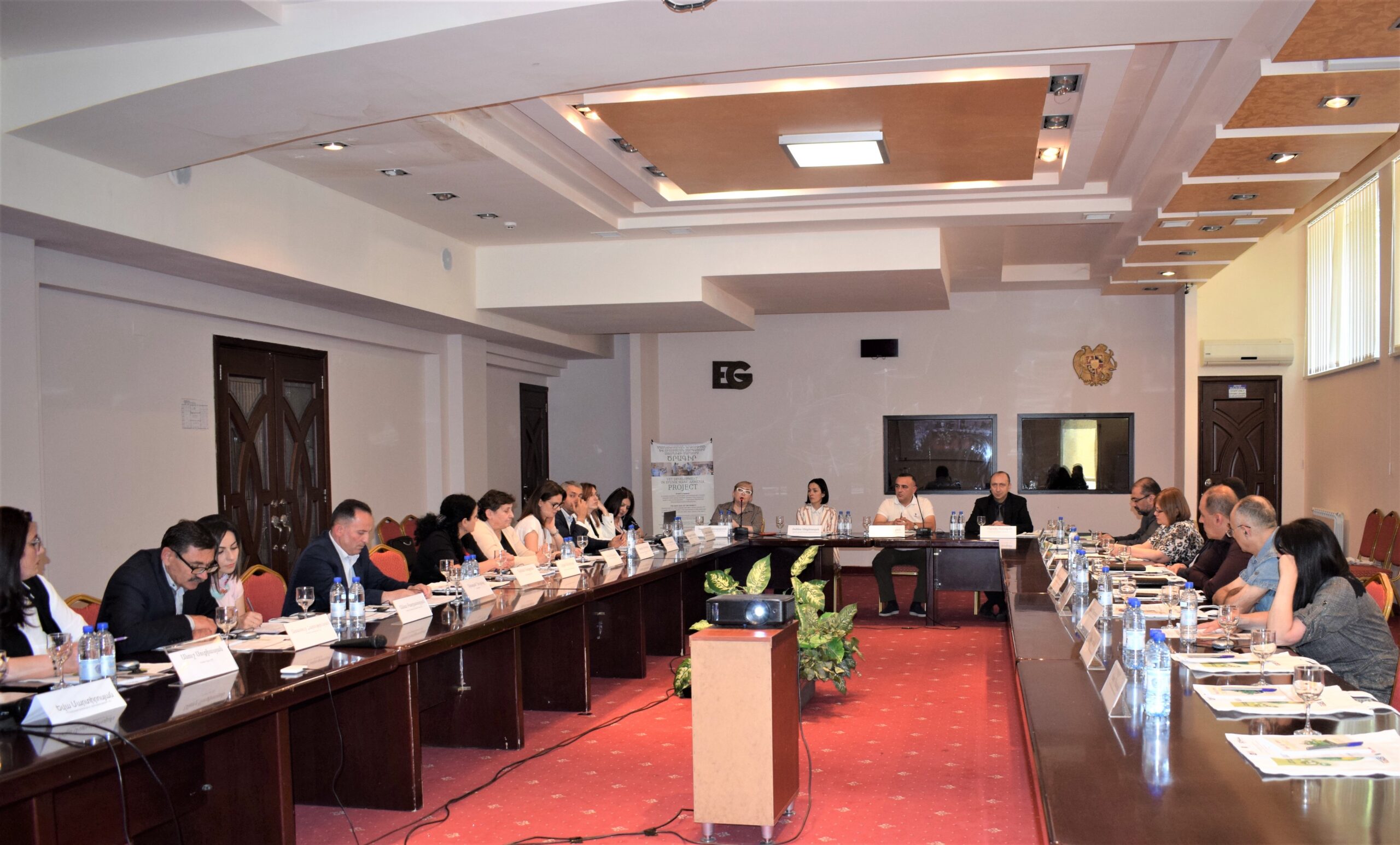
The Conference was attended by the RA Ministry of Education, Science, Culture and Sport (MoESCS), National Center for VET development (NCVETD), GIZ Armenia, Armenian National Agrarian University, project partner colleges and other RA VET institutions and employers of Lori and Syunik marzes of the RA. The conference was also joined online by the partners from HEKS/EPER and HAFL, the Swiss Agency for Development and Cooperation (SDC) and other international partner organizations.

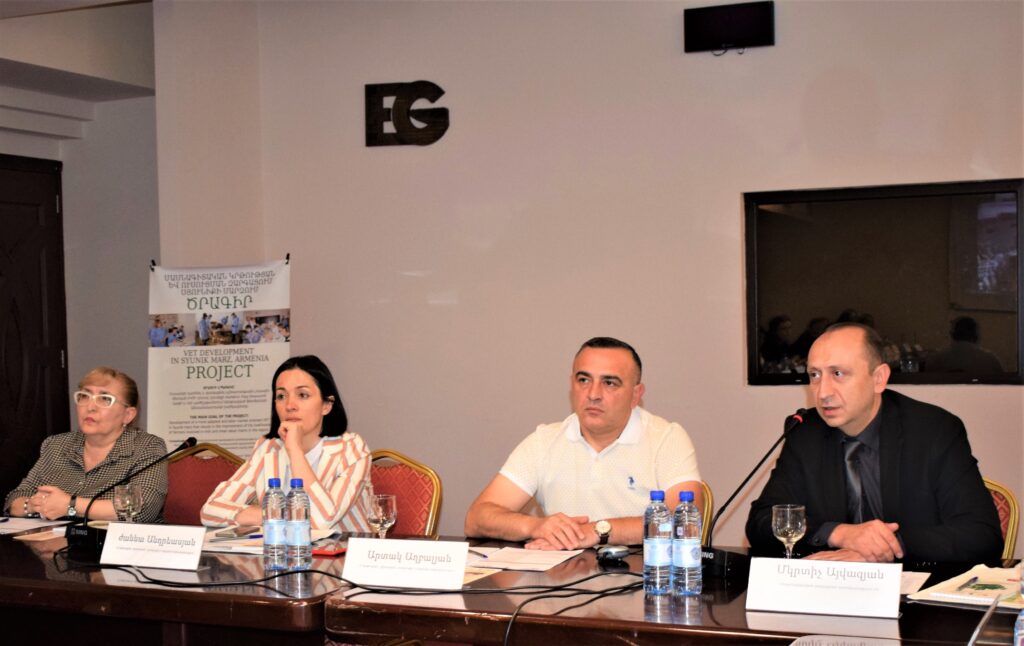
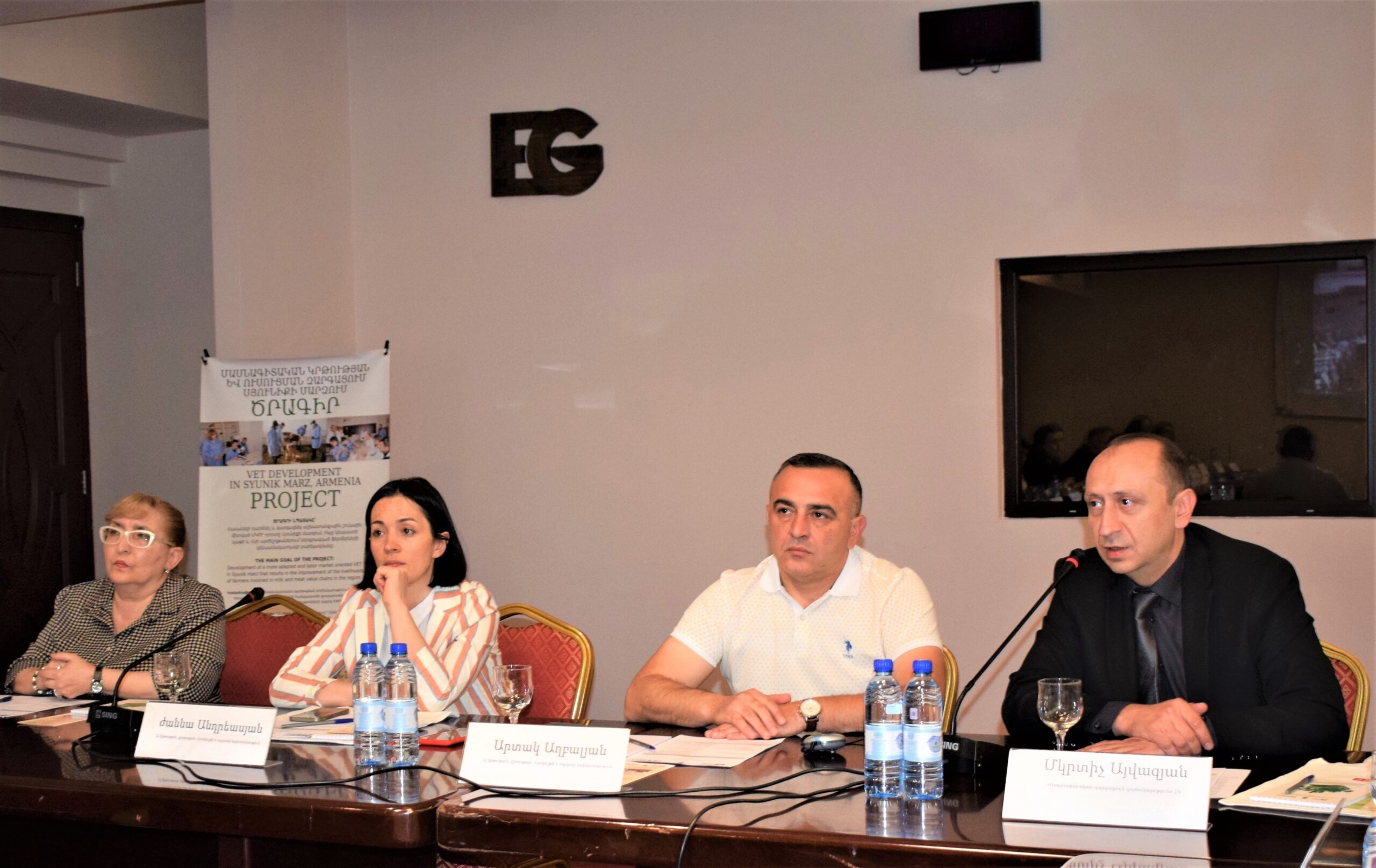
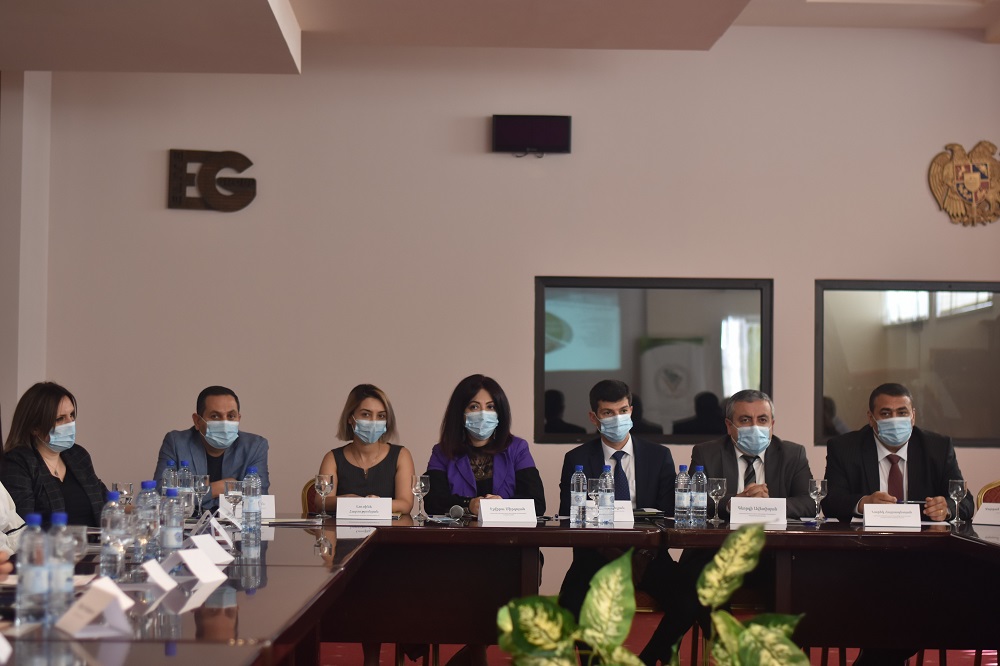
The Conference started with the official opening and welcoming remarks from the RA MoESCS Deputy Minister Mrs Zhanna Andreasyan, the Head of Europe/Asia Department of HQ HEKS/EPER Mr Marc Zoss, the Deputy Regional Director of Cooperation of SDC Mr Werner Thut, SDA NGO Chairman Mr Mkrtich Ayvazyan, and the Director of NCVETD Mrs Tatevik Gasparyan.

The Deputy Minister thanked the international and local partners emphasizing that the development of agricultural professions is of strategic importance for the Armenian economy.

“The achieved results and successes show that a stable partnership has been established, which has enabled us to introduce the educational standards and modules developed within the framework of the “VET Development in Syunik marz” project into other VET institutions as well. The manuals developed within the scopes of the project are unique; they are of great importance for the students and teachers of VET institutions implementing programs in the relevant professions. “This is one of the best examples of creating synergistic effect achieved by combining different projects”, – mentioned the Deputy Minister adding that the “VET Development in Syunik marz” project has also contributed to the introduction of a model of work-based learning (WBL) in the field of VET. According to the Deputy Minister, the legislative package for the introduction of the WBL model is currently being discussed.

Mr. Mkrtich Ayvazyan emphasized the importance of the balanced territorial development while presenting the activities of the NGO for the last 4-5 years.

“Considerable attention has been paid to the development projects of remote marzes, and with this purpose some works has been carried out with territorial administration and governing bodies in the field of education” – said he and adding that the “VET Development in Syunik marz” project has been implemented within this context.

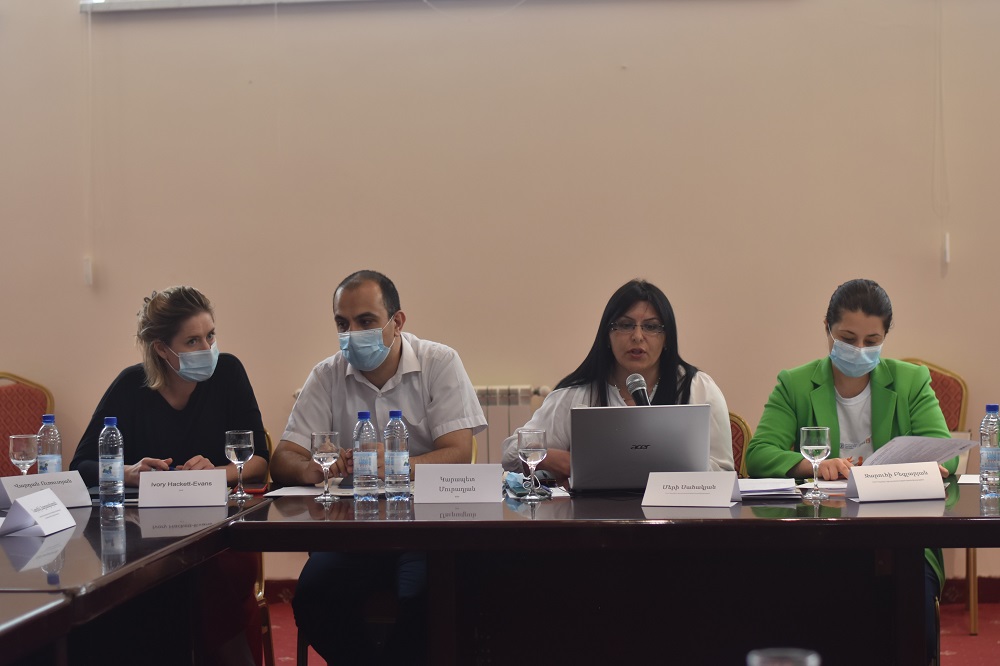
During the conference, the partner organizations presented the activities carried out within the framework of the project, as well as the results, achievements and lessons learnt.  The presentations were followed by Q&A sessions, panel discussions and group work.

The online conference participants, in turn, presented the Swiss Dual VET and agricultural consultancy systems as an example of best practices to be integrated in Armenia. During the conference the existing problems and challenges in the RA VET system, the strengths and weaknesses, and the perspectives of introducing a dual VET system in the RA were referred to.

This project was implemented in close cooperation with the Ministry of Education, Science, Culture and Sport of the Republic of Armenia․

Practical exchange visits towards knowledge improvement, cooperation, and professional development

From April 30 to May 26, 2021, within the framework of improved capacities of male and female farmers in terms of new approaches and techniques in animal husbandry and farm component of the “Livestock Development in the South of Armenia” project implemented by the “Strategic Development Agency” NGO and financed by the Swiss Agency for Development and Cooperation.
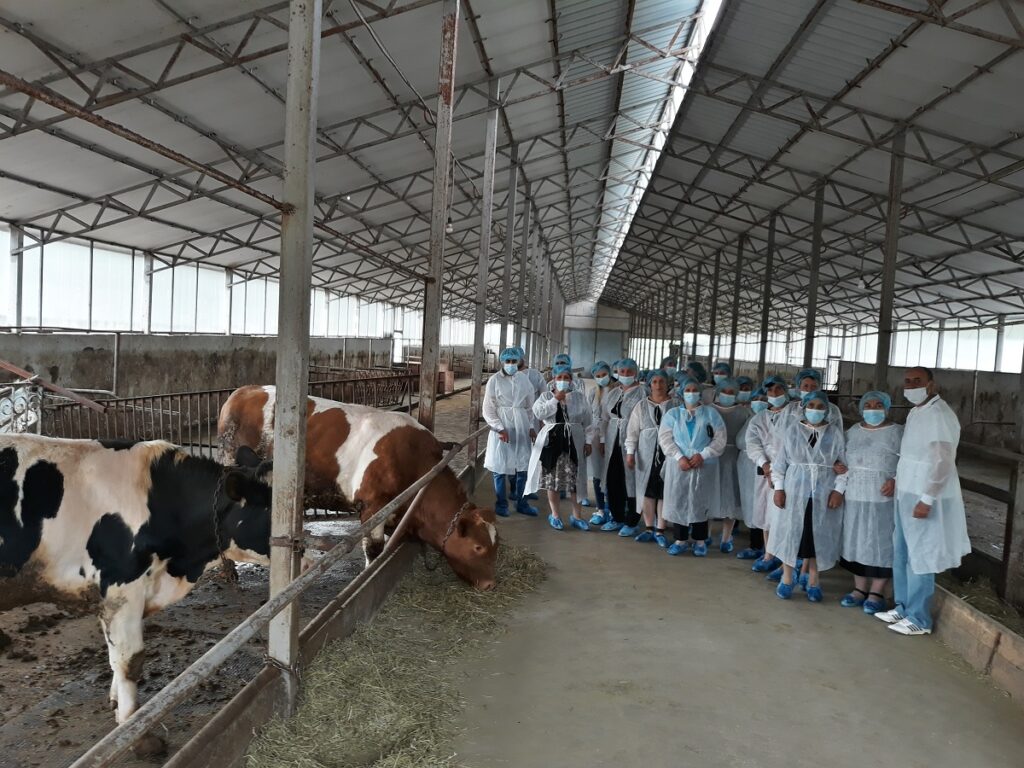
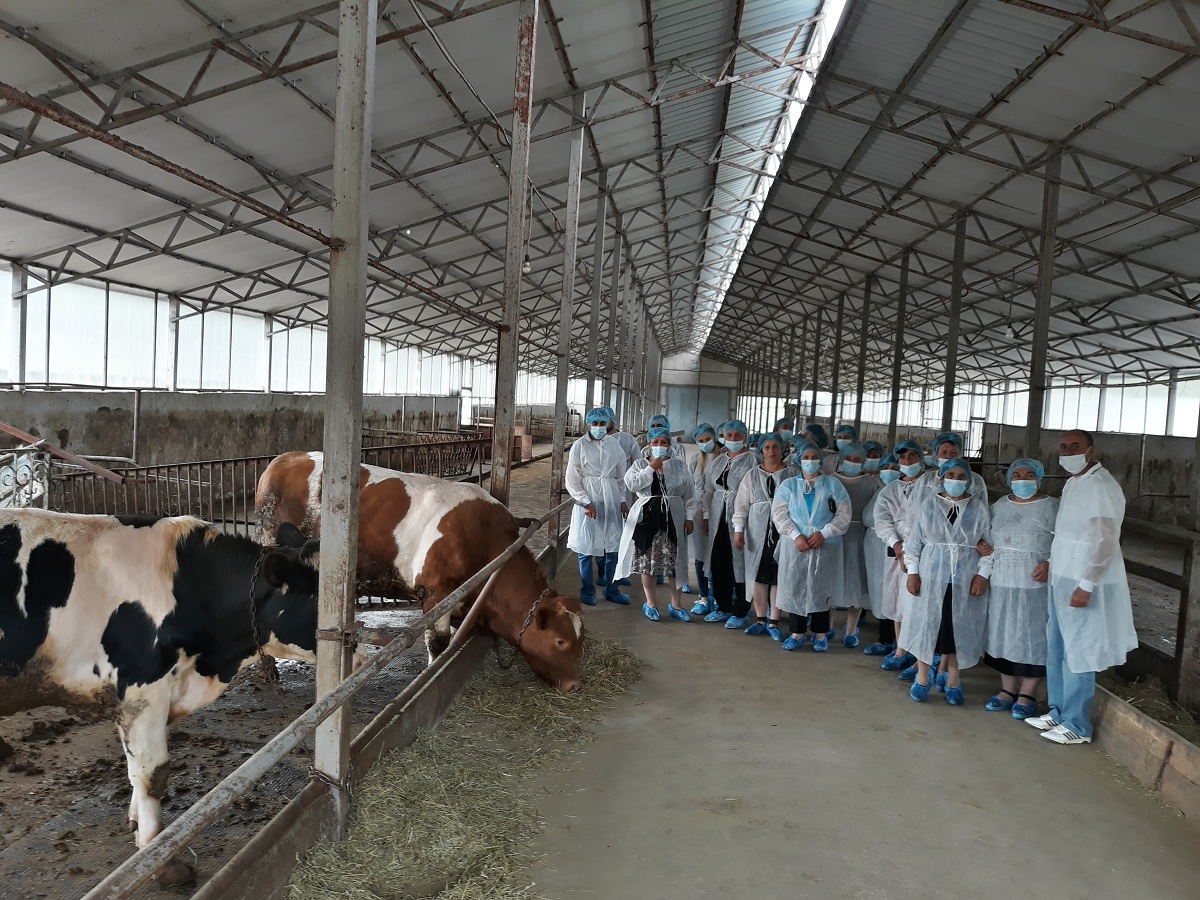
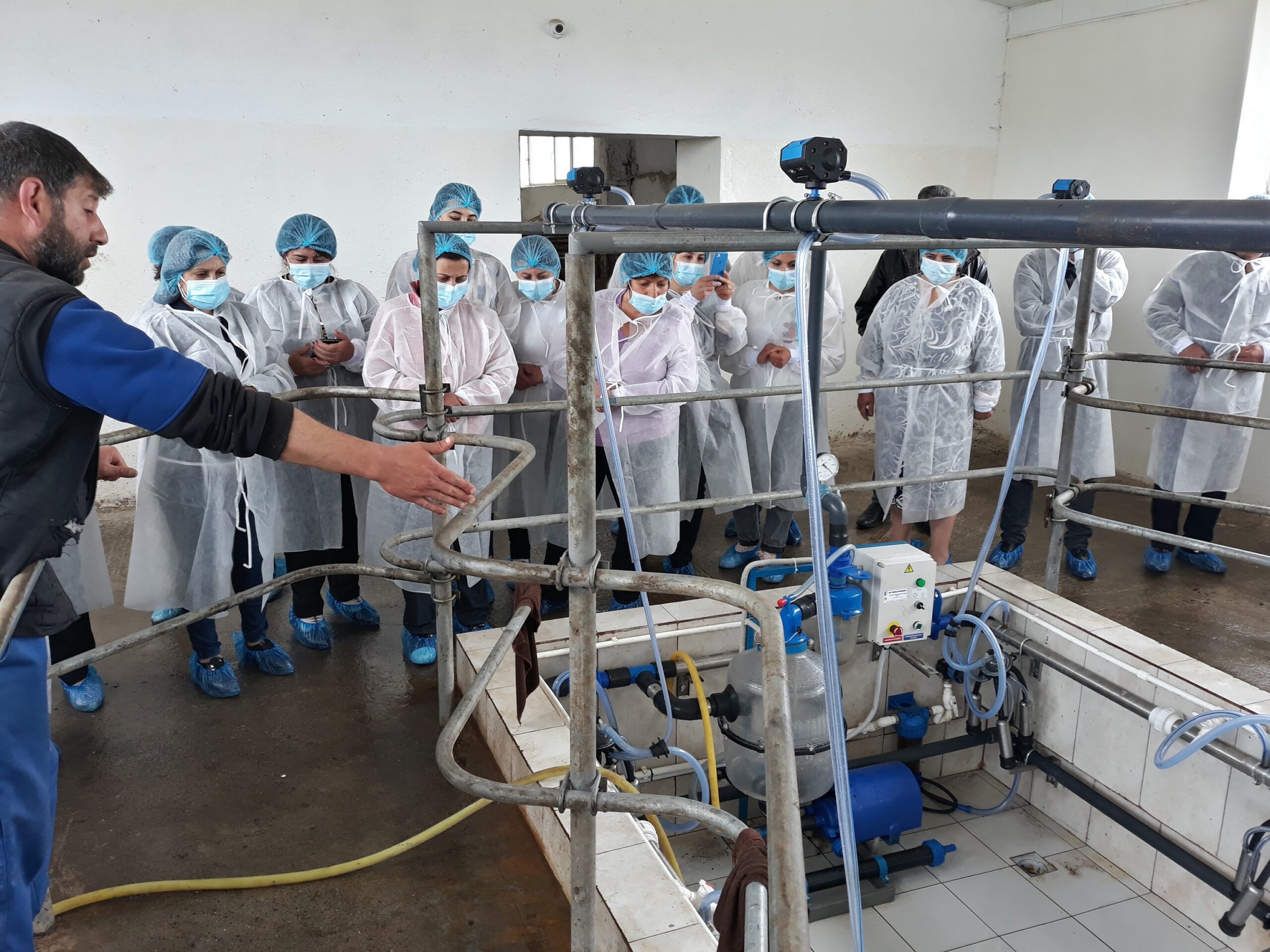
The purpose of the practical exchange visits was to improve farmers’ knowledge, develop cooperation and professional ties. 101 young women farmers from 23 communities of Syunik and Vayots Dzor regions took part in the event.
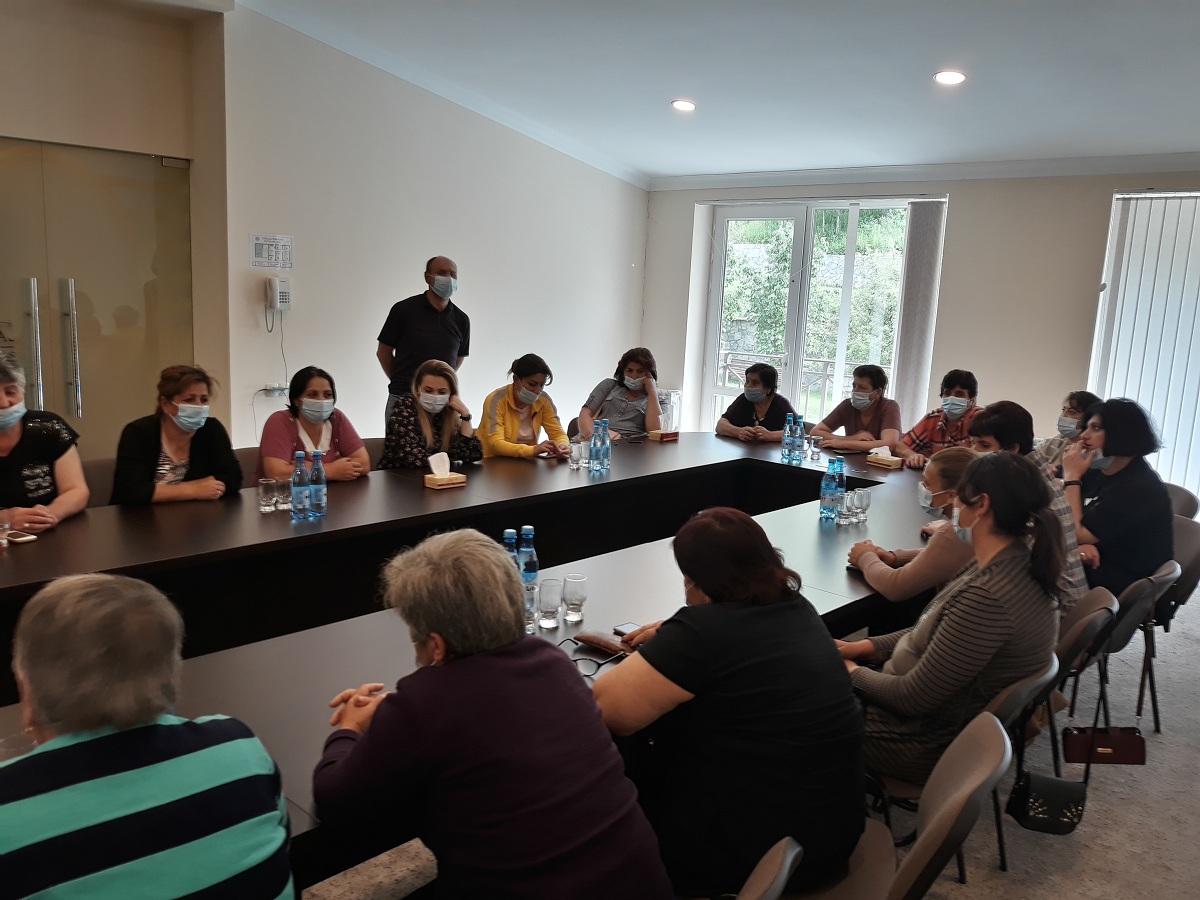
The practical exchanges had 3 stages. During the first stage, a farmer’s forum was organized in Jermuk to exchange experiences, during which 7 farmers from the Syunik and Vayots Dzor regions shared their successful experiences through presenting their perspectives on issues related to individual farming expenses and discussions about program interventions, impact comparison, cost calculation, and profit comparison.
The discussions provided an opportunity for farmers to assess the strengths and weaknesses of running their farms, to establish links for the acquisition of fodder beet, corn, and spring barley seeds.

The practical part followed the theoretical part – visits occurred to leading farms in the northern part of Armenia.
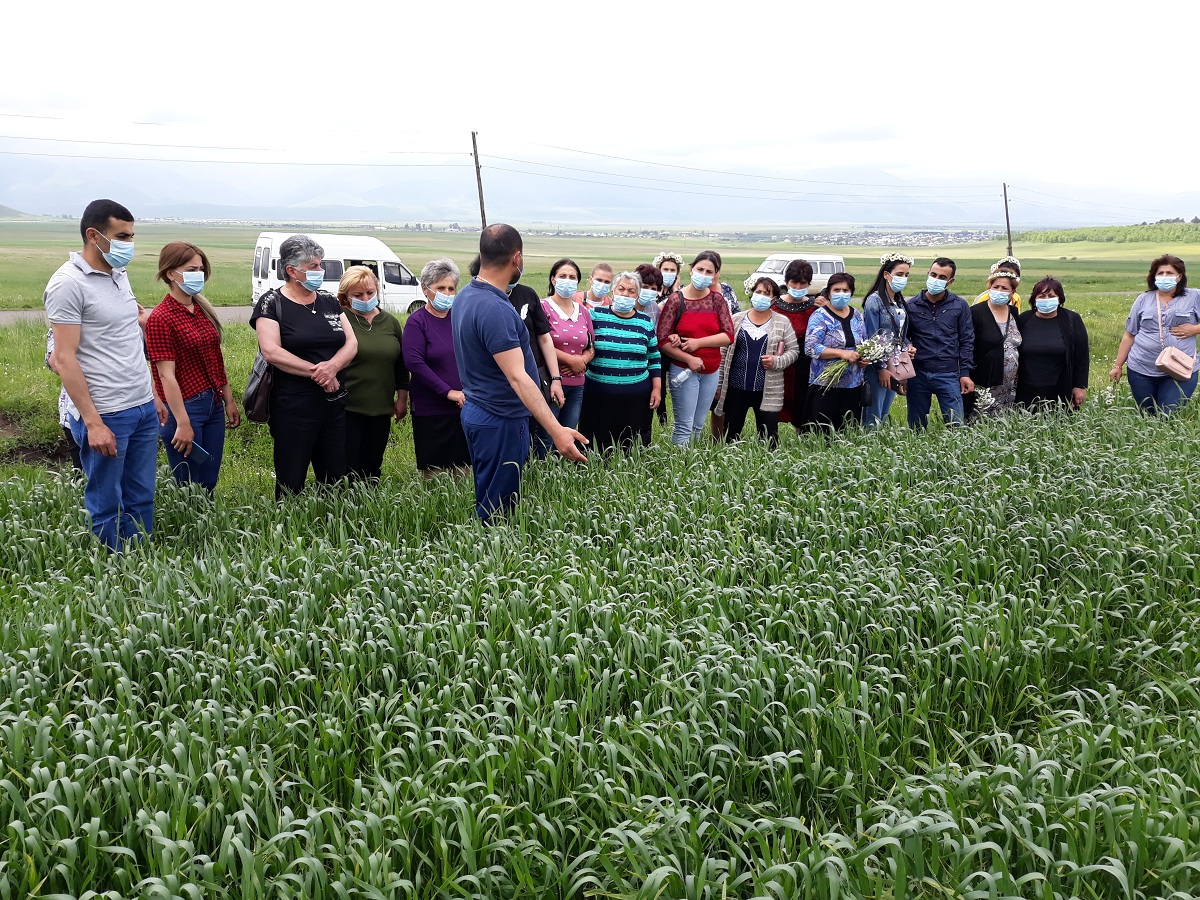
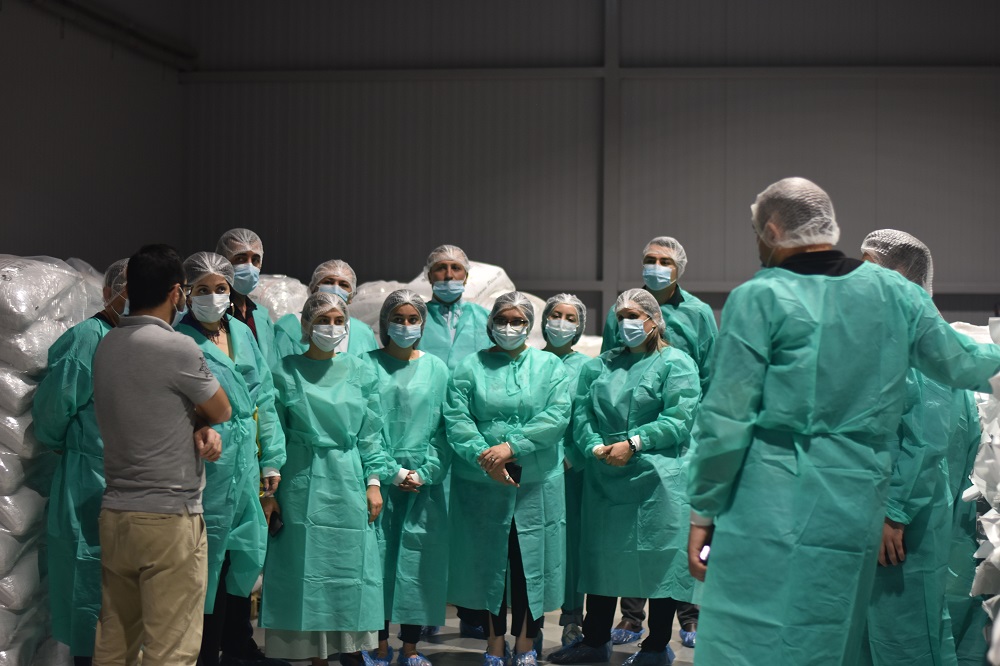
During the other two stages of the exchange visit, the farmers visited leading farms in Armenia, milk procurement points, and processing plants. During visits, the farmers studied the spring barley cultivation area, which provided the main part of the fodder base for the pasture-nursery areas.

Seminar discussions on 3 main topics followed field visits:

  • Milk hygiene, pre-processing of milk, preservation – production of quality milk.
  • Fodder production. Cultivation of high-value fodder crops, increase of feed-productivity of CECs
  • Livestock management with modern approaches, comparison of efficiency.

During the discussions, farmers were provided with booklets and brochures on various areas of cattle breeding.

A conference was held on the occasion of World Food Safety day

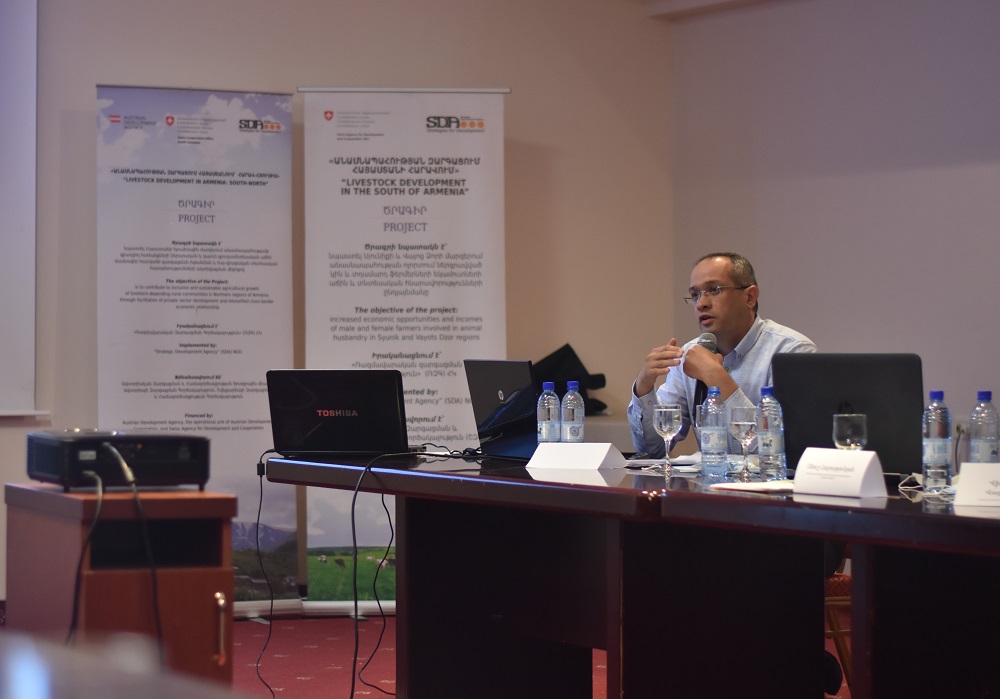
On June 7, 2021, by the initiative of the Food Safety Inspection Body of RA and with the support of the “Livestock Development in the South of Armenia” project implemented by “Strategic Development Agency” NGO and financed by “Swiss Agency for Development and Cooperation” a conference was organized dedicated to the World Food Safety day.

In 2018, the UN General Assembly declared June 7 World Food Safety Day. Given the fact that the day has a history of only three years, it has already taken root as a professional holiday in the food industry among the agricultural community.

The conference aimed to combine efforts to ensure food security, identify the problems and emerging risks of the sector, develop mechanisms to combat them, and stress to the public the importance of food safety in ensuring human health and food security.

The ministry of economy of RA, WFP, UNIDO, FAO, the Chamber of commerce of the Russian Federation, higher education and non-governmental institutions, the Food Safety Inspection Body of RA, and Strategic Development Agency NGO took part in the event.

The head of the Food Safety Inspection Body of RA, Mr. Georgy Avetisyan, and the deputy minister of Economy of RA, Mr. Tigran Gabrielyan, greeted the participants and emphasized the importance of choosing and implementing healthy food options in daily lives while also shedding light on the issue of food security.

The conference participants/ professionals presented different projects and programs implemented in the field of food safety within the framework of local and international cooperation while highlighting the role of food safety in public health.