




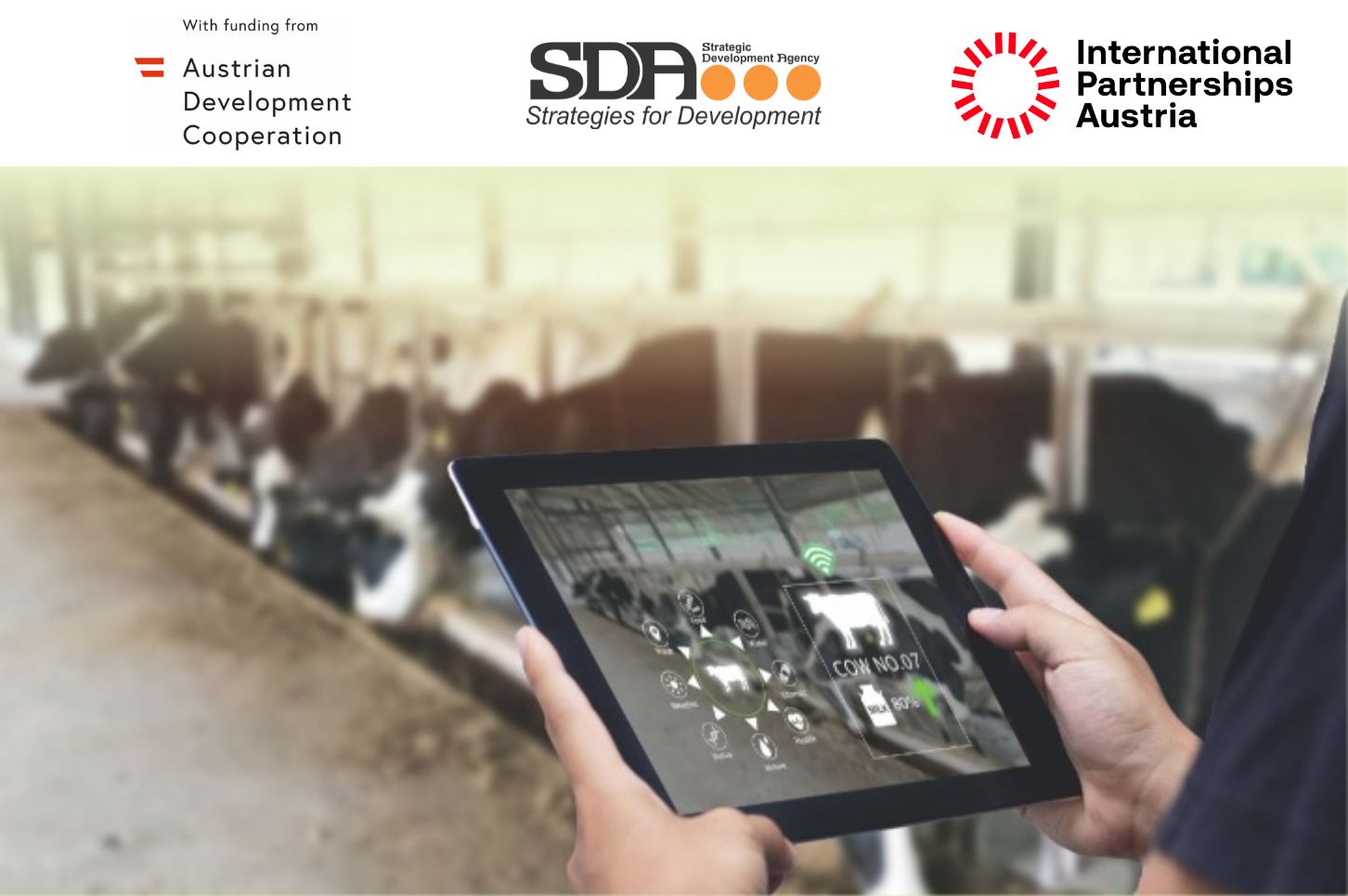
“Innovative Livestock Management: Animal Migration, Breeding & Markets” (INLIMA) project is implemented by Strategic Development Agency NGO and funded by the Austrian Development Agency (ADA), the operational unit of Austrian Development Cooperation.
The objective of the project is to contribute to the sustainable management of the livestock sector in Armenia and to the improvement of rural livelihoods through organized animal migration, modern approaches to breeding, and improved access to markets.
The project is based on the Inclusive Market Systems Development (IMSD) approach, aiming to foster systemic change, strengthen cooperation between public and private sector actors, and develop sustainable service delivery mechanisms. This approach foresees the development of capacities of market actors, deeper institutional cooperation, and the establishment of a long-term, self-sustaining operational environment within the sector.
The project targets rural communities in Syunik, Vayots Dzor, Gegharkunik, Shirak, Lori, Ararat, Armavir, and Aragatsotn marzes, covering approximately 7,800 livestock households (around 20,000 direct beneficiaries), 30% of whom are women. Indirect beneficiaries include approximately 40,000 residents. Particular attention is also given to actors in the milk and meat value chains, local self-government bodies, and private service providers.
Expected Results:
▪️Improved and systematically organized livestock migration management systems
▪️Modernization of breeding and reproductive technologies for cattle
▪️Improved competitiveness and access to milk and meat markets
▪️Strengthened cooperation between local service providers and the private sector
Strategic Significance
The INLIMA project is aligned with the Strategy of the Main Directions Ensuring Economic Development in the Agricultural Sector of the Republic of Armenia (2020–2030) and is aimed at:
▪️increasing the competitiveness and income levels of farming households,
▪️promoting the socio-economic inclusion of women and vulnerable groups,
▪️applying climate-resilient agricultural solutions,
▪️strengthening the capacities of local self-government bodies and private sector actors,
▪️supporting the efficient and inclusive development of value chains.