
Livestock Development in Armenia: South-North 2

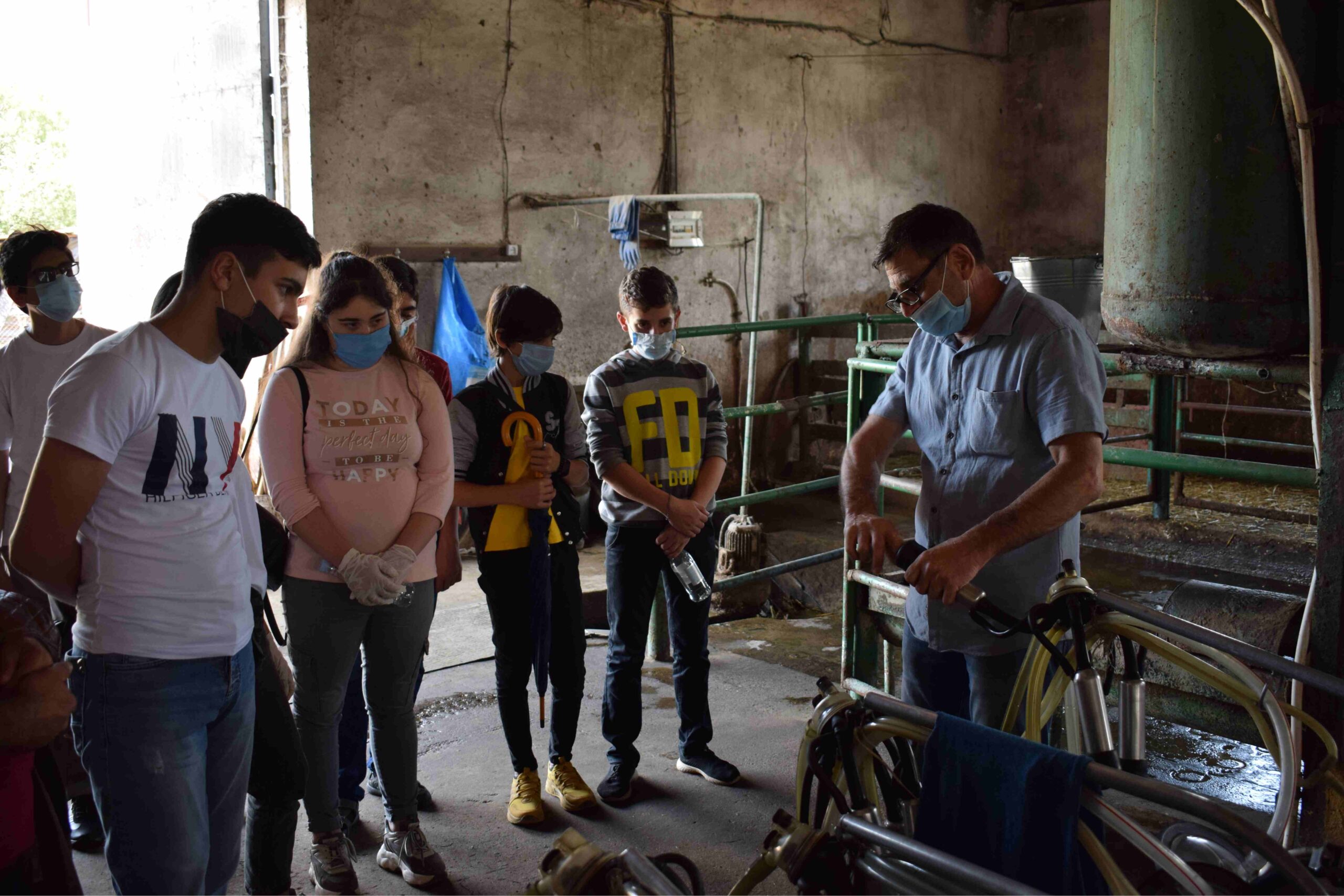
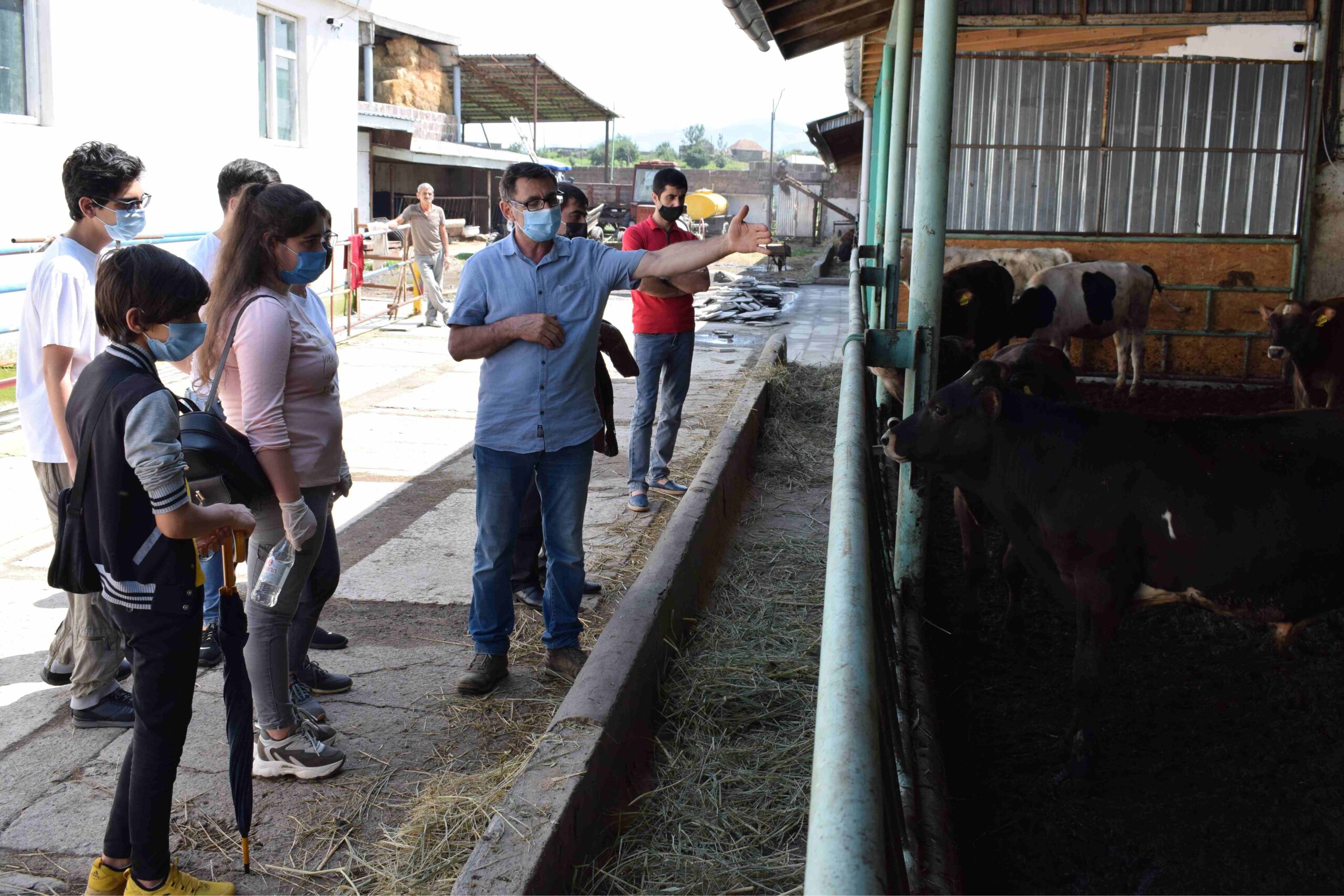
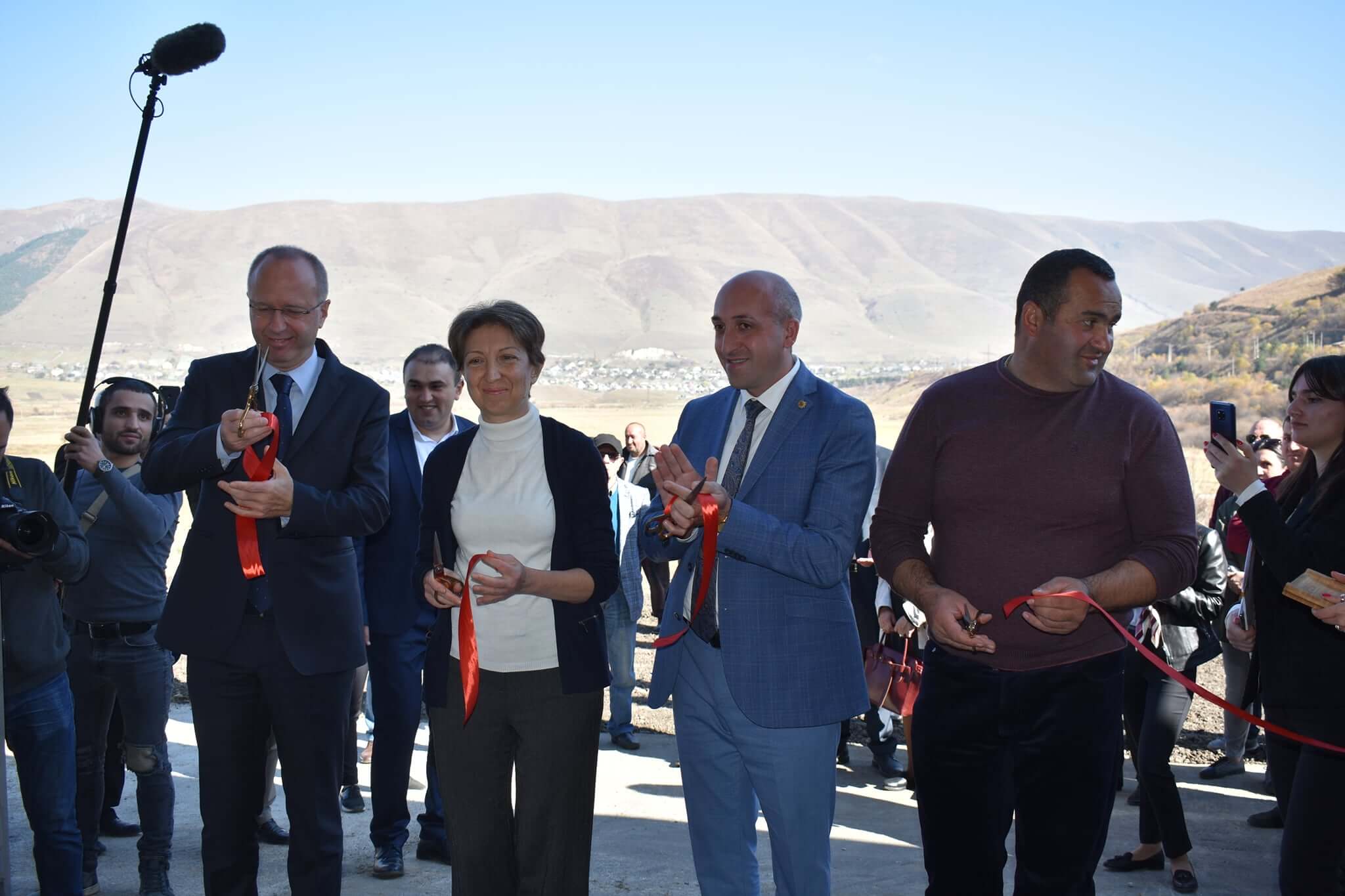
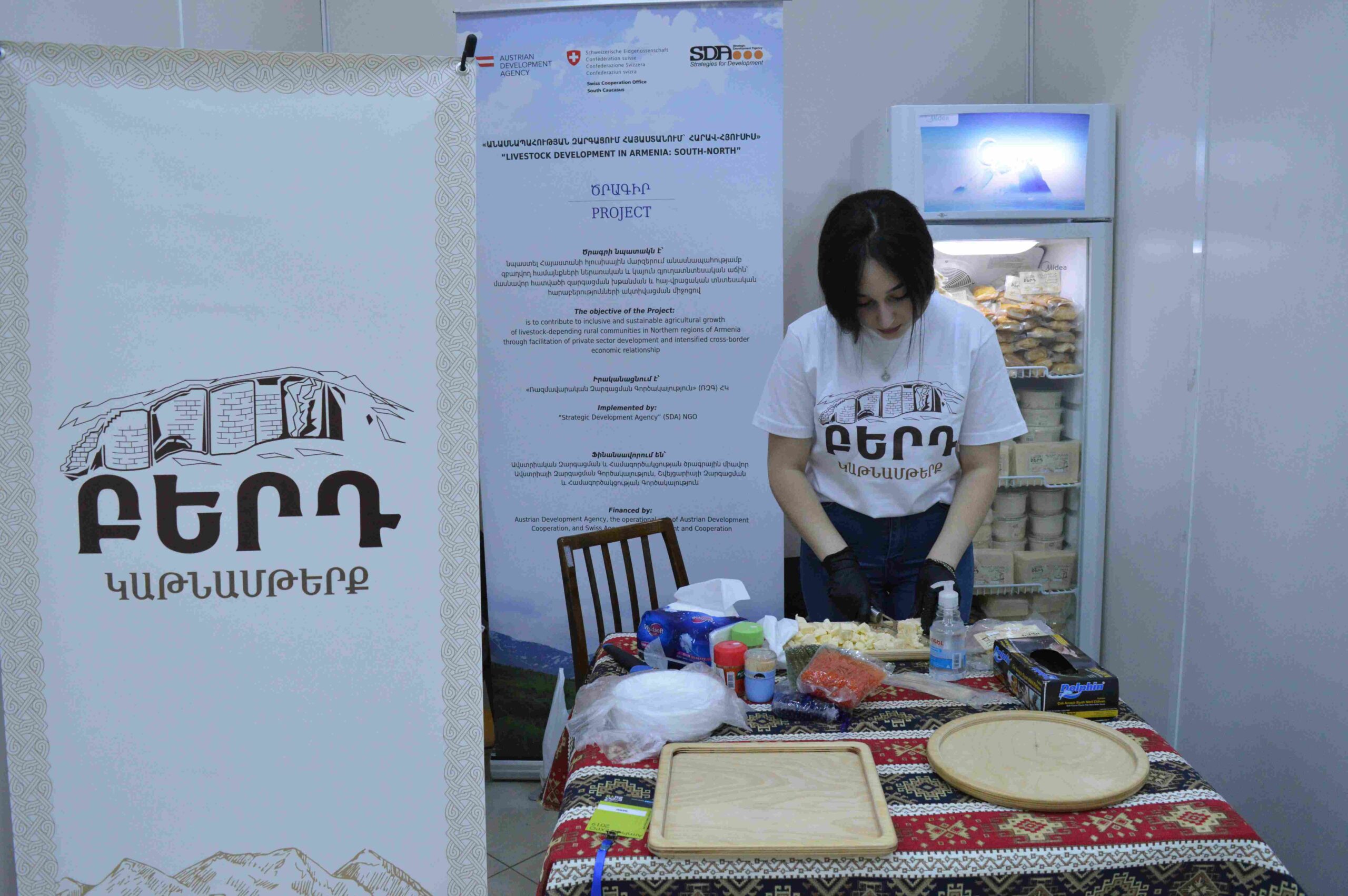
“Livestock Development in Armenia: South-North 2” project is implemented by “Strategic Development Agency” NGO and financed by the Austrian Development Agency, the operational unit of Austrian Development Cooperation.

The project is the logical continuation of “Livestock Development in Armenia: South-North” Project . The project was developed taking into consideration the successful implementation of livestock development projects in Syunik, Gegharkunik and Shirak marzes and based on the previous phase results and achievements.

The Project’s intended impact is:

Inclusive and sustainable agricultural growth of livestock-depending rural communities in Armenia through improved productivity and enhanced competitiveness of the private sector in the domestic and export markets. The project is based on inclusive market systems development (IMSD) principles focused on developing sustainable service delivery and systematic change with the livestock sector through capacity development of direct beneficiaries.

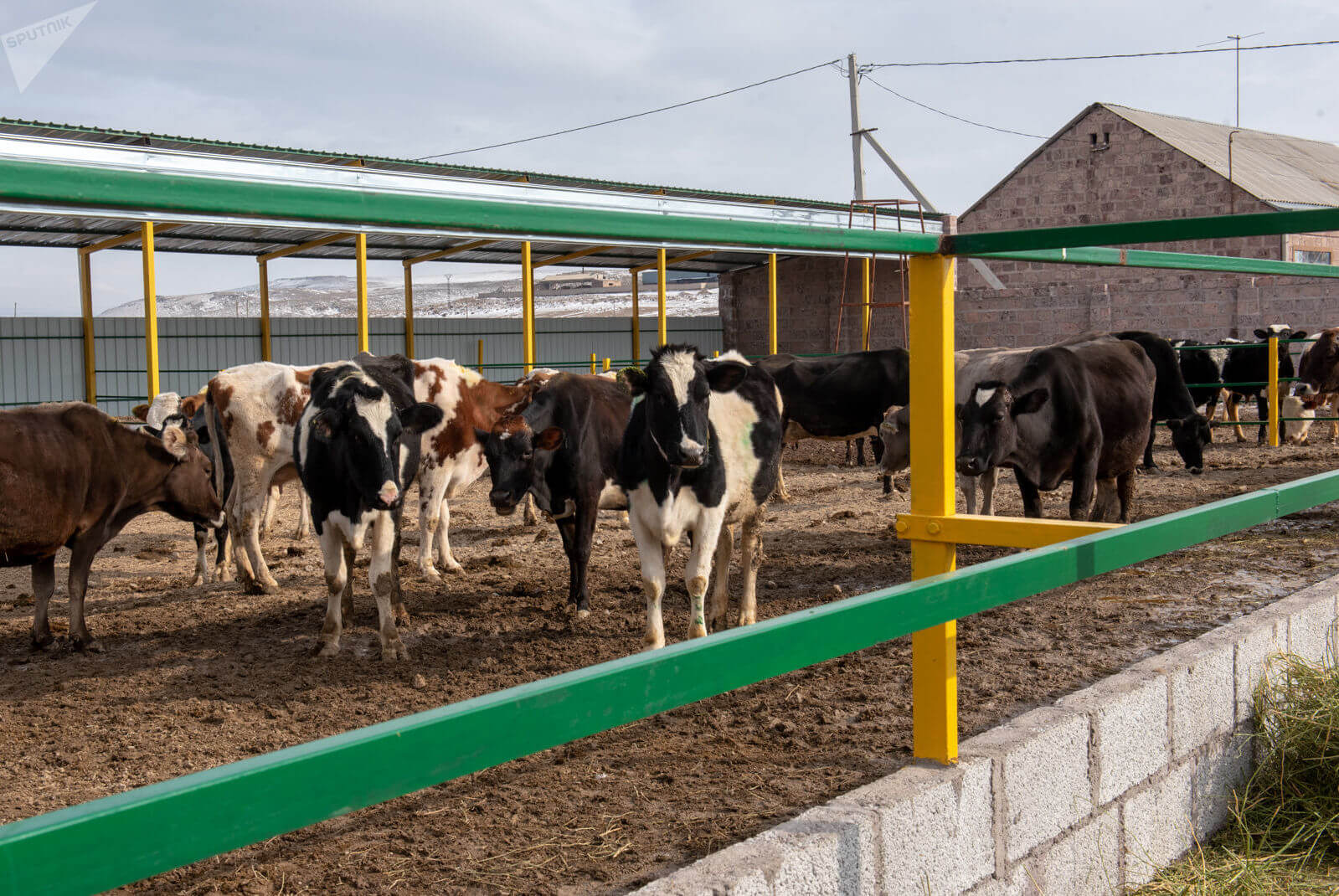
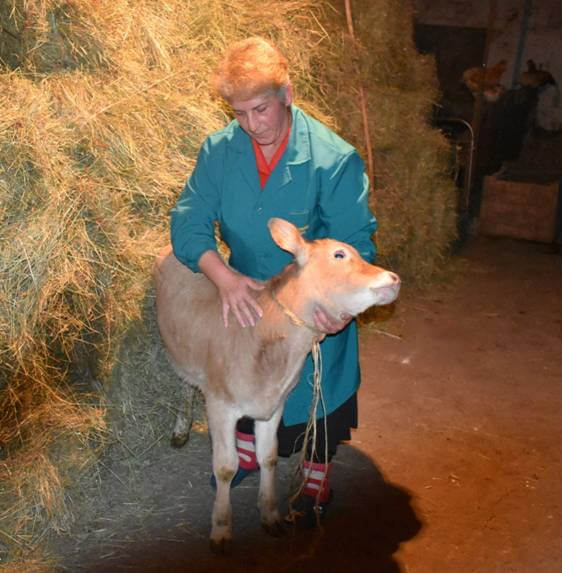
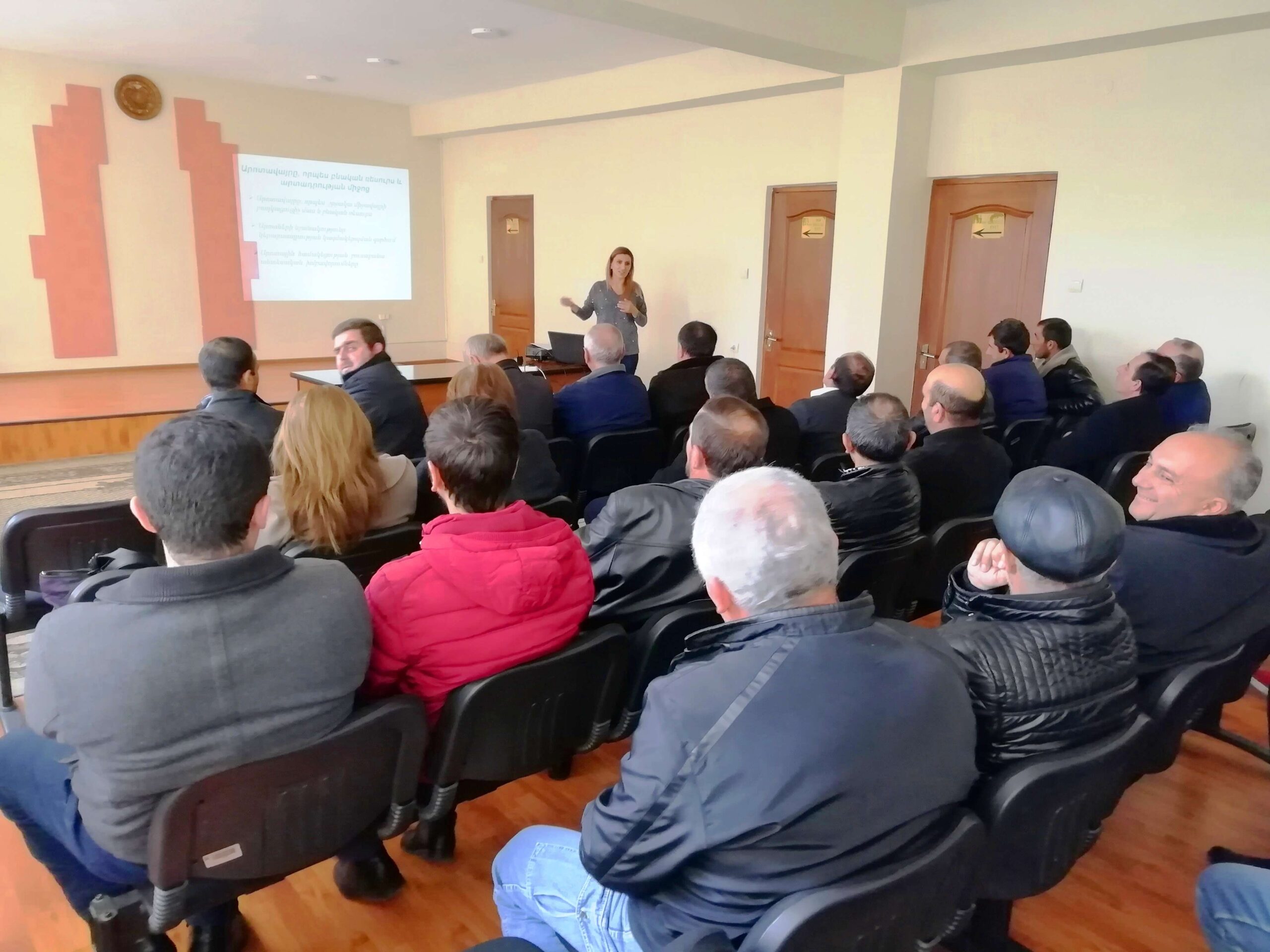
  • The Project targets households involved in cattle breeding, actors of milk and meat value chains and Local Self-Governing Bodies of 70 rural settlements of Syunik, Gegharkunik and Shirak marzes.
  • The project predominantly focuses on developing sustainable and inclusive service delivery and systemic change with the livestock sector through development of about 140 local actors’ (private and public) capacities and strengthening cooperation and linkages amongst market players and stakeholders involved in milk and meat value chains.

The project will address cross-cutting issues like:

  • environmental protection,
  • climate change,
  • gender equality as well as specific needs of vulnerable people (including youth, women-headed households,
  • disabled,
  • ethnic minorities,
  • displaced population from Nagorno-Karabakh etc.)

Modernizing Vocational Education and Training in Agriculture in Armenia (MAVETA)

Modernizing Vocational Education and Training in Agriculture in Armenia (MAVETA) project started on December 3, 2021, with a preparatory phase that has been successfully completed in August 2022. The 1st main phase of implementation started afterwards, which will last until August 2025. The 2nd main phase will start in 2026 and last until 2030.

Modernizing Vocational Education and Training in Agriculture in Armenia (MAVETA) project improves the knowledge and skills of professionals and students in agriculture and related fields. Furthermore, it supports the development of the legal and institutional framework for dual professional education. Thus, it contributes to sustainable, climate friendly, inclusive growth, increased incomes and enhanced (self)-employment in rural Armenia.

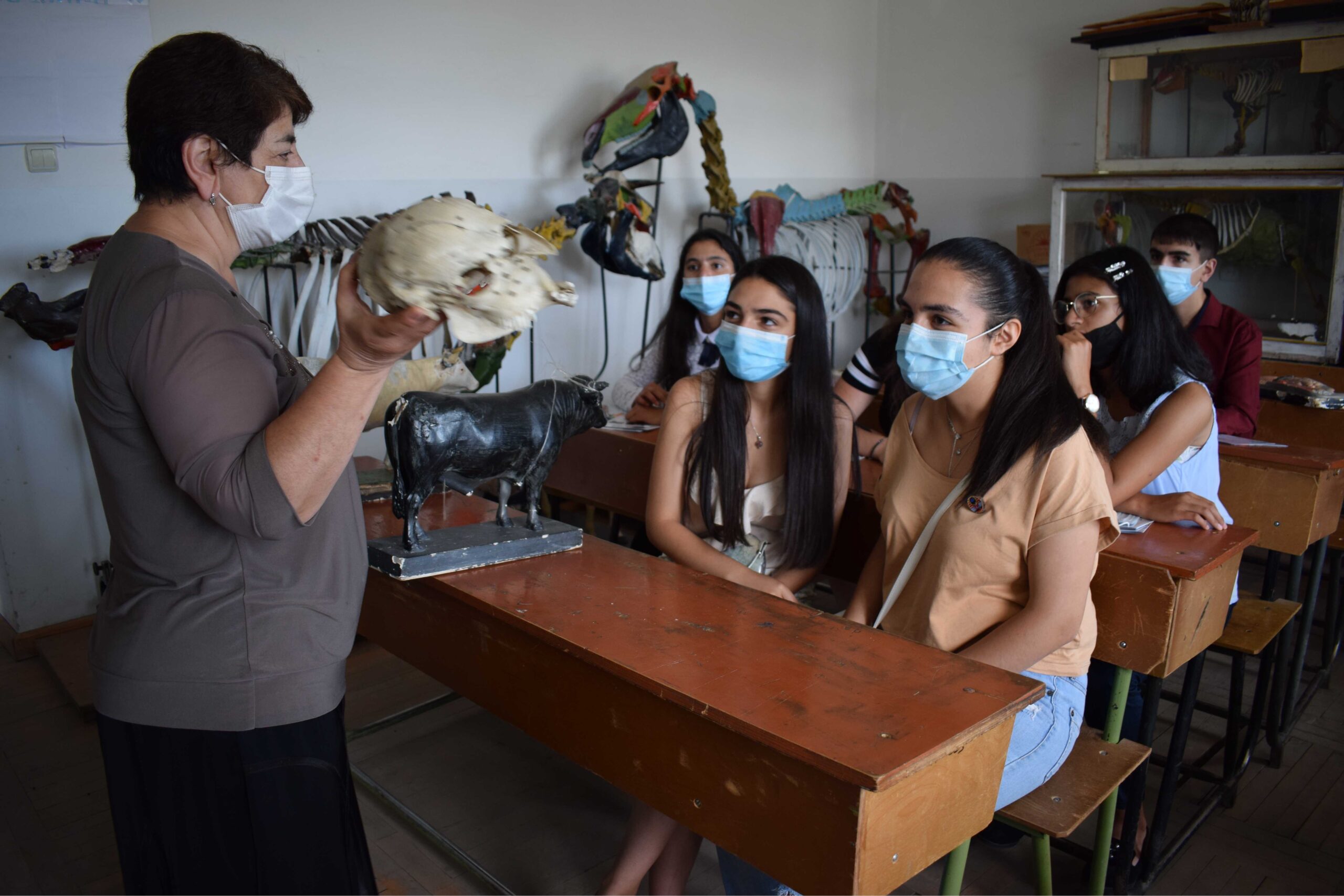
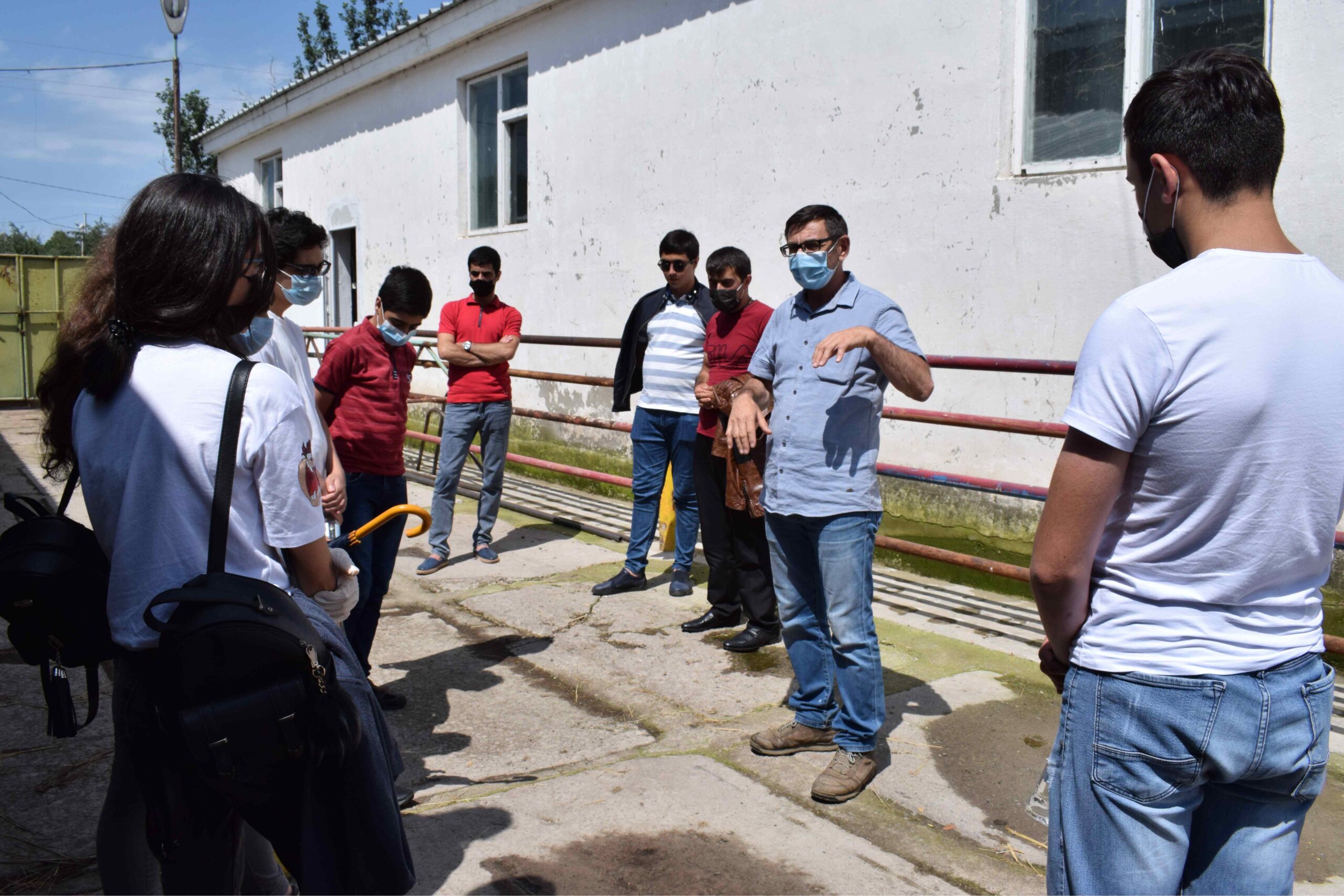
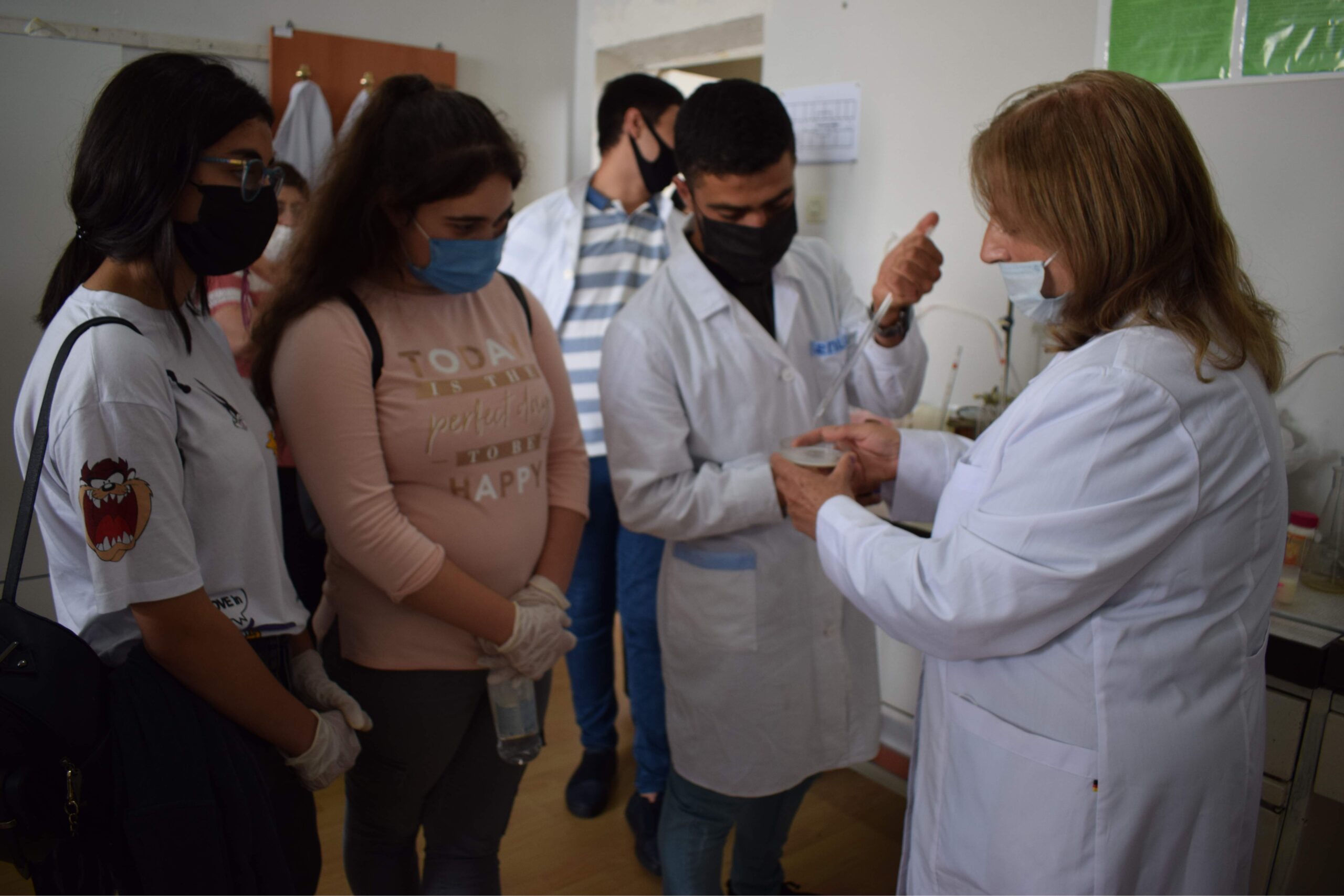
MAVETA works to anchor dual education approach at the political and institutional level: policies shall become more coherent, educational institutions more effective, and a cooperation between the public and the private sector shall be well established. On the ground, the project works with Goris State Agricultural College, Sisian branch of ANAU (Syunik), Stepanavan State Agricultural College (Lori), Berd Multifunctional State College (Tavush), Echmiadzin Craftsman State School (Armavir) and Yerevan branch of ANAU.

The selected professions within MAVETA project include Veterinary Specialist, Milk and Dairy Technologist, Farmer, Agricultural Machinery, Milk Farm Manager, Orchard Workers / Nut and Fruit Farmers.

The MAVETA project is funded by a broad coalition of international and local organizations led by the Swiss Agency for Development and Cooperation (SDC), including the Austrian Development Agency, the German Ministry for Economic Cooperation and Development (BMZ), the Government of Armenia, the Swiss Church Aid (HEKS/EPER) NGO, Izmirlian Foundation, the Strategic Development Agency (SDA) NGO and Vanand Agro CJSC.

The project’s implementing partners are the GIZ and HEKS/EPER with the involvement of SDA and the School of Agricultural, Forest and Food Sciences at the Bern University of Applied Sciences (HAFL).

Living Landscapes for Market Development in Armenia

The “Living Landscapes for Market Development in Armenia” project was launched on April 15, 2021.

The project is a part of a larger regional program Eco-Corridor Fund for the Caucasus (ECF), funded by the German Federal Ministry of Economic Cooperation and Development (BMZ) and the KfW Development Bank. In Armenia, the project is financed by the Swiss Agency for Development and Cooperation (SDC), and implemented by the WWF Caucasus in Armenia (WWF-Armenia) in partnership with Strategic Development Agency (SDA) NGO.

The project aims to improve the incomes of farmers and rural businesses in remote areas and livelihoods of the rural population thanks to better economic and more sustainable use and management of local natural resources (development and use of non-wood products, berries, edible plants, and herbs collection, processing, and production, livestock, tourism, etc.). As an effort to link economic growth and the protection of natural resources and biodiversity, it also contributes to design socially sensitive environments and climate-related policies.

The project will be implemented in the Tavush, Lori, Syunik, and Vayots Dzor marzes of Armenia.

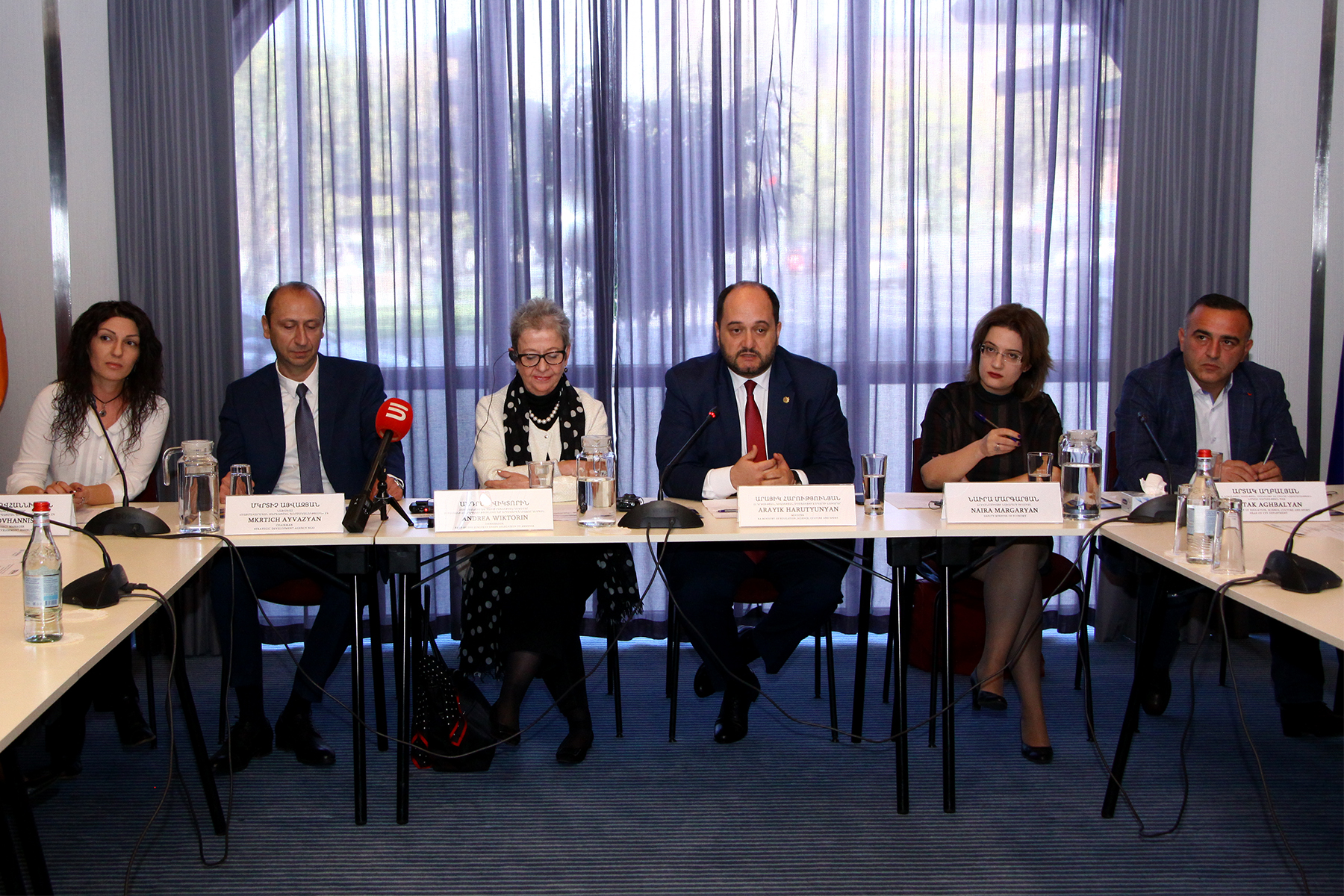
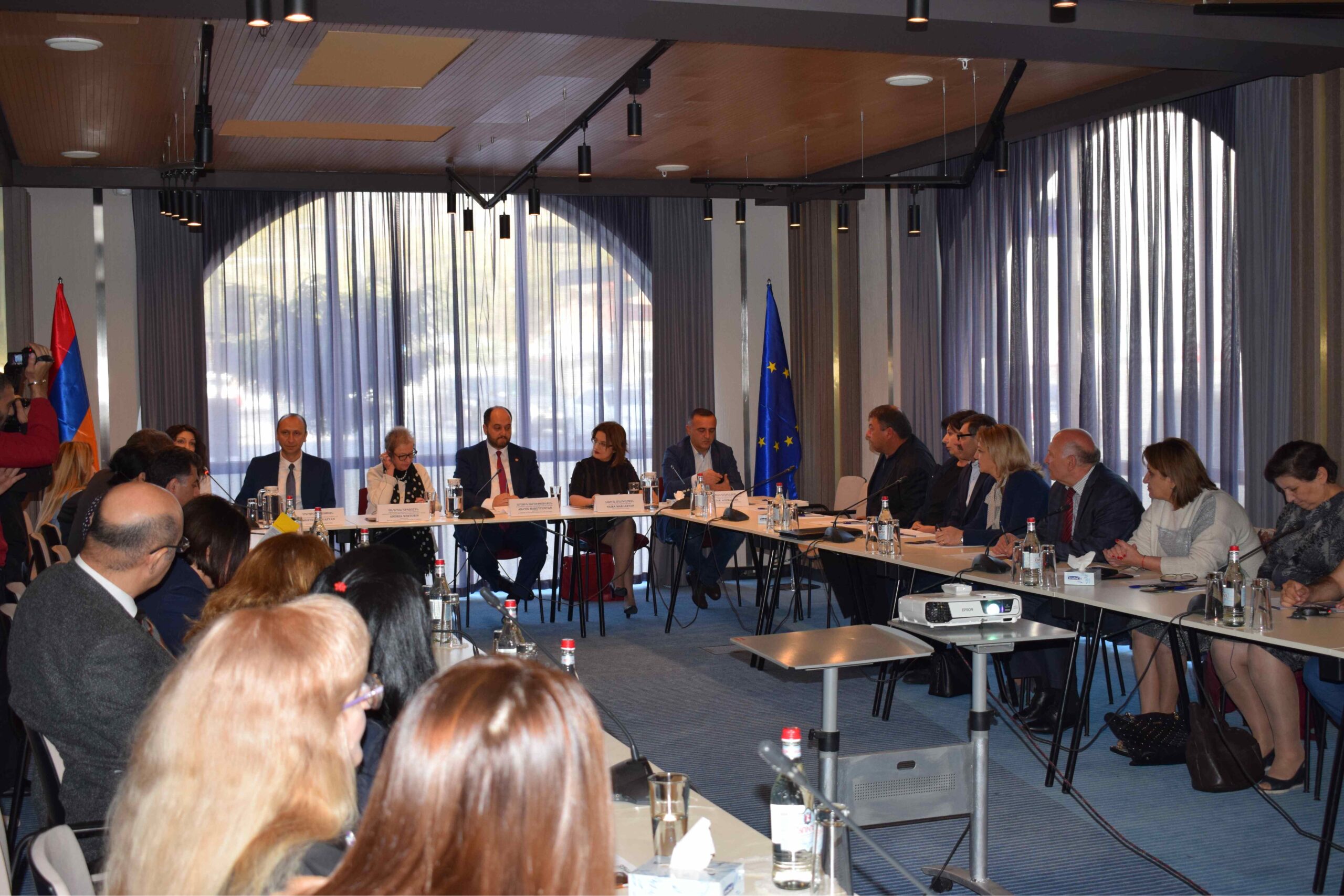
Promoting Partnerships for Effective Work-Based Learning Opportunities in VET

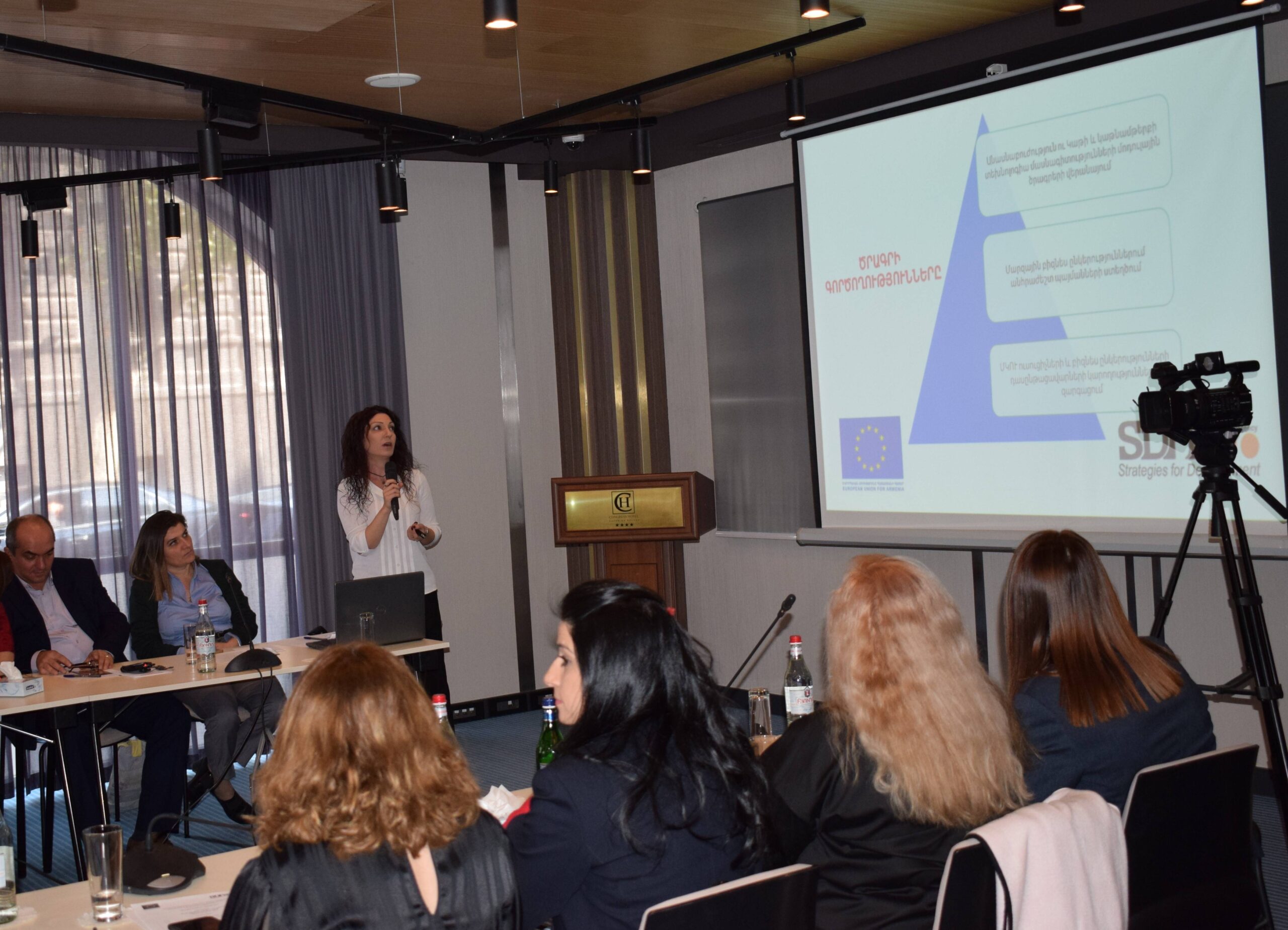
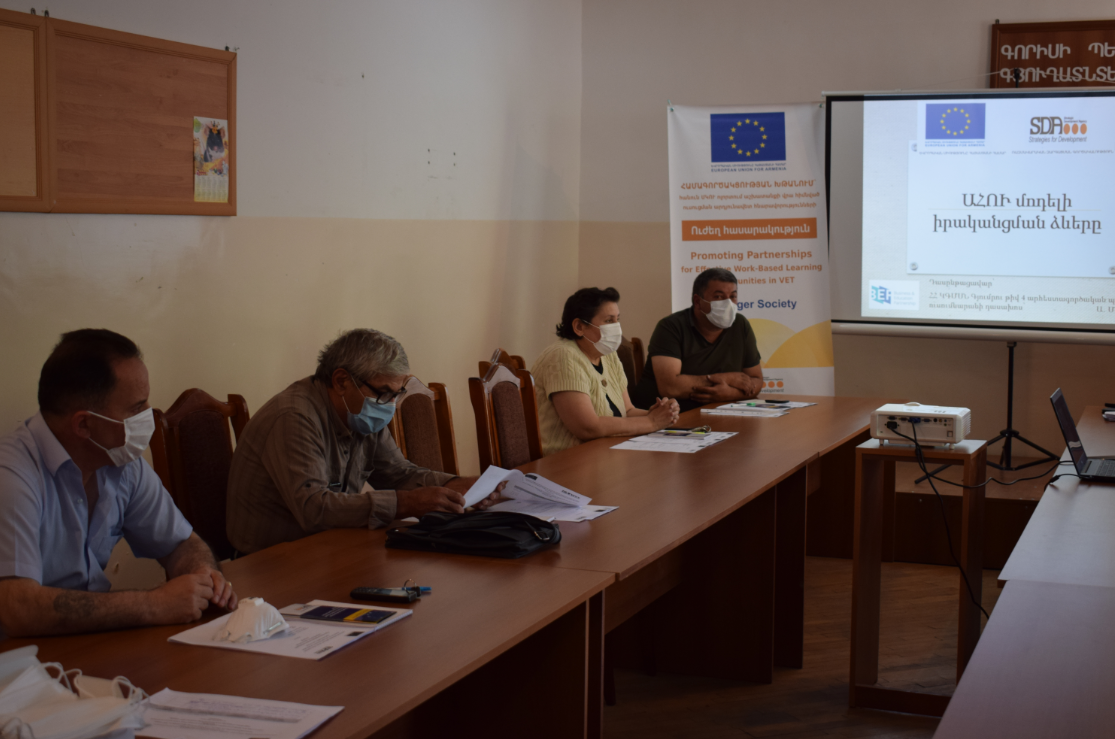
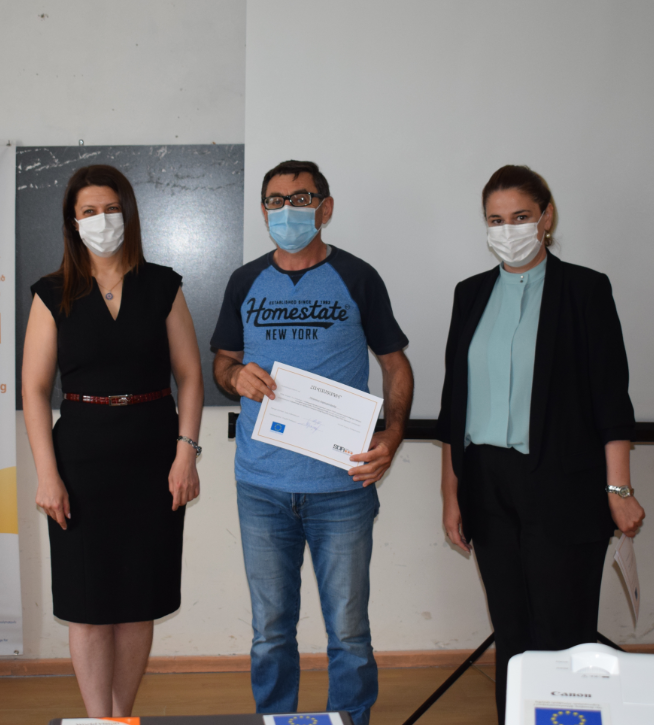
“Strategic Development Agency” (SDA) NGO implements EU funded project on piloting the work-based learning model in agricultural vocational education and training (VET) in Syunik and Lori marzes of Armenia.

The project supports Goris and Stepanavan State Agricultural Colleges in strengthening the partnership with private sector by adopting work-based learning (WBL) in Veterinarian and Milk Technologist professions.

The project contributes to the establishment of a sustainable system of vocational education, which is tightly linked to the demand of the labour market. It also creates a replicable model and the respective competency for implementing work-based learning education in other VET institutions of Armenia.

The project’s focus is on developing the capacities of selected VET colleges (Goris and Stepanavan State Agricultural Colleges) and companies/employers in Syunik and Lori marzes through their involvement in the selected professions curricula revision and capacity development trainings to ensure the provision of a comprehensive work-based learning model in professional education.


Uncategorized

Livestock Development in Armenia: South-North

The “Livestock Development in Armenia: South-North” Project is implemented by “Strategic Development Agency” NGO and financed by the Austrian Development Agency, the operational unit of Austrian Development Cooperation and the Swiss Agency for Development and Cooperation. The Project targets households involved in cattle breeding, actors of milk and meat value chains and Local Self-Governing Bodies of 100 rural settlements, with over 99,000 habitants, of Shirak, Lori, Tavush and Gegharkunik marzes. The partners of the 3 year duration Project are RA Ministry of Agriculture, Regional Administrations of Shirak, Lori, Tavush and Gegharkunik marzes, as well as Local Self-Governing Bodies.

This Project was developed taking into consideration achieved results of the livestock development projects implemented for the previous 10 years in Syunik, Vayots Dzor, Tavush and Gegharkunik marzes and gained expertise of “Strategic Development Agency” NGO.

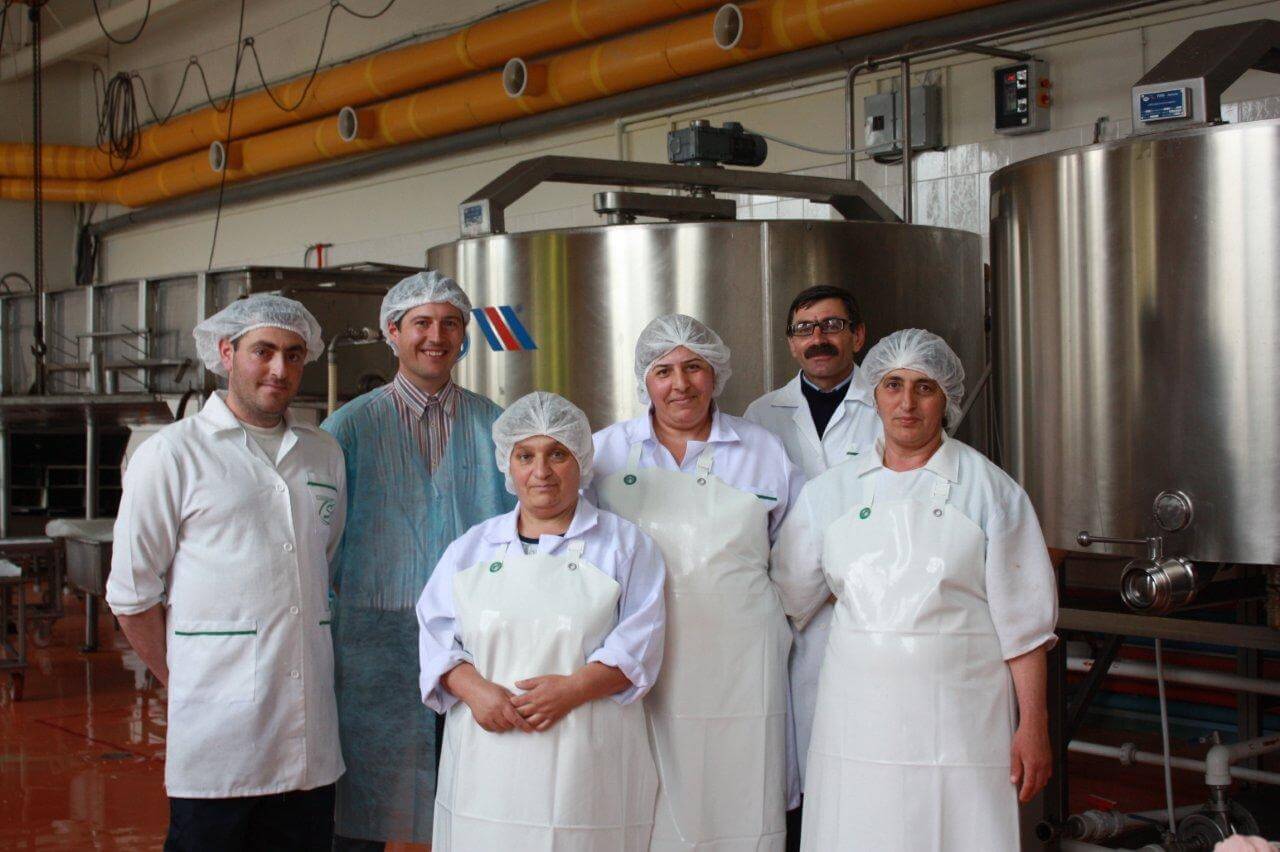
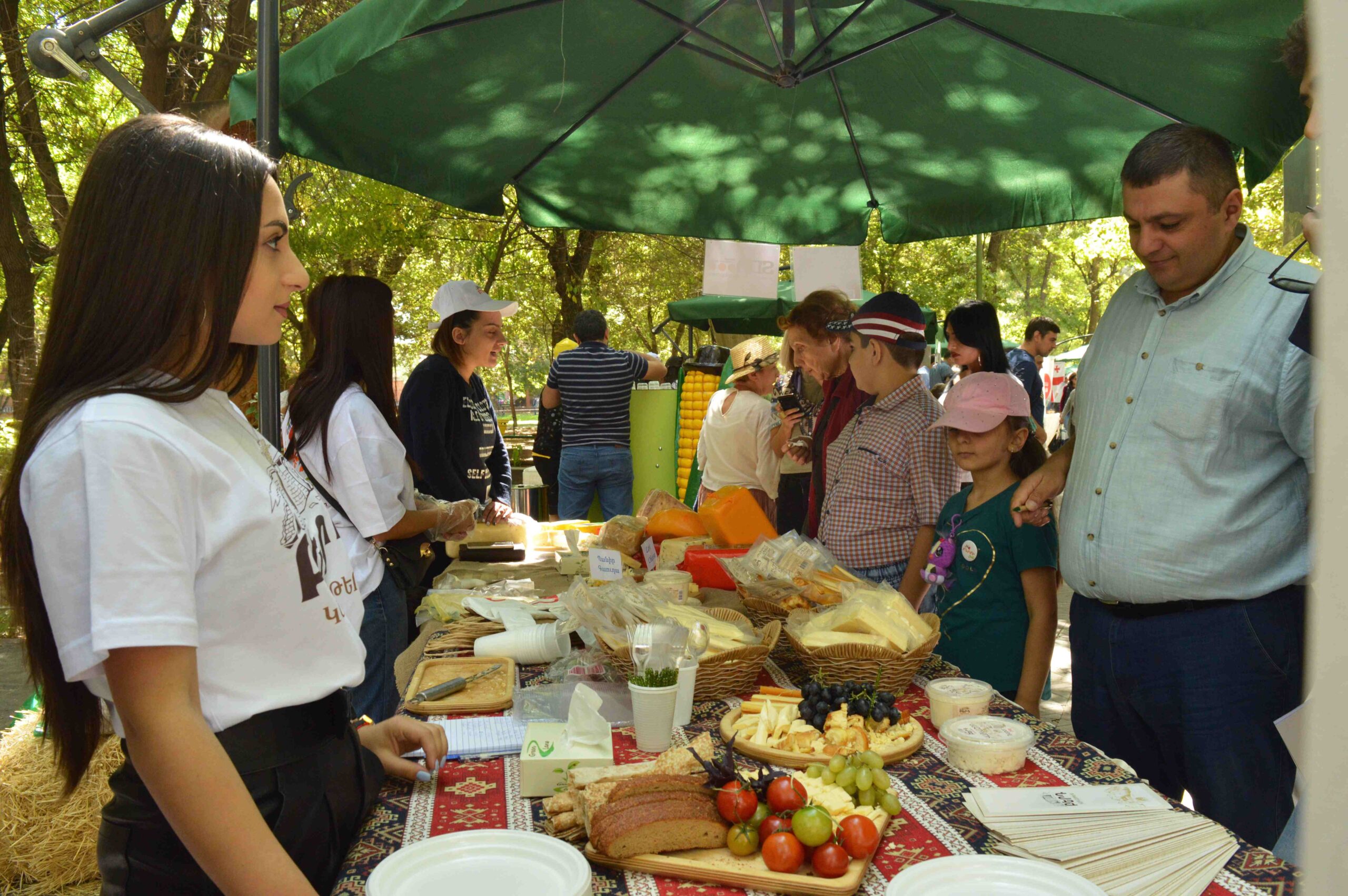
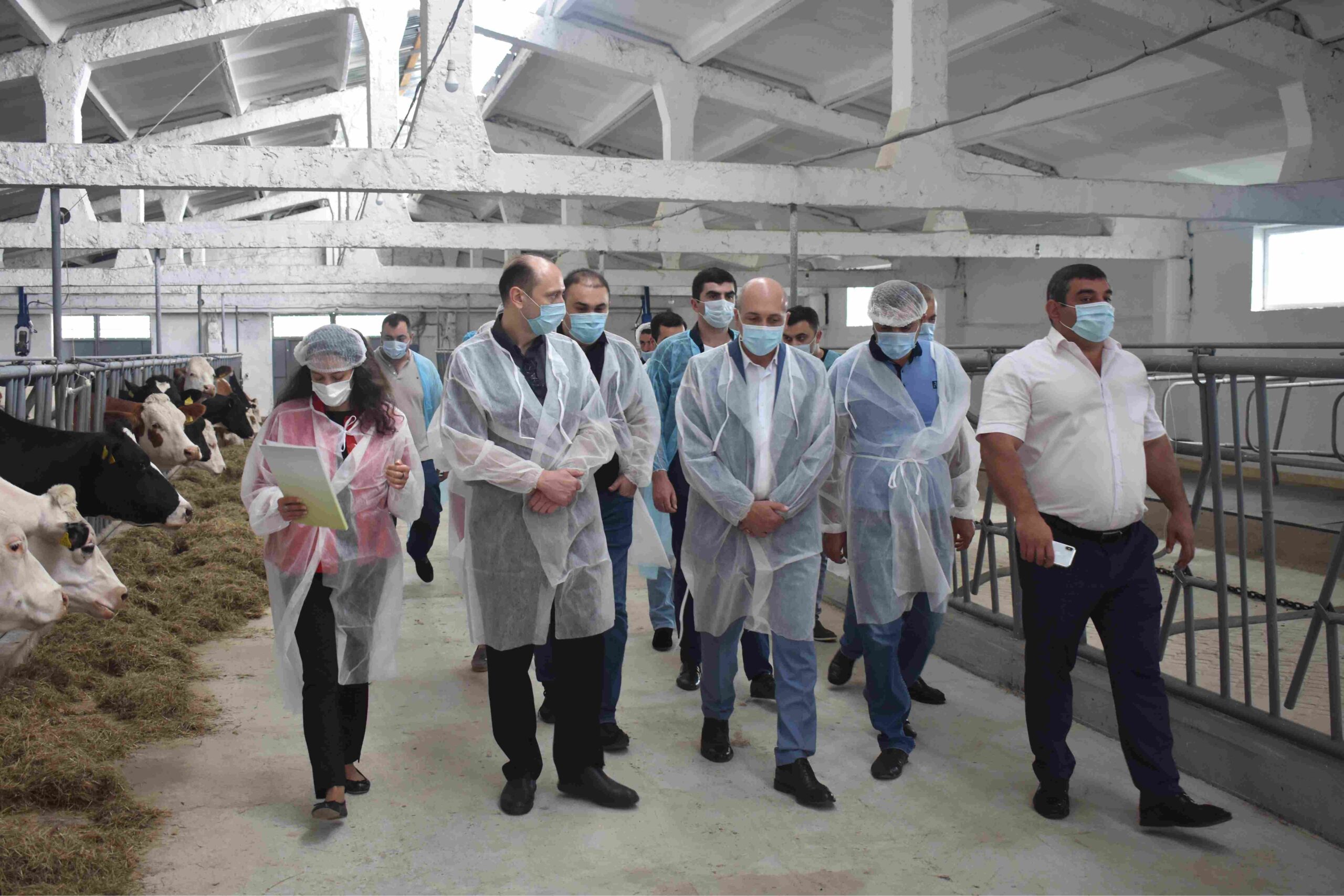
In the frame of Project investments plans with milk processing companies are being developed and implemented which undertakes provision of new production equipment as well as capacity building consultation throughout the cooperation period. As a result of the Project intervention processors enhance their production line, increase sales volumes and integrate more farmers as suppliers.

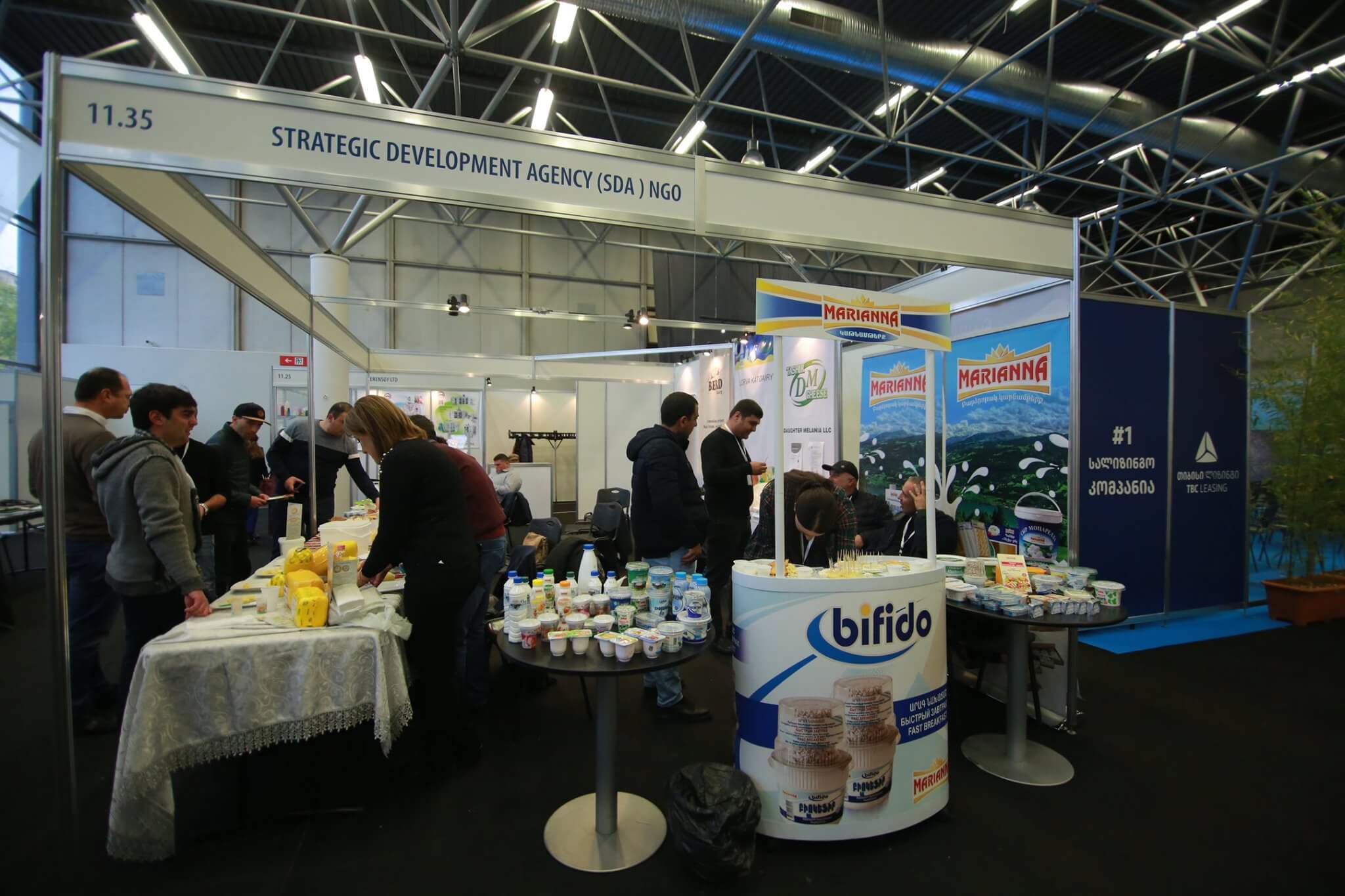
The Project long-term goal is to contribute to inclusive and sustainable agricultural growth of livestock-dependant rural communities in Northern marzes of Armenia through facilitation of private sector and activation of the Armenian-Georgian economic relations.