
Uncategorized

IADAAM Demonstration Farms – Phase I Selection Process

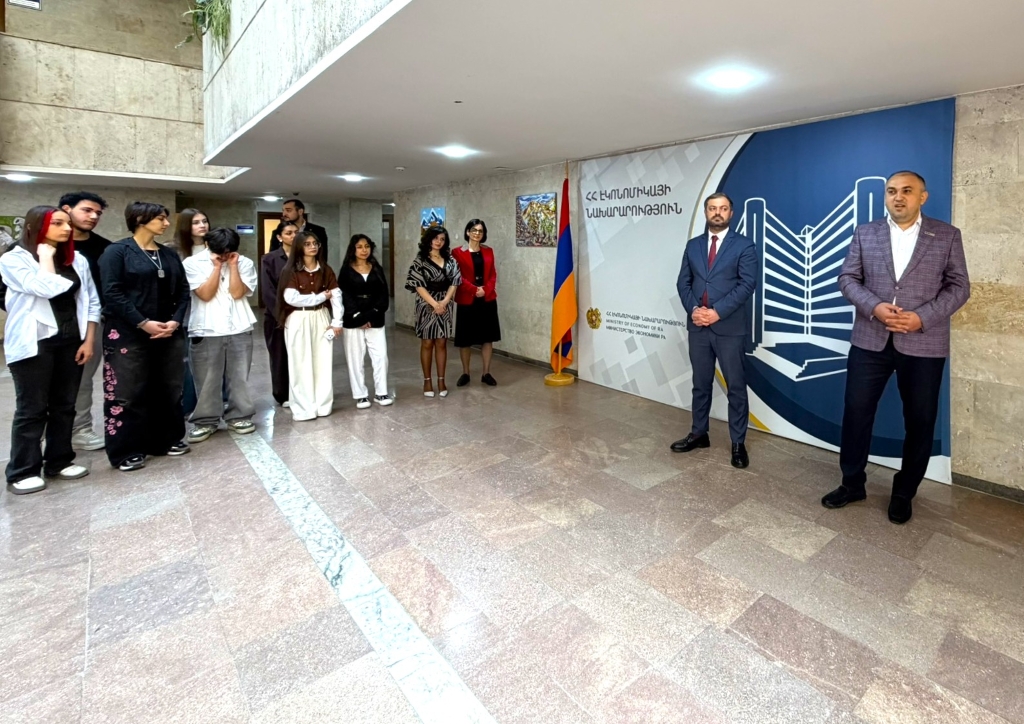
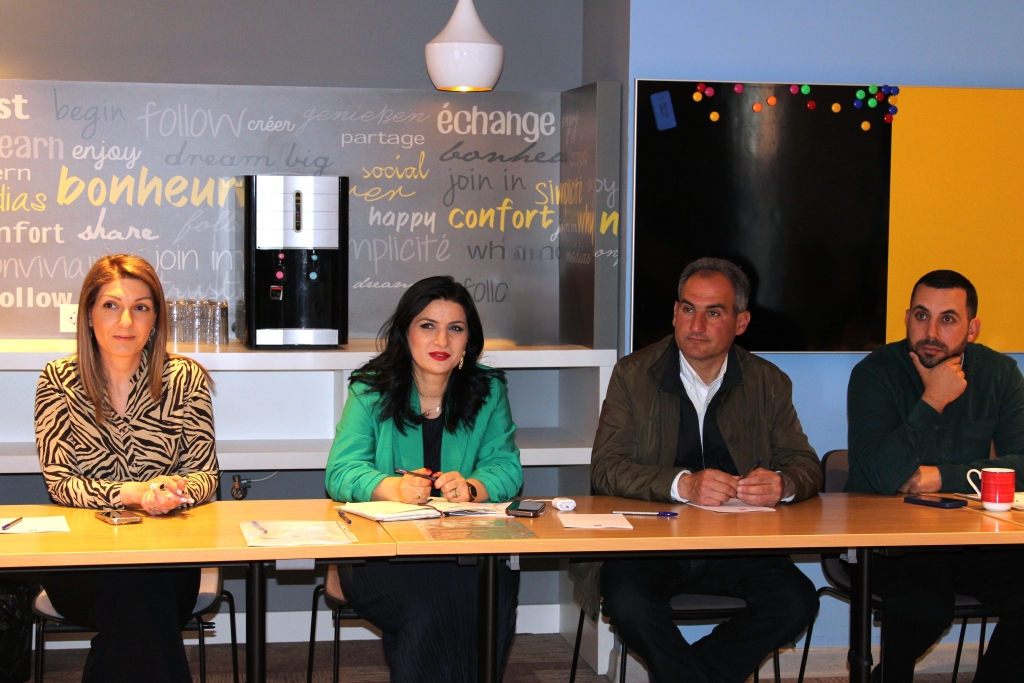
Within the framework of the “Irrigated Agriculture Development in Ararat and Armavir Marzes” (IADAAM) project, the Phase I selection process for Demonstration Farms has officially commenced.

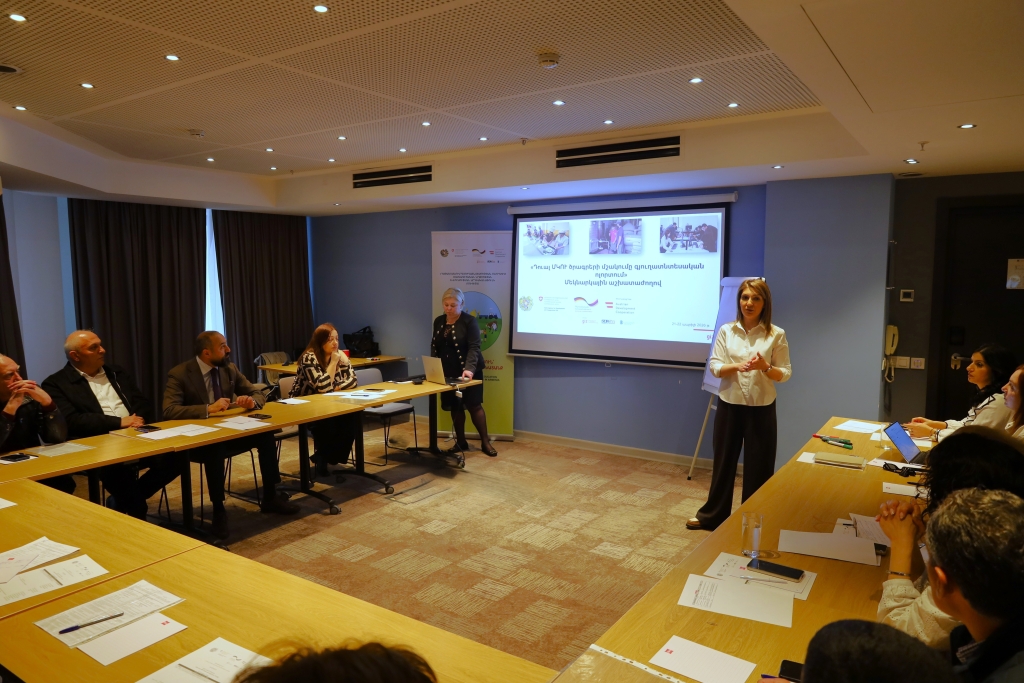
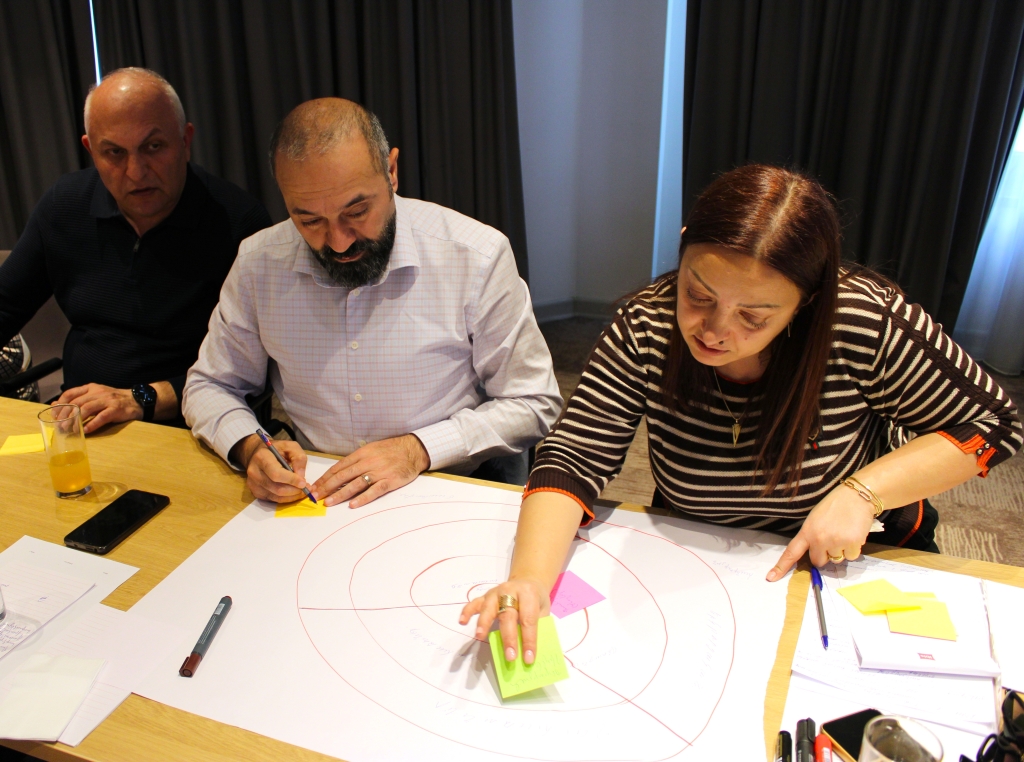
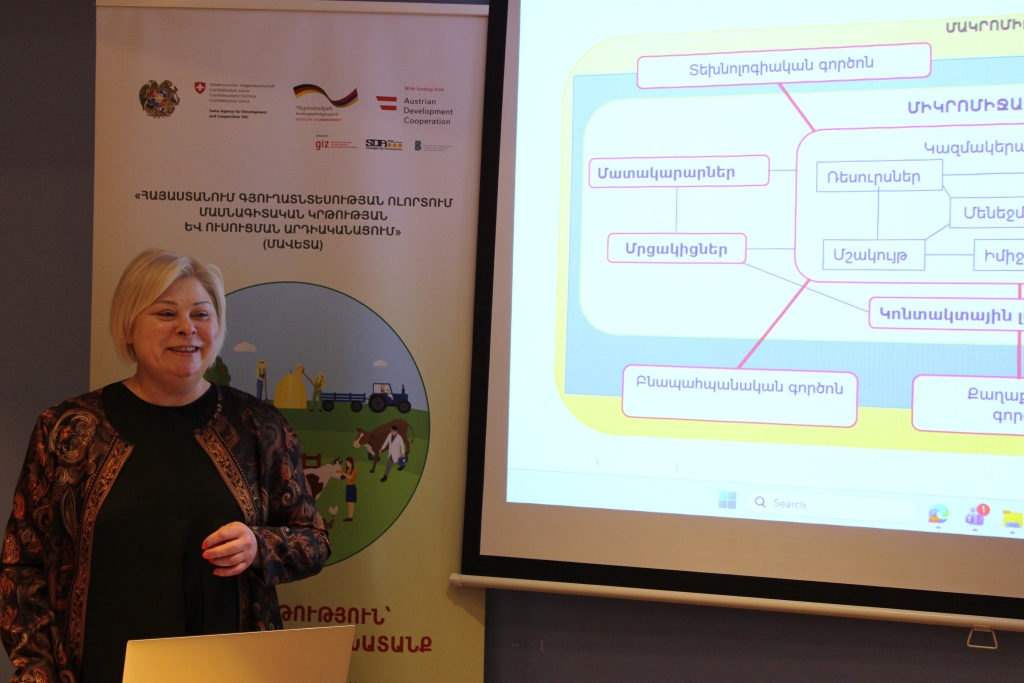
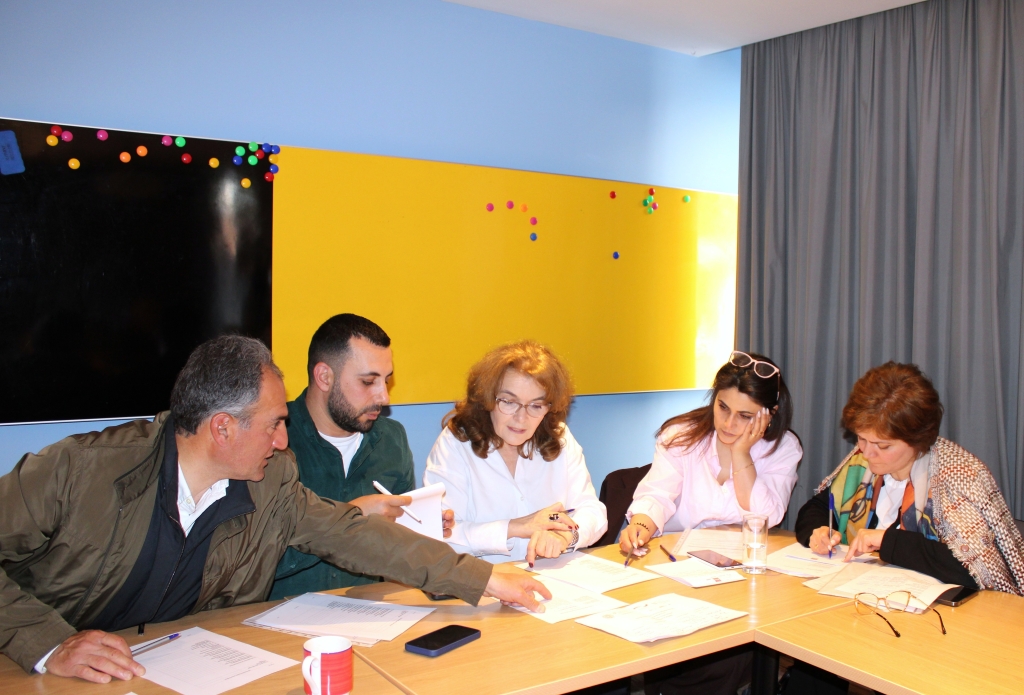
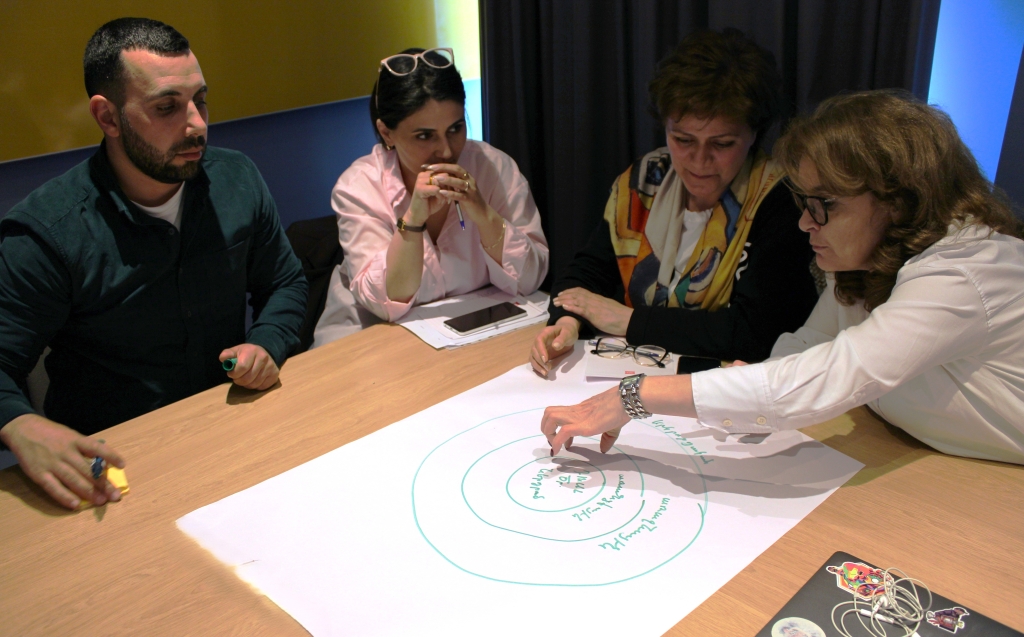
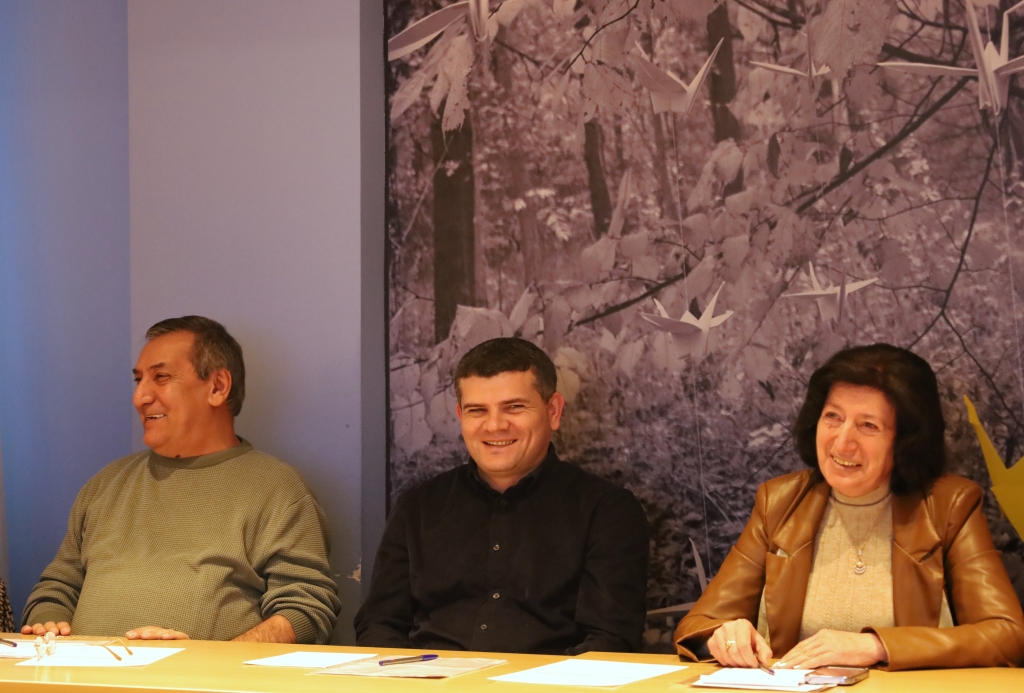
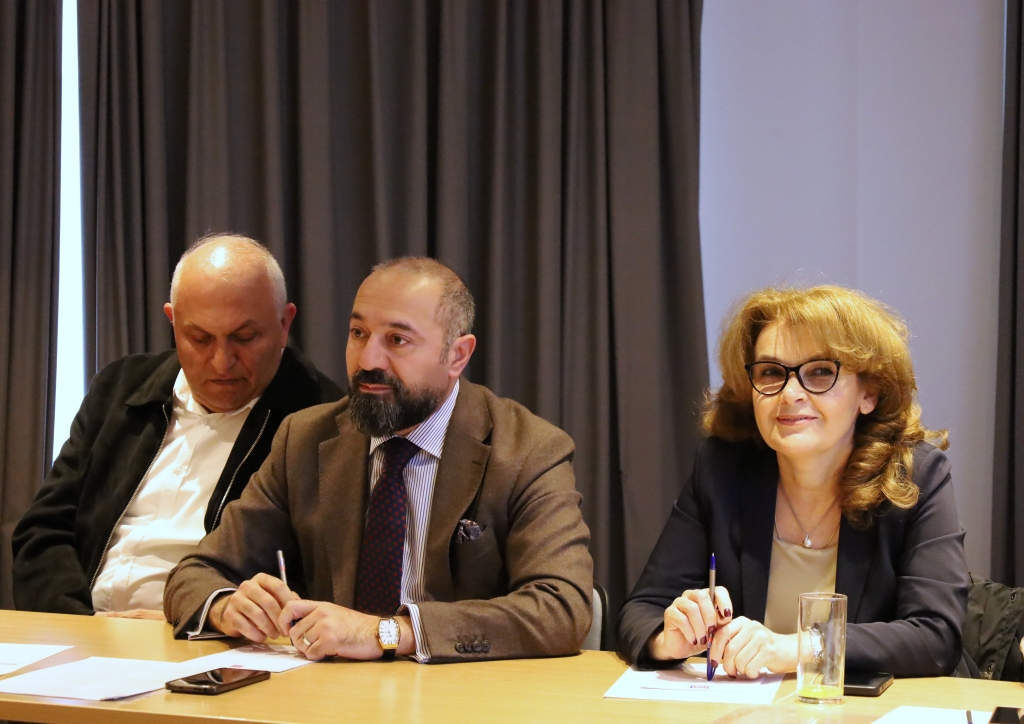
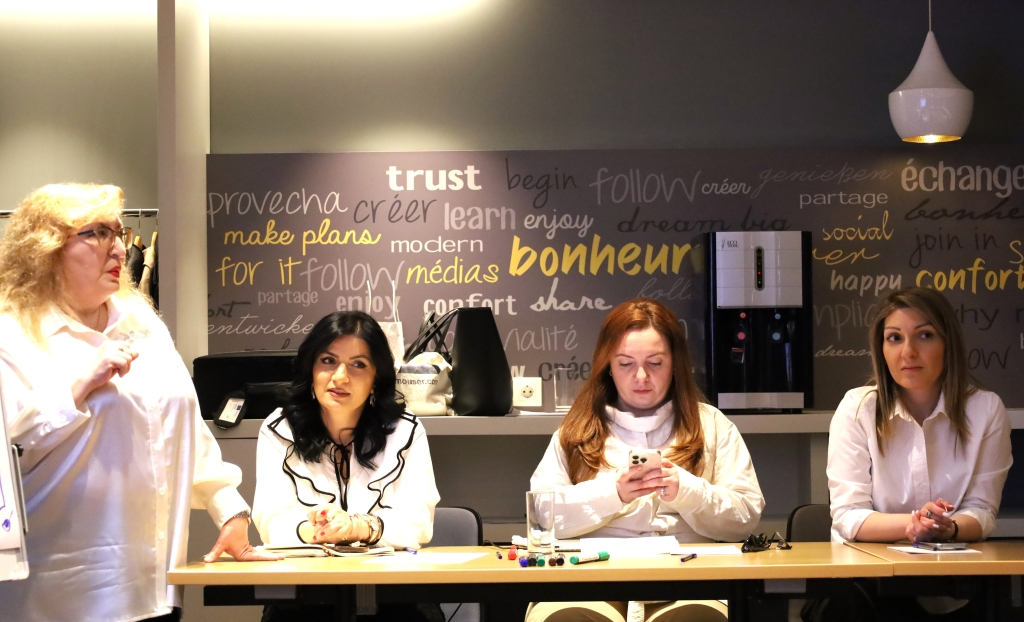
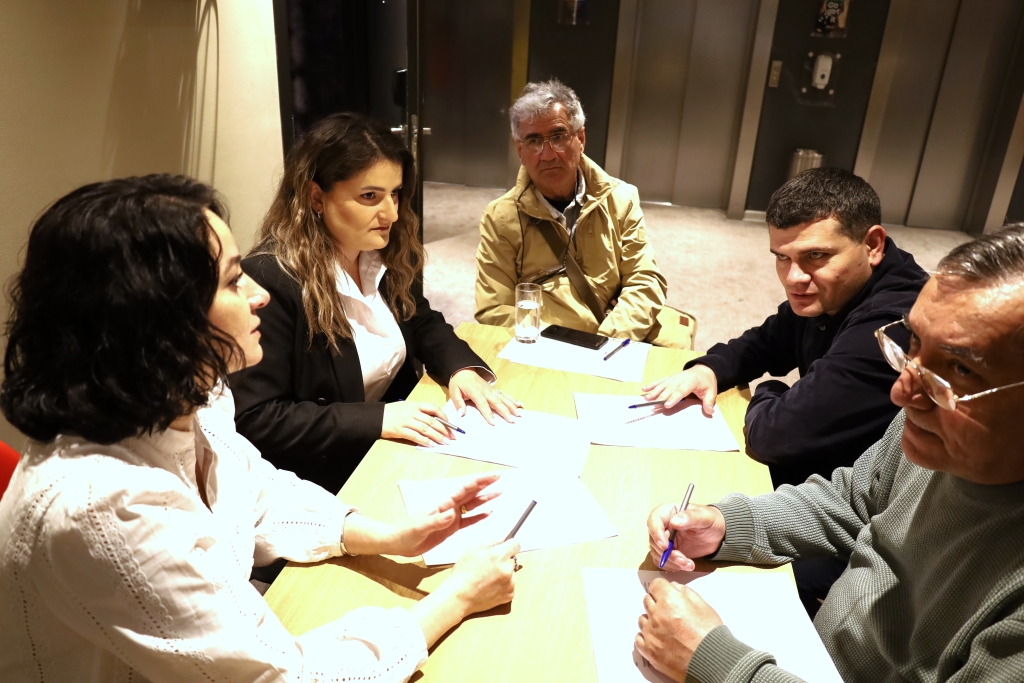
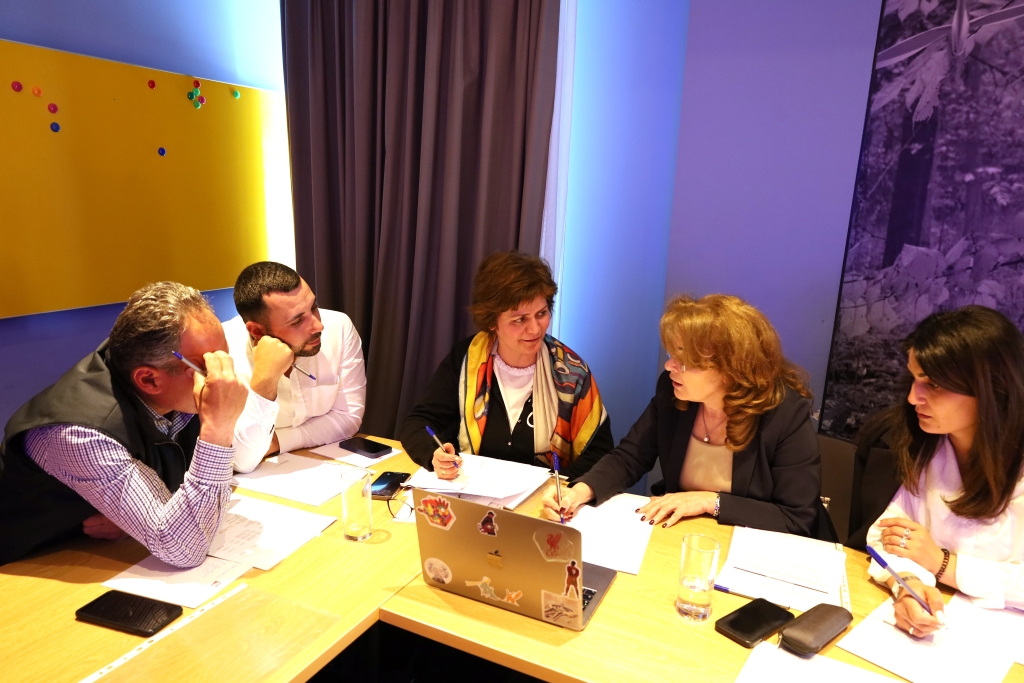
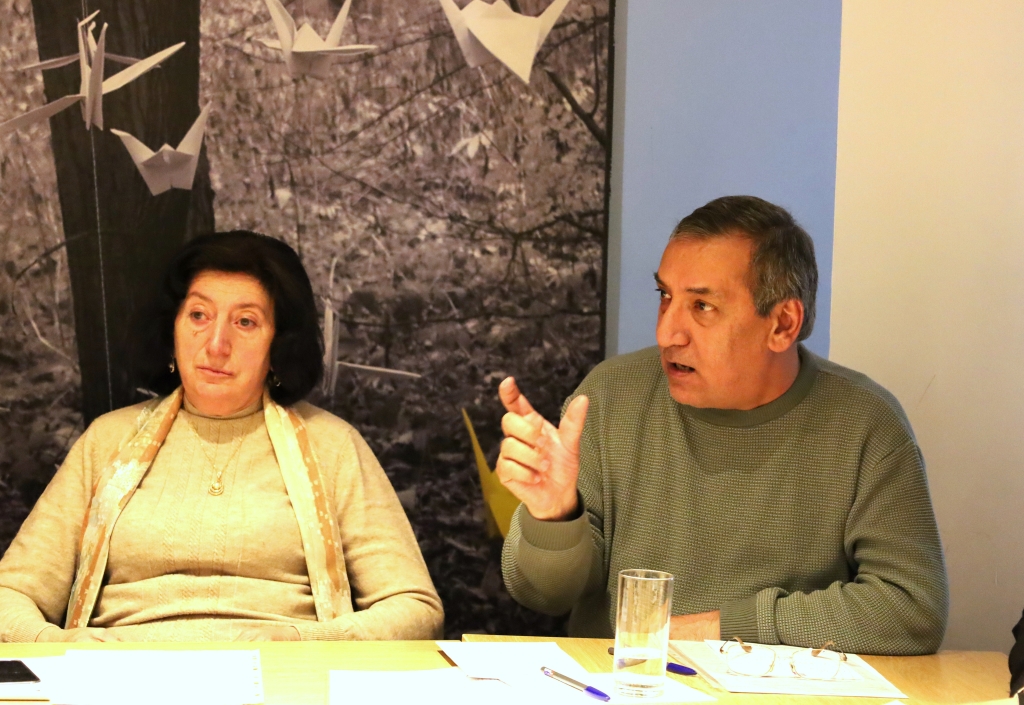
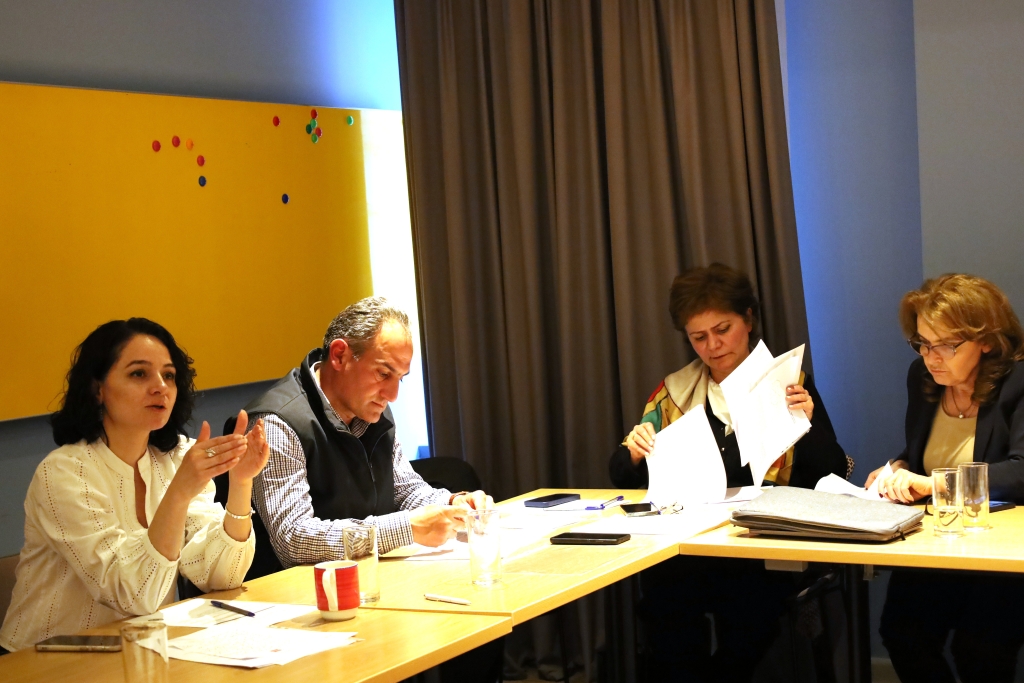
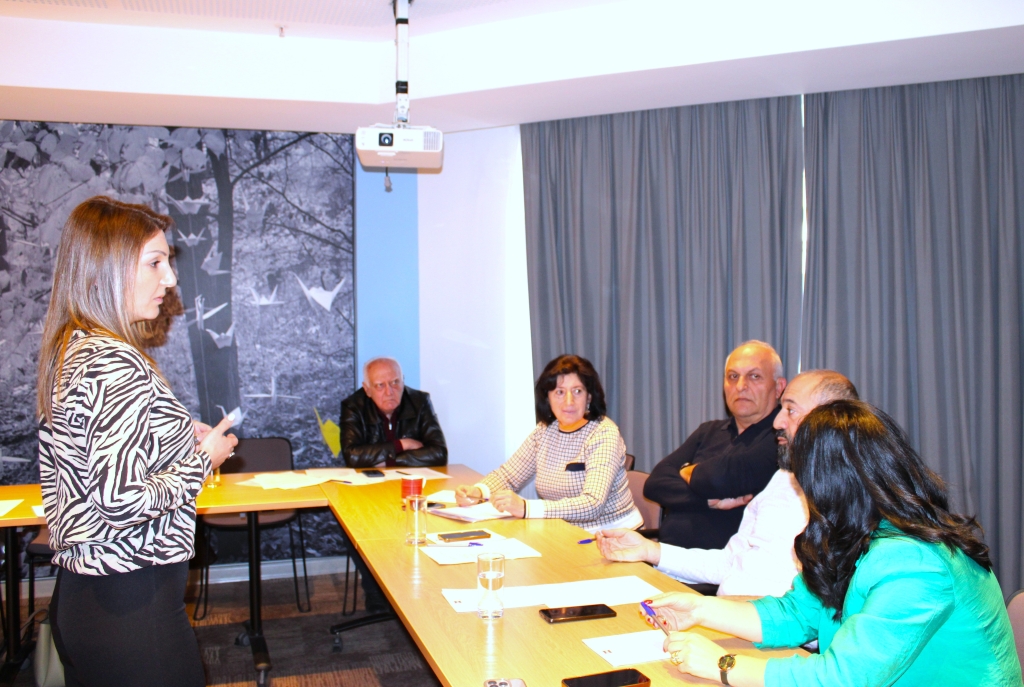
The Project Implementation Team (MoE PIT), the IADAAM team, and representatives of the Agricultural Extension Services (#AEST) came together for a coordination meeting to review applications via the selection criteria, and shortlist the first round of candidate demonstration farms.

This collaborative process ensures transparency, technical relevance, and strong alignment with the project’s objectives – laying the groundwork for demonstration farms that will serve as practical learning hubs, promote innovative and sustainable agricultural practices, and strengthen farmer-to-farmer knowledge exchange.

Further stages of the selection process will follow as the project moves toward implementation.

The Irrigated Agriculture Development in Ararat and Armavir Marzes (IADAAM) project, financed by the European Union (EU) and implemented with the support of the French Development Agency (Agence Française de Développement), aims to transform irrigated agriculture in Armenia.

Implemented by the Ministry of Economy of the Republic of Armenia, the project’s technical assistance is provided by a consortium comprising AESA – Agriconsulting Europe SA, Avenue Consulting Group LLC, Strategic Development Agency NGO, and 3R Strategy LLC, with the aim of strengthening agricultural policy and advancing sector reforms.

SEIRA Capacity Building in Poultry Farming for Displaced Persons

Within the framework of the “Socio-Economic Integration of Refugees in Armenia” (SEIRA) project, two short-term training courses on “Best Practices in Poultry Farming” were conducted in the Gegharkunik and Syunik regions from December 4 to 10. As part of the initiative, home visits were also organized to the places of residence of refugees.

The trainings were delivered by Mark Heijmans, a poultry specialist and veterinarian from the PUM organization, who shared modern, practical, and field-oriented knowledge in poultry production. The participants were forcibly displaced persons from Nagorno-Karabakh residing in the communities of Goris, Sisian, Gavar, Vardenis, and Chambarak.

The trainings were delivered by Marc Heijmans, an expert from the PUM and a veterinarian–poultry specialist, who shared modern, practical, and applicable knowledge in the field of poultry farming. Participants included forcibly displaced persons from Nagorno-Karabakh residing in the communities of Goris, Sisian, Gavar, Vardenis, and Chambarak.

During the home visits, the expert assessed the on-site conditions of the farms and provided tailored consultations, focusing in particular on:

  • modern methods for the prevention and control of poultry diseases,
  • effective housing and husbandry practices,
  • increasing egg and meat production.

This initiative, implemented under the SEIRA project, aims to promote sustainable self-employment and income-generating opportunities for displaced persons by building on knowledge, professional expertise, and solutions adapted to local conditions.

The “Socio-Economic Integration of Refugees in Armenia” (SEIRA) project is funded by the Swiss Agency for Development and Cooperation and implemented by the Strategic Development Agency NGO and the UN World Food Programme.

Uncategorized

IADAAM Pruning Training for Farmers of the Vedi Community

Within the framework of the “Irrigated Agriculture Development in Ararat and Armavir Marzes” (IADAAM) project, a two-day professional training on fruit tree and grapevine pruning was organized for farmers of the Vedi community.

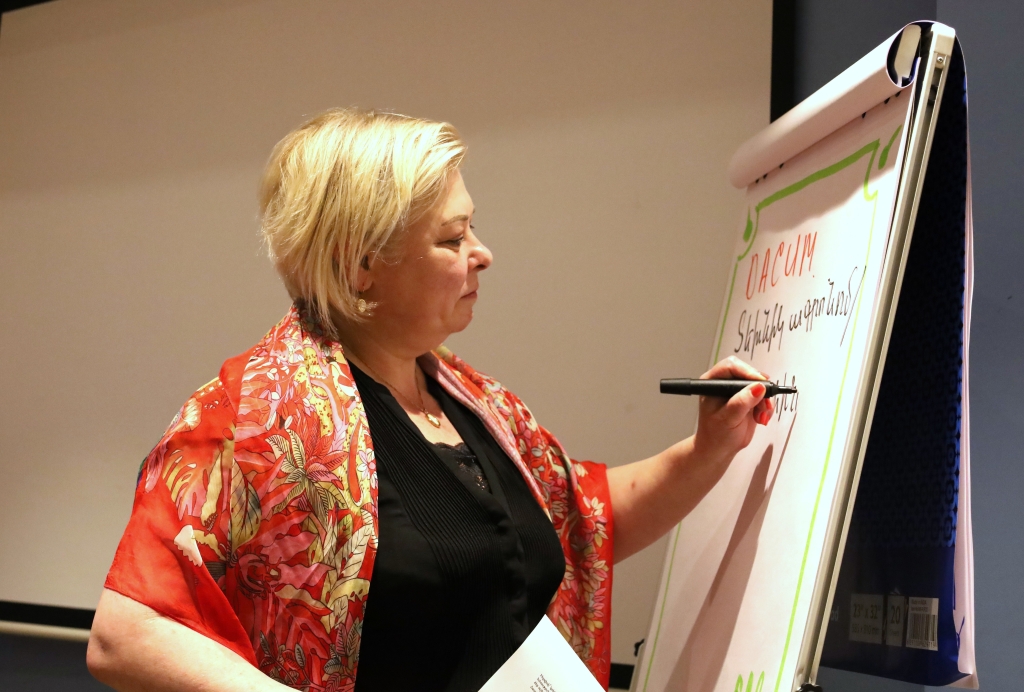
The training was designed with a balanced combination of theoretical instruction and practical application, introducing modern, efficient, and science-based approaches to pruning and plant canopy management. Participants not only enhanced their technical knowledge but also engaged in hands-on orchard work under the close supervision and guidance of sector experts.

The initiative aims to strengthen the professional capacities of local farmers, improve on-farm productivity, and contribute to the development of sustainable and competitive agriculture.

The Irrigated Agriculture Development in Ararat and Armavir Marzes (IADAAM) project, financed by the European Union (EU) and implemented with the support of the French Development Agency (Agence Française de Développement), aims to transform irrigated agriculture in Armenia.

Implemented by the Ministry of Economy of the Republic of Armenia, the project’s technical assistance is provided by a consortium comprising AESA – Agriconsulting Europe SA, Avenue Consulting Group LLC, Strategic Development Agency NGO, and 3R Strategy LLC, with the aim of strengthening agricultural policy and advancing sector reforms.

RECONOMY “Tourism Insights 360: From AI Innovation to Market Activation” regional webinar series has successfully concluded

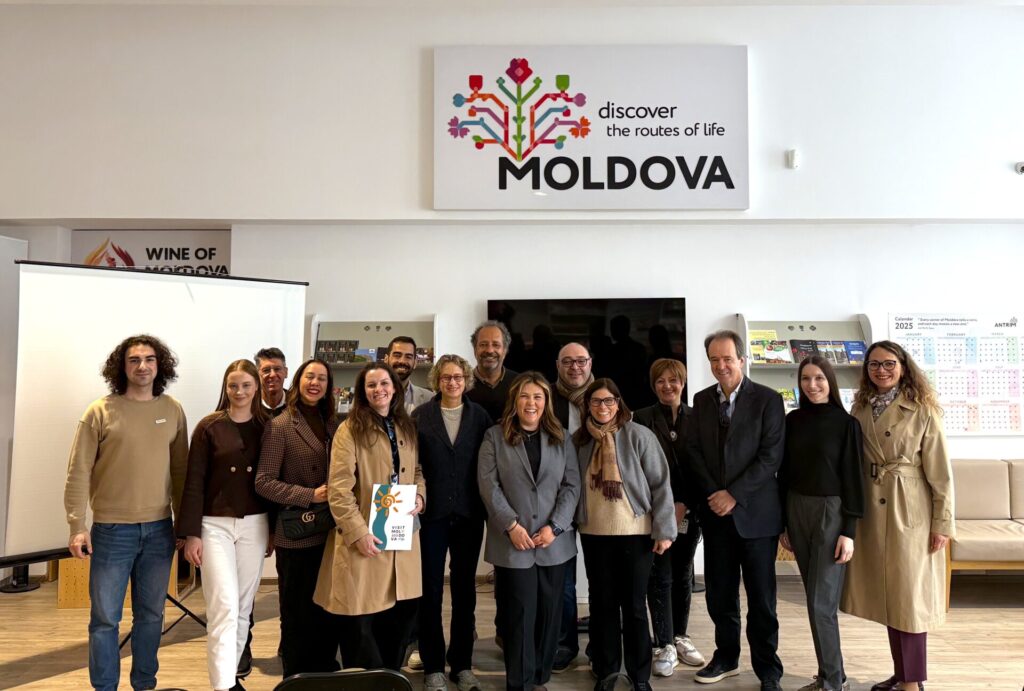
Over three dynamic days – December 9, 10, and 11 – tourism experts, industry associations, and private-sector actors from Armenia, Georgia, Moldova and beyond came together for an inspiring exchange of knowledge, tools, and market perspectives.
Facilitated by Strategic Development Agency (SDA) NGO in partnership with HELVETAS Swiss Intercooperation, the series featured in-depth sessions on:
🔹 Regional tourism trends and collaboration dynamics
🔹 Preparing businesses for international exhibitions and global buyers
🔹 Practical applications of AI tools in tourism
🔹 Policy influencing strategies for the private sector
🔹 Digital visibility and winning AI search (ChatGPT, Gemini, Perplexity)
🔹 Understanding key international markets, including the Chinese outbound segment
With engaging presentations, thought-provoking discussions, and highly practical insights from distinguished speakers across the region and Europe, the webinar created a truly collaborative learning space for tourism professionals.
RECONOMY is an inclusive and green economic development program of the Swedish International Development Cooperation Agency (Sida), implemented by Helvetas in partnership with the Strategic Development Agency NGO and others in the Eastern Partnership and Western Balkan countries.
Uncategorized

INLIMA in Syunik: Advancing Innovation in Livestock Management and Pasture Governance

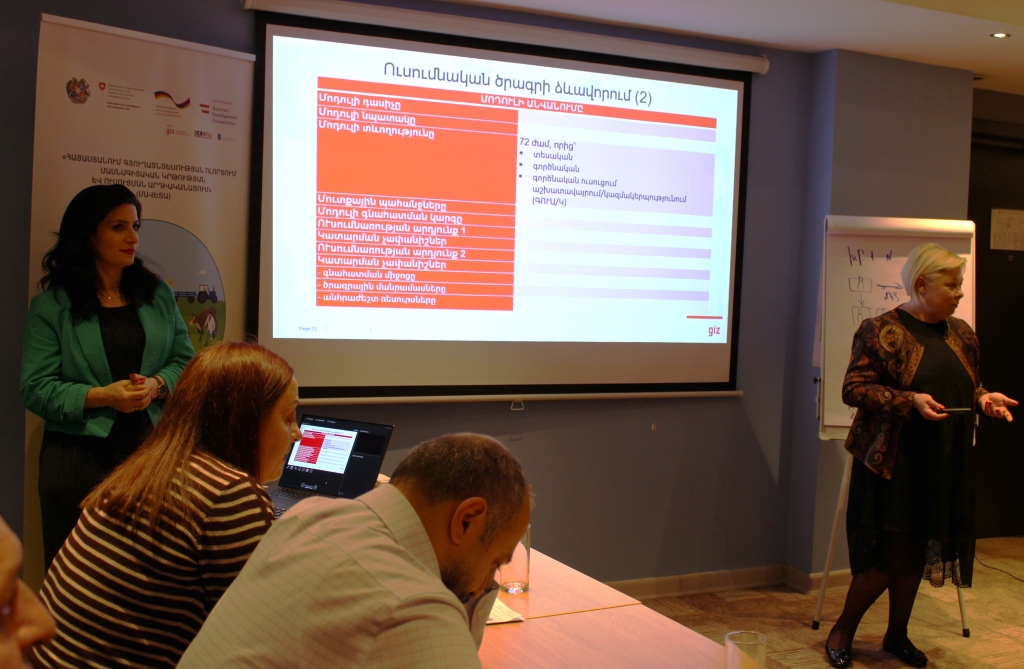
The team of “Innovative Livestock Management: Animal Migration, Breeding & Markets” (INLIMA) project conducted a working visit to Syunik Region to engage regional authorities and partners in a detailed discussion of the project’s components. The visit placed special emphasis on modernizing herding management systems and enhancing sustainable pasture use in one of Armenia’s most geographically complex regions.

During the meeting, the team met with Syunik Governor Robert Ghukasyan, Head of Sisian Community Hovsep Arakelyan, First Deputy Head of Goris Community Artyom Aghajanyan, and Sasun Manukyan, Head of the Syunik Regional Department of the Eco-Patrolling Service. These high-level discussions focused on upgrading mechanisms for herd movement management, establishing systematic approaches to pasture conservation, and improving oversight of grazing practices.
The discussions covered several strategic directions essential for strengthening the region’s livestock sector:

🔹 Deployment of innovative and context-appropriate livestock technologies

🔹 Development of robust community capacities for sustainable resource management

🔹 Strengthening of market linkages and supply chain resilience

🔹 Formulation of solutions tailored to Syunik’s environmental and socio-economic characteristics

Participants also delved into the realities shaping Syunik today – its rugged mountainous terrain, seasonal constraints in agriculture, and the socio-economic shifts of recent years. The Eco-Patrolling Service presented a set of operational challenges, ranging from terrain-induced access limitations to the complexities of monitoring livestock movement at scale. These insights guided the exploration of localized, practical solutions designed to help communities adopt and sustain the program’s innovations more effectively.
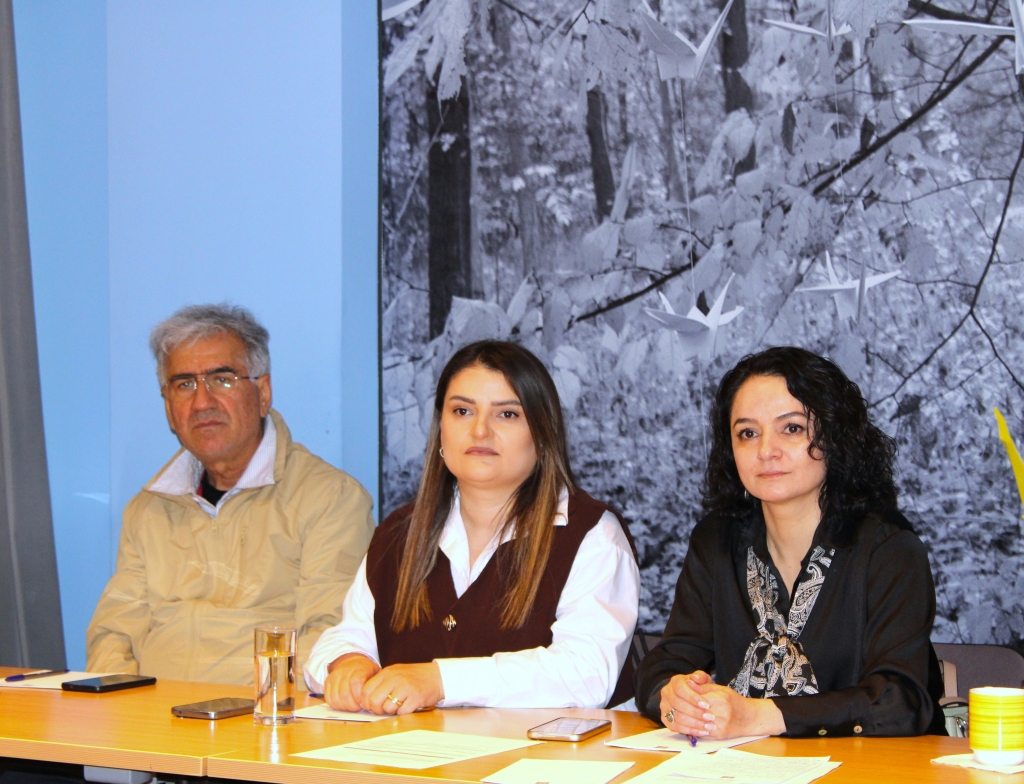
The meetings reaffirmed a shared understanding: close collaboration between state institutions, local communities, and INLIMA project team is essential for building a resilient, forward-looking livestock ecosystem in Syunik.

INLIMA remains committed to deepening these partnerships – uniting expertise, knowledge, and resources to drive meaningful change and deliver measurable improvements across Armenia’s livestock sector.

 “Innovative Livestock Management: Animal Migration, Breeding & Markets” (INLIMA) project is implemented by Strategic Development Agency NGO and funded by the Austrian Development Agency (ADA), the operational unit of Austrian Development Cooperation.