
Uncategorized

Exchange Visit to France within the “LIMOUSINE for Armenia” Project

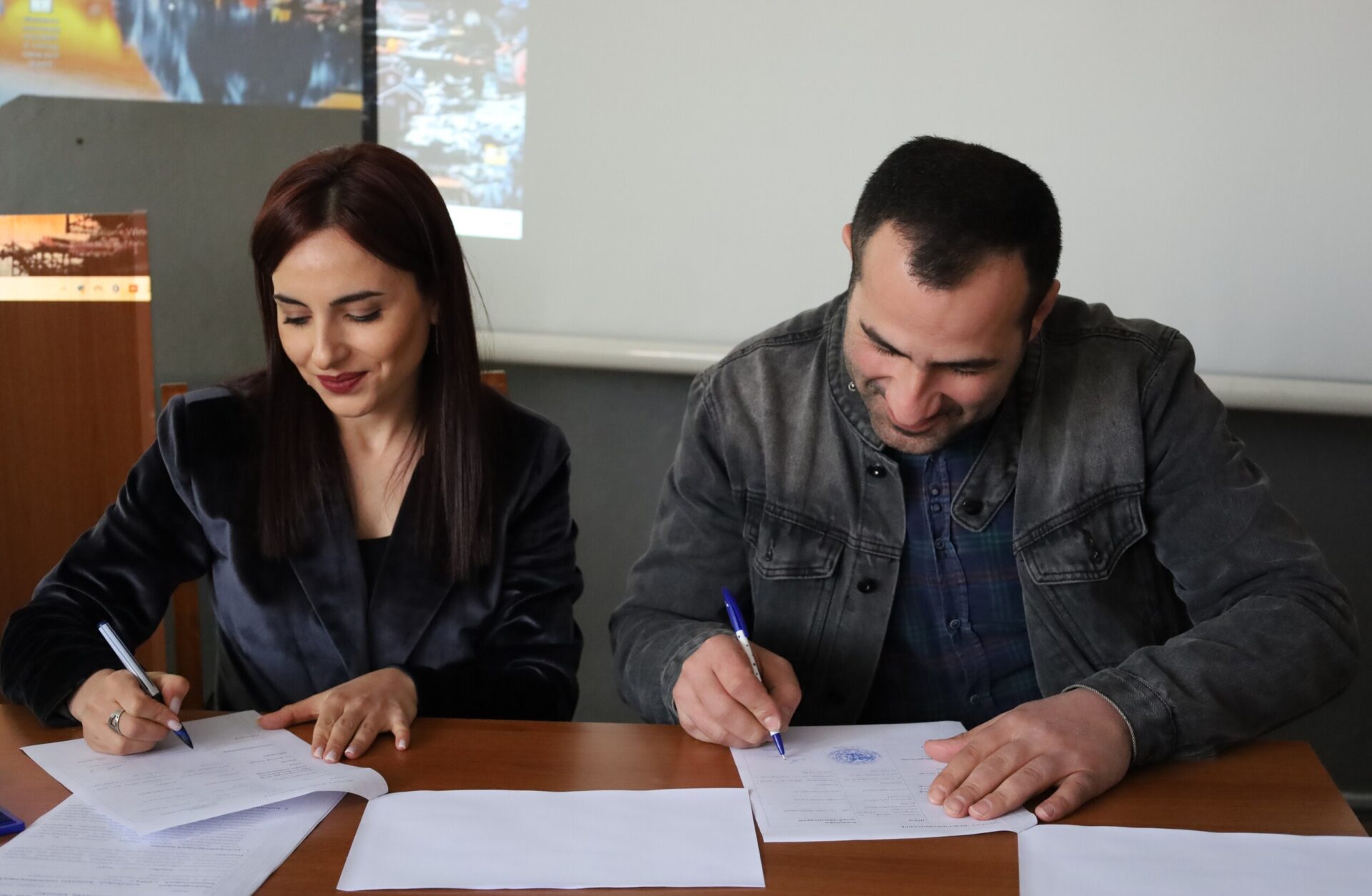
The “LIMOUSINE for Armenia” project, a collaboration between the Strategic Development Agency (SDA) NGO, the French-Armenian Fund, and the Children of Armenia Fund (COAF), recently organized an exchange visit to France.

From September 13–20, representatives of the SDA and COAF visited France to exchange knowledge and best practices.

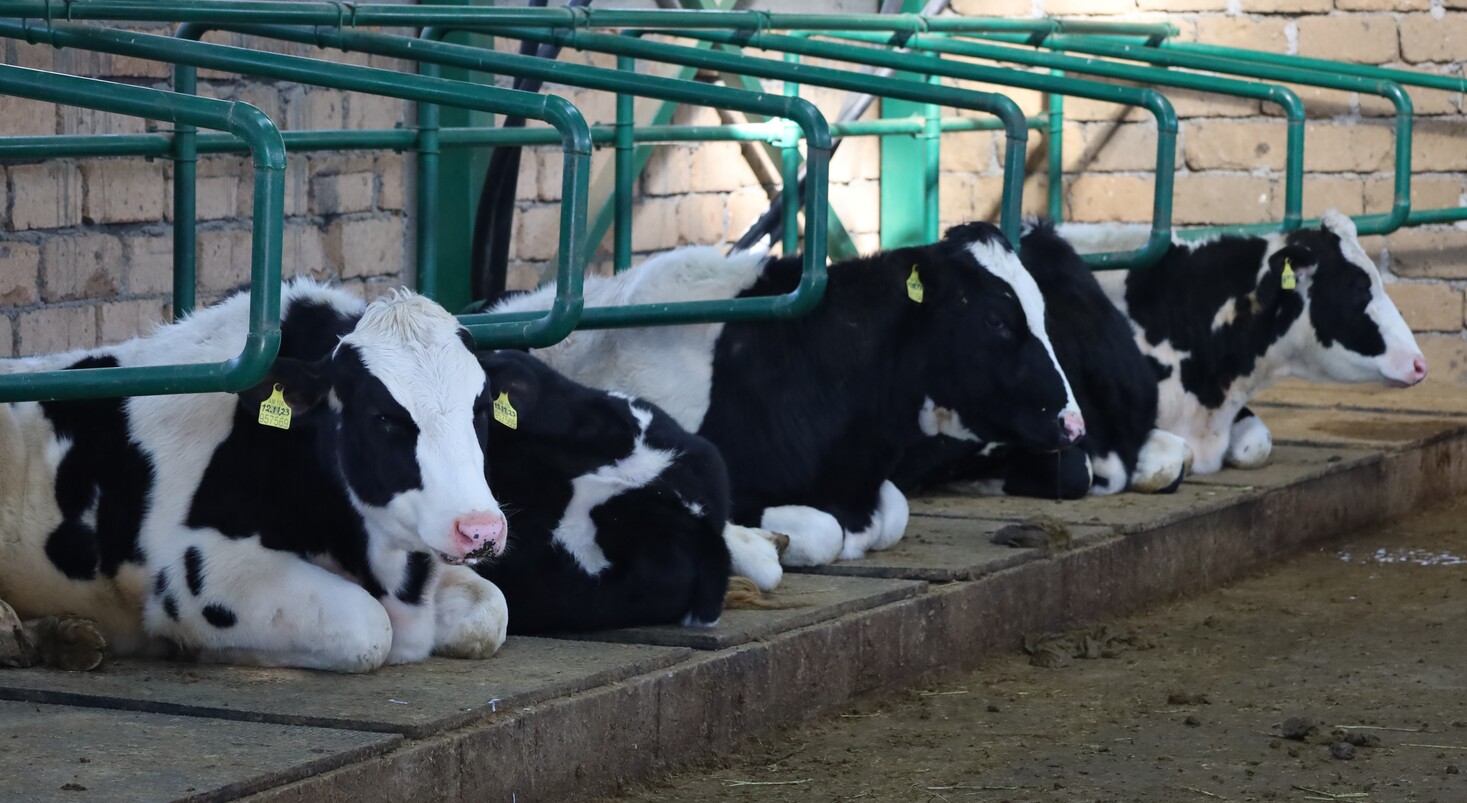
Arranged by the French-Armenian Fund, the visit included meetings in the Haute-Vienne, Corrèze, and Dordogne regions—areas renowned for breeding Limousin cattle. The representatives toured farms and exhibitions to gain insights into breeding and husbandry techniques for Limousin cattle, aiming to apply these practices in Armenia.

As part of this project, 50 heads of heifers of Limousin cattle breed are set to be imported from France to Armenia in the spring of 2025, with plans to establish sustainable breeding practices suited to Armenian conditions.

Uncategorized

Workshop on Challenges and Solutions in Armenian Slaughterhouses

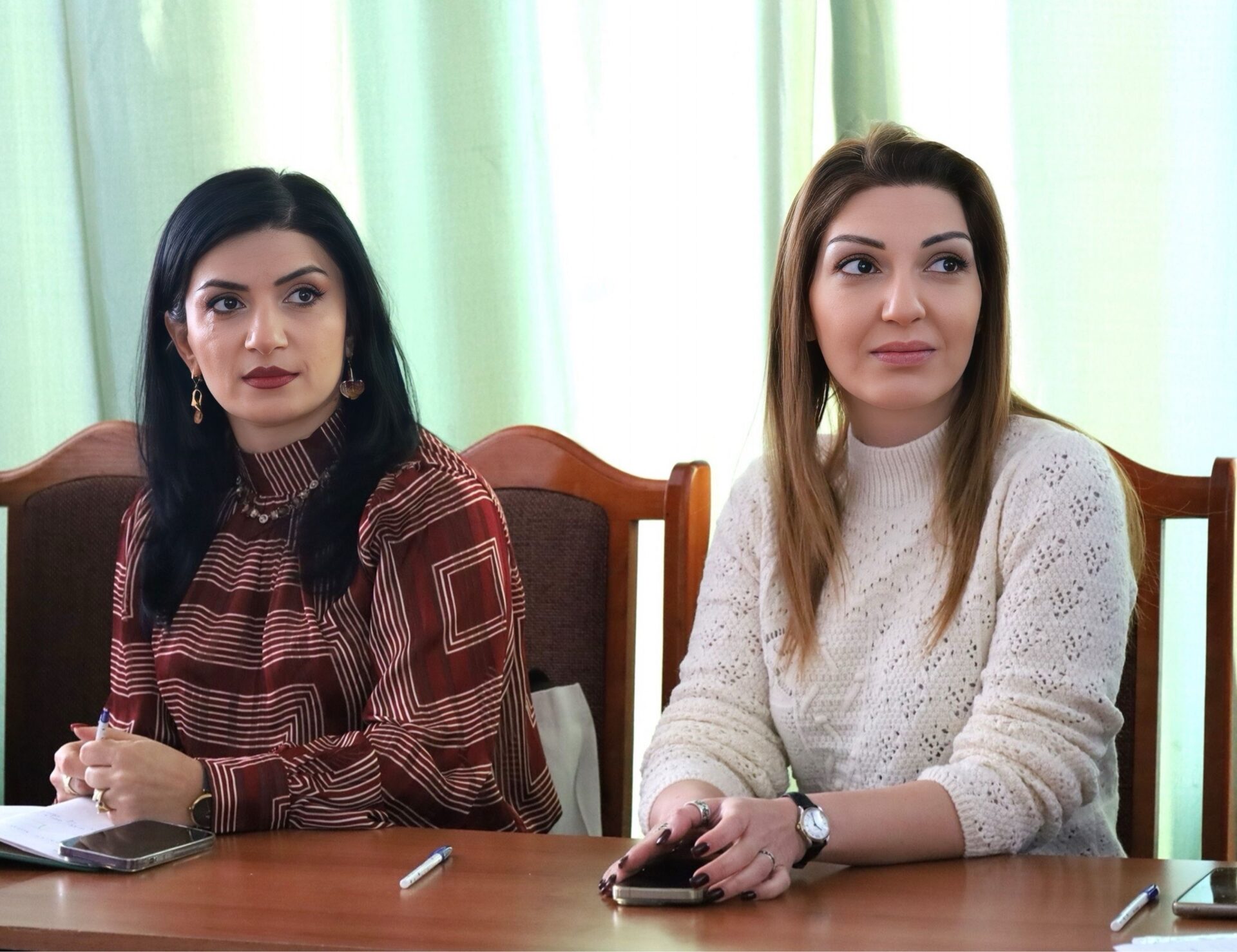
As part of the “Livestock Development in Armenia: South-North 2” project, a workshop focused on current challenges in slaughterhouses and potential solutions was held on November 1-2 in Tsaghkadzor, Armenia. The workshop also covered the implementation of the HACCP (Hazard Analysis and Critical Control Points) system and examined gender roles within the agricultural sector.

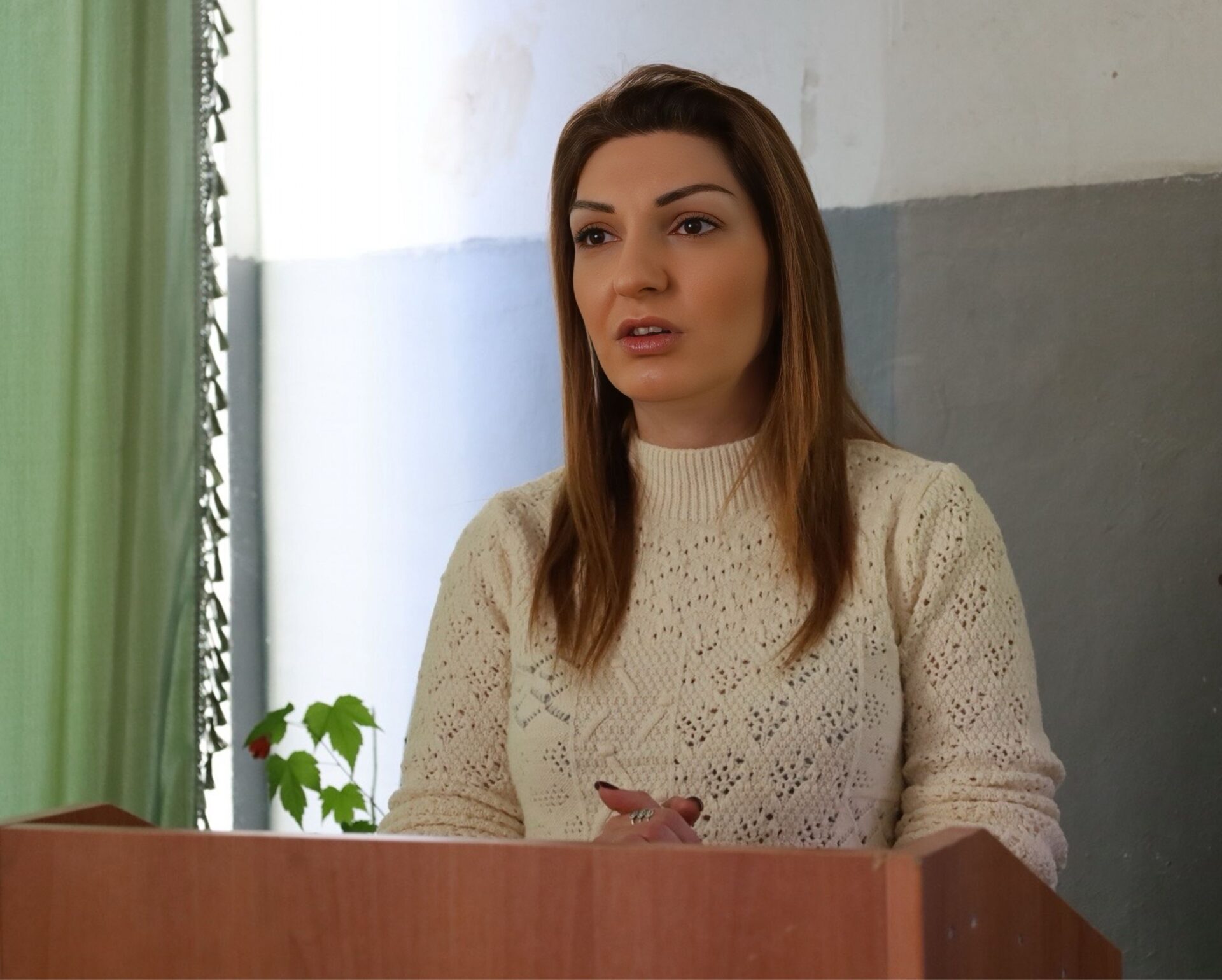
Tatevik Sargsyan, Deputy Minister of Economy of the Republic of Armenia; Sona Tsarukyan, Deputy Head of the Food Safety Inspectorate of Armenia; Vahe Hovhannisyan, project manager for “Livestock Development in Armenia: South-North 2”; and Lilit Hovhannisyan, project manager for “Modernizing Vocational Education and Training in Agriculture in Armenia” (MAVETA), along with other officials and project partners attended the conference.

Stakeholders discussed the main issues facing the slaughterhouse sector, exploring actionable solutions. Tigran Chitchyan, associate professor at the Department of Morphology and Zoology of ANAU, presented a report on the behavior, care, and breeding characteristics of purebred livestock bred in Armenia.

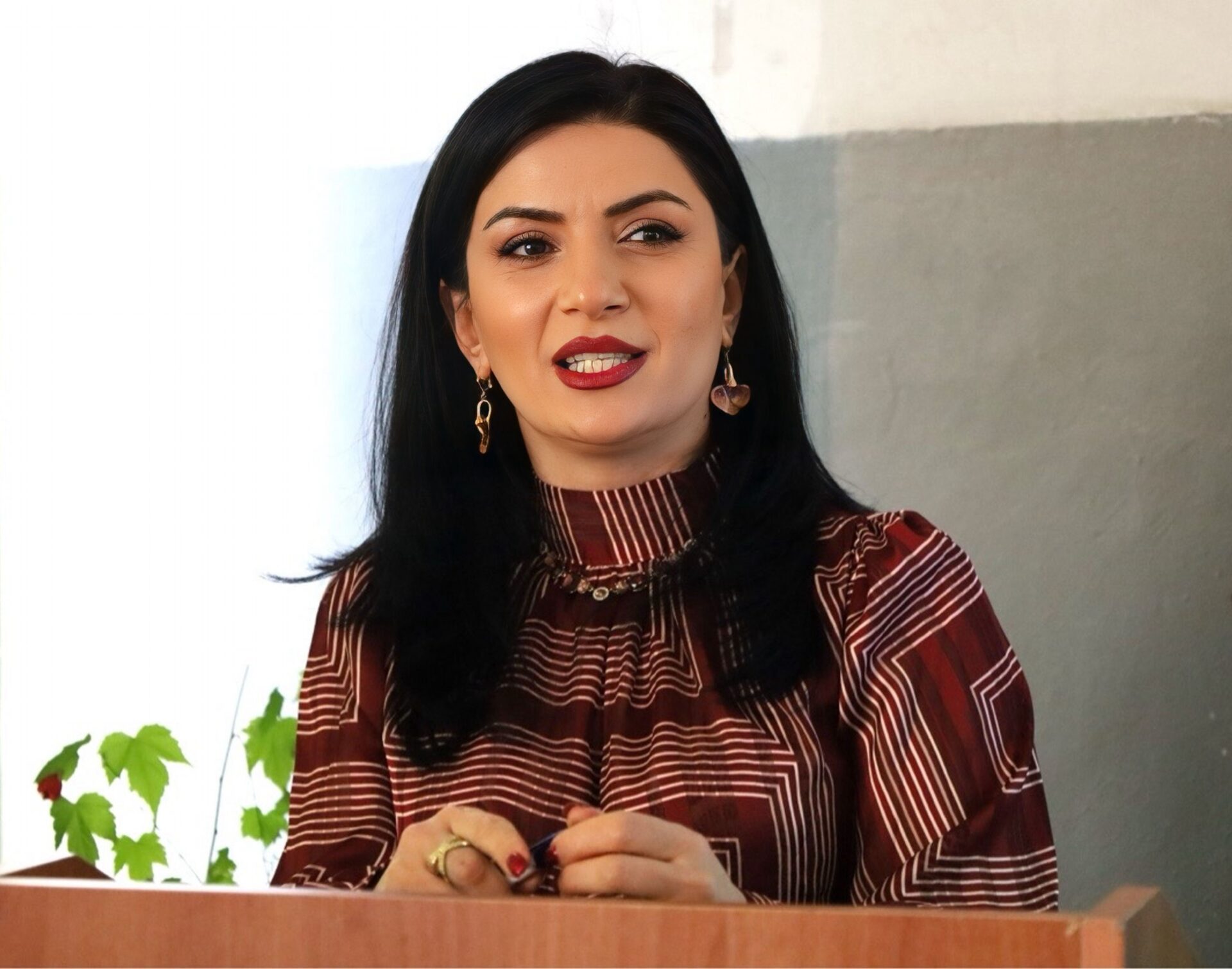
Additionally, Anna Poghosyan, a gender consultant, delivered a report titled “Empowerment of Female and Male Employees and Fellow Farmers to Increase Productivity.” This presentation sparked discussions on the roles and contributions of different genders within agriculture.

The workshop concluded with a session on HACCP implementation for companies in Armenia’s milk and meat value chains, led by management systems consultant Artur Baghdasaryan.

“Livestock Development in Armenia: South-North 2” project is implemented by “Strategic Development Agency” NGO and financed by the Austrian Development Agency, the operational unit of Austrian Development Cooperation.

LILA Regional Cuisine Books Launched

Within the “Living Landscapes for Market Development in Armenia” (LILA) project, the “Preservation of Armenian Culinary Traditions” NGO with the support of the “Strategic Development Agency” NGO organized a conference in the showroom of “Megerian Carpet”, dedicated to the strategy of national cuisine development.

The event was attended by Ursula Läubli, Deputy Head of Mission of the Embassy of Switzerland in Armenia and Deputy Regional Director of Swiss Agency for Development and Cooperation in the South Caucasus (SDC), Araksia Svajyan, Deputy Minister of Education, Science, Culture and Sports of the Republic of Armenia, Mkrtich Ayvazyan, Chairman of the “Strategic Development Agency” NGO, along with other high-ranking guests.

Sedrak Mamulyan, the chairman of the “Preservation of Armenian Culinary Traditions” NGO, presented the main directions of the strategy developed with the support of the Armenian Tourism Federation, which was followed by thematic panel discussions and the presentation of the “Syunik Cuisine”, “Vayots Dzor Cuisine”, “Tavush Cuisine”, “Lori Cuisine” books authored by Sedrak Mamulyan.

At the event, LILA project coordinator Alla Ghazaryan presented the importance of the books published within the project in terms of revitalizing regional cuisines and promoting gastro-tourism in the regions, emphasizing the connection between the rich nature of the regions, national cuisine, and tourism.

Then the guests had the opportunity to taste dishes and desserts prepared from the recipes of regional cuisines. The wine reception was provided by the beneficiary-partner of the LILA project “Krya” wine factory.

The books on Tavush, Lori, and Vayots Dzor were published by the “Strategic Development Agency” NGO within the framework of the “Living Landscapes for Market Development in Armenia” (LILA) project and the Syunik book was published within the RECONOMY pilot program of “Skills and Knowledge Development”.

 LILA project is funded by the Swiss Agency for Development and Cooperation (SDC), and implemented by the WWF Armenian Office (WWF-Armenia) in partnership with the Strategic Development Agency (SDA) NGO.

Amadeus Air Ticketing System Course Launched

From October 28 to November 28, the Armenian Tourism Federation is offering a short-term training course on the Amadeus Air Ticketing System, supported both methodologically and technically by RECONOMY’s “Digitizing Sectors for Competitiveness” project.
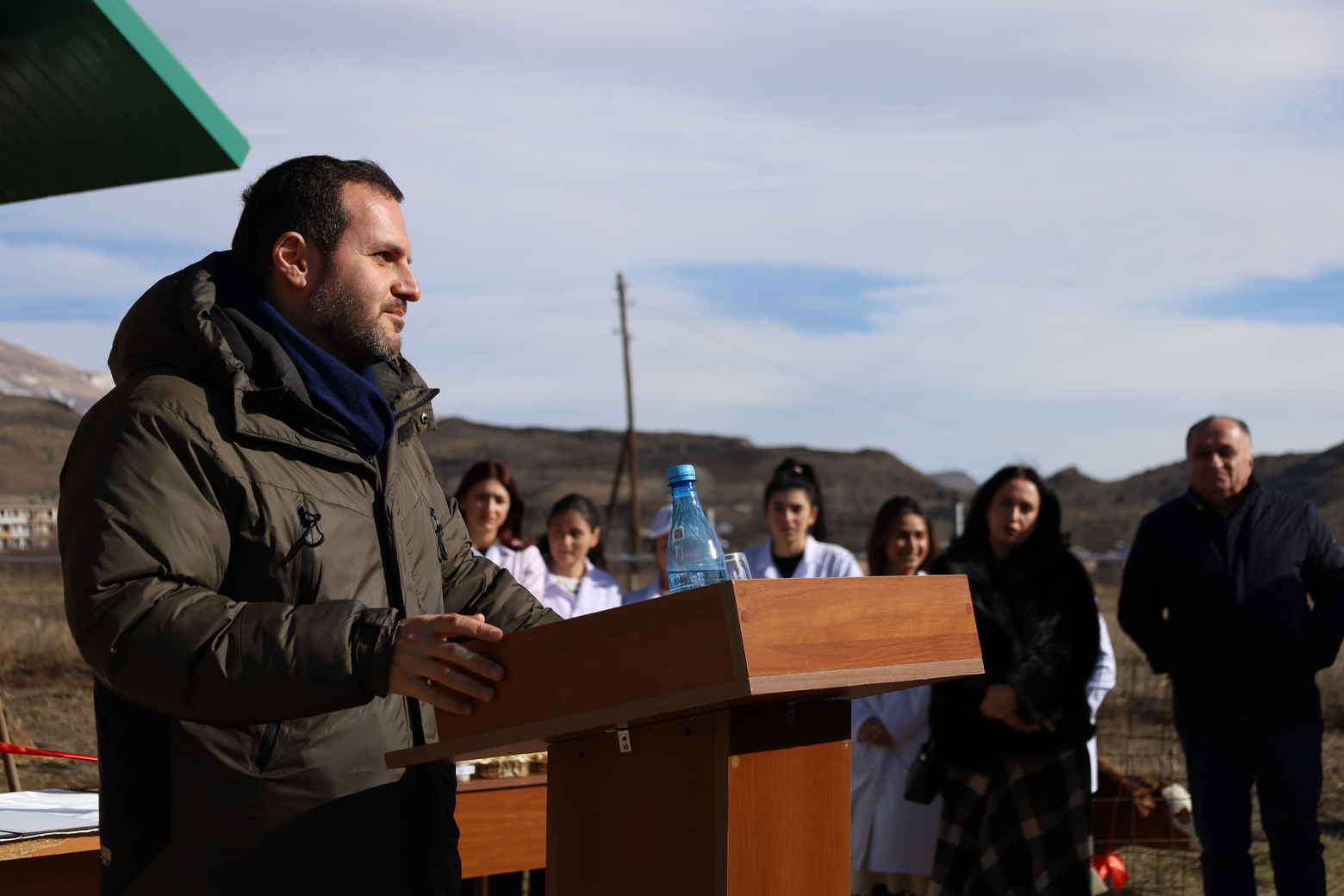
The course’s first group was welcomed by Mher Sahakyan, “Digitizing Sectors for Competitiveness” project manager, along with Mekhak Apresyan, president of the Armenian Tourism Federation.

Throughout the course, participants will gain access to a comprehensive global database with verified, regularly updated information on airlines, airports, countries, customs regulations, geography, climate, holidays, entry requirements, vaccinations, insurance, visa, customs, and immigration formalities.

Professionals trained in the Amadeus Air Ticketing System will be well-equipped for careers in tourism organizations that rely on advanced booking and reservation systems.

RECONOMY is an inclusive and green economic development program of the Swedish International Development Cooperation Agency (Sida), implemented by Helvetas in partnership with the Strategic Development Agency NGO and others in the Eastern Partnership and Western Balkan countries.

Uncategorized

The “Irrigated Agriculture Development in Ararat and Armavir Marzes” project has launched

On 31 October 2024, The Ministry of Economy of the Republic of Armenia in cooperation with the consortium, providing technical assistance organized the launch event of the Irrigated Agriculture Development in Ararat and Armavir Marzes (IADAAM) project.

Irrigated Agriculture Development in Ararat and Armavir marzes (IADAAM) project, financed through the European Union (EU) with implementation by the French Development Agency (AFD) is an integrated initiative aimed at transforming irrigated agriculture in Armenia. 

This project focuses on modernizing irrigation infrastructure and enhancing agricultural practices to build a more sustainable and productive agriculture system. By addressing both water management and agricultural development, the project aims to support farmers and stakeholders in the Ararat and Armavir regions. 

Within the IADAAM project a technical assistance component is implemented jointly by Agriconsulting Europe S.A, Avenue Consulting Group, Strategic Development Agency NGO and 3R Strategy LLC consortium and aims to provide institutional support to the Ministry of Economy (MoE) in the formulation of agricultural policies and reforms in priority areas.

The event started with the welcoming speech of Arman Khojoyan, RA Deputy Minister of Economy, who emphasized the government’s commitment to advancing agricultural sustainability: “ This project will open a new page for the agricultural sector of Armenia, contributing to the implementation of the current reforms in the irrigation sector by the Government, the introduction of innovative sustainable mechanisms aimed at the development of irrigated agriculture, the adjustment of the farmers’ agricultural experience to the current requirements through the quality training program of the farmers and the expansion of the cultivation of crops that provide high added value.”, – Deputy Minister said.

Mr. Khojoyan was followed by Vache Terteryan, Deputy Minister of Territorial Administration and Infrastructure, who highlighted the importance of infrastructure
for agriculture development: “The project is particularly important from the point of view of the development of Armenia’s agriculture and effective management of water resources”.

Frank Hess, Head of Cooperation at the EU Delegation to Armenia talked about the support and importance of this project for Armenia. “We are glad that we are already at this stage, this project is a long-awaited project. Ararat and Armavir are important marzes from the point of view of agricultural development. We hope that thanks to this program we will register an increase in productivity, and it will change the agricultural landscape in Armenia”-said Mr. Hess. 

Lise Enezian, Project Officer for Armenia at French Development Agency, insights on the project’s collaborative approach: “We have the European expertise and French experience, as well as the high qualification of the team implementing the project, we are certain to achieve success.”

The welcoming speeches were followed by the project introduction presented by Stefan Rosenow, Team Leader on behalf of A.E.S.A. Joint Venture consortium Lead, who outlined the project’s goals and presented the project structure and planned interventions. During the event attendees had an opportunity not only to be introduced to the project’s objectives but also to the project directions such as including the establishment of a sustainable advisory system, strategies to include smallholder farmers, the implementation of high-value agriculture, and the introduction of modern, efficient irrigation systems.

The event was attended by representatives of the government, local self-government bodies, water committee, civil society, scientific and educational institutions. The event wrapped up with a lively discussion that emphasized the importance of collaboration in addressing climate change challenges and improving agricultural practices in Armenia.