
Uncategorized

Vahe Hovhannisyan discussed the SEIRA project with the Governor of Syunik

Within the framework of the “Socio-Economic Integration of Refugees in Armenia” (SEIRA) project,, on January 13, the project manager Vahe Hovhannisyan met with the Governor of the Syunik region, Robert Ghukasyan. The meeting was attended by Lusine Sarukhanyan, the coordinator of the UN World Food Programme in Kapan, and employees of the regional administration.

During the meeting, Vahe Hovhannisyan presented the objective, main direction, as well as other details of the implemented project, which aims to improve and expand the capacities of the refugees from Nagorno-Karabakh and local vulnerable population to ensure the transition from a purely humanitarian approach to long-term development.

The governor thanked the Strategic Development Agency for its many years of work in the region and confirmed his willingness to continue the cooperation. This was followed by a discussion between the parties on reaching an agreement and taking further steps.

The SEIRA project, targeting the Gegharkunik, Vayots Dzor, and Syunik regions, aims to improve the livelihoods and resilience of refugees and local vulnerable populations in Armenia.

 The “Socio-Economic Integration of Refugees in Armenia” (SEIRA) project is funded by the Swiss Agency for Development and Cooperation and implemented by the “Strategic Development Agency” NGO and the UN World Food Program.

Technical Assistance to MAVETA Partner ANAU Yerevan College

In the frameworks of the “Modernizing Vocational Education and Training in Agriculture in Armenia” (MAVETA) project, “Strategic Development Agency” (SDA) NGO provided technical assistance to the Agricultural College after Anton Kochinyan of the Armenian National Agrarian University (ANAU), on January 9.

In his speech, the director of the college, Vardan Vardanyan, highlighted the importance of collaboration with the MAVETA project for the institutional development of the college.

MAVETA project manager Lilit Hovhannisyan emphasized that enhancing the capacities of the college’s teachers and apprentices engaged in dual education will remain a priority on the project’s agenda.

Within the MAVETA project, dual education for Veterinary and Orchardist professions have been applied at the Yerevan College of ANAU.

The MAVETA project is funded by a broad coalition of international and local organizations led by the Swiss Agency for Development and Cooperation (SDC), including the Austrian Development Agency, the German Ministry for Economic Cooperation and Development (BMZ), the Government of Armenia, the Swiss Church Aid (HEKS/EPER) NGO, Izmirlian Foundation, the Strategic Development Agency (SDA) NGO and Vanand Agro CJSC.

The project’s implementing partners are the GIZ and HEKS/EPER with the involvement of SDA and the School of Agricultural, Forest and Food Sciences at the Bern University of Applied Sciences (HAFL).

Uncategorized

Stakeholder Dialogue Platform Meeting Held in Dilijan

In the framework of the “Modernizing Vocational Education and Training in Agriculture in Armenia” (MAVETA) project, the “Strategic Development Agency” (SDA) NGO, in collaboration with the RA Ministry of Education, Science, Culture and Sports organized a Stakeholder Dialogue Platform meeting on December 19–20 in Dilijan.

The meeting was attended by Deputy Minister of Education, Science, Culture and Sports of the Republic of Armenia Araksia Svajyan, Head of the Department of Preliminary (Craftsman) and Vocational Education Armenuhi Poghosyan, Head of Economic Development Programs at the Swiss Agency for Development and Cooperation Artur Pokrikyan, SDA Chairman Mkrtich Ayvazyan, as well as implementers of vocational education and training (VET) programs and the project’s private partners.

In his opening remarks, SDA Chairman Mkrtich Ayvazyan highlighted the importance of regular stakeholder meetings to address challenges in the VET sector through dialogue, boost collaboration, and coordinate efforts for platform expansion.

Deputy Minister Araksia Svajyan presented the national strategy and ongoing reforms in the VET sector. She emphasized the significance of improving legislation, modernizing institutional structures, enhancing the appeal of vocational professions, implementing quality management in VET institutions, and encouraging youth participation in the sector. She also underscored the successful introduction of agricultural professions through dual education under the MAVETA project.

Artur Pokrikyan, Senior National Program Officer for Inclusive Economic Development at the Swiss Agency for Development and Cooperation, stressed the importance of leveraging international expertise in modernizing Armenia’s VET sector. He called for coordinated efforts among state institutions and local and international organizations to achieve these goals.

Armenuhi Poghosyan, Head of the Department of Preliminary and Vocational Education, provided an overview of the VET sector’s current state, including updates on new laws and regulations, the challenges encountered during reforms, and state strategies aimed at aligning VET education with labor market demands.

MAVETA Project Manager Lilit Hovhannisyan shared insights into the dual education model, successful collaborations between educational institutions and employers, and the project’s achievements to date.

The second half of the day was dedicated to the discussion of the further coordination, management and possible expansion of the Stakeholder Dialogue Platform.

During the second day, the representatives of the associations and unions presented the role and importance of the private sector in dual VET.

The MAVETA project is funded by a broad coalition of international and local organizations led by the Swiss Agency for Development and Cooperation (SDC), including the Austrian Development Agency, the German Ministry for Economic Cooperation and Development (BMZ), the Government of Armenia, the Swiss Church Aid (HEKS/EPER) NGO, Izmirlian Foundation, the Strategic Development Agency (SDA) NGO and Vanand Agro CJSC.

The project’s implementing partners are the GIZ and HEKS/EPER with the involvement of SDA and the School of Agricultural, Forest and Food Sciences at the Bern University of Applied Sciences (HAFL).

Uncategorized

A discussion with representatives of local self-government bodies focused on the development of irrigated agriculture.

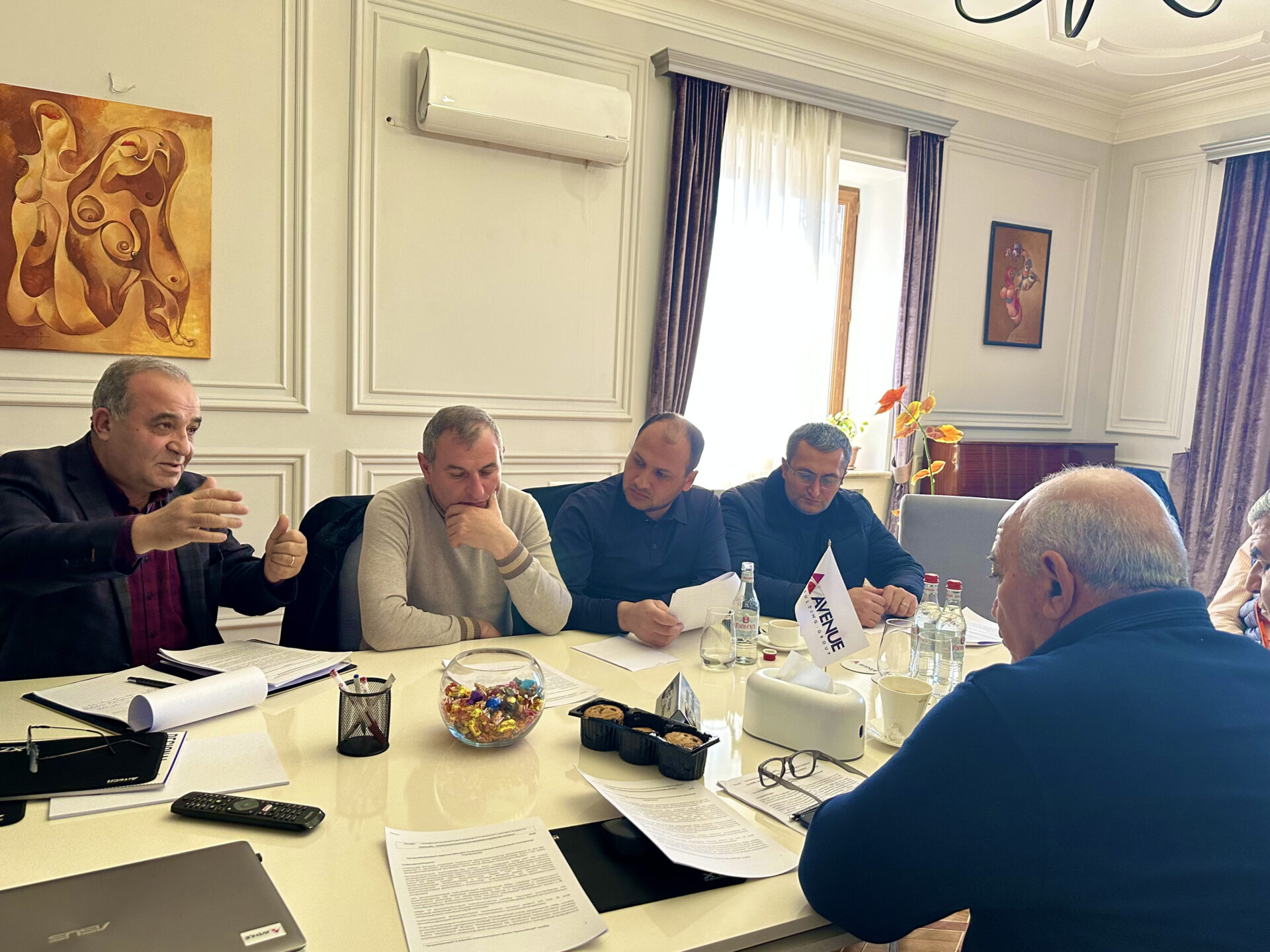
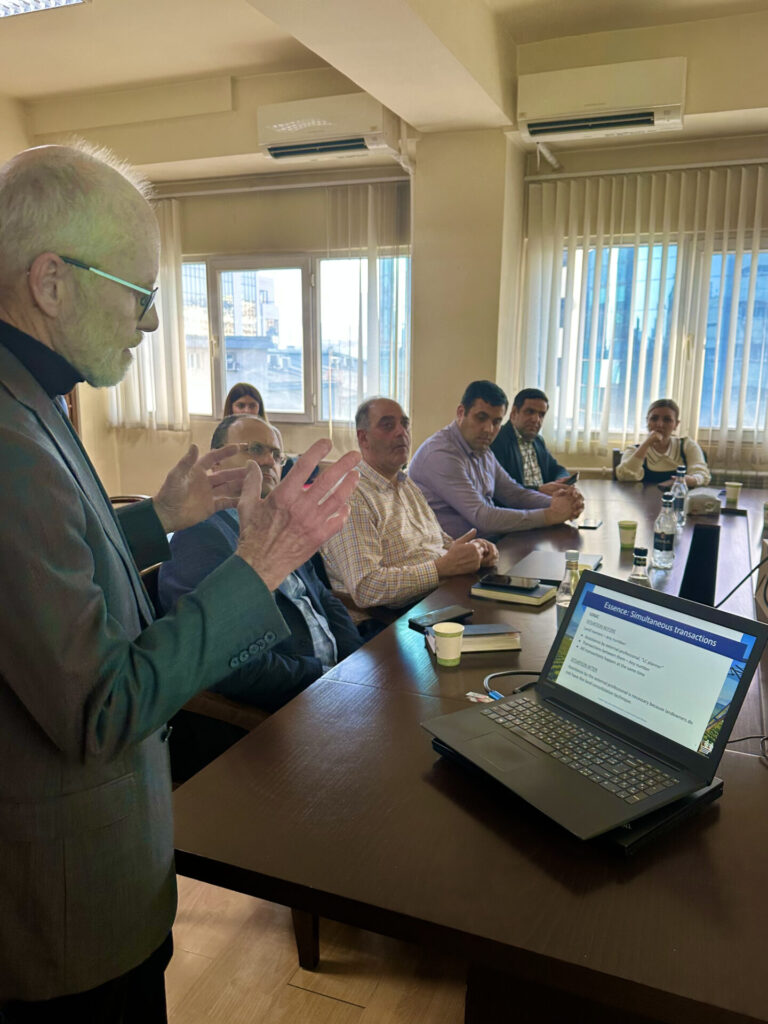
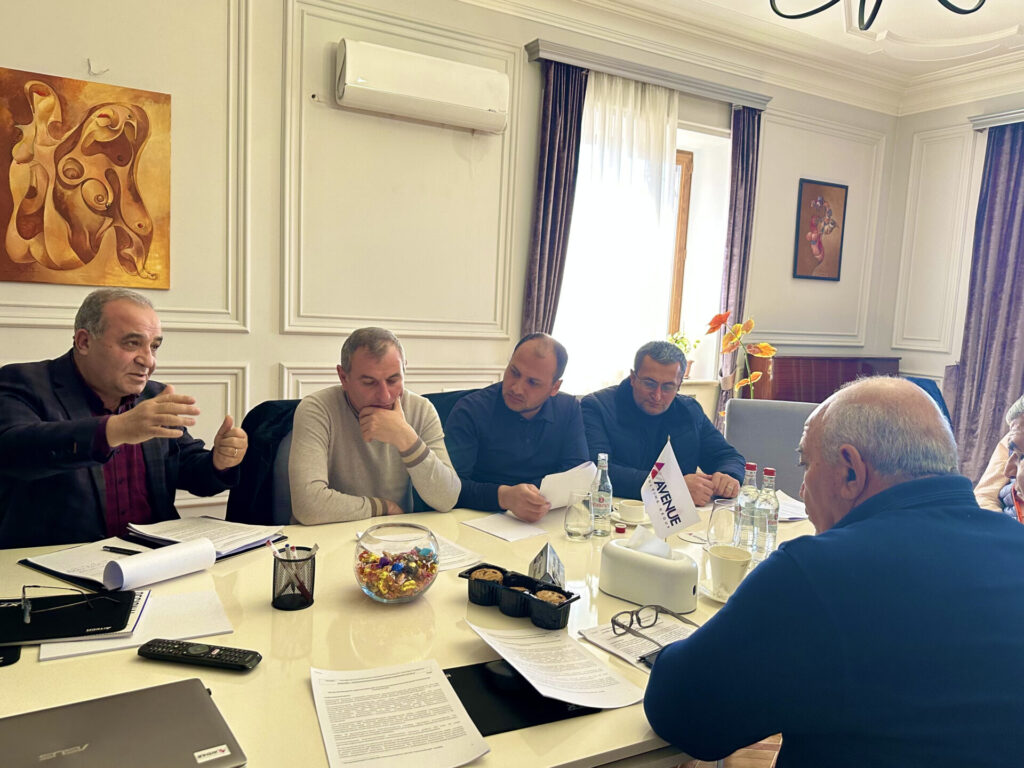
On December 18, within the framework of “Irrigated Agriculture Development in Ararat and Armavir marzes (IADAAM) project, a meeting-discussion with the representatives of local self-government bodies of Ararat and Armavir Marzes was organized.

The event aimed to introduce the representatives of local self-government bodies to the project and the planned interventions to be carried out under its framework.

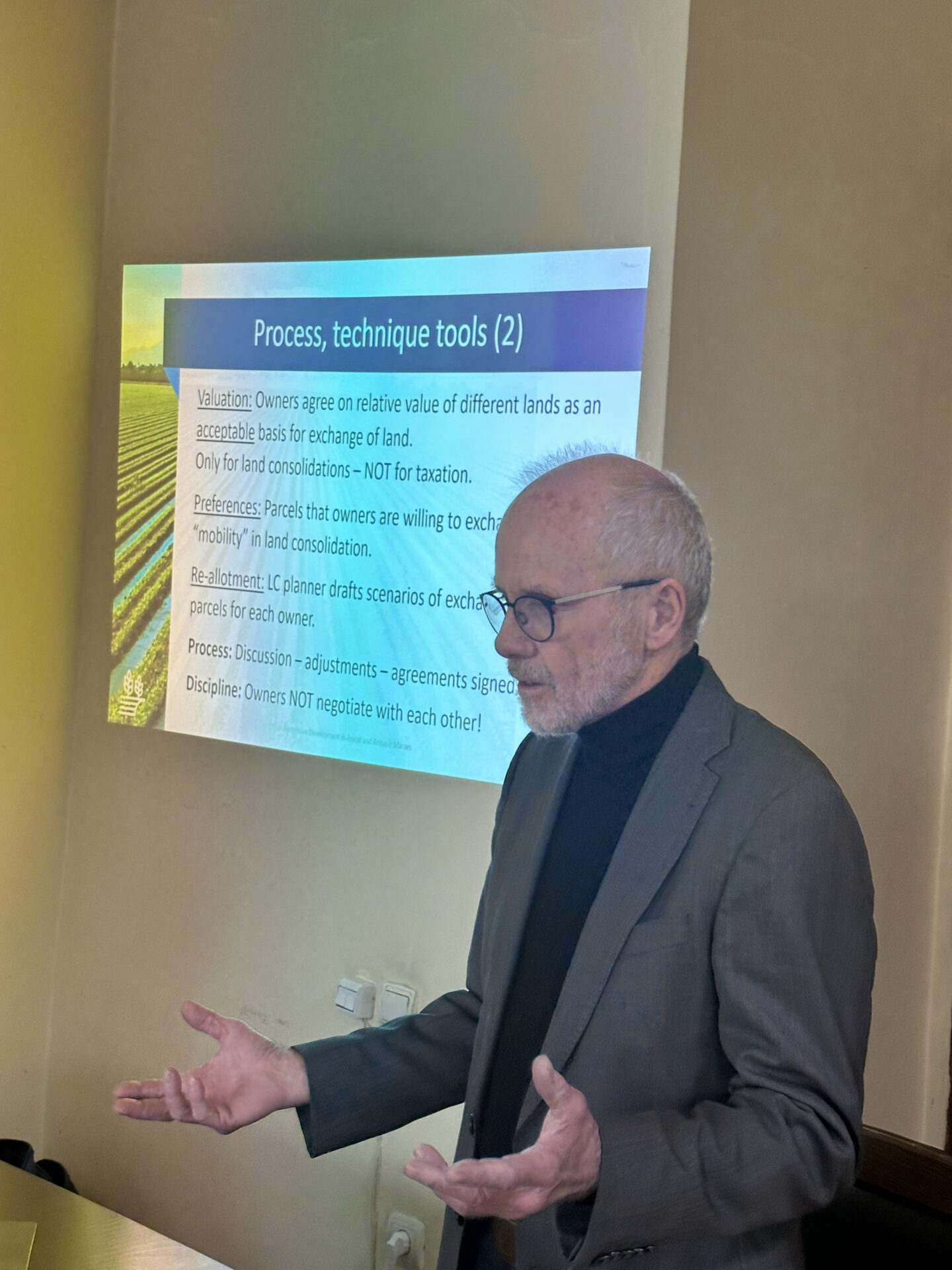
Funded by the European Union (EU) and implemented by the French Development Agency (FDA), this comprehensive project aims to transform irrigated agriculture in Armenia by introducing innovative and sustainable mechanisms to operationalize four Project Funds, promotes High-Value agriculture, establishment of marketing and processing cooperatives, and a land consolidation process.

Within the IADAAM project a technical assistance component is implemented jointly by consortium led by Agriconsulting Europe S.A and formed with participation of Avenue Consulting Group, Strategic Development Agency NGO and 3R Strategy LLC, which acts as a project operator, aiming to provide institutional support to the Ministry of Economy (MoE) in the formulation of agricultural policies and reforms in priority areas.

The event started with a welcoming speech by Lise Enezian, Project Officer for Armenia at French Development Agency, who highlighted the importance of the event in terms of establishing dialogue and strengthening cooperation with representatives of regional self-government bodies.

Ms. Enezian was followed with the welcoming speech by Stefan Rosenow, Team Leader of the “Irrigated Agriculture Development in Ararat and Armavir Marzes (IADAAM) Project, who briefly presented the main directions and objectives of the project. He also emphasized the importance of access to agricultural advice for the development of the sector, increasing productivity, and introducing innovative approaches in communities.

The event provided an opportunity to discuss the challenges of the agricultural sector in the project targeted regions, the availability of agricultural support services and their importance in the context of the economic development of the regions.

SEIRA Meetings in target communities of “The Socio-Economic Integration of Refugees in Armenia” project

During a regional visit, within the framework of the “Socio-Economic Integration of Refugees in Armenia” (SEIRA) project on December 11-12, Vahe Hovhannisyan the project manager, visited families displaced from Nagorno-Karabakh who have settled in a number of communities in the Gegharkunik region.
Vahe Hovhannisyan discussed a wide range of issues related to existing problems, the support provided, as well as capacity building and expected results with refugees and local vulnerable residents settled in the region.
The SEIRA project aims to increase the livelihoods and resilience of refugees and local vulnerable populations in Armenia, targeting the Gegharkunik, Vayots Dzor, and Syunik regions.
The “Socio-Economic Integration of Refugees in Armenia” (SEIRA) project fosters socio-economic integration by improving food security, creating sustainable livelihoods, and empowering both refugees and host communities in Armenia, promoting resilience and economic growth through agricultural and business development.

The SEIRA project is funded by the Swiss Agency for Development and Cooperation and implemented by the “Strategic Development Agency” NGO and the UN World Food Programme.