
Uncategorized

IADAAM Project’s Land Consolidation Experts Engage with Stakeholders and Farmers

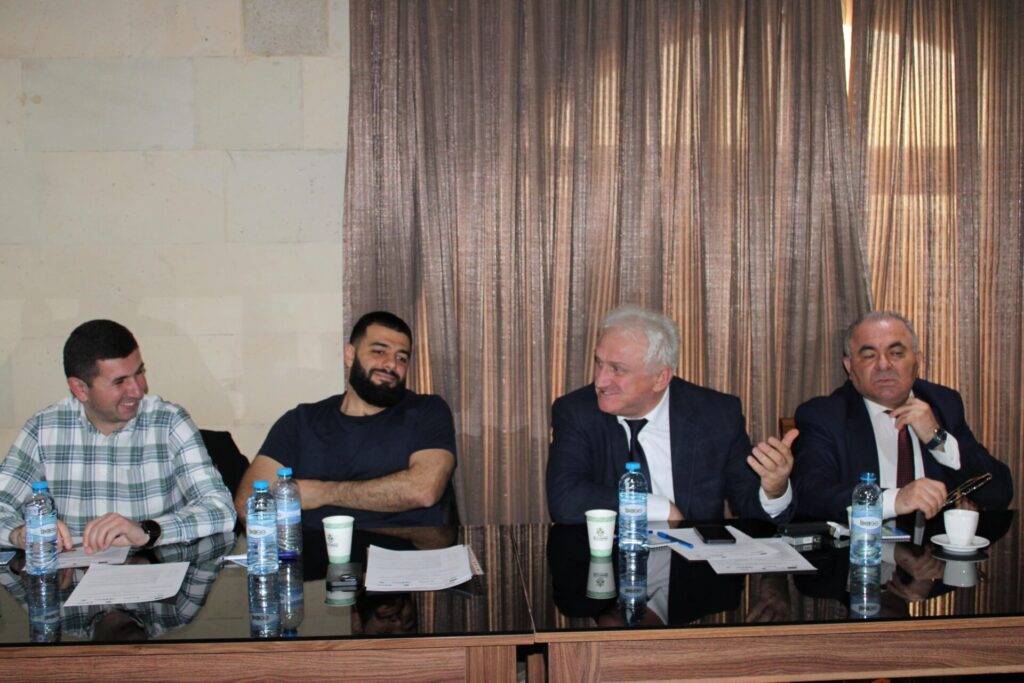
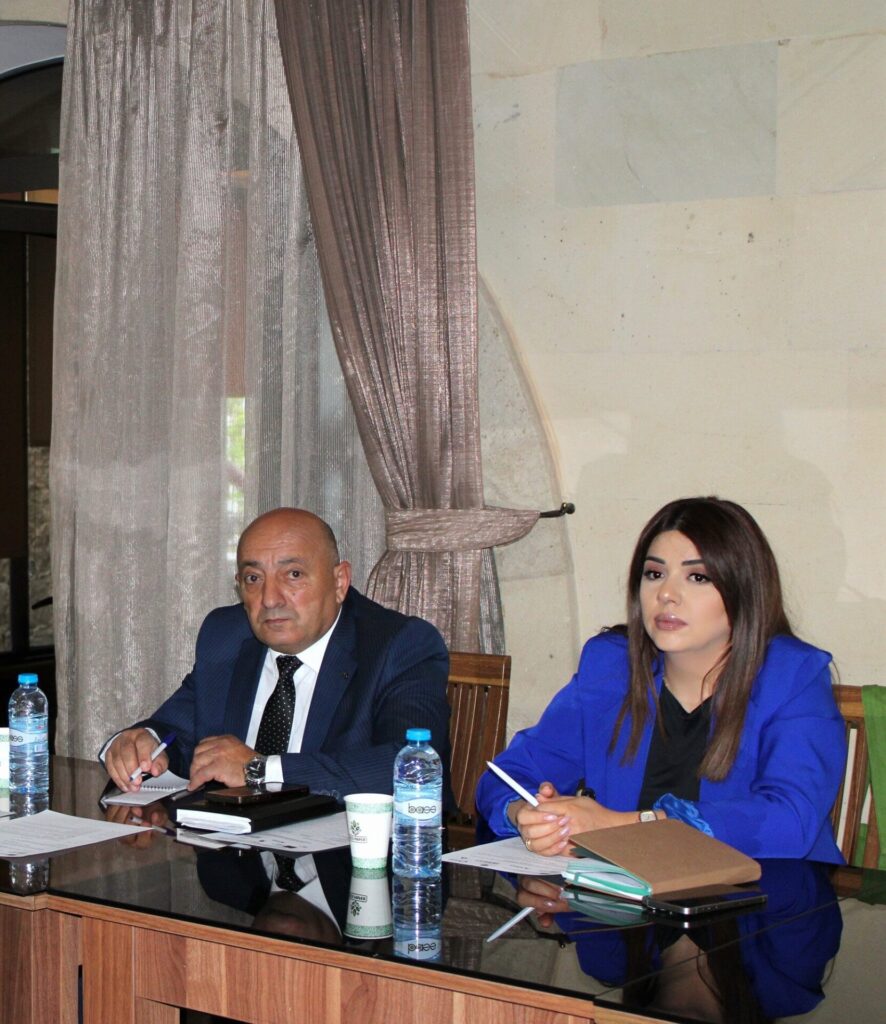
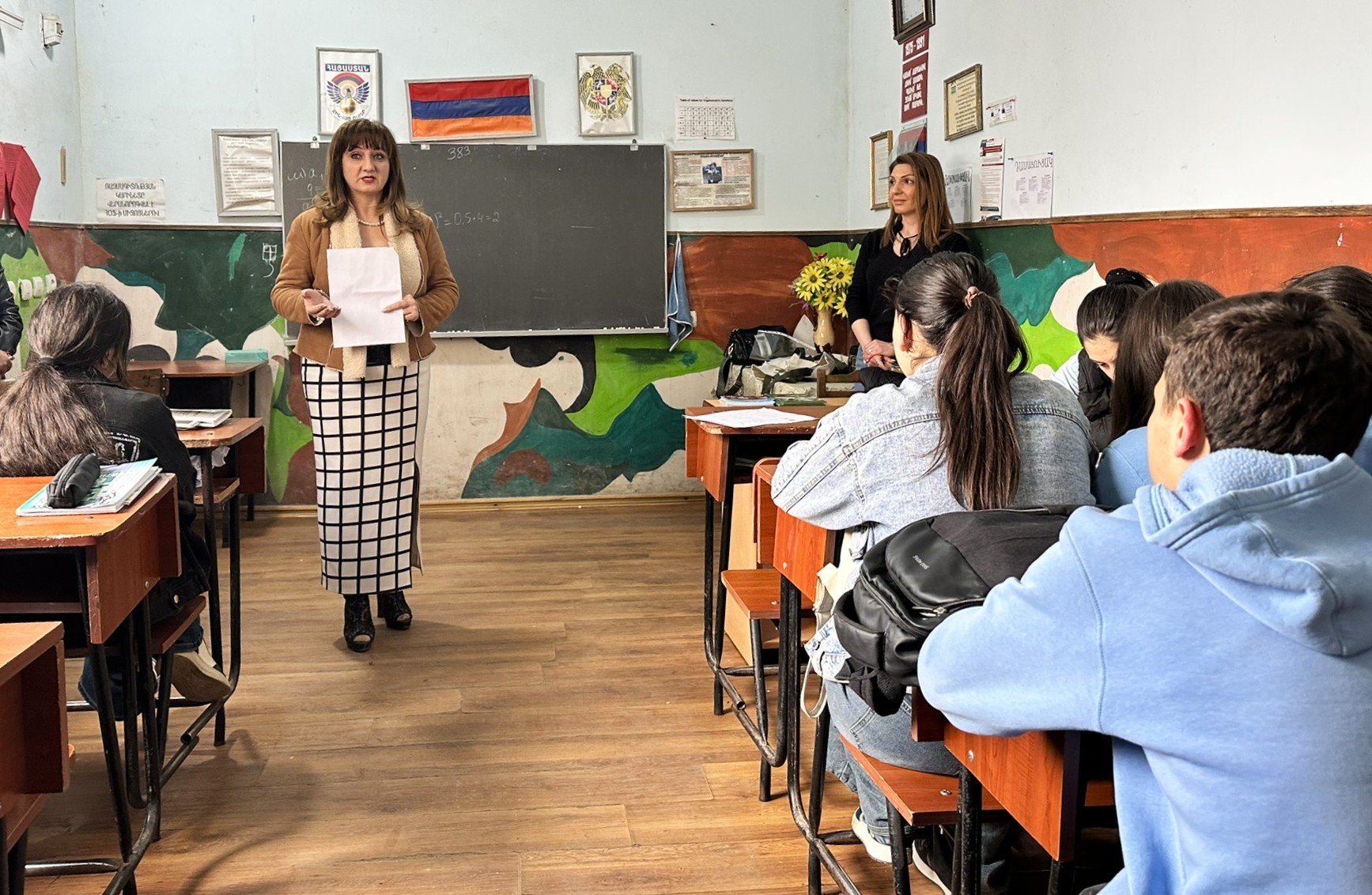
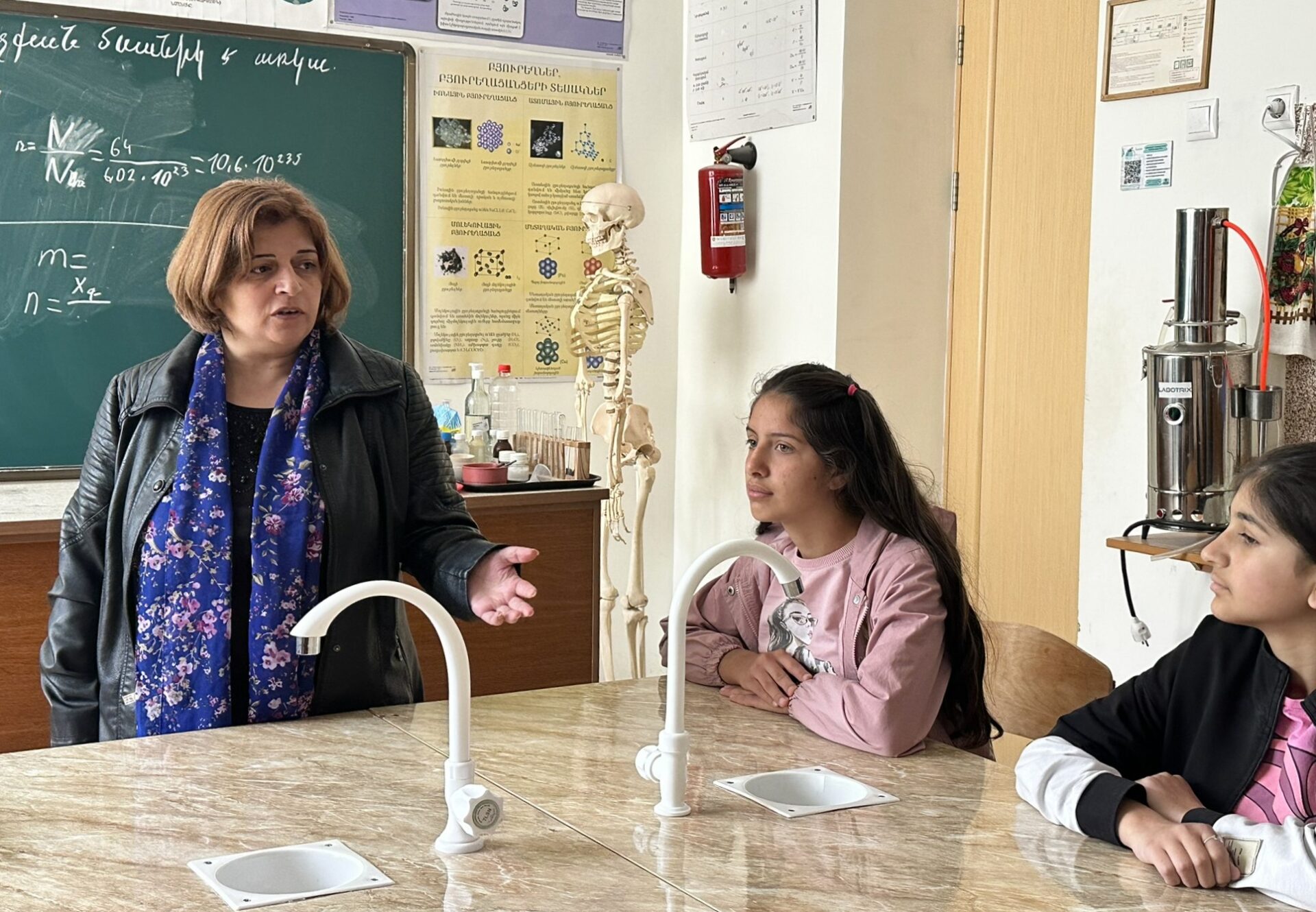
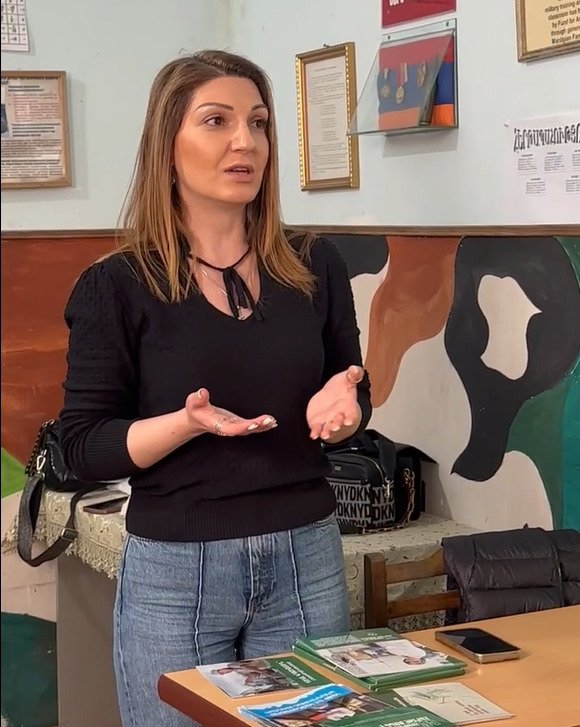
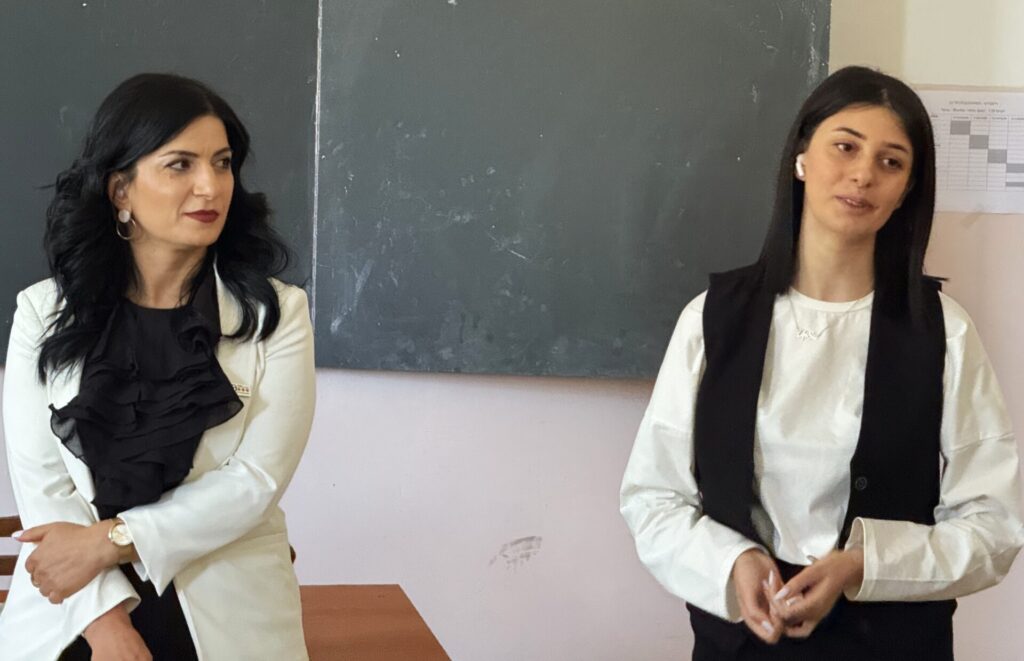
“Irrigated Agriculture Development in Ararat and Armavir marzes” (IADAAM) project continues to make significant strides in promoting sustainable land management and agricultural development. As part of the ongoing efforts under the IADAAM project, land consolidation experts recently held a series of consultations with various stakeholders and farmers to discuss innovative solutions for improving land use efficiency and fostering sustainable agricultural development.

During these meetings, experts engaged in meaningful discussions with farmers, local authorities, and agricultural organizations to address key challenges related to fragmented land ownership. The goal was to explore strategies that enhance productivity, facilitate infrastructure development, and ensure fair and transparent land consolidation processes.

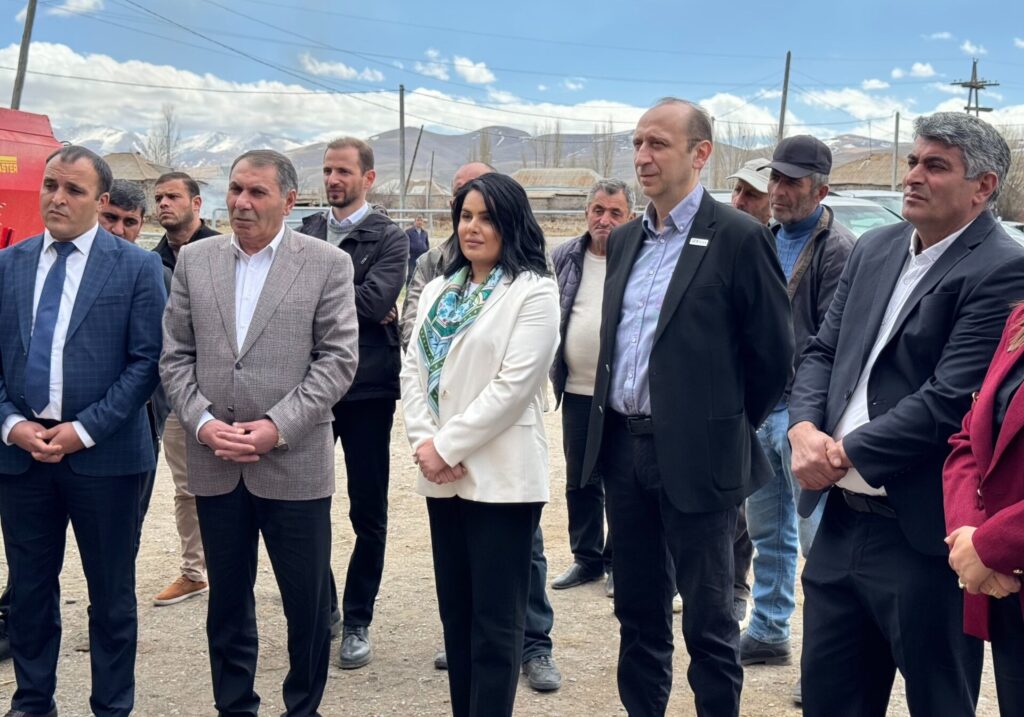
Farmers had the opportunity to share their experiences, voice concerns, and gain insights into how land consolidation can create long-term benefits, including better access to resources, enhanced irrigation systems, and increased market opportunities. Stakeholders, in turn, emphasized the importance of collaborative and transparent decision-making to ensure that consolidation efforts align with local needs and priorities.

IADAAM project remains committed to fostering sustainable land governance and strengthening rural communities through strategic land consolidation. These engagements mark an essential step toward fostering a more structured and productive agricultural landscape.

Irrigated Agriculture Development in Ararat and Armavir marzes (IADAAM) project, financed through the European Union (EU) with implementation by the French Development Agency (AFD) is an integrated initiative aimed at transforming irrigated agriculture in Armenia.

Within the IADAAM project a technical assistance component is implemented jointly by Agriconsulting Europe S.A, Avenue Consulting Group LLC, Strategic Development Agency NGO and 3R Strategy LLC consortium and aims to provide institutional support to the Ministry of Economy (MoE) in the formulation of agricultural policies and reforms in priority areas.

Presentation of State Support Programs for Agriculture within #IADAAM #NELK modules

Within the framework of “Irrigated Agriculture Development in Ararat and Armavir marzes (#IADAAM) project, the 7th module of “New Extensionist Learning Kit” series was successfully conducted.

The session featured Merine Atoyan, Head of the Division of Agricultural Extension, Agricultural Extension and Innovation Department at the Ministry of Economy of the Republic of Armenia, who presented State Support Programs for Agriculture, providing valuable insights into government initiatives and funding opportunities for the sector.

Participants gained valuable knowledge on:

✅ Financial assistance programs for farmers & agribusinesses.

✅ Subsidies, grants, and credit schemes.

✅ Policies promoting sustainable and innovative farming practices.

✅ Access to technical support and training opportunities.

Subsequently, our NELK expert, Anna Mkhitaryan, Chief Management Consultant at Avenue Consulting Group, led a discussion on the role of the extensionist as a facilitator and mediator, emphasizing the importance of effective communication and knowledge transfer in agricultural development.

Irrigated Agriculture Development in Ararat and Armavir marzes (IADAAM) project, financed through the European Union (EU) with implementation by the French Development Agency (AFD) is an integrated initiative aimed at transforming irrigated agriculture in Armenia.

Within the IADAAM project a technical assistance component is implemented jointly by Agriconsulting Europe S.A, Avenue Consulting Group LLC, Strategic Development Agency NGO and 3R Strategy LLC consortium and aims to provide institutional support to the Ministry of Economy (MoE) in the formulation of agricultural policies and reforms in priority areas.


Uncategorized

Short-Term Training Course for Displaced and Local Vulnerable People

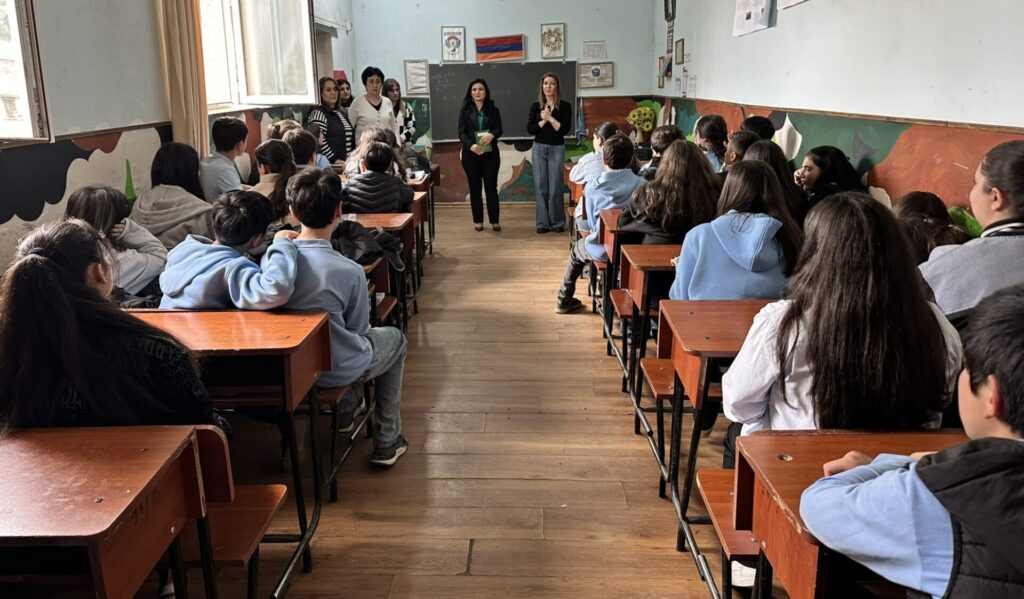
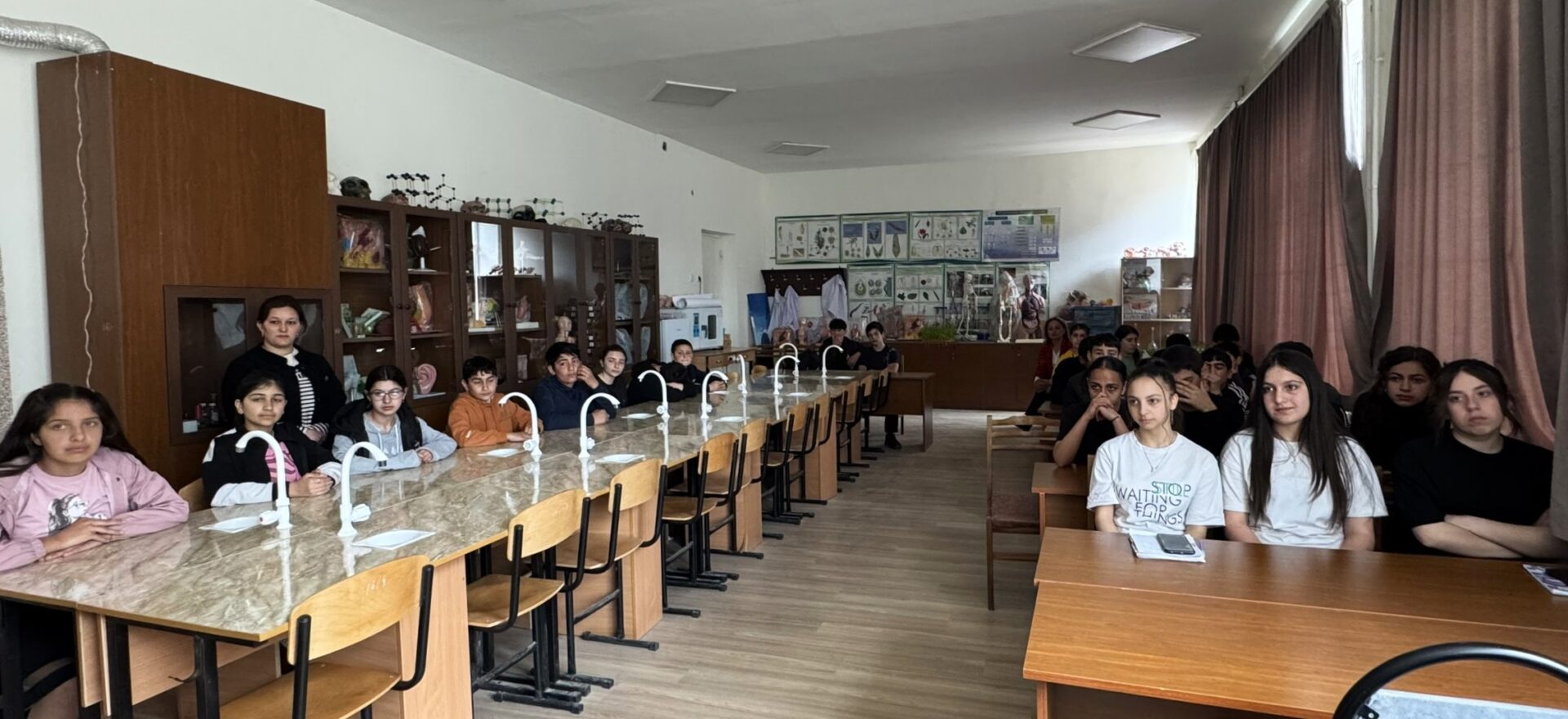
Within the framework of the “Modernizing Vocational Education and Training in Agriculture in Armenia” (MAVETA) project, a short-term training course titled “General Provisions and Effective Approaches to Livestock Breeding” was conducted in the Chambarak community of the Gegharkunik marz from March 3 to 6. This course was designed for displaced people from Artsakh (Nagorno-Karabakh) and local vulnerable groups.

The three-day program was led by Arevik Azizyan, Associate Professor at the Armenian National Agrarian University (ANAU).

Participants were introduced to various well-known cattle breeds in Armenia, learning about effective care techniques, herd management strategies, reproduction practices, and feed production. The course also emphasized the importance of artificial insemination and fundamental veterinary and sanitary measures.


The MAVETA project is funded by a broad coalition of international and local organizations led by the Swiss Agency for Development and Cooperation (SDC), including the Austrian Development Agency, the German Ministry for Economic Cooperation and Development (BMZ), the Government of Armenia, the Swiss Church Aid (HEKS/EPER) NGO, Izmirlian Foundation, the Strategic Development Agency (SDA) NGO and Vanand Agro CJSC.


The project’s implementing partners are the GIZ and HEKS/EPER with the involvement of SDA and the School of Agricultural, Forest and Food Sciences at the Bern University of Applied Sciences (HAFL).
Visit to MAVETA Partner Colleges

Within the framework of the “Modernizing Vocational Education and Training in Agriculture in Armenia” (MAVETA) project, a delegation from the Swiss Agency for Development and Cooperation (SDC) visited partner VET institutions, including the Echmiadzin State Craftsman School and the Agricultural College named after A. Kochinyan of the Armenian National Agrarian University (ANAU), on March 5 and March 7.

The delegation comprised Irina Peyer, Desk Officer for the South Caucasus at SDC, Ursula Läubli, Deputy Director of the South Caucasus Office and Deputy Ambassador of Switzerland to Armenia, Artur Pokrikyan, Senior National Program Manager, and Monique Frey, Senior VET Advisor at HEKS/EPER, and Lilit Hovhannisyan, MAVETA Project Manager.

During their visit, SDC representatives toured the colleges, familiarized themselves with the institutions’ capabilities, areas of study, and technical equipment. They engaged in discussions with college managing staff on a range of topics, including the organization of the educational process in Orchardist and veterinary professions introduced through dual education within the MAVETA projct, regulations pertaining to the VET law, college-employer cooperation, and labor market demands.

The MAVETA project is funded by a broad coalition of international and local organizations led by the Swiss Agency for Development and Cooperation (SDC), including the Austrian Development Agency, the German Ministry for Economic Cooperation and Development (BMZ), the Government of Armenia, the Swiss Church Aid (HEKS/EPER) NGO, Izmirlian Foundation, the Strategic Development Agency (SDA) NGO and Vanand Agro CJSC.

The project’s implementing partners are the GIZ and HEKS/EPER with the involvement of SDA and the School of Agricultural, Forest and Food Sciences at the Bern University of Applied Sciences (HAFL).

Uncategorized

IADAAM Selection of Value Chains in Ararat & Armavir

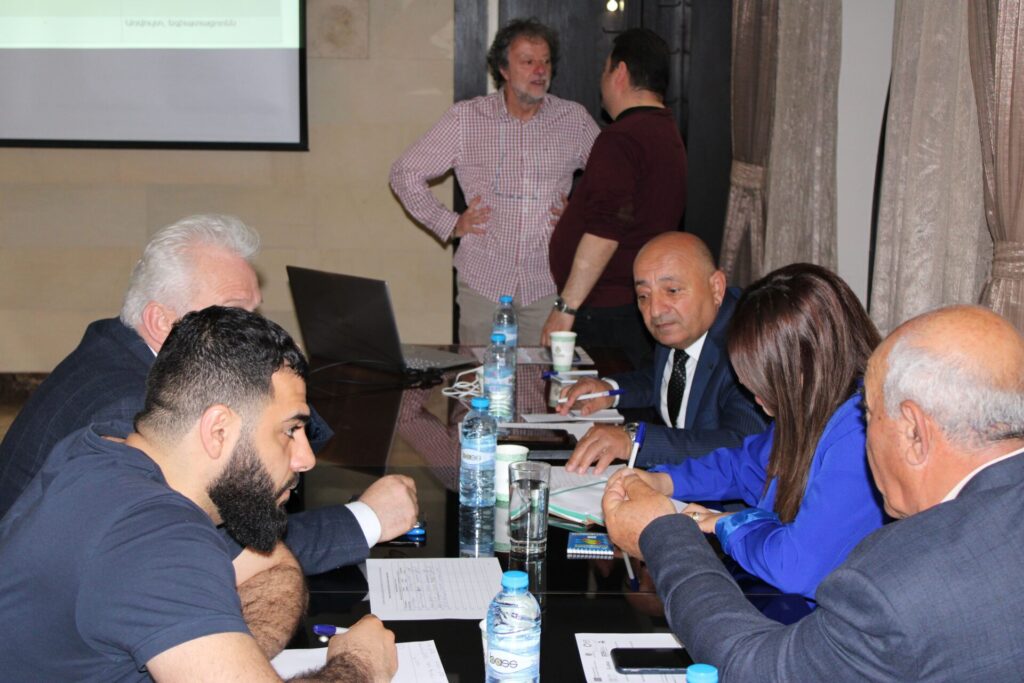
“Irrigated Agriculture Development in Ararat and Armavir marzes” (IADAAM) Project’s value chain international expert Dario Caccamisi, along with national experts Tigran Hakhnazaryan and Lilit Petrosyan, have completed market survey, identified key focus areas for value chain selection and presented the list of value chains for Ararat and Armavir marzes (see the infographics). While conducting their survey, they held a number of meetings with IADAAM AEST coordinators, experts and local farmers in Ararat and Armavir marzes.
IADAAM Project highlights:

✔️ High-Growth Sectors – Identifying crops with strong market demand.

✔️ Export Diversification  – Reducing dependency on single markets.

✔️ Value-Added Processing – Boosting efficiency & product quality.

✔️ Sustainable Practices – Enhancing climate resilience & productivity.

By selecting the most viable and profitable value chains, IADAAM is paving the way for economic growth and a more competitive agricultural sector in Ararat & Armavir. IADAAM aims to create long-term, sustainable development pathways, ensuring resilience and prosperity for farmers and agribusinesses in the marzes.

Irrigated Agriculture Development in Ararat and Armavir marzes (IADAAM) project, financed through the European Union (EU) with implementation by the French Development Agency (AFD) is an integrated initiative aimed at transforming irrigated agriculture in Armenia.

Within the IADAAM project a technical assistance component is implemented jointly by Agriconsulting Europe S.A, Avenue Consulting Group LLC, Strategic Development Agency NGO and 3R Strategy LLC consortium and aims to provide institutional support to the Ministry of Economy (MoE) in the formulation of agricultural policies and reforms in priority areas.