
MAVETA Project Partners Conduct Study Visit to Switzerland

Within the framework of the Modernizing Vocational Education and Training in Agriculture in Armenia (MAVETA) project, a study visit to Switzerland was organized on 16-22 March for private sector representatives. The initiative was led by the School of Agricultural, Forestry, and Food Sciences at the Bern University of Applied Sciences (HAFL).

The week-long visit aimed to provide participants with a comprehensive understanding of dual vocational education and training (VET) while enhancing their skills as instructors in training processes and qualification assessments.

Armenian farmers, agricultural mechanization specialists, and veterinarians, accompanied by HAFL researchers Johannes Brunner and Sven Nagel, had the opportunity to observe apprentices at work on farms and in agricultural companies. They also explored teaching methodologies, training materials, and best practices for instructing apprentices. Additionally, the visit facilitated experience-sharing with Swiss experts across various professional fields, helping participants draw valuable insights for implementing dual VET in Armenian companies and colleges.

The MAVETA project is funded by a broad coalition of international and local organizations led by the Swiss Agency for Development and Cooperation (SDC), including the Austrian Development Agency, the German Ministry for Economic Cooperation and Development (BMZ), the Government of Armenia, the Swiss Church Aid (HEKS/EPER) NGO, Izmirlian Foundation, the Strategic Development Agency (SDA) NGO and Vanand Agro CJSC.

The project’s implementing partners are the GIZ and HEKS/EPER with the involvement of SDA and the School of Agricultural, Forest and Food Sciences at the Bern University of Applied Sciences (HAFL).

Uncategorized

11th Workshop of the Coordination Platform for Sustainable Management of RA Natural Fodder Areas Held in Yerevan

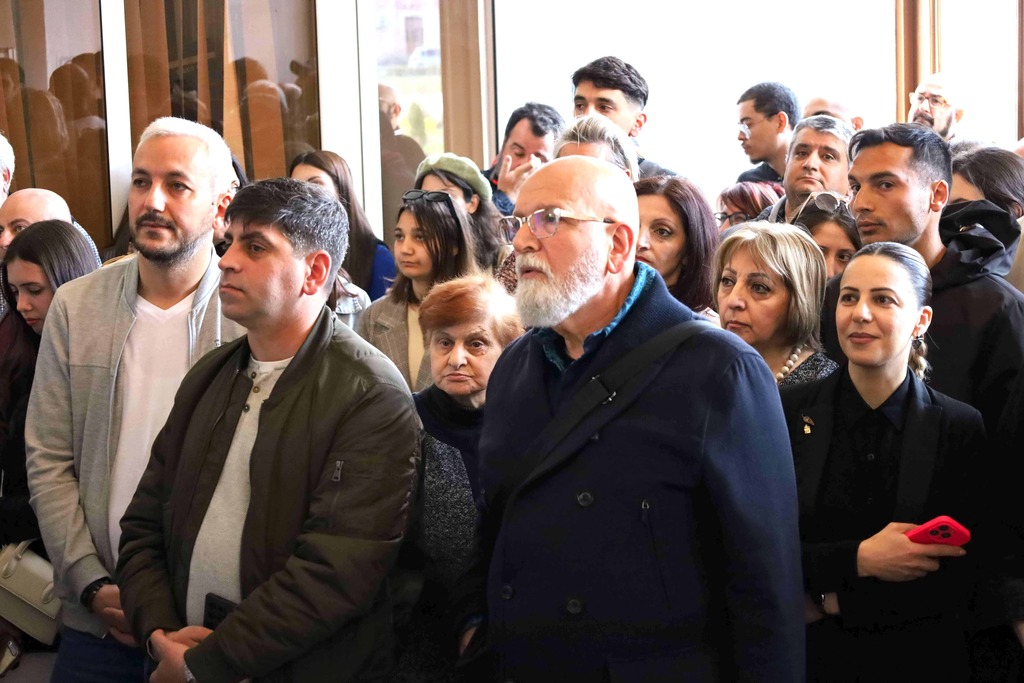
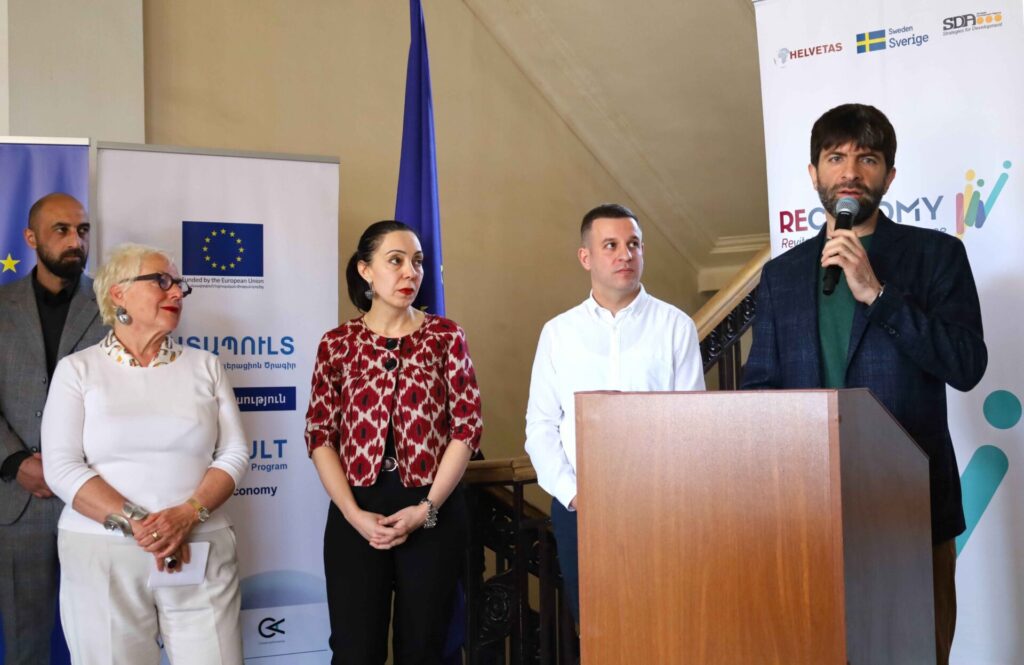
On March 25, the 11th Workshop of the Coordination Platform for Sustainable Management of RA Natural Fodder Areas was held in Yerevan, initiated by the Strategic Development Agency (SDA) NGO. The event brought together Deputy Minister of Economy of Armenia Tatevik Sargsyan, representatives from the Ministry of Territorial Administration and Infrastructure, the Ministry of Environment, regional administrations of Shirak, Syunik, and Gegharkunik, as well as representatives of local and international NGOs.

In his opening remarks, Mkrtich Ayvazyan, Chairman of SDA NGO, emphasized the platform’s role as a vital link among organizations working in sustainable pasture management. He highlighted its importance in identifying sectoral challenges and fostering discussions on solutions.

Deputy Minister of Economy Tatevik Sargsyan underscored that Armenia’s pastures and grasslands span over one million hectares. She reaffirmed the government’s and the Ministry of Economy’s commitment to supporting initiatives in this field. Additionally, she emphasized the importance of studying global best practices in natural pasture management and incorporating the most effective approaches into Armenia’s legislative and regulatory framework.

Vahe Hovhannisyan, head of the “Livestock Development in Armenia: South-North 2” project, presented the SDA NGO’s achievements and ongoing initiatives in livestock development, pasture sustainability, and improvement efforts. Key results include:

  • Implementation of effective pasture management practices in 189 rural communities
  • Construction of 221 water tanks and 70 feeding stations for livestock farms
  • Restoration of 216.5 hectares of overgrazed (degraded) pastures
  • Diversification of fodder crop cultivation, including alfalfa, corn, and fodder beet

The workshop also featured discussions on projects led by other Platform member organizations focused on sustainable pasture management and improvement.

At the conclusion of the meeting, the World Wide Fund for Nature Armenia (WWF Armenia) officially joined the Platform, signing a memorandum of membership.

Since its establishment in 2018, the Coordination Platform for Sustainable Management of RA Natural Fodder Areas has grown to include over 20 organizations, comprising local and international NGOs, government agencies, and development programs.

IADAAM Fostering Agricultural Extension Service Through Local Collaboration: Meeting at Vedi Community

“Irrigated Agriculture Development in Ararat and Armavir marzes” (IADAAM) Project Agricultural Extension Service (AEST) expert Paruyr Asatryan met with the Head of Vedi Community, Garik Sargsyan, to discuss the strategic concept aimed at establishing a sustainable agricultural extension system in Ararat and Armavir marzes.

This dialogue plays a crucial role in engaging local authorities to ensure the effective implementation of agricultural extension services at the community level. Strengthening collaboration with local stakeholders is essential for improving knowledge transfer, enhancing farmer support services, and reinforcing the agricultural value chain in the region.

Irrigated Agriculture Development in Ararat and Armavir marzes (IADAAM) project, financed through the European Union (EU) with implementation by the French Development Agency (AFD) is an integrated initiative aimed at transforming irrigated agriculture in Armenia.

Within the IADAAM project a technical assistance component is implemented jointly by Agriconsulting Europe S.A, Avenue Consulting Group LLC, Strategic Development Agency NGO and 3R Strategy LLC consortium and aims to provide institutional support to the Ministry of Economy (MoE) in the formulation of agricultural policies and reforms in priority areas.


Uncategorized

Training on Customer Service for LILA Project Beneficiaries

Within the framework of the Living Landscapes for Market Development in Armenia (LILA) project, a training on Customer Service was held in Yerevan on March 19 for representatives of beneficiary hotels and guesthouses.

The training was led by Mkrtich Grigoryan, General Manager of Ani Grand Hotel, who introduced participants to essential hospitality service standards, systematic approaches to service provision and management, reception operations control mechanisms, and the principles of hospitality ethics. He also emphasized the importance of maintaining proper sanitary and hygiene conditions.

Participants actively engaged in discussions, raising questions about food and beverage department oversight, handling challenging situations, and effectively selling their services and products.


In the afternoon, attendees toured Ani Grand Hotel, gaining firsthand insight into its departments, management structure, and best practices for maintaining high service quality and hygiene standards.


The Living Landscapes for Market Development in Armenia LILA is a conservation and sustainable tourism development project, which is implemented by the World Wide Fund for Nature Armenian office (WWF Armenia) and the Strategic Development Agency NGO (SDA). The project is funded by the Swiss Agency for Development and Cooperation (SDC).

Training on Wild Harvest for LILA Project Partners

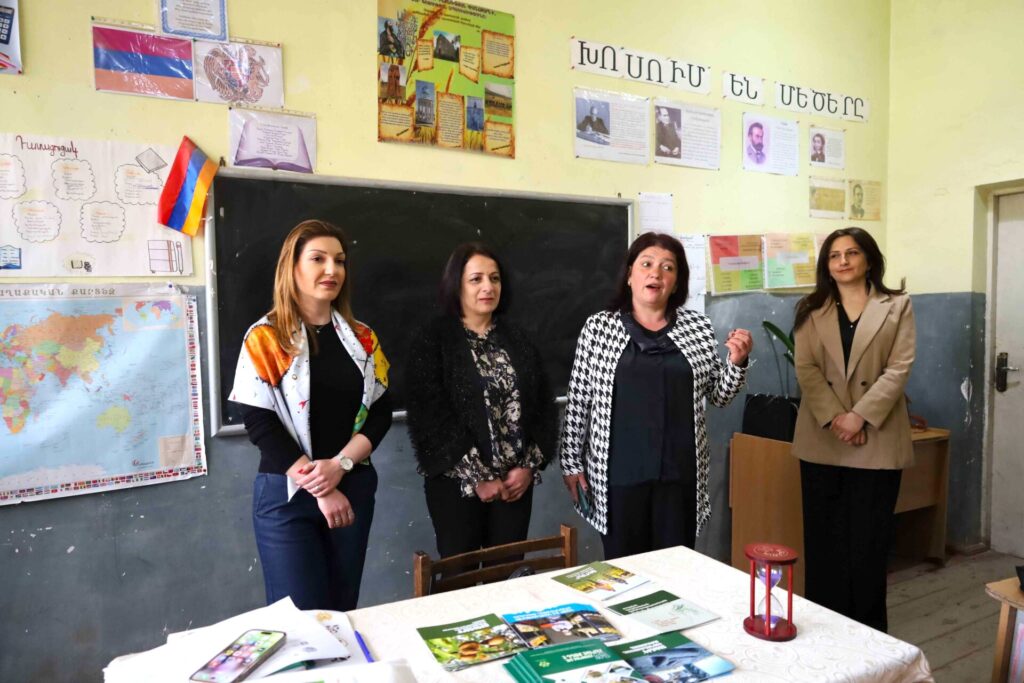
Within the Living Landscapes for Market Development in Armenia (LILA) project, a training session on Cultivation, Processing, Harvesting, and Market Development of High-Value Herbs and Wild Medicinal Plants was held on March 18 in Dzoraghbyur. The event brought together representatives of partner companies involved in wild harvesting and the processing of medicinal plants.

The training was led by Nune Sarukhanyan, Head of the Green Learning Center NGO.

Through a combination of theoretical and practical exercises, participants gained insights into the proper use of herbs, wild plant collection techniques, processing technologies, post-harvest organization, storage, packaging, and strategies for market development and advertising.

The Living Landscapes for Market Development in Armenia LILA is a conservation and sustainable tourism development project, which is implemented by the World Wide Fund for Nature Armenian office (WWF Armenia) and the Strategic Development Agency NGO (SDA). The project is funded by the Swiss Agency for Development and Cooperation (SDC).