Uncategorized

SEIRA “CV Writing and Effective Business Partnership” Training Held in Chambarak

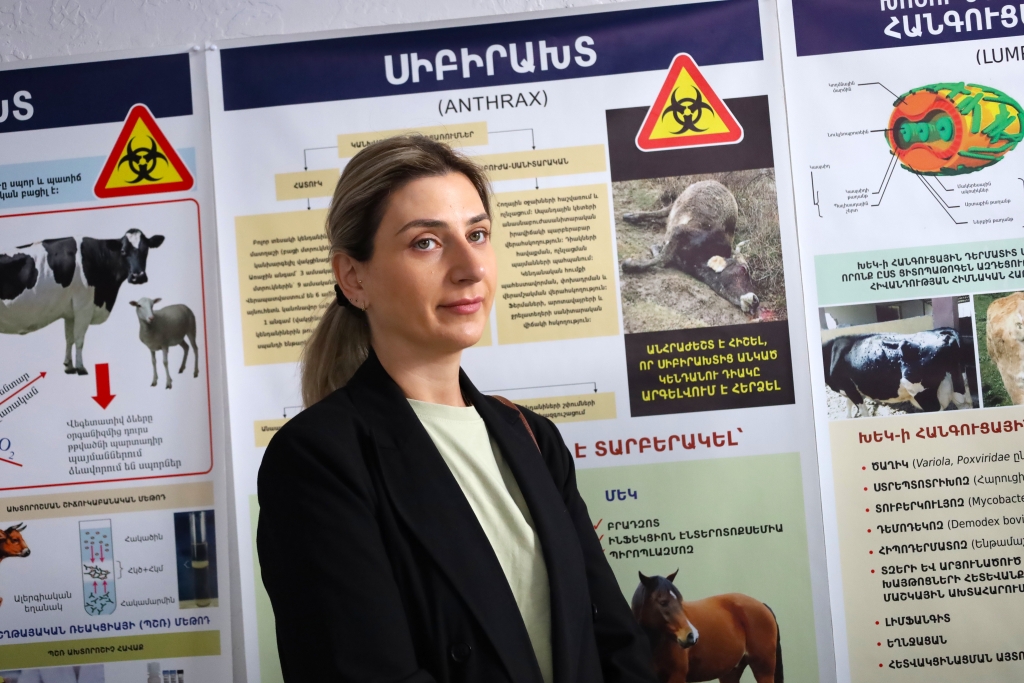
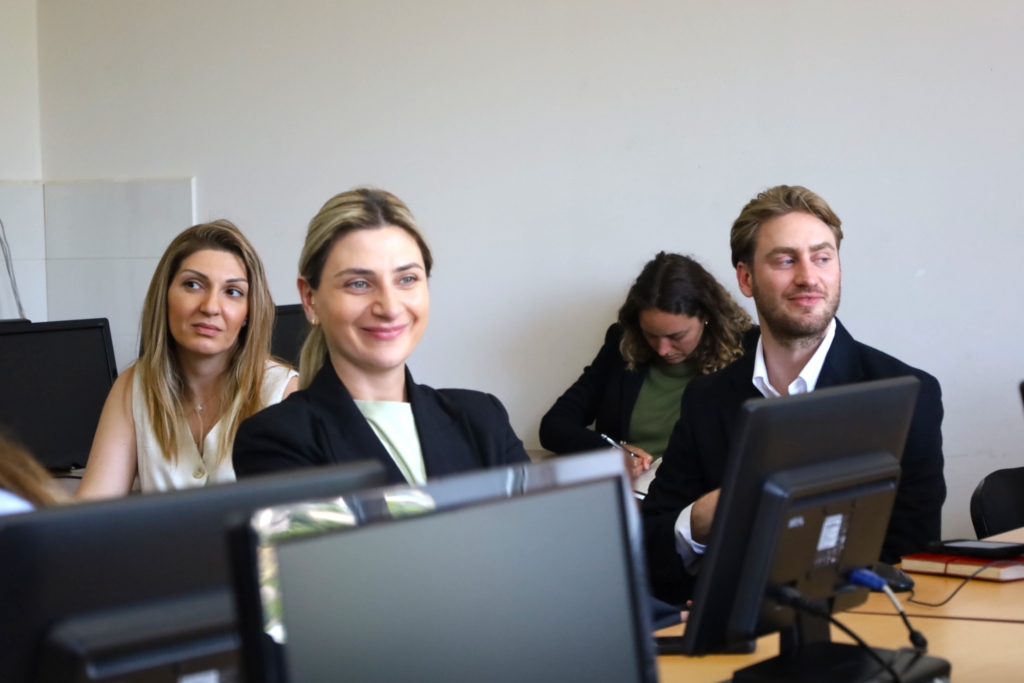
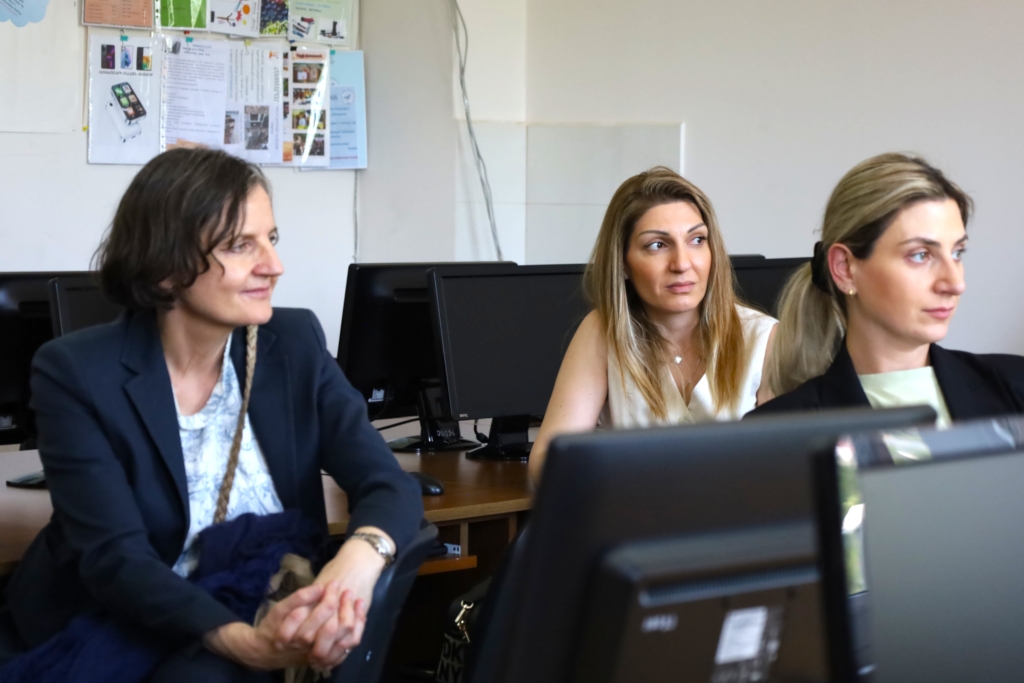
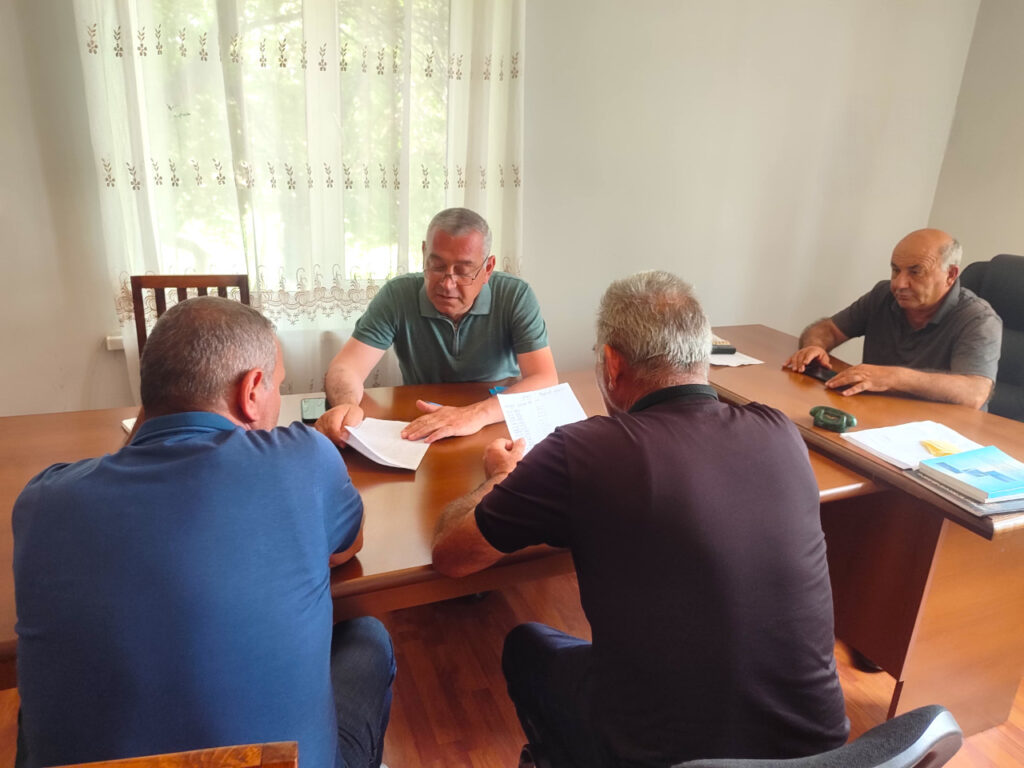
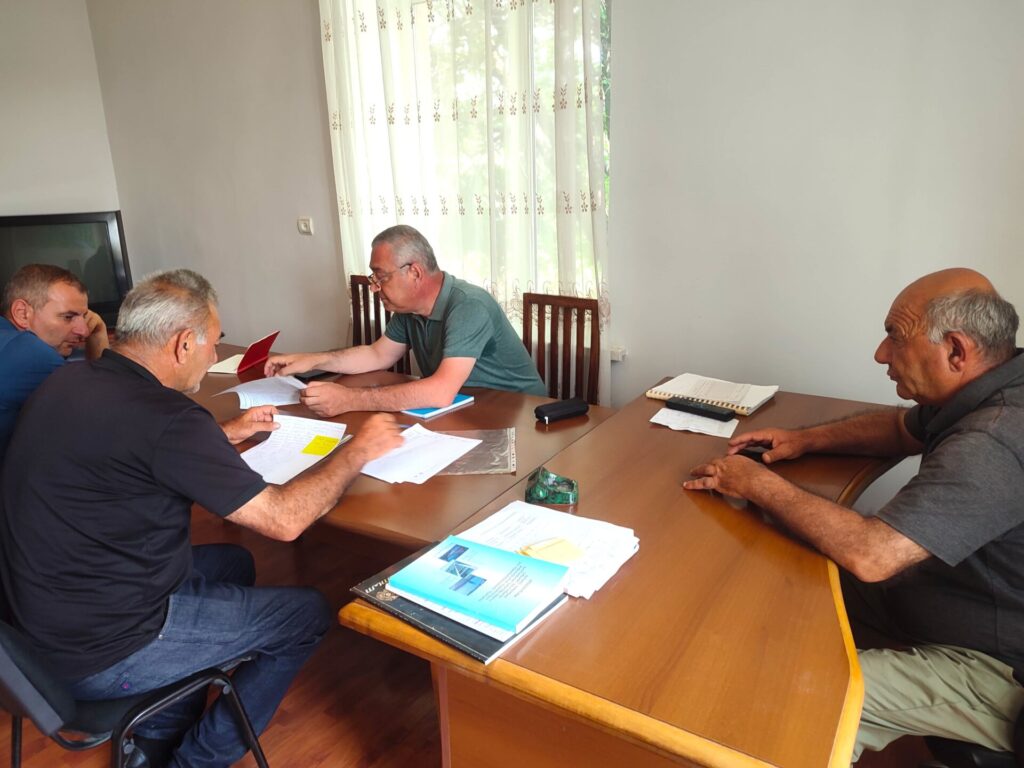
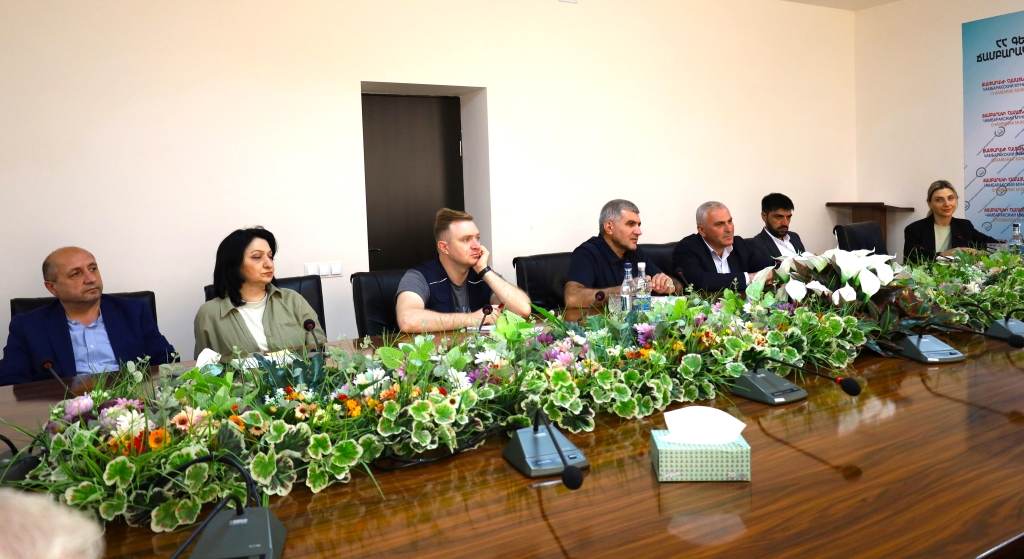
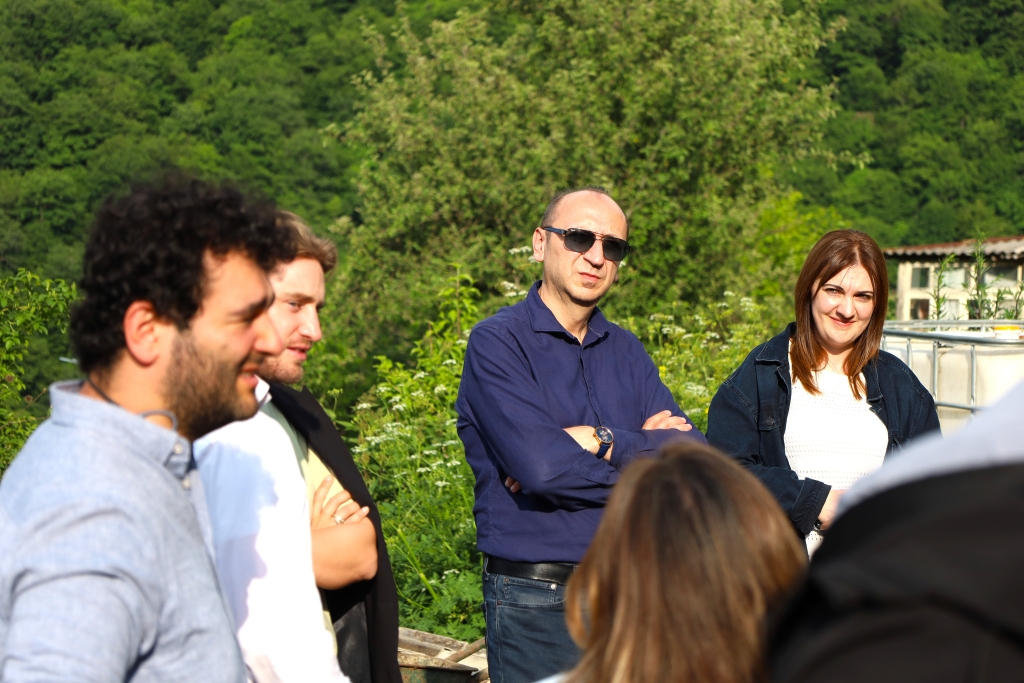
On May 2, within the framework of the “Socio-Economic Integration of Refugees in Armenia” (SEIRA) project, a short-term awareness training on “CV Writing and Effective Business Partnership” took place in the Chambarak community of the Gegharkunik marz.

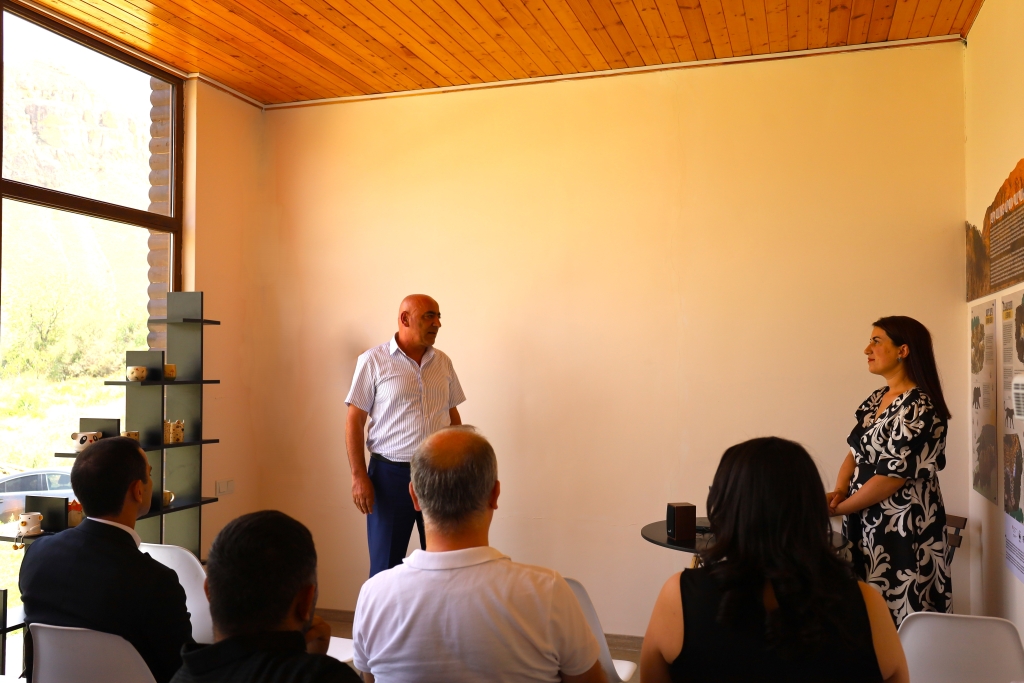
The training brought together forcibly displaced persons from Nagorno-Karabakh, along with representatives of local vulnerable groups who are either entering the labor market for the first time or actively seeking employment.

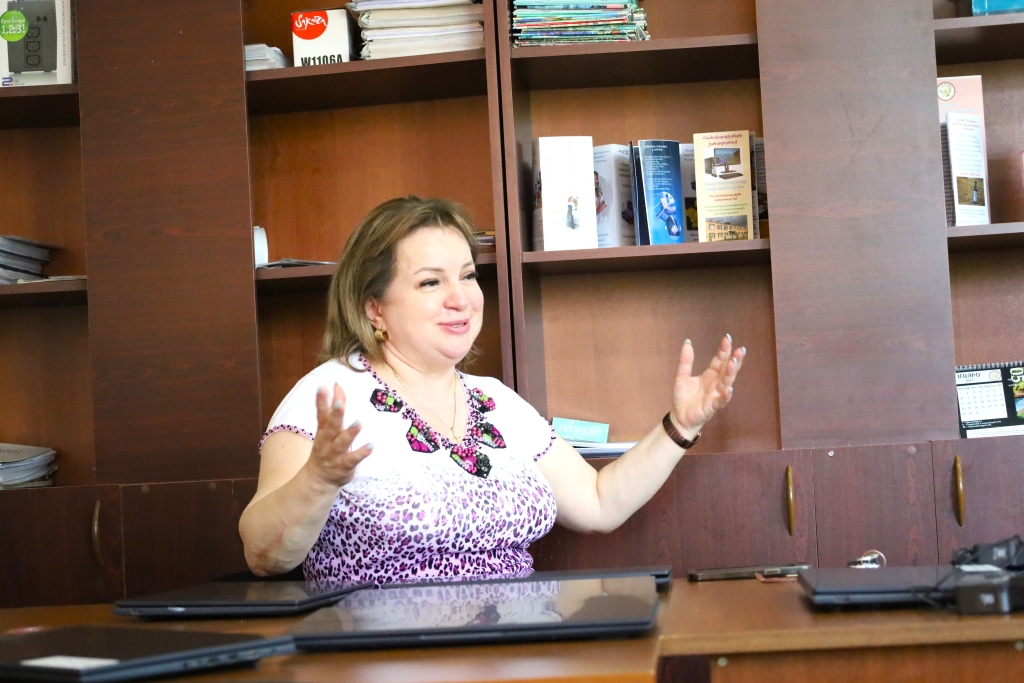
Trainer Shahane Beglaryan guided participants through the essentials of CV writing and shared practical tips on building effective business partnerships, aiming to strengthen their employability and professional engagement skills.

The “Socio-Economic Integration of Refugees in Armenia” (SEIRA) project fosters socio-economic integration by improving food security, creating sustainable livelihoods, and empowering both refugees and host communities in Armenia, promoting resilience and economic growth through agricultural and business development.

The SEIRA project is funded by the Swiss Agency for Development and Cooperation and implemented by the “Strategic Development Agency” NGO and the UN World Food Programme.

MAVETA: Experience Exchange with Innovative Groups

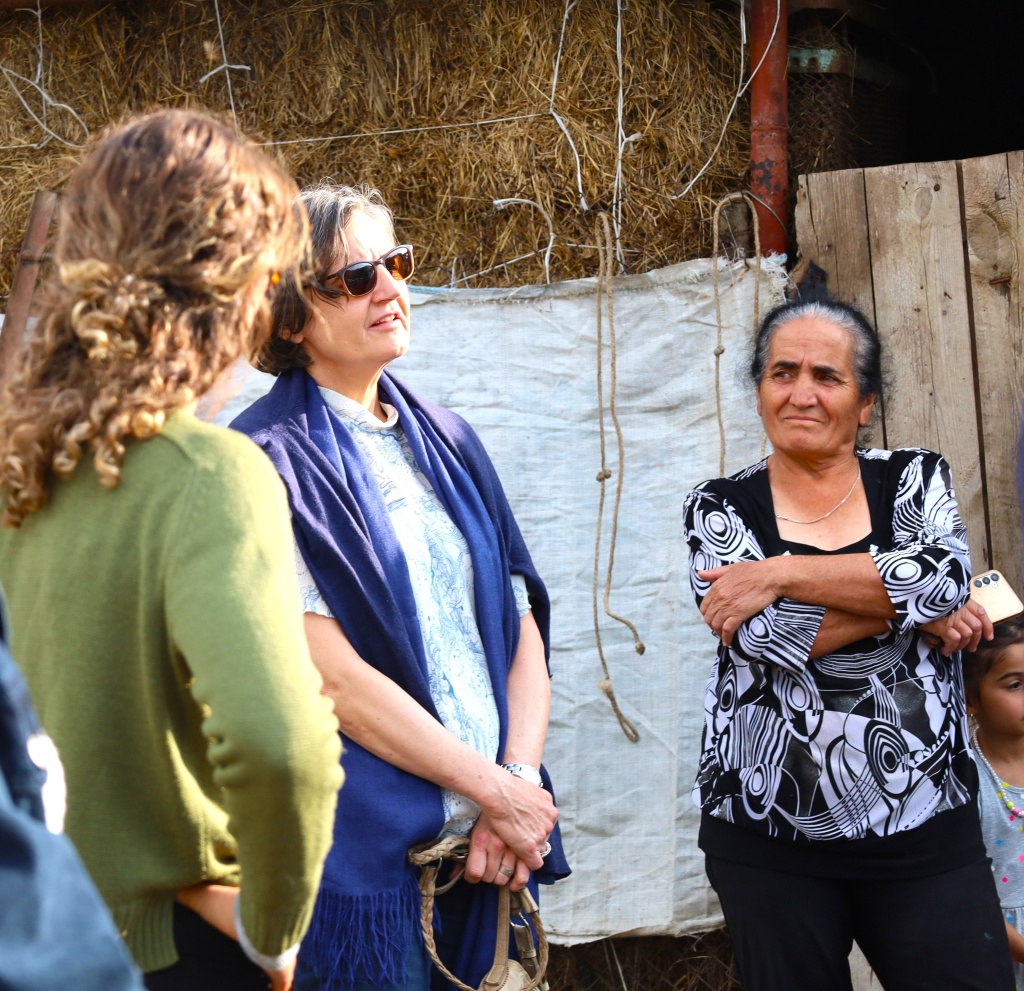
Within the framework of the “Modernizing Vocational Education and Training in Agriculture in Armenia” (MAVETA) project, an experience exchange with innovative groups was conducted in the Lori and Syunik marzes from April 24 to 30, aimed at establishing trial fields of clover grass mixtures.

The activities with the innovative groups were coordinated by Professor Johannes Brunner from the School of Agricultural, Forestry and Food Sciences at the Bern University of Applied Sciences (HAFL), a key partner of the project.

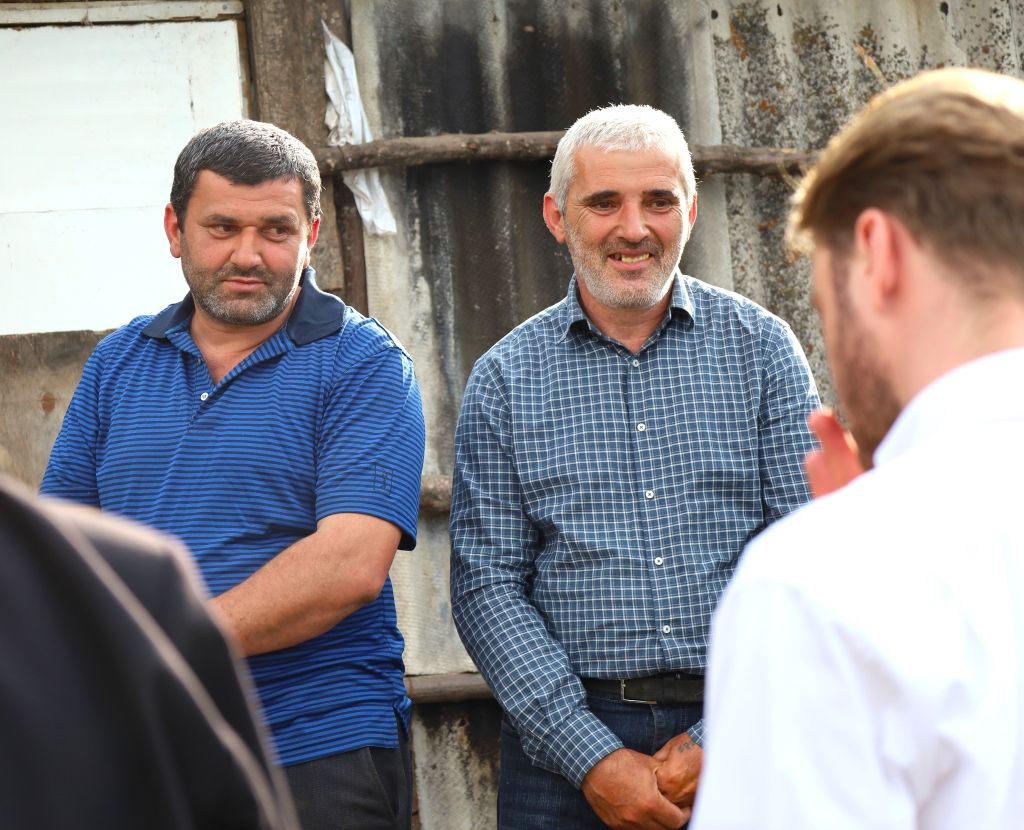
During the visits, the objectives of establishing trial fields of clover grass mixtures and advantages were presented to instructors, apprentices, and employers from partner vocational education and training (VET) institutions in the project’s target marzes. Demonstrations of soil preparation techniques were conducted, planting instructions were provided, and advisory meetings were held with instructors and apprentices specializing in “Agricultural Mechanization” profession in Goris.

The MAVETA project is funded by a broad coalition of international and local organizations led by the Swiss Agency for Development and Cooperation (SDC), including the Austrian Development Agency, the German Ministry for Economic Cooperation and Development (BMZ), the Government of Armenia, the HEKS/EPER NGO, Izmirlian Foundation, the Strategic Development Agency (SDA) NGO and Vanand Agro CJSC.

The project’s implementing partners are the GIZ and HEKS/EPER with the involvement of SDA and the School of Agricultural, Forest and Food Sciences at the Bern University of Applied Sciences (HAFL).

RECONOMY x LILA Moldovan Tour Operators’ Fam Tour to Armenia Concludes Successfully

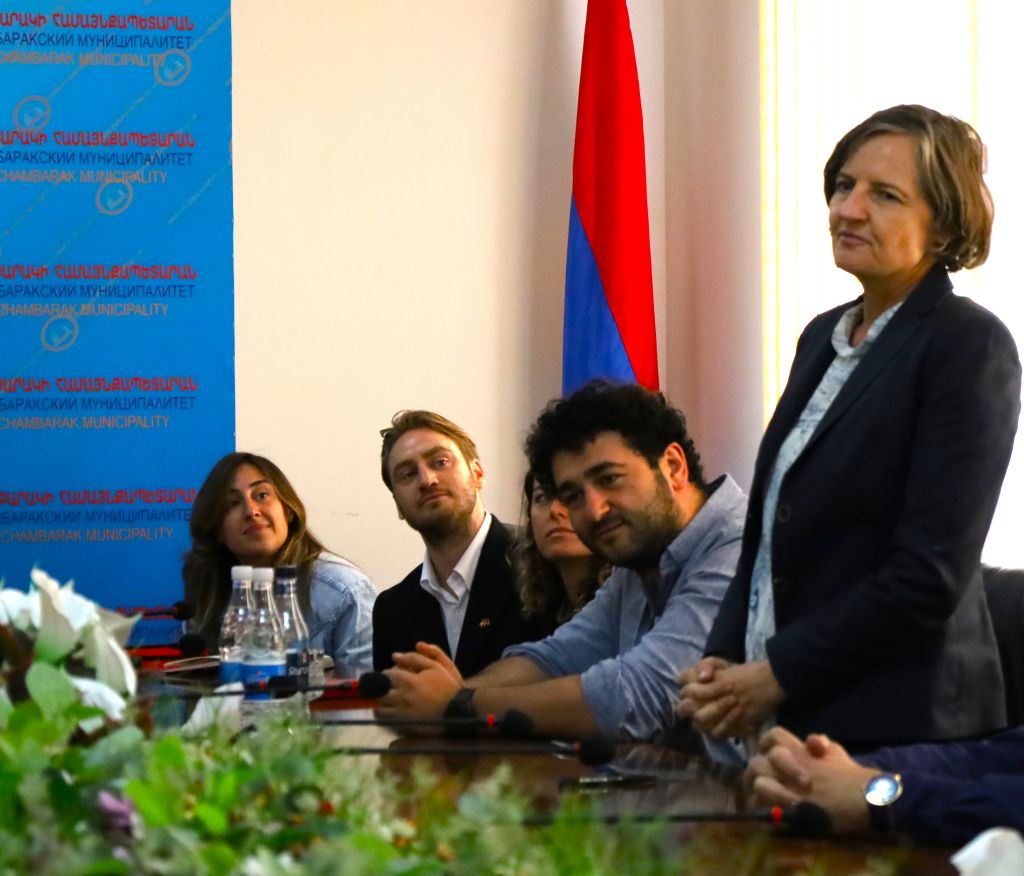
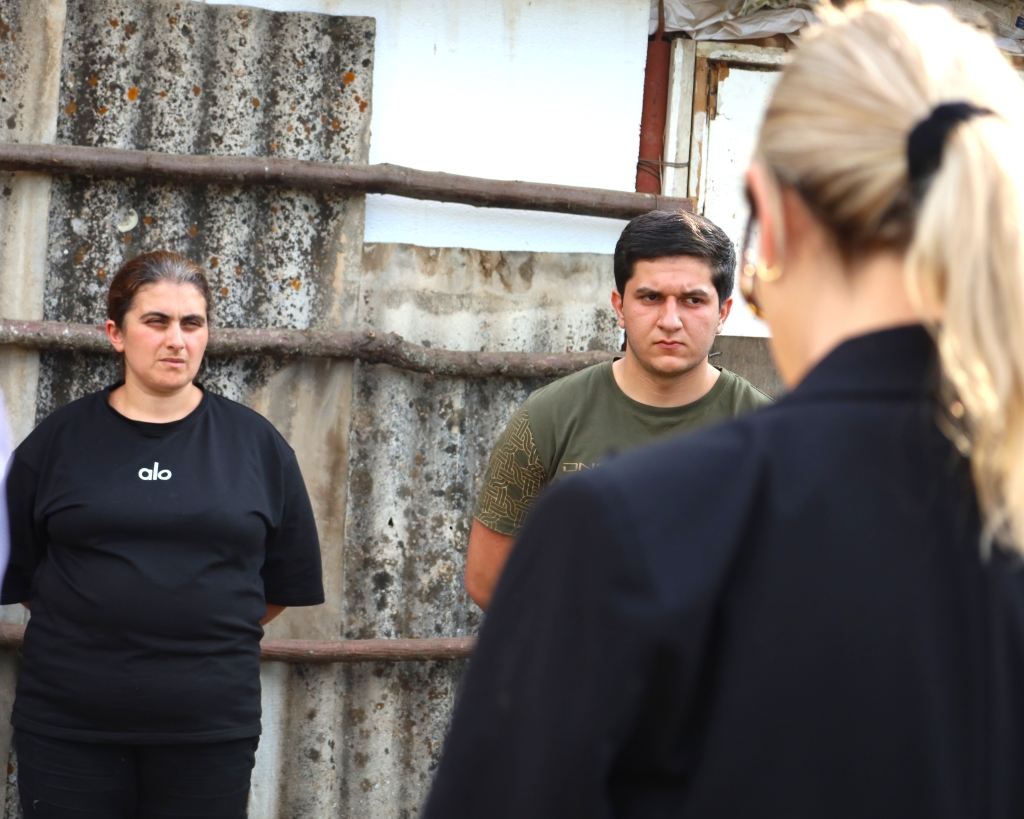
From April 25 to May 2, a group of Moldovan tour operators visited Armenia as part of a familiarization (fam) tour organized within the framework of RECONOMY’s Digitalizing Sectors for Competitiveness and Living Landscapes for Market Development in Armenia (LILA) projects.

In addition to participating in targeted business meetings, the Moldovan guests had the opportunity to explore the LILA project’s target communities, interact with beneficiaries and observe firsthand the tourism products developed with the project’s support.

The tour also included visits to Armenia’s key historical and cultural sites, a hands-on lavash baking demonstration, and tastings of traditional local cuisine and beverages—offering the visitors a rich cultural immersion.

The study visit culminated in a joint workshop involving Armenian tour operators partnering with the LILA project. The session focused on exploring opportunities for collaboration and the development of joint tourism packages.

RECONOMY is an inclusive and green economic development program of the Swedish International Development Cooperation Agency (Sida), implemented by Helvetas in partnership with the Strategic Development Agency NGO and others in the Eastern Partnership and Western Balkan countries.

Living Landscapes for Market Development in Armenia (LILA) project is funded by the Swiss Agency for Development and Cooperation (SDC) and implemented by WWF-Armenia in collaboration with SDA NGO.
Uncategorized

Modernizing Agricultural Extension Services: IADAAM Project’s NELK Training Builds Next-Gen Agricultural Advisors

On 30 April 2025, within the Irrigated Agriculture Development in Ararat and Armavir marzes, the successful conclusion of the New Extensionist Learning Kit (NELK) training modules was marked by a celebratory Closing Session and Certificate Award Ceremony.

Irrigated Agriculture Development in Ararat and Armavir marzes (IADAAM) project, financed through the European Union (EU) with implementation by the French Development Agency (AFD) is an integrated initiative aimed at transforming irrigated agriculture in Armenia.

Within IADAAM project a technical assistance component is implemented jointly by Agriconsulting Europe S.A, Avenue Consulting Group, Strategic Development Agency NGO and 3R Strategy LLC consortium and aims to provide institutional support to the Ministry of Economy (MoE) in the formulation of agricultural policies and reforms in priority areas, provide technical support to the MoE in the implementing project activities, ensure communication and reporting for the IADAAM project.

The project supports the Government of Armenia in policy matters linked with the development of modernized irrigated agriculture, particularly, this project is implemented jointly with the Ministry of Economy (85%) and the Ministry of Territorial Administration and Infrastructure (15%), reflecting a collaborative approach to address the existing challenges of the agricultural sector.

The event honored the commitment and achievements of the participants who completed the rigorous training program, which is aimed at strengthening capacities in agricultural extension through the development of practical competencies and innovative approaches. The event brought together stakeholders, implementing partners, and program beneficiaries to recognize the participants’ commitment and contributions to advancing agricultural development in Armenia.

The New Extensionist Learning Kit (NELK) training, which comprised a comprehensive 13-module curriculum, was designed to build the capacity of IADAAM Agricultural Extension Services (AEST) team — including coordinators, advisers,as well as local government representatives of Ararat and Armavir marzes. The program covered essential areas such as rural support strategies, extension methodologies, program and project management, value chain facilitation, and community mobilization. Additionally, the modules emphasized key areas such as community mobilization, the development of farmer organizations, agricultural entrepreneurship, gender responsiveness, and approaches to risk mitigation and climate adaptation within Extension and Advisory Services.

The event started with the welcoming speech of Audrey Gourdien, Project Manager for Armenia at the French Development Agency (AFD), who stated that “the agricultural sector stands at the crossroads of many global challenges. In this context, agricultural extension professionals play an increasingly critical role. The NELK training series has been carefully designed to respond to these evolving demands, by equipping you with practical skills and strategic insight in areas such as leadership, digital transformation, policy engagement, and value chain development. At the French Development Agency (AFD), we are proud to support the IADAAM Project, which adopts a holistic and inclusive approach to agricultural development. We strongly believe that building a resilient, productive, and equitable agricultural system begins with strengthening local capacities and empowering professionals like yourselves”.

Karen Harutyunyan, IADAAM Project Manager at the Ministry of Economy of the Republic of Armenia, stated in his speech that the MoE places great emphasis on strengthening agricultural extension and advisory services as a cornerstone of rural development: “Today, we are proud to witness the culmination of a training program that not only enhances professional capacities, but also contributes to the long-term modernization of Armenian agriculture. I would like to express my gratitude to our partners at the European Union, the French Development Agency, and the implementing consortium for their unwavering support. Most importantly, I want to thank the participants — your efforts are shaping the future of Armenian agriculture”.

Following the opening remarks, Anna Mkhitaryan, Chief Management Consultant and NELK Expert within the IADAAM Project, presented an overview of the training modules and key outcomes. She underscored the program’s role in shaping a new generation of extension professionals, equipped with practical tools and contemporary knowledge tailored to the evolving needs of Armenian agriculture. Her presentation outlined how the training fosters professionalism, strategic thinking, and innovation within AEAS, positioning Armenia to meet the challenges of modern agricultural development.

Summing up the event, Sergey Matevosyan, IADAAM Project Deputy Team Leader, delivered remarks highlighting the strategic importance of capacity building in the agricultural extension system. He emphasized that “The NELK training initiative represents more than just capacity development — it is a strategic investment in the future of Armenia’s agricultural sector. By equipping our extension professionals with modern tools, practical skills, and global perspectives, we are preparing the system to respond effectively to both existing and emerging challenges. I am confident that the knowledge and experiences shared over the course of these 13 modules will continue to shape your work and inspire innovation in the field. Together, we are advancing a more responsive, inclusive, and forward-looking extension system that supports the growth and sustainability of Armenian agriculture.”

This event marked not just the end of a training program but a significant step forward in building capacity within Armenia’s agricultural sector, equipping professionals with the tools and knowledge to drive sustainable development and innovation across the marzes.

Uncategorized

SEIRA Workshop on State Agricultural Support Programs

Within the framework of the “Socio-Economic Integration of Refugees in Armenia” (SEIRA) project, a two-day workshop titled “Awareness of State Support Programs in the Agricultural Sector” was held in Aghveran on April 29–30.

The workshop was led by Tigran Aleksanyan, Head of the Animal Husbandry Department of the Ministry of Economy of the Republic of Armenia, and Merine Atoyan, Head of the Agricultural Advisory Division of the Agricultural Advisory and Innovations Department.

Officials from the Ministry of Economy presented existing state programs, recent updates, legislative regulations, and the implementation procedures for new agricultural initiatives.

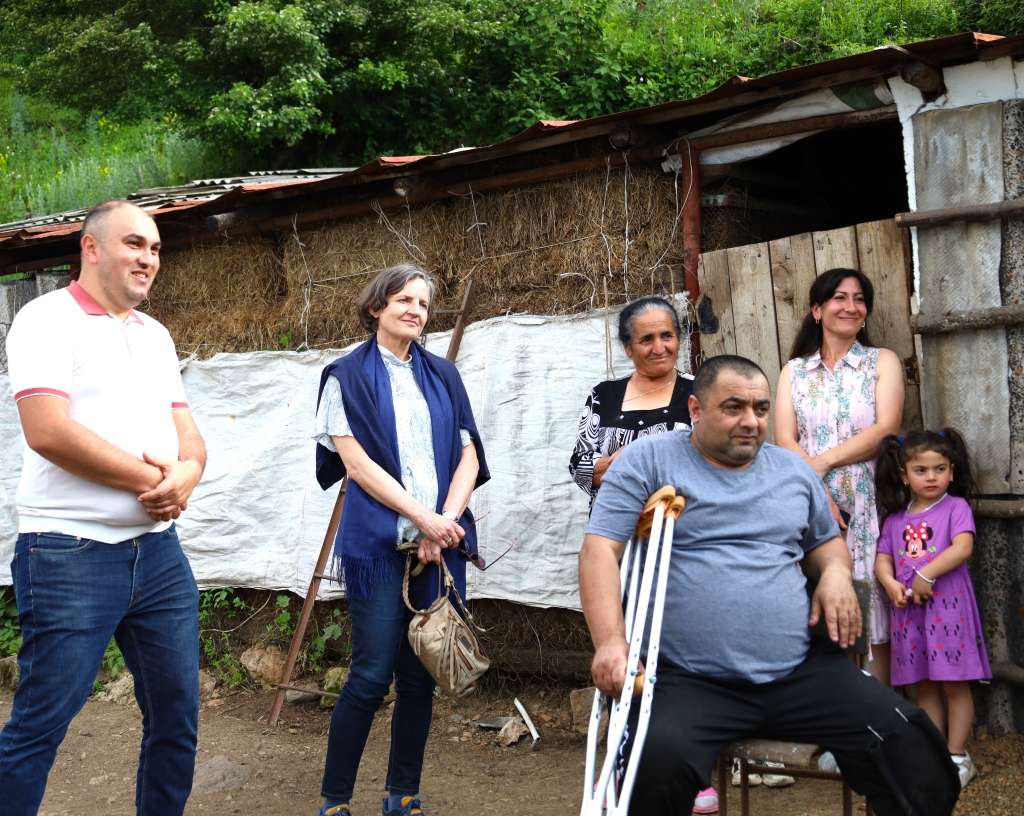
The workshop brought together refugees engaged in agriculture from the communities of Goris, Sisian, Jermuk, Gavar, Vardenis, and Chambarak, as well as representatives of local vulnerable groups․

The “Socio-Economic Integration of Refugees in Armenia” (SEIRA) project fosters socio-economic integration by improving food security, creating sustainable livelihoods, and empowering both refugees and host communities in Armenia, promoting resilience and economic growth through agricultural and business development.

The SEIRA project is funded by the Swiss Agency for Development and Cooperation and implemented by the “Strategic Development Agency” NGO and the UN World Food Programme.