
Uncategorized

SEIRA Short-Term Training on “Best Practices in Pig Farming” in Syunik

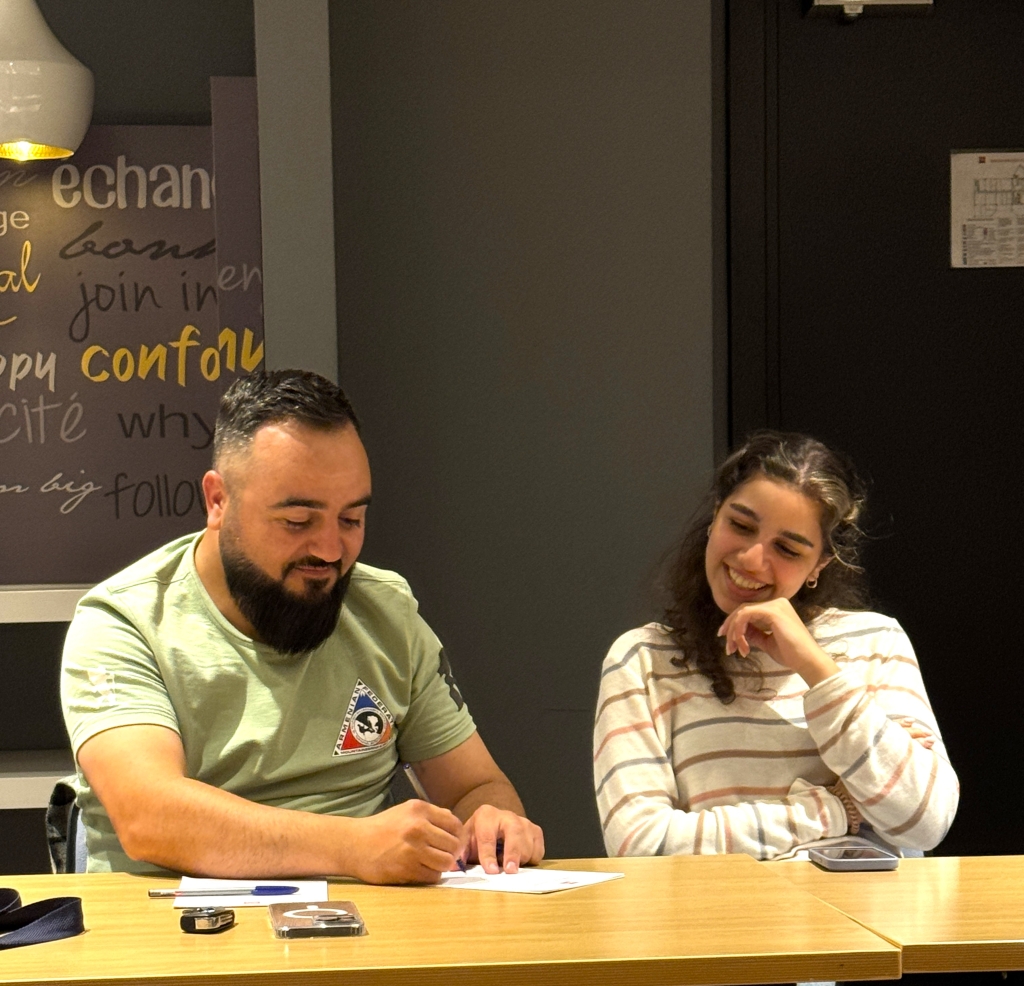
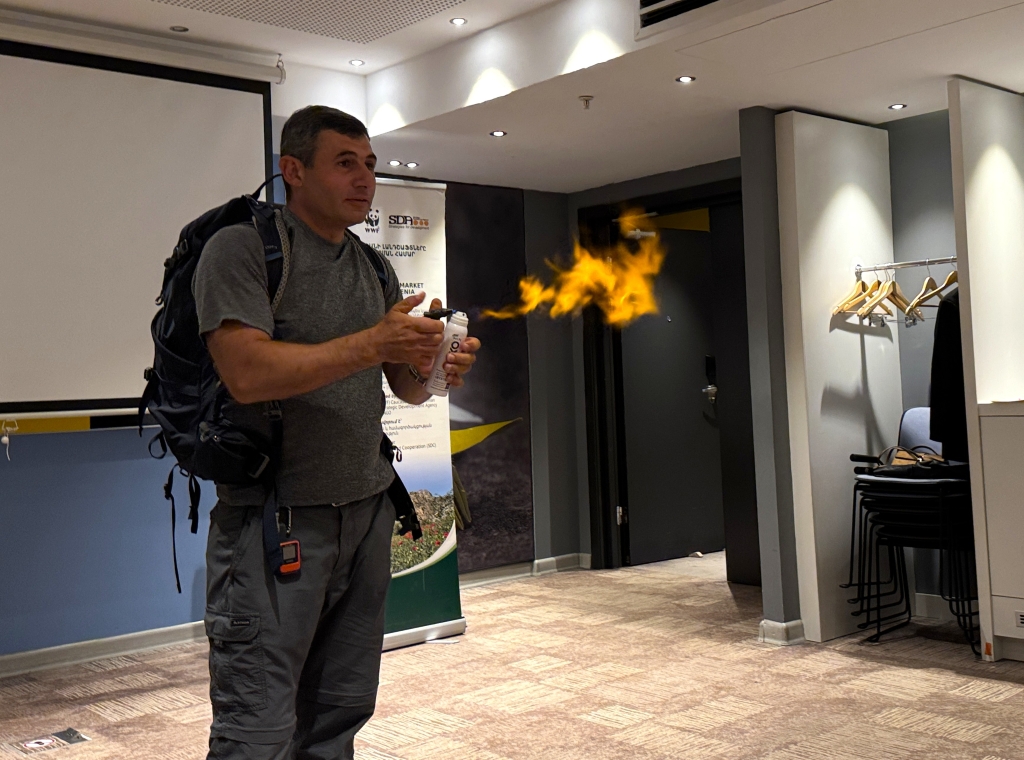
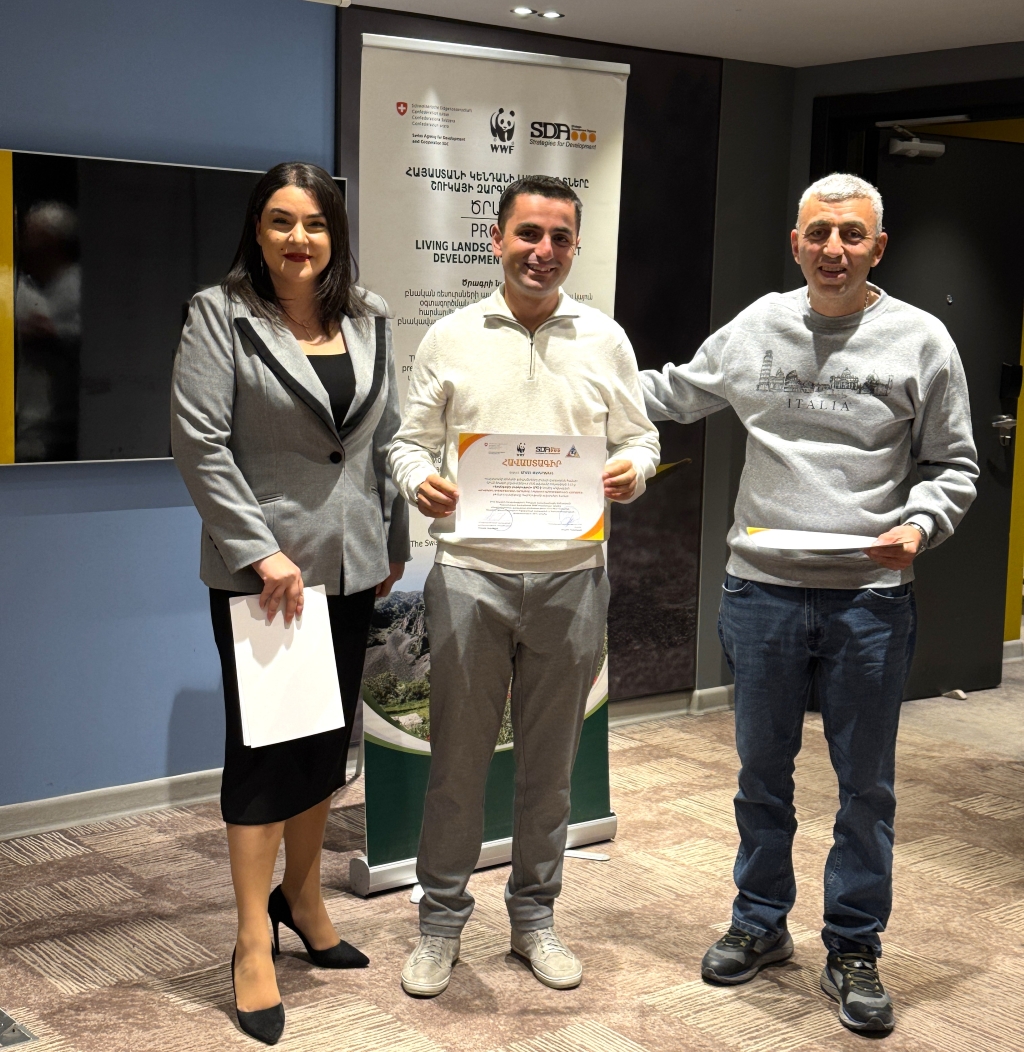
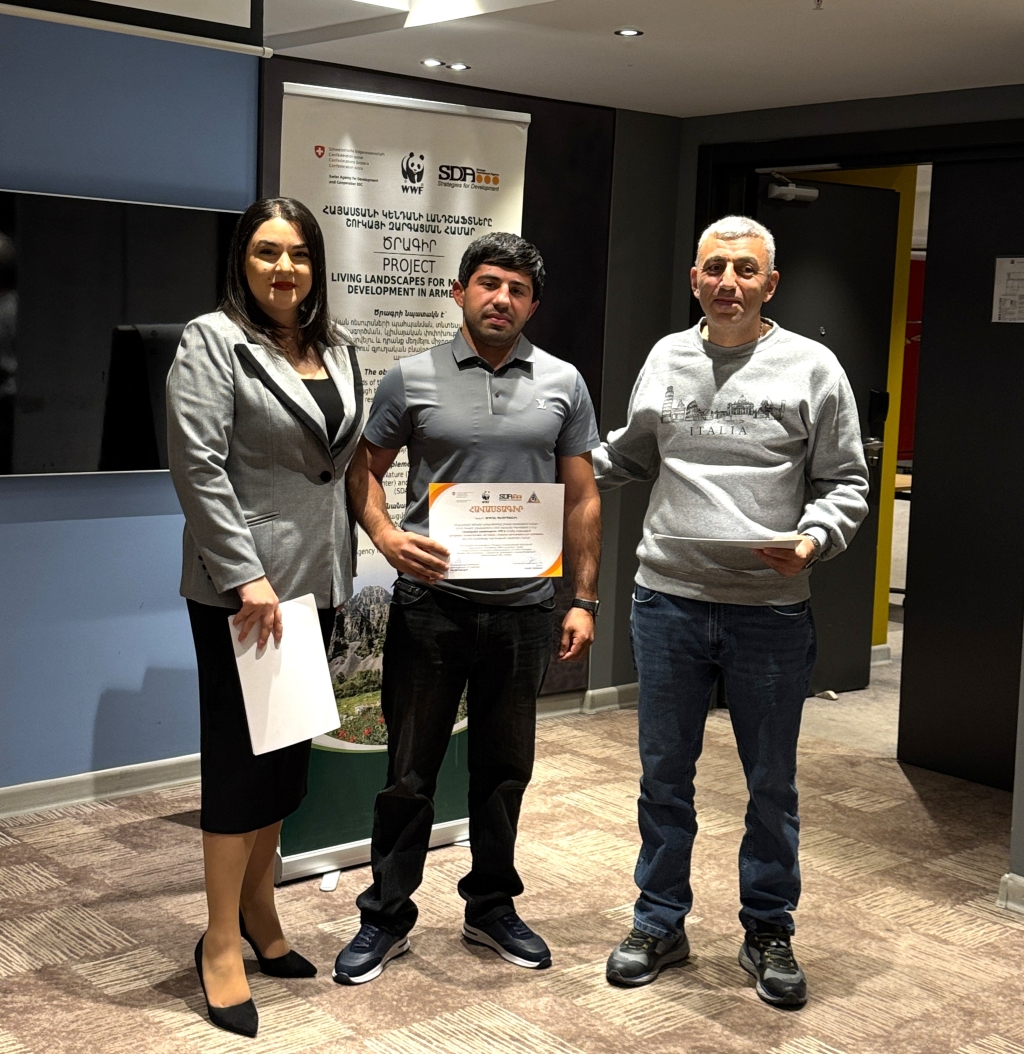
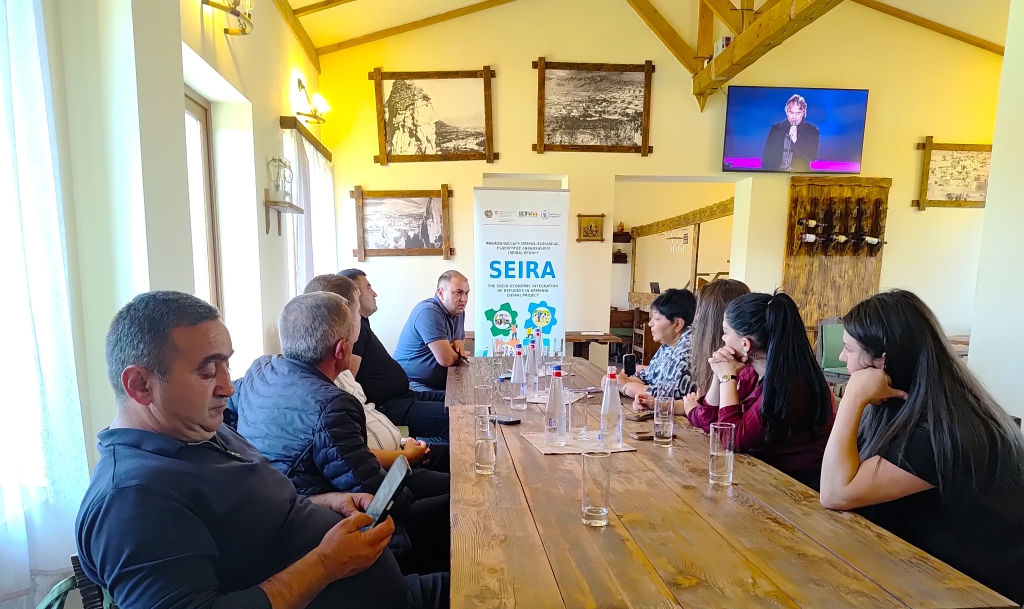
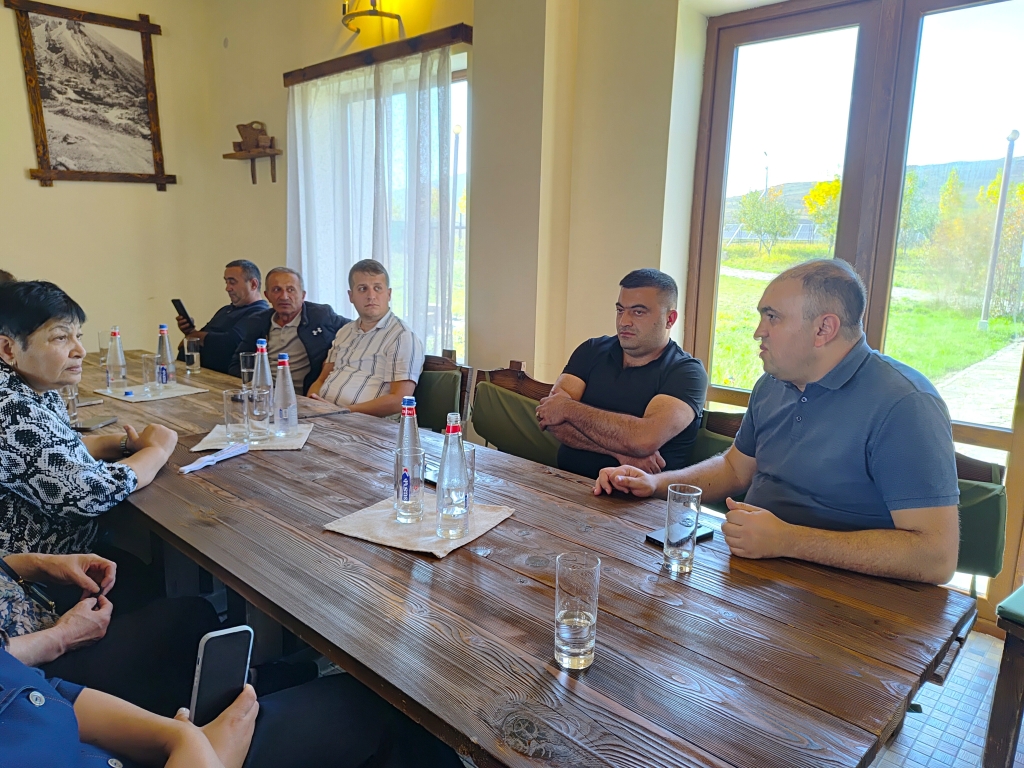
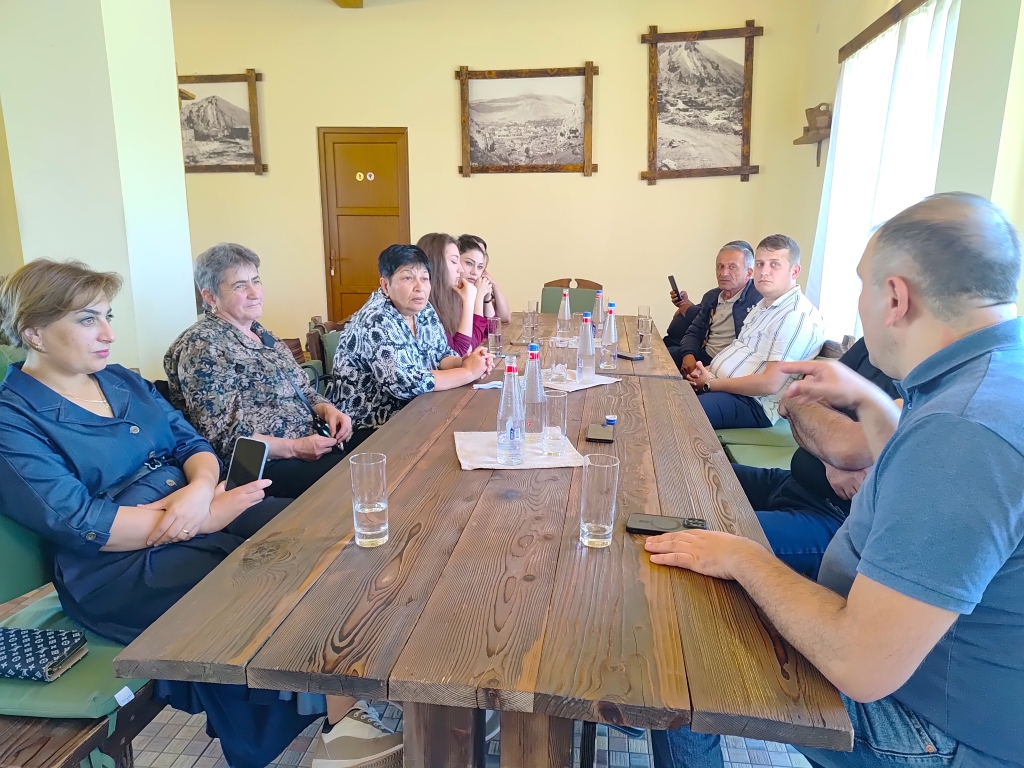
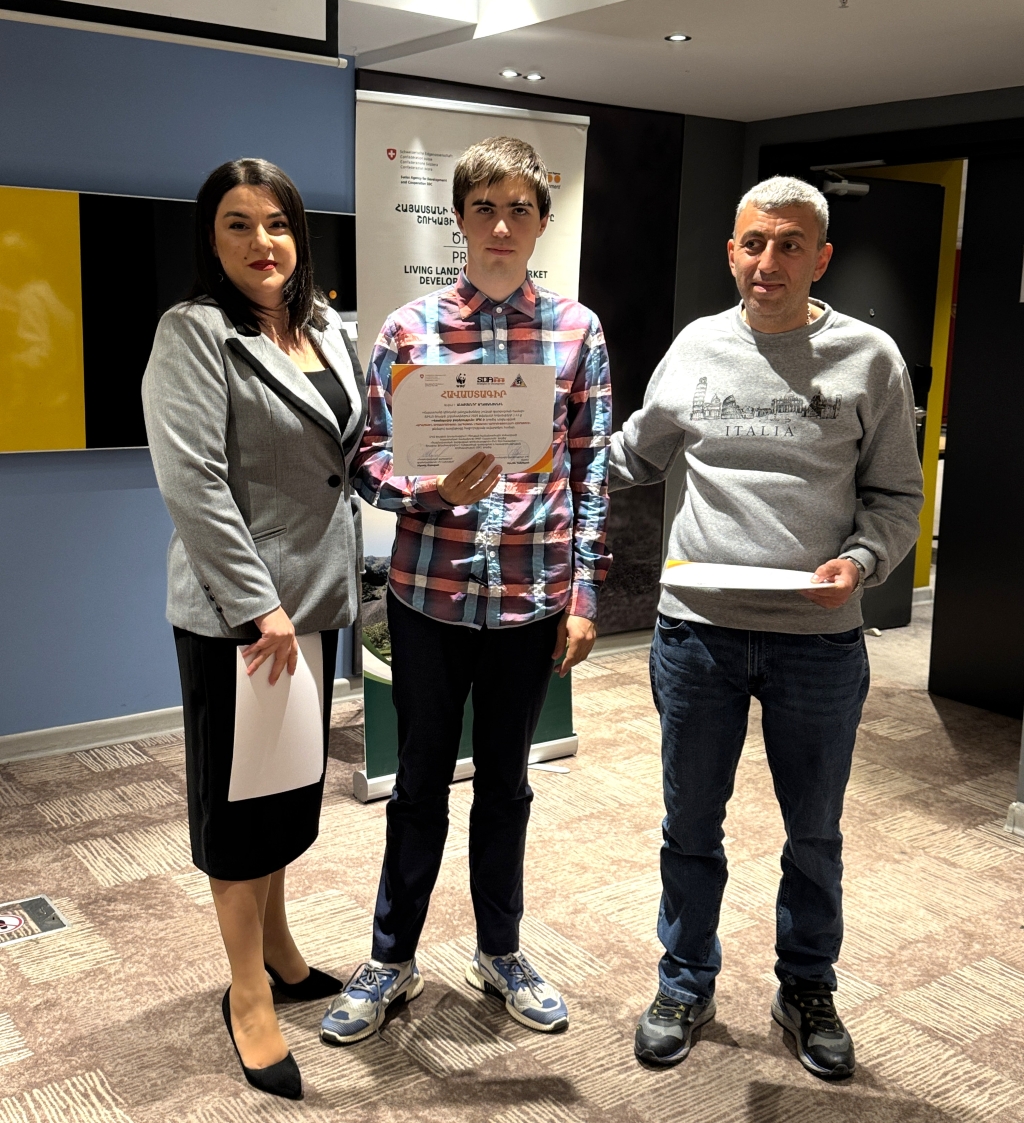
Within the framework of the “Socio-Economic Integration of Refugees in Armenia” (SEIRA) project, a short-term training on “Best Practices in Pig Farming” took place on July 24 at the information center of the “The Ranch” social enterprise. The training was designed for forcibly displaced people from Artsakh, who have resettled in the Goris enlarged community of the Syunik region.

Trainer Areg Sarukhanyan provided an in-depth overview of the opportunities for pig farming development in Syunik, highlighting the ongoing programs and the best practices currently being implemented. He also shared successful examples of local pig farms, which can serve as a source of inspiration and motivation for the displaced participants.
The “Socio-Economic Integration of Refugees in Armenia” (SEIRA) project fosters socio-economic integration by improving food security, creating sustainable livelihoods, and empowering both refugees and host communities in Armenia, promoting resilience and economic growth through agricultural and business development.
The SEIRA project is funded by the Swiss Agency for Development and Cooperation and implemented by the “Strategic Development Agency” NGO and the UN World Food Programme.

MAVETA Poultry Farming Training for Displaced People from Artsakh

Within the framework of the “Modernizing Vocational Education and Training in Agriculture in Armenia 2022–2025” (MAVETA) project, a short-term training course on the “Peculiarities of Poultry Farming in Small‑Scale Farms” was held at the Information Ceneter of The Ranch Social Enterprise in Syunik Marz on July 23–24, for the forcibly displaced people from Artsakh who have since settled in Syunik and Vayots Dzor marzes.

The course was led by Mikael Haykuni, an expert in animal health and breeding, and aimed to equip participants with practical, region‑adapted knowledge.

Participants received detailed instruction on:

  • Key characteristics of Armenia’s poultry sector, including typical products and emerging trends.
  • High‑performing poultry breeds suited to small farms in Armenia.
  • Best practices for daily care, feeding regimens, and nutritional management.
  • Essential biosecurity protocols and preventive health measures, with a focus on vaccination strategies.

This training reflects MAVETA’s mission to enhance sustainable agricultural livelihoods and promote inclusive vocational education—particularly for vulnerable groups such as displaced persons in rural communities.

The MAVETA project is funded by a broad coalition of international and local organizations led by the Swiss Agency for Development and Cooperation (SDC), including the Austrian Development Agency, the German Ministry for Economic Cooperation and Development (BMZ), the Government of Armenia, the Swiss Church Aid (HEKS/EPER) NGO, Izmirlian Foundation, the Strategic Development Agency (SDA) NGO and Vanand Agro CJSC.

The project’s implementing partners are the GIZ and HEKS/EPER with the involvement of SDA and the School of Agricultural, Forest and Food Sciences at the Bern University of Applied Sciences (HAFL).

Uncategorized

MAVETA Agricultural Opportunities Presented to Forcibly Displaced People in Lori

On July 22, in Tashir, the “Modernizing Vocational Education and Training in Agriculture in Armenia” (MAVETA) project showcased vocational training and agricultural career opportunities to a group of forcibly displaced Artsakh people who have resettled in the Lori region.

The event began with a visit to the dairy farm of Vahan Grigoryan, a MAVETA project partner, where Lilit Beglaryan, VET Consultant introduced participants to agricultural career pathways. She emphasized the benefits of dual education, highlighting how combined theoretical and hands‑on learning equips individuals to become market‑ready specialists.

Participants toured the farm to observe its layout and organization, and learned about both large- and small‑livestock breeding practices.

The second stop was at the beekeeping farm of Vahram Mkrtchyan, another project partner, where the group explored the full cycle of bee‑based production. They visited the apiary site adjacent to the beehives and discussed potential opportunities for expanding beekeeping in the region.

Through this event—as well as earlier meetings held across MAVETA’s target marzes—the project aimed to encourage Artsakh families to pursue vocational training in agriculture, develop their economic capabilities, and actively integrate into Armenia’s agricultural sector.

The MAVETA project is funded by a broad coalition of international and local organizations led by the Swiss Agency for Development and Cooperation (SDC), including the Austrian Development Agency, the German Ministry for Economic Cooperation and Development (BMZ), the Government of Armenia, the Swiss Church Aid (HEKS/EPER) NGO, Izmirlian Foundation, the Strategic Development Agency (SDA) NGO and Vanand Agro CJSC.

The project’s implementing partners are the GIZ and HEKS/EPER with the involvement of SDA and the School of Agricultural, Forest and Food Sciences at the Bern University of Applied Sciences (HAFL).

Uncategorized

IADAAM What is the Agricultural Extension Service Team (AEST)?

A Strategic Step Toward Sustainable, Knowledge-Based Agriculture in Armenia

The Agricultural Extension Service Team (AEST) was established under the “Irrigated Agriculture Development in Ararat and Armavir Marzes” (IADAAM) project, with the overarching aim of building a structured, inclusive, and sustainable agricultural advisory system in Armenia. AEST seeks to enhance the professional capacities of farmers, promote the adoption of innovative agrotechnologies, and contribute to the establishment of a competitive, resilient, and knowledge-driven agricultural sector – ultimately supporting increased productivity and improved livelihoods for farming communities.

Mission of AEST:

To establish an efficient, comprehensive, and accessible extension service that accelerates innovation in agriculture, improves farm performance, and strengthens farmers’ ability to manage risks and adapt to evolving challenges.

Core Functions of AEST:

✅ Delivery of expert agricultural advisory services on key topics such as soil management, crop protection, irrigation efficiency, harvesting, and post-harvest handling.

✅ Organization of field-based trainings, demonstration activities, and peer-to-peer learning opportunities based on best practices.

✅ Development and dissemination of localized, practical, and evidence-based educational and informational resources.

✅ Facilitation of partnerships with research institutions, private sector actors, and international development organizations to scale up innovative agricultural solutions.

While currently active in target communities of Ararat and Armavir marzes, AEST is designed with a vision for nationwide expansion, aiming to strengthen farmer capacities and support sustainable rural development across the Republic of Armenia.

Representing a transformative approach to agricultural development, AEST serves as a cornerstone for fostering inclusive, knowledge-based, and future-ready farming systems – working with farmers and for farmers.

Irrigated Agriculture Development in Ararat and Armavir marzes (IADAAM) project, financed through the European Union (EU) with implementation by the French Development Agency (Agence Française de Développement) is an integrated initiative aimed at transforming irrigated agriculture in Armenia.

Within IADAAM project a technical assistance component is implemented jointly by AESA – Agriconsulting Europe SA, Avenue Consulting Group LLC, Strategic Development Agency NGO and 3R Strategy LLC consortium and aims to provide institutional support to the Ministry of Economy of the Republic of Armenia (MoE) in the formulation of agricultural policies and reforms in priority areas, provide technical support to the MoE in the implementing project activities, ensure communication and reporting for the IADAAM project.

MAVETA Professions Promotion Event Held in Tashir

Within the framework of the “Modernizing Vocational Education and Training in Agriculture in Armenia” (MAVETA) project, a professions promotion event was held on July 21 at the ArTa Youth Organization Center in the Tashir community.

Lilit Beglaryan, VET Consultant for the MAVETA project, presented the project’s objectives, current activities, the benefits of pursuing careers in agriculture, and the potential of dual education in Armenia.

Participants watched an educational episode on veterinary medicine, which was followed by a discussion with Artur Titanyan, an experienced veterinarian and project partner.

During the Q&A session, the discussion highlighted the importance of training in high-demand professions and the development of practical, hands-on skills.

Kamo Jilavyan, Career Guidance Officer at Stepanavan State Agricultural College, introduced the college’s academic programs, particularly its dual education offerings that integrate classroom instruction with practical experience.

The event also featured a discussion on regional labor market opportunities. Arman Sakanyan, a poultry farming specialist and practicing farmer, shared insights into the field and led a live demonstration course, actively engaging participants.

 The MAVETA project is funded by a broad coalition of international and local organizations led by the Swiss Agency for Development and Cooperation (SDC), including the Austrian Development Agency, the German Ministry for Economic Cooperation and Development (BMZ), the Government of Armenia, the Swiss Church Aid (HEKS/EPER) NGO, Izmirlian Foundation, the Strategic Development Agency (SDA) NGO and Vanand Agro CJSC.

The project’s implementing partners are the GIZ and HEKS/EPER with the involvement of SDA and the School of Agricultural, Forest and Food Sciences at the Bern University of Applied Sciences (HAFL).