


Strengthening the Roots of Sustainable Agriculture: A Joint Field Visit under the IADAAM Project

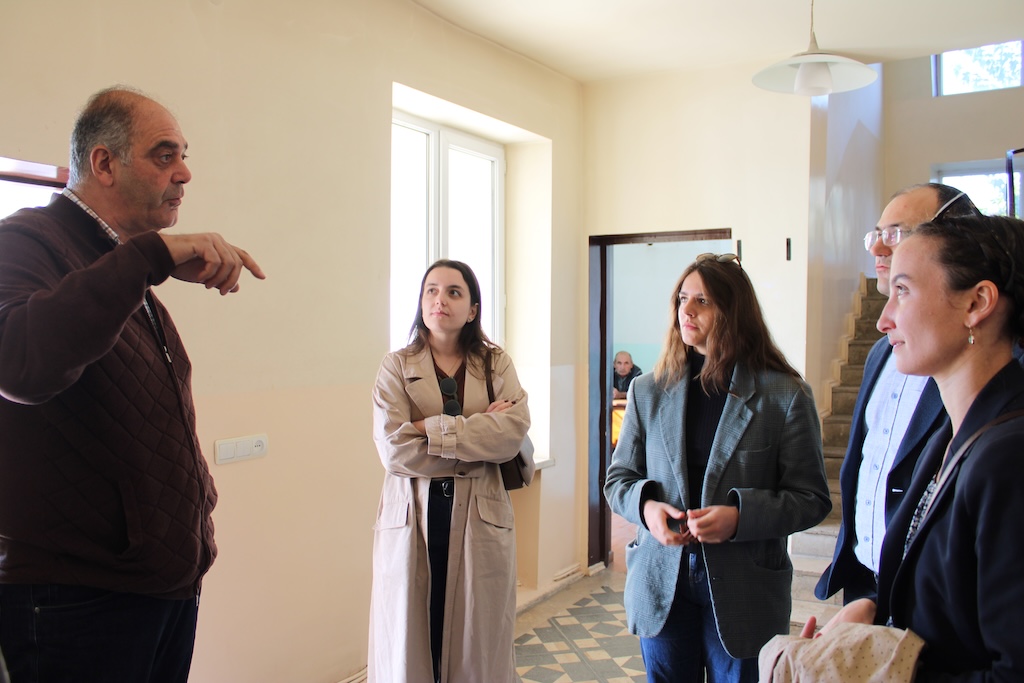


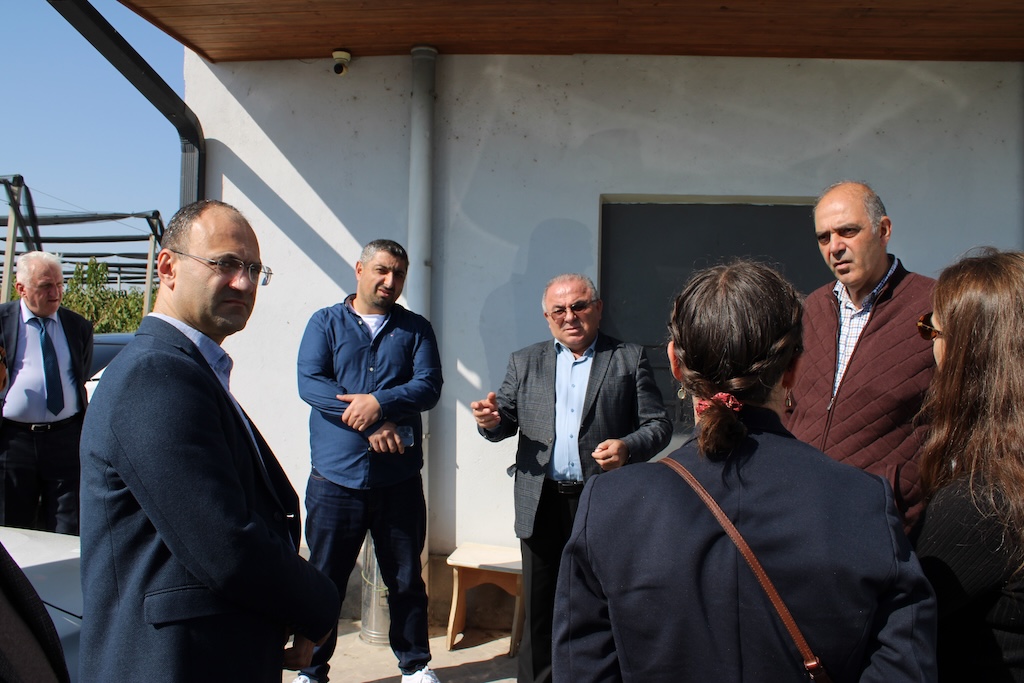


On 17 October 2025, representatives of the Agence Française de Développement (AFD), RA Ministry of Economy’s Project Implementation Team (PIT), and the IADAAM Project Team conducted a joint field visit to Ararat Marz – the target region of the IADAAM initiative and one of Armenia’s most vital agricultural hubs.
This mission was more than a routine site visit. It was an opportunity to see impact in action – where policies, partnerships, and technology meet the realities of the field.
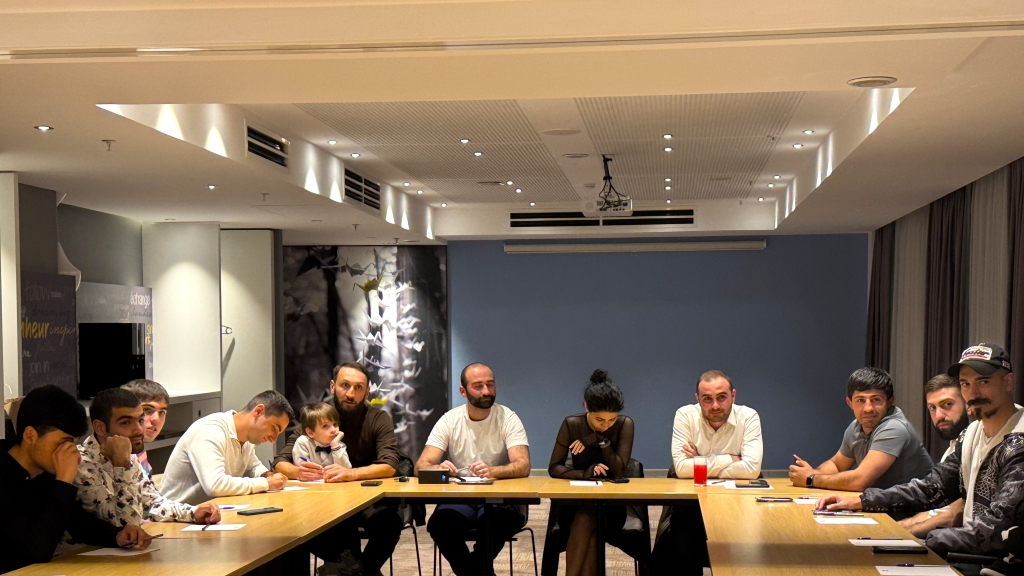
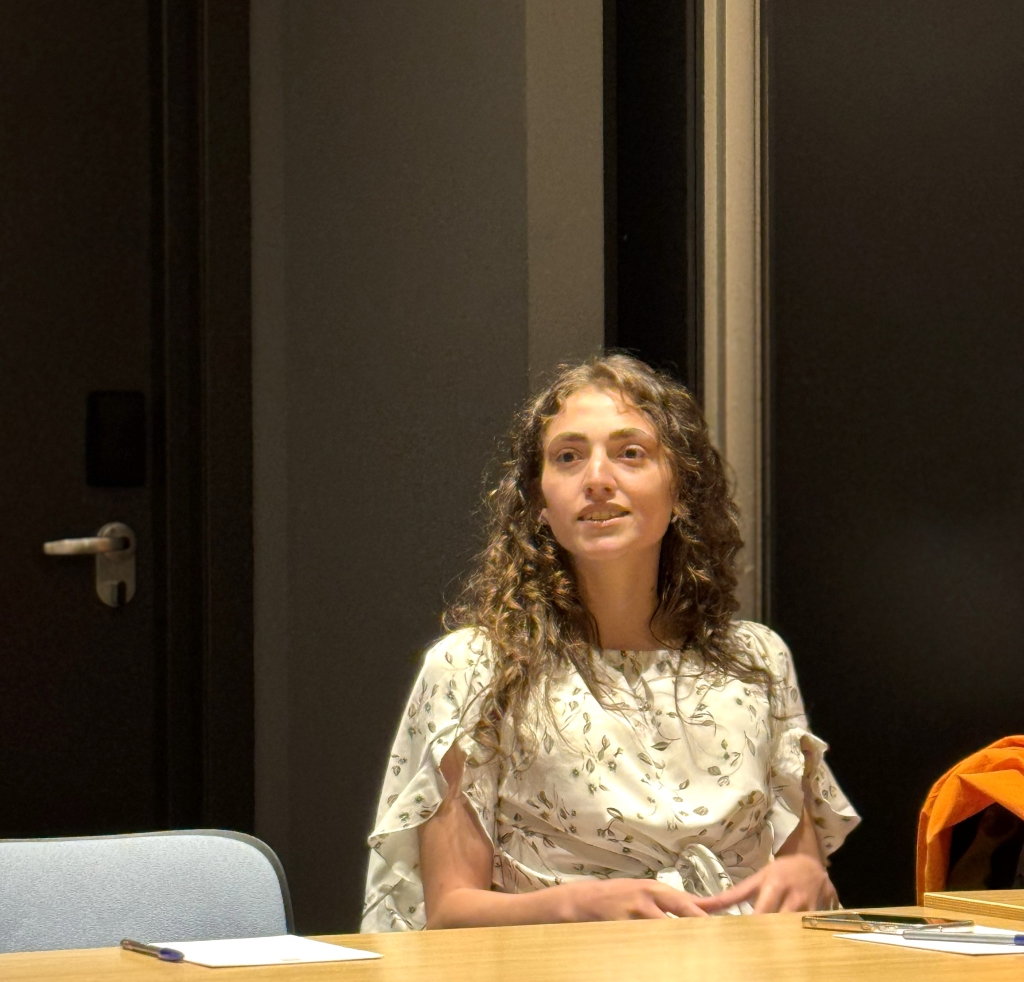
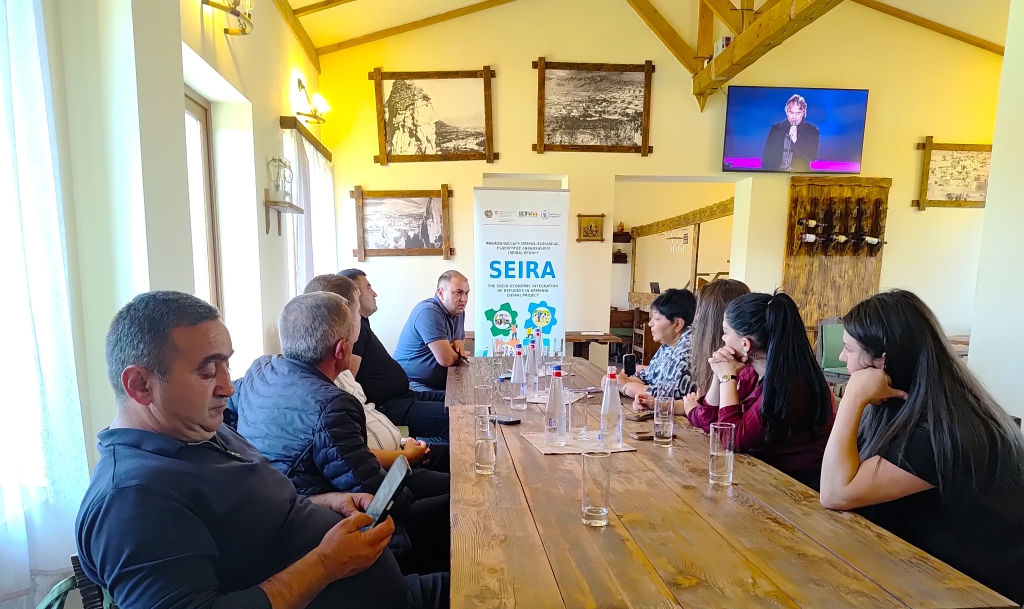
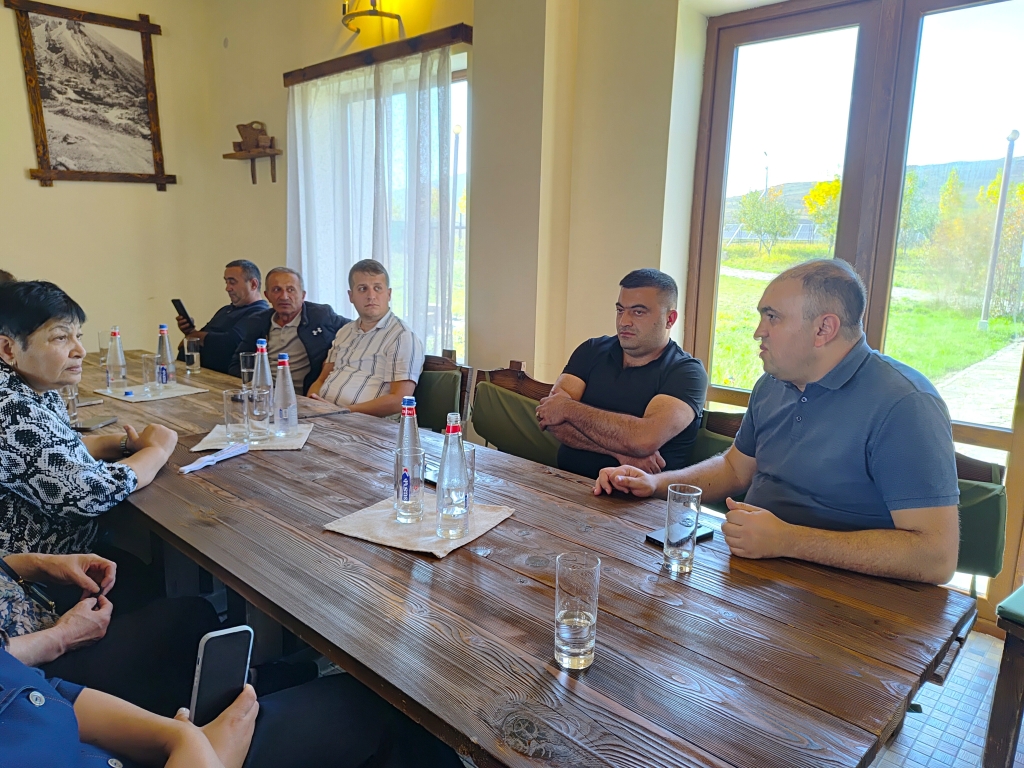
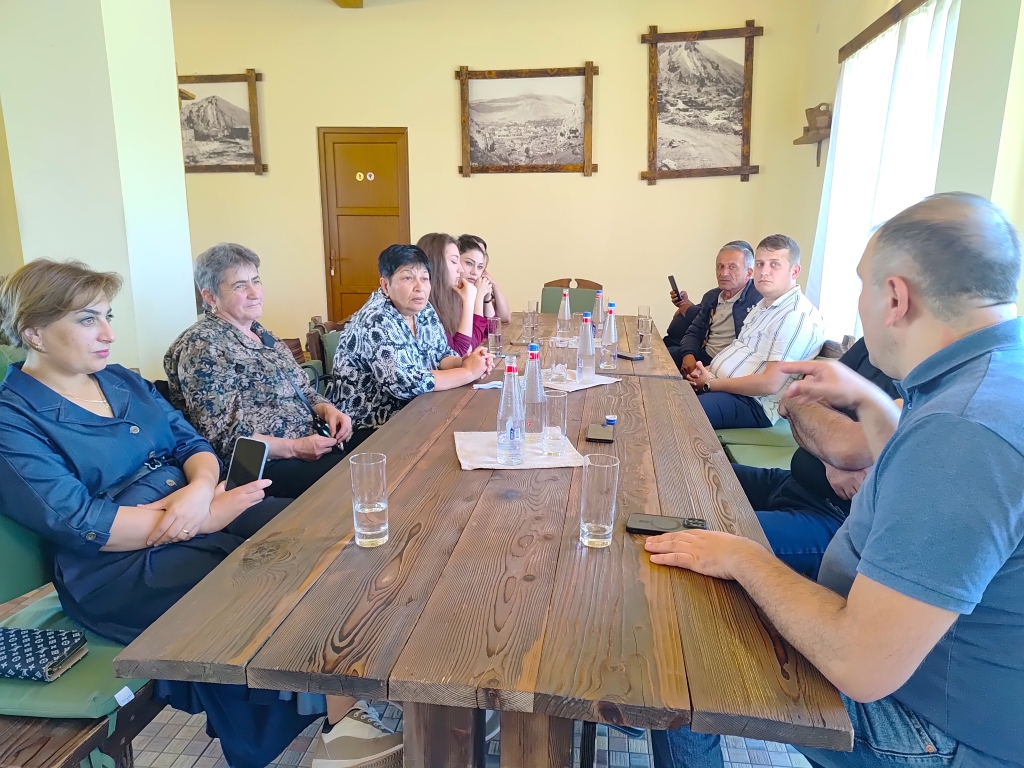
The field visit began at the Avshar Agricultural Extension Service Office, where the team explored the digitalization of agricultural extension services and met with the Agricultural Extension Service Teams (AEST) of Vedi, Artashat and Armavir, who bridge innovation and farmers’ everyday needs. Discussions focused on how digital tools and coordinated advisory efforts are helping farmers access knowledge, improve practices, and strengthen their resilience.
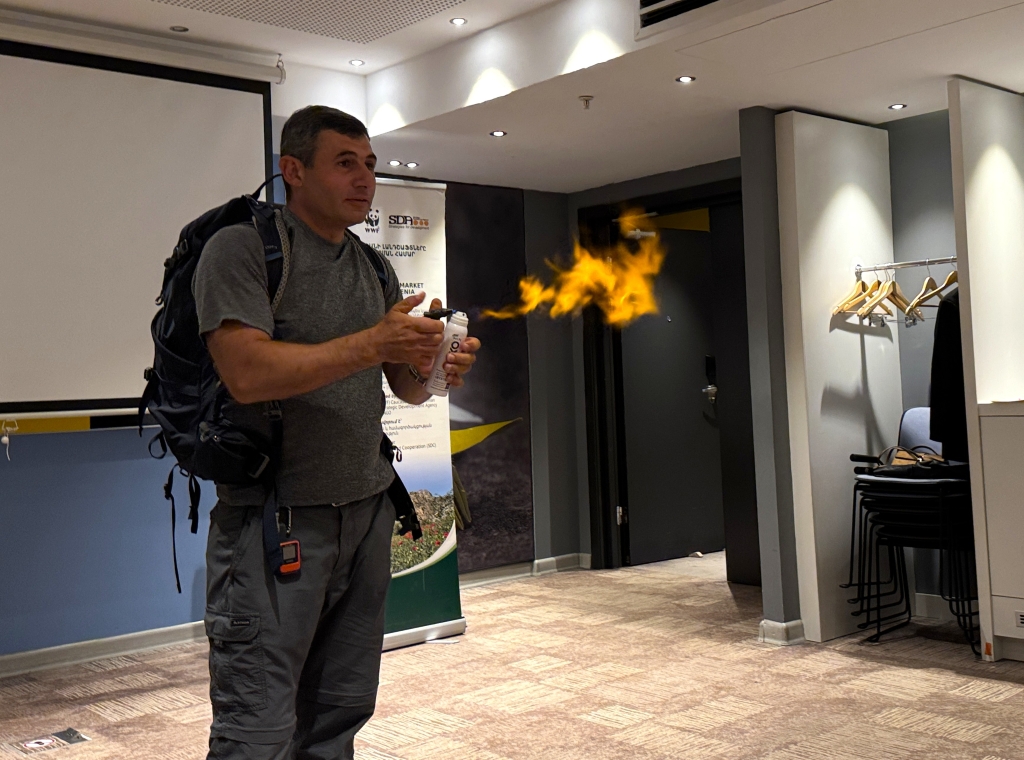
A visit to a potential demonstration farms followed, providing insight into site selection rationale and planned demonstration themes. The team engaged with the farmers and AEST advisors to discuss capacity building, co-financing mechanisms, and implementation pathways that will bring innovation closer to the field.
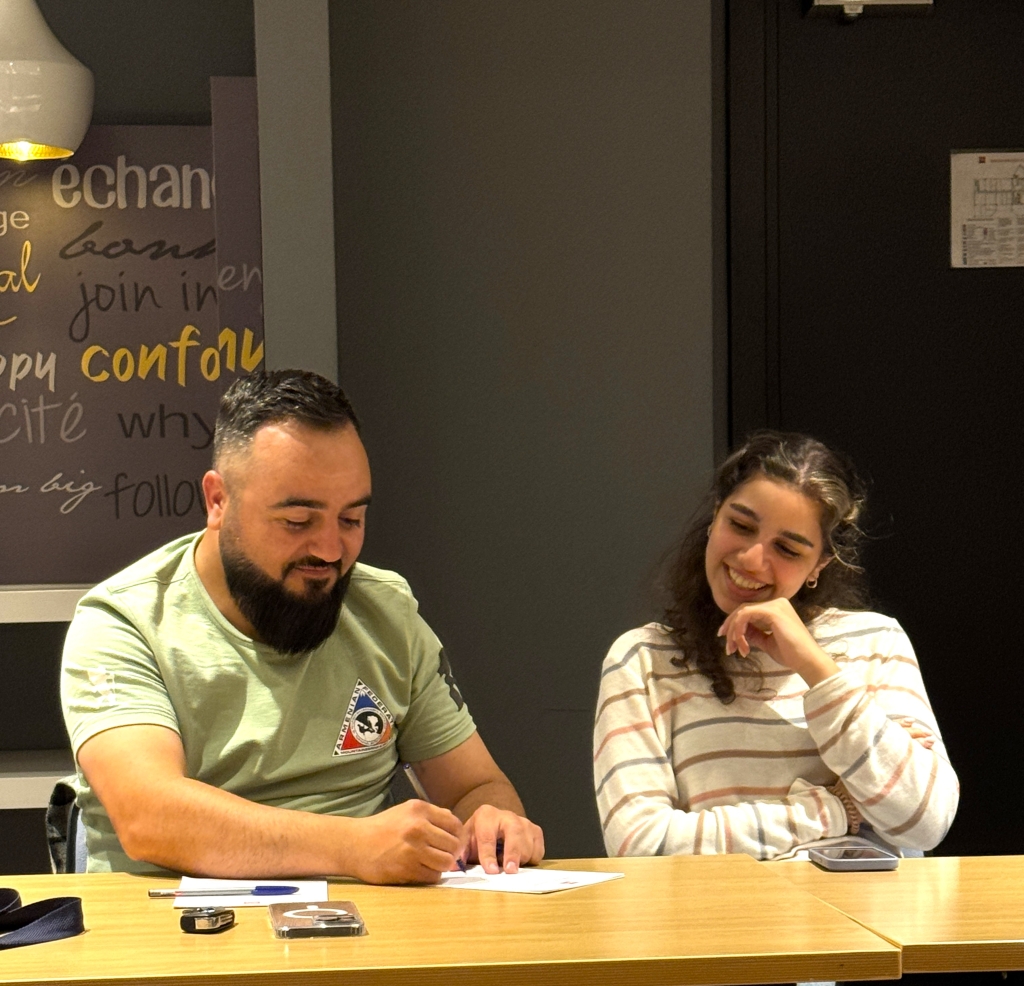
At the Artashat Extension Office, discussions centered on grassroots collaboration – how the Agricutlural Extension Service Teams’ advisors collaborate with community actors to ensure that modern irrigation and farming solutions reach the grassroots level – where real impact begins.
The visit concluded at the Vedi Reservoir, where the team reviewed the infrastructure, operational systems, and on-farm network. Together with water management authorities, they explored strategic steps to bridge the time gap between reservoir readiness and project closure, ensuring long-term continuity through effective planning and coordination.
This joint field visit reaffirmed the shared commitment of AFD, PIT, and IADAAM to build a resilient, efficient, and inclusive irrigation future for Ararat Marz.
Through innovation, partnership, and people-centered implementation, the project continues to strengthen the foundations of Armenia’s irrigated agriculture – one field, one farmer, and one community at a time.
The Irrigated Agriculture Development in Ararat and Armavir Marzes (IADAAM) project, financed by the European Union (EU) and implemented with the support of the French Development Agency (AFD), aims to transform irrigated agriculture in Armenia.
Implemented by the Ministry of Economy of Armenia, the project’s technical assistance is provided by a consortium comprising Agriconsulting Europe S.A., Avenue Consulting Group LLC, Strategic Development Agency NGO, and 3R Strategy LLC, with the aim of strengthening agricultural policy and advancing sector reforms.