
Uncategorized

From seedling to sustainable success – PISTACHIO could be Armavir’s next agricultural icon

Armavir Marz, with its sunny skies and fertile soils, is not just the heart of Armenia’s agriculture – it’s a prime location for a new green-gold crop: pistachio. Here’s why this resilient and high-value nut could become the next big thing for local farmers and investors:

  • Perfect Climate Partner: Armavir’s long, hot summers and cool, crisp winters are exactly what pistachios love. The heat helps nuts mature to premium quality, while the winter chill ensures consistent flowering year after year.
  • Water-Smart & Drought-Resilient: Pistachio trees thrive with minimal water once established, making them ideal for regions facing irrigation challenges. They can even handle regulated deficit irrigation without compromising quality.
  • Soil Tolerance Champion: Pistachios handle moderate salinity and calcareous soils far better than many fruit crops. Their deep root systems not only adapt to Armavir’s soil profile but also improve soil structure over time.
  • High Market Demand & Premium Prices: From local gourmet shops to international export markets, pistachios are in high demand. With a long shelf life, they can be stored and transported easily—reducing post-harvest losses and boosting profitability.
  • Long-Term Investment with Stable Returns: Pistachio orchards remain productive for decades, making them a sustainable, long-term income source. After the initial 4–5 years, maintenance is straightforward and predictable.
  • Modern Farming Ready: Perfect for drip irrigation, fertigation, and even mechanized harvesting—if planted with proper spacing and canopy management in mind.
  • Crop Diversification & Risk Reduction: Adding pistachio to the traditional mix of grapes, apricots, and vegetables gives farmers market flexibility and resilience against crop-specific risks.
  • Boost for Local Agro-Industry: Beyond farming, pistachios open opportunities for processing, roasting, packaging, and branded exports – think “Ararat Valley Pistachios” with global appeal.

Pro Tip for Farmers: Select warm sites with good air drainage to avoid frost damage, plant the right male-to-female tree ratio for pollination, and plan your orchard layout for future mechanization. Careful management in the first years will pay off for decades.

Irrigated Agriculture Development in Ararat and Armavir marzes (IADAAM) project, financed through the European Union (EU) with implementation by the French Development Agency (Agence Française de Développement) is an integrated initiative aimed at transforming irrigated agriculture in Armenia.

Within IADAAM project a technical assistance component is implemented jointly by AESA – Agriconsulting Europe SA, Avenue Consulting Group LLC, Strategic Development Agency NGO and 3R Strategy LLC consortium and aims to provide institutional support to the Ministry of Economy of the Republic of Armenia (MoE) in the formulation of agricultural policies and reforms in priority areas, provide technical support to the MoE in the implementing project activities, ensure communication and reporting for the IADAAM project.

IADAAM Smarter Water, Stronger Harvests – Building the Future of Sustainable Agriculture

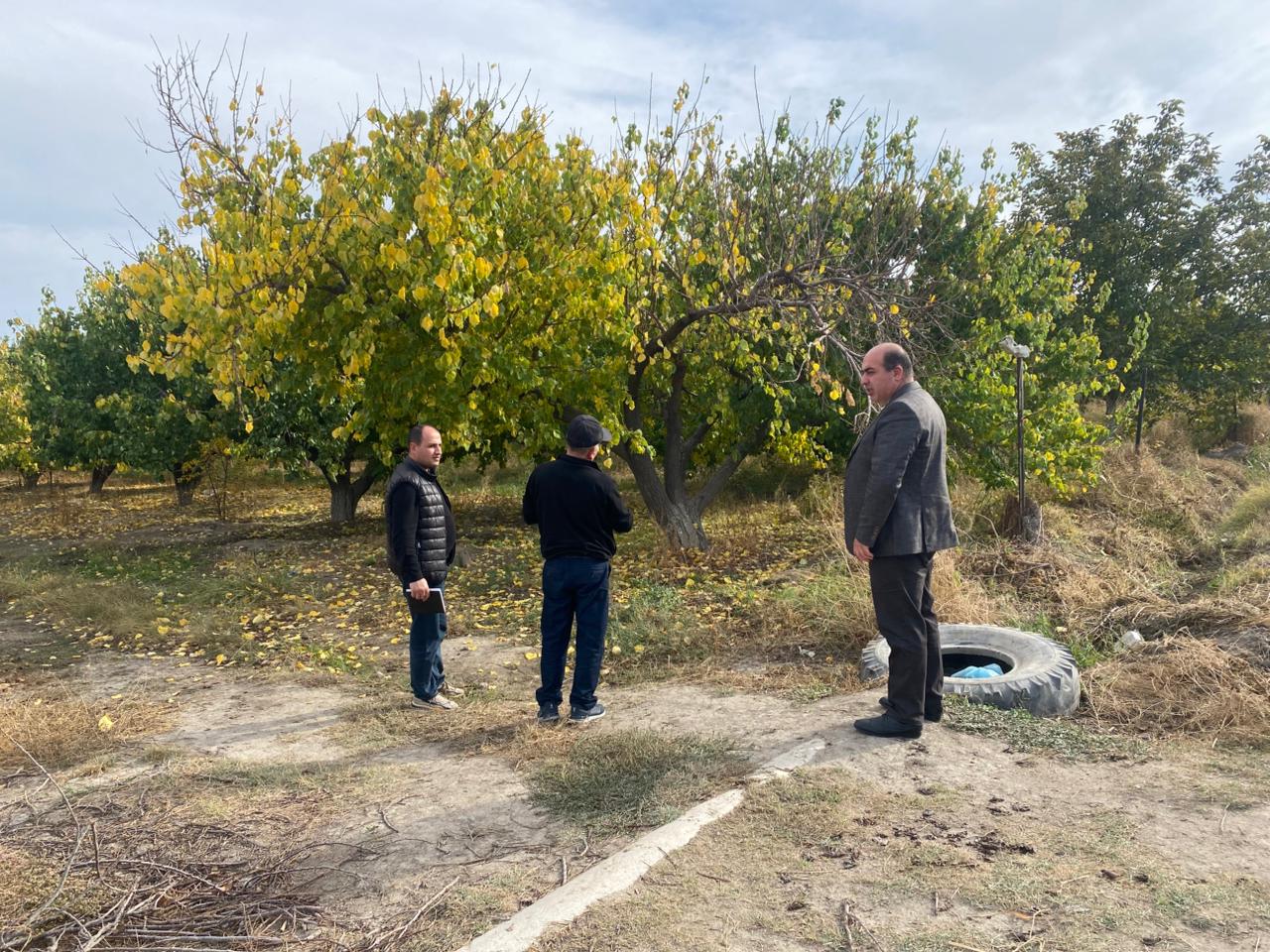
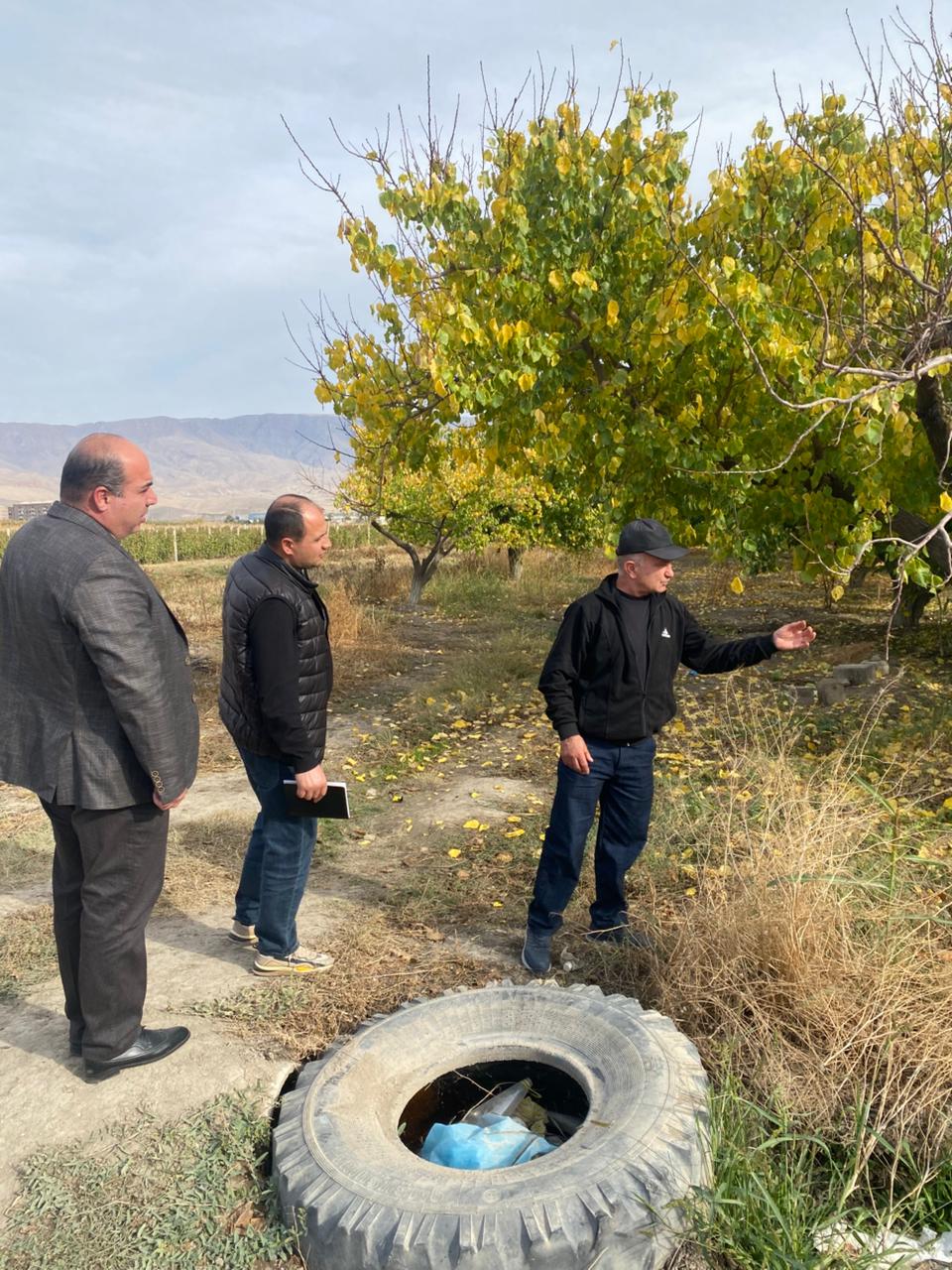
Within the framework of the IADAAM project, Project Manager Karen Harutyunyan, accompanied by AEST Vedi Coordinator Vardan Ivanyan, visited the Vedi reservoir’s on-farm network to observe the installation of state-of-the-art filtration systems.

These modern systems are designed to ensure cleaner, more reliable irrigation water, reducing blockages and wear in drip systems, improving water distribution efficiency, and ultimately increasing crop productivity.

By introducing such advanced solutions, the IADAAM project is helping to secure sustainable water management in agriculture – a key driver for higher yields, healthier orchards, and resilient farming communities in the region.

Smart irrigation is more than technology – it’s an investment in the future of our farmers.

Irrigated Agriculture Development in Ararat and Armavir marzes (IADAAM) project, financed through the European Union (EU) with implementation by the French Development Agency (AFD) is an integrated initiative aimed at transforming irrigated agriculture in Armenia.

Within IADAAM project a technical assistance component is implemented jointly by AESA – Agriconsulting Europe SA, Avenue Consulting Group LLC, Strategic Development Agency NGO and 3R Strategy LLC consortium and aims to provide institutional support to the Ministry of Economy of the Republic of Armenia (MoE) in the formulation of agricultural policies and reforms in priority areas, provide technical support to the MoE in the implementing project activities, ensure communication and reporting for the IADAAM project.

Uncategorized

IADAAM AEST Promoting Intensive Orchard Cultivation and Innovative Irrigation Technologies

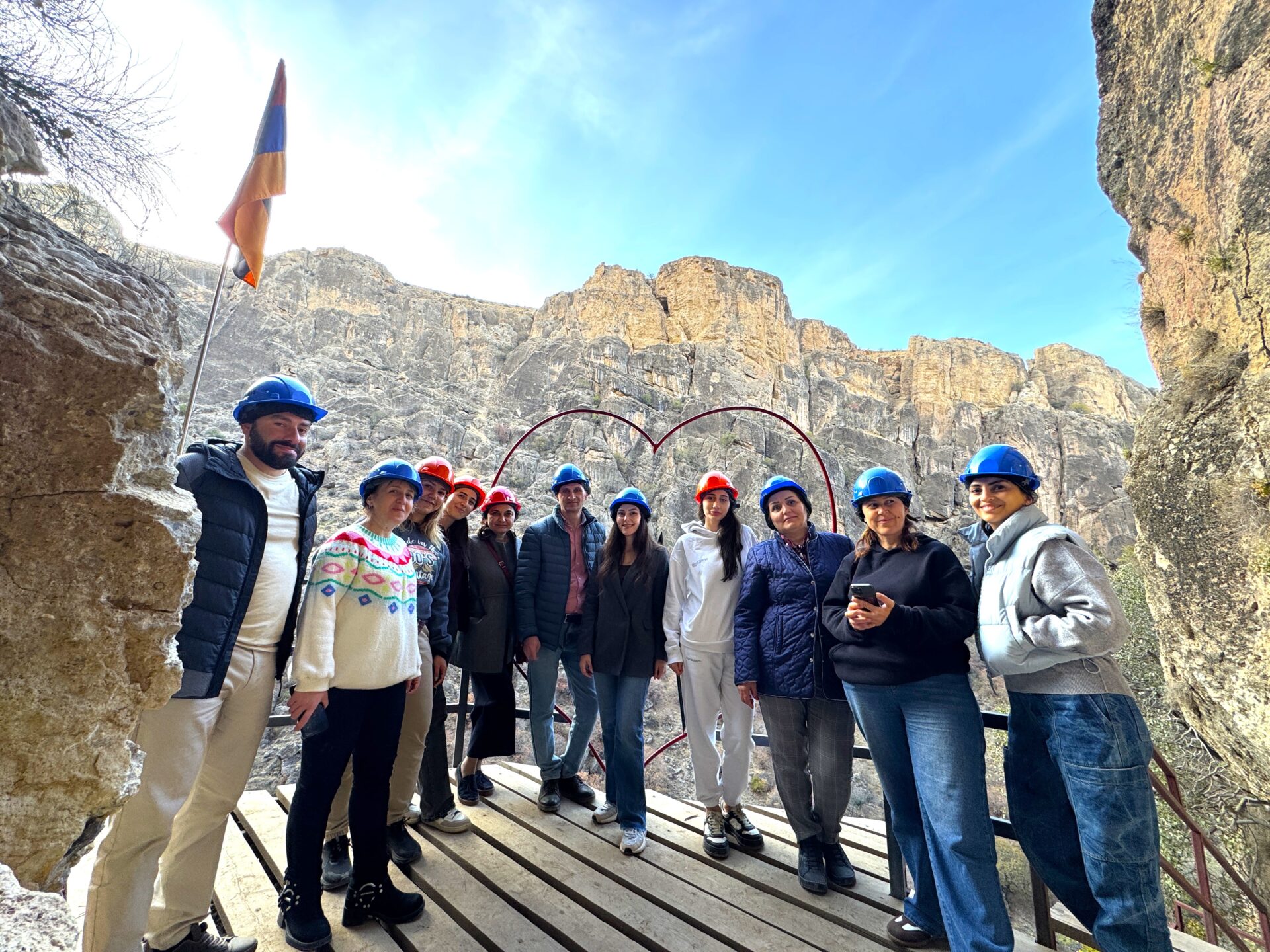
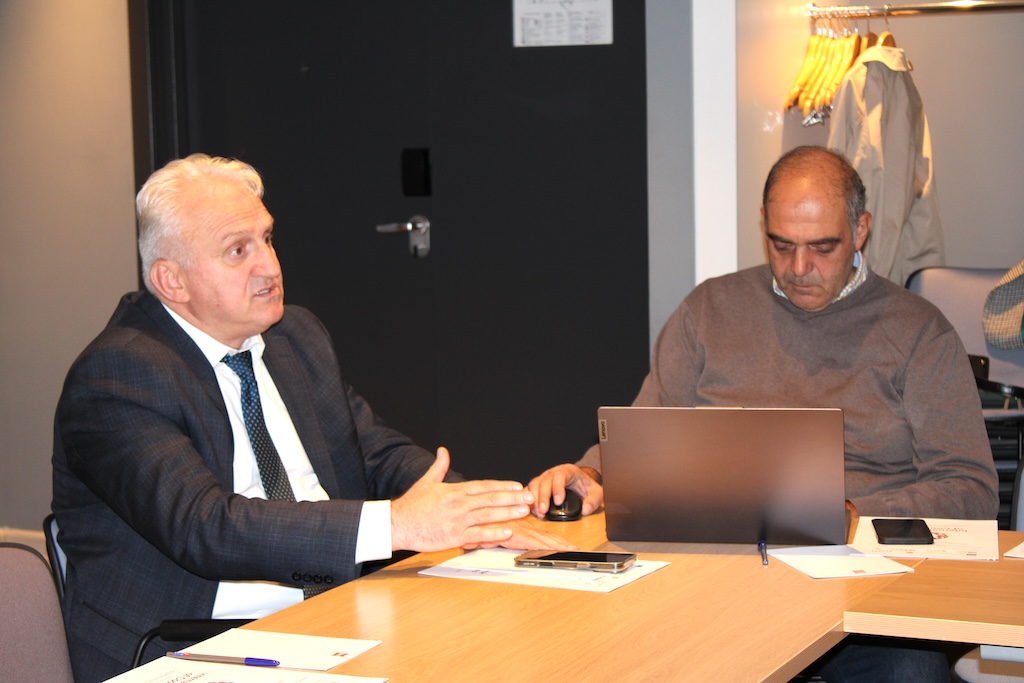
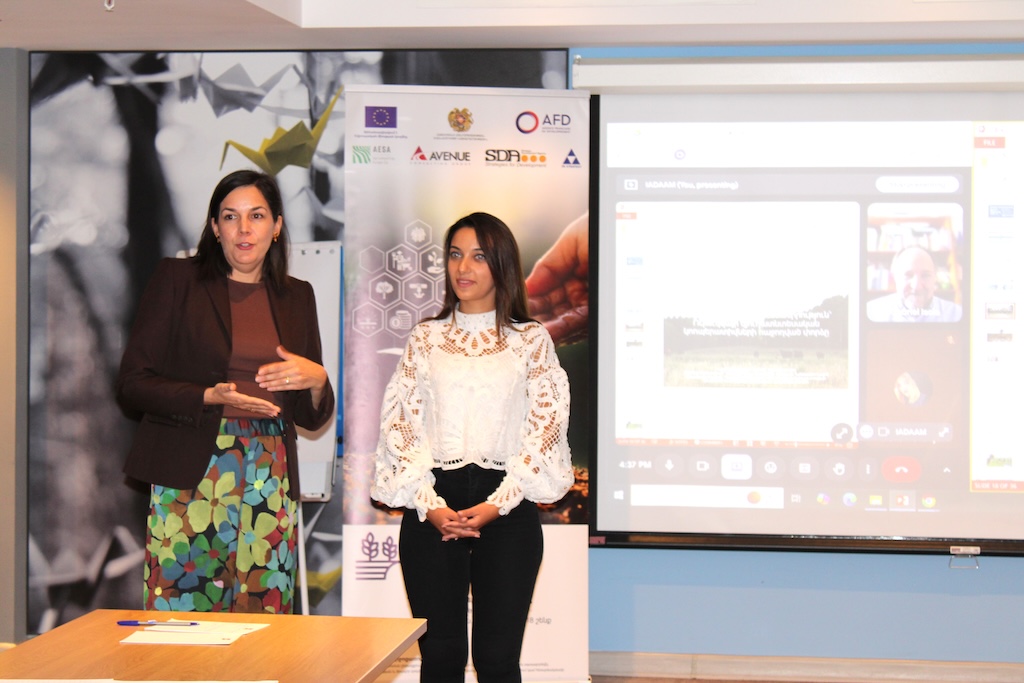
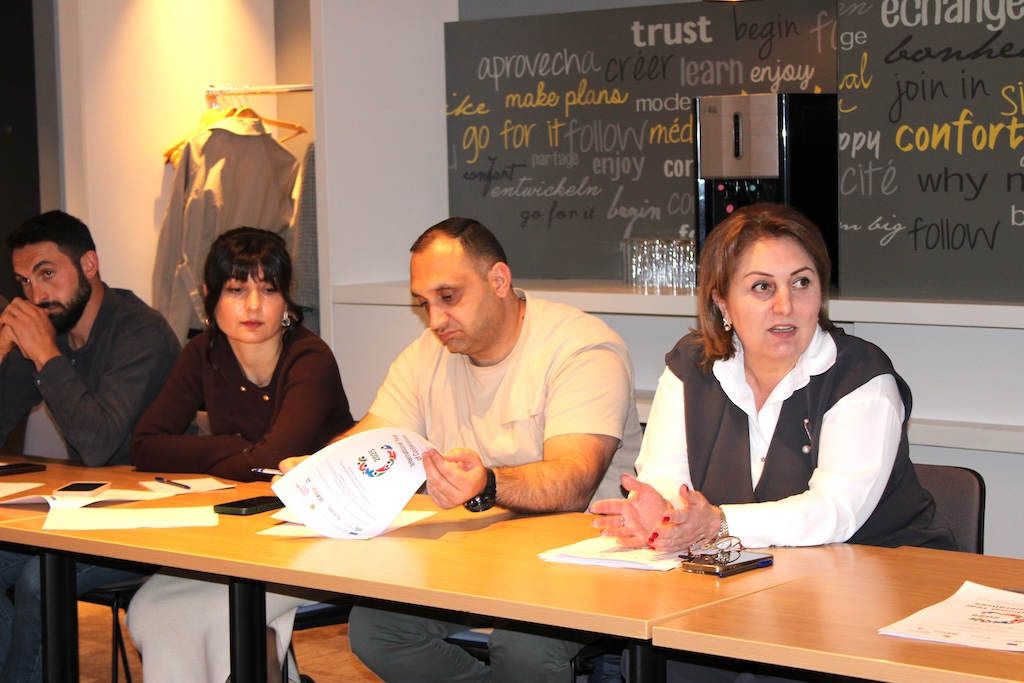
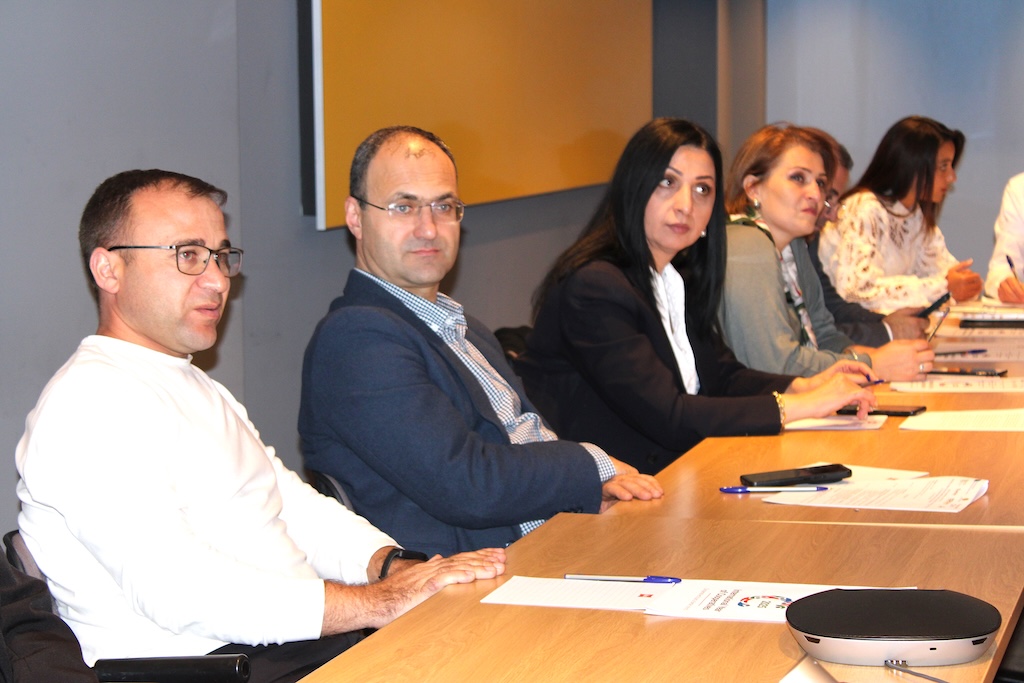
On August 7, the Agricultural Extension Support Team (AEST), established under the IADAAM project, organized a study visit and knowledge exchange for targeted farmers and community representatives from the Ararat and Vedi regions. The visit aimed to showcase best practices in intensive orchard cultivation alongside advanced irrigation technologies.

AEST is an advisory body established within the IADAAM project that works directly within communities, providing demand-driven, localized, and practical agricultural advisory services while promoting innovative and climate-resilient solutions.

During the visit, participants had the opportunity to learn about:

  • Effective management of intensive apricot, mulberry, cherry, and pear orchards
  • Implementation of drip irrigation and reservoir systems
  • Adoption of sustainable and climate-smart agricultural practices
  • Post-harvest storage and cold chain solutions

Through its ongoing activities and the deployment of the AEST advisory system, the IADAAM project contributes to strengthening farmers’ technical and professional capacities, facilitating the adoption of innovative approaches, and providing high-quality advisory services – all aimed at fostering sustainable and competitive agricultural development.

Irrigated Agriculture Development in Ararat and Armavir marzes (IADAAM) project, financed through the European Union (EU) with implementation by the French Development Agency (AFD) is an integrated initiative aimed at transforming irrigated agriculture in Armenia.

Within IADAAM project a technical assistance component is implemented jointly by AESA – Agriconsulting Europe SA, Avenue Consulting Group LLC, Strategic Development Agency NGO and 3R Strategy LLC consortium and aims to provide institutional support to the Ministry of Economy of the Republic of Armenia (MoE) in the formulation of agricultural policies and reforms in priority areas, provide technical support to the MoE in the implementing project activities, ensure communication and reporting for the IADAAM project.

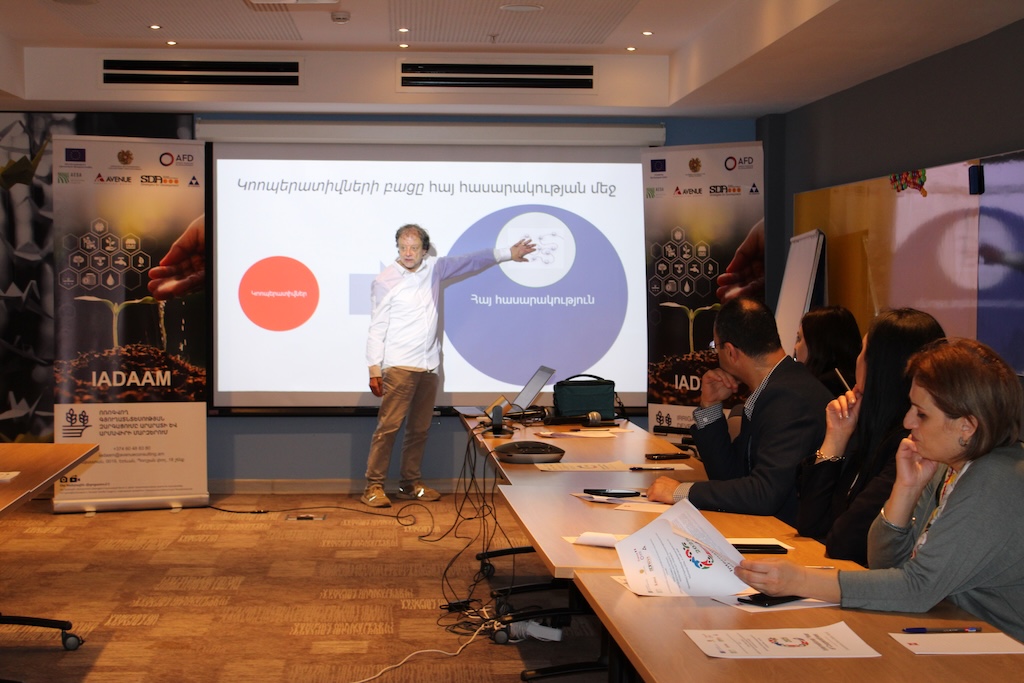
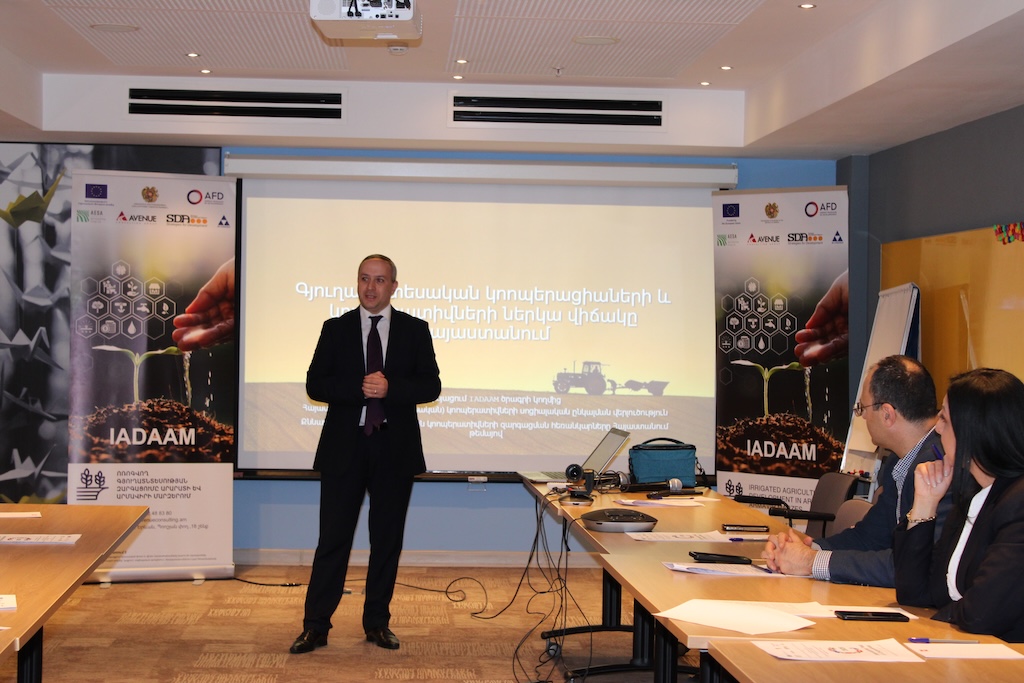
IADAAM’s Vision: Building Cooperatives for Sustainable Development

Within the framework of the “Irrigated Agriculture Development in Ararat and Armavir Marzes” (IADAAM) Project, we recognize that agricultural cooperatives are a vital approach for transforming rural livelihoods and accelerating sustainable agricultural development in Armenia.

Our vision is to promote the formation and strengthening of modern, inclusive, and accountable cooperatives that empower farmers to act collectively – enhancing their productivity, strenghtening bargaining power and access to markets, and increasing resilience to climate challenges.

IADAAM is committed to:

  • Supporting farmers and rural stakeholders in organizing around shared goals
  • Providing tailored training and advisory services to strengthen cooperative governance and management
  • Facilitating access to legal and financial frameworks for cooperative development
  • Promoting joint investments in infrastructure, inputs, processing, and marketing
  • Encouraging the adoption of sustainable, climate-smart practices through collective action

We do not view cooperatives as short-term projects, but as long-term institutions that can foster trust, innovation, and inclusive growth across rural communities.

Why this matters for smallholder farmers:

In Armenia, the majority of farmers are smallholders managing limited plots of land. These farmers often face challenges such as limited access to markets, credit, modern technologies, and extension services. By coming together through cooperatives, smallholders can pool resources, lower production costs, and increase their voice in decision-making processes – ultimately improving their livelihoods and economic security. Cooperatives can be a game-changer for unlocking opportunities that would otherwise remain out of reach for individual farmers.

This approach is guided by the belief that cooperatives should serve as engines of inclusive development, placing people, sustainability, and shared prosperity at the center of agricultural progress.

Cooperatives for Sustainable Development means building structures that go beyond profit – structures that serve the community, protect the environment, and create a better future for generations to come.

Irrigated Agriculture Development in Ararat and Armavir marzes (IADAAM) project, financed through the European Union (EU) with implementation by the French Development Agency (AFD) is an integrated initiative aimed at transforming irrigated agriculture in Armenia.

Within IADAAM project a technical assistance component is implemented jointly by AESA – Agriconsulting Europe SA, Avenue Consulting Group LLC, Strategic Development Agency NGO and 3R Strategy LLC consortium and aims to provide institutional support to the Ministry of Economy of the Republic of Armenia (MoE) in the formulation of agricultural policies and reforms in priority areas, provide technical support to the MoE in the implementing project activities, ensure communication and reporting for the IADAAM project.

Uncategorized

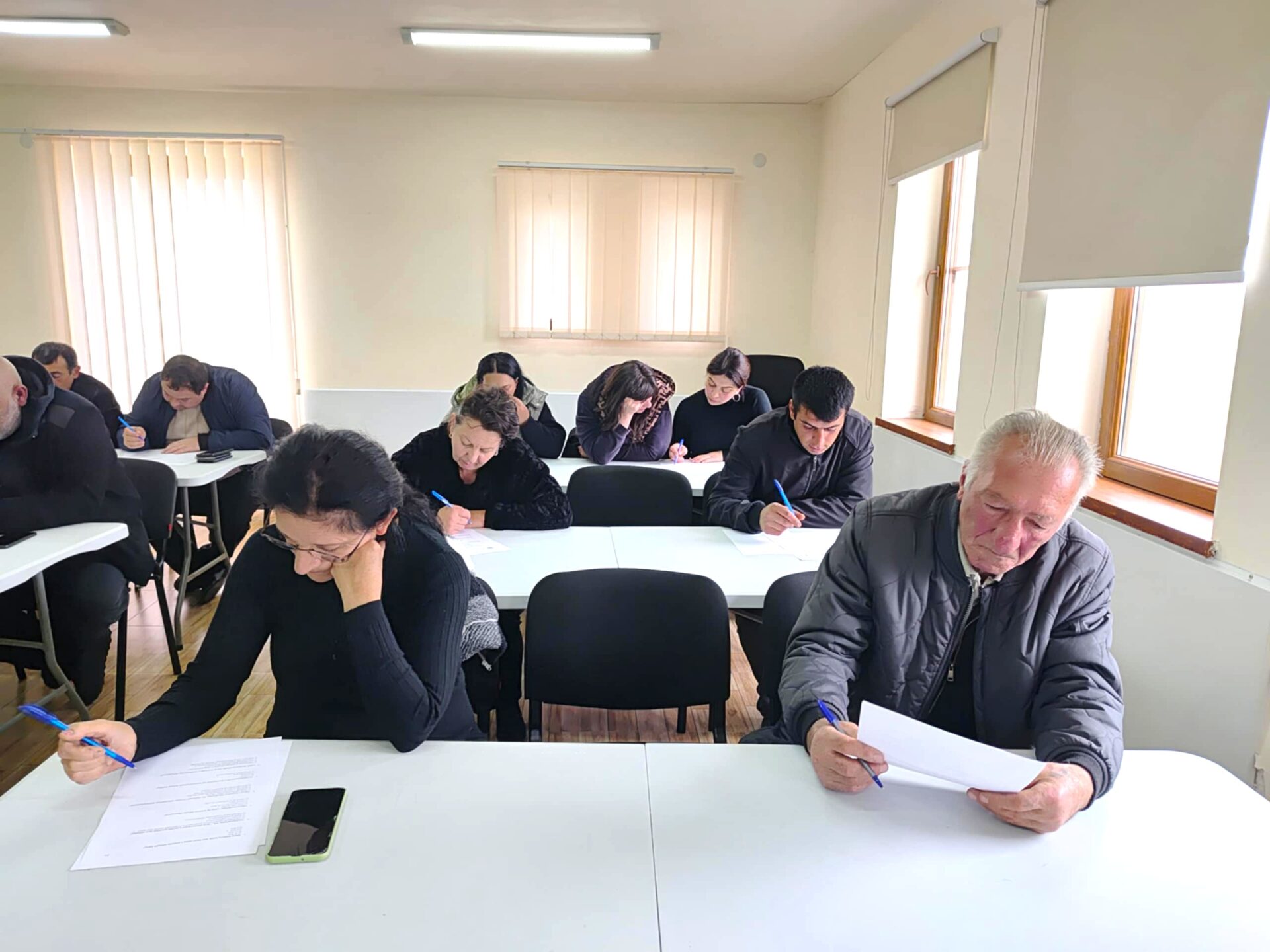
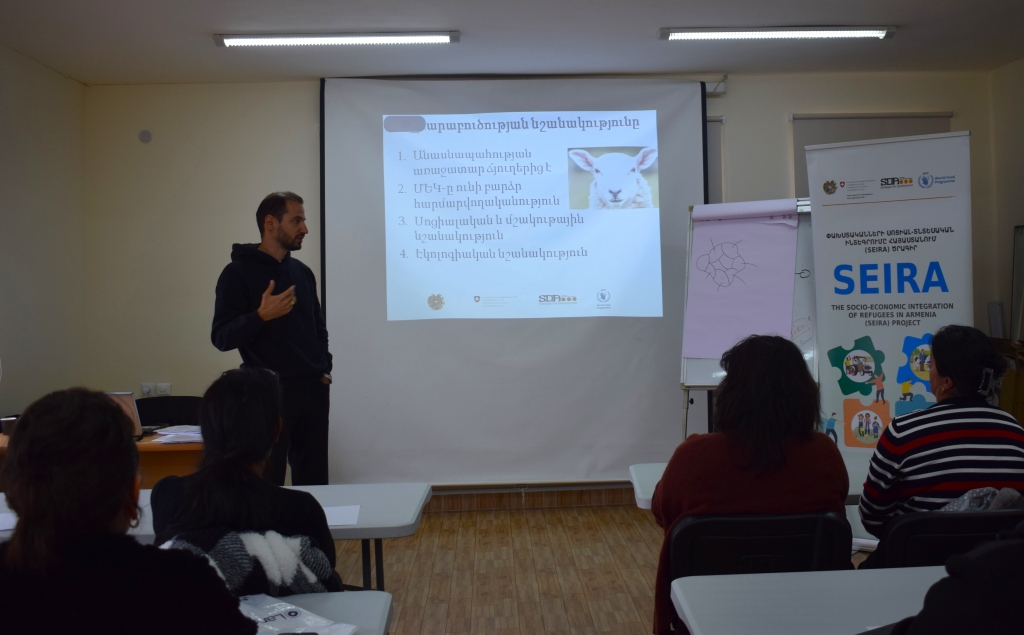
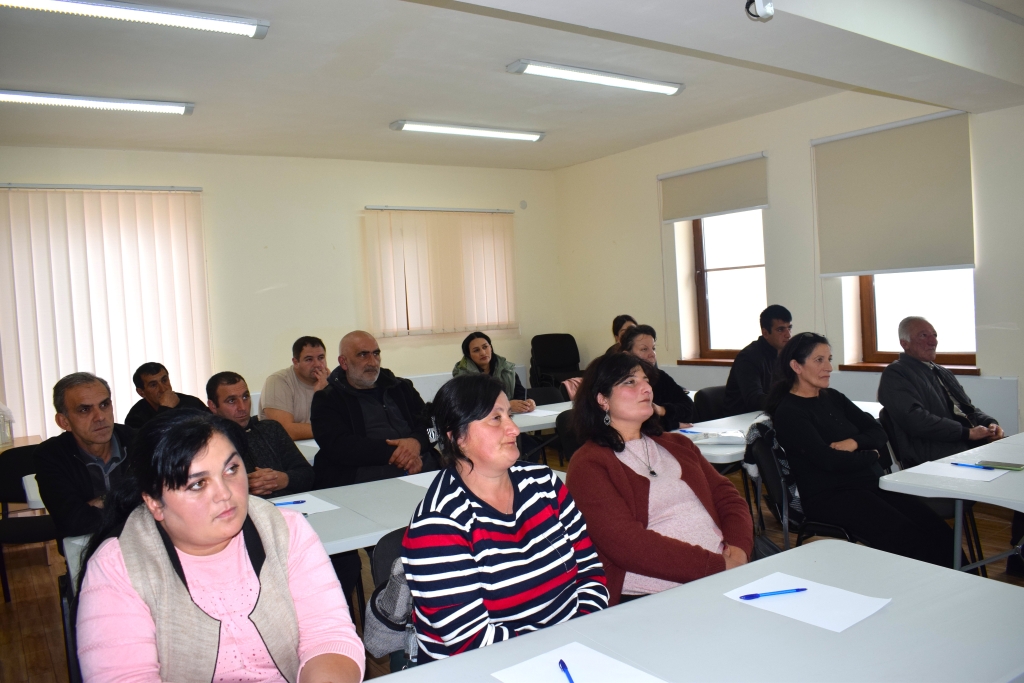
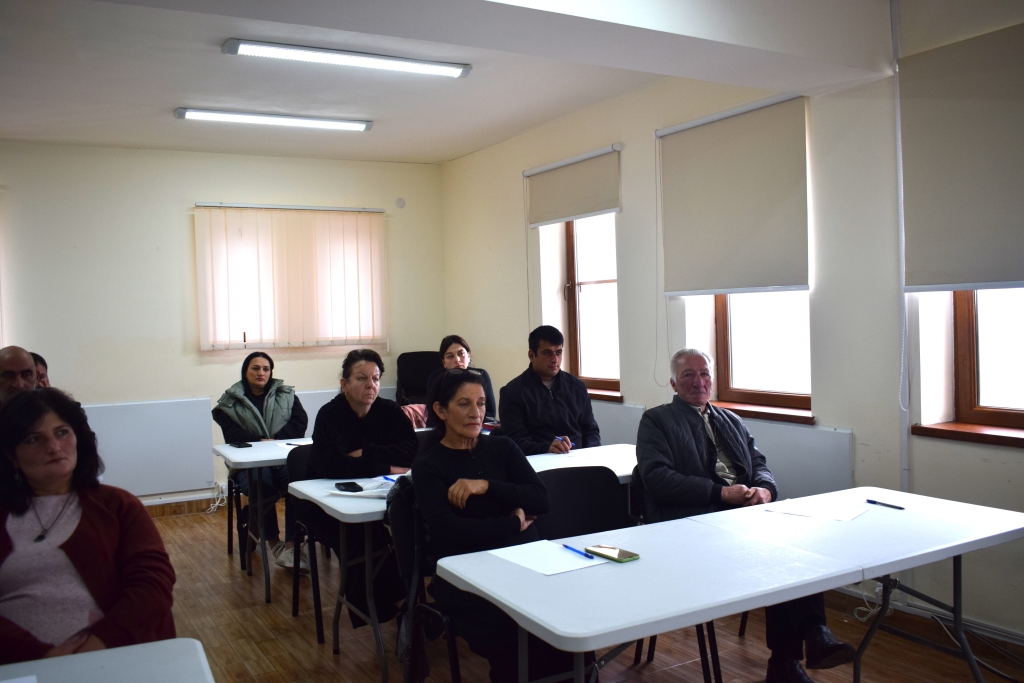
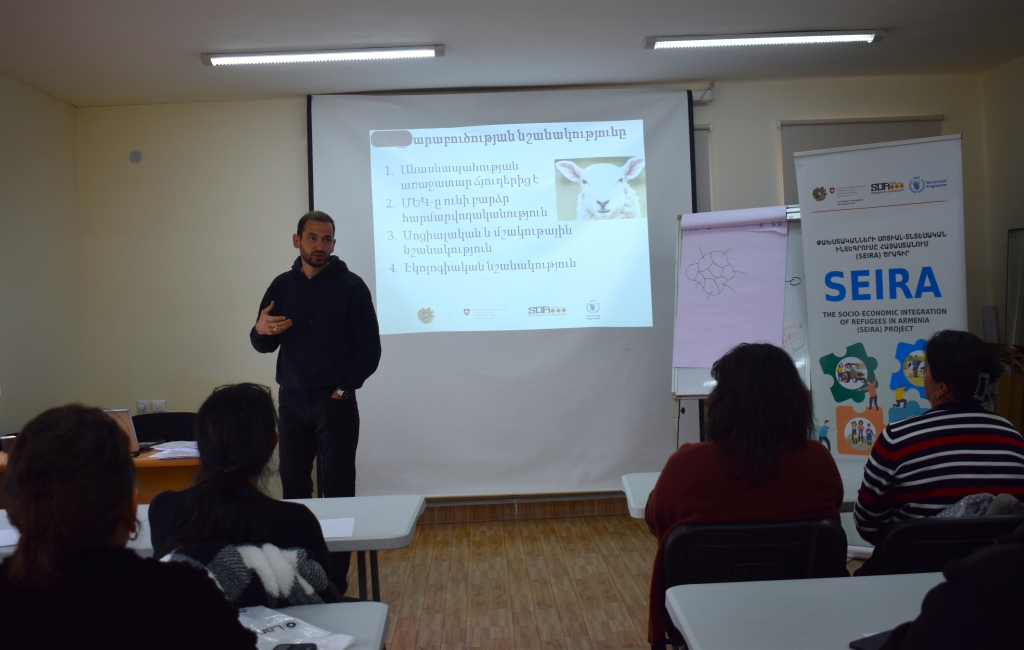
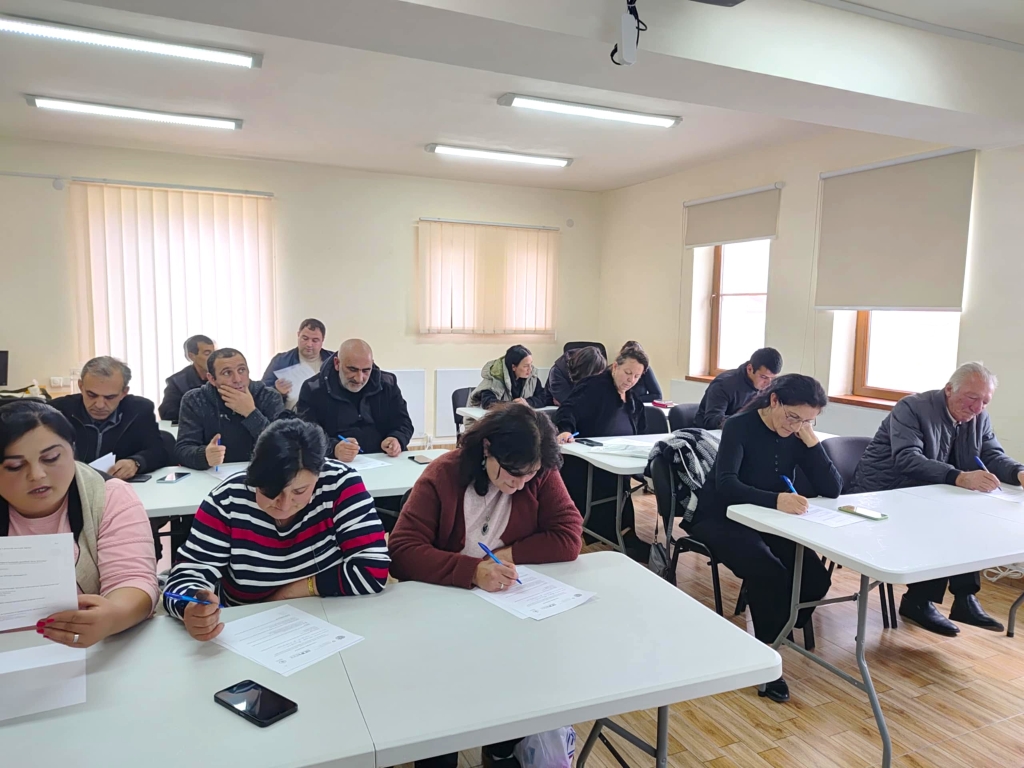
SEIRA Short-Term Training on “Best Practices in Pig Farming” in Syunik

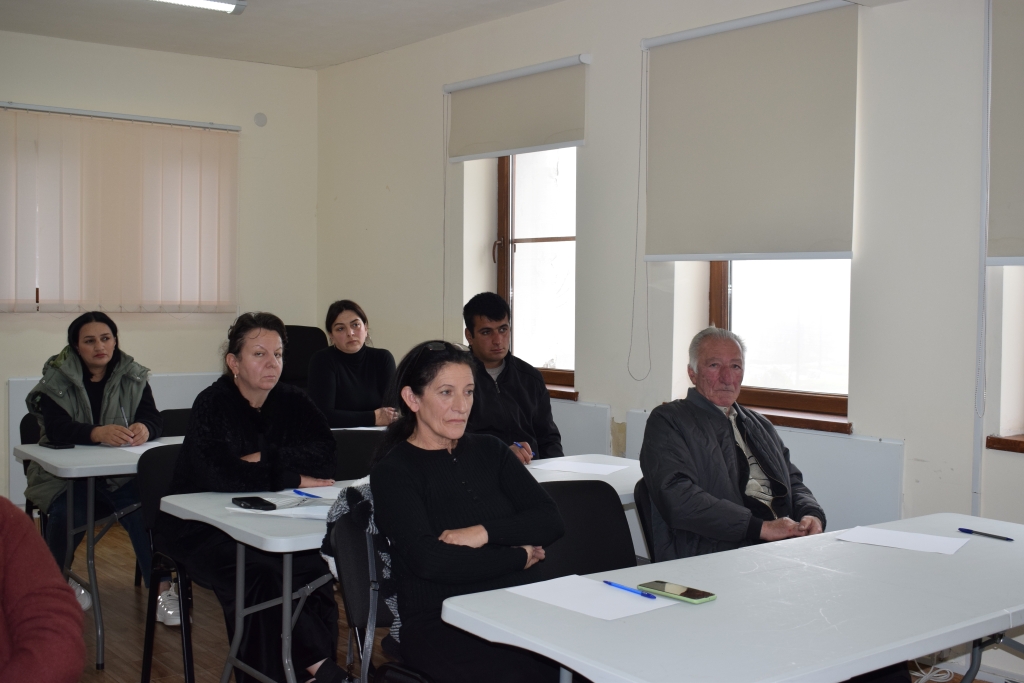
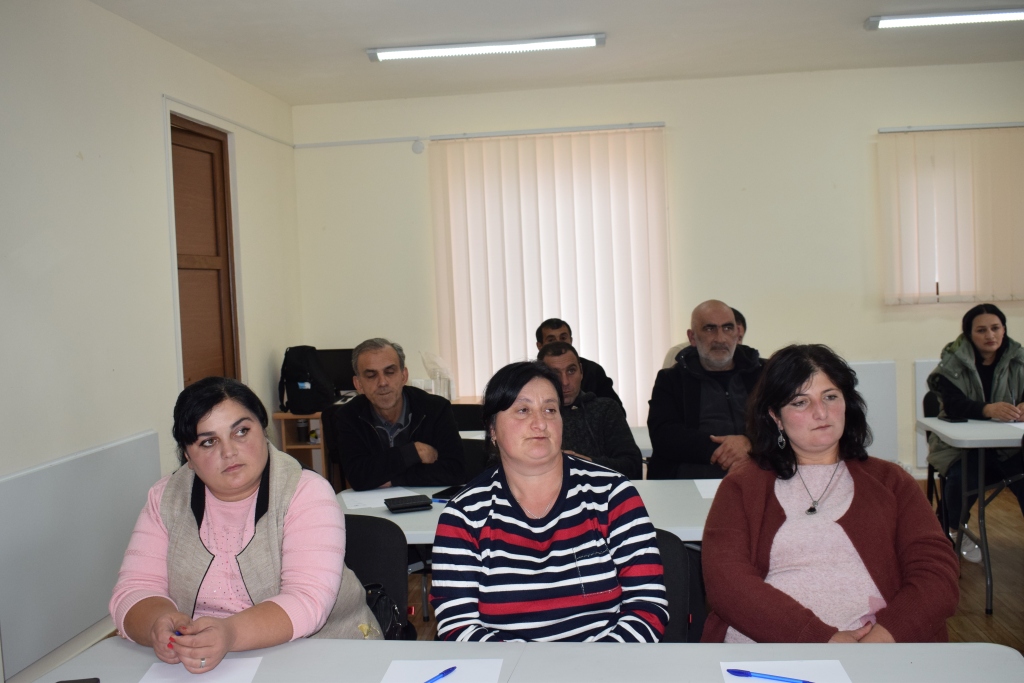
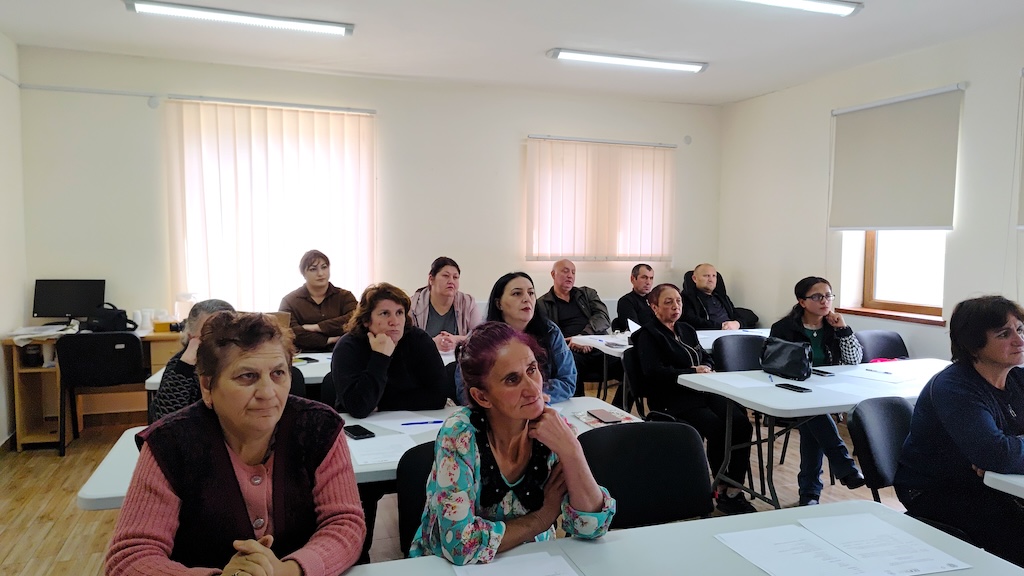
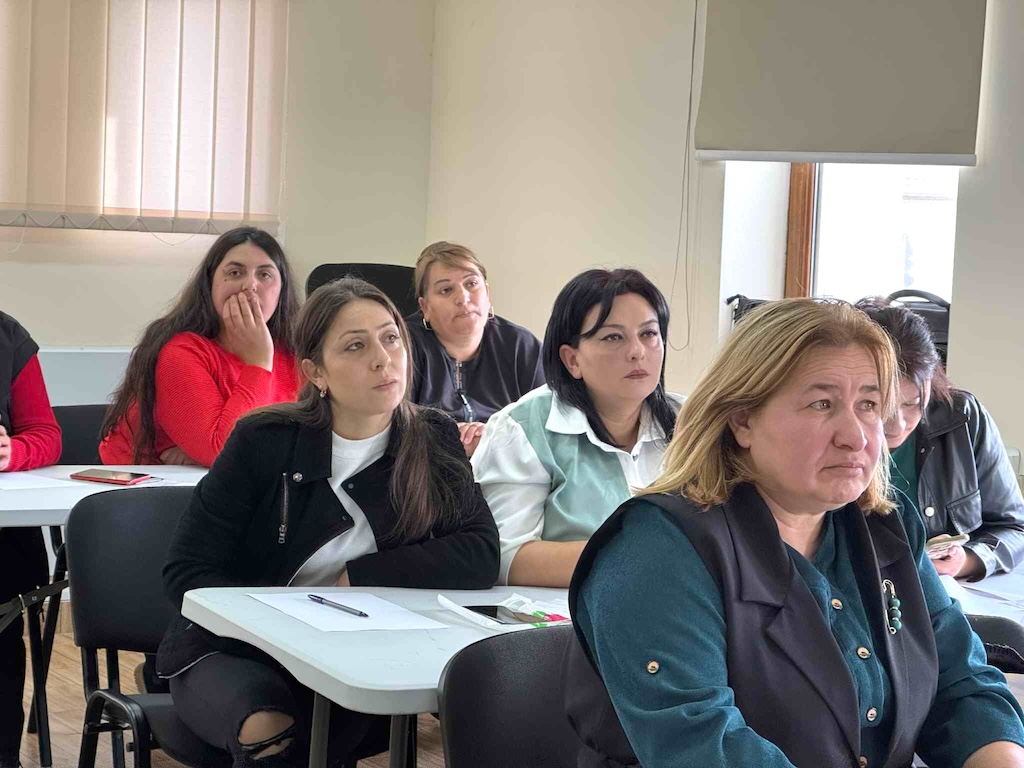
Within the framework of the “Socio-Economic Integration of Refugees in Armenia” (SEIRA) project, a short-term training on “Best Practices in Pig Farming” took place on July 24 at the information center of the “The Ranch” social enterprise. The training was designed for forcibly displaced people from Artsakh, who have resettled in the Goris enlarged community of the Syunik region.

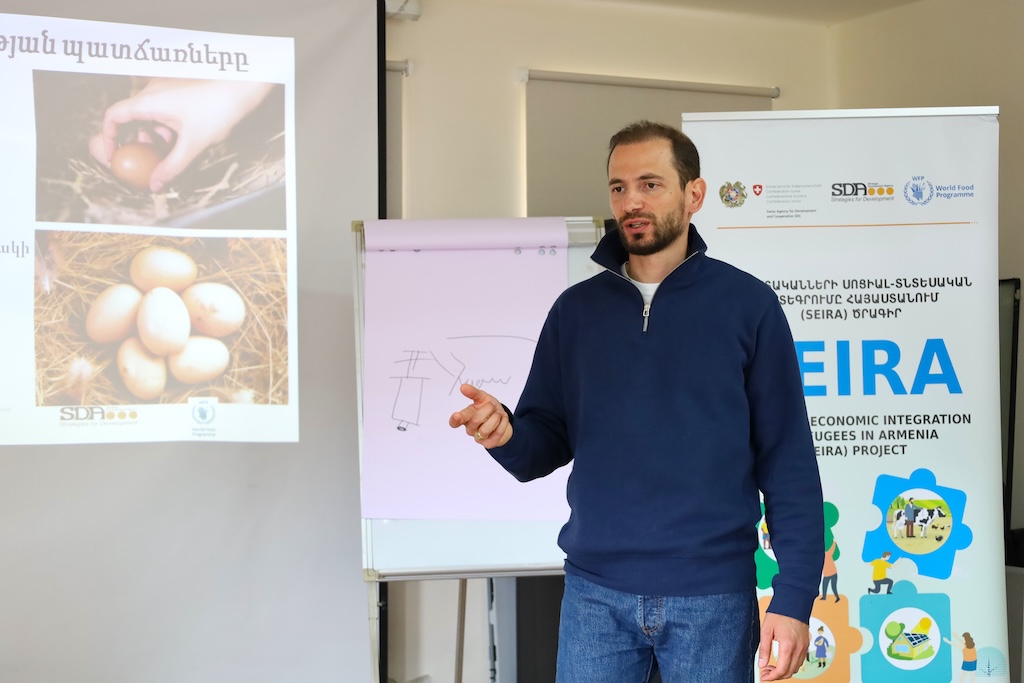
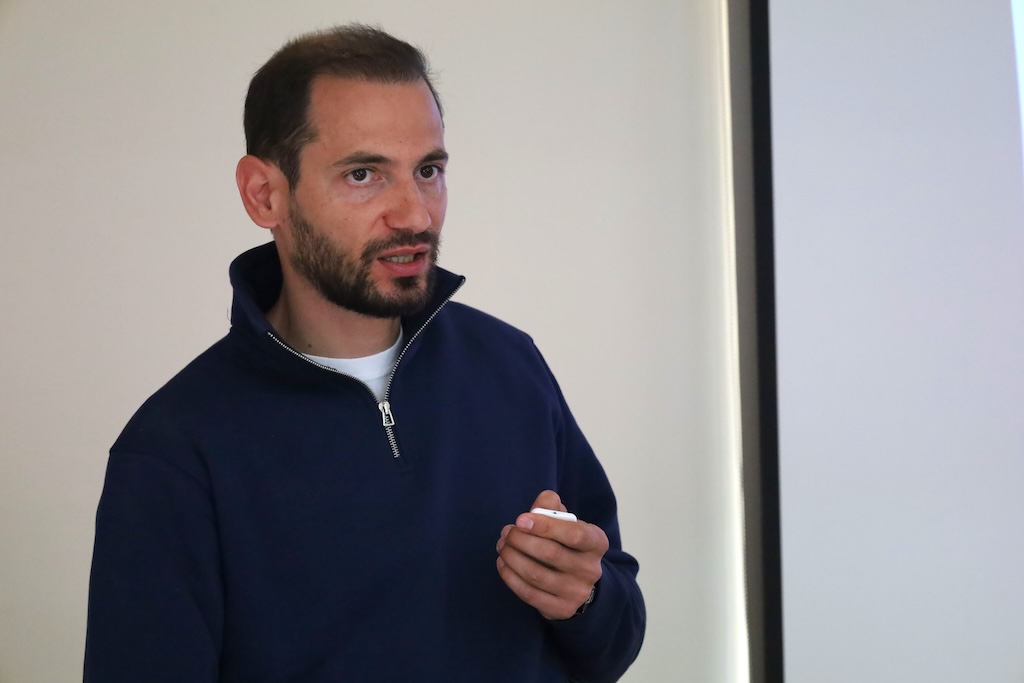
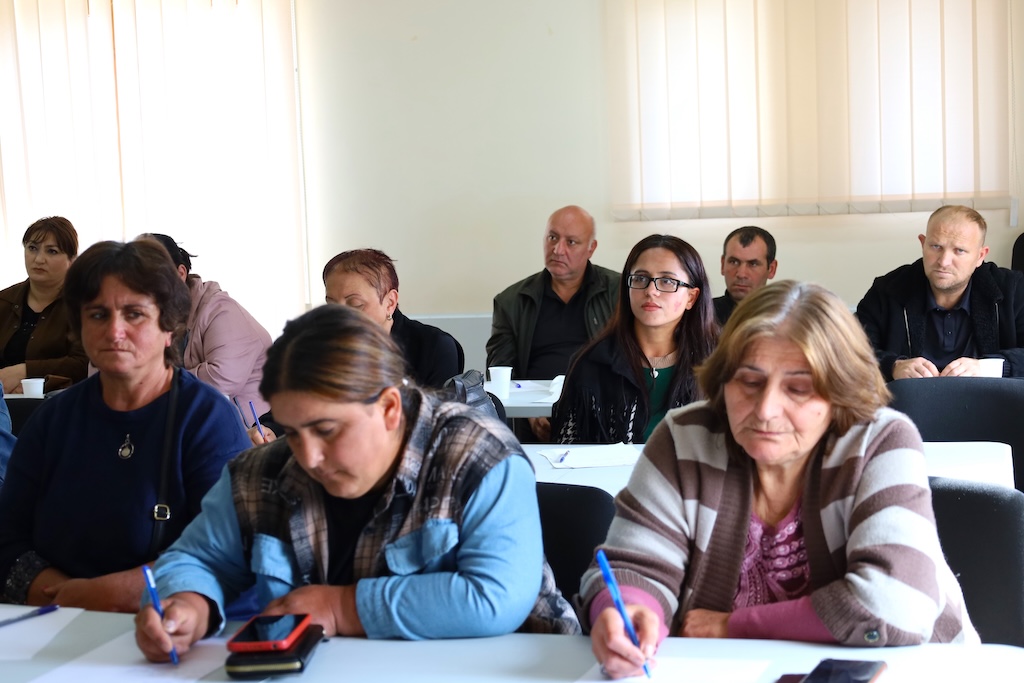
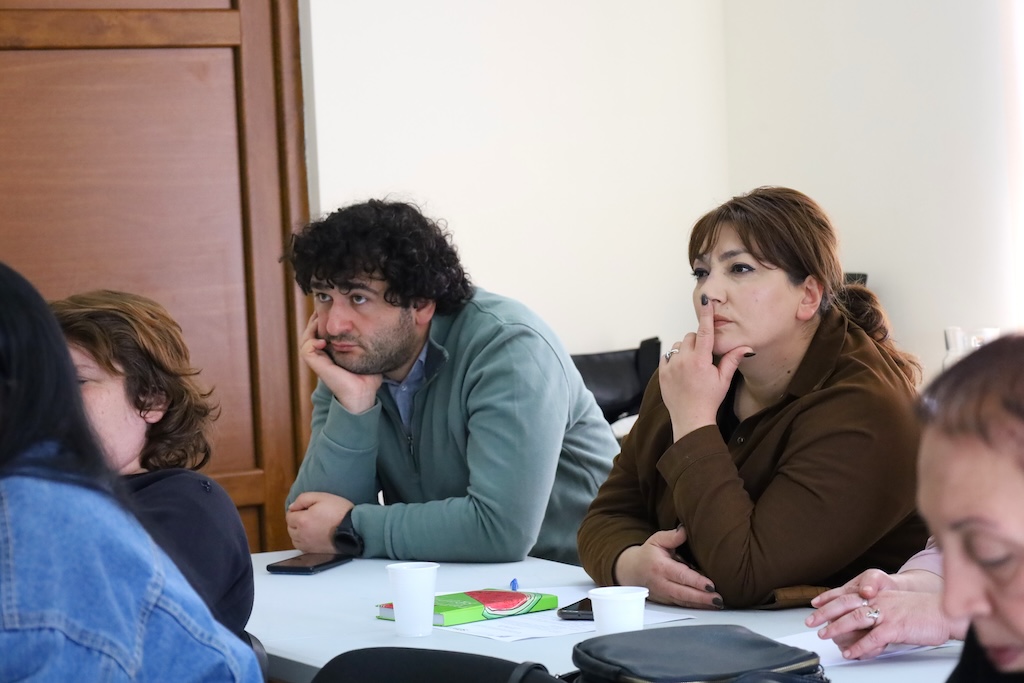
Trainer Areg Sarukhanyan provided an in-depth overview of the opportunities for pig farming development in Syunik, highlighting the ongoing programs and the best practices currently being implemented. He also shared successful examples of local pig farms, which can serve as a source of inspiration and motivation for the displaced participants.

The “Socio-Economic Integration of Refugees in Armenia” (SEIRA) project fosters socio-economic integration by improving food security, creating sustainable livelihoods, and empowering both refugees and host communities in Armenia, promoting resilience and economic growth through agricultural and business development.

The SEIRA project is funded by the Swiss Agency for Development and Cooperation and implemented by the “Strategic Development Agency” NGO and the UN World Food Programme.