
Uncategorized

Elevating Local Baking Traditions: Armenian Culinary Talents Trained in European Artisanal Breads under the LILA Project

Within the framework of the #LILA Project, a specialized PUM Training Course on “Local Cuisine Development” was successfully conducted, bringing together the talented culinary teams of Khachik Bakery and Sheram by Mariam for an intensive hands-on experience in European artisanal baking.

Led by internationally renowned master baker Bert Steehouder, the training focused on mastering traditional techniques and refining baking skills. Participants were trained in the preparation of a variety of classic Italian and French baked goods, including the  baguette, croissant,  pain au chocolat, ciabatta, and focaccia.

This hands-on training enabled participants to develop a comprehensive understanding of the technical intricacies and cultural significance of artisanal bread-making. It facilitated a valuable exchange between international expertise and local craftsmanship, fostering the adoption of high-quality standards, technical precision, and a forward-looking approach to product development and innovation within the local culinary sector.

This initiative represents an important step in the ongoing development of local culinary capacity – linking traditional practices with globally recognized standards, and opening new avenues for quality production and entrepreneurship in Armenia’s food sector.

Where knowledge meets tradition, excellence begins to rise.

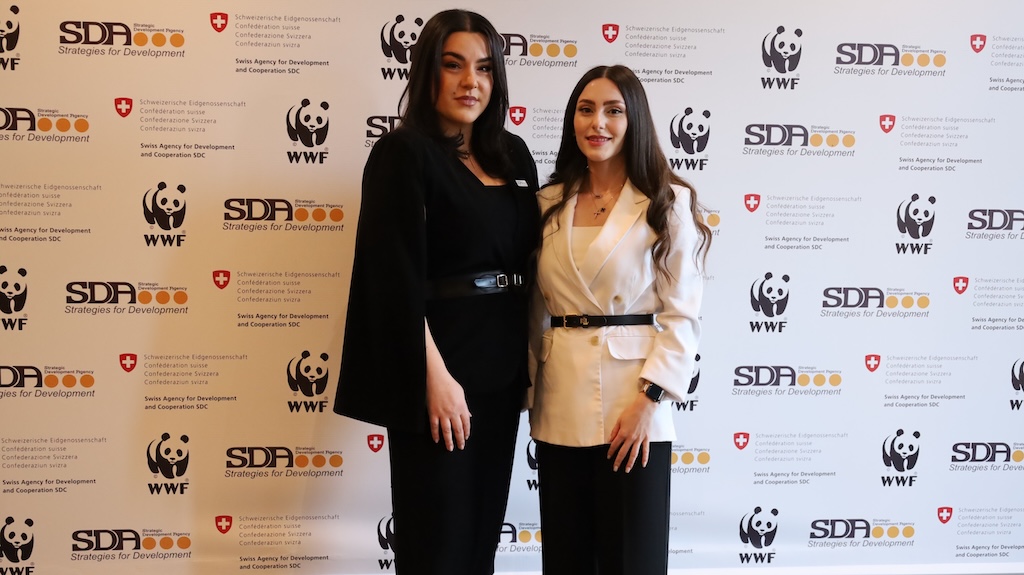
Living Landscapes for Market Development in Armenia (LILA) project is funded by the Swiss Agency for Development and Cooperation Agency for Development and Cooperation (SDC) and implemented by WWF-Armenia in collaboration with SDA NGO.

IADAAM Identifying Current Challenges in the Grapes and Tomatoes Value Chains in Vosketap, Vedi Community, Ararat Marz

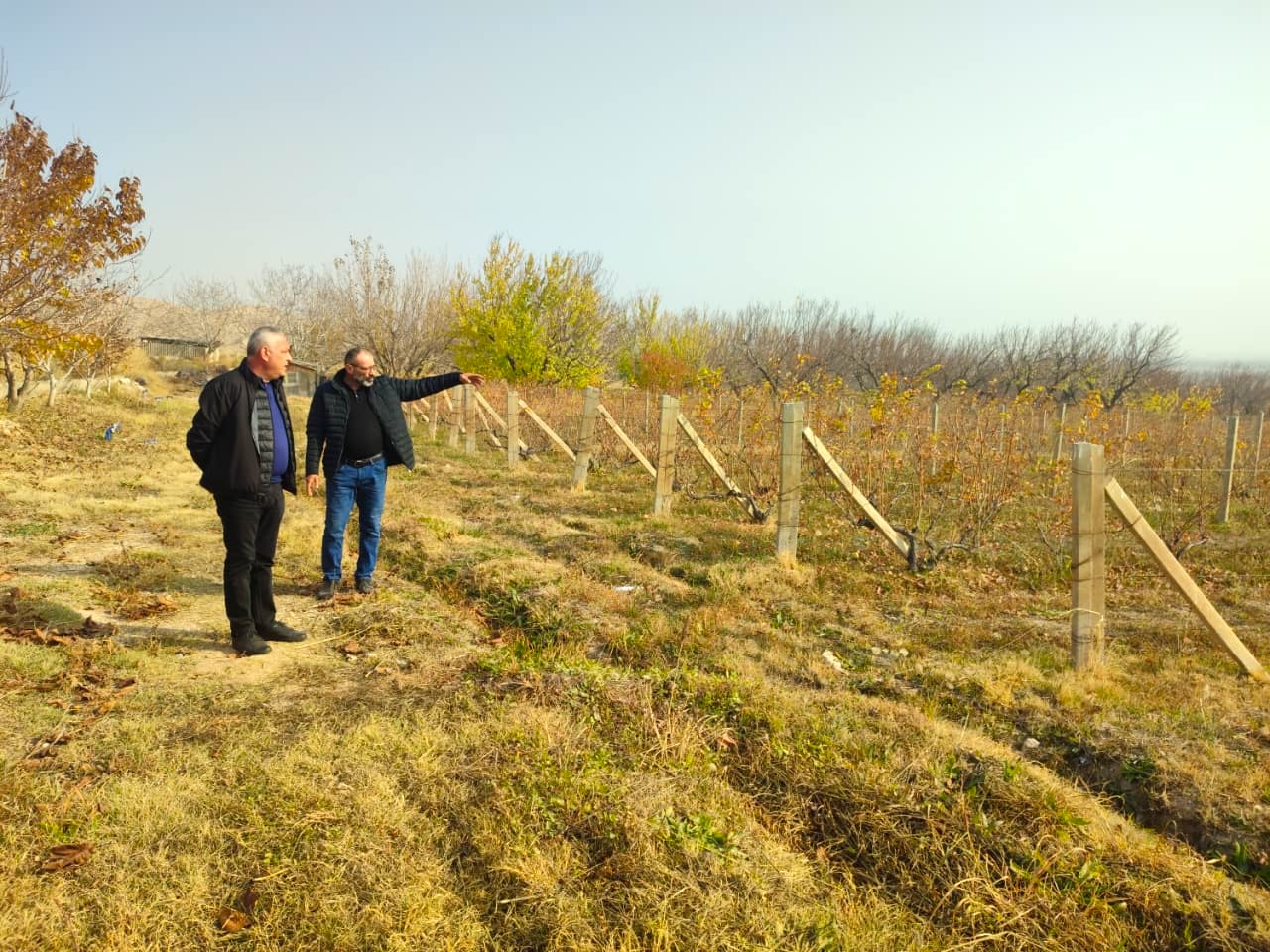
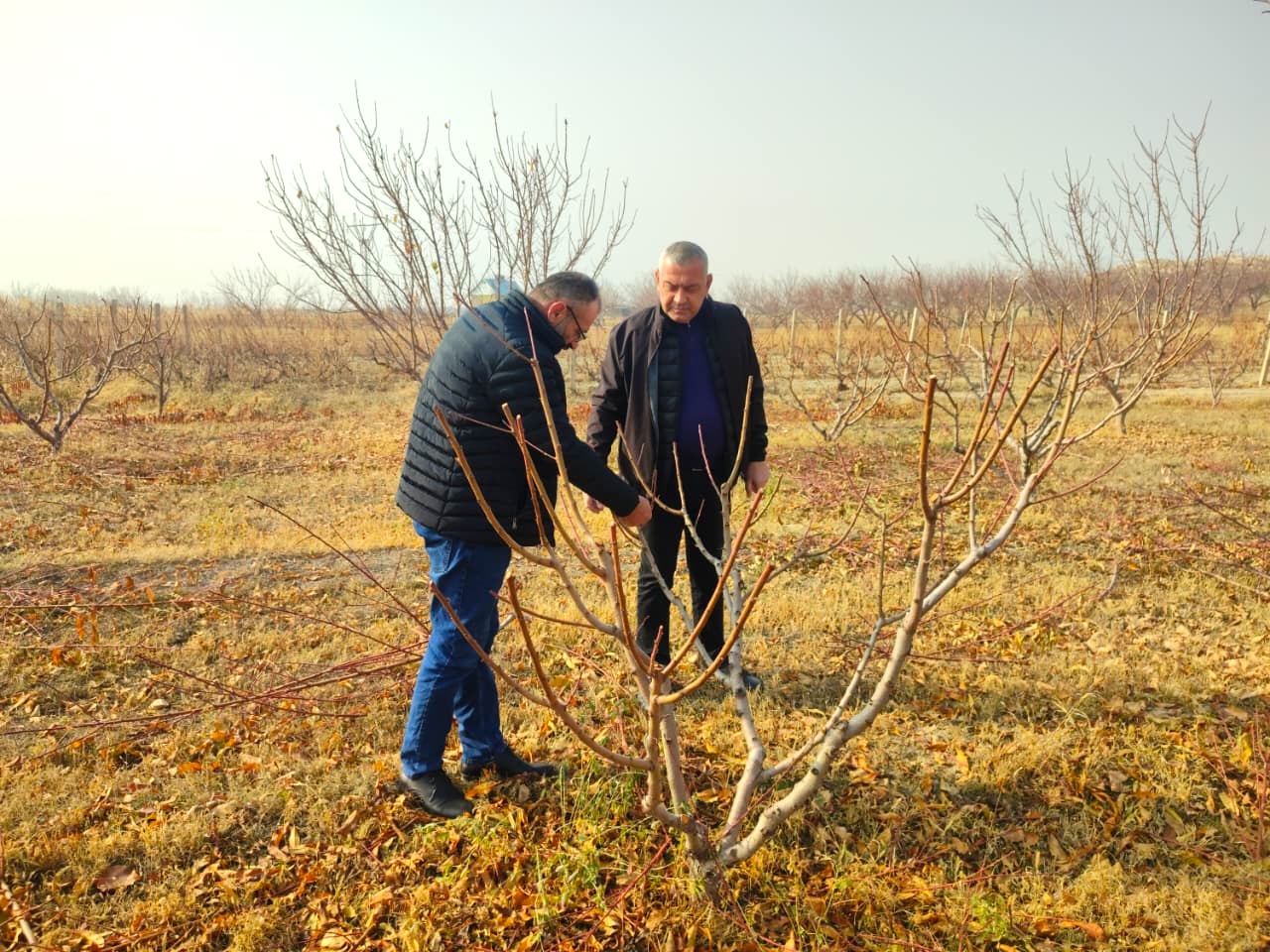
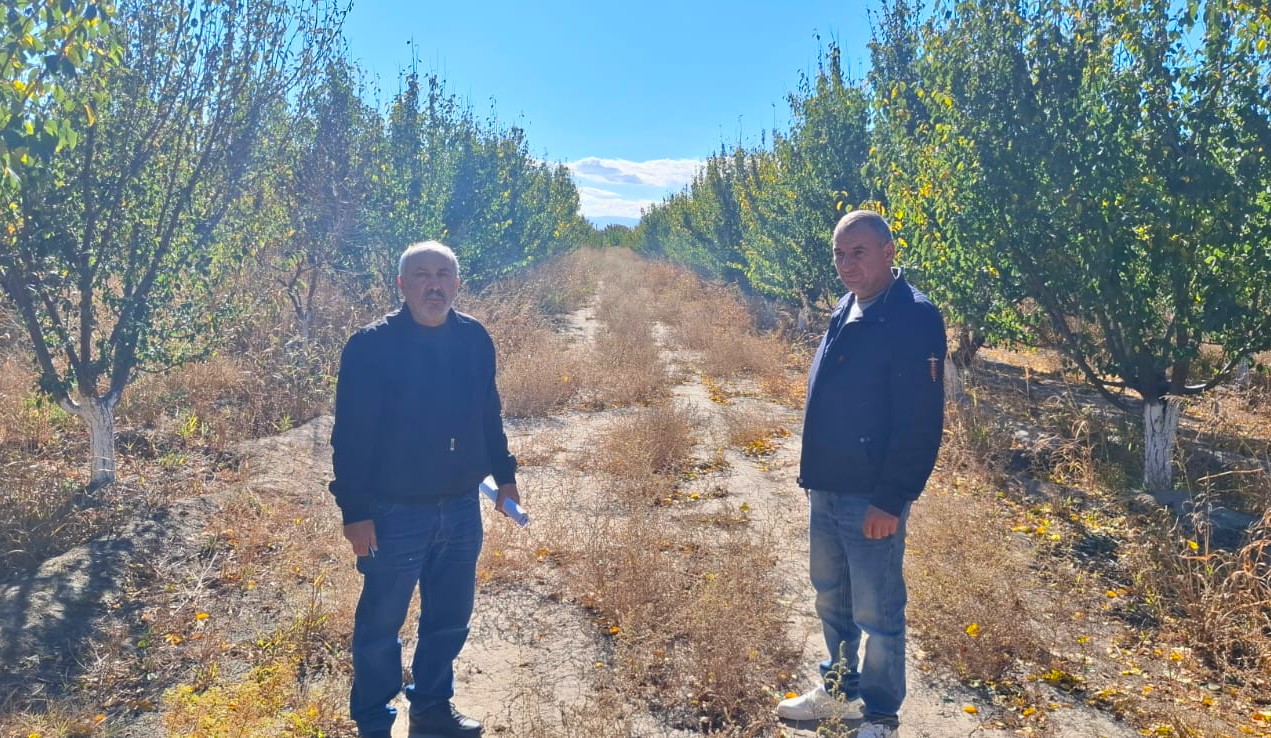
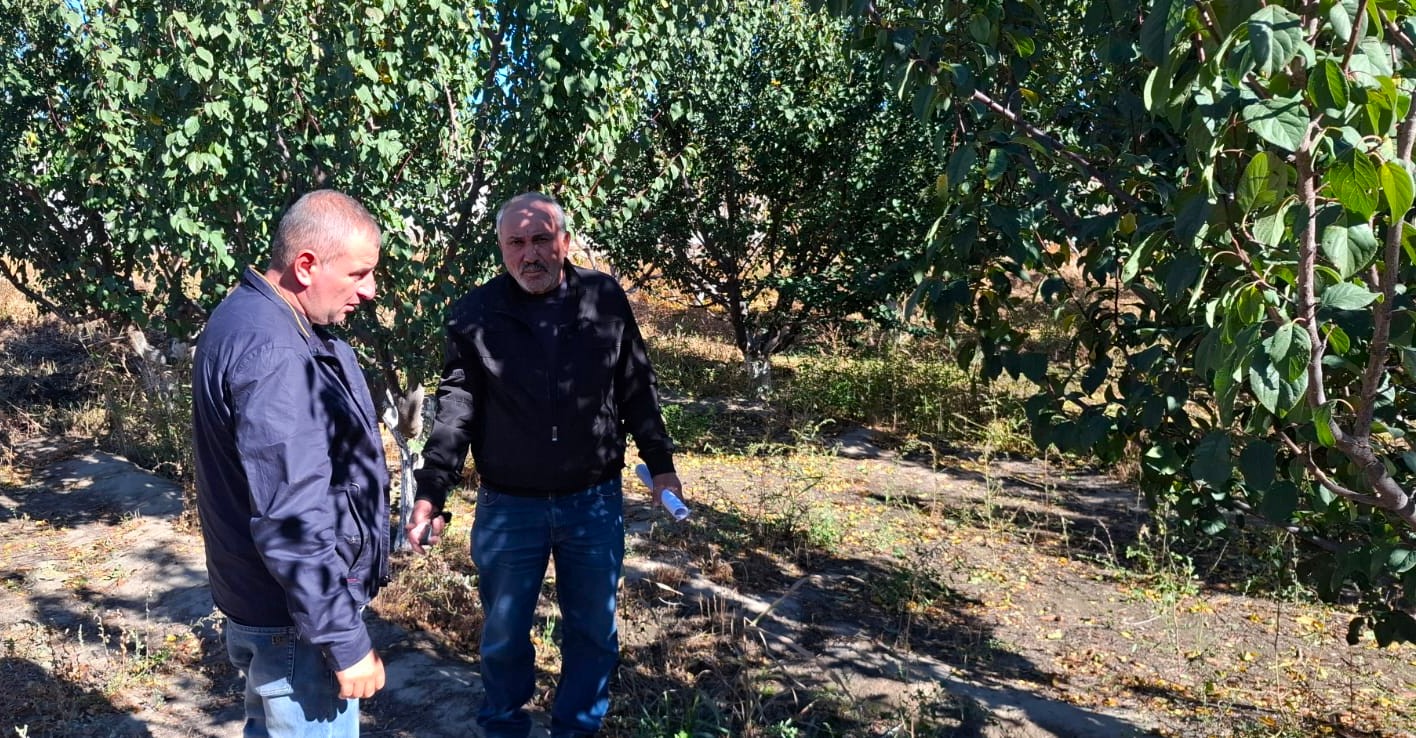
Within the framework of the “Irrigated Agriculture Development in Ararat and Armavir Marzes” (IADAAM) program, the Agricultural Extension Support Team (AEST) carried out a field visit to the Vosketap settlement of Vedi community to assess current challenges and explore development opportunities in the grape and tomato value chains.

Through stakeholder consultations and on-site assessments with farmers, aggregators, and other value chain actors, several critical challenges were identified:

▪️ Limited market access and low procurement prices, stemming from long distances to markets, lack of coordination, and unfavorable contract terms with processors
▪️ High costs and low quality of agro-inputs, particularly pesticides and fertilizers, leading to increased vulnerability to diseases and fruit pests
▪️ Insufficient access to agricultural machinery, with high seasonal demand and limited availability
▪️ Labor shortages, driven by youth migration and the low appeal of daily wage employment
▪️ Limited access to affordable credit, due to prohibitively high interest rates
▪️ Lack of soil analysis and poor soil quality assessment, hindering effective land management and productivity

These identified challenges will serve as a foundation for designing targeted advisory interventions and informing policy recommendations by AEST, aiming to foster a competitive, resilient, and sustainable agricultural system.

Irrigated Agriculture Development in Ararat and Armavir marzes (IADAAM) project, financed through the European Union (EU) with implementation by the French Development Agency (AFD) is an integrated initiative aimed at transforming irrigated agriculture in Armenia.

Within IADAAM project a technical assistance component is implemented jointly by AESA – Agriconsulting Europe SA, Avenue Consulting Group LLC, Strategic Development Agency NGO and 3R Strategy LLC consortium and aims to provide institutional support to the Ministry of Economy of the Republic of Armenia (MoE) in the formulation of agricultural policies and reforms in priority areas, provide technical support to the MoE in the implementing project activities, ensure communication and reporting for the IADAAM project.

Uncategorized

RECONOMY Digitalizing Tourism in Armenia: Tech Solutions as Drivers of Transformation

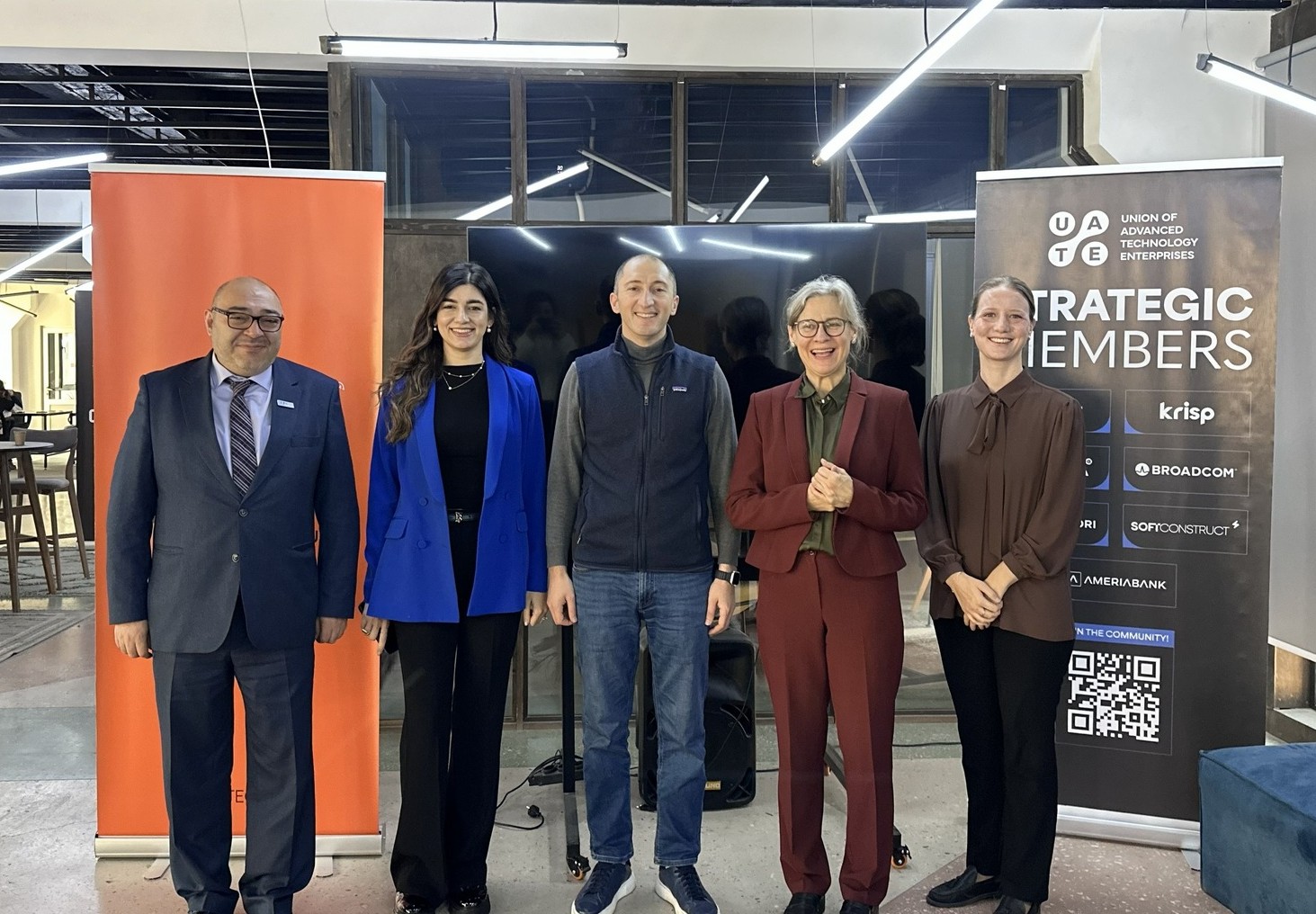
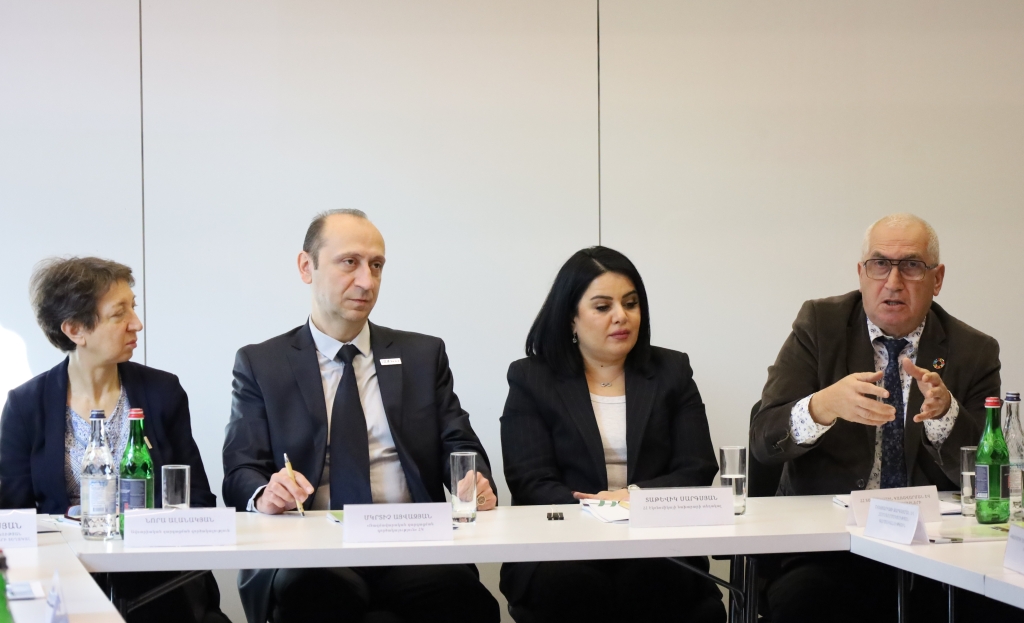
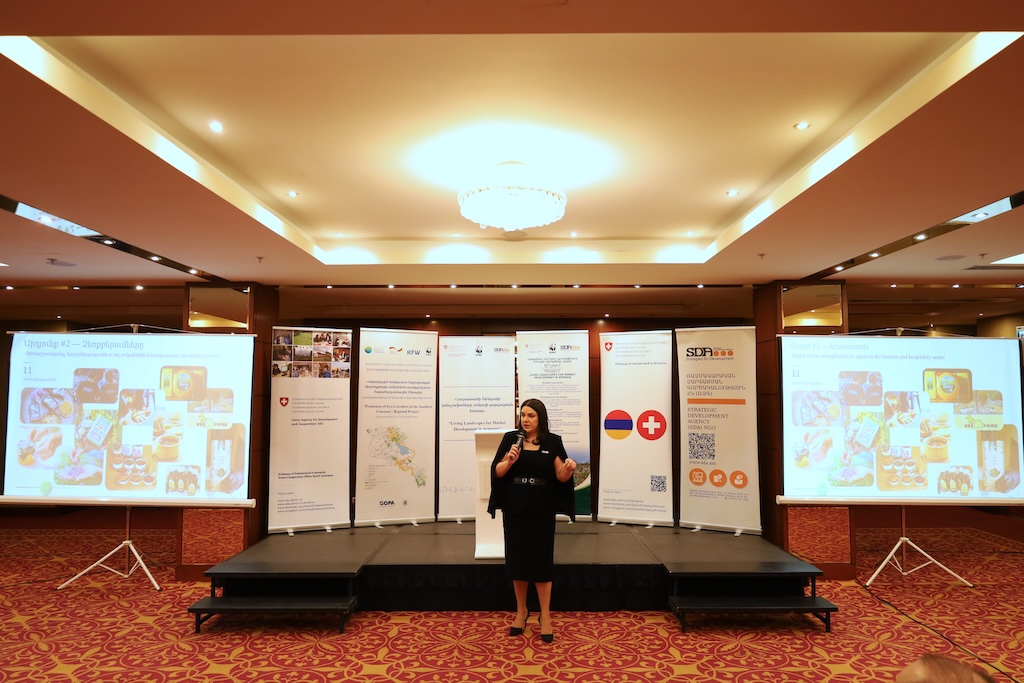
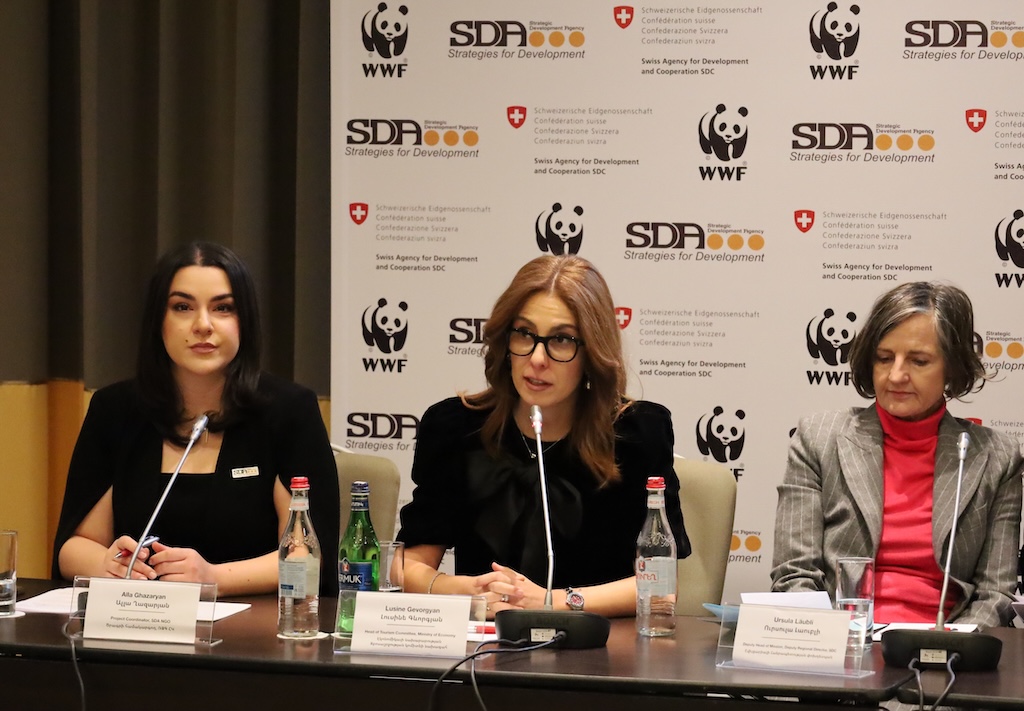
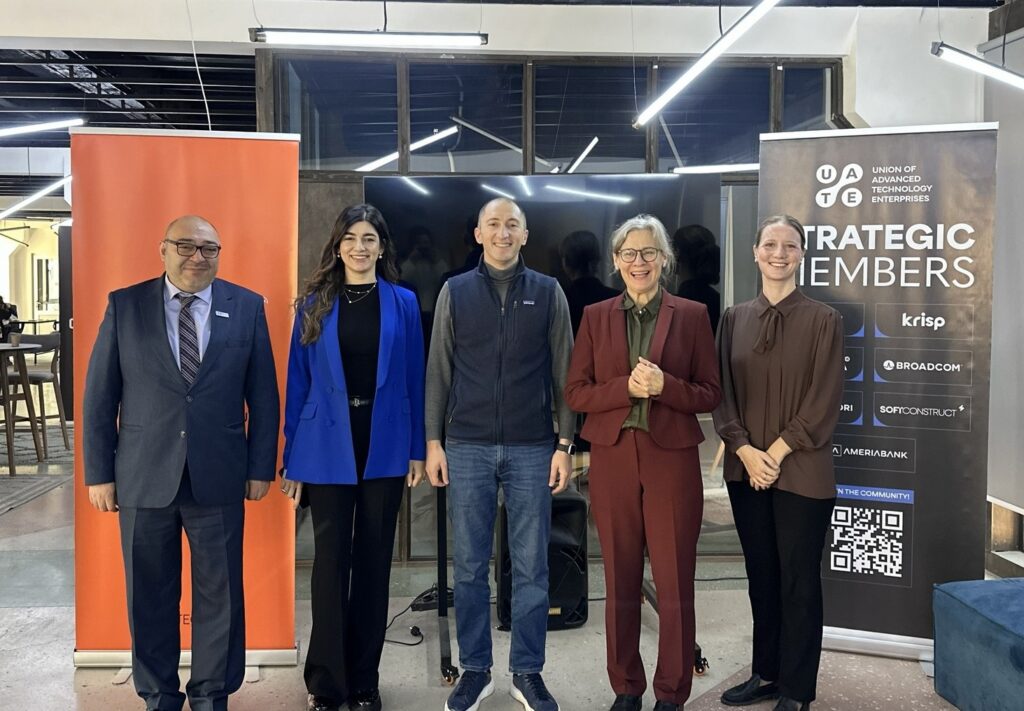
On September 23, the “Tourism Industry Digitalization” workshop was successfully held within the framework of RECONOMY’s “Digitalization of Sectors for Competitiveness” project. The event was co-organized by the Strategic Development Agency NGO (SDA) and the Union of Advanced Technology Enterprises (UATE).

The workshop aimed to equip Armenia’s tourism sector stakeholders – including tour operators, travel agencies, and related businesses – with insights into cutting-edge digital solutions. These innovations are designed to streamline operations, boost competitiveness, and unlock the vast potential of ICT in shaping a more resilient tourism industry.

Highlights from the agenda included:

  • Market insights on digital transformation of tourism SMEs in Armenia, presented by GOVTECH LLC
  • Presentation of practical digital solutions by Munich Ventures, Rocket Systems LLC, and HackTech LLC
  • Interactive discussions addressing sector-specific challenges and opportunities
  • Exploration of collaboration pathways for integrating ICT into tourism practices

The workshop created a vibrant platform for dialogue between Armenia’s tourism professionals and the tech ecosystem – fostering partnerships, encouraging knowledge exchange, and shaping a shared vision for a modern, data-driven, and innovation-powered tourism landscape.

RECONOMY is an inclusive and green economic development program of the Swedish International Development Cooperation Agency (Sida), implemented by Helvetas in partnership with the Strategic Development Agency NGO and others in the Eastern Partnership and Western Balkan countries.
IADAAM Strengthening Local Cooperation for Smarter Agriculture

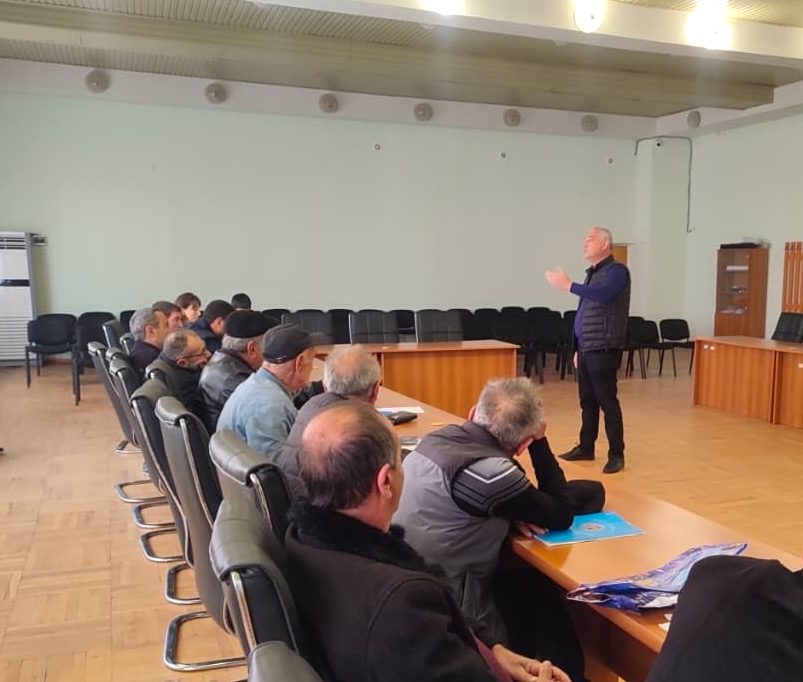
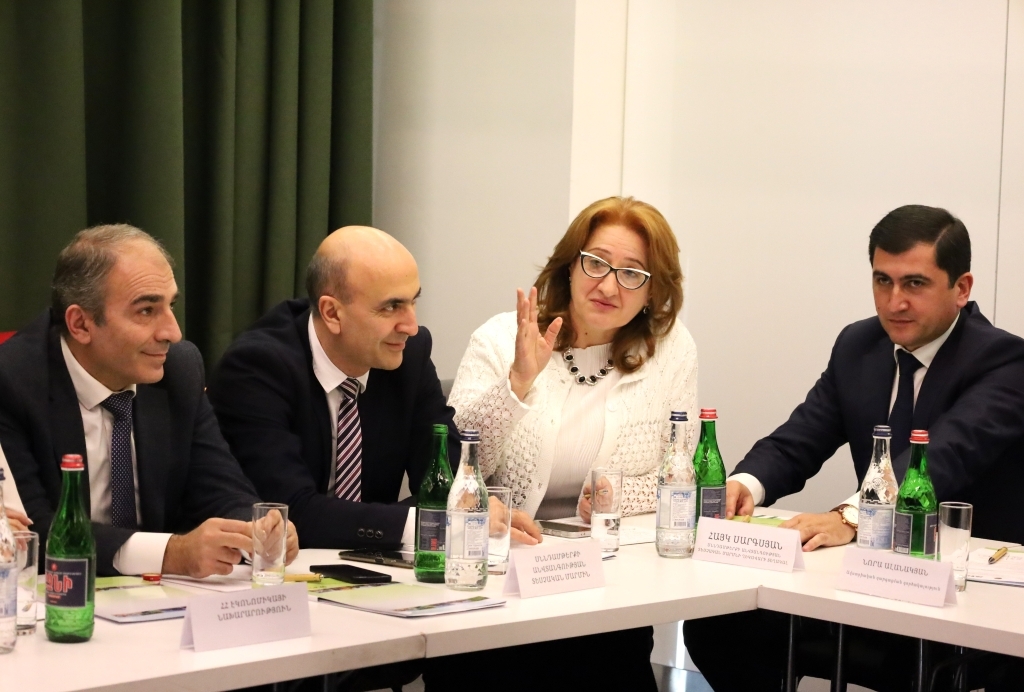
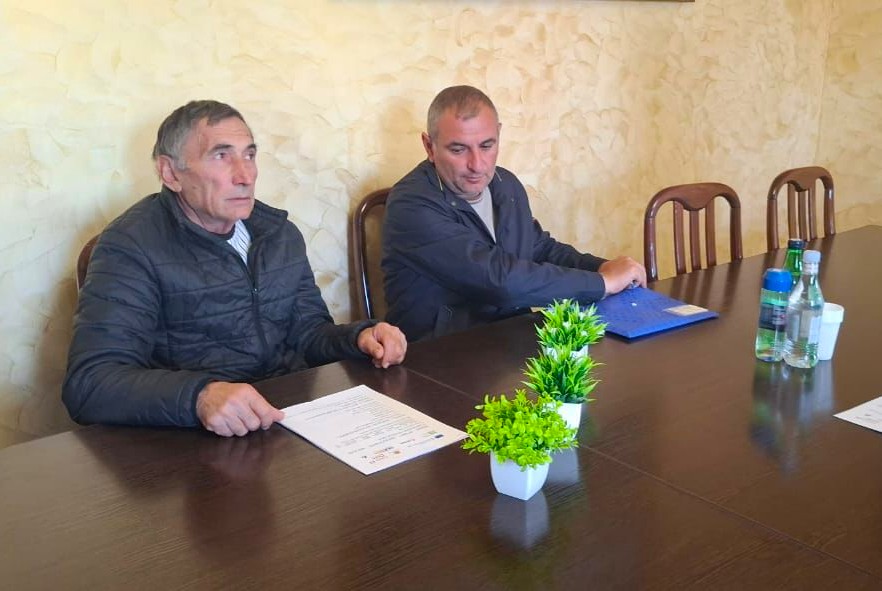
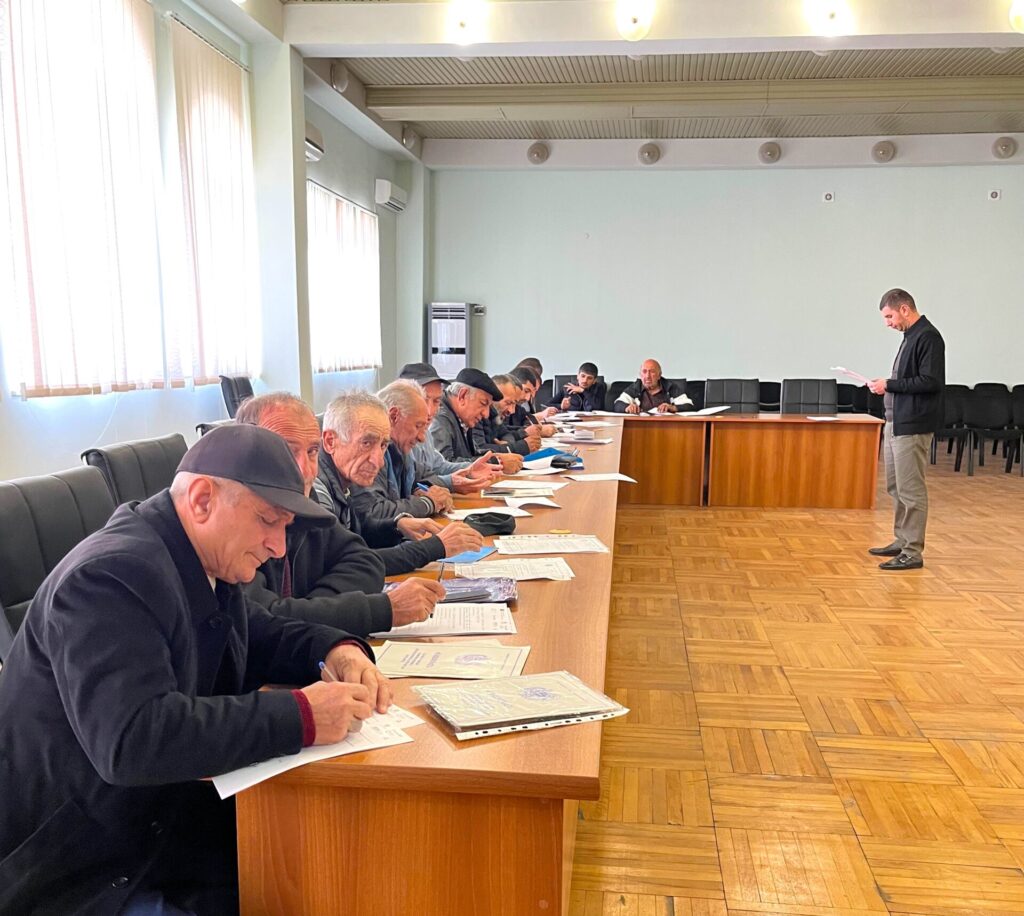
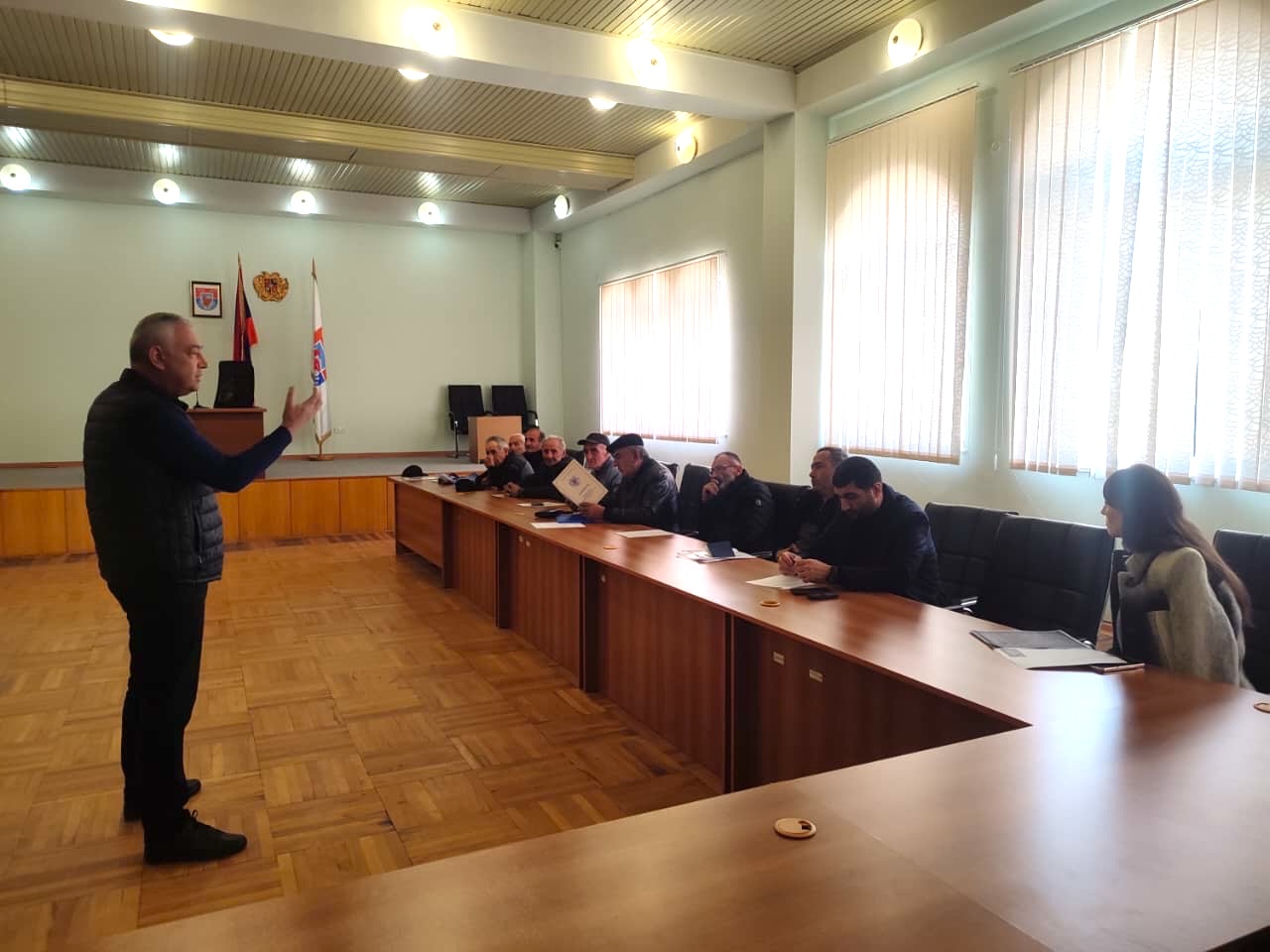
On September 10, a pivotal meeting took place at Ararat Municipality, where the IADAAM Agricultural Extension Services team (AEST) and the Municipality leadership joined forces to discuss the future of smart, community-driven agricultural advisory support.

Led by Mayor Aslan Avetisyan and AES Coordinator Vardan Ivanyan, AES expert Paruyr Asatryan, the meeting focused on:

🔹 Presenting the IADAAM Extension Component – designed to empower farmers through expert knowledge and hands-on guidance.
🔹 Defining Synergies between AES teams and the Municipality’s Agricultural Department for stronger collaboration.
🔹 Expanding Awareness across all settlements – from printed brochures to digital channels, no village will be left behind.
🔹 Coordinating Advisory Flows to ensure timely, transparent, and tailored support to every farmer.

This partnership is yet another step towards building a resilient and informed rural Armenia, where knowledge is cultivated alongside crops. 

Irrigated Agriculture Development in Ararat and Armavir marzes (IADAAM) project, financed through the European Union (EU) with implementation by the French Development Agency (AFD) is an integrated initiative aimed at transforming irrigated agriculture in Armenia.

Within IADAAM project a technical assistance component is implemented jointly by AESA – Agriconsulting Europe SA, Avenue Consulting Group LLC, Strategic Development Agency NGO and 3R Strategy LLC consortium and aims to provide institutional support to the Ministry of Economy of the Republic of Armenia (MoE) in the formulation of agricultural policies and reforms in priority areas, provide technical support to the MoE in the implementing project activities, ensure communication and reporting for the IADAAM project.

Uncategorized

Community in Focus: IADAAM Components Presented through Structured Dialogue

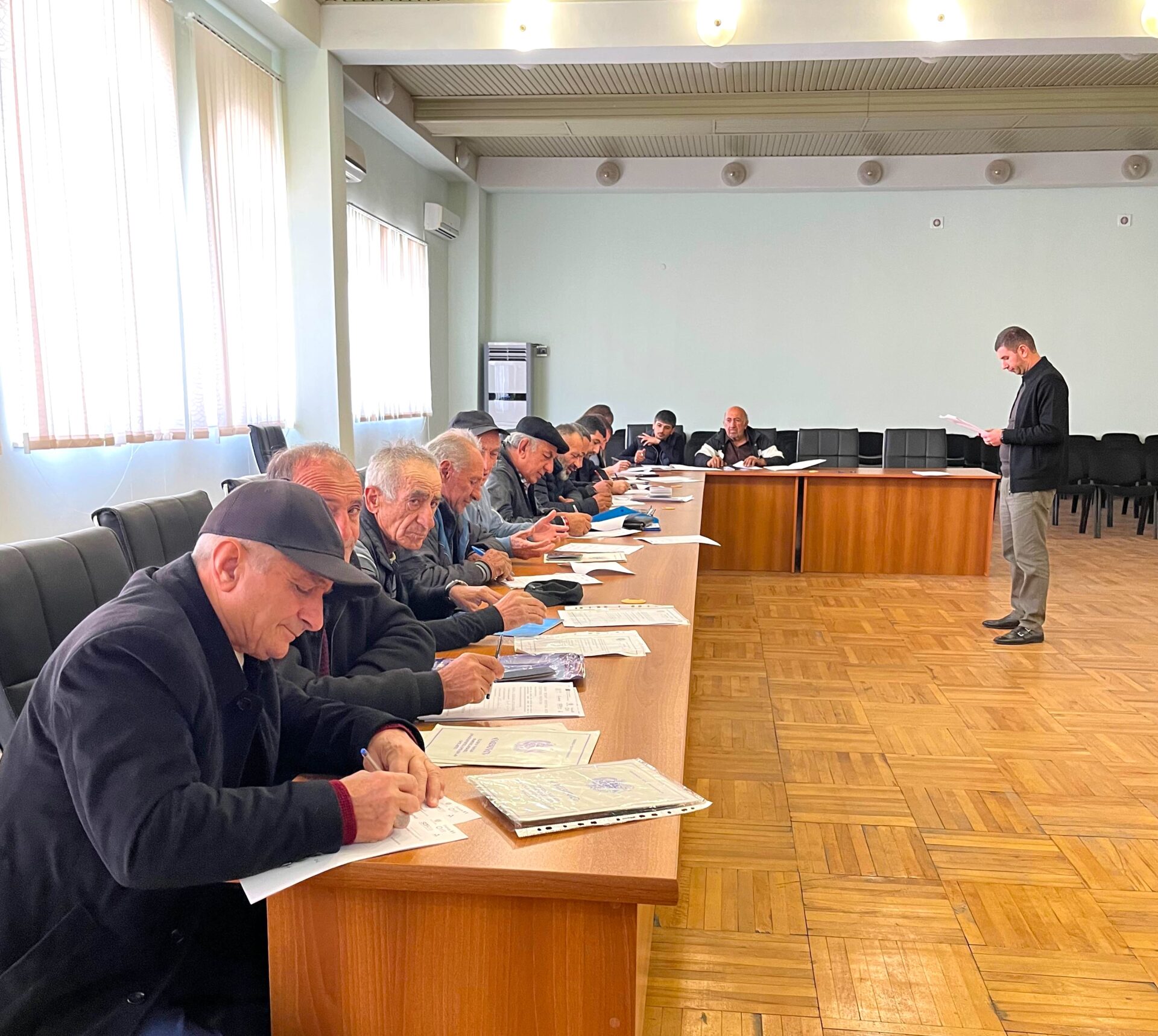
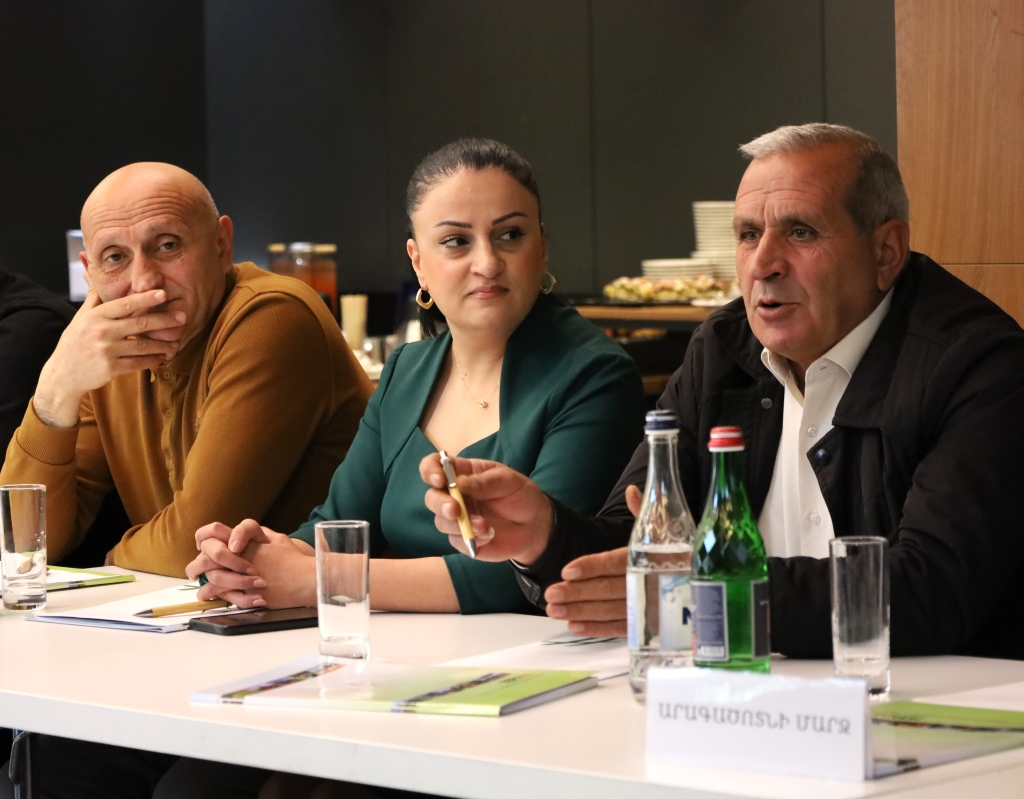
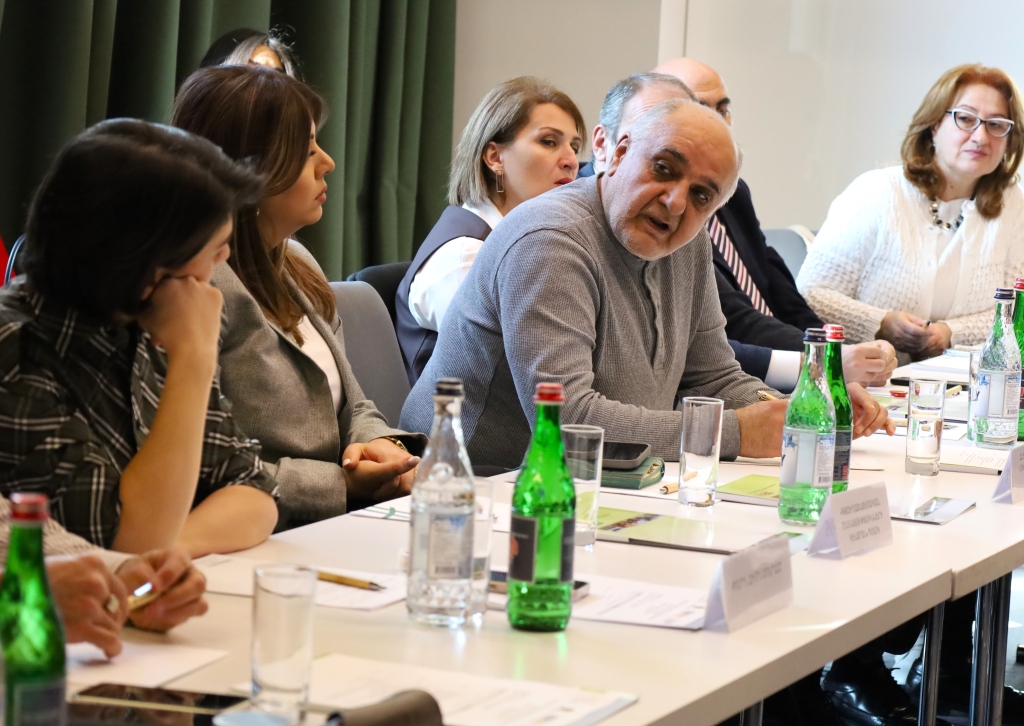
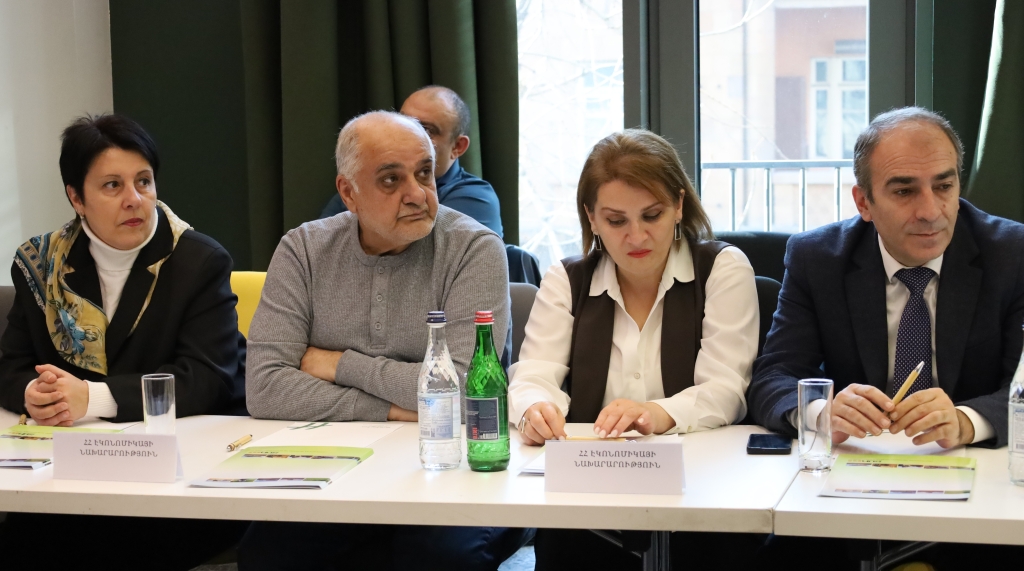
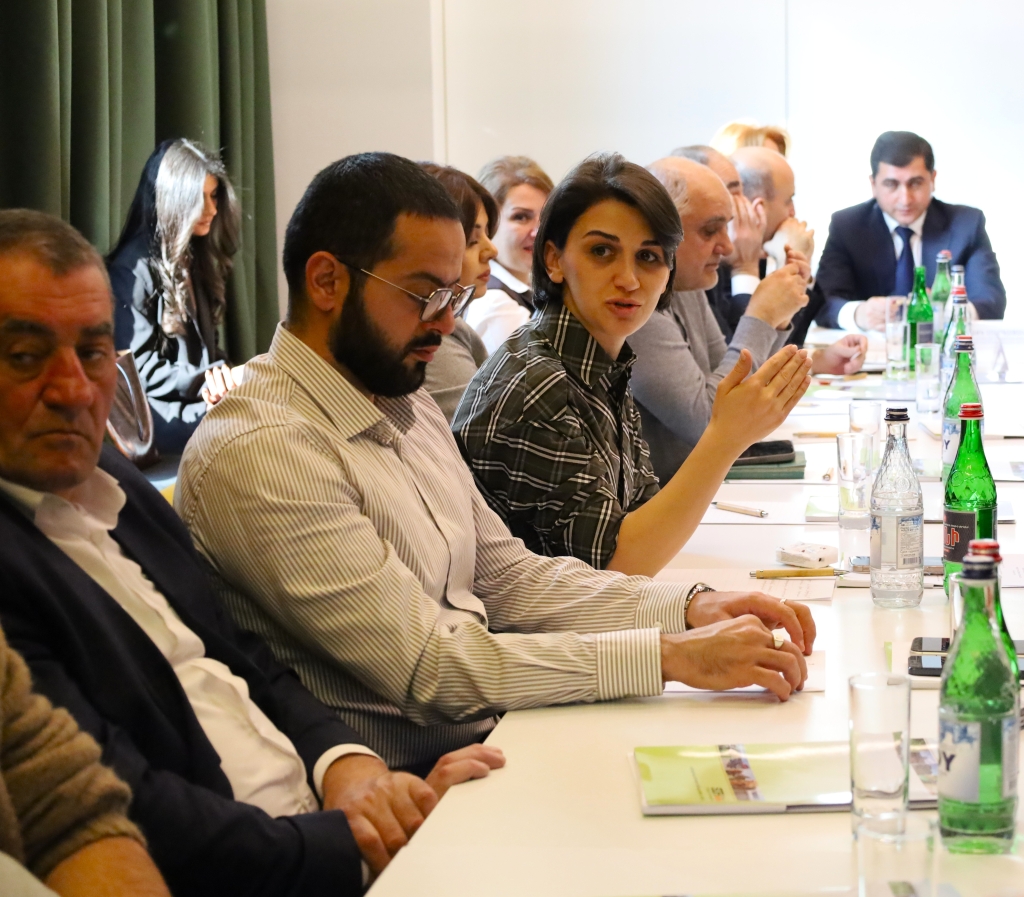
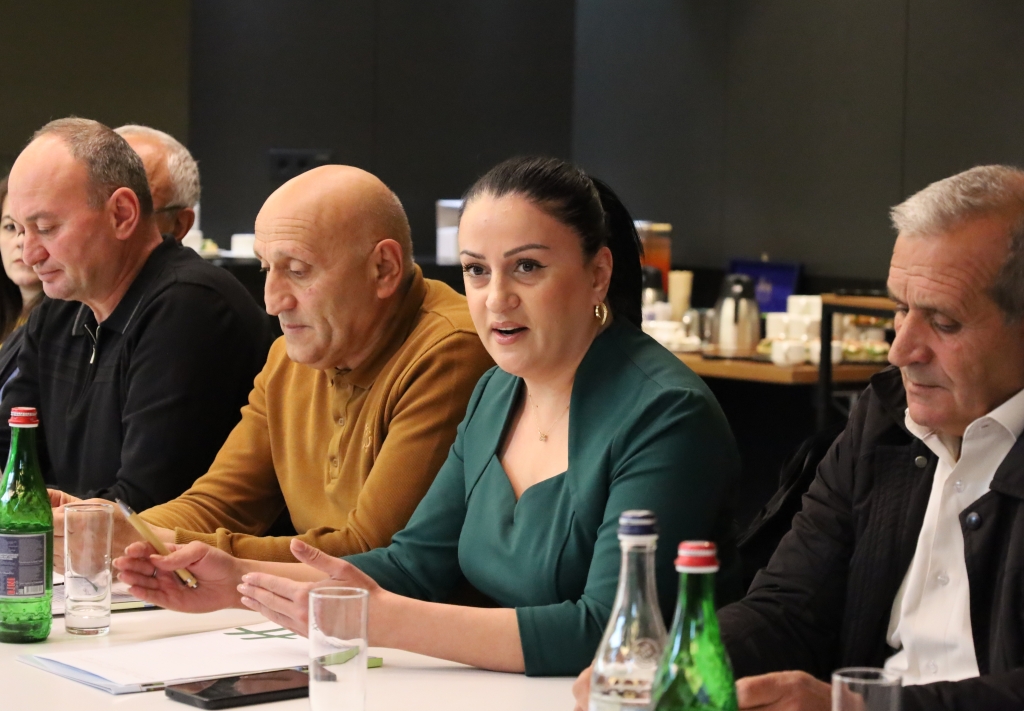
On September 5-6, the settlements of Baghramyan and Norakert became centers of meaningful dialogue and strategic engagement under the “Irrigated Agriculture Development in Ararat and Armavir Marzes” (IADAAM) project. These community consultations marked a significant step toward ensuring that the voices of local beneficiaries are not only heard – but actively shape – the future of irrigated agriculture in Armenia.

Designed as open, two-way forums, the meetings provided residents a clear and comprehensive introduction to the program’s key components, while inviting them to explore how they could participate – either individually or through integrated involvement.

The following components were introduced and discussed:

  • Agricultural Extension Services – field-tested, locally tailored advisory support to empower farmers with knowledge and best practices.
  • Land Consolidation – strategic support for optimizing land use and improving agricultural efficiency.
  • Establishment of Agricultural Cooperatives –  collaborative models that foster shared ownership, market access, and collective growth.
  • Grant Support – competitive funding windows to support bold, community-driven ideas and strengthen rural resilience through innovation.

Each session was led by the project’s experts, who not only outlined the vision and mechanics behind each component but also facilitated conversations around eligibility, benefits, and implementation modalities.

Residents seized the opportunity to raise context-specific questions, share on-the-ground realities, and offer practical suggestions – helping to ensure that the project’s interventions remain both relevant and responsive.
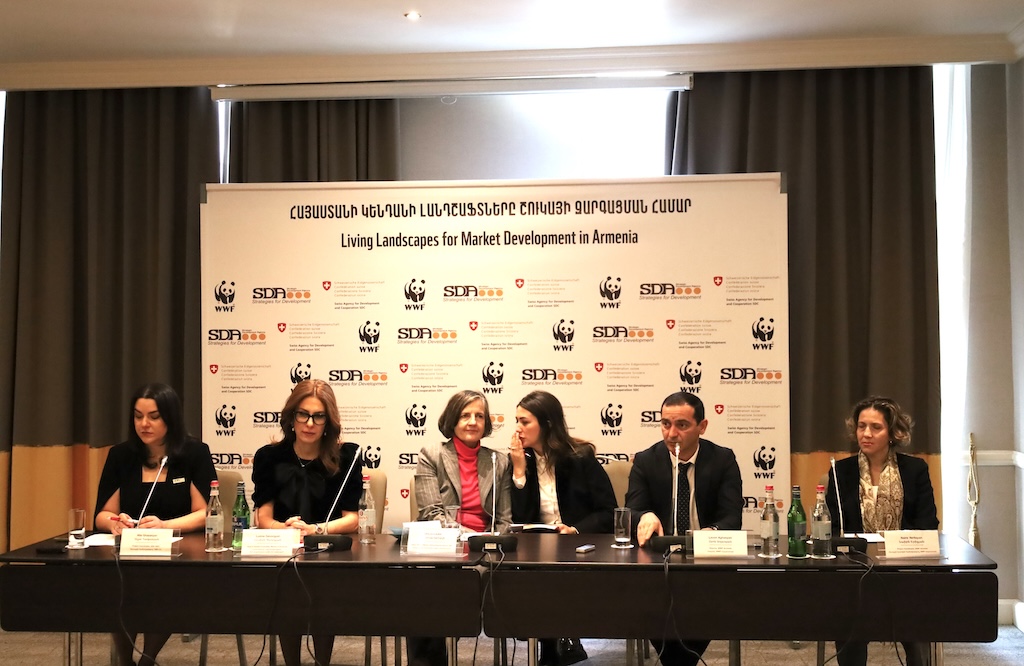
We extend our heartfelt thanks to the residents of Baghramyan and Norakert for their active participation, trust, and willingness to collaborate. Your engagement lays the groundwork for a more inclusive, impactful, and sustainable transformation of Armenia’s agricultural sector.

Irrigated Agriculture Development in Ararat and Armavir marzes (IADAAM) project, financed through the European Union (EU) with implementation by the French Development Agency (AFD) is an integrated initiative aimed at transforming irrigated agriculture in Armenia.

Within IADAAM project a technical assistance component is implemented jointly by AESA – Agriconsulting Europe SA, Avenue Consulting Group LLC, Strategic Development Agency NGO and 3R Strategy LLC consortium and aims to provide institutional support to the Ministry of Economy of the Republic of Armenia (MoE) in the formulation of agricultural policies and reforms in priority areas, provide technical support to the MoE in the implementing project activities, ensure communication and reporting for the IADAAM project.