
IADAAM AEST Presentation of Demonstration Farm Opportunities and Launch of Application Intake in Vedi Community

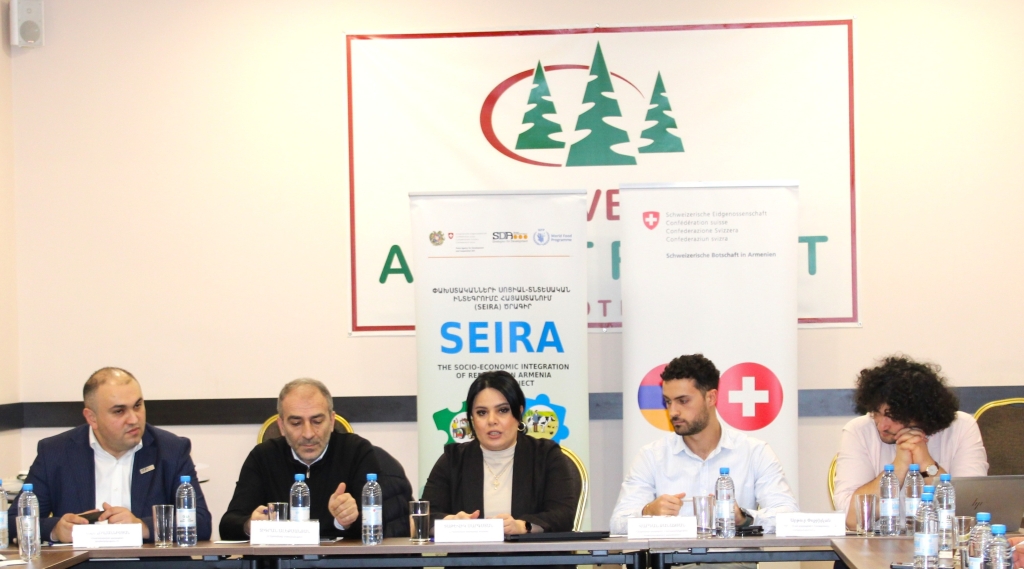
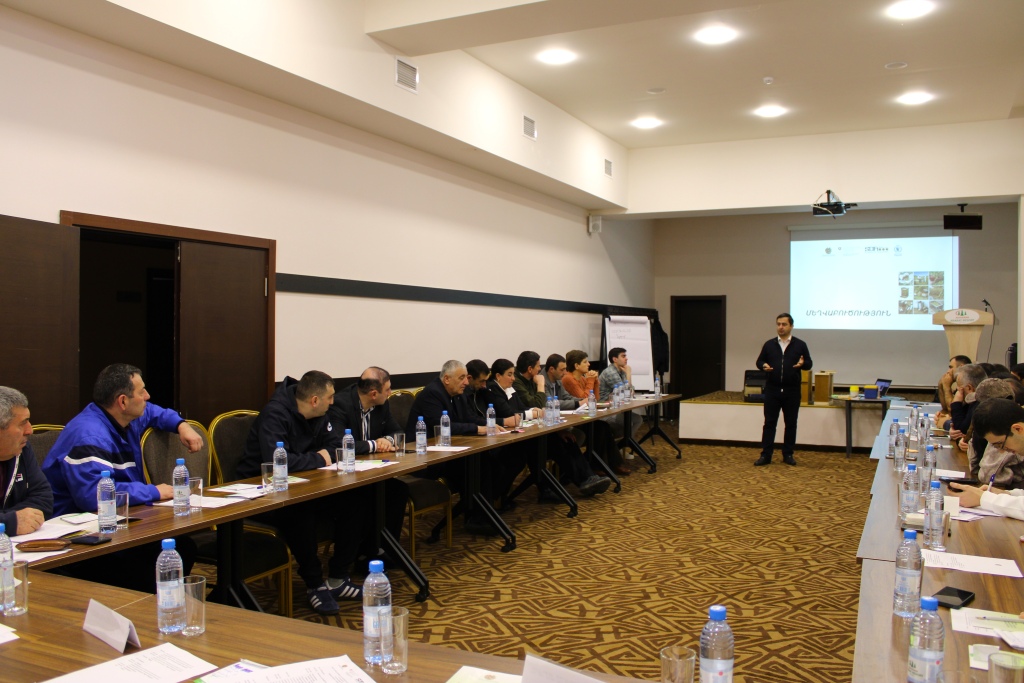
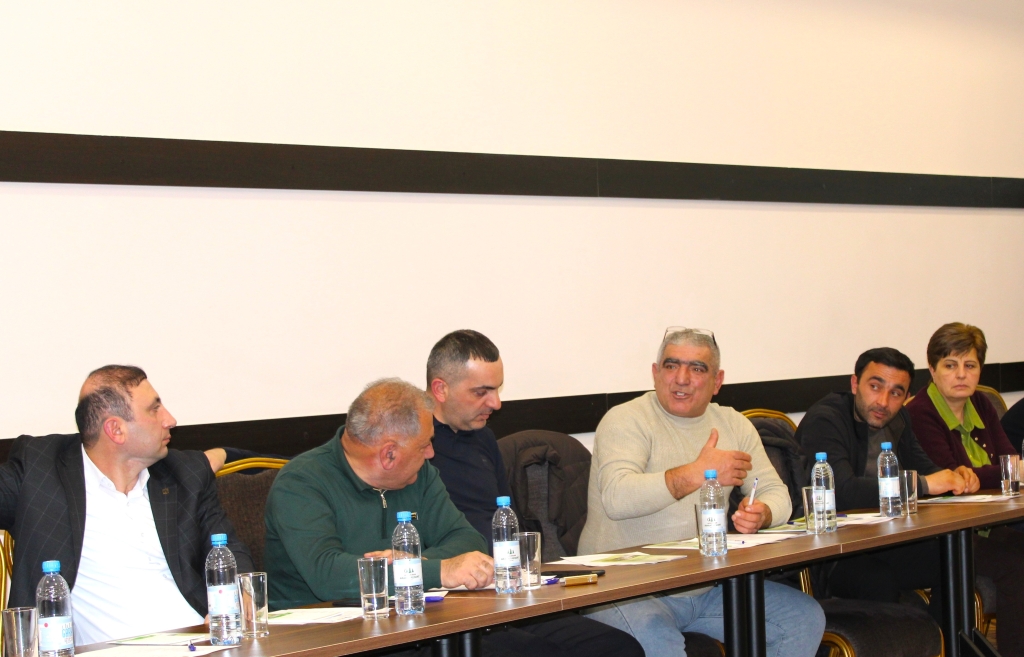
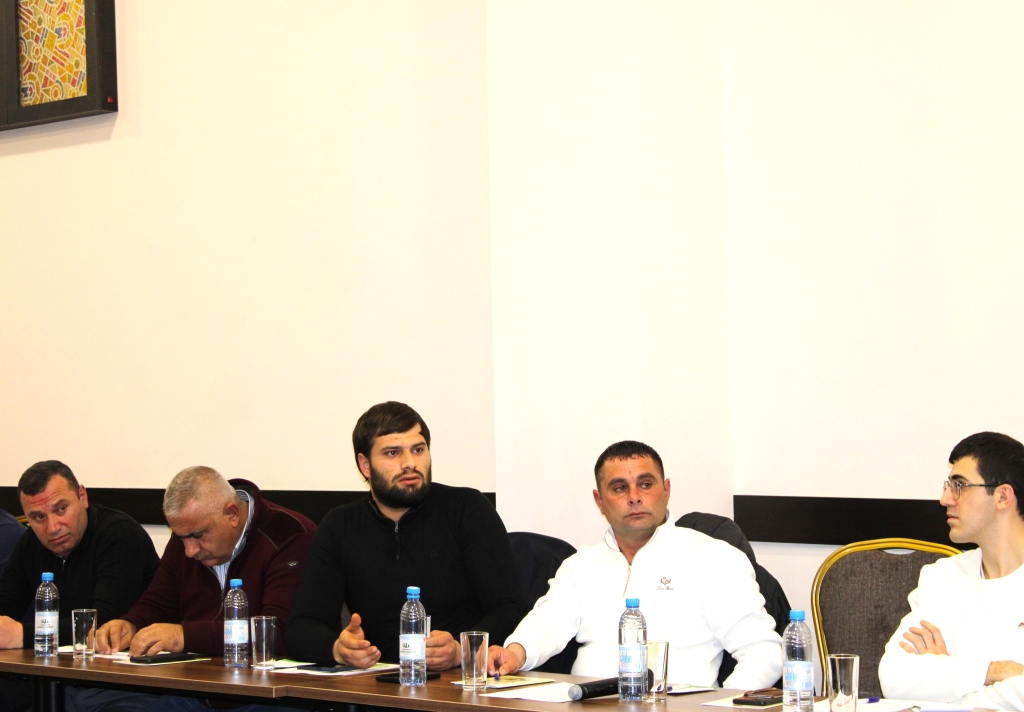
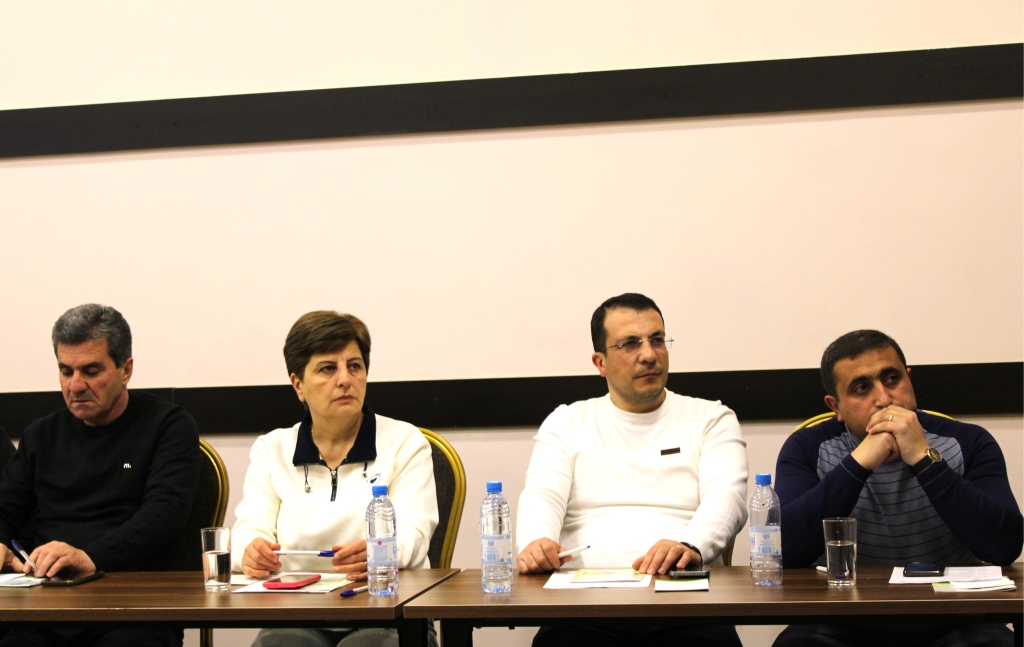
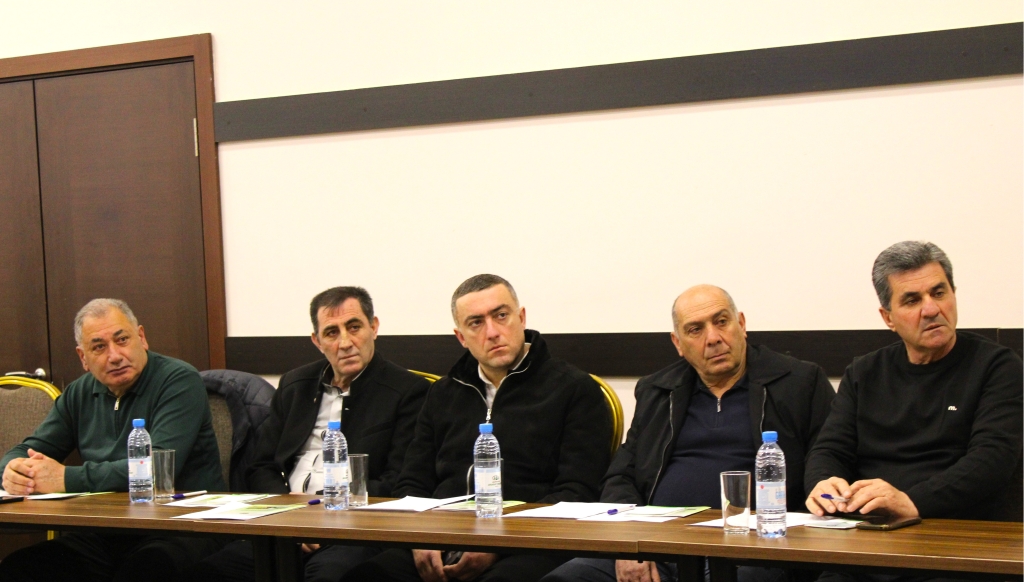
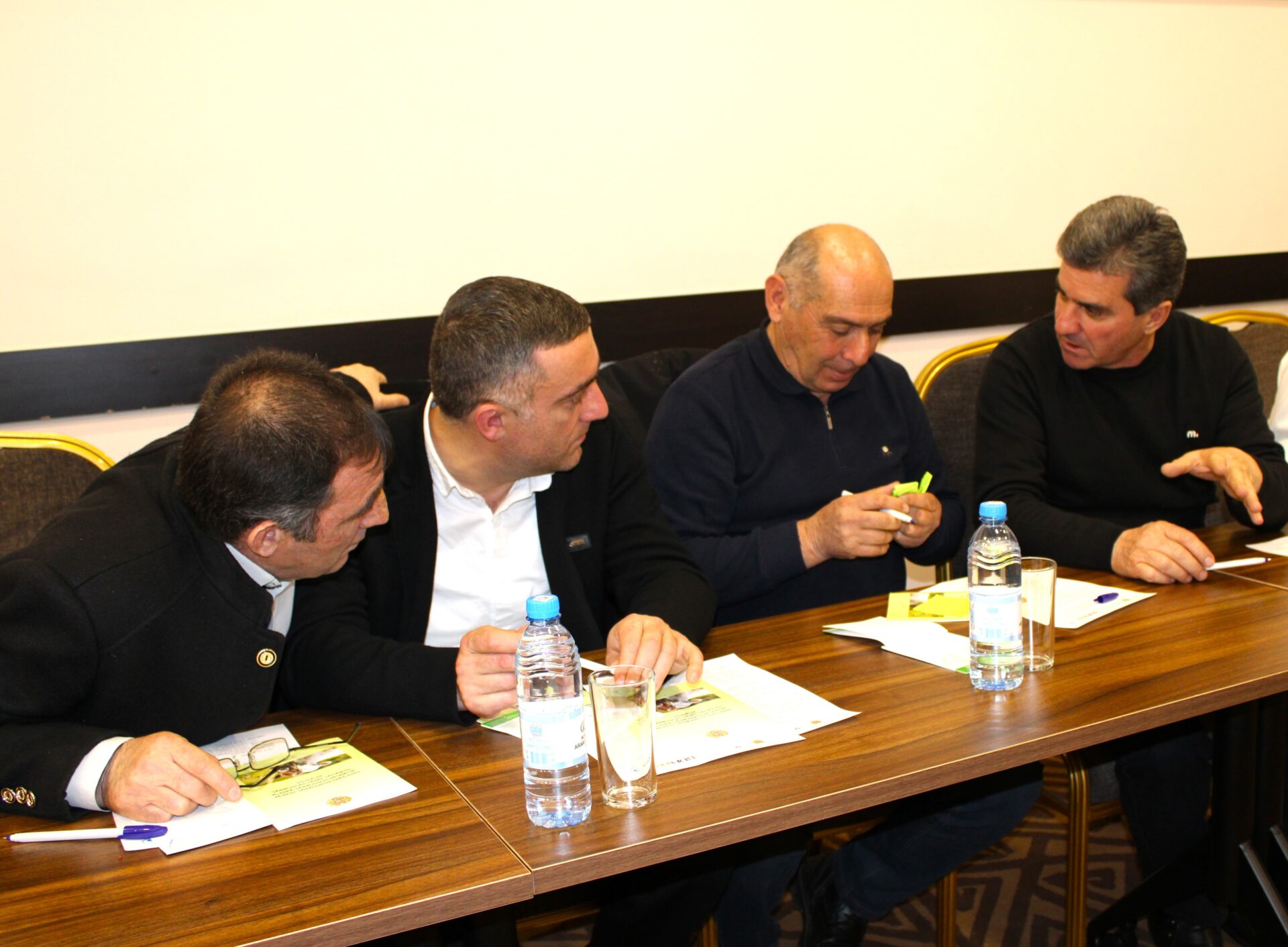
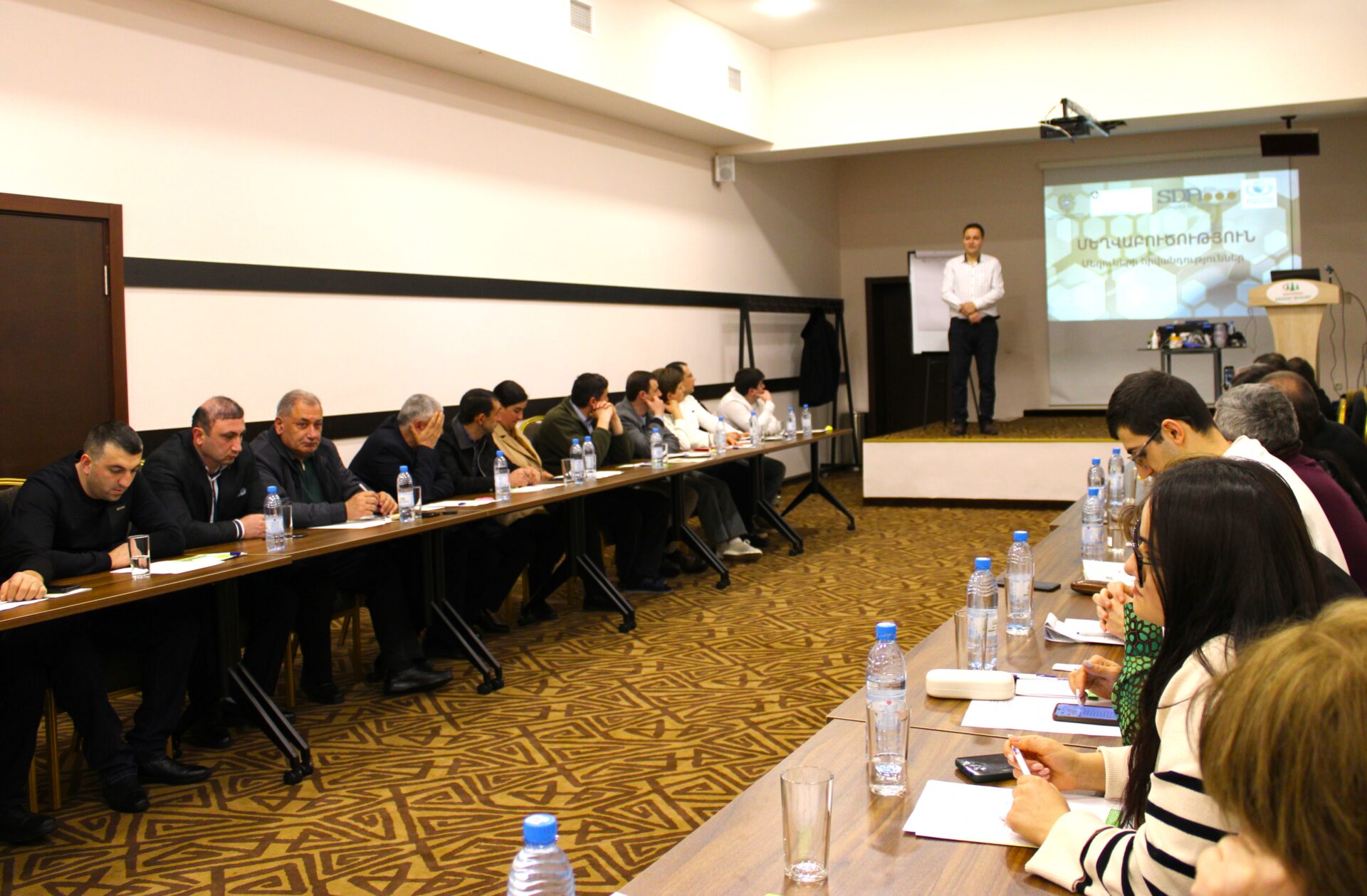
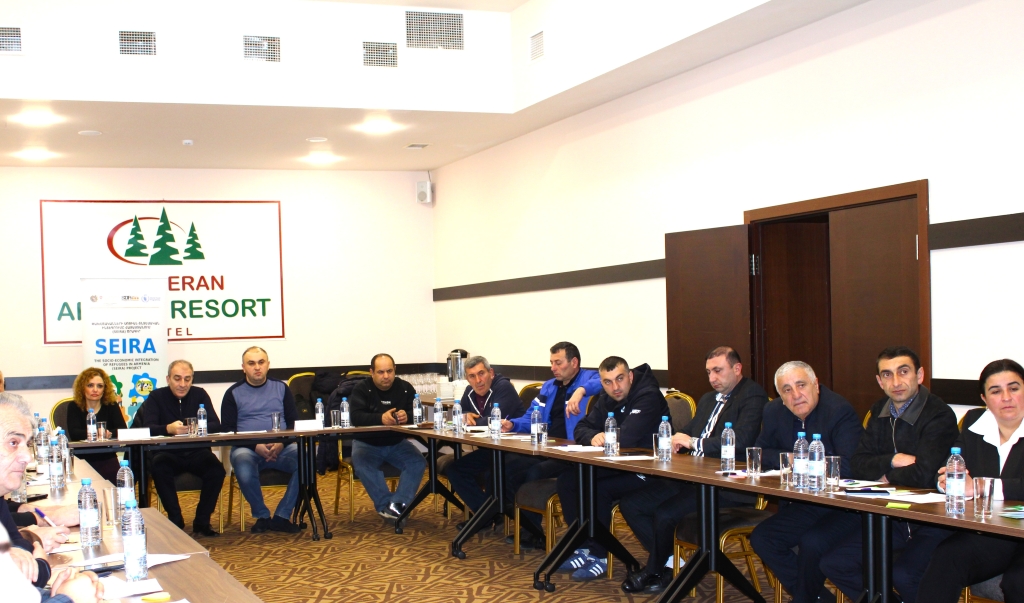
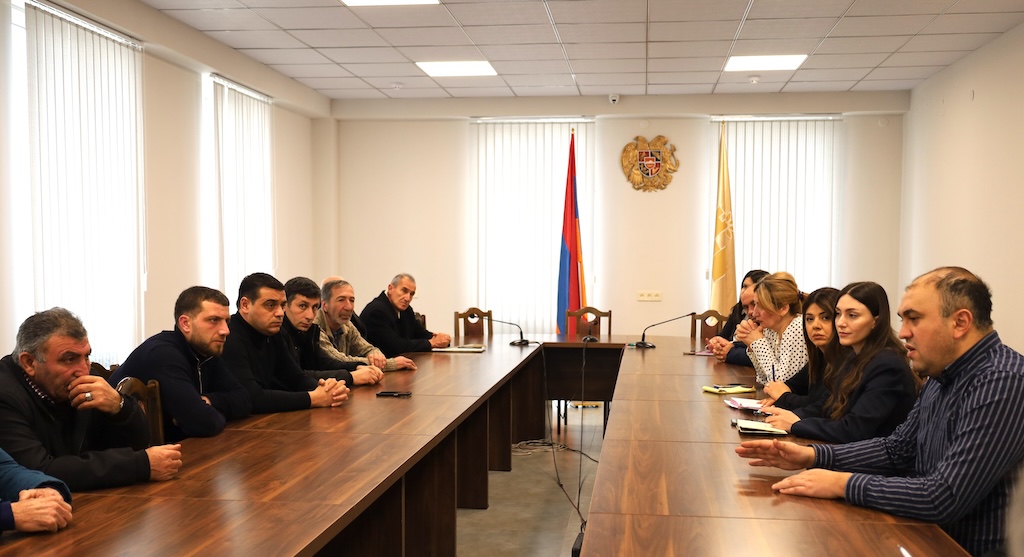
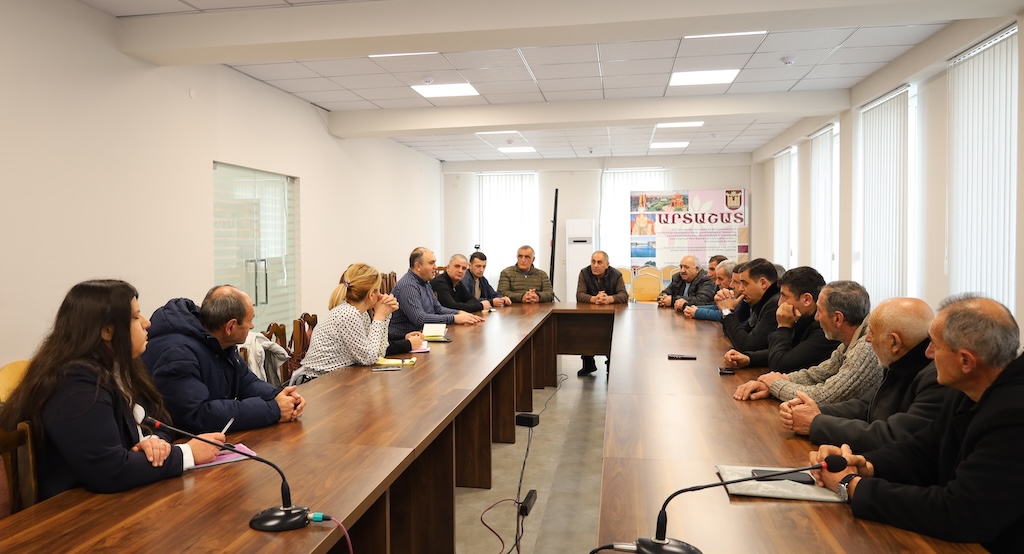
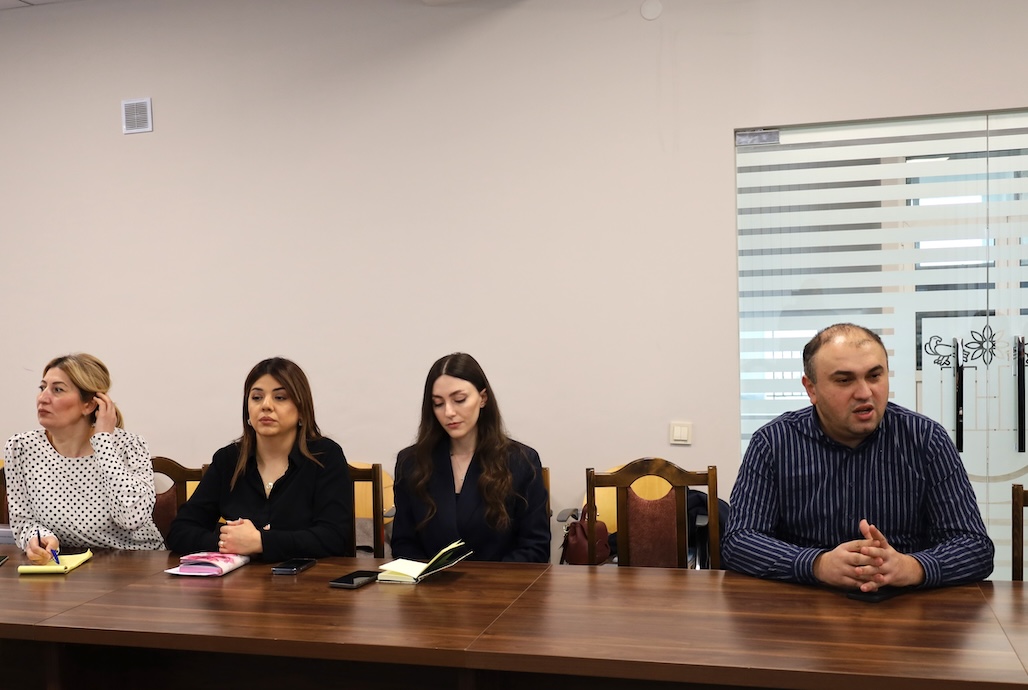
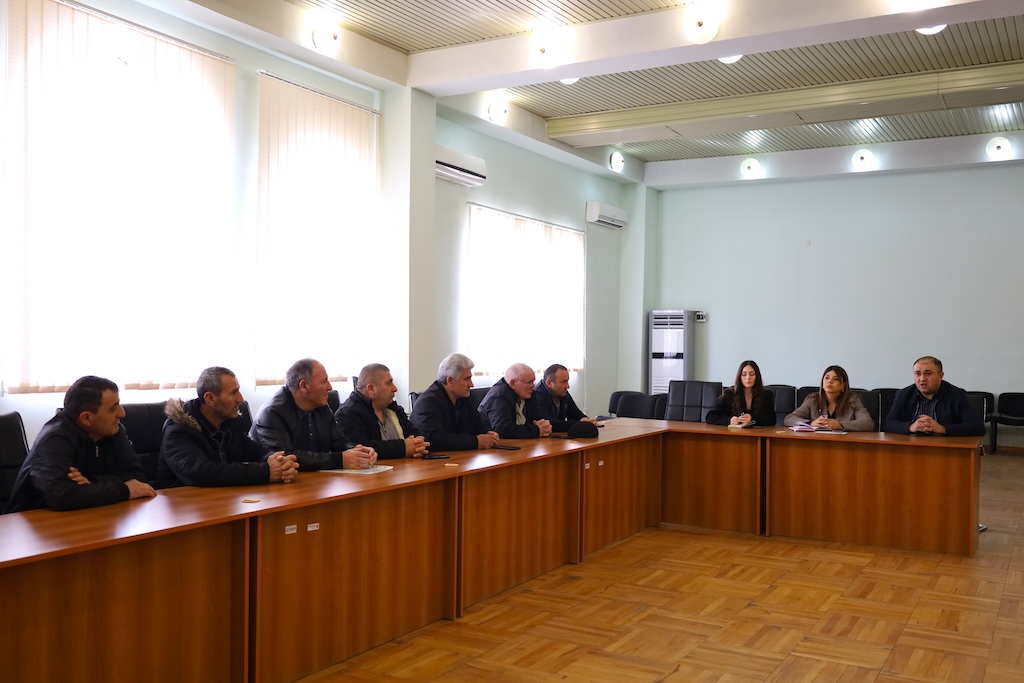
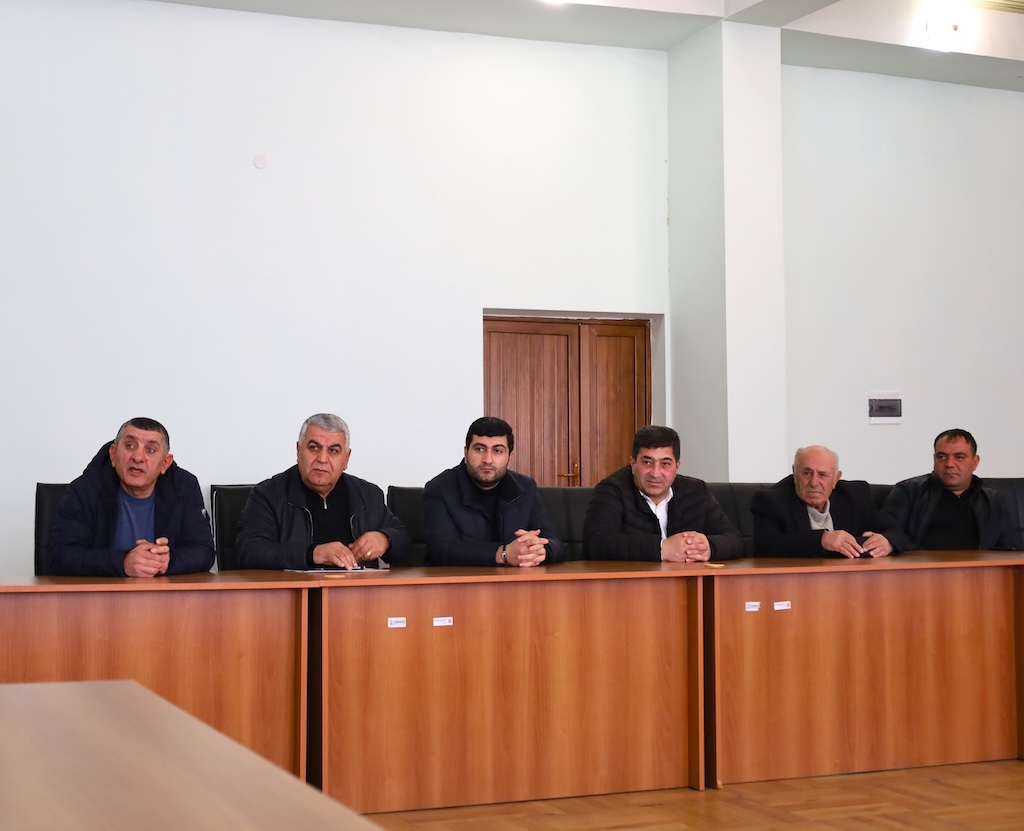
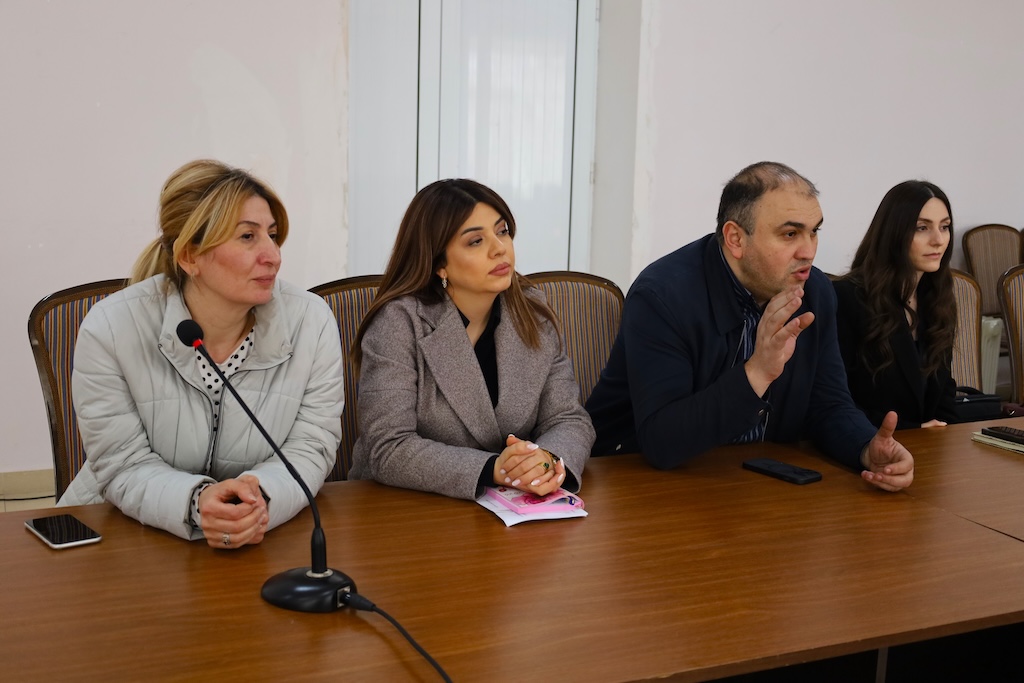
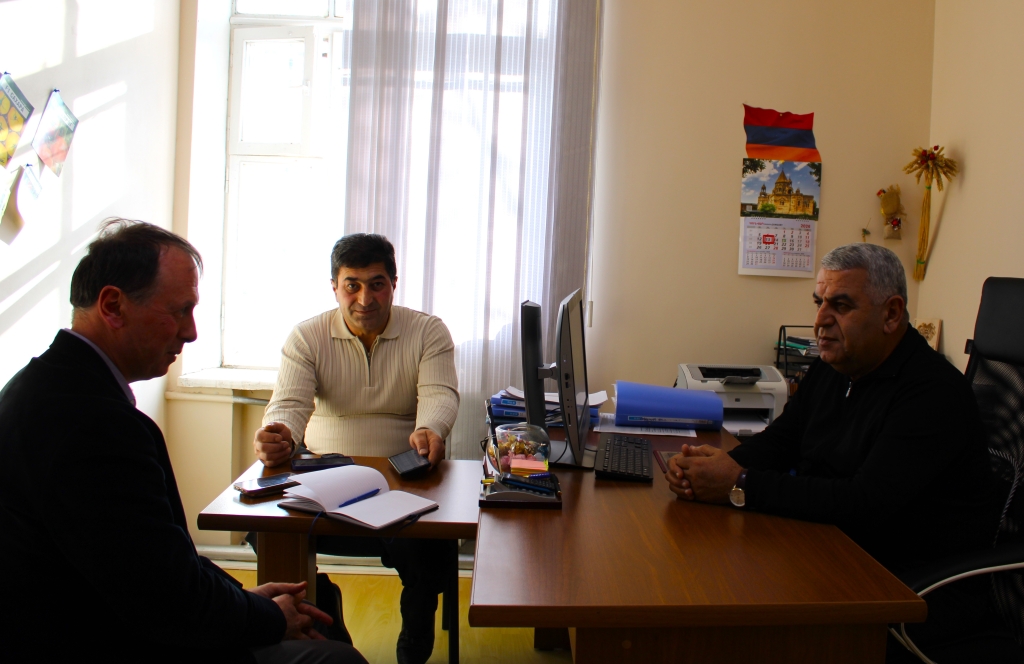
IADAAM Agricultural Extension Service Team (AEST) conducted an information meeting with potential beneficiary farmers at the Vedi Community Municipality. The session focused on presenting the core features of the Demonstration Farm model, and the eligibility and participation requirements.

During the meeting, farmers – supported by the AEST team – completed the application forms in accordance with the prescribed format. As a result, preliminary lists of farmers expressing readiness to participate in the program were prepared.

IADAAM AES teams will continue close cooperation with the communities, ensuring full transparency of the process and providing continuous technical and methodological support.

The Irrigated Agriculture Development in Ararat and Armavir Marzes (IADAAM) project, financed by the European Union (EU) and implemented with the support of the French Development Agency (AFD), aims to transform irrigated agriculture in Armenia.

Implemented by the Ministry of Economy of the Republic of Armenia, the project’s technical assistance is provided by a consortium comprising AESA-Agriconsulting Europe SA., Avenue Consulting Group LLC, Strategic Development Agency NGO and 3R Strategy LLC, with the aim of strengthening agricultural policy and advancing sector reforms.

Uncategorized

INLIMA Project Launch: Advancing a New Phase of Livestock Sector Reform in Armenia

On 28 November 2025, the Innovative Livestock Management: Animal Migration, Breeding & Markets (INLIMA) Project was officially launched. The event brought together representatives of national and regional government institutions, international development partners, local organizations, sector experts, and community authorities from the target regions.

The event underscored the importance of sustained policy development and comprehensive reforms in Armenia’s livestock sector.

In her opening remarks, Tatevik Sargsyan, Deputy Minister of Economy of the Republic of Armenia, emphasized that livestock development remains a strategic priority for the Government. She highlighted its essential role in increasing rural household incomes, strengthening food security, and promoting competitive agricultural production. According to her, projects such as INLIMA serve as key instruments for implementing national policy effectively by combining government support with international best practices and local expertise.

Mkrtich Ayvazyan, Chairman of Strategic Development Agency (SDA) NGO, emphasized the importance of long-term investments in the livestock sector, the development of essential infrastructure, and the expansion of market access. He stressed that meaningful and sustainable progress requires strong collaboration between the public and private sectors and noted that systemic, coordinated action is critical for achieving measurable improvements.

Speaking on behalf of the Austrian Development Agency (ADA) – the project’s donor organization, Nora Alanakyan, Deputy Head of the ADA Yerevan Office, reaffirmed the Agency’s long-standing and productive partnership with Armenia in the field of agriculture. She noted that INLIMA Project aims not only to address technical challenges but also to strengthen institutional capacities, facilitate knowledge transfer, and support the long-term resilience of rural communities.

INLIMA Project Manager Vahe Hovhannisyan presented the project’s overarching vision, including its objectives, core components, target groups, geographic coverage, and anticipated outcomes. He emphasized that the project is designed to improve sustainable livestock management in Armenia and enhance farmers’ livelihoods by supporting organized animal herding systems, introducing modern breeding technologies, and expanding access to meat and dairy markets.

Mr. Hovhannisyan also outlined the project’s planned activities, which include the coordination of seasonal herding routes, development of reproductive and veterinary services, improvement of pasture gathering points and related infrastructure, and capacity-building initiatives for farmers, veterinarians, and artificial insemination specialists.

The project covers seven regions of Armenia: Syunik, Vayots Dzor, Gegharkunik, Shirak, Ararat, Armavir, and Aragatsotn. Its beneficiaries include farmers, rural communities, veterinary and reproductive service providers, as well as meat and dairy processing enterprises.

The event highlighted the long-term impact of INLIMA, aimed at fostering a more competitive, efficient, and market-integrated livestock sector that contributes to rural development, enhances food security, and supports the socio-economic advancement of Armenia’s regions.

The launch event concluded with the ceremonial signing of a Memorandum of Cooperation between the Ministry of Economy of the Republic of Armenia and the Strategic Development Agency NGO. This agreement marks an important step toward establishing a stable, long-term partnership dedicated to advancing sectoral reforms and maximizing the project’s impact across the regions.

“Innovative Livestock Management: Animal Migration, Breeding & Markets” (INLIMA) project is implemented by Strategic Development Agency (SDA) NGO and funded by the Austrian Development Agency (ADA), the operational unit of Austrian Development Cooperation.

IADAAM Agricultural Extension Service Team Conducts Field Visit to Avshar and Noyakert

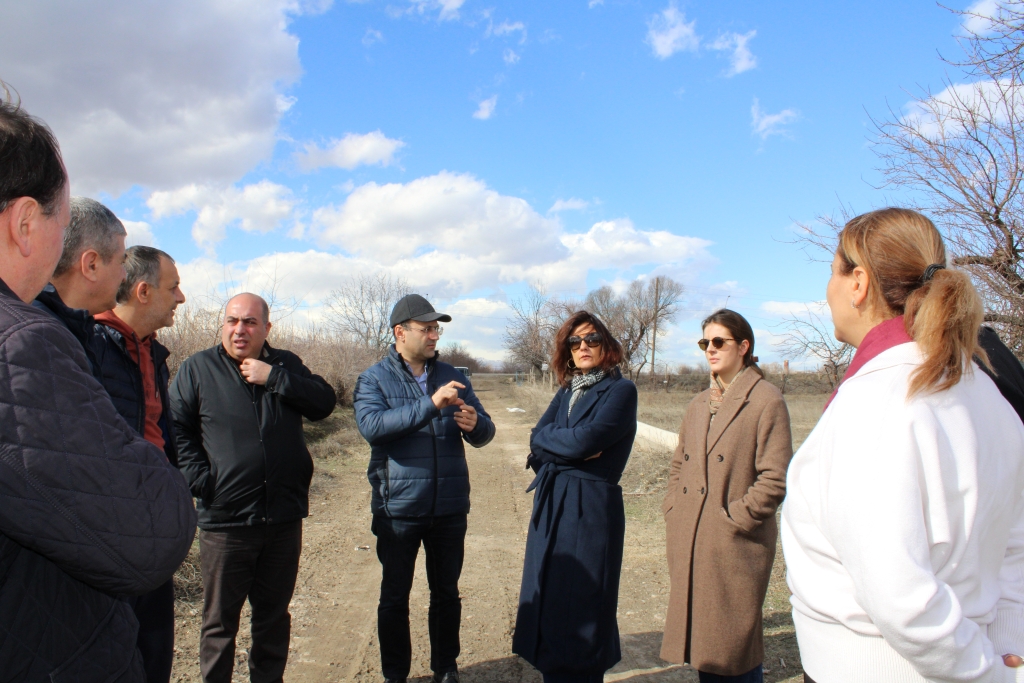
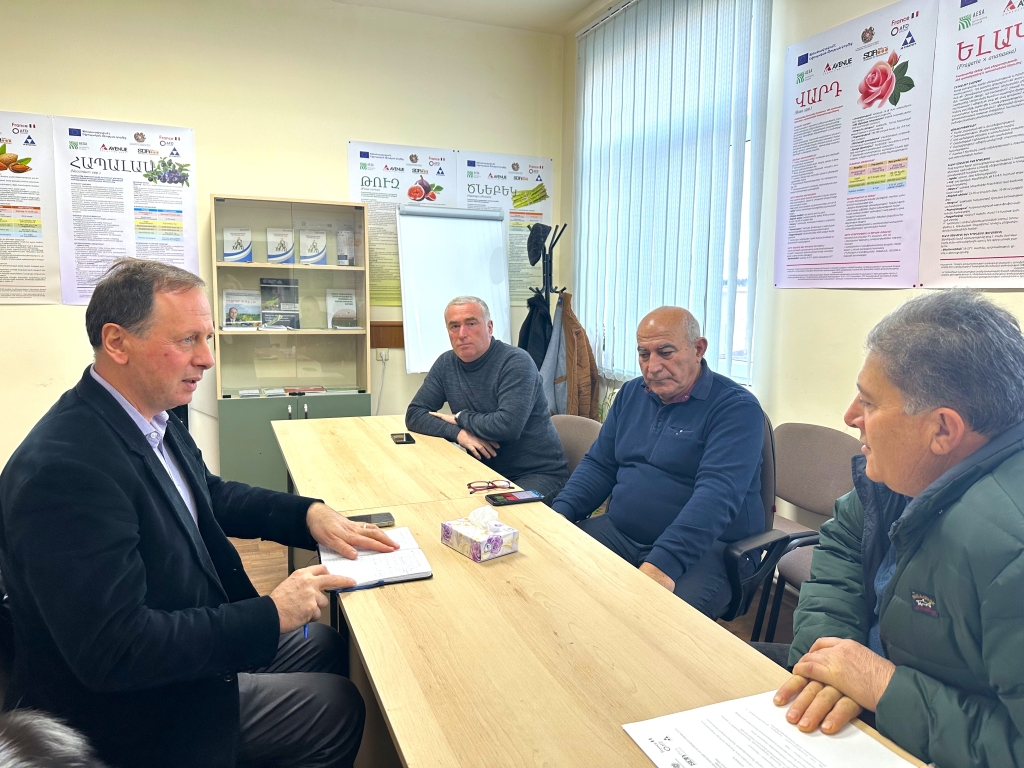
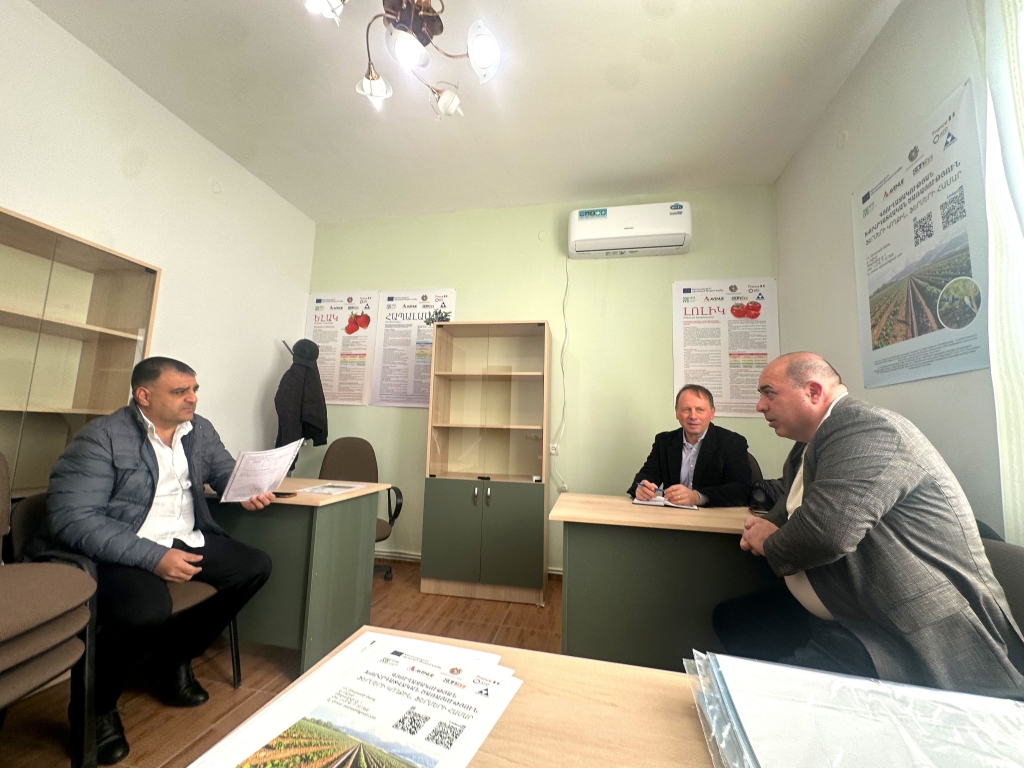
As part of the “Irrigated Agriculture Development in Ararat and Armavir Marzes” (IADAAM) project, the Agricultural Extension Service Team (AEST) of Vedi carried out its regular visit to the communities of Avshar and Noyakert to once again introduce the Demonstration Farms initiative and provide guidance to potential beneficiaries.

During the visit, the team met with interested farmers, presented the requirements and selection criteria for establishing demonstration farms, and offered hands-on guidance on completing the application forms accurately.

These engagements are designed to ensure transparent and effective implementation of the program while fostering the adoption of innovative and sustainable agricultural practices across the communities.

The Irrigated Agriculture Development in Ararat and Armavir Marzes (IADAAM) project, financed by the European Union (EU) and implemented with the support of the French Development Agency (Agence Française de Développement), aims to transform irrigated agriculture in Armenia.

Implemented by the Ministry of Economy of the Republic of Armenia, the project’s technical assistance is provided by a consortium comprising AESA – Agriconsulting Europe SA, Avenue Consulting Group LLC, Strategic Development Agency NGO, and 3R Strategy LLC, with the aim of strengthening agricultural policy and advancing sector reforms.

Uncategorized

LILA: A CHAPTER CLOSES, THE IMPACT CONTINUES

After over 3 years of dedicated work across four regions of Armenia, LILA project is writing its final lines – not as an ending, but as the beginning of long-term change that will continue to unfold in communities, landscapes, and local economies. What began as an effort to strengthen green entrepreneurship, eco-tourism, and resilient local development has evolved into a collaborative movement shaping a more sustainable future.

Throughout the project, green entrepreneurship, eco-tourism, wild collection, and local food production grew into interconnected value chains where communities not only enhanced their economic potential but also became responsible stewards of the nature around them. For the first time in Armenia, environmental protection and economic development were deliberately integrated, focusing on three key value chains: sustainable and inclusive tourism, wild collection, and local production with direct linkages to tourism and hospitality sectors.

During the project’s concluding press conference, Ursula Läubli (Deputy Head of Mission of the Embassy of Switzerland in Armenia/ SDC), Lusine Gevorgyan (Head of Tourism Committee, Ministry of Economy),  Levon Aghasyan, (Director, WWF-Armenia), Naire Yeritsyan (Project Coordinator, WWF-Armenia) and Alla Ghazaryan (Project Coordinator, SDA NGO), reflected on the progress made across Tavush, Lori, Vayots Dzor, and Syunik, highlighting how LILA supported rural businesses, expanded eco-tourism potential, and fostered environmentally responsible practices.

Across the four regions, the project invested in building and improving tourism infrastructure -from the Lori-Atan-Ahnidzor hiking trail to the innovative VR experience in the Areni-1 Cave, which today stands as one of the community’s signature attractions. New nature-based tourism products were developed, many of which are now included in partner tour operators’ packages and showcased at leading international tourism exhibitions. Dozens of capacity-building initiatives were implemented, training professional guides, mountain leaders, and other specialists essential for high-quality and safe tourism services.

Women’s economic participation was a central focus: women were engaged in the wild collection, local production, tourism, and hospitality value chains, while women-led community businesses received tailored support, creating new income streams and leadership roles in their local economies. At the same time, the entire wild-collection value chain was strengthened – from sustainable harvesting and safe processing to packaging and market placement – ensuring both environmental protection and income-generation opportunities for rural households.

The link between local producers and the tourism & hospitality sectors was reinforced through Farm-to-Table models, enabling local farmers and processors to supply fresh and regionally distinctive products to tourism businesses. One of the signature achievements of this work was the publication of culinary collections dedicated to the traditional cuisine of Tavush, Lori, and Vayots Dzor – simultaneously a cultural preservation effort and a tool for developing gastronomic tourism.

During the closing event, beneficiary communities and project beneficiaries shared their stories of growth and achievement – from strengthened local businesses to new eco-tourism opportunities and environmentally responsible practices that have already become part of everyday life. Their experiences illustrated the real, tangible impact of LILA across the target communities, an impact that helped lay the groundwork for growth rooted in both opportunity and environmental stewardship.

  • LILA’s broader results and legacy speak for themselves:
    31 rural tourism and related businesses received multifaceted support, improving service quality and competitiveness.
  • Strategic cooperation was established with leading inbound tour operators, helping promote sustainable tourism across Armenia’s regions.
  • More than 600 individuals, half of them women, now have employment or self-employment in key rural economic sectors.
  • Dozens of professional trainings were implemented, strengthening regional capacities in eco-, gastro-, safe, and responsible tourism.
  • Local products now enjoy broader recognition and stable market access, helping increase the visibility and demand for regional production.

LILA proved that nature-based economic models can become a cornerstone of sustainable rural development and community resilience. It introduced new approaches and practical solutions that can guide future initiatives in Armenia – strengthening the link between nature conservation and socio-economic progress.

LILA leaves behind more than results – it leaves behind momentum, a blueprint for a future where Armenia’s regions grow stronger, greener, and more resilient. And while the project cycle concludes, the impact it cultivated has already taken root – and will continue to flourish well into the future.

Living Landscapes for Market Development in Armenia (LILA) project is funded by the Swiss Agency for Development and Cooperation (SDC) and implemented by WWF-Armenia in collaboration with SDA NGO.

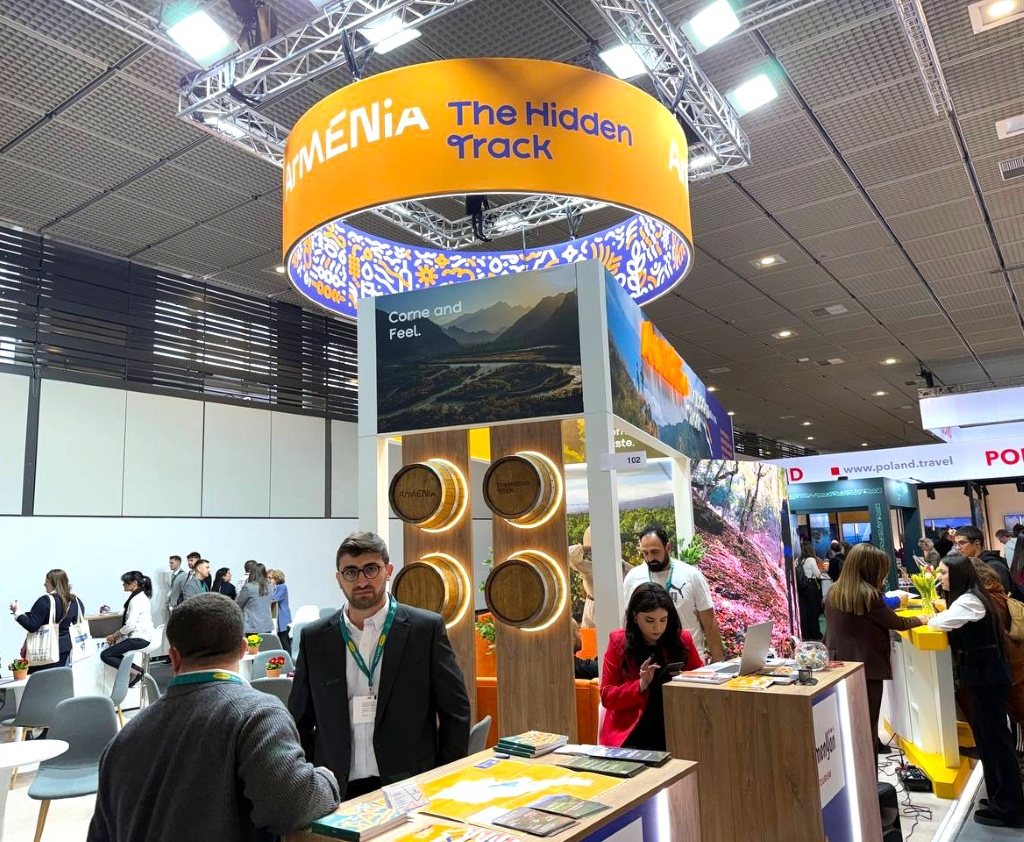
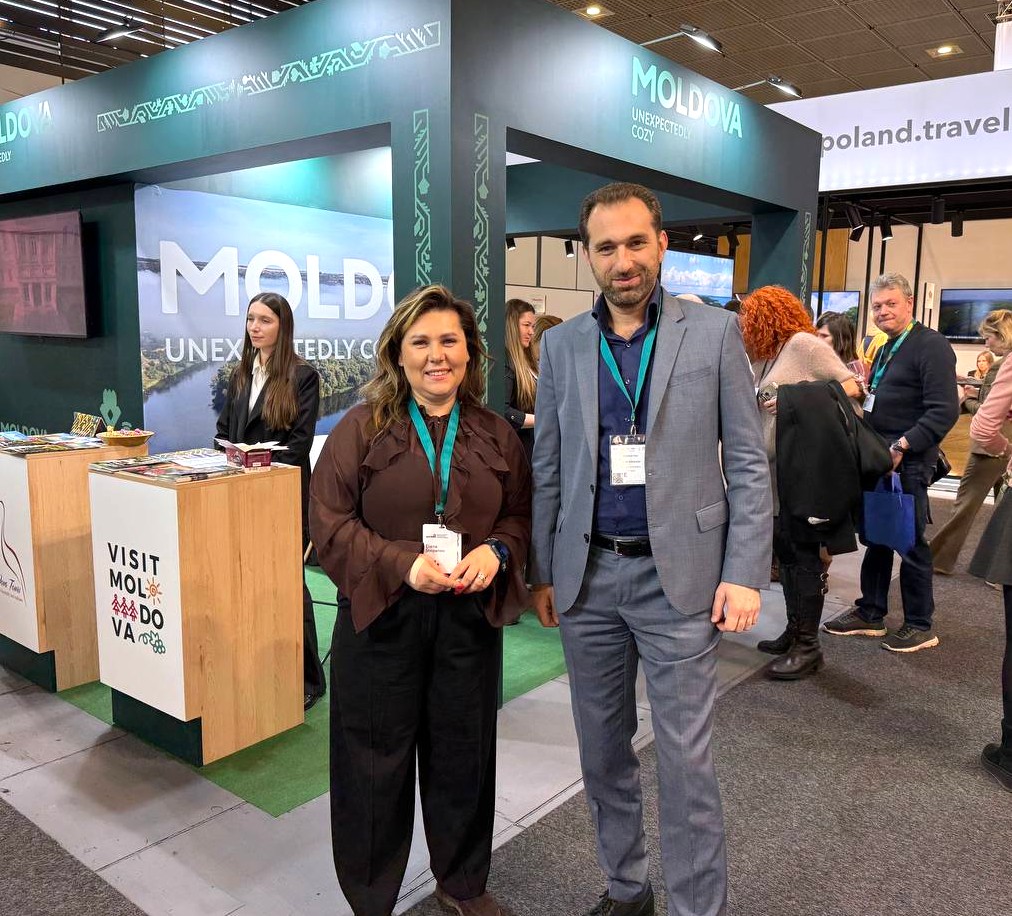
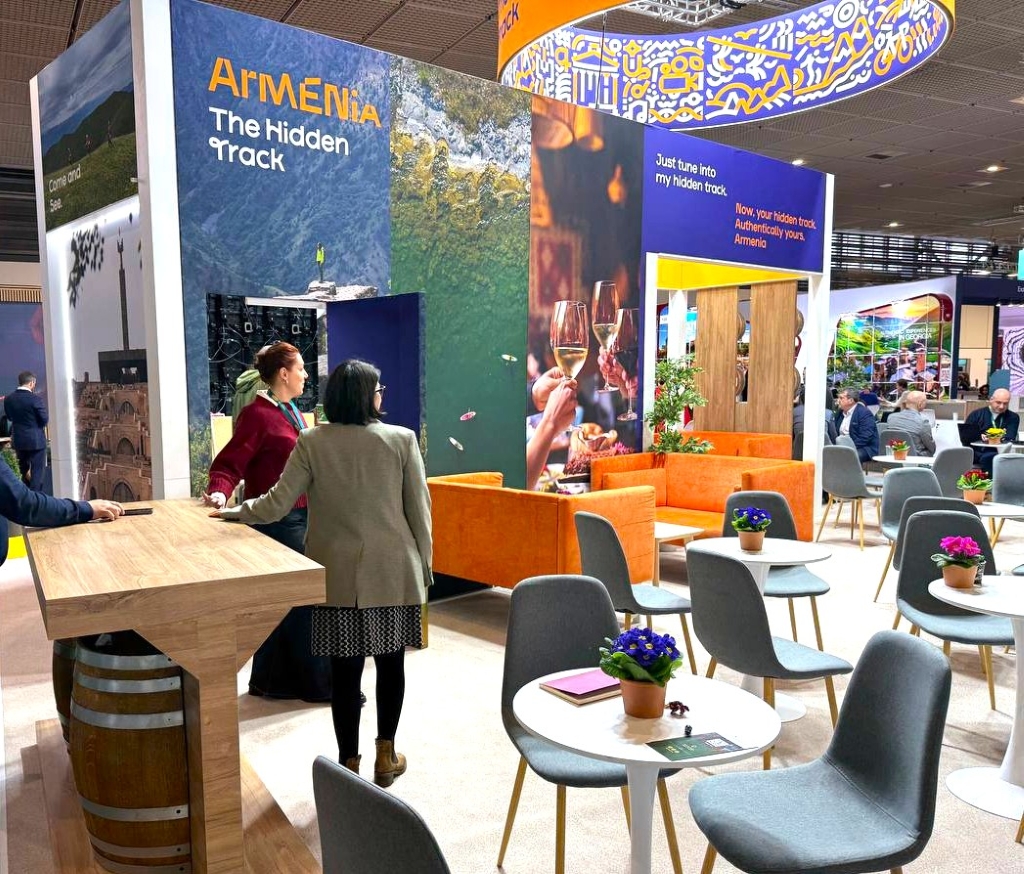
Connecting Regions, Elevating Tourism: RECONOMY at ITF Armenia 2025

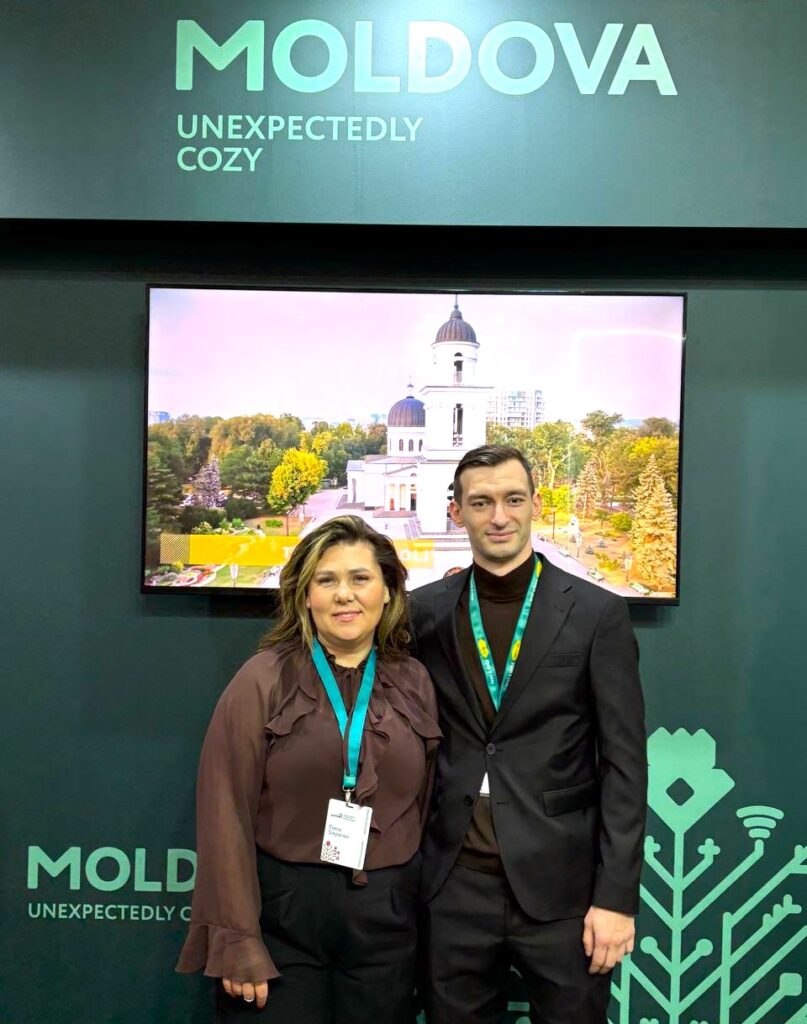
RECONOMY’s Digitizing Sectors for Competitiveness project was proud to be part of ITF Armenia – a dynamic platform for unveiling new tourism experiences and fostering regional partnerships.

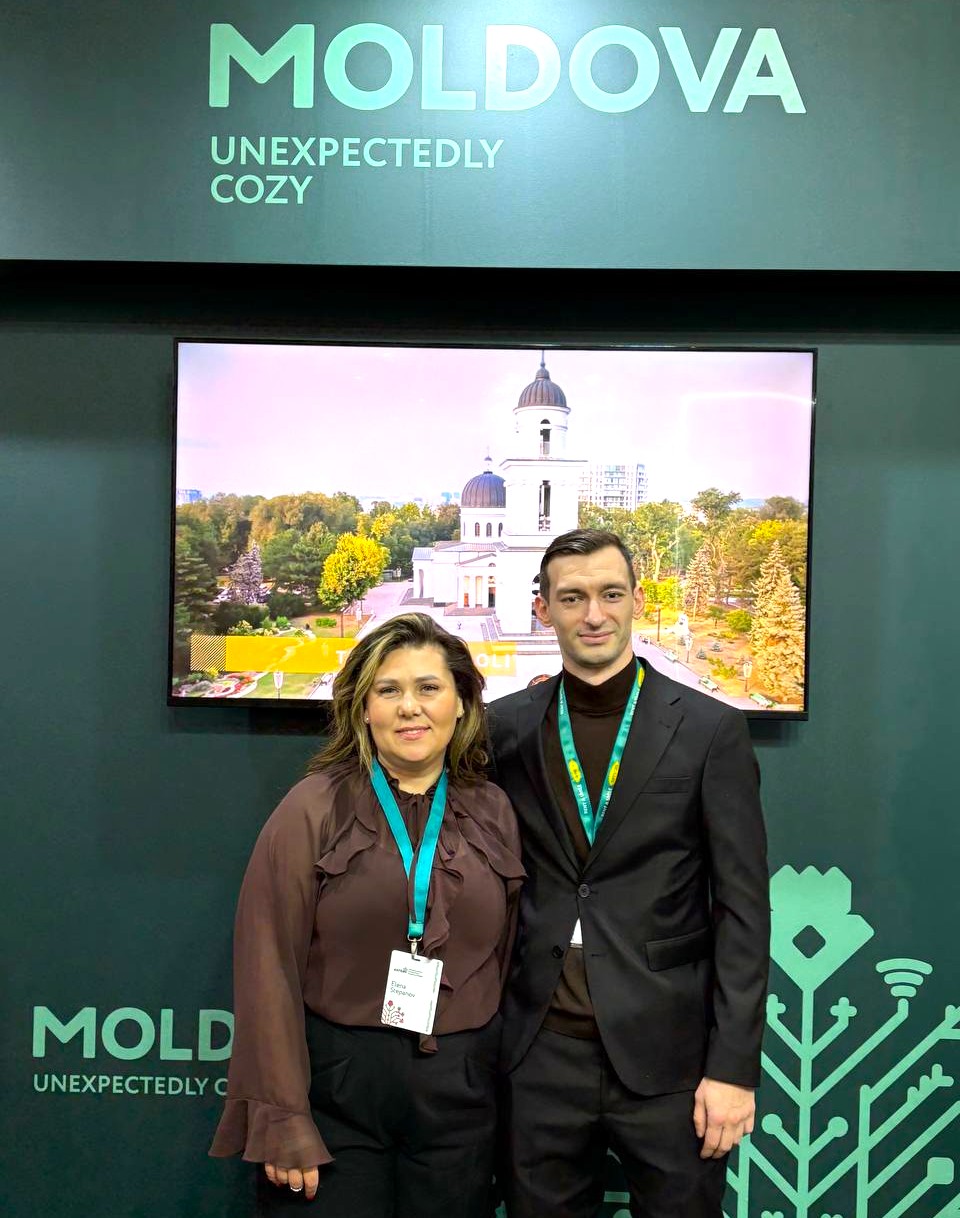
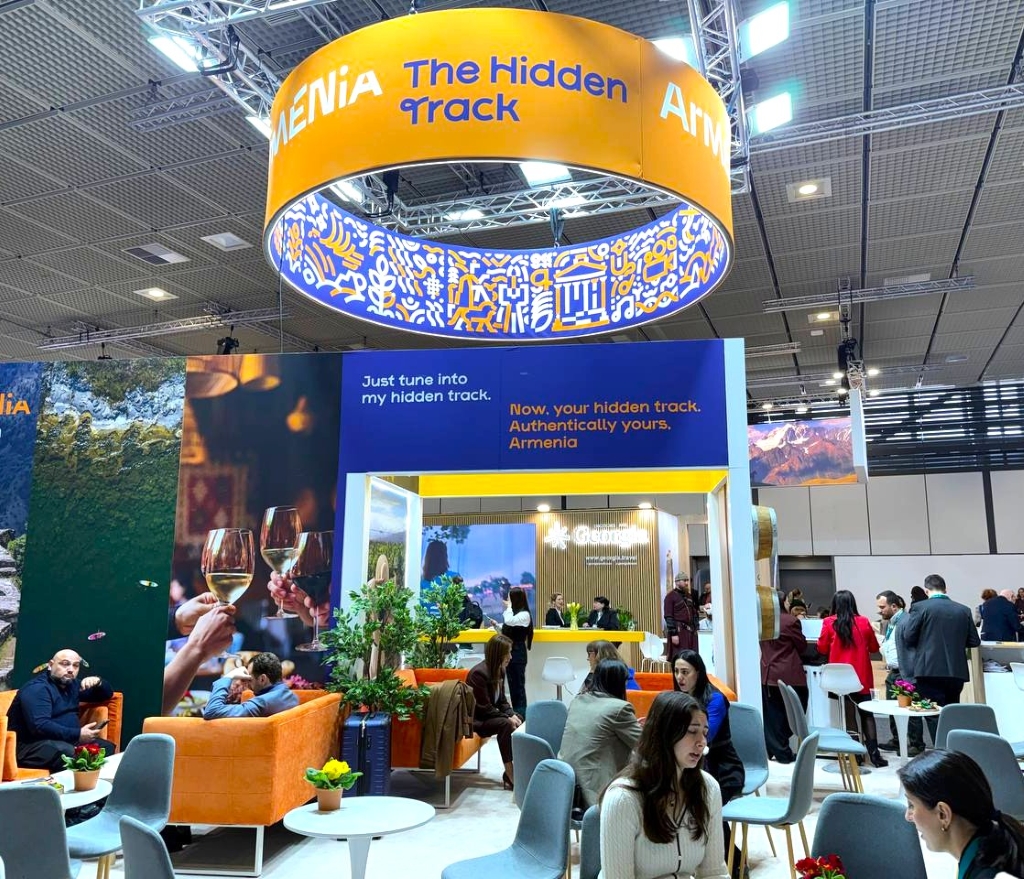
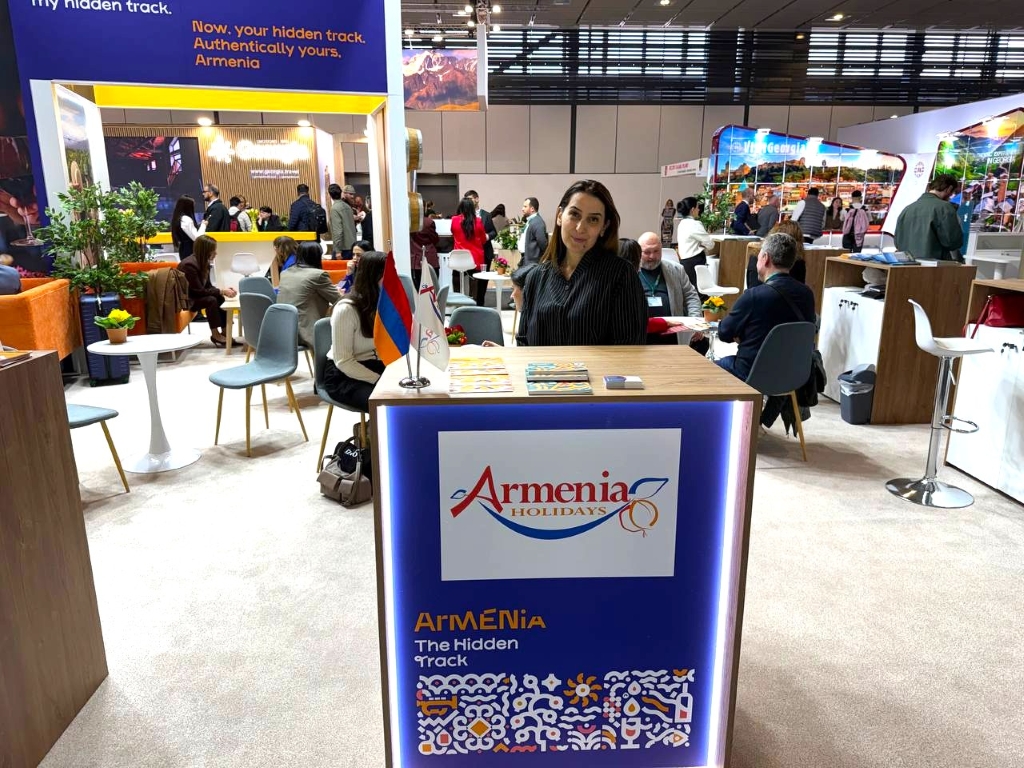
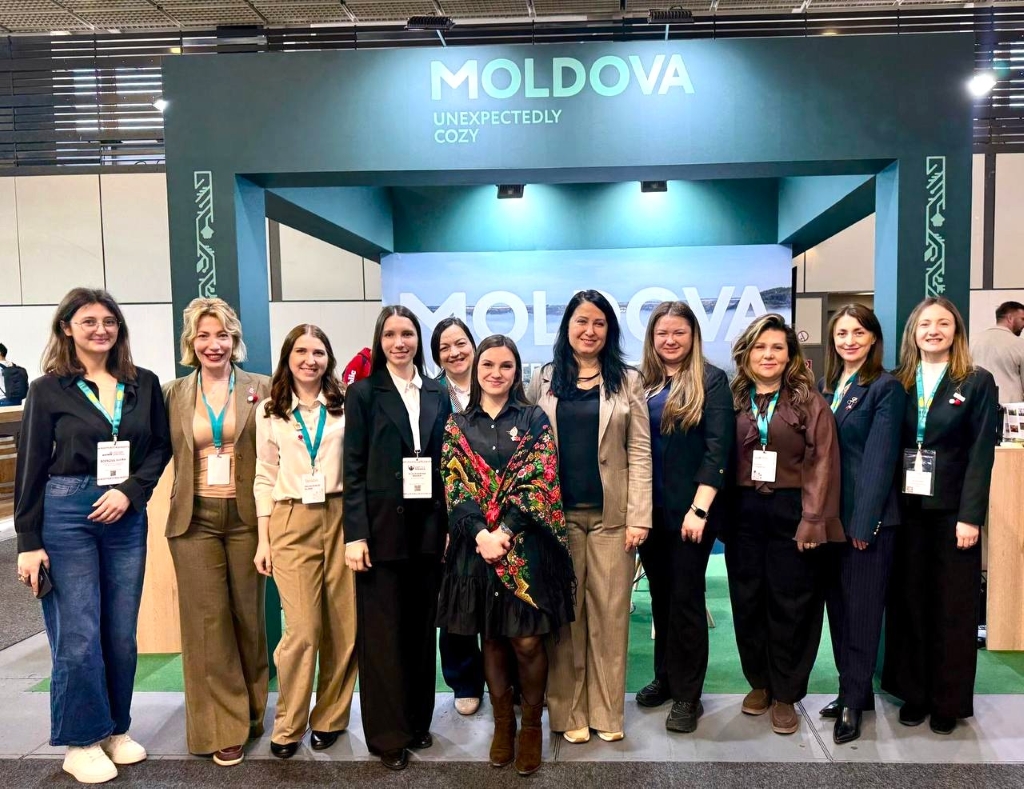
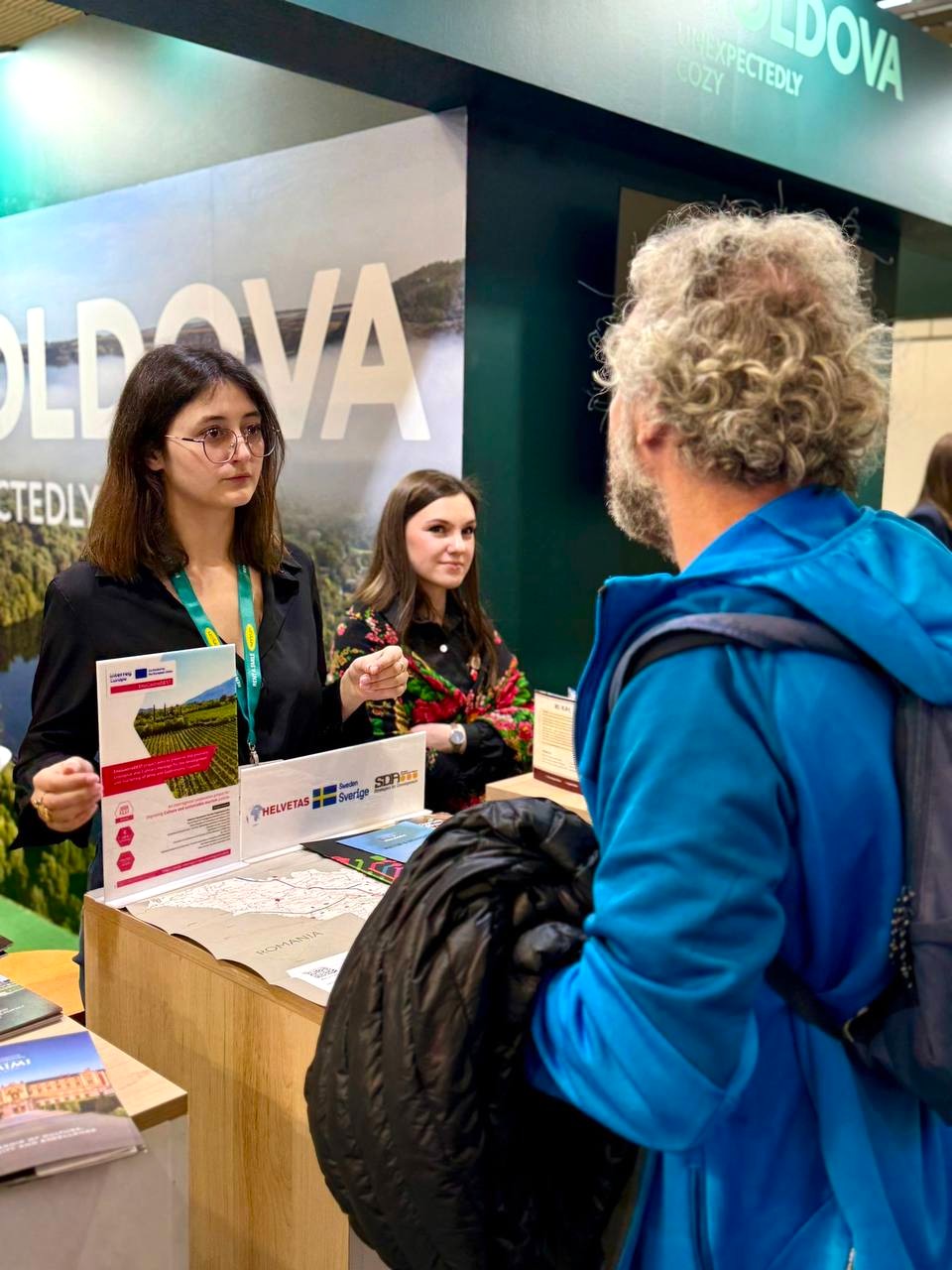
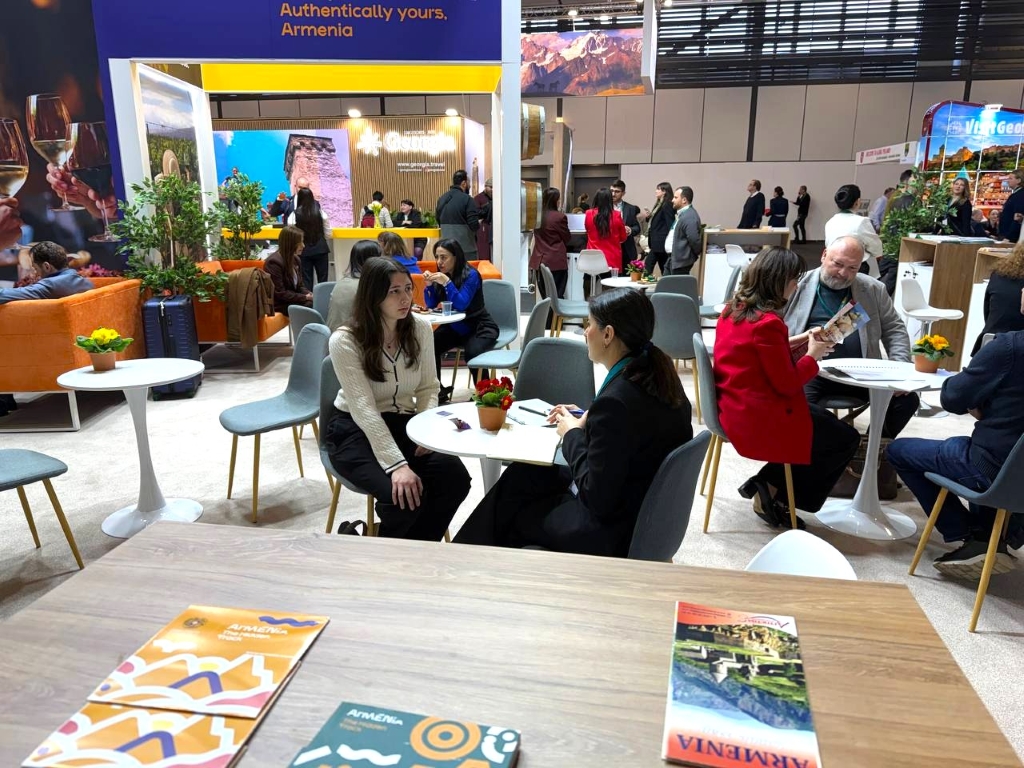
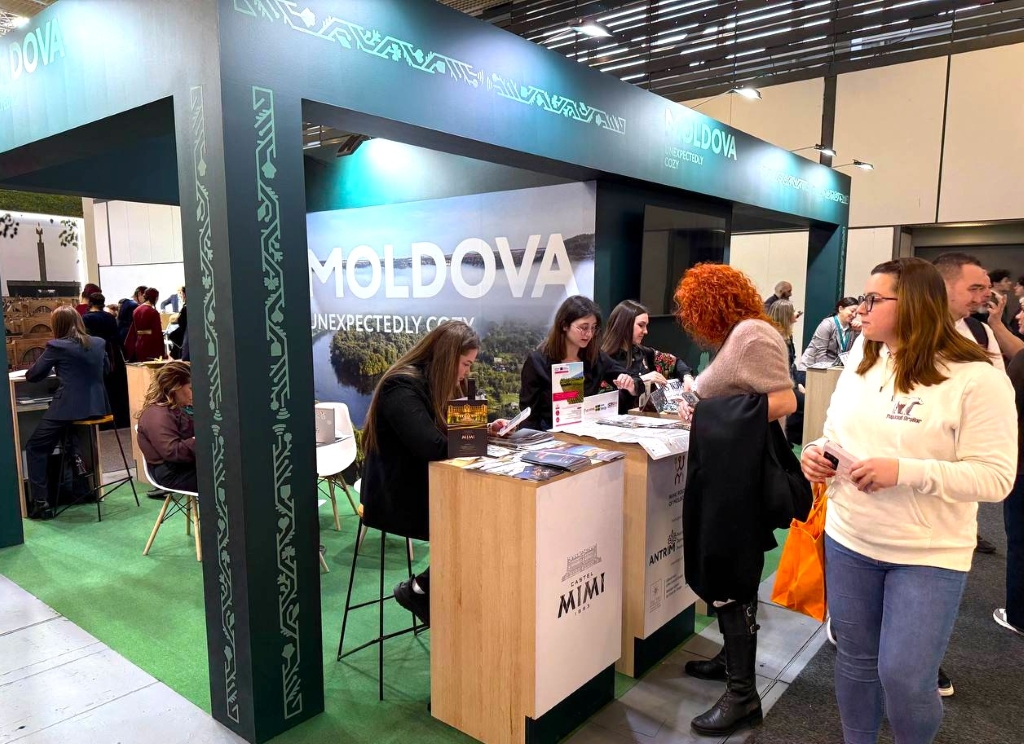
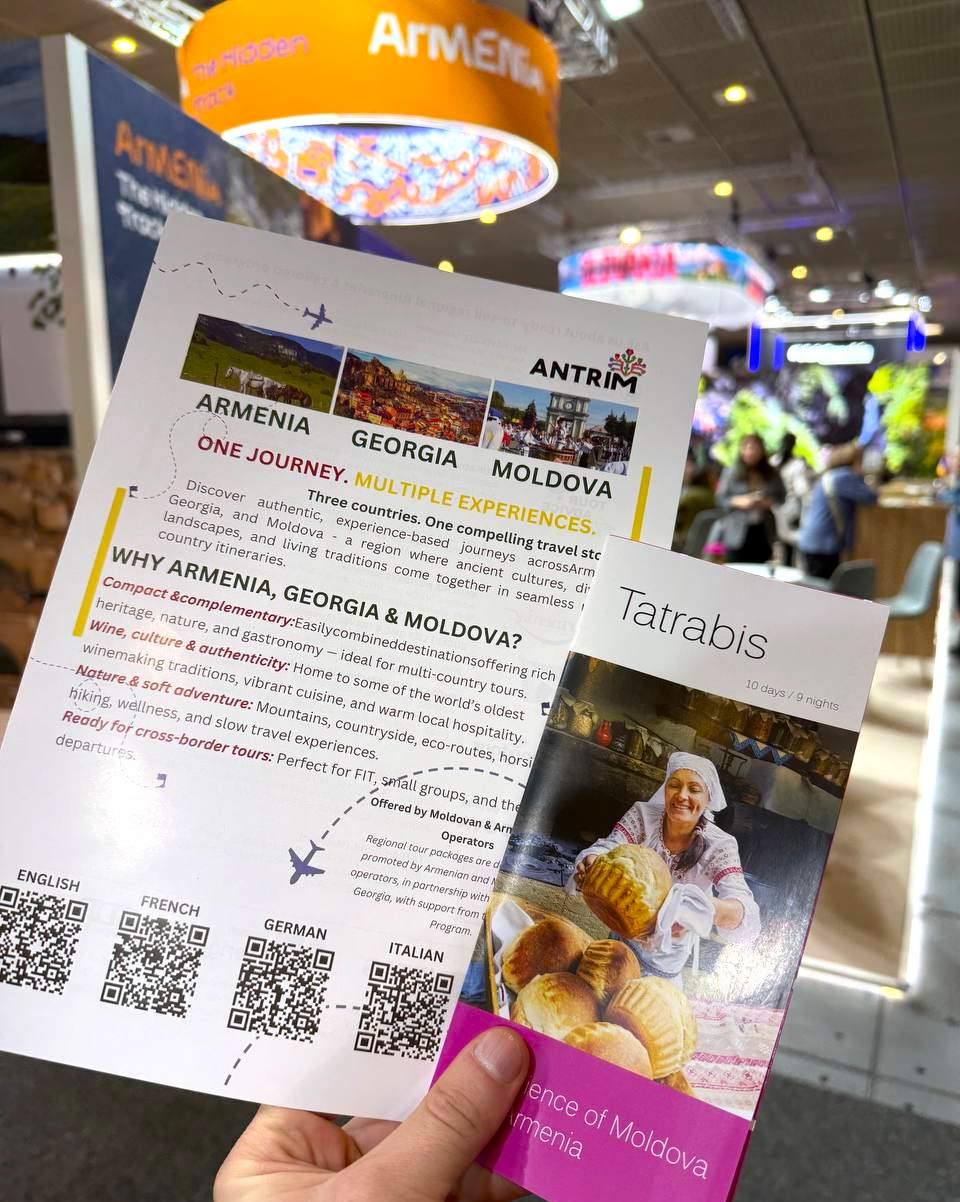
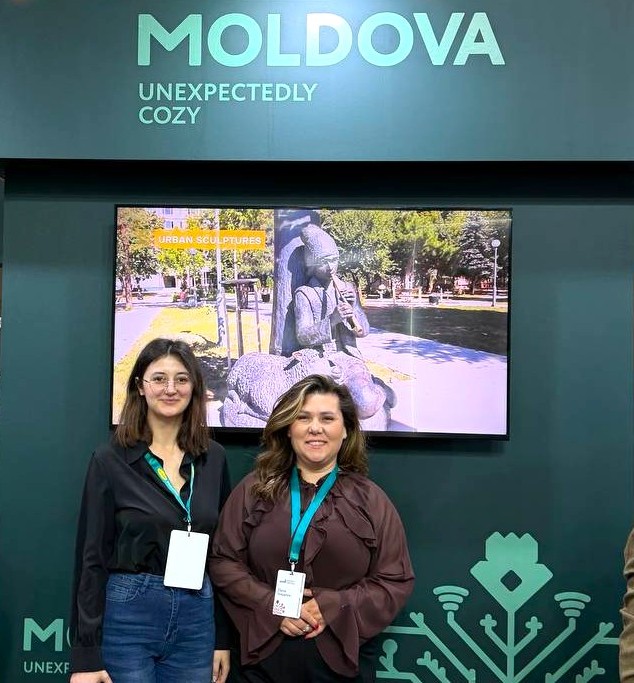
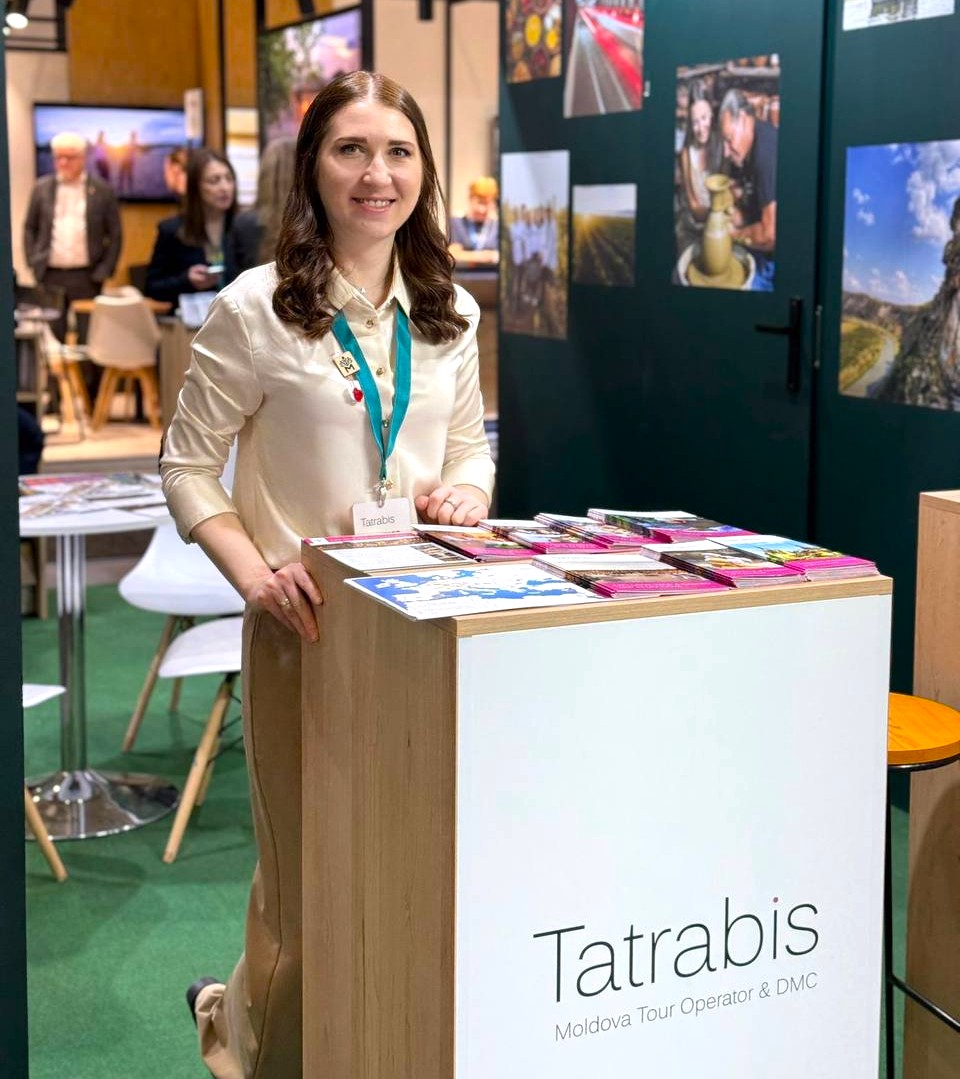
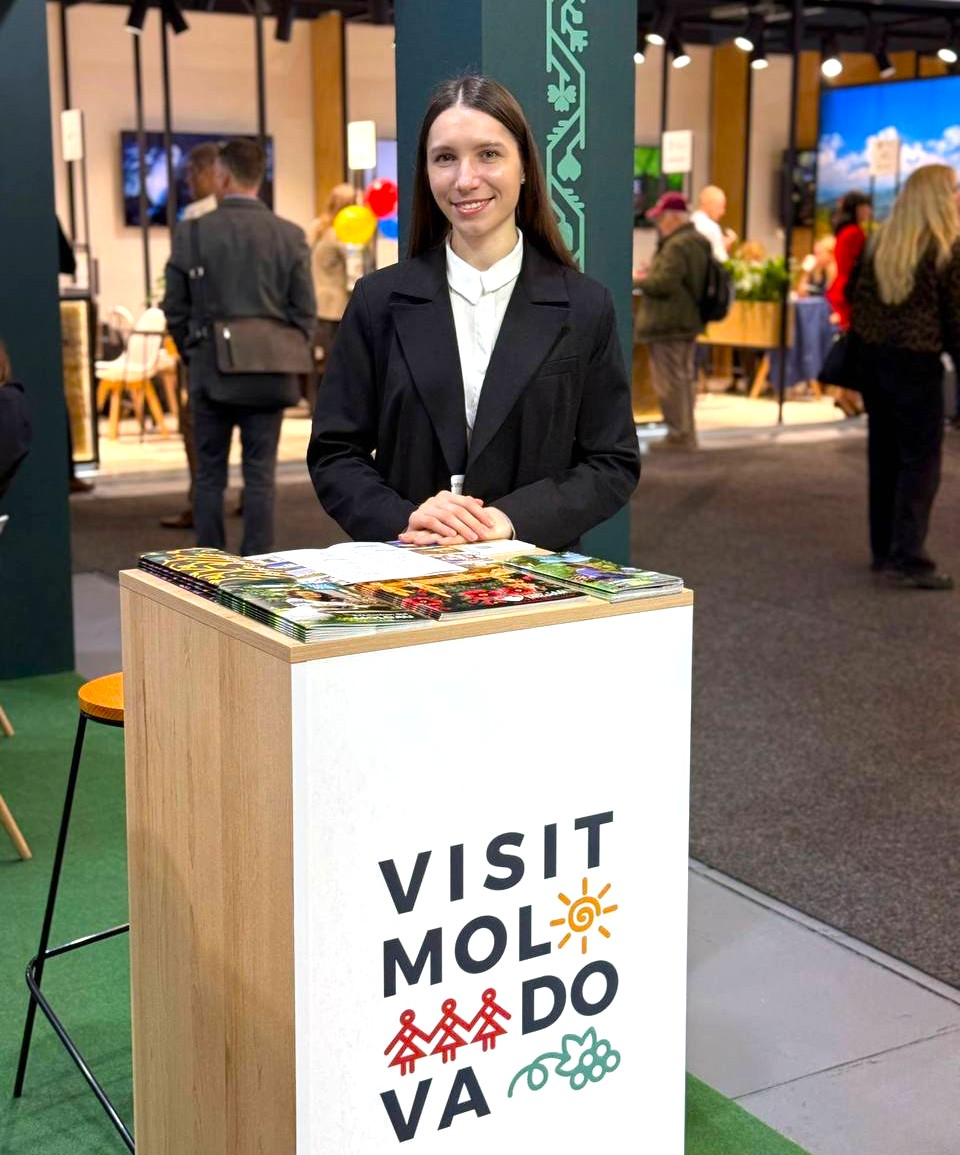
Within the project’s Regional Tourism Development in EaP Countries component, Strategic Development Agency (SDA) NGO supported partners from Moldova (ANTRIM) and Georgia (GTA) to join this key international event. SDA enabled the participation of four Moldovan and five Georgian representatives, covering stand design, travel, and accommodation to ensure strong visibility and meaningful engagement.

The fair served as a vibrant marketplace for the tour operators from project to present newly developed tourism products – including regional cross-border packages created with RECOMY’s support – and to build new business connections and partnerships.

RECONOMY is an inclusive and green economic development program of the Swedish International Development Cooperation Agency (Sida), implemented by Helvetas in partnership with the Strategic Development Agency NGO and others in the Eastern Partnership and Western Balkan countries.