





How can modern laboratory diagnostics help detect diseases in a timely manner, while adherence to biosafety protocols reduce the risk of their spread? Both are essential to ensuring the quality of veterinary services and protecting animal health.
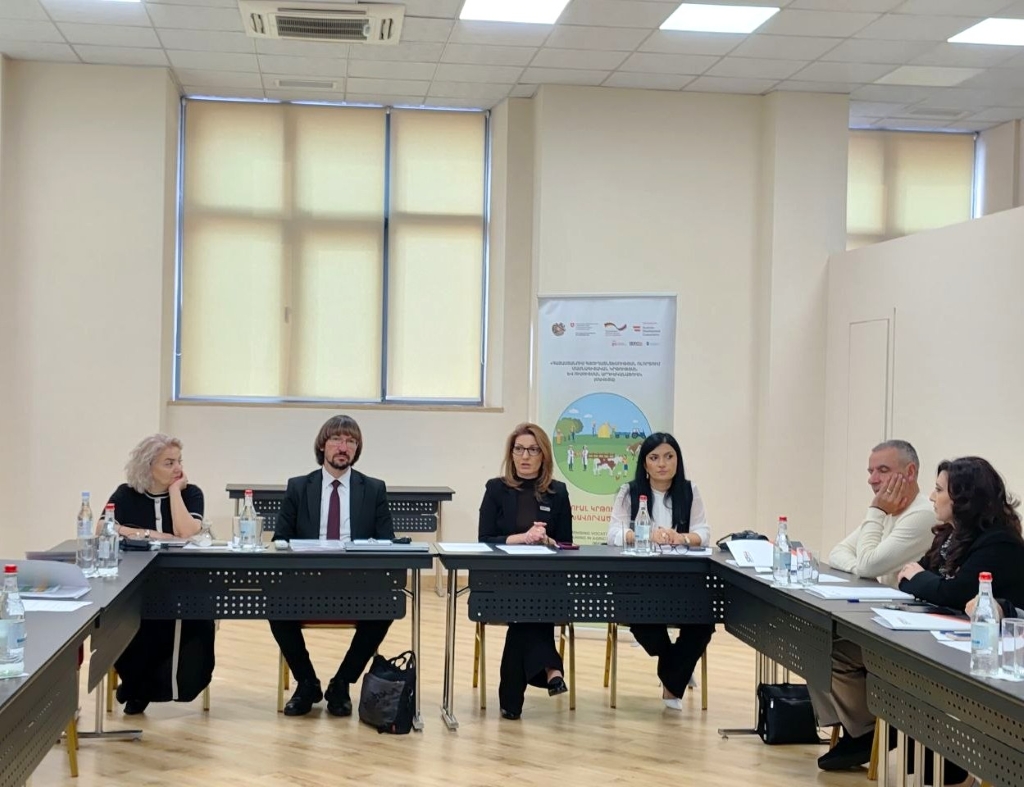
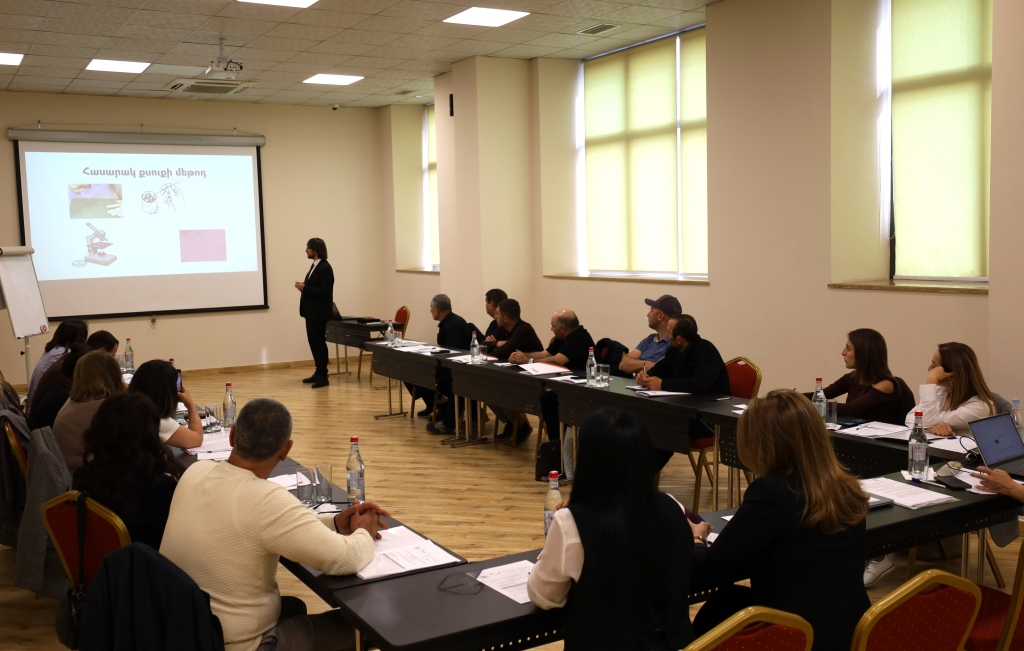
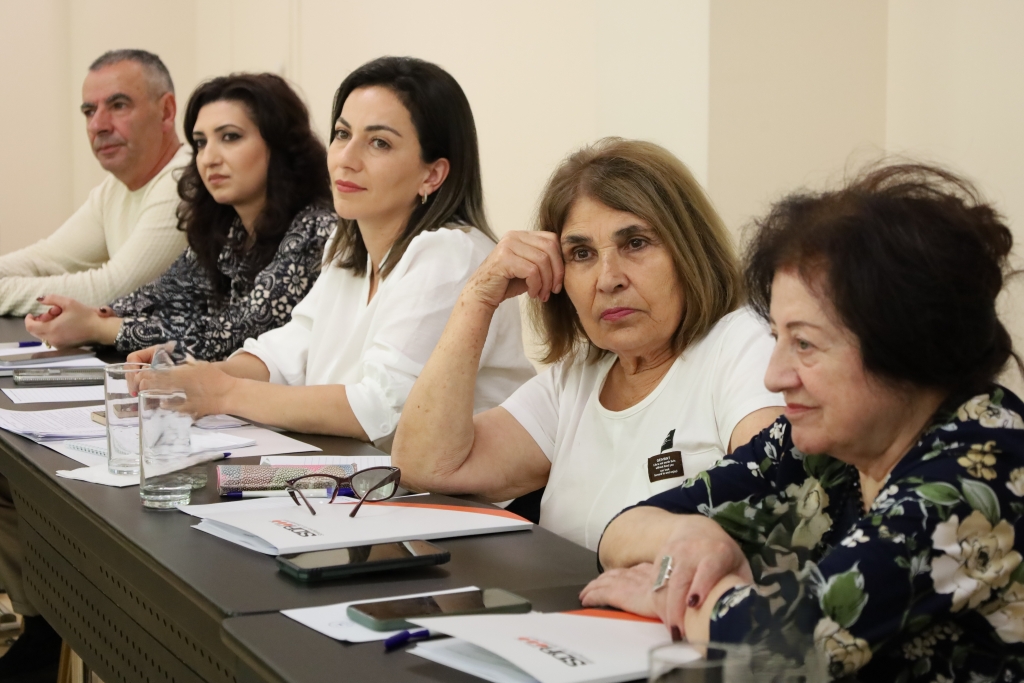
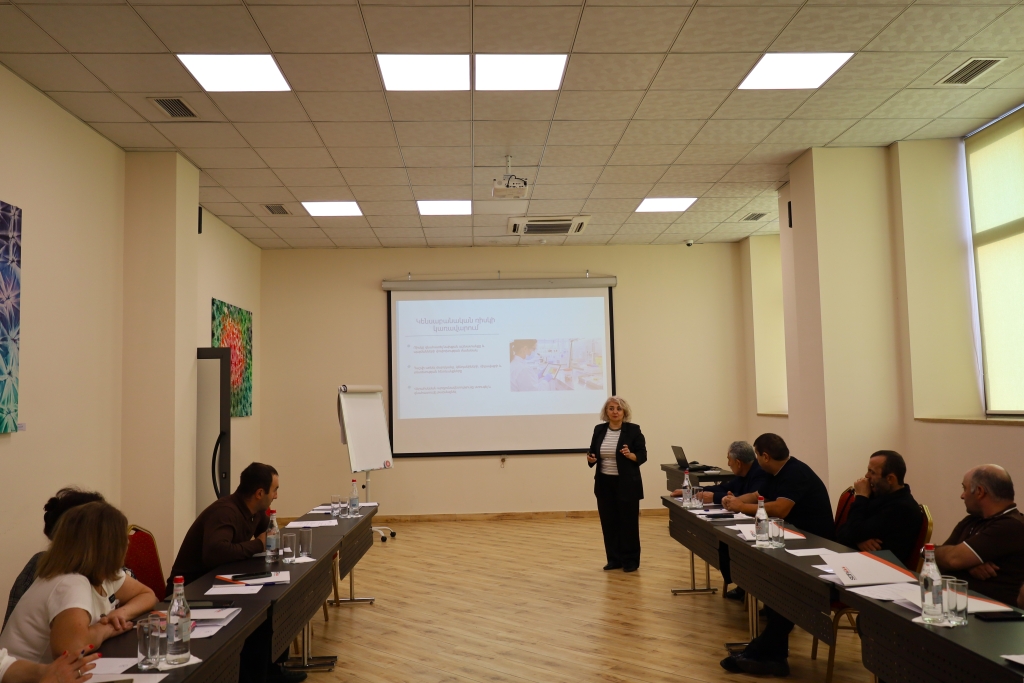
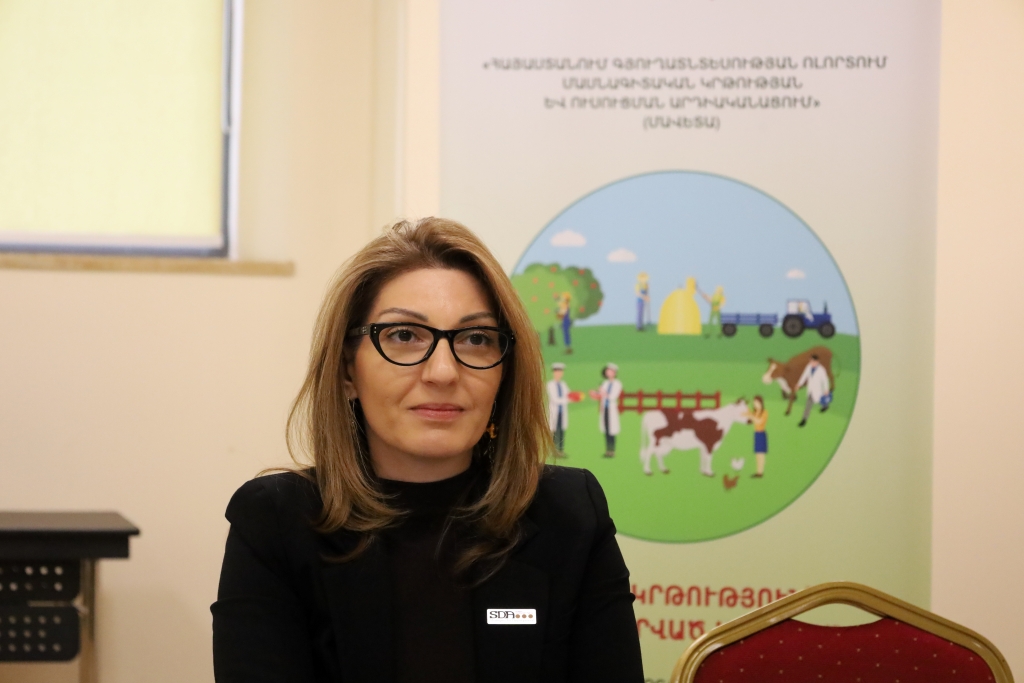
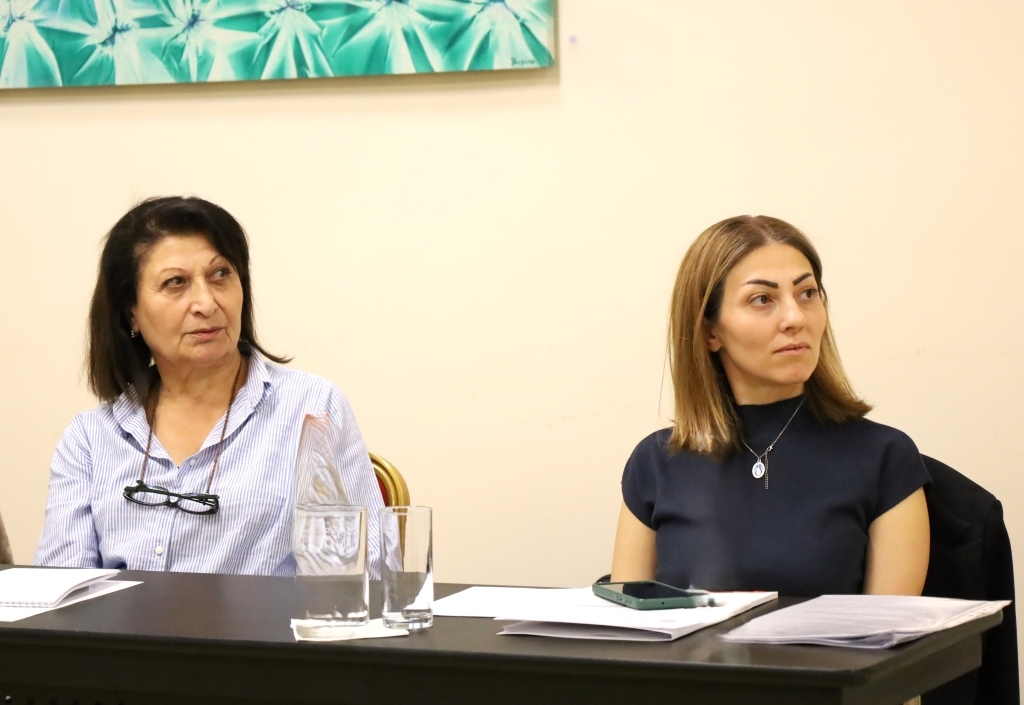
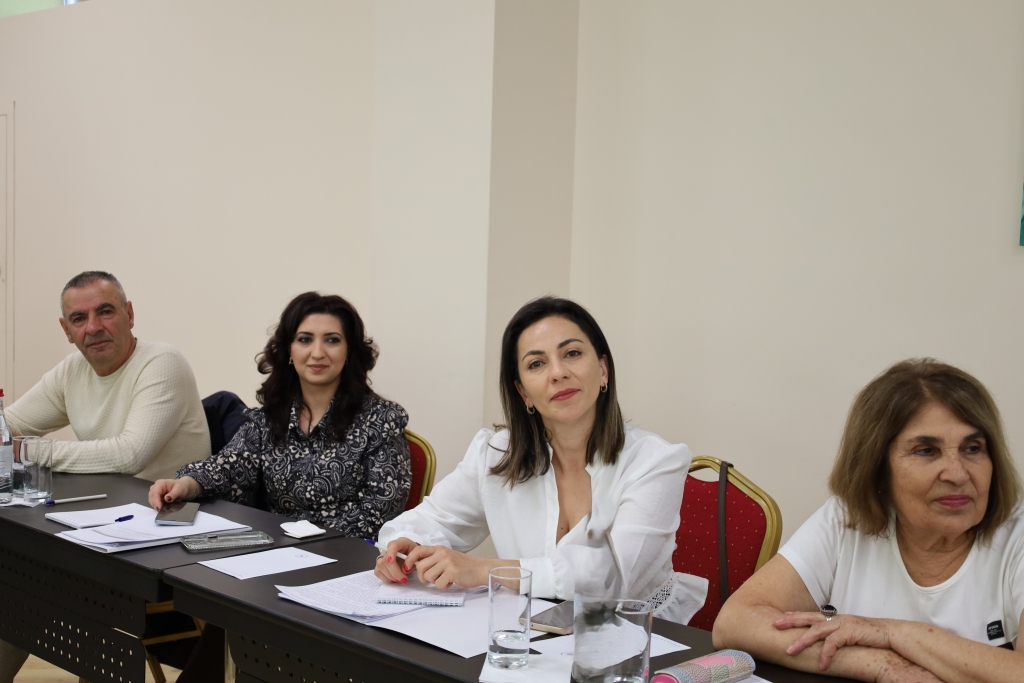
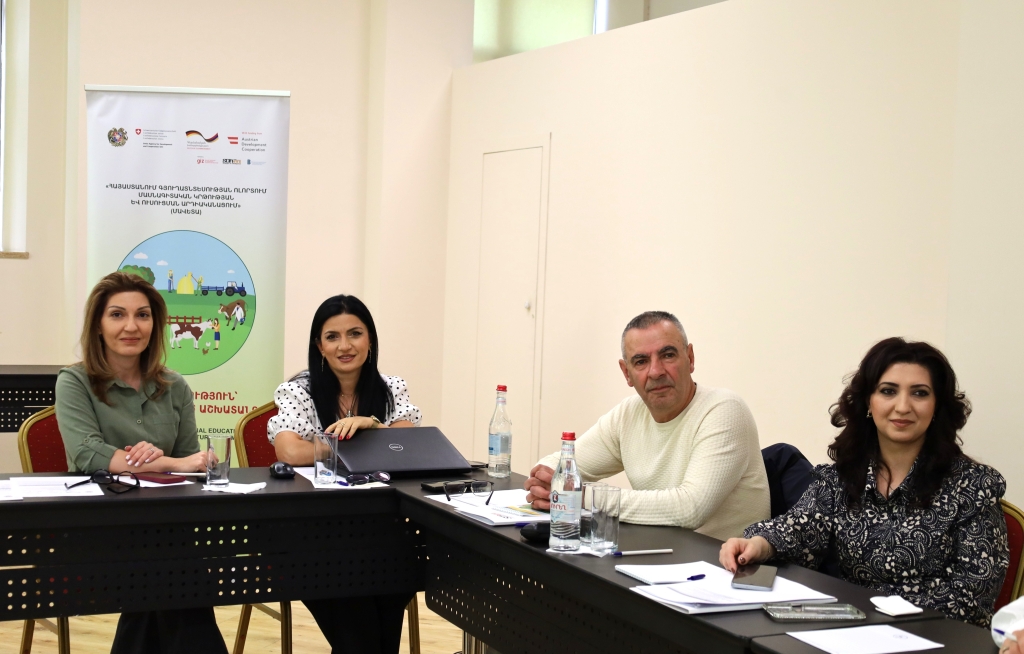
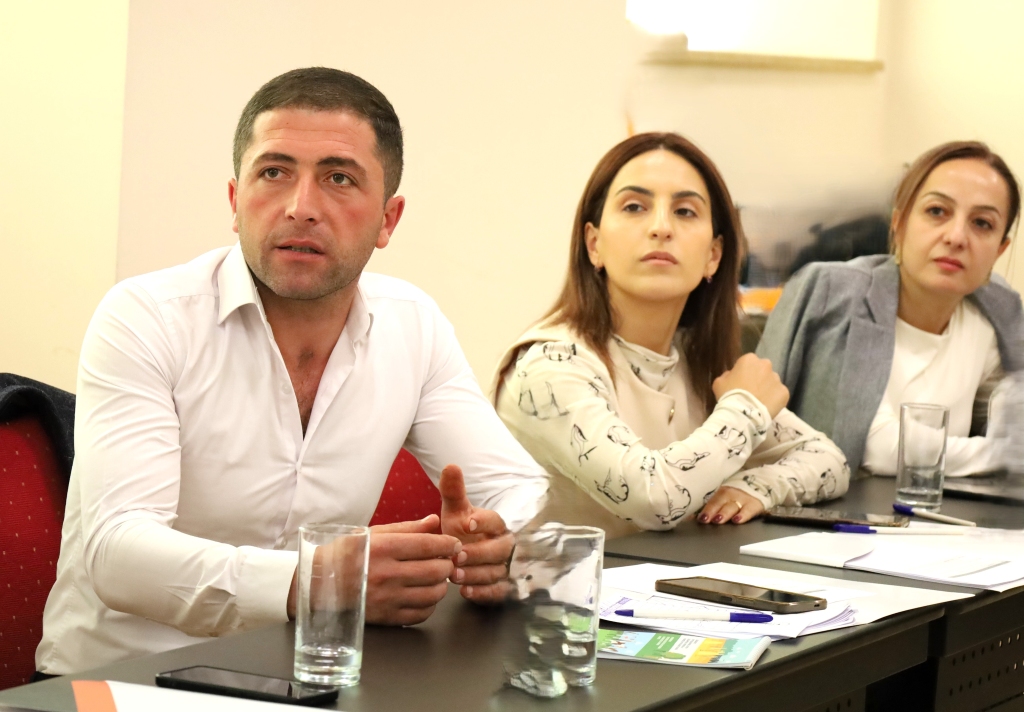
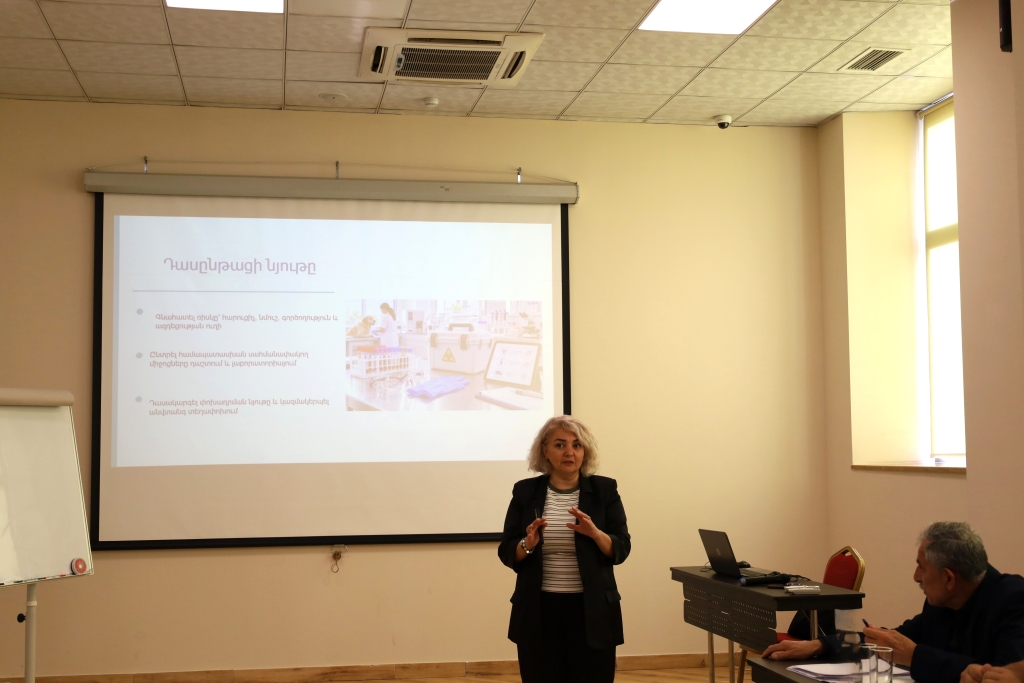
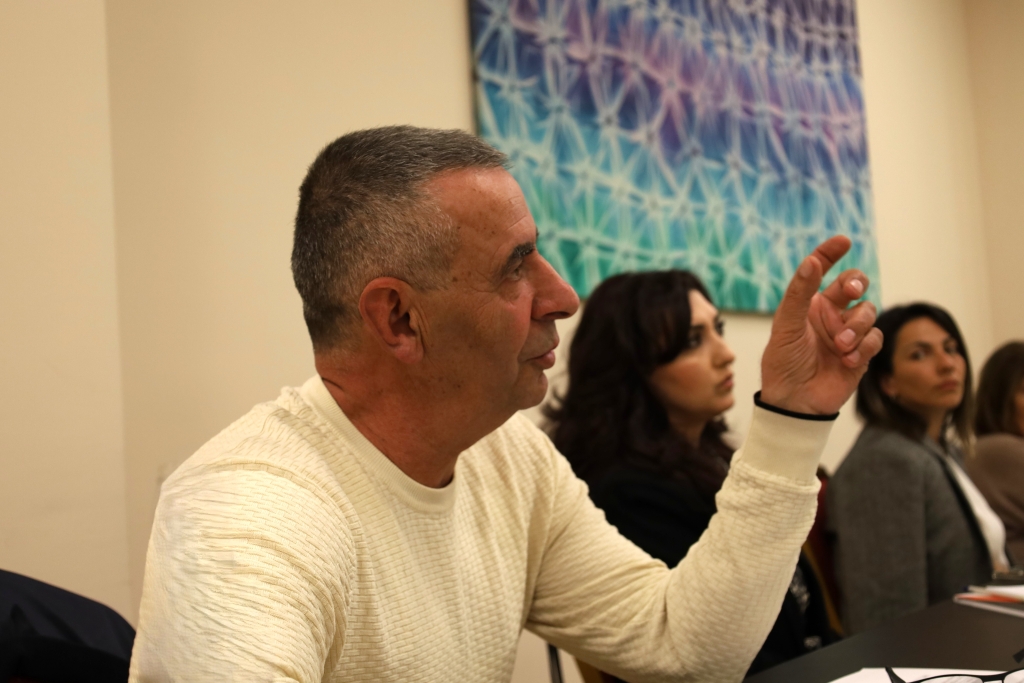
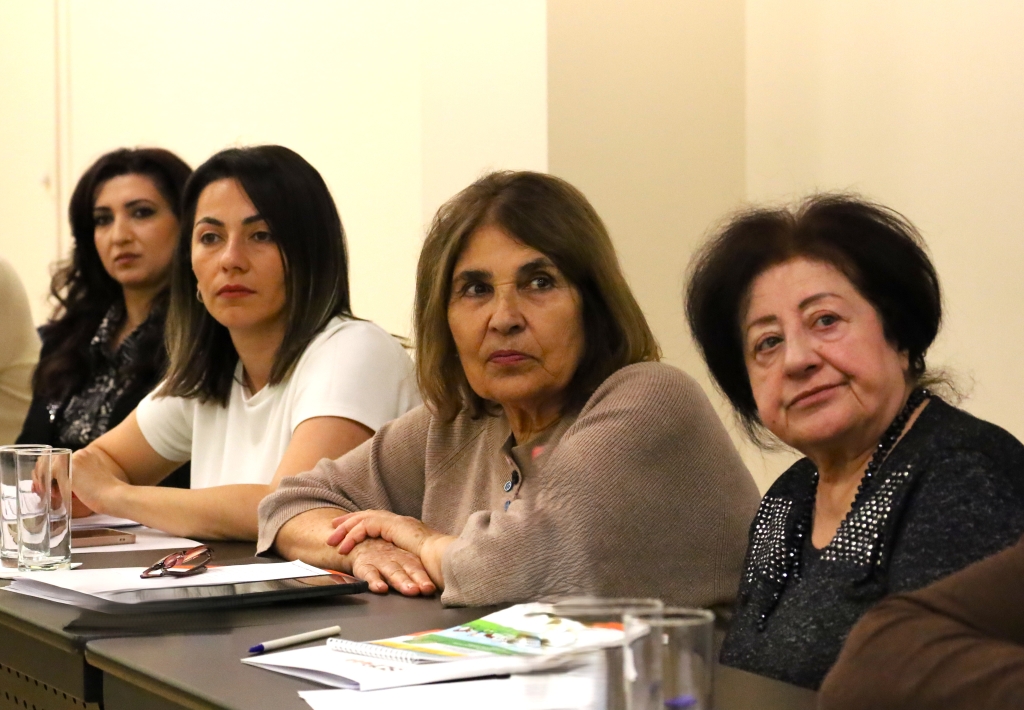
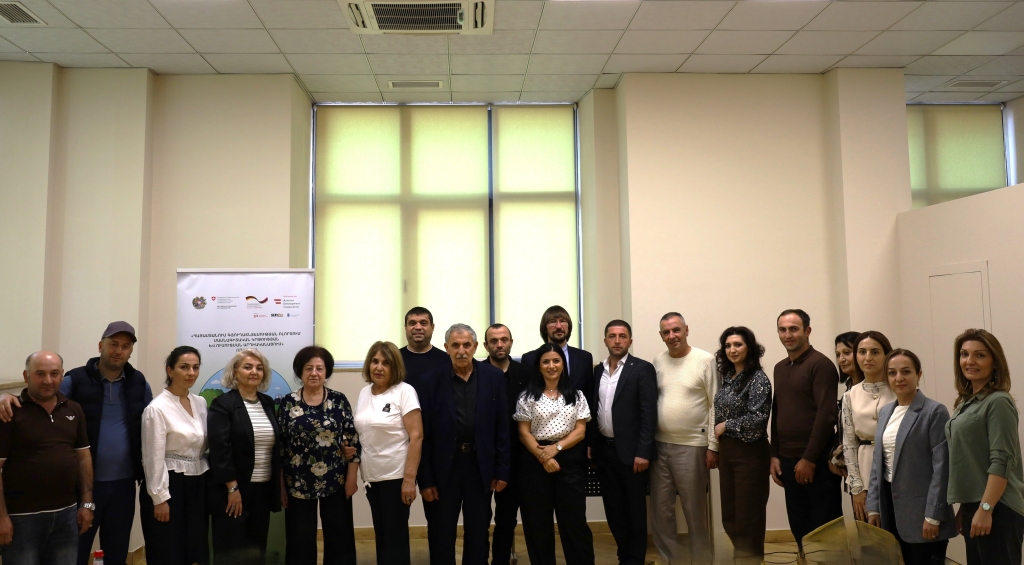
On October 6-7, a two-day training workshop entitled “Modern Methods of Veterinary Laboratory Diagnostics and Biosafety Requirements” was held within the framework of the MAVETA project. The workshop aimed to deepen participants’ professional knowledge and strengthen their ability to apply it in practice.
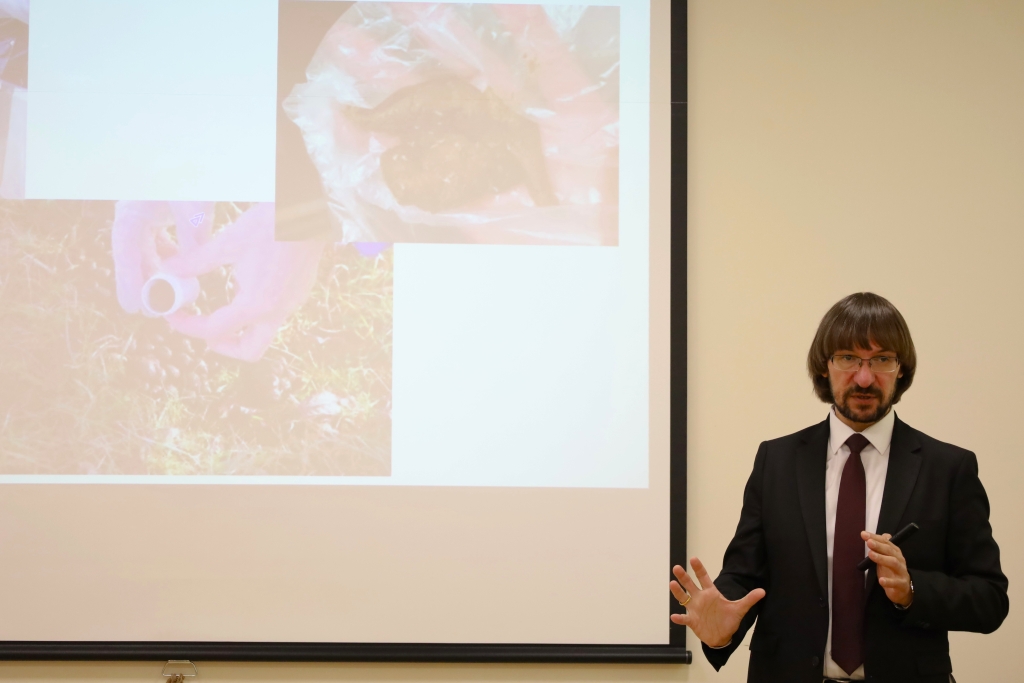
During the training, participants explored modern diagnostic methods for parasitic diseases, as well as approaches to their treatment, prevention, and control. The sessions also covered pathological sampling, serological testing, and other laboratory examination procedures. Particular emphasis was placed on the fact that reliable diagnostics begin with proper sample collection and depend on accuracy at every stage of the testing process.
Special attention was given to biosafety during laboratory testing and sample transportation. Compliance with safety requirements is more than a procedural obligation; it is an essential aspect of professional practice that helps minimise biological risks, protect the health of laboratory personnel, and ensure the reliability of test results.
Professional training initiatives of this kind, delivered within the framework of MAVETA, play an important role in translating knowledge into practical skills. Understanding modern diagnostic methods, disease prevention approaches, and the consistent application of biosafety principles are mutually reinforcing elements that provide the professional foundation for high-quality work in the veterinary sector.
The training was delivered by Oleg Shcherbakov and Ruzanna Harutyunyan.
The MAVETA project is financed by the Federal Ministry for Economic Cooperation and Development (BMZ), the Swiss Agency for Development and Cooperation, the Austrian Development Agency (ADA) and the Government of Armenia.
The project’s implementing partners are the Deutsche Gesellschaft für Internationale Zusammenarbeit (GIZ) GmbH and Strategic Development Agency NGO, the School of Agricultural, Forest and Food Sciences at the Bern University of Applied Sciences (BFH-HAFL).